Initial construction XIIe siècle (≈ 1250)
Original Romanesque building with carved portal.
XVe-XVIe siècles
Reconstructions and foothills
Reconstructions and foothills XVe-XVIe siècles (≈ 1650)
Additions after Hundred Years' Wars.
6 décembre 1948
Registration for Historic Monuments
Registration for Historic Monuments 6 décembre 1948 (≈ 1948)
Official protection of the building.
Aujourd'hui
Aujourd'hui
Aujourd'hui Aujourd'hui (≈ 2025)
Position de référence.
Heritage classified
Church: registration by decree of 6 December 1948
Key figures
Information non disponible - No character cited
Sources do not mention any specific historical actors.
Origin and history
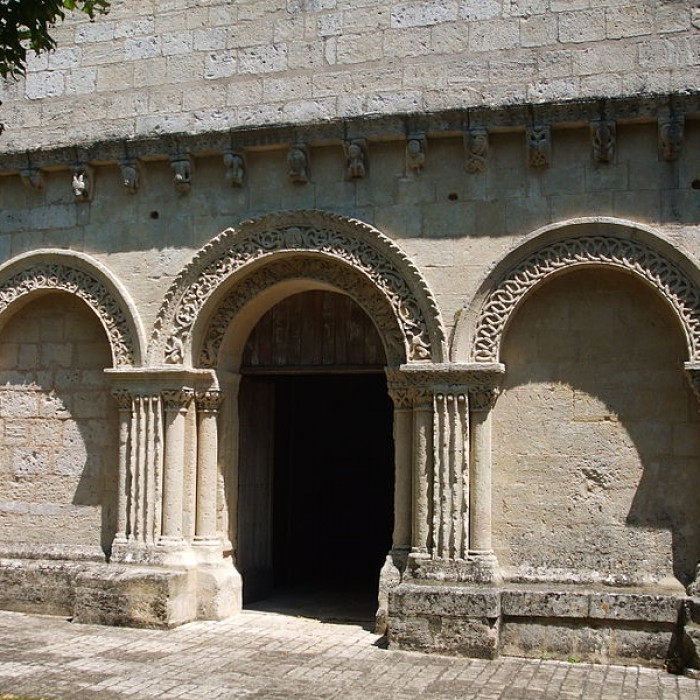
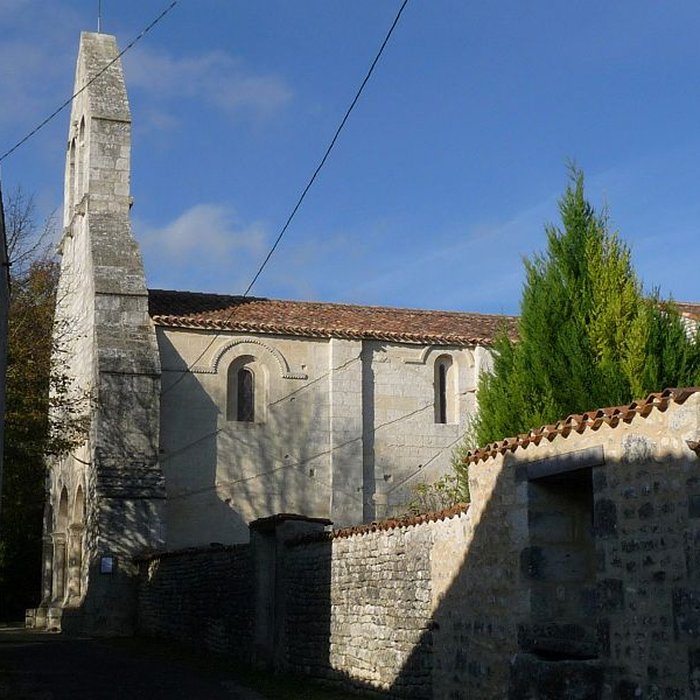
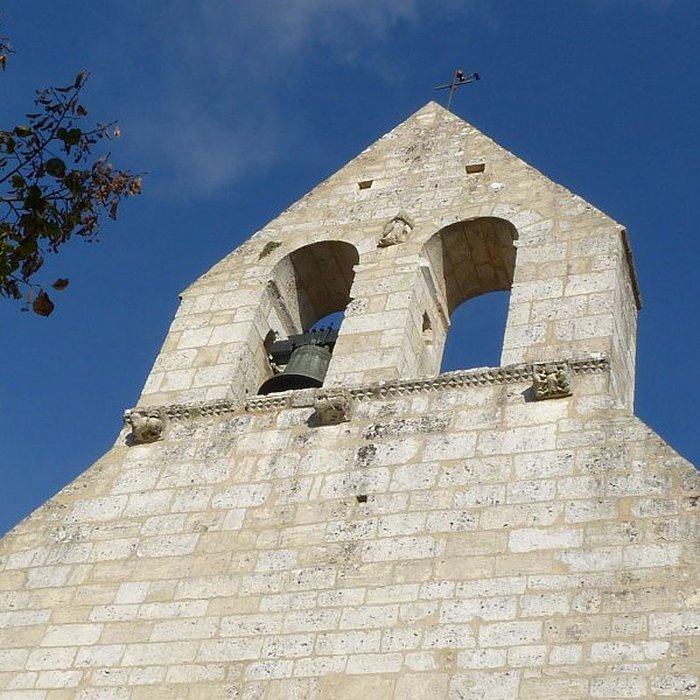
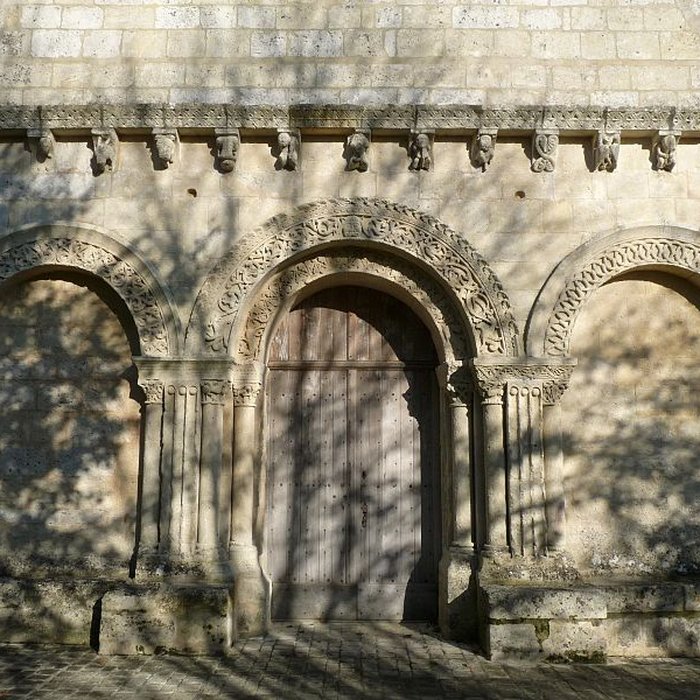
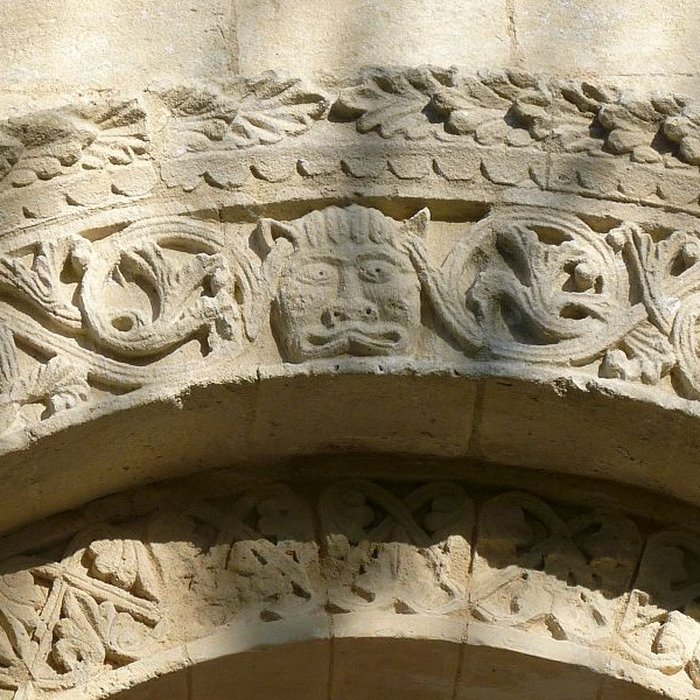
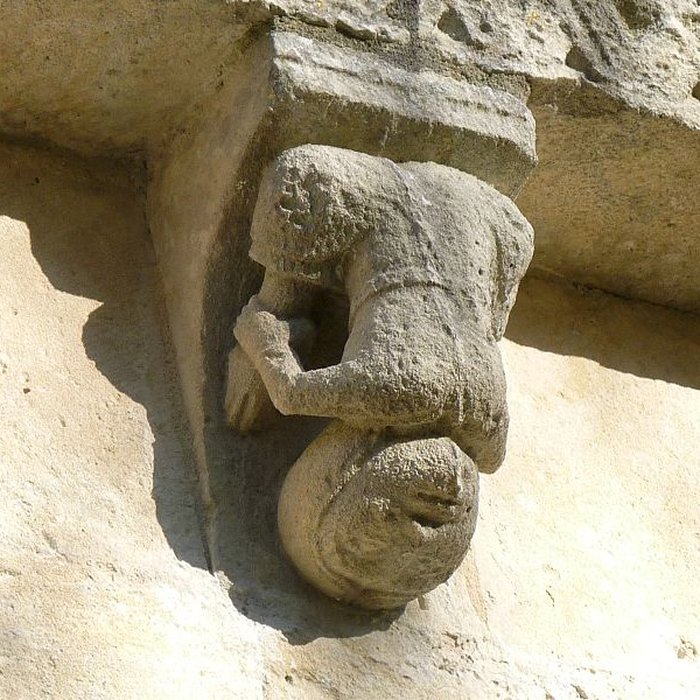
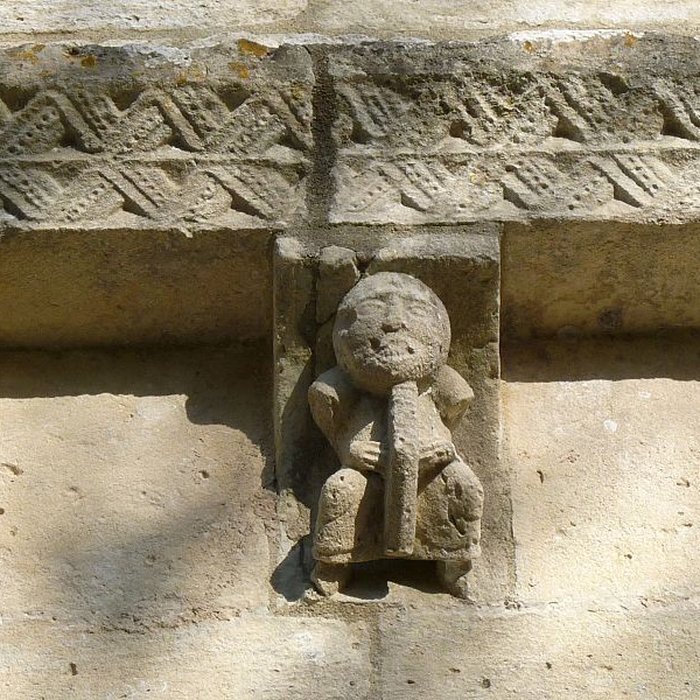
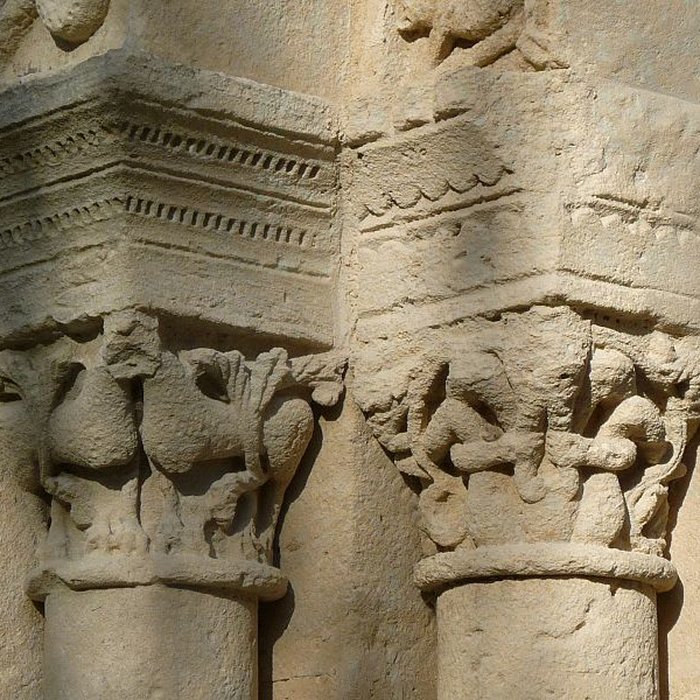
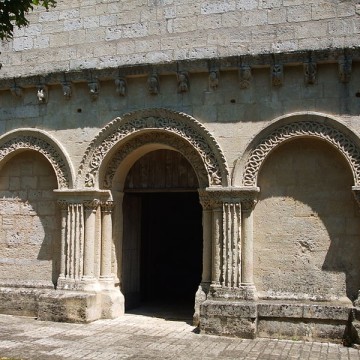
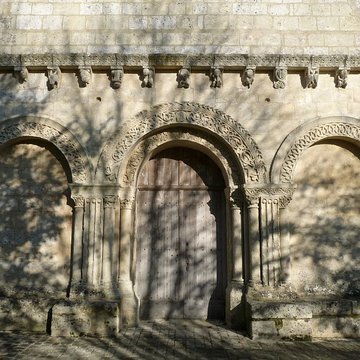
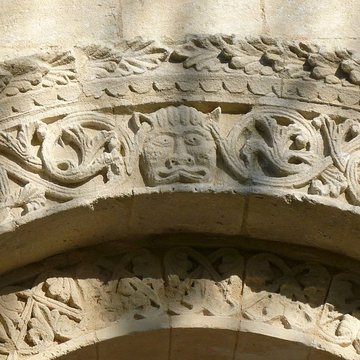
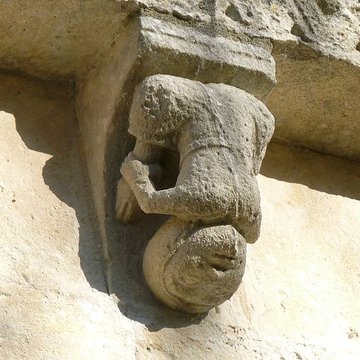
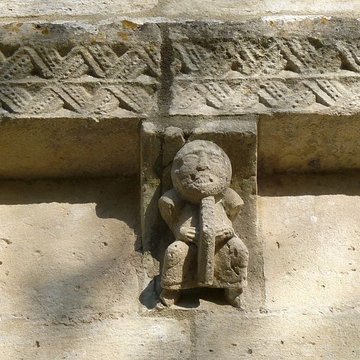
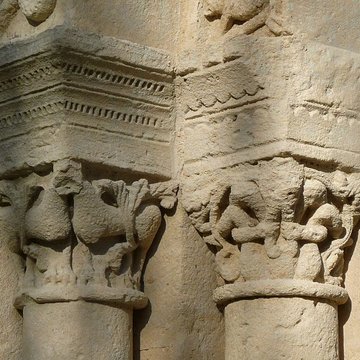
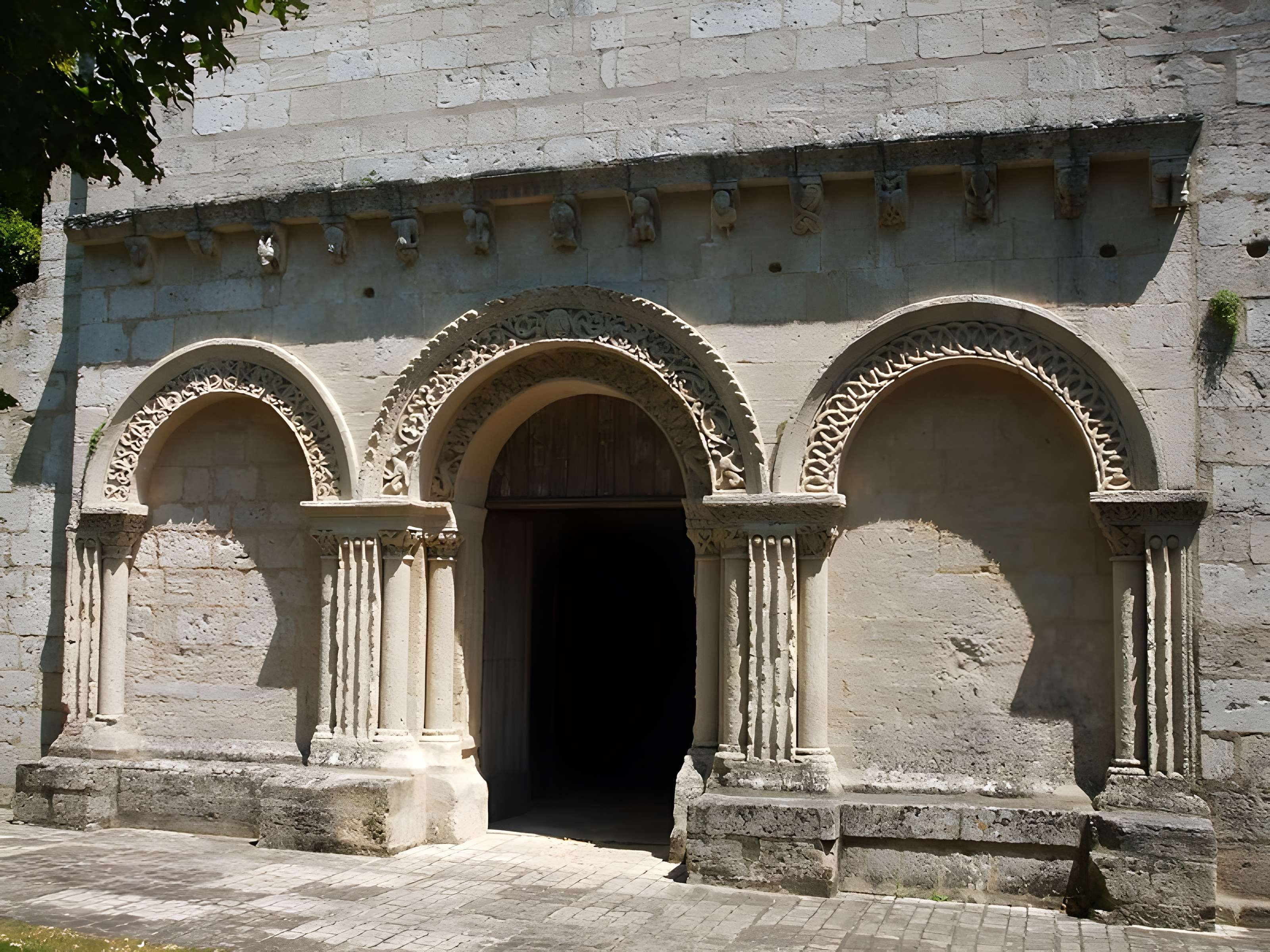
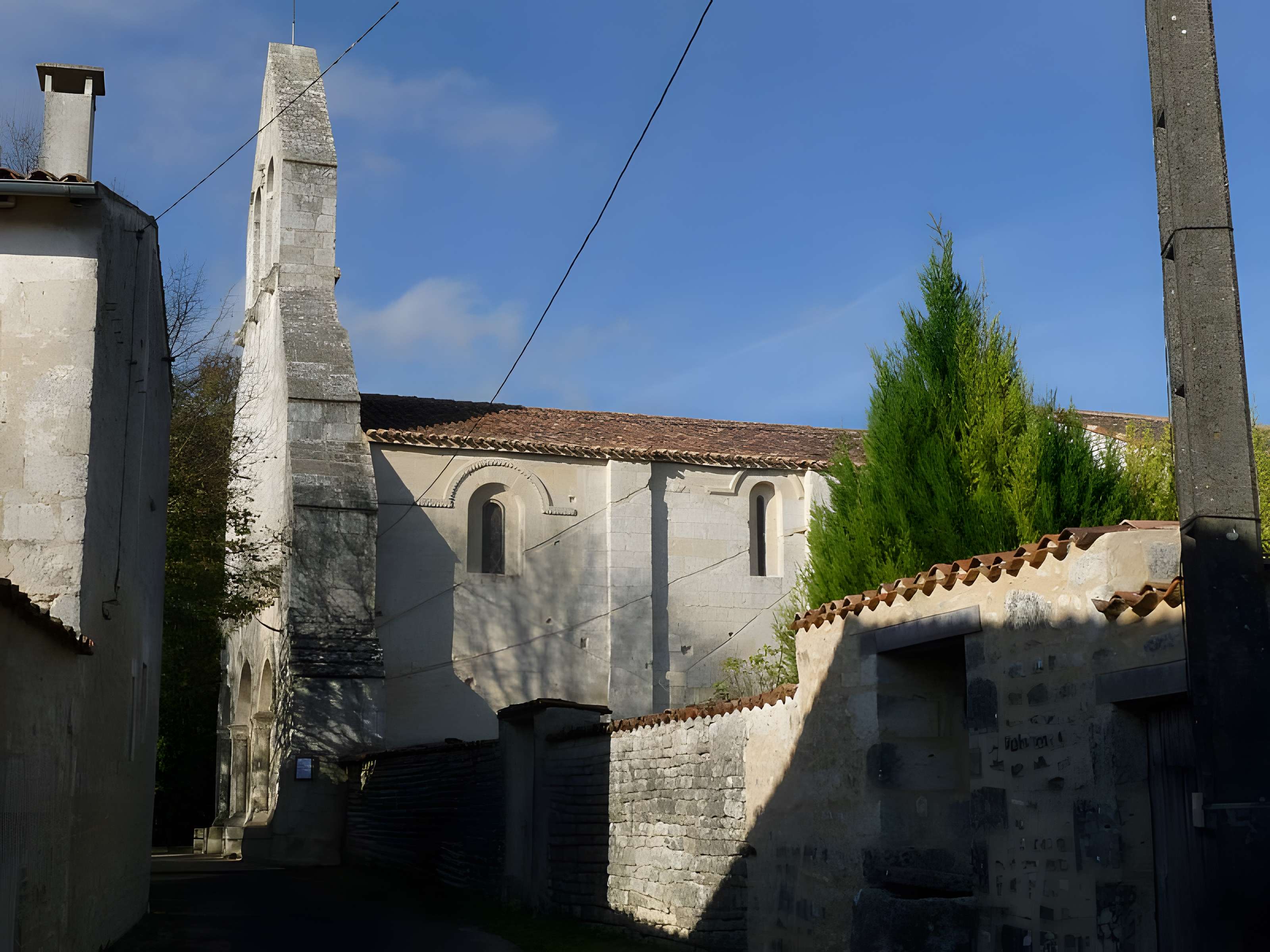
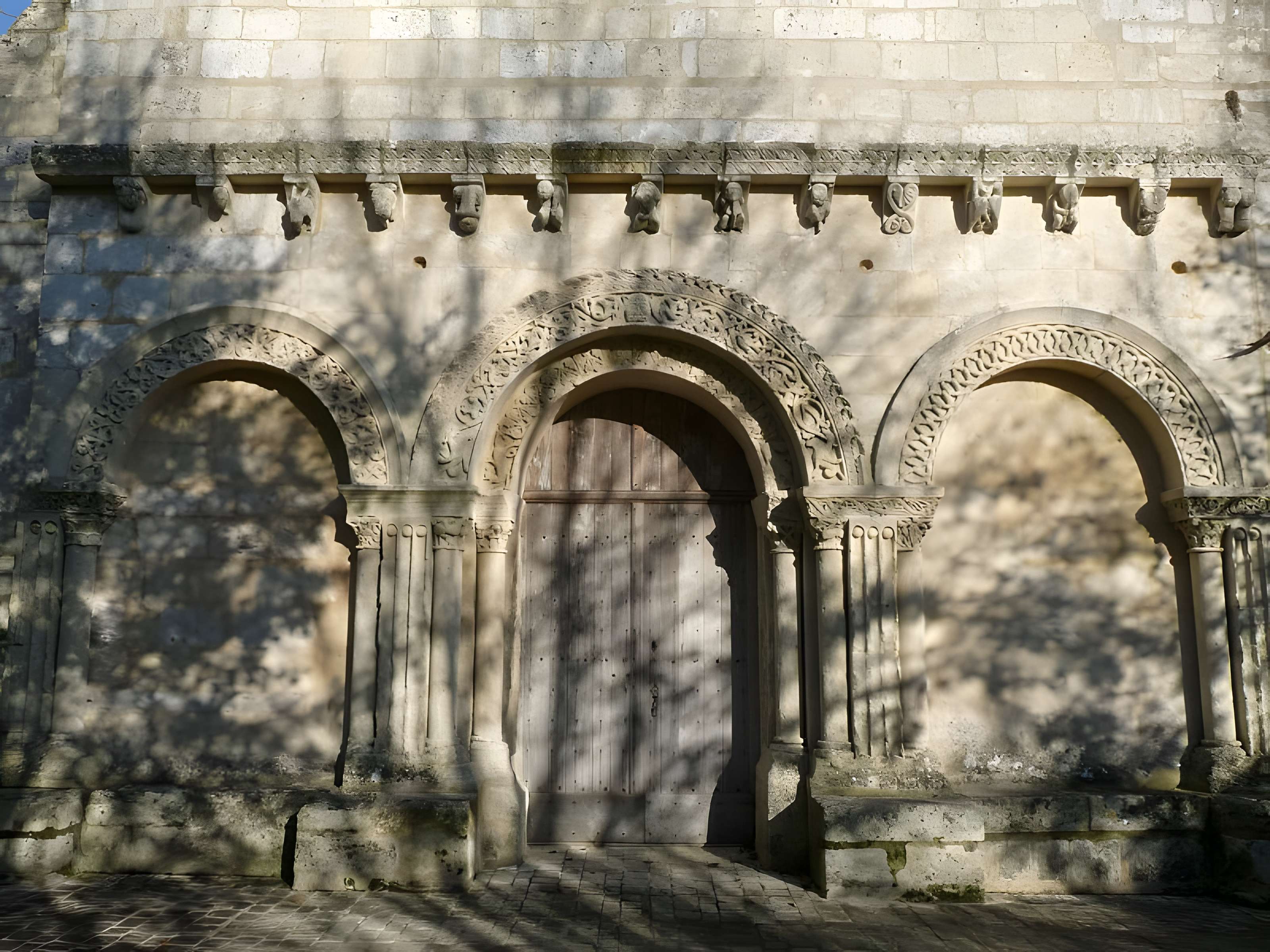
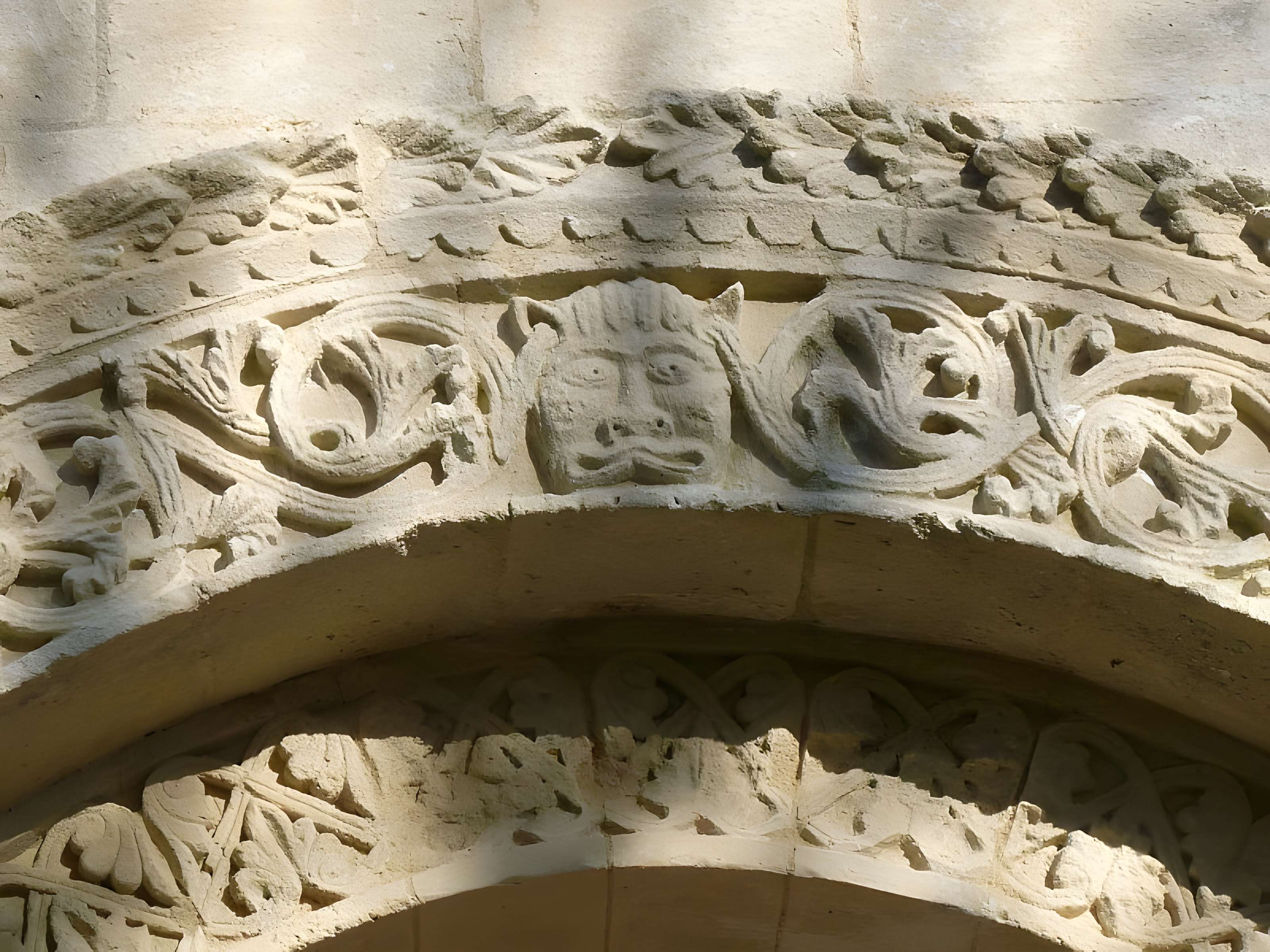
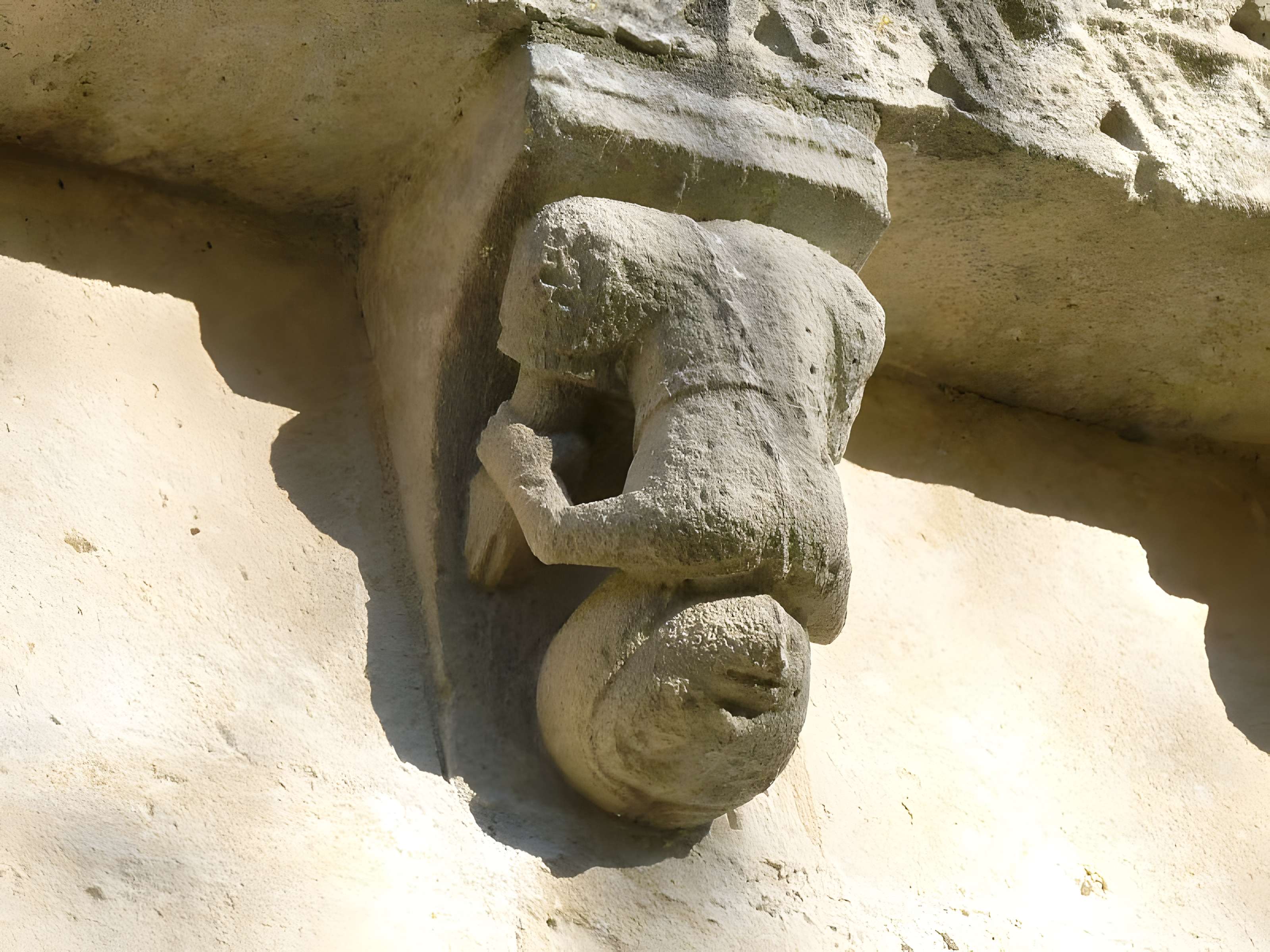
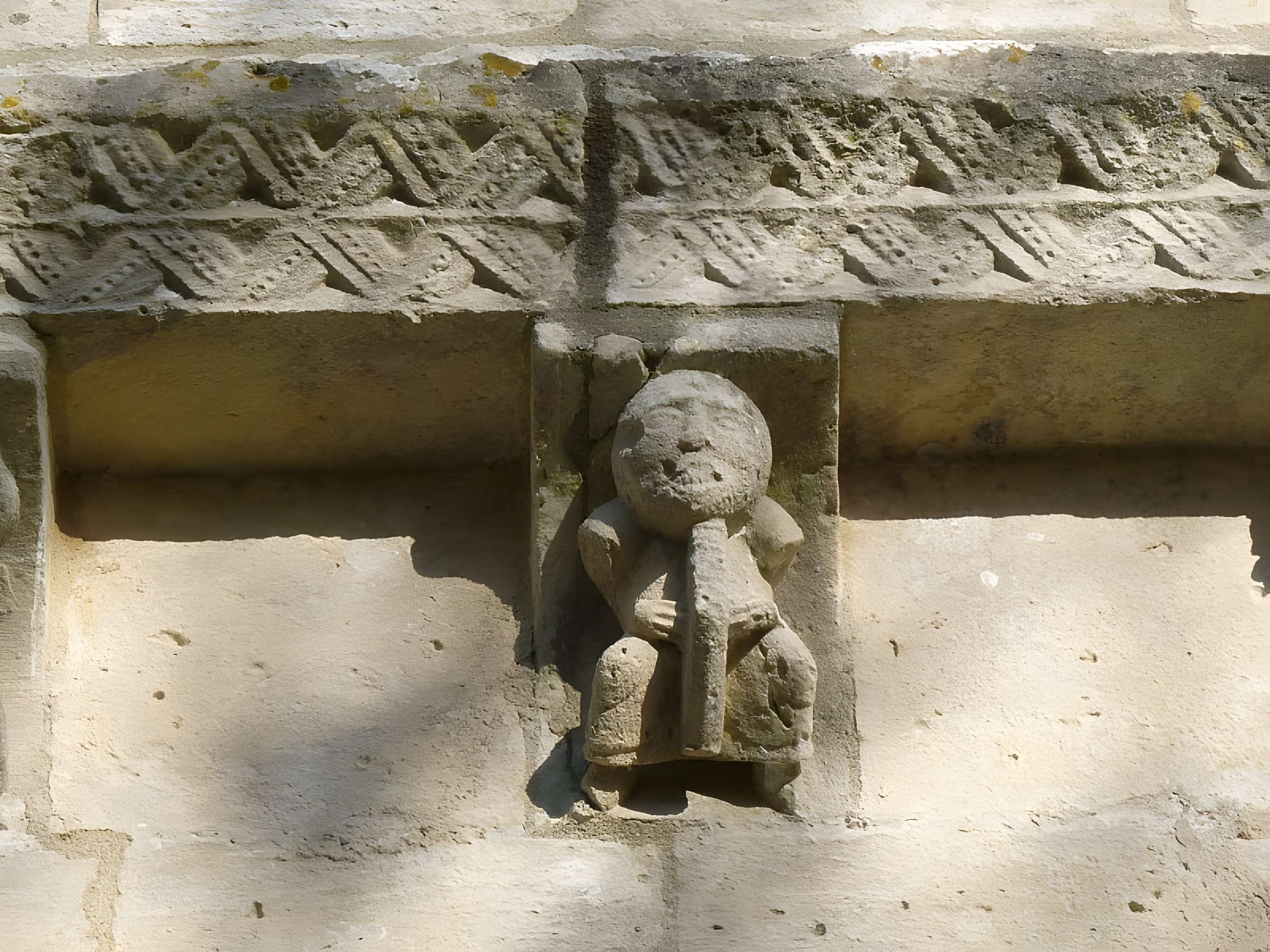
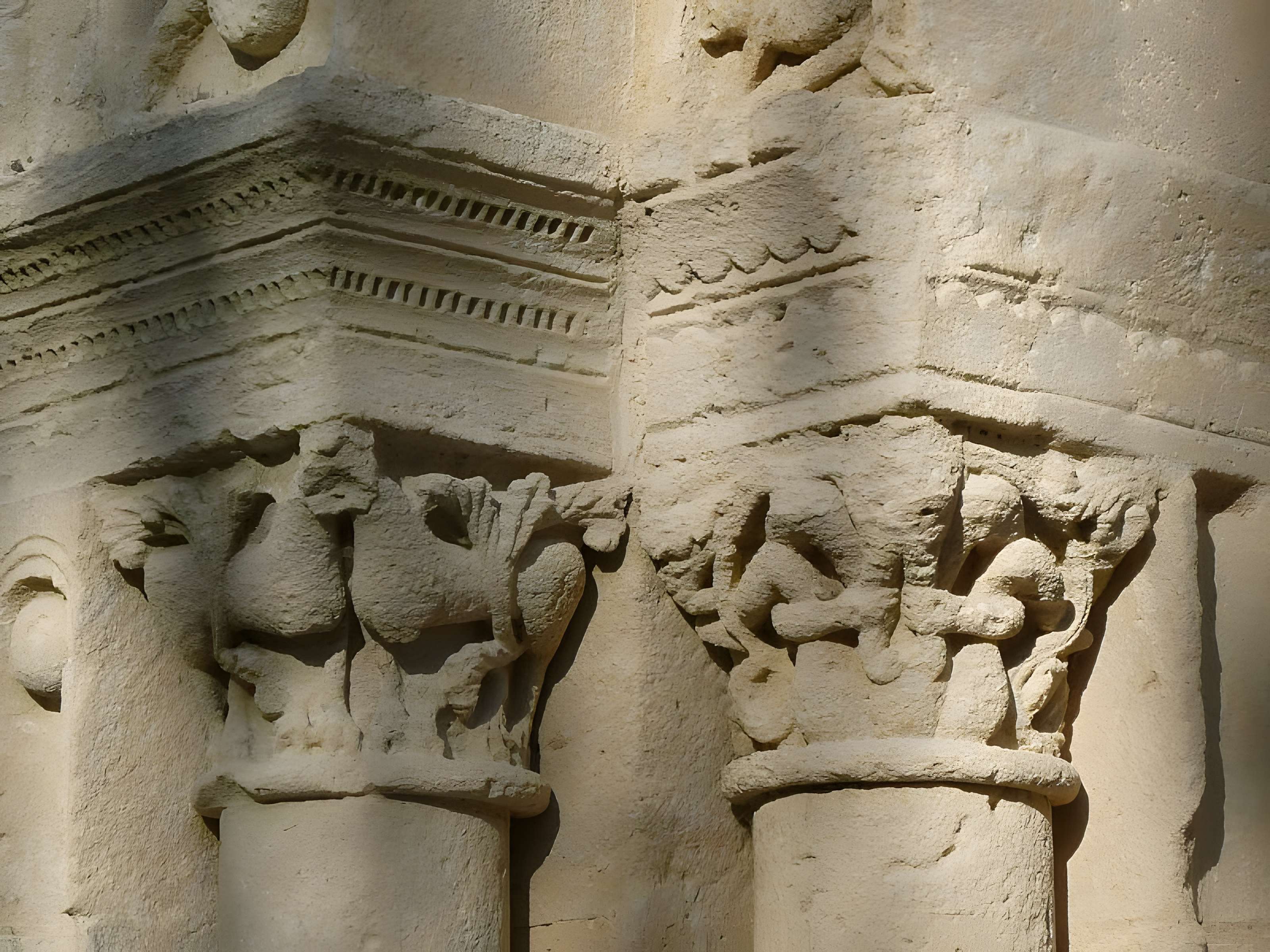
The church Saint-Alban de Bresdon, located in the Charente-Maritime department in New Aquitaine, is a building dating back to the twelfth century. The present church, rectangular with a right wall apse, suffered damage during the Hundred Years' Wars and the Wars of Religion. Its original vaults, destroyed, were replaced by a curved plaster ceiling. The entrance gate, adorned with rinceaux and sculptures (griffons, flat head), as well as partially preserved capitals, testify to his Romanesque heritage.
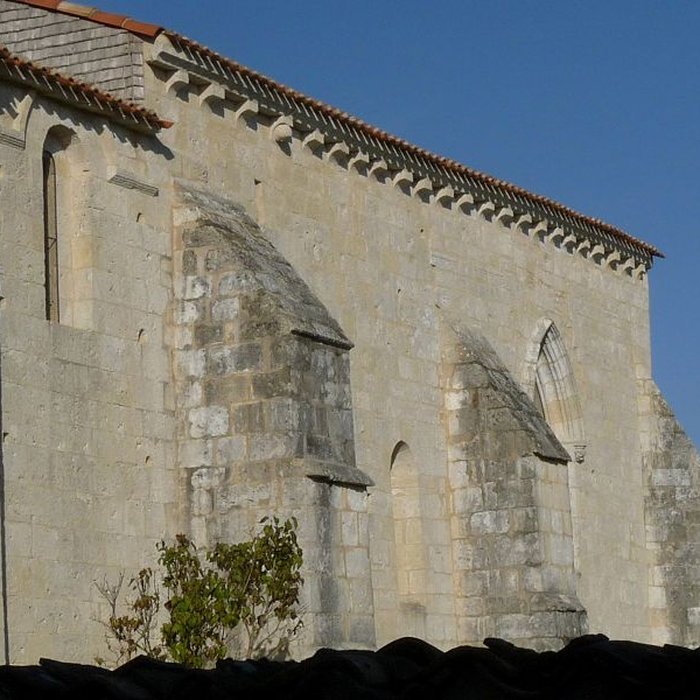
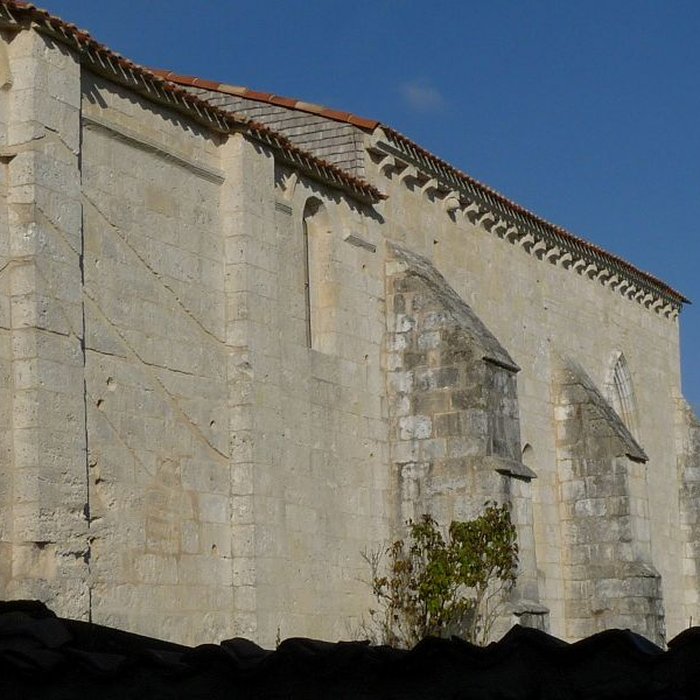
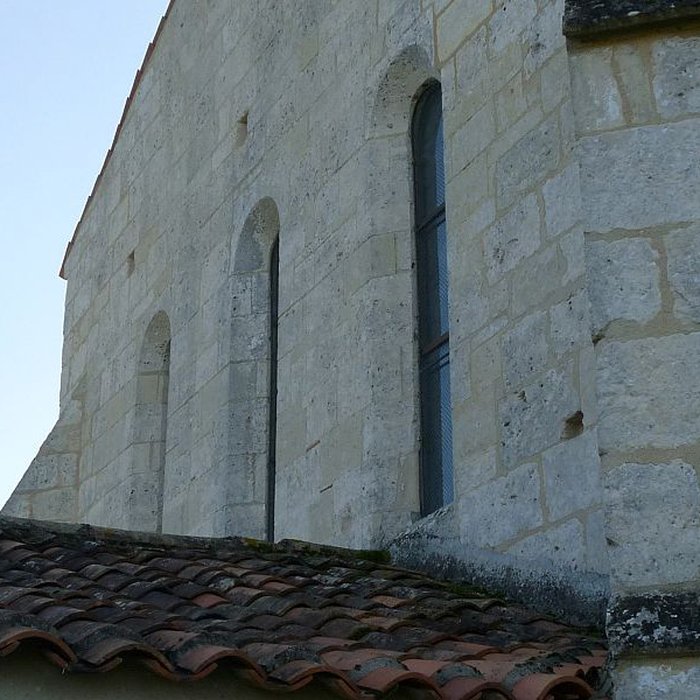
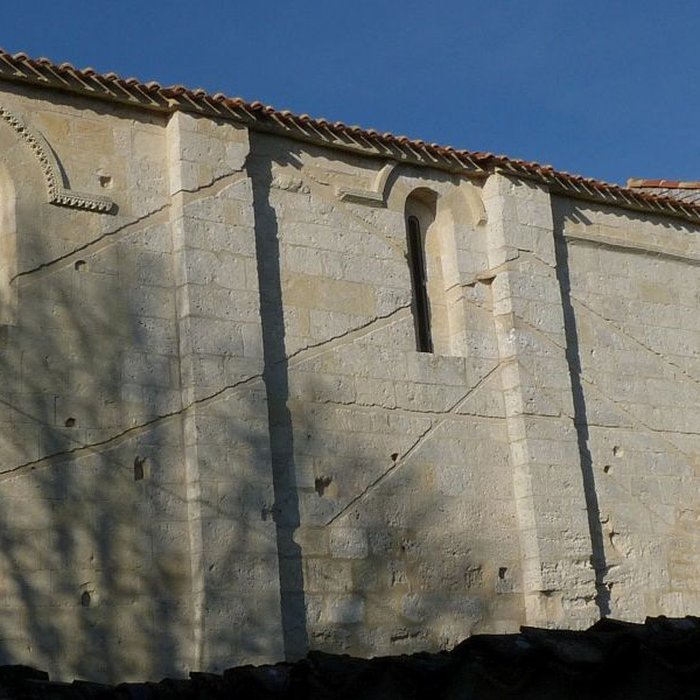
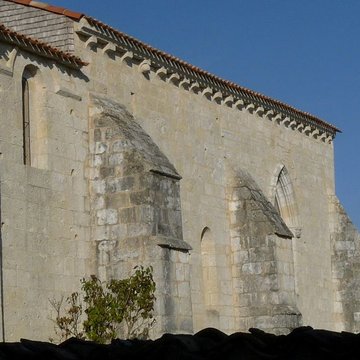
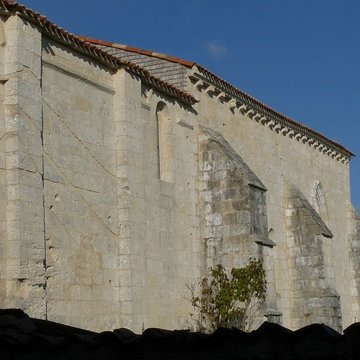
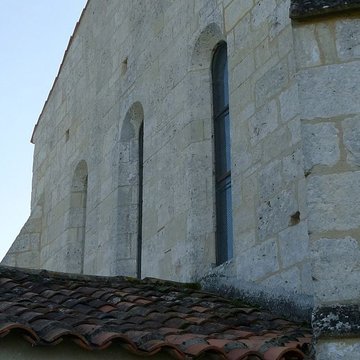
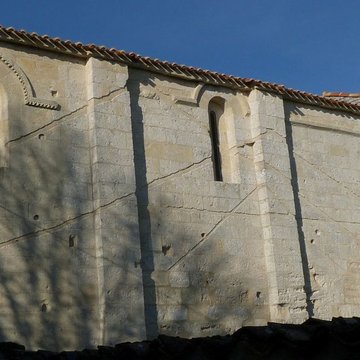
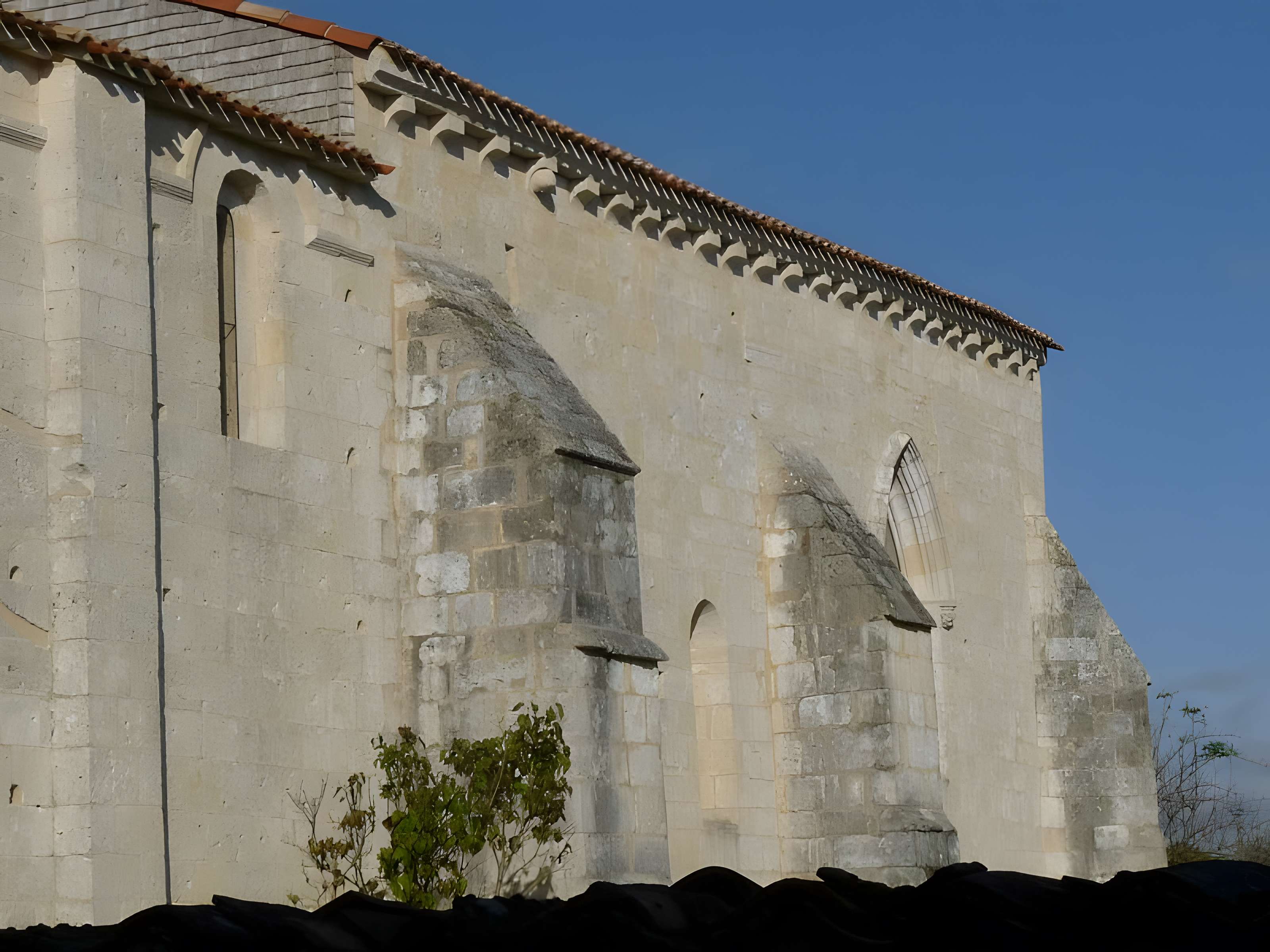
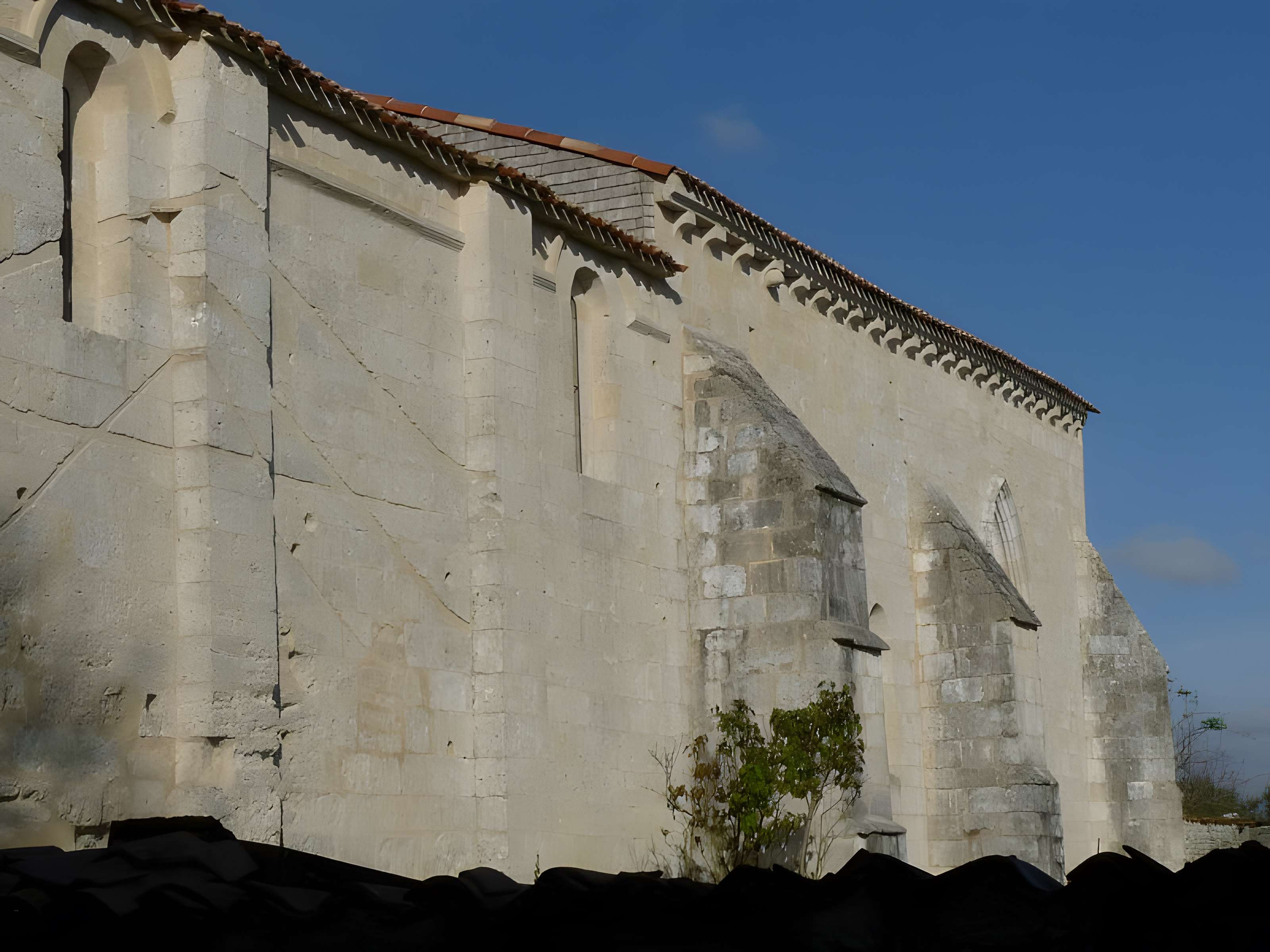
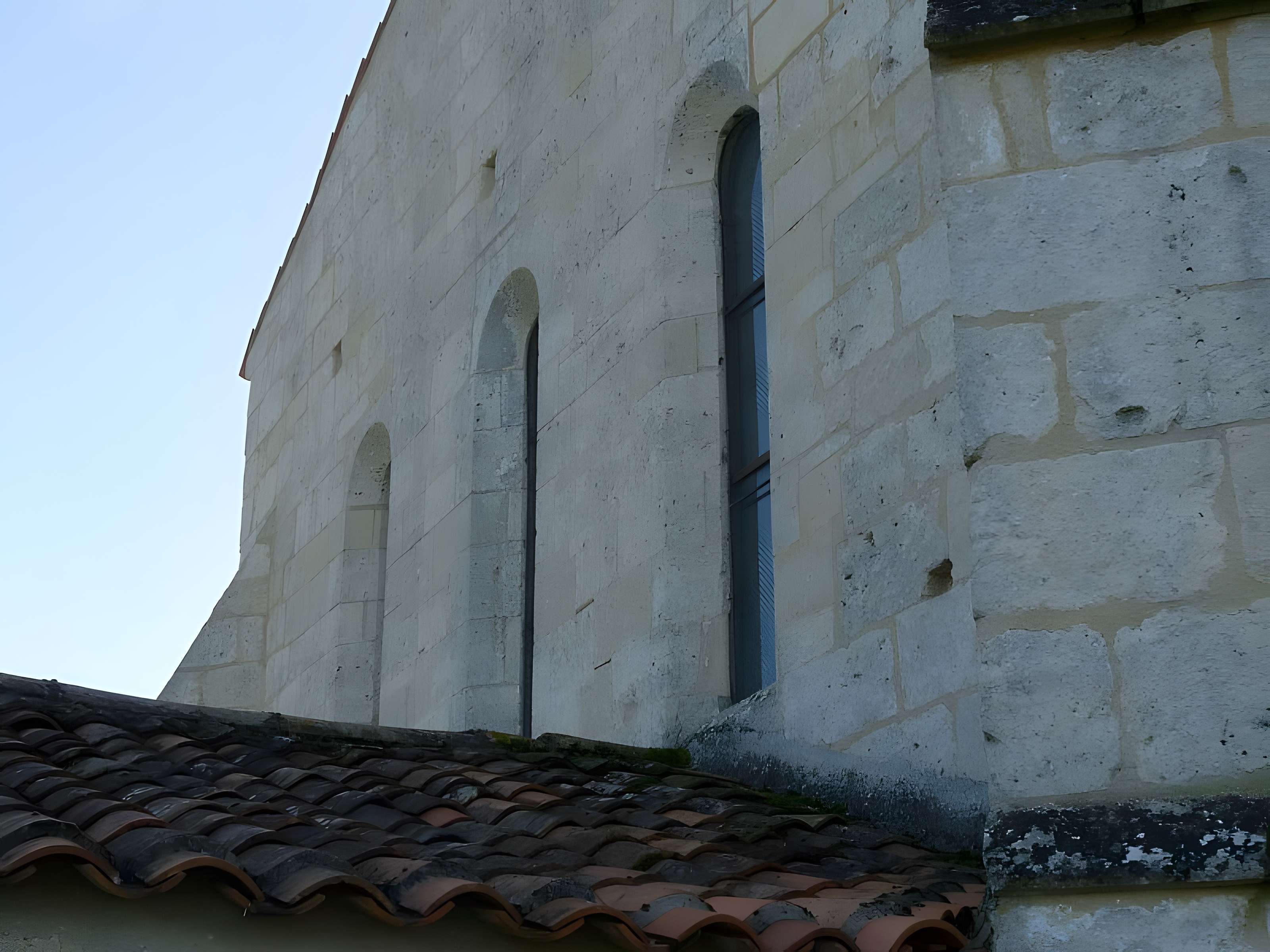
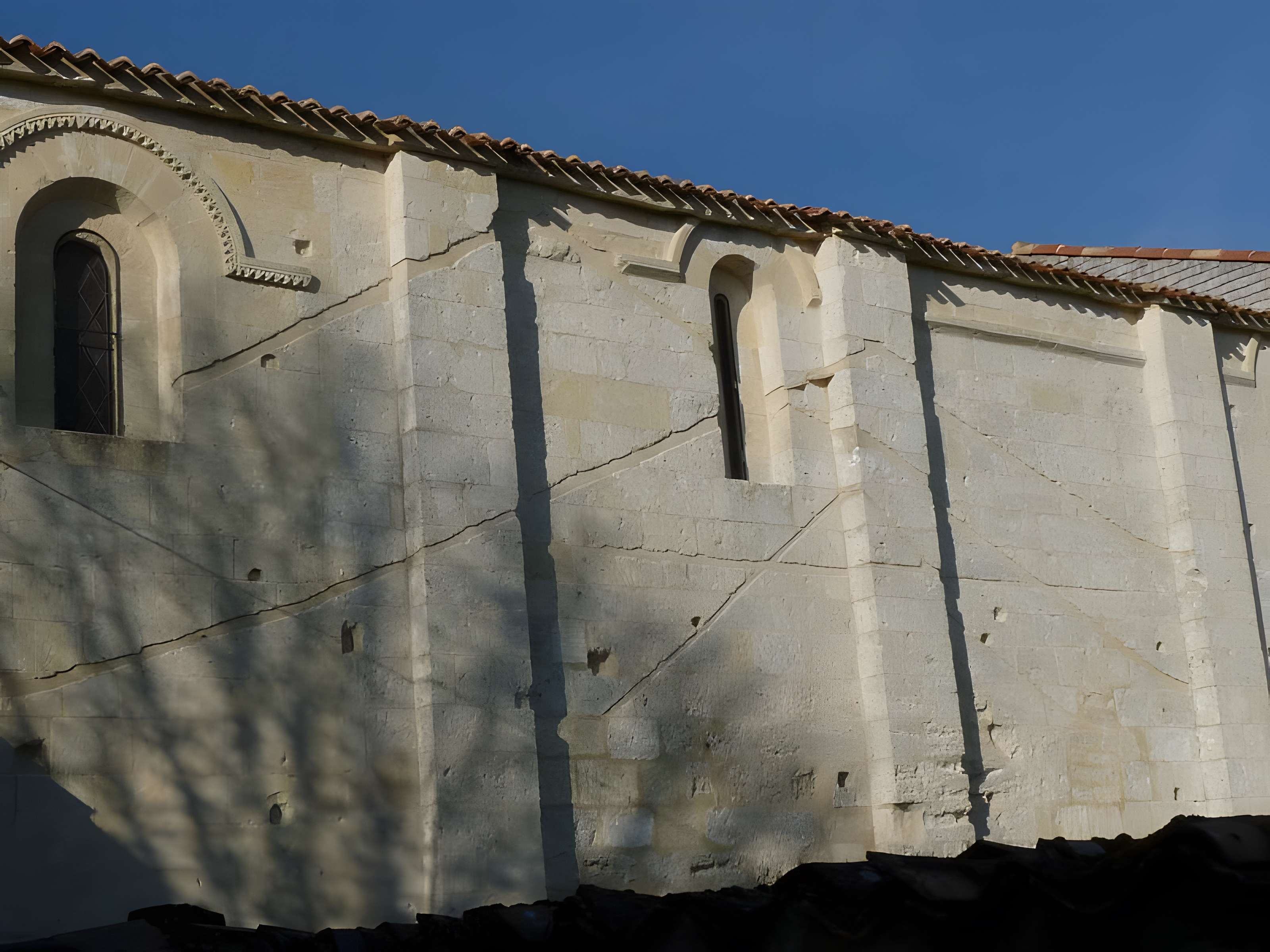
The north wall, although redone, retains in part high carved stones of Romanesque era, while the south wall presents a Romanesque window near the facade. Massive foothills, added in the 15th or 16th centuries, reinforce the structure. These changes reflect successive post-conflict reconstructions. The building, a communal property, has been listed as historic monuments since December 6, 1948, highlighting its heritage value.
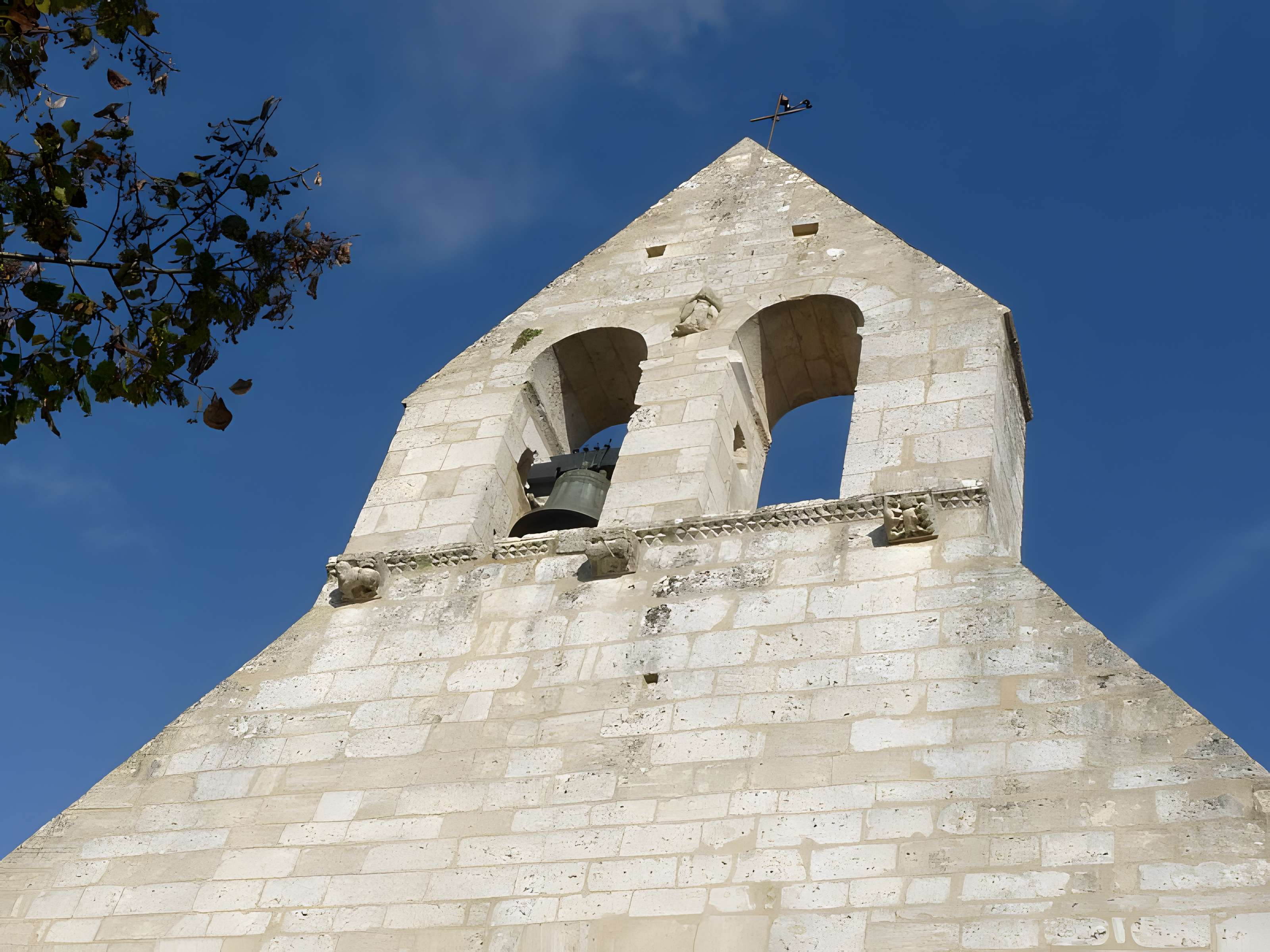
The church illustrates the rural religious architecture of the region, mixing Romanesque elements (portal, windows) and late additions (buttress). Its history reflects local upheavals, from medieval destructions to modern restorations. Today, it remains a testimony of the constructive techniques and historical stakes of Charente-Maritime, between medieval heritage and later adaptations.








Announcements
Please log in to post a review