Construction begins 1er quart XIIe siècle (≈ 1225)
Initial construction in Romanesque style.
XVe siècle
Gothic changes
Gothic changes XVe siècle (≈ 1550)
Major architectural additions and modifications.
1709
Organ creation
Organ creation 1709 (≈ 1709)
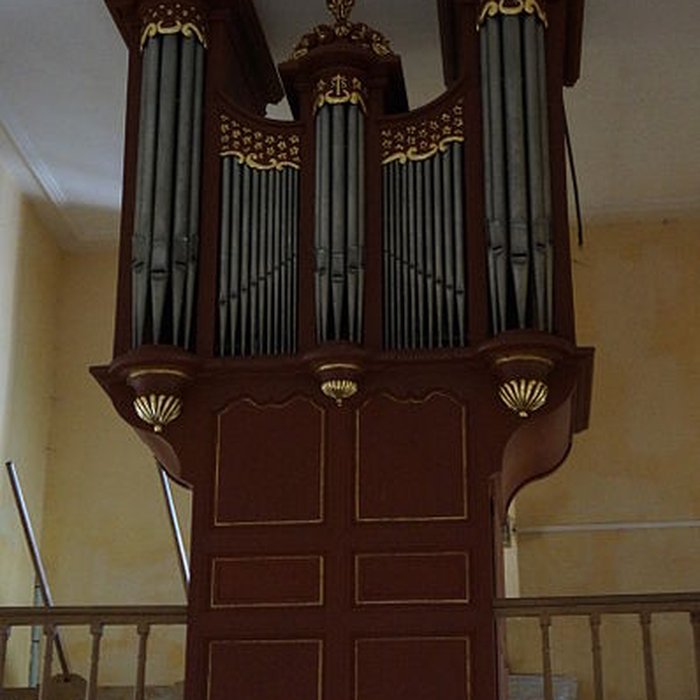
Instrument originating from Saint-Sauveur Abbey.
1891
Installation of the bumblebee
Installation of the bumblebee 1891 (≈ 1891)
Added by Blési de Nancy.
5 août 1920
Historical monument classification
Historical monument classification 5 août 1920 (≈ 1920)
Official protection of the building.
1968
Wind tunnel electrification
Wind tunnel electrification 1968 (≈ 1968)
Modernisation by Hartman and Leroy.
Aujourd'hui
Aujourd'hui
Aujourd'hui Aujourd'hui (≈ 2025)
Position de référence.
Heritage classified
Church: by decree of 5 August 1920
Key figures
René Cochu - Organ factor
Restore the organ in 1784 in Châlons.
Blési de Nancy - Campanor artisan
Installed the bumblebee in 1891.
Origin and history
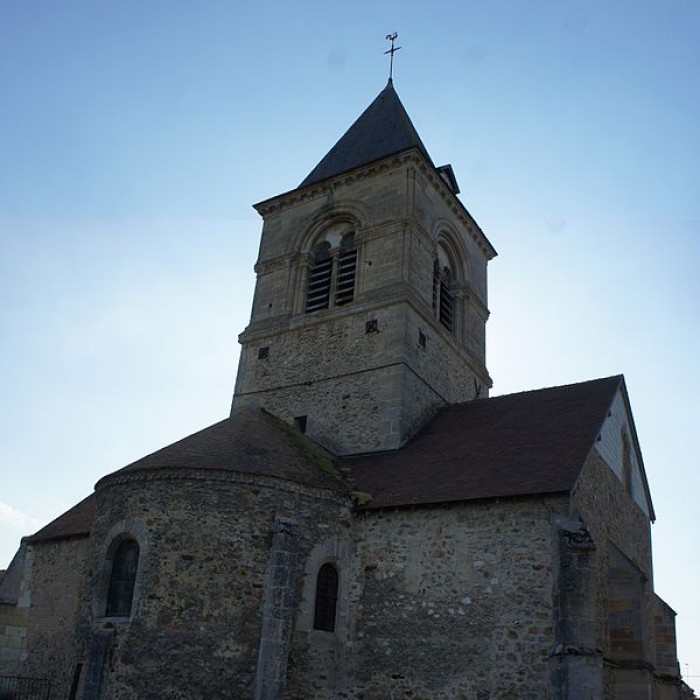
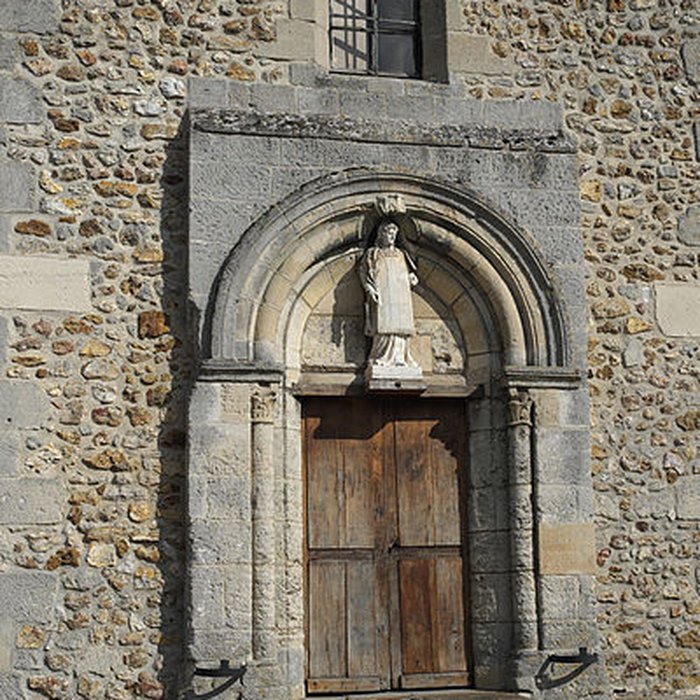
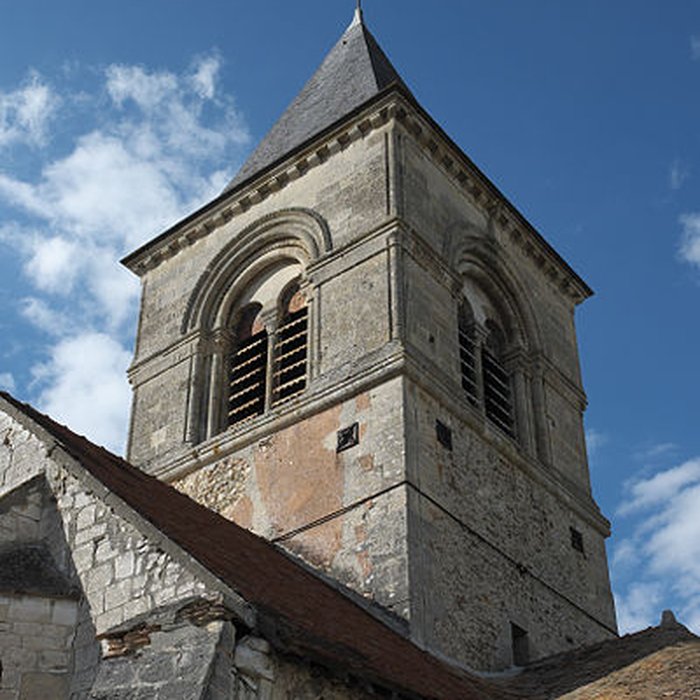
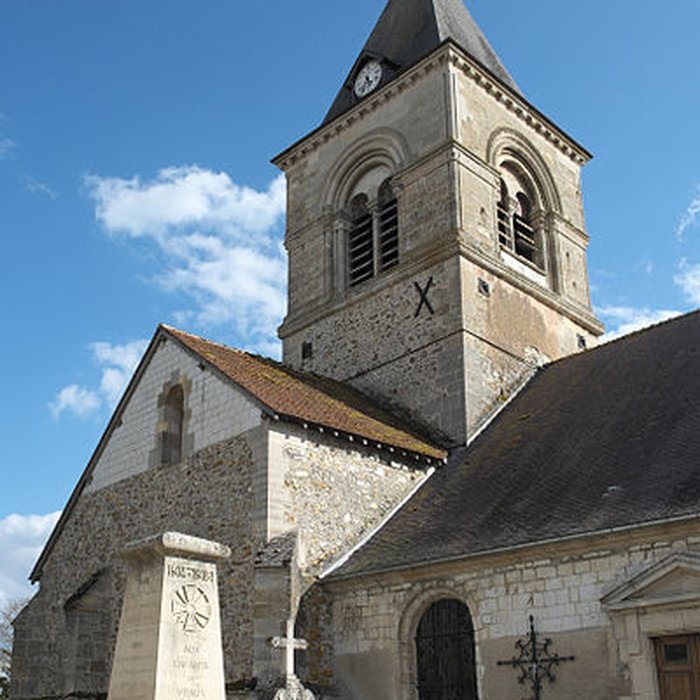
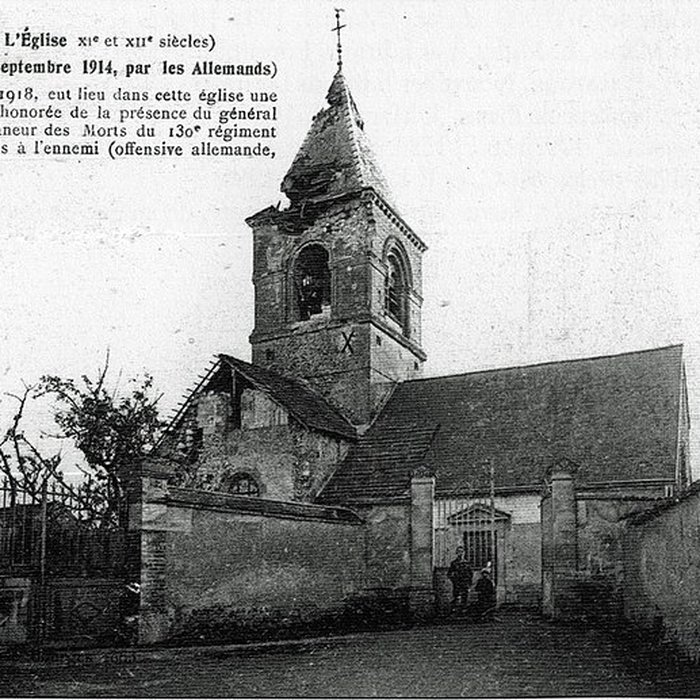
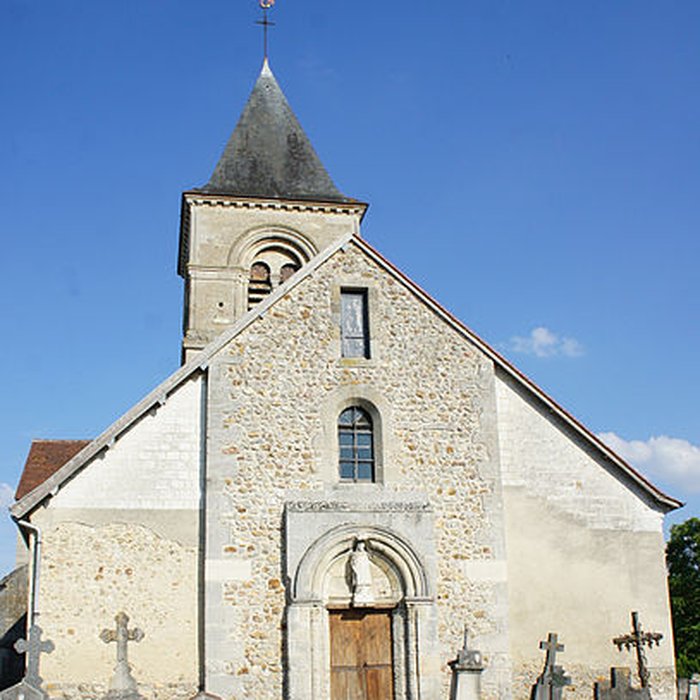
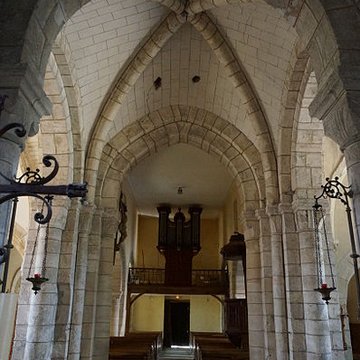
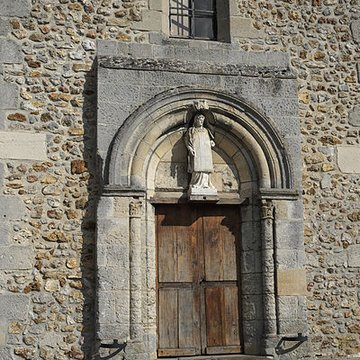
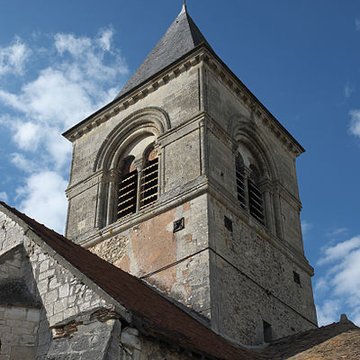
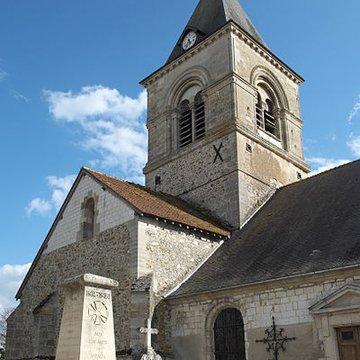
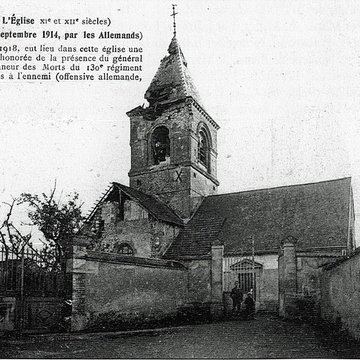
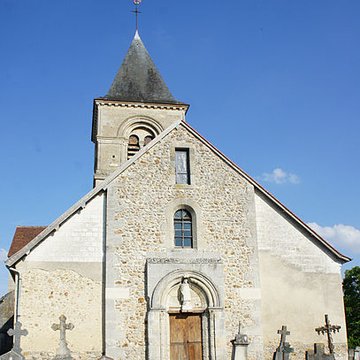
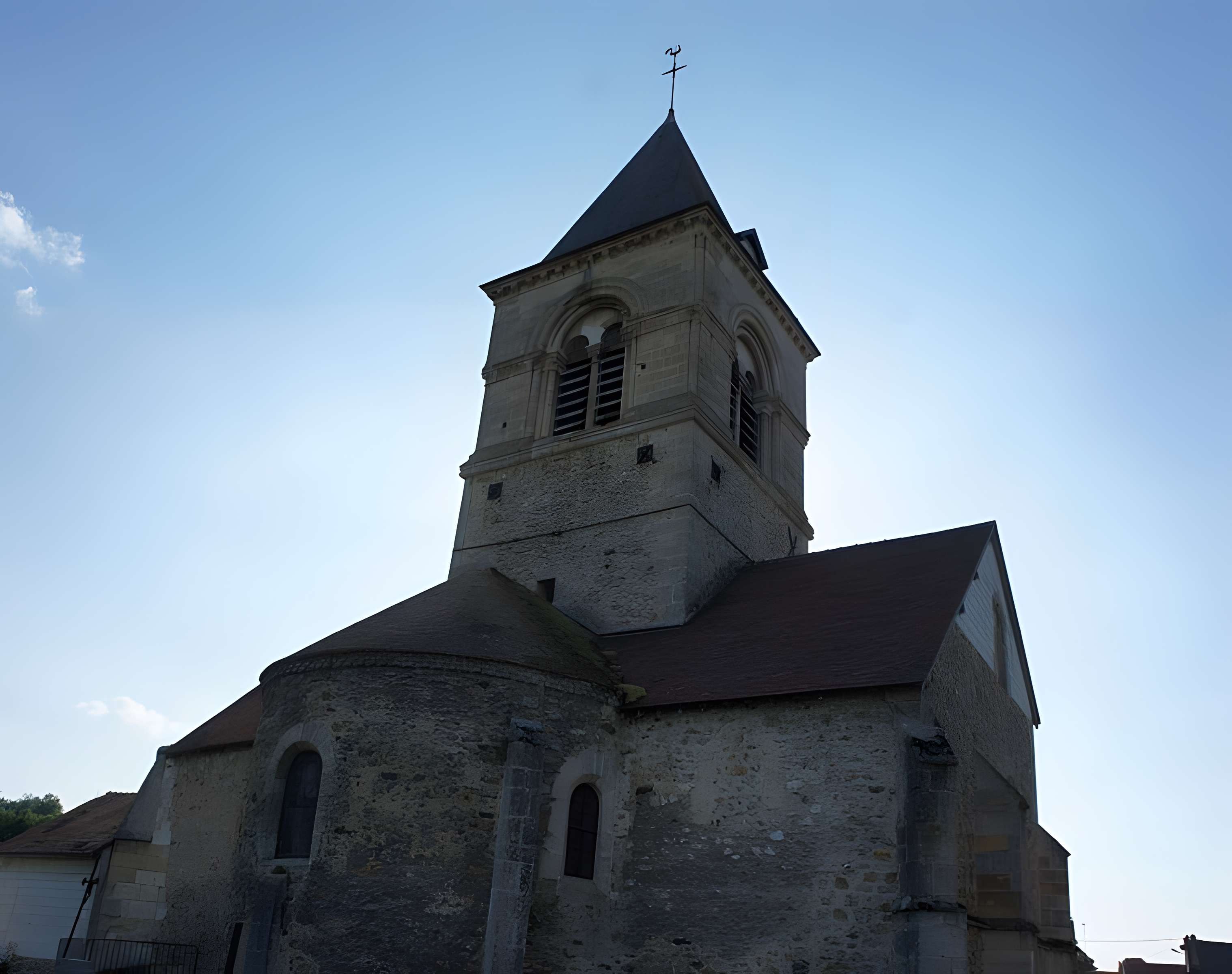
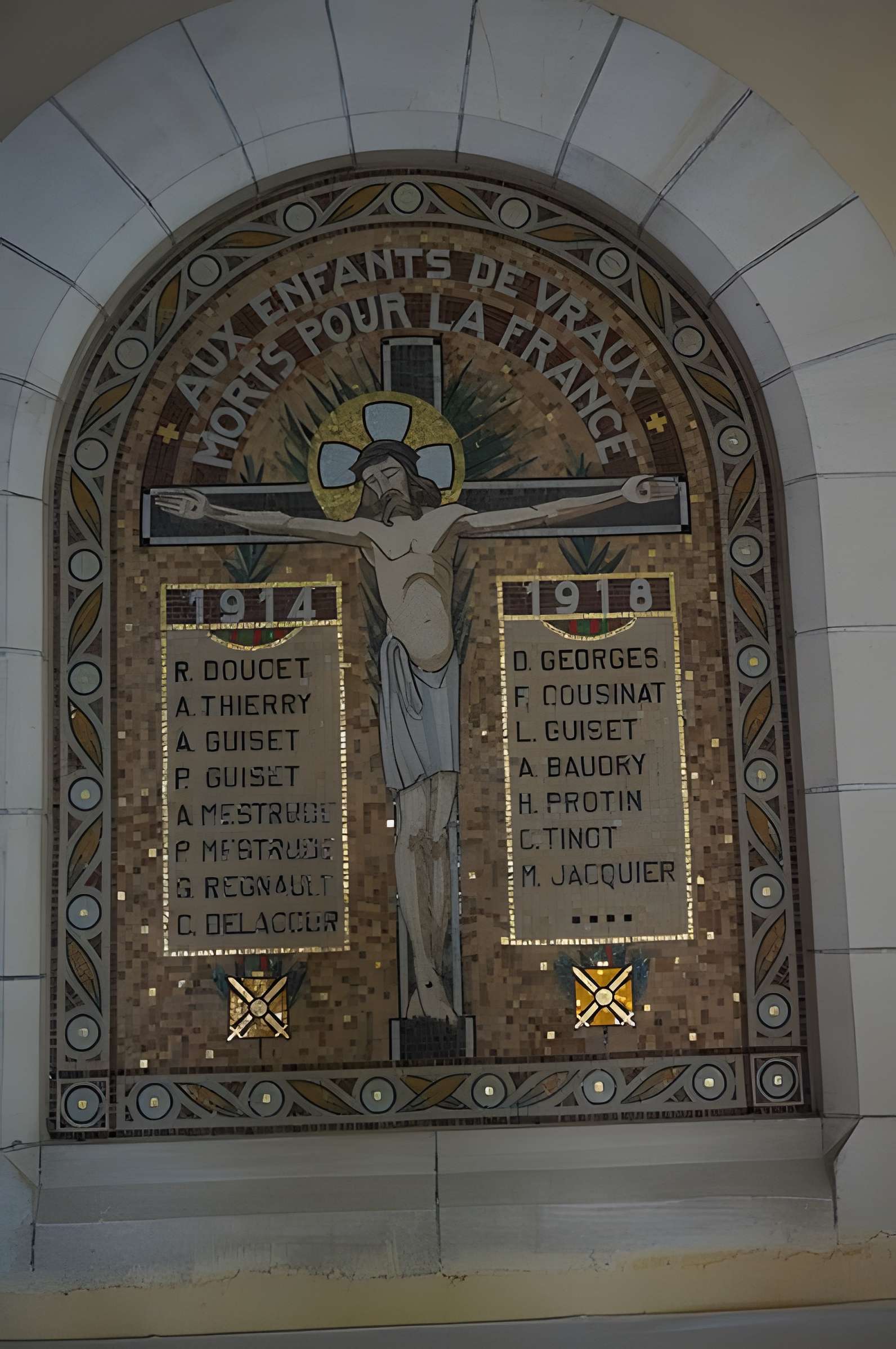
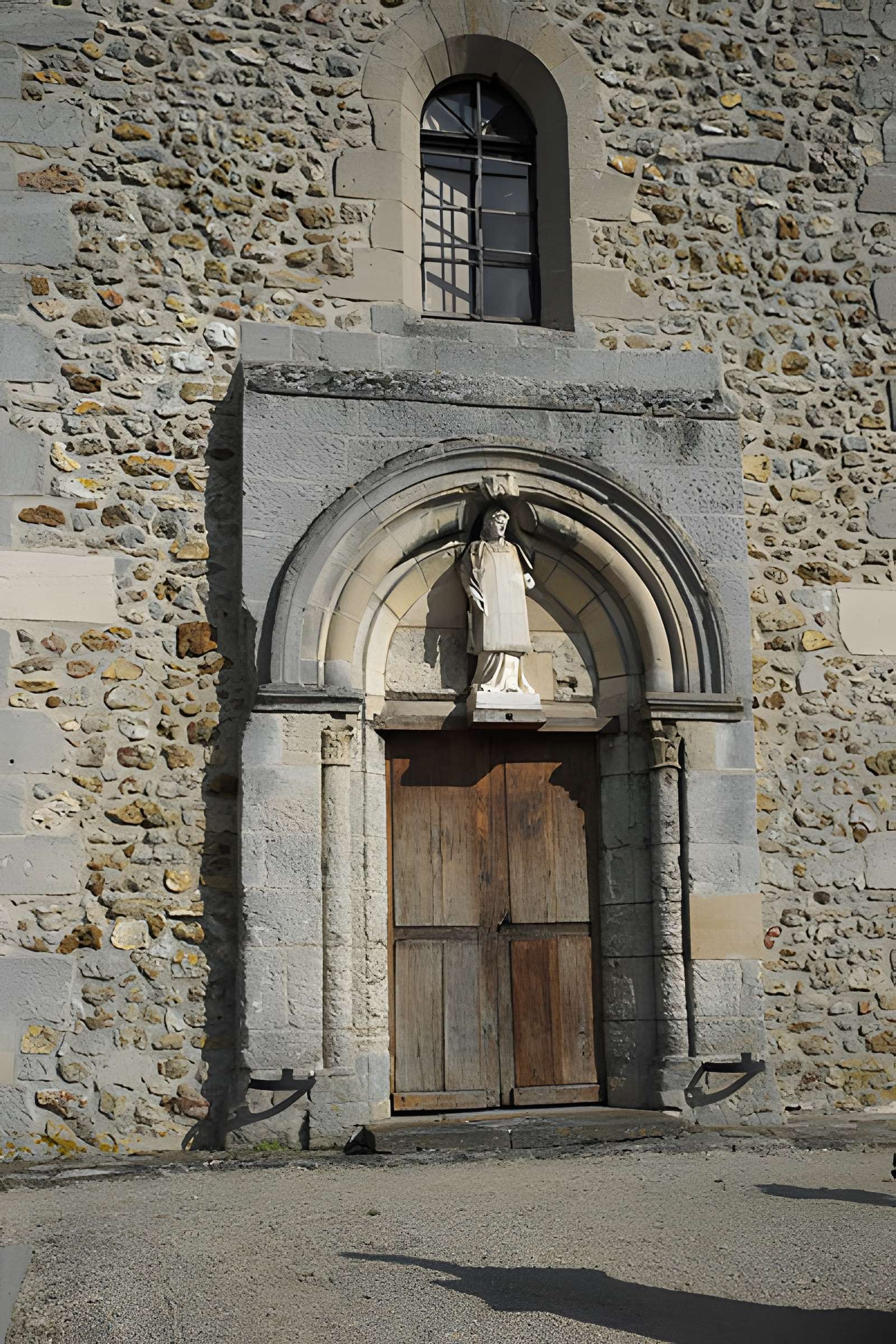
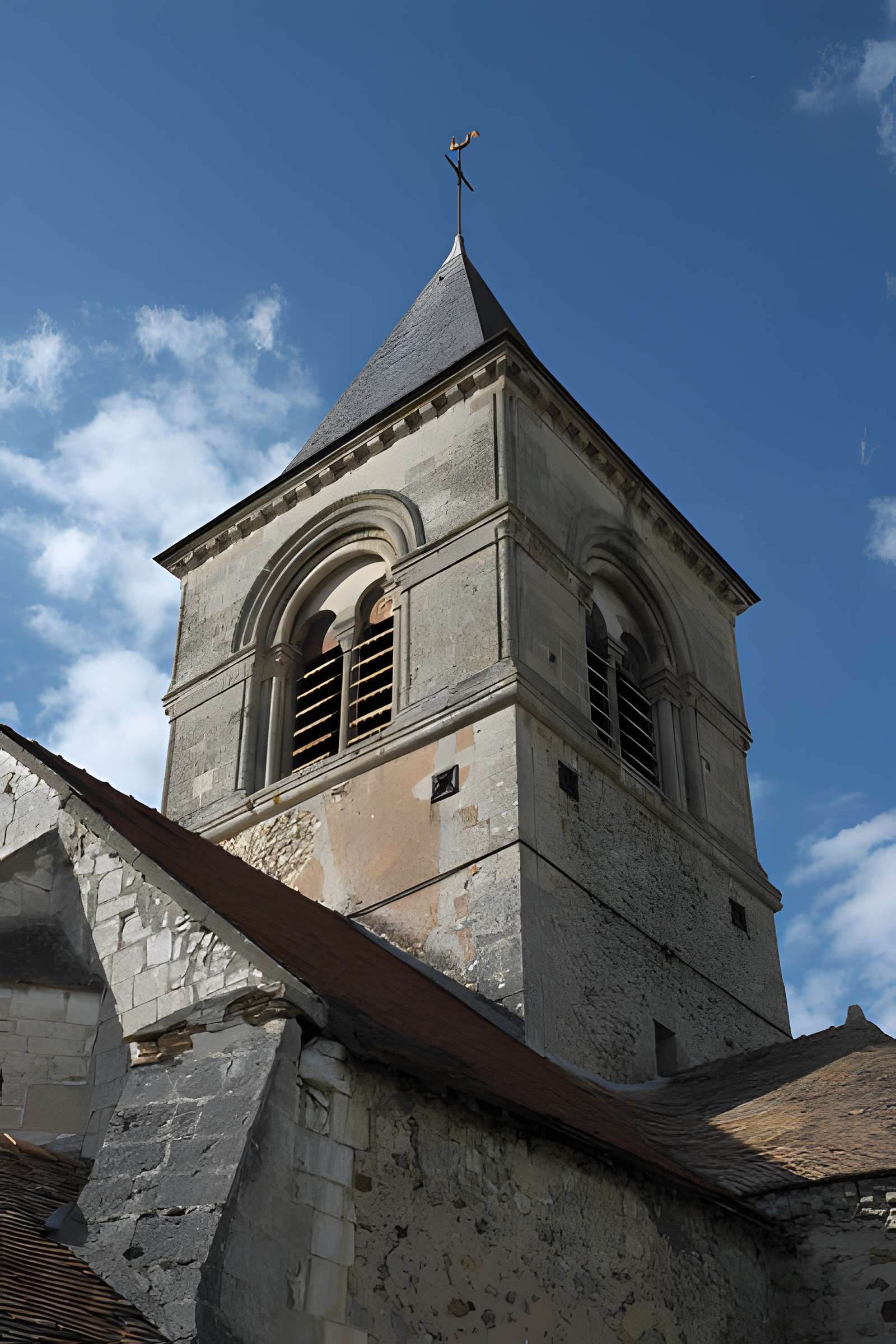
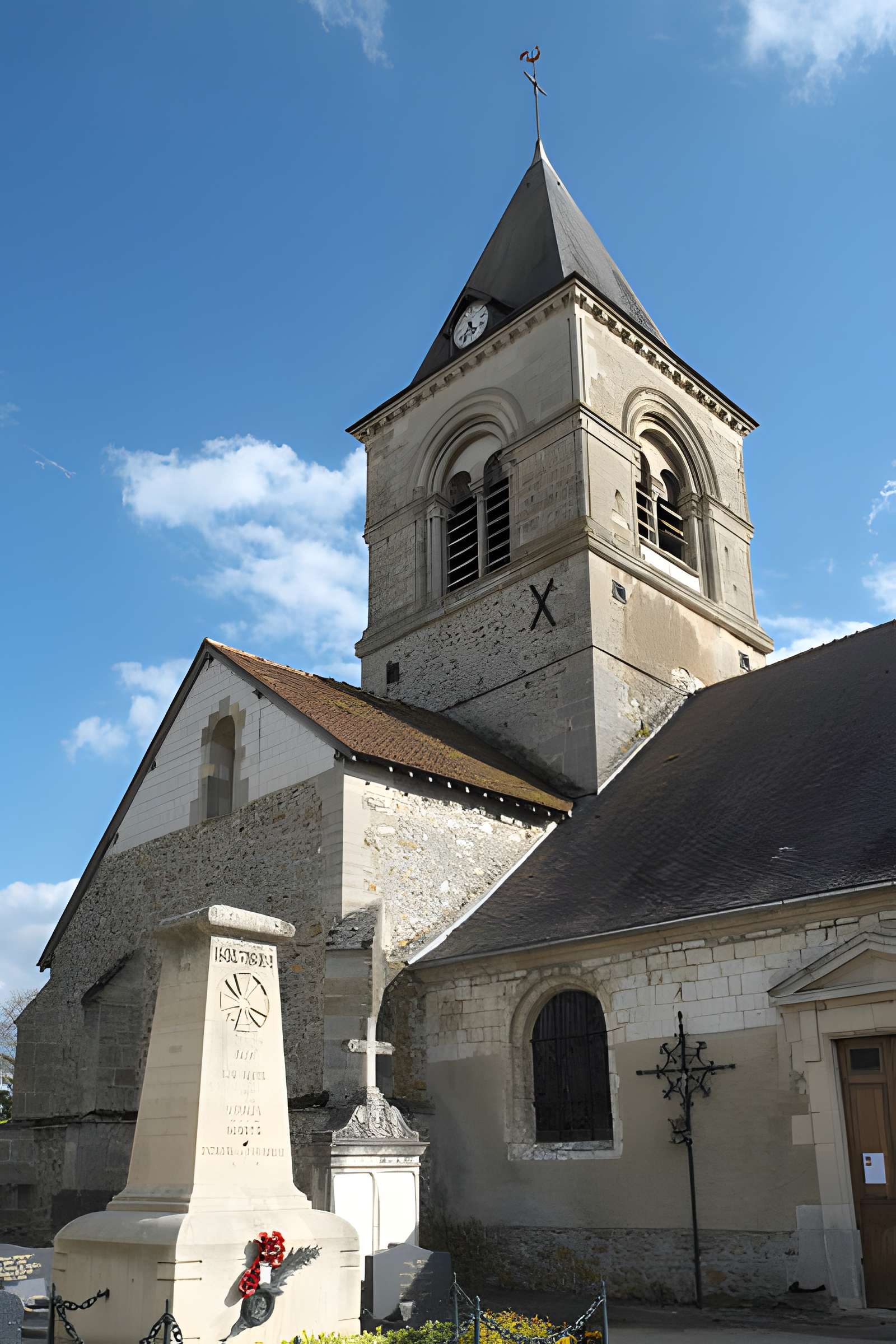
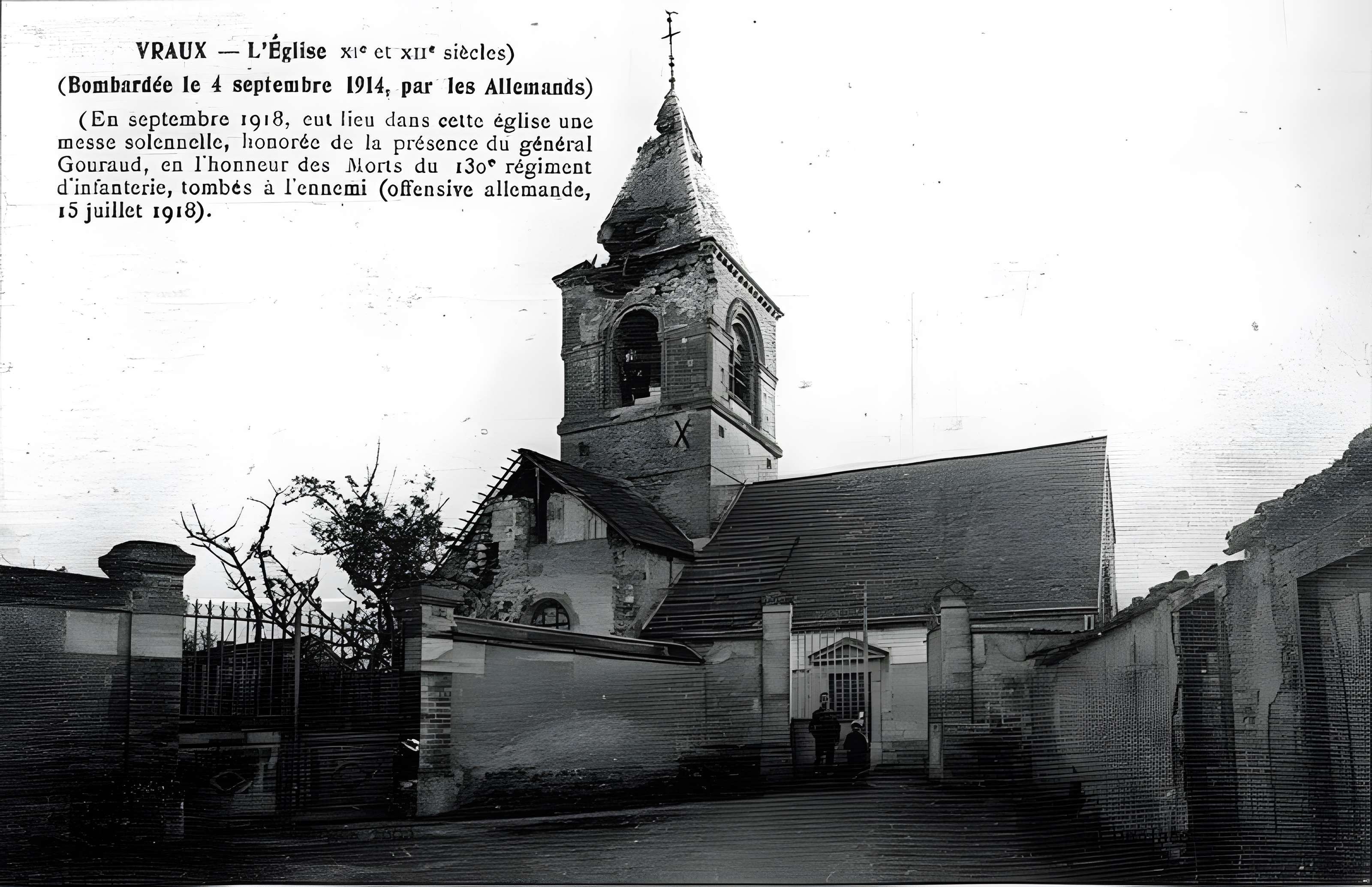
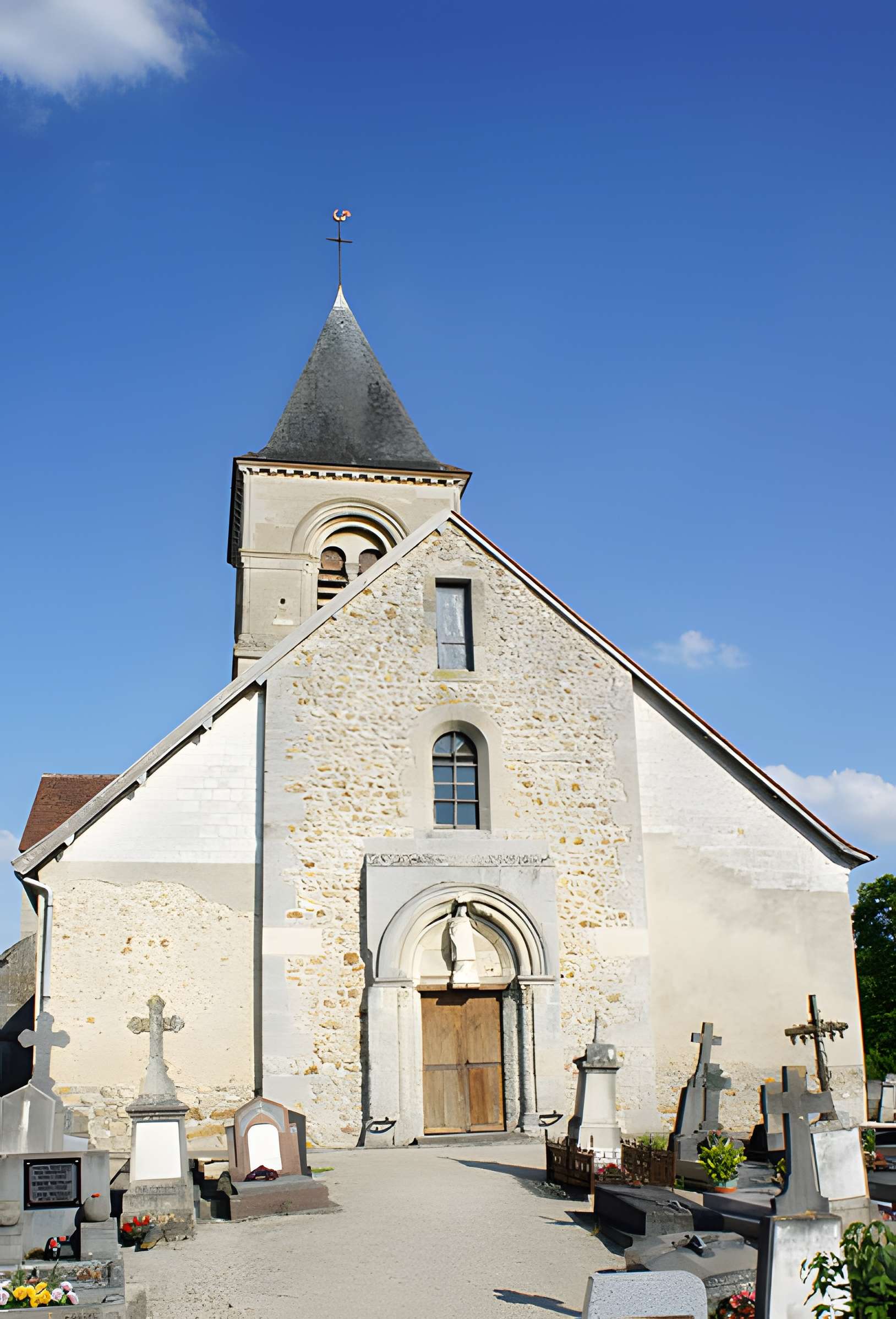
The Saint-Laurent church of Vraux, located in the Marne department in the Grand Est region, is a religious building whose construction begins in the 1st quarter of the 12th century. This monument illustrates the Romanesque architecture of this period, marked by thick walls, arches in full hangar and a sober structure. The churches of that time served as places of worship, but also as a refuge and community centre for the inhabitants of the surrounding villages. Their construction was often linked to the rise of ecclesiastical power and feudal organization, reflecting the piety and resources of local lords or neighboring abbeys.
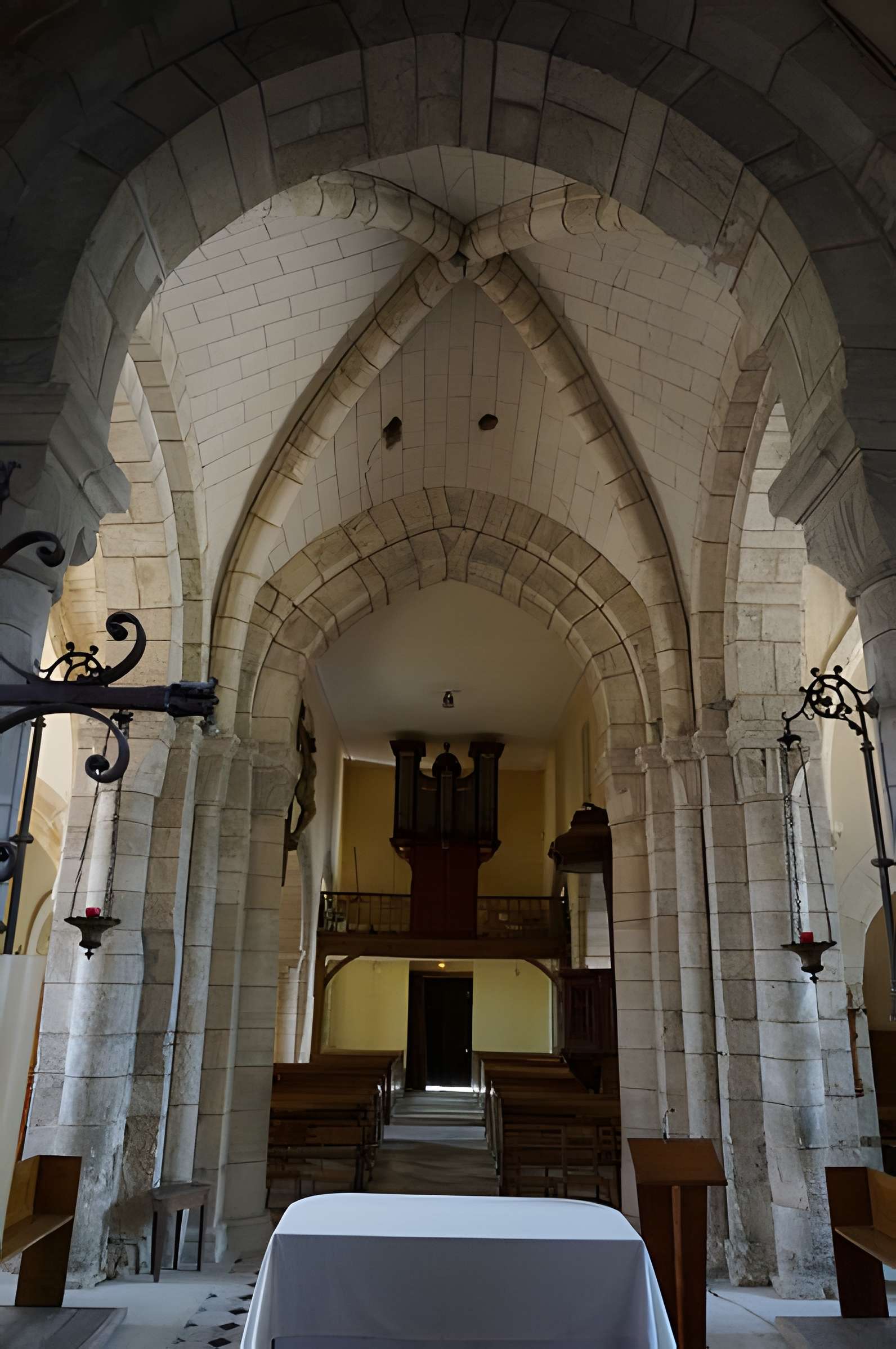
In the 15th century, the church underwent major reshuffles, incorporating Gothic elements such as arches on a cross of warheads or filling windows. These changes respond to the evolution of architectural styles, but also to liturgical needs and damage suffered during conflicts such as the Hundred Years' War. Medieval churches were frequently enlarged or embellished to affirm the prosperity of a parish or to commemorate local events, although the sources do not specify the exact motivations for Vraux.
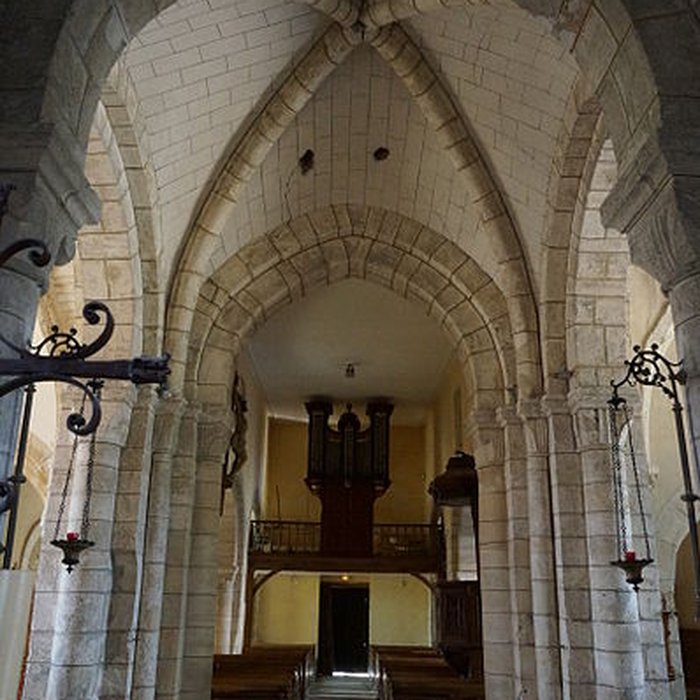
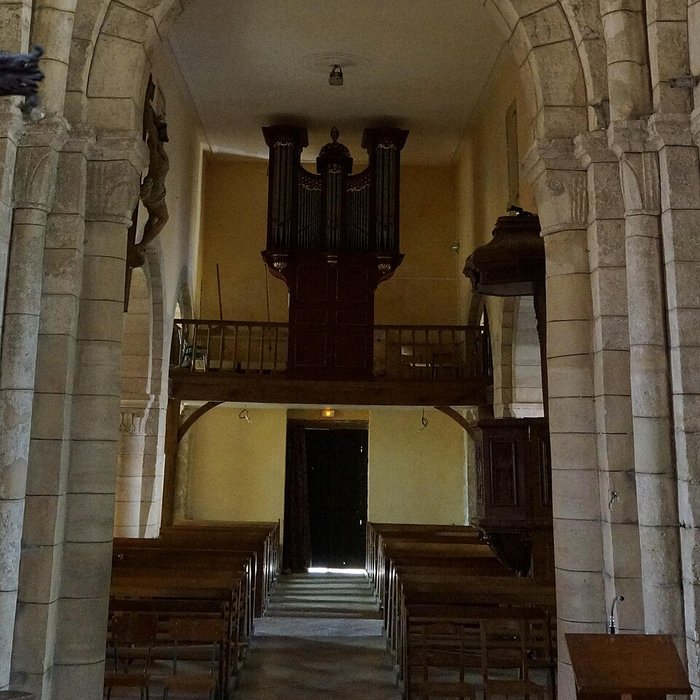
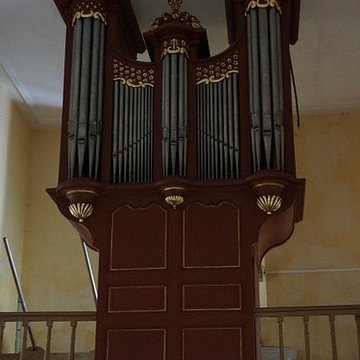
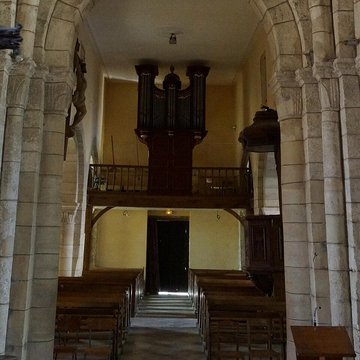
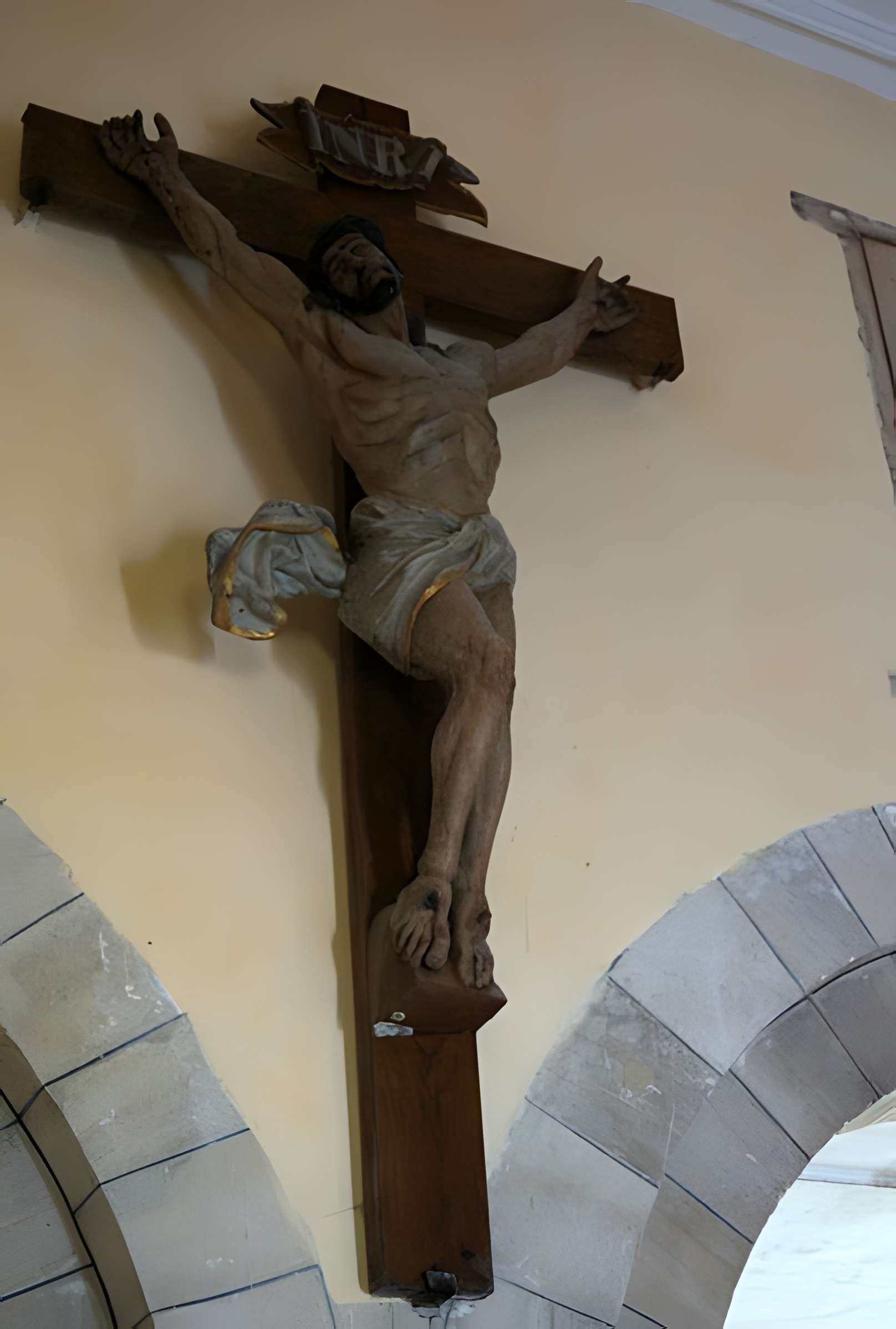
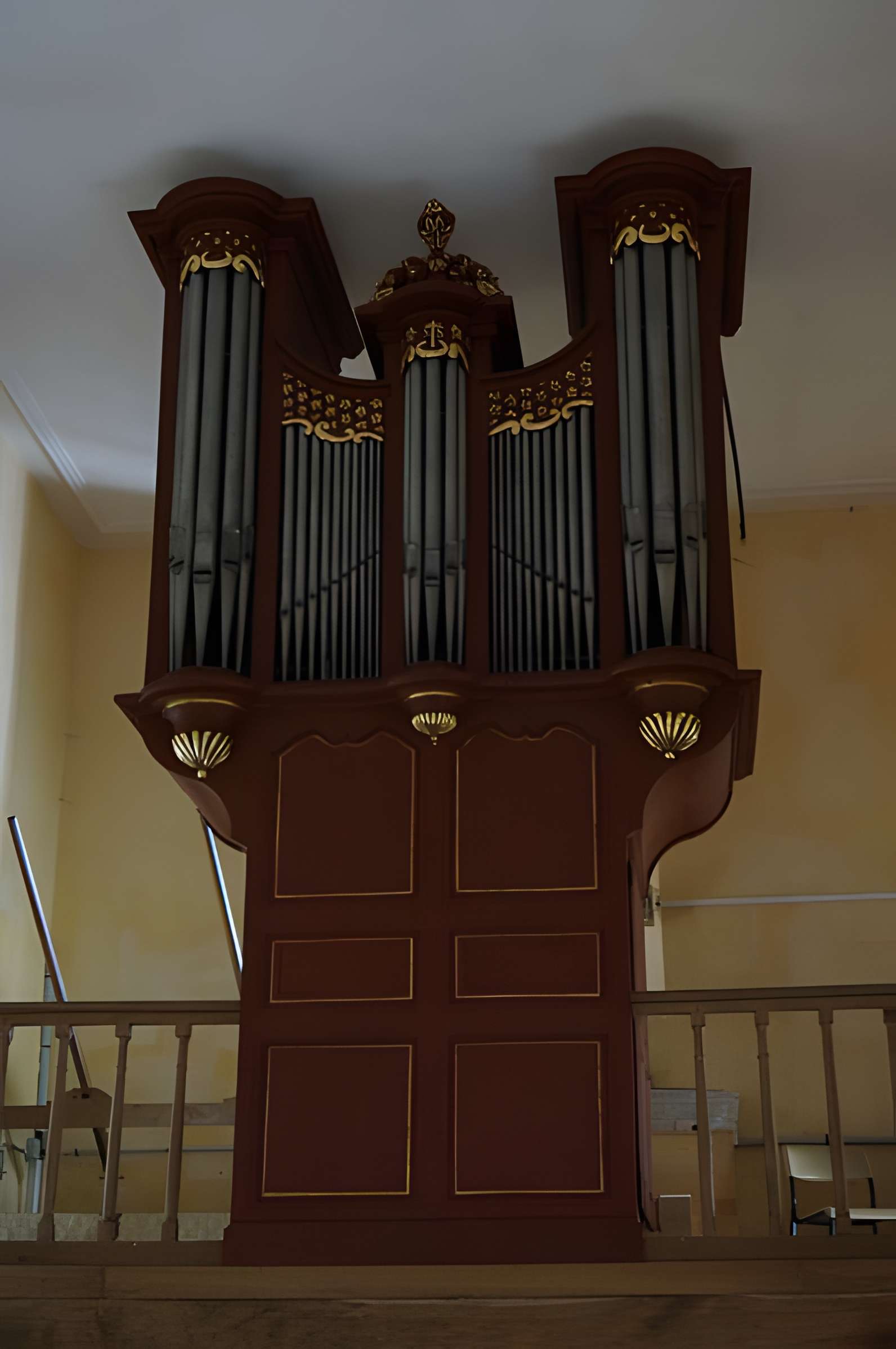
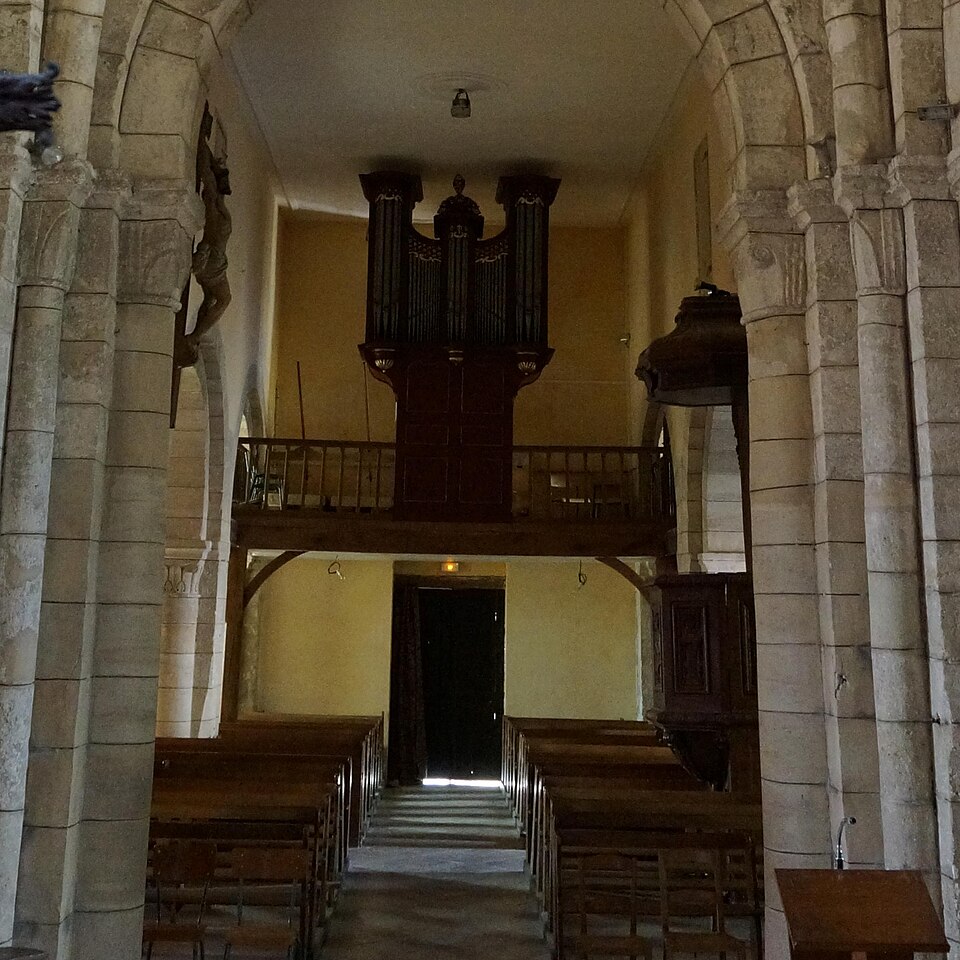
The building is classified as a historic monument by order of August 5, 1920, recognizing its heritage value. This classification is part of a policy of preserving the French religious heritage, initiated at the end of the 19th century to protect buildings threatened by time or modern transformations. The church houses exceptional furniture, including an organ installed in 1792, originally from the abbey of Saint-Sauveur de Vertus. This instrument, dating from 1709, was restored several times, notably in 1784 by René Cochu, organ maker of Châlons, and then in 1877 and 1968. These restorations demonstrate the importance attached to liturgical music and the preservation of sacred art objects.
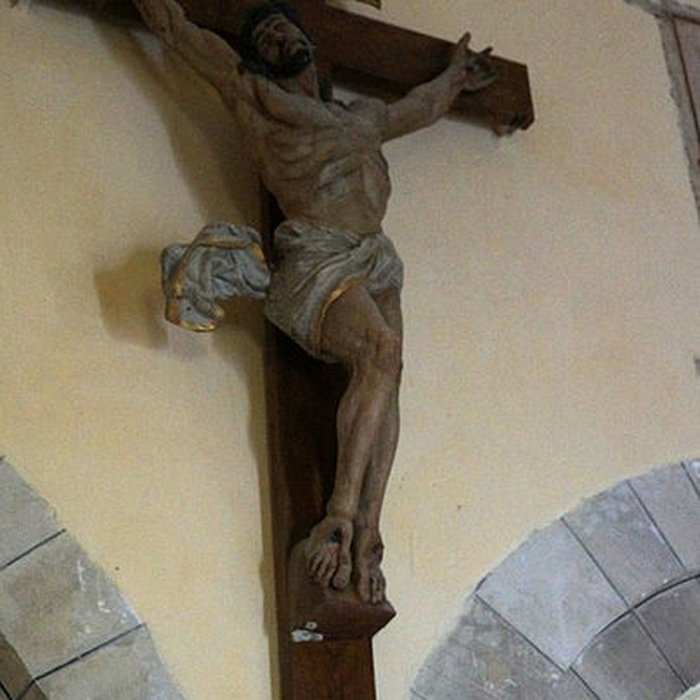
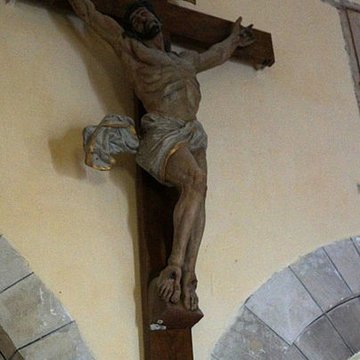
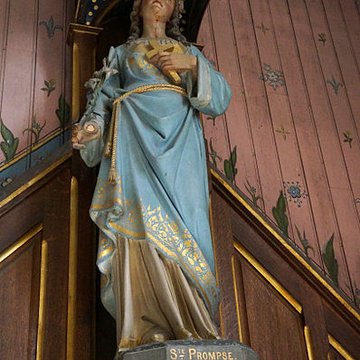
Among the other remarkable elements are a support of communion in wrought iron and a carved wooden pulpit, typical of the furniture of the Champagne churches of the seventeenth and eighteenth centuries. These pieces reflect local craftsmanship and donations from parishioners or benefactors. The support of communion, often added after the Council of Trent (16th century), symbolizes the separation between the sacred choir and the nave of the faithful, while the pulpit embodies the importance of preaching in the post-medieval liturgy.
Sources also mention links with regional artisans, such as Blési de Nancy, who installed a 16-foot bumblebee in 1891, and Hartman and Leroy, who were responsible for electrification of the wind tunnel in 1968. These interventions illustrate the technical adaptations of churches to modern developments, while preserving their historical character. The lack of details about sponsors or the specific circumstances of this work, however, limits the understanding of their exact context.
Today, Saint-Laurent Church remains an architectural and artistic testimony of the Romanesque and Gothic eras in Champagne. Its classification and furniture make it a place of interest for the study of the rural religious heritage, although the available archives do not allow to trace exhaustively its social or spiritual history. The bibliographic references cited, such as the works of Jean-Marie Perugia de Montclos or Jean-Pierre Ravaux, offer avenues to deepen the knowledge of this monument and its historical environment.







Announcements
Please log in to post a review