Logo Musée du Patrimoine

All French heritage classified by regions, departments and cities

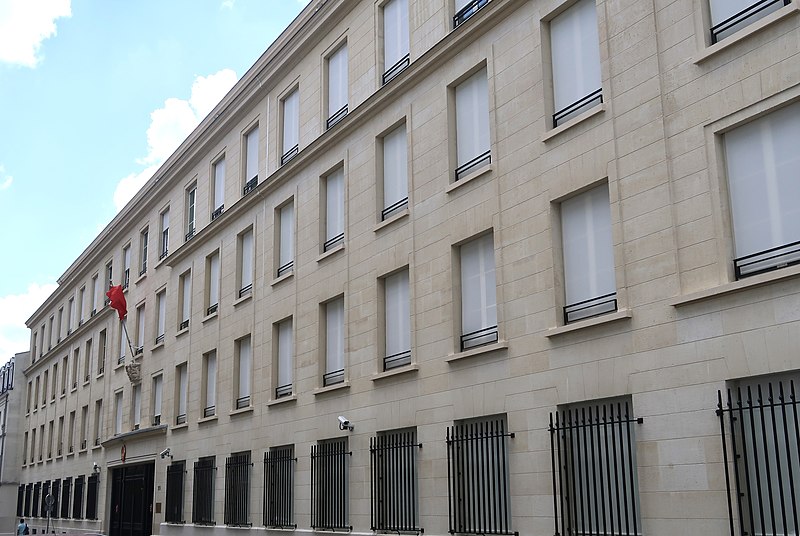
Hotel Montesquiou-Fezensac - Paris 7th

Patrimoine classé
Hotel particulier classé
Paris

Hotel Montesquiou-Fezensac - Paris 7th

    20 Rue Monsieur
    75007 Paris
Hôtel Montesquiou-Fezensac - Paris 7ème

Timeline

Temps modernes
Révolution/Empire
XIXe siècle
Époque contemporaine
1800
1900
2000
1781
Construction of hotel
1851
Acquisition by Benedictines
1938-1951
State transformations
1959
Establishment of the Ministry of Cooperation
1960-2008
Headquarters of the Ministry of Cooperation
1992
Historical monument classification
2007
Sale of hotel
Aujourd'hui
Aujourd'hui

Key figures

Alexandre-Théodore Brongniart - Architect Designer of the hotel in 1781.
Anne-Pierre de Montesquiou - Sponsor and first owner Count of Fézensac, first squire.
Charles de Gaulle - President of the Republic Founded the ministry in 1959.
Clément Parent - Architect Author of the neo-gothic cloister (1851).
Architecte Martin - Architect (XX century) Designed the administrative building (1951).

Origin and history

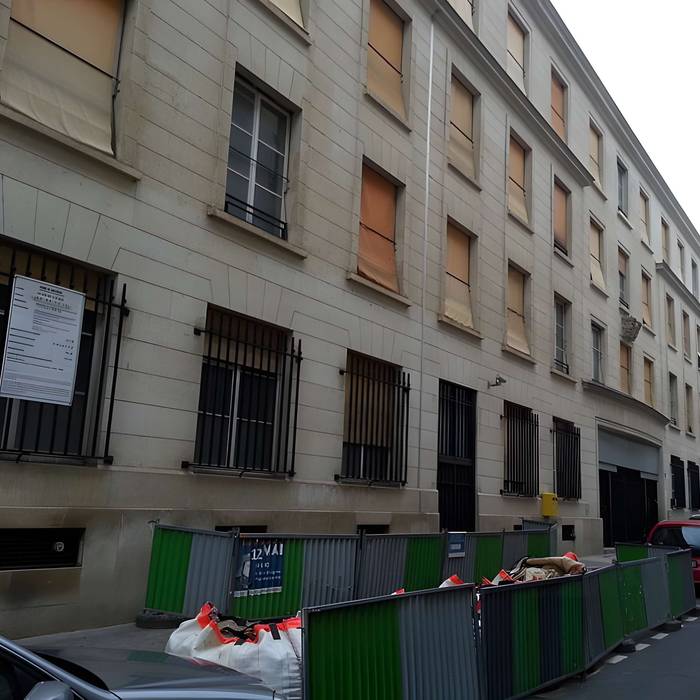
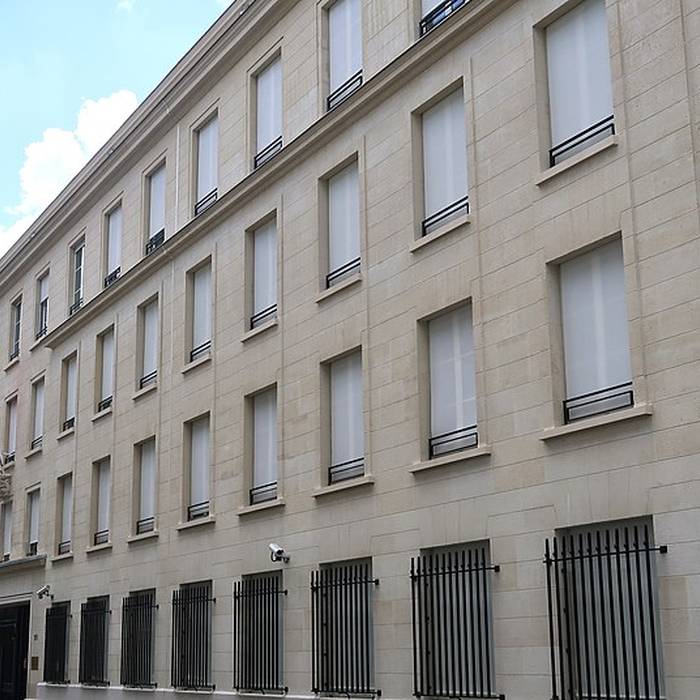
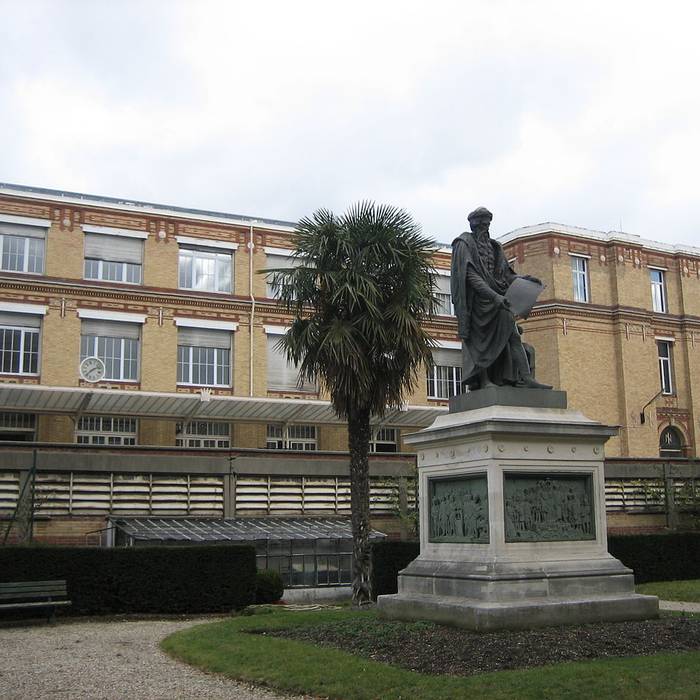
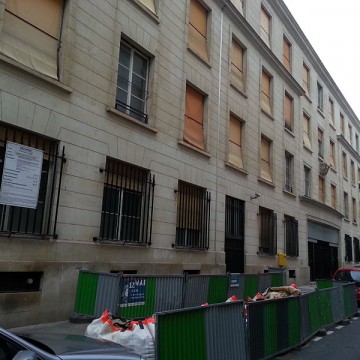
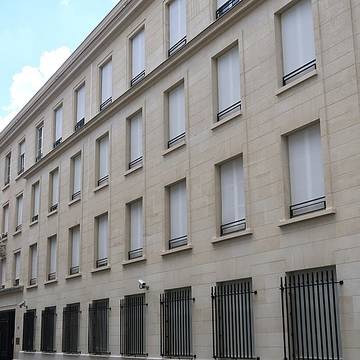
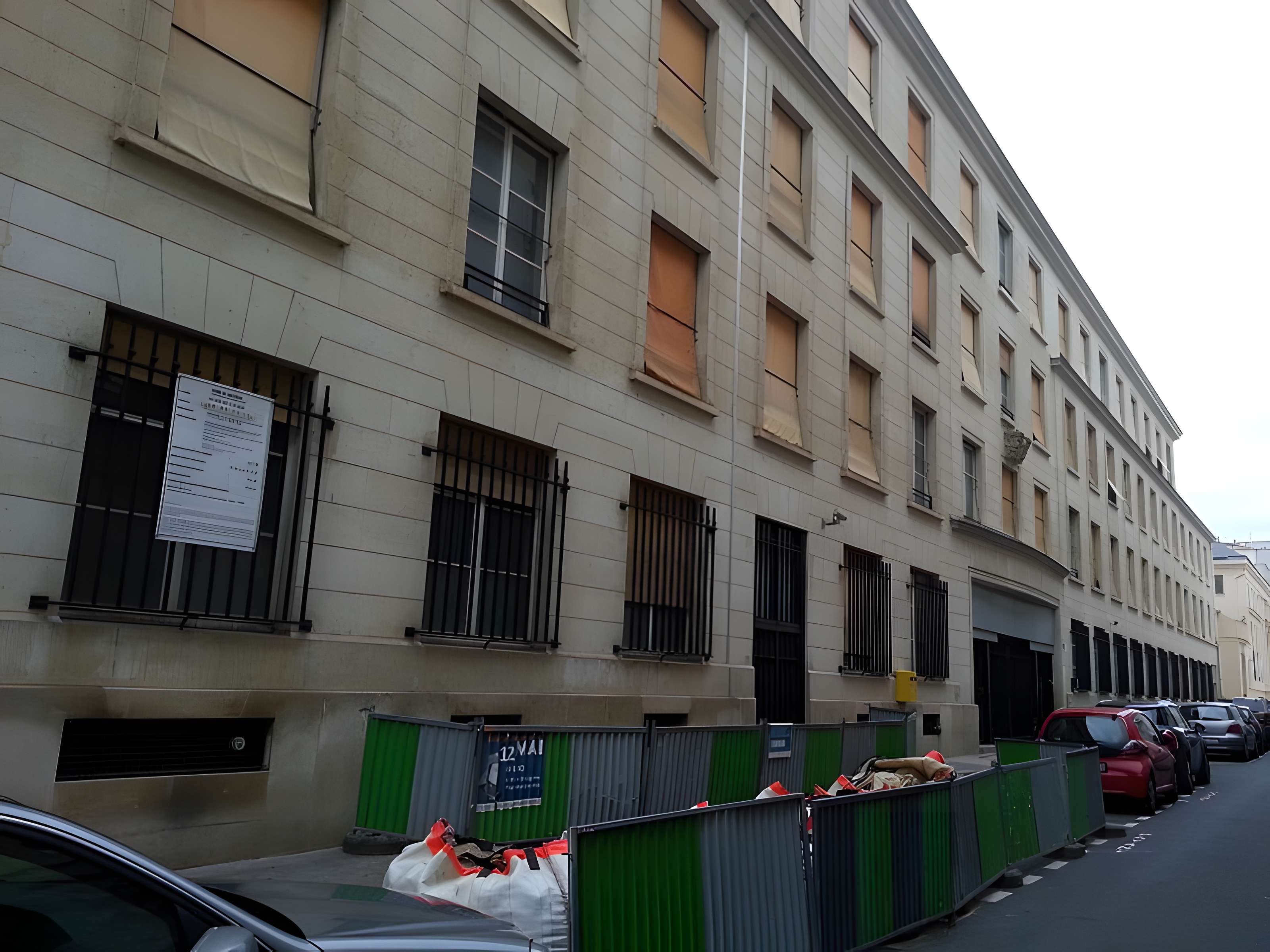
The hotel Montesquiou-Fezensac, located at 20 rue Monsieur in the 7th arrondissement of Paris, was built in 1781 by the architect Alexandre-Théodore Brongniart for Anne-Pierre de Montesquiou, Count of Fézensac and the first ecuyer of the Count of Provence (future Louis XVIII). The building, typical of Parisian mansions of the late eighteenth century, was acquired in 1851 by Benedictines of perpetual Adoration, who added a cloister and a neo-Gothic chapel, now disappeared.

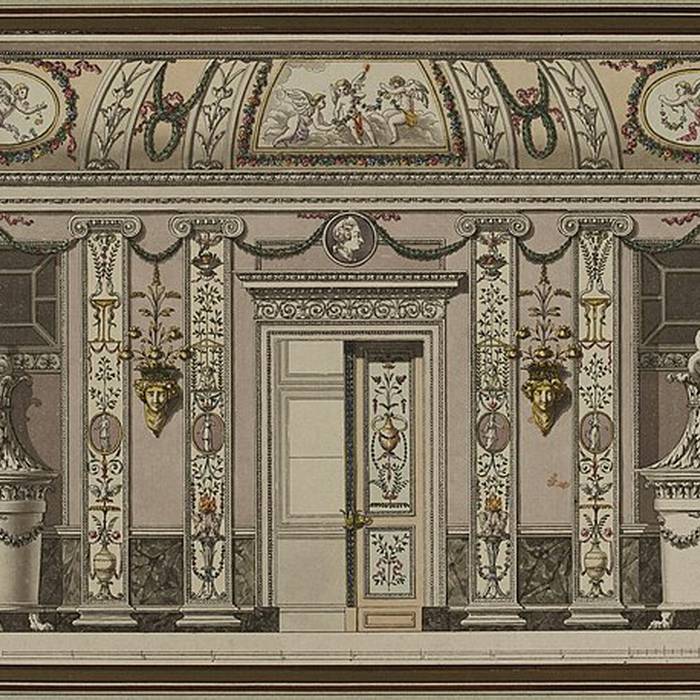
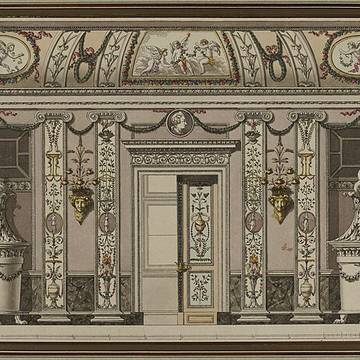
From 1938 onwards, the French state acquired the hotel and undertook major transformations: the chapel and cloister were razed in 1938, then replaced in 1951 by an administrative building designed by architect Martin. These changes erase some of the original decorations, although a staircase with an 18th century wrought iron ramp remains, a witness to its original fascist.

From 1960 to 2008, the hotel housed the Ministry of Cooperation, established in 1959 by General de Gaulle to manage relations with the former newly independent colonial territories. This ministry, separate from the Quai d'Orsay, centralizes technical, military and economic assistance to sub-Saharan Africa, the Caribbean and, beginning in 1995, English-speaking and Portuguese-speaking African countries. Its scope is gradually expanding, integrating tools such as the Caisse Française de Développement (CFD) to finance investment projects.

The Ministry left in 2008 after the hotel was sold in 2007. His archives and library, rich in documents on French cooperation since 1959, were transferred in 2001 to the Centre des archives diplomatiques de Nantes, then to La Courneuve in 2017. The hotel, classified as a historic monument in 1992 for its facade and garden, today embodies both the architectural heritage of the Ancien Régime and a part of French post-colonial political history.

External links