Logo Musée du Patrimoine

All French heritage classified by regions, departments and cities

Beaugrenelle Shopping Centre - Paris 15th

Patrimoine classé
Boutique classée MH

Beaugrenelle Shopping Centre - Paris 15th

    12 Rue Linois
    75015 Paris
Centre commercial Beaugrenelle - Paris 15ème

Timeline

Époque contemporaine
2000
1979
Opening of the first centre
2009
Demolition of the first centre
23 octobre 2013
Opening of the new centre
2014
Repurchase by Apsys Group
12 novembre 2019
Arrival of Galeries Lafayette
Aujourd'hui
Aujourd'hui

Key figures

M. Proux et G. Srot - Architects of the first centre (1979) Critical for their design.
Frédéric Edelmann - Journalist (*Le Monde*) Criticized the "invalidity of the work".
Lionel Engrand - Architect Critic of the old building.
Valode et Pistre - Architects' Office Designers of the new centre (2013).
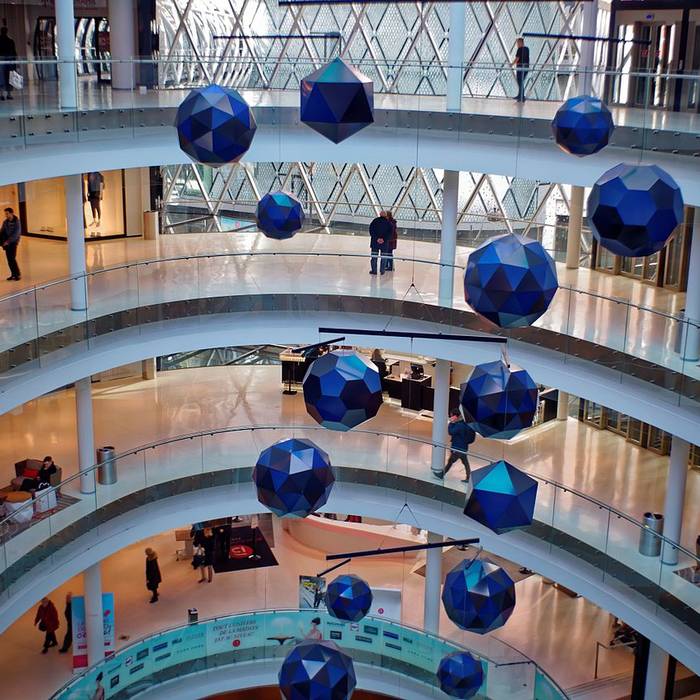
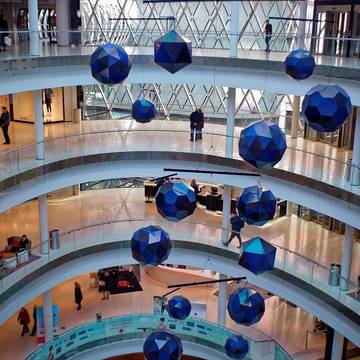
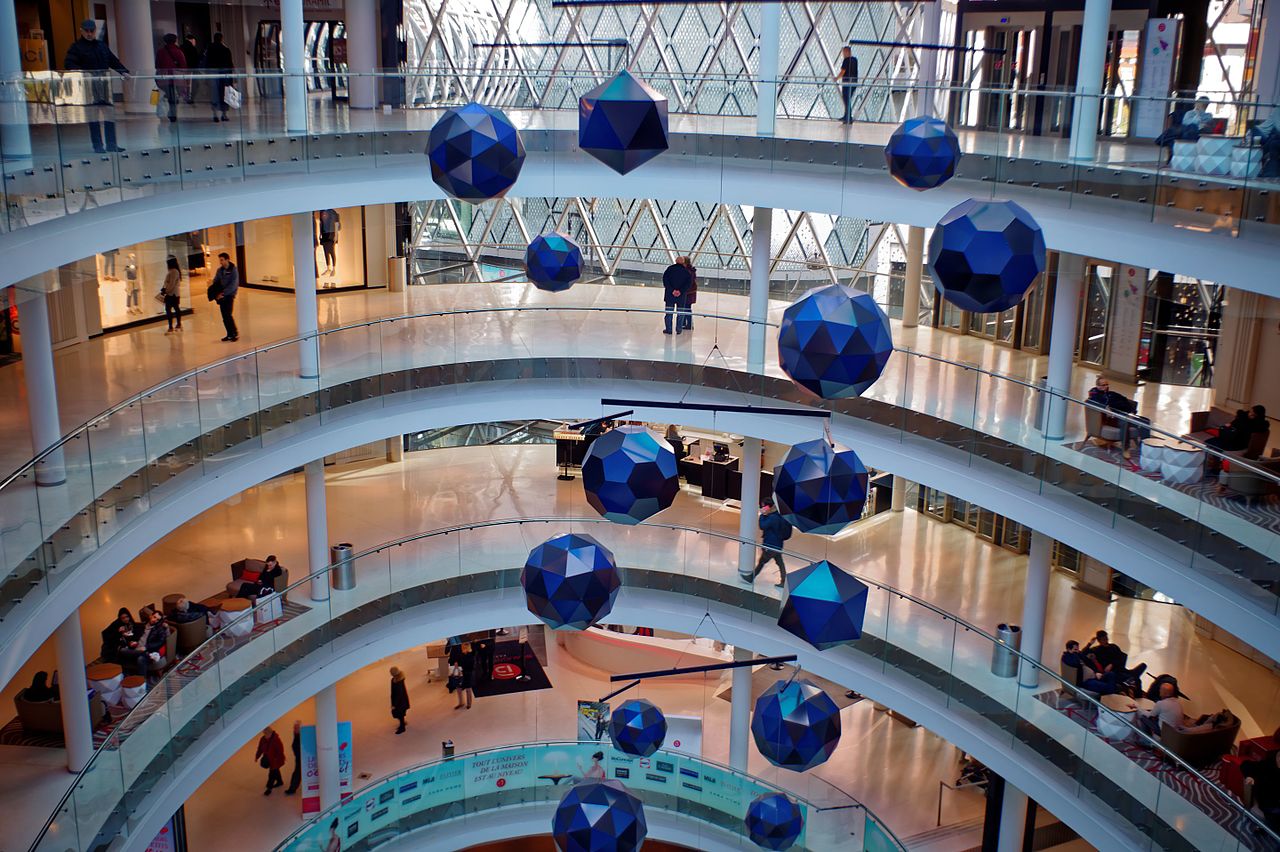
Xavier Veilhan - Contemporary Artist Author of a mobile in the center.
Maurice Bansay - Founder of the Apsys Group Promoter and manager of the centre.

Origin and history

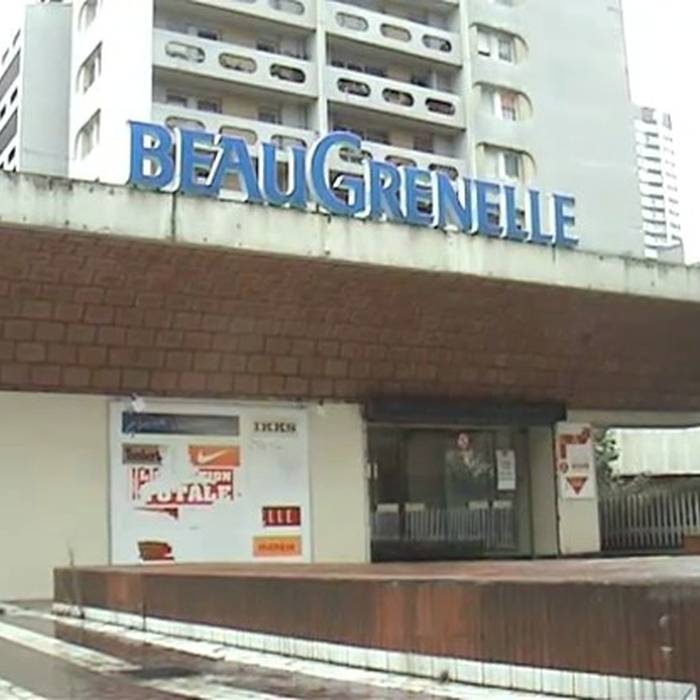
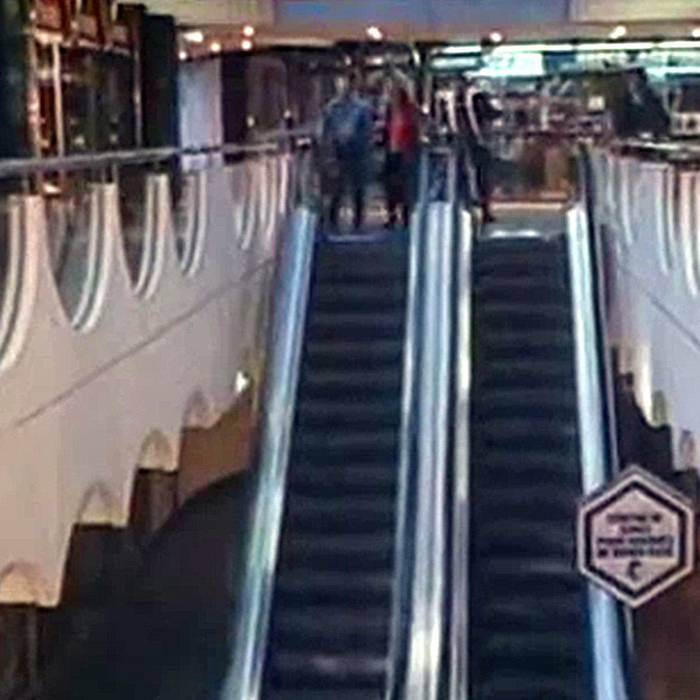
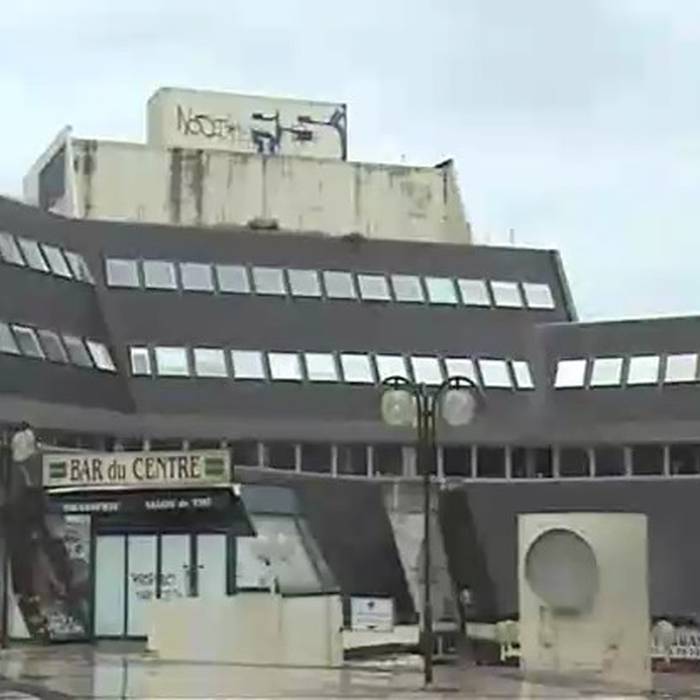
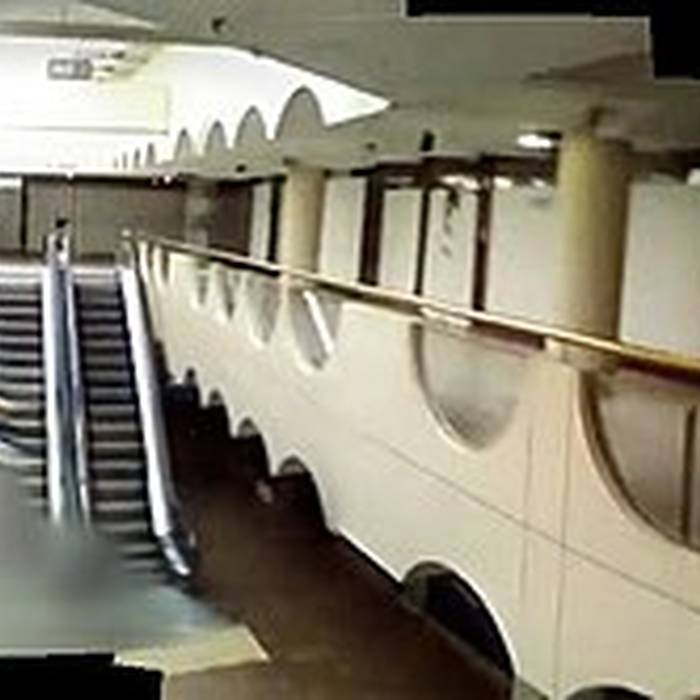
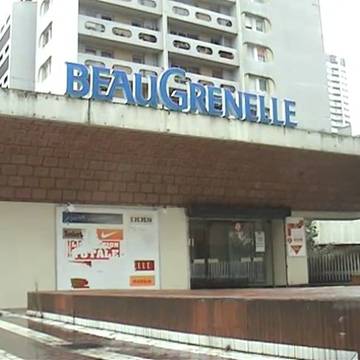
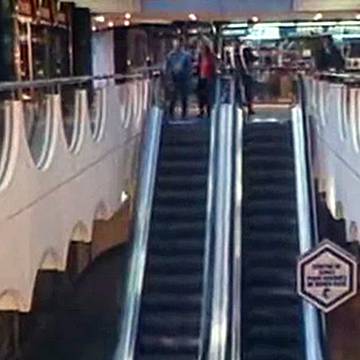
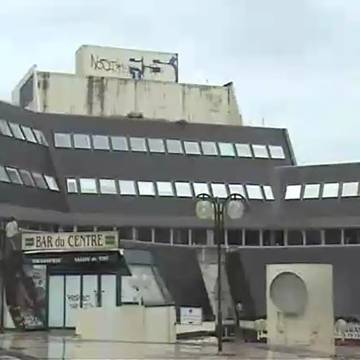
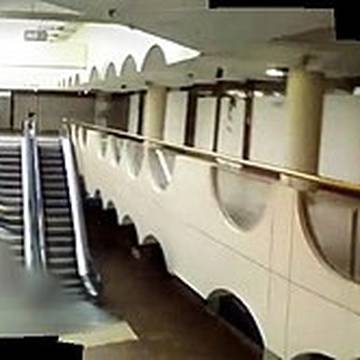
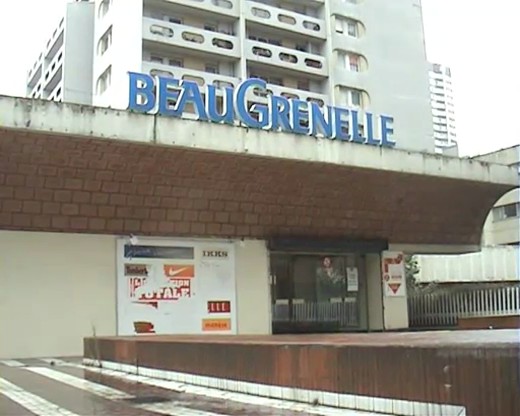
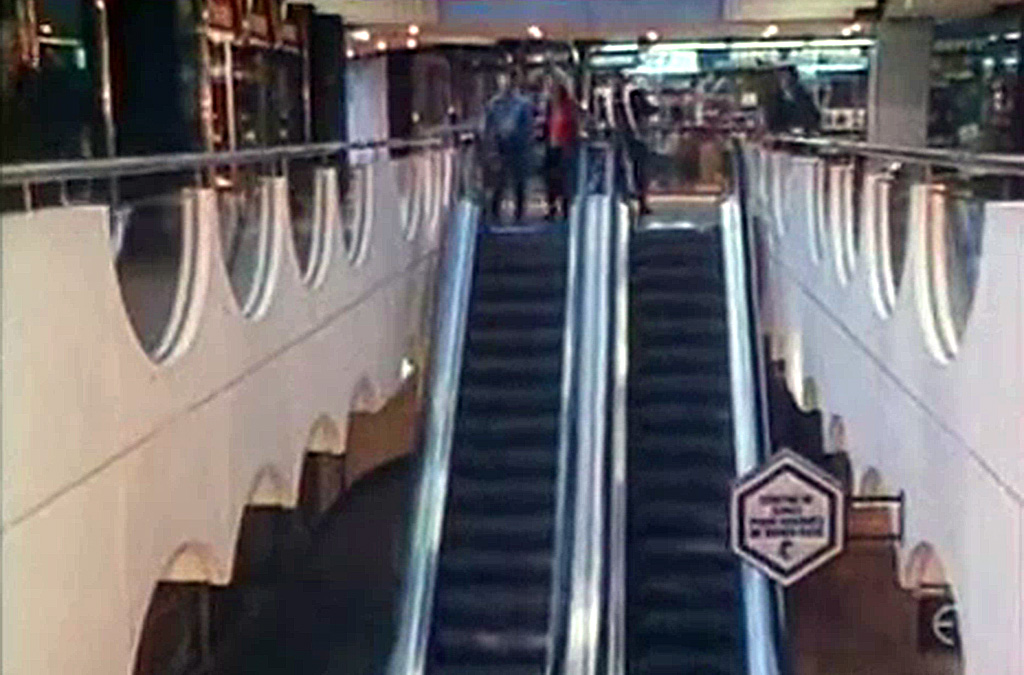
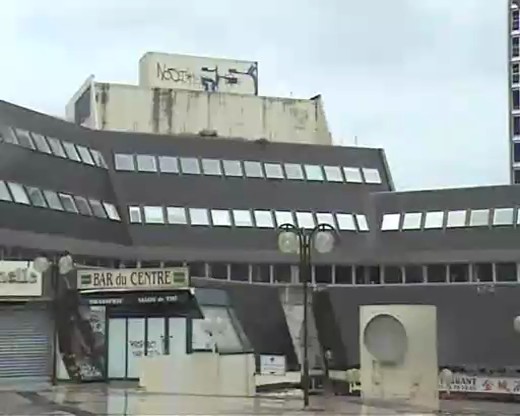
The Beaugrenelle shopping centre was inaugurated for the first time in 1979 as part of the urban project of the Front-de-Seine in Paris. A surface area of 26,000 m2, designed by architects M. Proux and G. Srot, it had 80 shops on two levels. From its opening, its architecture was strongly criticized, described as "protective mastodon" and "simulacre" by journalists such as Frédéric Edelmann (Le Monde). Despite initial ambitions to attract the West of Paris, he only seduced the immediate residents, before being broken down in 2009.

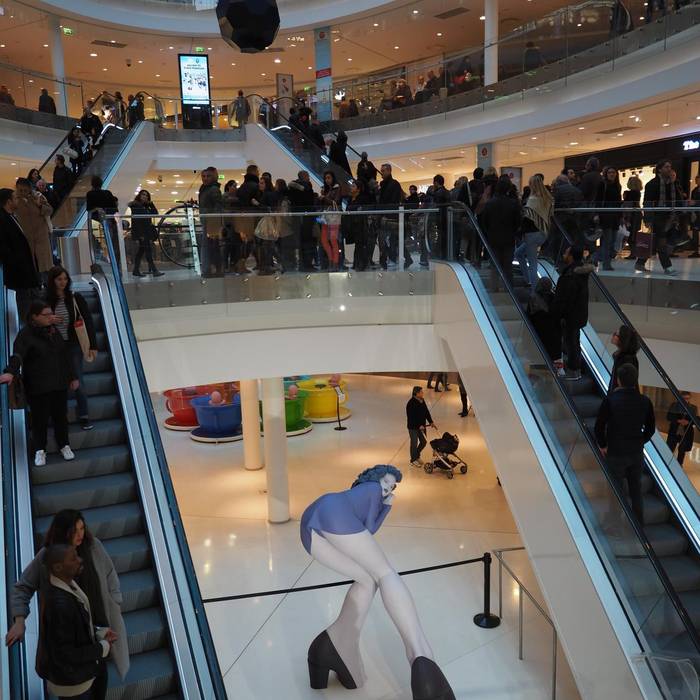
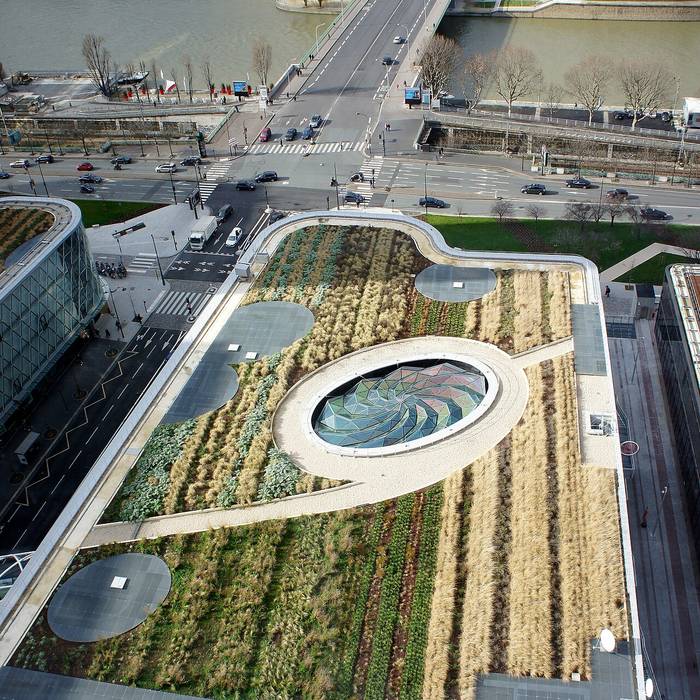
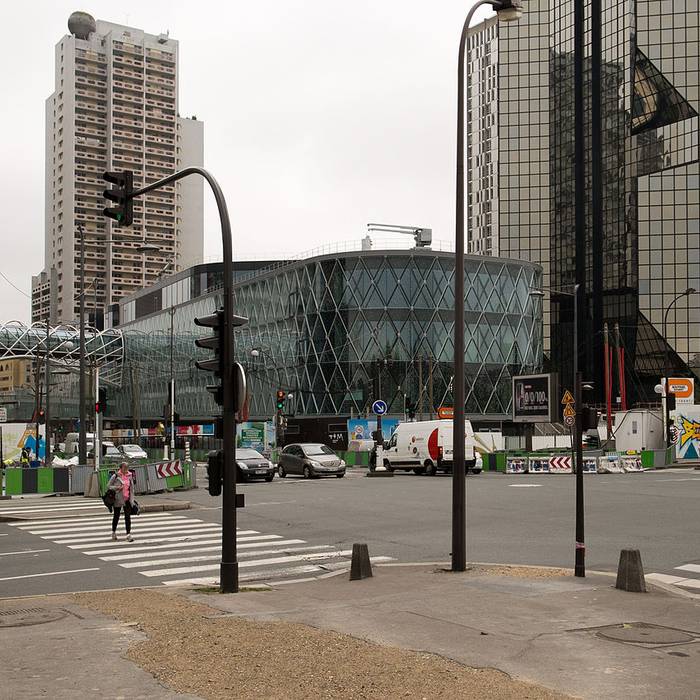
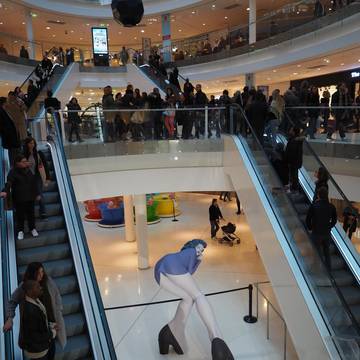
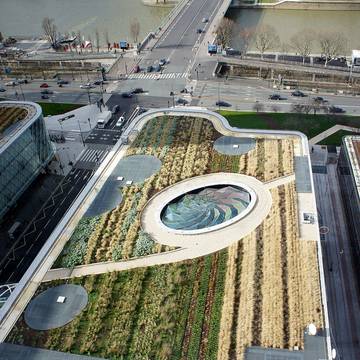
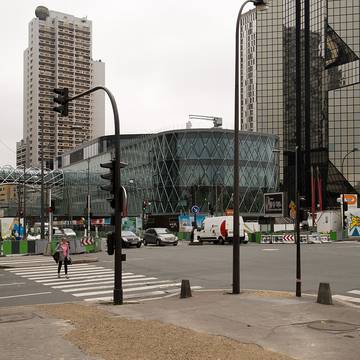
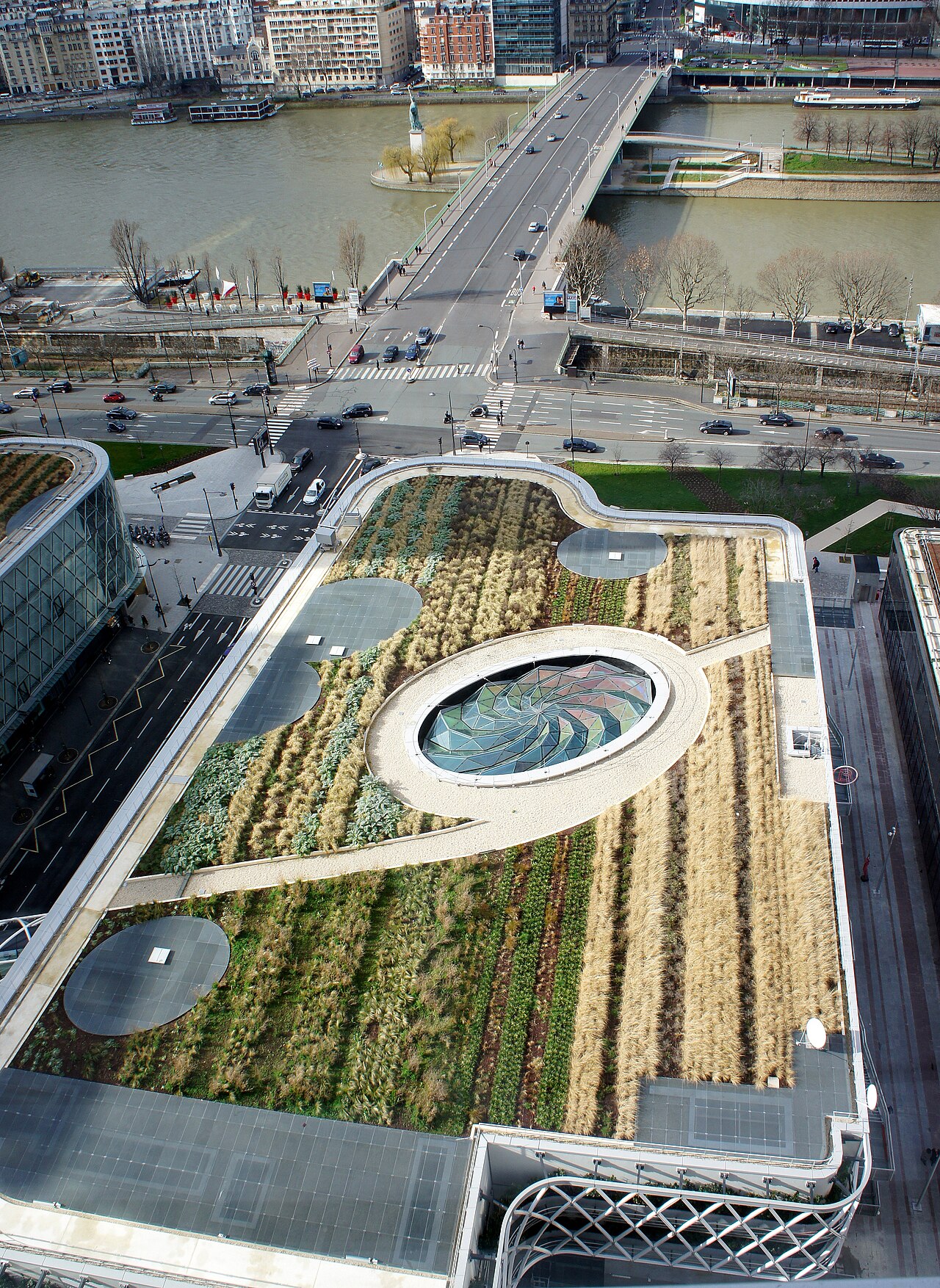
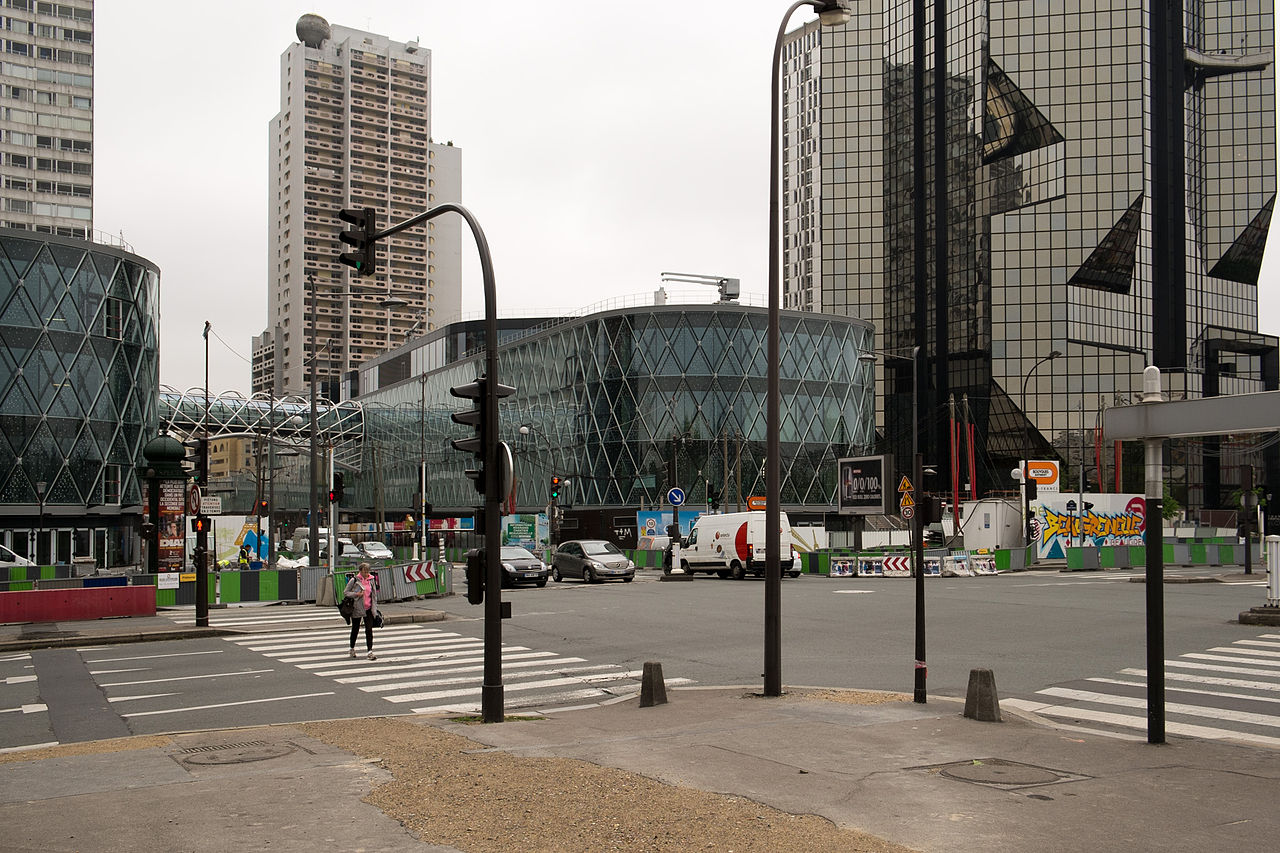
The new shopping centre, inaugurated on 23 October 2013, is three times larger (45,000 m2) and has sparked local controversies due to its gigantism. With an investment of 450 million euros (Gecina), it focuses on sustainable development with a vegetated roof of 7,000 m2 (the largest in Paris at the time) and HQE and BREEAM certifications. Its design, signed by Valode et Pistre, includes an oval atrium bathed in light and a glass façade. The centre was purchased in 2014 by Apsys Group for 700 million euros.

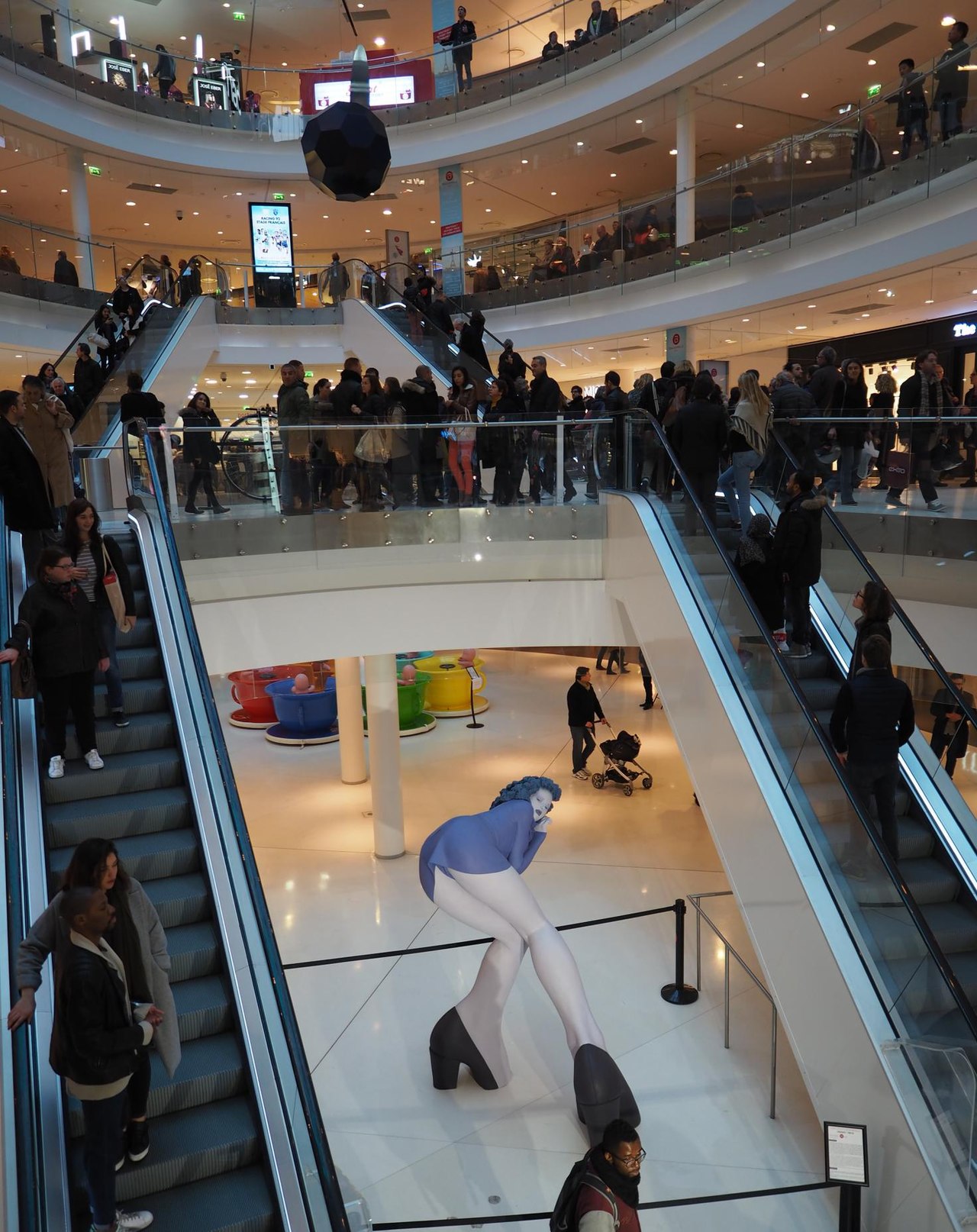
Organised in three poles (Panoramic, Magnetic, City), the centre hosts 110 signs, a multiplexe Pathé of 15 rooms, restaurants overlooking the Seine, and a work by artist Xavier Veilhan. The Panoramic pole initially housed a Marks & Spencer (the largest in Europe), replaced in 2019 by Galeries Lafayette. The City Pole, opened in 2009, offers local shops. Despite delays in opening, the project symbolizes the renovation of the Beaugrenelle district.

The former centre, which had been declining since the 1980s, suffered from low attendance and accelerated degradation. The criticisms concerned its design, which was considered to be unfunctional (separate traffic and commerce), and its lack of attractiveness. Its demolition has made it possible to completely rethink space, integrating environmental criteria and better urban integration. The new centre aims to correct these defects while asserting itself as a place of life and major consumption west of Paris.

The project involved several key actors: SCI Beaugrenelle (associating Gecina, Foncière Euris, Apsys Group and Paris Orléans), architect Lionel Engrand (criticism of the old building), and artist Xavier Veilhan (author of a mobile built into the new centre). Management is carried out by Apsys, already a promoter of the site. The centre is part of a dynamic of modernization of the 15th arrondissement, between industrial heritage (former Citroën factories) and contemporary development.

External links