Queen Henriette of England stay 1609–1669 (≈ 1639)
Widow of Charles I, last residence in Colombes.
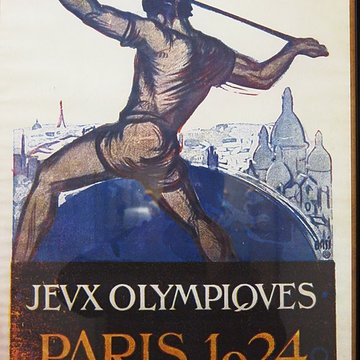
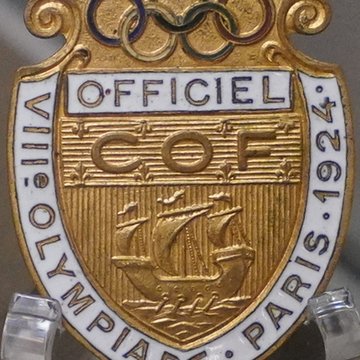
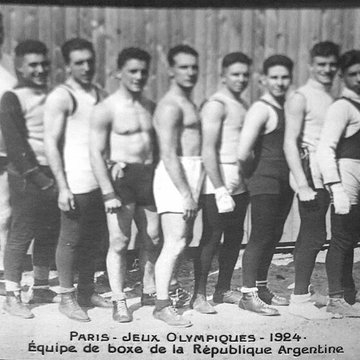
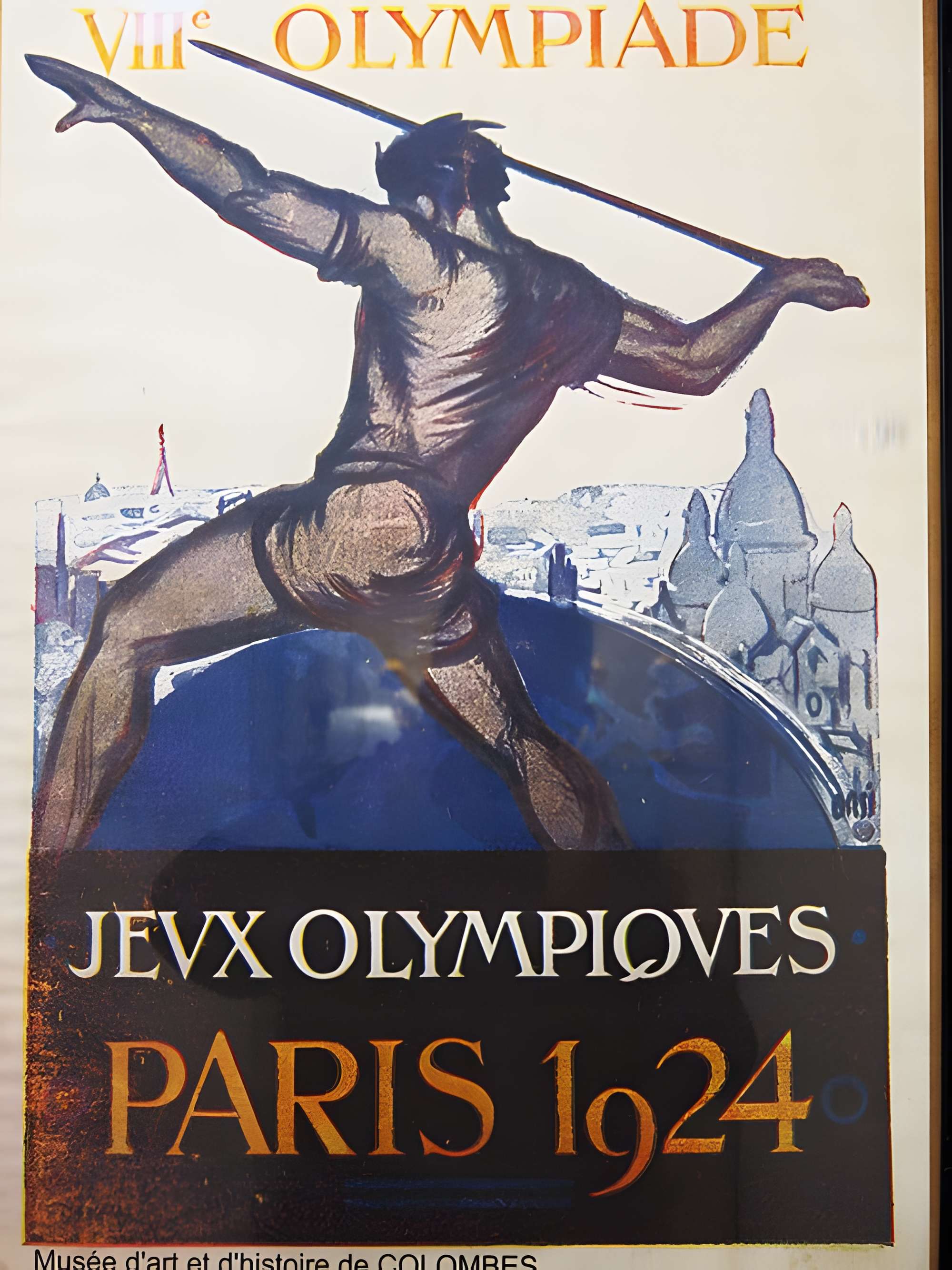
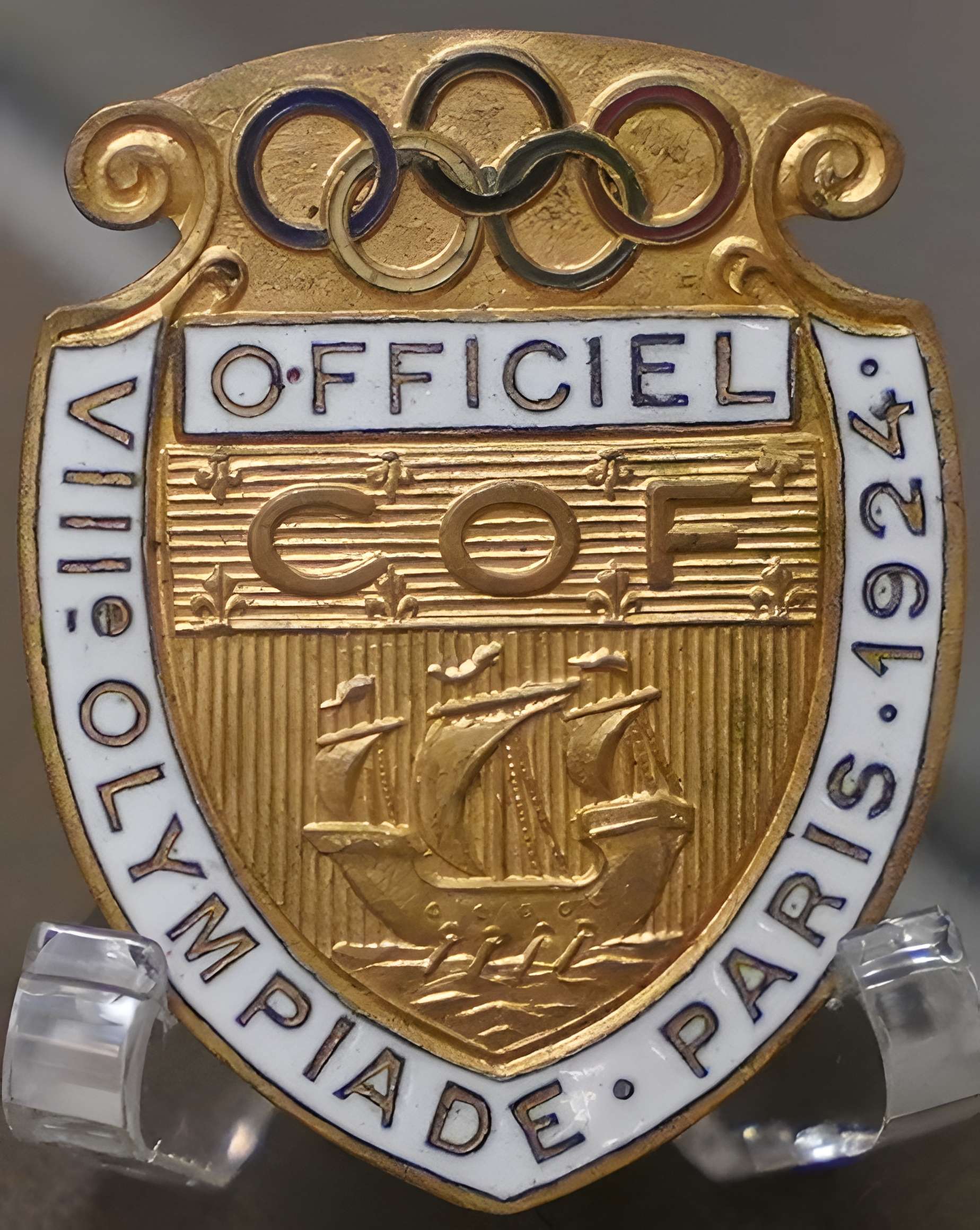
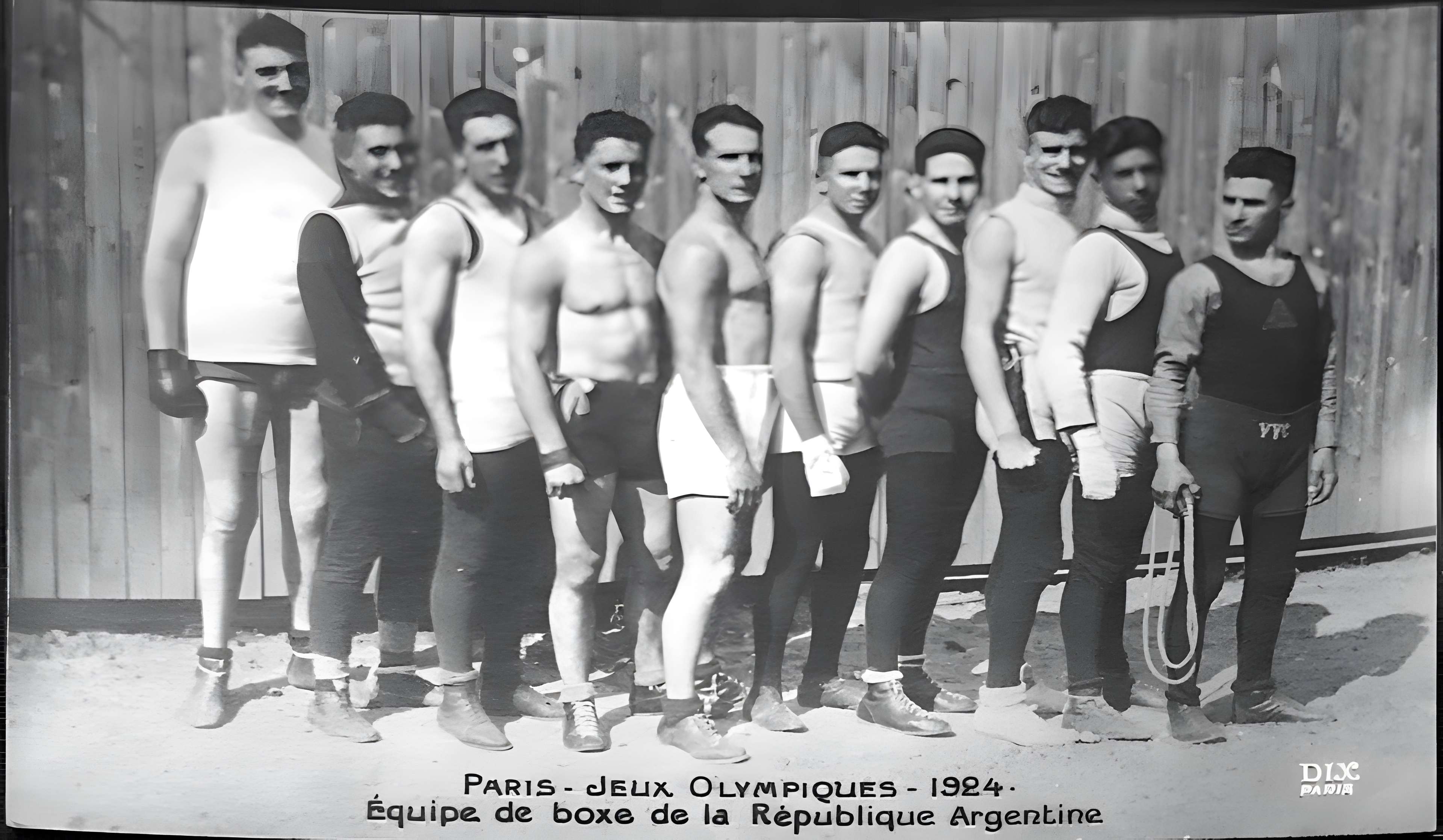
1924
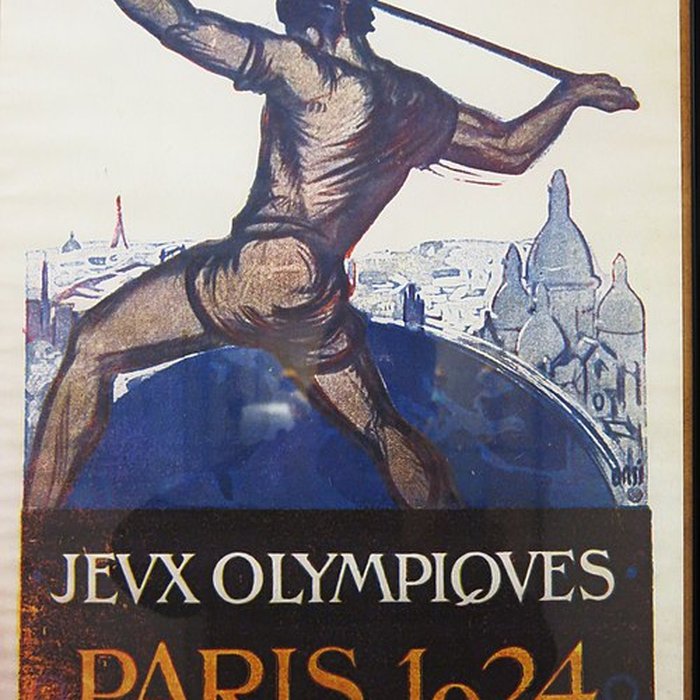
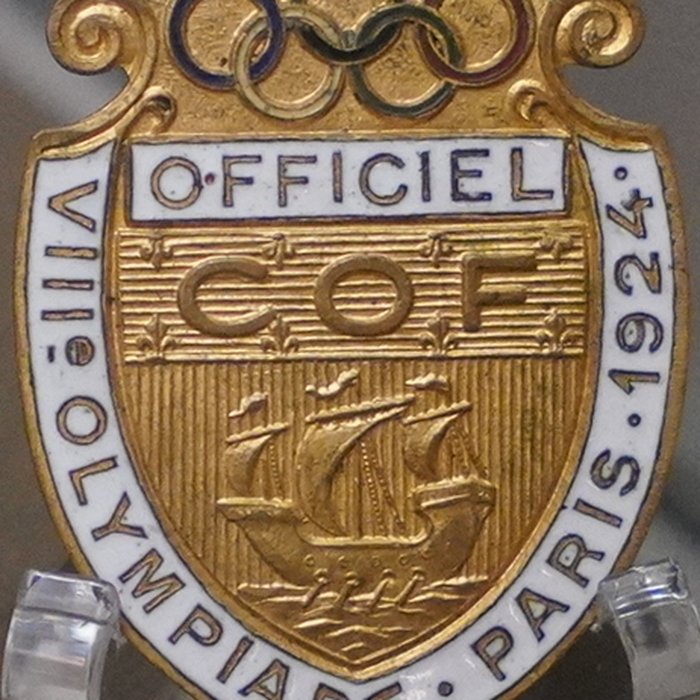
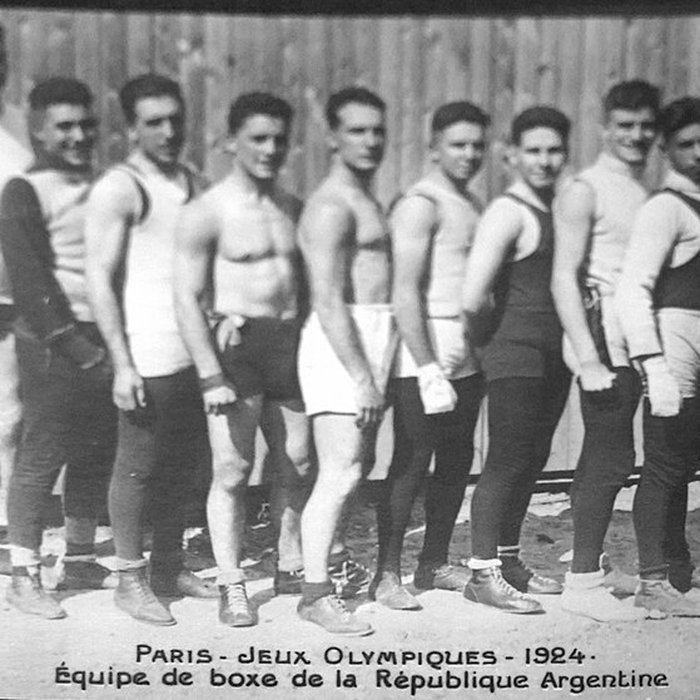
Olympic Games at Yves du Manoir Stadium
Olympic Games at Yves du Manoir Stadium 1924 (≈ 1924)
Beginning of the sports history of the stadium.
1938
Football World Cup
Football World Cup 1938 (≈ 1938)
Yves-du-Manoir Stadium as an iconic place.
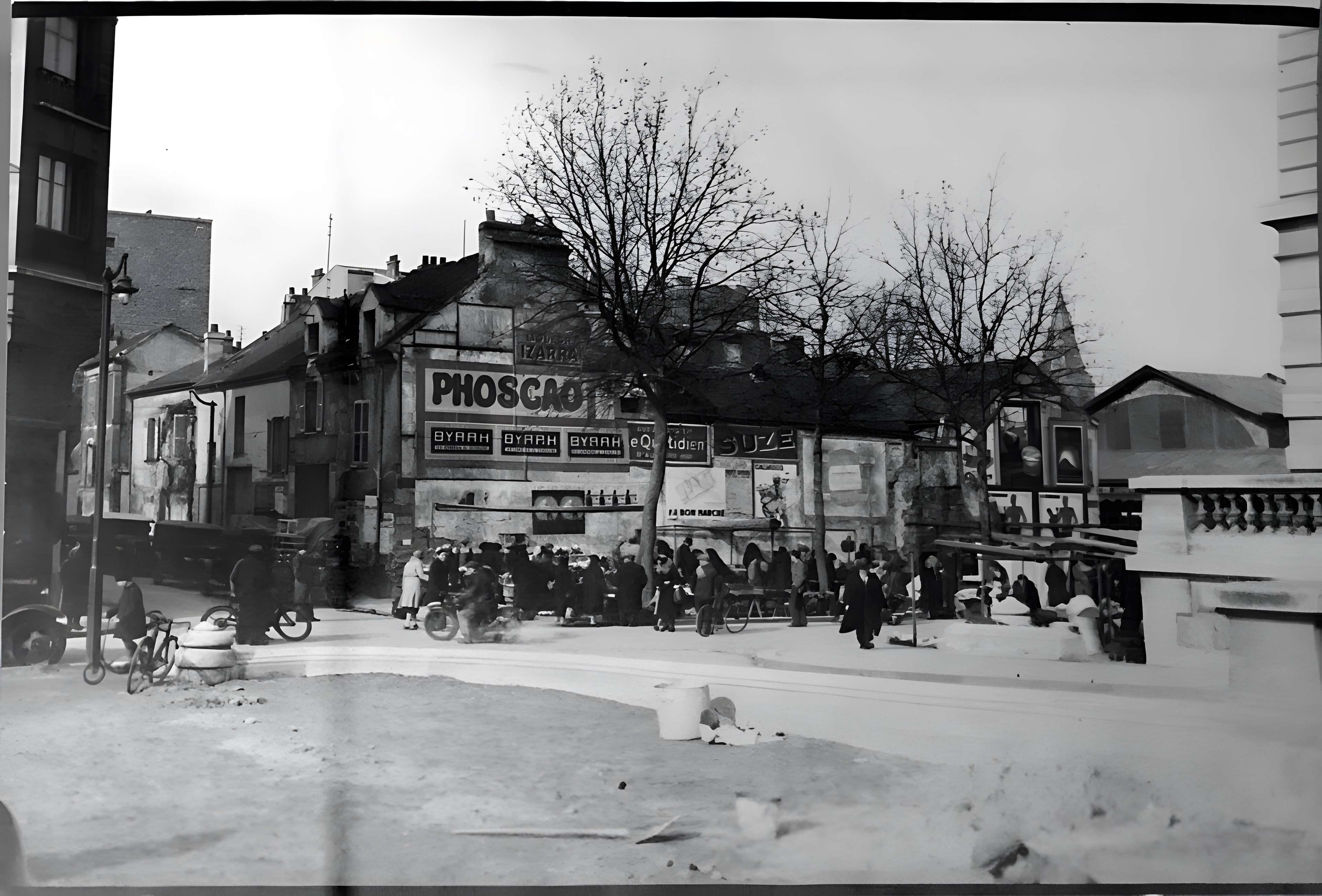
Années 1970
Decline of the Yves-du-Manoir Stadium
Decline of the Yves-du-Manoir Stadium Années 1970 (≈ 1970)
Renovation of Princes Park.
Aujourd'hui
Aujourd'hui
Aujourd'hui Aujourd'hui (≈ 2025)
Position de référence.
Key figures
Henriette d'Angleterre (1609–1669) - Queen widow of Charles I
Living in Colombes at the end of life.
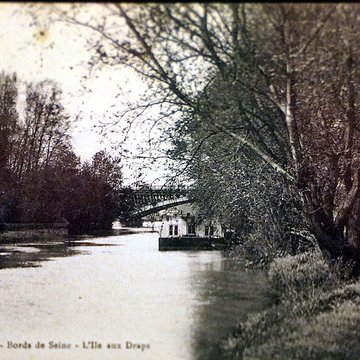
Claude-Henri Watelet - Owner and landscaper
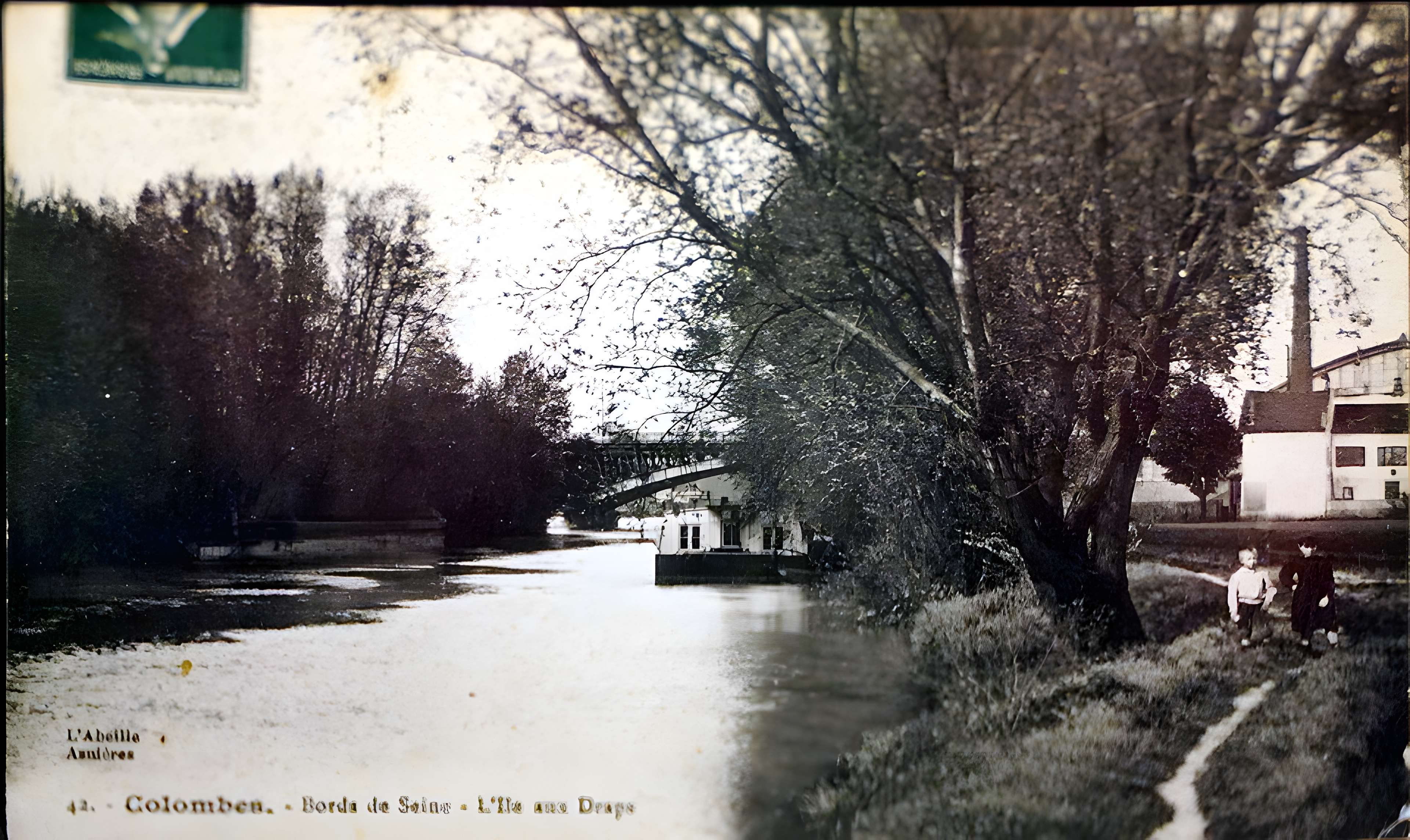
Created a picturesque garden in Moulin Joly.
Origin and history
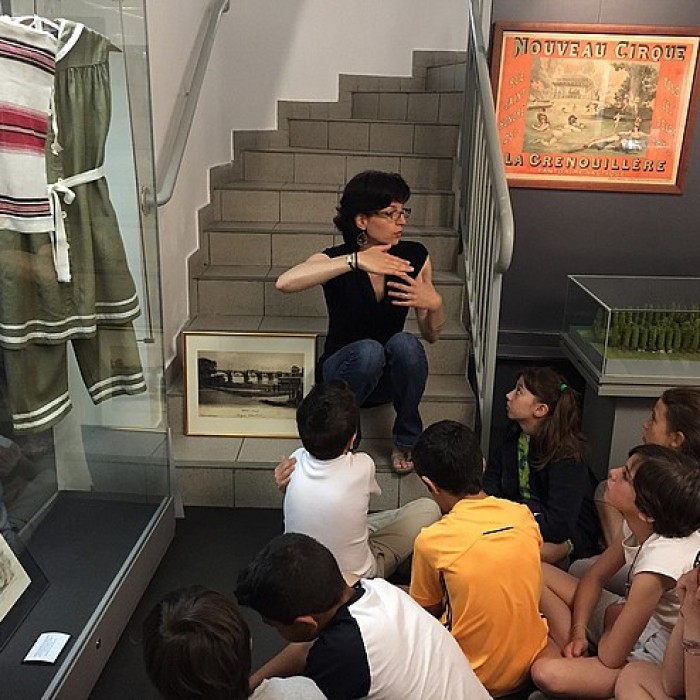
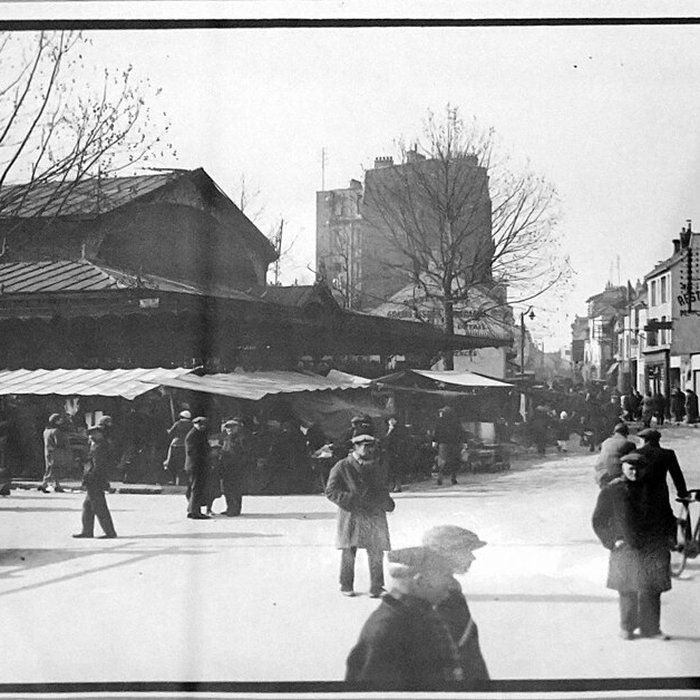
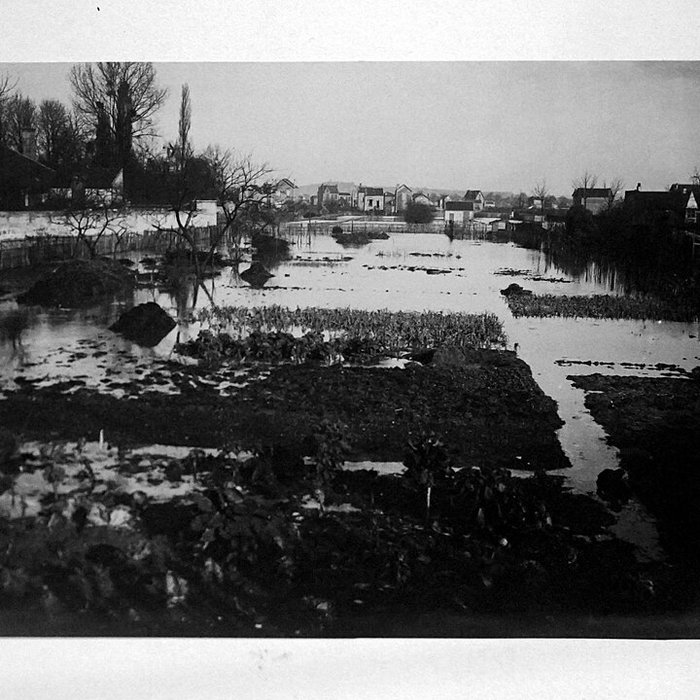
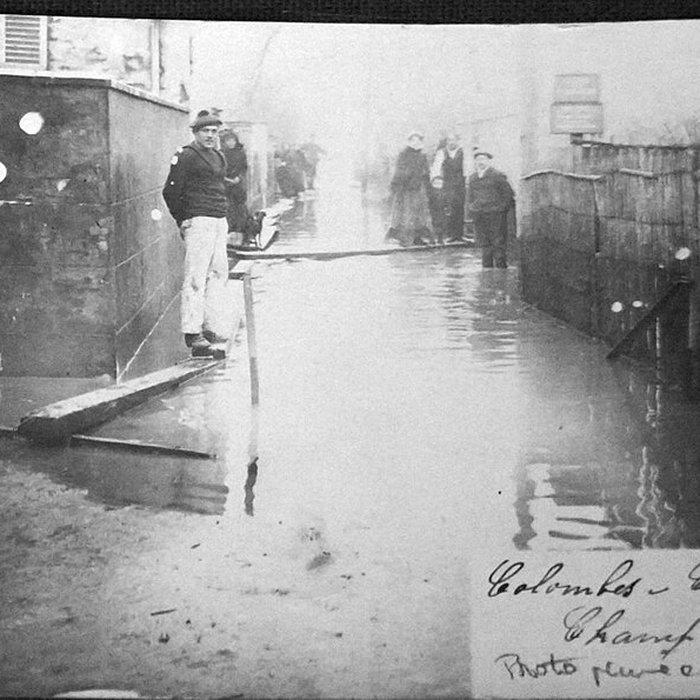
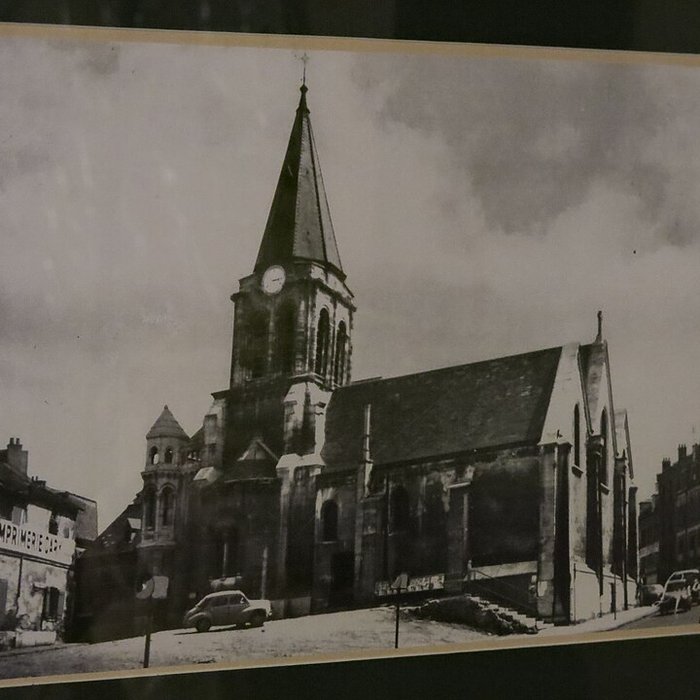
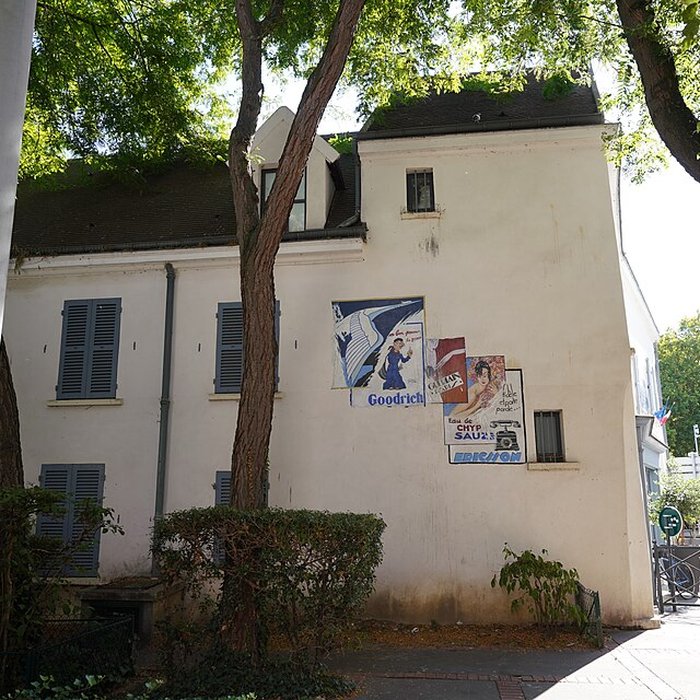
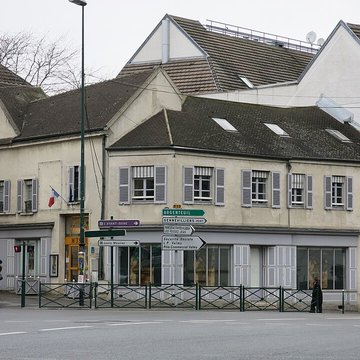
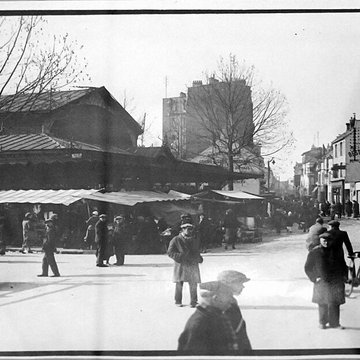
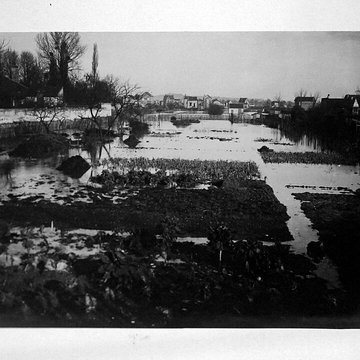
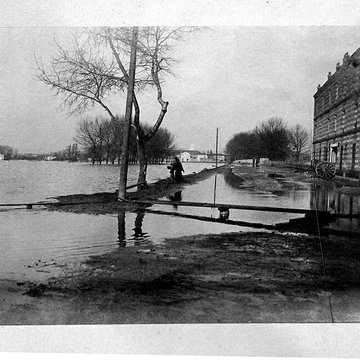
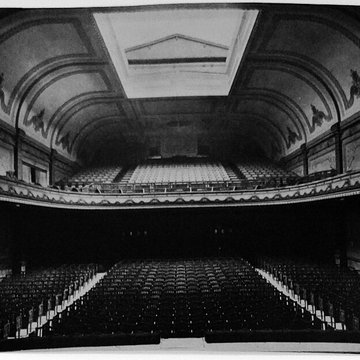
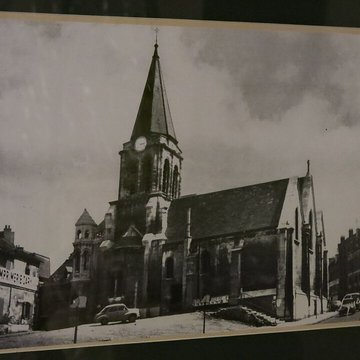
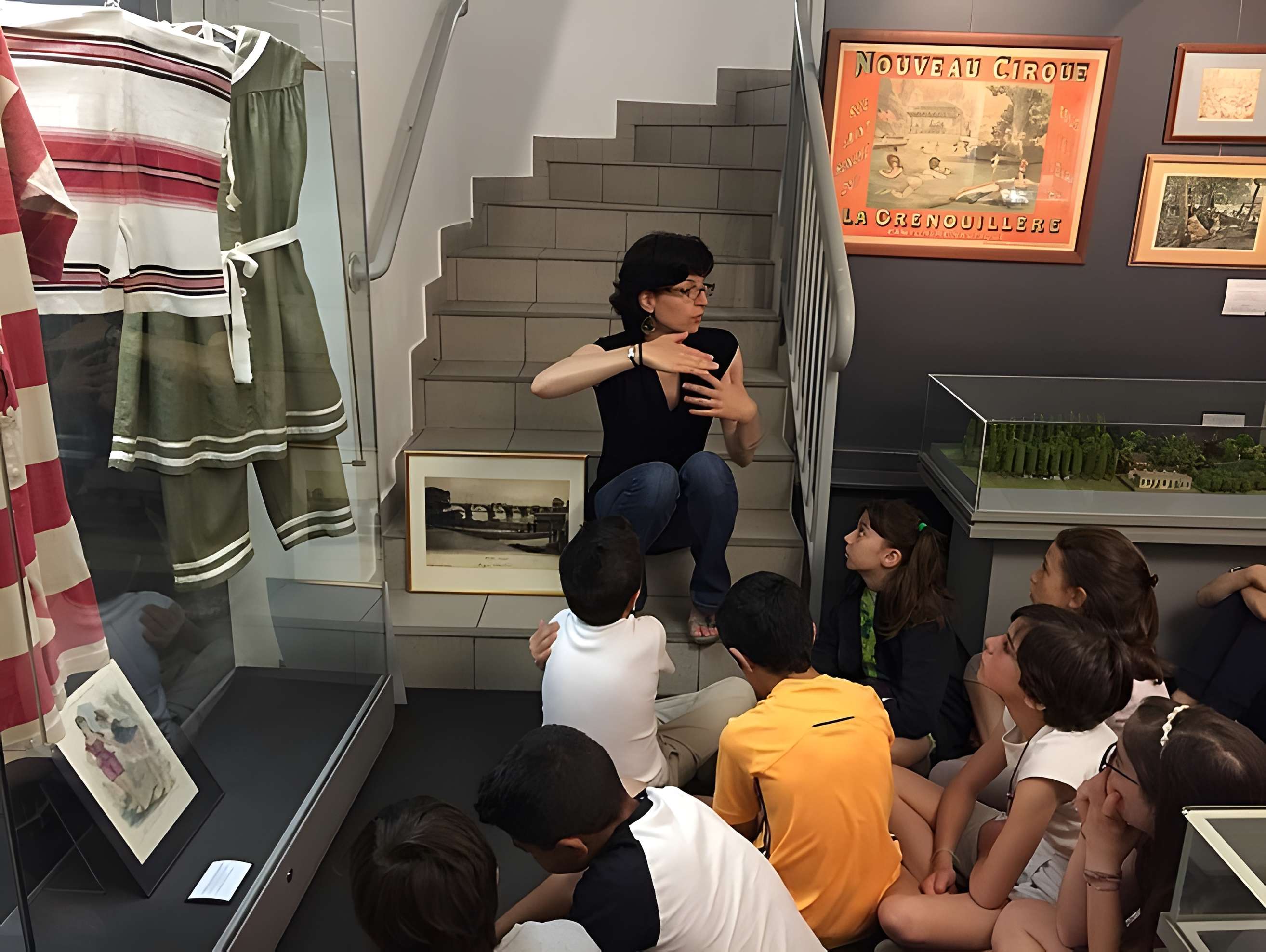
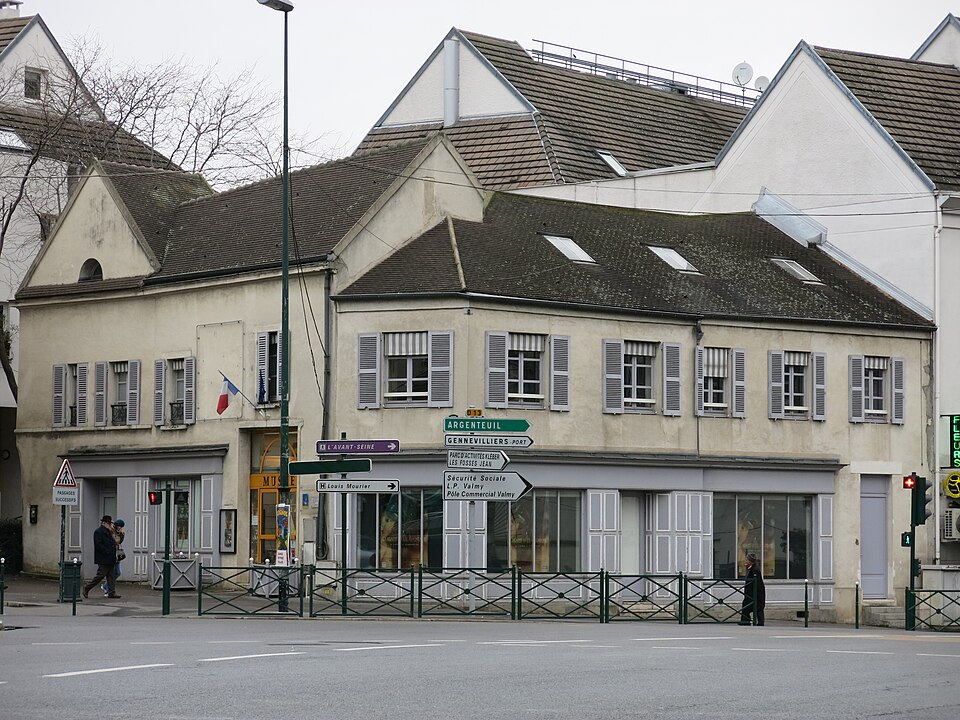
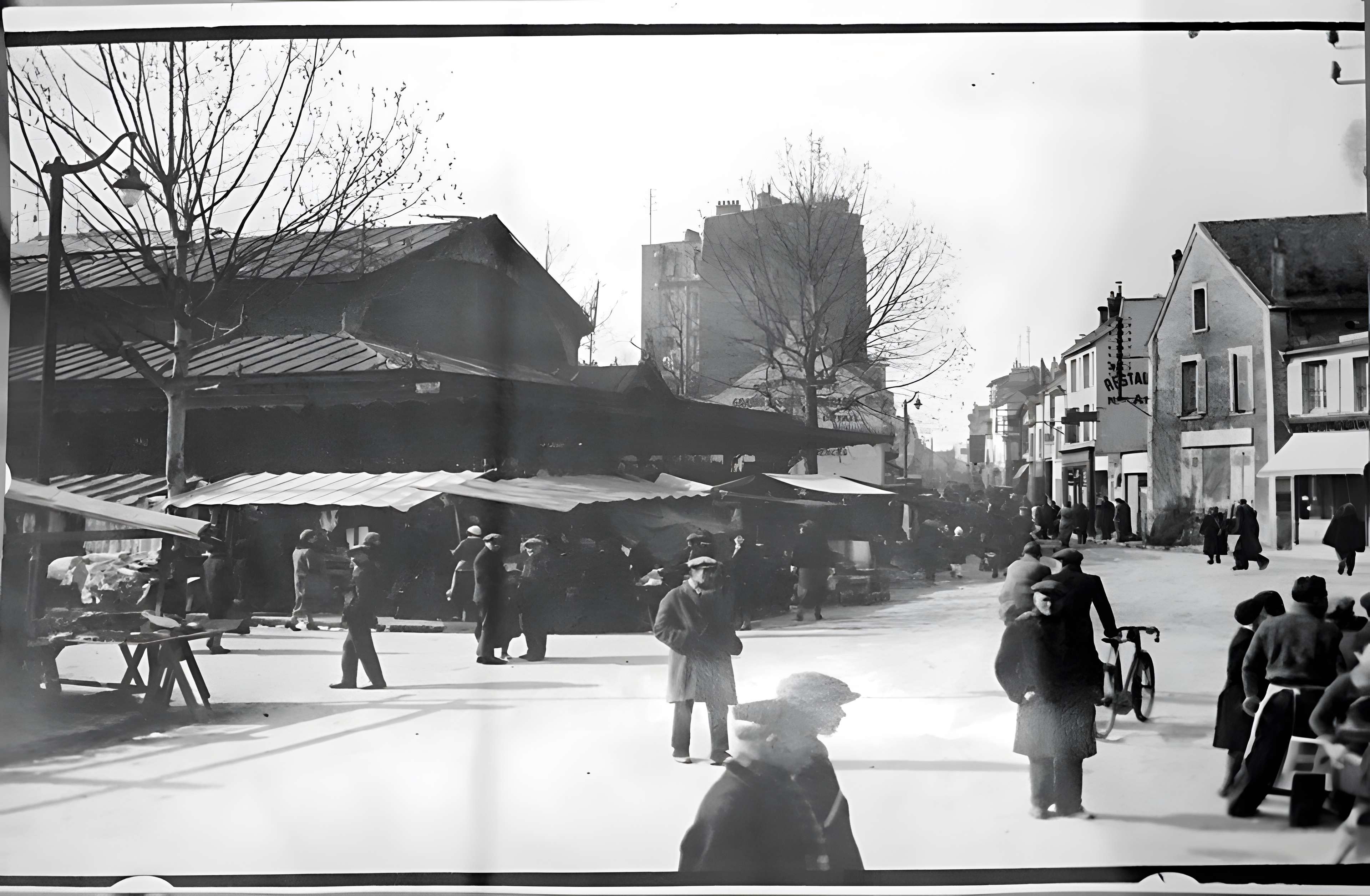
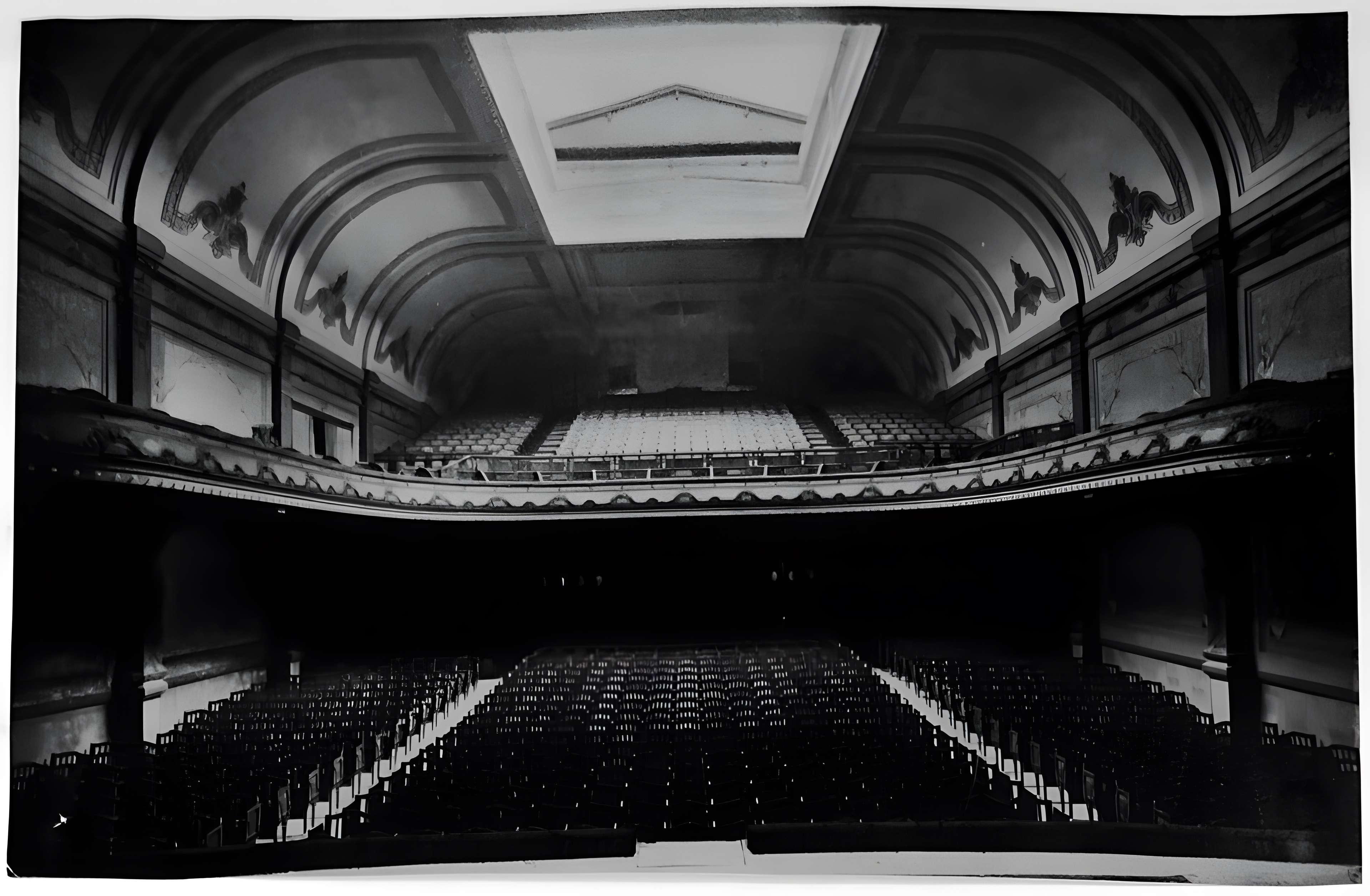
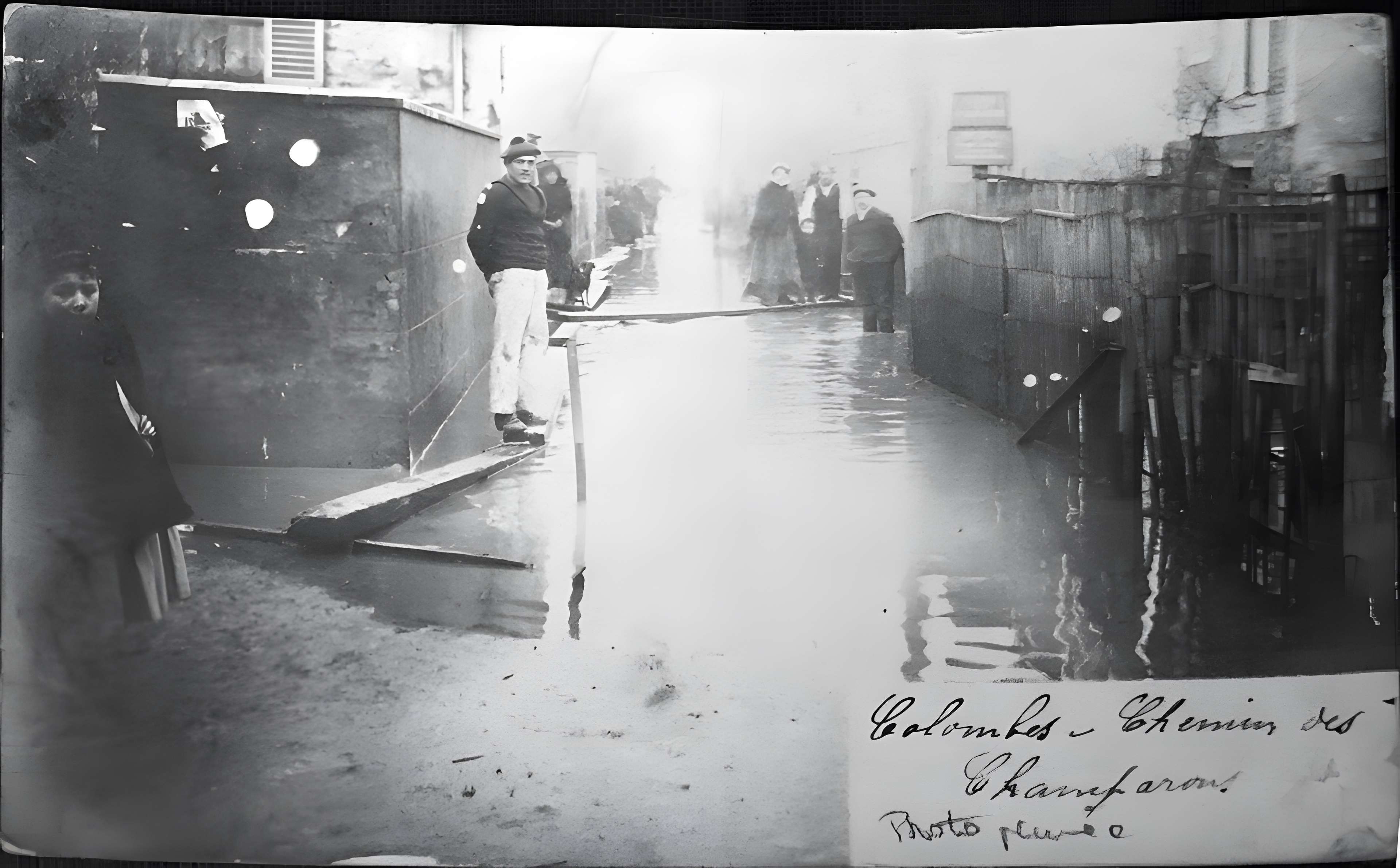
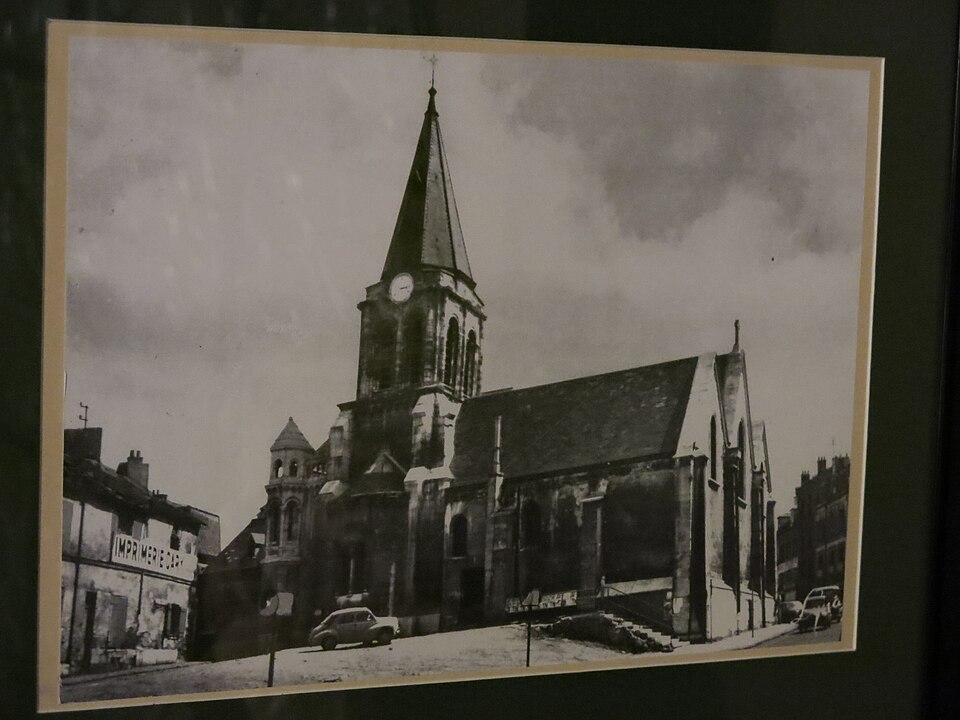
The Municipal Museum of Art and History of Colombes was created from collections gathered ex nihilo thanks to calls to the population, documentary research and acquisitions. Its thematic areas cover archaeology (gallo-Roman, medieval, modern), fine arts, ethnology, local history and industrial techniques. The exhibits include elements of the old church, ceramics, textiles, 17th and 19th century paintings, as well as archives and photographs.
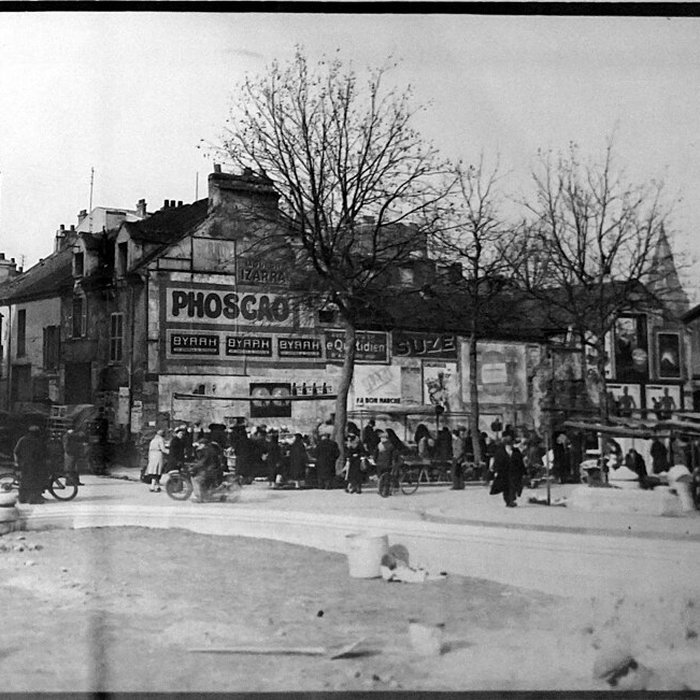
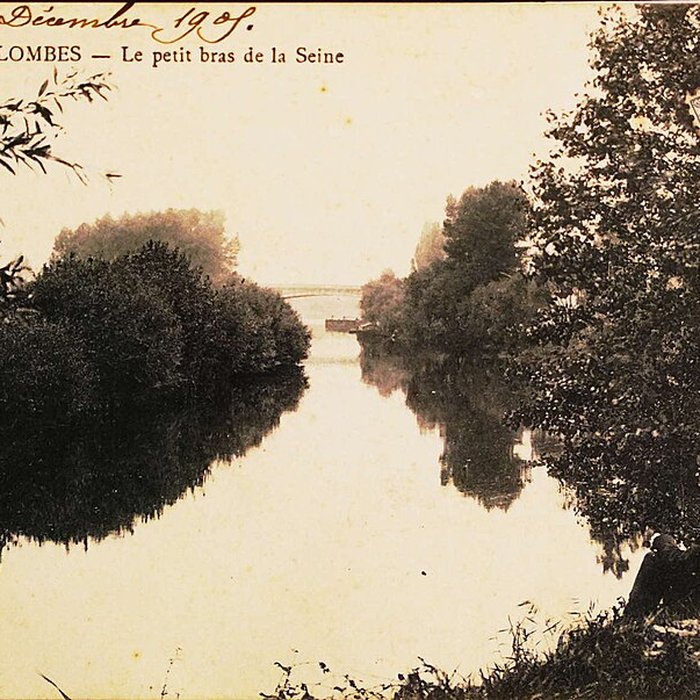
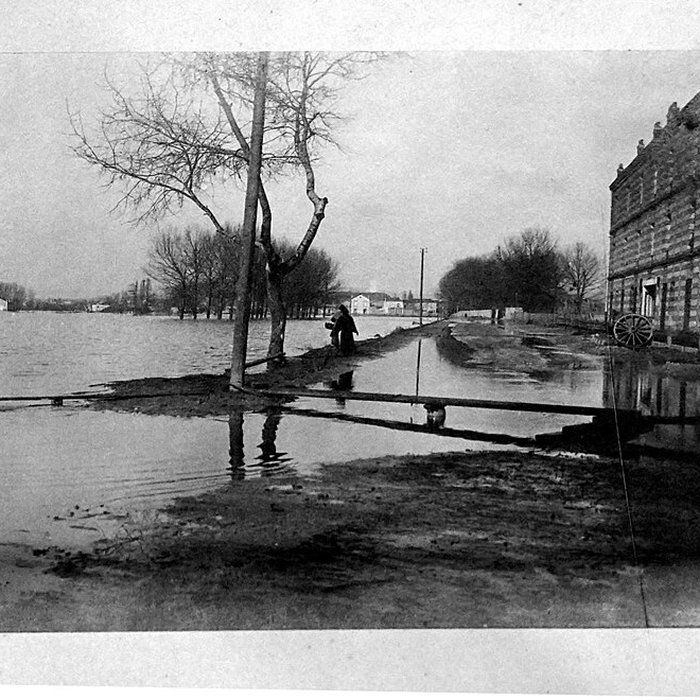
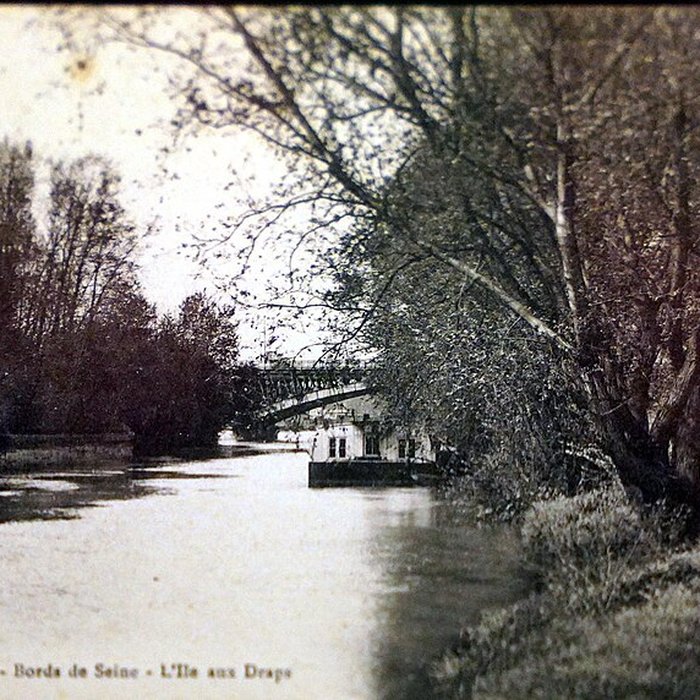
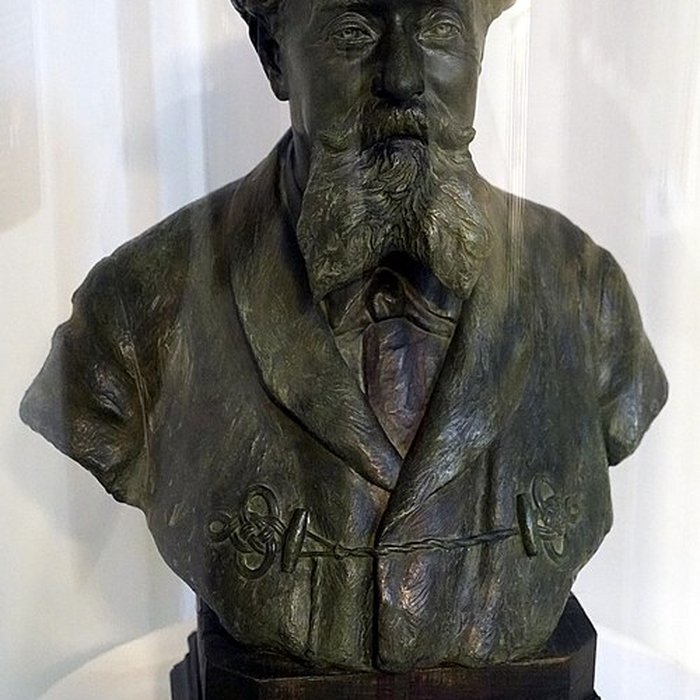
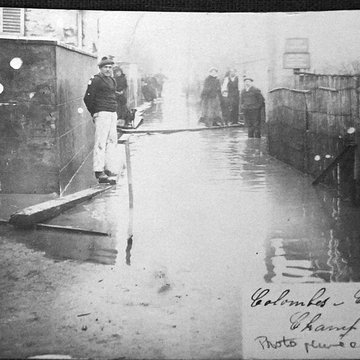
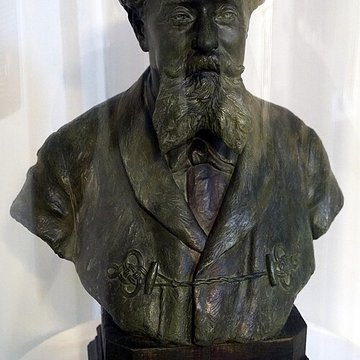
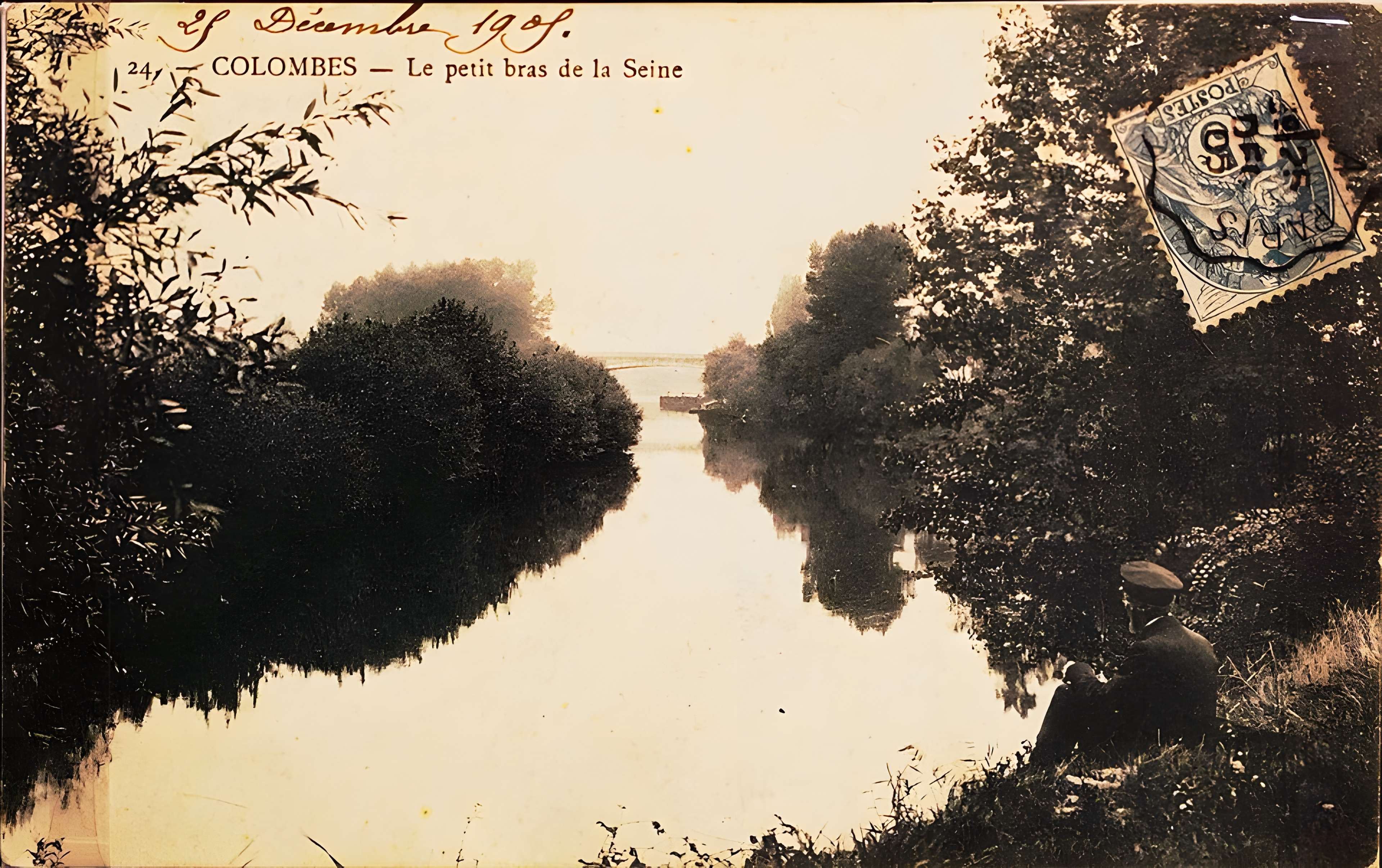
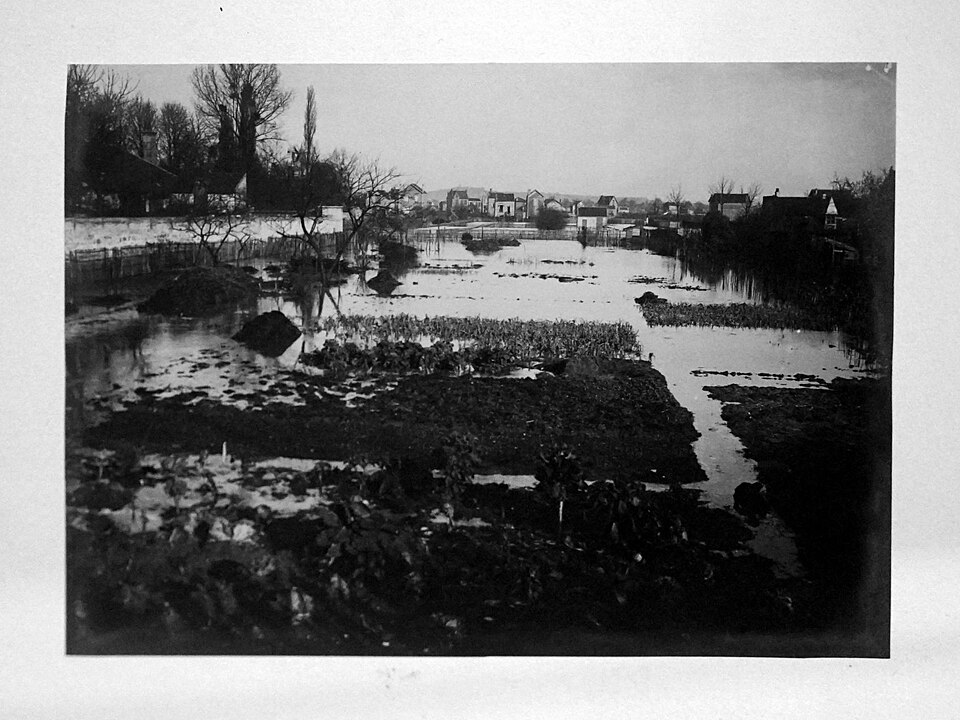
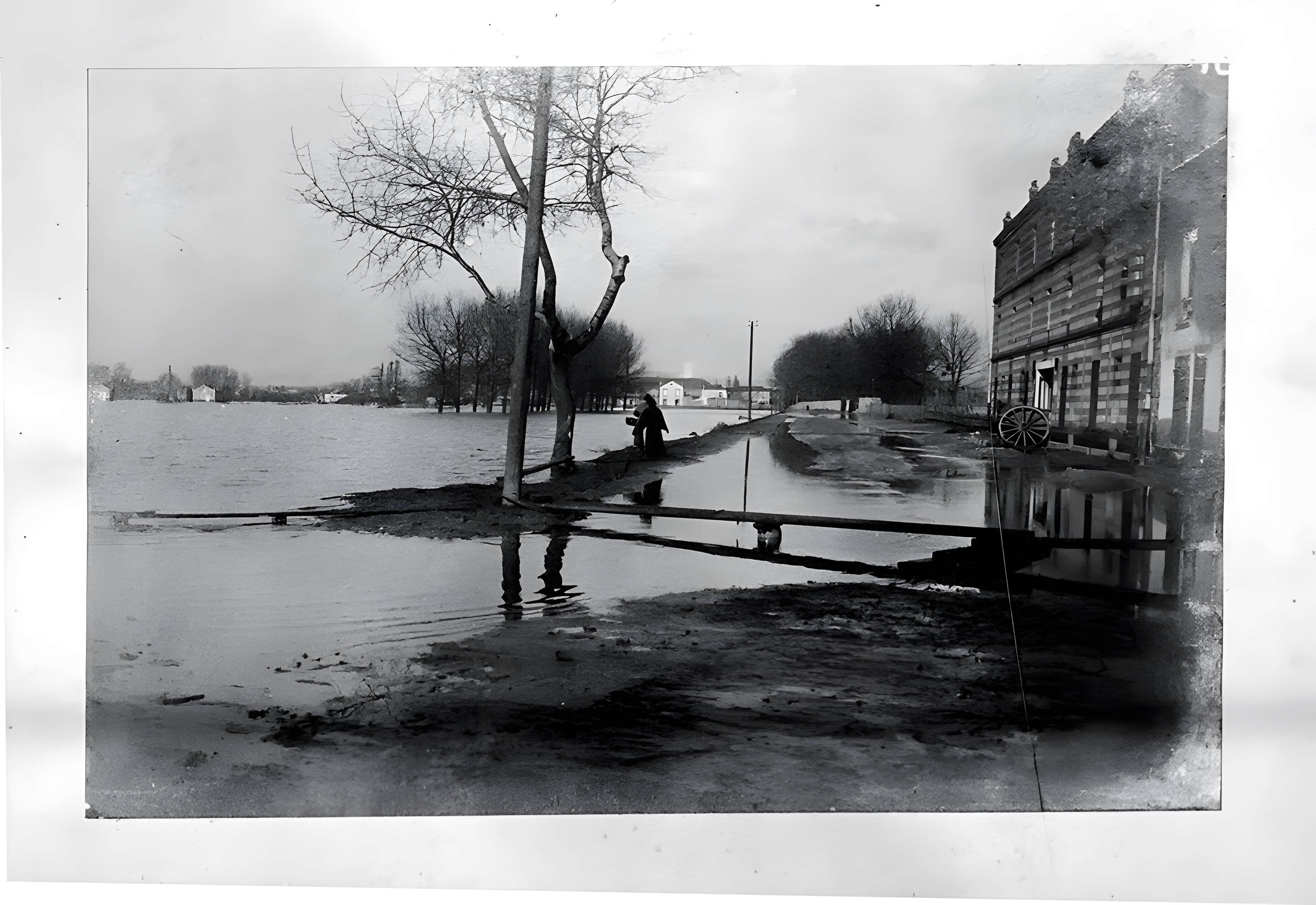
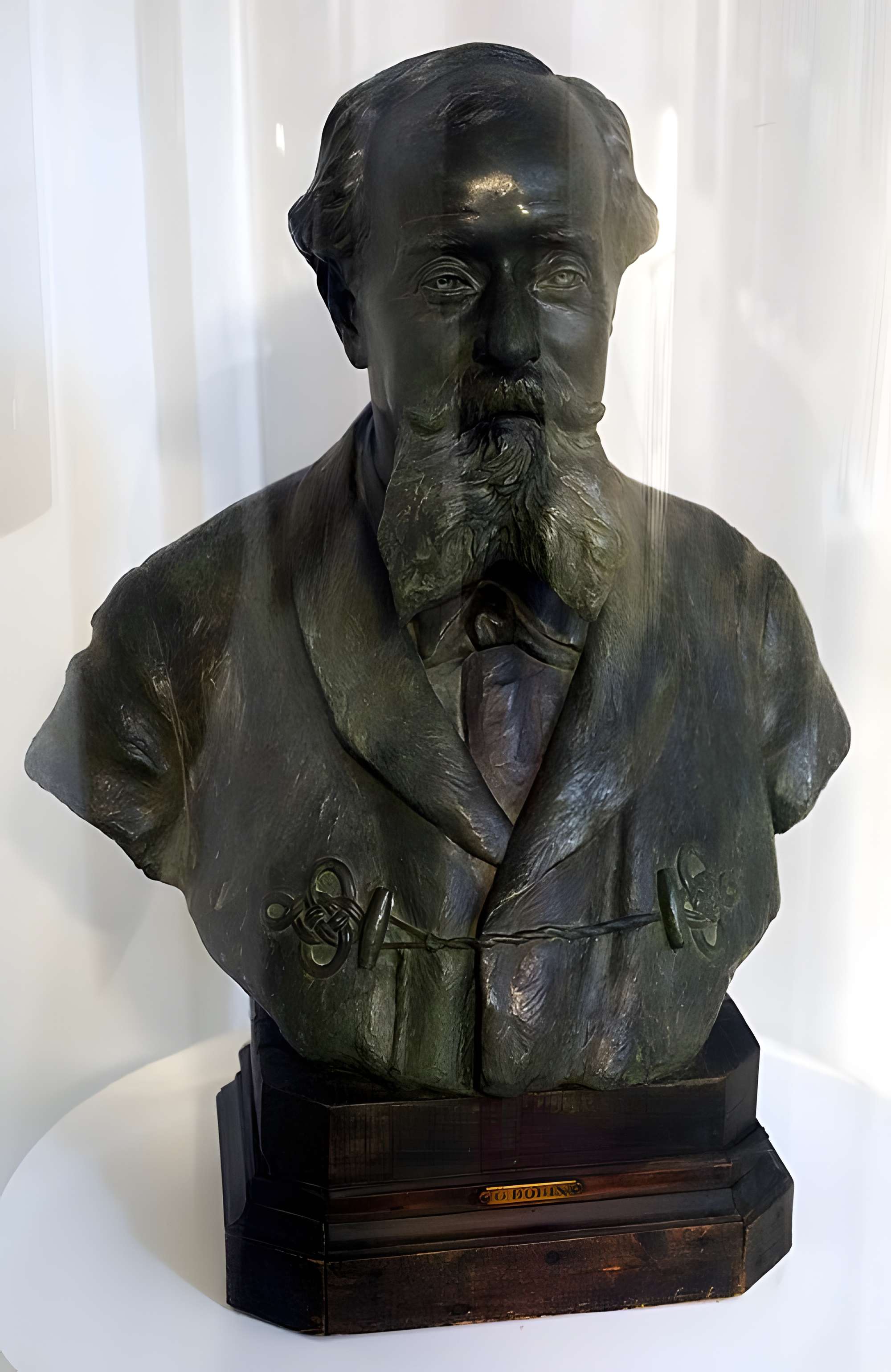
The museum highlights important aspects of the history of Colombes, such as local archaeological excavations or the great estates of the Old Regime. Among the historical figures related to the city, Queen Henriette of England (1609–69), widow of Charles I, lived there his last years. The site also houses models of the village of Colombes in 1780 and the picturesque garden of Claude-Henri Watelet on the island of Moulin Joly, illustrating urban and landscape evolution.
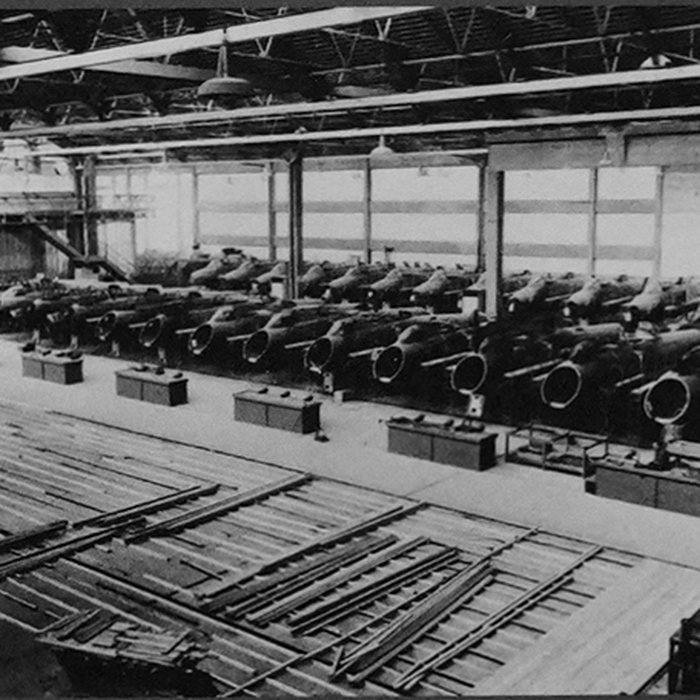
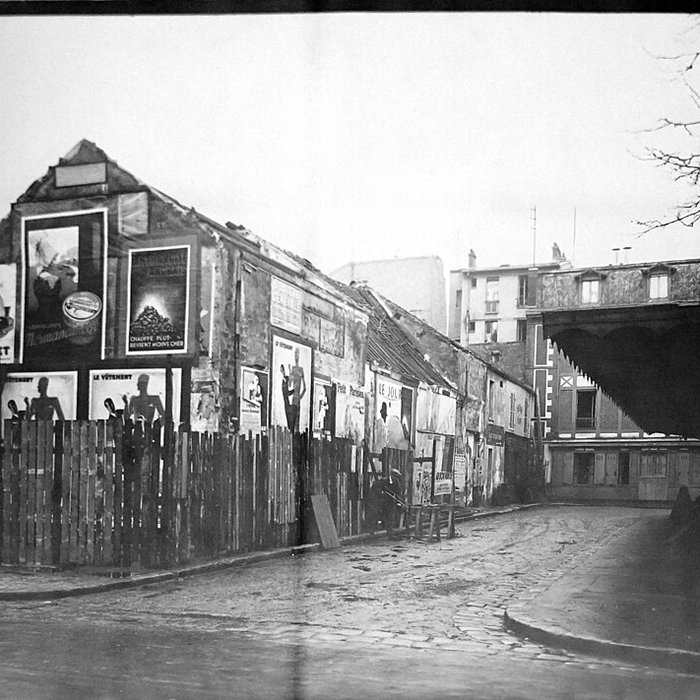
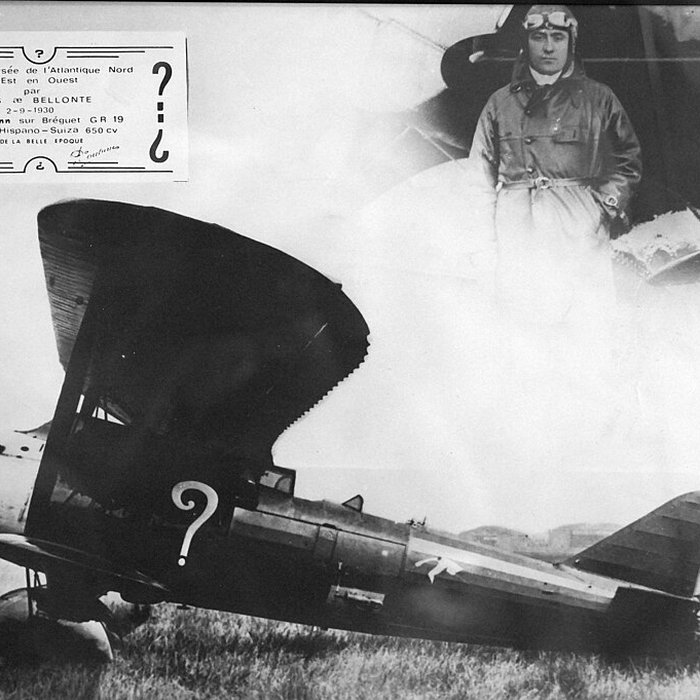
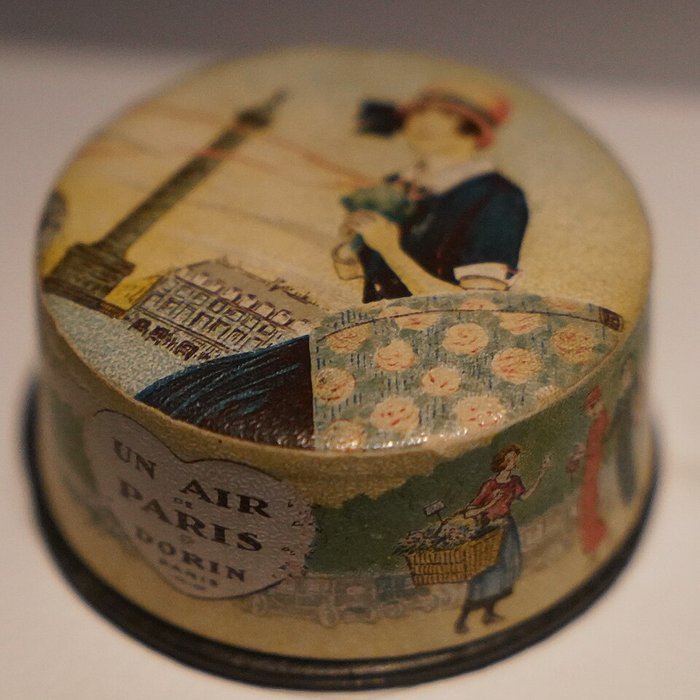
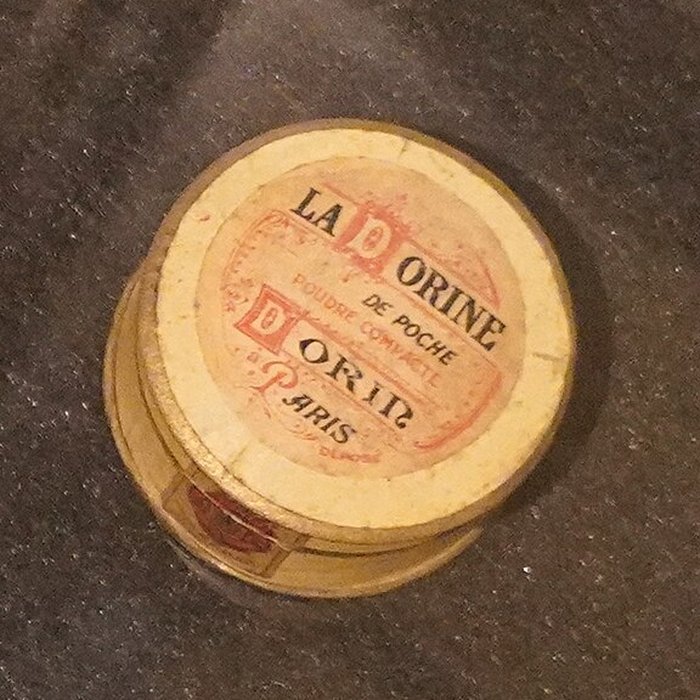
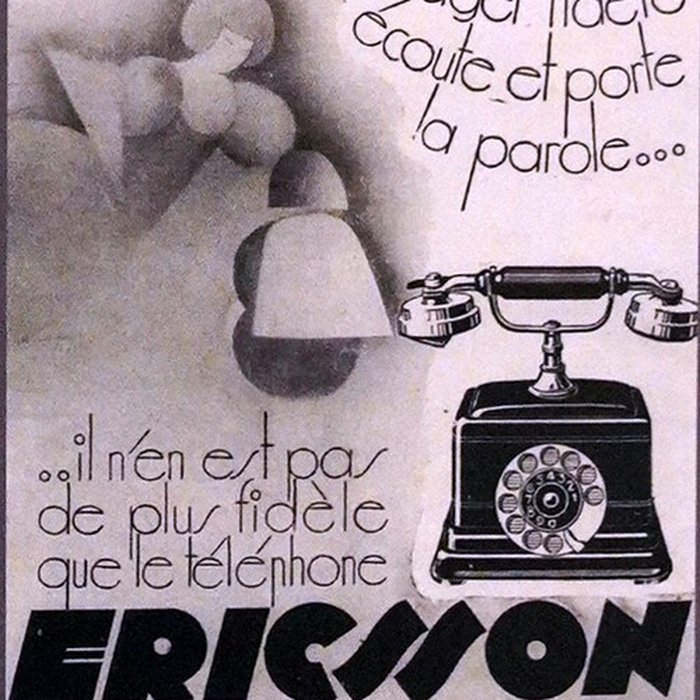
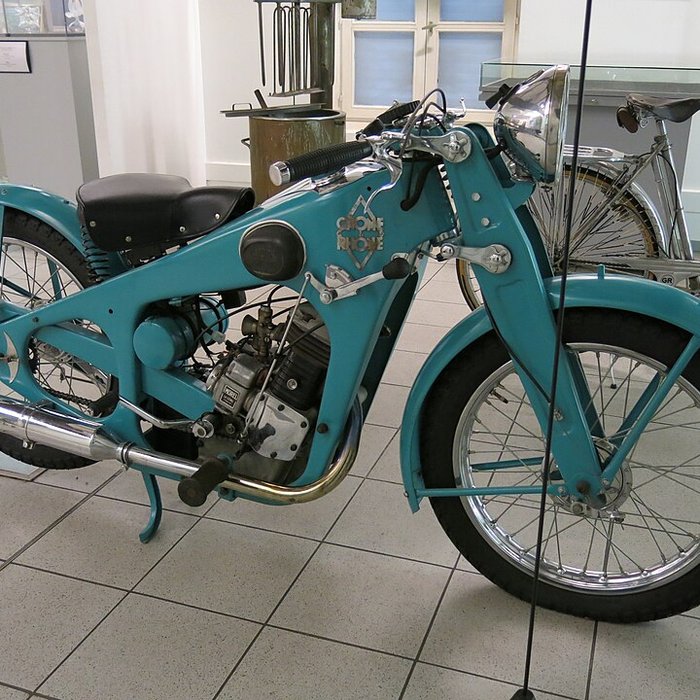
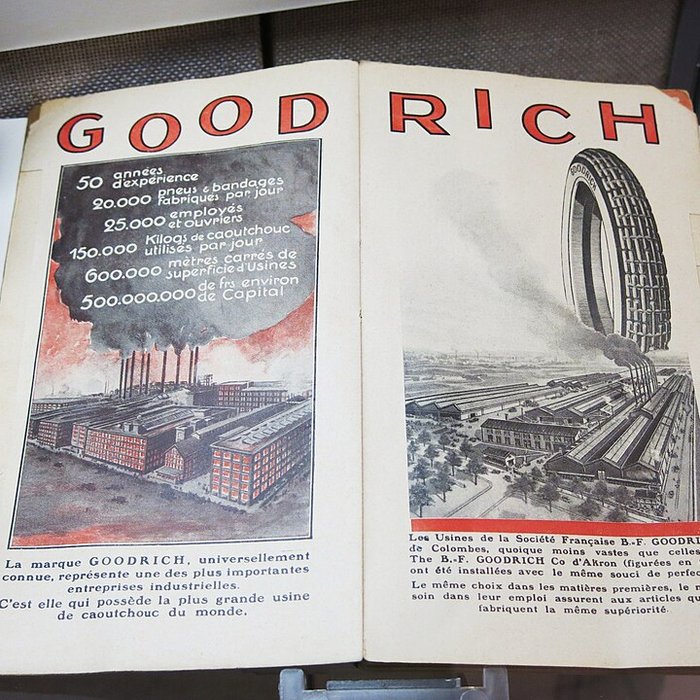
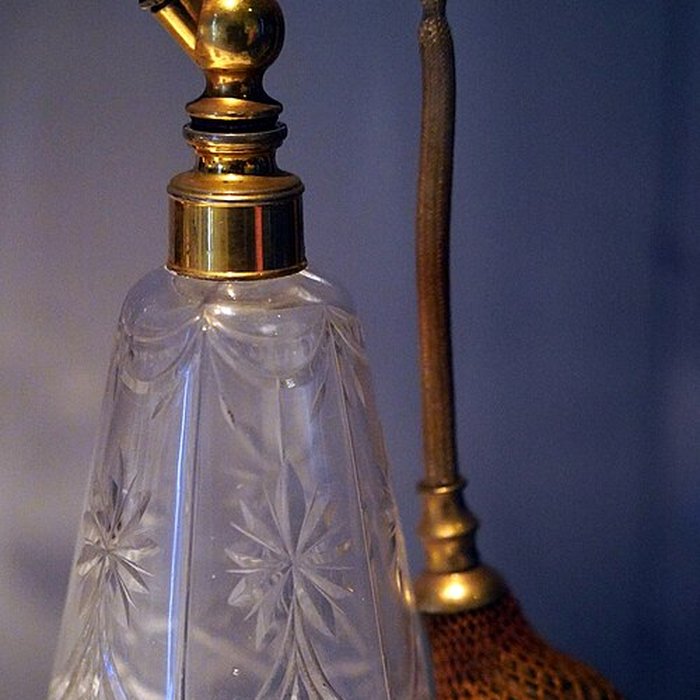
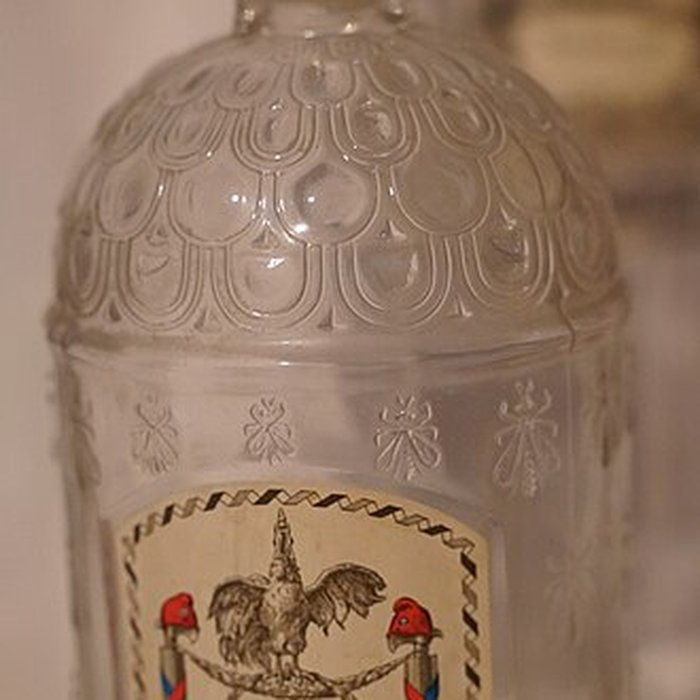
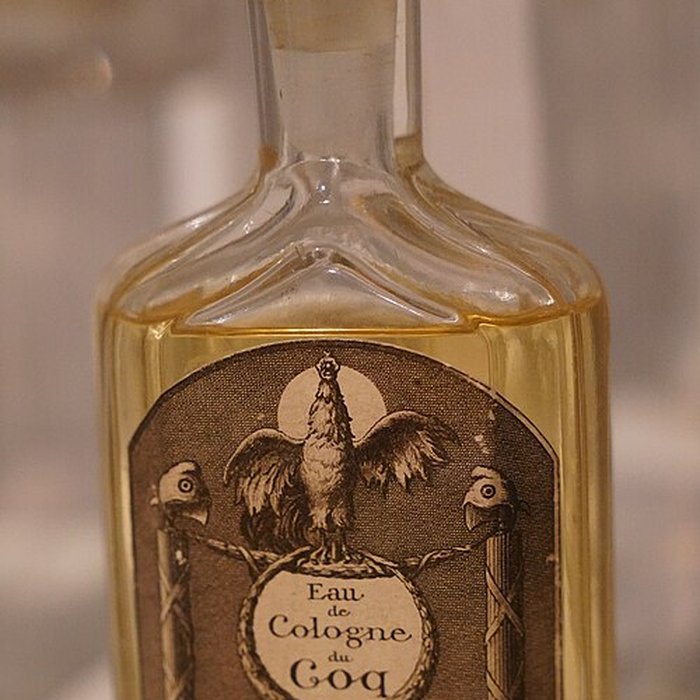
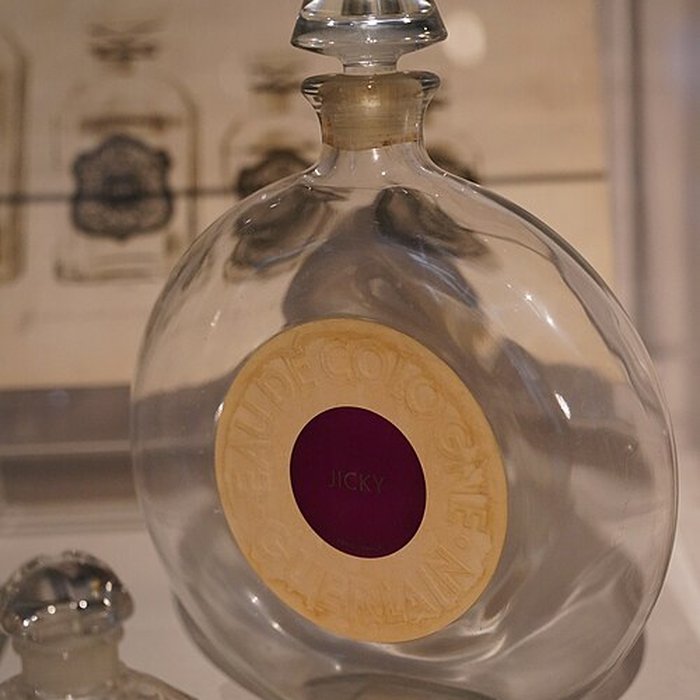
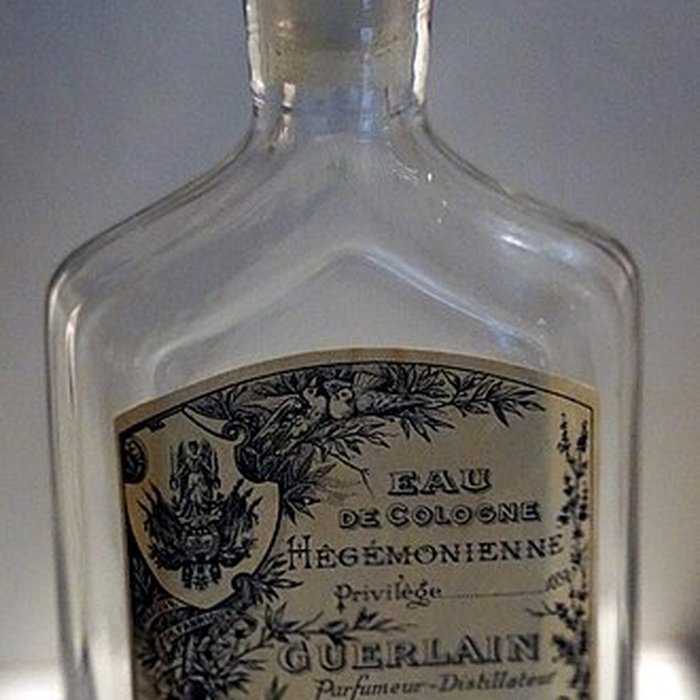
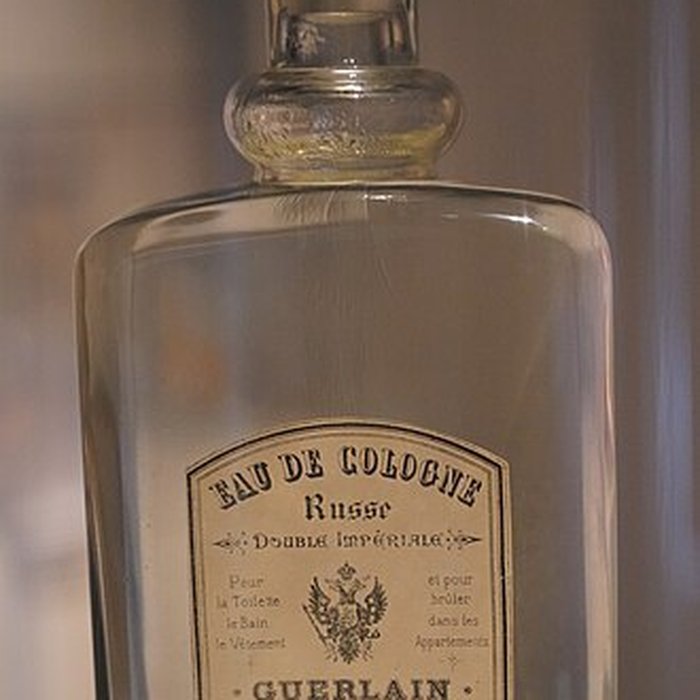
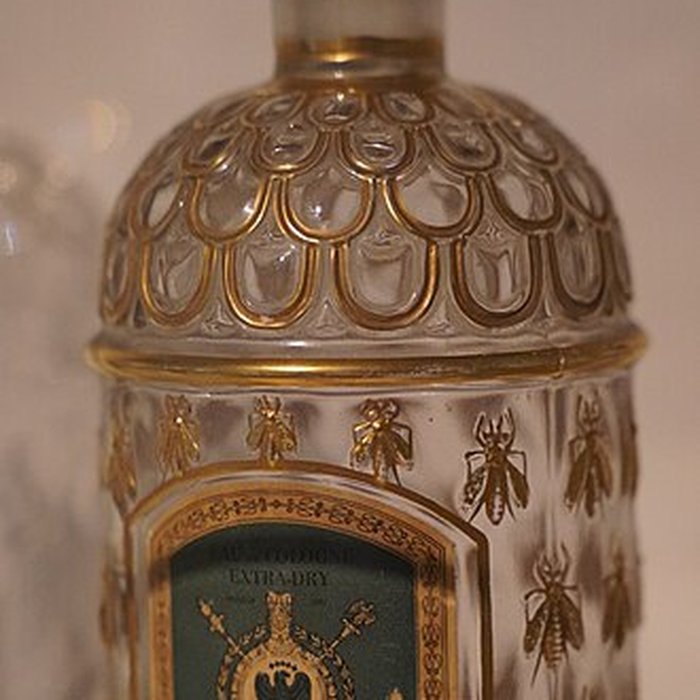
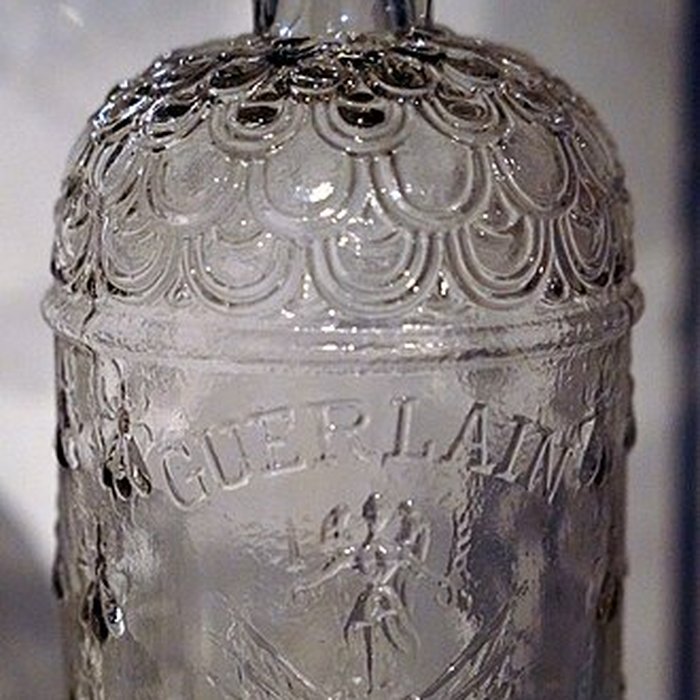
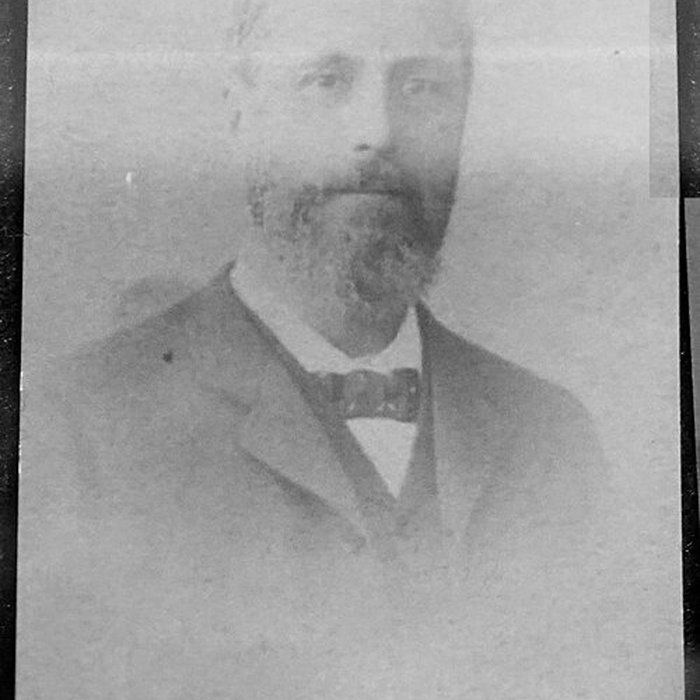
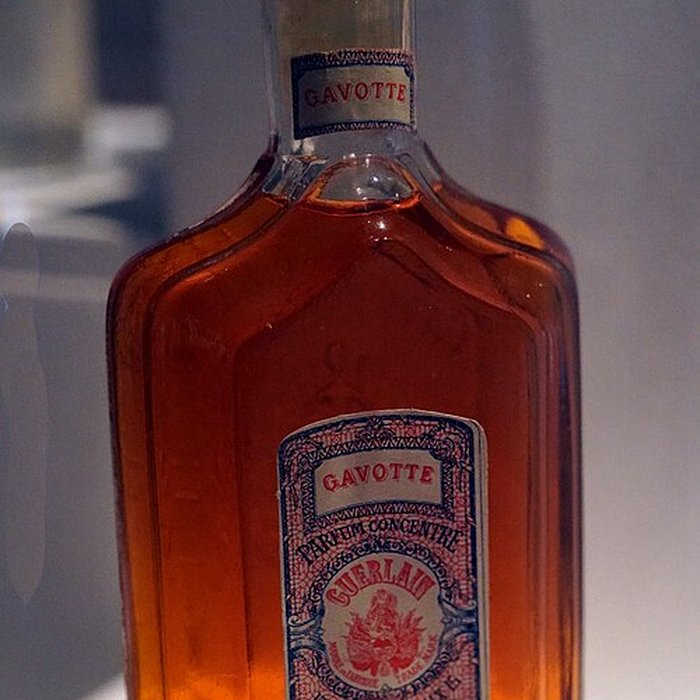
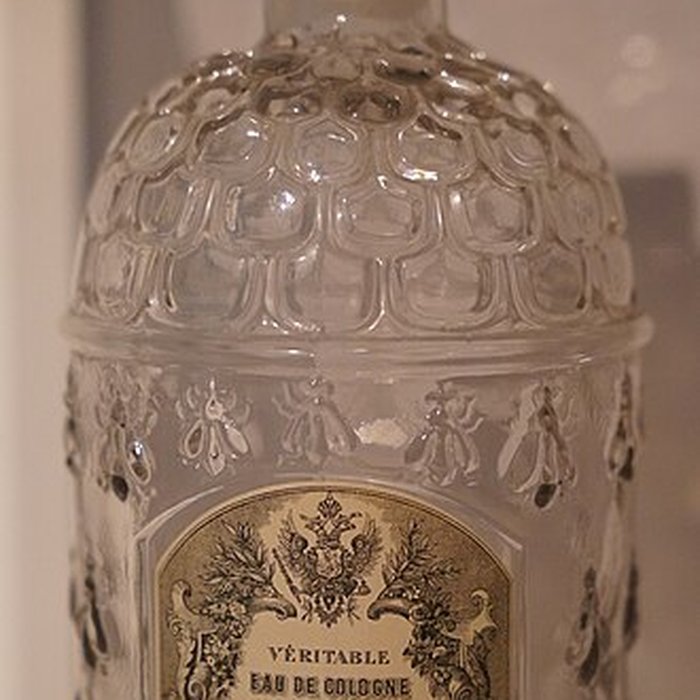
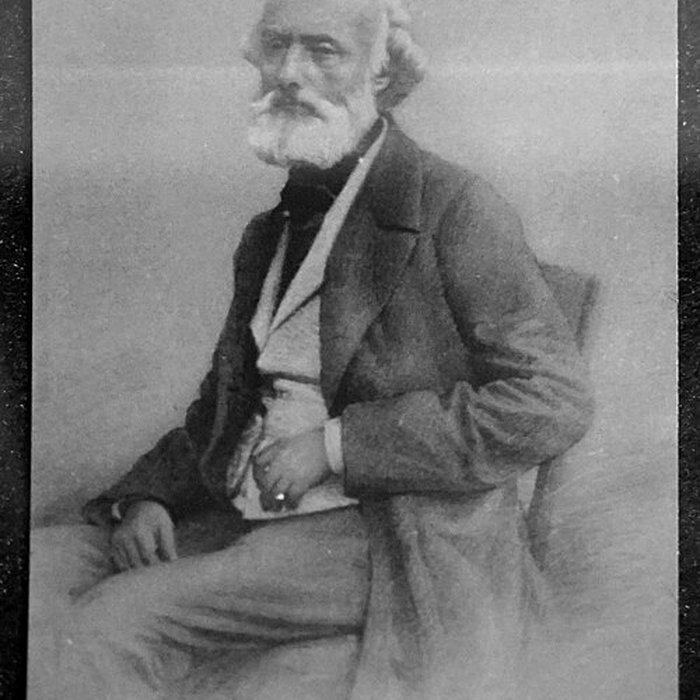
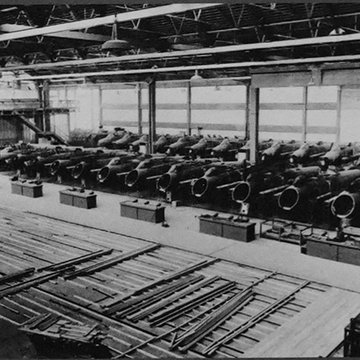
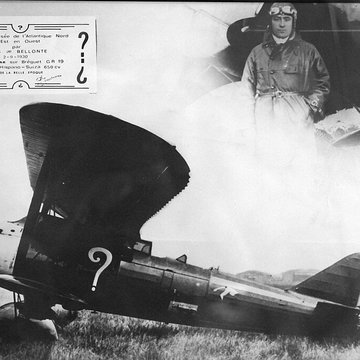
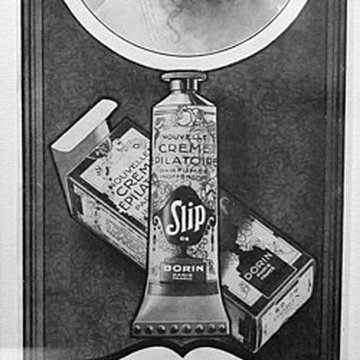
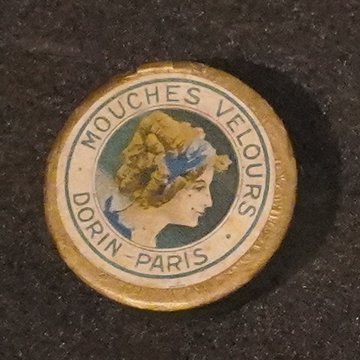
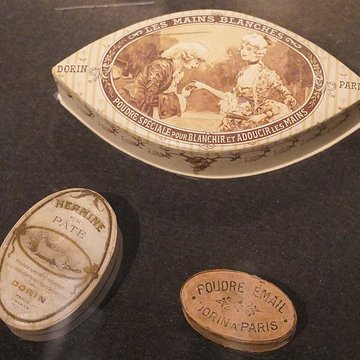
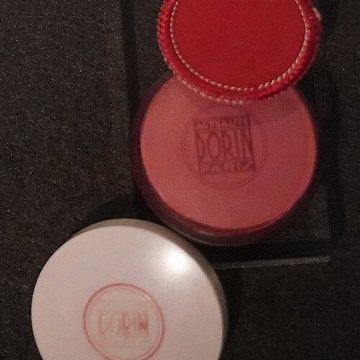
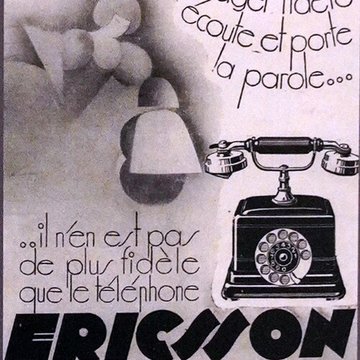
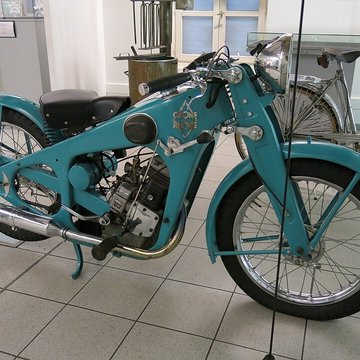
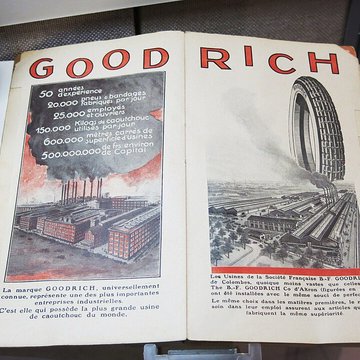
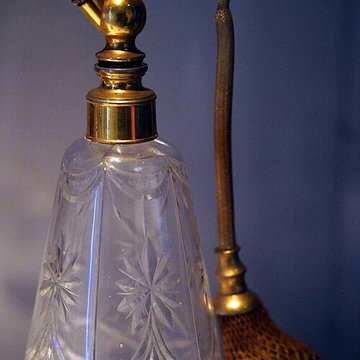
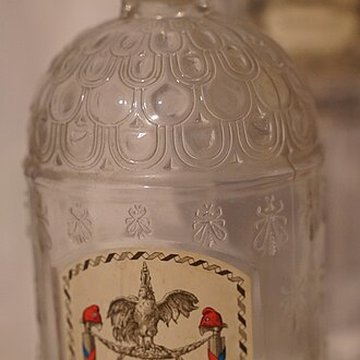
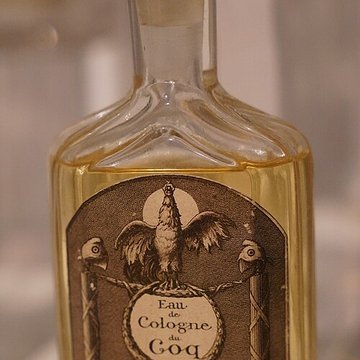
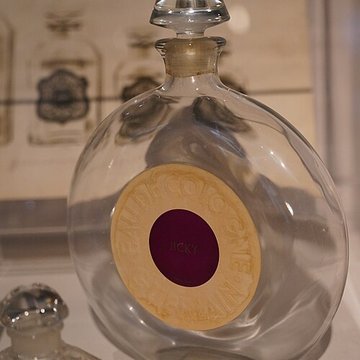
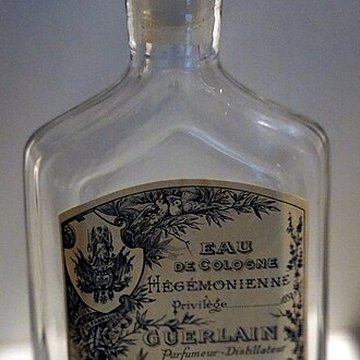
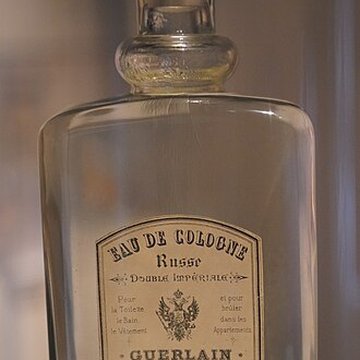
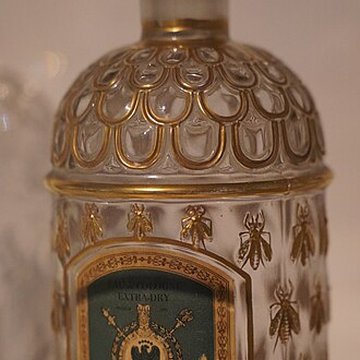
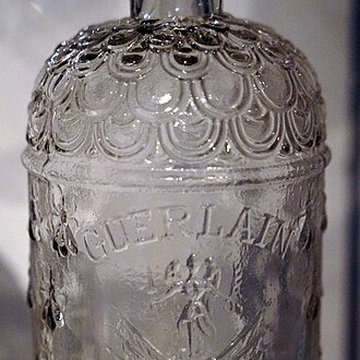
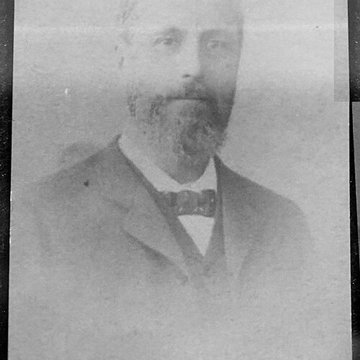
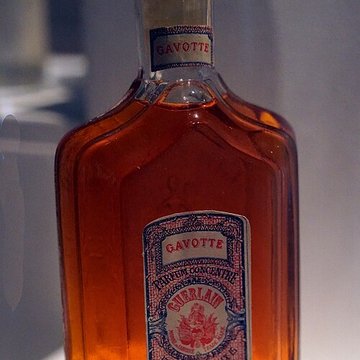
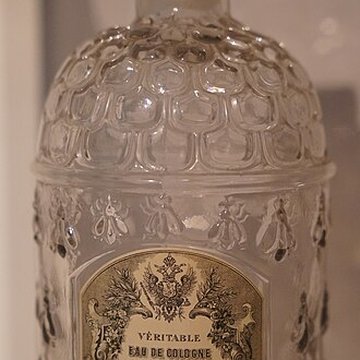
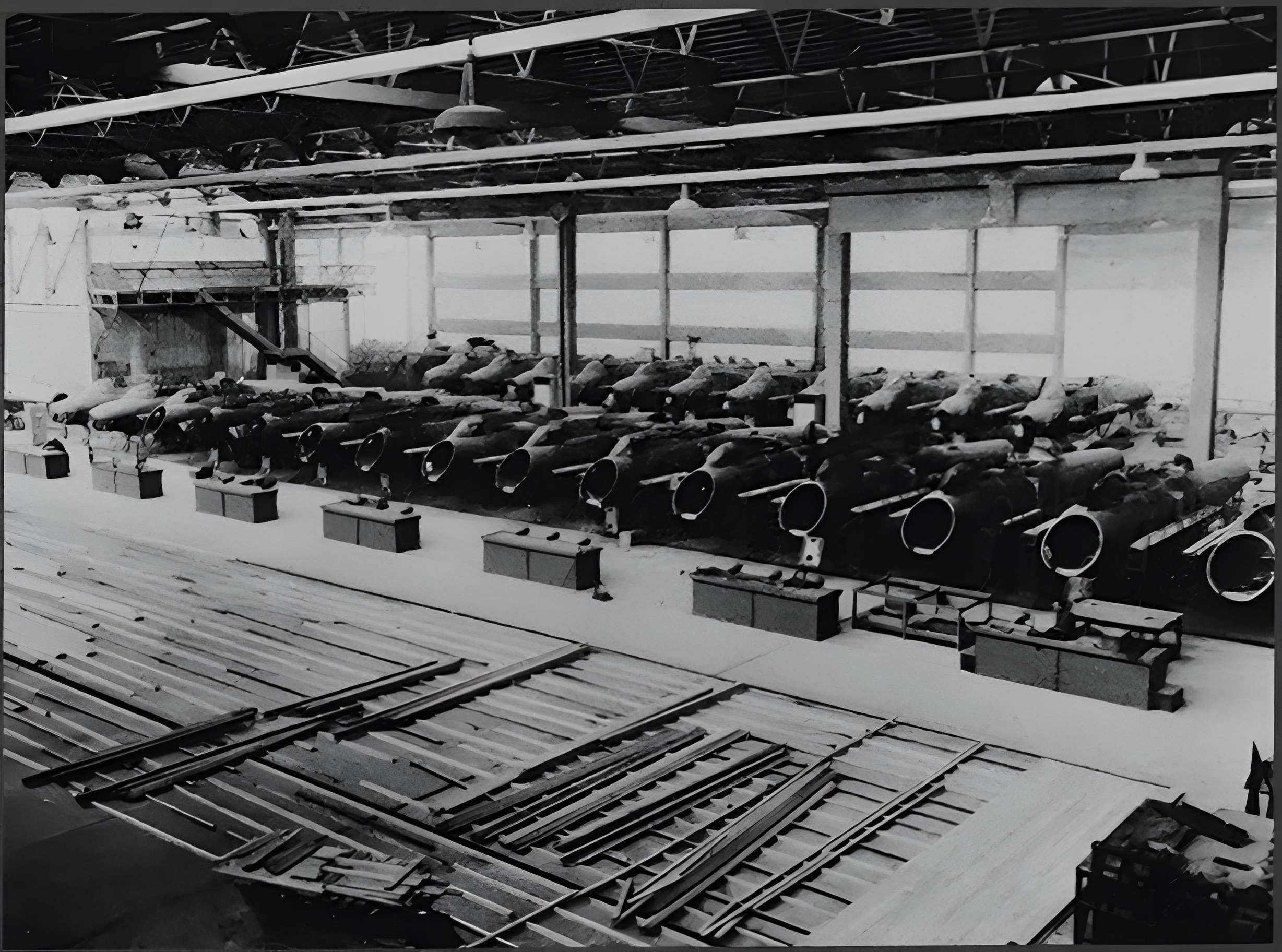
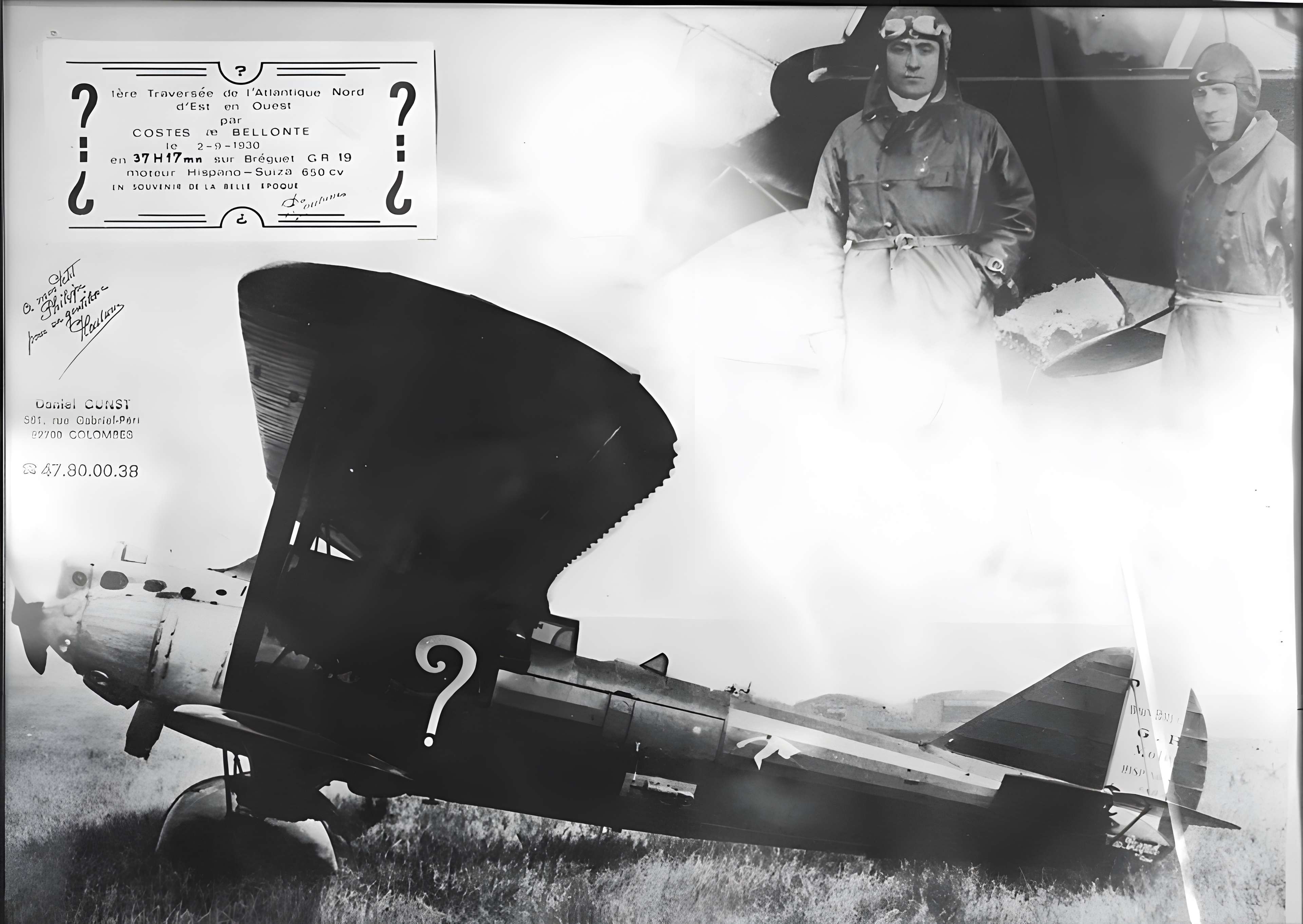
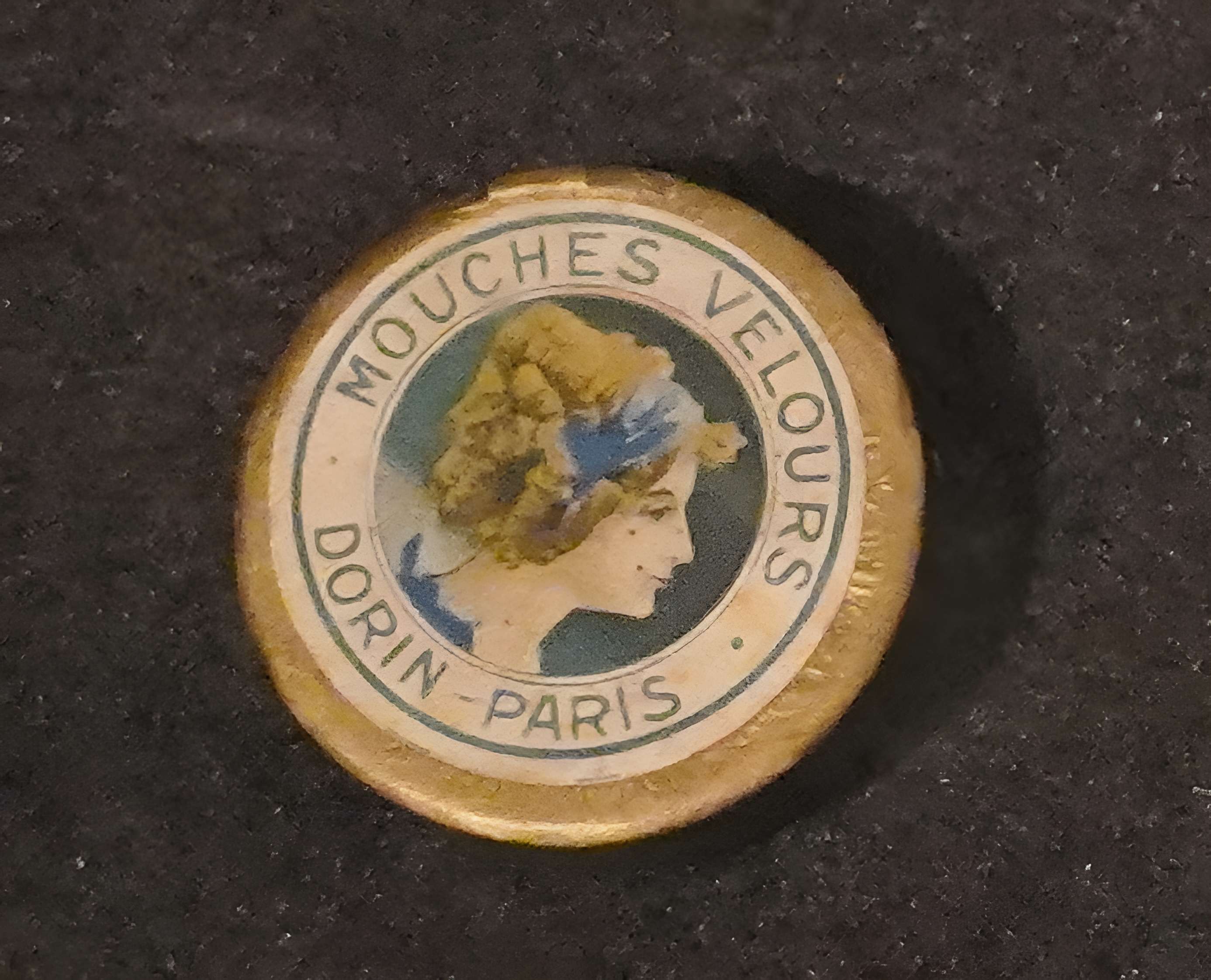
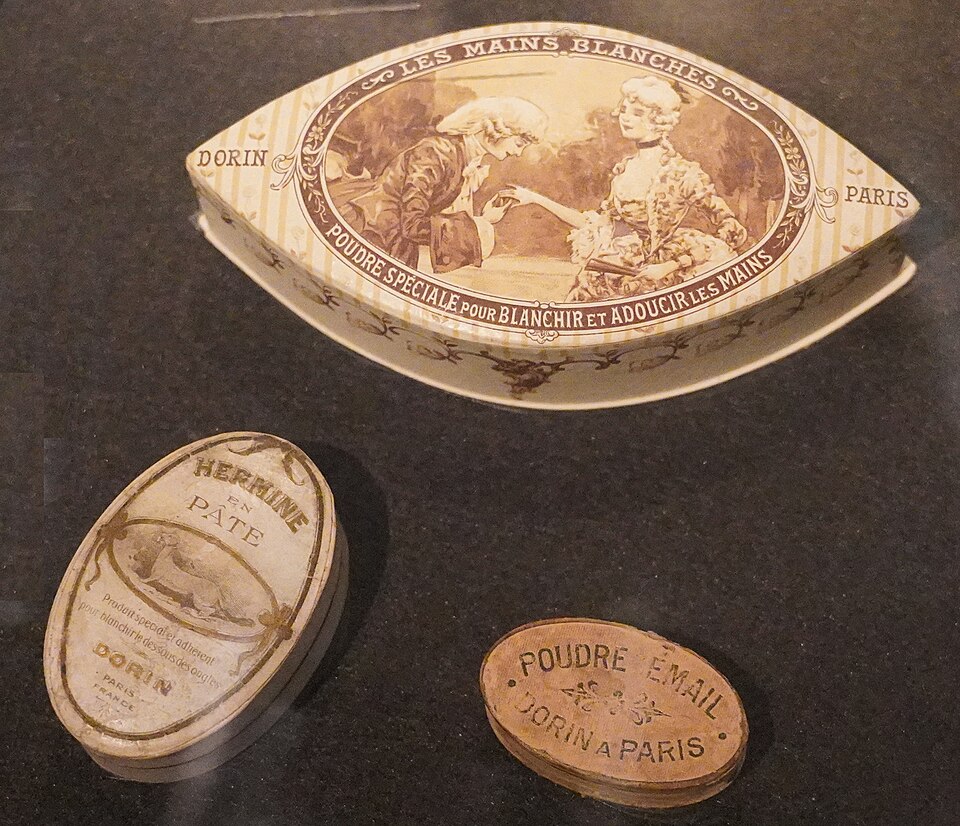
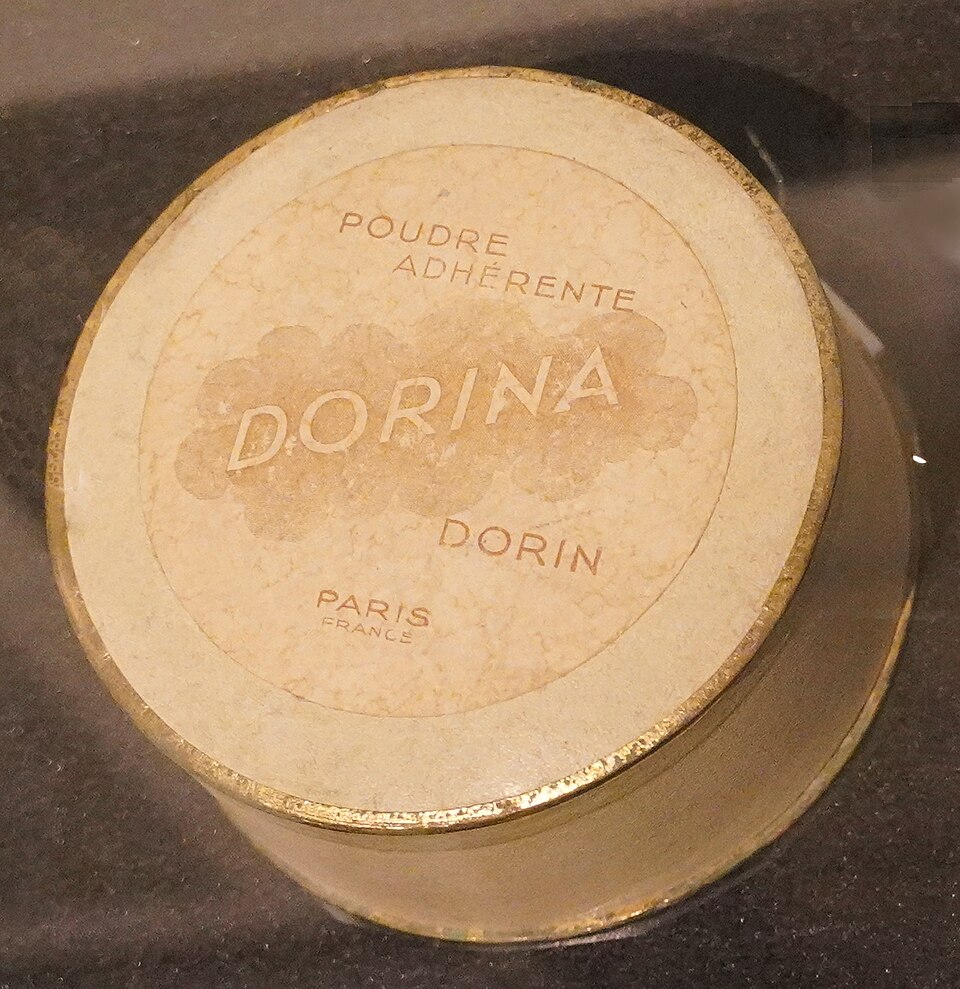
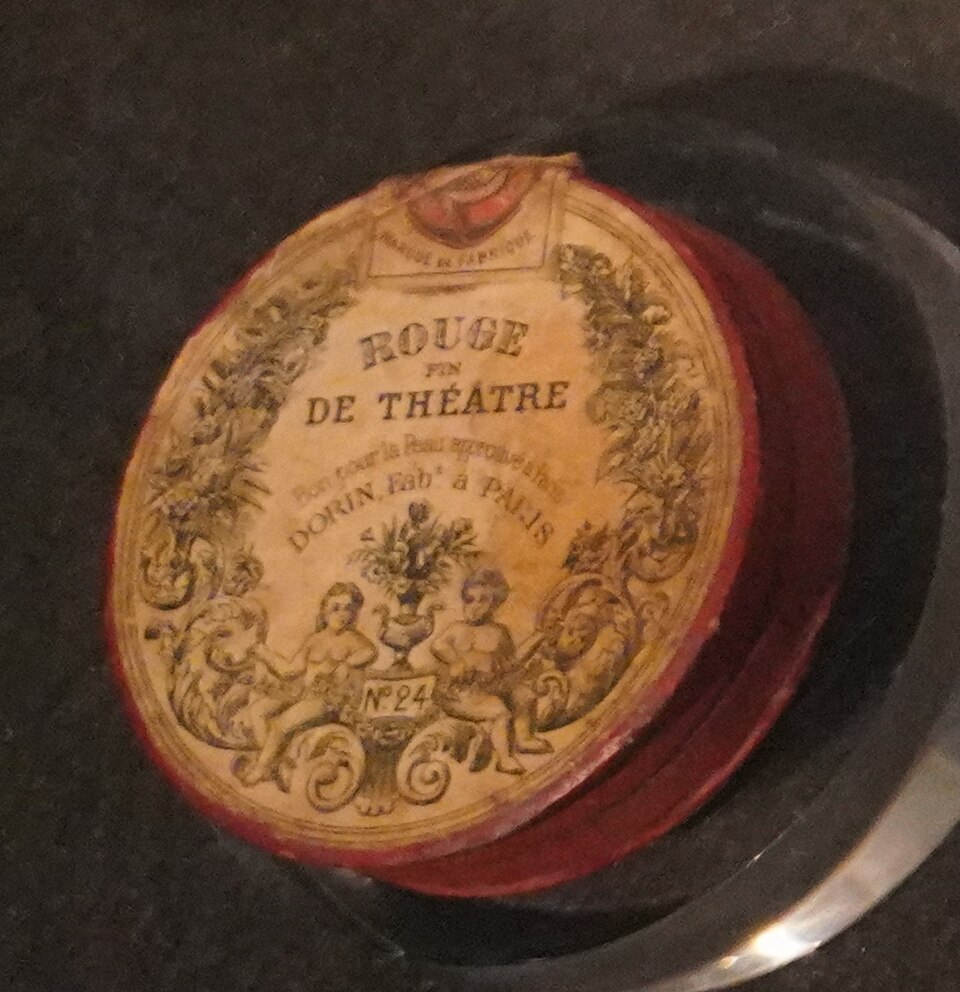
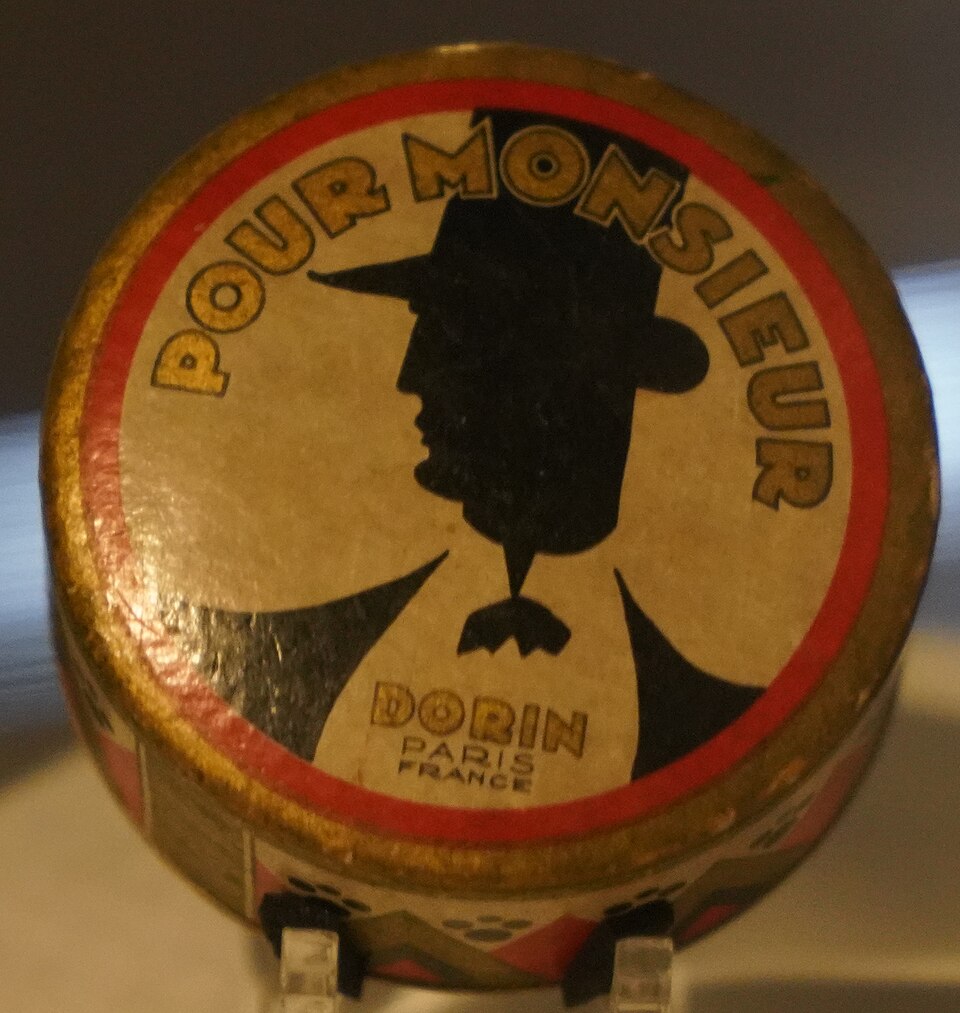
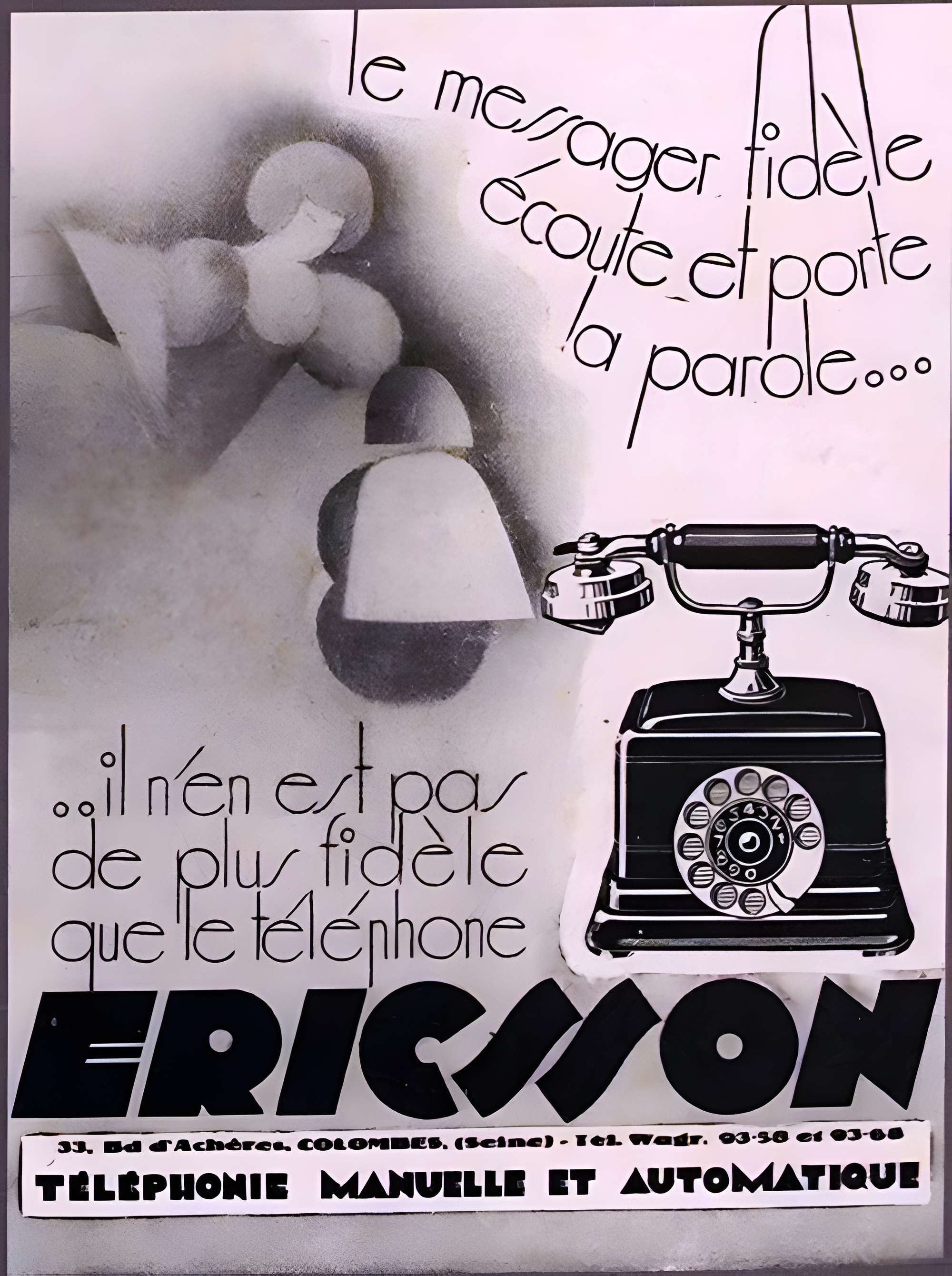
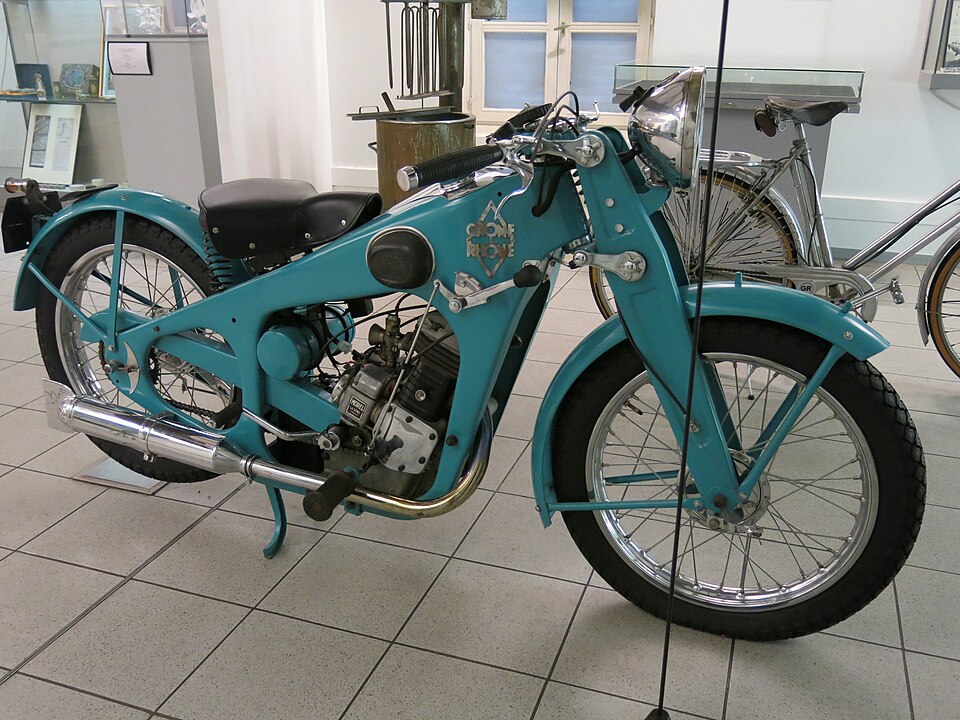
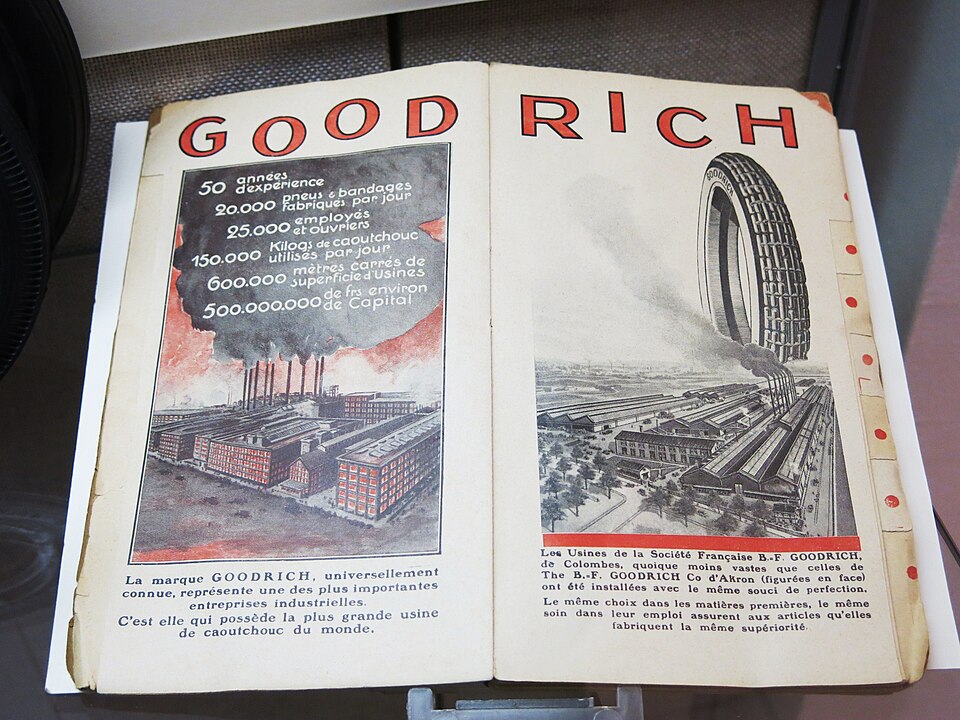
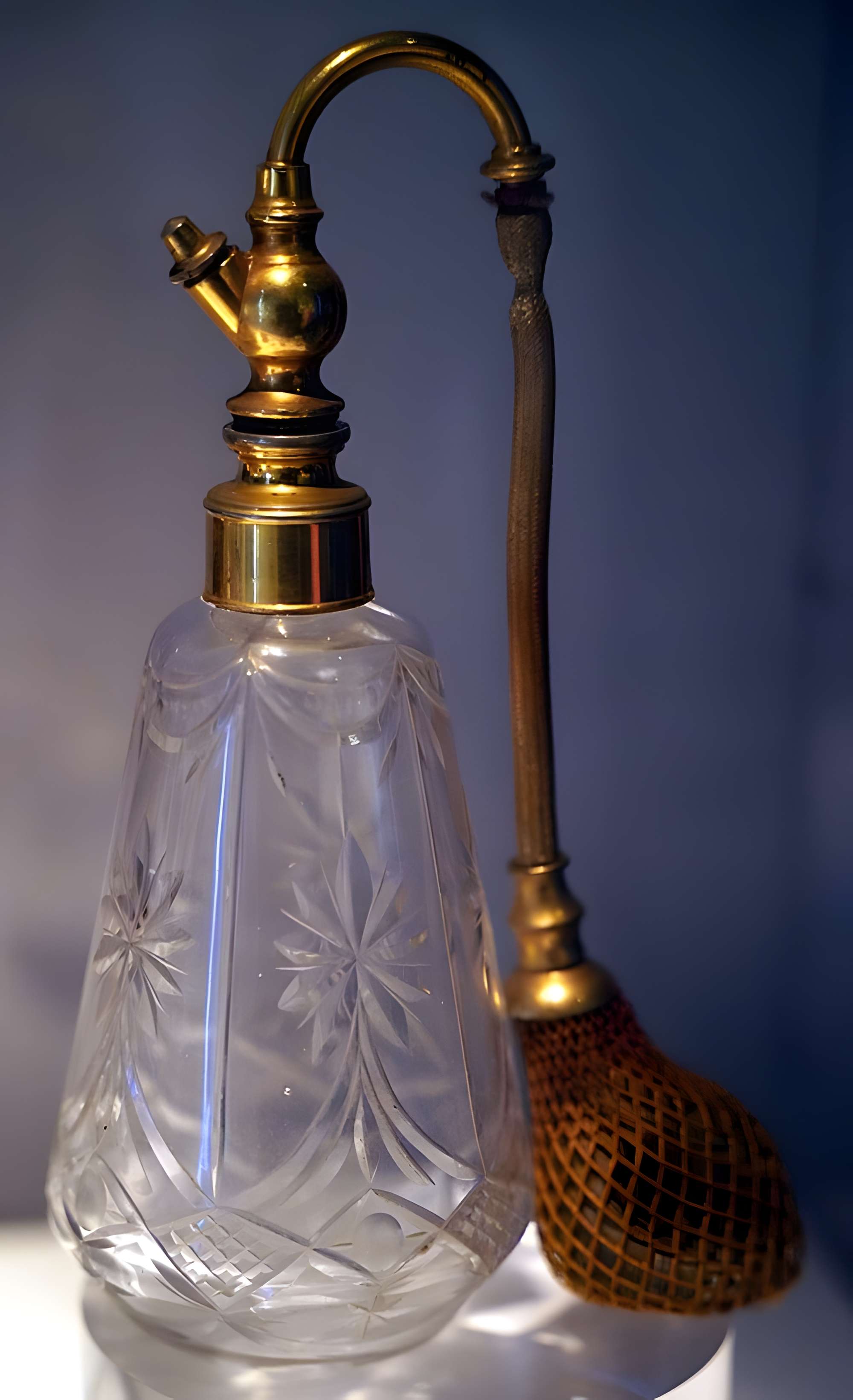
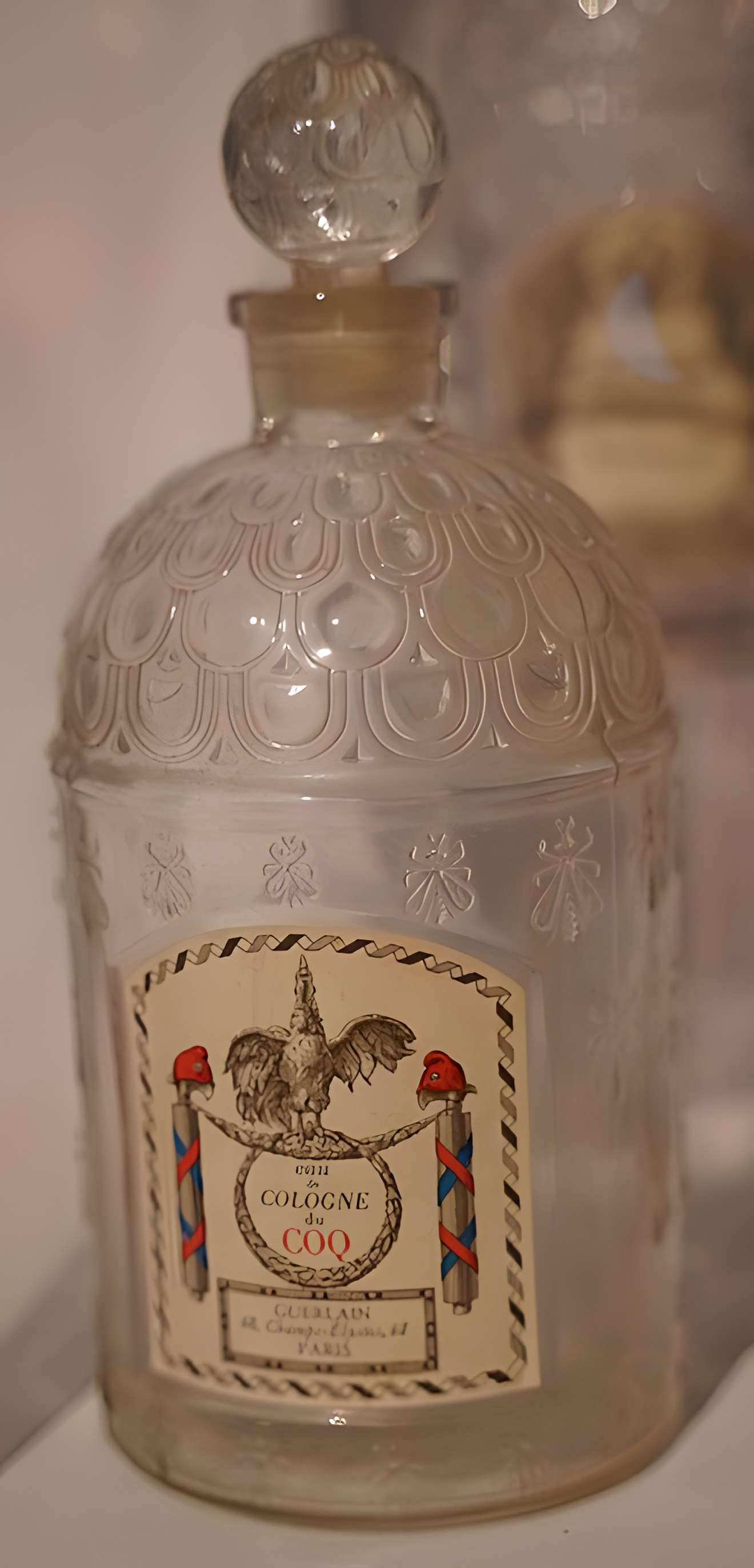
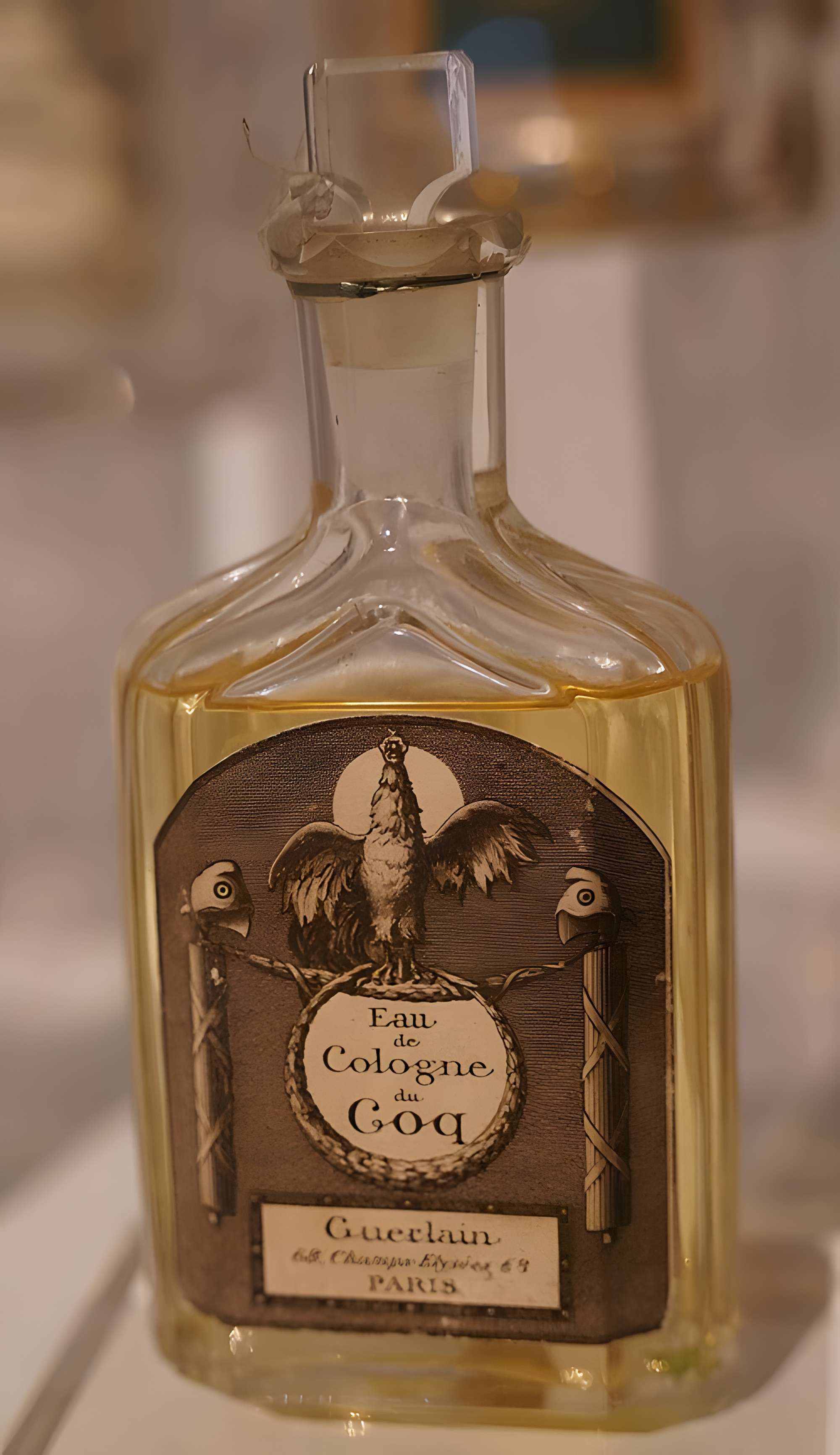
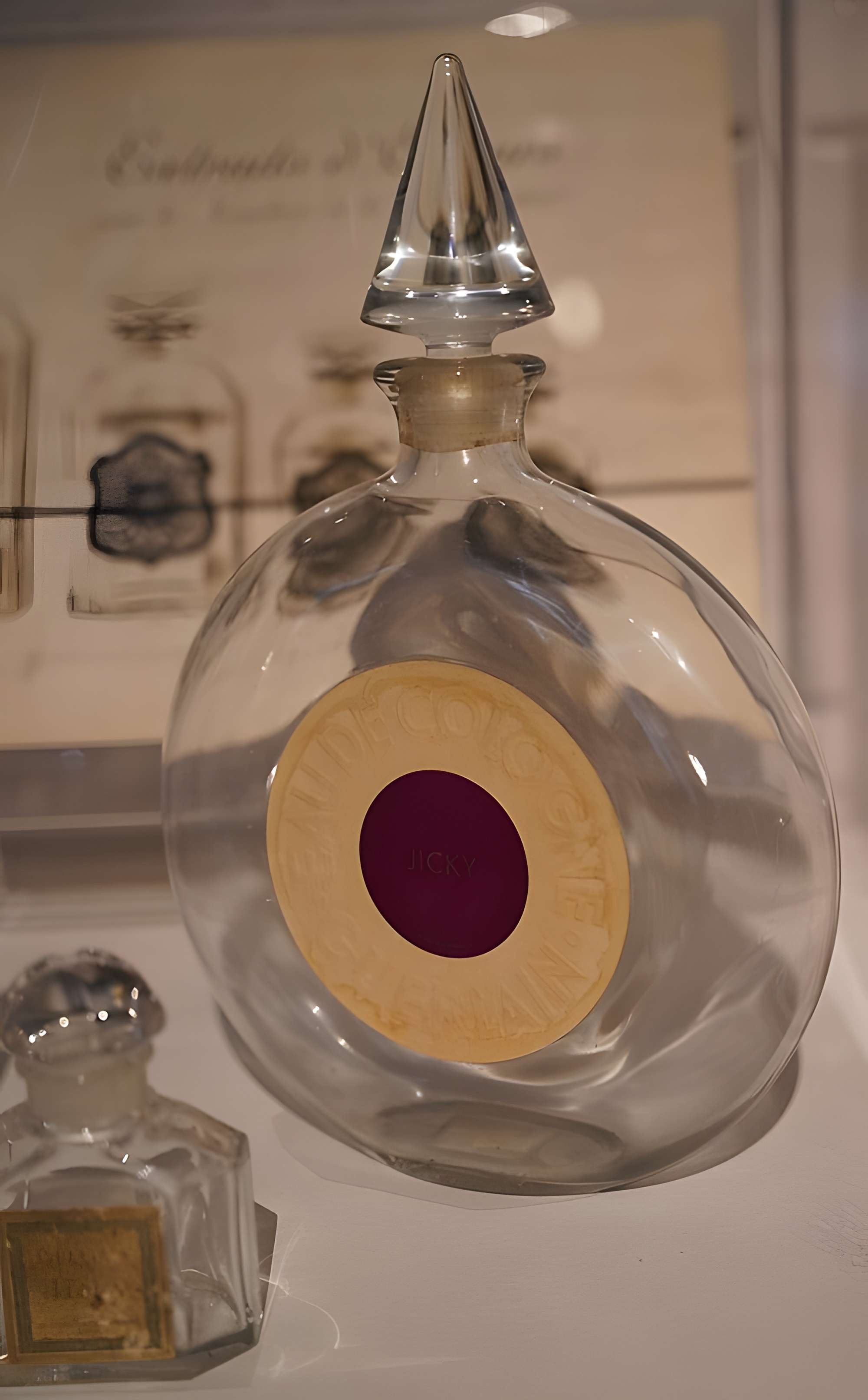
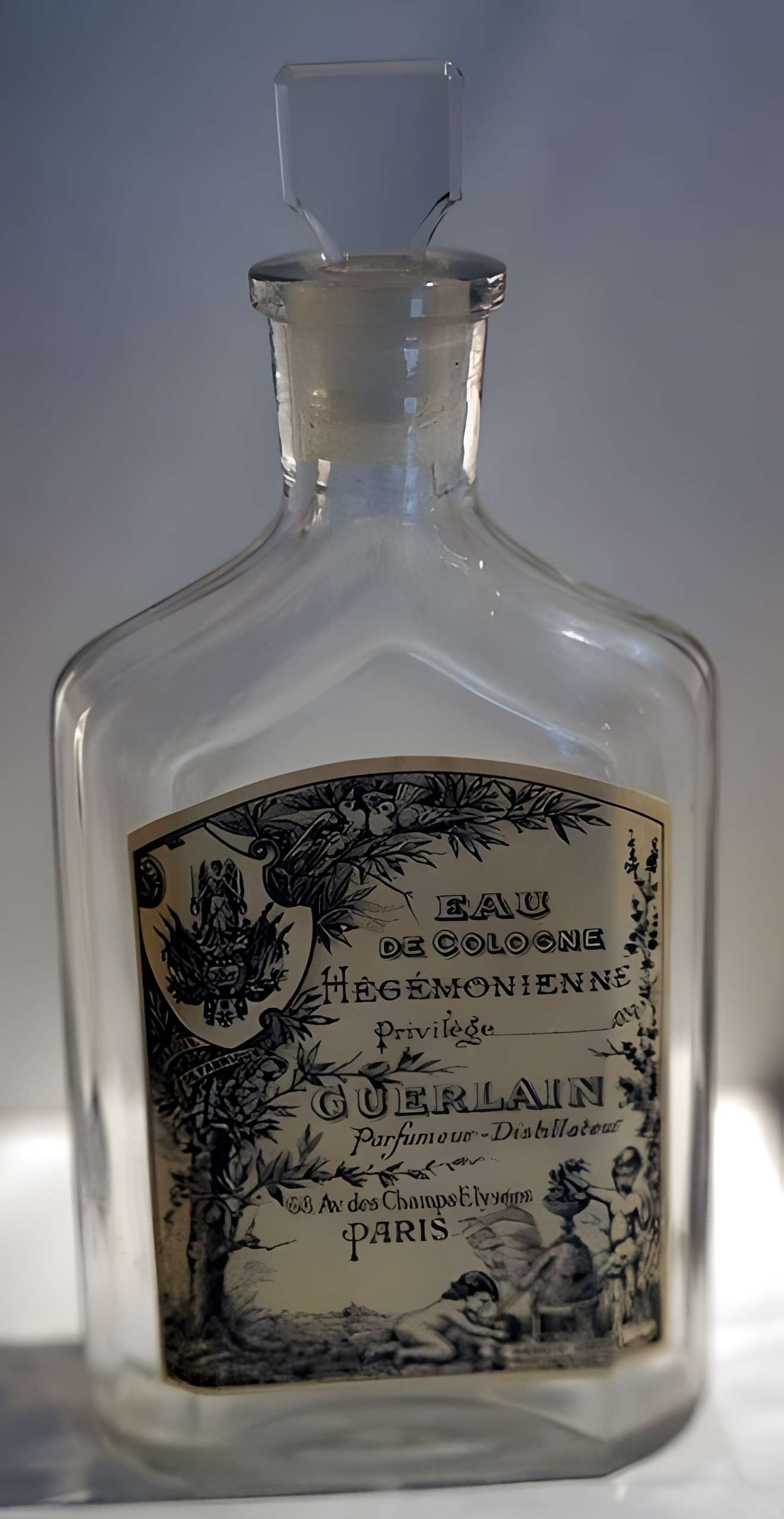
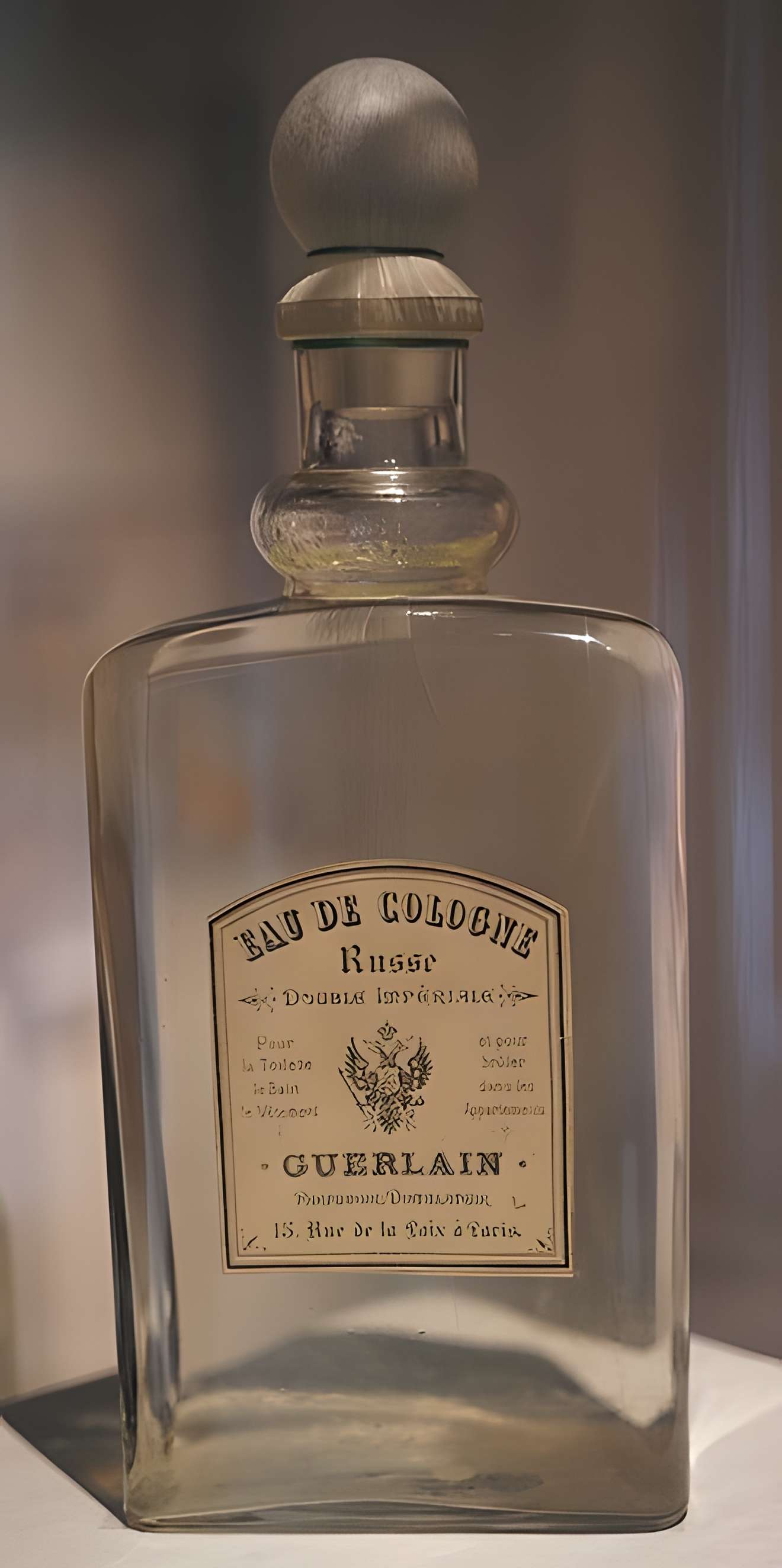
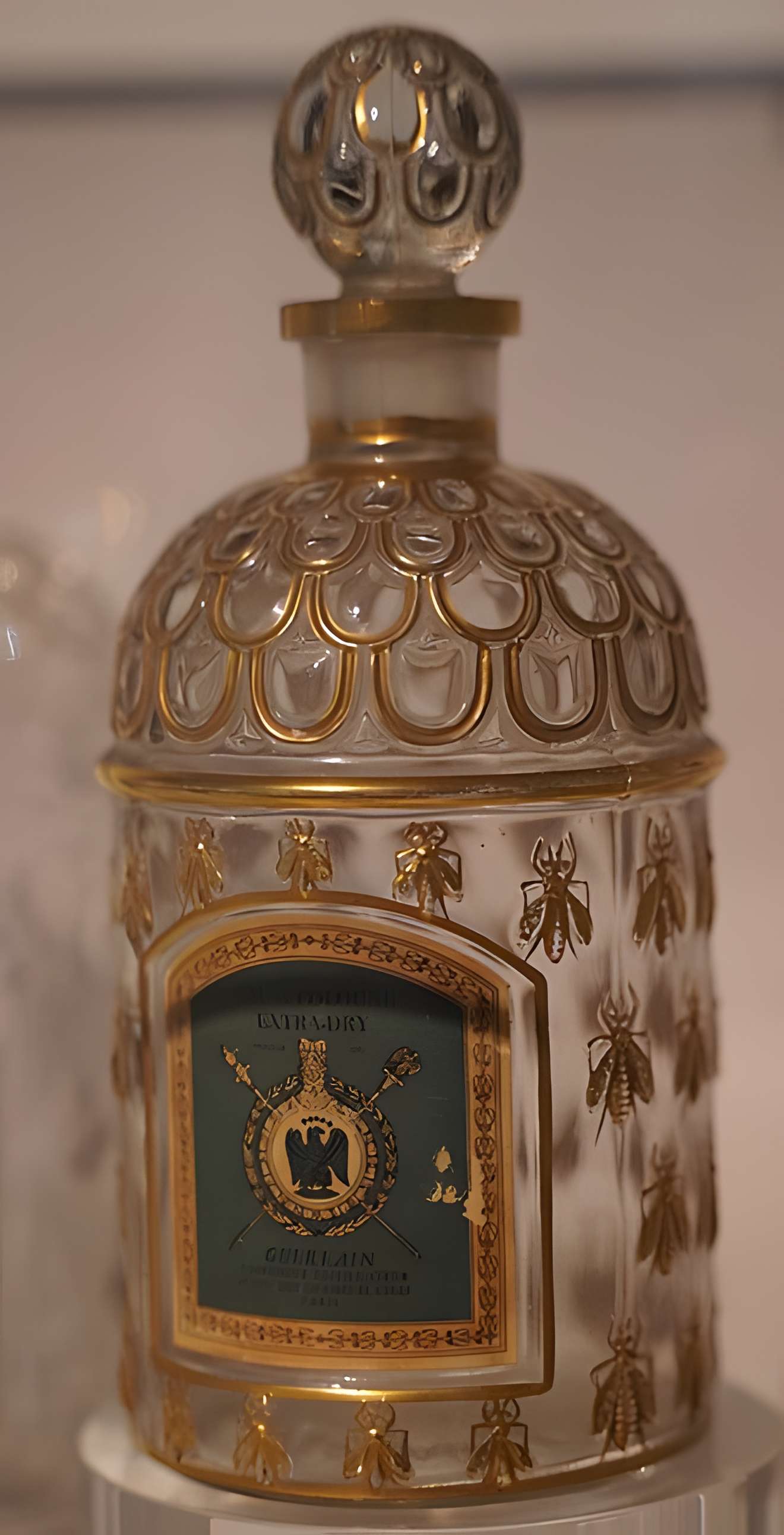
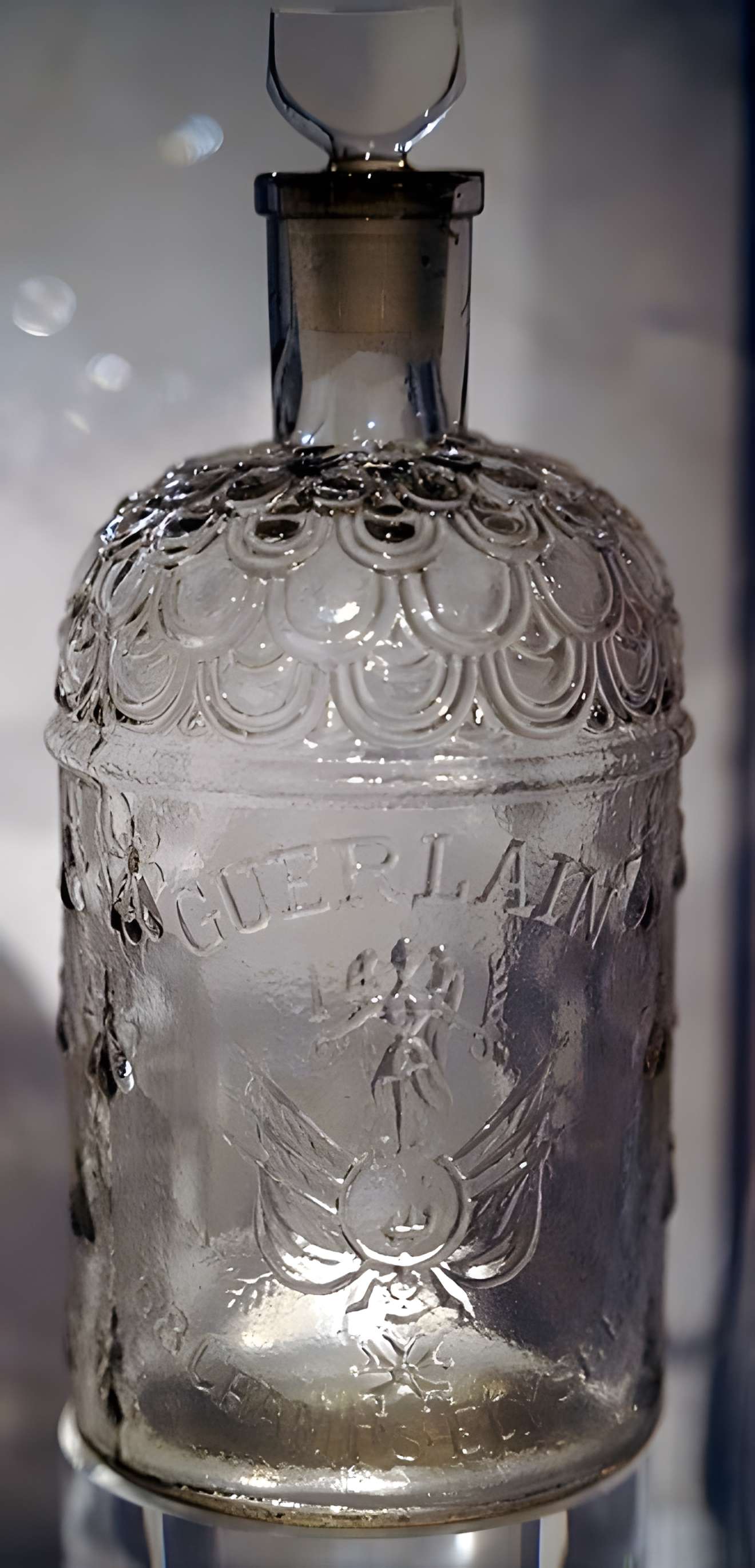
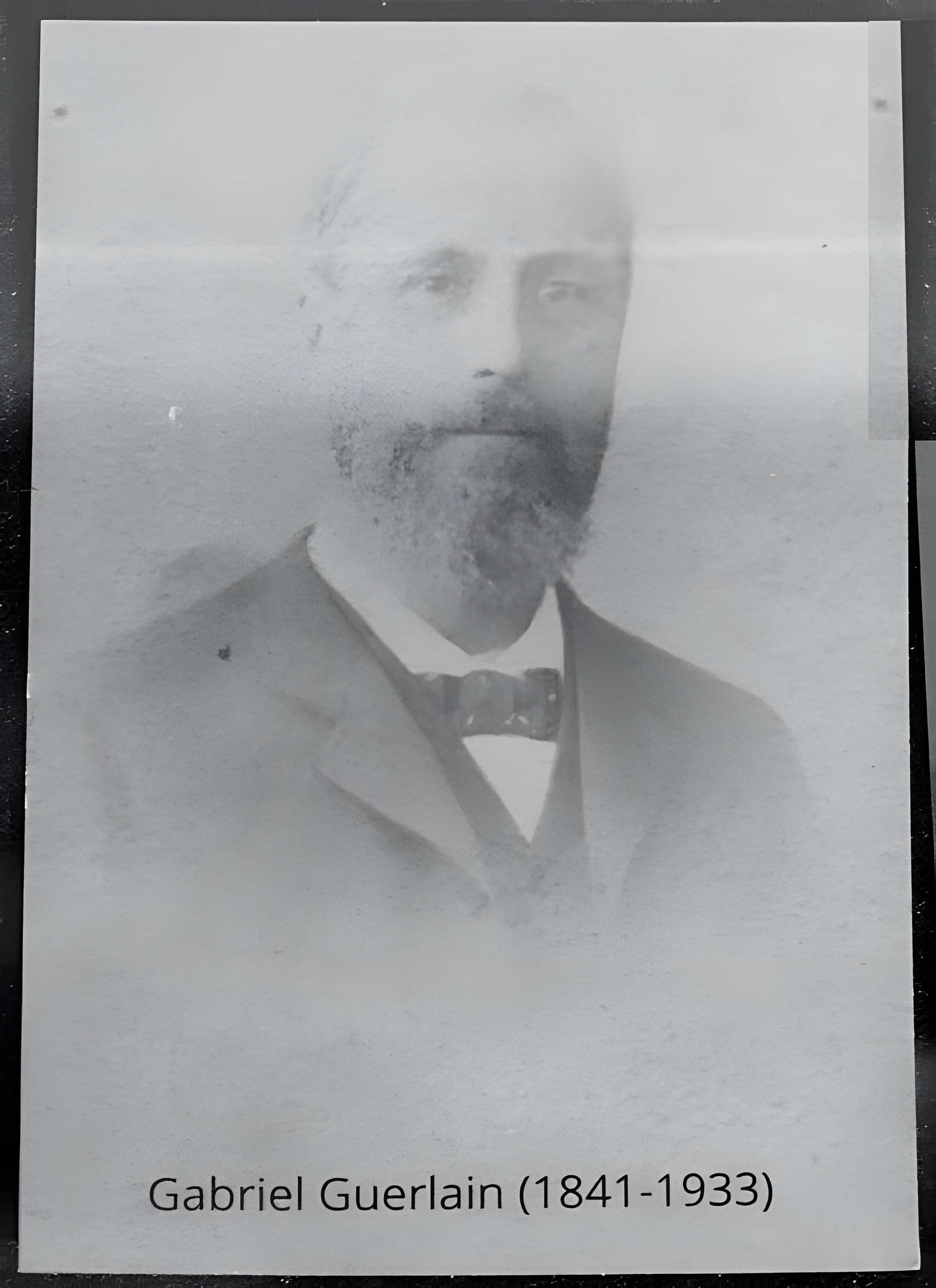
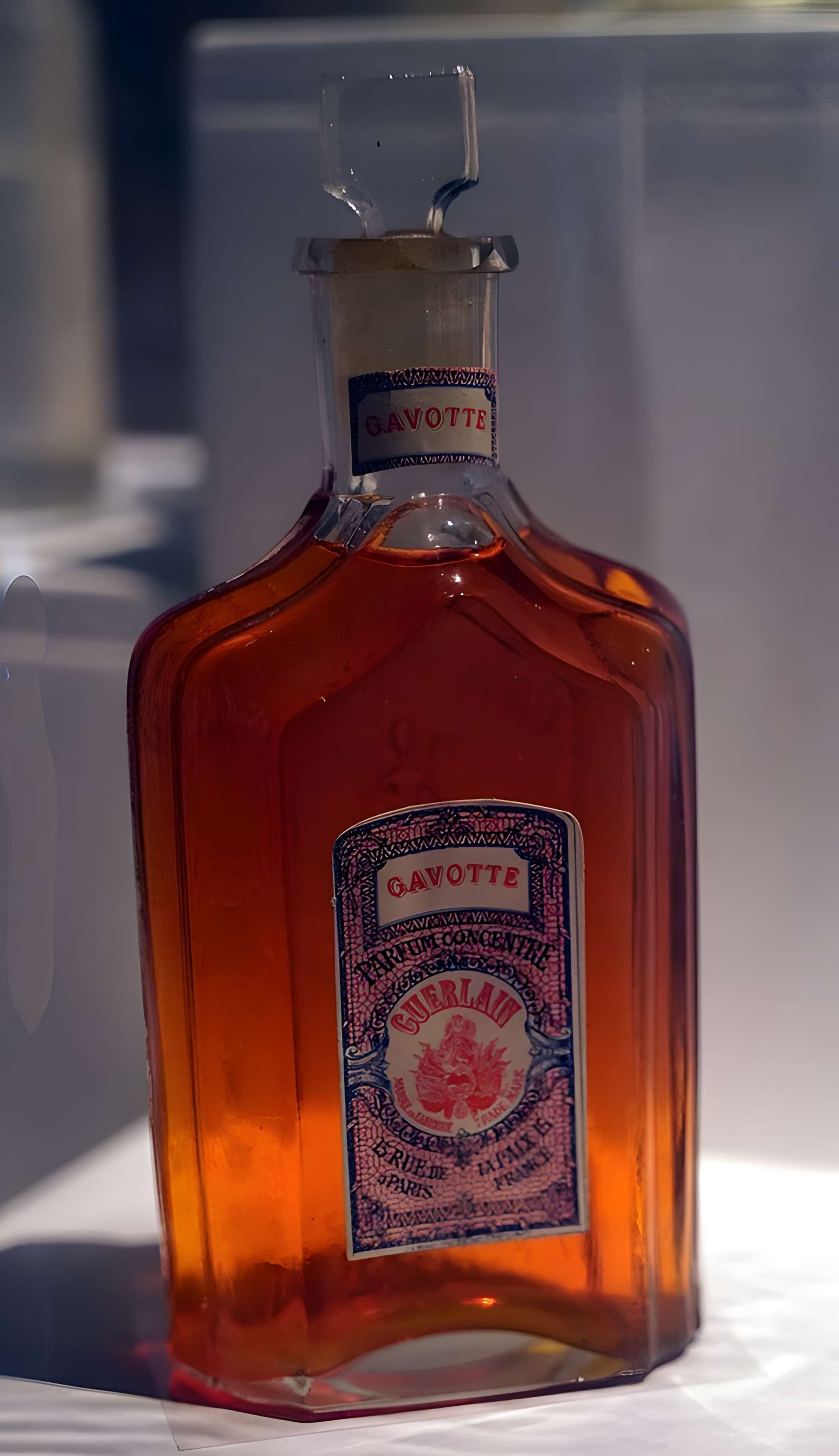
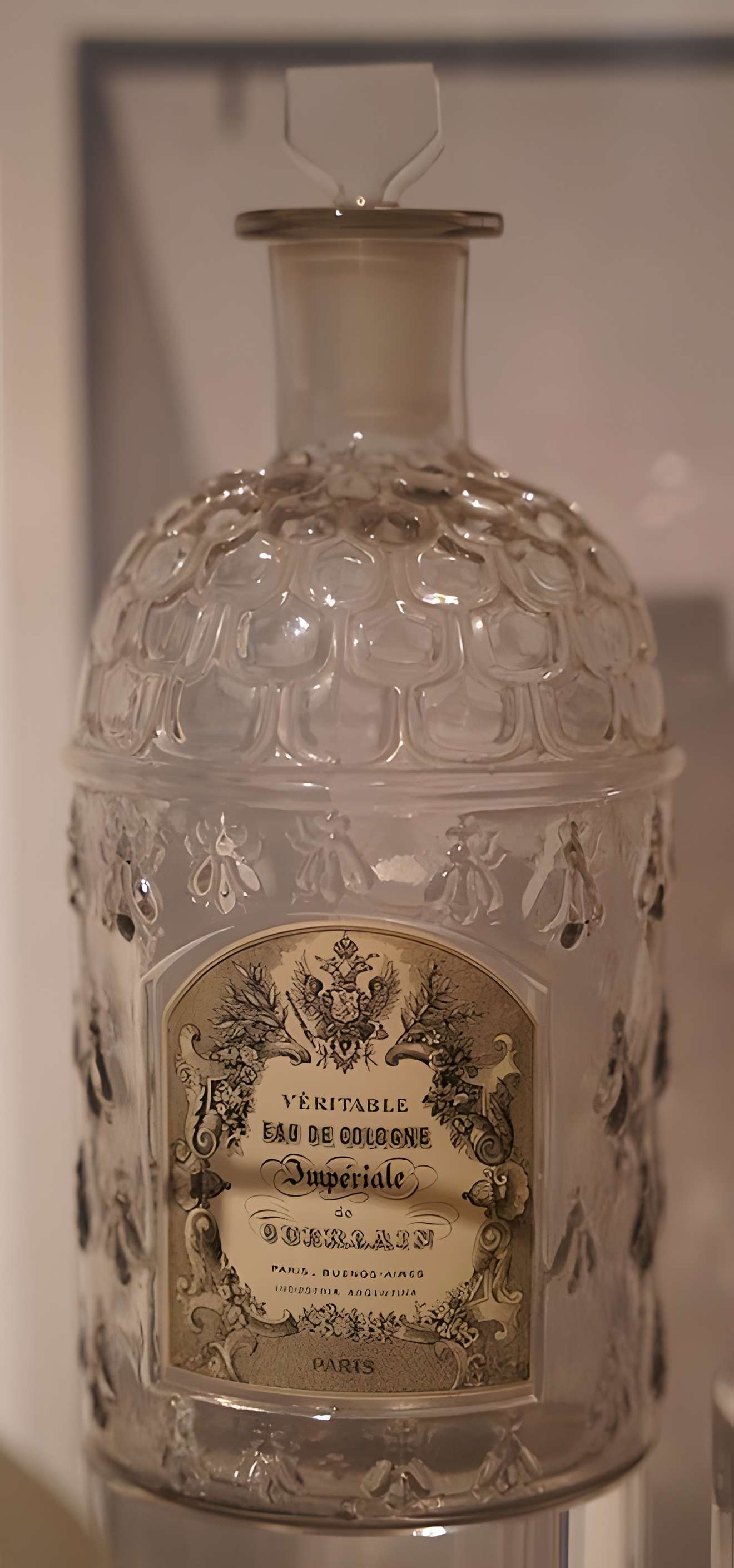
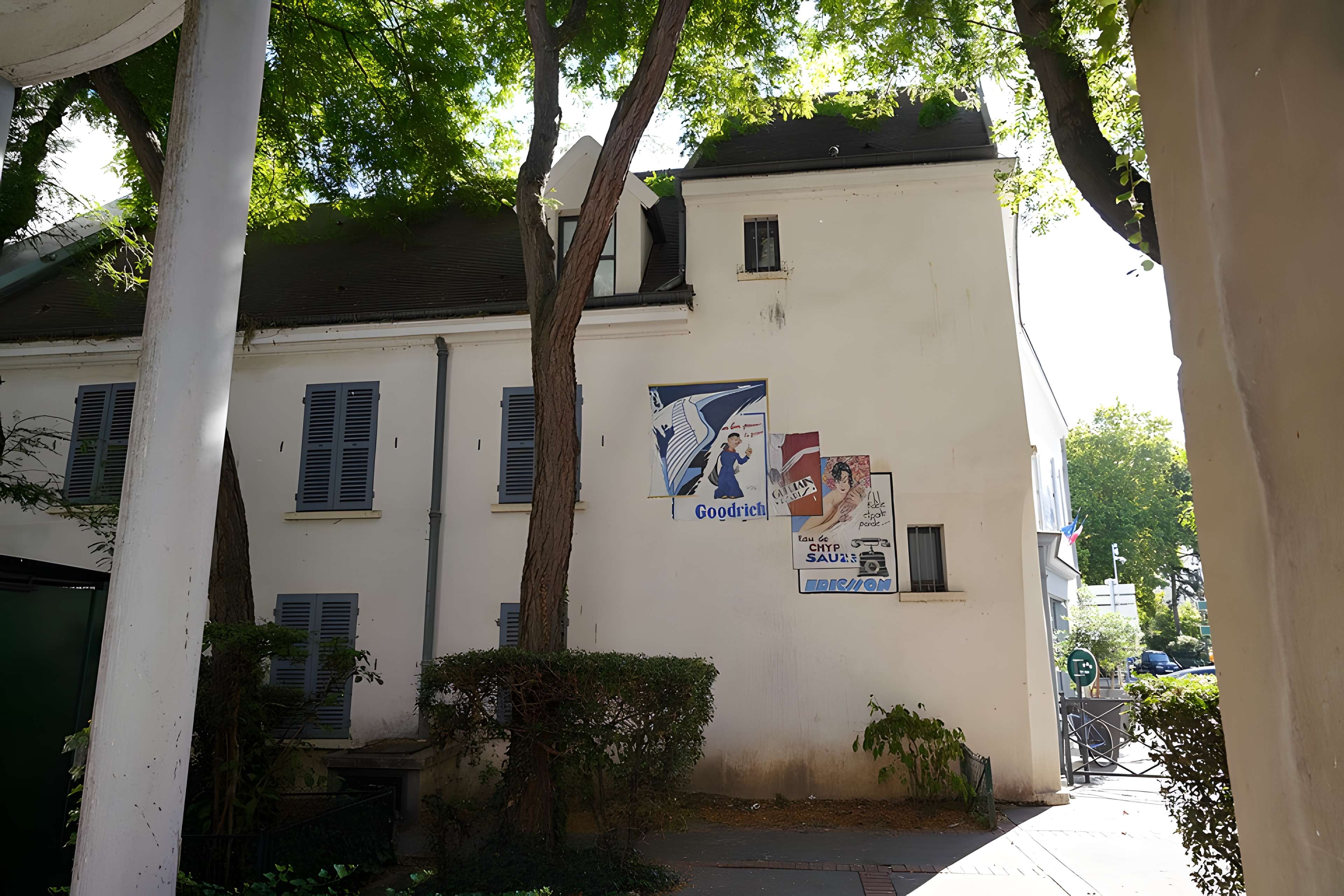
The industrialisation of Colombes in the 19th and 20th centuries is evoked through emblematic companies such as Guerlain (parfumerie), Facel-Vega (automobile), or Gnome and Rhône (aeronautics). The museum also covers the city's sporting past, including the Yves-du-Manoir Stadium, the major venue of the 1924 Olympic Games and the 1938 World Cup, before the renovation of the Princes Park in the 1970s.
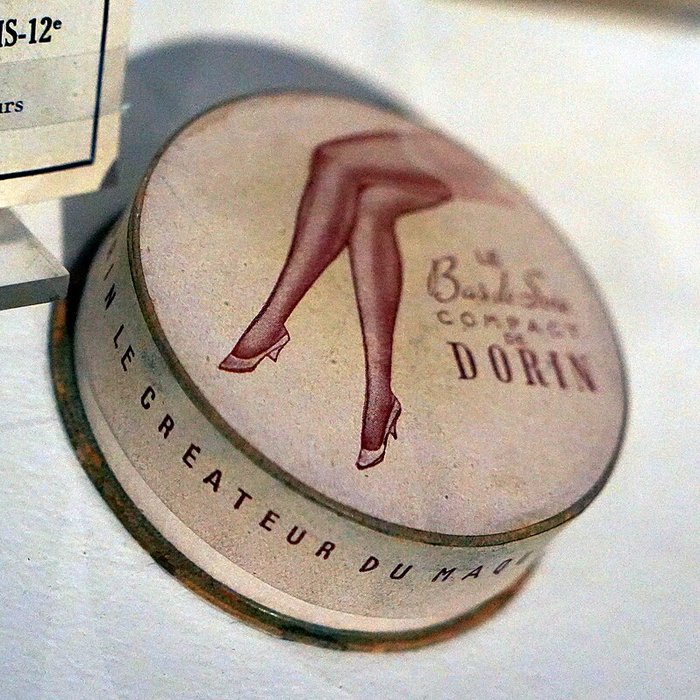
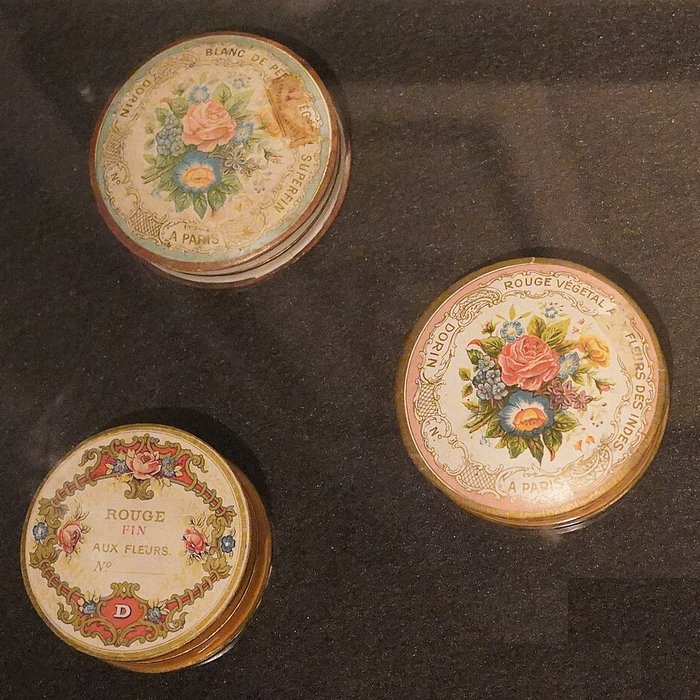
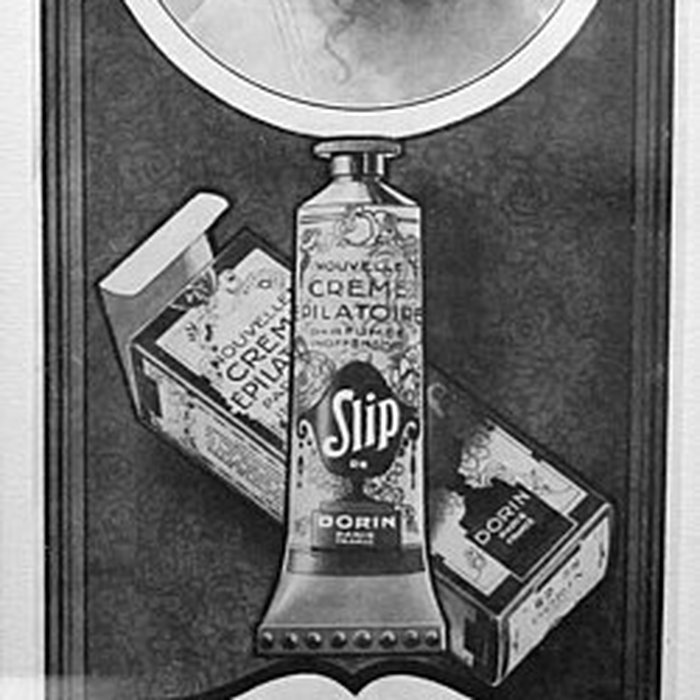
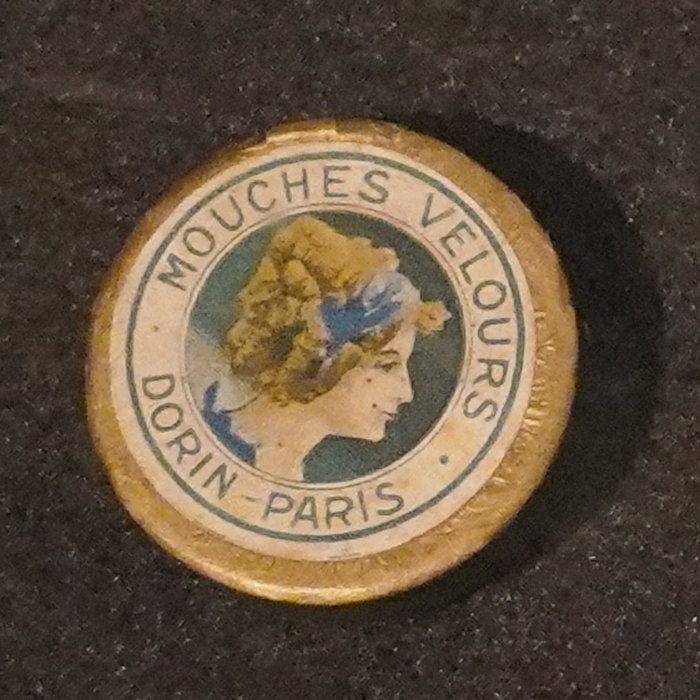
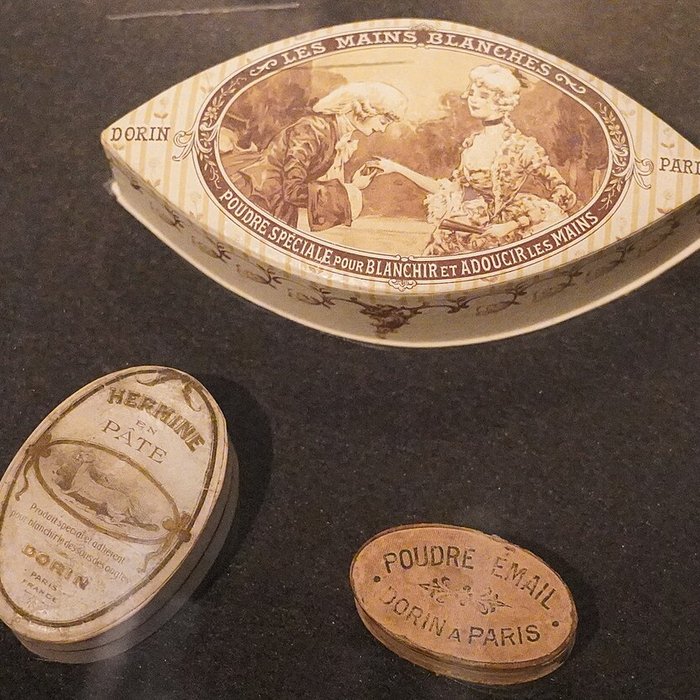
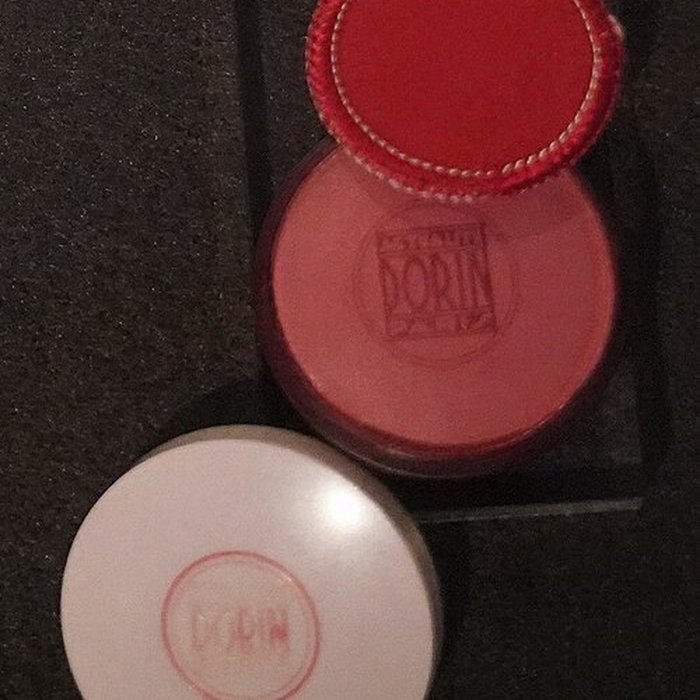
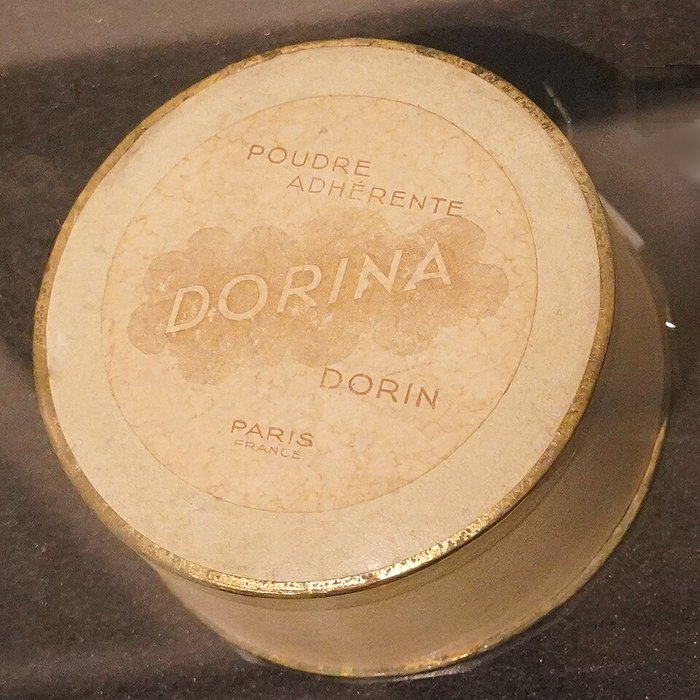
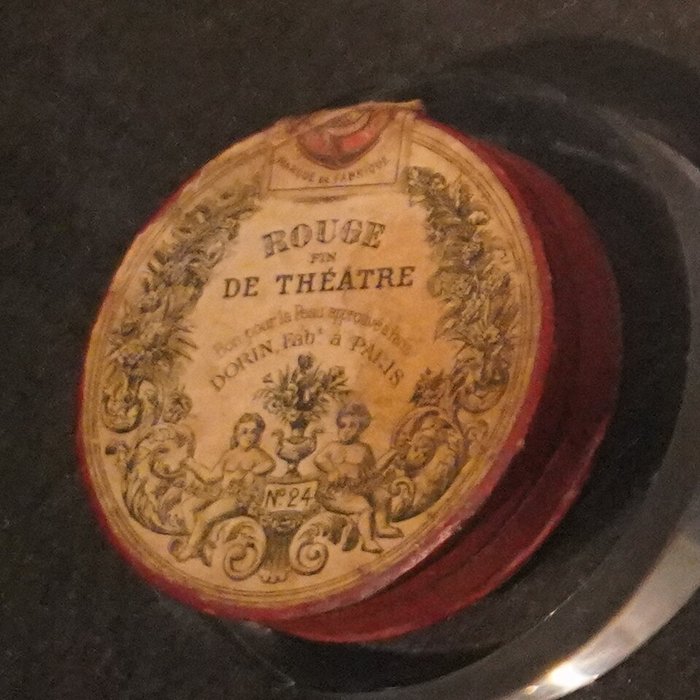
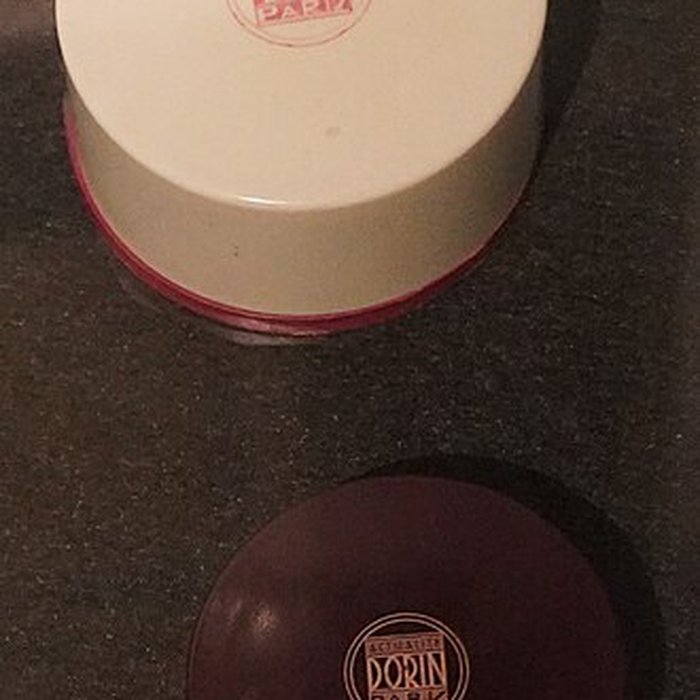
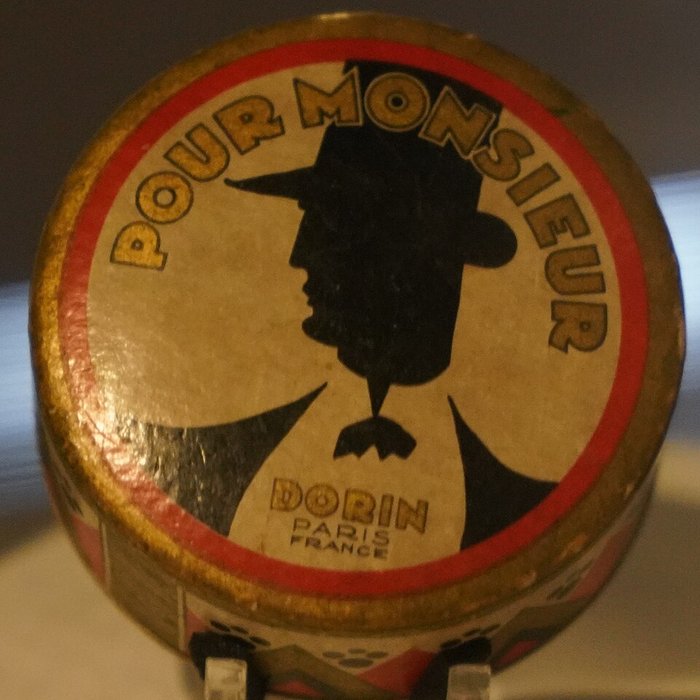
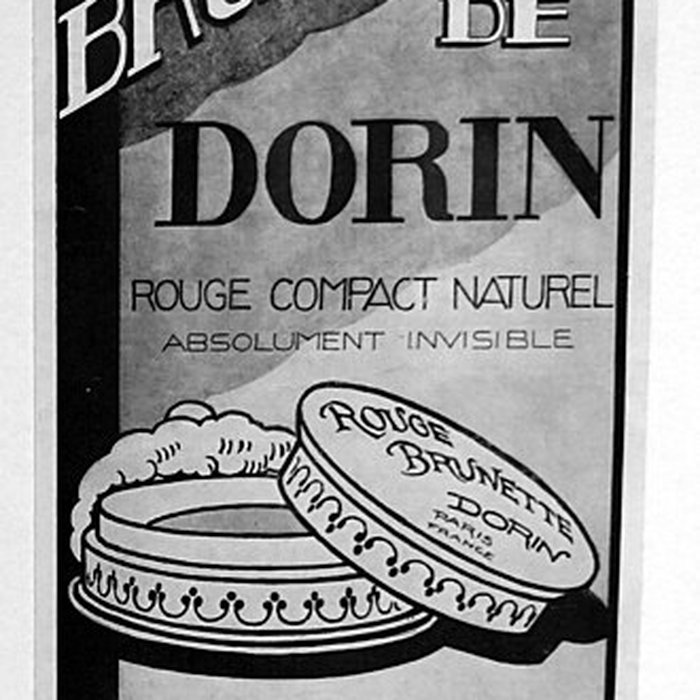
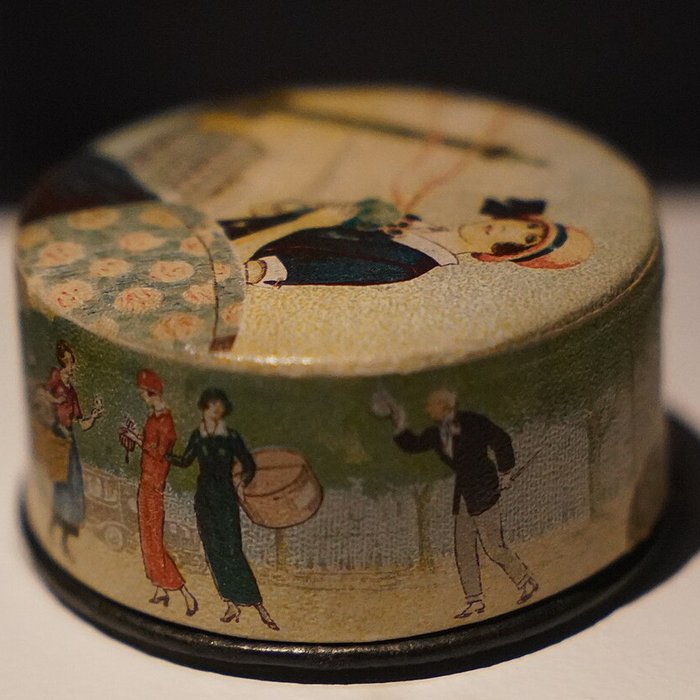
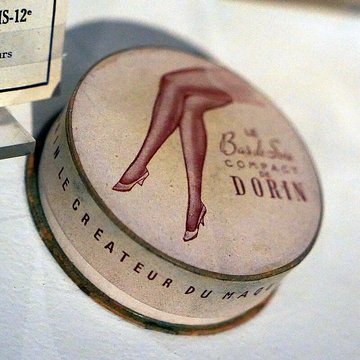
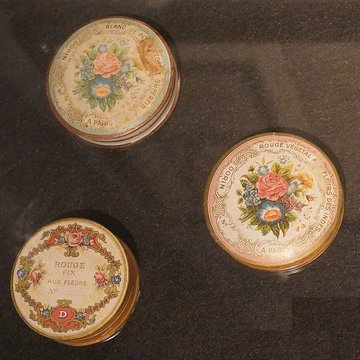
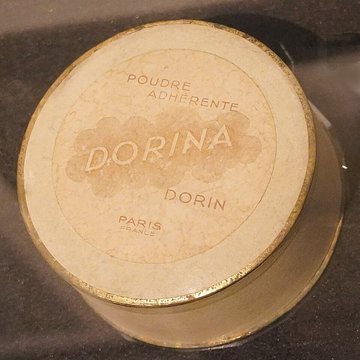
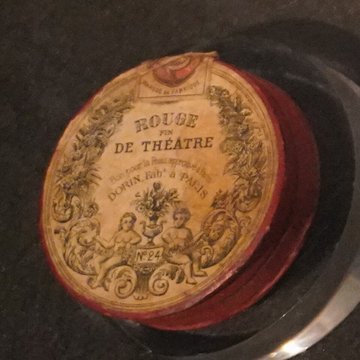
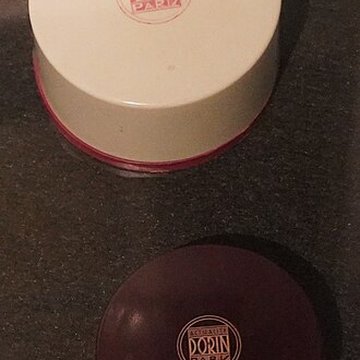
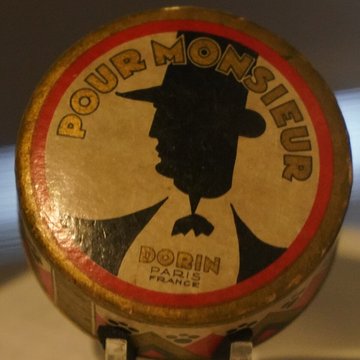
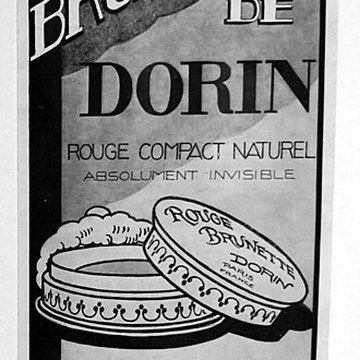
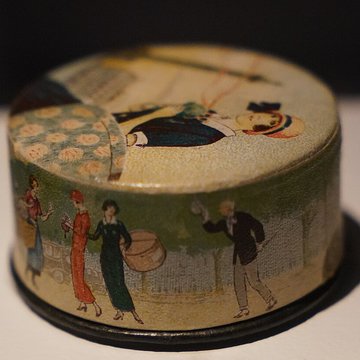
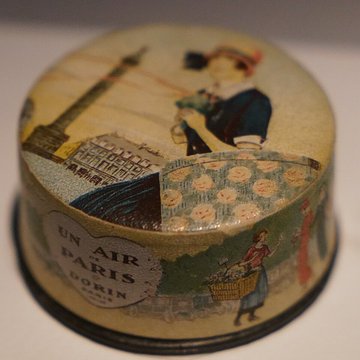
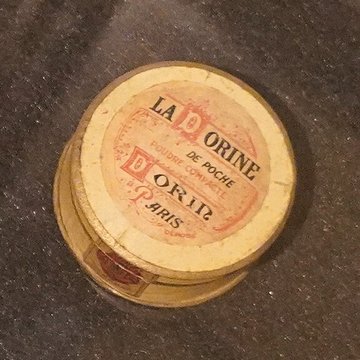
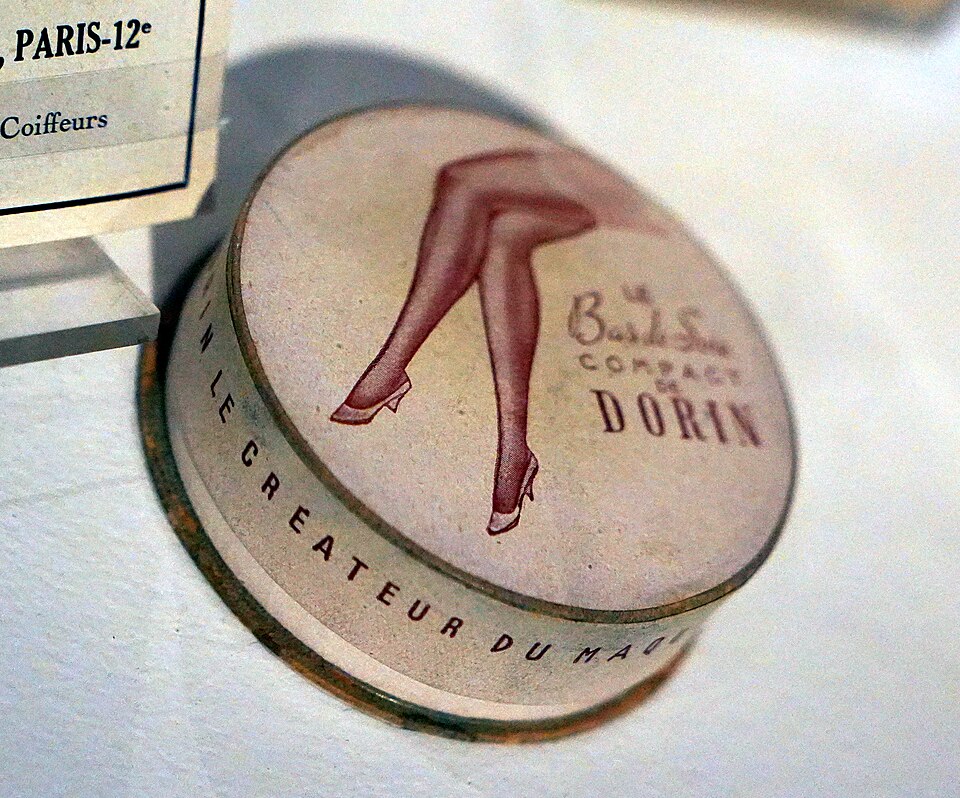
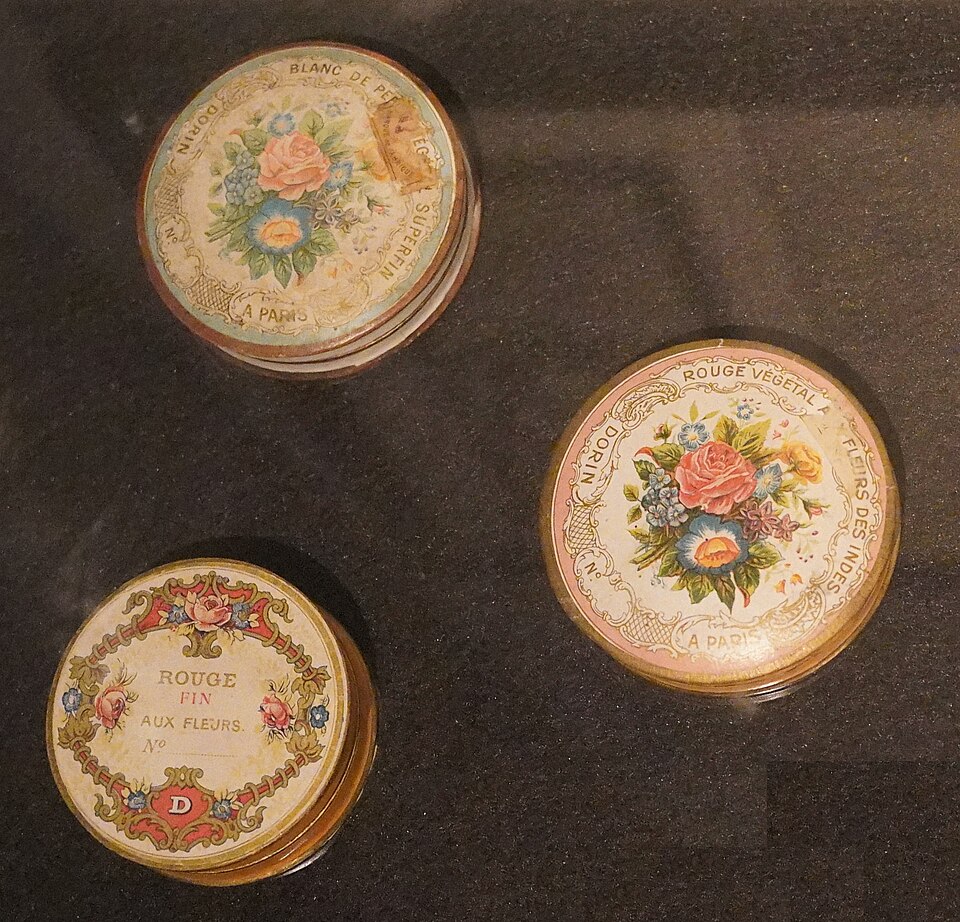
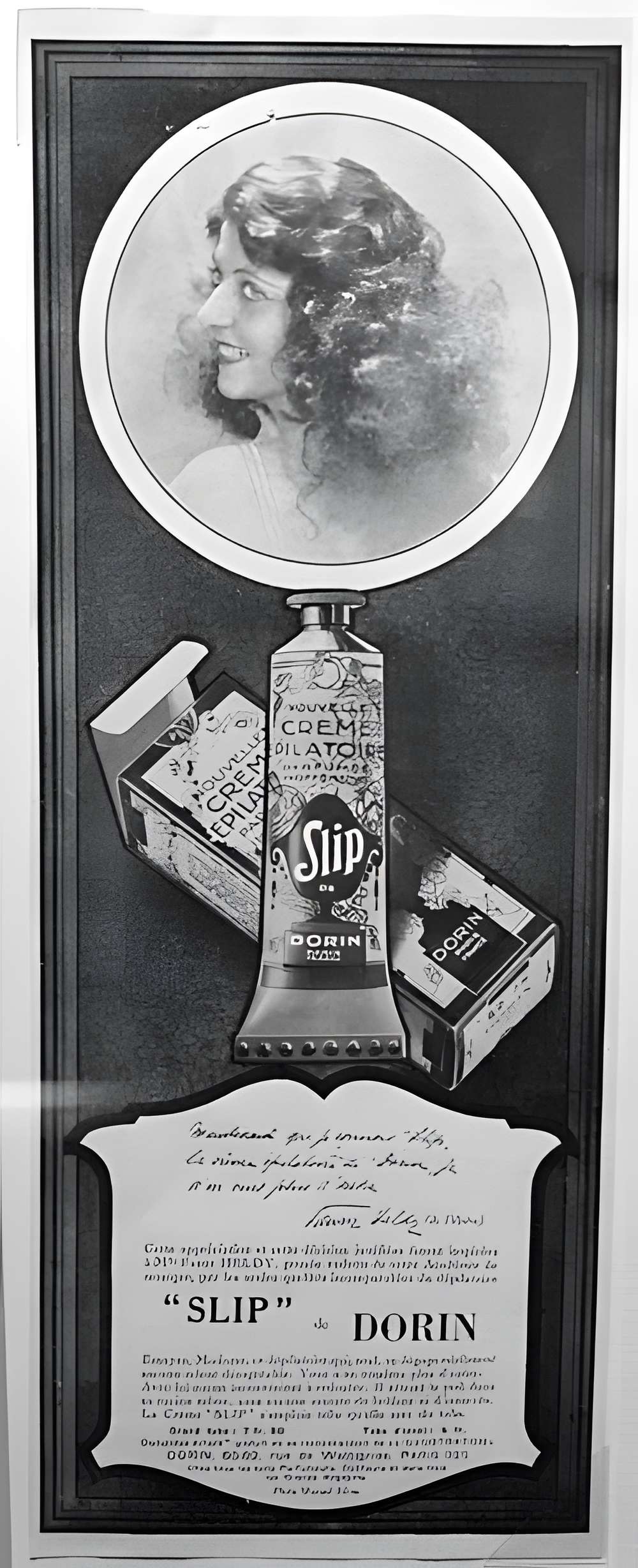
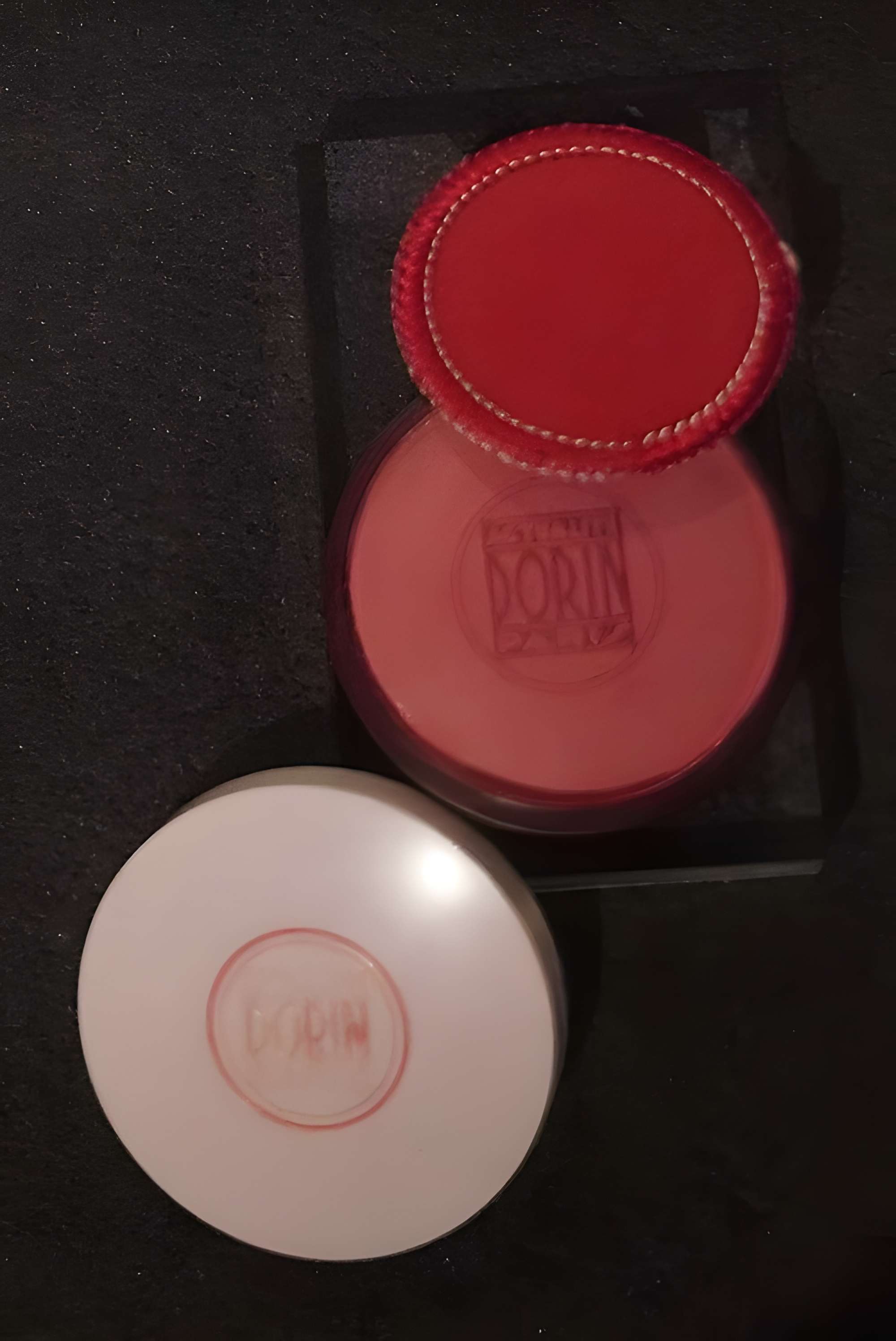
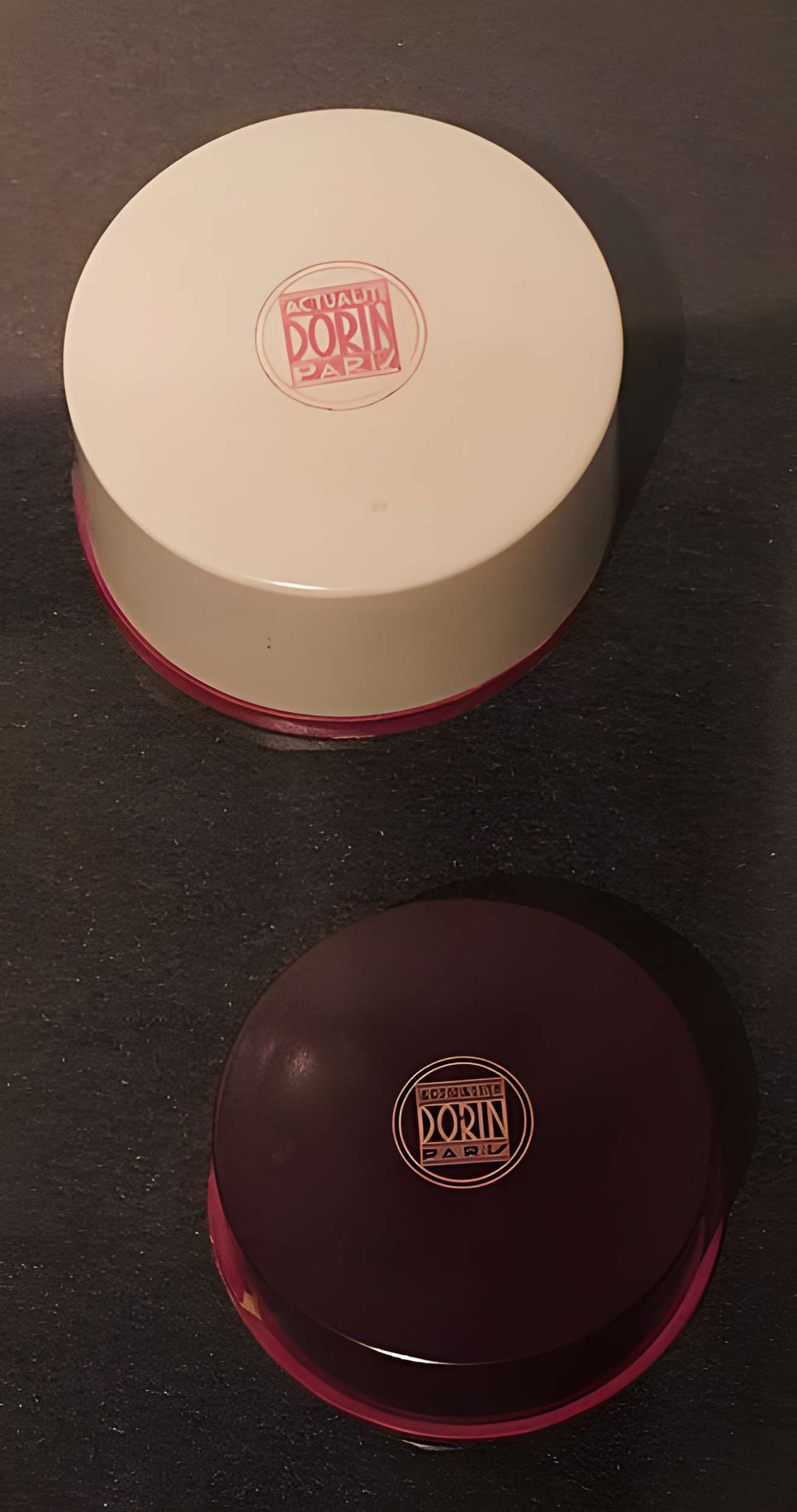
The collections also reflect local practices, such as perfumery, handicrafts (costumes, furniture), or transportation (railway, automobiles). Archival holdings, musical scores and religious objects complete this historical panorama, providing a multidimensional view of the territory.





Announcements
Please log in to post a review