Marriage of Patrick Spens 1466 (≈ 1466)
Union with the heiress of Estignols in Saint-Sever.
1616
Destruction of the castle
Destruction of the castle 1616 (≈ 1616)
Shaved by Bertrand de Poyanne for Louis XIII.
XVIIe siècle
Reconstruction of the castle
Reconstruction of the castle XVIIe siècle (≈ 1750)
Rebuilt after its destruction in 1616.
14 février 1978
Historical monument classification
Historical monument classification 14 février 1978 (≈ 1978)
Registration of facades and roofs.
Aujourd'hui
Aujourd'hui
Aujourd'hui Aujourd'hui (≈ 2025)
Position de référence.
Heritage classified
Facades and roofs of the castle and the communes, interior staircase with wooden balusters (Box D 141): inscription by decree of 14 February 1978
Key figures
Patrick Spens - Scottish officer
Founded the Spens d'Estignols lineage in 1466.
Bertrand de Poyanne - Baron and military
Destroyed the castle in 1616 for Louis XIII.
Willy de Spens - Baron and man of letters
Owner of the castle in the 20th century.
Origin and history
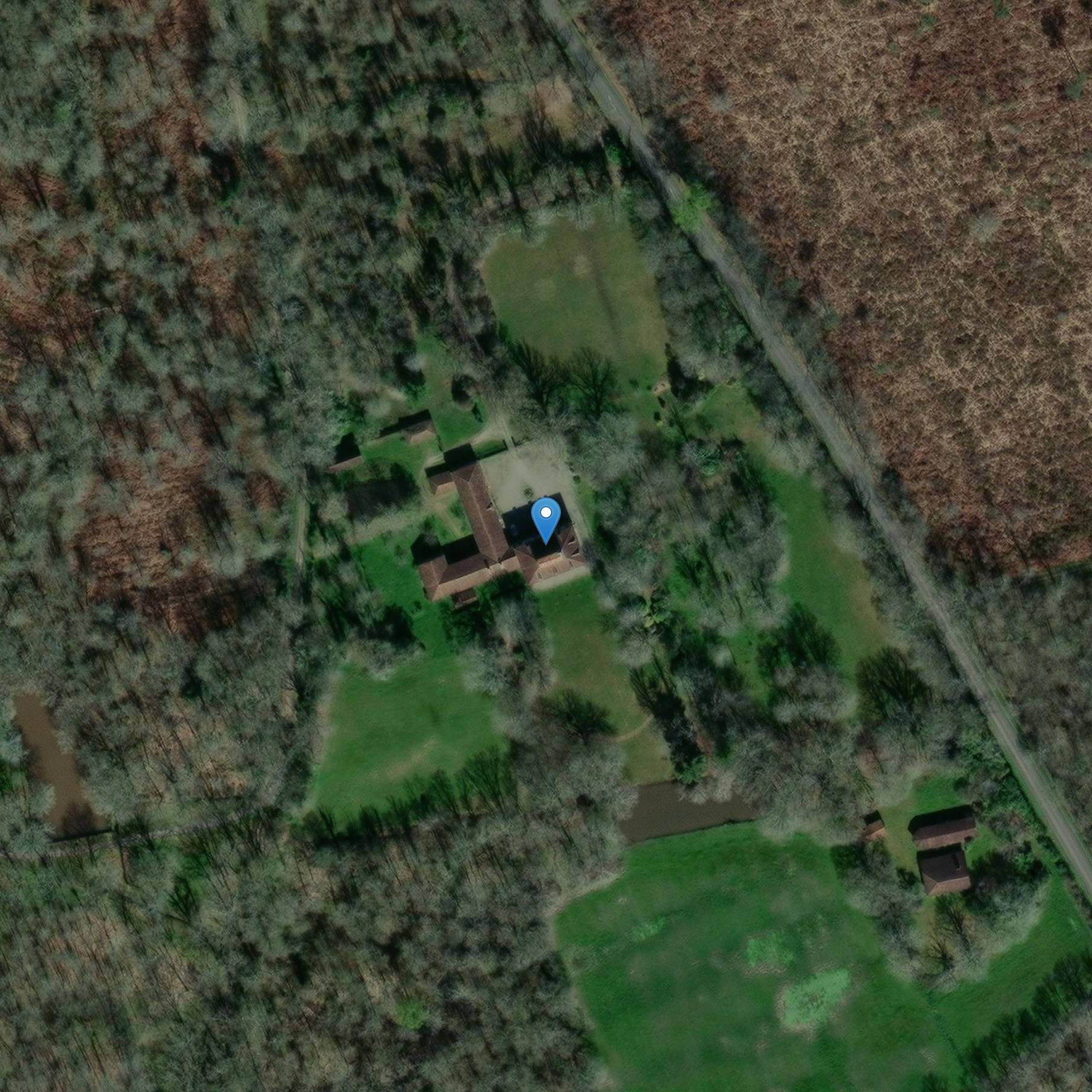
Estignols Castle, located in Aurice in the Landes department, is a land property classified as a historical monument since 1978. It embodies the architectural and family heritage of the Spens d'Estignols, a lineage of Scottish origin. Its style, marked by English influences, is distinguished by facades squared with red bricks and decorative elements typical of the seventeenth century, such as pilasters and genoese.
The history of the castle is closely linked to that of the Spens d'Estignols family, descendants of the Scottish clan of MacDuff. In 1466 Patrick Spens, an officer of the Scottish guard of Louis XI, settled in Guyenne after his marriage to the heir of the lord of Estignols. In the 17th century, the family, united with the Prince of Condé, suffered the consequences of political conflicts: in 1616, Baron Bertrand de Poyanne, acting for Louis XIII, was seated and destroyed the castle, which was rebuilt shortly after.
The architecture of the castle reflects its turbulent history. Built on vaulted cellars, it adopts a rectangular plan on one floor, with facades adorned with red brick links. The commons, including a wooden gallery and a pedestal sheepfold, complete the whole. A three-span observatory, inspired by English houses, overlooks the roof. The park, once open to the public, housed rare species, adding to the attractiveness of the estate.
The castle remains a testimony to the cultural exchanges between France and Scotland, as well as to the political upheavals of the seventeenth century. Its inscription in historic monuments in 1978 underscores its heritage importance, preserving both its characteristic architecture and its unique family history.





Announcements
Please log in to post a review