Buy by Louis Potier de Gesvres 1595 (≈ 1595)
Acquisition of the seigneury of Blérancourt.
1612-1619
Construction of the castle
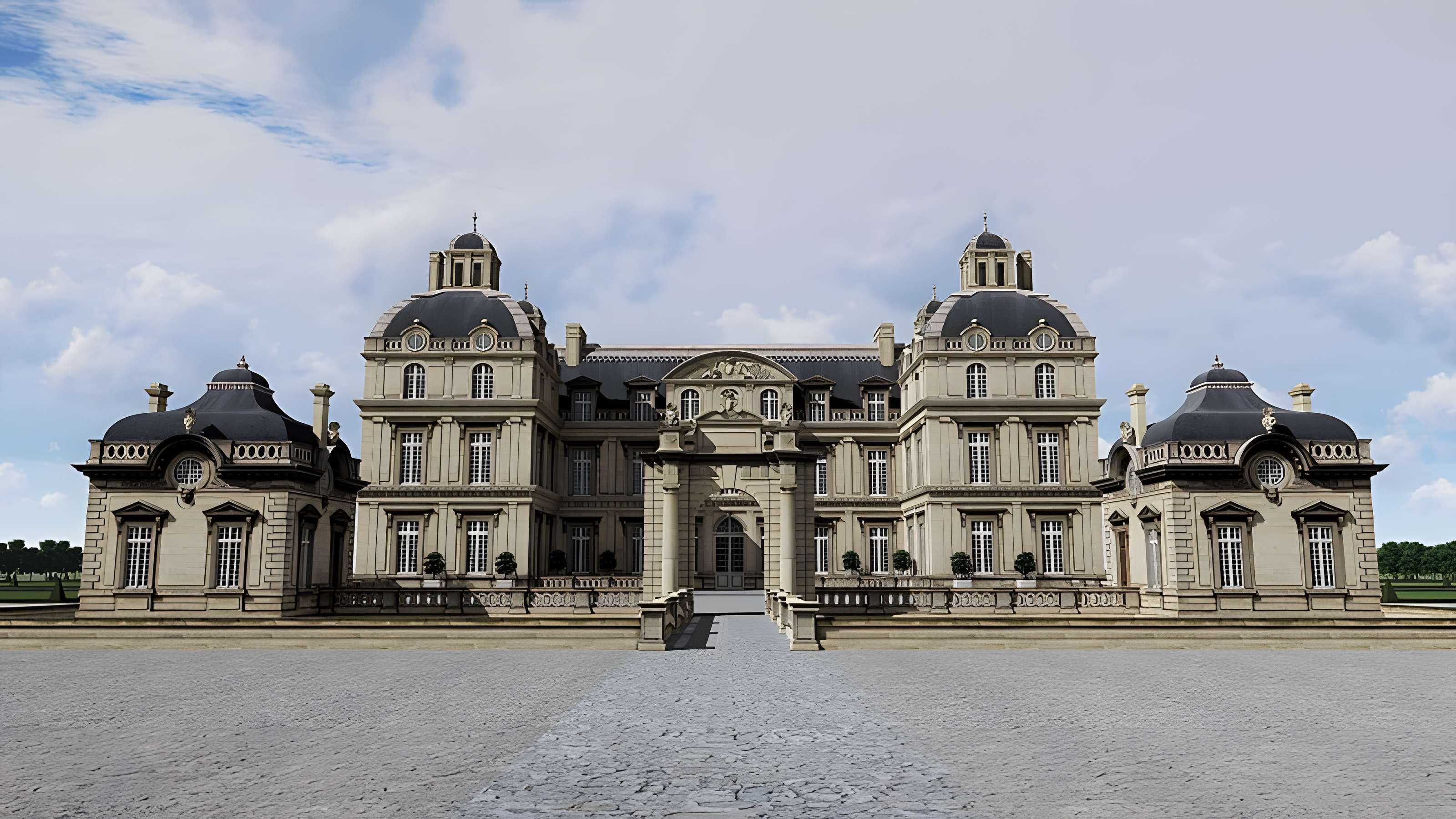
Construction of the castle 1612-1619 (≈ 1616)
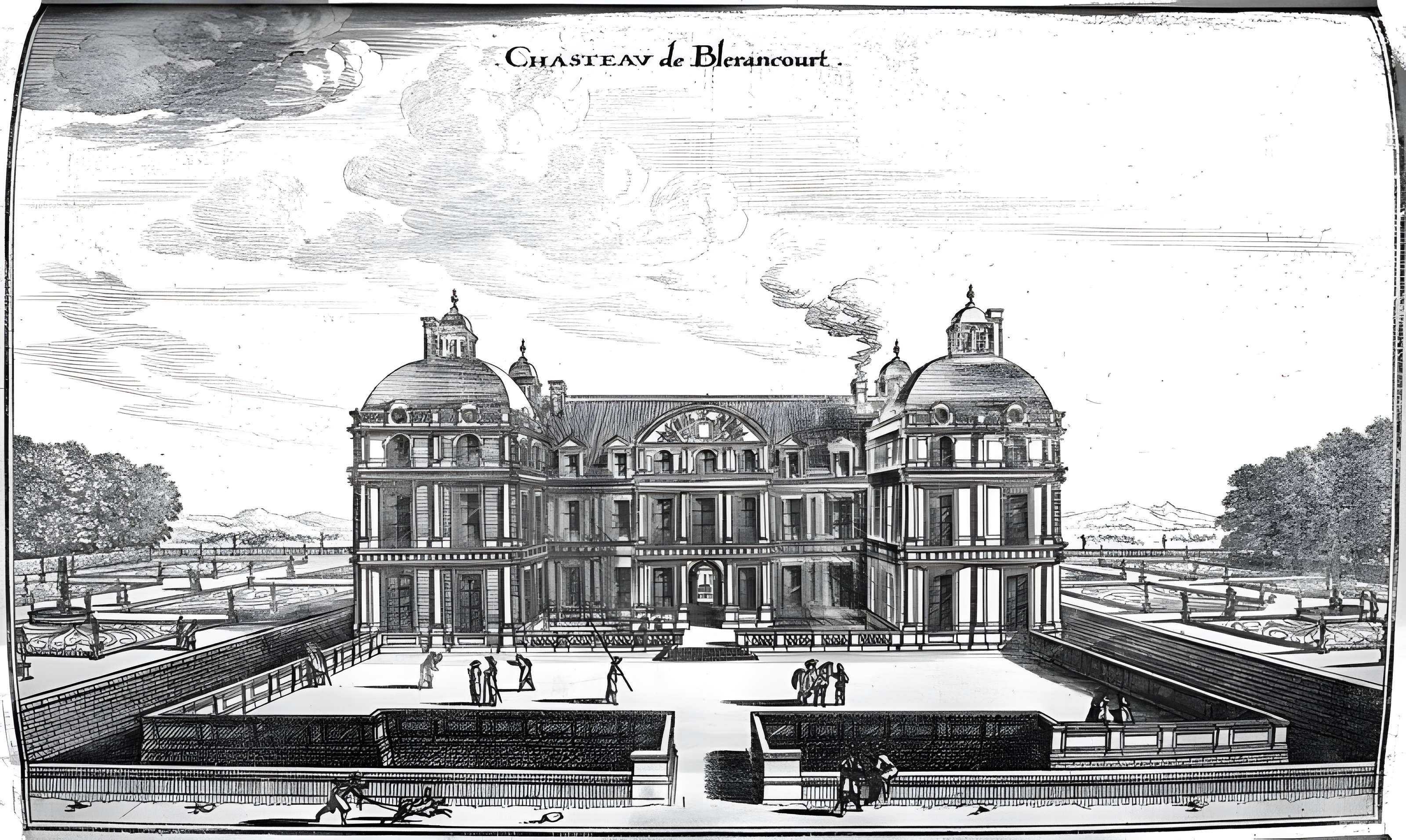
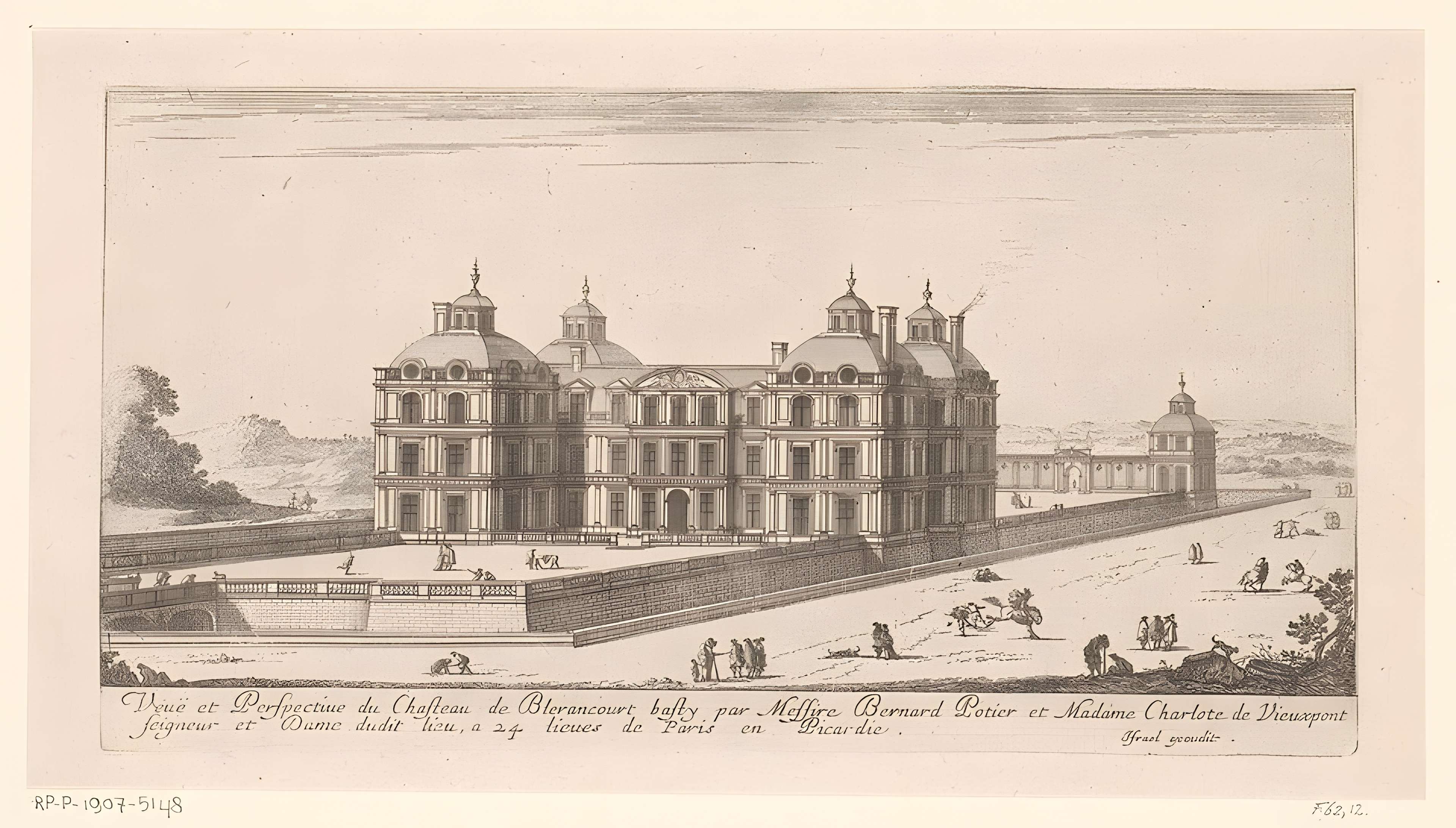
Work by Salomon de Brosse for Bernard Potier.
1661
Foundation of an orphanage
Foundation of an orphanage 1661 (≈ 1661)
Created by Bernard Potier on the domain.
1782
Sale to Jean Joseph Grenet
Sale to Jean Joseph Grenet 1782 (≈ 1782)
End of the property of the Dukes of Gesvres.
1792
Revolutionary dismantling
Revolutionary dismantling 1792 (≈ 1792)
Castle sold as national property.
1917-1919
CARD Headquarters
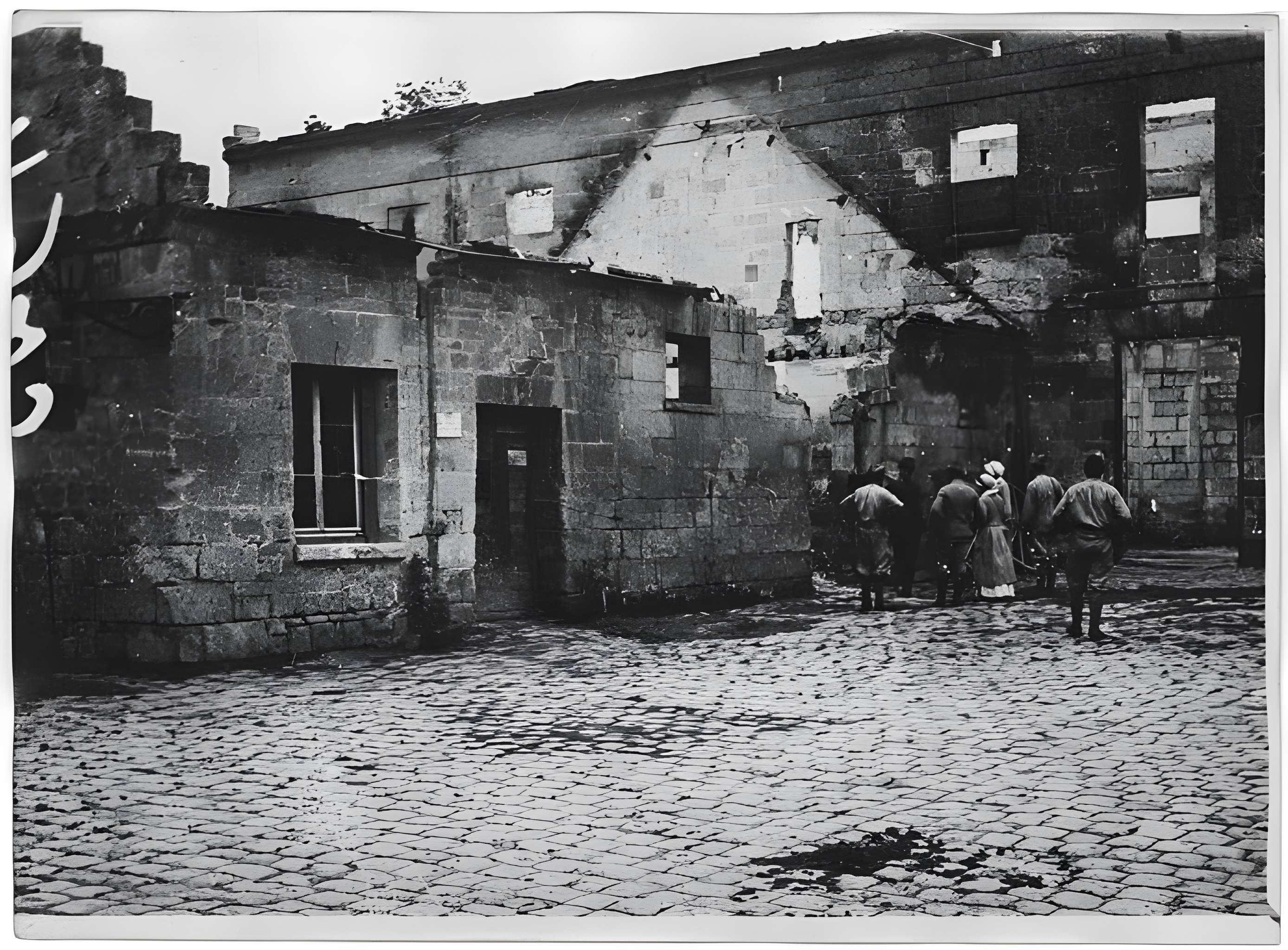
CARD Headquarters 1917-1919 (≈ 1918)
Use by Anne Morgan during the Great War.
1924
Creation of the French-American Museum
Creation of the French-American Museum 1924 (≈ 1924)
Initiated by Anne Morgan in the ruins.
1938
Construction of the Volunteer Pavilion
Construction of the Volunteer Pavilion 1938 (≈ 1938)
Expansion of the museum for the Great War.
2002
Final classification of remains
Final classification of remains 2002 (≈ 2002)
Full protection of remaining elements.
2017
Re-opening after renovation
Re-opening after renovation 2017 (≈ 2017)
Modernisation and expansion of the museum.
Aujourd'hui
Aujourd'hui
Aujourd'hui Aujourd'hui (≈ 2025)
Position de référence.
Heritage classified
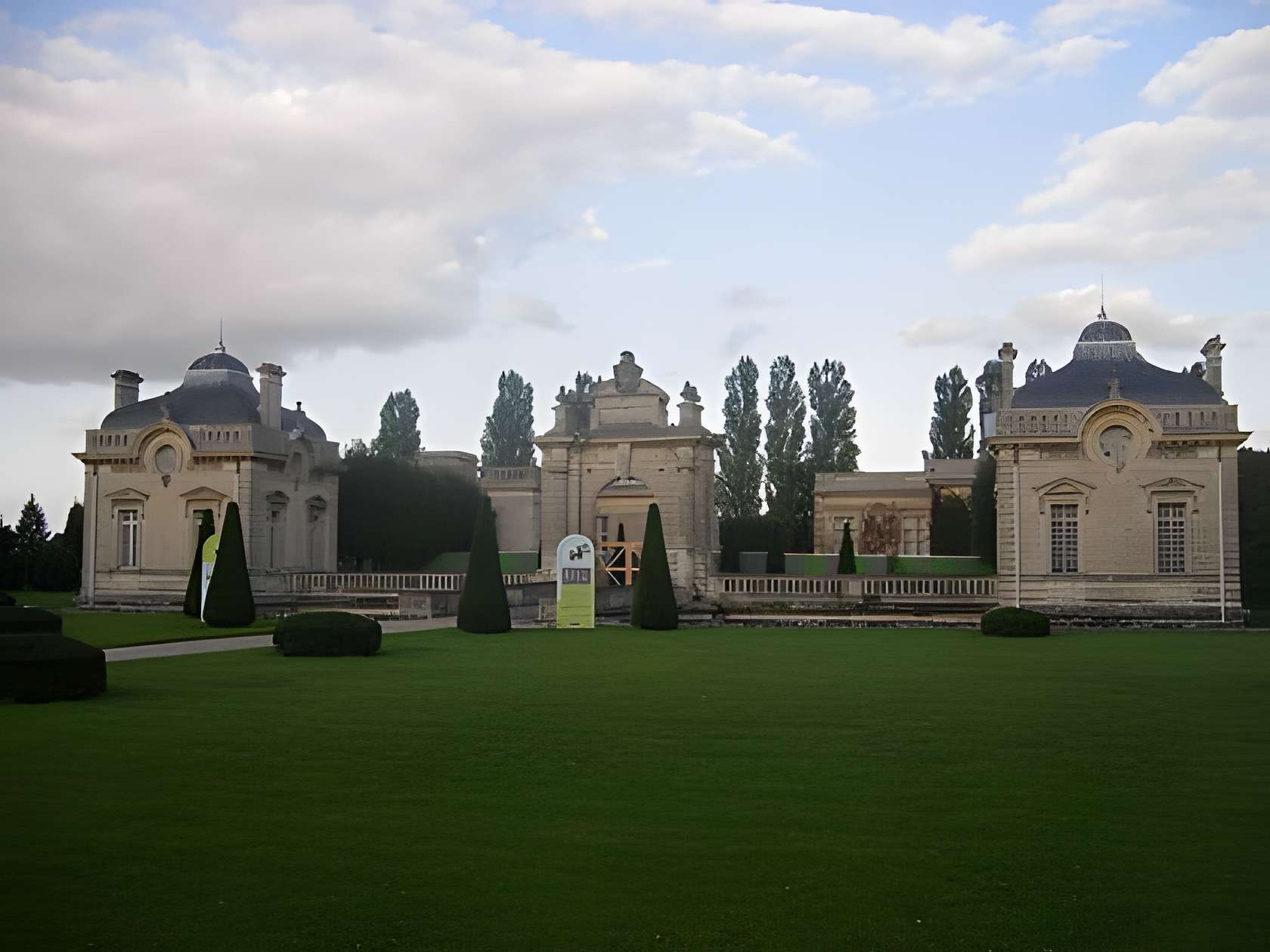
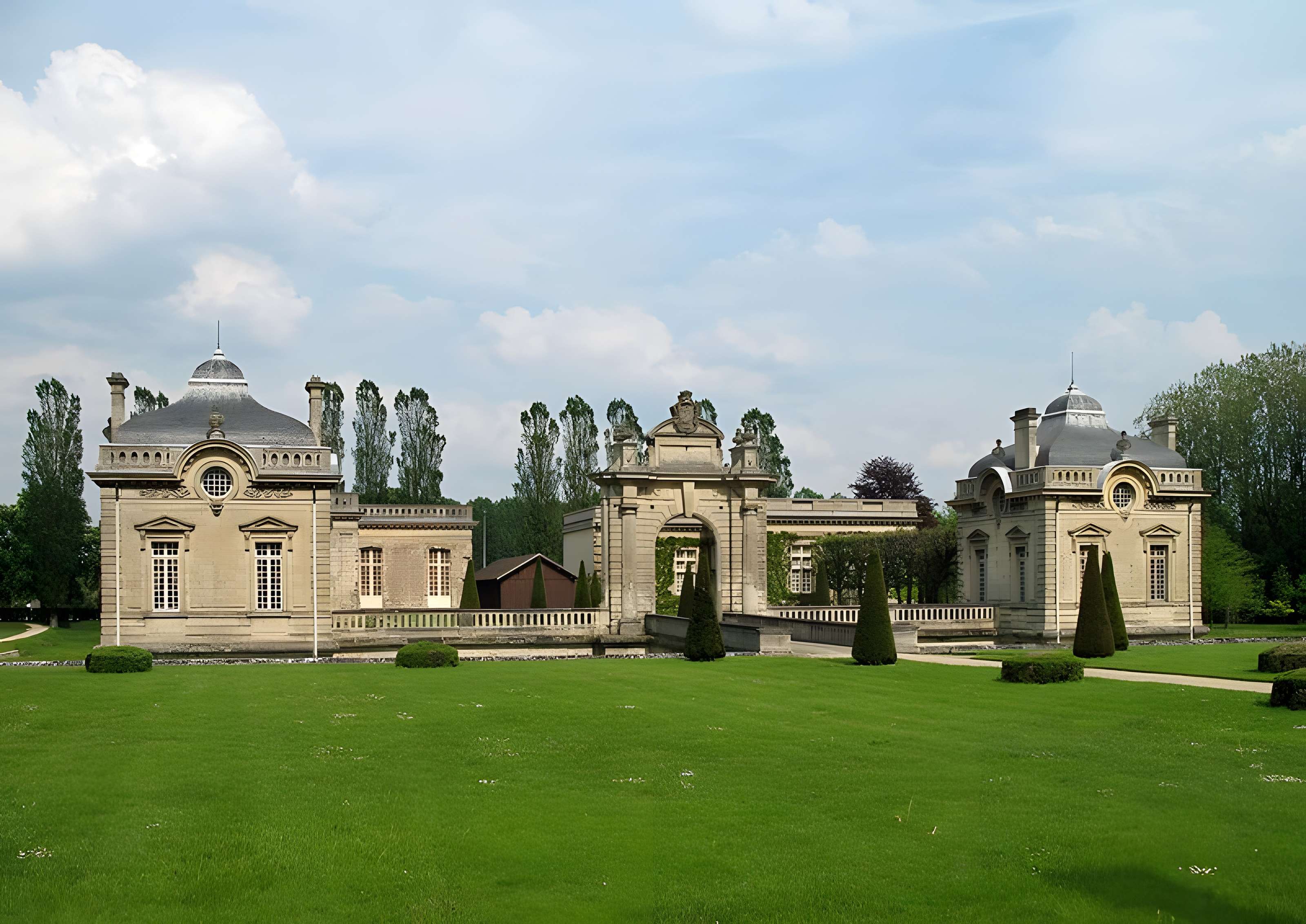
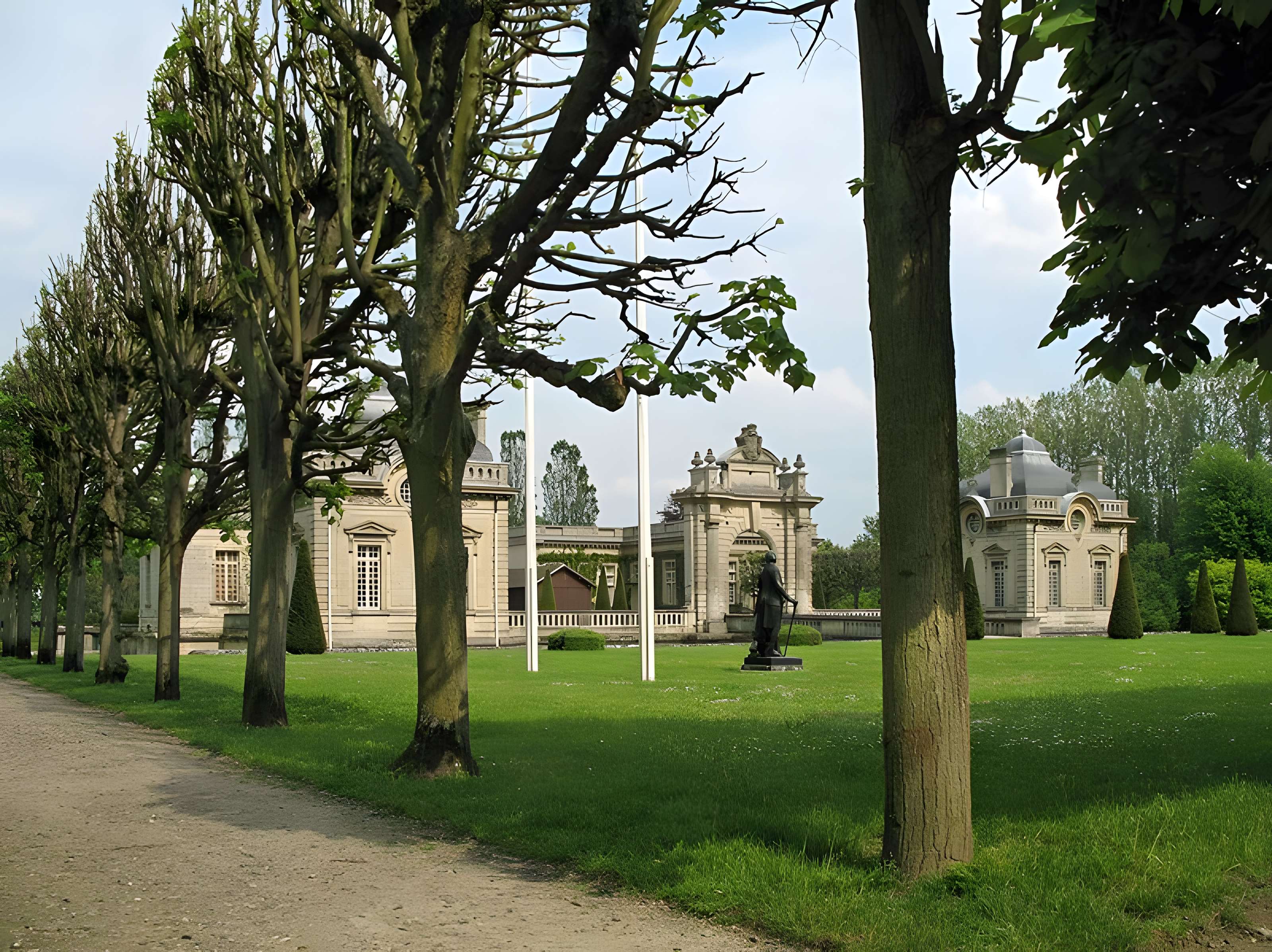
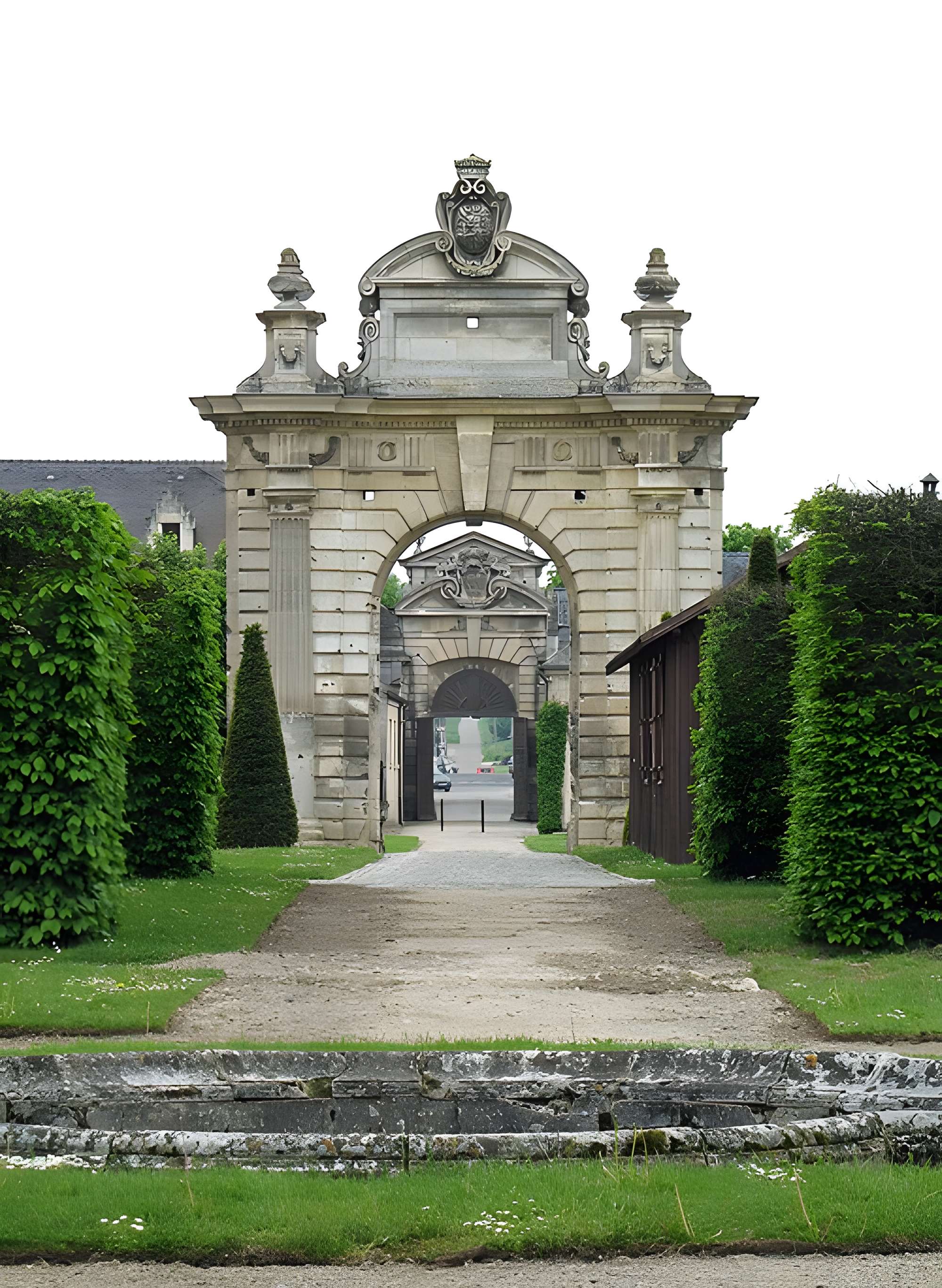
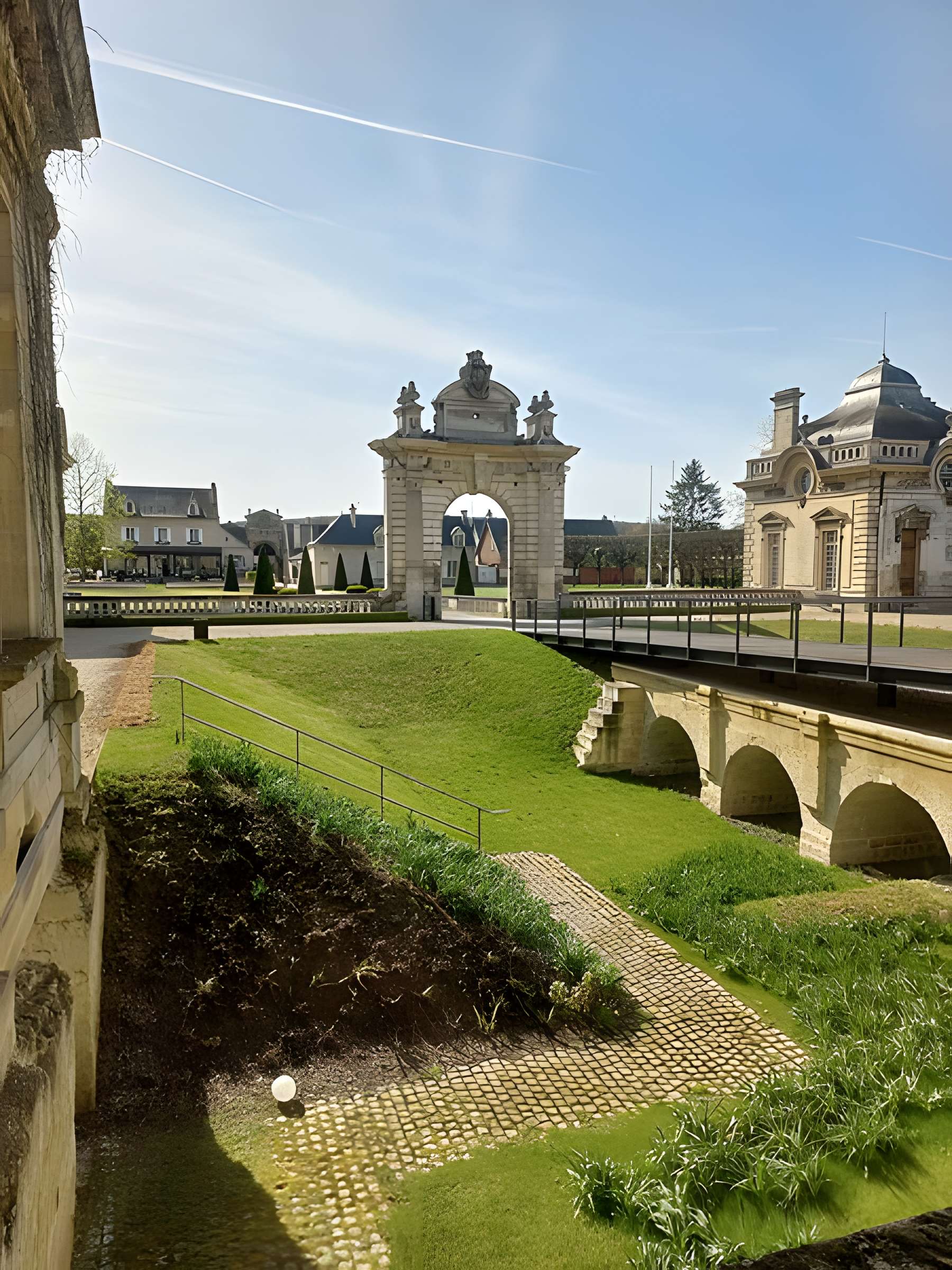
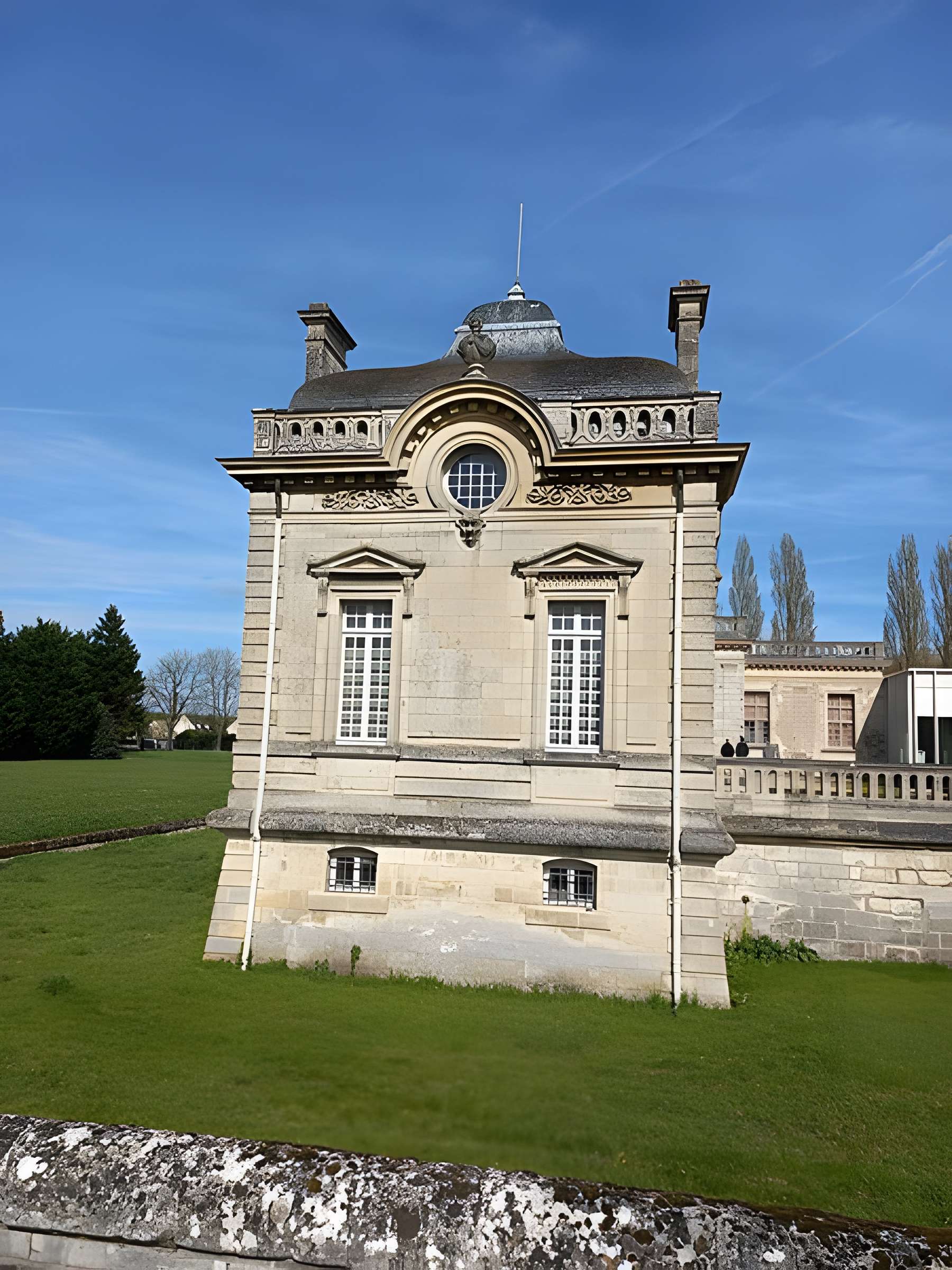
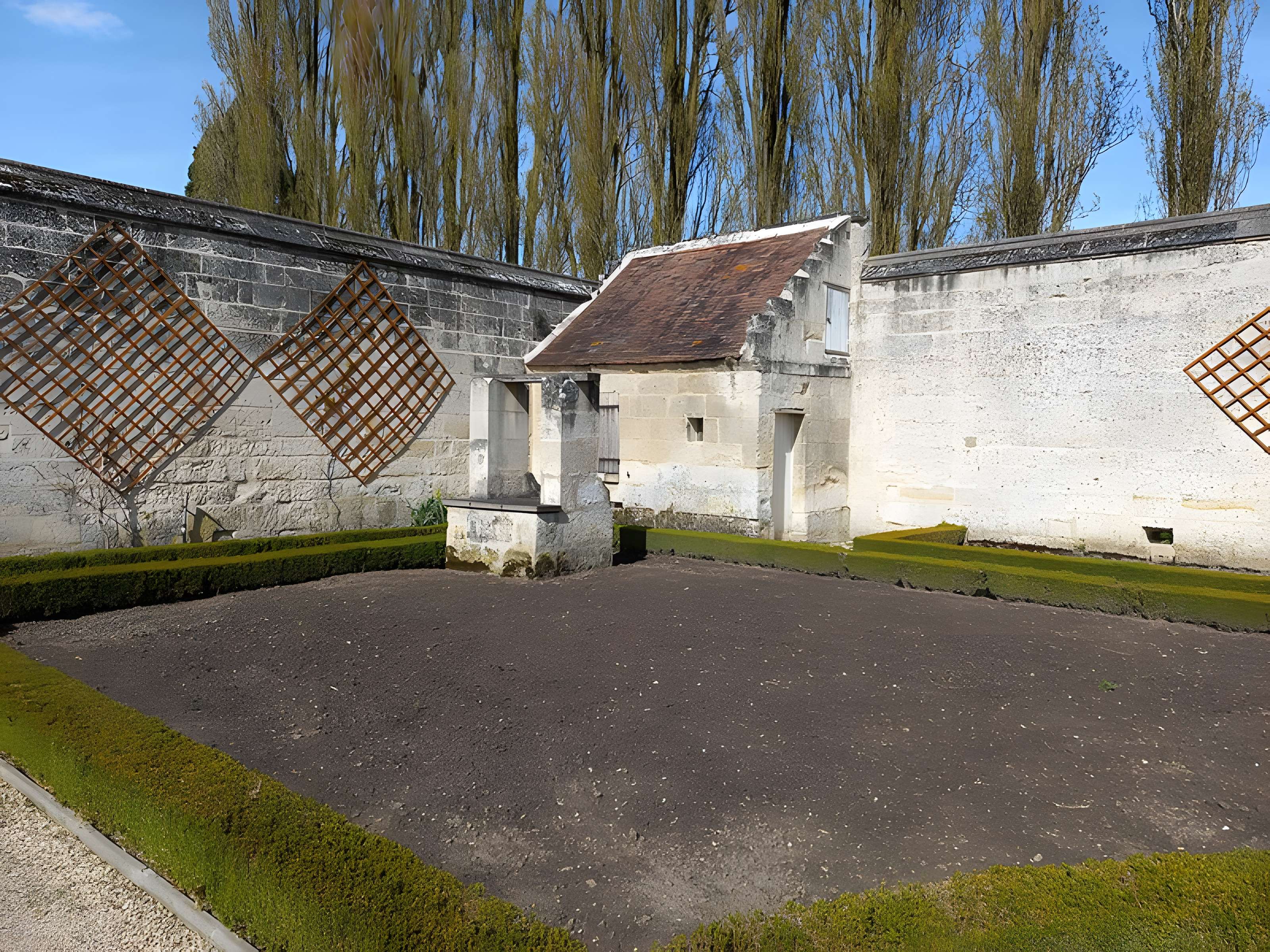
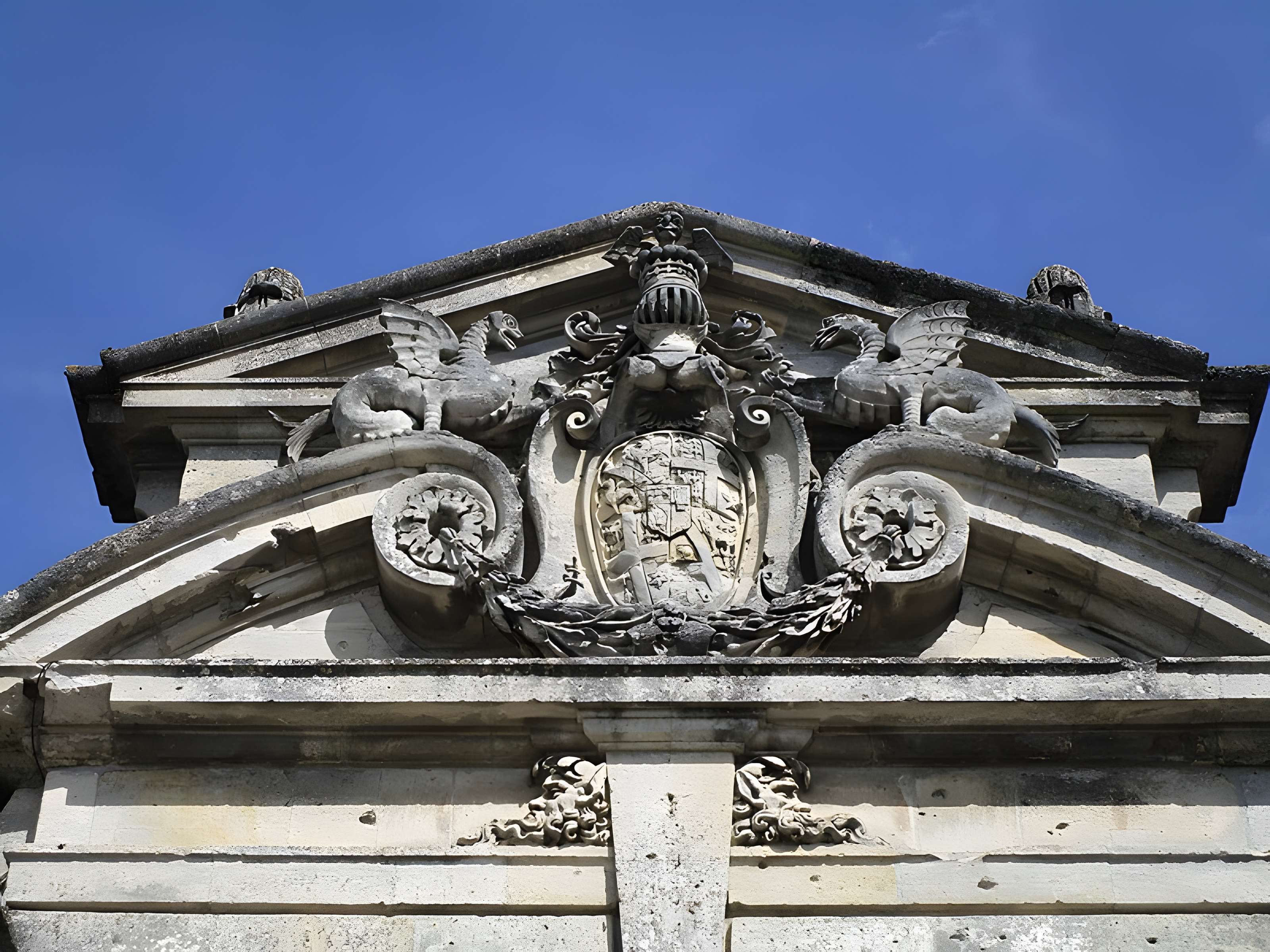
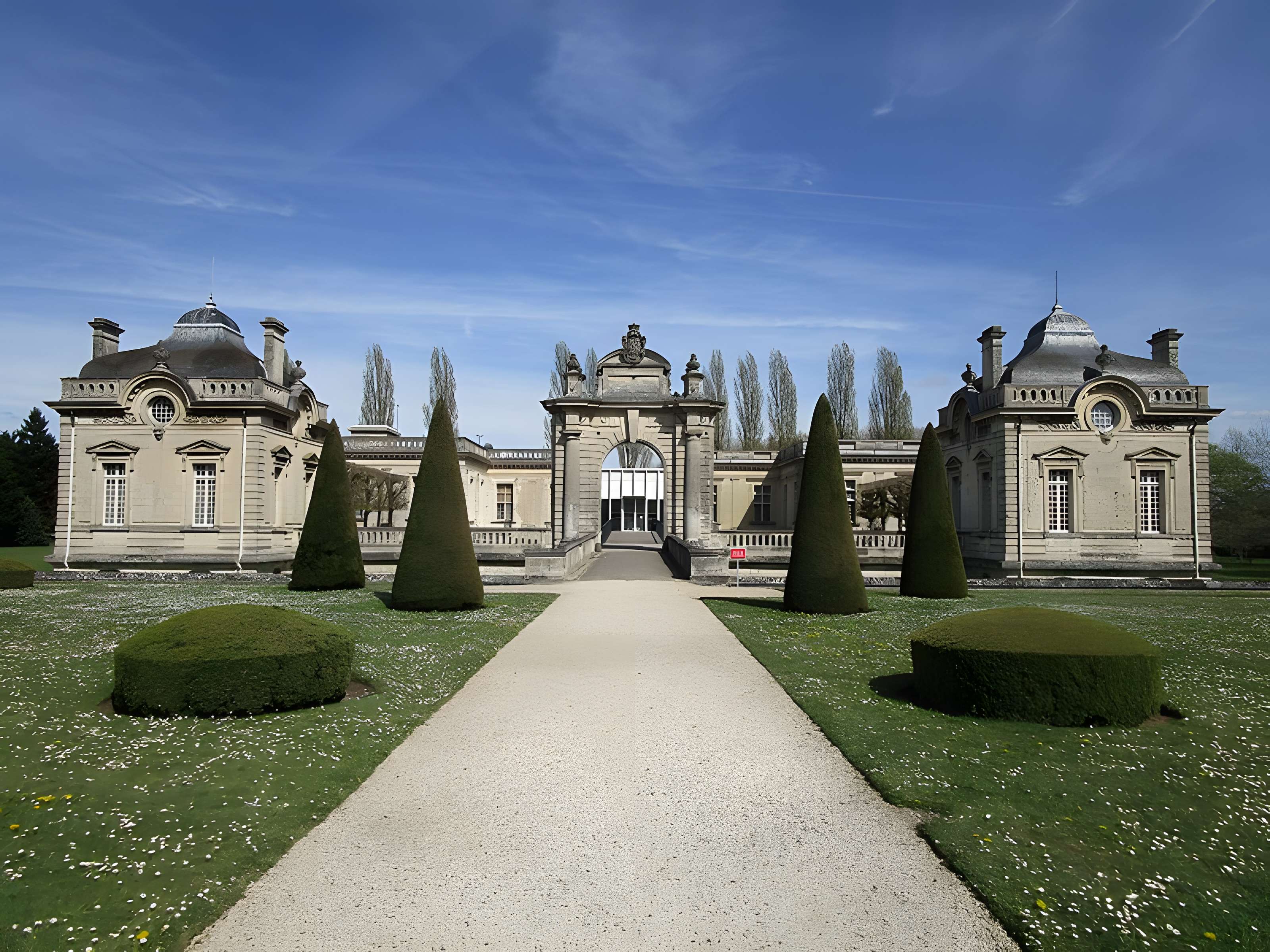
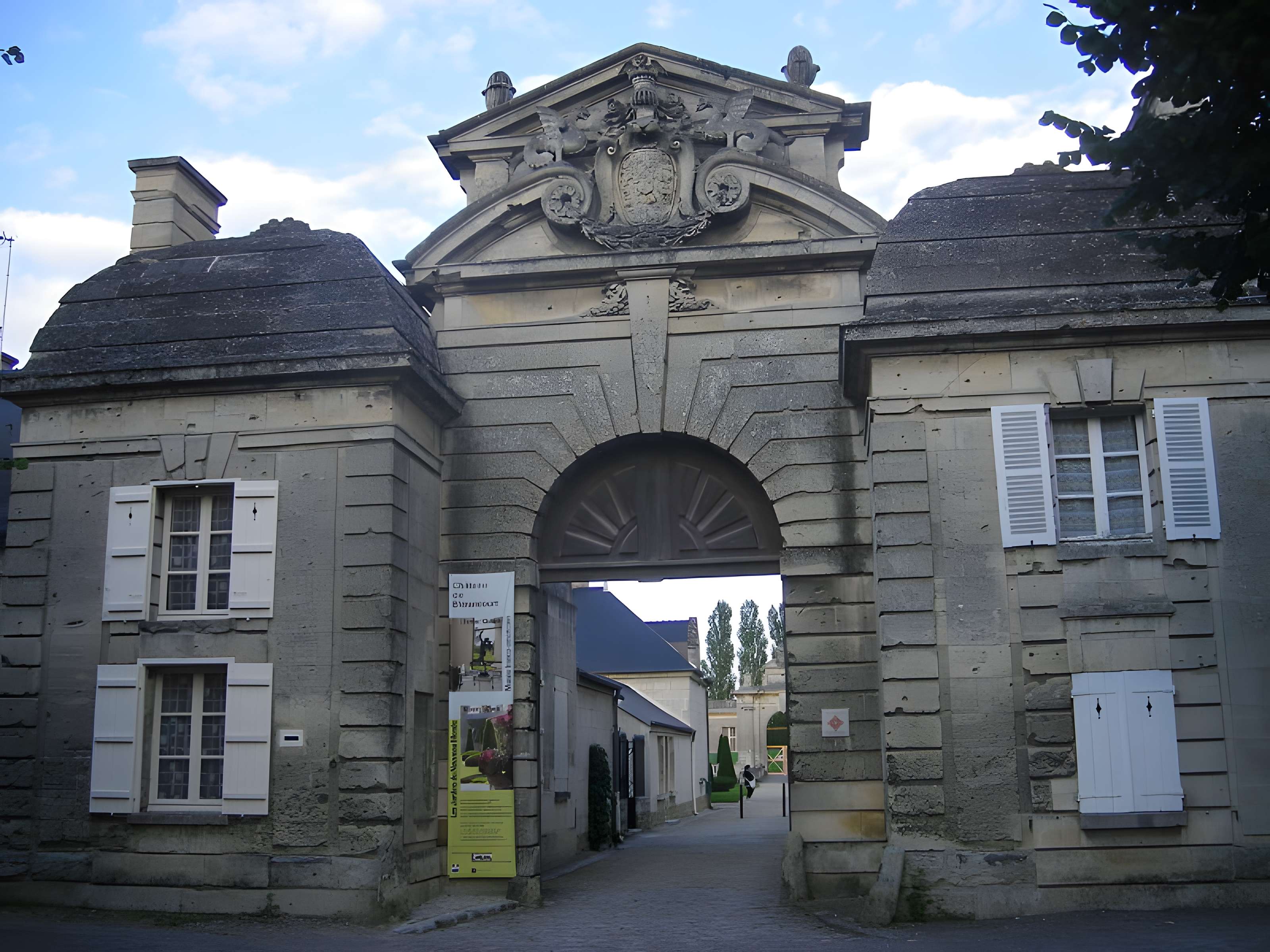
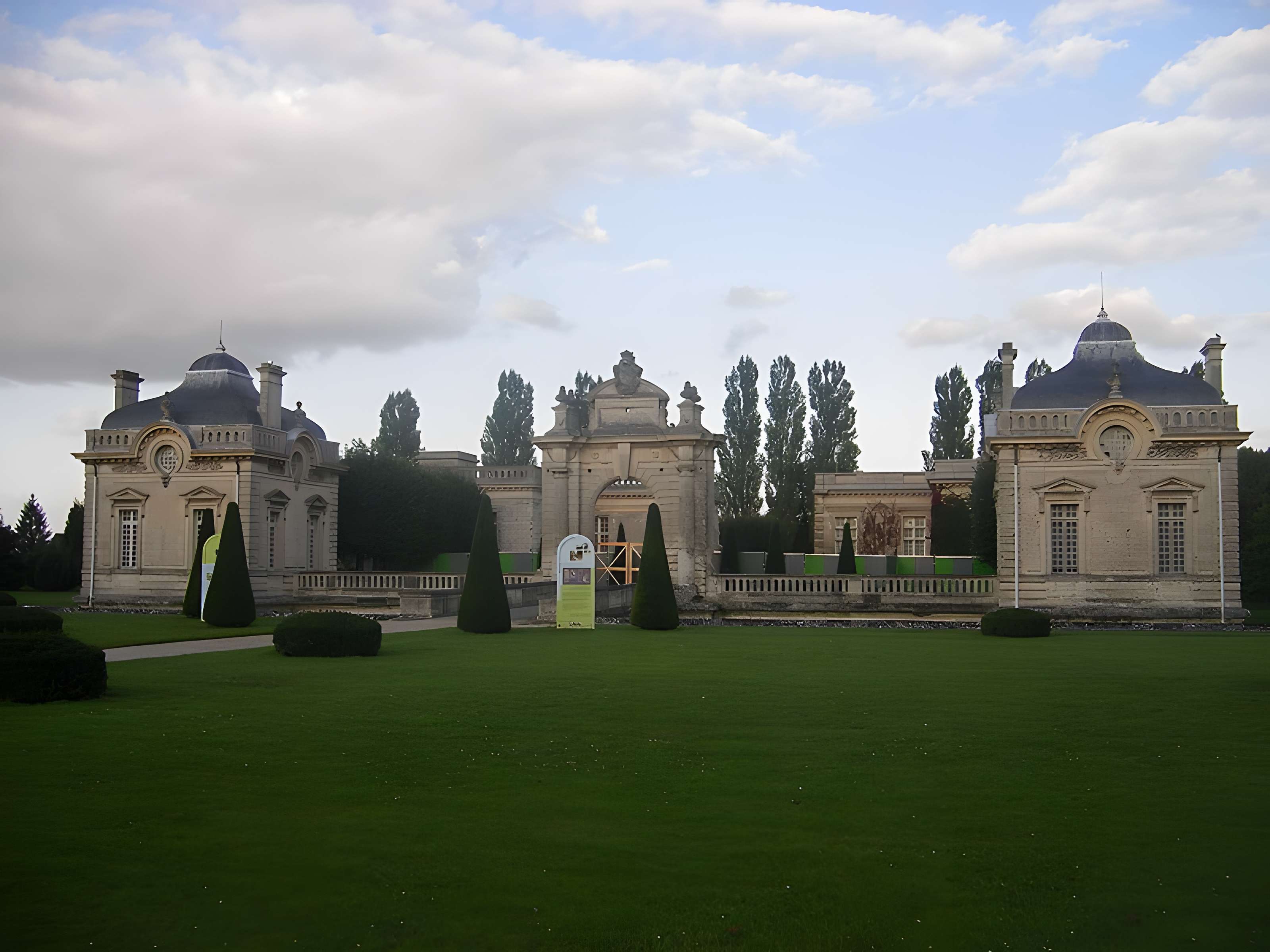
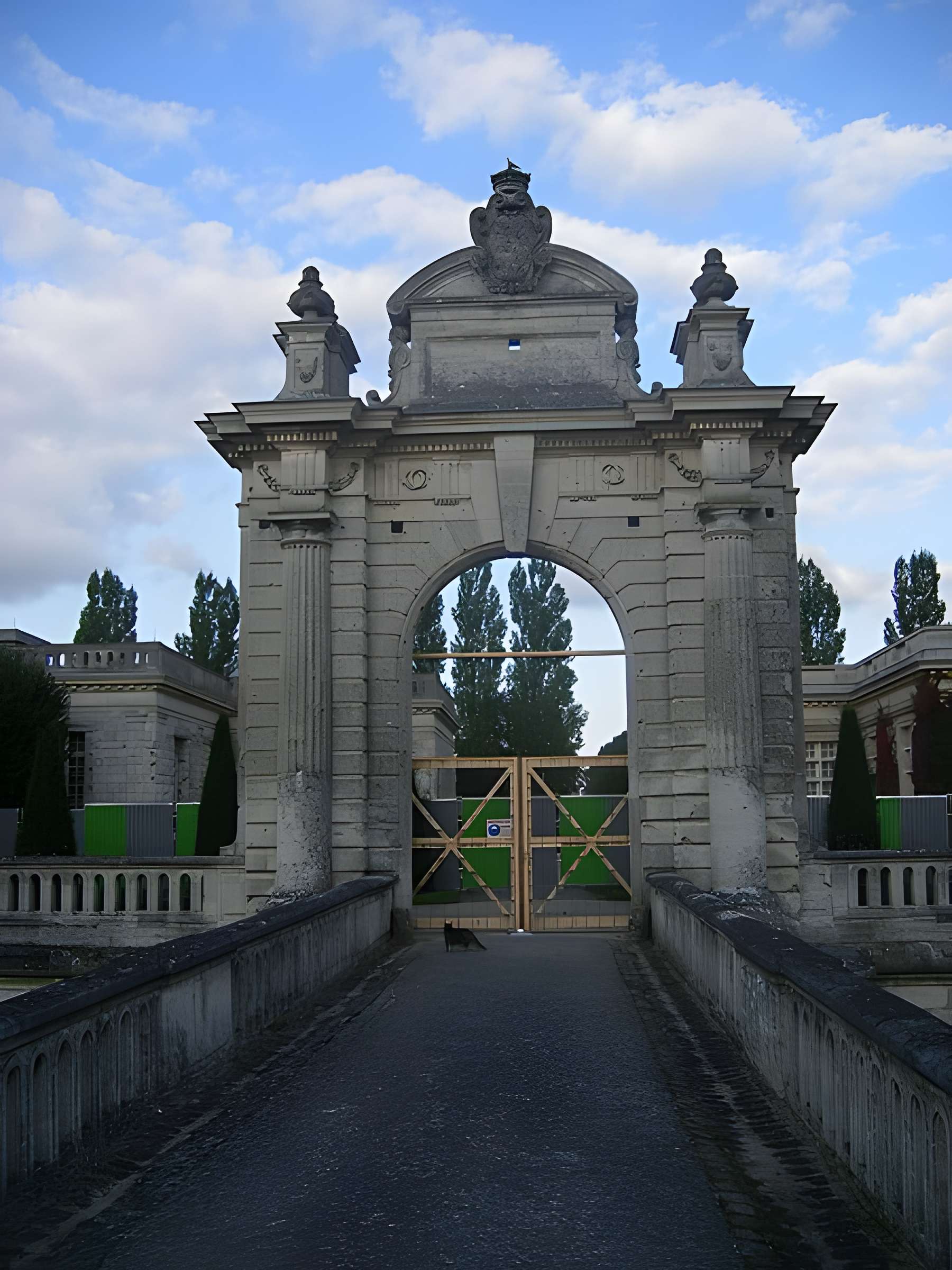
The entrance door and the two corner pavilions: classification by order of 2 April 1925 - The large entrance door and the facades and roofs of the two 18th-century pavilions which are attached to it: classification by decree of 19 August 1932 - The stone door called door of the vegetable garden: classification by decree of 16 May 1933 - The bridge, moat and terrace of the castle, the fenced walls of the gardens surrounding the castle, the ruins of the communes and the archaeological floors (cad. A 495, 497 to 500, 502, 505, 506, 508, 509, 515, 518, 521, 522, 527, 528, 530, 531, 534, 535, 539, 545, 549 to 552, 554 to 556, 558, 559, 564, 1398, 1399, 1900, 1901): entry by order of 28 September 2001, as amended by order of 1 February 2002
Key figures
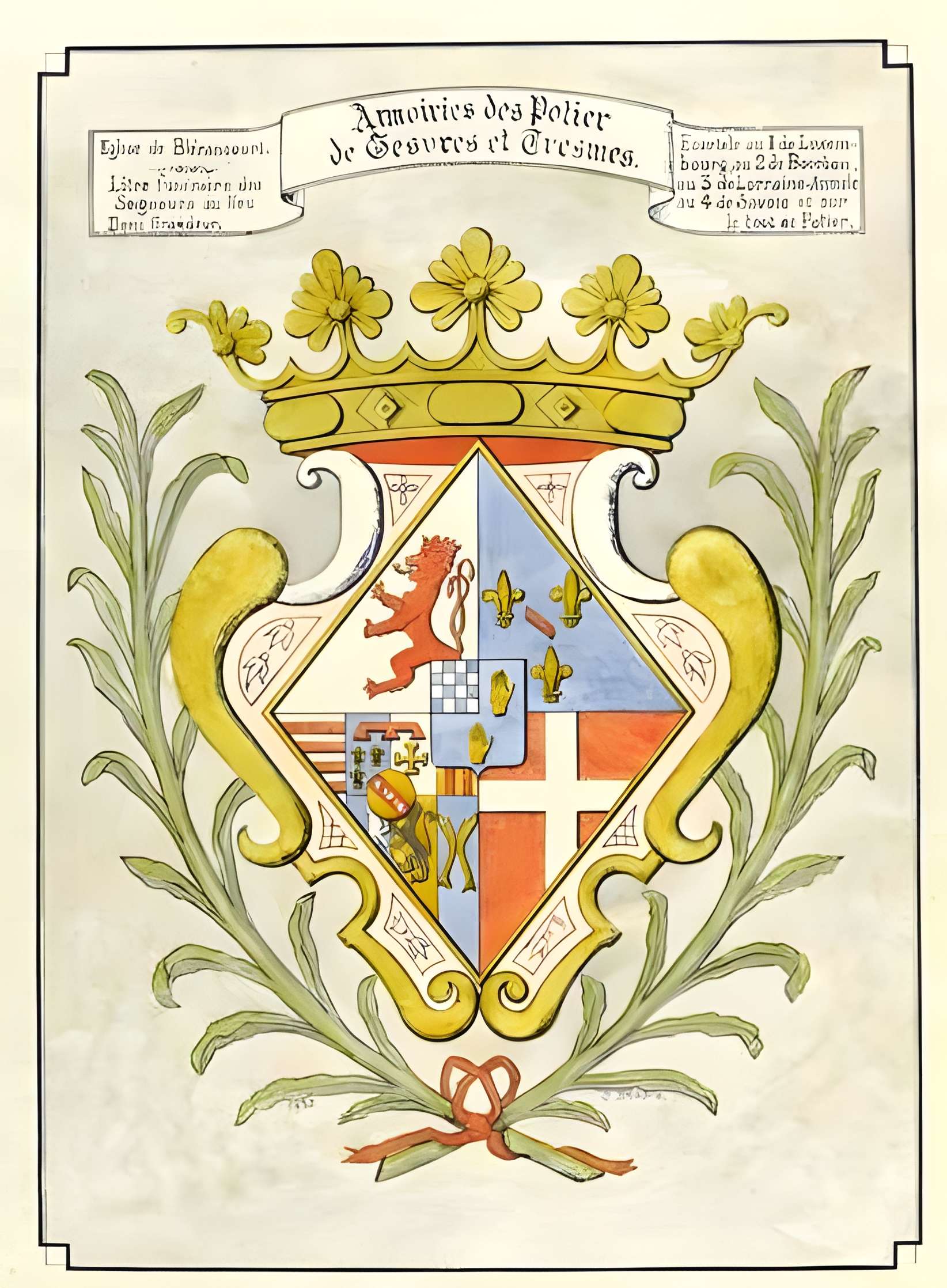
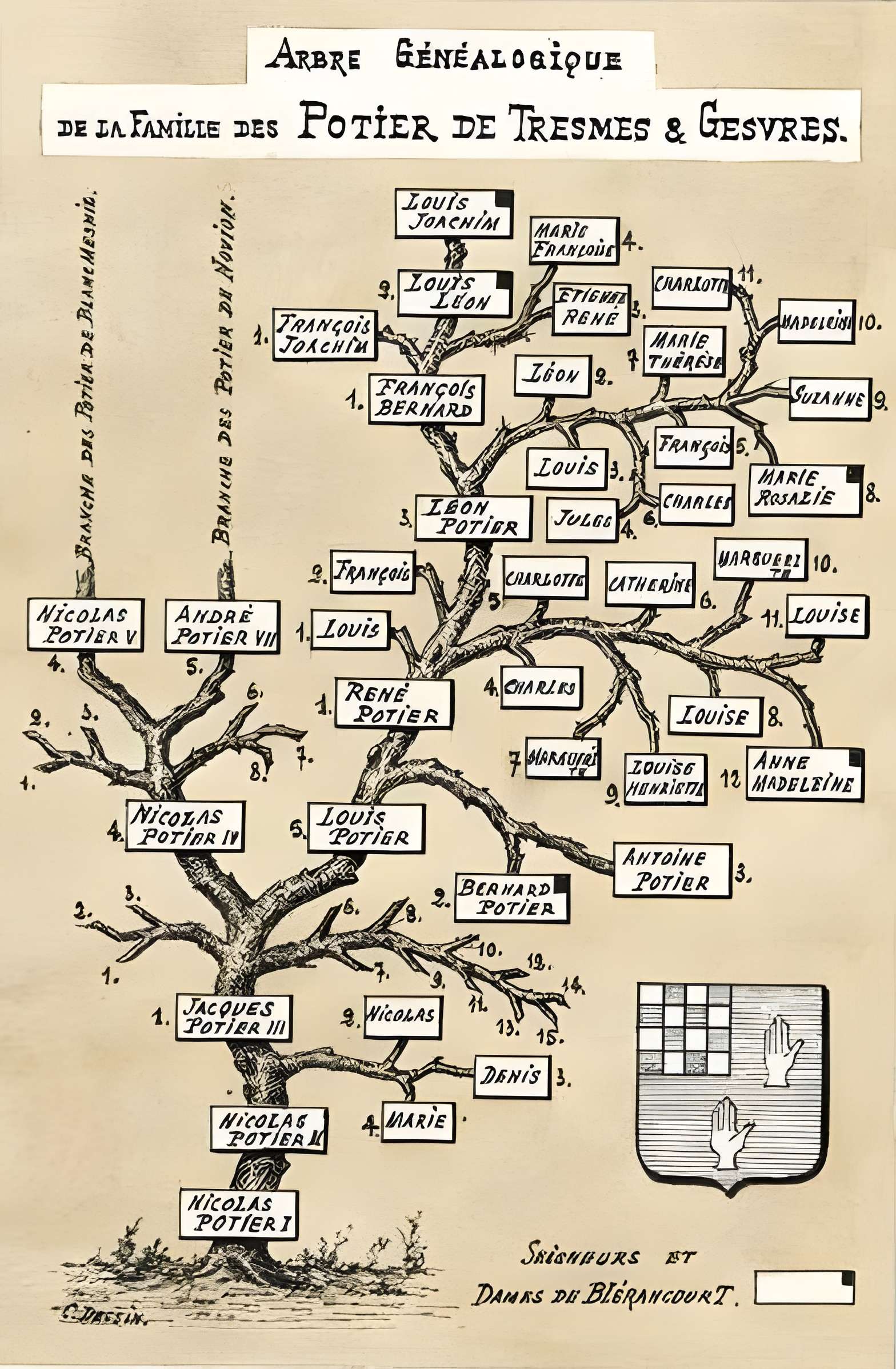
Louis Potier de Gesvres - State Secretary and Buyer
Buyer of the seigneury in 1595.
Bernard Potier - Commander of the castle
Have Solomon of Brush build the castle.
Salomon de Brosse - Architect of the castle
Designed the castle between 1612 and 1619.
Anne Morgan - Museum patron and founder
Buy the ruins in 1919 and create the museum.
Jean Trouvelot - Reconstruction architect
Directs the work from 1924.
Yves Lion et Alan Levitt - Modern Museum Architects
Expand the museum in the years 1980-2010.
Origin and history
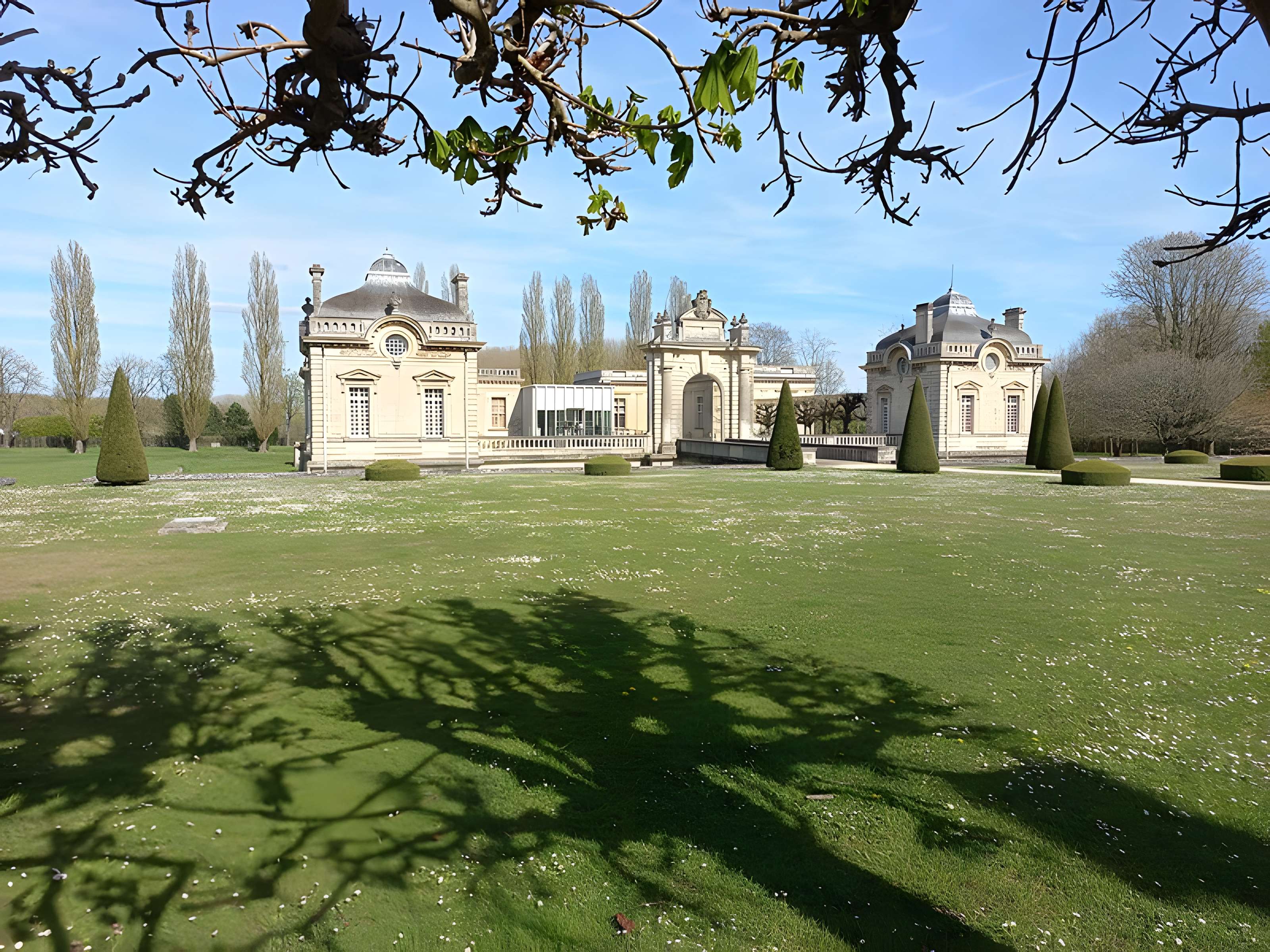
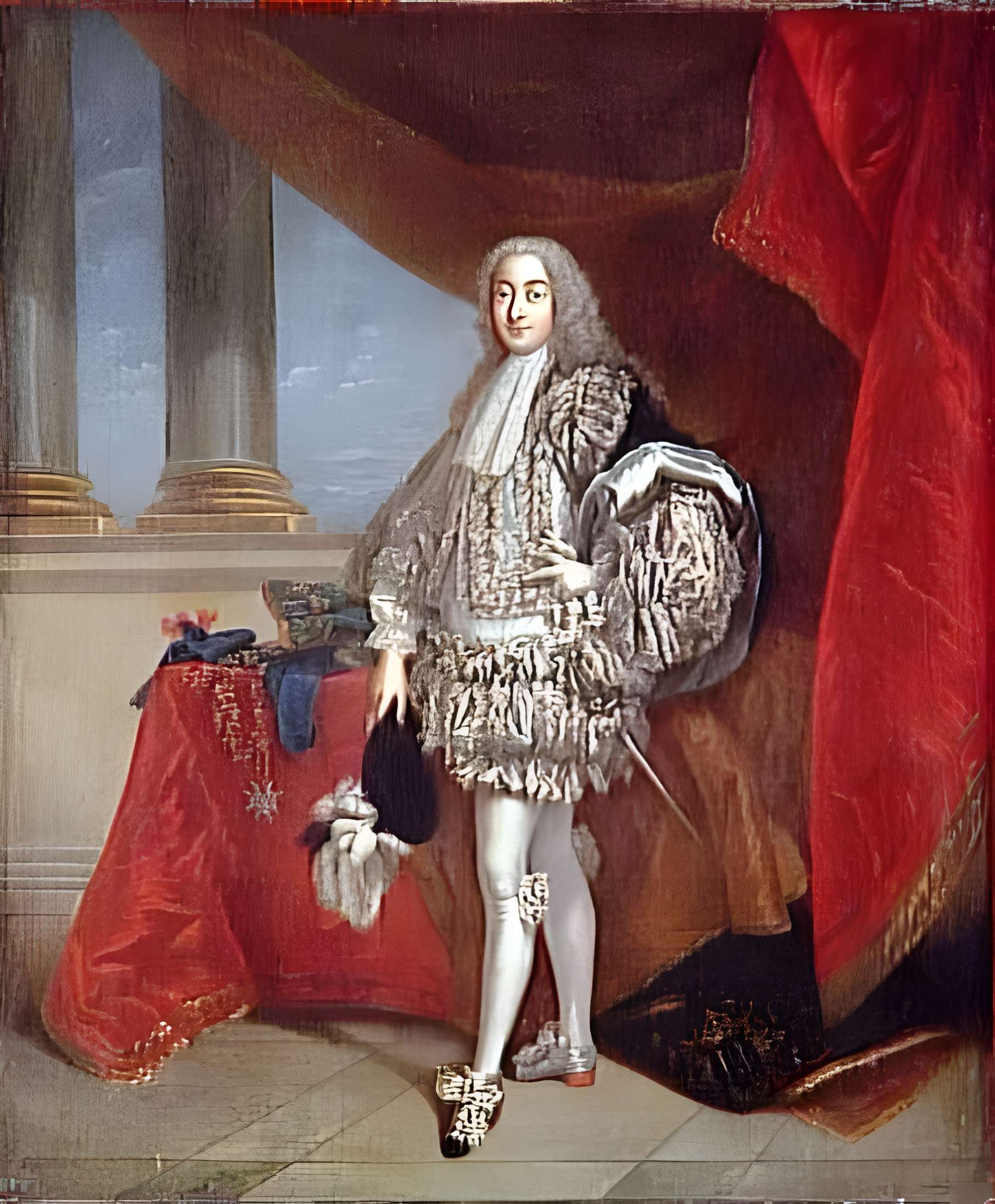
Blérancourt Castle, located in Aisne, occupies a medieval site whose remains were discovered in the early 2000s. In the 16th century, the seigneury belonged to the Lanvin family before being acquired in 1595 by Louis Potier de Gesvres, secretary of state under Henry III and Henry IV. His son, Bernard Potier, built between 1612 and 1619 a new castle designed by architect Salomon de Brosse, composed of a body of central houses and two elegant pavilions, announcing the madness of the eighteenth century. The estate, surrounded by ditches and accessible by a monumental portal, becomes a country residence for Bernard Potier and his wife, Charlotte de Vieux-Pont.
In 1661, Bernard Potier founded an orphanage on the estate, whose buildings partially remained. When he died in 1662, the castle passed to his niece Anne Madeleine Potier, then to his great niece Marie Jeanne Félicie Potier de Gesvres, both without descendants. In 1782 the last Duke of Gesvres sold the estate to Jean Joseph Grenet, who died in 1787. During the Revolution, the castle was declared national, sold and almost completely demolished, leaving only the large gate and the two pavilions in place.
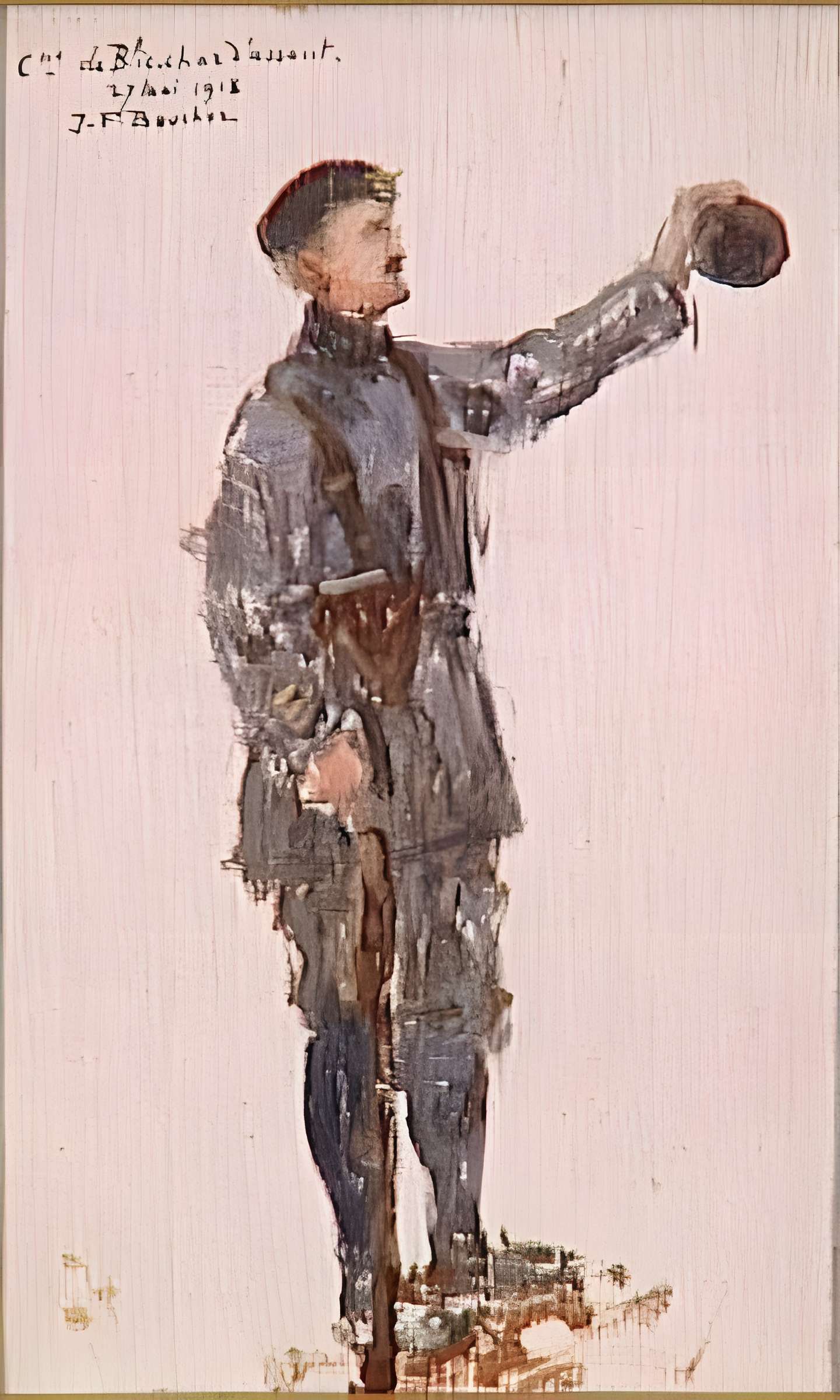
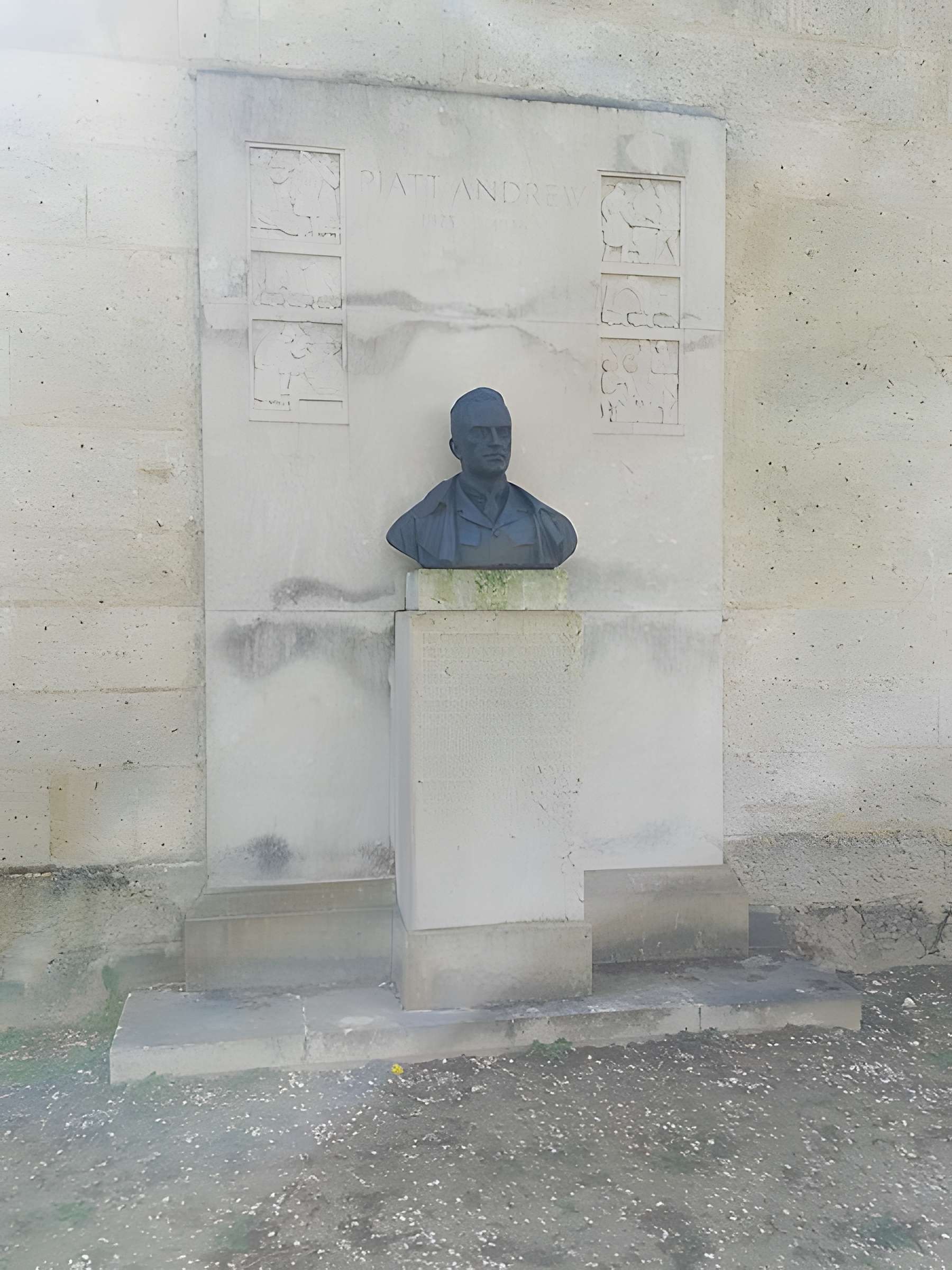
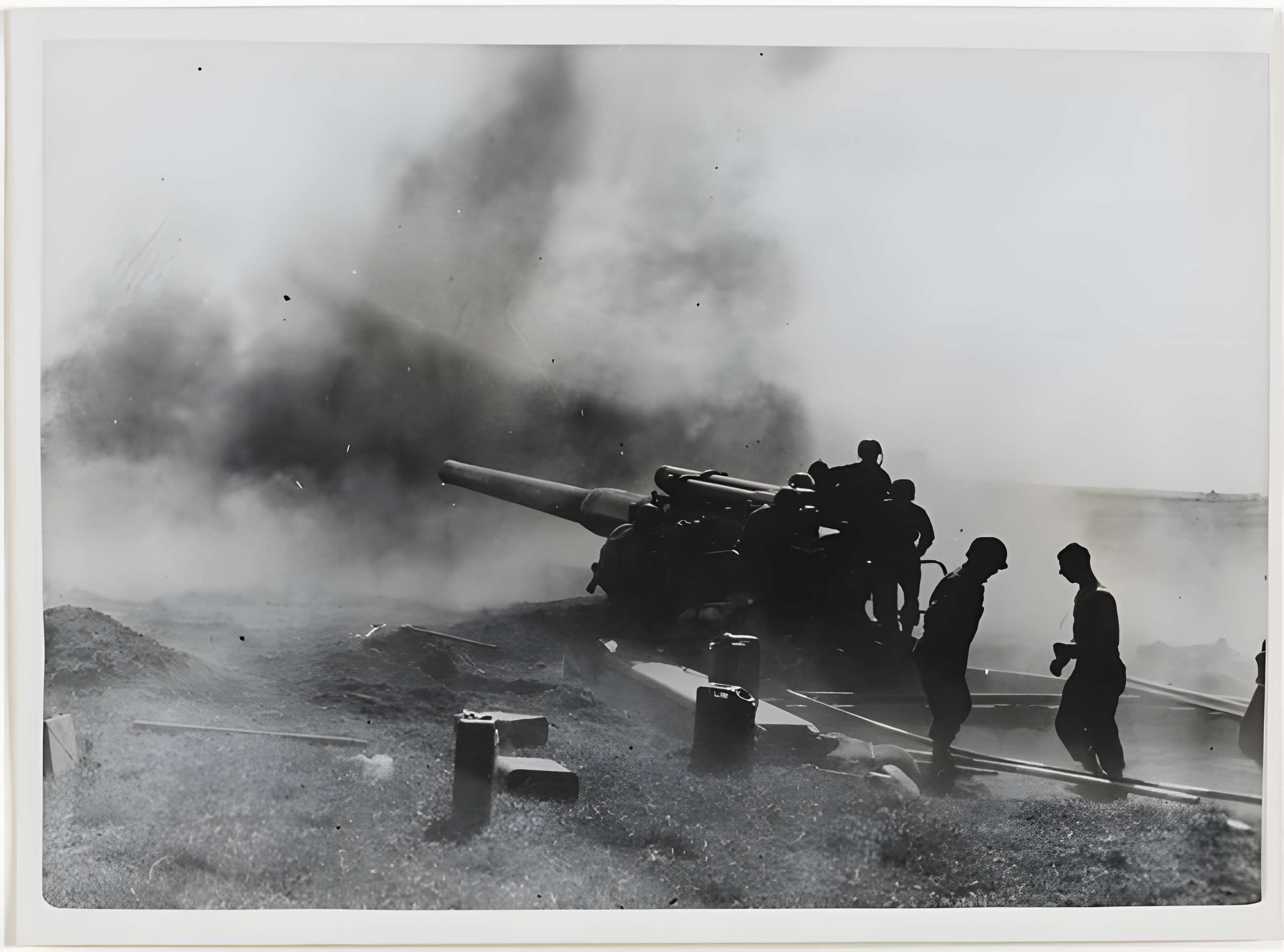
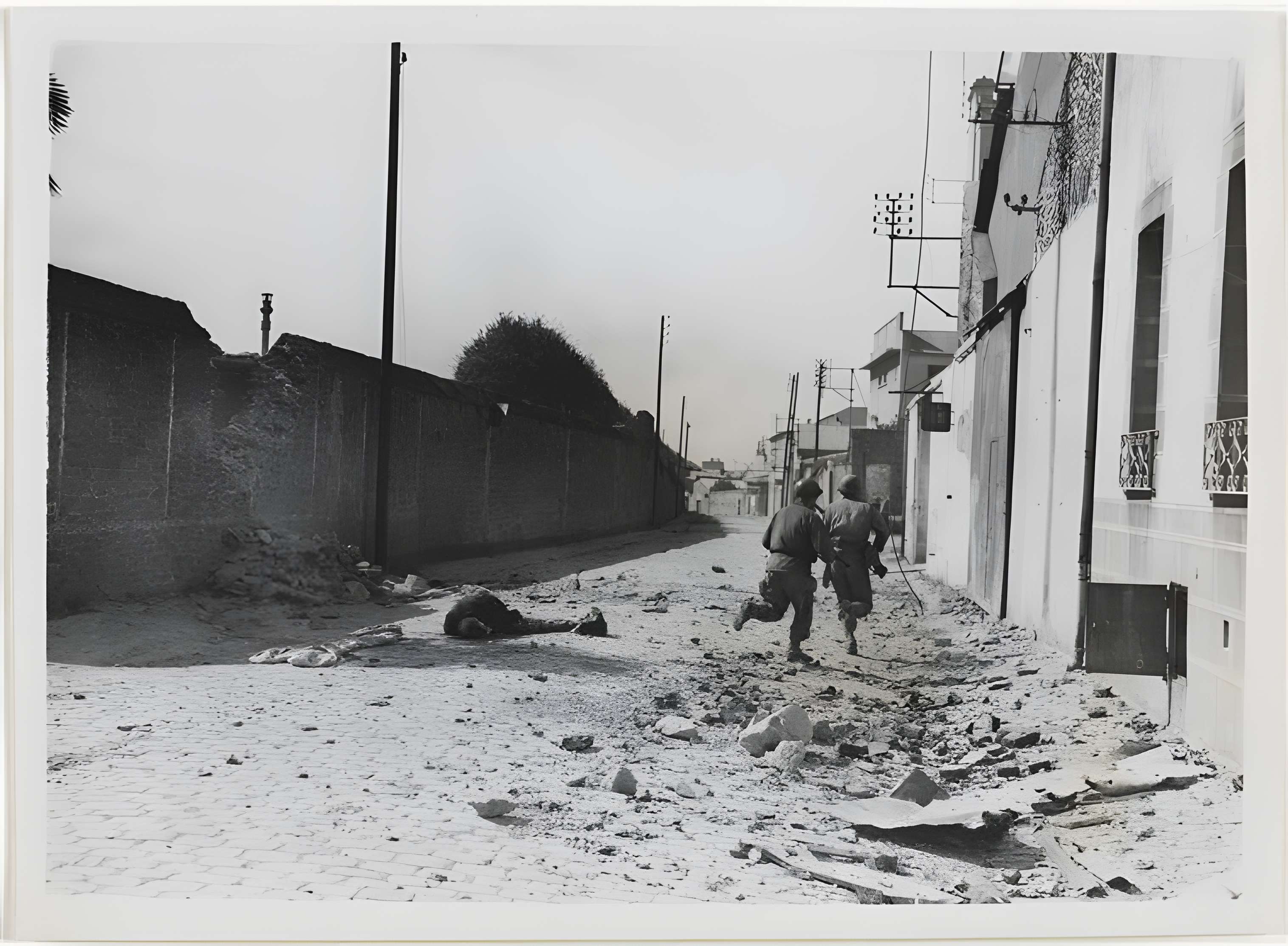
During the First World War, the remains of the castle housed the headquarters of the American Committee for Destroyed Areas (CARD), led by Anne Morgan, a wealthy American. Damaged by fighting in 1918, the site was bought by Anne Morgan in 1919. The reconstruction began in 1924 under the direction of architect Jean Findlot, with the creation of a museum dedicated to Franco-American cooperation. Between 1928 and 1930, a new building was erected at the location of the north wing, followed in 1938 by the volunteers' pavilion, symmetrical, with memories of the Great War. These two pavilions, originally separated, are assembled during expansion work in the years 2010.
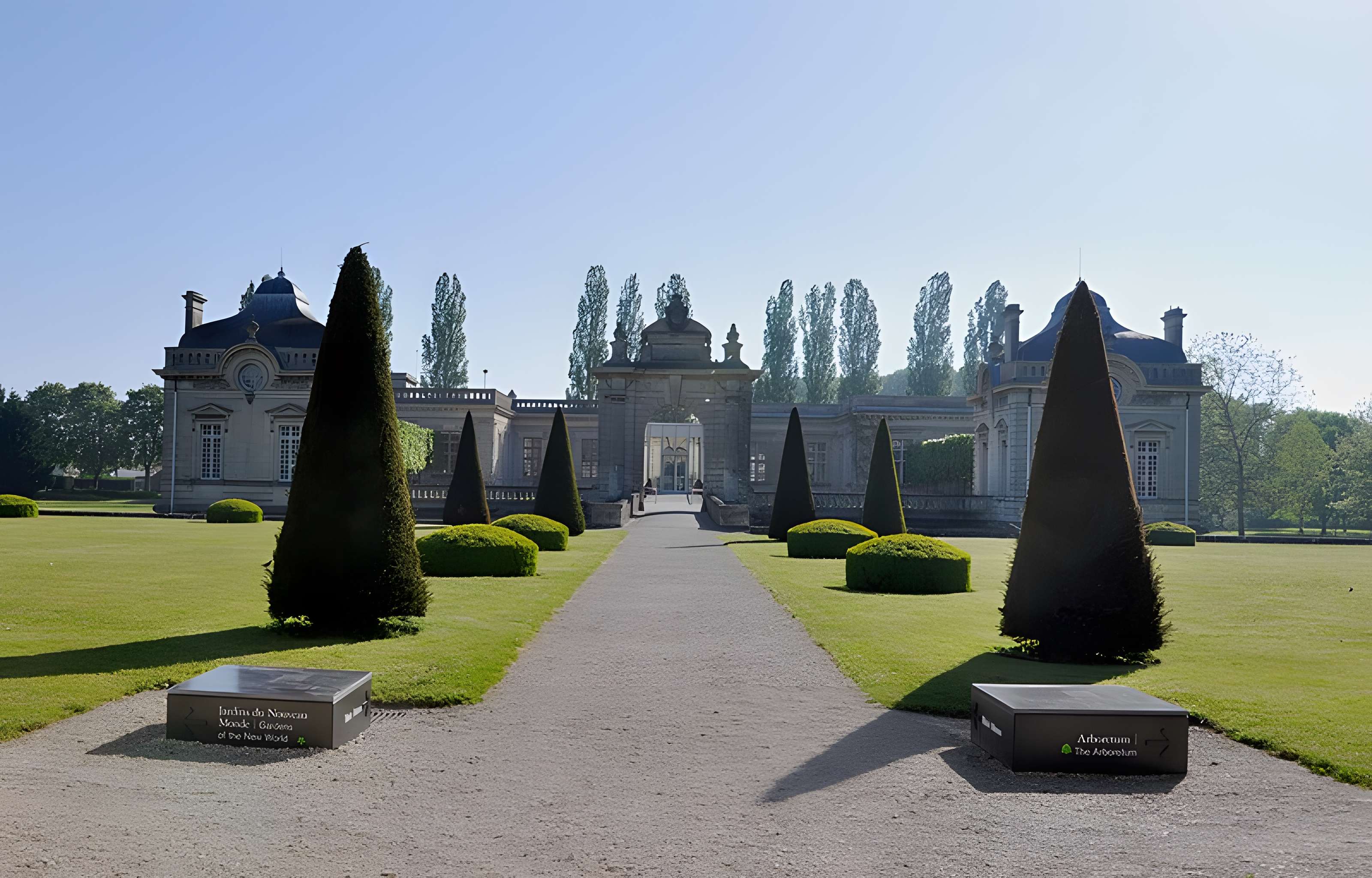
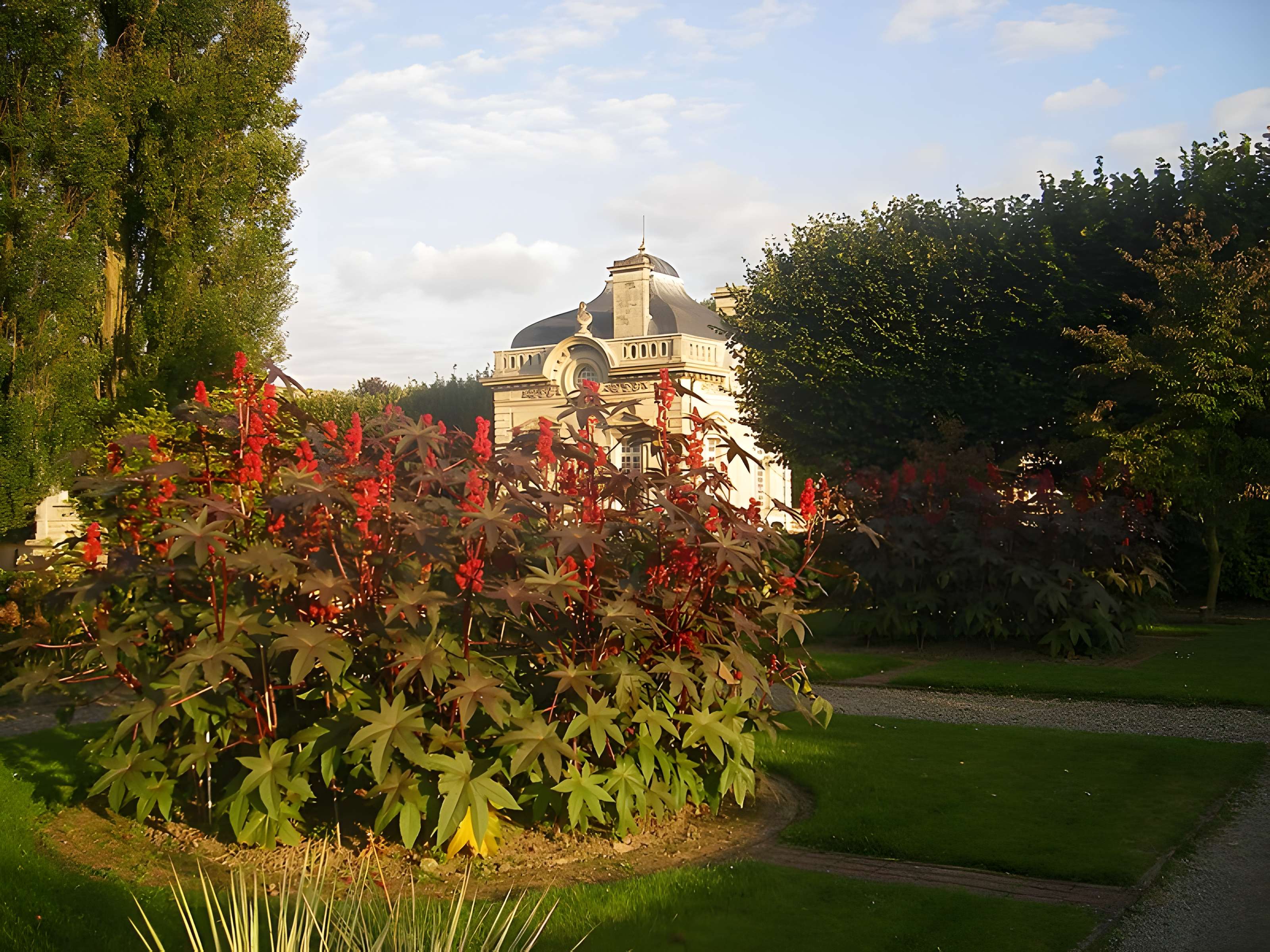
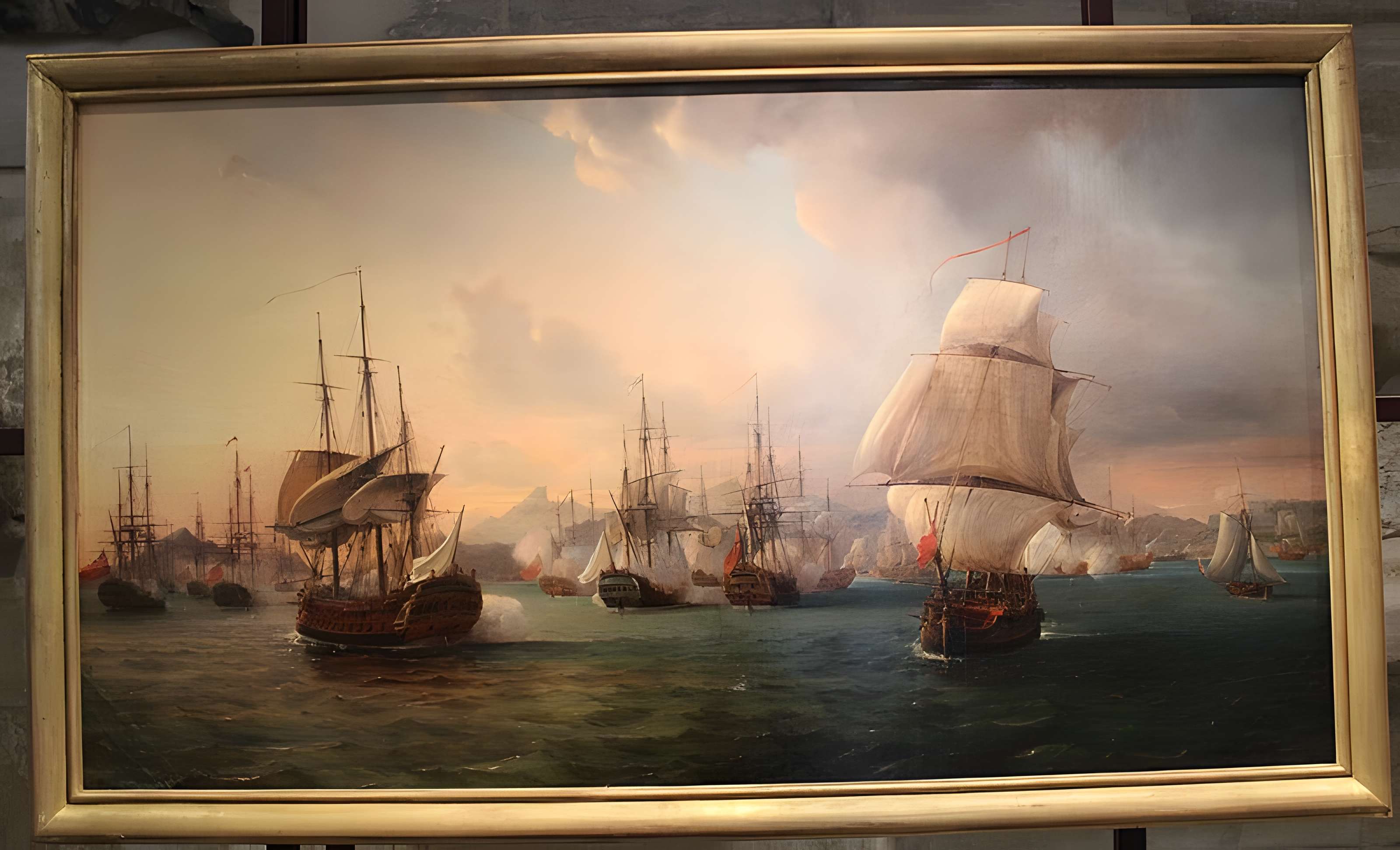
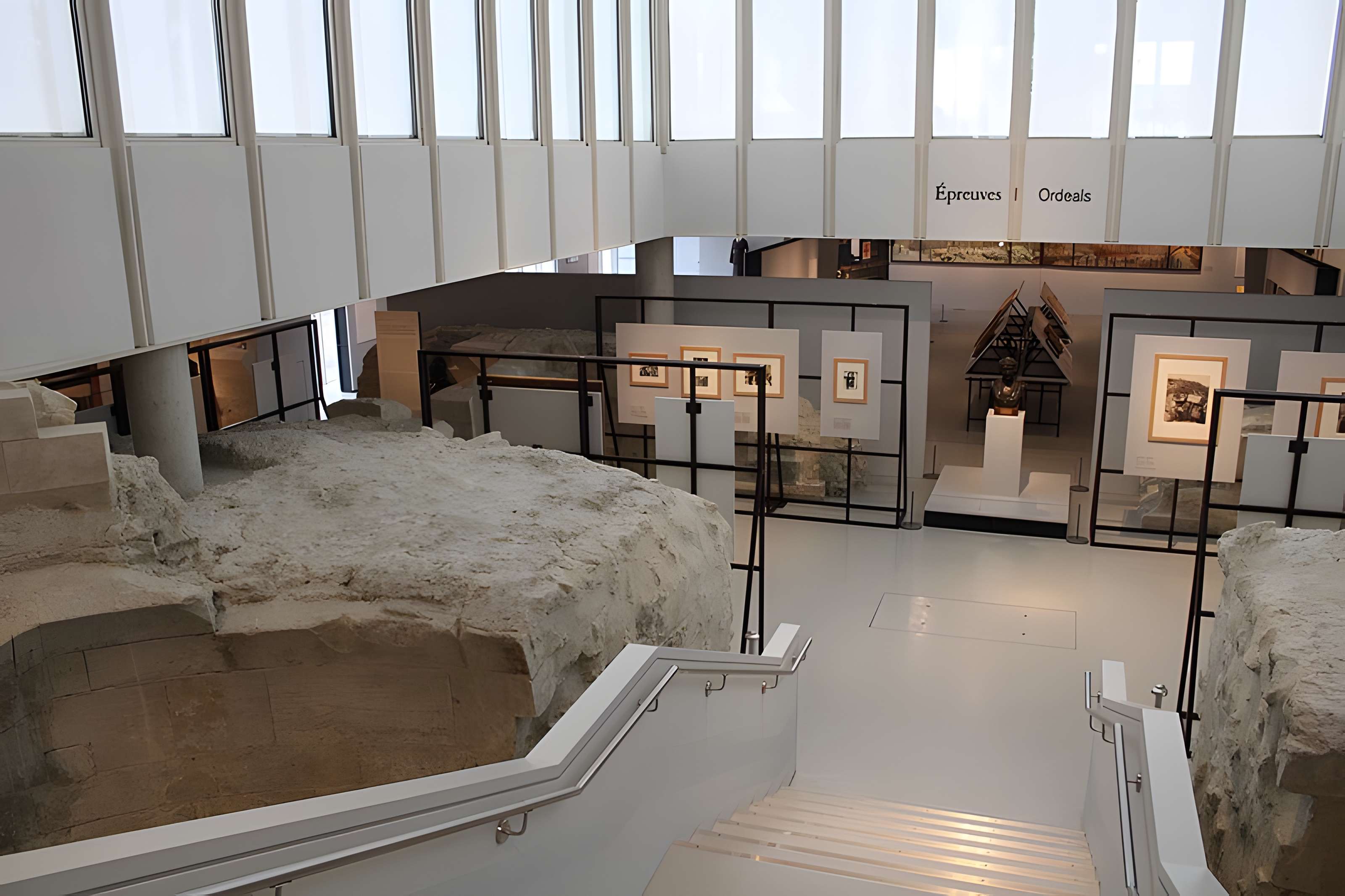
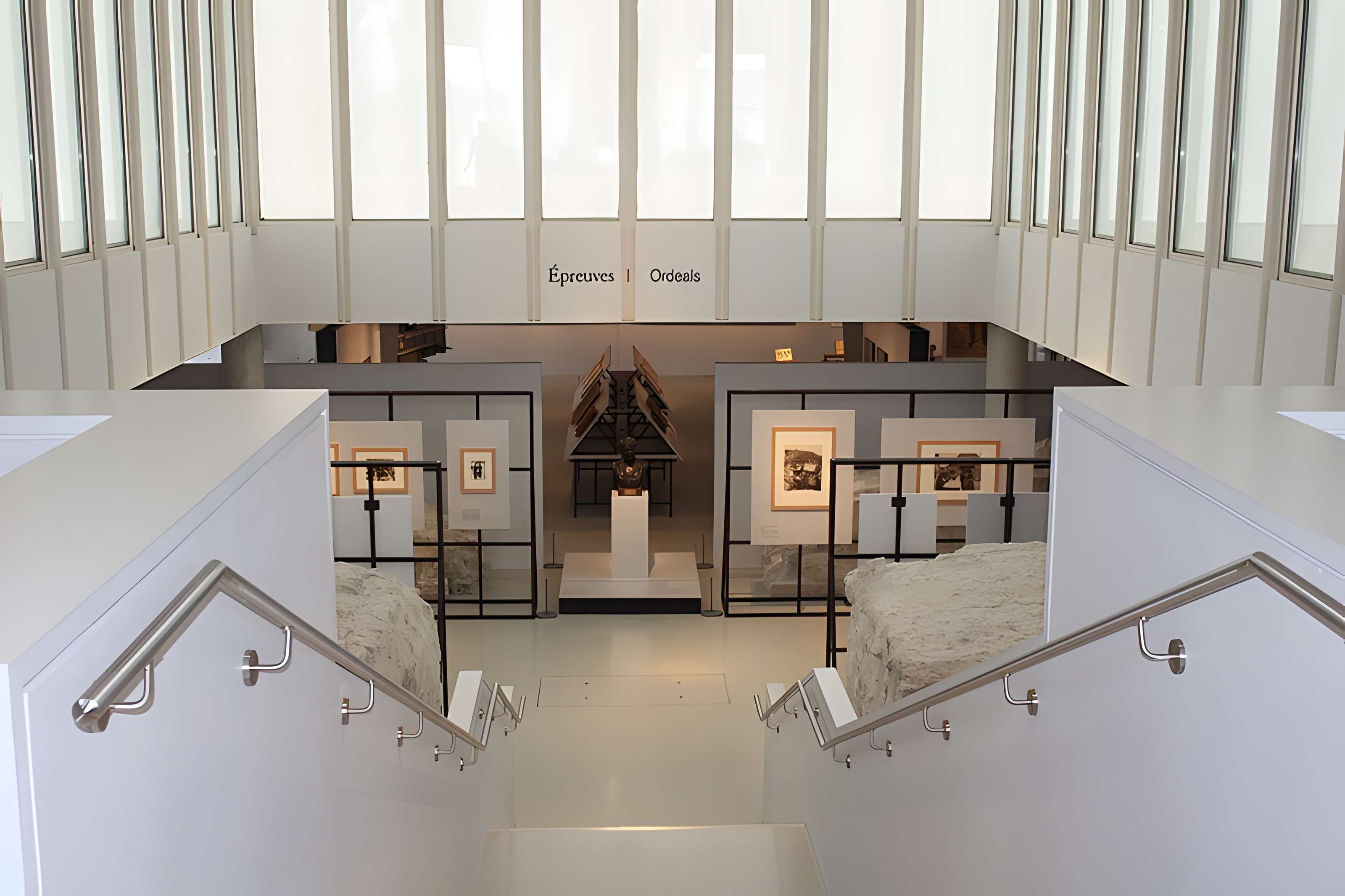
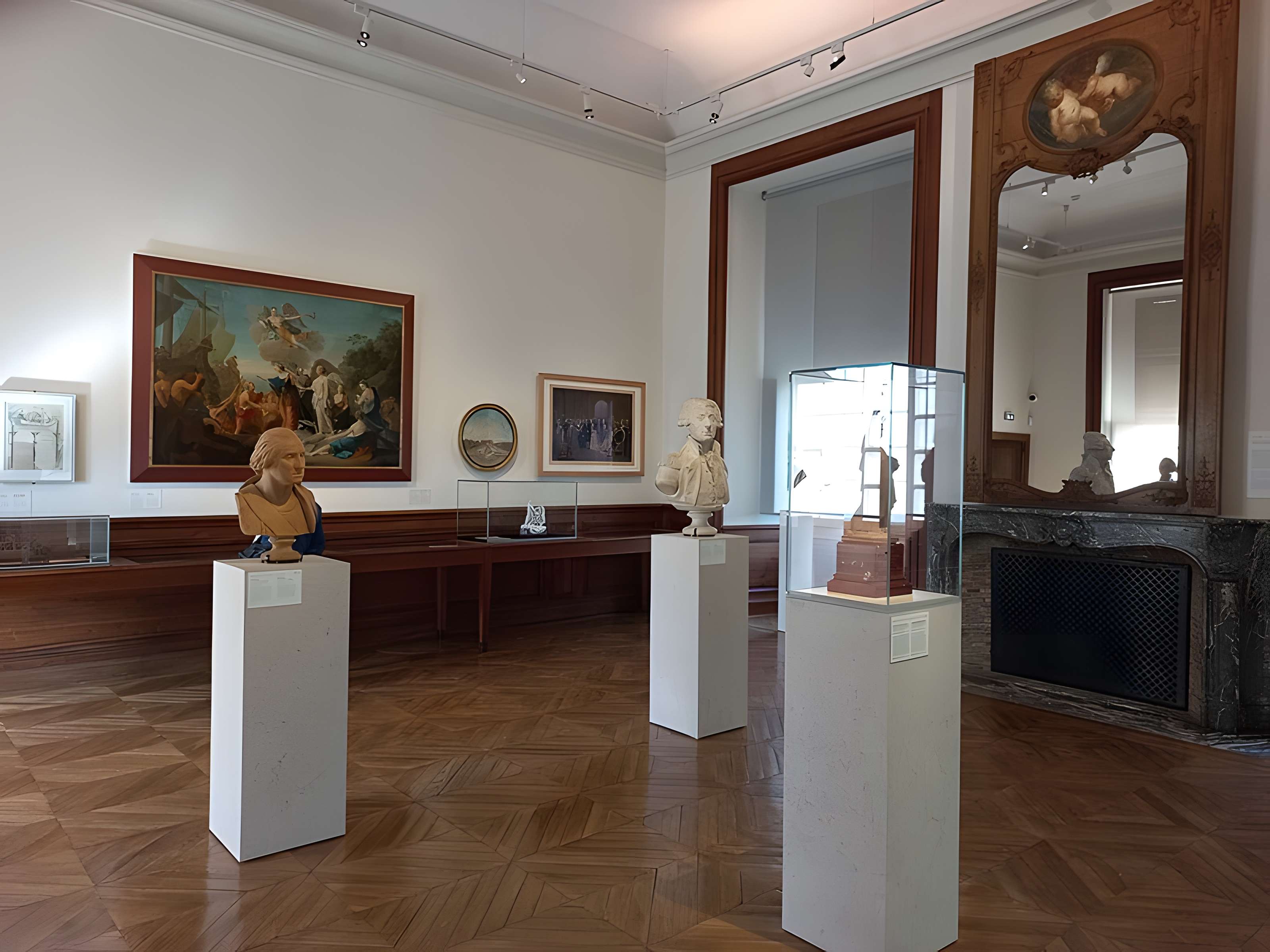
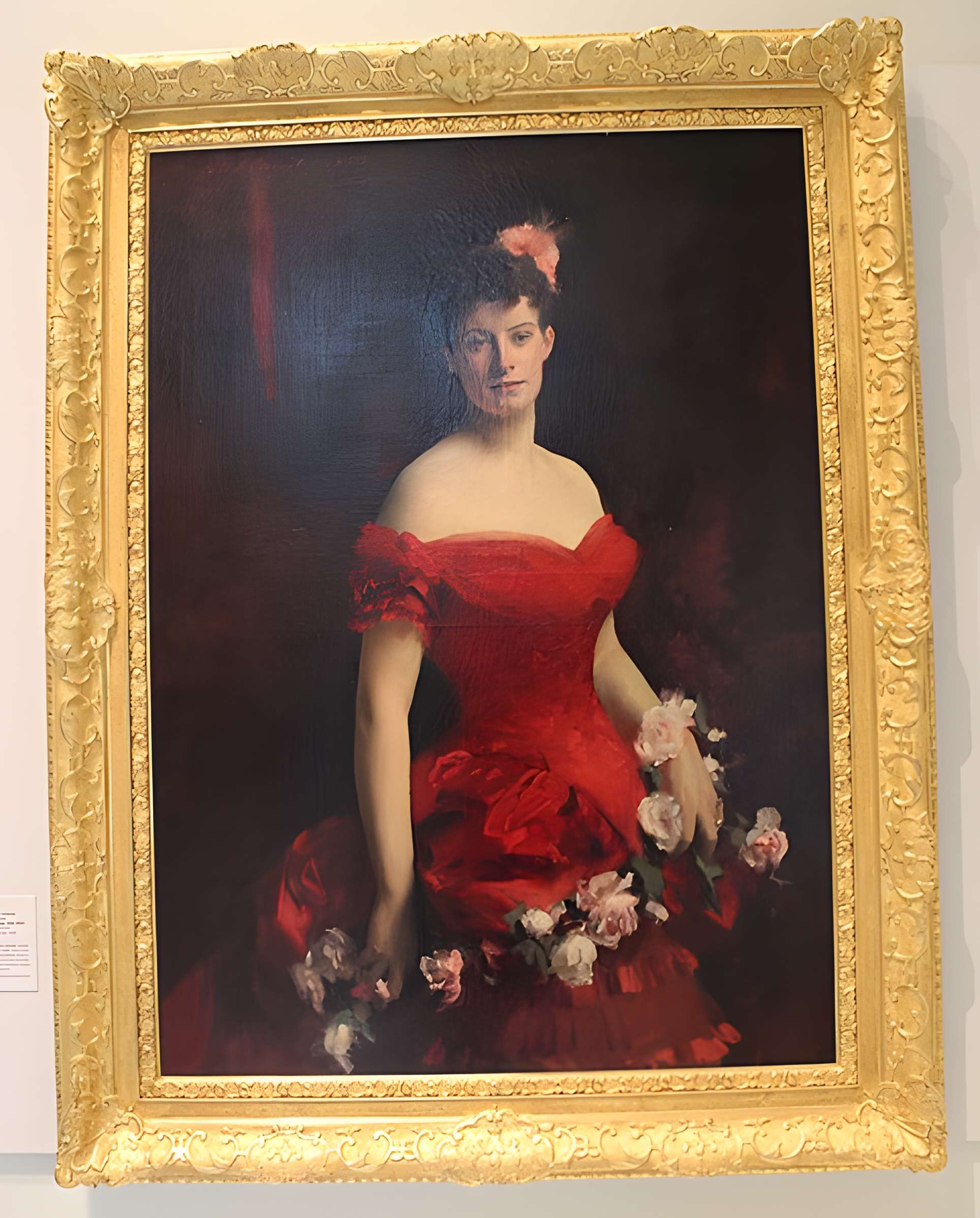
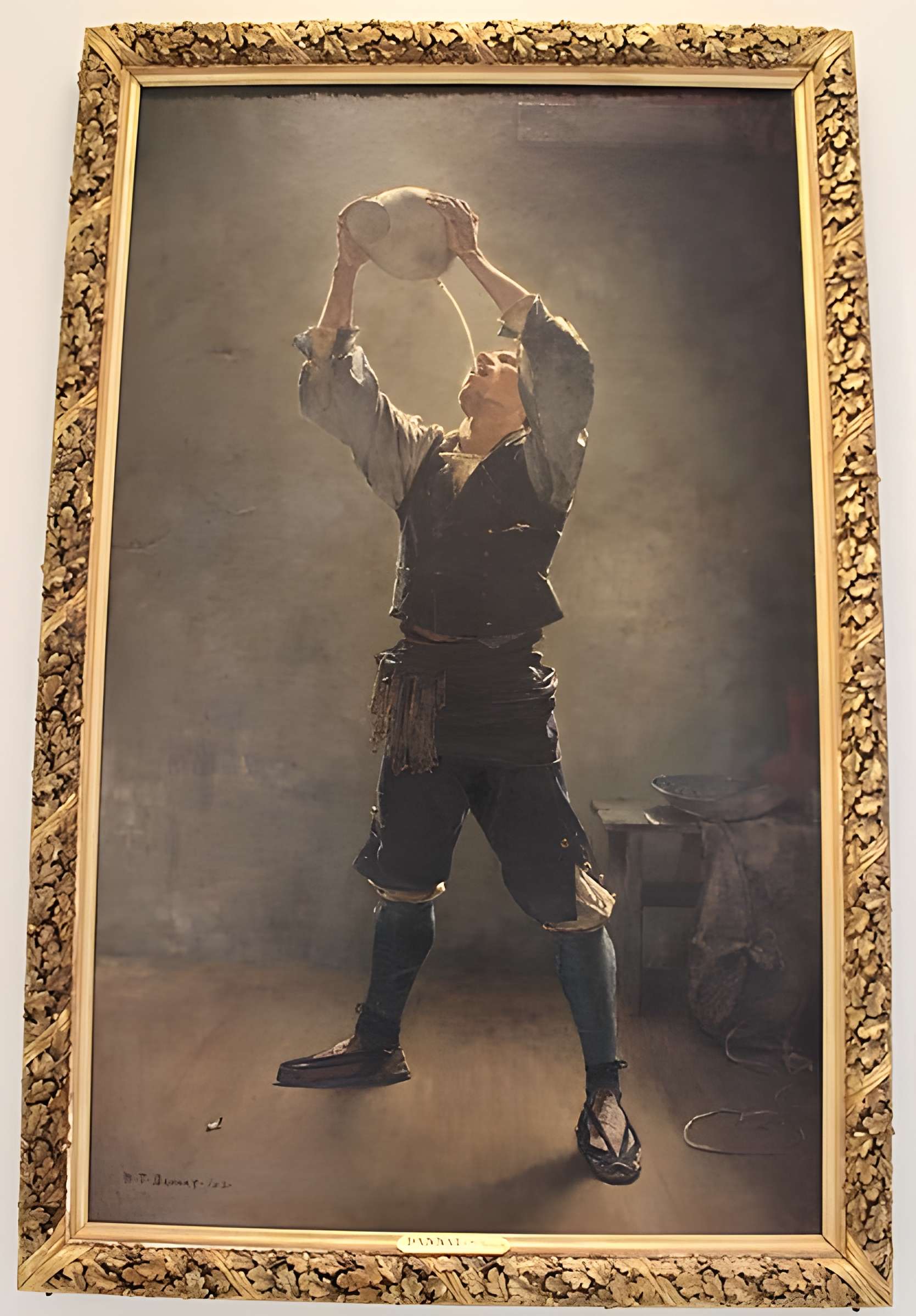
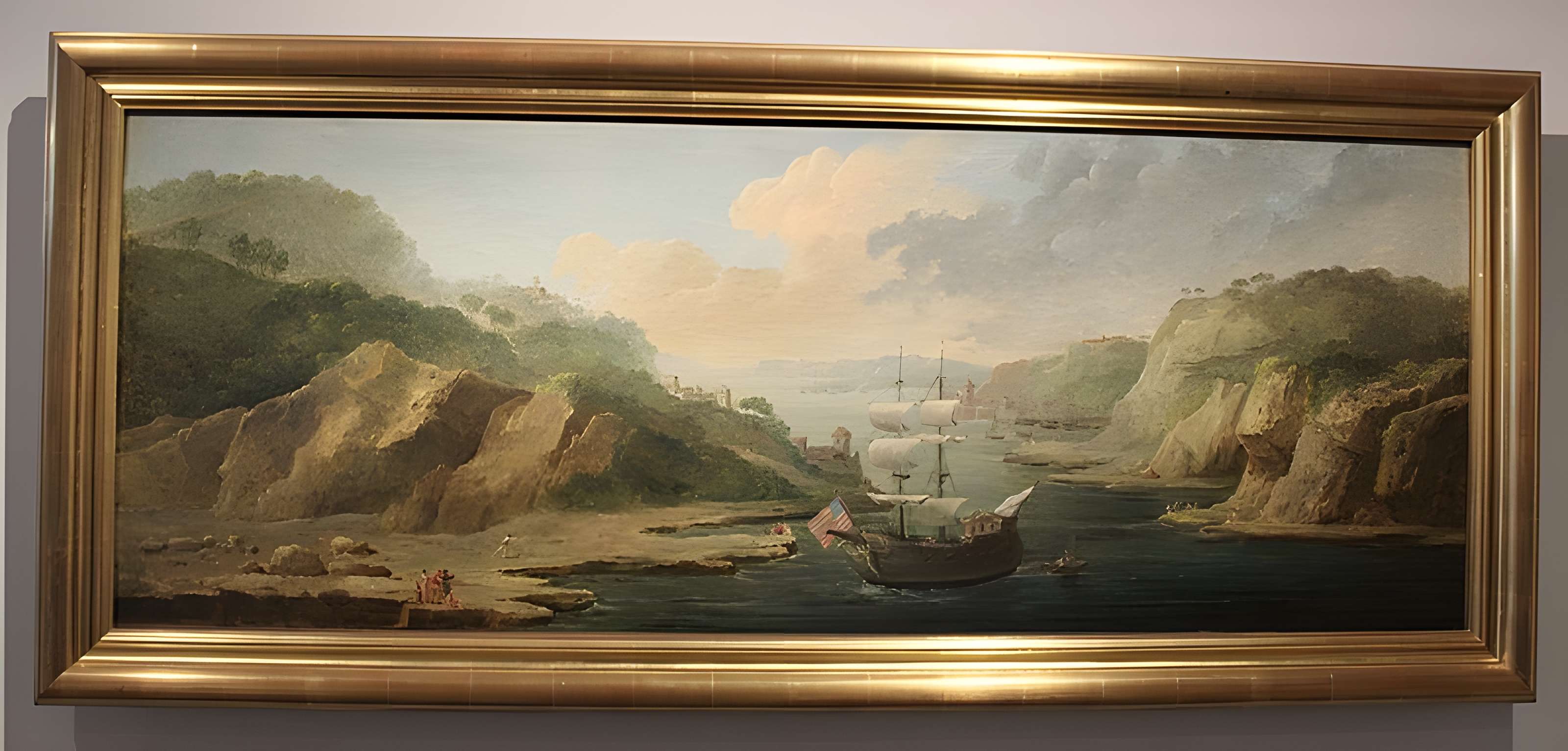
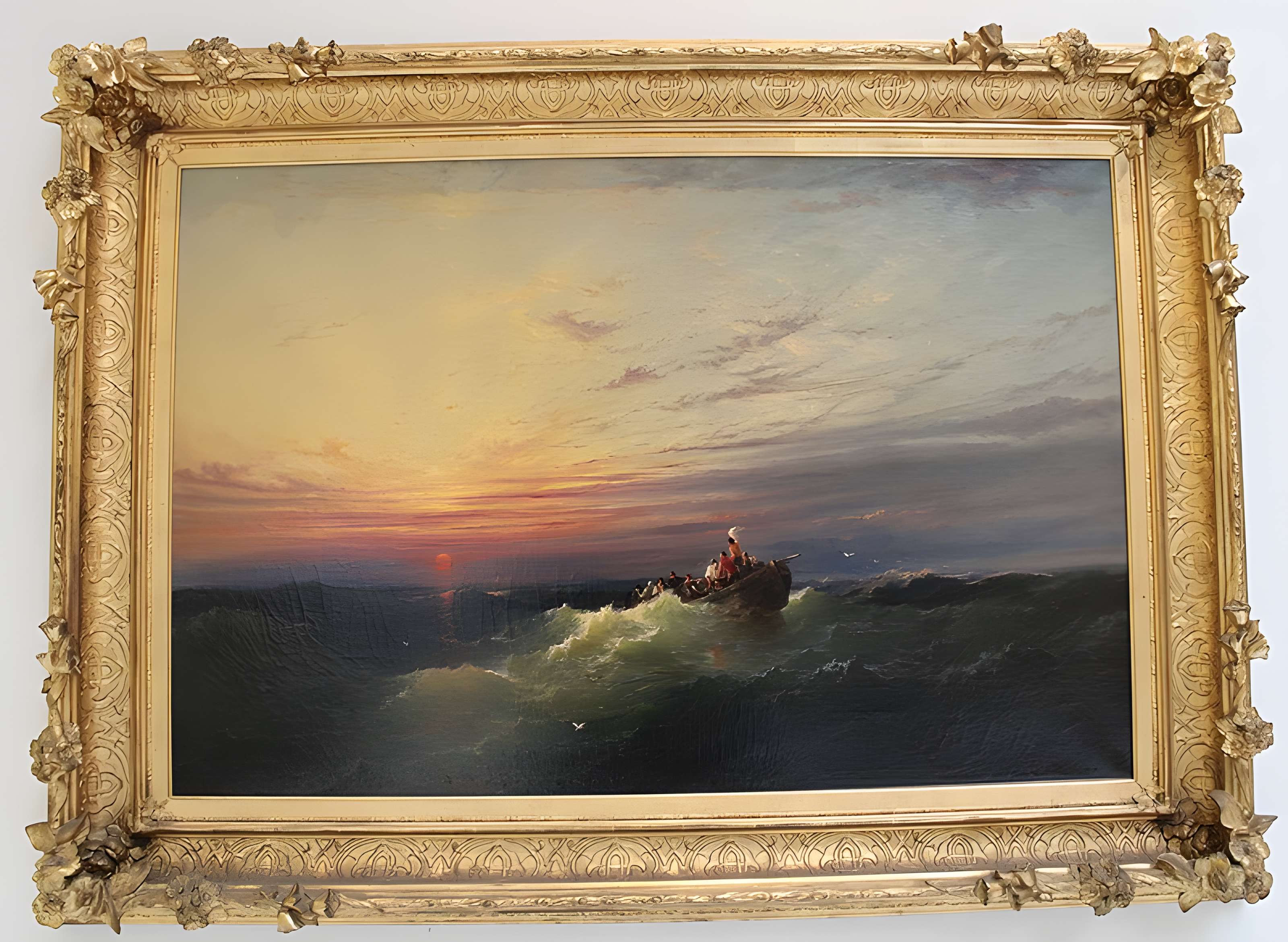
The Franco-American Museum, created in 1924 and donated to the French State in 1929, presents collections illustrating transatlantic relations since the 18th century, organized around five themes: Franco-American friendship in the 18th century, artistic exchanges, the First World War, the Anne Morgan photographic fund and graphic arts. The site, surrounded by New World gardens created in 1986, is classified as a historical monument in stages between 1925 and 2002. The gardens, designed by French and American landscapers, pay tribute to the soldiers of the two world wars and showcase North American plant species.
The present castle, partially rebuilt, still houses the national museum of Franco-American Cooperation, labeled Musée de France in 2002. The collections, enriched by donations and holdings, are accessible to the public in historic pavilions and modern extensions. The estate, marked by its turbulent history, today symbolizes the cultural and historical ties between France and the United States, while preserving a remarkable architectural and landscape heritage.






Announcements
Please log in to post a review