Construction of dungeon 1580 (≈ 1580)
Medieval Donjon erected, partially rebuilt later.
XIXe siècle (fin)
Partial reconstruction of the dungeon
Partial reconstruction of the dungeon XIXe siècle (fin) (≈ 1899)
Modernisation of the original medieval structure.
18 novembre 2002
Registration for historical monuments
Registration for historical monuments 18 novembre 2002 (≈ 2002)
Total protection of the castle and its decorations.
Aujourd'hui
Aujourd'hui
Aujourd'hui Aujourd'hui (≈ 2025)
Position de référence.
Heritage classified
The castle, in total, including its interior decorations (dining room, living room in Triton, chapel, dungeon rooms, blue room, yellow alcove room) as well as its commons, dovecote, and its garden with terraces (cad. A 349, 387, 388, 393): registration by order of 18 November 2002
Key figures
Information non disponible - No characters cited in the sources
The source texts do not mention any names.
Origin and history
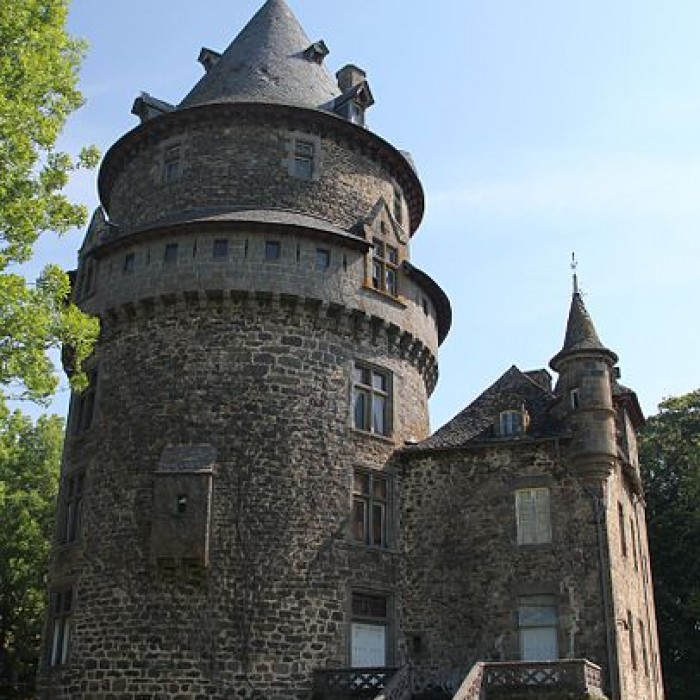
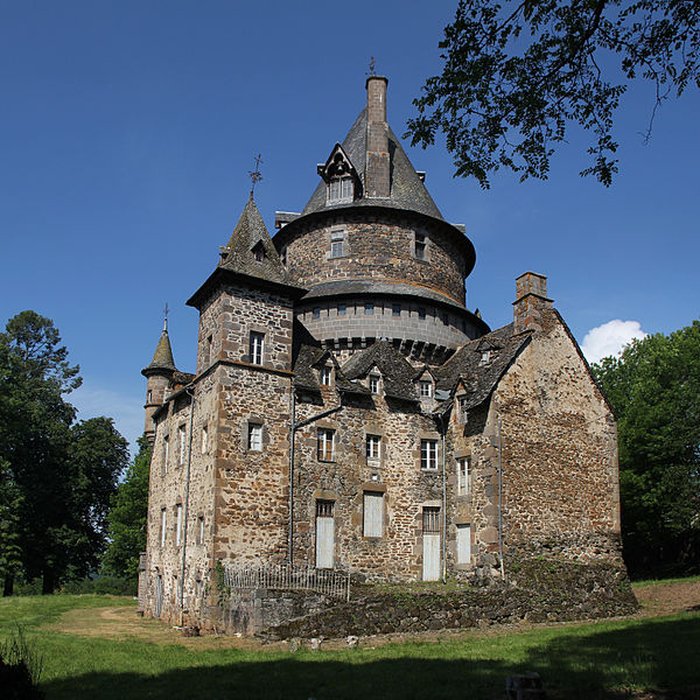
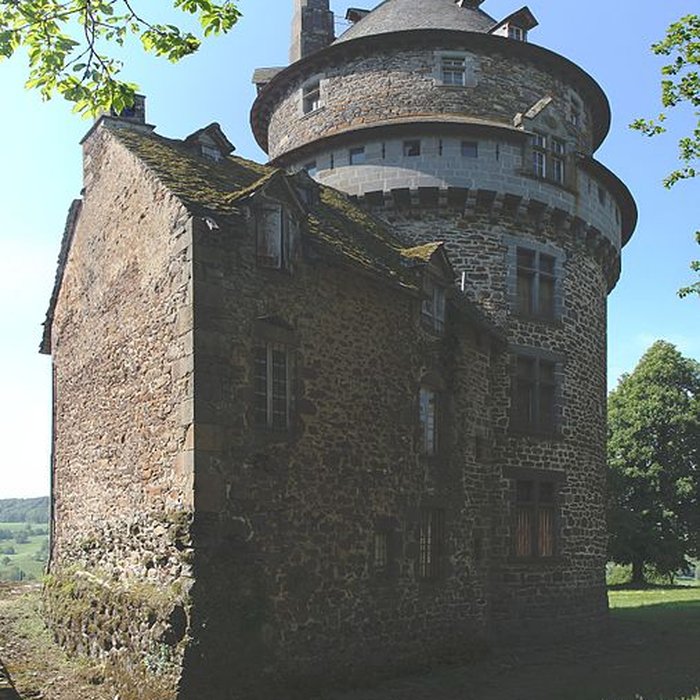
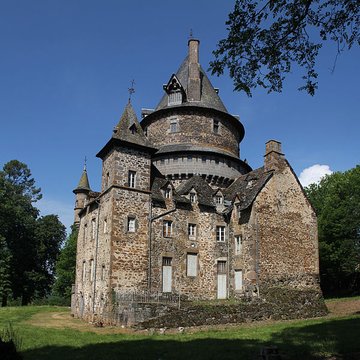
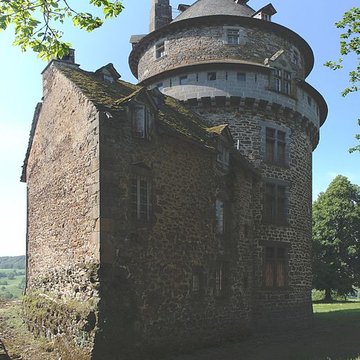
The castle of Mazerolles, located in the commune of Salins (Cantal, Auvergne-Rhône-Alpes), consists of a medieval-style dungeon erected in 1580 and partially rebuilt at the end of the 19th century. This dungeon, emblematic of Renaissance defensive architecture, still houses monumental fireplaces from the 16th and 17th centuries, notably on the 4th and 5th floors, as well as a dining room decorated in troubadour style on the ground floor. These elements testify to the stylistic and functional evolutions of the castle over the centuries.
The house, arranged in L and backed by the dungeon, dates from the 16th and 17th centuries and preserves interior decorations of the 18th and 19th centuries, such as woodwork, chimneys and hazes. These adjustments reflect the aristocratic and bourgeois tastes of successive eras. The castle, including its commons, dovecote and terraced gardens, was fully listed as historic monuments on 18 November 2002. It is now owned by a private company, suggesting a potential tourist or event vocation.
The building illustrates the adaptation of French castles between Renaissance and modern times, moving from a defensive function to a residential and representative role. Its inscription among historical monuments underscores its heritage value, both for its architecture and for its preserved interior decorations. The available sources (Wikipedia, Monumentum) confirm its local importance in the department of Cantal, where it is one of the remarkable castles of the Auvergne-Rhône-Alpes region.








Announcements
Please log in to post a review