Construction of first bridge 1490 (≈ 1490)
Three arched wooden bridge inaugurated in 1498.
1674
Destruction of the medieval bridge
Destruction of the medieval bridge 1674 (≈ 1674)
Stone bridge rebuilt after destruction.
1931
Crude devastating
Crude devastating 1931 (≈ 1931)
Decides to replace the old bridge.
1938-1940
Construction of the current bridge
Construction of the current bridge 1938-1940 (≈ 1939)
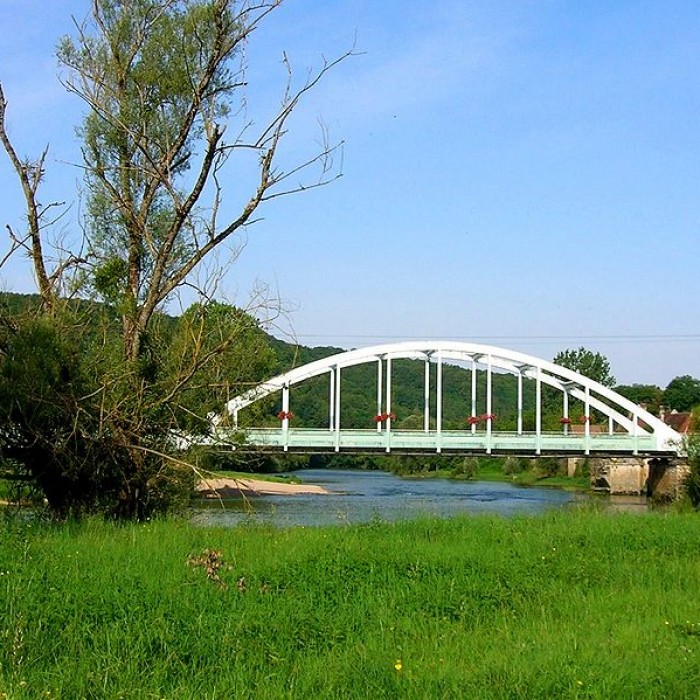
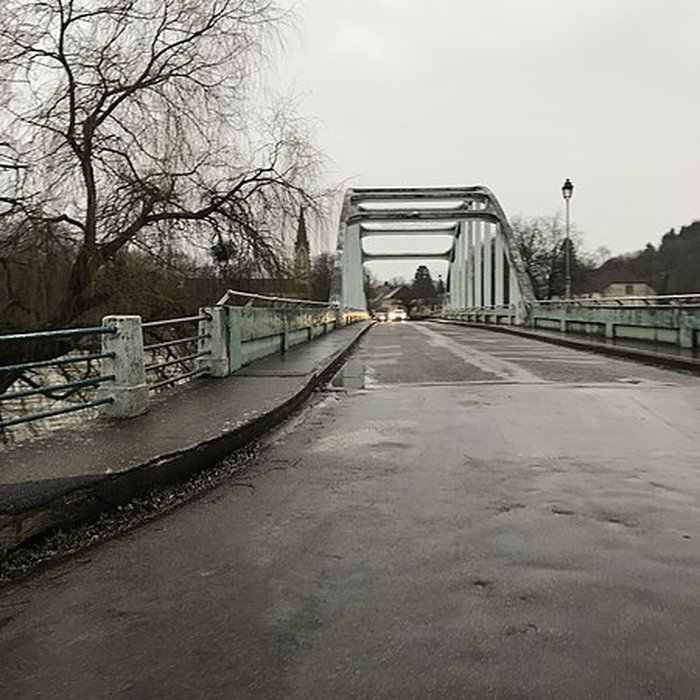
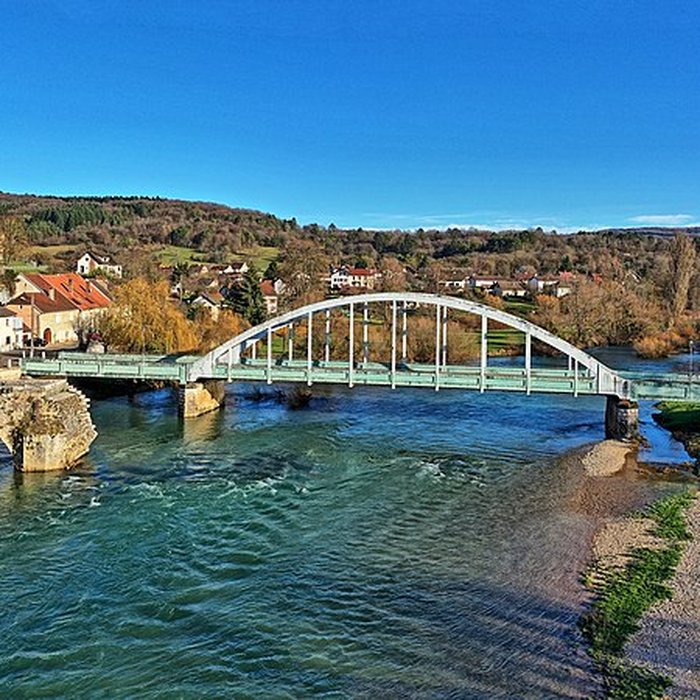
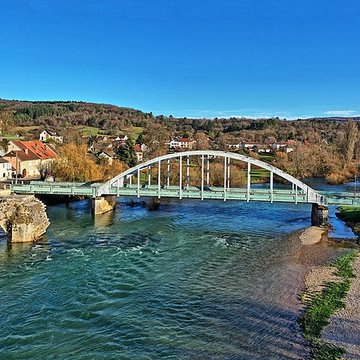
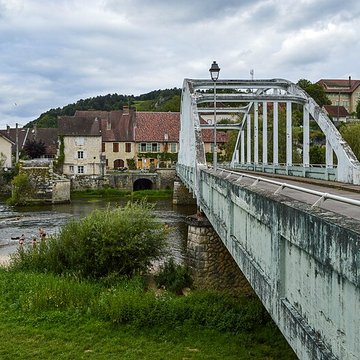
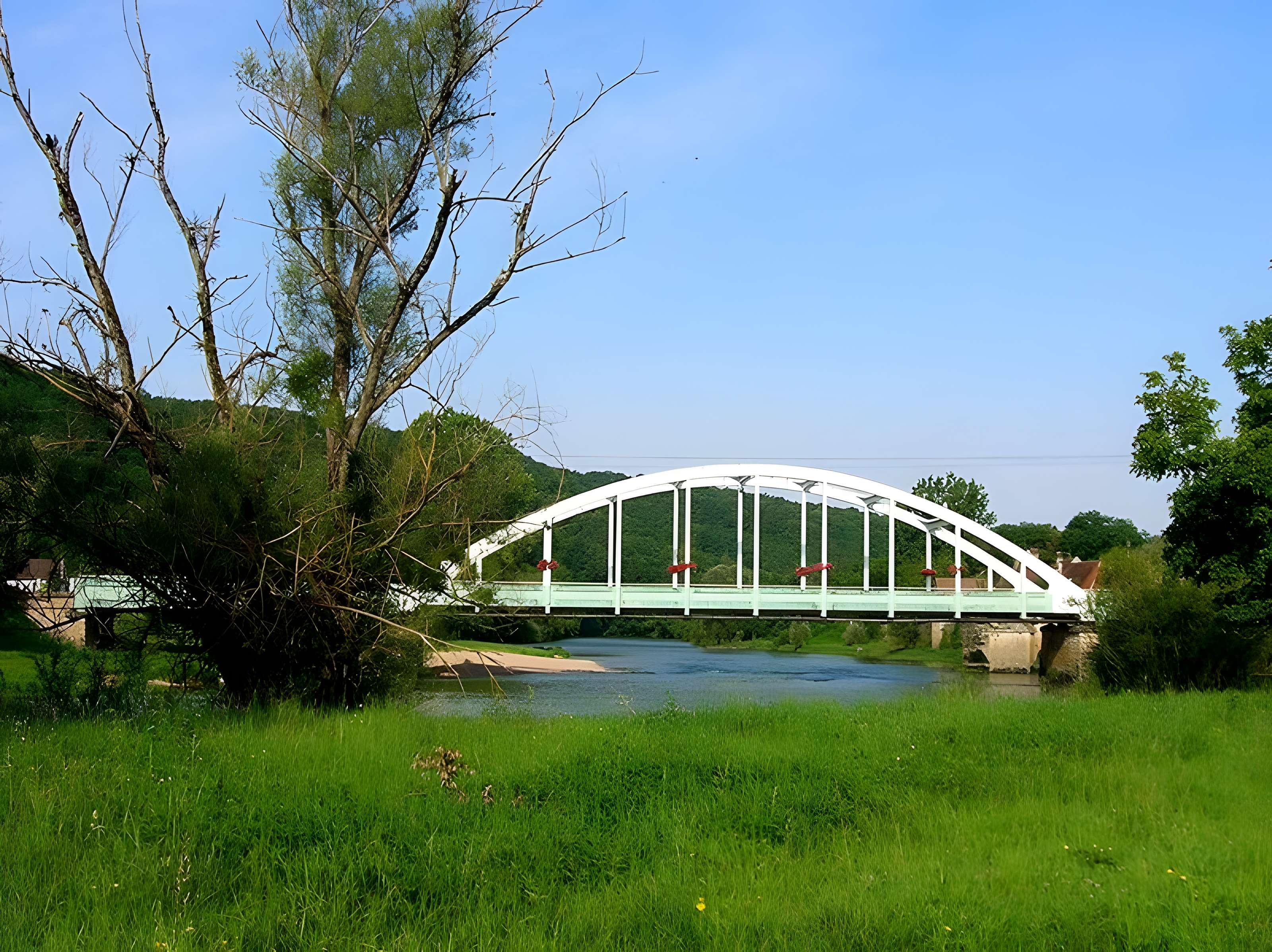
Bowstring bridge in reinforced concrete.
15 juillet 1997
Registration for historical monuments
Registration for historical monuments 15 juillet 1997 (≈ 1997)
Protection of the bridge as a heritage.
Aujourd'hui
Aujourd'hui
Aujourd'hui Aujourd'hui (≈ 2025)
Position de référence.
Heritage classified
Pont sur la Loue, located in the village (cad. AE, not cadastre, public domain): registration by order of 15 July 1997
Key figures
Claude Chabrol - Director
Turns *The Demarcation Line* (1965) near the bridge.
Origin and history
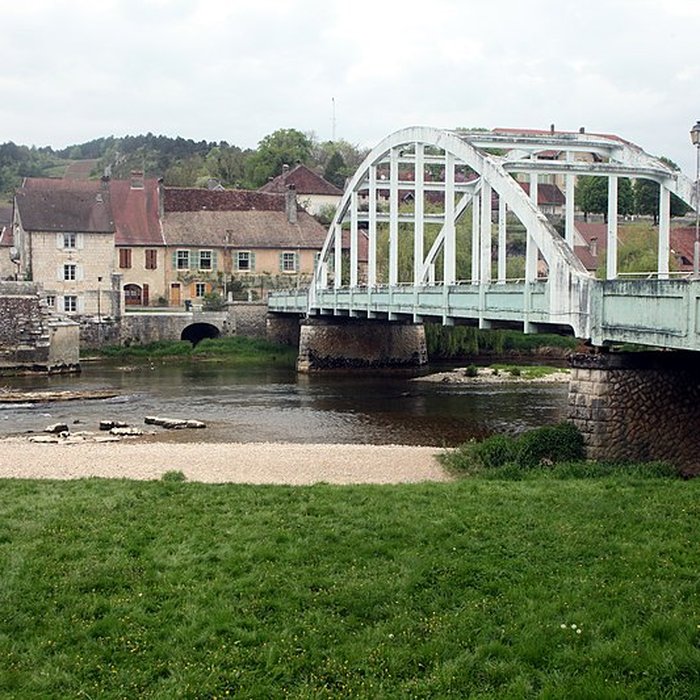
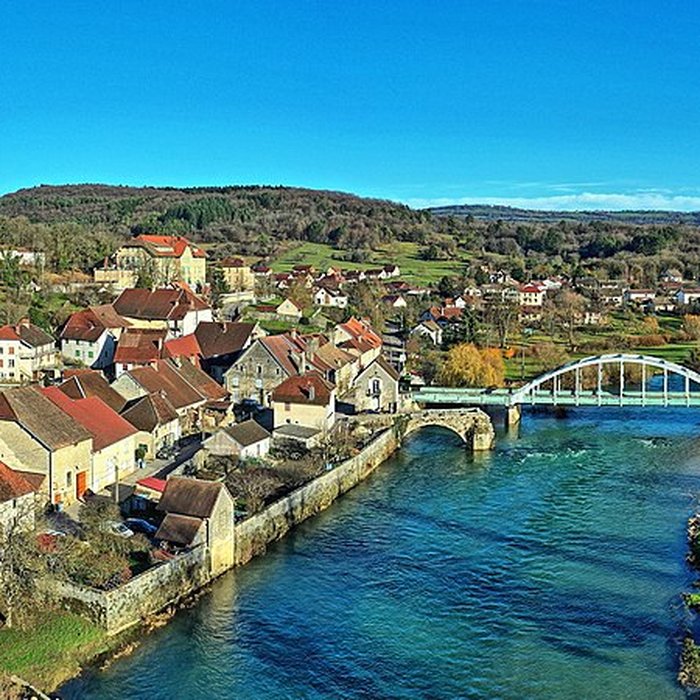
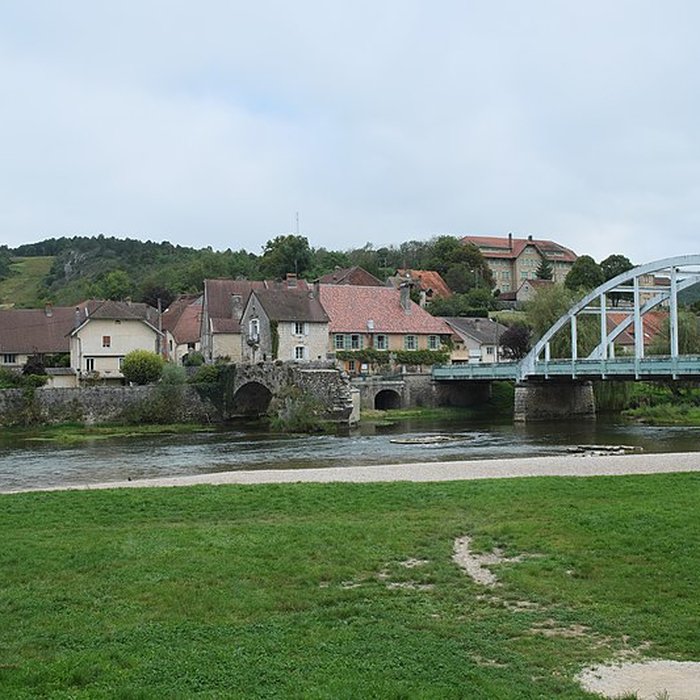
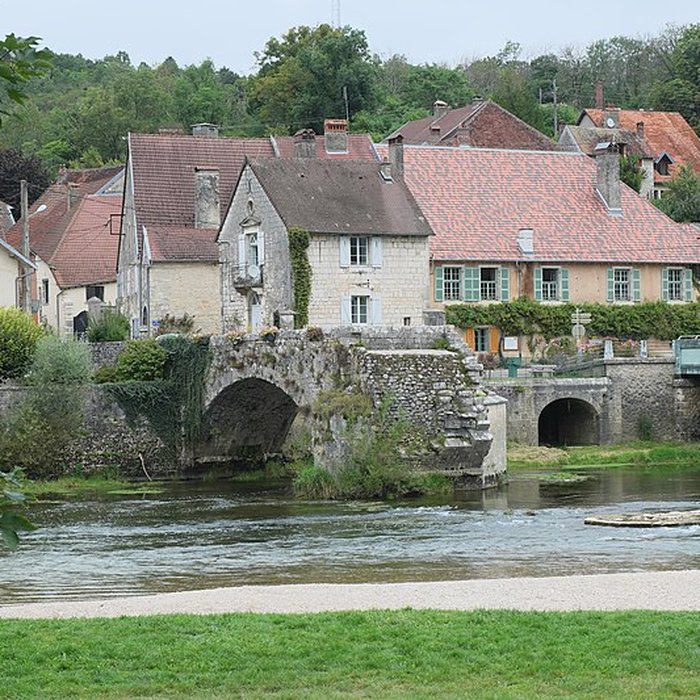
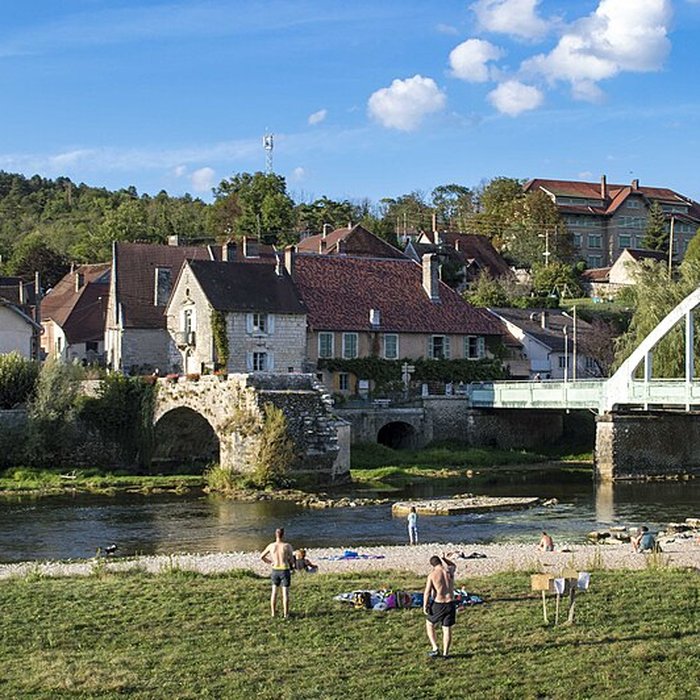
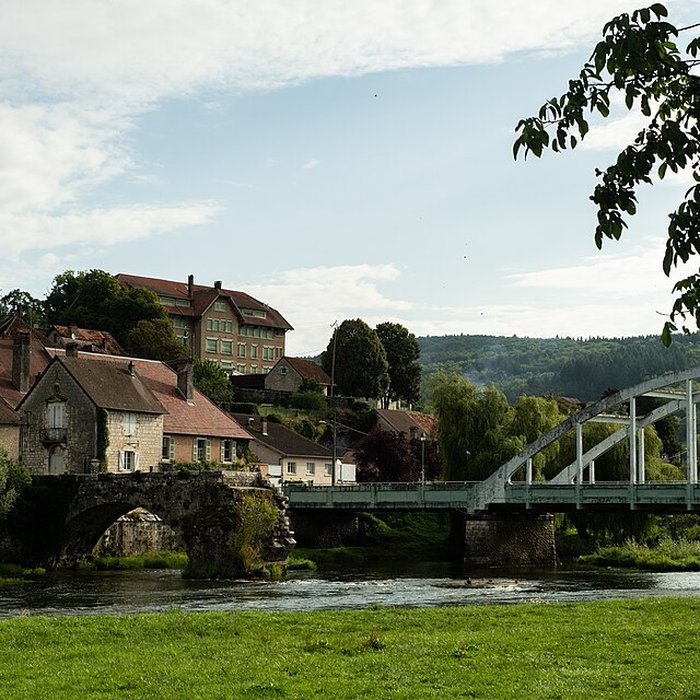
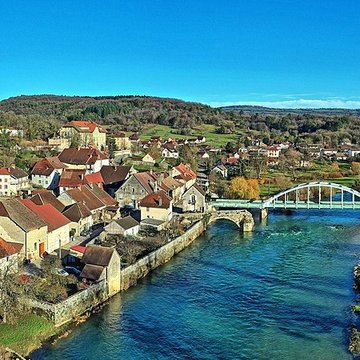
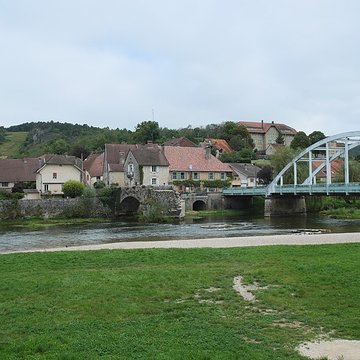
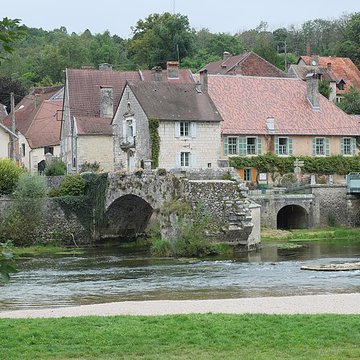
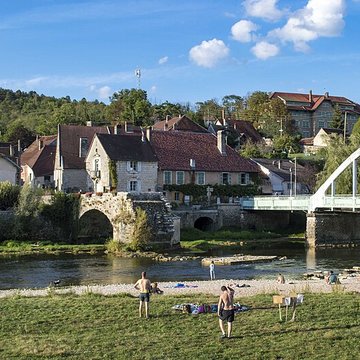
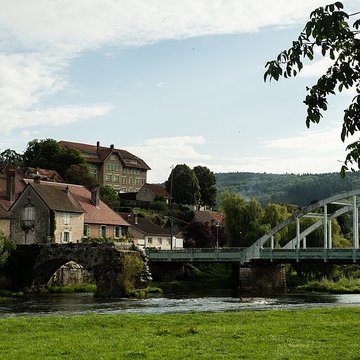
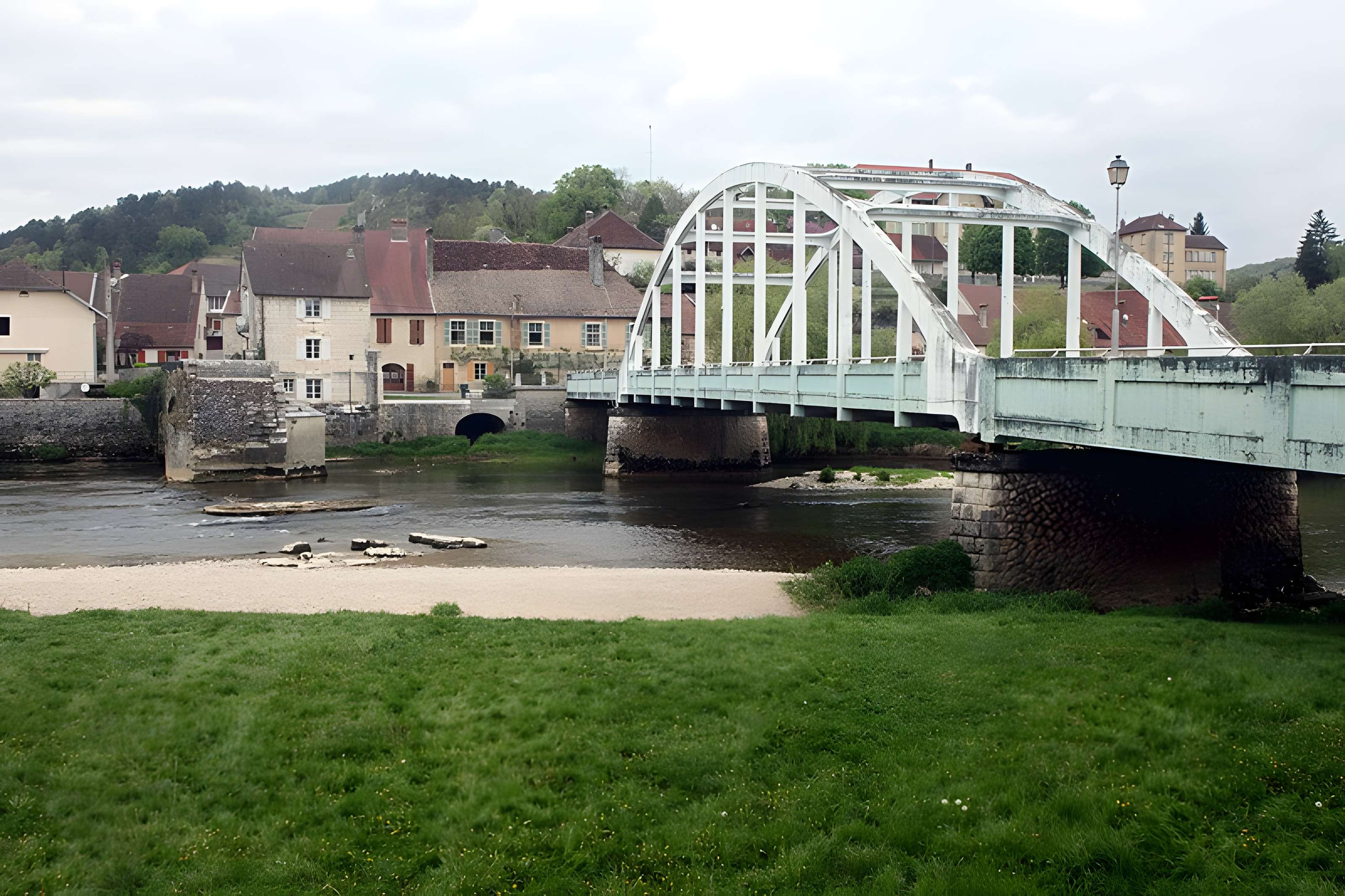
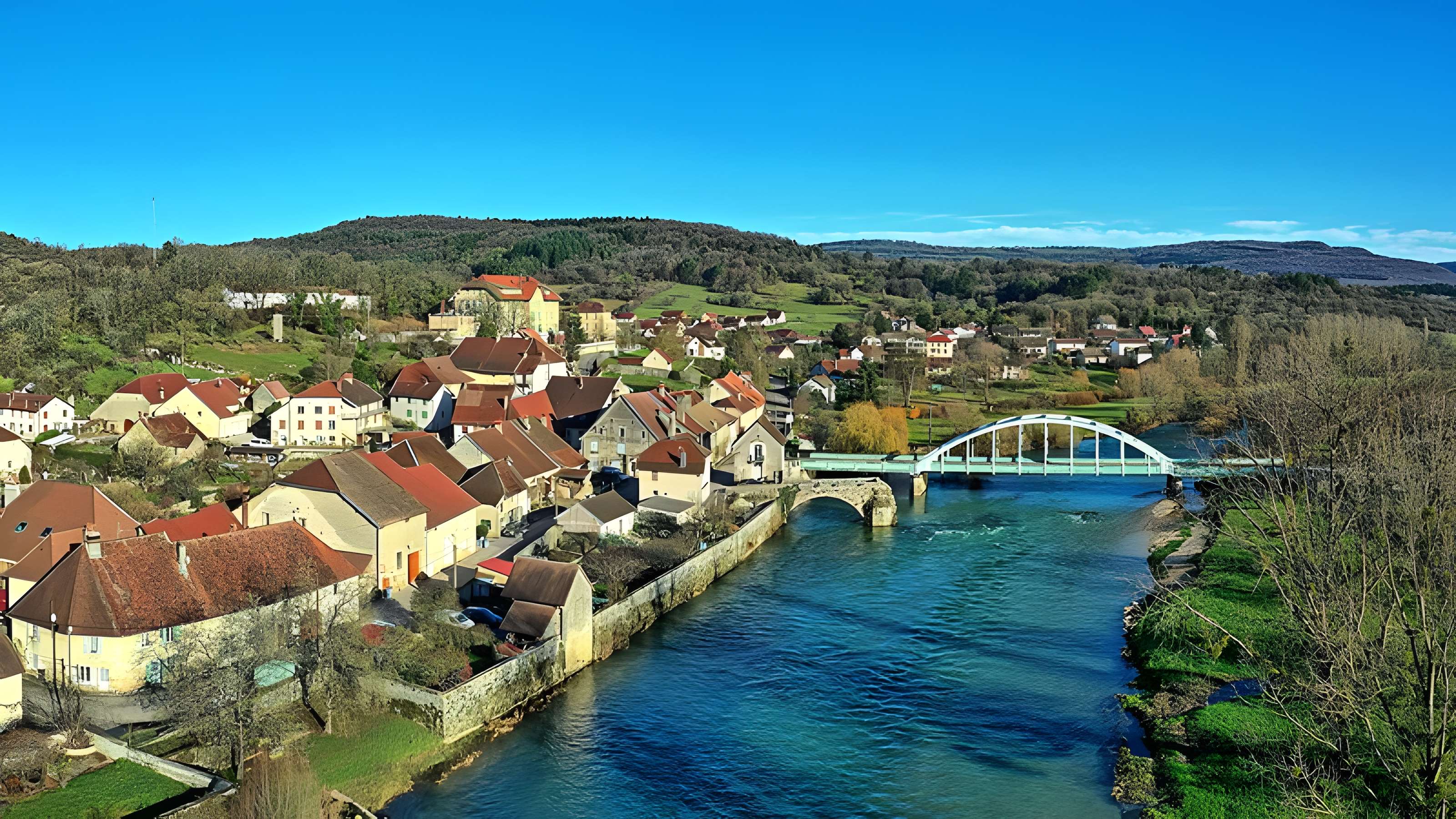
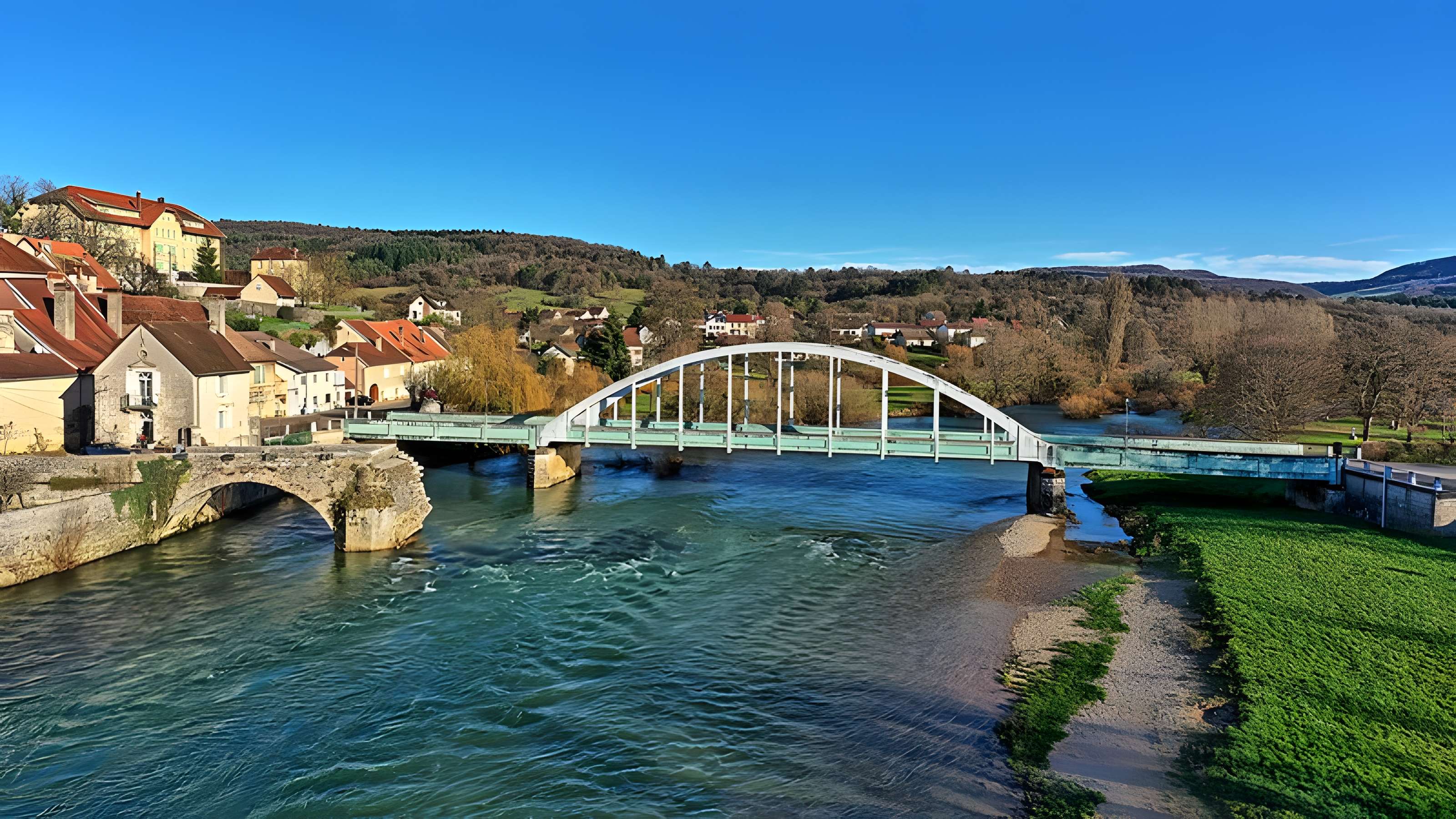
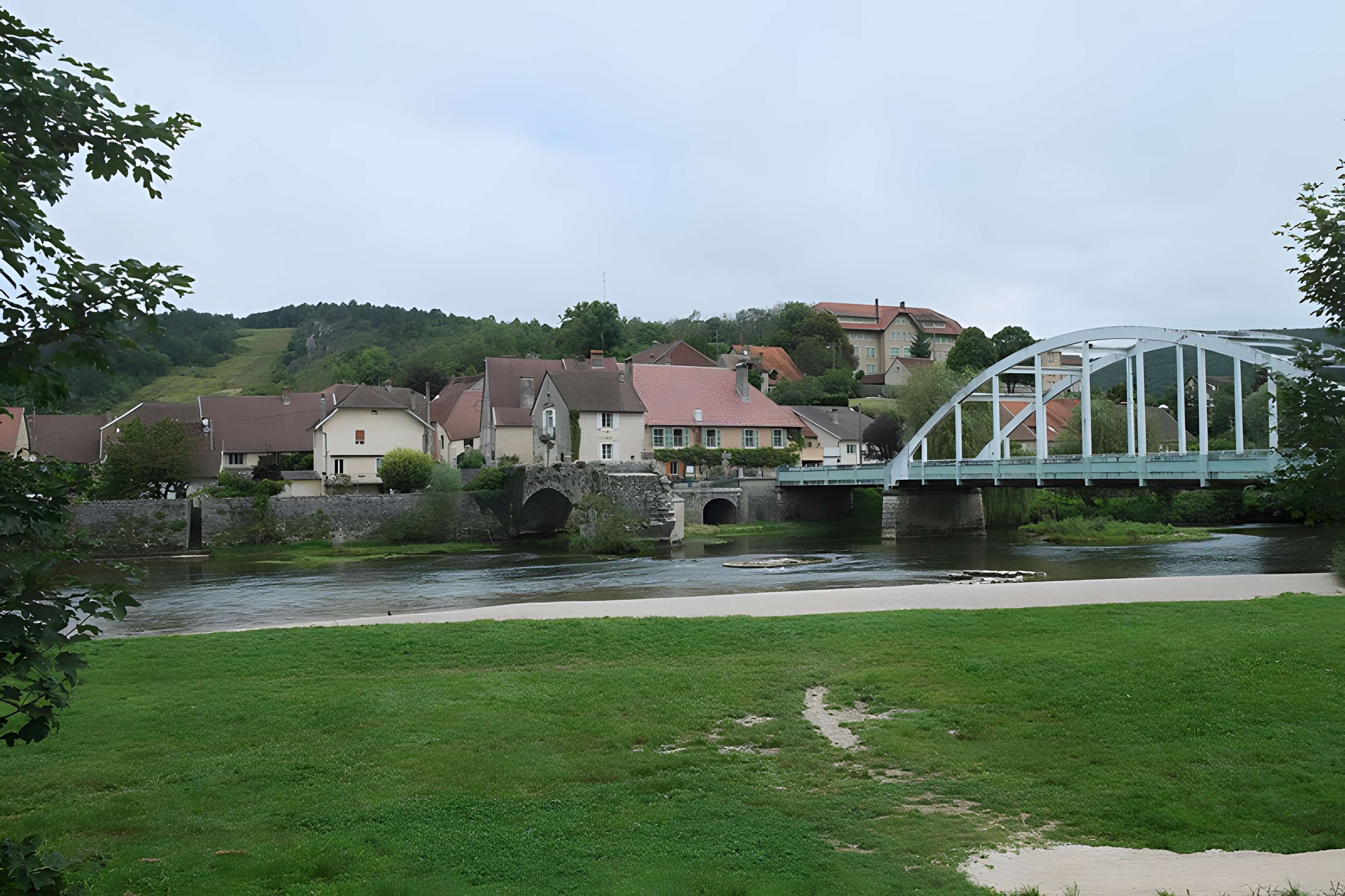
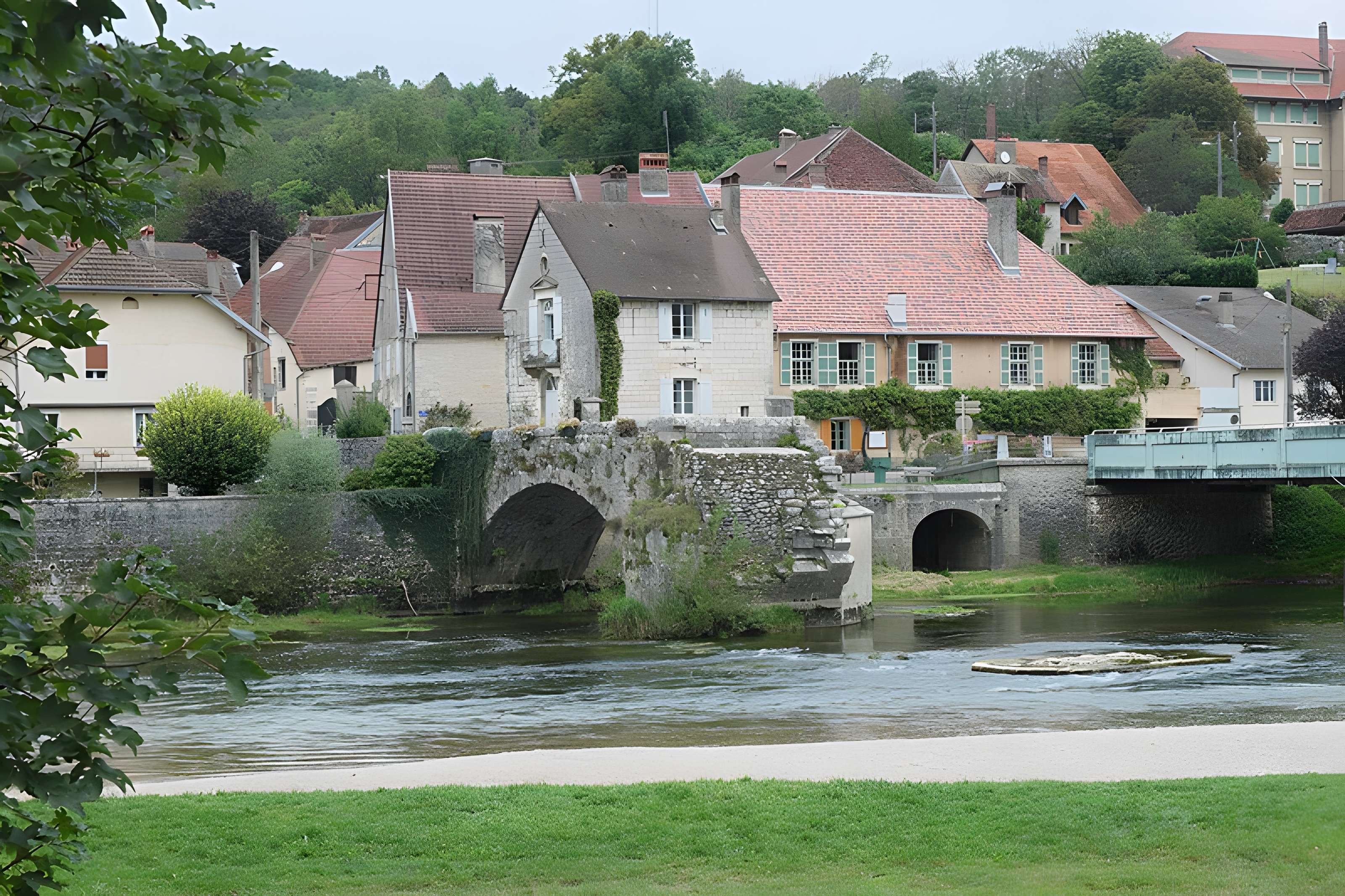
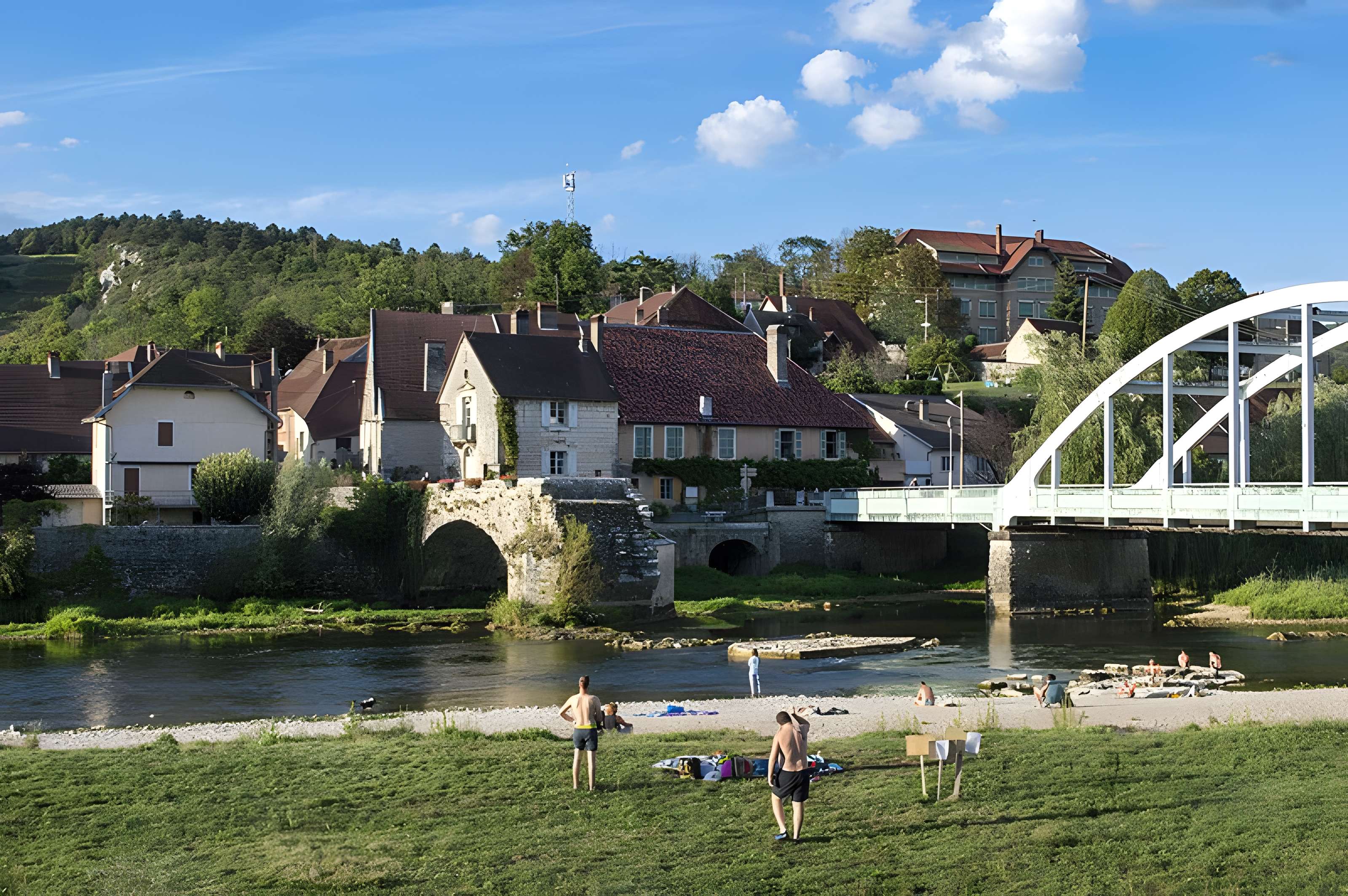
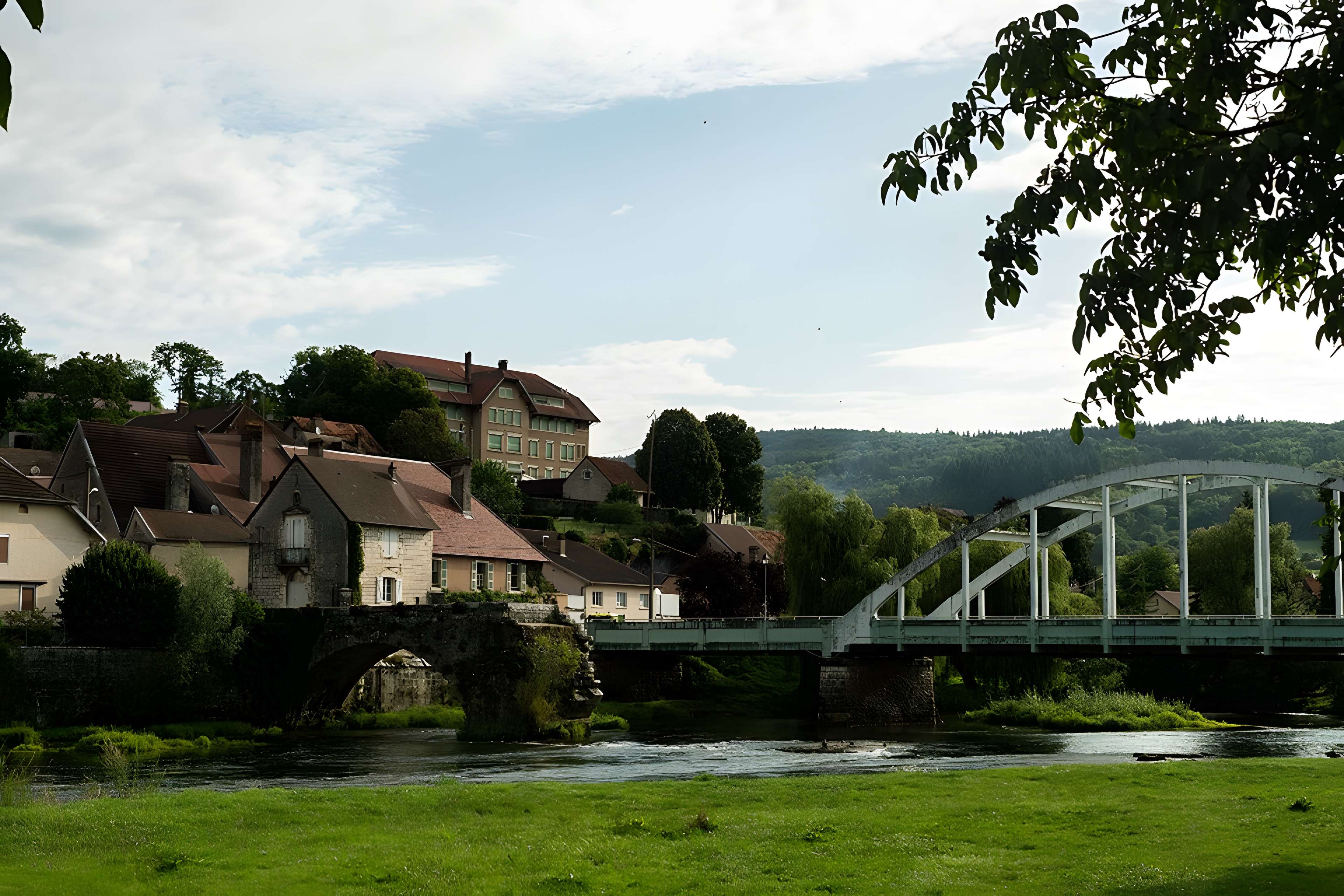
The Port-Lesney Bridge is a modern art building located on the Loue, in the village of the same name, in the Jura department. Built between 1938 and 1940, it replaces an ancient stone bridge, itself heir to a long history dating back to a first wooden bridge erected in 1490. This medieval bridge, destroyed and rebuilt several times (notably in 1674 and 1783), was known to cause flooding due to its large pillars and low vaults. Despite the addition of two additional arches in the 19th century, the floods, like the one of 1931, motivated its progressive demolition from 1951, with the exception of a preserved arch.
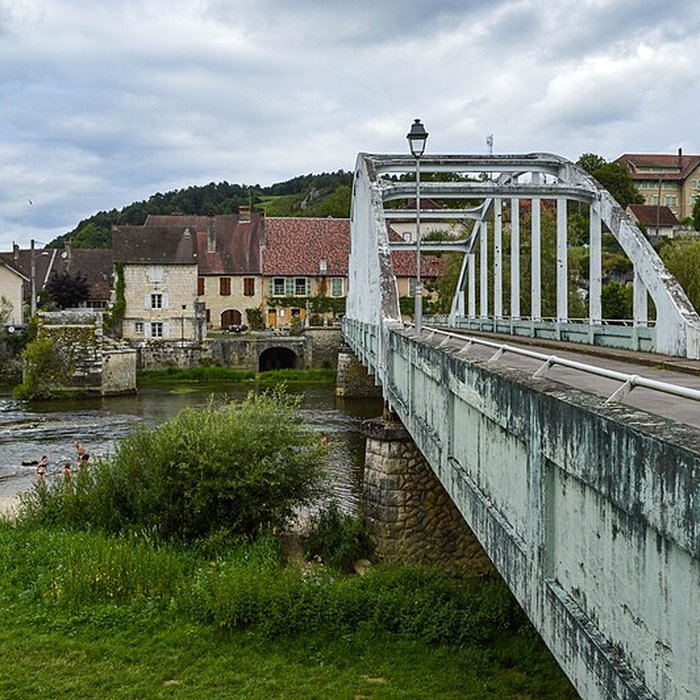
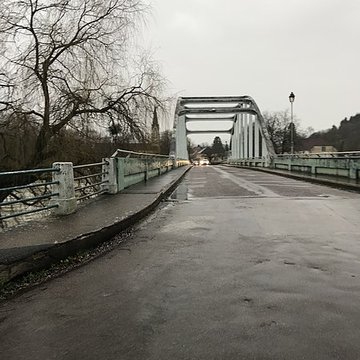
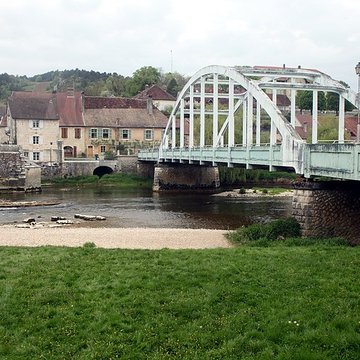
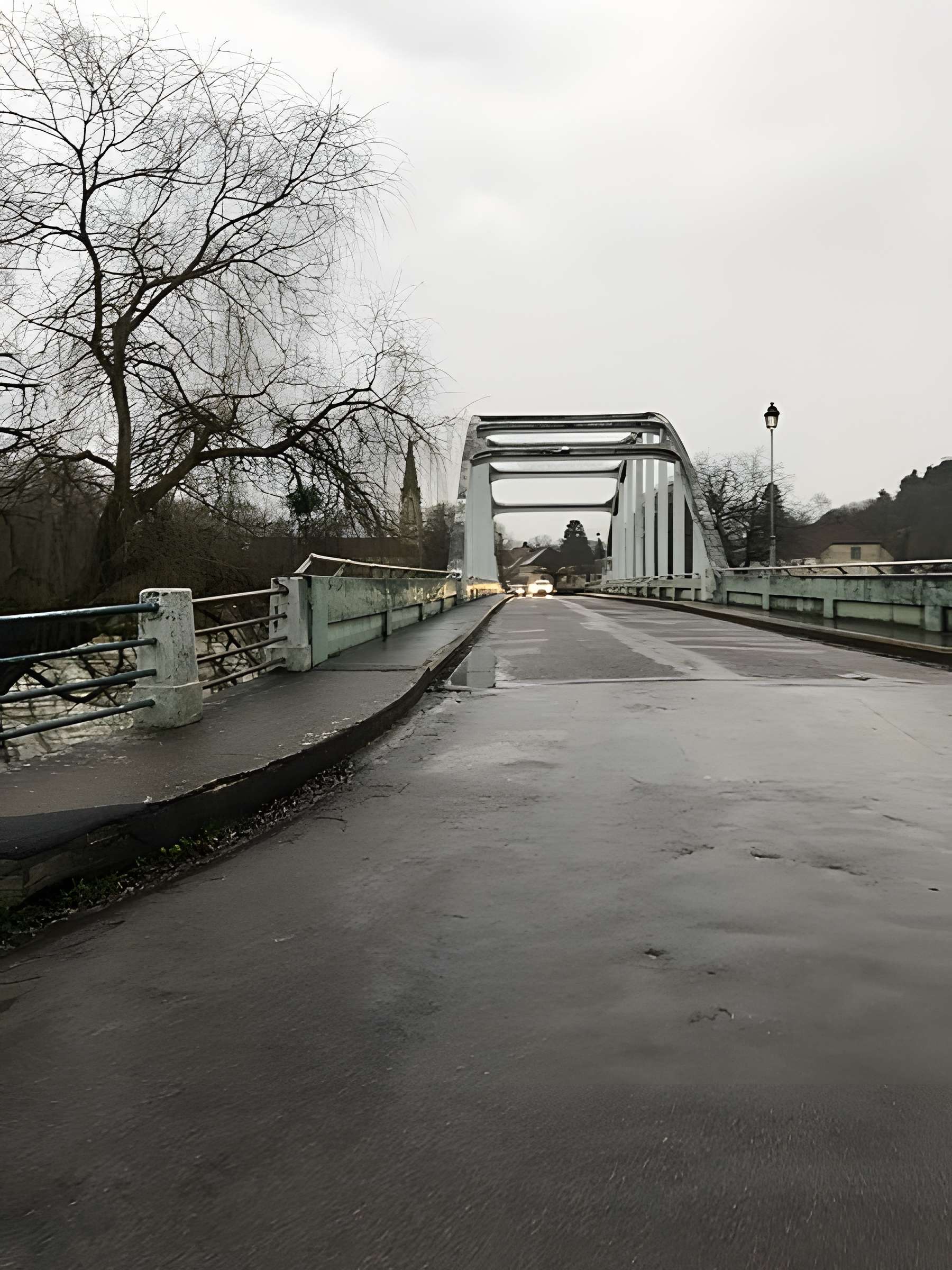
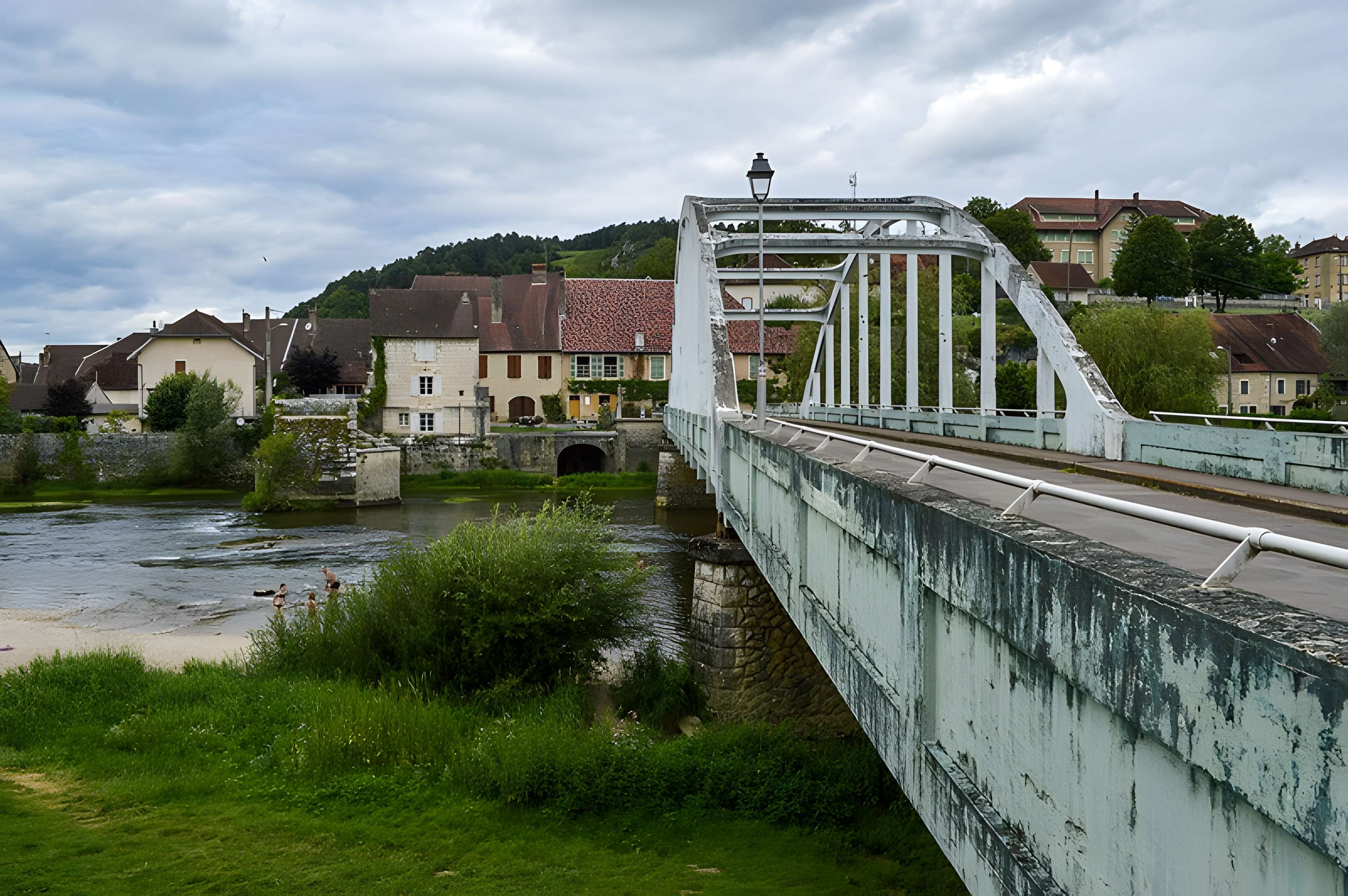
The current bow-string bridge is a unique example in France of a reinforced concrete bridge of this design. It is 91 metres long and 8.5 metres wide, with its main arc extending 45 metres. For 11 years (1940-1951), the two bridges — the old and the new — coexisted, a detail highlighted by Claude Chabrol's film La Ligne de démarche (1965), although the filming took place after the destruction of the old work. This bridge has been part of historic monuments since 1997 and illustrates the evolution of construction techniques and adaptation to natural constraints.
The old bridge, with a toll in the 17th century, was a central element of local life, connecting the districts of the Port (right bank) and Lesney (left bank). The disused chapel adjacent to the preserved arch, formerly dedicated to the Holy Trinity and Notre-Dame, bears witness to the religious and administrative importance of the place: it served as a town hall before being abandoned. The current bridge, owned by the Jura department, remains a symbol of resilience to the whims of Loue, a river known for its devastating floods.






Announcements
Please log in to post a review