Initial construction XVe siècle (≈ 1550)
Medieval building by the Faucal family.
XVIe siècle
Renaissance additions
Renaissance additions XVIe siècle (≈ 1650)
Tourelle and shelled windows added.
15 avril 1987
Official protection
Official protection 15 avril 1987 (≈ 1987)
Registration for Historic Monuments.
Aujourd'hui
Aujourd'hui
Aujourd'hui Aujourd'hui (≈ 2025)
Position de référence.
Heritage classified
Castle (Case AL 51): inscription by order of 15 April 1987
Key figures
Famille de Faucal - Owners and builders
Builders of the castle in the 15th to 16th centuries.
Origin and history
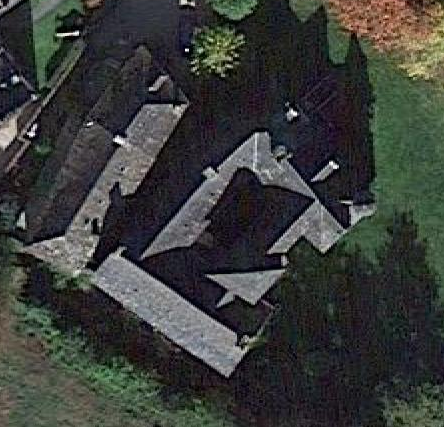
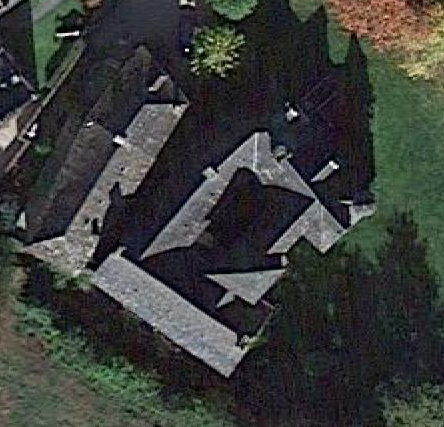
The castle of Lanteuil, located in the eponymous village of Corrèze, historically belonged to the castle of Turenne. Built by the Faucal family, it illustrates an architectural transition between the Middle Ages and the Renaissance, with defensive elements and refined decorations. The building is structured around a central courtyard, typical of the seigneurial residences of the era, and retains traces of its medieval origins such as the square tower of stairs, while integrating Renaissance additions such as shelled windows.
The main façade of the castle highlights a square tower of stairs dating from the late Middle Ages, symbol of its initial defensive role. The 16th century building, on the other hand, is distinguished by a scallop turret and Renaissance skylights, reflecting the evolution of aesthetic tastes and residential comfort. Inside, several carved chimneys testify to the social status of its occupants. The castle, partially protected since 1987, embodies the heritage of the local noble families and their adaptation to architectural changes.
Lanteuil is part of a feudal territory where chestnuts like Turenne played a central role in political and military organization. The castle, as a seigneurial seat, was both a place of power, residence and representation. Its hybrid architecture — combining medieval and Renaissance elements — reflects the social and cultural transformations of the region between the 15th and 16th centuries, a period that hinges between feudality and modernity.






Announcements
Please log in to post a review