Reconstruction of the castle 4e quart XVIe siècle (≈ 1687)
Transformation of the original medieval home.
XVIIe siècle
Completion of work
Completion of work XVIIe siècle (≈ 1750)
Final period of known construction.
19 septembre 2003
Registration Historic Monument
Registration Historic Monument 19 septembre 2003 (≈ 2003)
Legal protection of the castle and its outbuildings.
Aujourd'hui
Aujourd'hui
Aujourd'hui Aujourd'hui (≈ 2025)
Position de référence.
Heritage classified
The entire castle with its wings, towers, courts, ditches (Box B 732) and its north terrace (Box B 731): inscription by order of 19 September 2003
Key figures
Information non disponible - No character cited
Sources insufficient to identify historical actors.
Origin and history
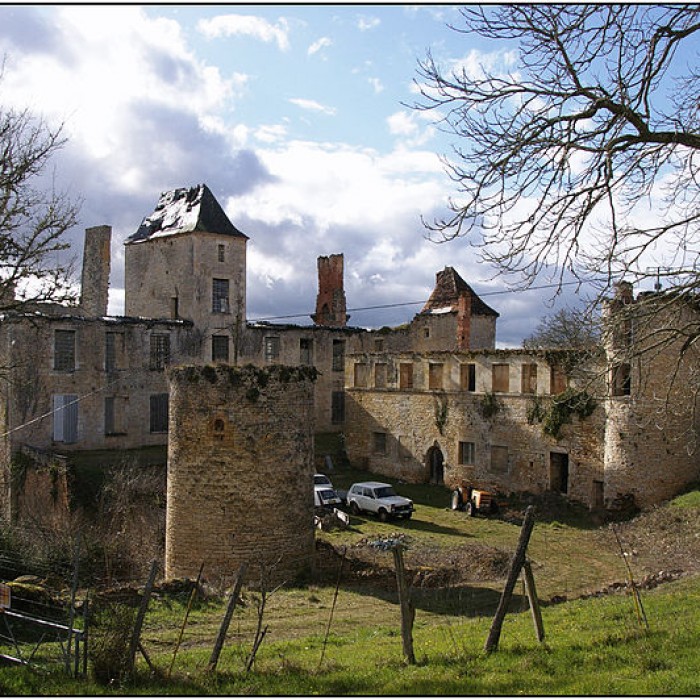
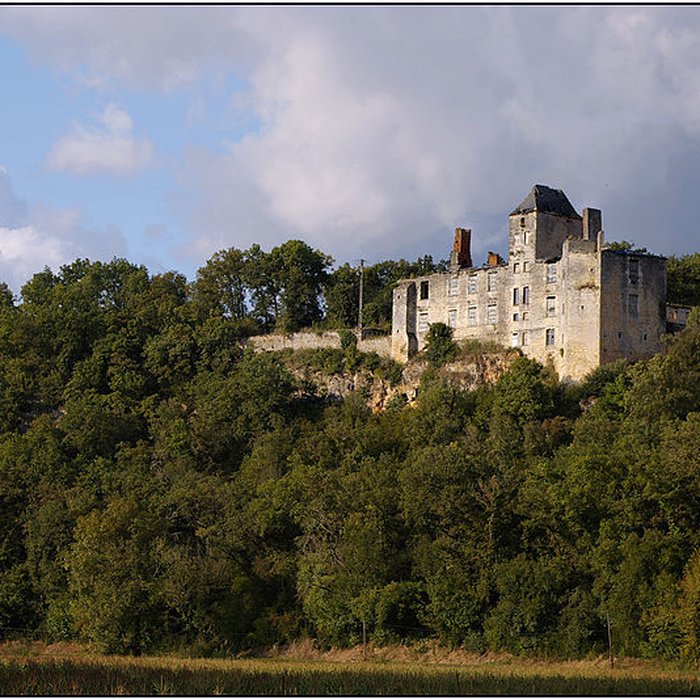
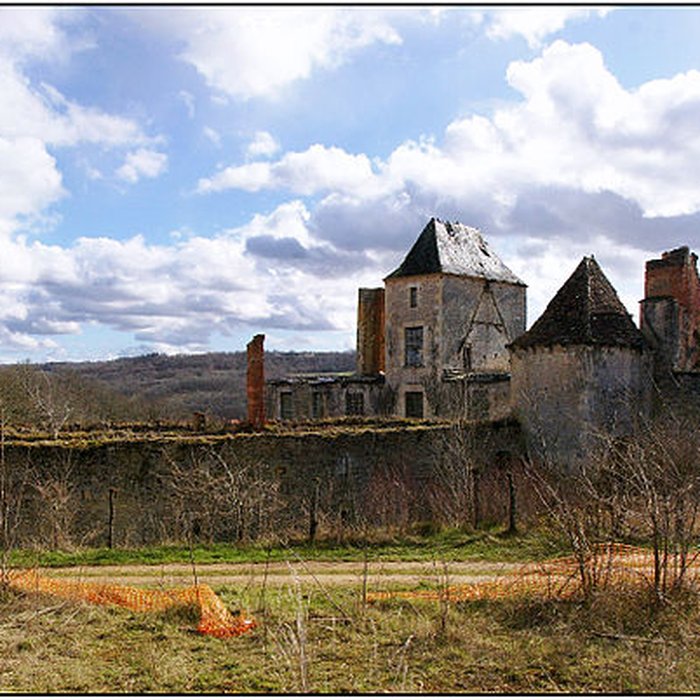
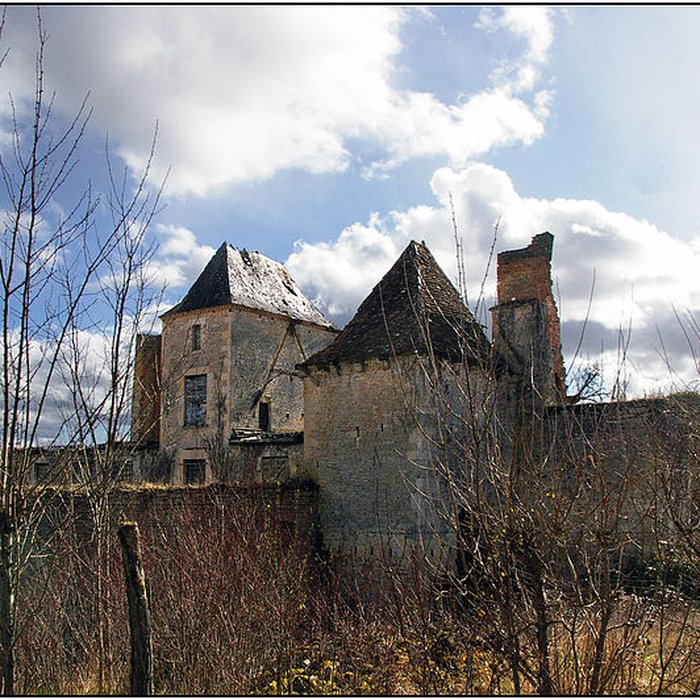
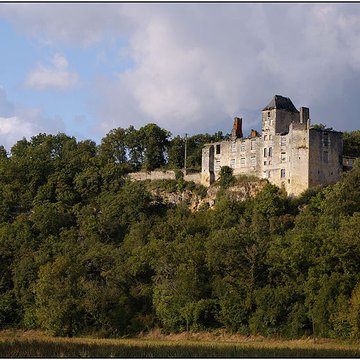
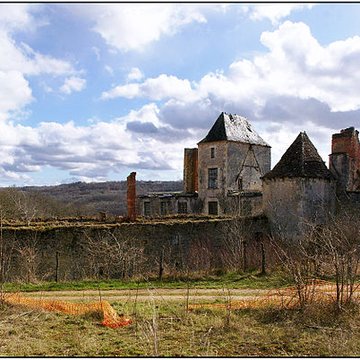
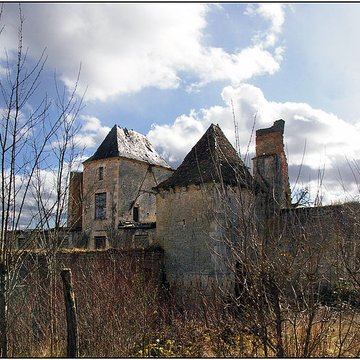
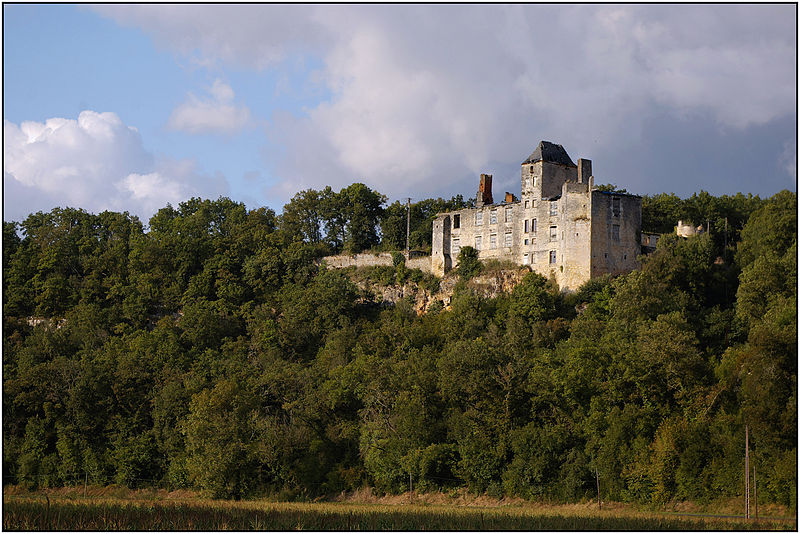
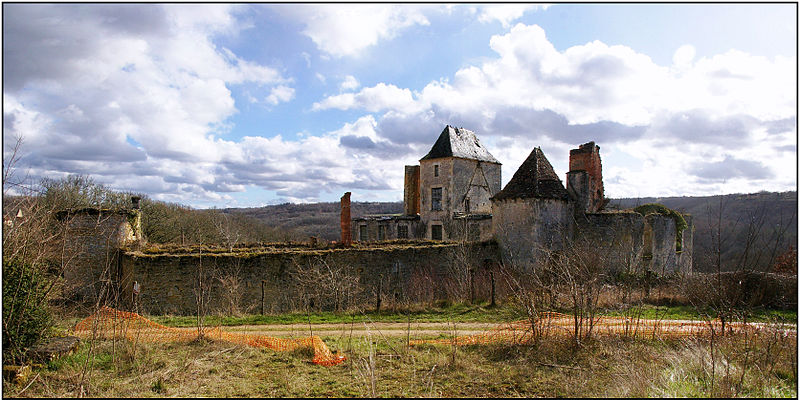
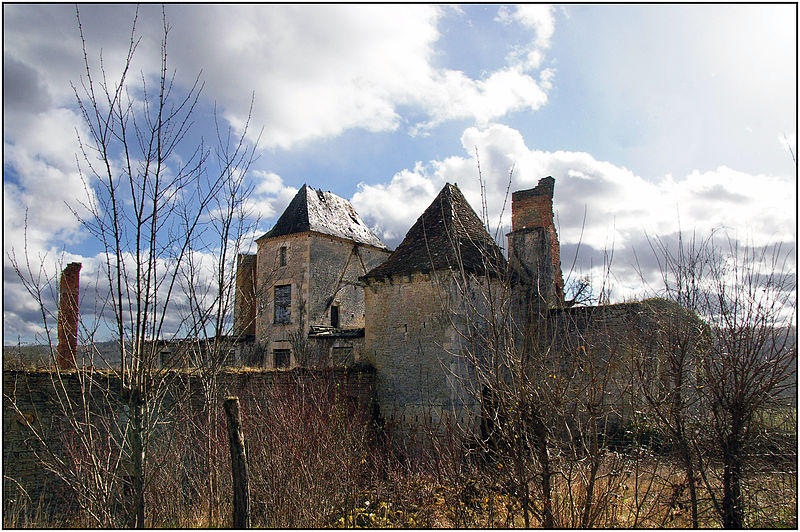
The Château du Repaire, located in Saint-Aubin-de-Nabirat in the Dordogne, is an imposing house of medieval origin, entirely rebuilt between the late 16th and 17th centuries. Dominating the Céou valley, it consists of two bodies of perpendicular houses surrounding a closed courtyard, reinforced by walls and towers. This monument, classified as Historical Monuments, reflects the defensive and residential architecture of its time, although its condition deteriorated after periods of abandonment and looting.
The castle, now owned by a private company, is the subject of a rescue project to preserve its remarkable elements: wings, towers, courtlines and ditches, protected since a registration order in 2003. Although its precise history and its former owners remain poorly documented in the available sources, its structure illustrates the evolution of seigneurial residences in Périgord, between military function and noble habitat. The north terrace, also protected, highlights the landscape importance of the site, linked to its natural environment.
At the time of its construction, between the last quarter of the 16th and 17th centuries, the Perigord region was marked by post-Renaissance tensions and the wars of Religion. Castles like the Repare played a dual role: symbol of local power for lords, and potential refuge in times of insecurity. Their architecture often blended defensive elements inherited from the Middle Ages (tours, ditches) with more comfortable accommodations, reflecting the evolution of rural aristocracy lifestyles.
The gradual abandonment of the castle, mentioned in the sources, could be explained by the socio-economic upheavals of the following centuries, such as the French Revolution or the rural exodus, which affected many seigneurial residences. Its present rescue is part of a contemporary dynamic of valorisation of the heritage, where private actors or associations restore these buildings to open them to the public or give them a new vocation (tourism, events).








Announcements
Please log in to post a review