Construction of dolmens Néolithique (≈ 4100 av. J.-C.)
Period of construction of megalithic monuments.
1876
First written entry
First written entry 1876 (≈ 1876)
René-François Le Men quotes the dolmens.
vers 1880
Searches by Paul du Châtellier
Searches by Paul du Châtellier vers 1880 (≈ 1880)
Detailed description and archaeological discoveries.
8 avril 1922
Historical monument classification
Historical monument classification 8 avril 1922 (≈ 1922)
Official protection of both dolmens.
Aujourd'hui
Aujourd'hui
Aujourd'hui Aujourd'hui (≈ 2025)
Position de référence.
Heritage classified
Dolmen de Kervignon and 3 m wide strip of land around the dolmen (Box D1 914): by order of 8 April 1922
Key figures
René-François Le Men - Historian and archaeologist
Mentioned the dolmens in 1876.
Paul du Châtellier - Archaeologist
Searched and described the dolmens around 1880.
Origin and history
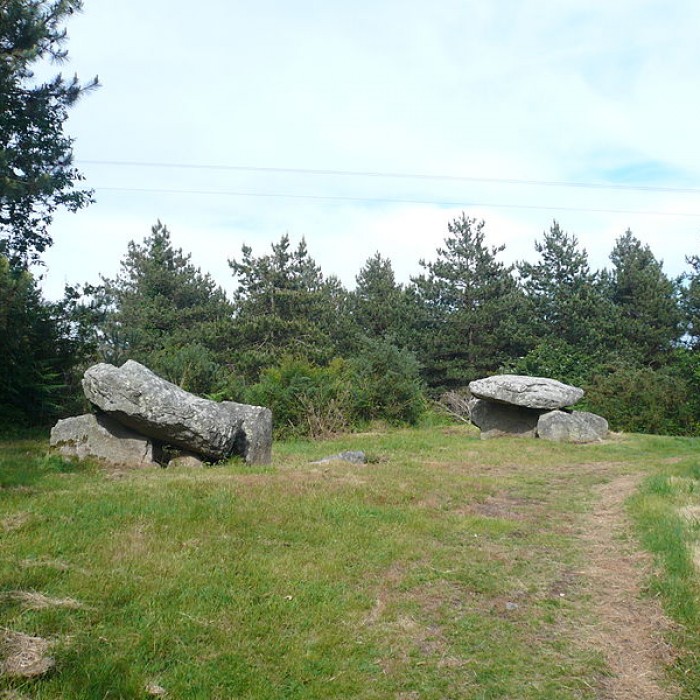
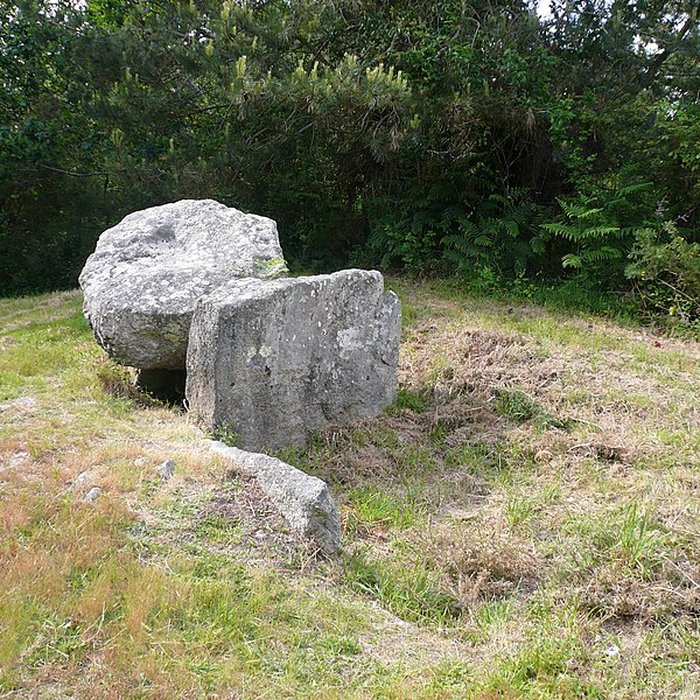
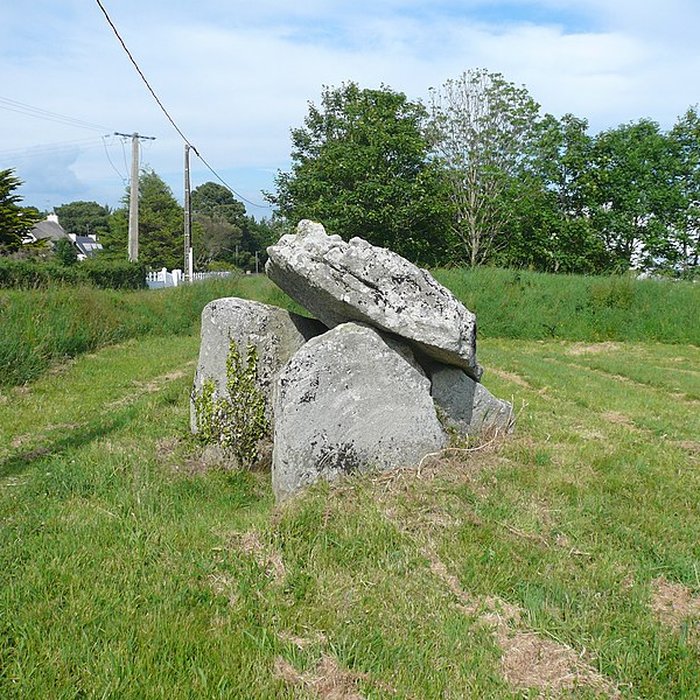
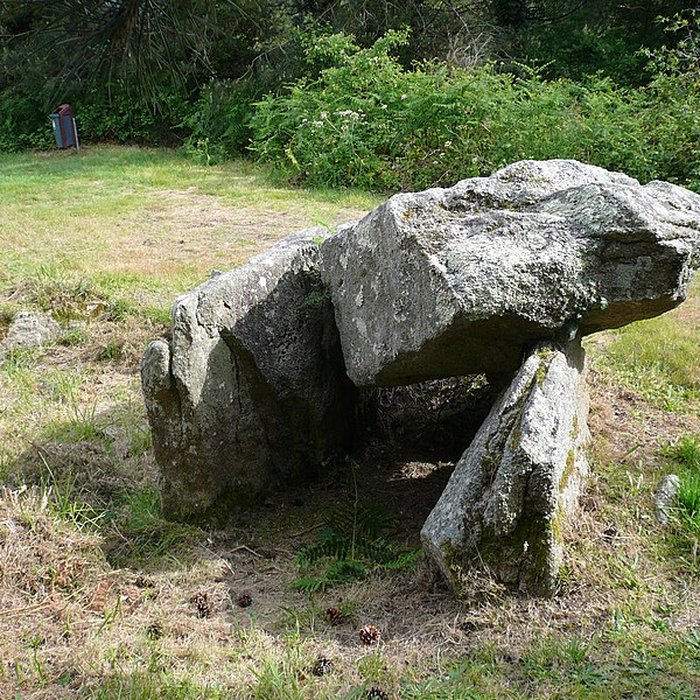
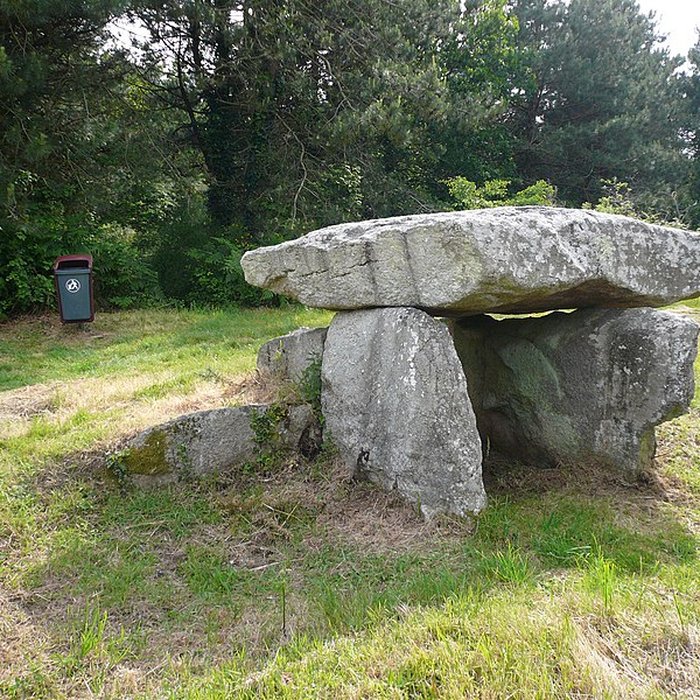
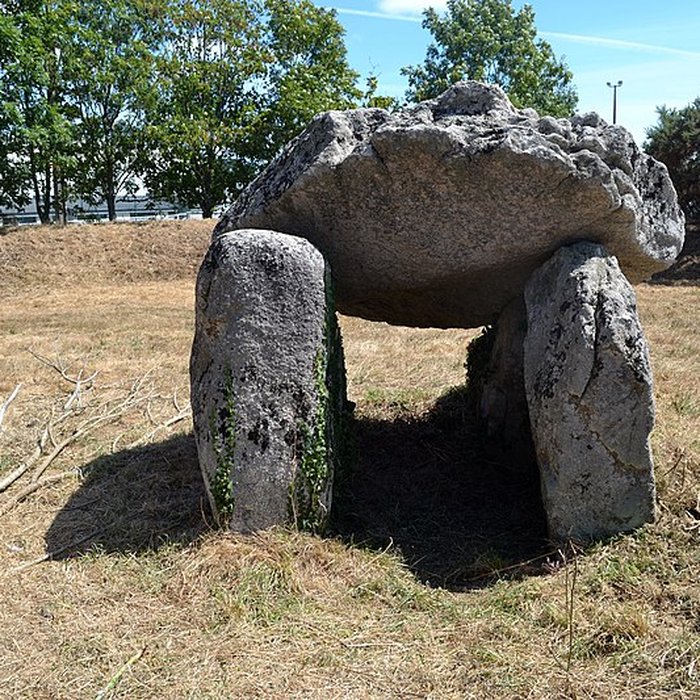
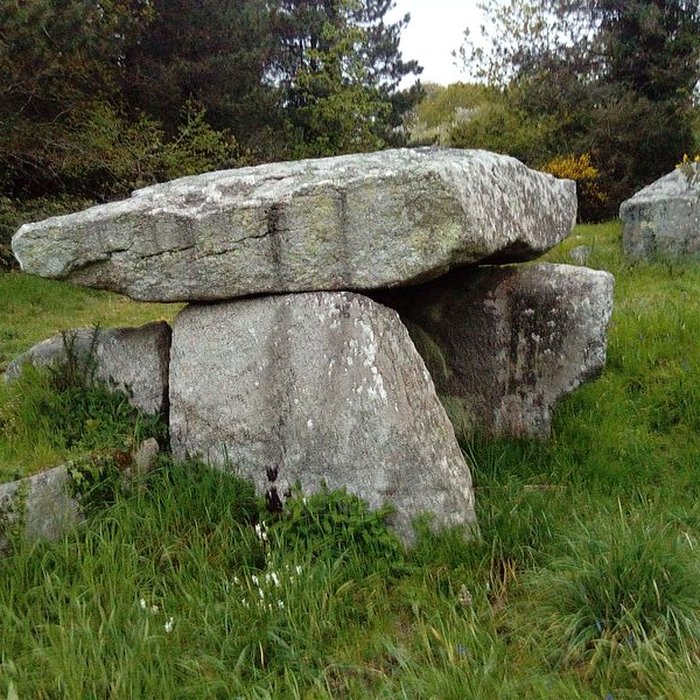
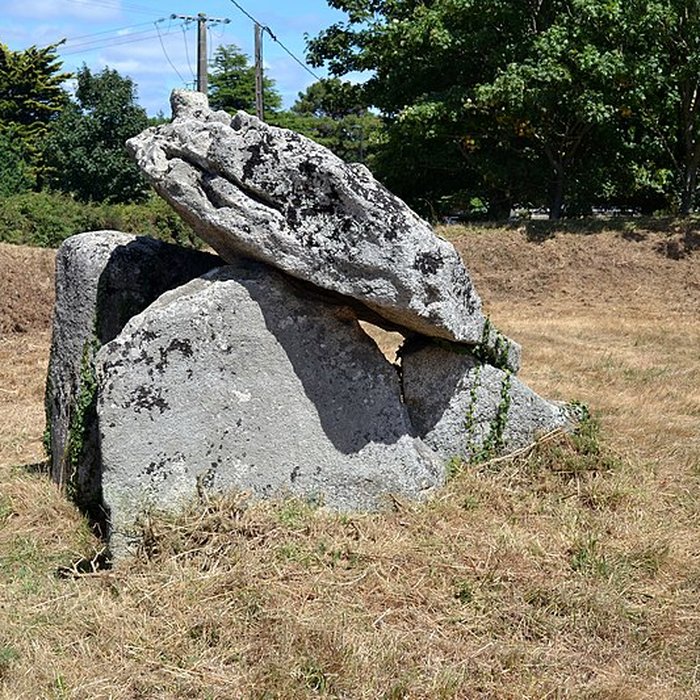
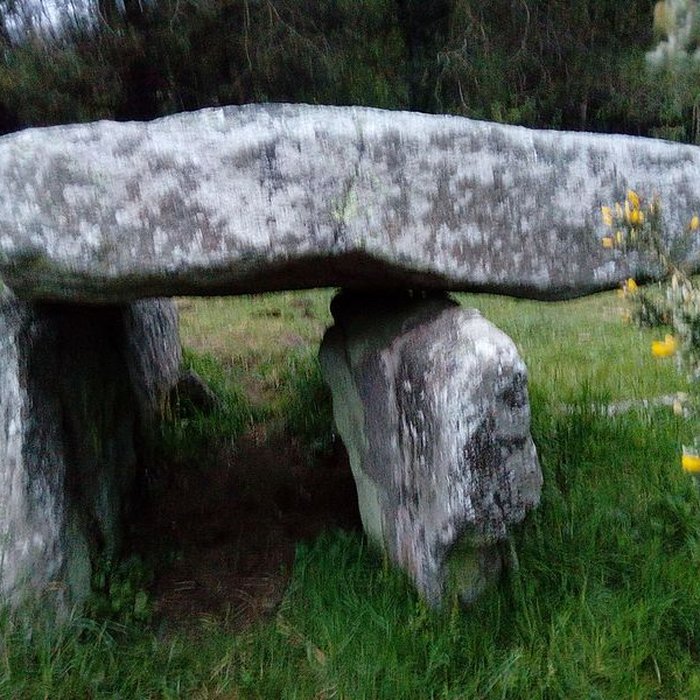
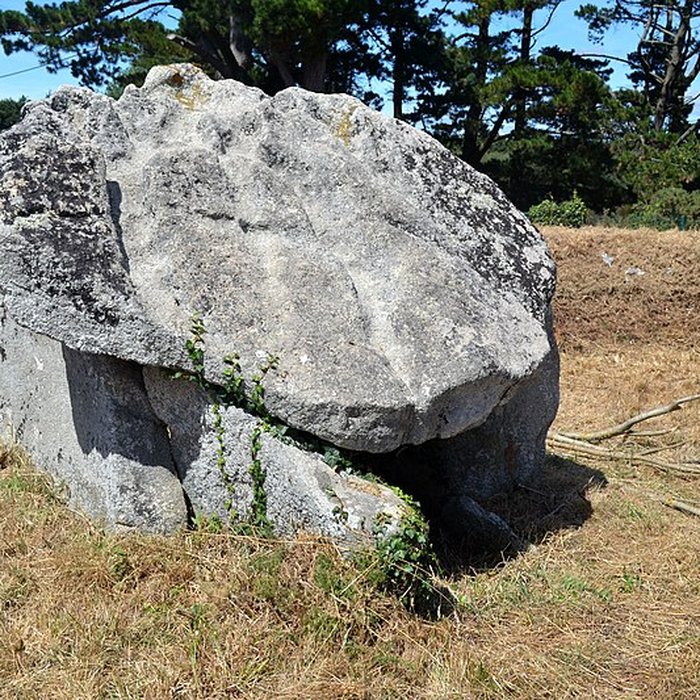
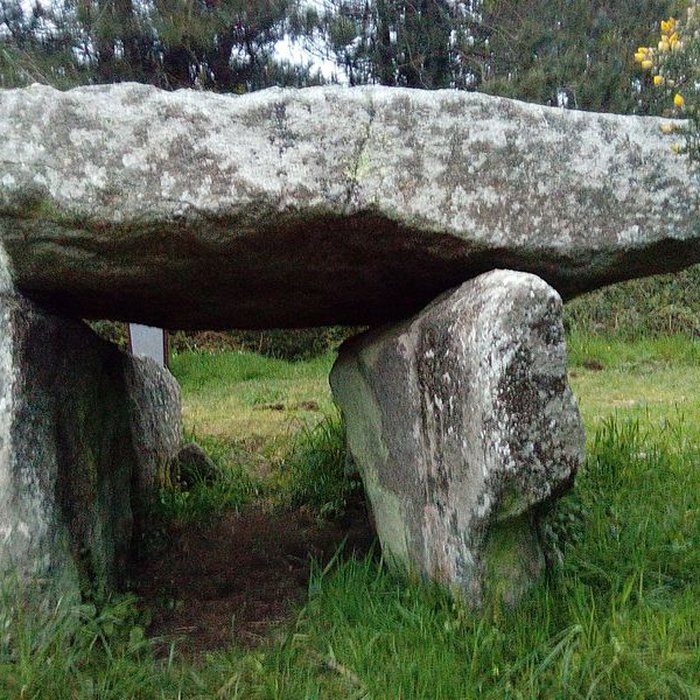
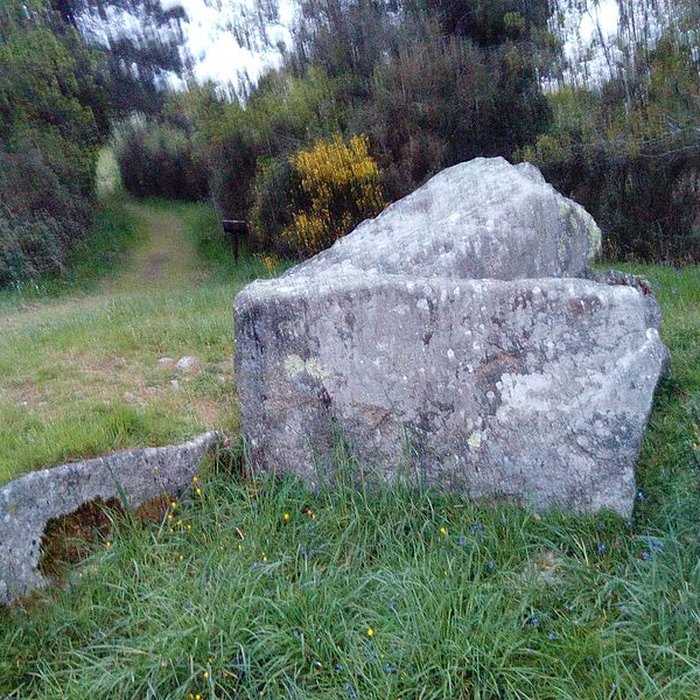
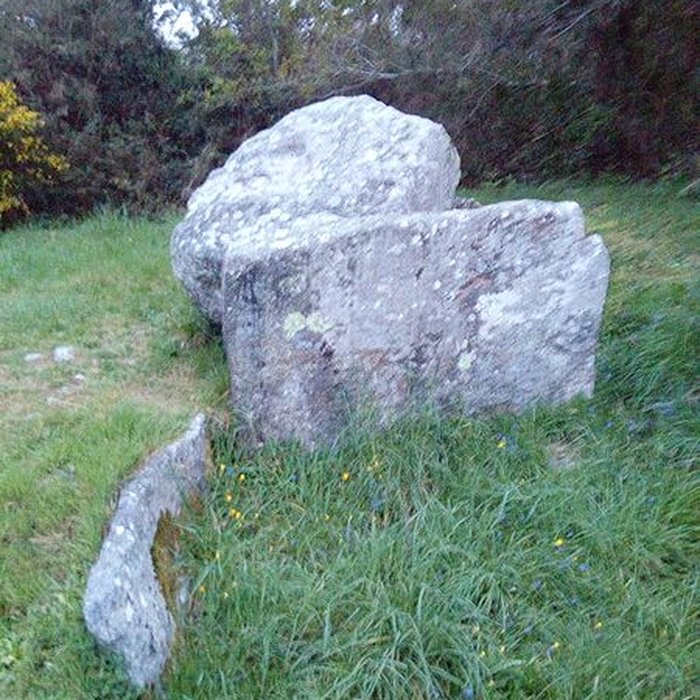
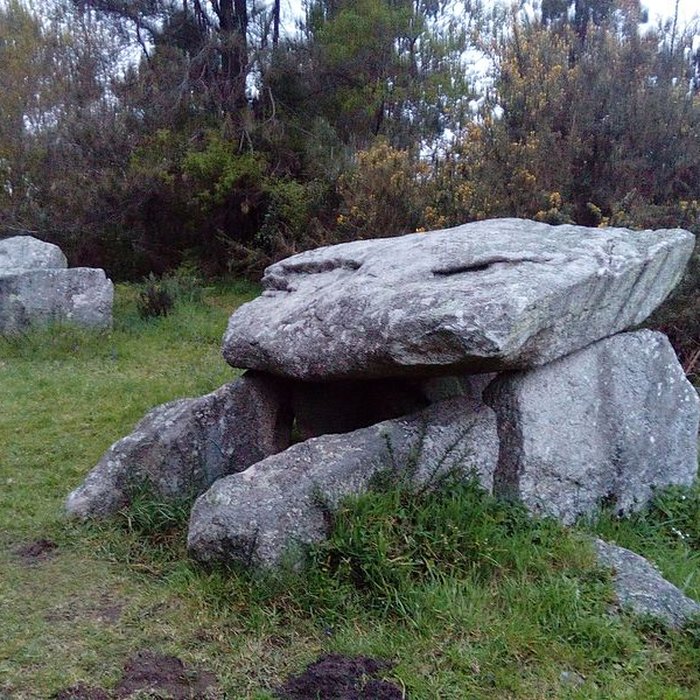
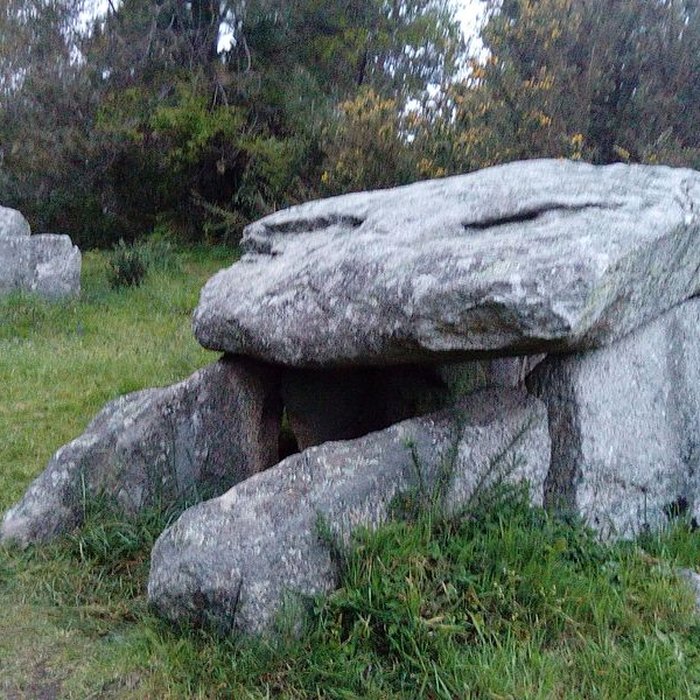
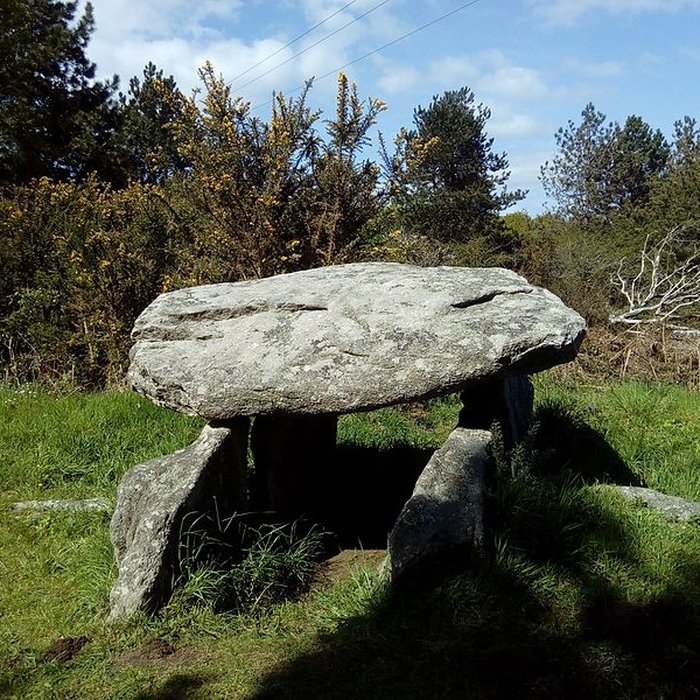
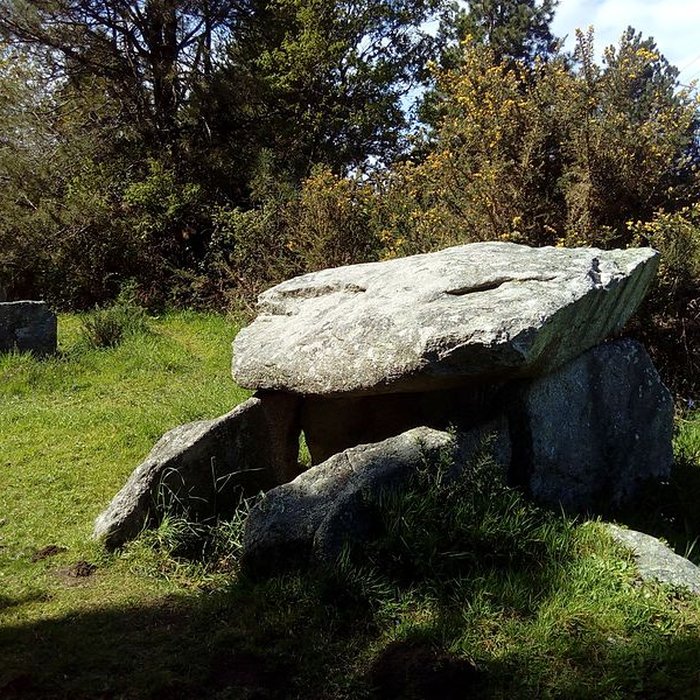
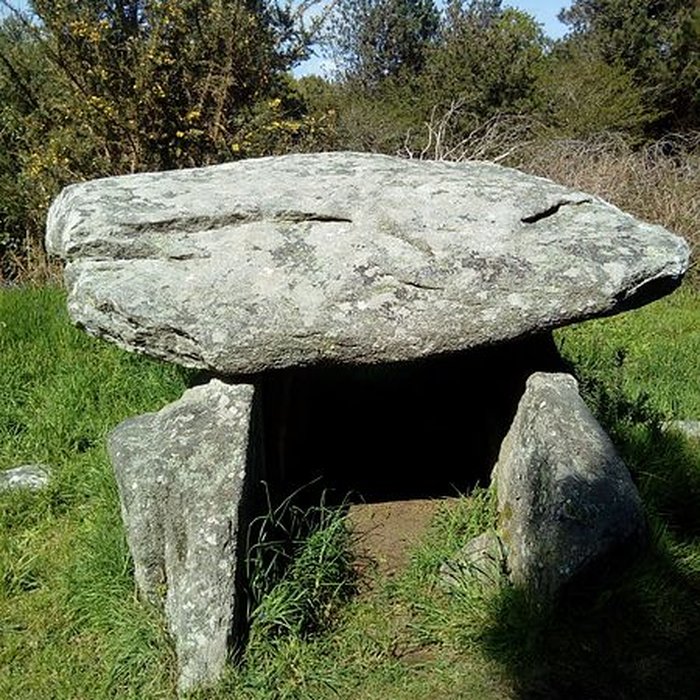
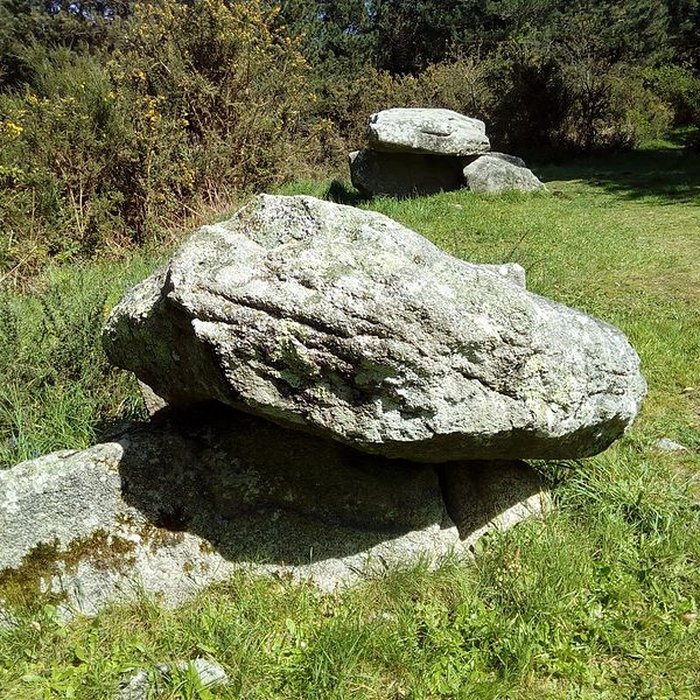
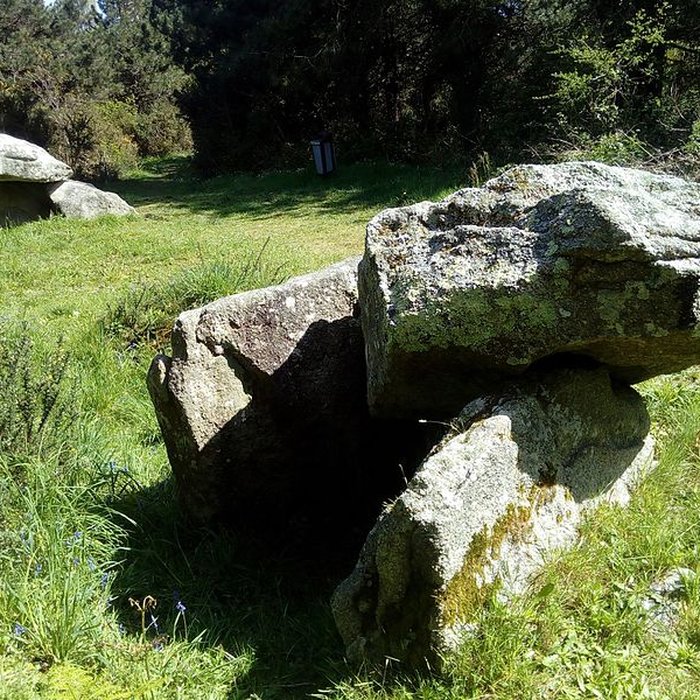
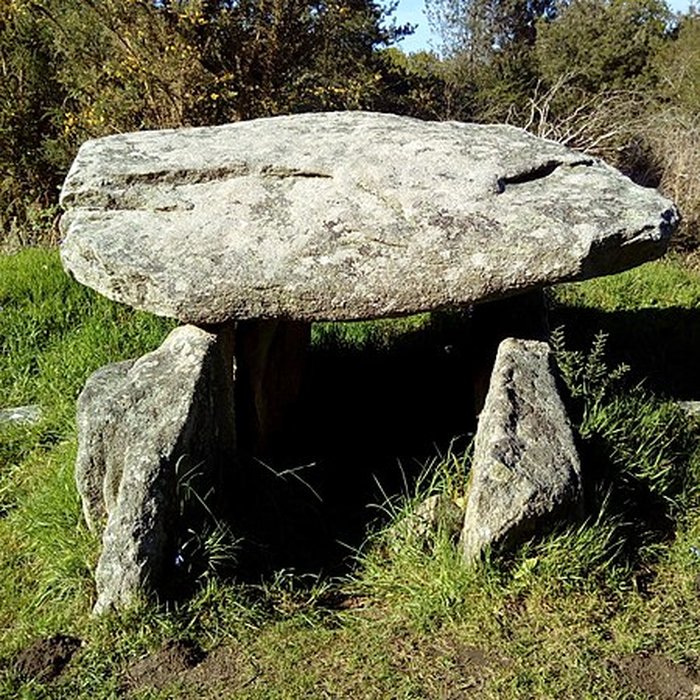
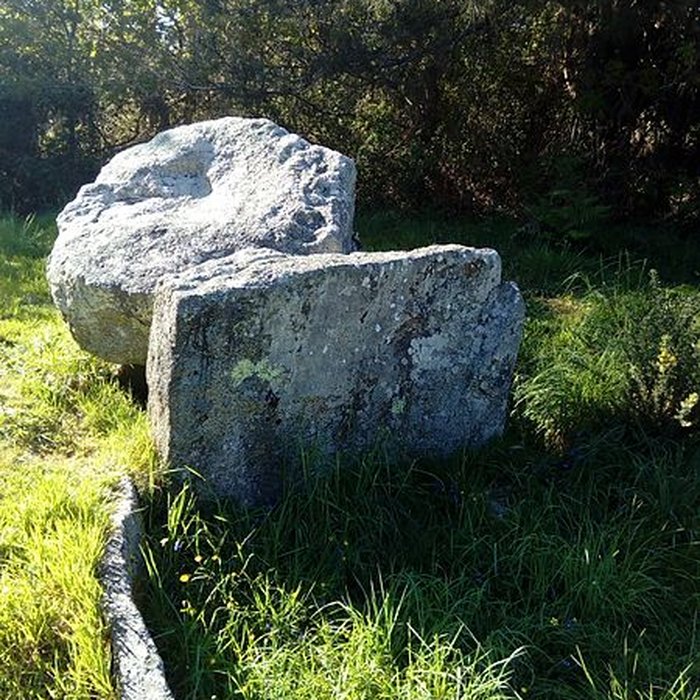
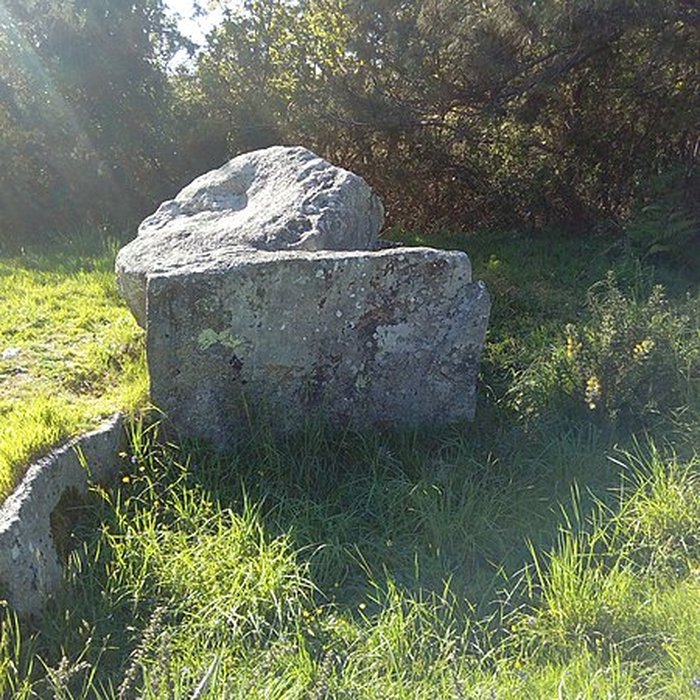
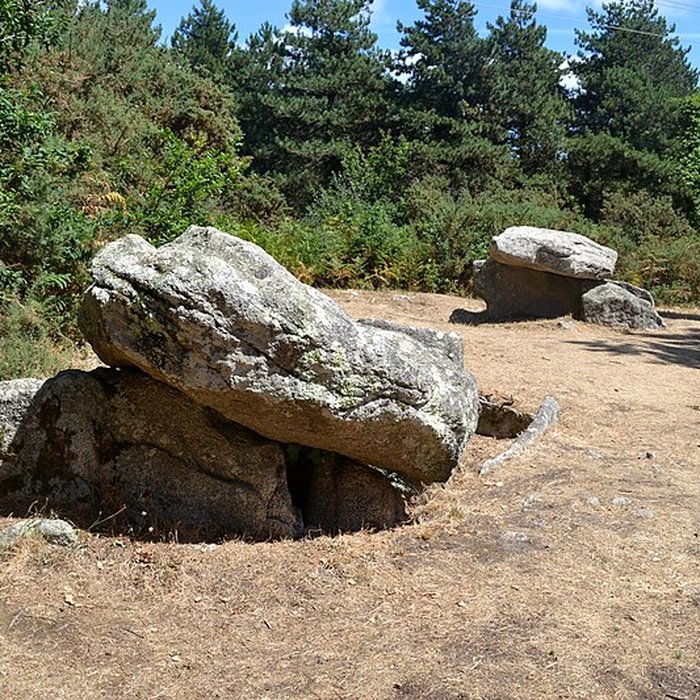
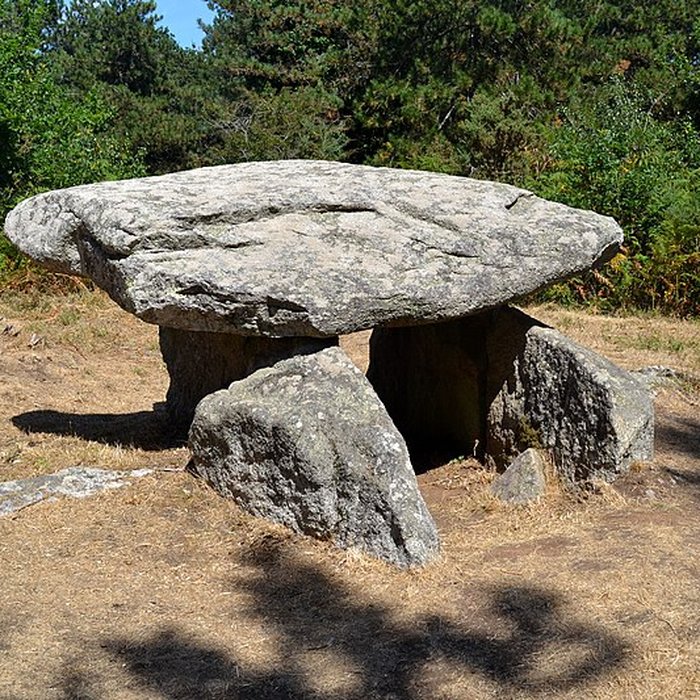
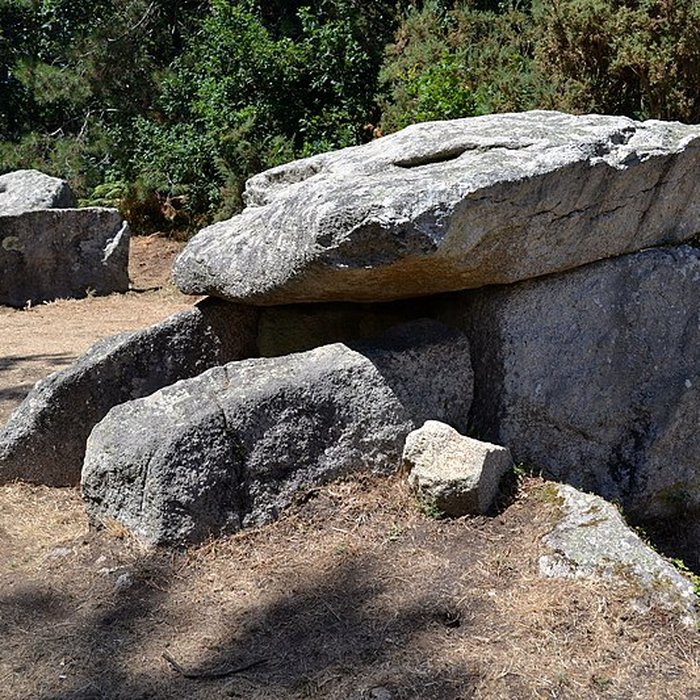
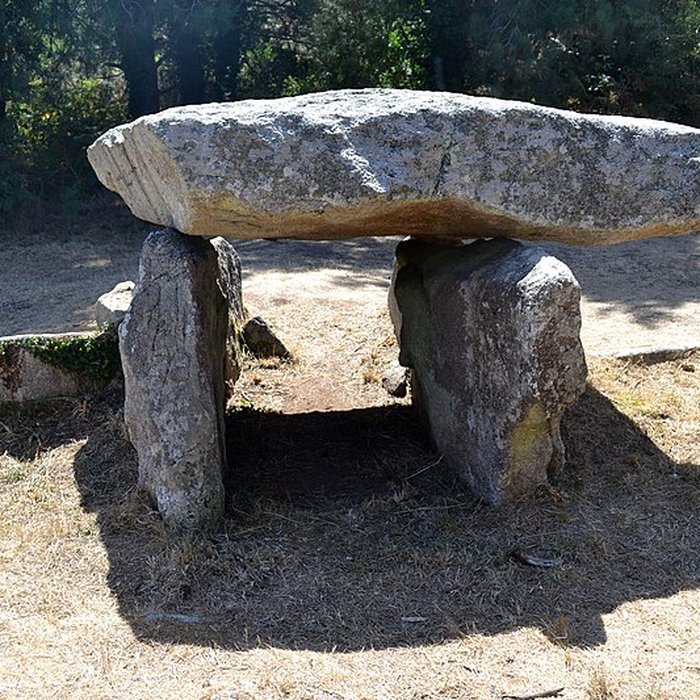
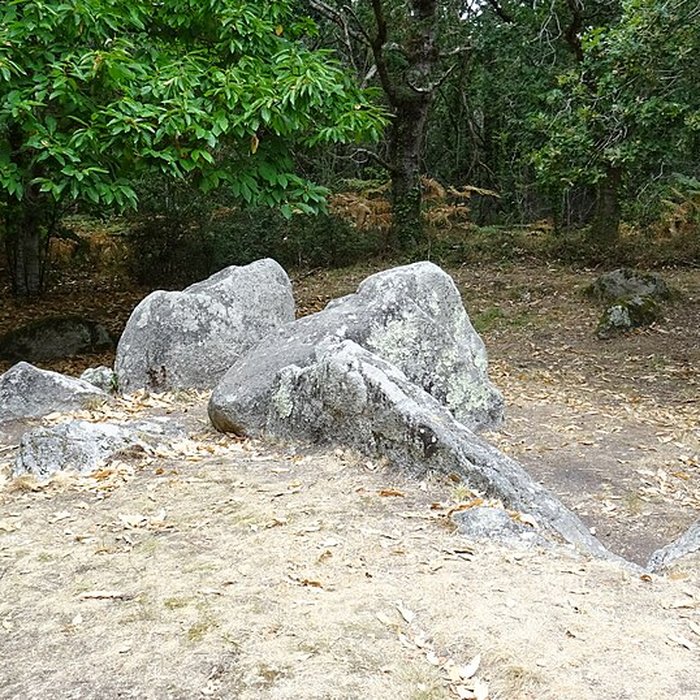
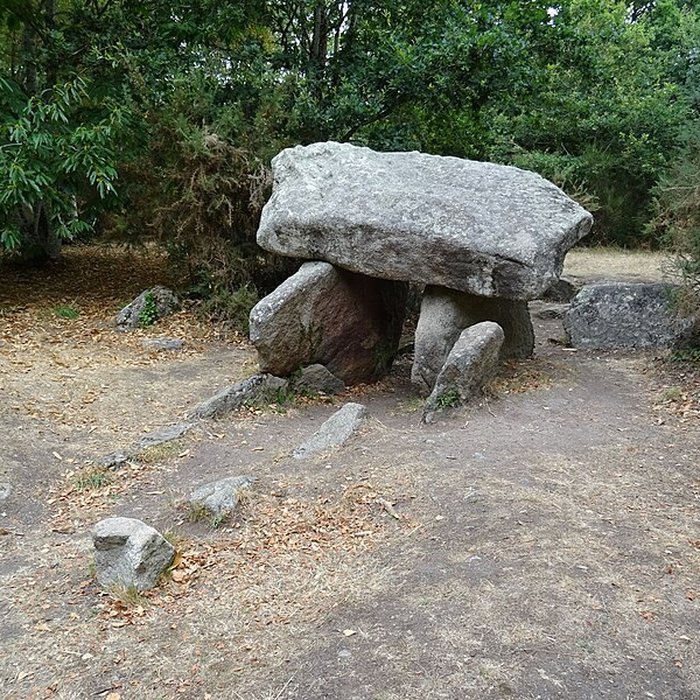
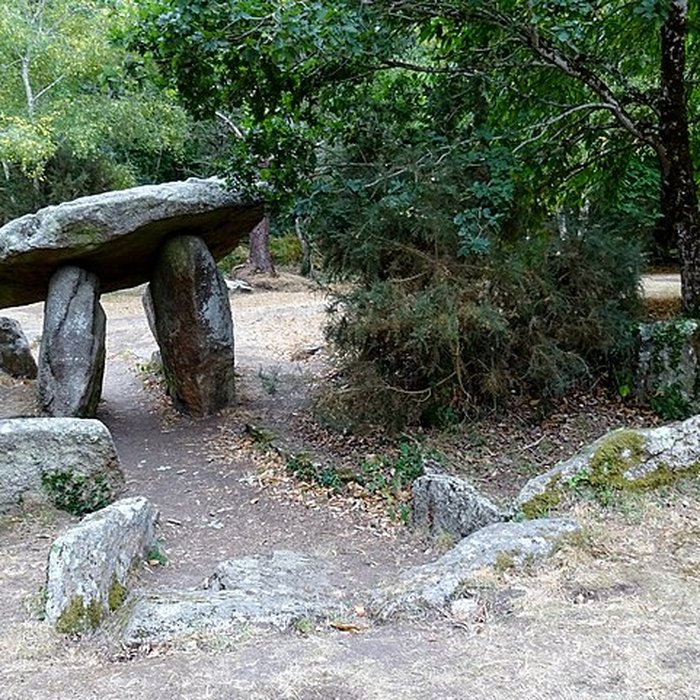
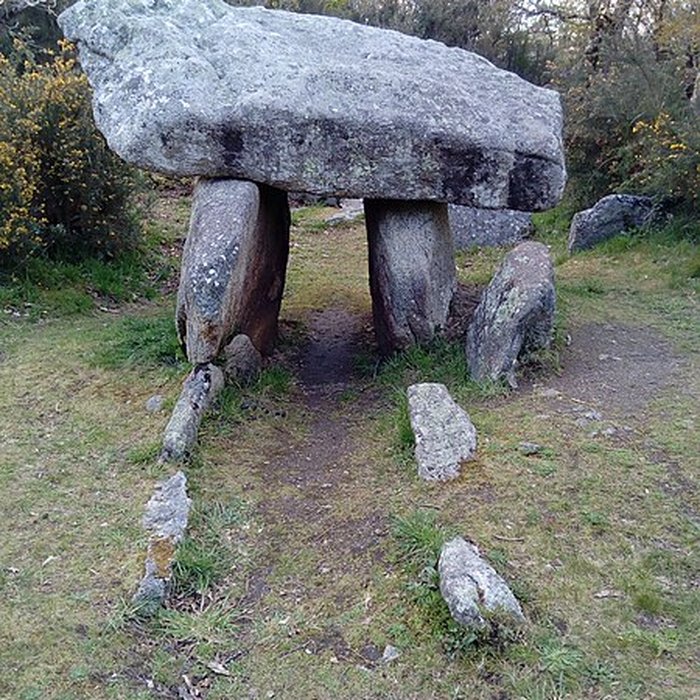
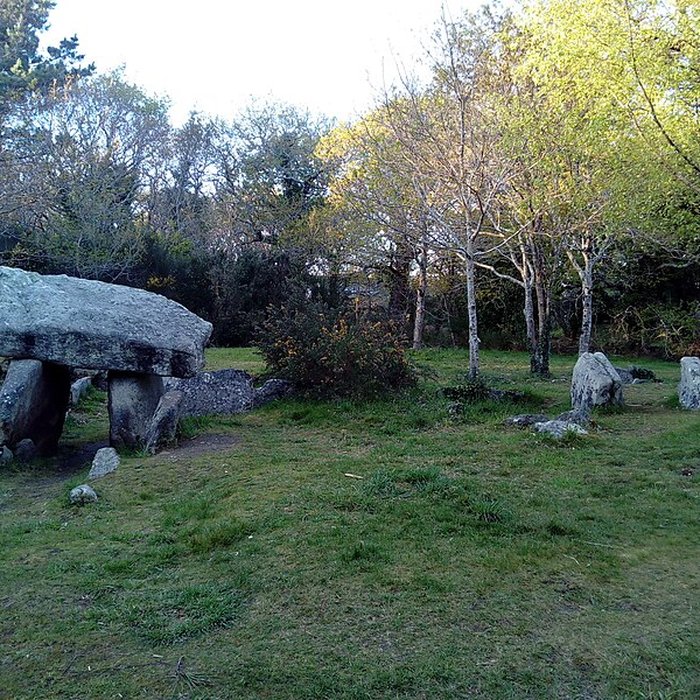
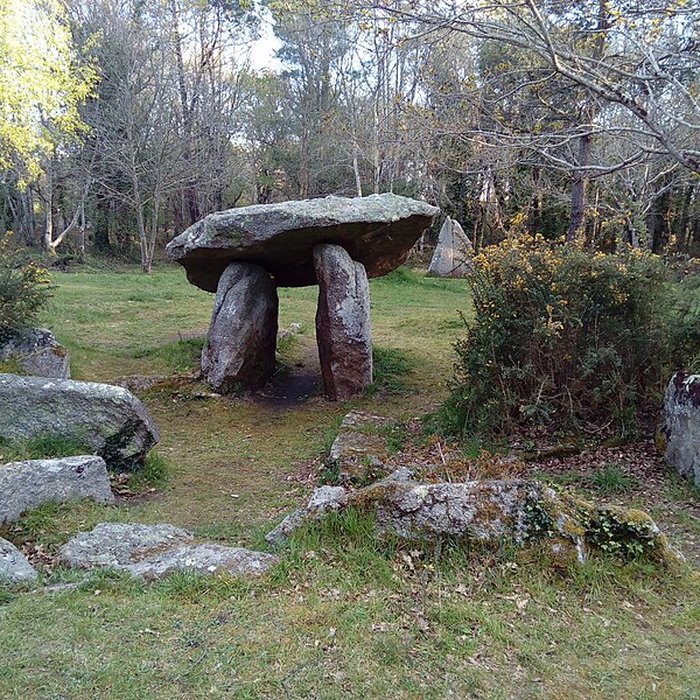
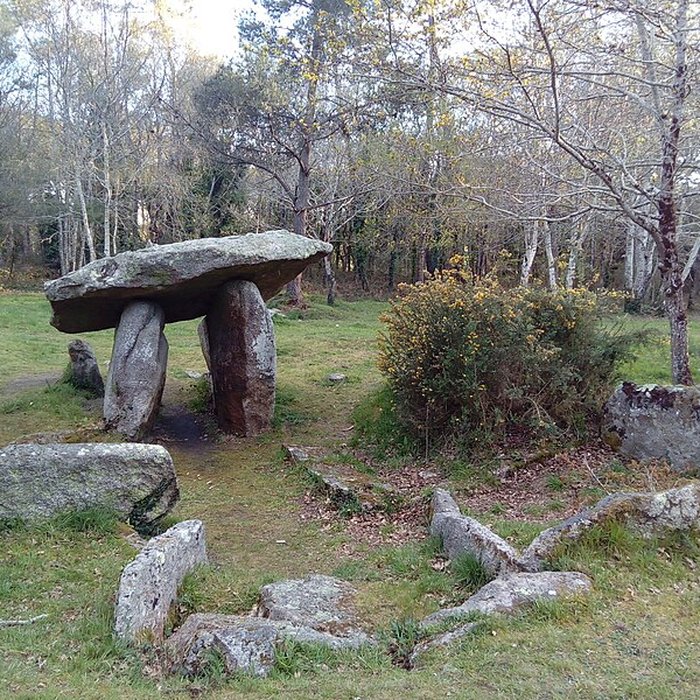
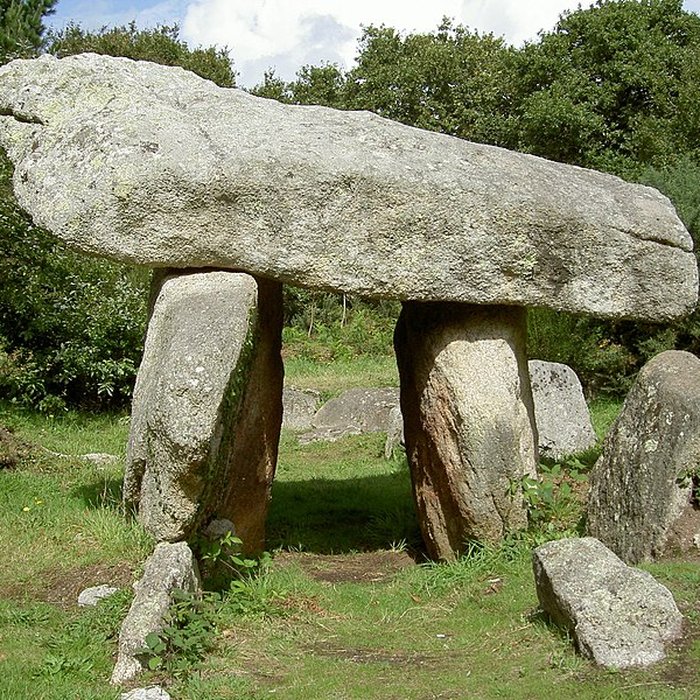
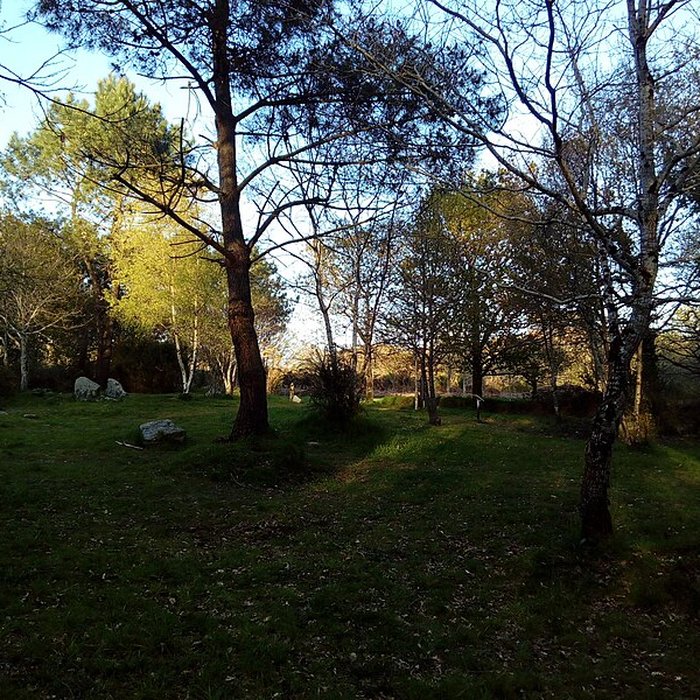
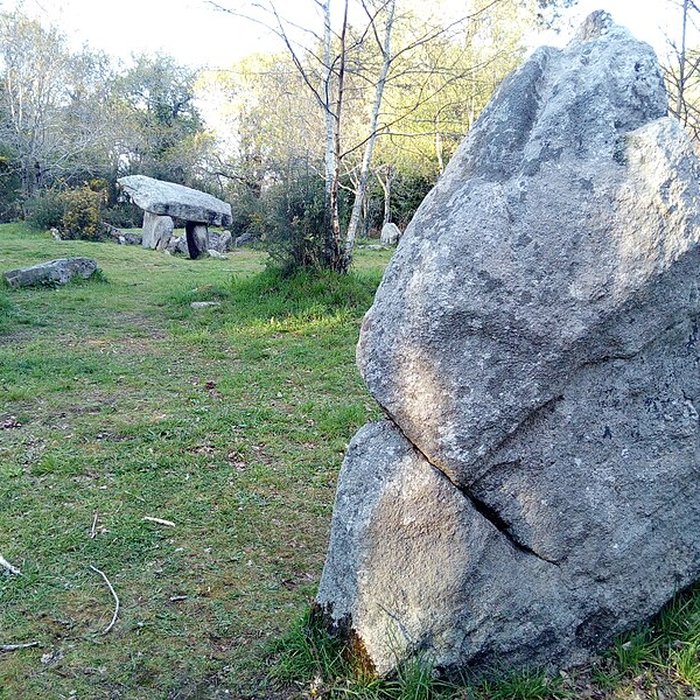
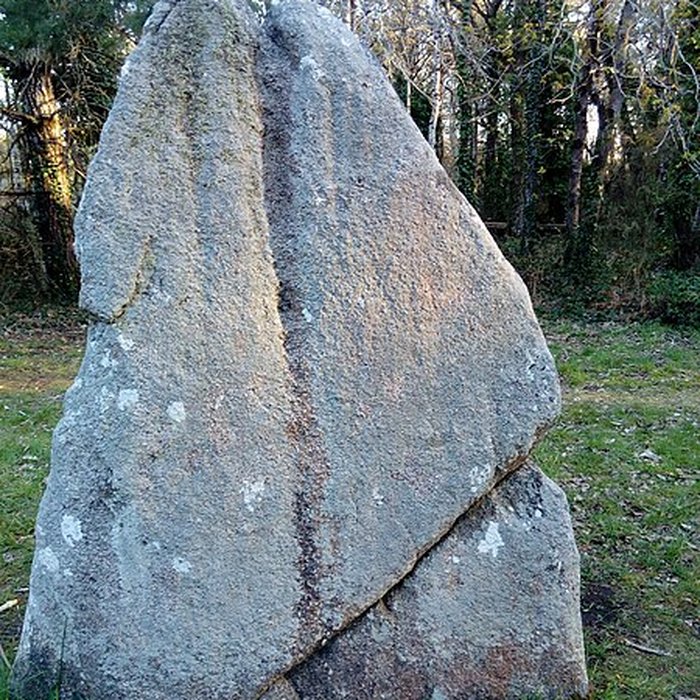
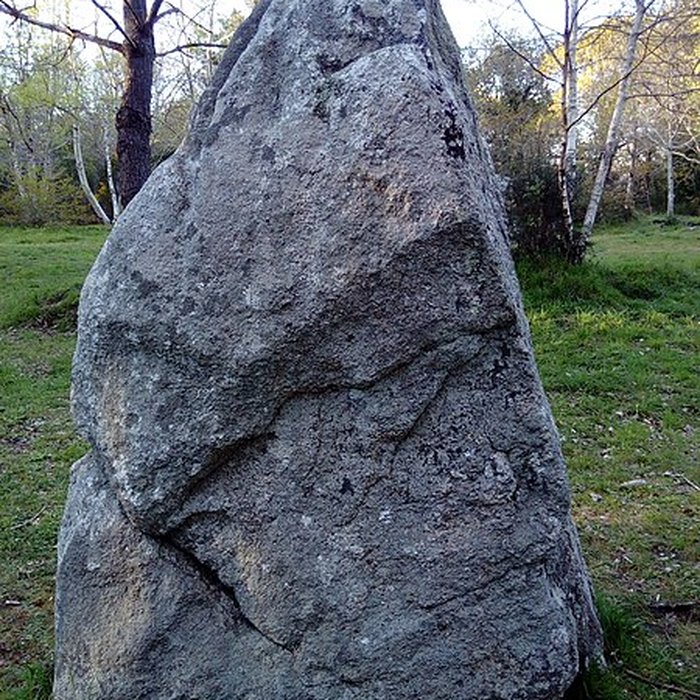
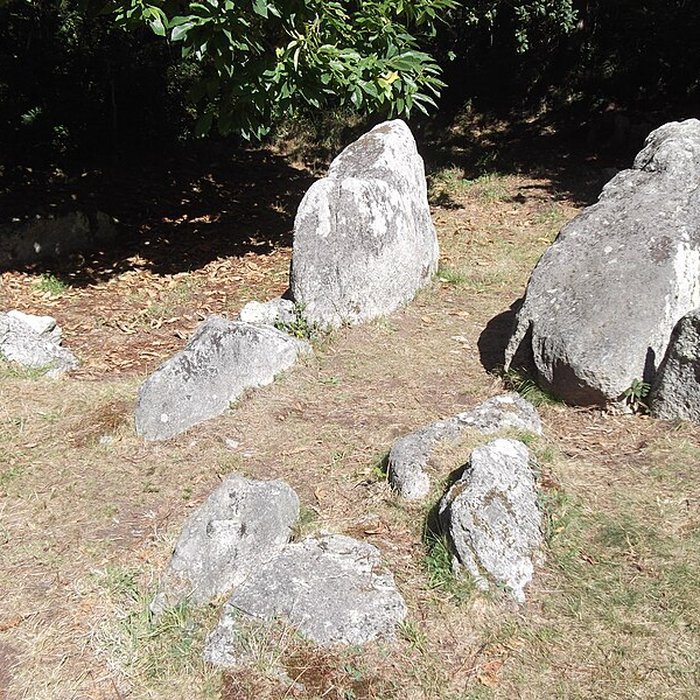
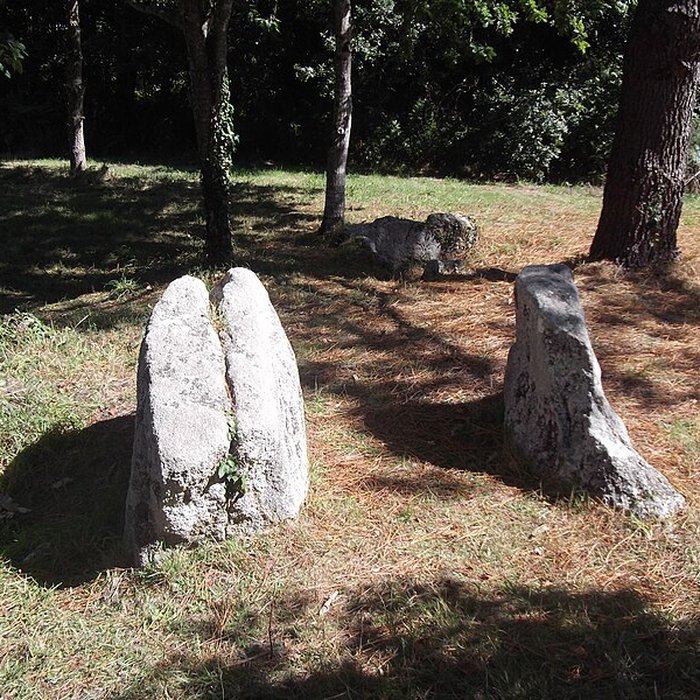
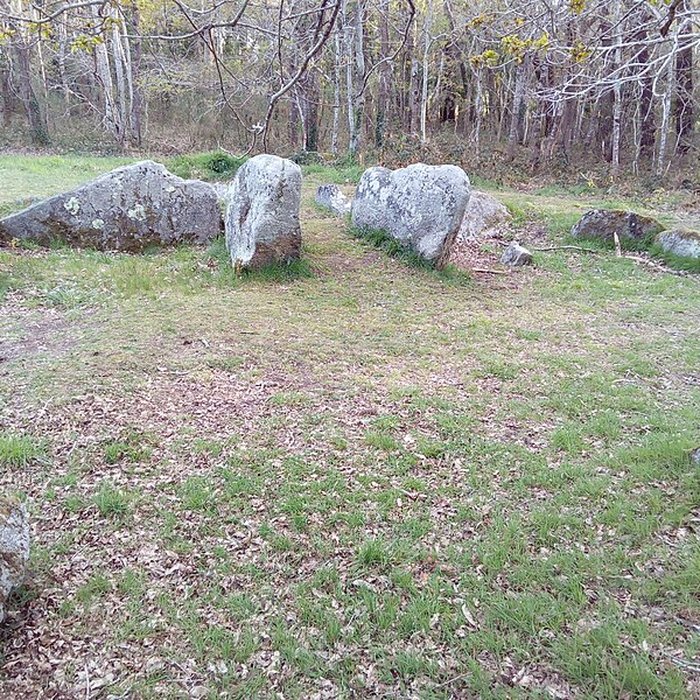
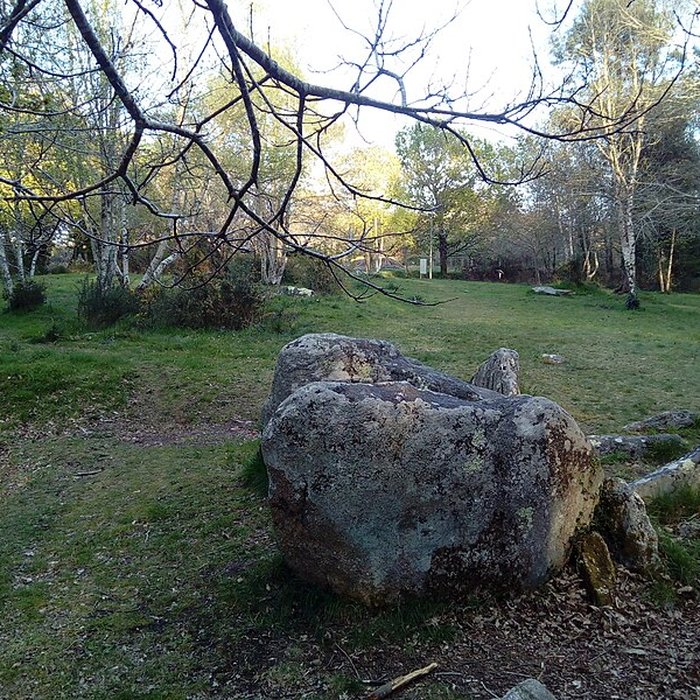
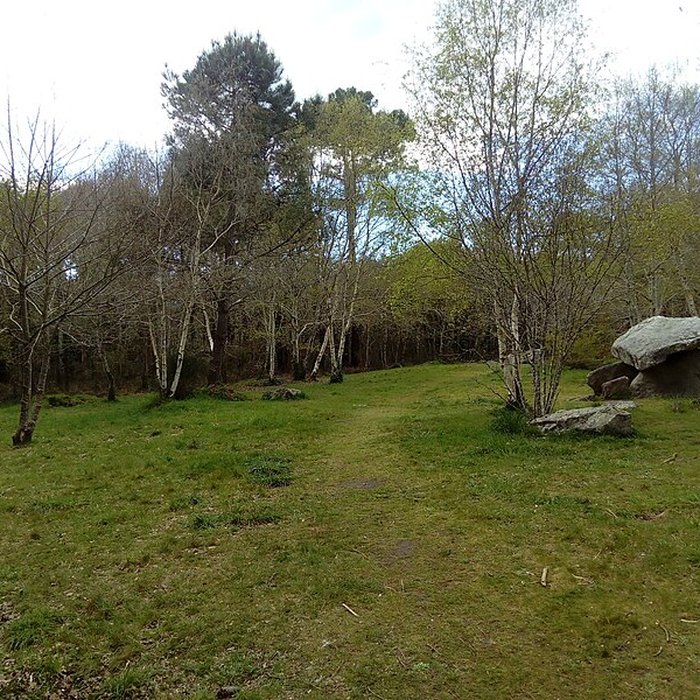
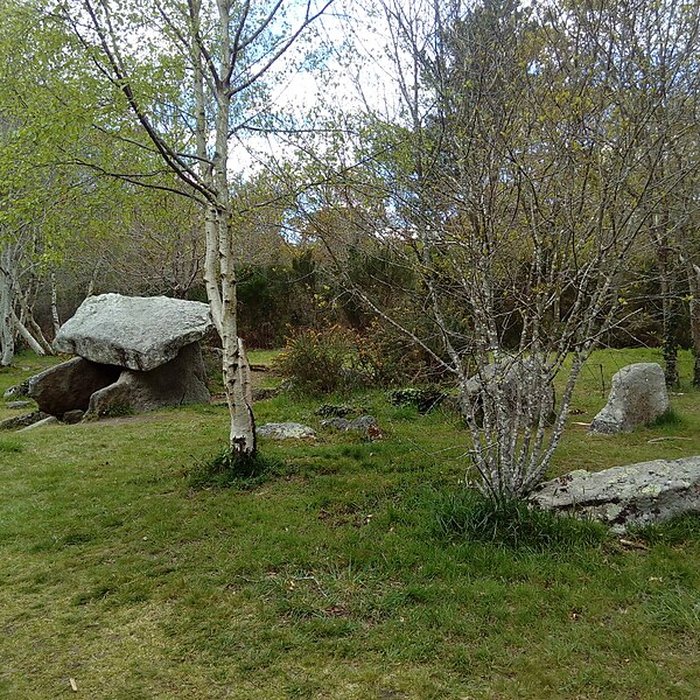
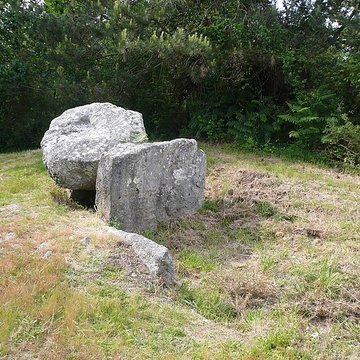
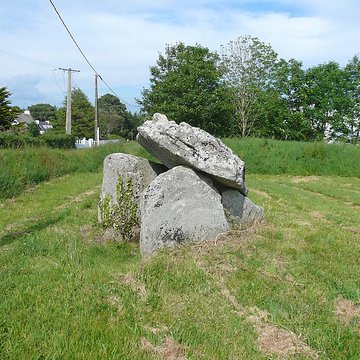
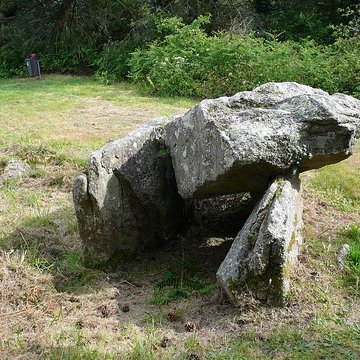
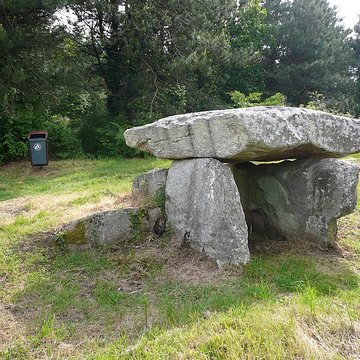
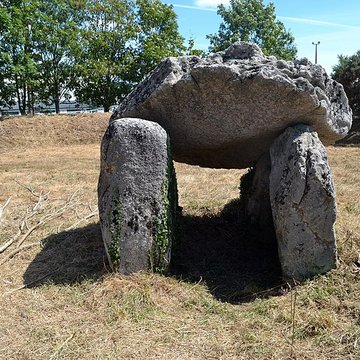
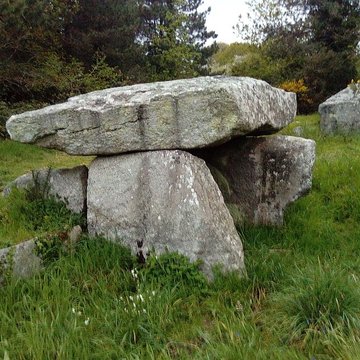
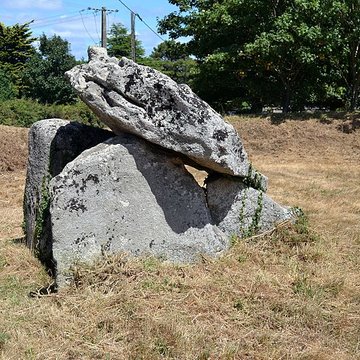
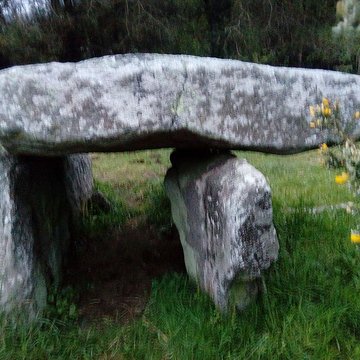
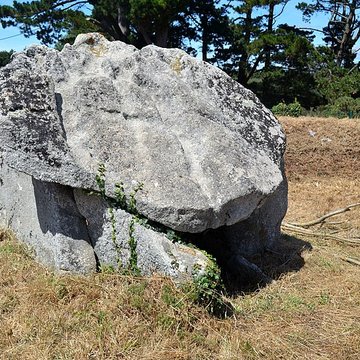
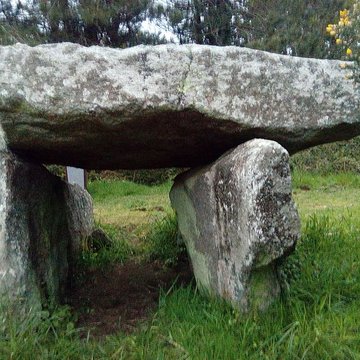
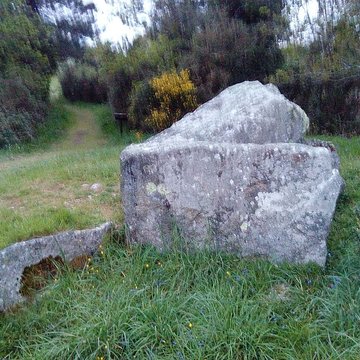
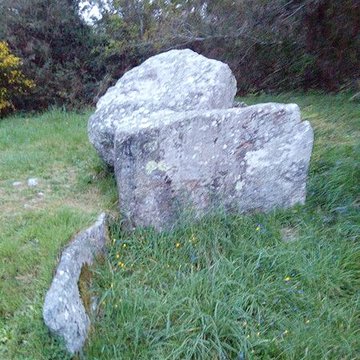
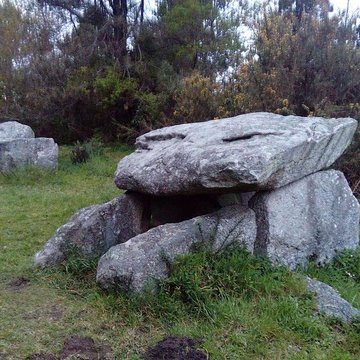
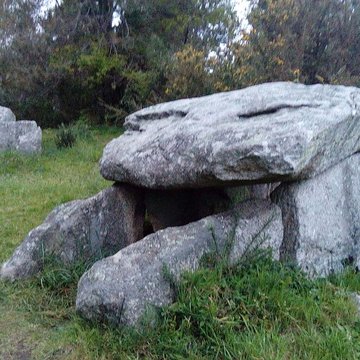
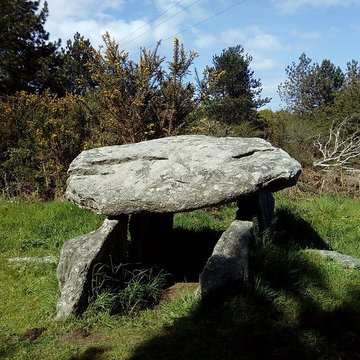
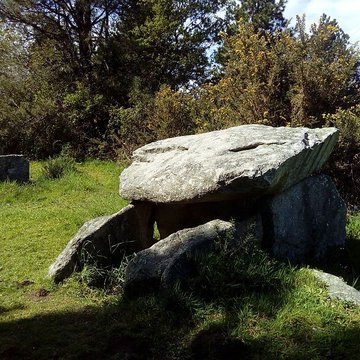
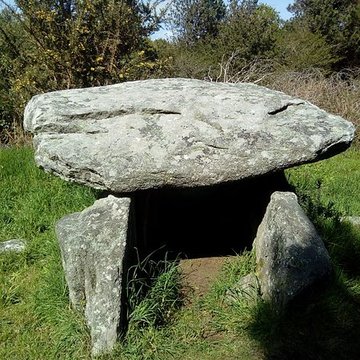
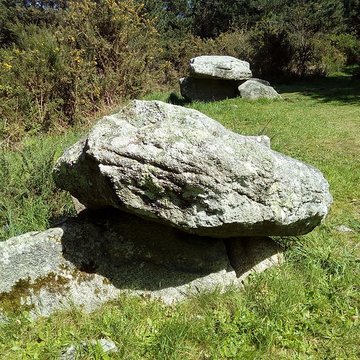
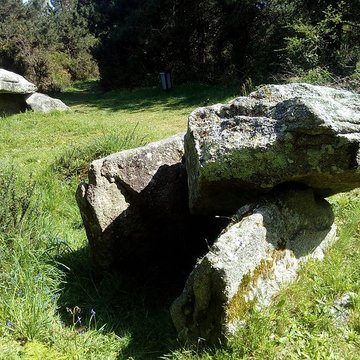
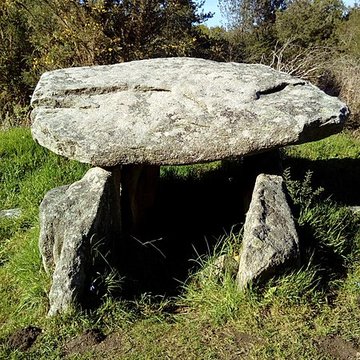
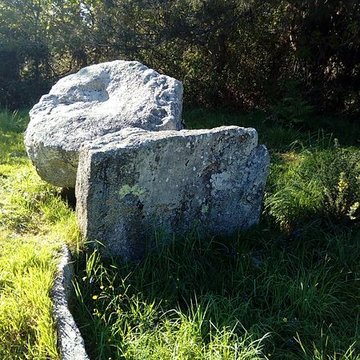
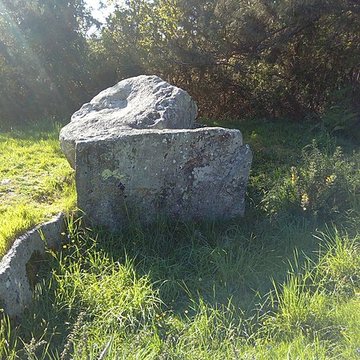
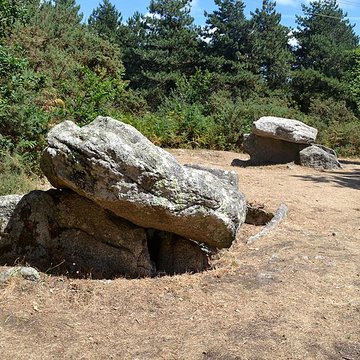
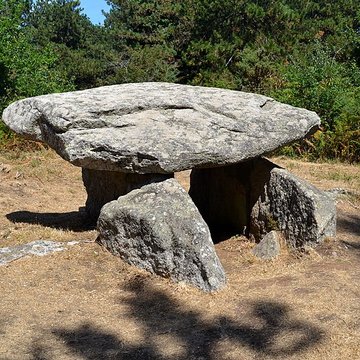
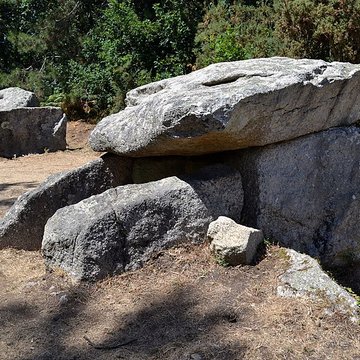
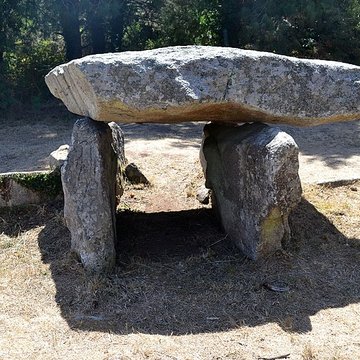
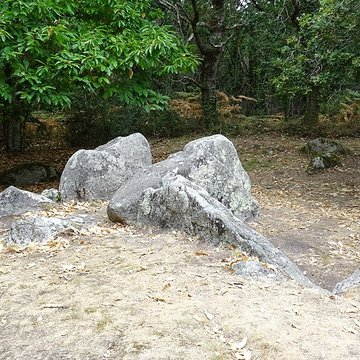
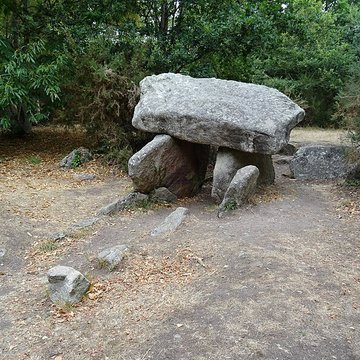
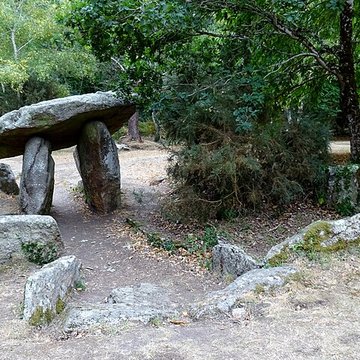
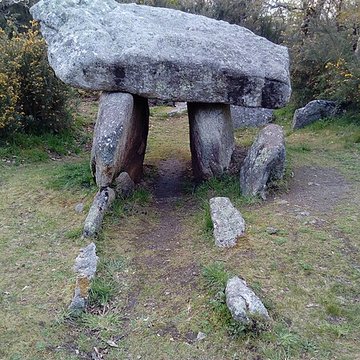
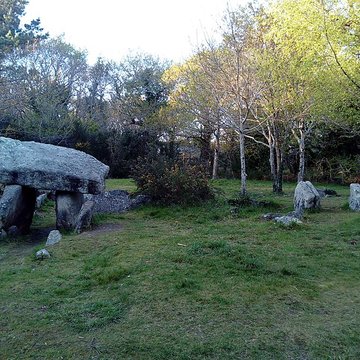
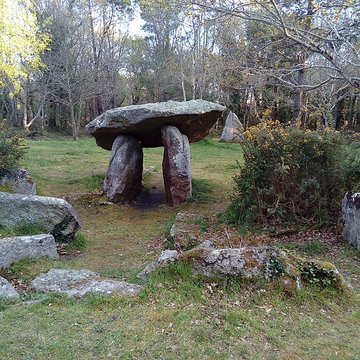
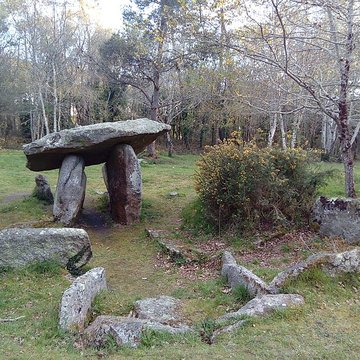
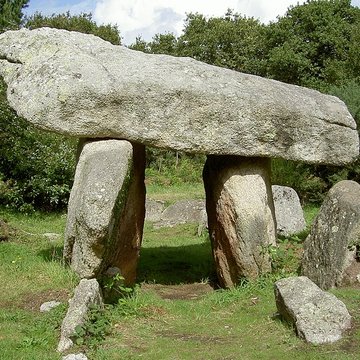
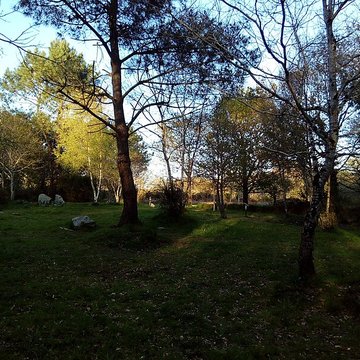
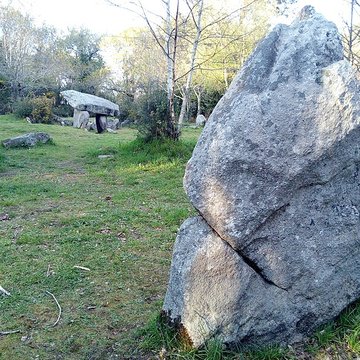
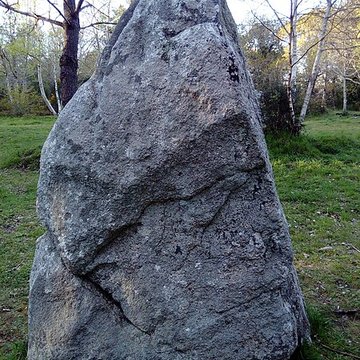
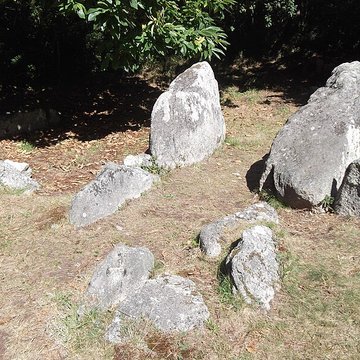
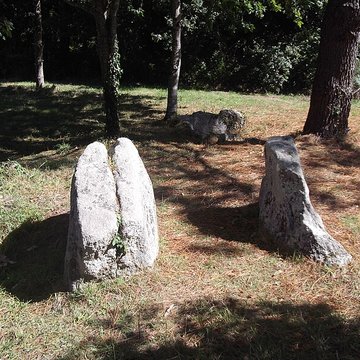
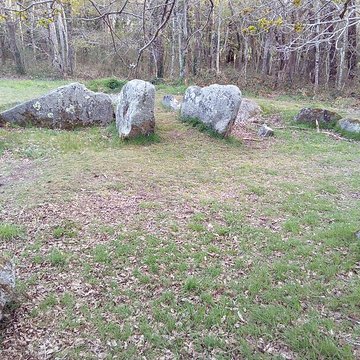
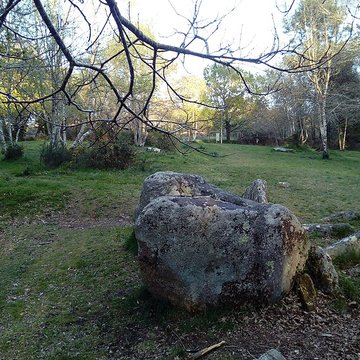
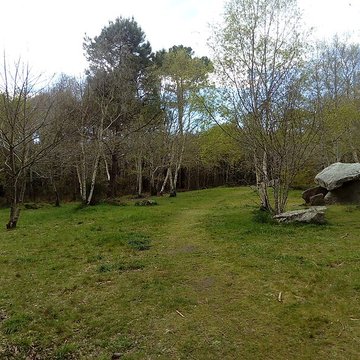
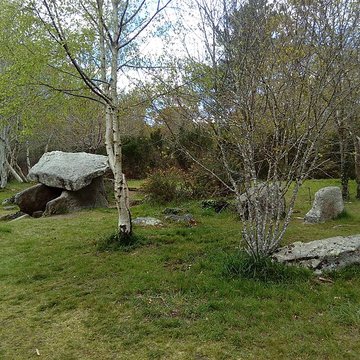
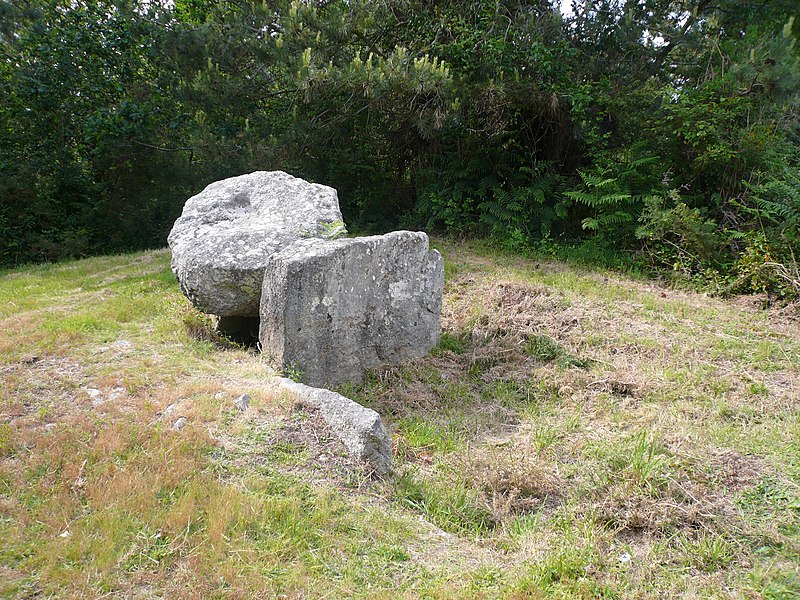
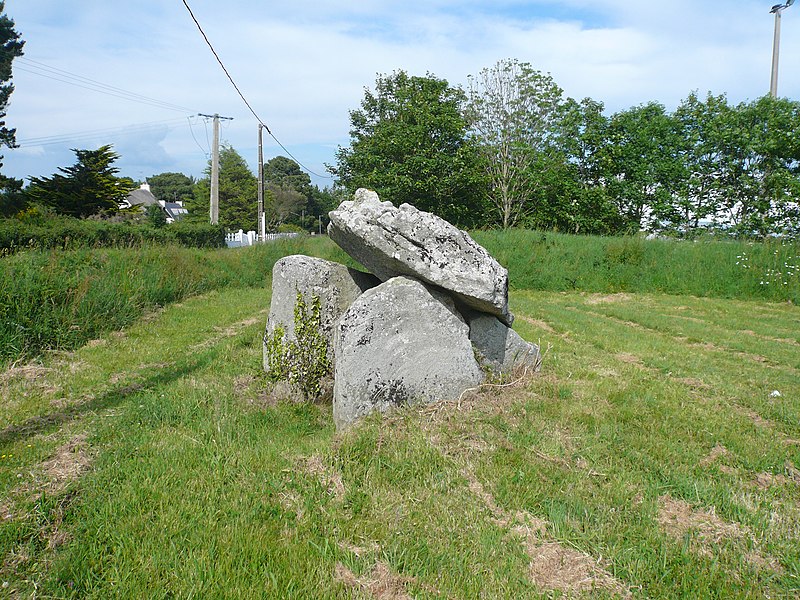
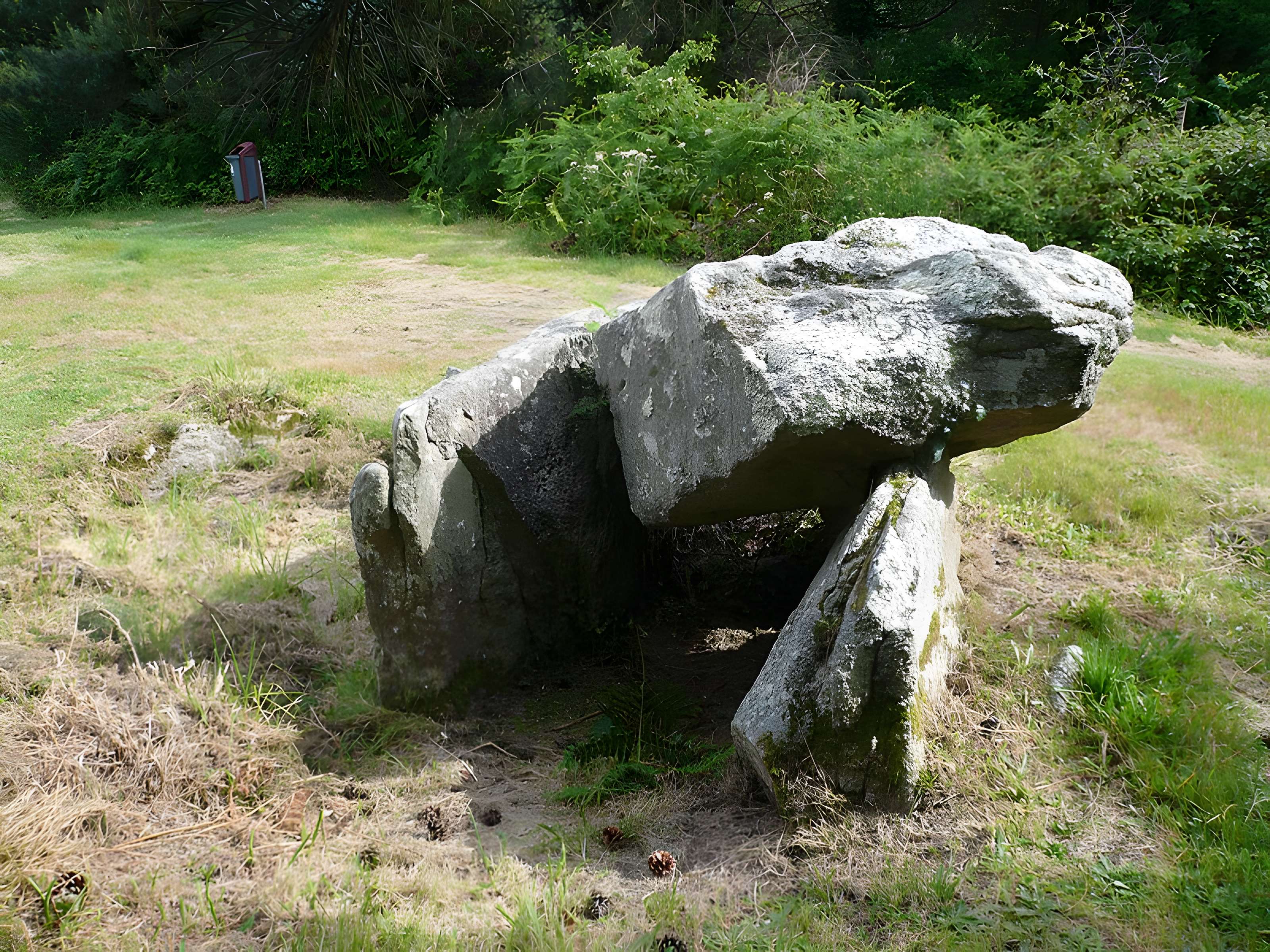
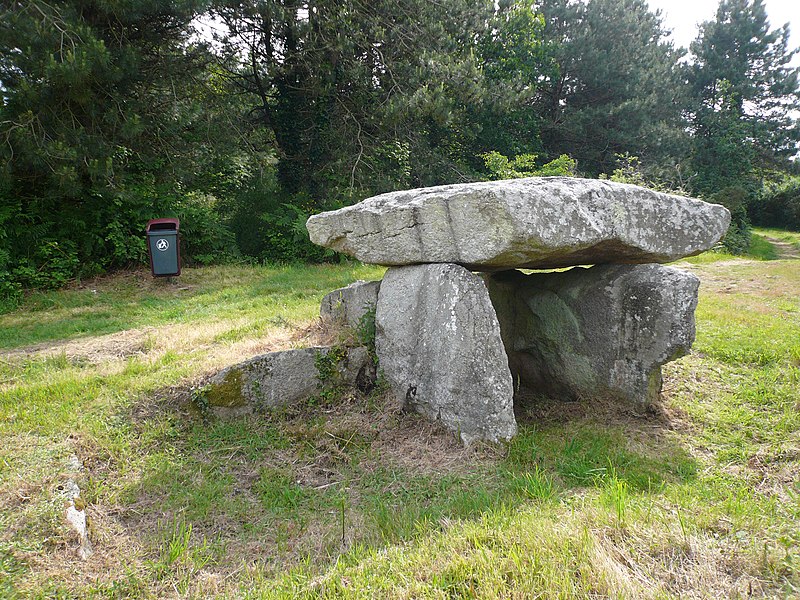
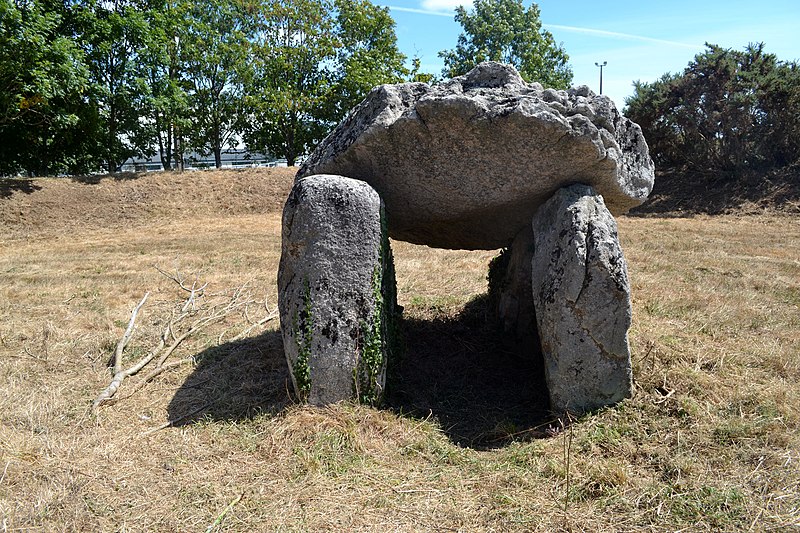
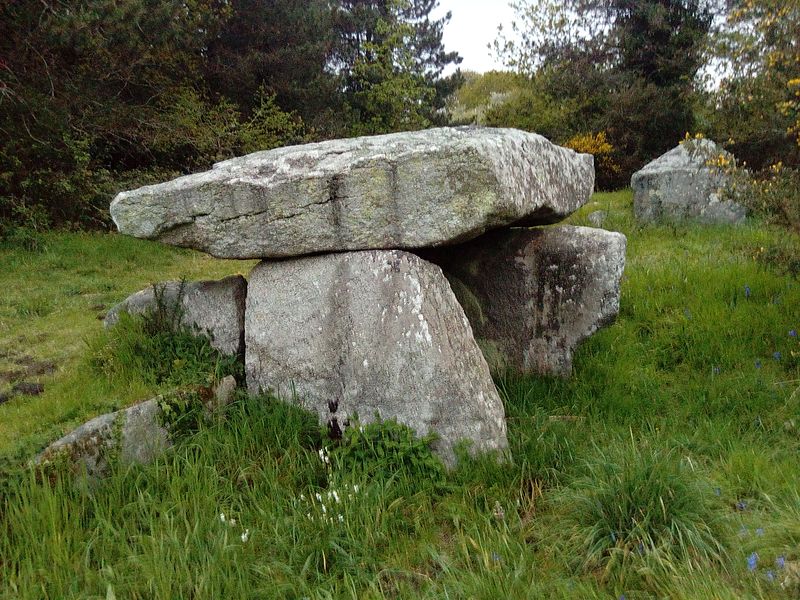
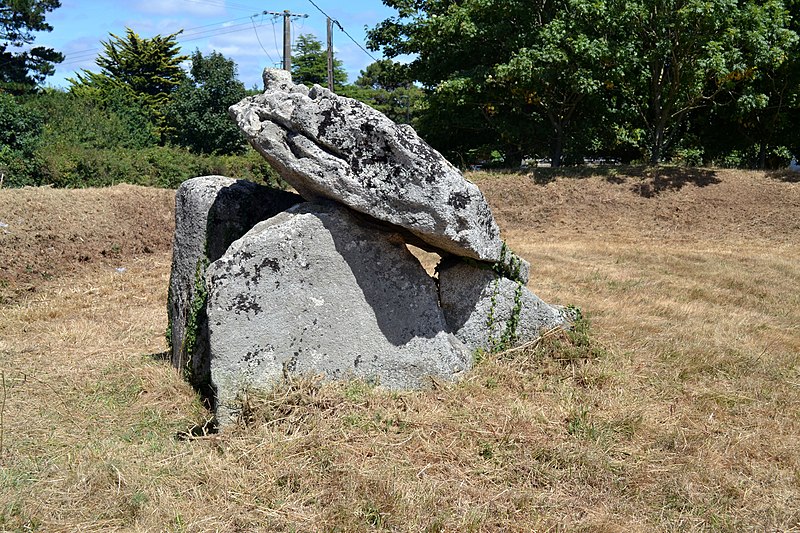
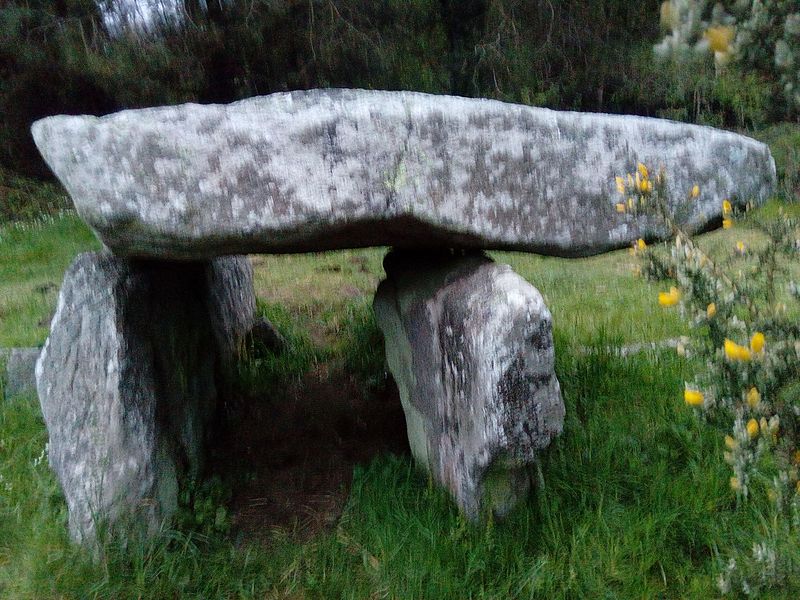
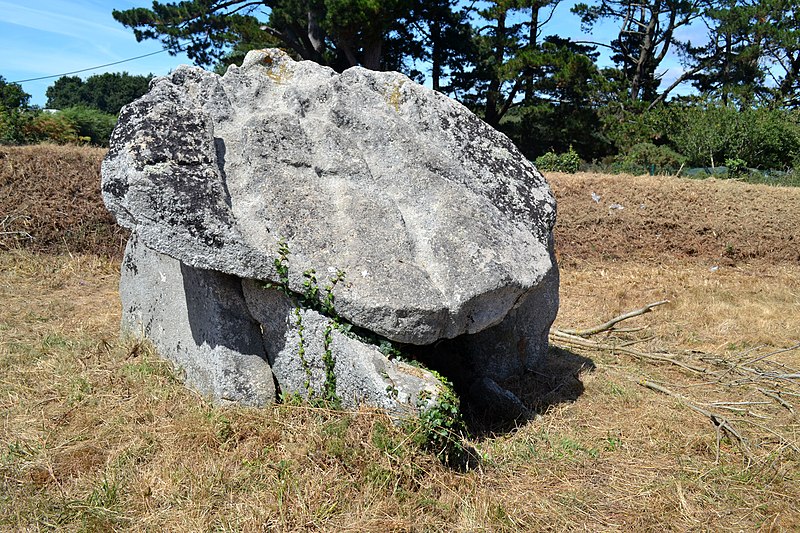
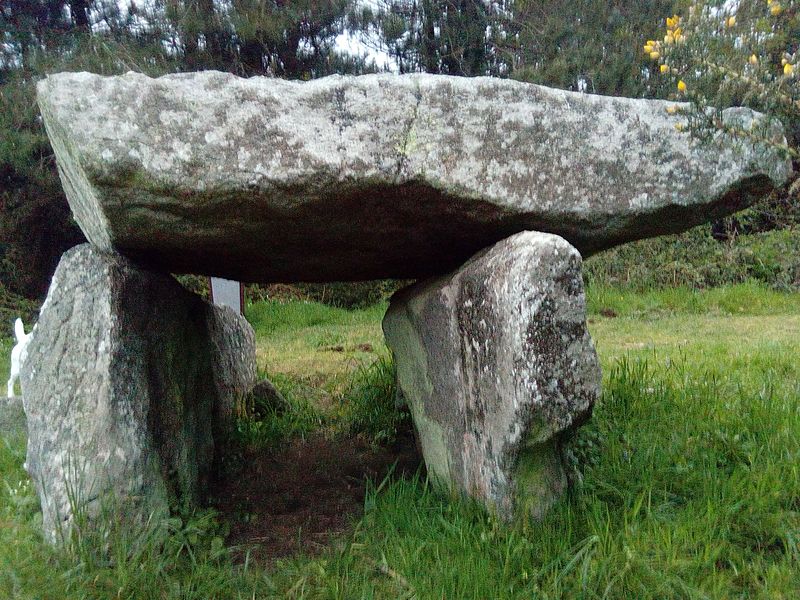
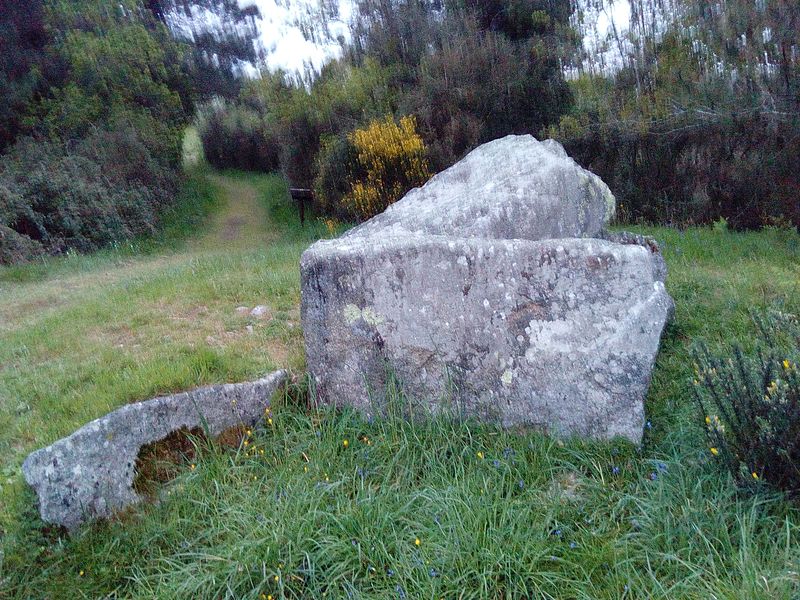
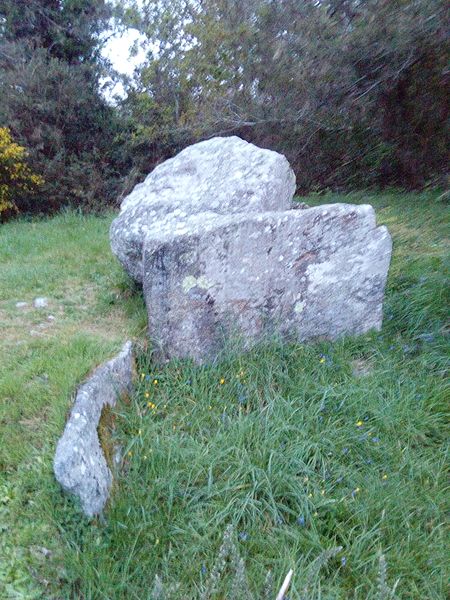
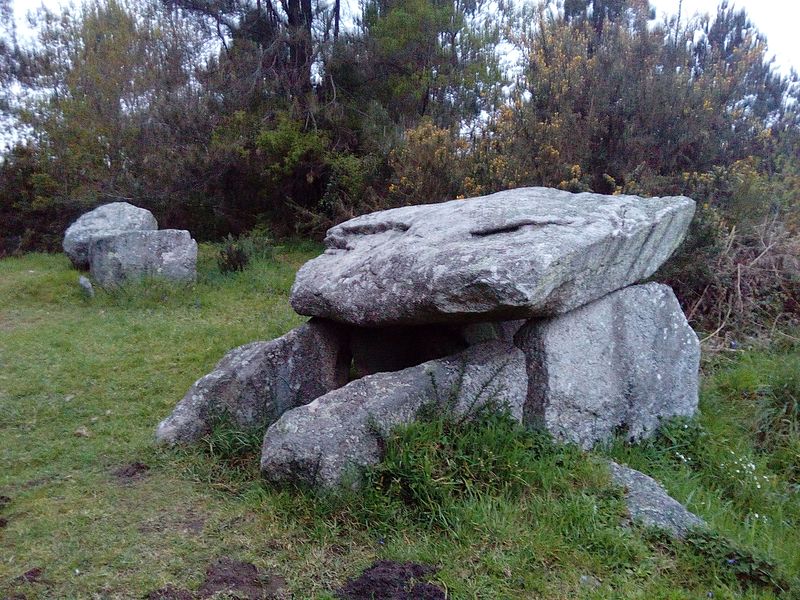
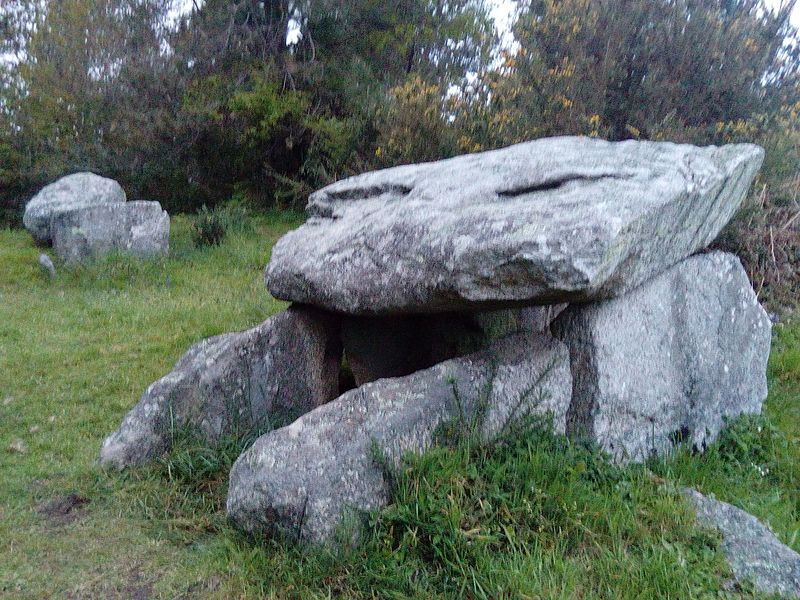
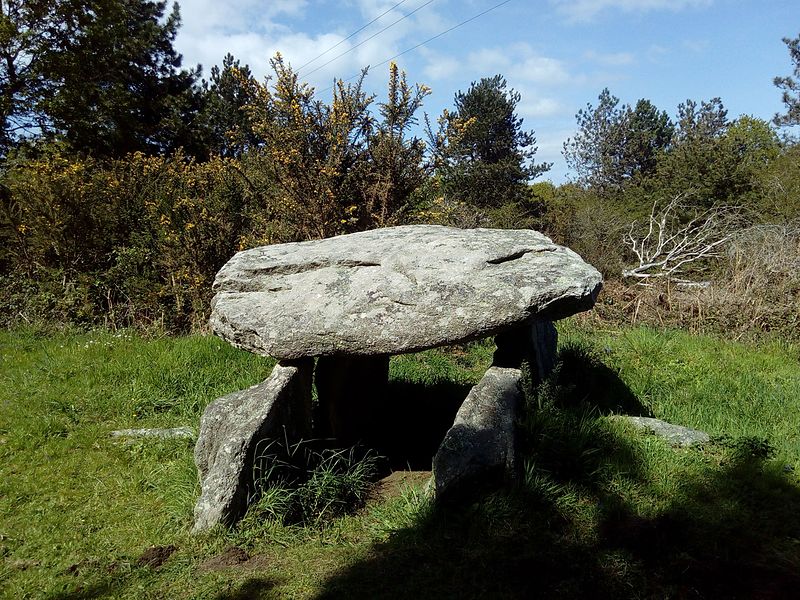
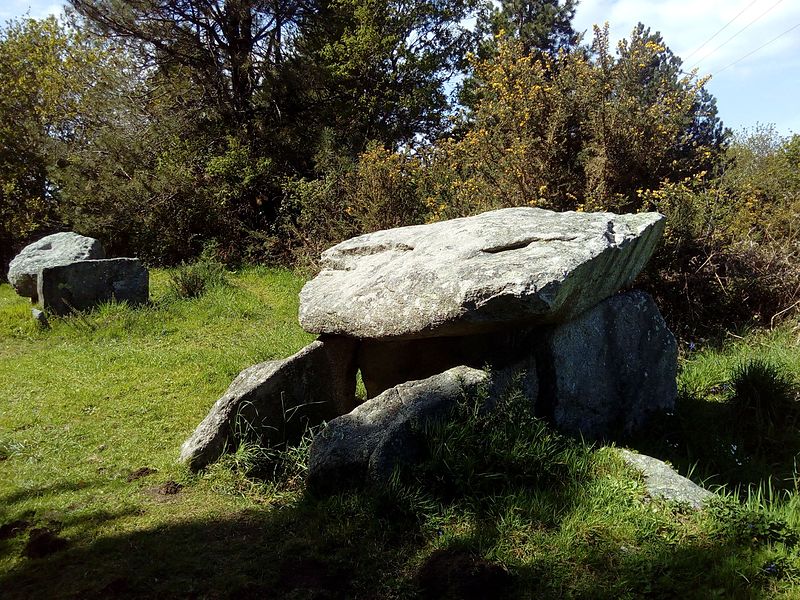
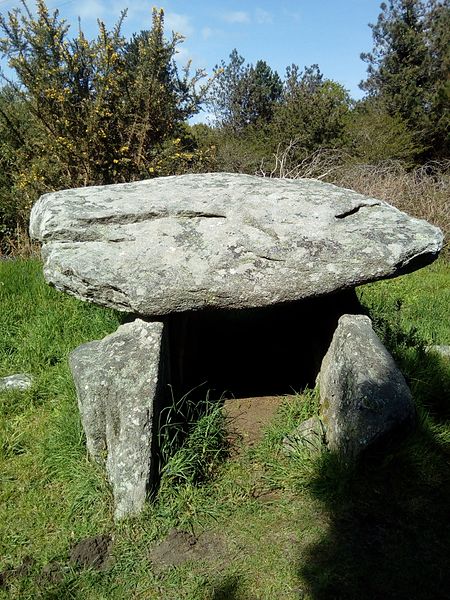
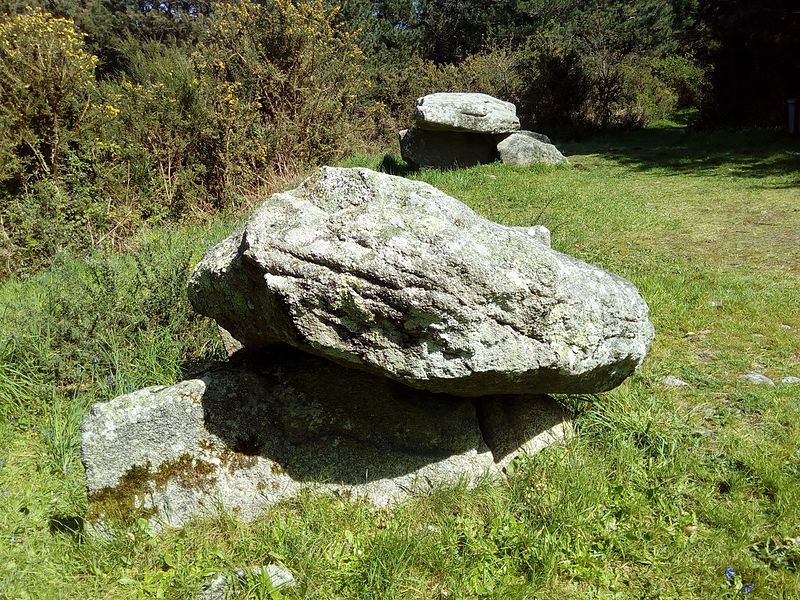
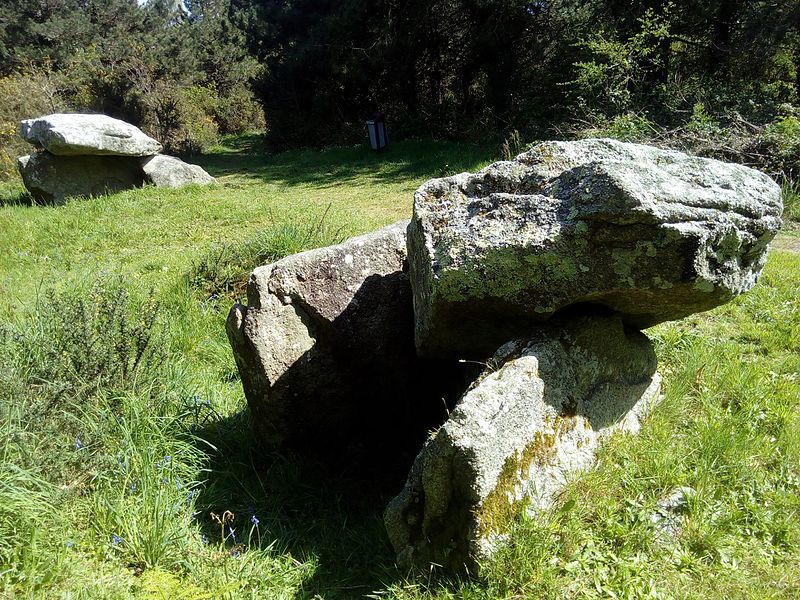
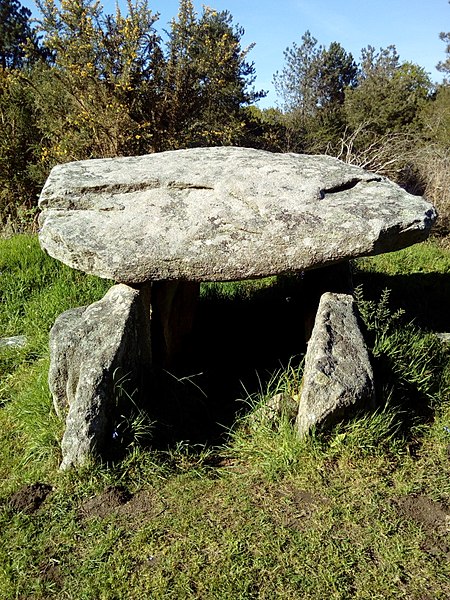
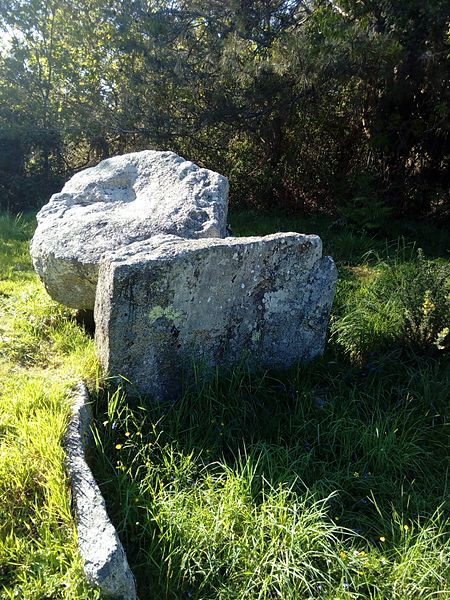
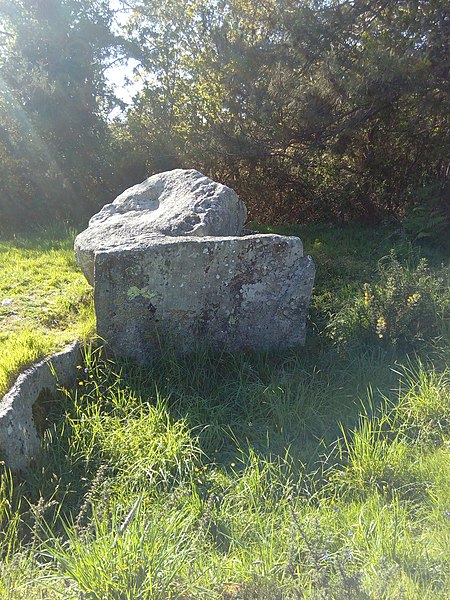
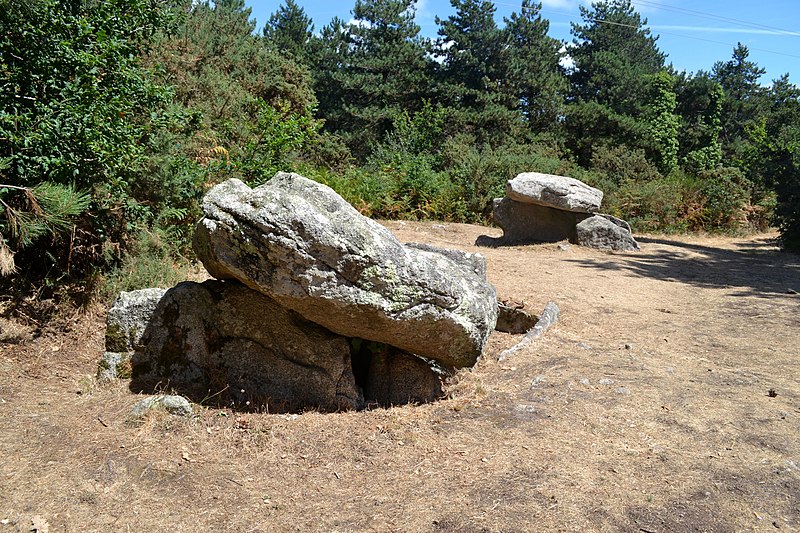
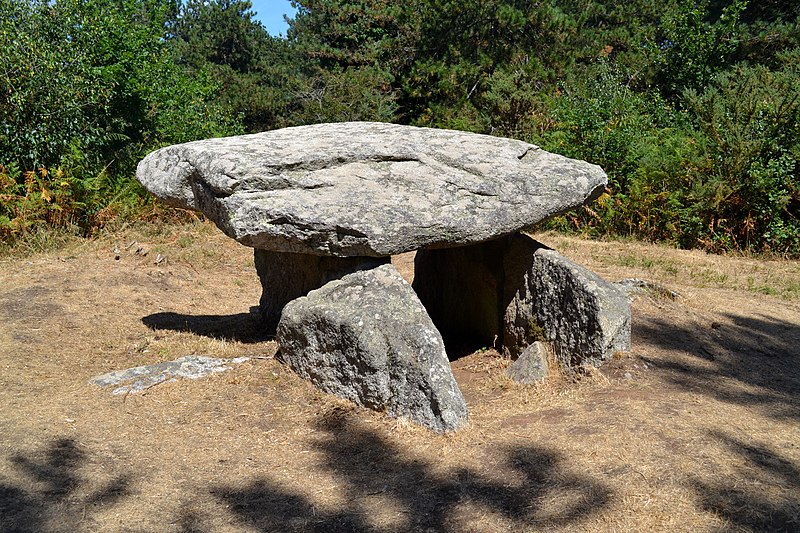
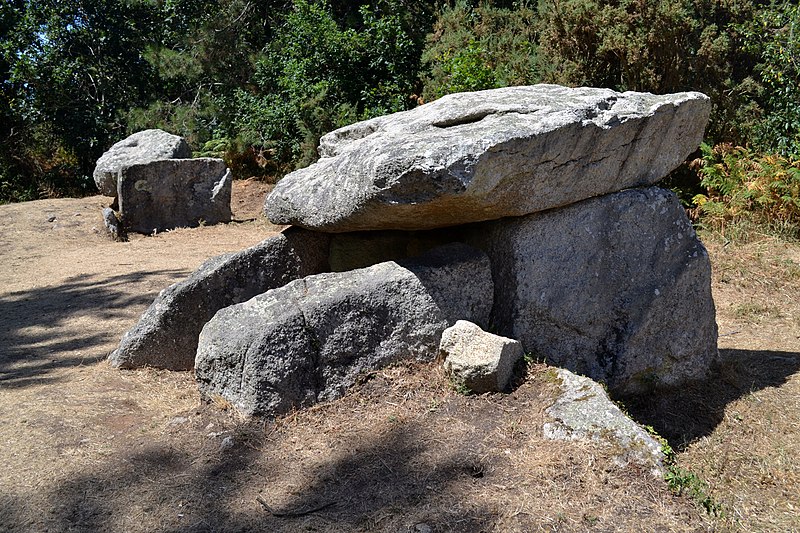
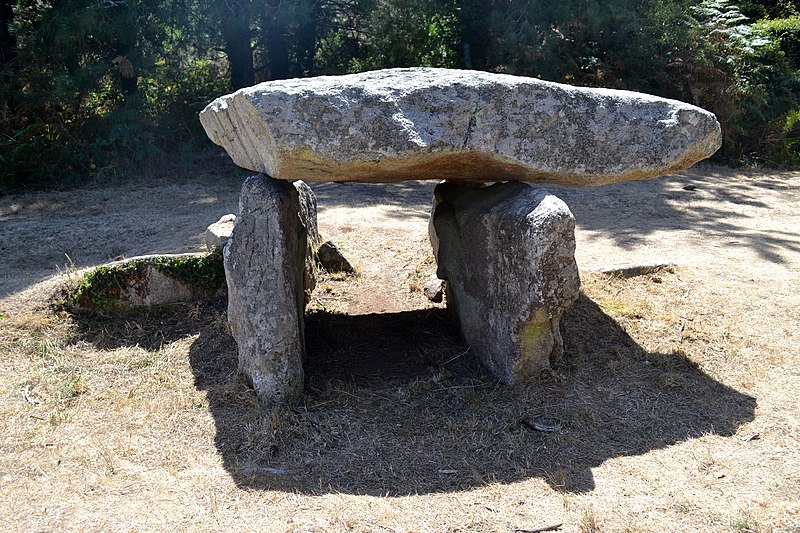
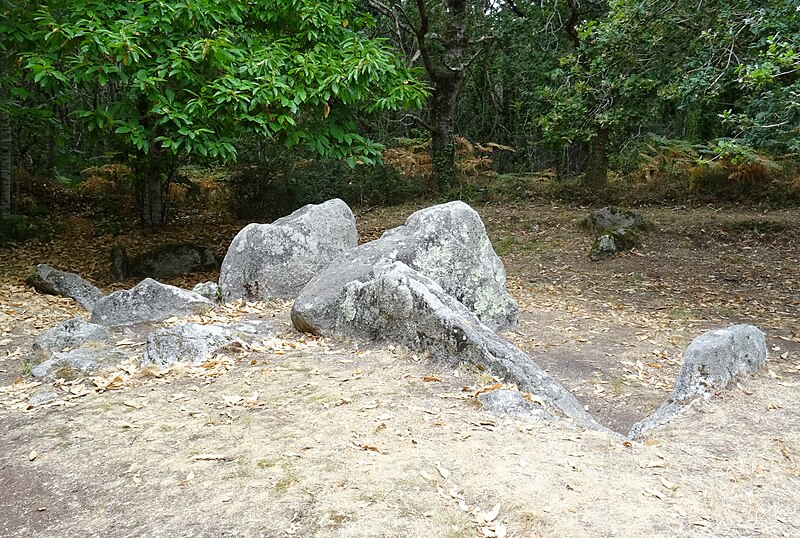
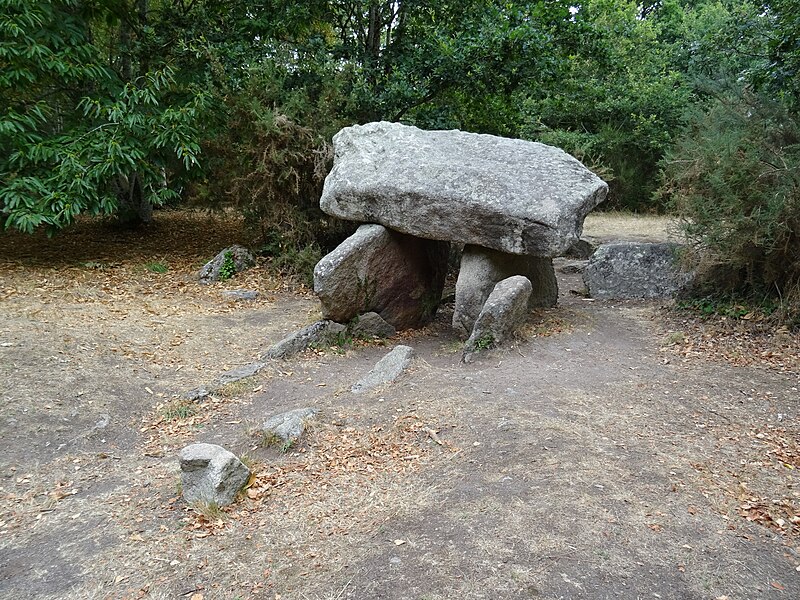
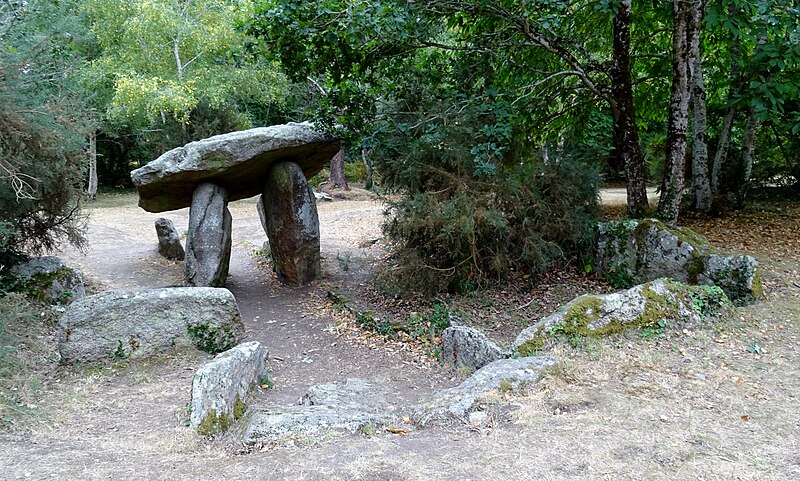
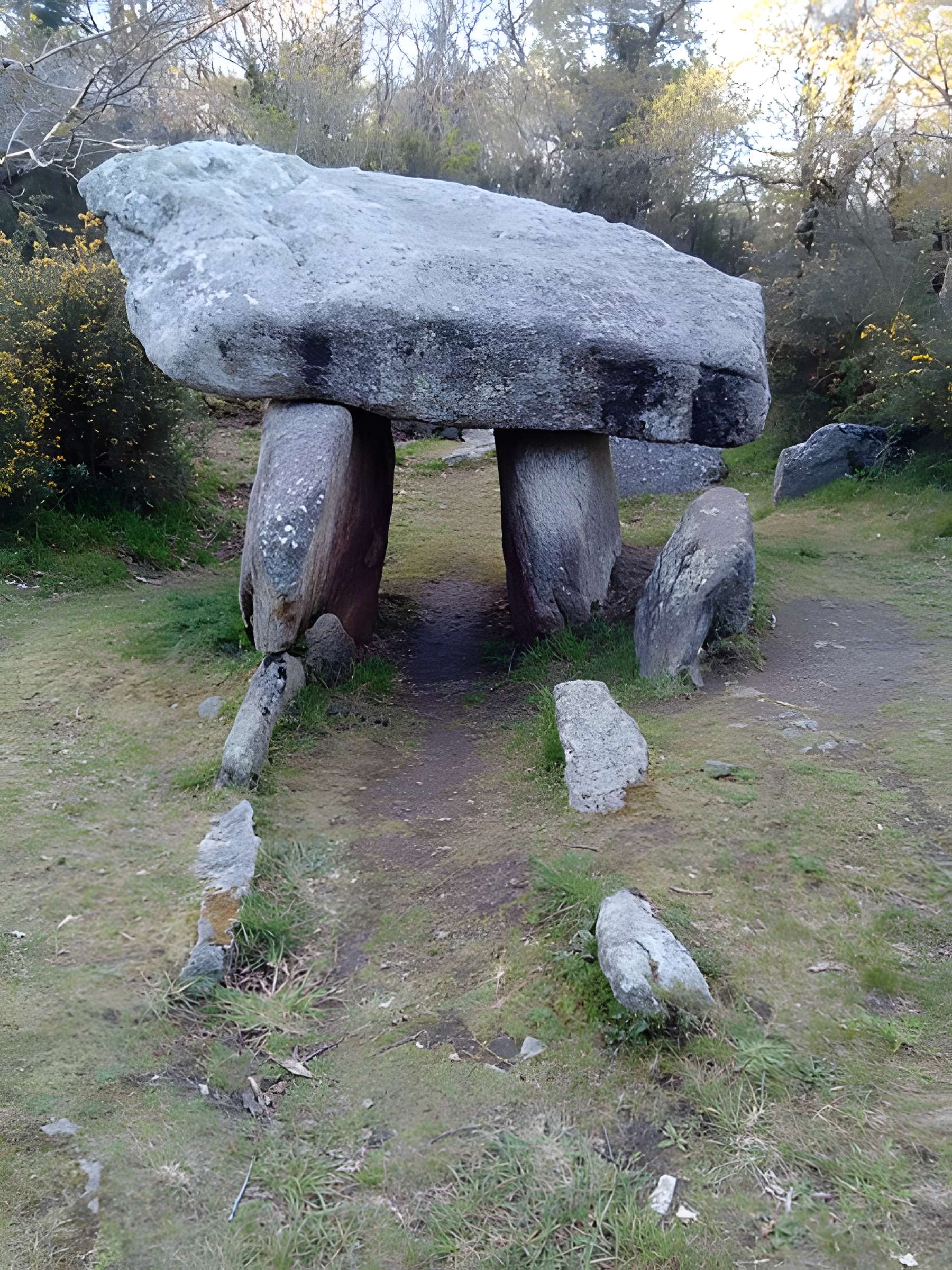
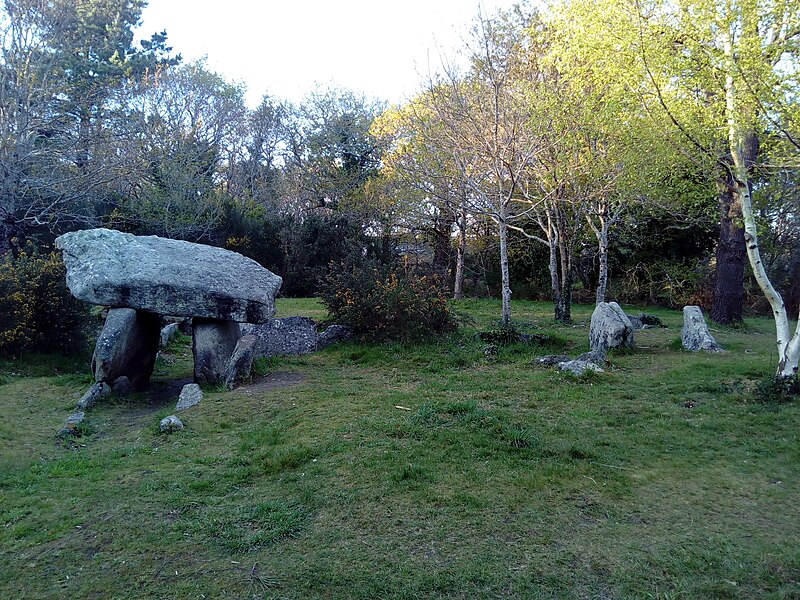
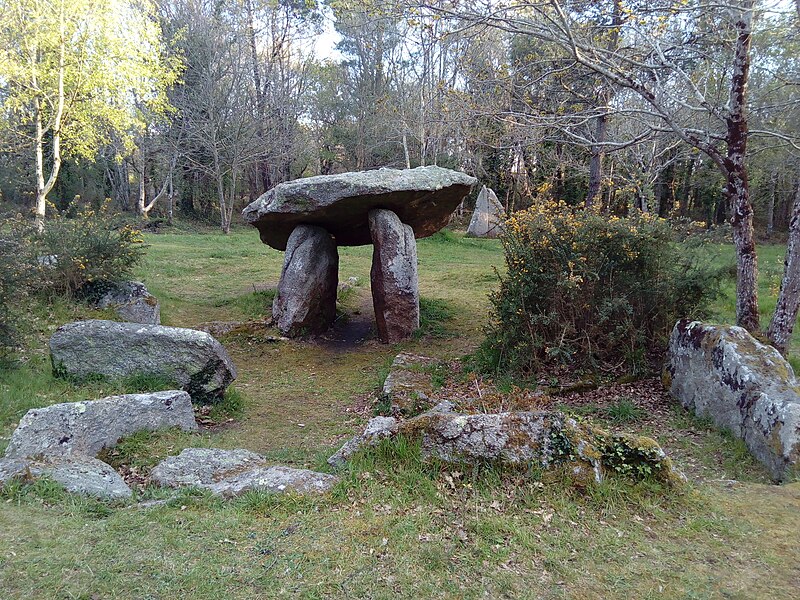
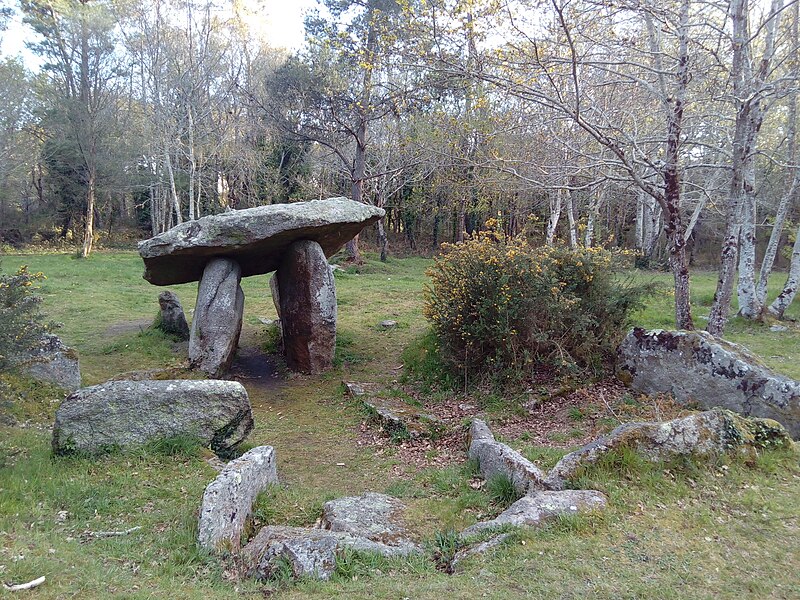
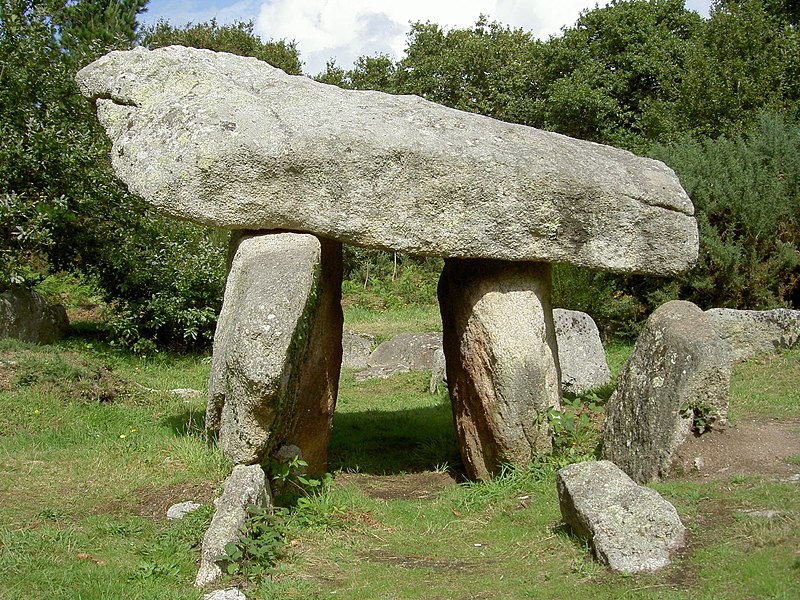
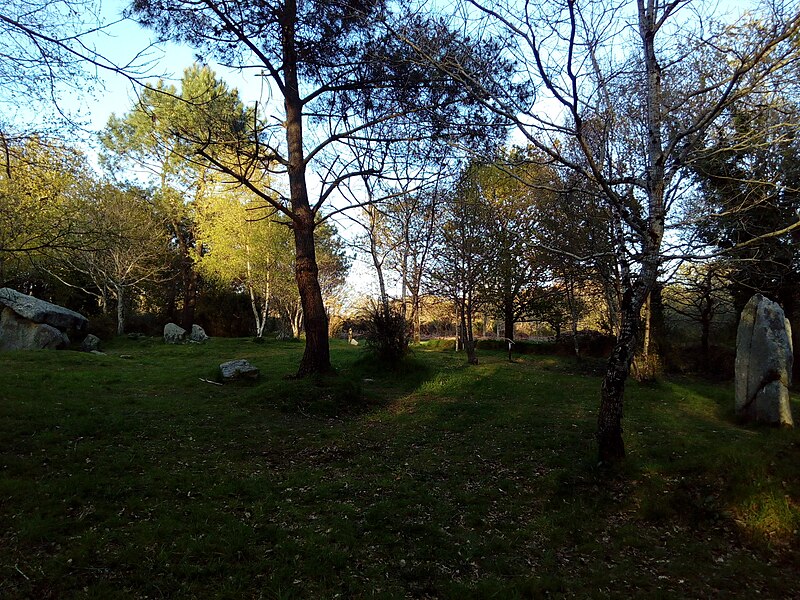
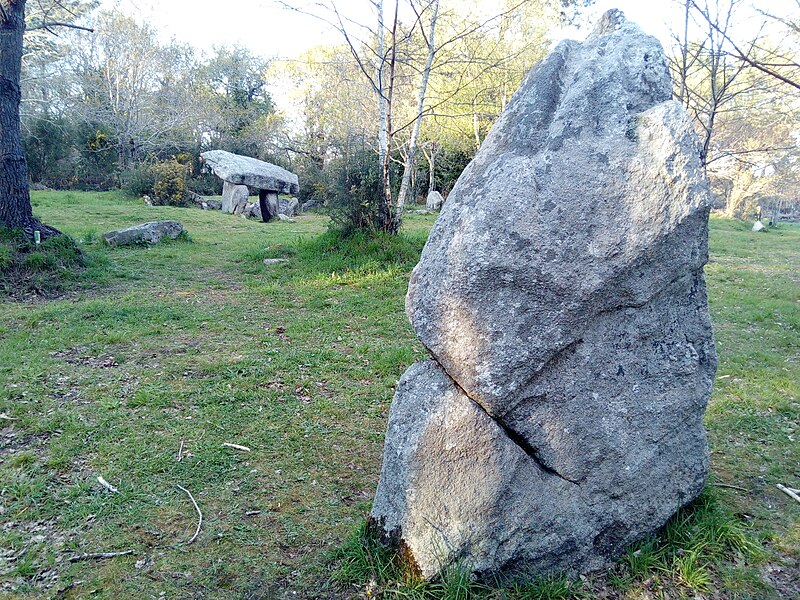
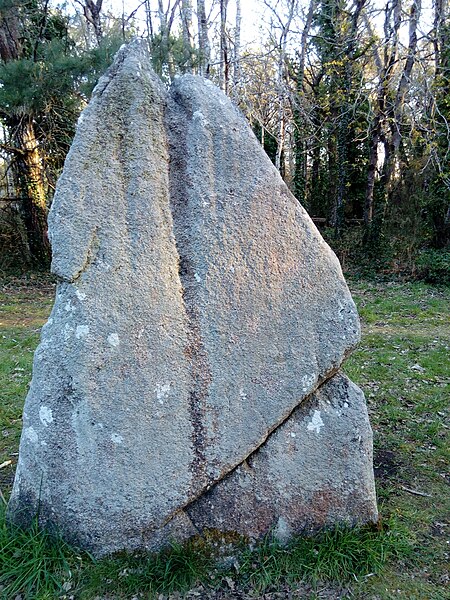
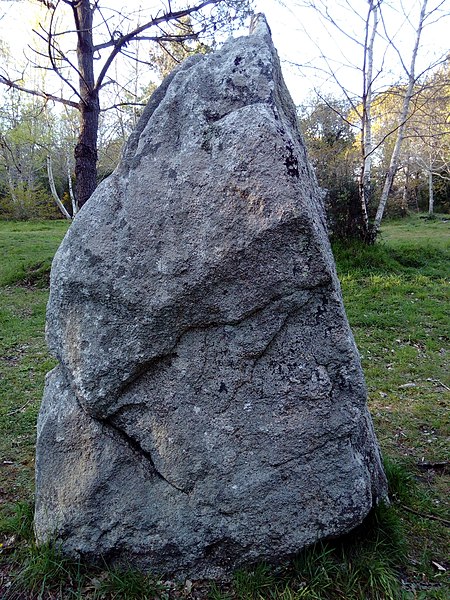
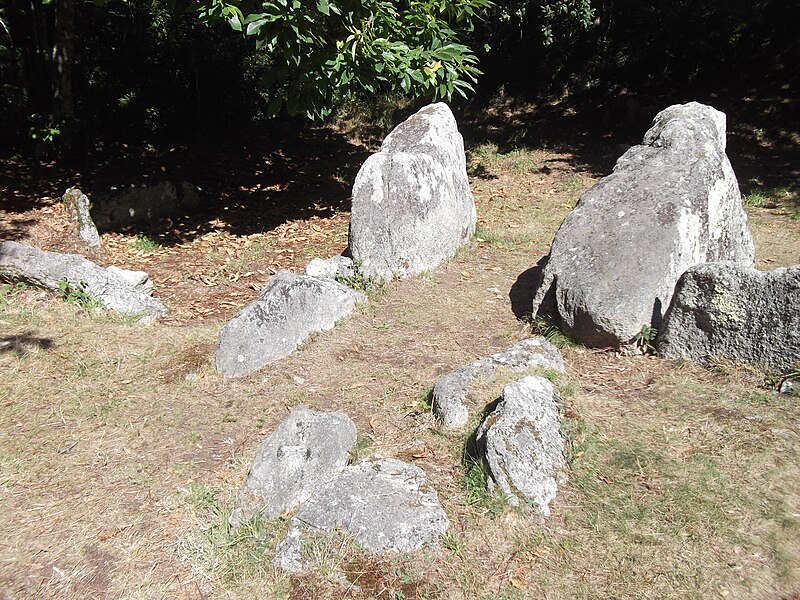
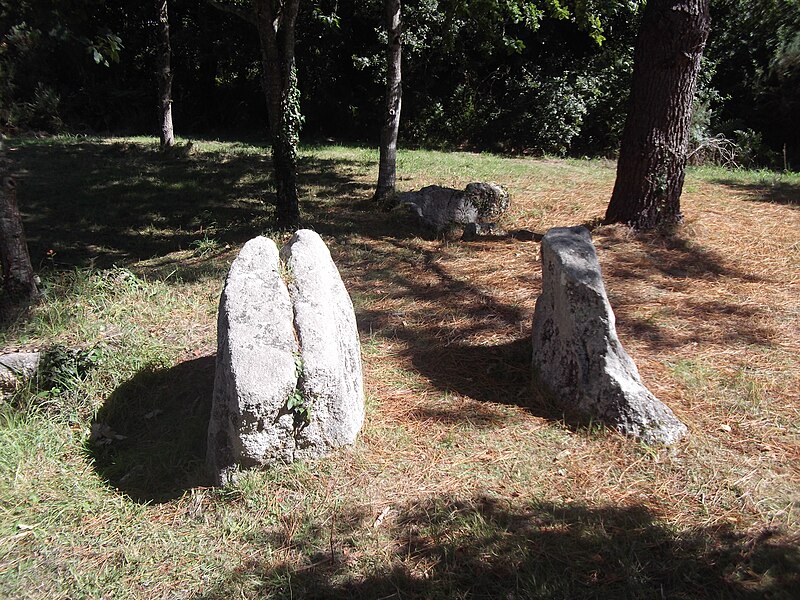
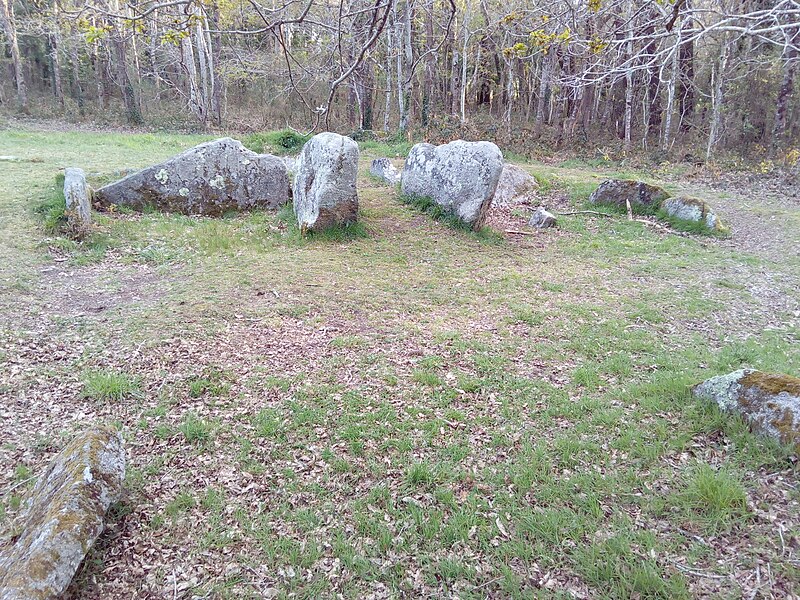
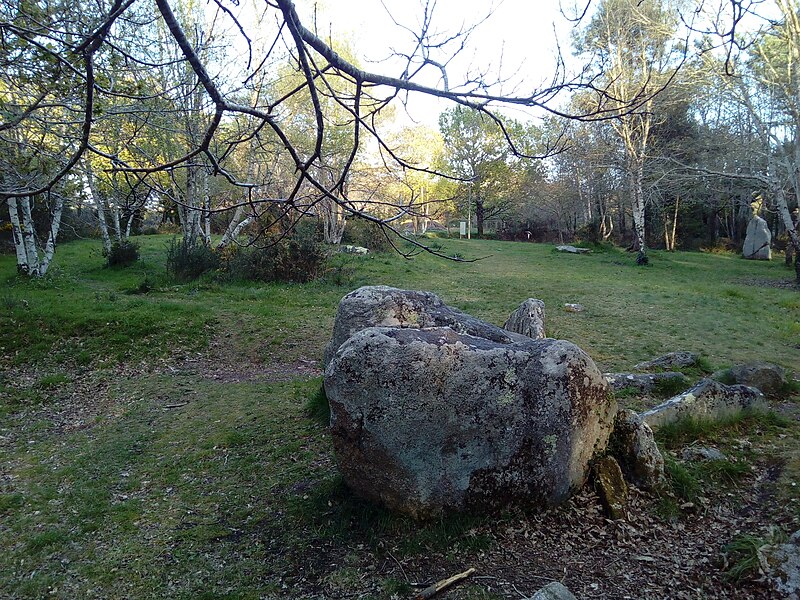
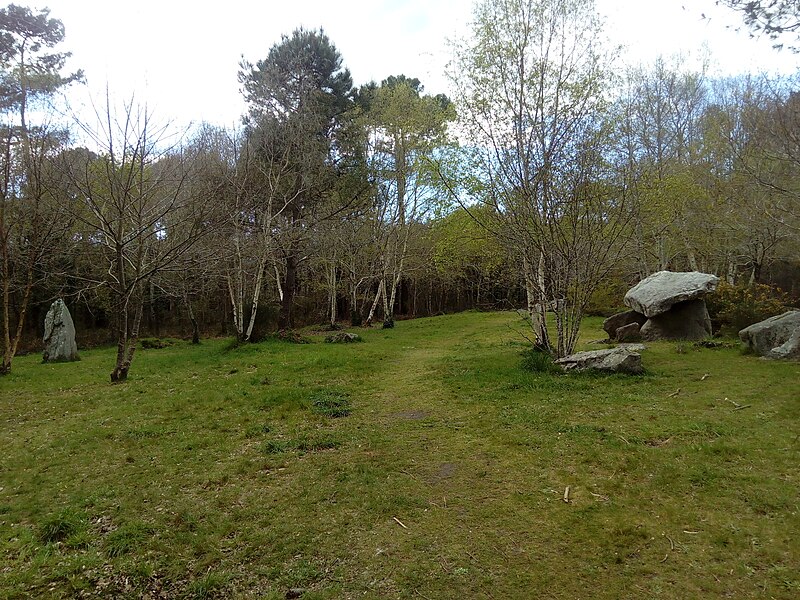
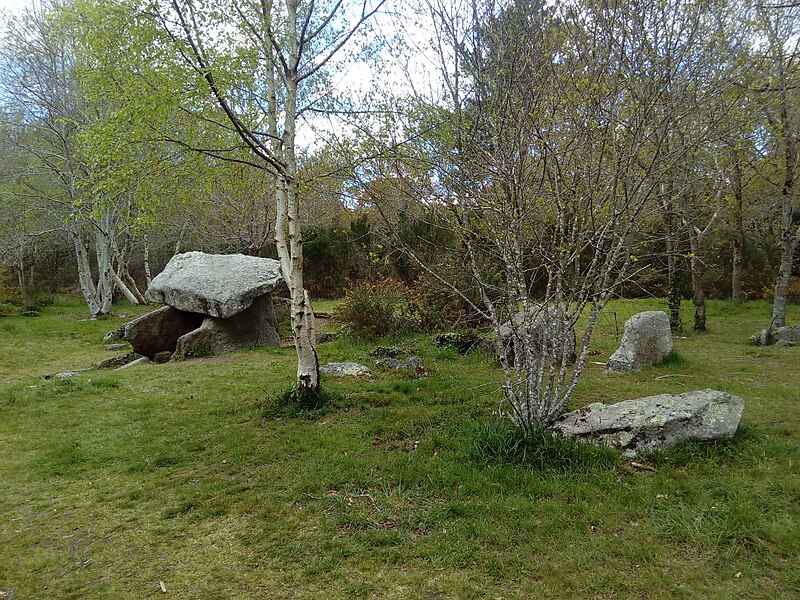
The dolmens of Kervadol, located in the commune of Plobannalec-Lesconil in Finistère (British), date from Neolithic. They were first mentioned in 1876 by René-François Le Men, then searched and described in detail by Paul du Châtellier around 1880. The latter distinguished two groups of megaliths: a first, now extinct, composed of a covered gallery and open chambers under a tumulus of 30 meters in diameter, and a second group still visible, including two dolmens 9 meters distant, surrounded by side chambers and covered with a tumulus of 24 meters in diameter. These structures, facing south-north, were classified as historical monuments in 1922.
The excavations of Paul du Châtellier revealed remarkable funeral furniture in the two dolmens. The eastern dolmen was home to a 1.90 m by 2.40 m cover table, under which were discovered a flint cut into a spear, two vases (including a decorated with conical nipples), engraved slate washers, and bone remains accompanied by coals. The side chamber delivered polished axes made of flint, shrapnel of size, and coarse pottery studs. The western dolmen, partially collapsed, contained a quartz arrow tip, a grey flint blade, as well as ornamental vases and a stone to crush the cereals.
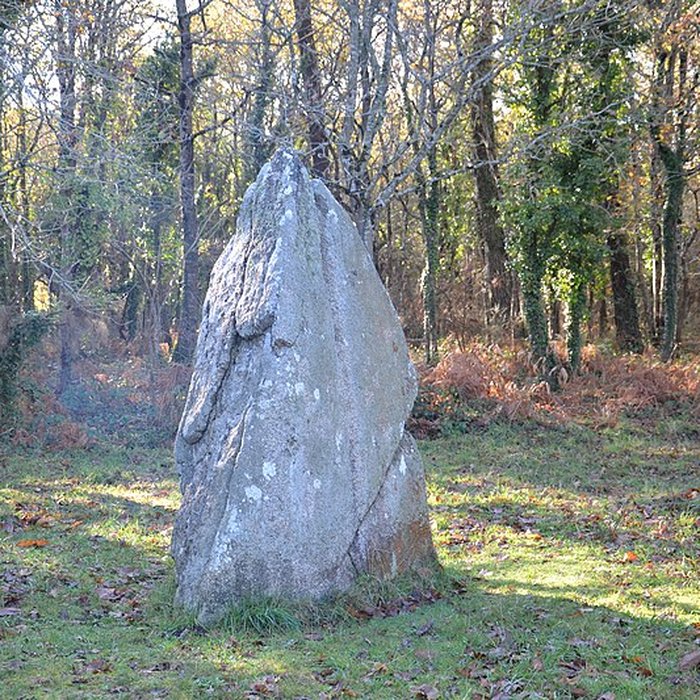
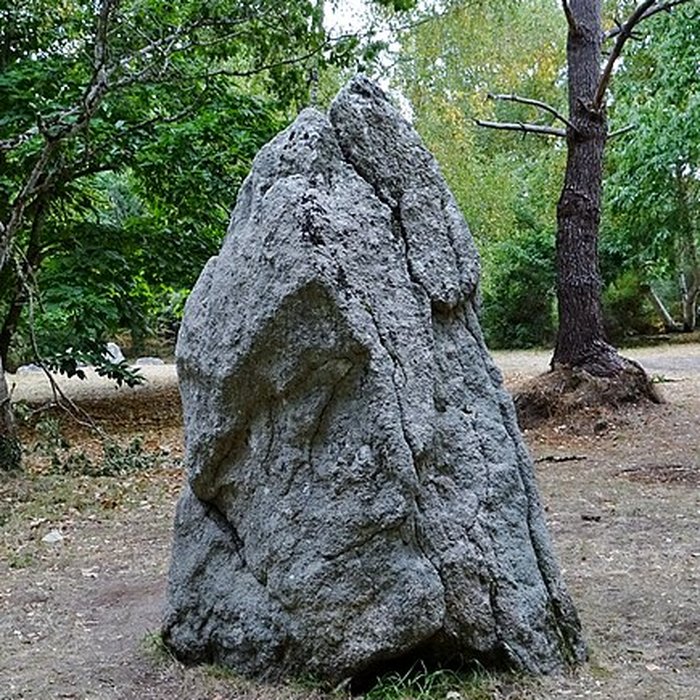
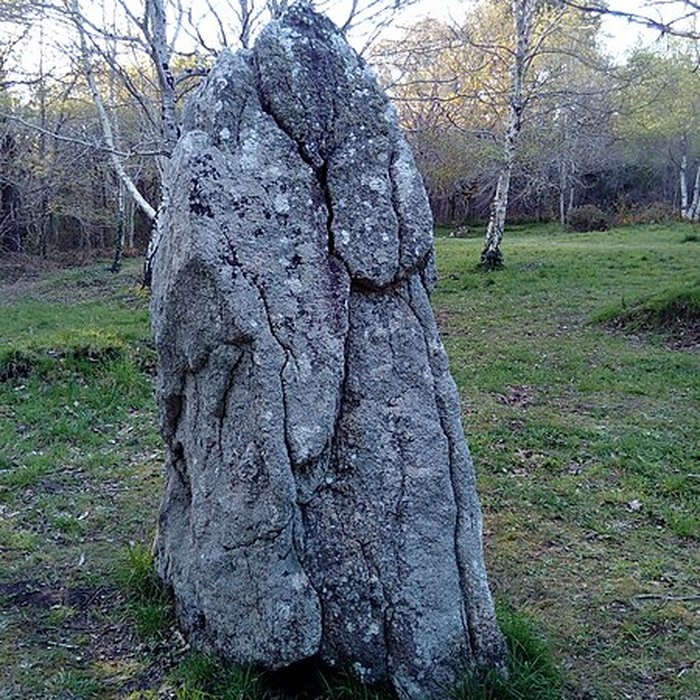
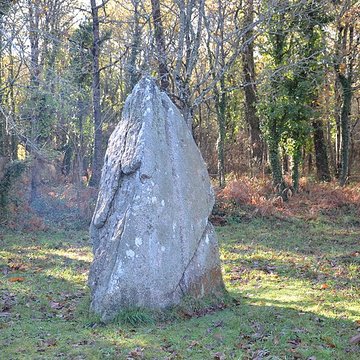
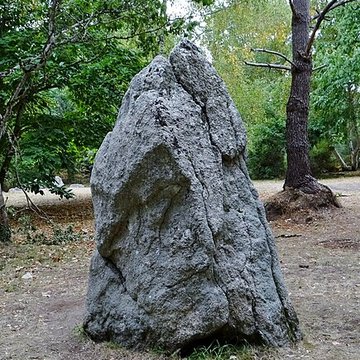
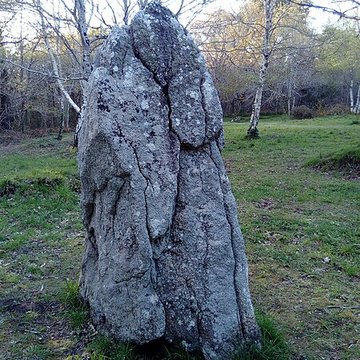
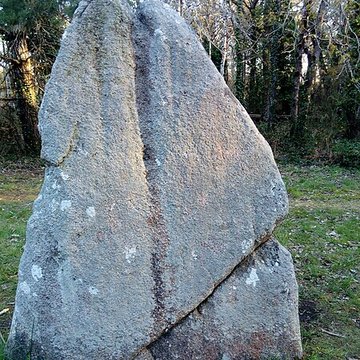
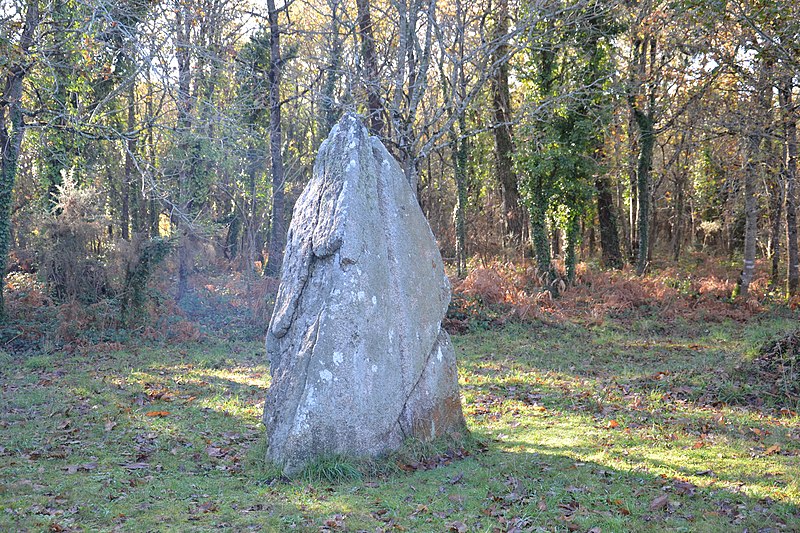
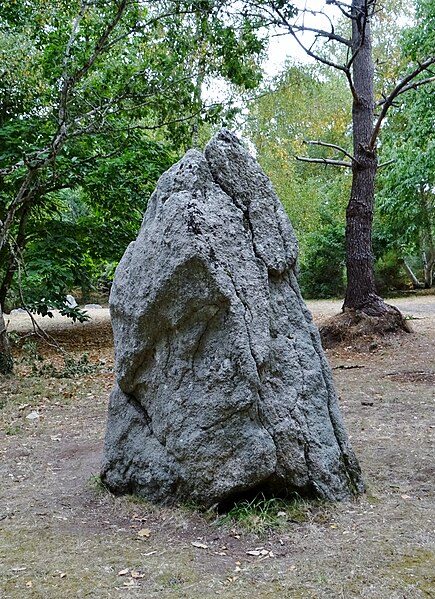
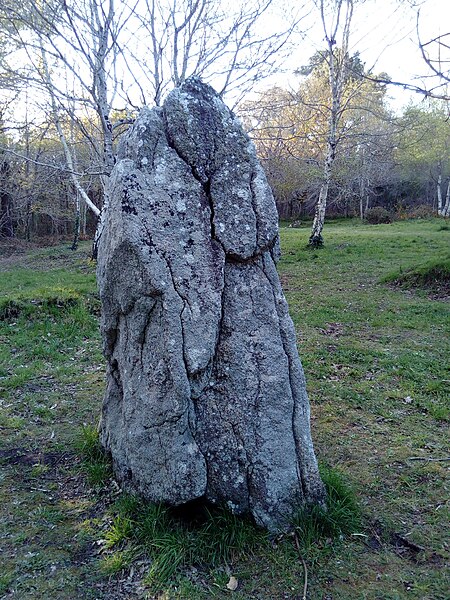
In the vicinity, a circular tubular terrace (6 m in diameter) topped by a small menhir was home to an incineration pit. It contained ashes, coals, a terracotta vase mould, two diorite polished axes, an unfinished stone hammer, and unknown lithic objects. This terter, searched by the Châtellier, bears witness to various funeral practices during the Neolithic, combining burials and cremations. Dolmens and their environment thus illustrate the importance of megalithic sites in the rituals and social life of prehistoric Breton communities.
The dolmens of Kervadol, owned by the municipality, are now freely accessible. Their ranking in 1922 and the 19th century excavations made it a key site for understanding the funerary architecture and customs of the Armenian Neolithic. The objects discovered, preserved and studied offer valuable insight into the craft techniques and beliefs of that time.








Announcements
Please log in to post a review