Logo Musée du Patrimoine

All French heritage classified by regions, departments and cities

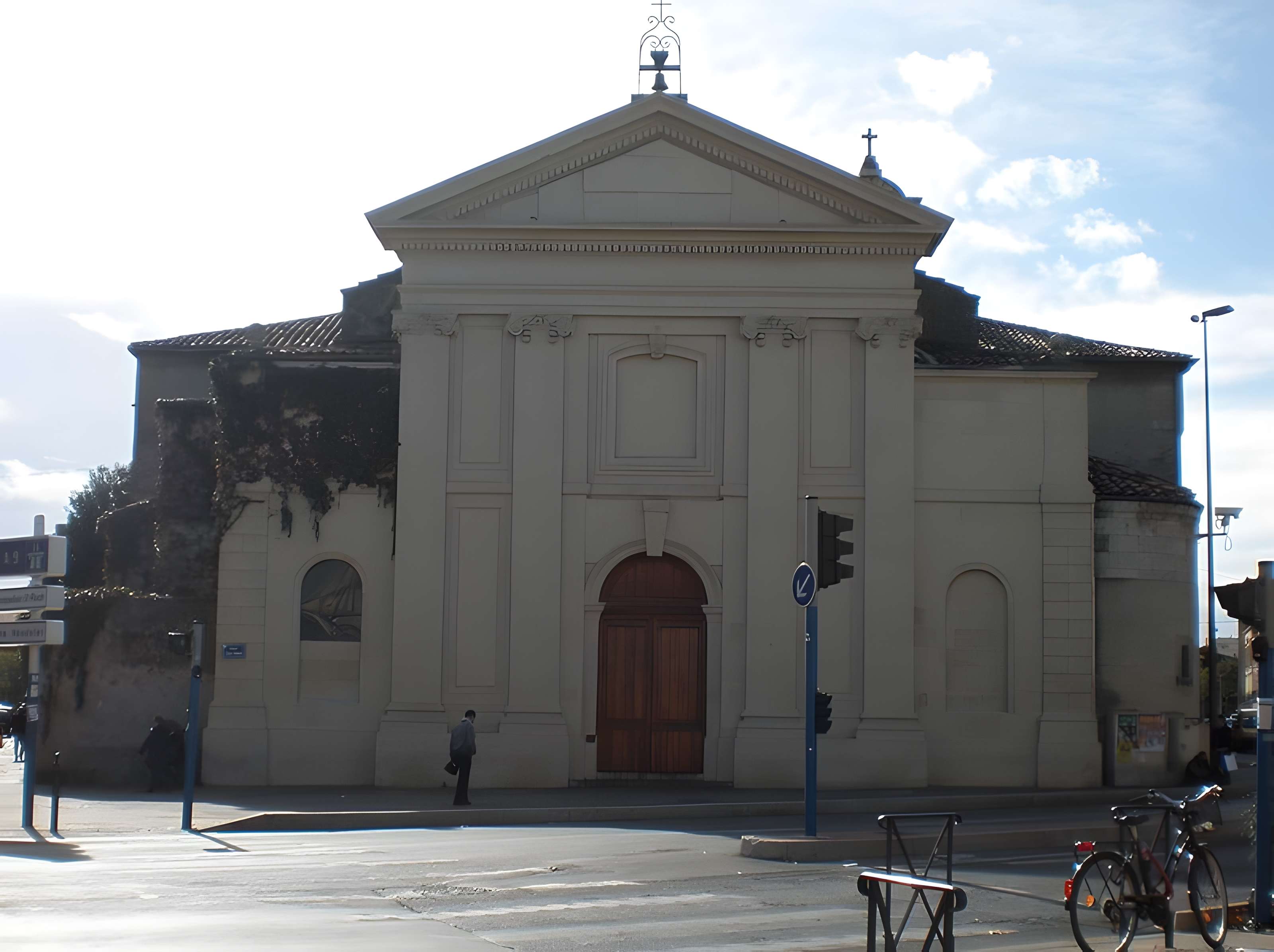
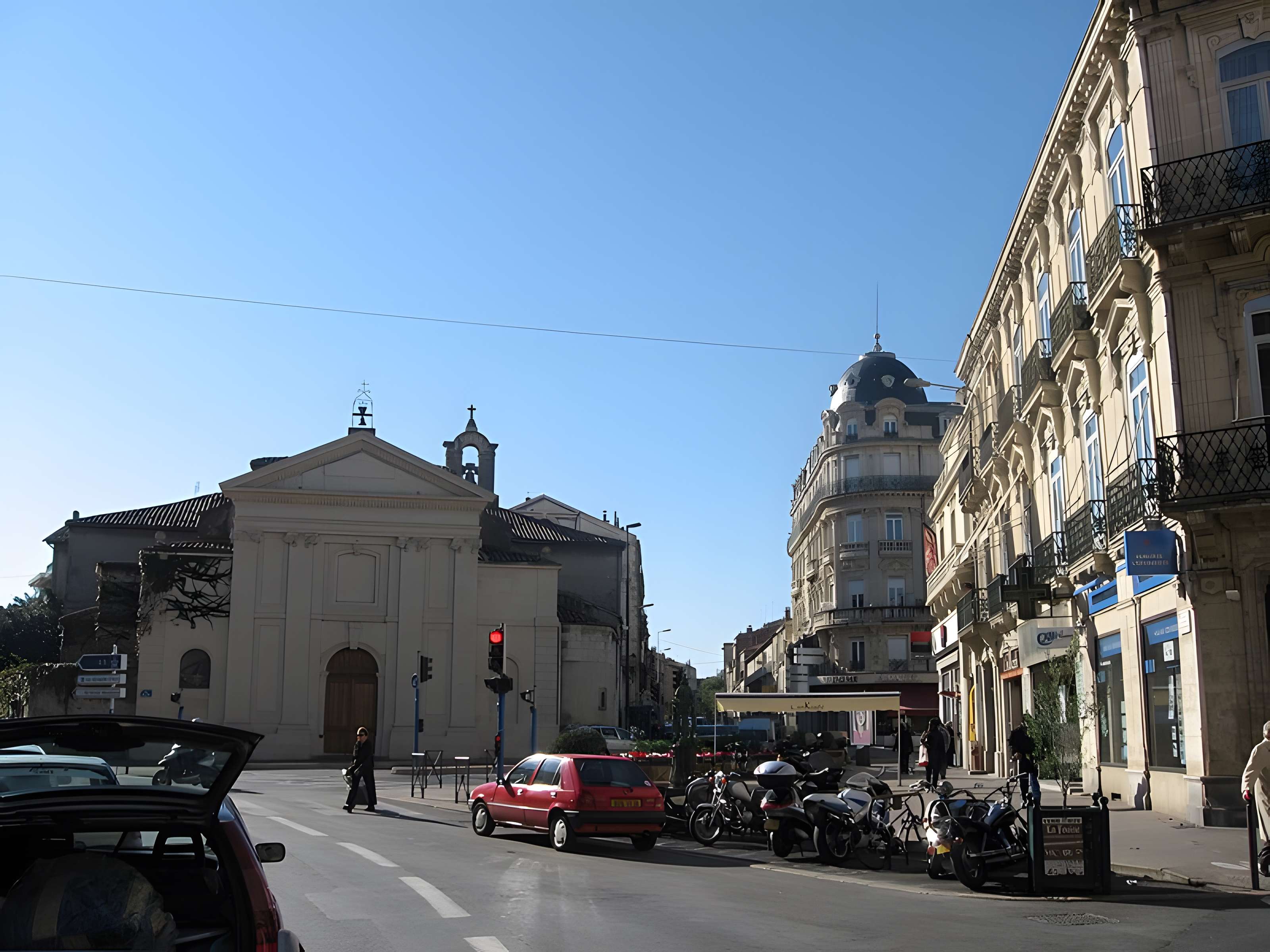
Saint-Denis Church of Montpellier dans l'Hérault

Patrimoine classé
Patrimoine religieux
Eglise de style classique
Hérault

Saint-Denis Church of Montpellier

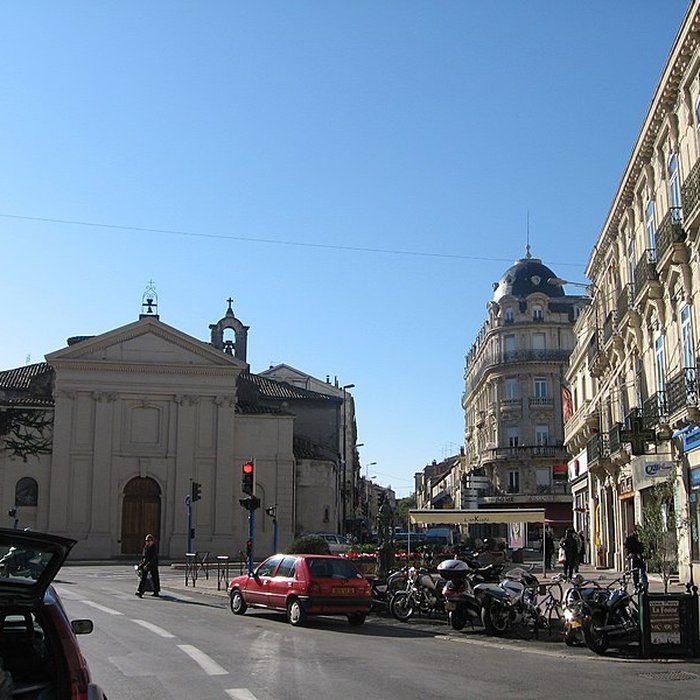
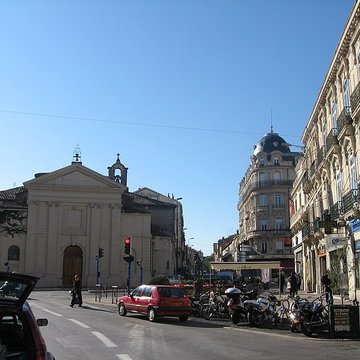
    Place Saint-Denis
    34000 Montpellier
Ownership of the municipality
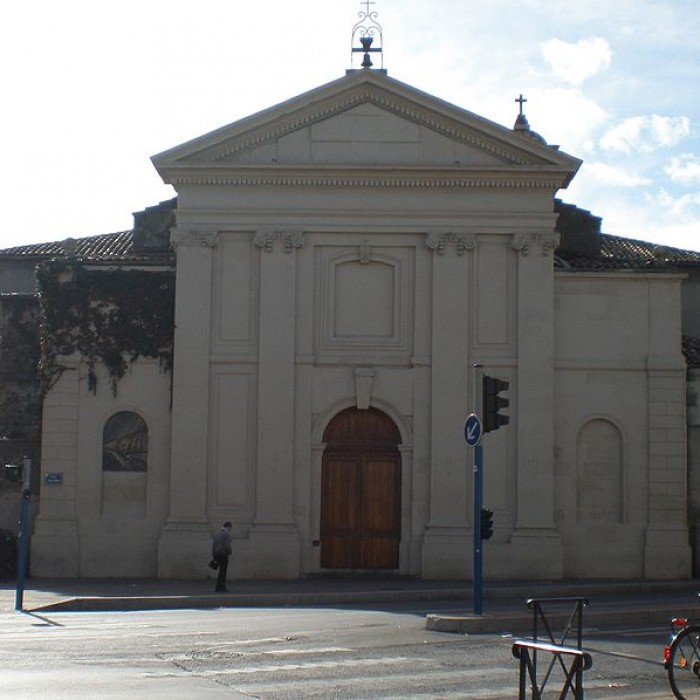
Église Saint-Denis de Montpellier
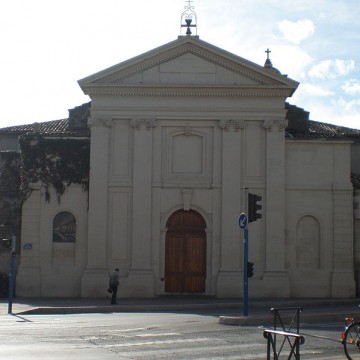
Crédit photo : Vpe - Sous licence Creative Commons

Timeline

Temps modernes
Révolution/Empire
XIXe siècle
Époque contemporaine
1700
1800
1900
2000
1699-1702
Initial construction
1730
Gift of the Cardinal of Fleury
1er octobre 1793
Revolutionary closure
1801
Back to Worship
1837
Construction of organ
1836 et 1895
Major expansions
31 octobre 1944
Front protection
Aujourd'hui
Aujourd'hui

Heritage classified

Façade: inscription by order of 31 October 1944

Key figures

Augustin-Charles d’Aviler - Architect Designed the church between 1699 and 1702.
Cardinal de Fleury - Patron Offer the clock in 1730.
Pierre Fossati - Marbling Realizes the high altar in 1735.
Aristide Cavaillé-Coll - Organ factor Designed the organ in 1837.
Abbé Michel Plagniol - Current parish priest Head of the parish since 2014.
Monique Richard - Full organist He's been on duty for fifty years.

Origin and history

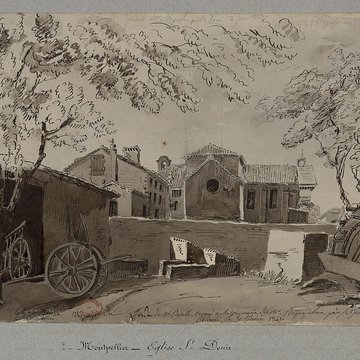
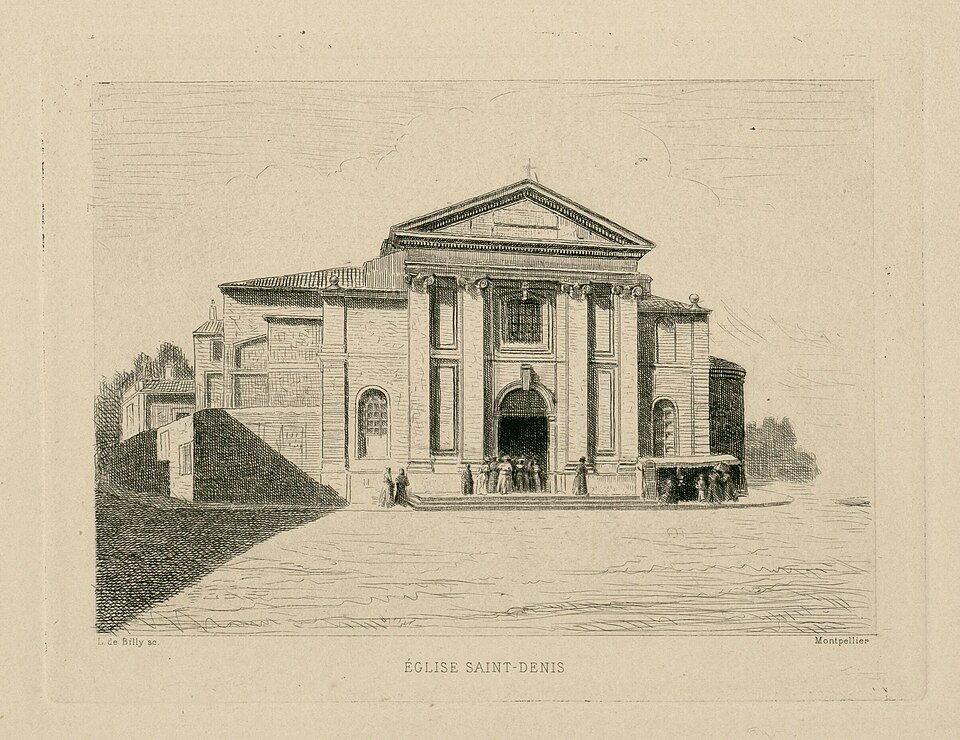
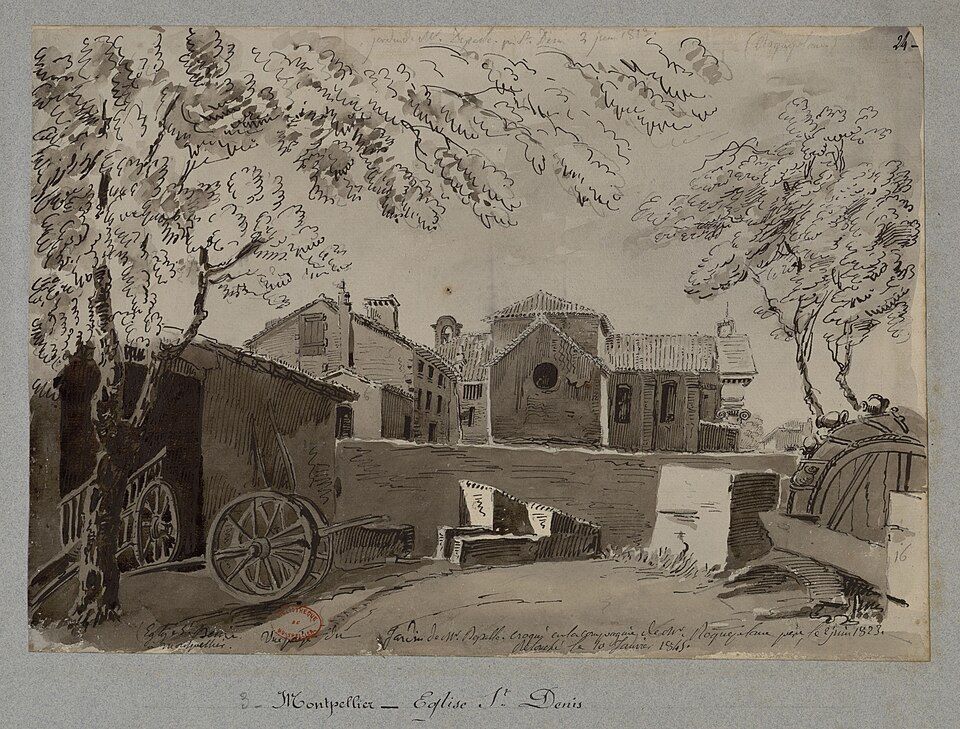
The Saint-Denis church of Montpellier, located in the present Gambetta district, replaces a first medieval building destroyed during the Wars of Religion. This first place of worship, attested from the twelfth to the sixteenth century, rose outside the ramparts, in the district of Montpellieret, on the future location of the citadel. An archaeological study of 1969 revealed that it had been built on an ancient cemetery. Destroyed during the religious conflicts, its last remains disappeared when the citadel was built, and then the Lycée Joffre.

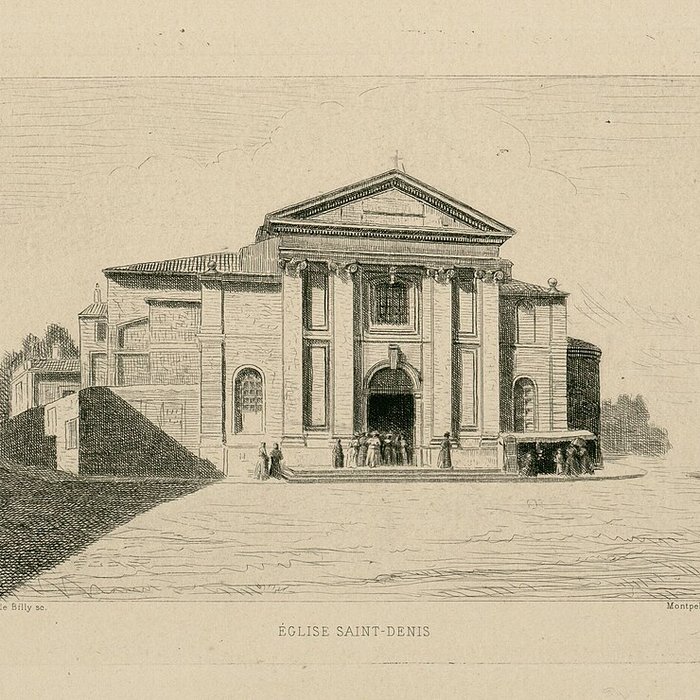
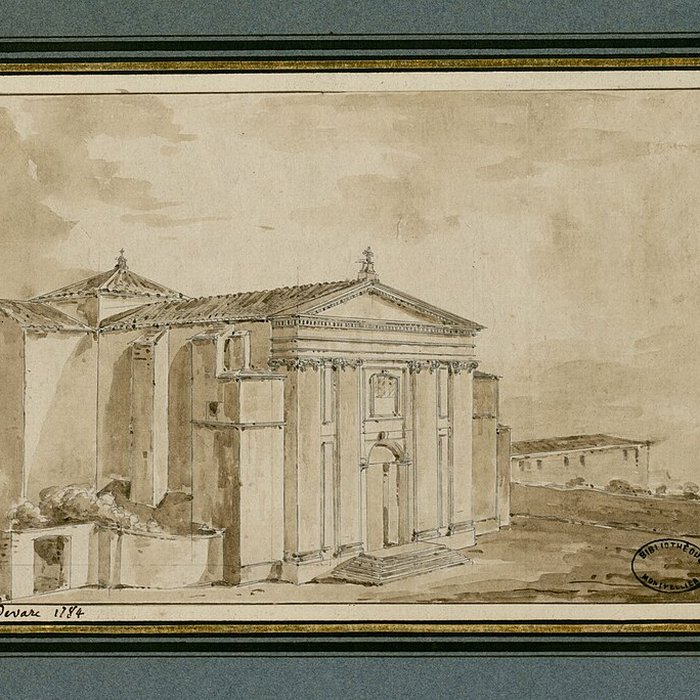
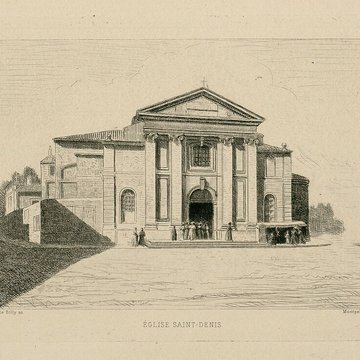
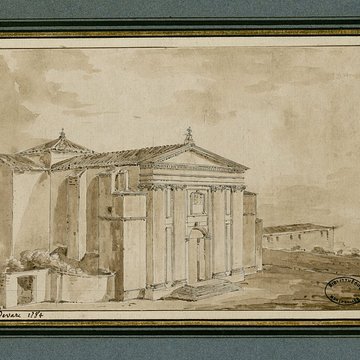
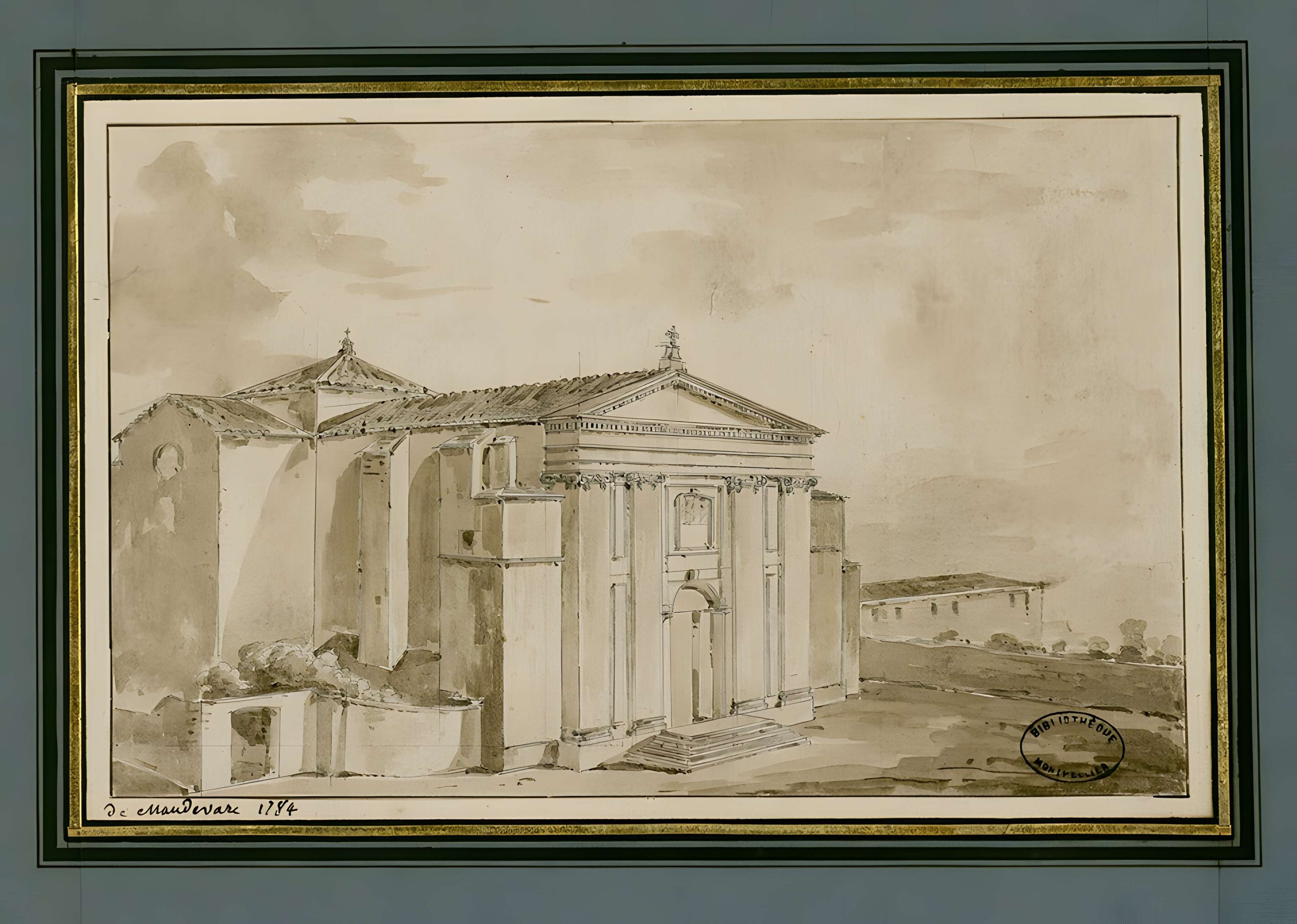
The construction of the present church began in 1699 in the suburb of Sauneria, on a plot housing a cemetery or a property of the order of St John of Jerusalem. Designed by architect Augustin-Charles d'Aviler, it was completed in 1702. In Jesuit style, it was initially served by the Oratorians, who installed a seminary there from 1709 to 1733. After that date, she passed under the responsibility of the secular clergy. The cardinal of Fleury offered a clock in 1730, and the marbrier Pierre Fossati made a marble master altar "to the Roman" in 1735.

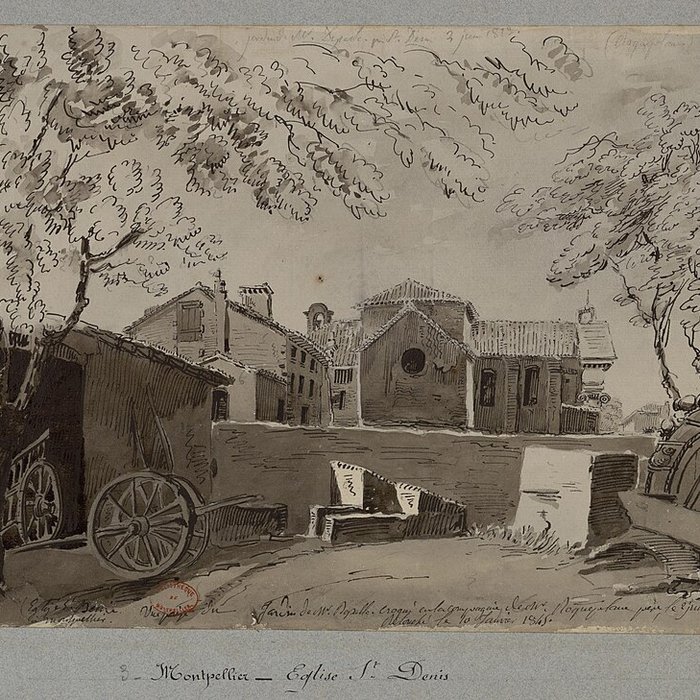
The history of the building was marked by revolutionary upheavals: closed on 1 October 1793 by the authorities, it was saved from destruction by the faithful who bought the building and its furniture at auction. They restored the church to worship in 1801, to the restoration of religious freedom. In the 19th century, two expansion campaigns (1836 and 1895) profoundly altered its interior structure, leaving only the original façade intact. These transformations responded to Montpellier's population growth, but altered the purity of d'Aviler's original design.

The church houses a remarkable artistic heritage, including 18th and 19th century paintings, statues such as a Sacred Heart marble of Carrara, and a neo-Gothic chapel dedicated to the Blue Penitents. His organ, major work by Aristide Cavaillé-Coll (1837), was modified several times, notably by Ducroquet in 1855 and Maurice Puget in 1938. Ranked among the historical instruments, it has 29 games spread over three keyboards. The facade of the church, the only part protected by historical monuments since 1944, illustrates the classic regional style with its curved pediment and ionic order.

Originally integrated into the parish of Saint-Denis-Saint-Roch, the church has been part of the "Paroisse Cathédrale Montpellier" since 2014, bringing together the religious buildings of the city centre. His current pastor is Father Michel Plagniol. The organ is maintained by the Claude Berger factory, while two organists, including Monique Richard (owner for fifty years), provide the liturgical and cultural service.

External links