Initial construction XVe siècle (≈ 1550)
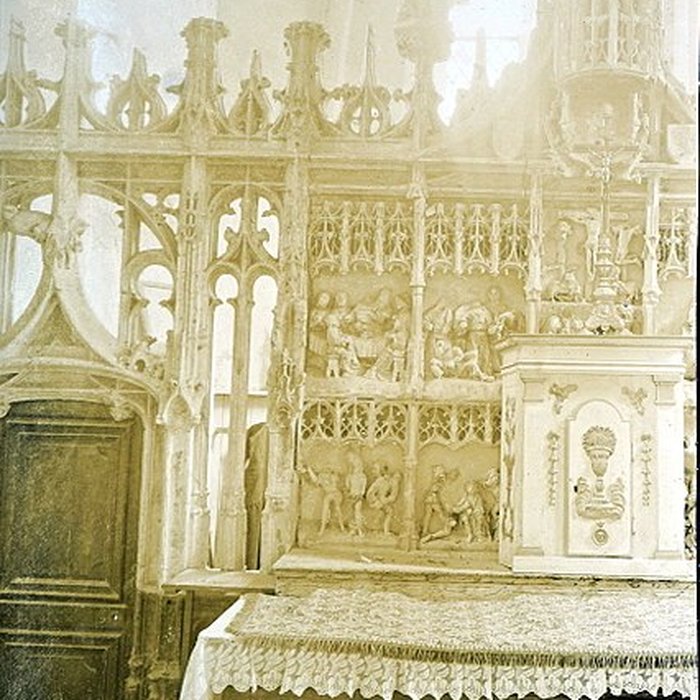
Rustic nave and sculpted altarpiece built.
XVIIe siècle
Expansion or modification
Expansion or modification XVIIe siècle (≈ 1750)
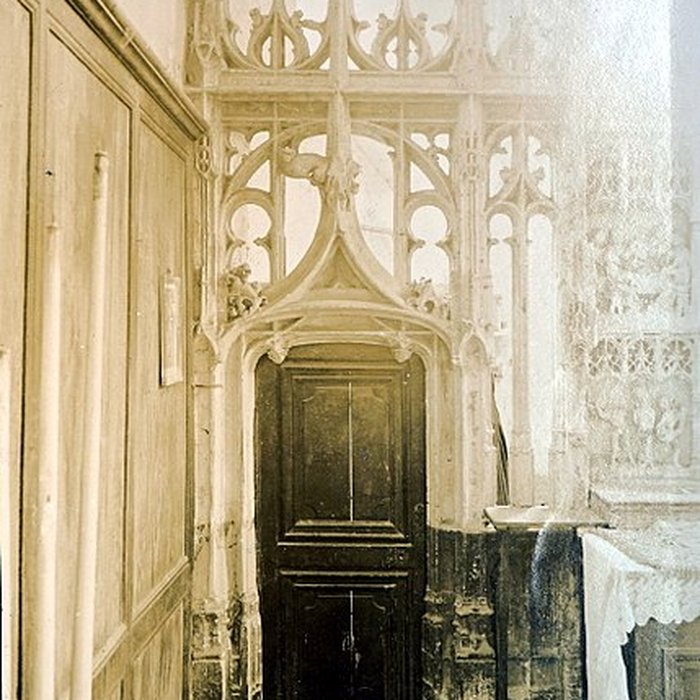
Flamboyant hair added, contrasting with the nave.
29 juin 1905
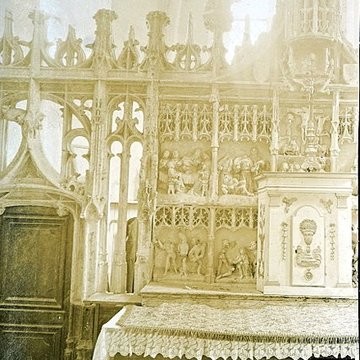
Classification of the table
Classification of the table 29 juin 1905 (≈ 1905)
Ten scenes of the Passion protected.
1920
Historical monument classification
Historical monument classification 1920 (≈ 1920)
Church registered for its heritage value.
Aujourd'hui
Aujourd'hui
Aujourd'hui Aujourd'hui (≈ 2025)
Position de référence.
Heritage classified
Church: by decree of 10 January 1920
Key figures
Seigneurs de Magneux et de Tanières - Local nobility
Six tombstones in the transept.
Léon Pressouyre et Jean-Pierre Ravaux - Authors and historians
Cited in the *Dictionary of the Churches of France*.
Origin and history
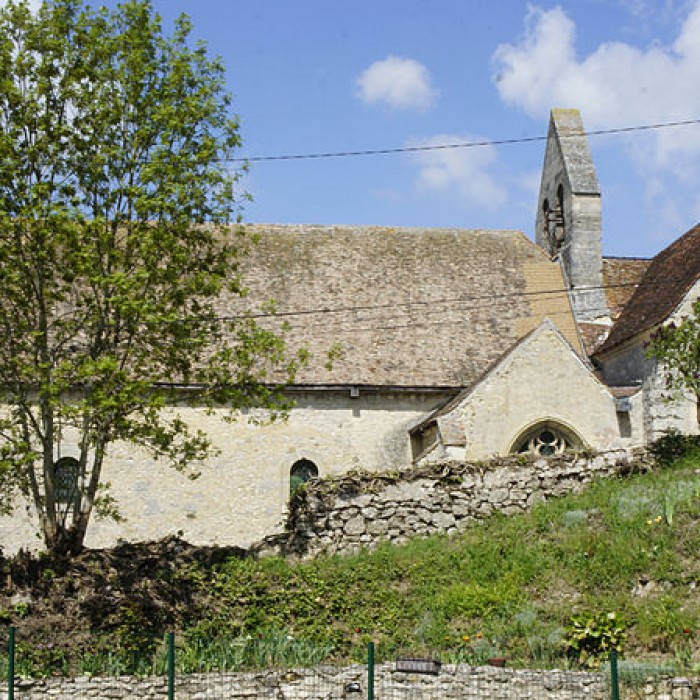
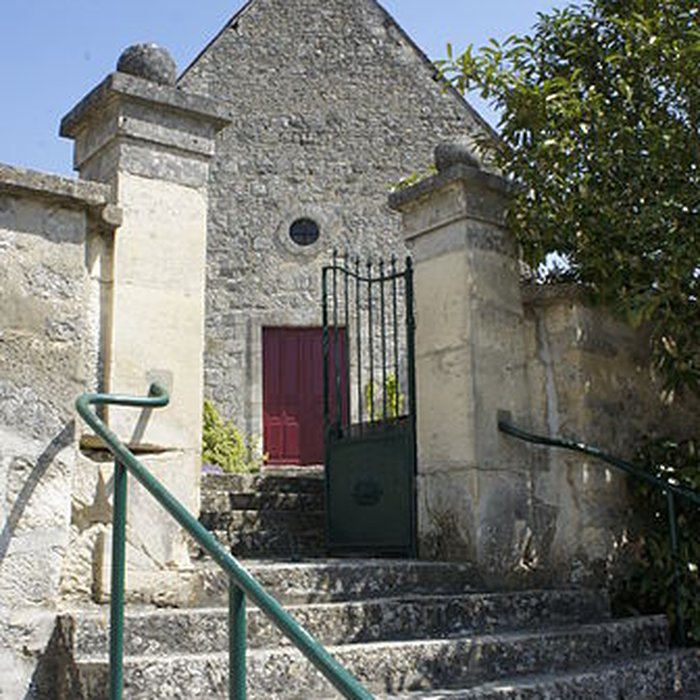
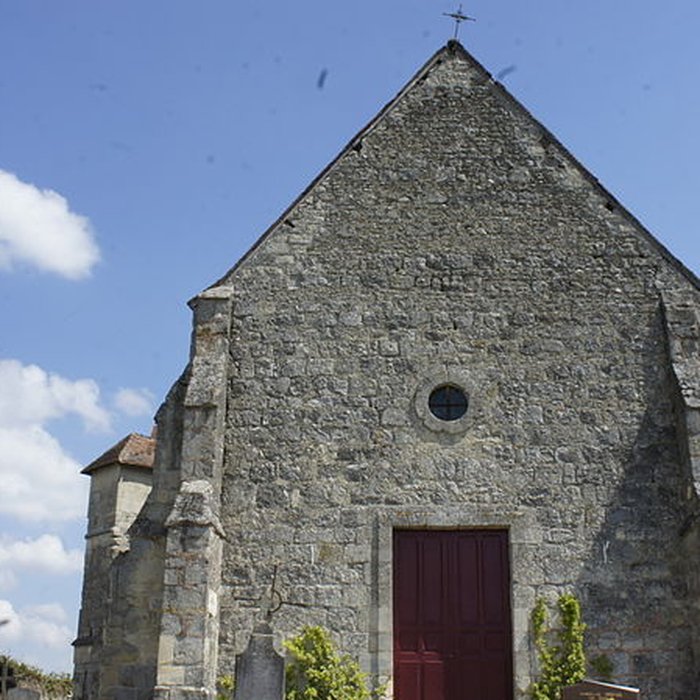
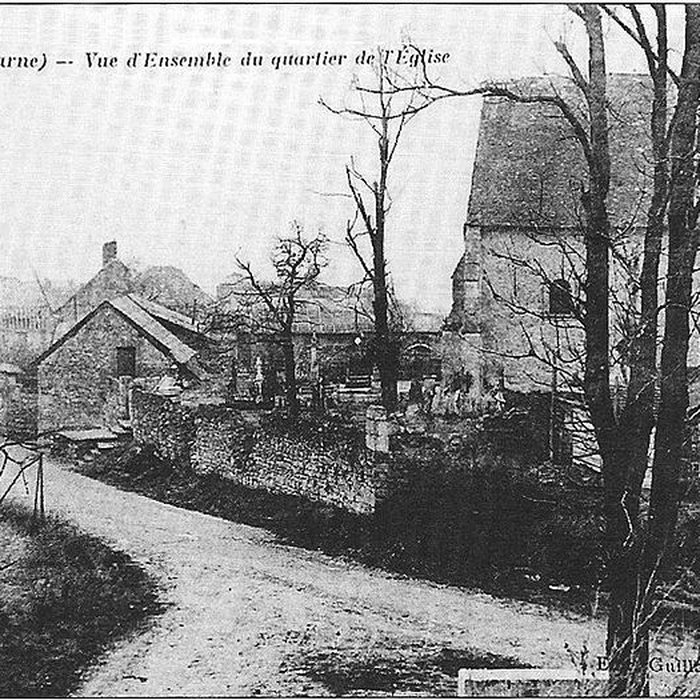
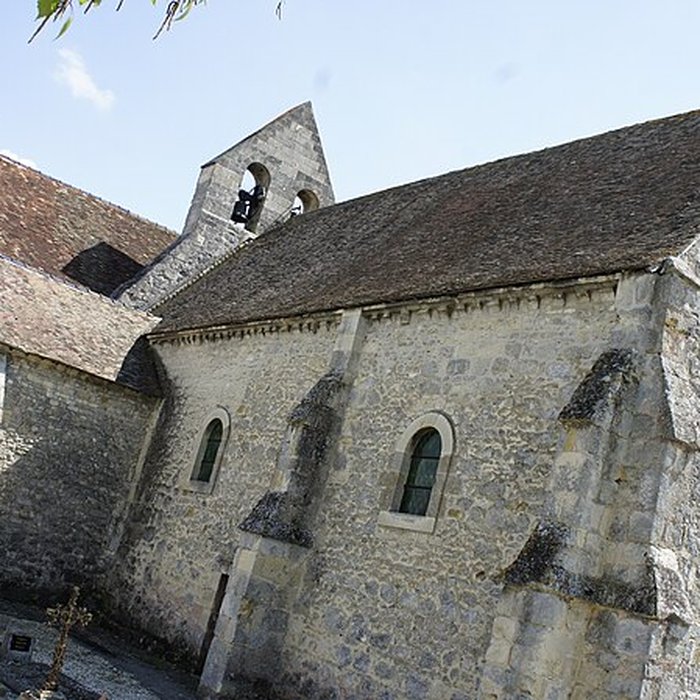
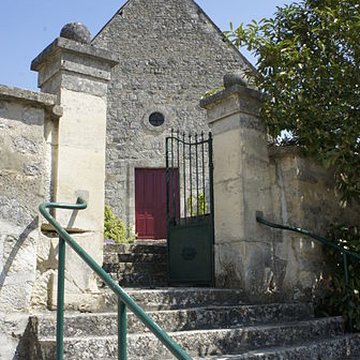
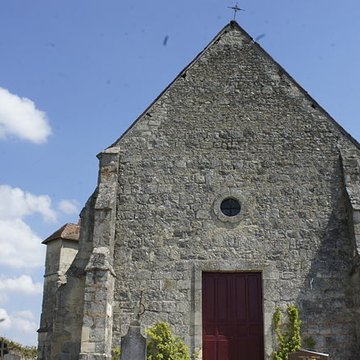
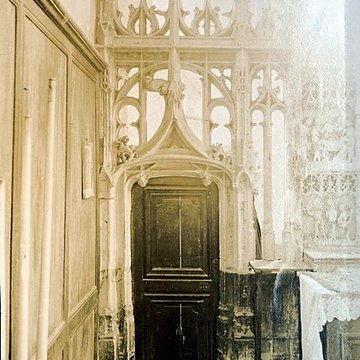
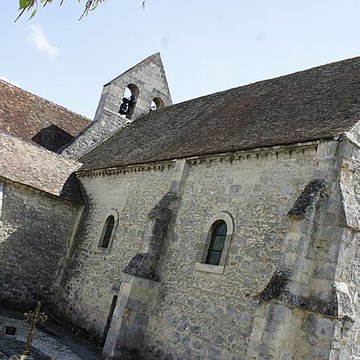
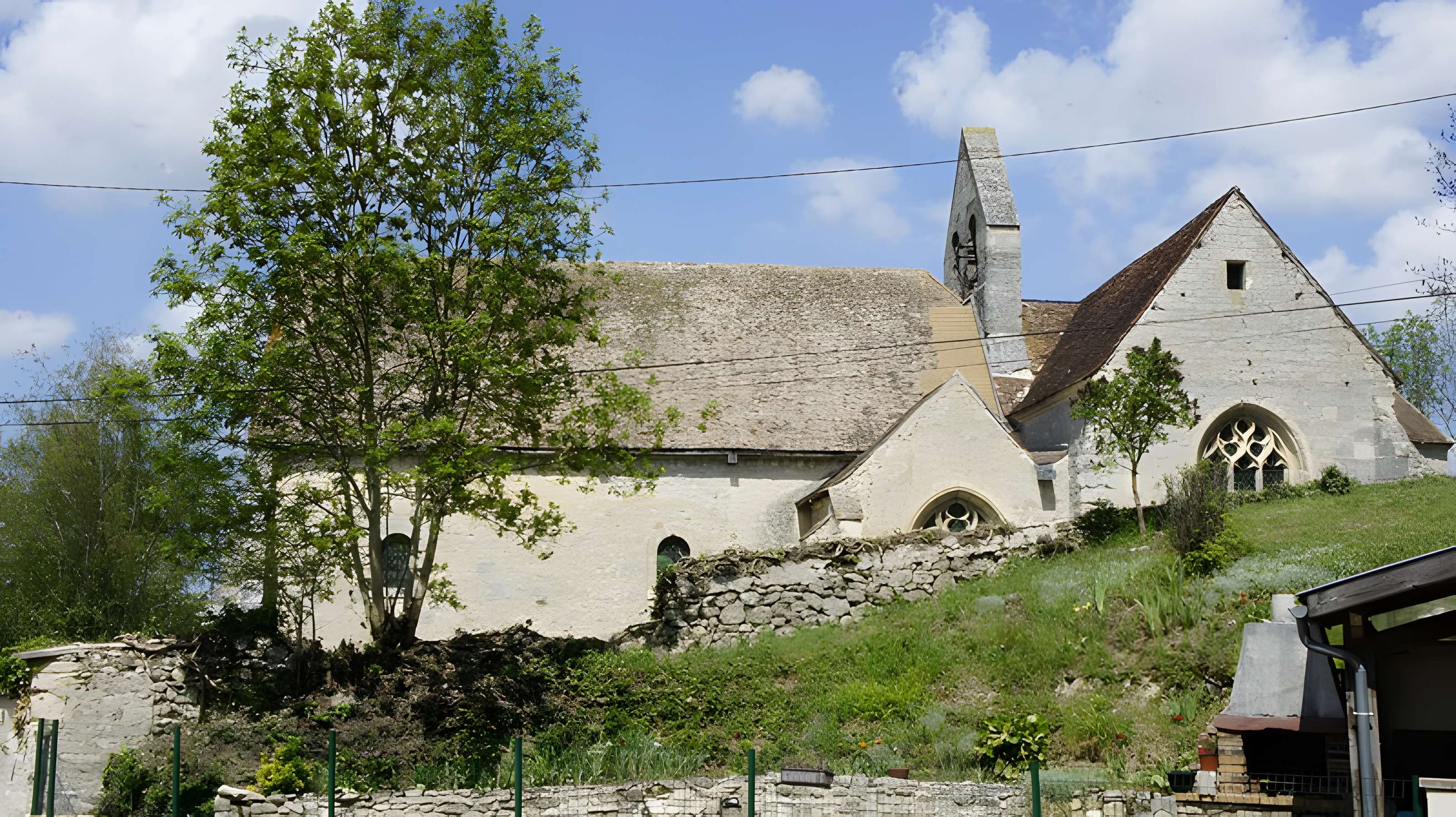
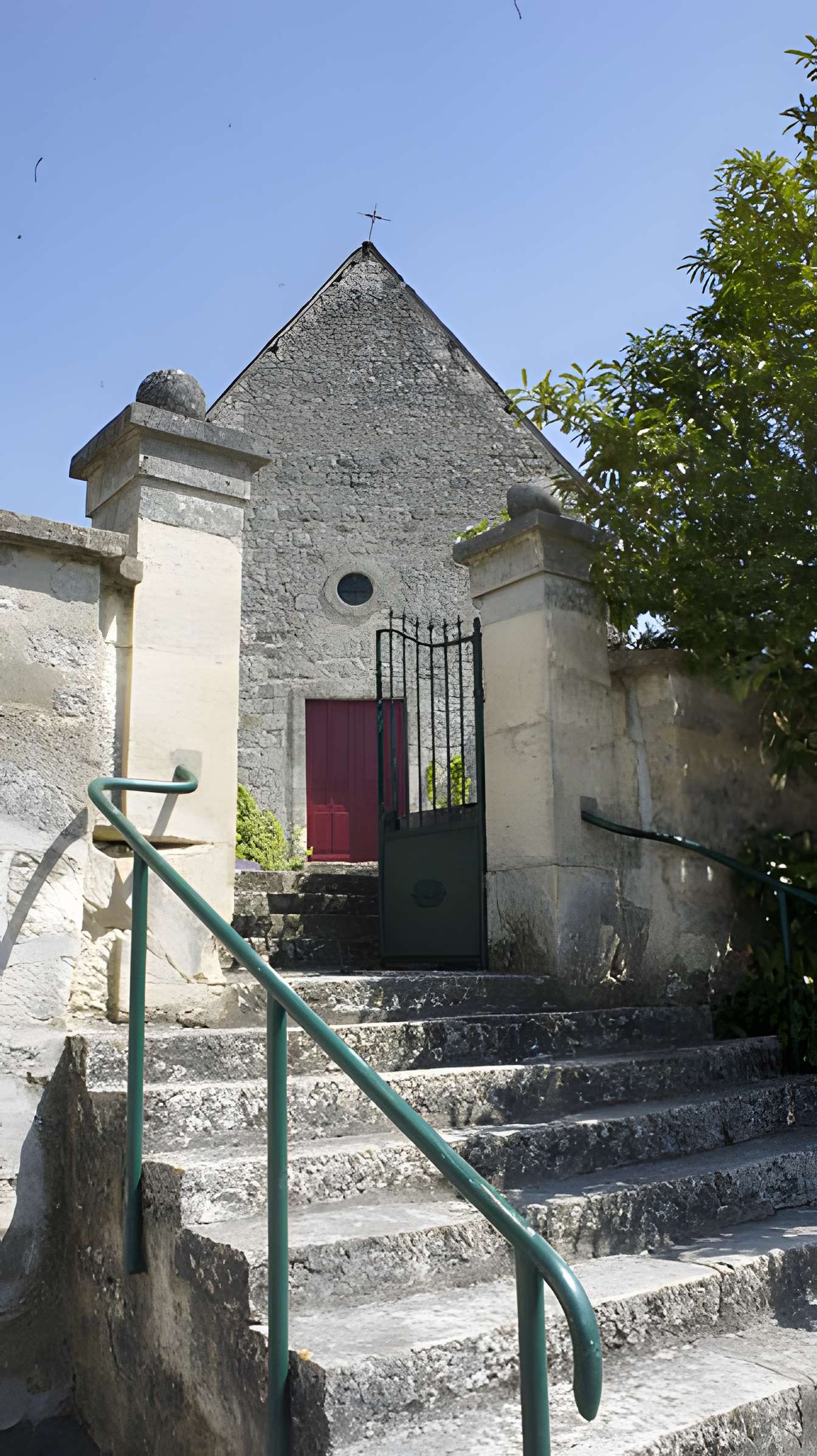
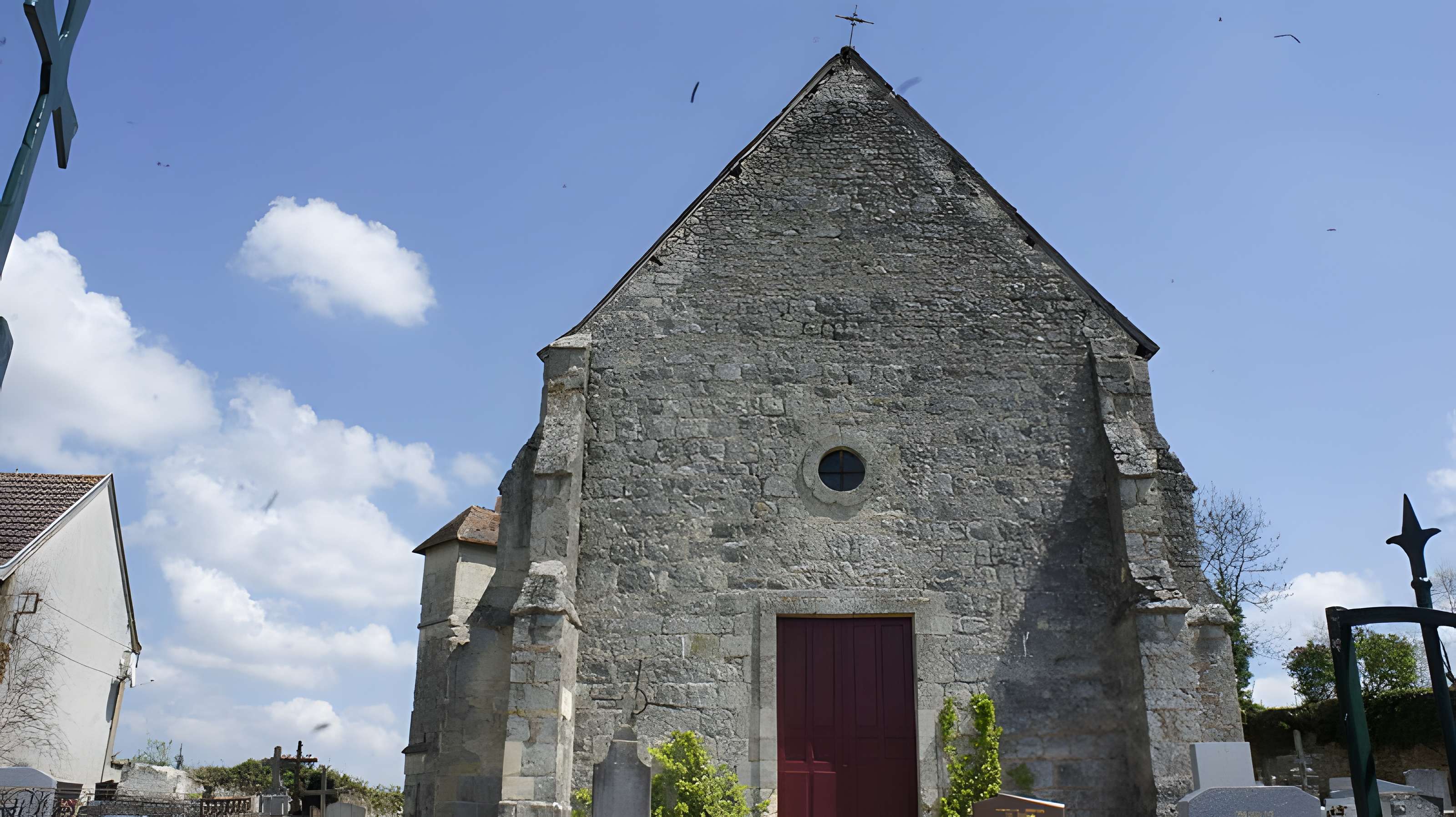
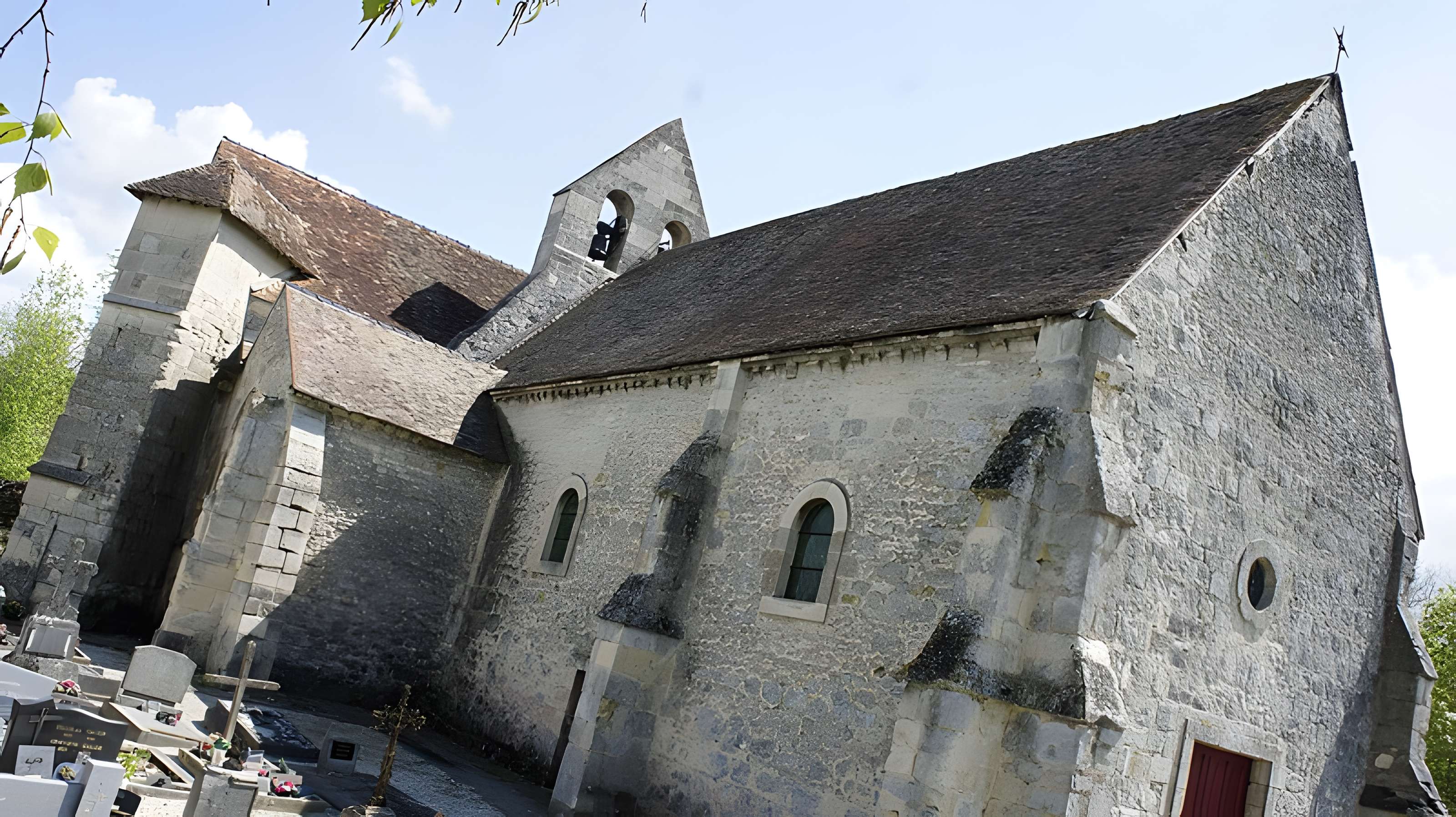
The church Saint-Jean-Baptiste de Magneux, located in the Marne department in the Grand Est region, is a 15th and 17th century religious building. It combines two distinct architectural styles: a rustic nave, with narrow windows and a wooden ceiling, and a flamboyant, wide and bright octagonal bedside. This contrast marks the evolution of techniques and tastes between the two construction periods. The pillars, decorated with naïve capitals representing foliage, vines or characters, support crowns with head of death, adding a symbolic dimension to the building.
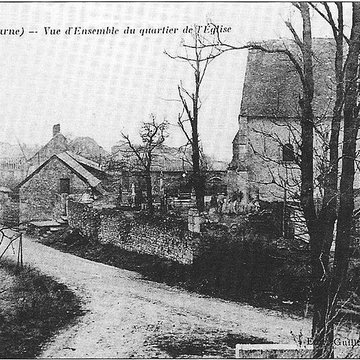
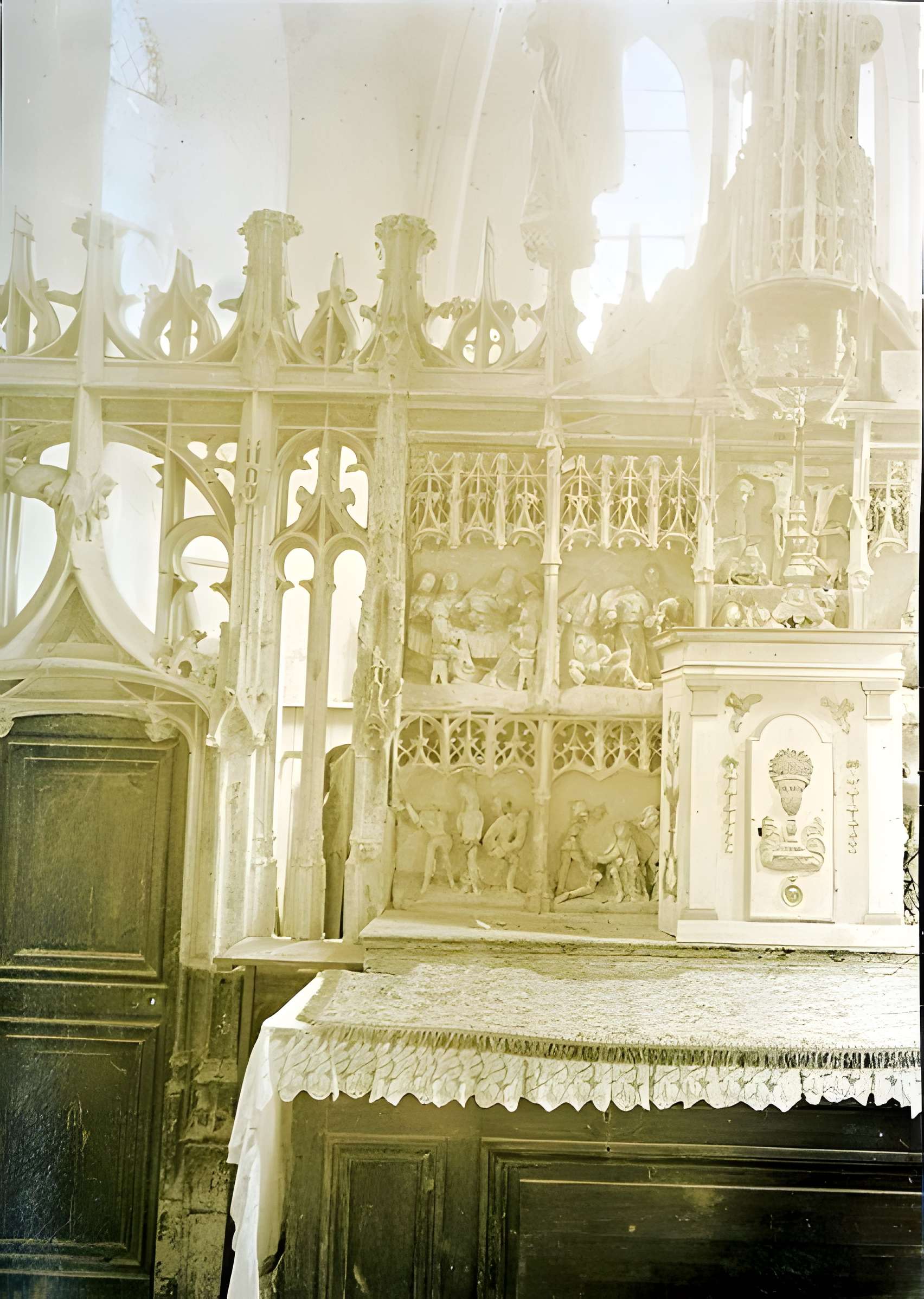
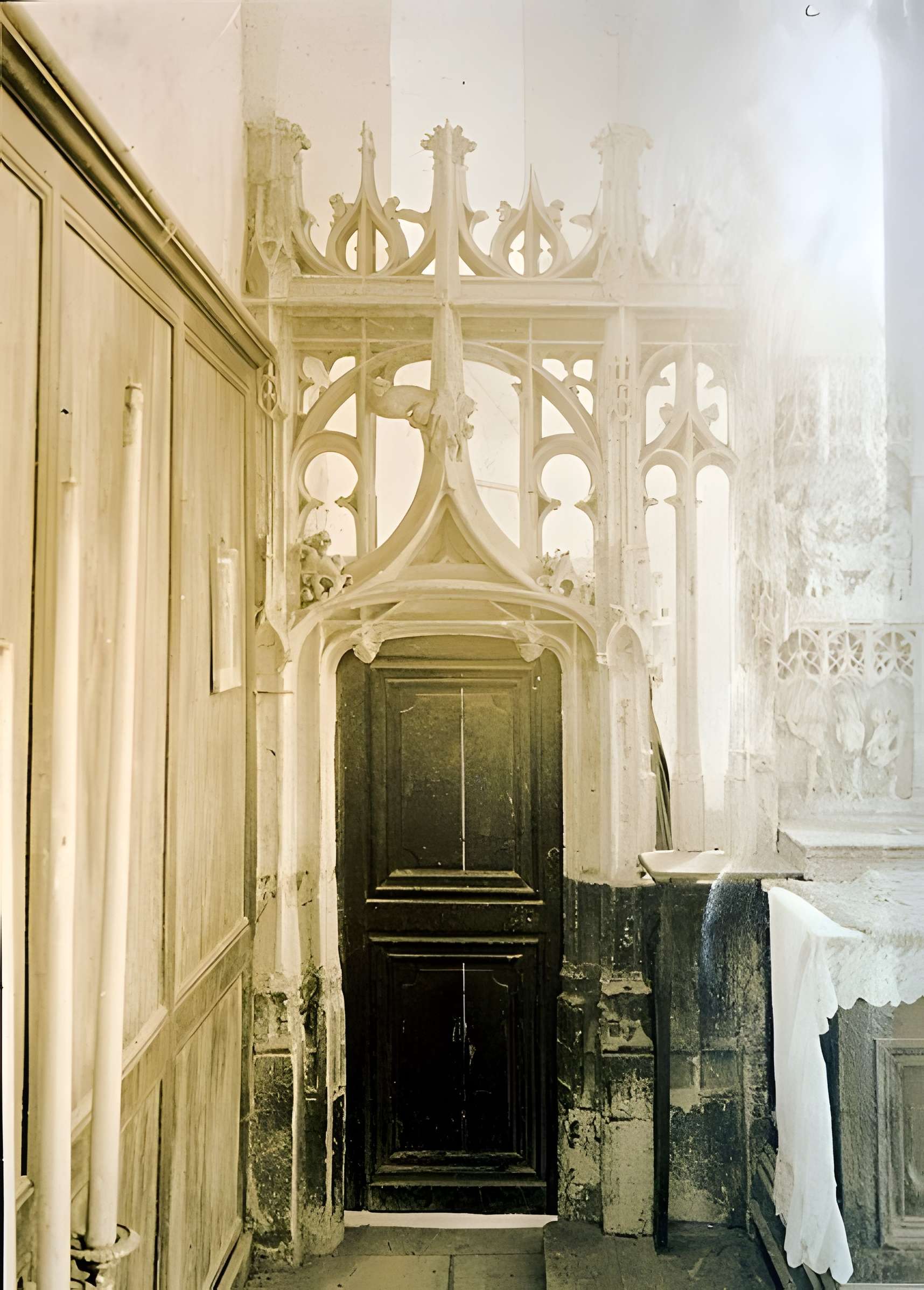
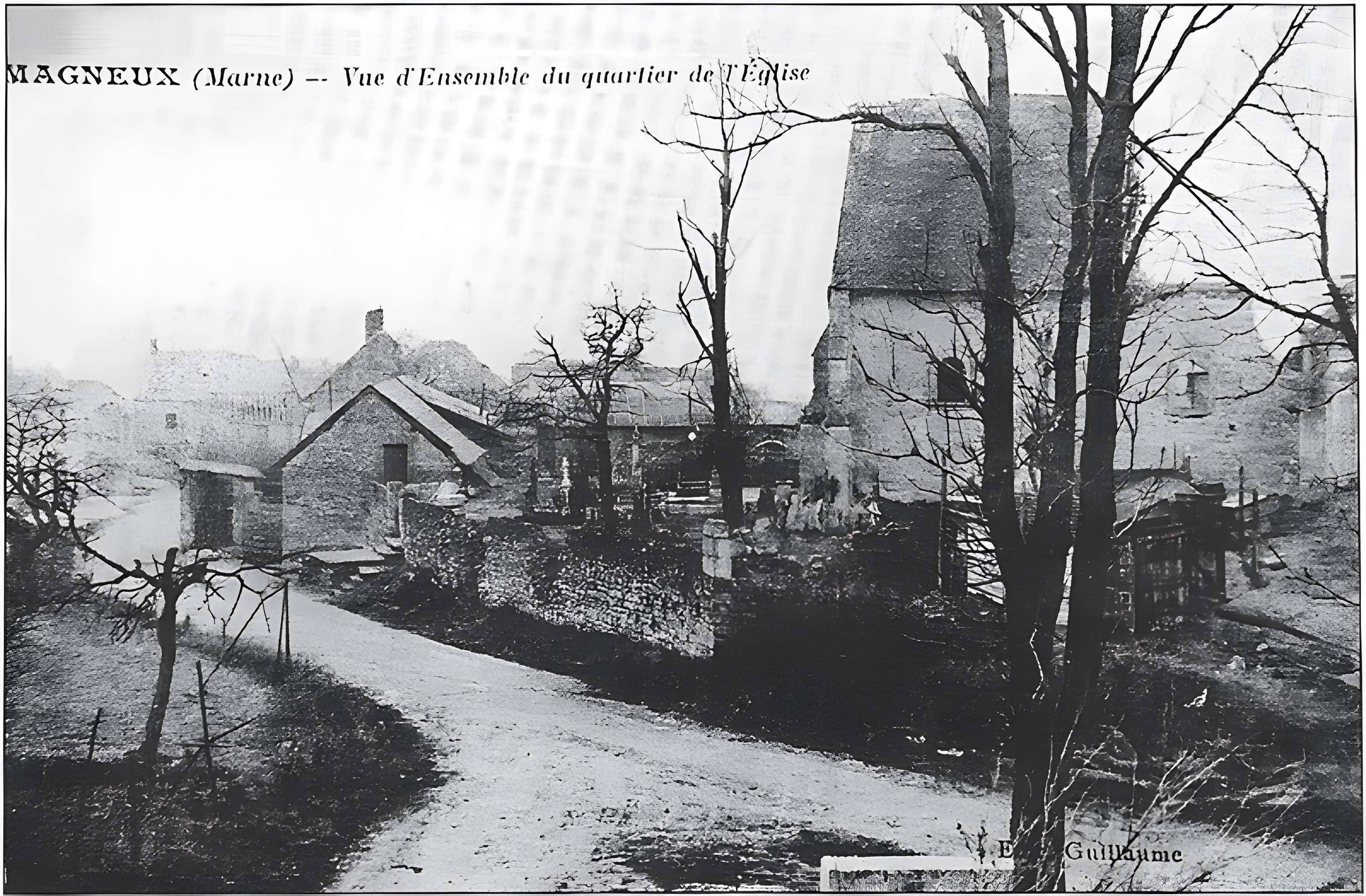
Ranked a historic monument in 1920, the church suffered destruction during the First World War, including the loss of its stained glass windows, of which a remarkable window remains in the southern transept. The bell tower-wall, atypical in the area, houses the bells, while six tombstones, scattered in the transept, recall the presence of the lords of Magneux and Tanières until the First Empire. A 15th century stone altar, classified in 1905, depicts ten scenes of the Passion of Christ, but bears traces of revolutionary degradations and successive conflicts.
The furniture and structure of the church reflect its turbulent history, between artistic heritage and the marks of political and military upheavals. The capitals, though naive, and the mortuary shields evoke a medieval symbol, while the destructions recall the violence suffered by the village. Today, the building remains a testimony to the architectural traditions of Champagne, mixing hardiness and flamboyant Gothic refinement.







Announcements
Please log in to post a review