Logo Musée du Patrimoine

All French heritage classified by regions, departments and cities

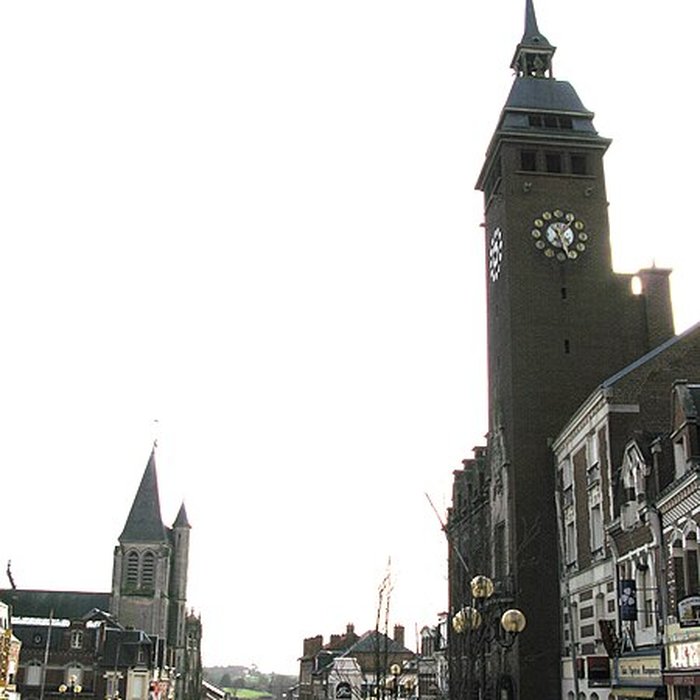
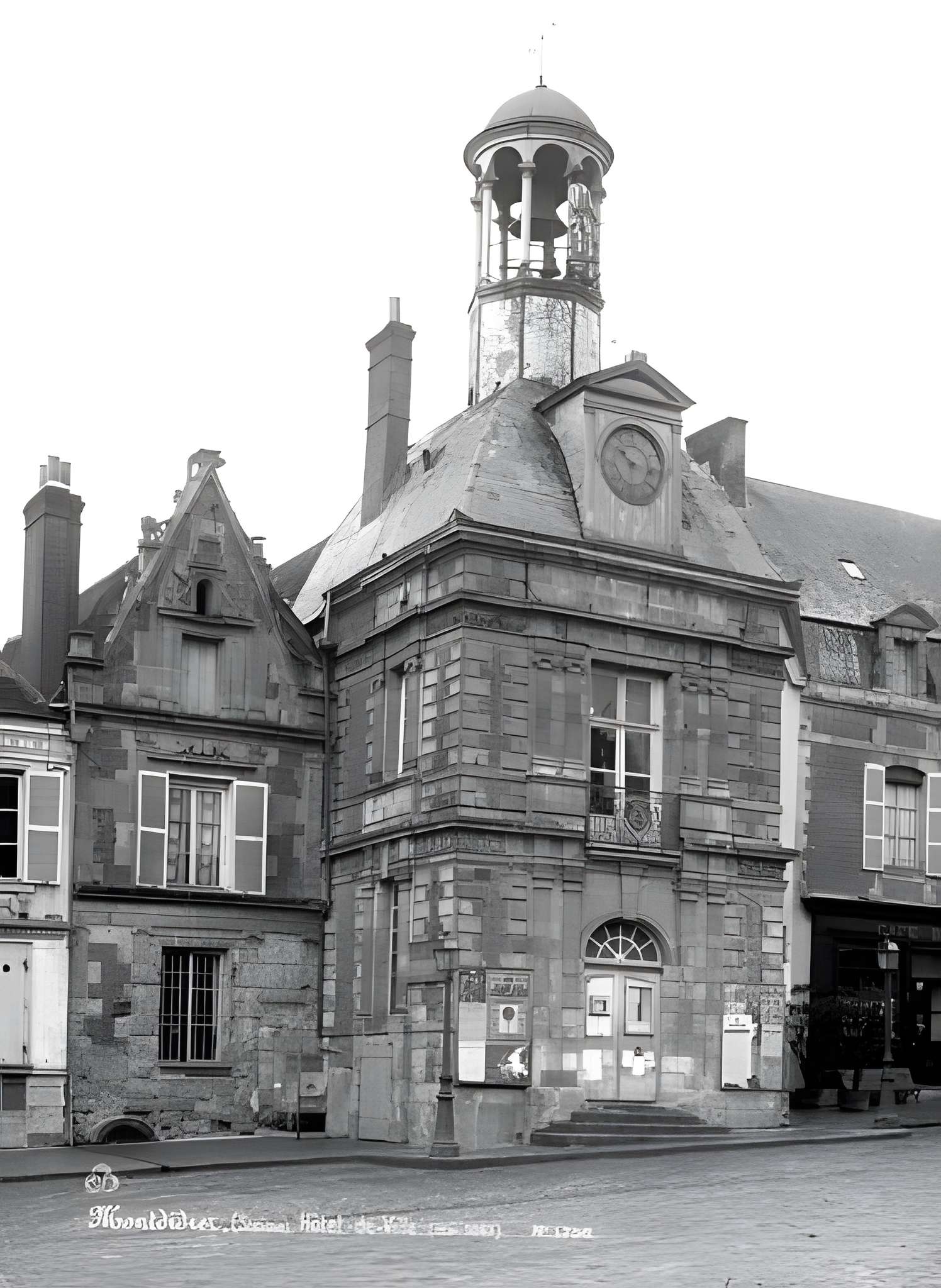
Montdidier City Hall dans la Somme

Patrimoine classé
Patrimoine urbain
Hôtel de ville

Montdidier City Hall

    5 Place du Général de Gaulle 
    80500 Montdidier
Ownership of the municipality
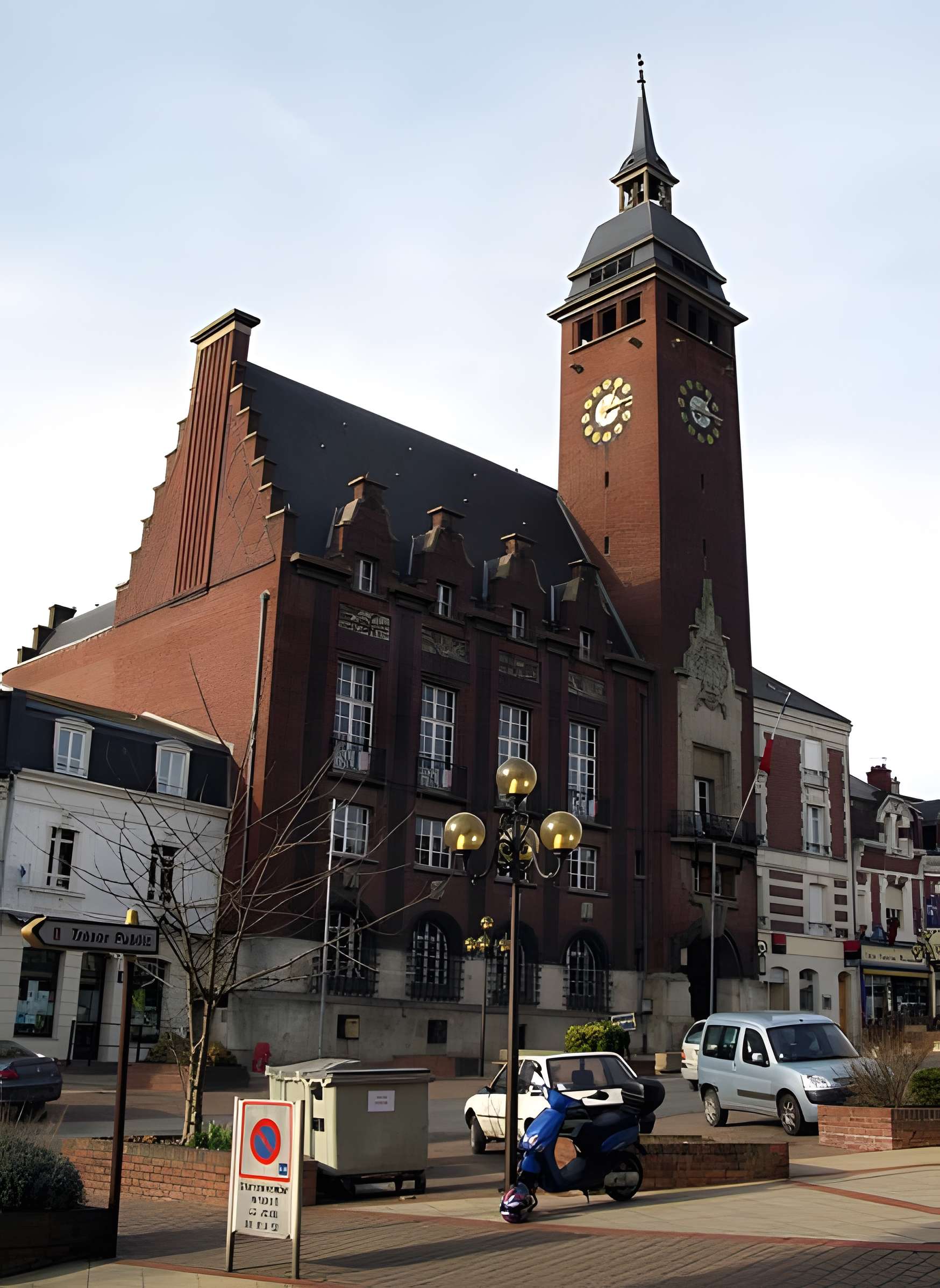
Hôtel de ville de Montdidier
Crédit photo : Markus3 (Marc ROUSSEL) - Sous licence Creative Commons

Timeline

Moyen Âge central
Bas Moyen Âge
Renaissance
Temps modernes
Révolution/Empire
XIXe siècle
Époque contemporaine
1200
1900
2000
1195
Communal Charter of Philippe Auguste
1918
Destruction during the Battle of Montdidier
1927-1930
Construction of current city hall
14 octobre 2003
Historical monument classification
Aujourd'hui
Aujourd'hui

Heritage classified

City hall in full (Case AI 116): registration by order of 14 October 2003

Key figures

Charles Duval - Architect Co-designer of the Art Deco building.
Emmanuel Gonse - Architect Co-author of the plans with Duval.
Raymond Couvègnes - Sculptor (Grand Prix de Rome 1932) Author of friezes and sculptures.
Maurice Pico - Painter Creator of interior frescoes.
Philippe Auguste - King of France (1180-1223) Granted the communal charter in 1195.

Origin and history

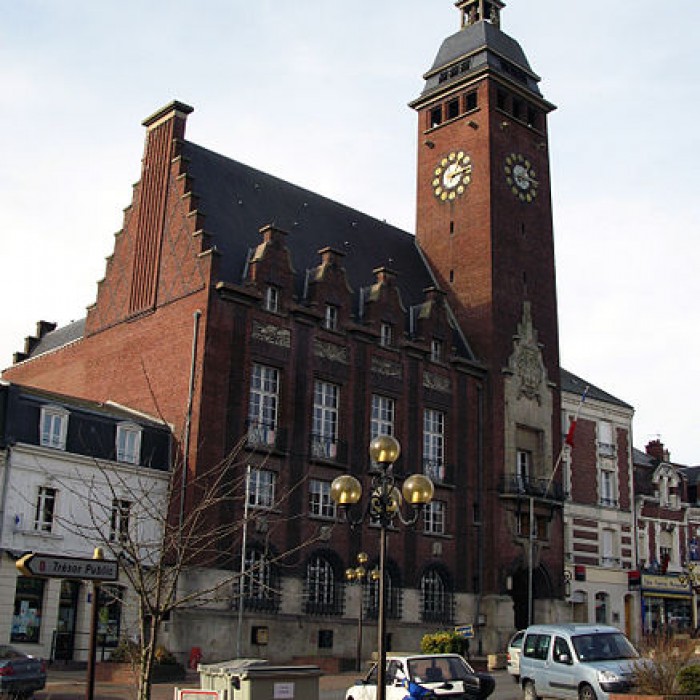
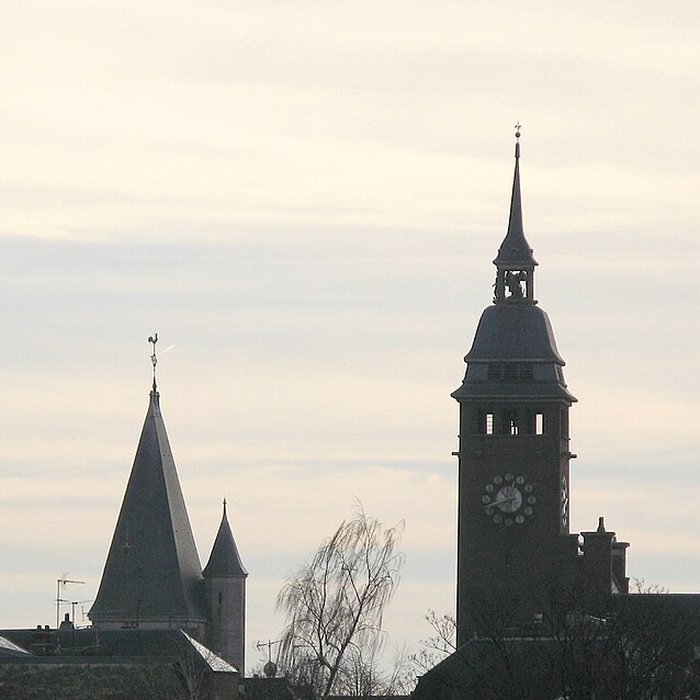
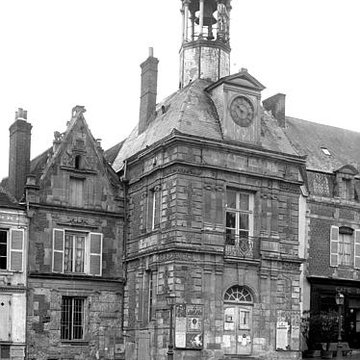
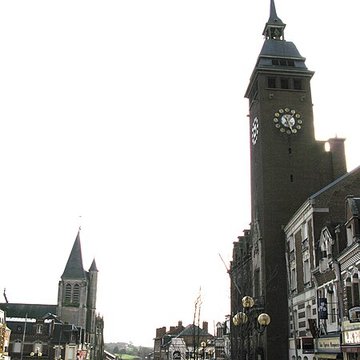
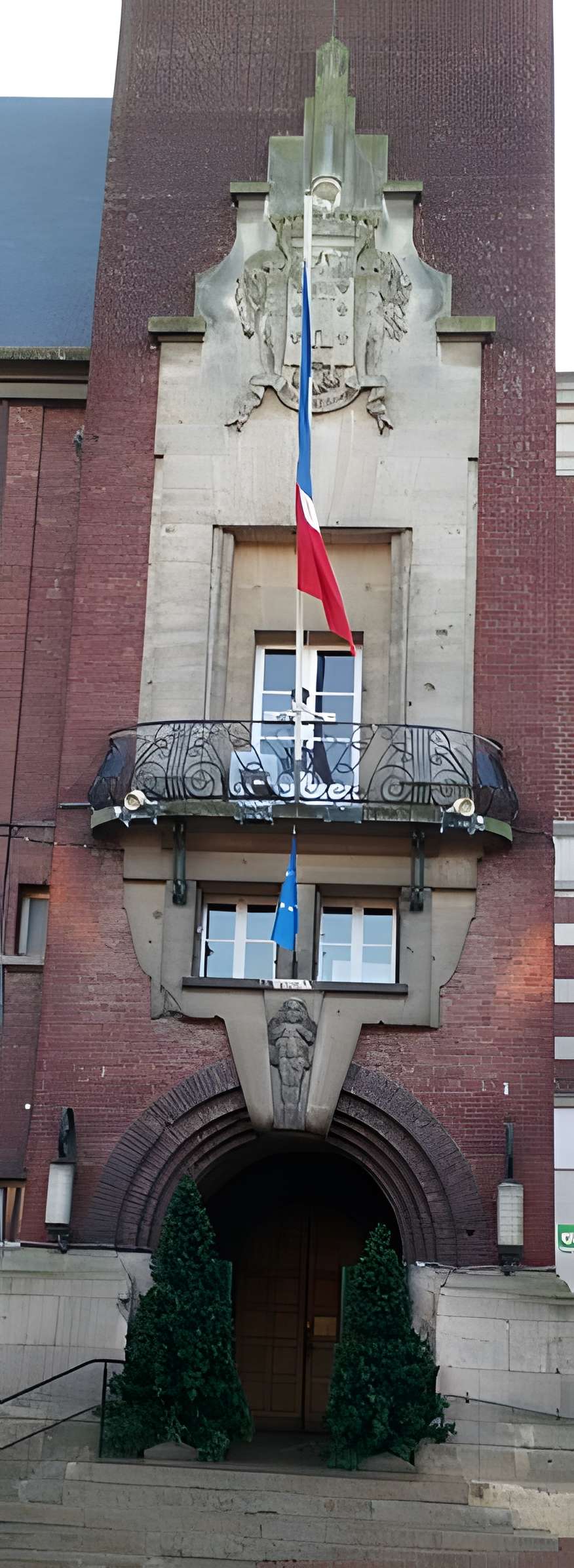
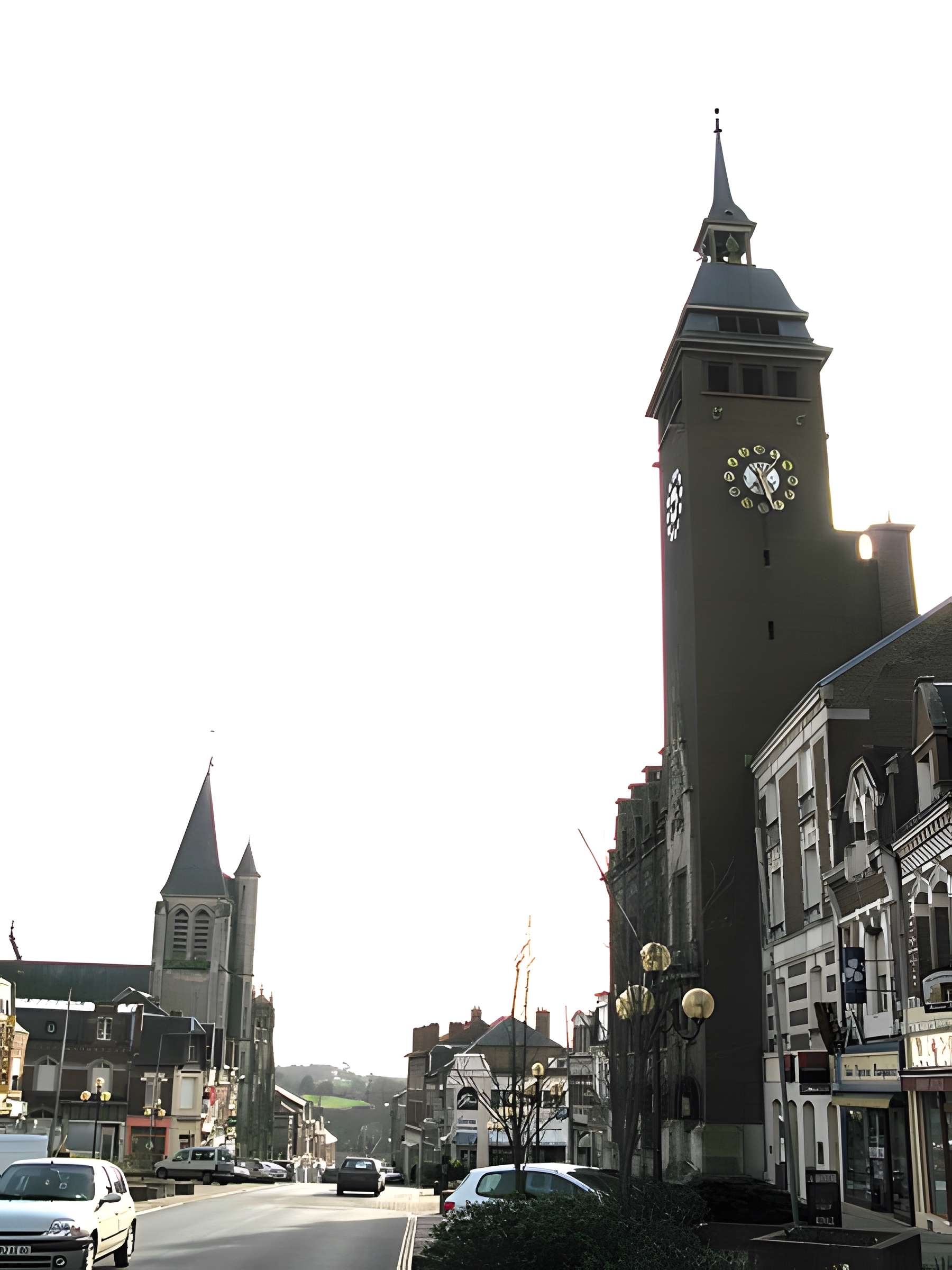
The Montdidier Town Hall, built between 1927 and 1930, replaces seven previous buildings destroyed over the centuries, the last of which was razed in 1918 during the Battle of Montdidier during the First World War. This Art Deco-style building, classified as a historical monument in 2003, embodies the post-war reconstruction with an architecture combining Flemish neo-regionalism and modernity, marked by bricks and gables. Its 18-metre deep foundations underline the ambition of sustainability after the destruction.

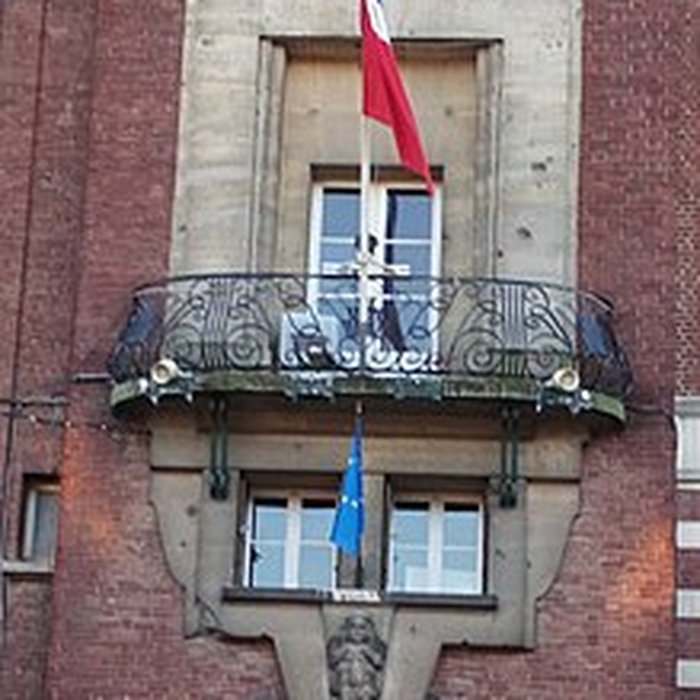
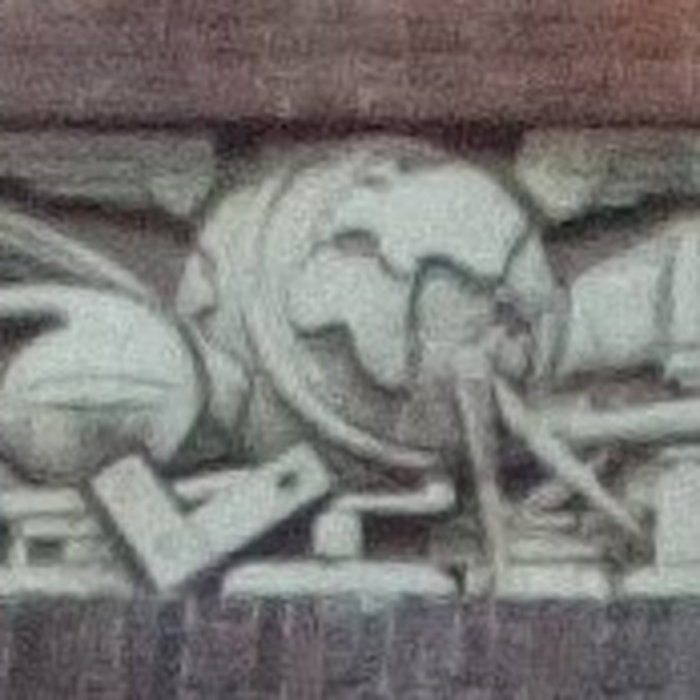
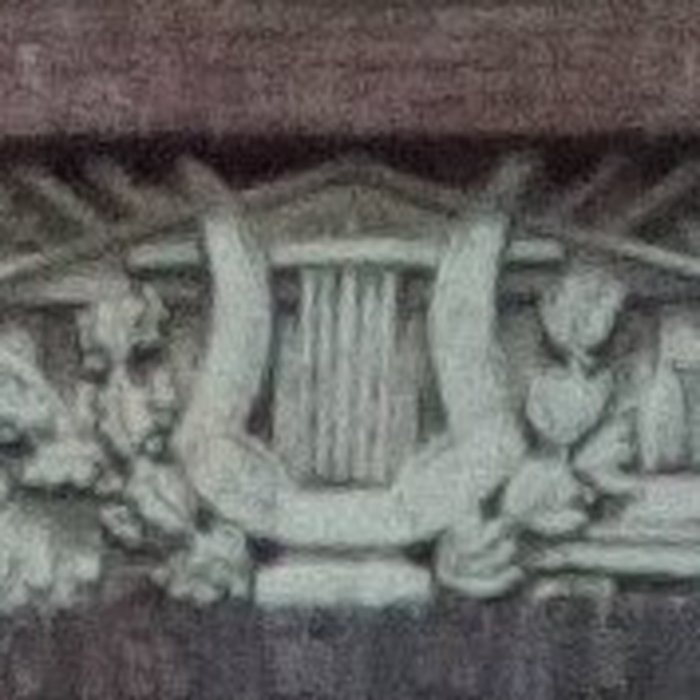
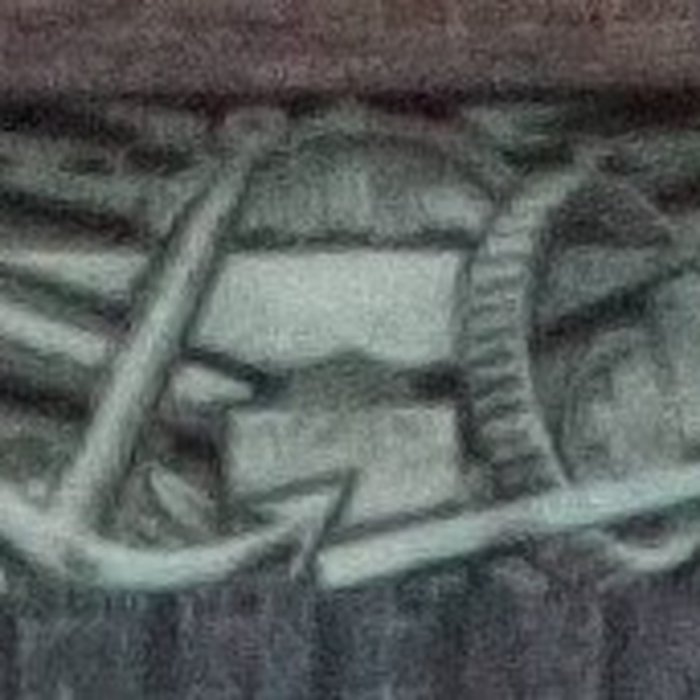
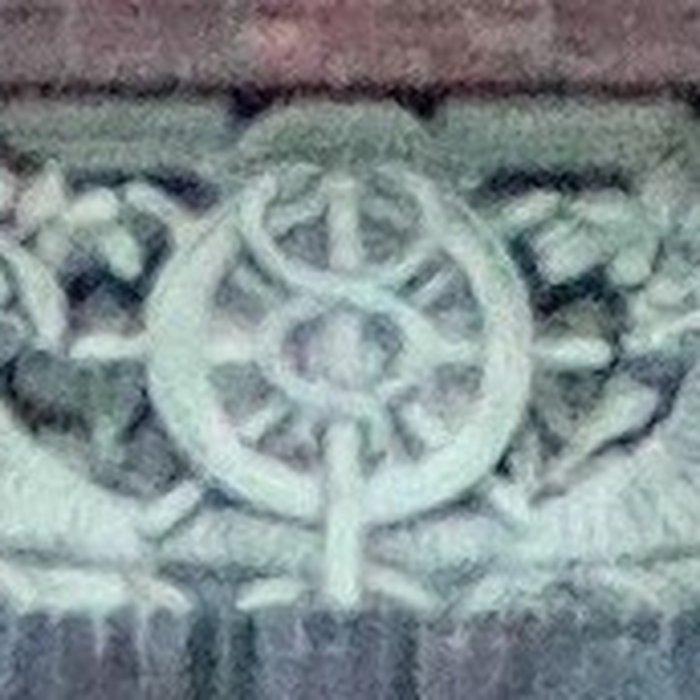
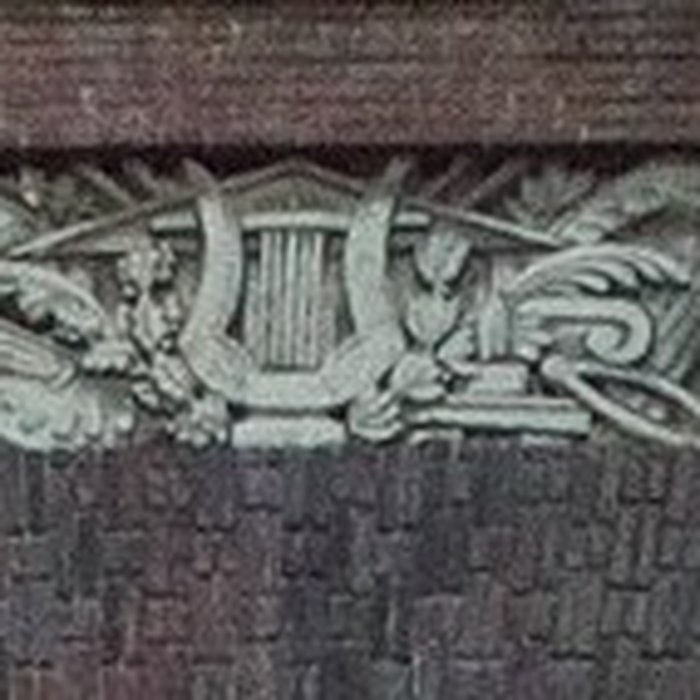
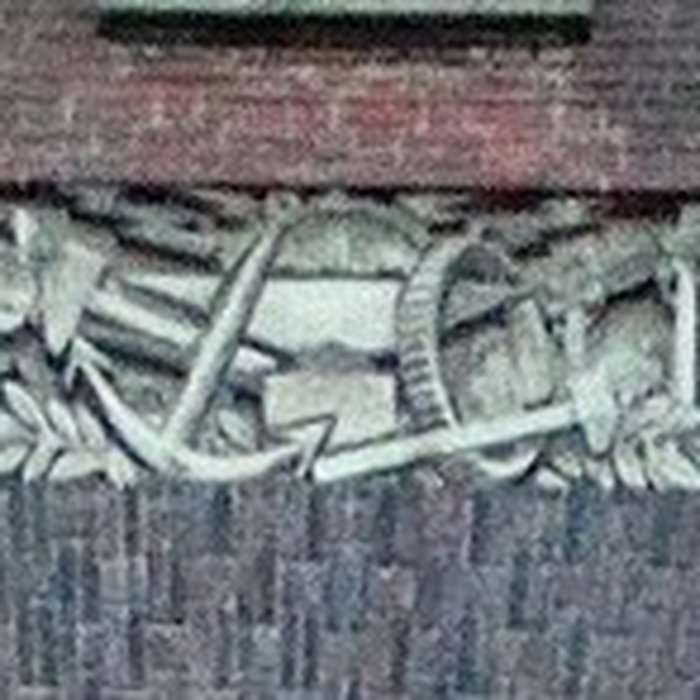
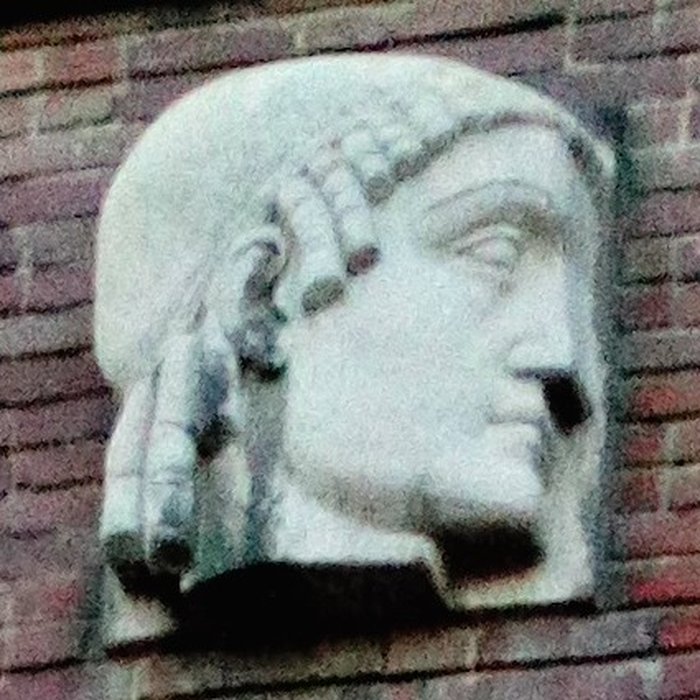
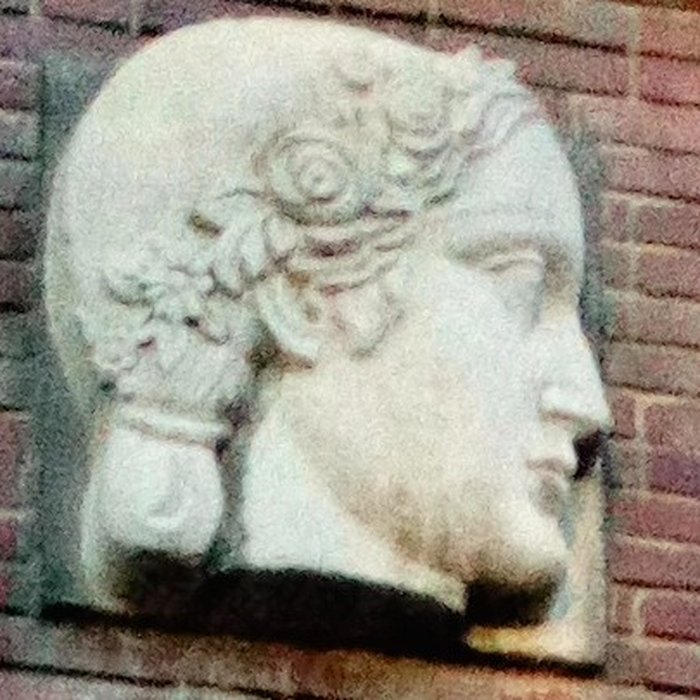
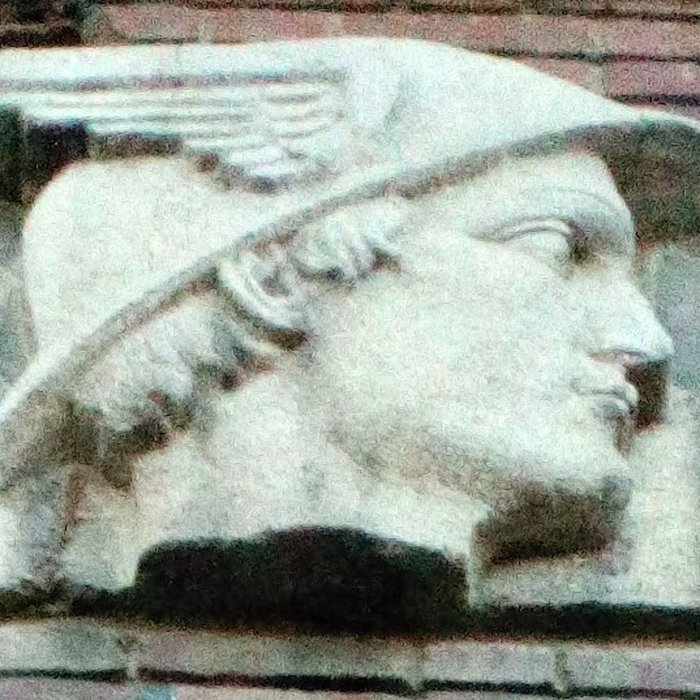
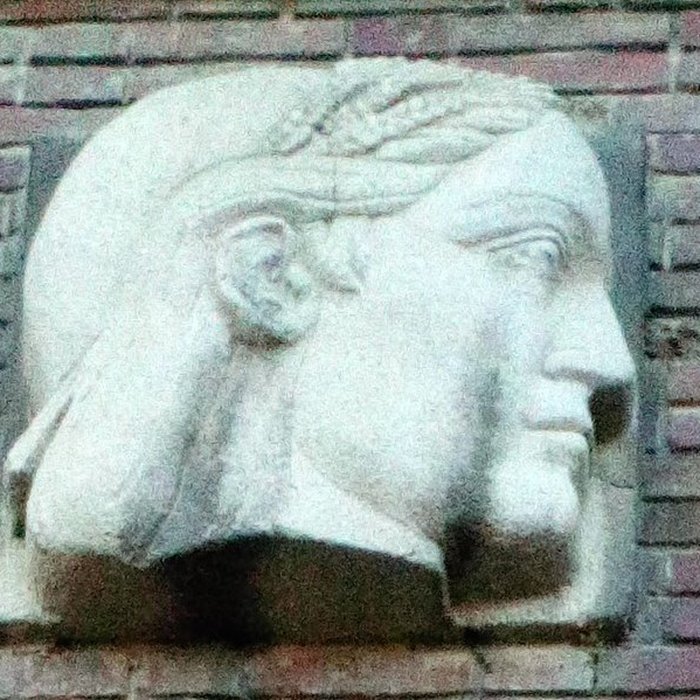
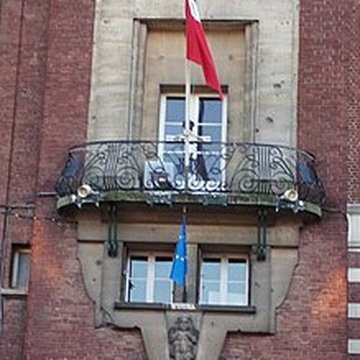
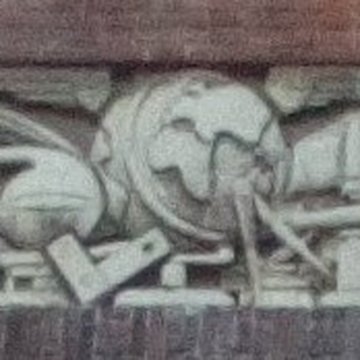
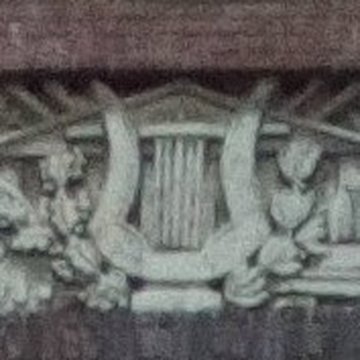
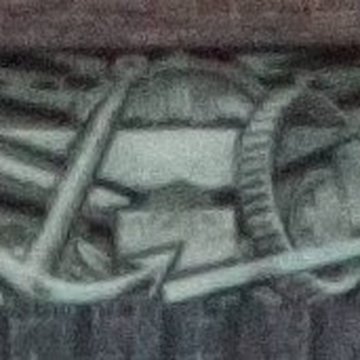
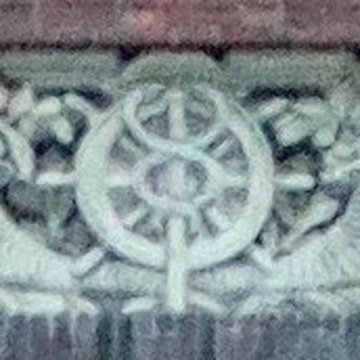
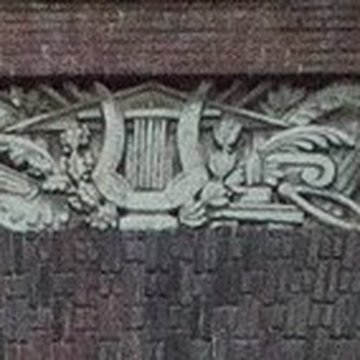
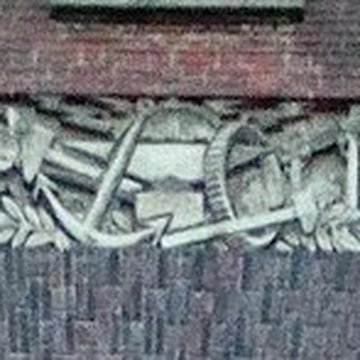
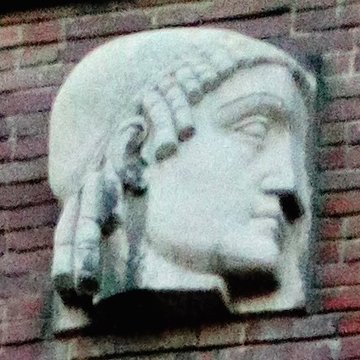
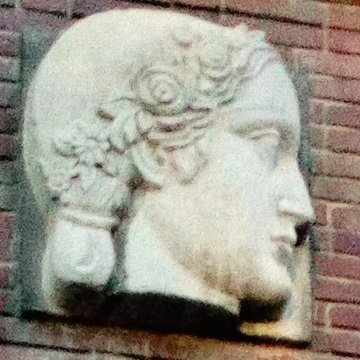
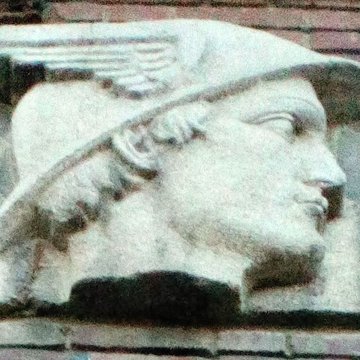
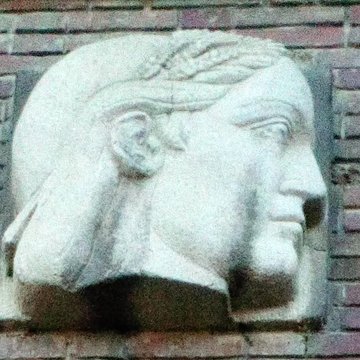
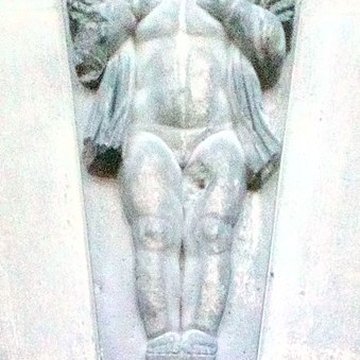
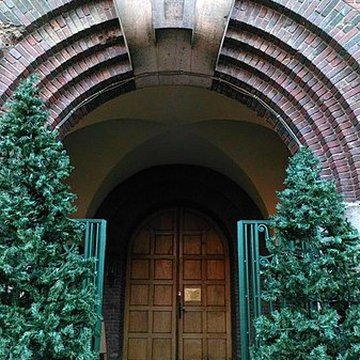
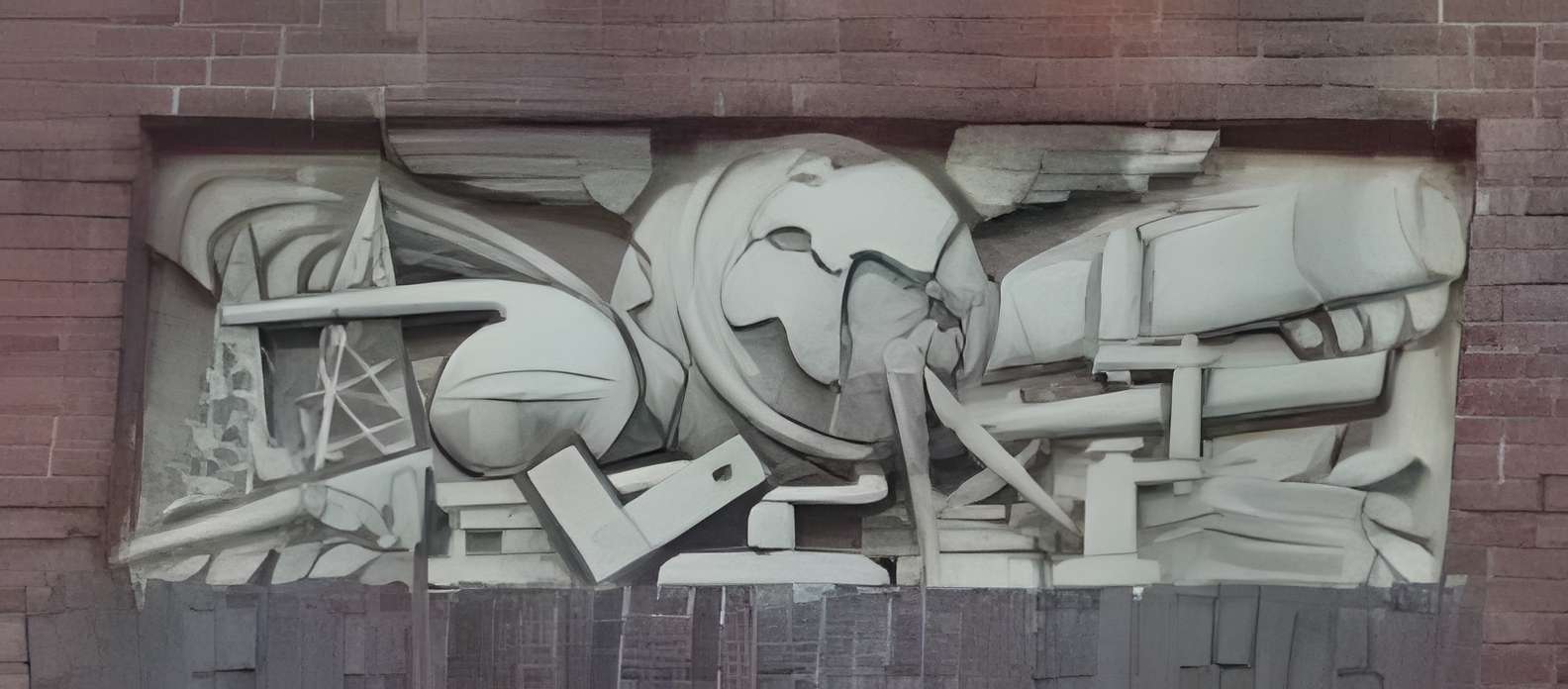
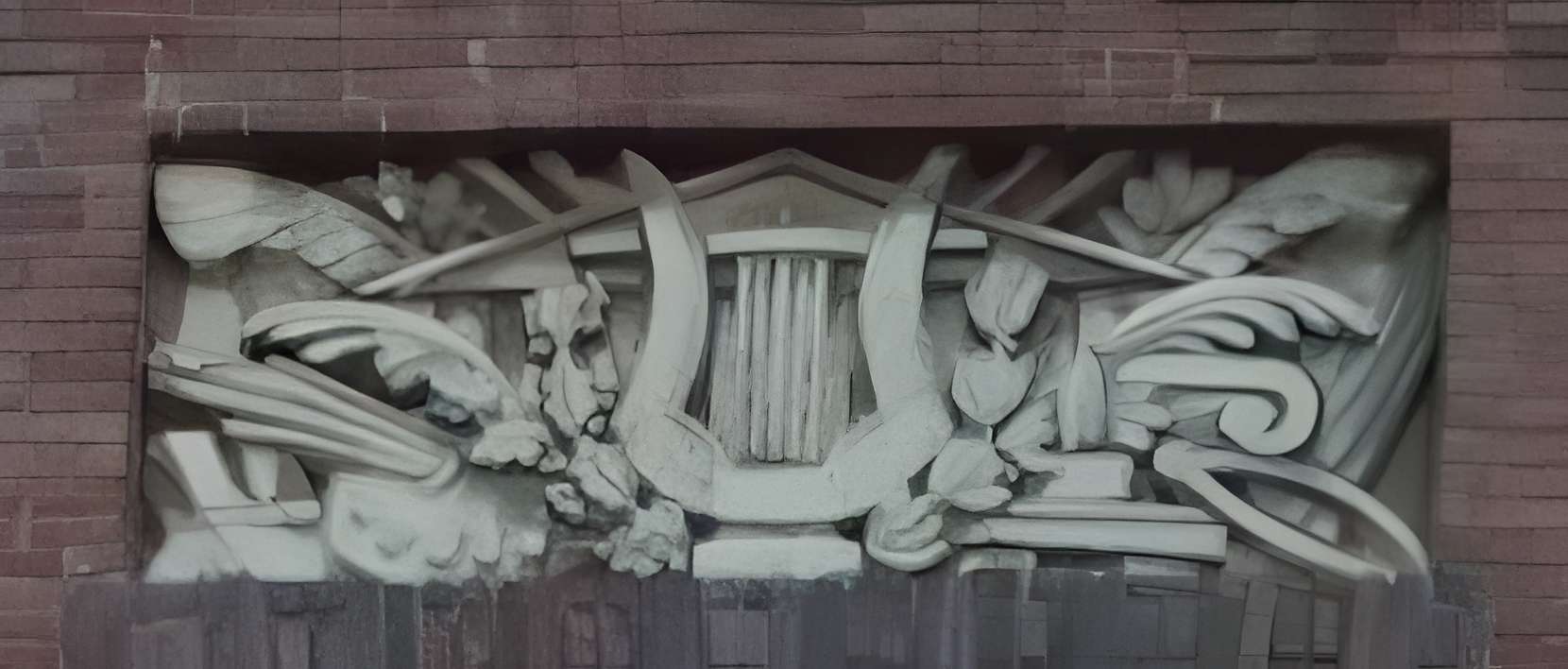
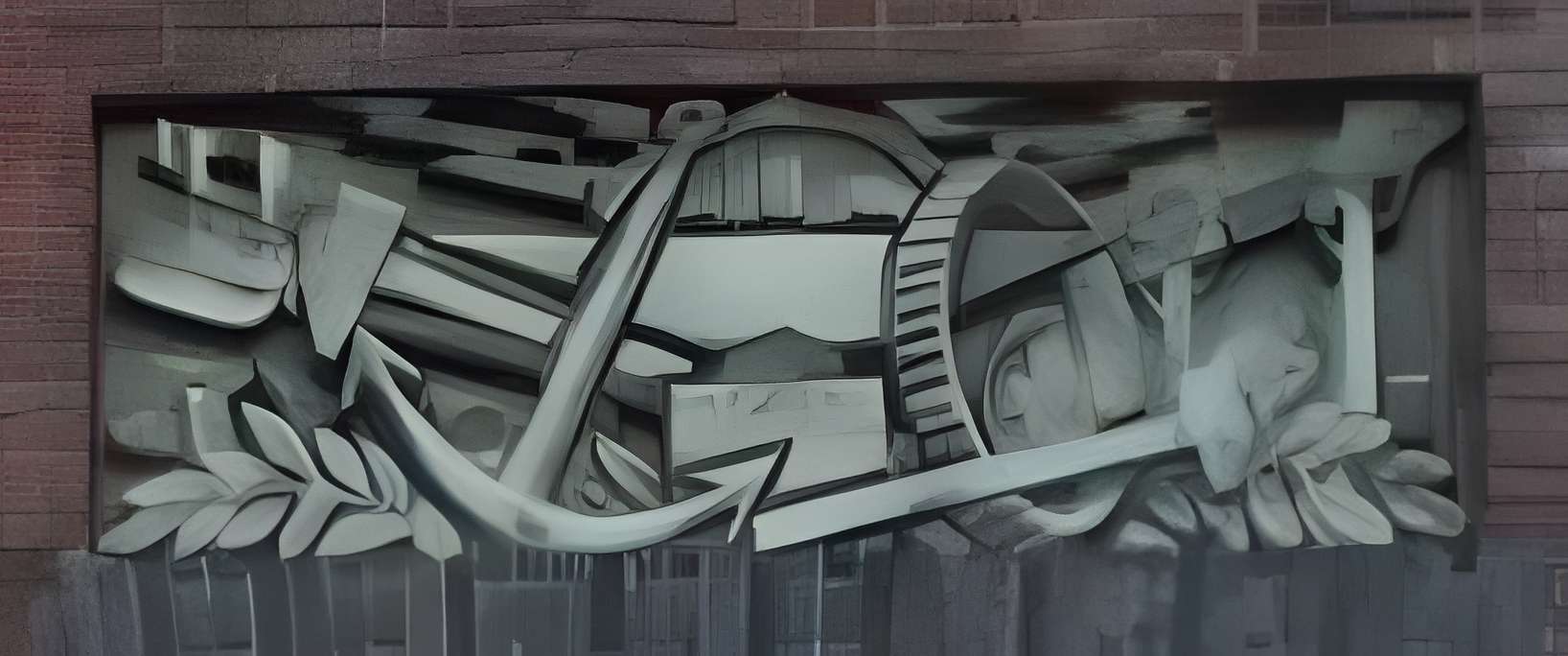
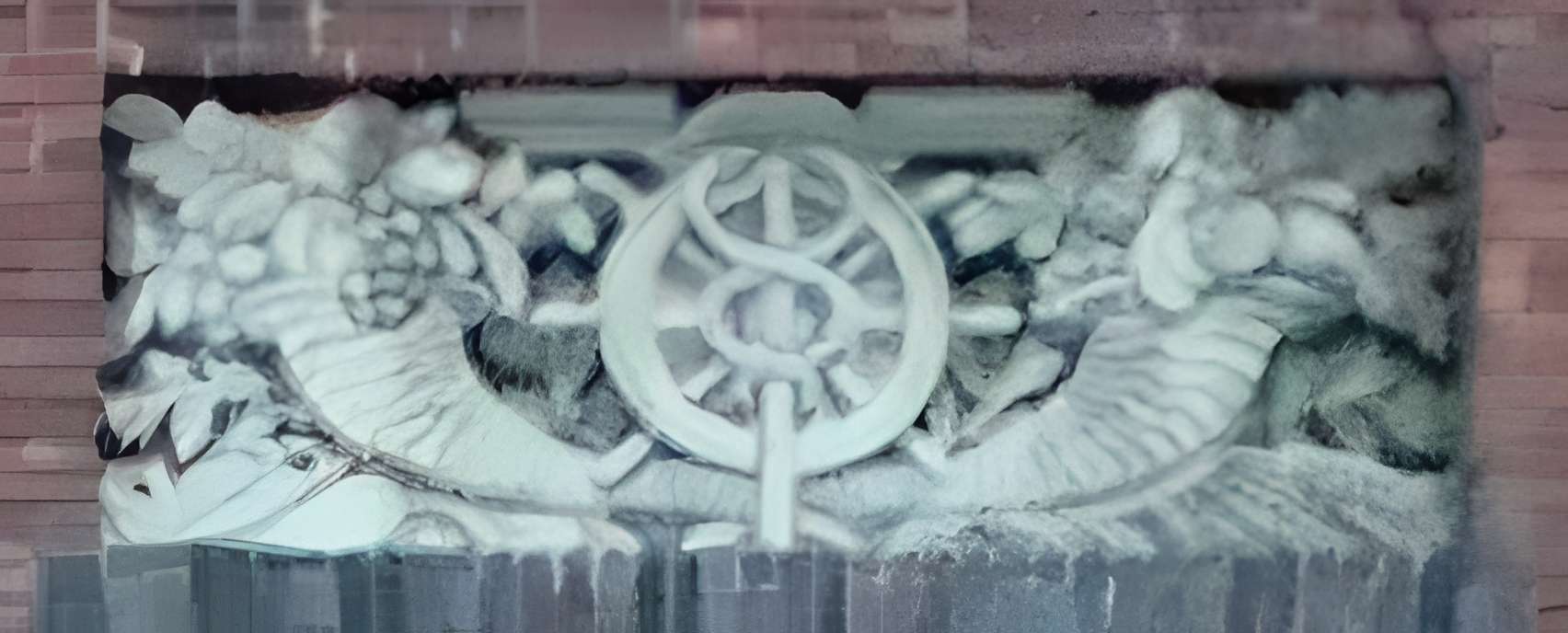
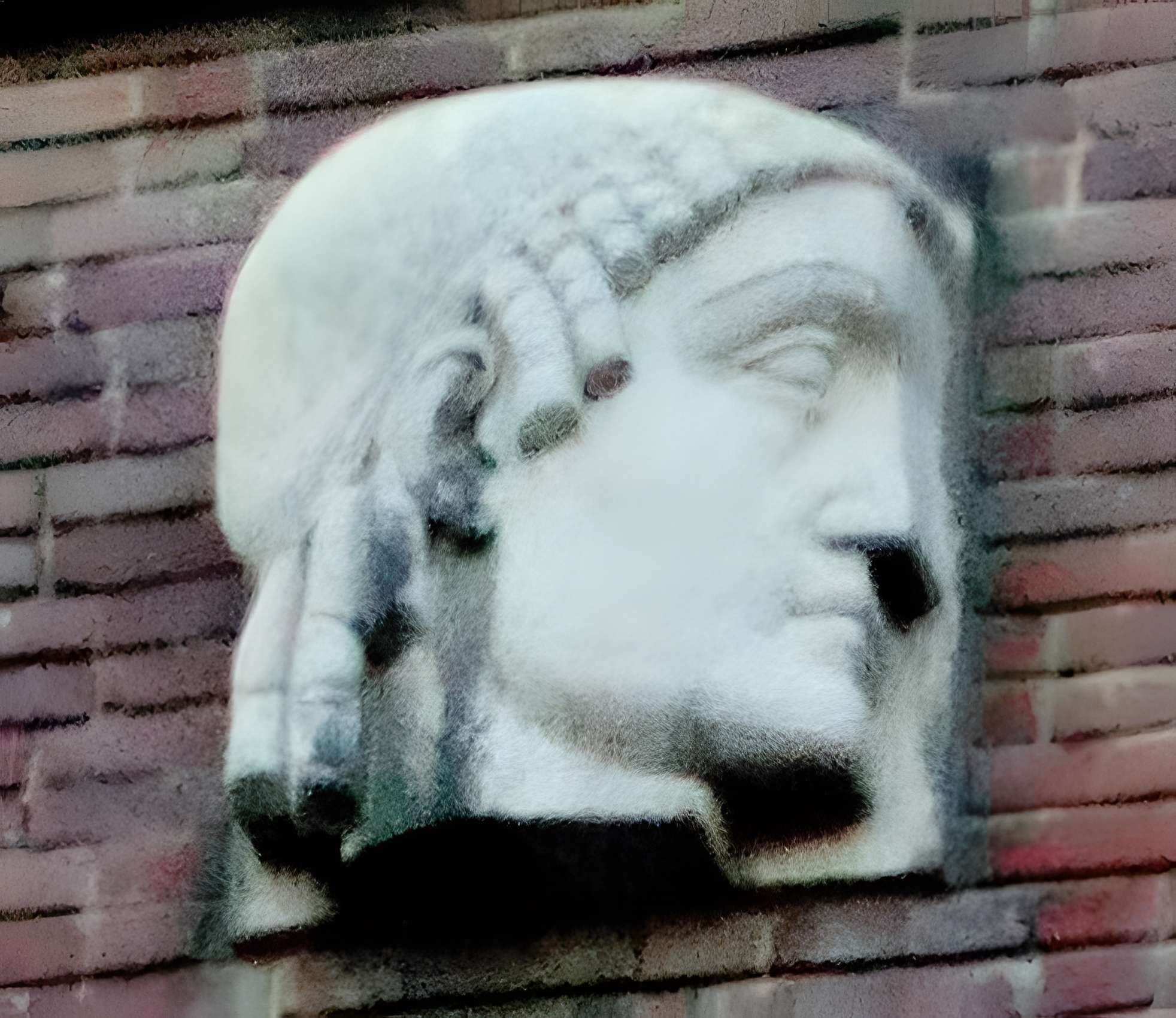
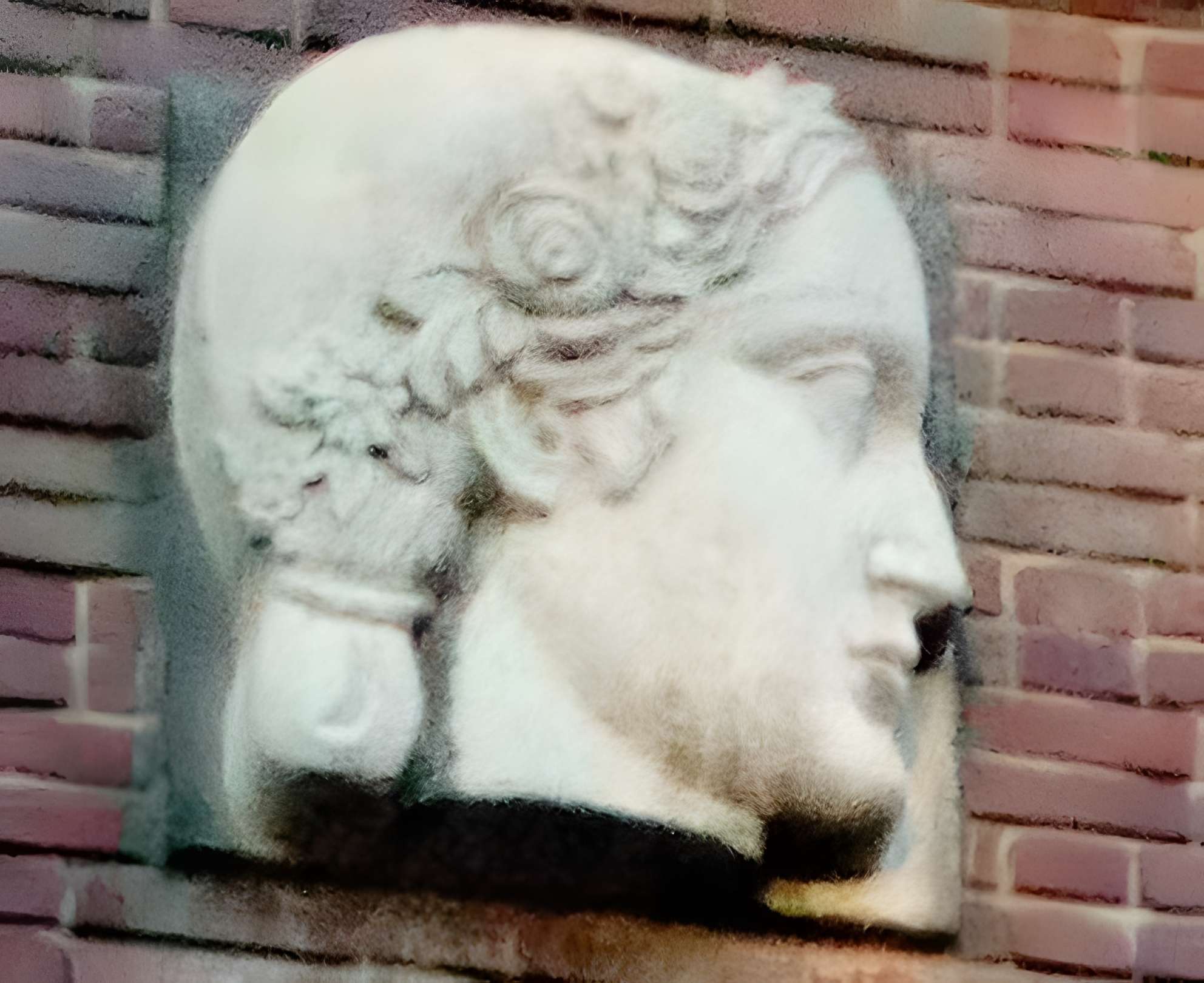
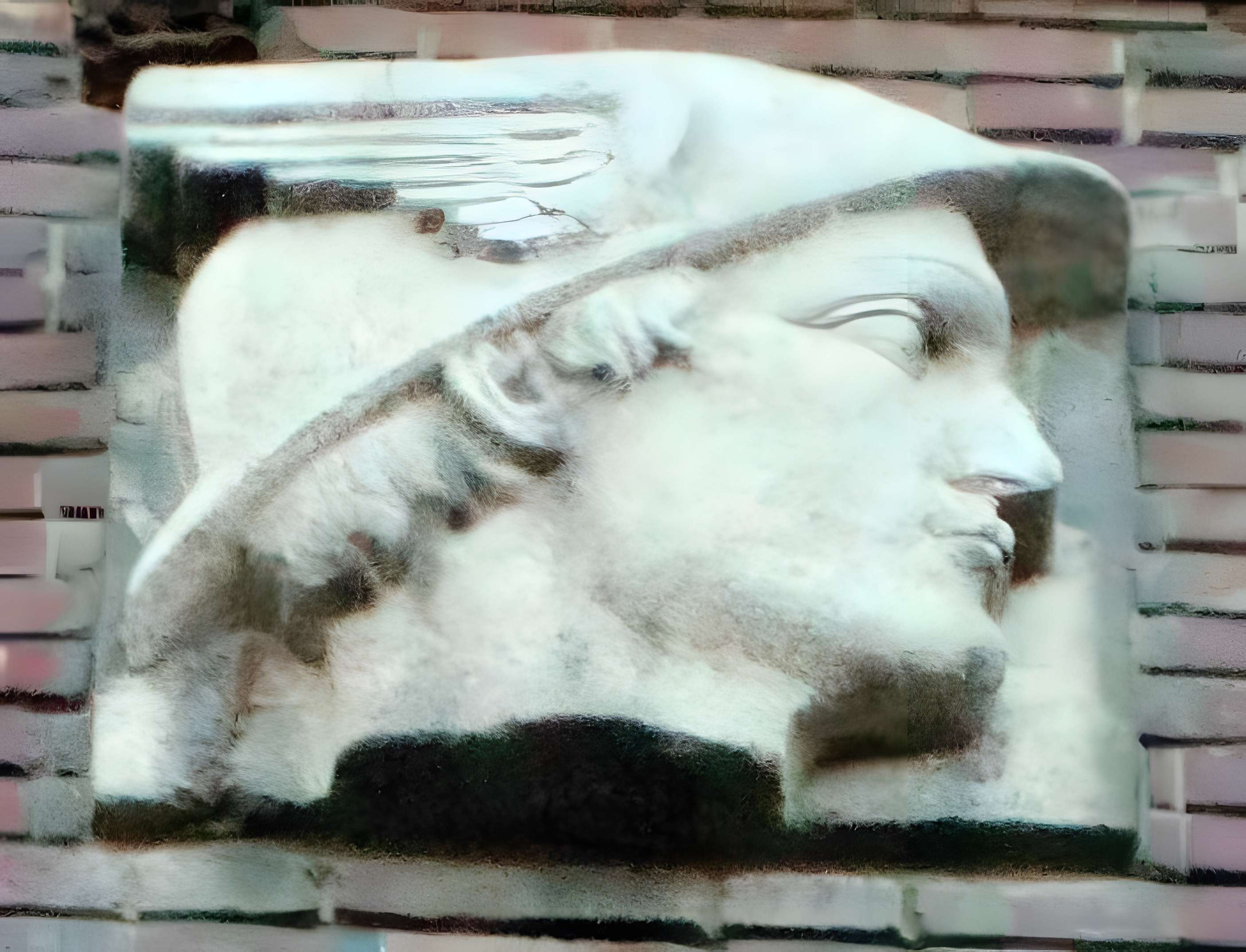
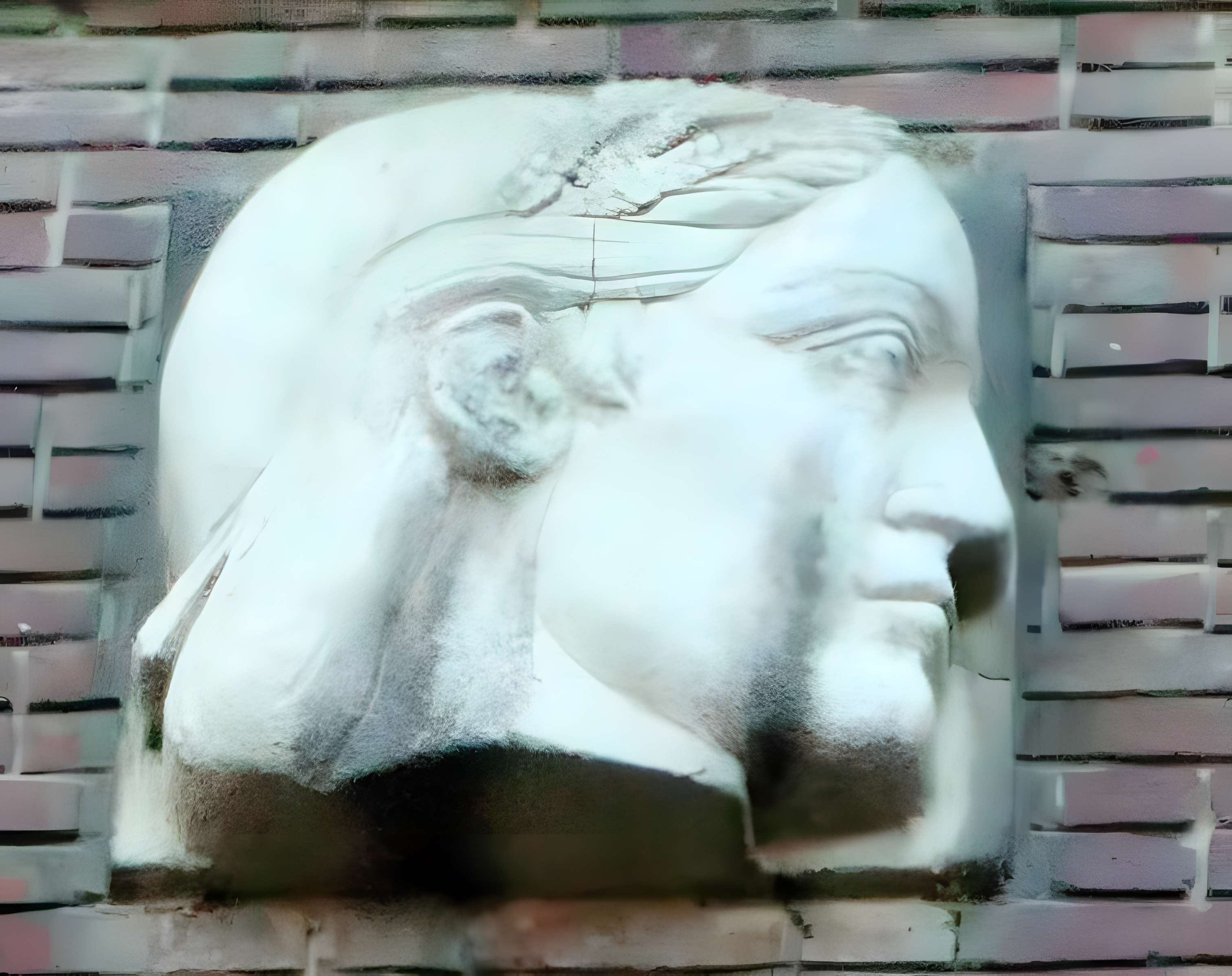
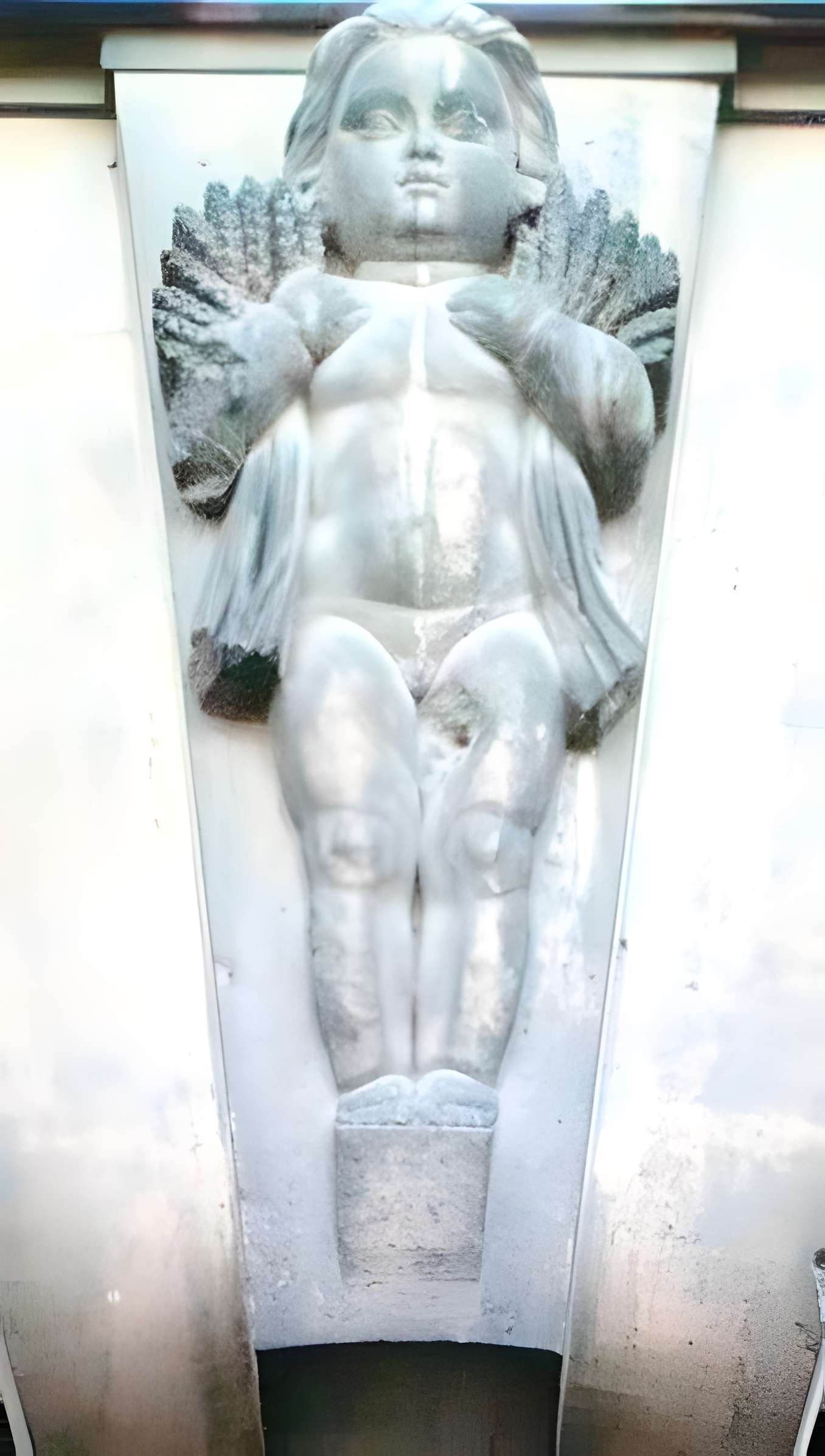
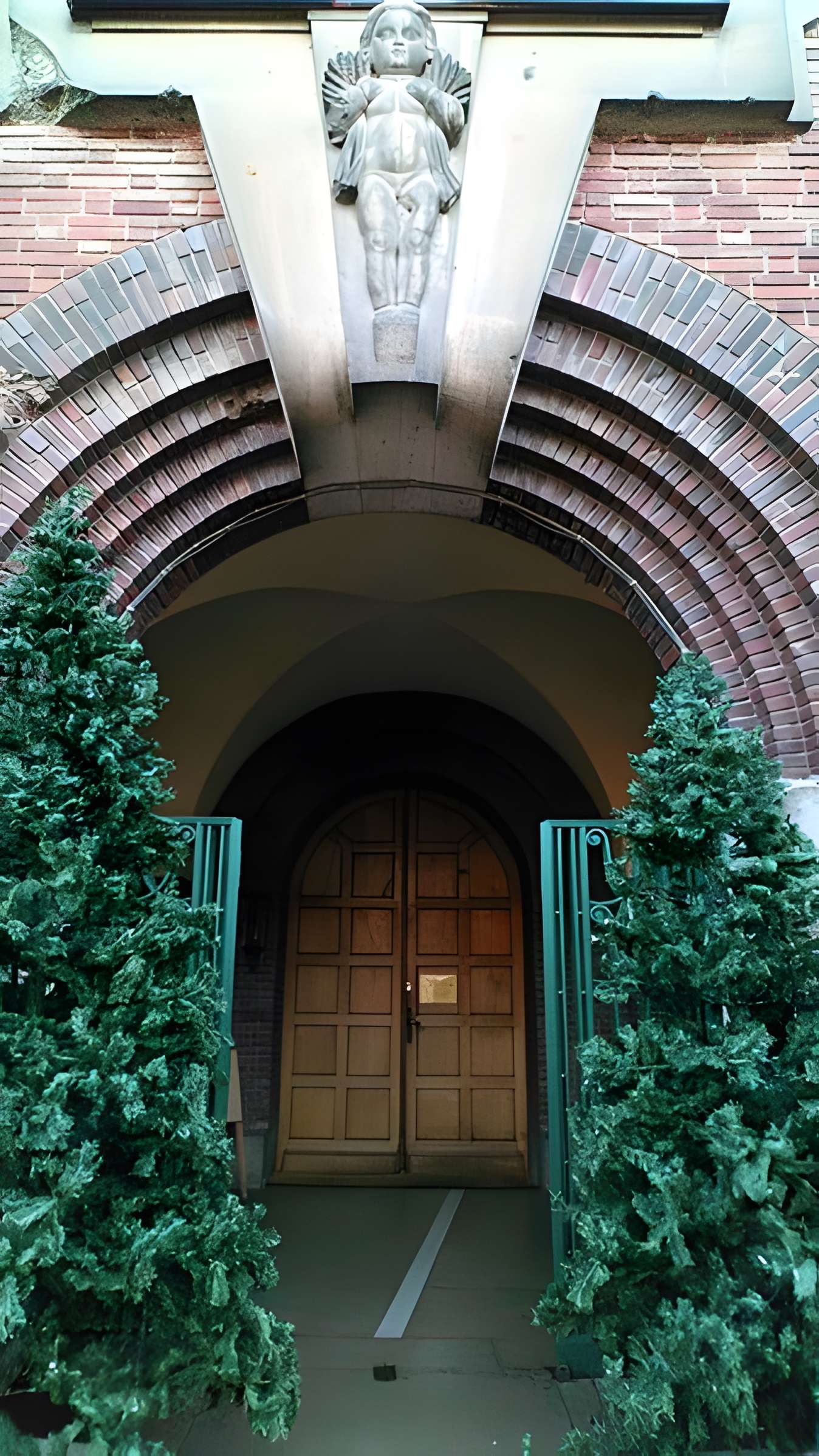
Architects Charles Duval and Emmanuel Gonse designed a symbolic building adorned with sculptures by Raymond Couvegnes (Grand Prix de Rome 1932) and paintings by Maurice Pico. The facade features four moulded cement friezes allegorizing science, arts, industry and commerce, while the ground floor windows are surmounted by divinities evoking the agricultural wealth of the Santerre. Above the entrance, the municipal coat of arms and the Latin motto Urbs cultissima (the most cultivated city) recall Montdidier's intellectual heritage.

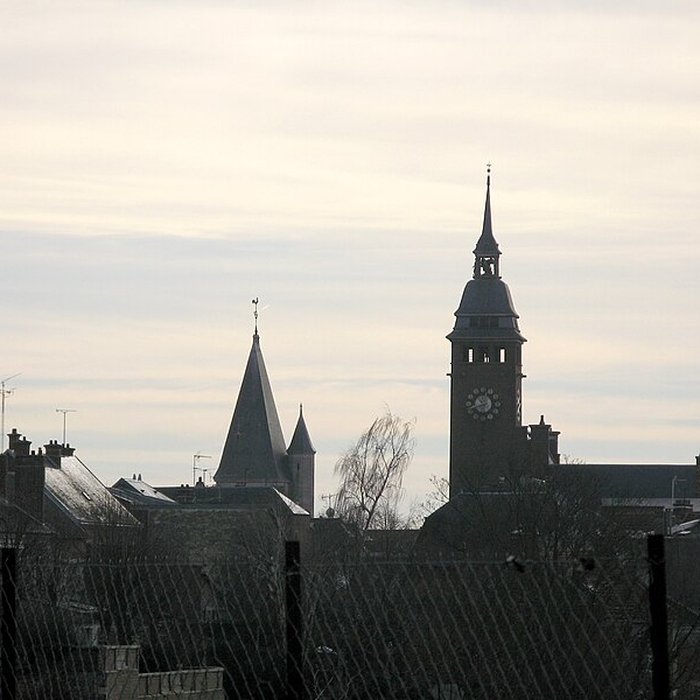
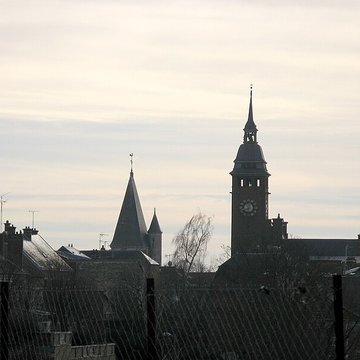
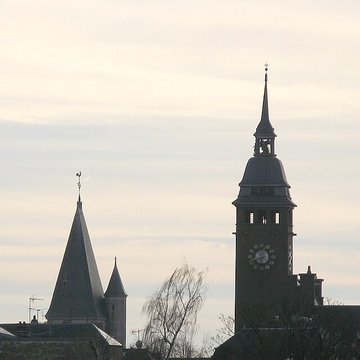
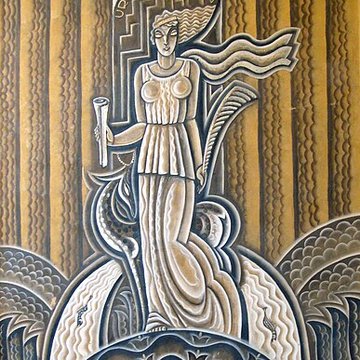
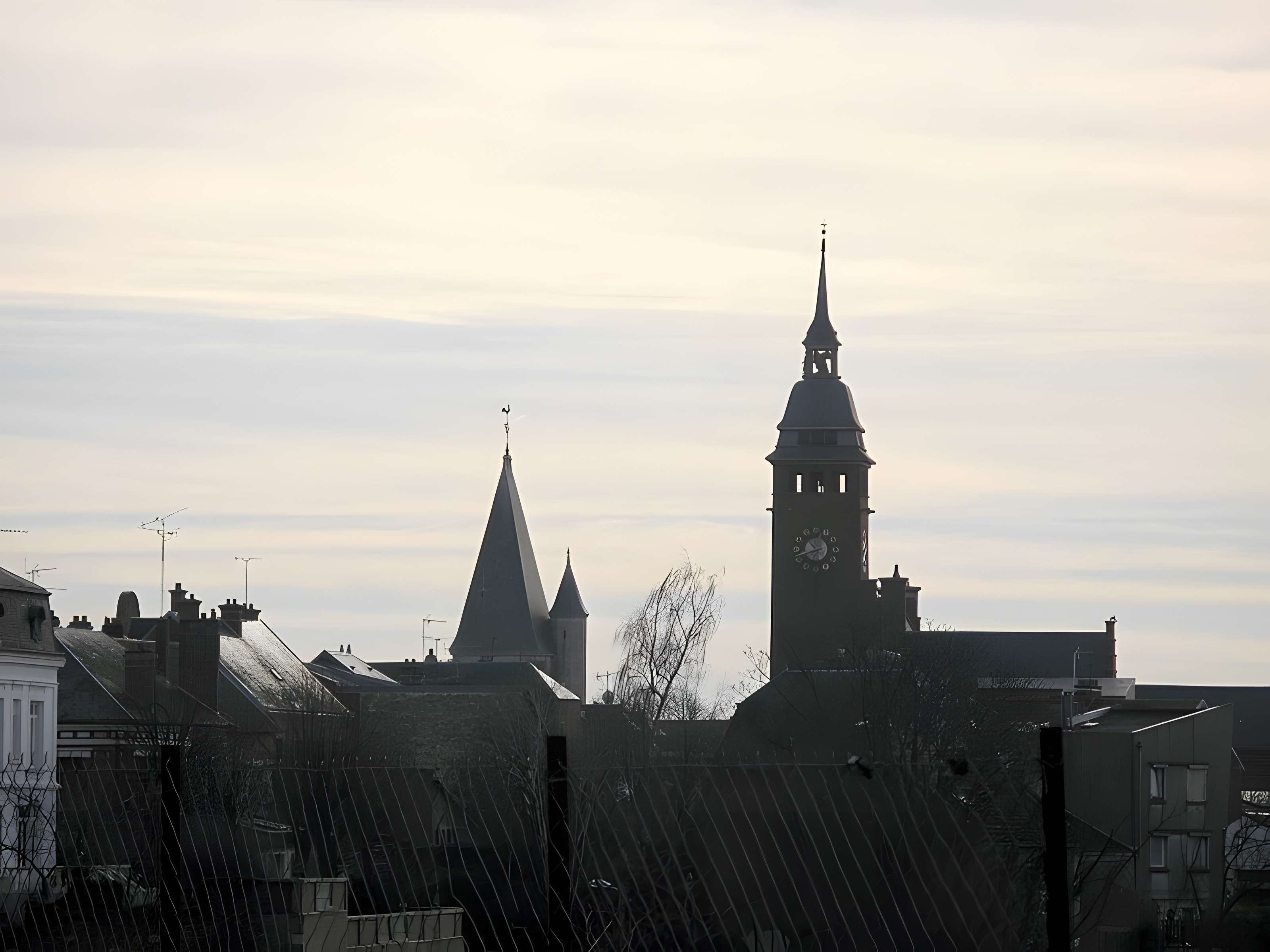
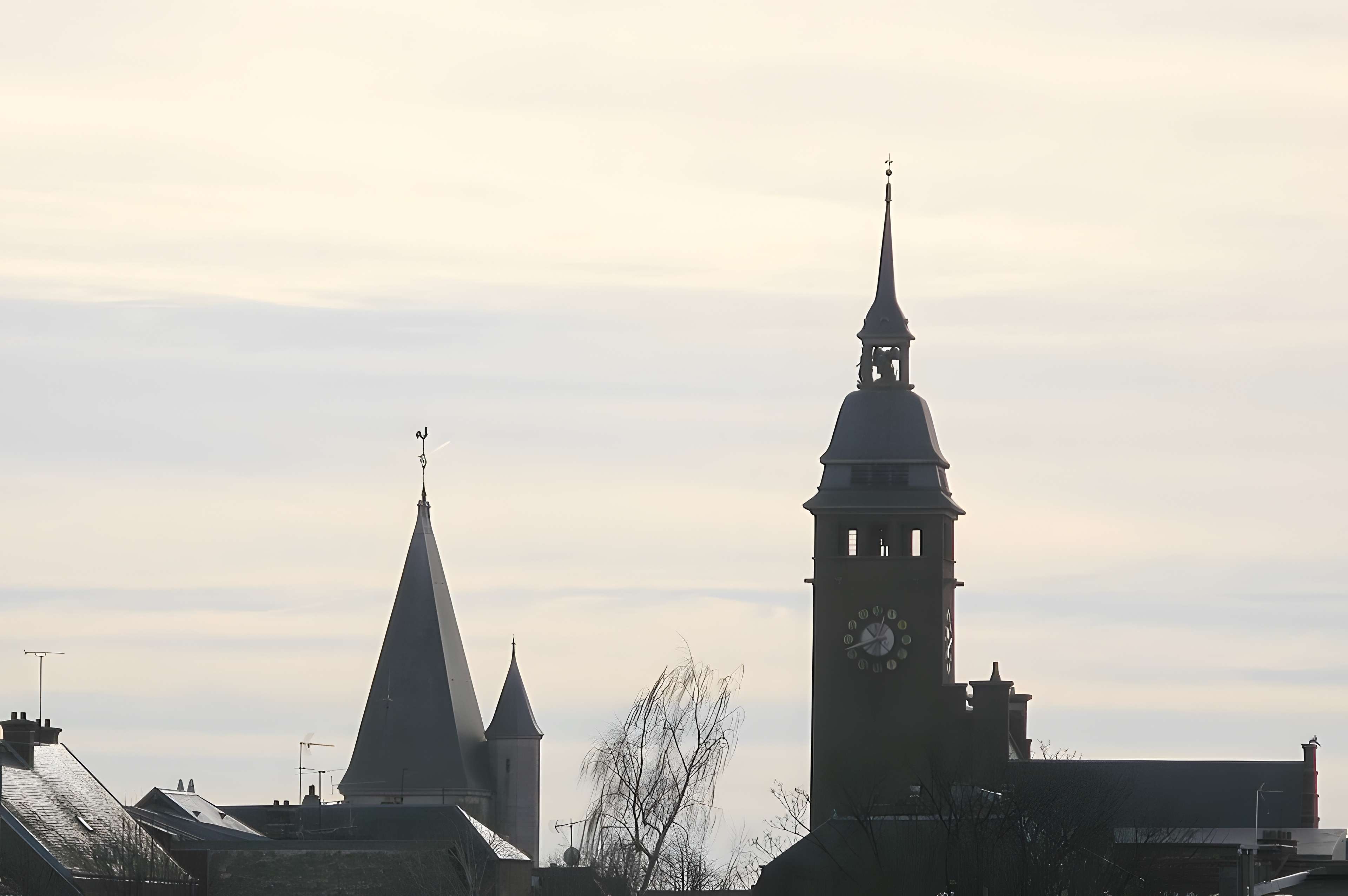
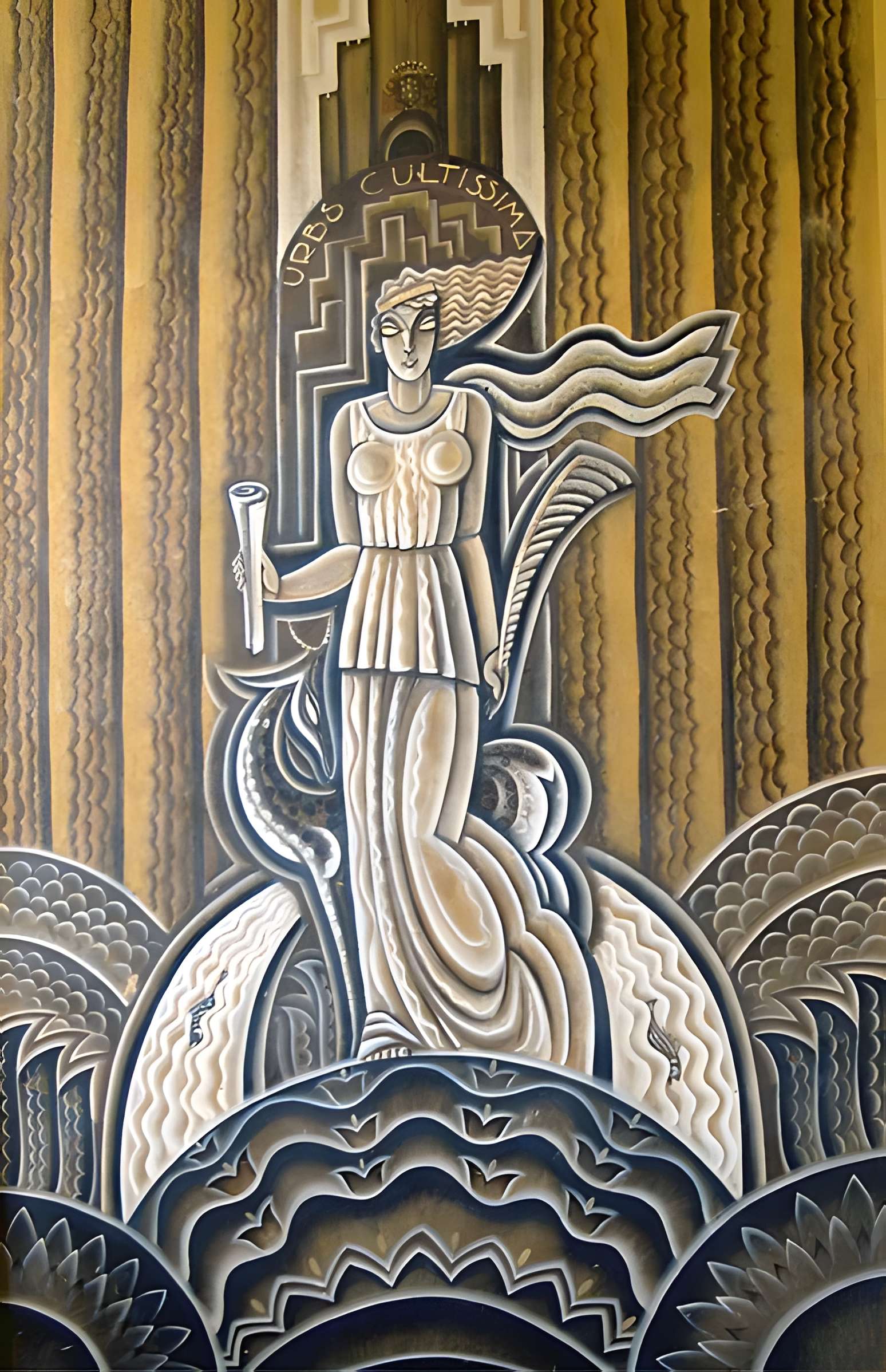
Inside, the hall of honour illustrates local resilience: a fresco by Pico depicts a young woman holding the communal charter of 1195 (given by Philippe Auguste), surrounded by motifs evoking water, the family, and the fortified past of the city. The belfry, 48 meters high, is home to jacquemarts, including Jean Duquesne, a wooden jaquemart of 1875 recapitulated from the 1918 destruction. These artistic elements, combined with a wrought iron chandelier of a ton, make the city hall a major testimony of Art Deco and reconstructionist memory.

Filed entirely by order of 14 October 2003, the building belongs to the commune and is one of Picardie's emblematic belfries. His honorary staircase, with wrought iron ramps and arabizing paintings, celebrates Montdidier's ties with its rural territory and medieval history, as evidenced by the legend of Didier, king of Lombards, supposedly imprisoned on site in the eighth century. These stories, mixed with Republican symbols (like Marianne's bust), anchor the monument in a dual identity: local and national.

External links