
Logo Musée du Patrimoine

All French heritage classified by regions, departments and cities

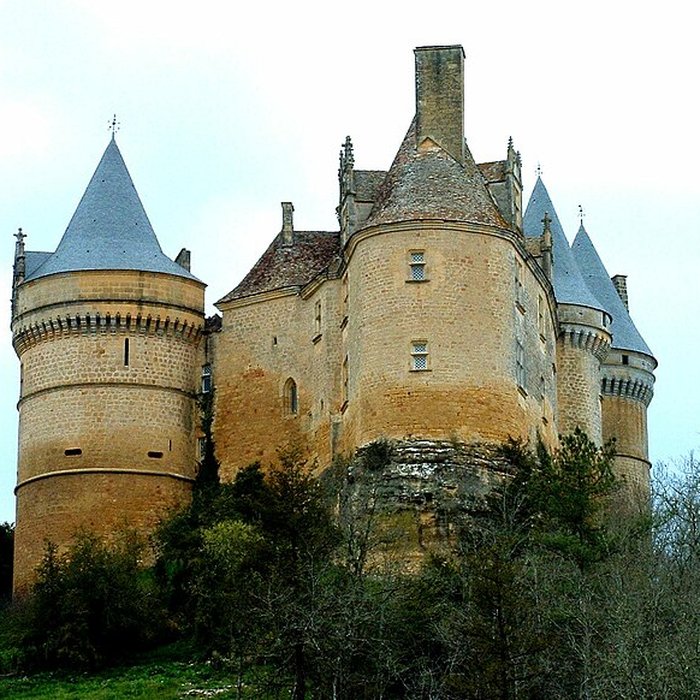
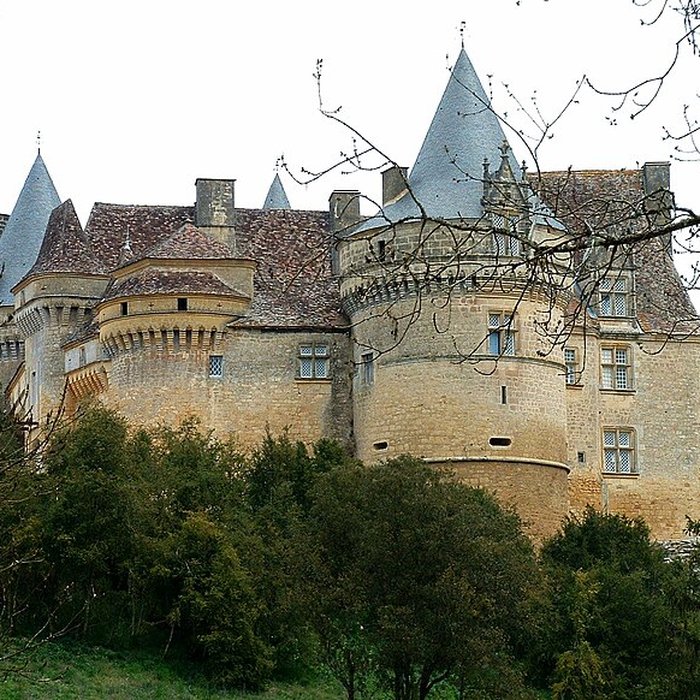
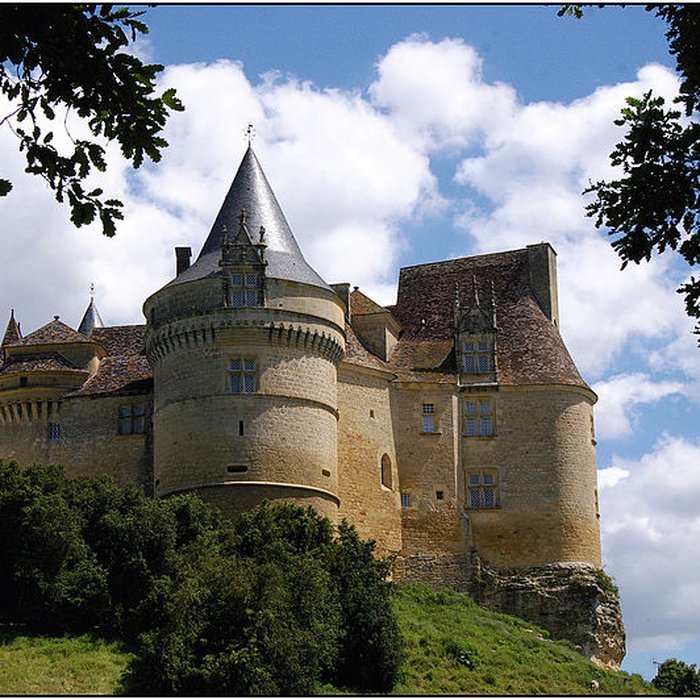
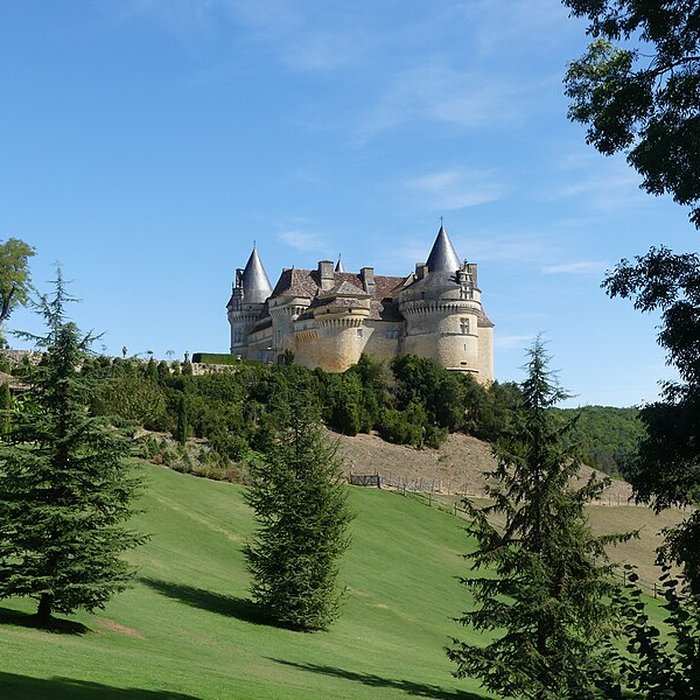
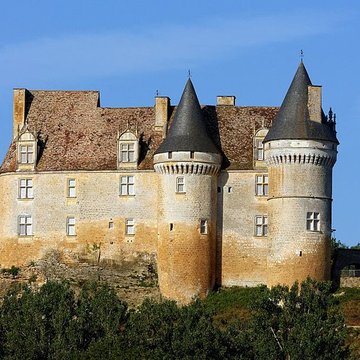
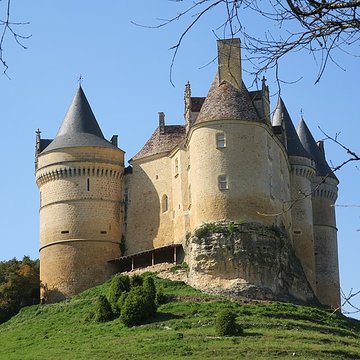
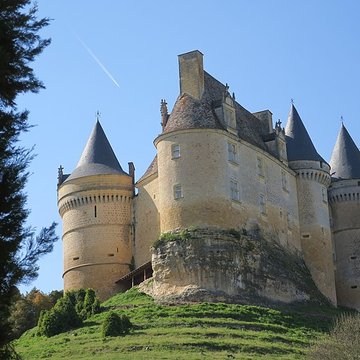
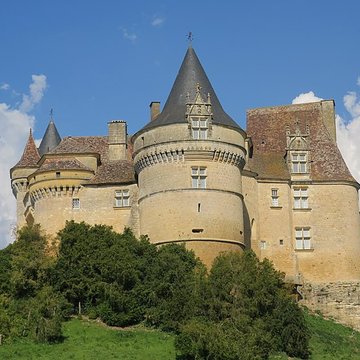
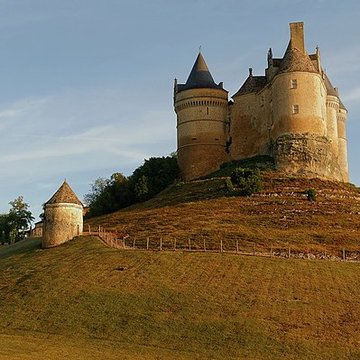
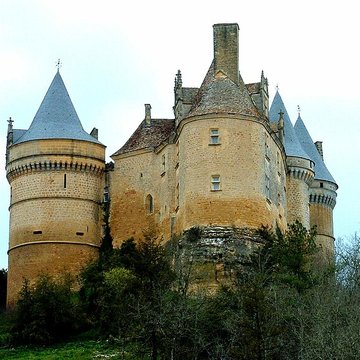
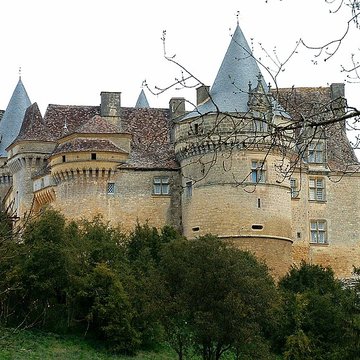
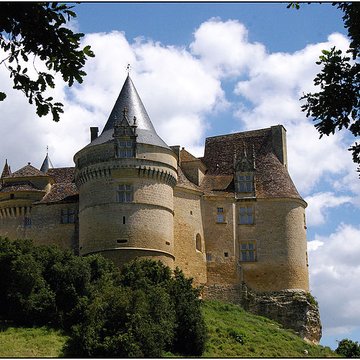
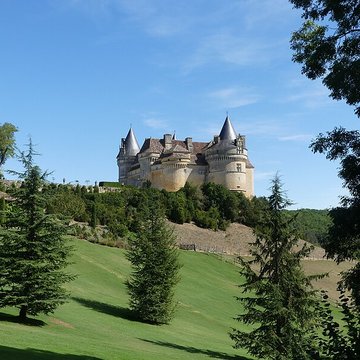
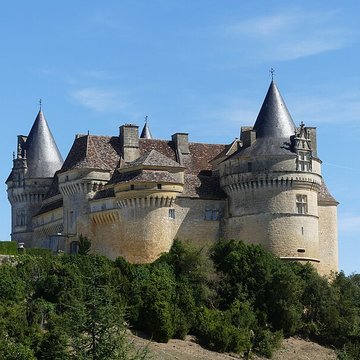
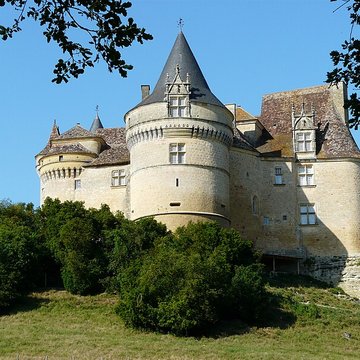
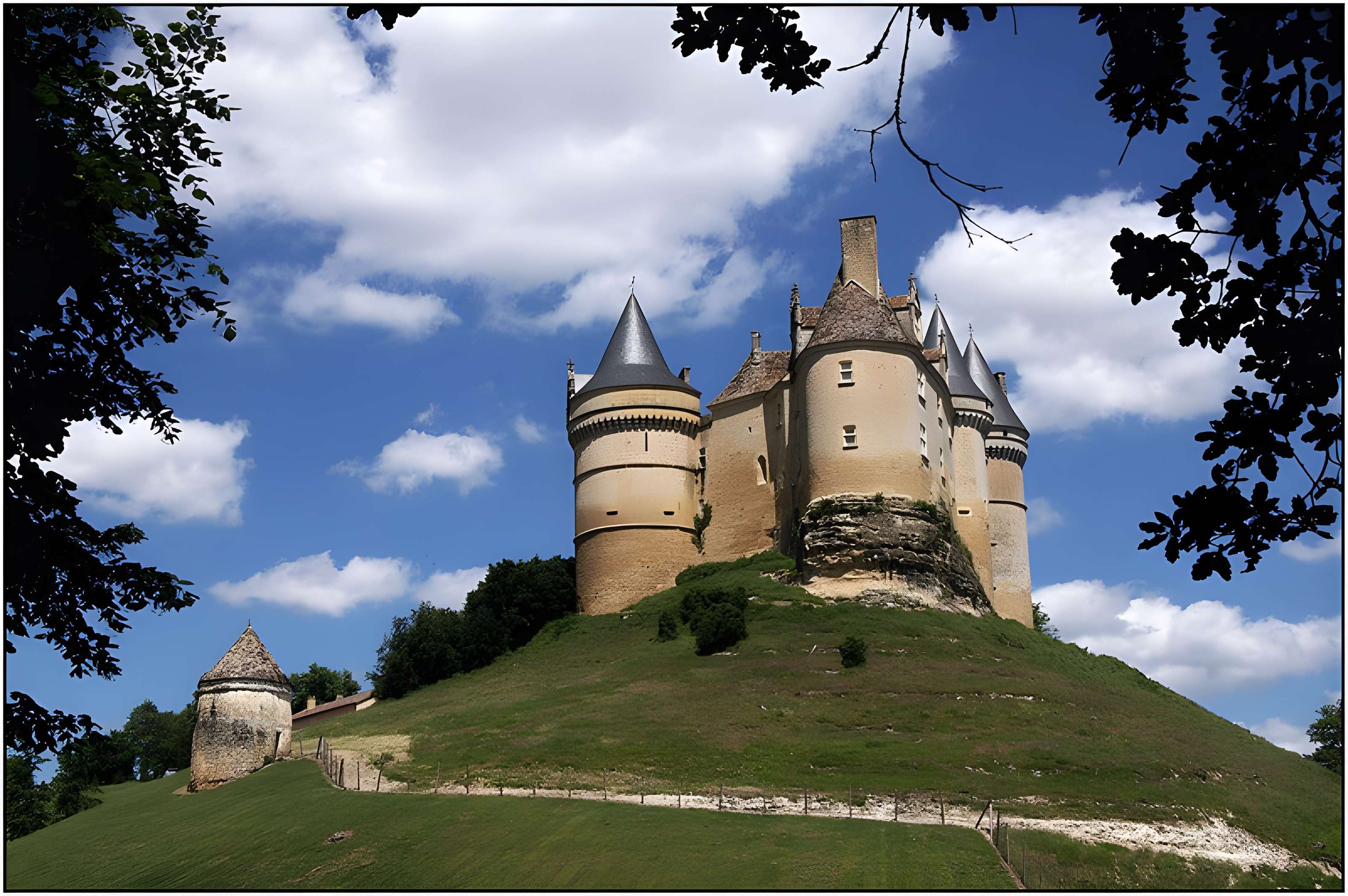
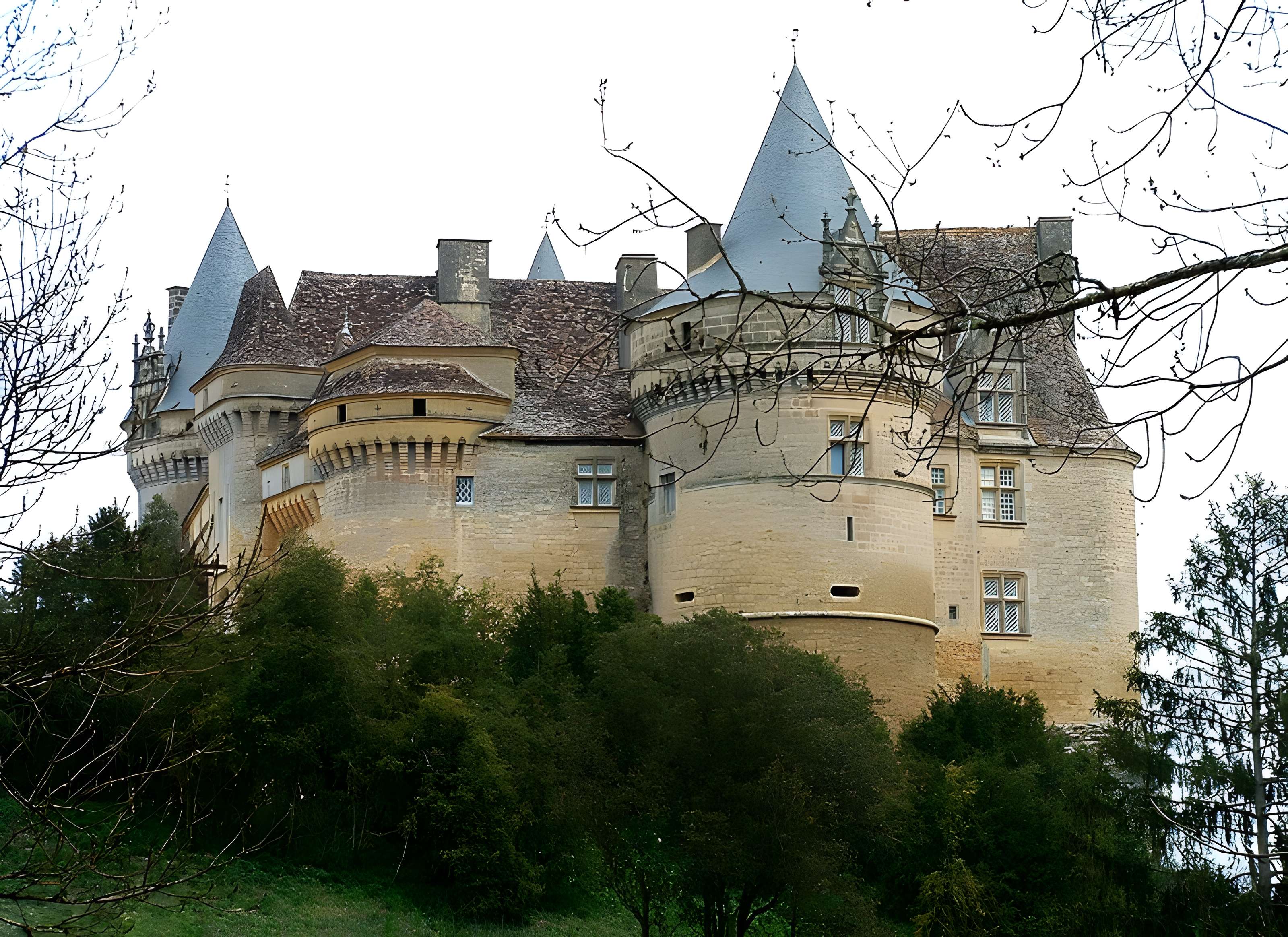
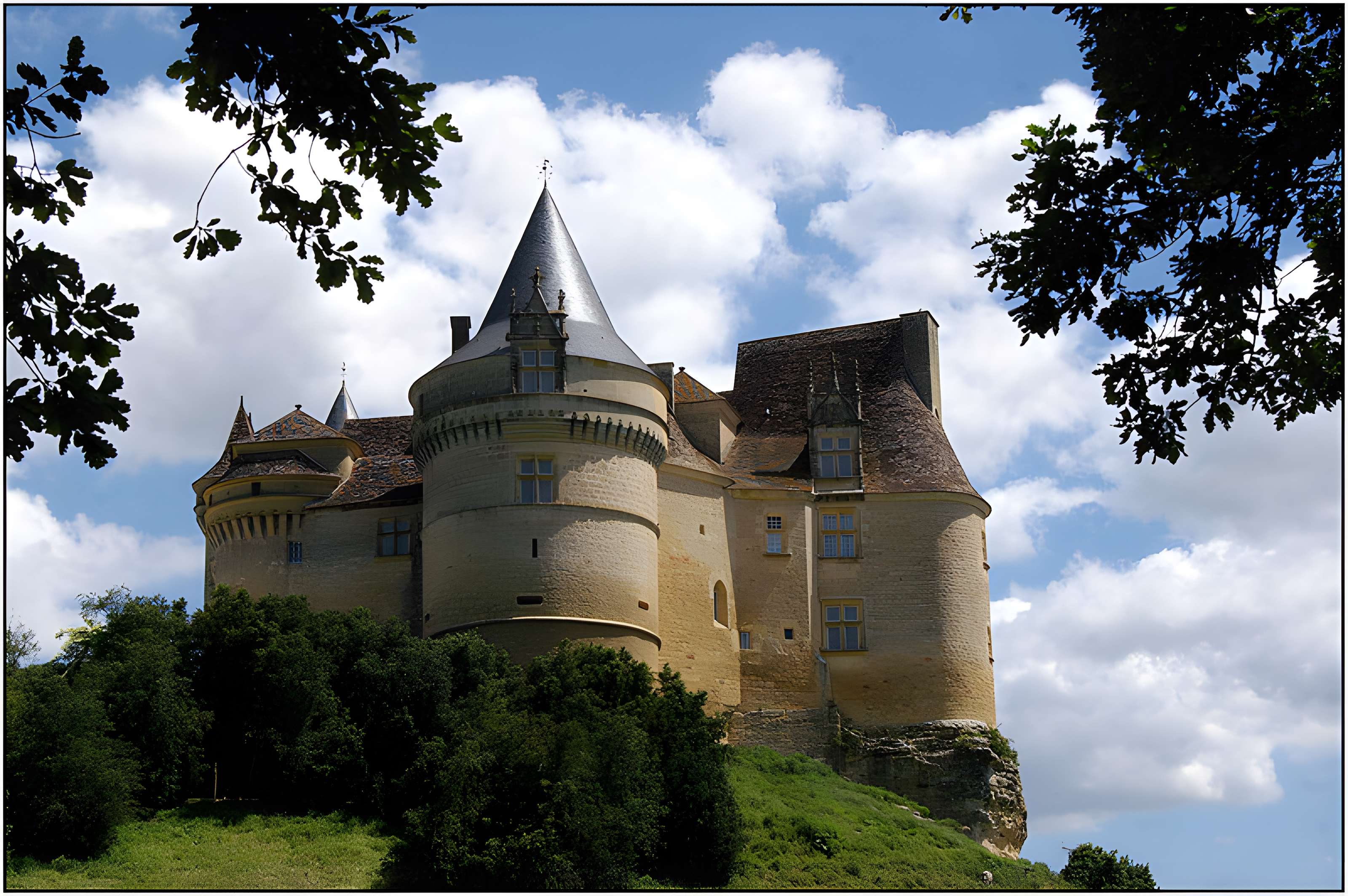
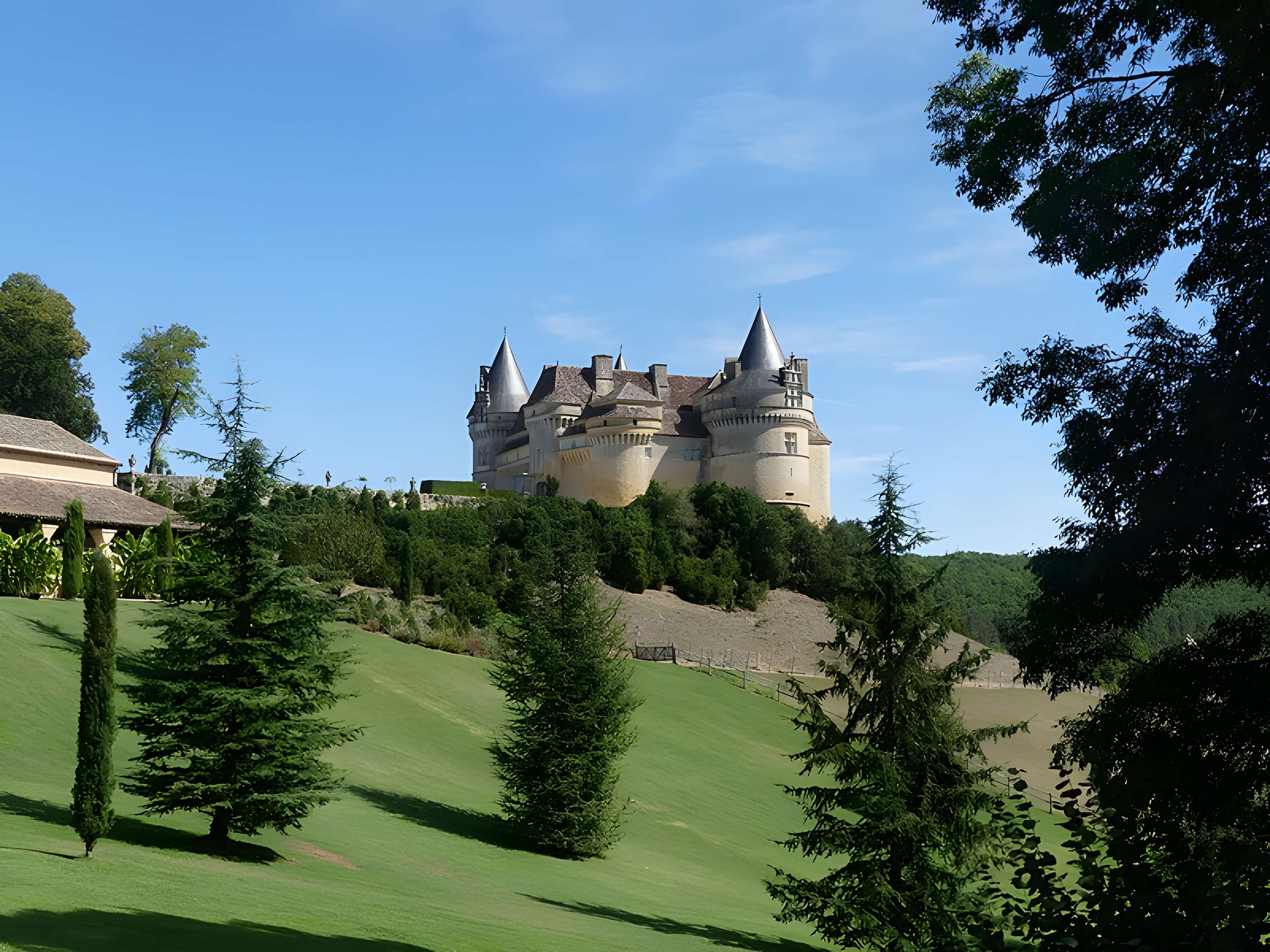
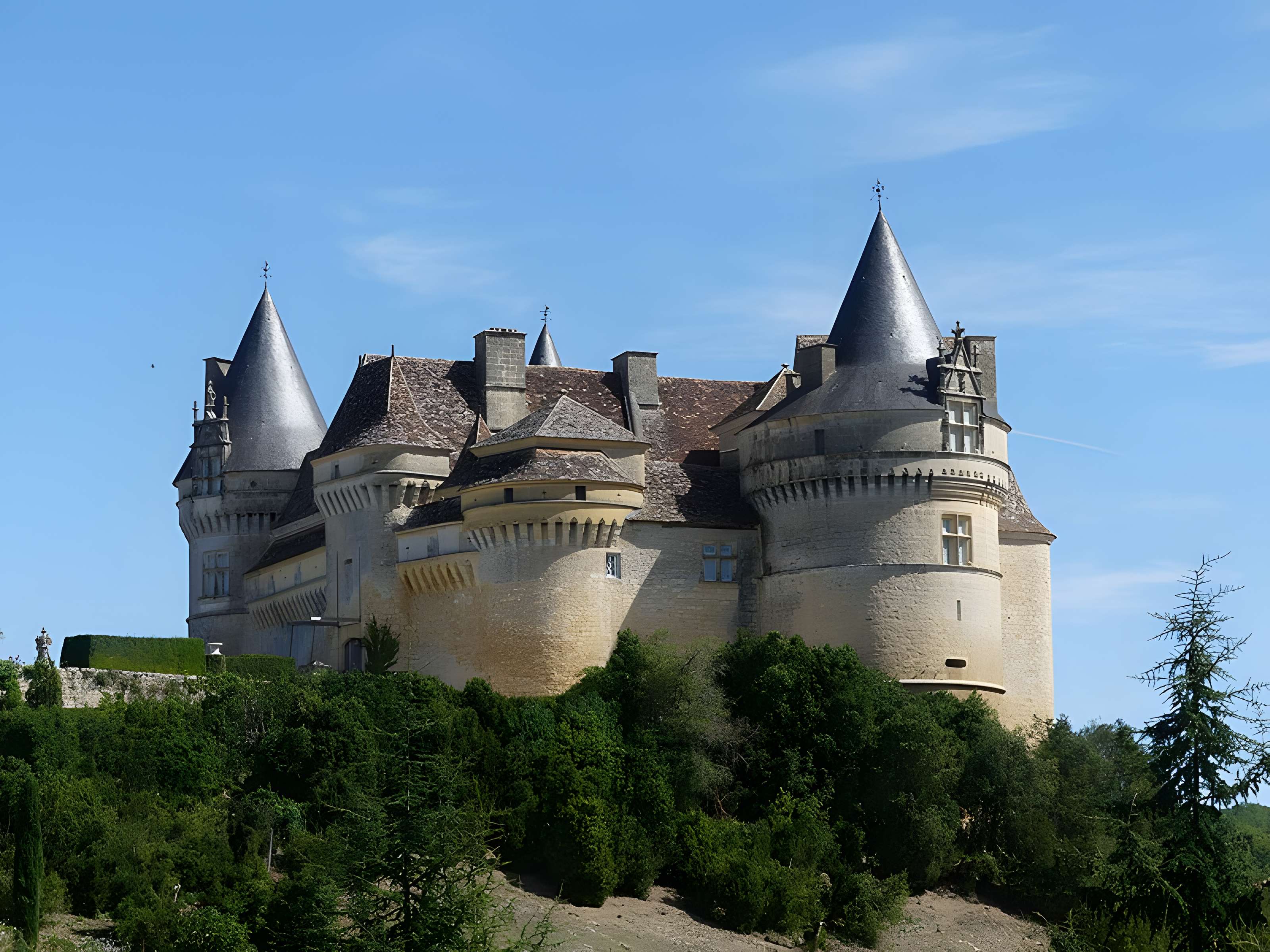
Castle of Bannes à Beaumont-du-Périgord en Dordogne

Patrimoine classé
Patrimoine défensif
Demeure seigneuriale
Château Médiéval et Renaissance
Dordogne

Castle of Bannes

    R.D. 660
    24440 Beaumontois en Périgord
Ownership of a private company
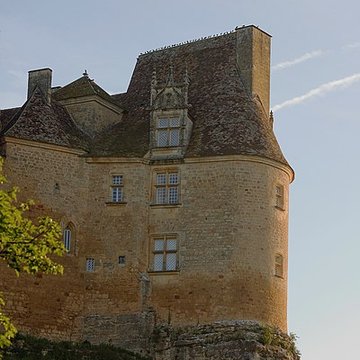
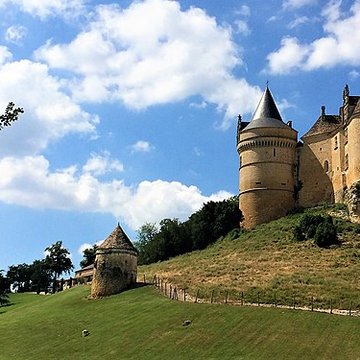
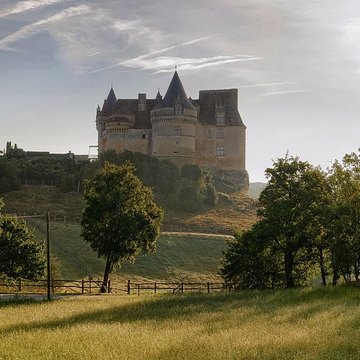
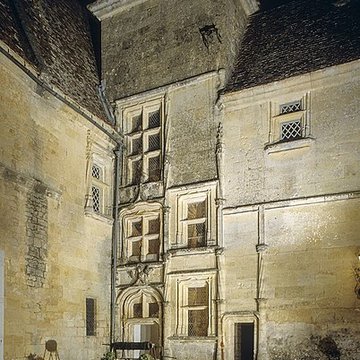
Château de Bannes
Château de Bannes
Château de Bannes
Château de Bannes
Château de Bannes
Château de Bannes
Château de Bannes
Château de Bannes
Château de Bannes
Château de Bannes
Château de Bannes
Château de Bannes
Château de Bannes
Château de Bannes
Château de Bannes
Château de Bannes
Château de Bannes
Château de Bannes
Château de Bannes
Château de Bannes
Château de Bannes
Château de Bannes
Château de Bannes
Château de Bannes
Château de Bannes
Château de Bannes
Château de Bannes
Château de Bannes
Château de Bannes
Château de Bannes
Château de Bannes
Château de Bannes
Château de Bannes
Crédit photo : Michel Chanaud - Sous licence Creative Commons

Timeline

Haut Moyen Âge
Moyen Âge central
Bas Moyen Âge
Renaissance
Époque contemporaine
600
700
1400
1500
2000
Ve–VIe siècle
Origins of village
1409
Taken by the English
1442
Dismantling
1510–1515
Renaissance reconstruction
1571
Acquisition by Jean de Losse
2002
Historical monument classification
Aujourd'hui
Aujourd'hui

Heritage classified

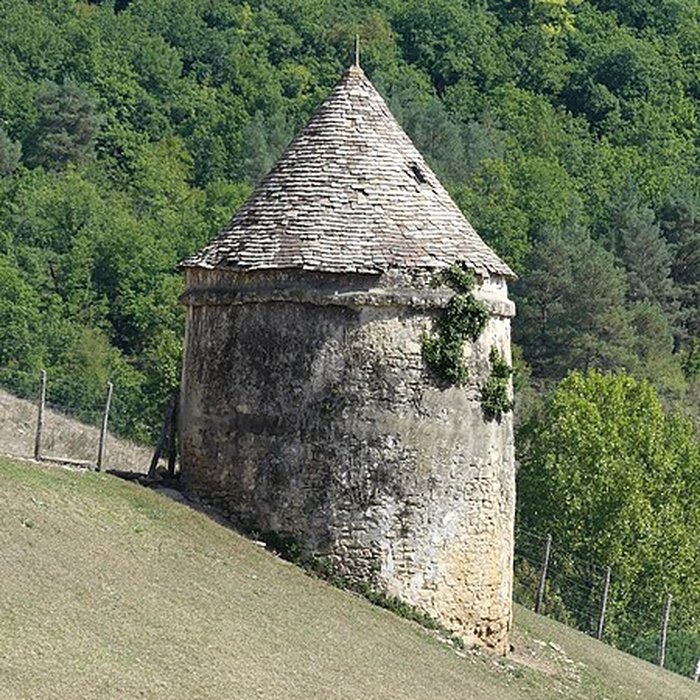
The ensemble formed by the castle with its barbacan and dovecote (cad. A 317, 318): classification by order of 13 February 2002

Key figures

Ramonet de Sorts - English Captain The castle was taken for the English in 1409.
Brandelis de Gontaut-Biron - Reconstructor Lord Rebuilt the castle (1510–1515) with his uncle Armand.
Armand de Gontaut-Biron - Bishop of Sarlat Aida to the reconstruction (brother of Brandelis).
Jean II de Losse - Lieutenant-General of Guyenne Owner from 1571 onwards escaped an attack.
Françoise de Salignac - Lady of Bannes Widow of François de Gontaut, remarried to Antoine de la Reynie.
Franky Mulliez - Current Owner Founder of Kiloutou, recent buyer.

Origin and history

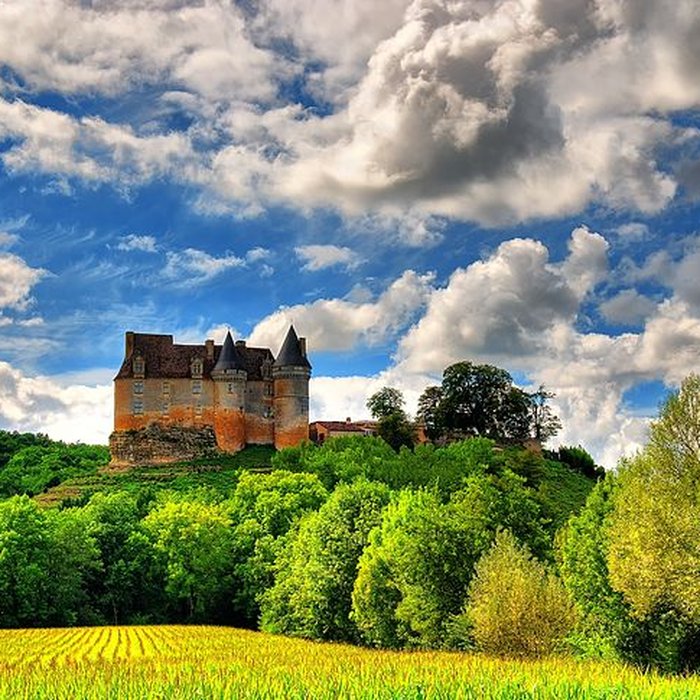
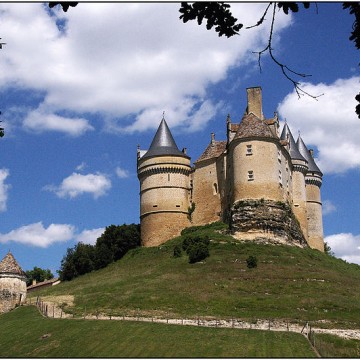
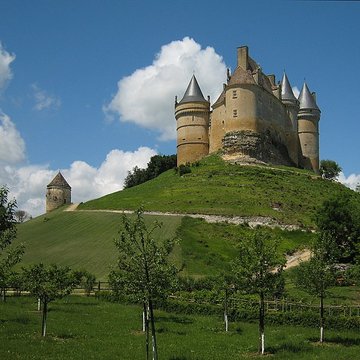
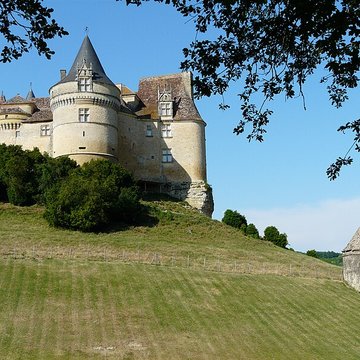
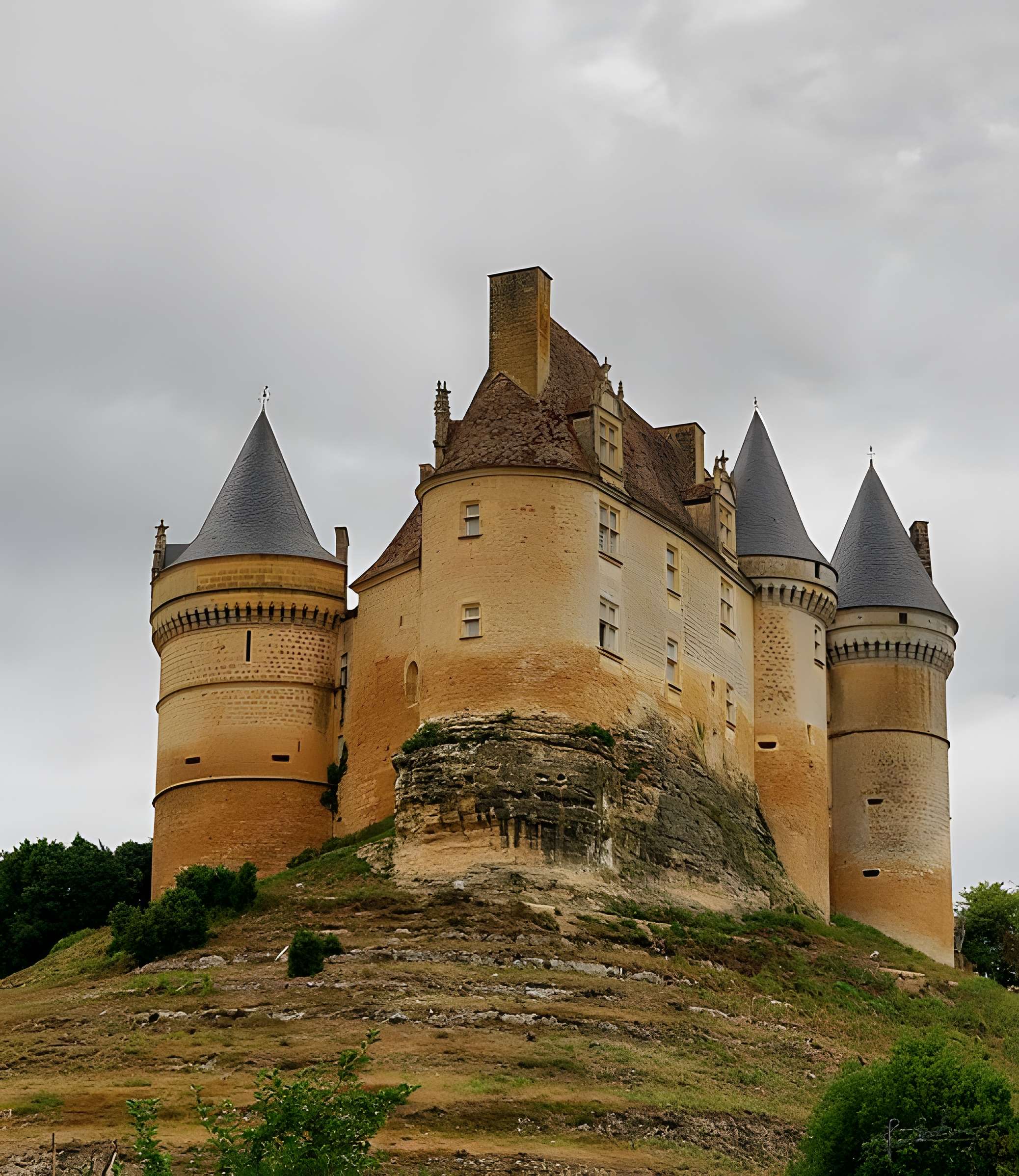
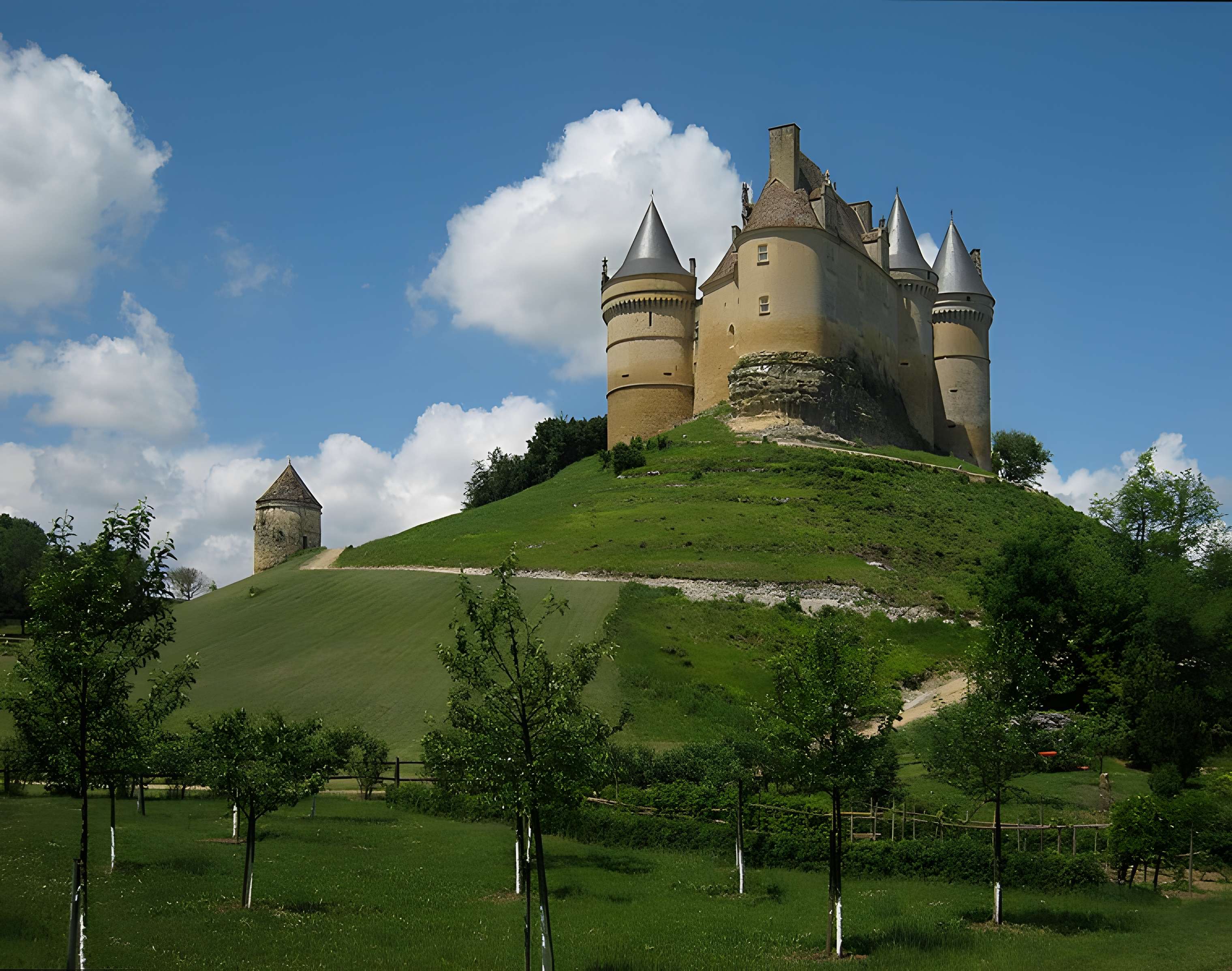
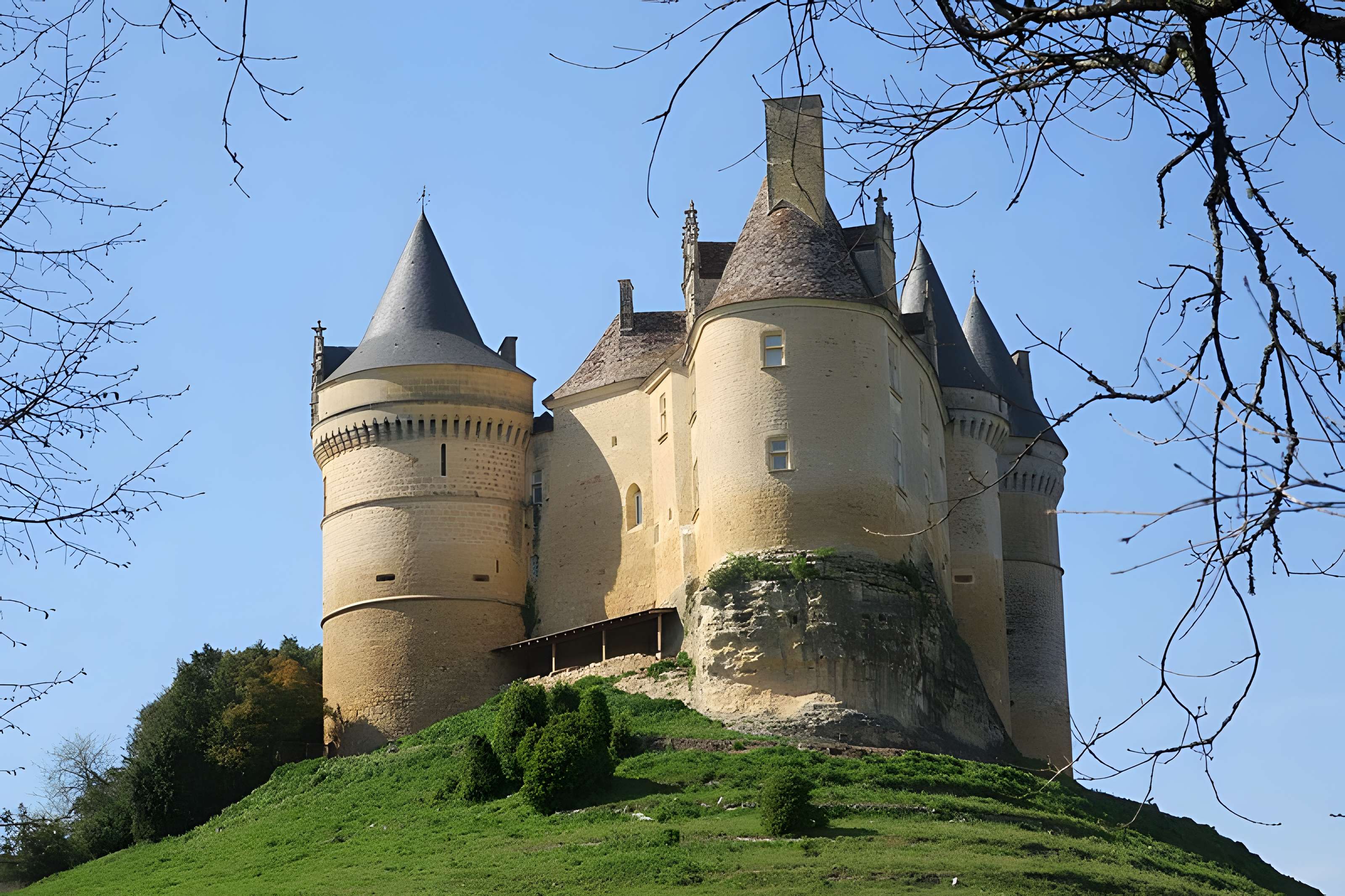
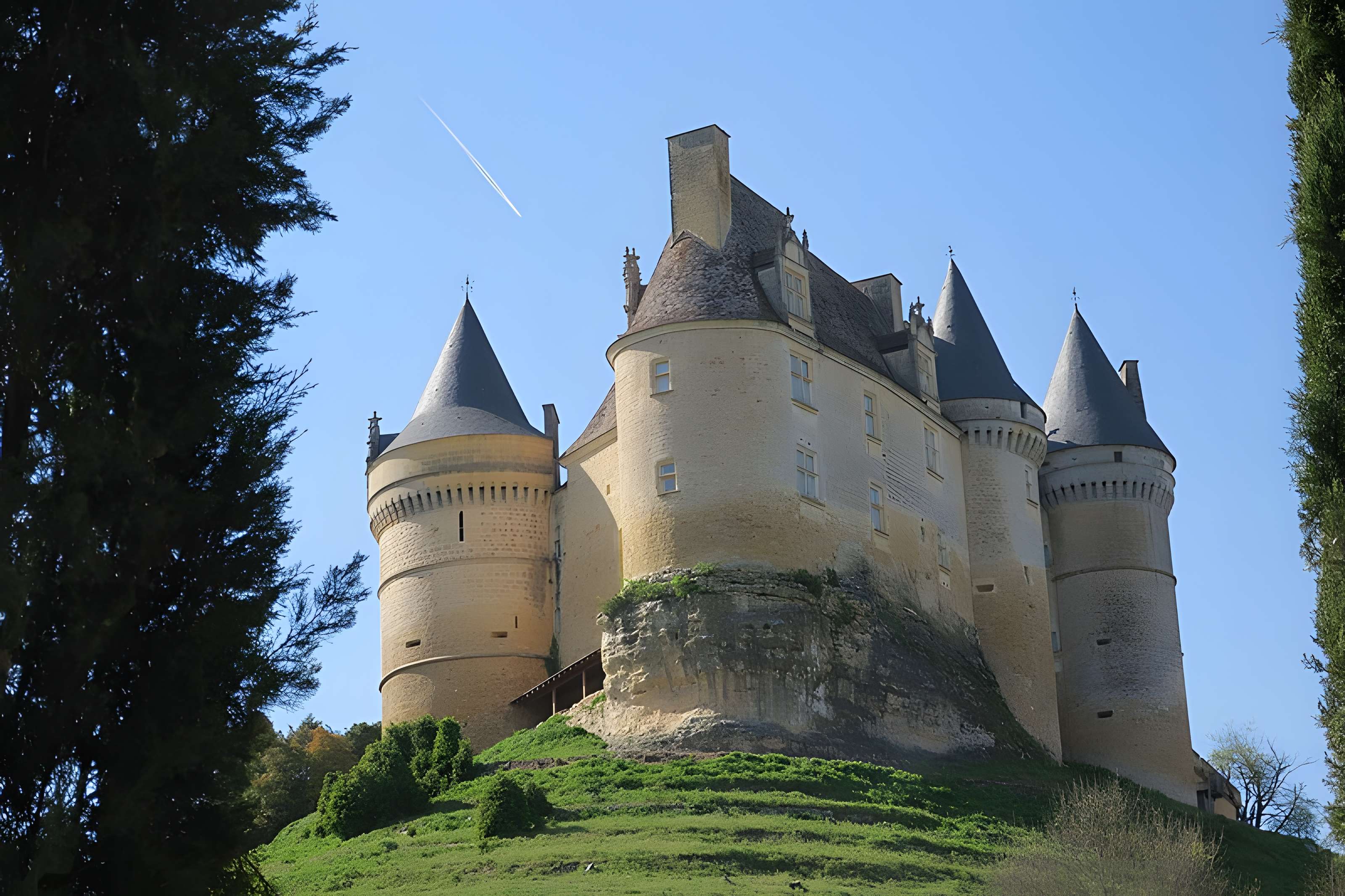
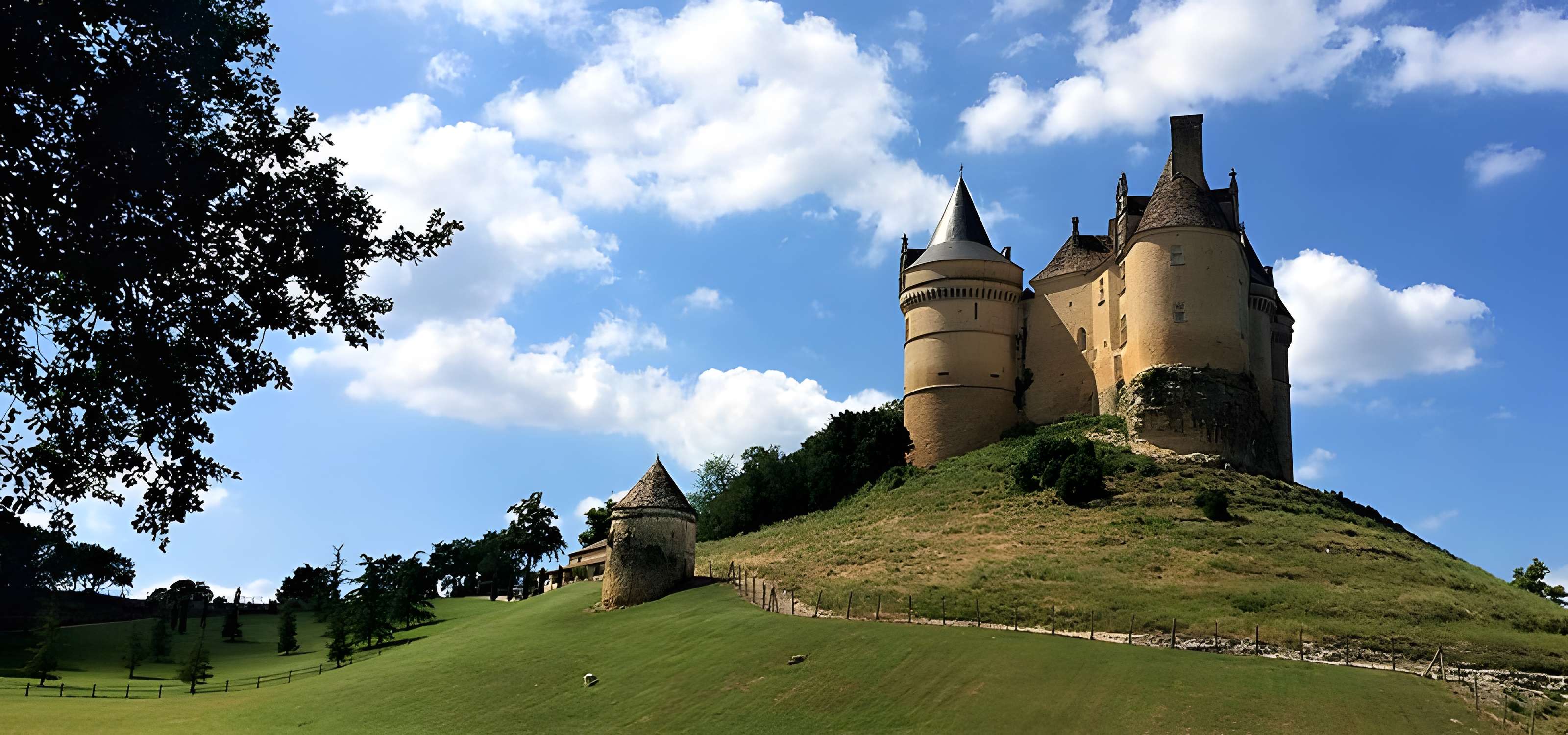
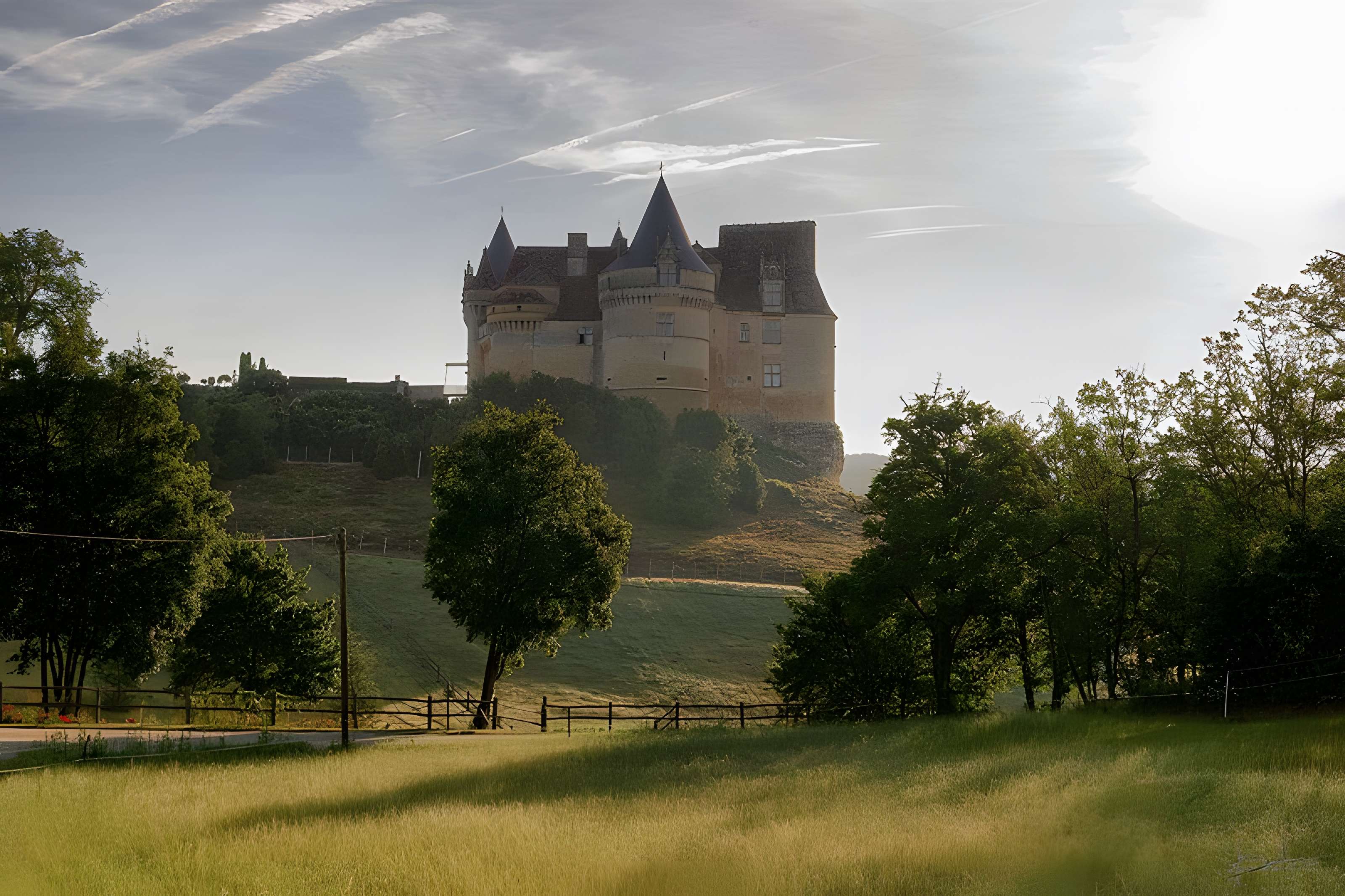
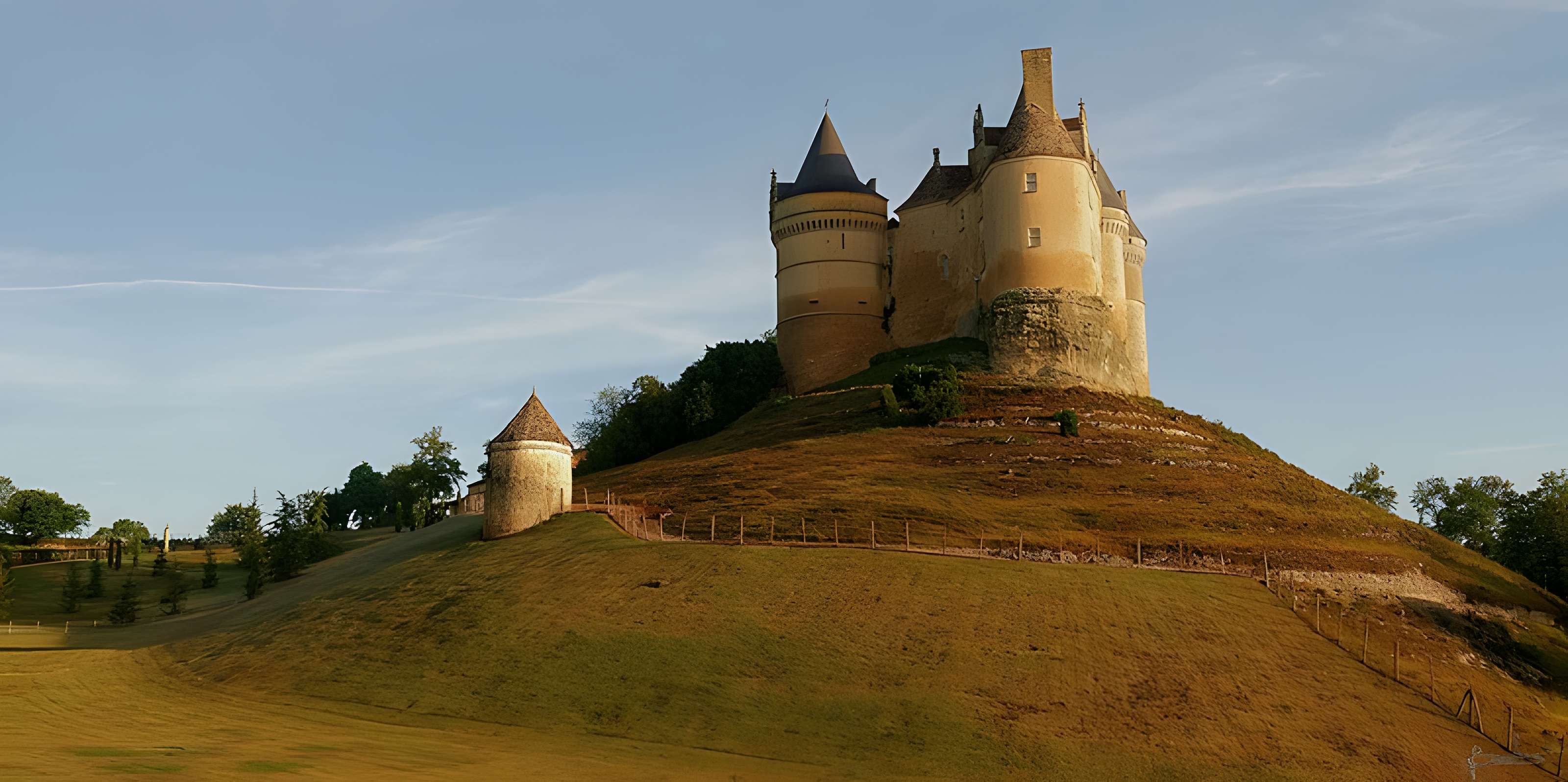
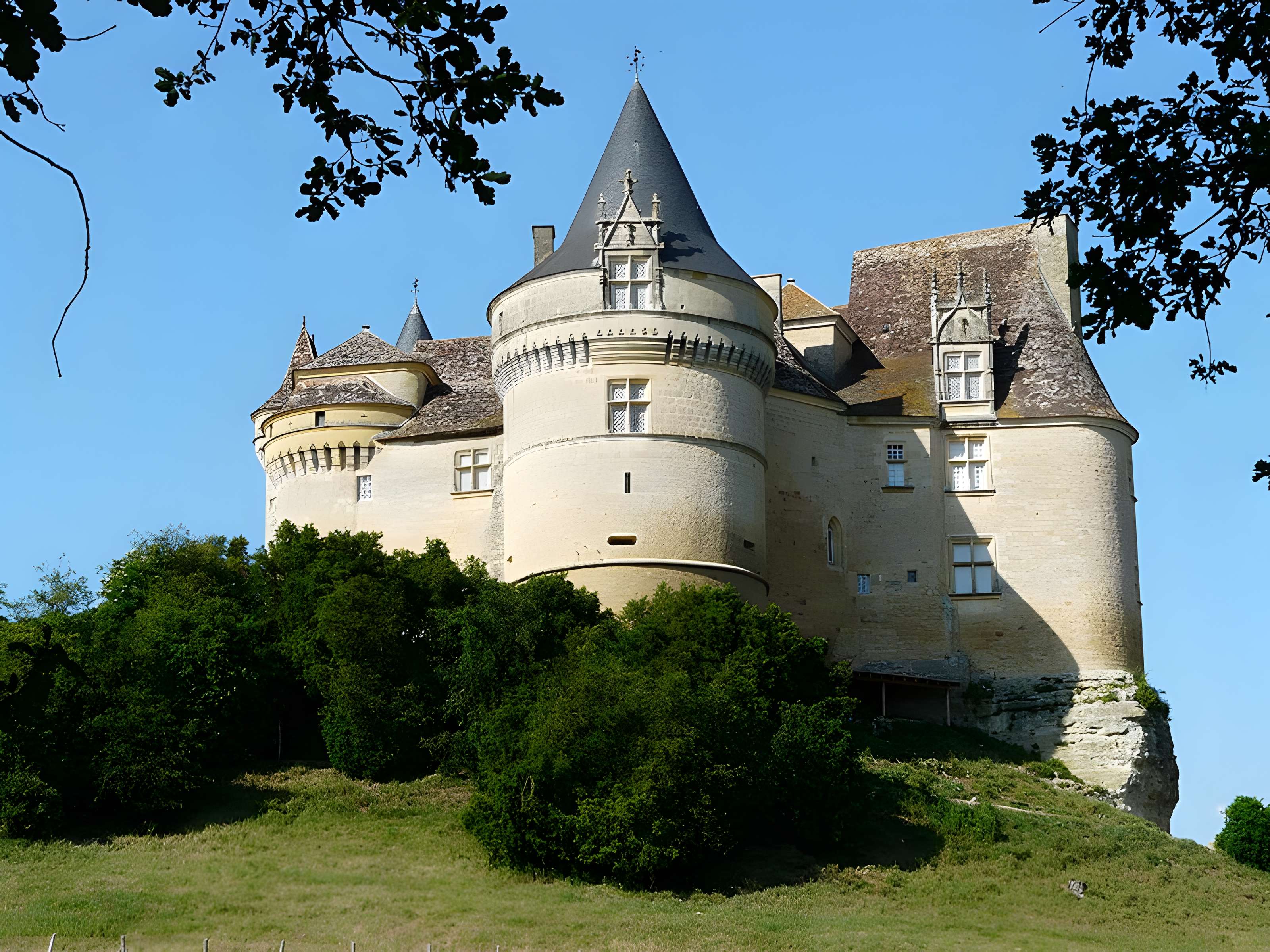
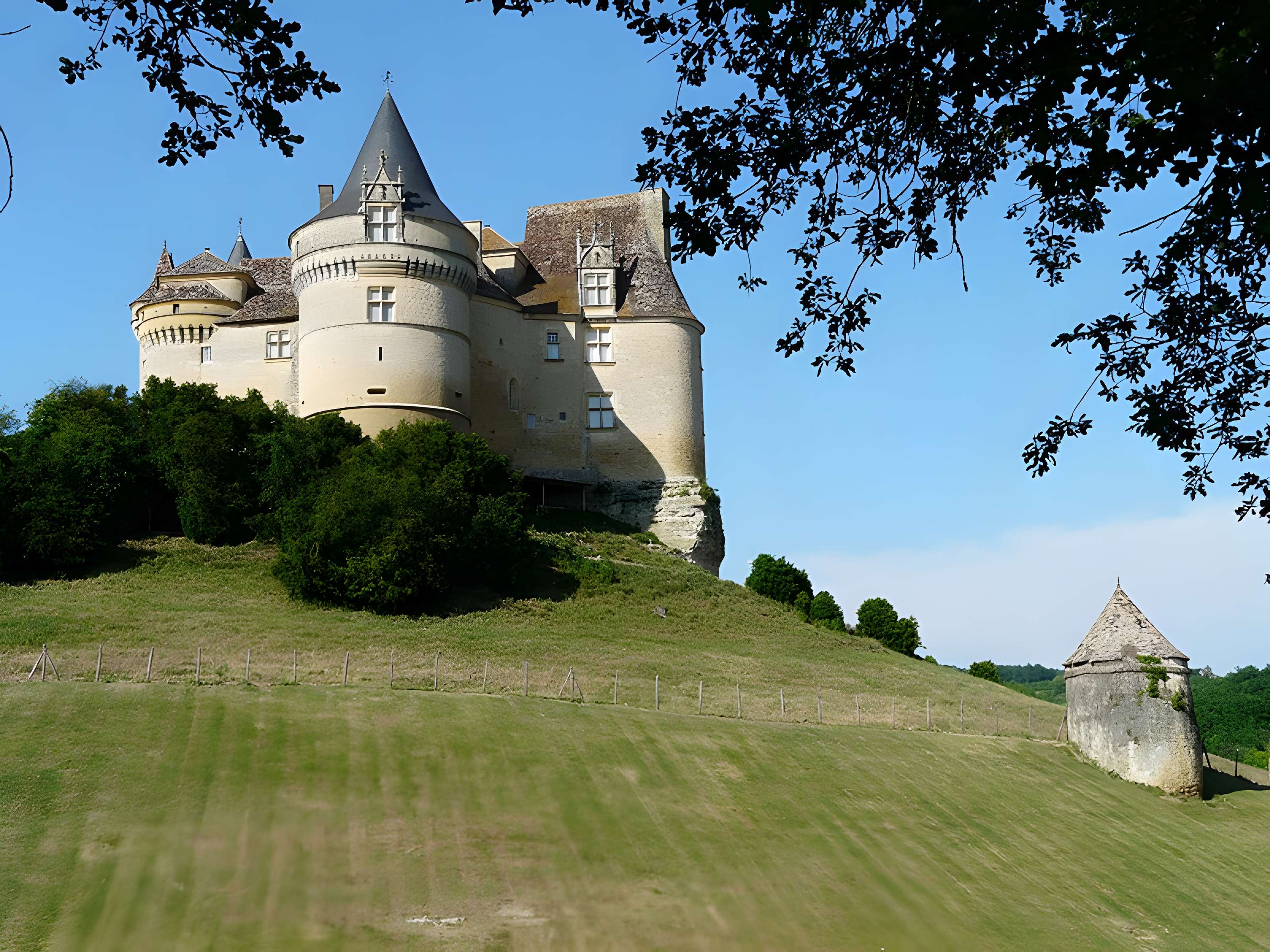
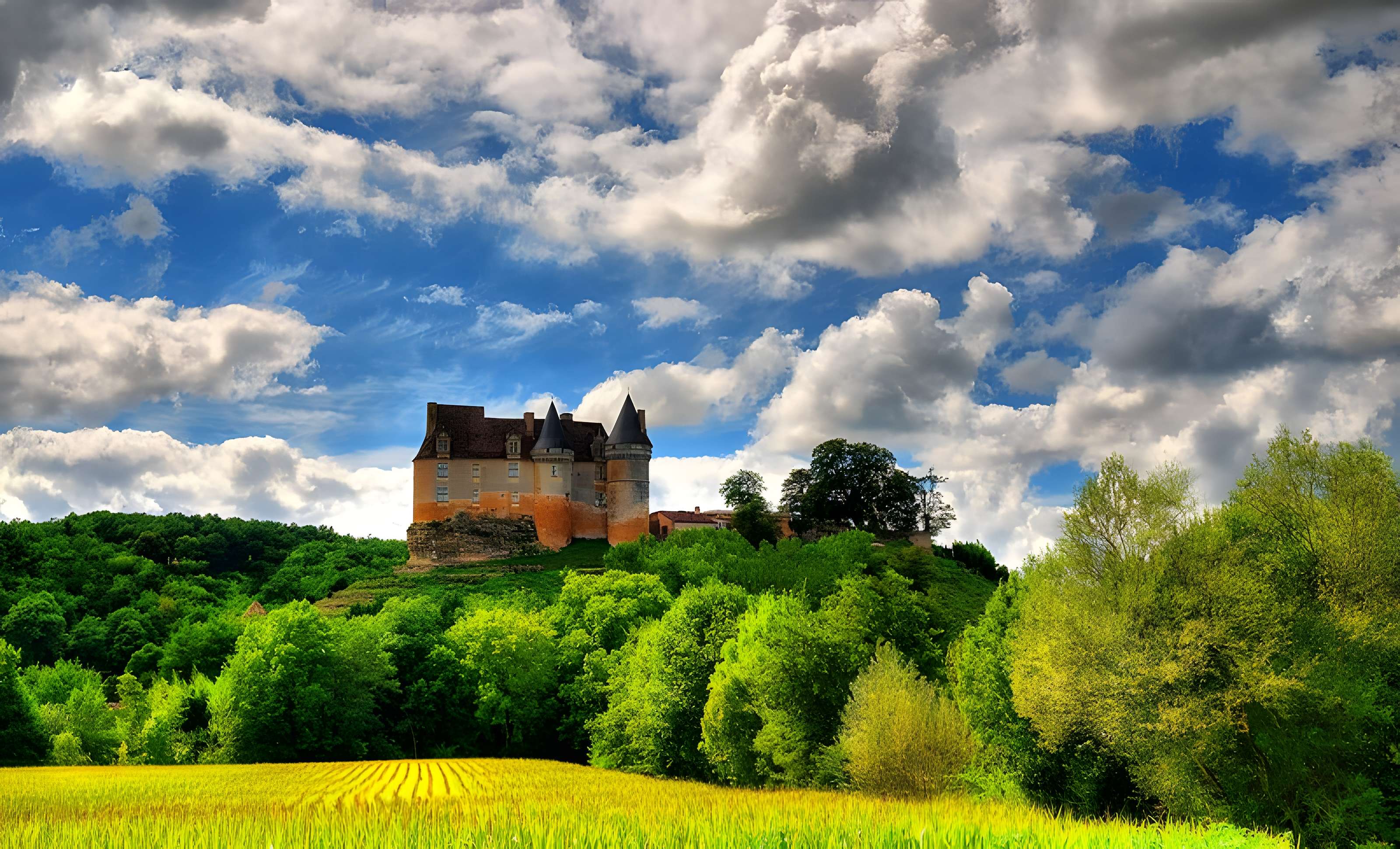
The castle of Bannes, located on a rocky spur at Beaumont-du-Périgord (Dordogne), is mentioned for the first time in the 14th century. Its name would come from the Celtic banne (corn/pointe), evoking its geographical position. The site was probably occupied as early as the 5th century, as attests the legend of Saint Avit evoking a vicus (village) at this site. Sarcophagus and a Roman currency (Vespasian) discovered around 1840 confirm an ancient occupation.

At the beginning of the 15th century, the castle was a strategic issue during the Hundred Years War. In 1409, Ramonet de Sorts, English captain of Castelnaud, captured and hunted the Marquise d'Esclamat. In 1417, Jean de Lot was prisoner before being released by Pierre de Bosredon. In 1442, the troops of the Count of Périgord and the local lords (including Beynac and Turenne) laid siege to Bannes, who was dismantled after his surrender. The remaining walls are reused for further reconstruction.

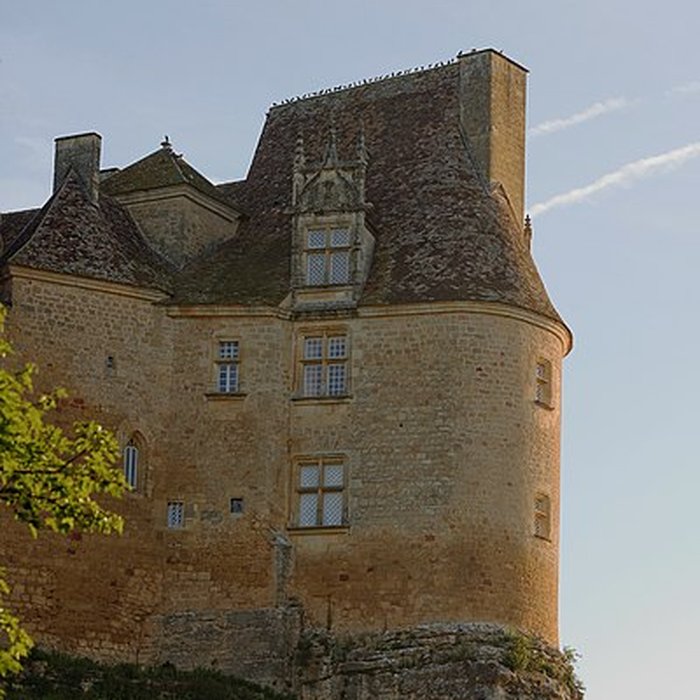
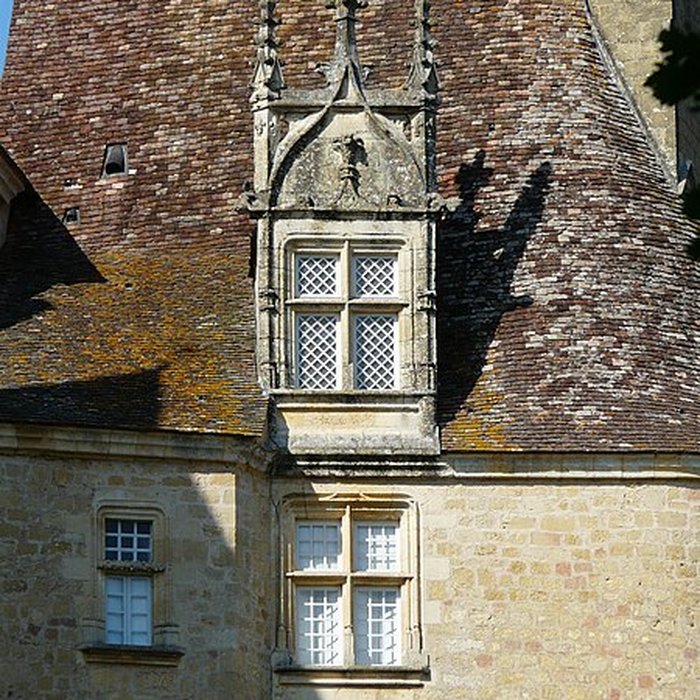
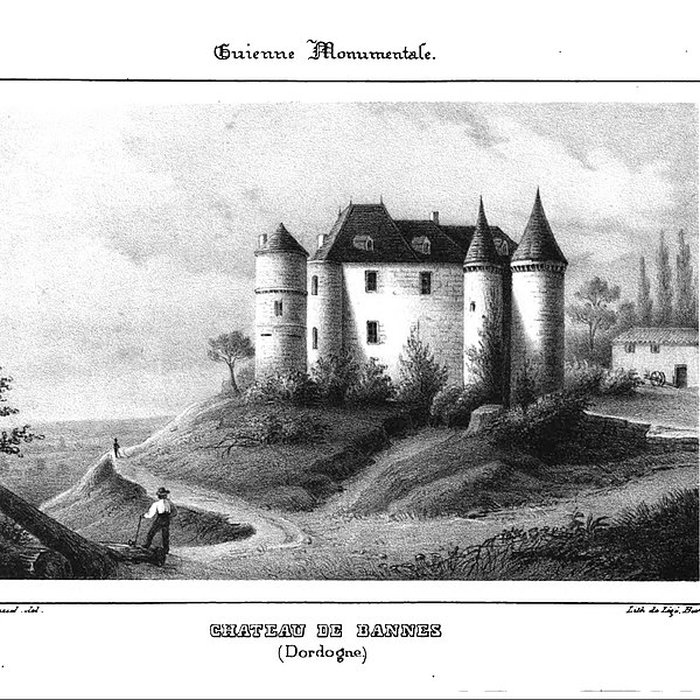
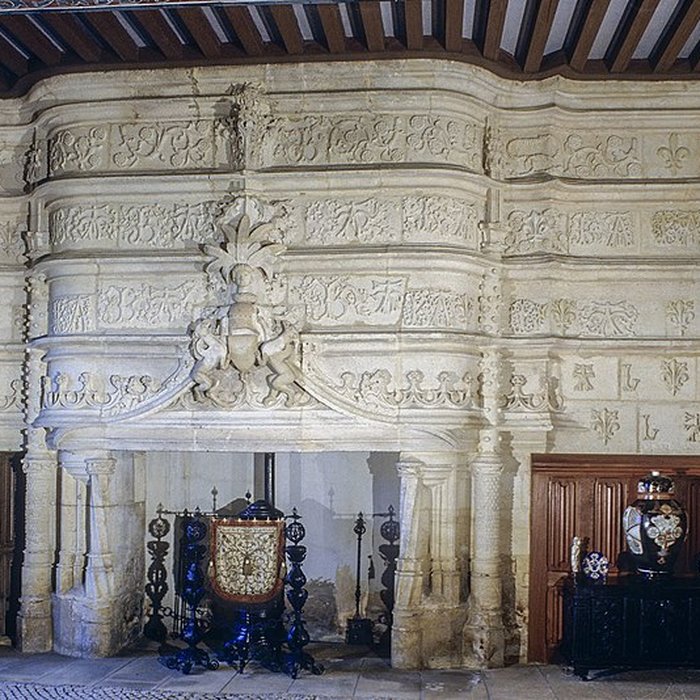
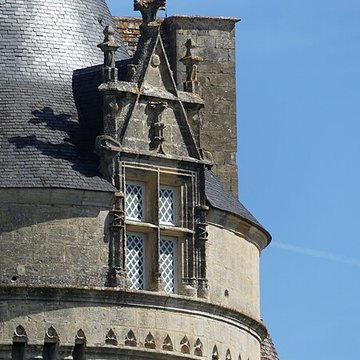
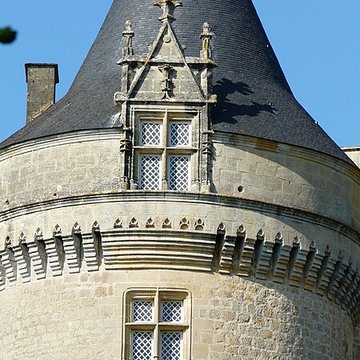
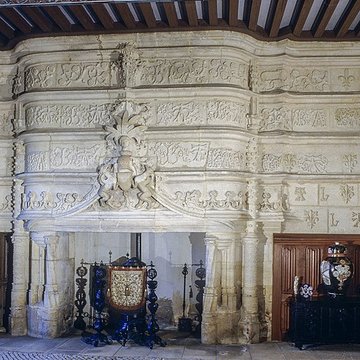
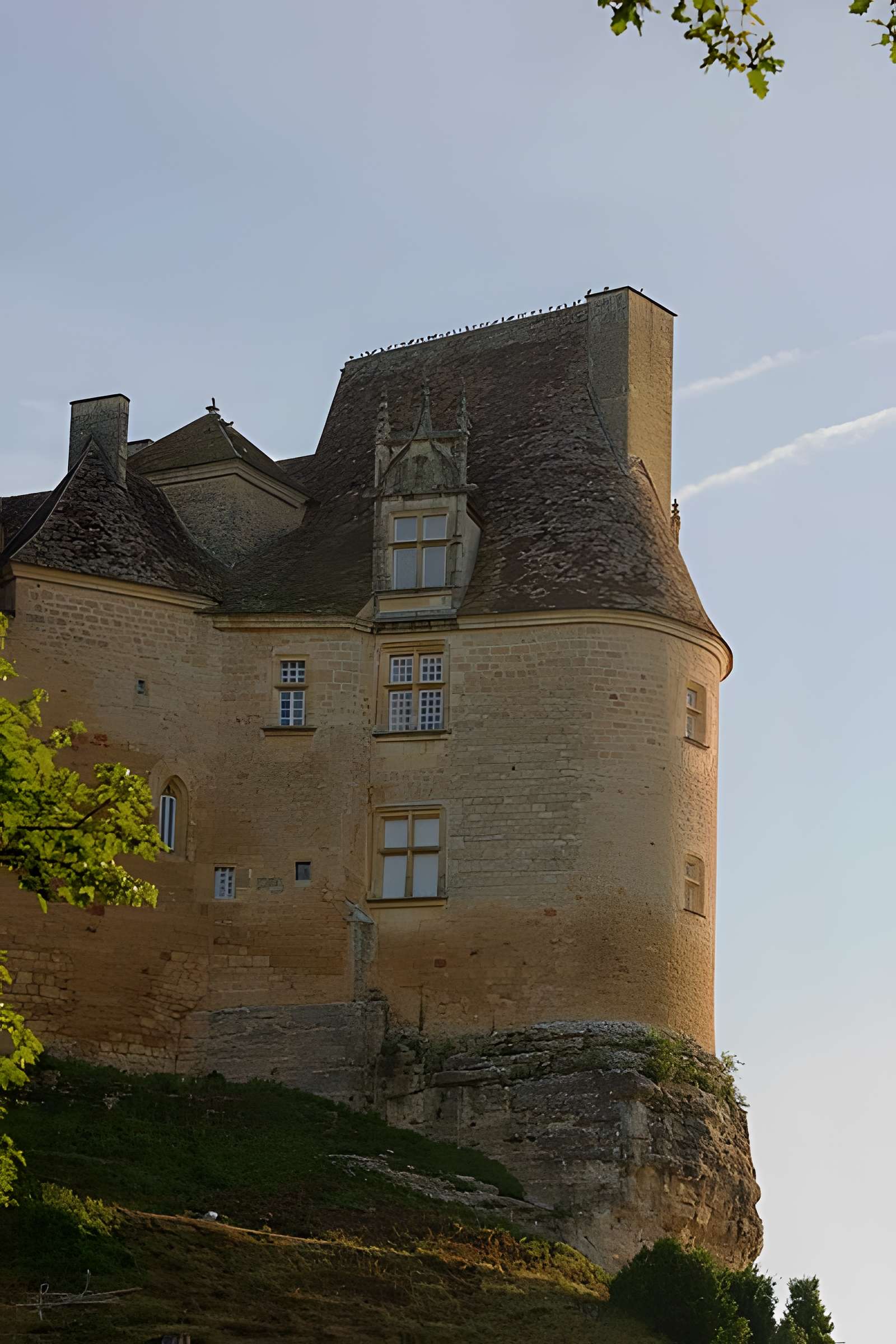
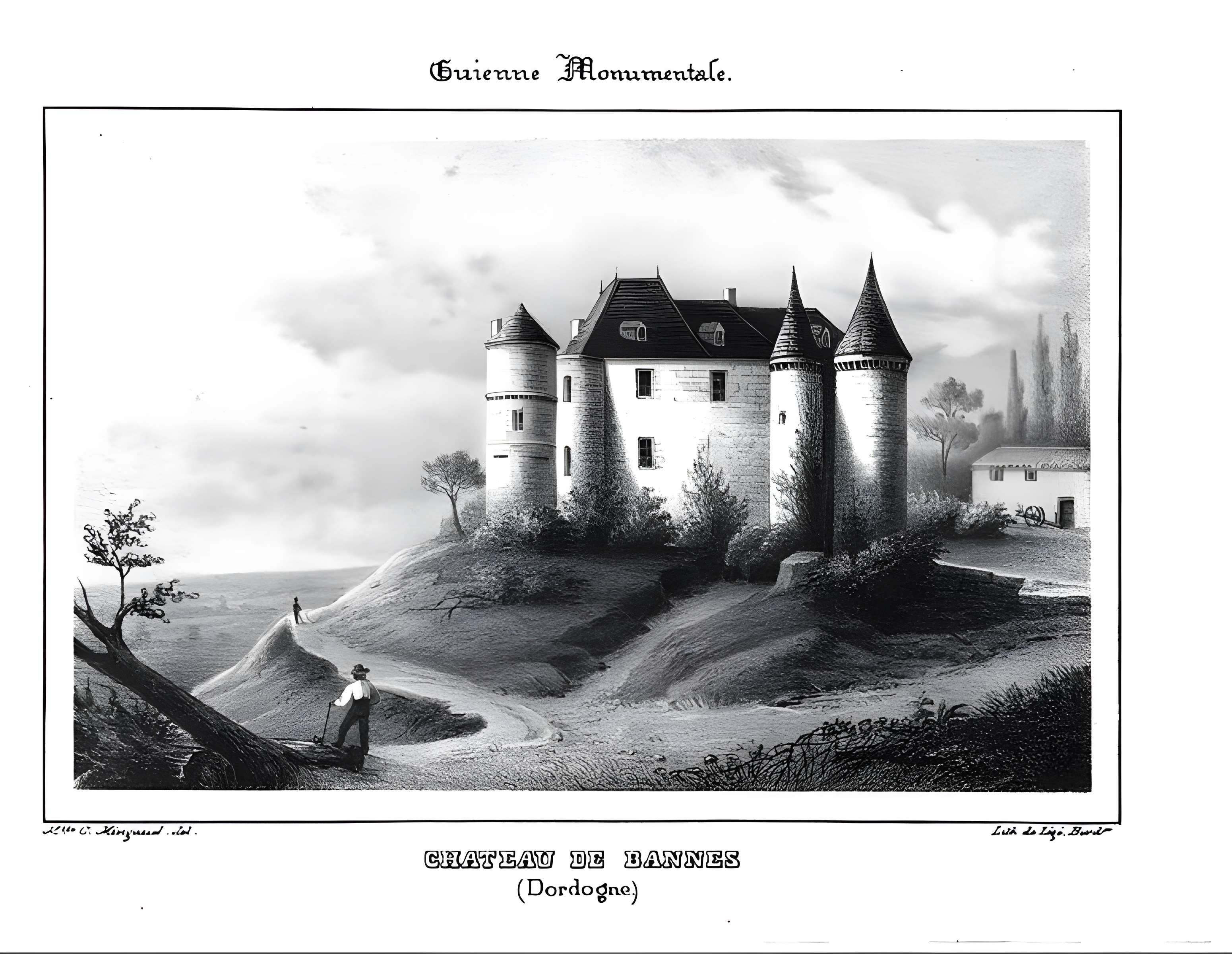
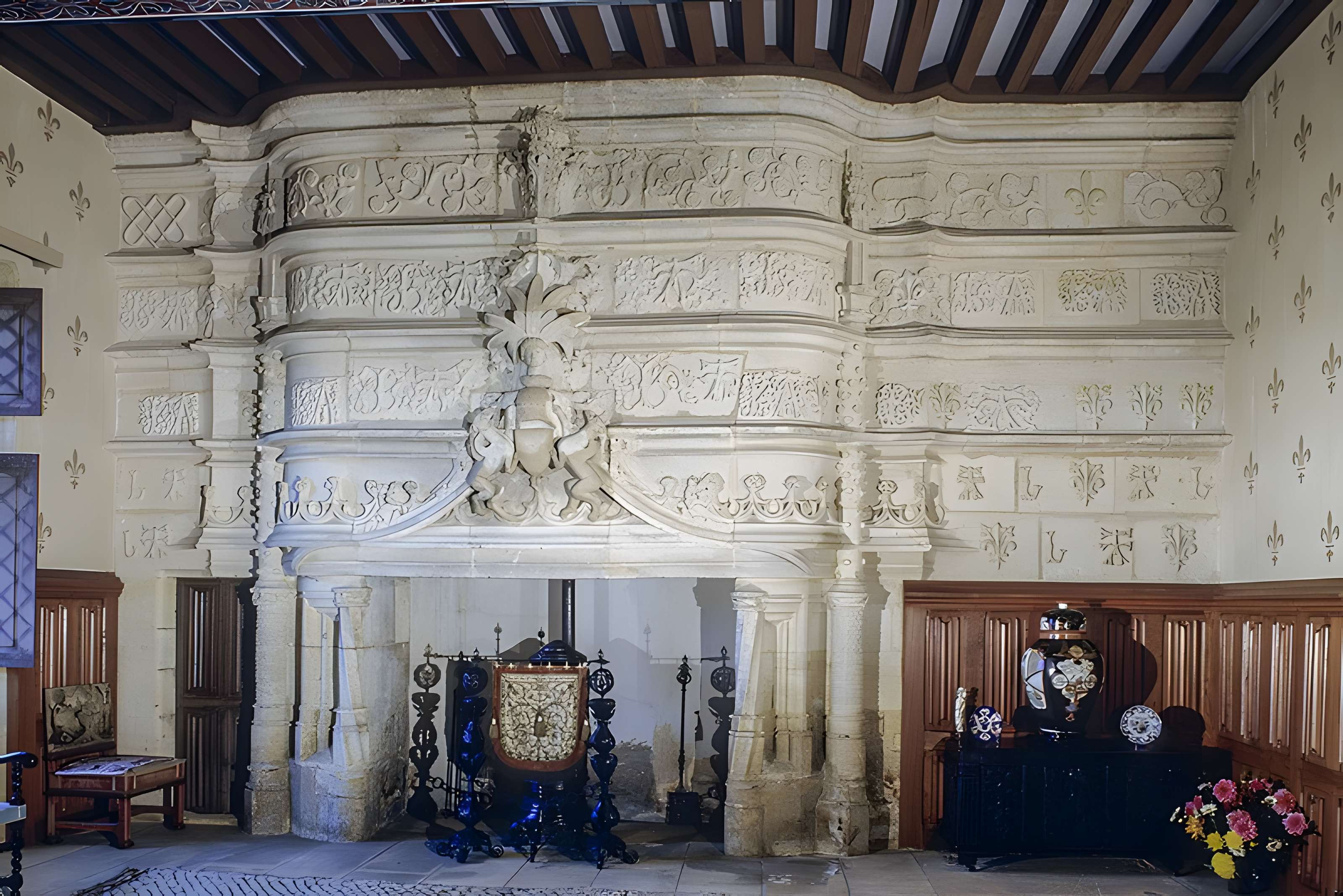
The reconstruction began around 1510 under Brandelis de Gontaut-Biron, assisted by his uncle Armand, bishop of Sarlat. The works, completed around 1515, include Renaissance elements such as the monumental chimney decorated with the monograms of Louis XII and Anne de Bretagne (LA). The southern tower, known as Henry IV, includes an earlier medieval tower. The castle then passed to François de Gontaut-Biron, wounded in Cerisoles (1544), then to his widow Françoise de Salignac, remarried to Antoine de la Reynie.

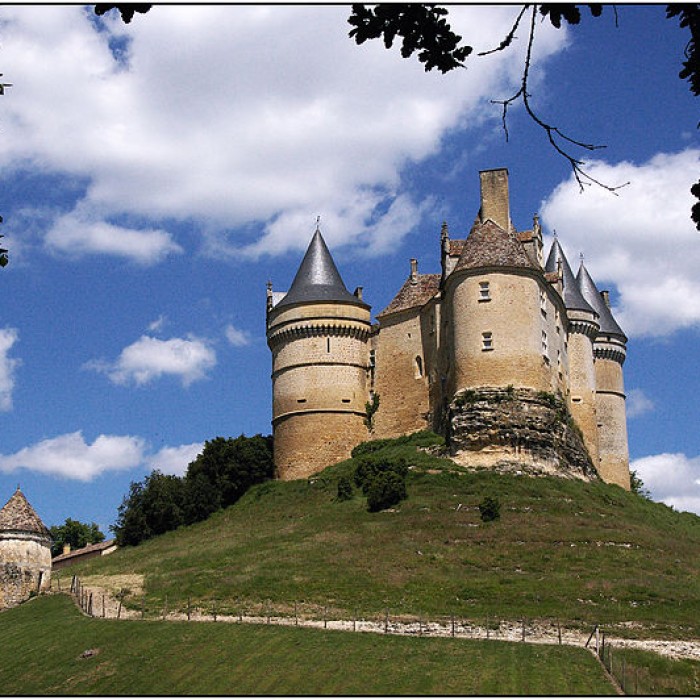
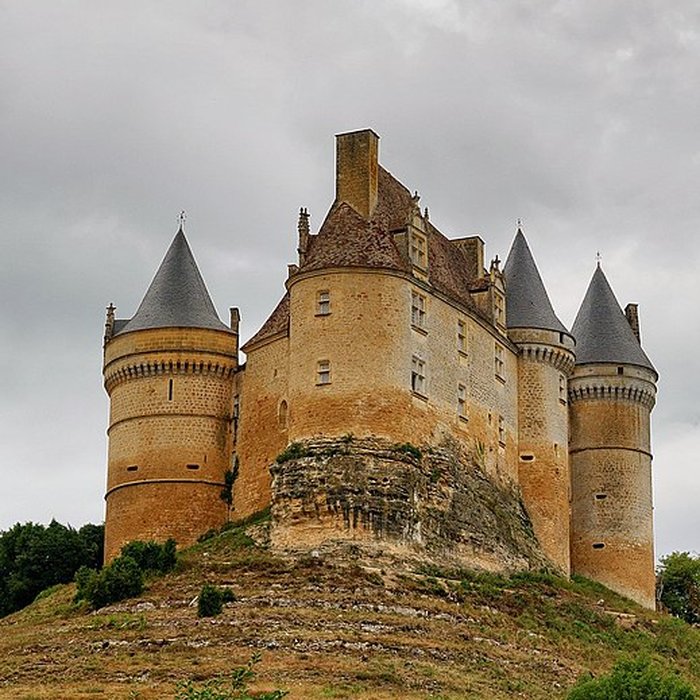
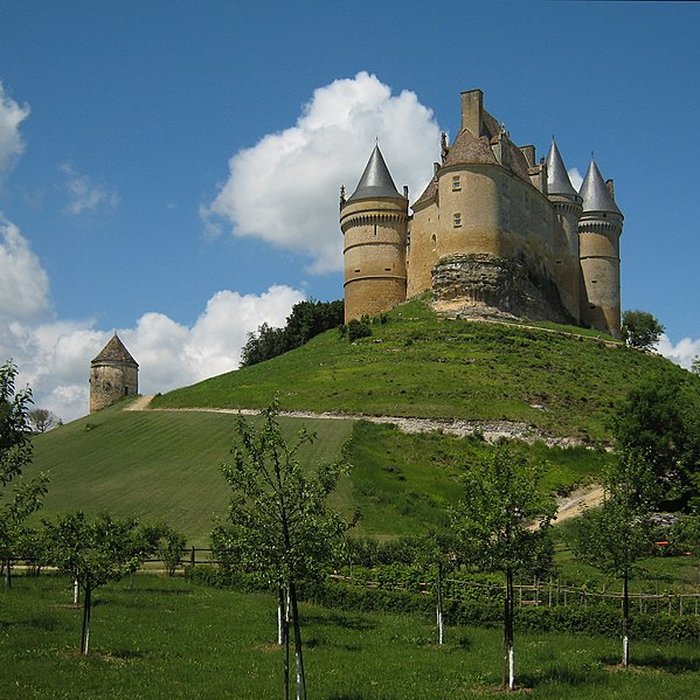
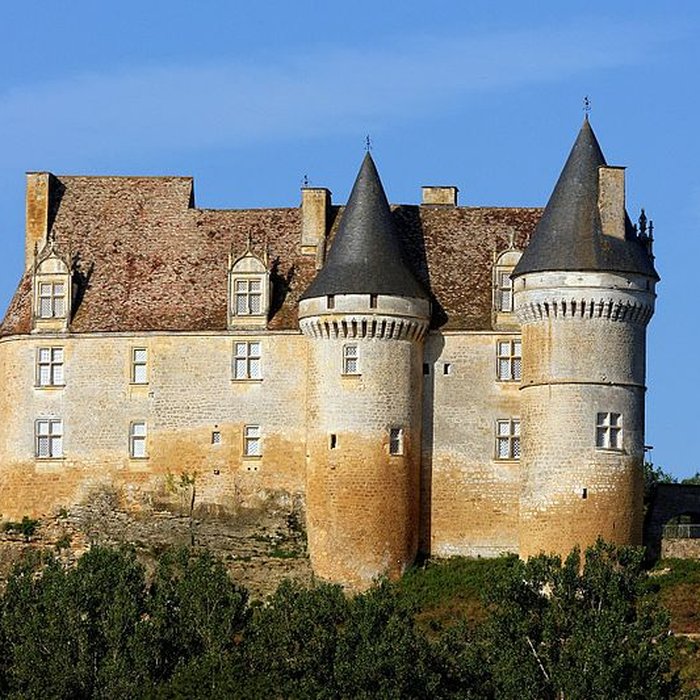
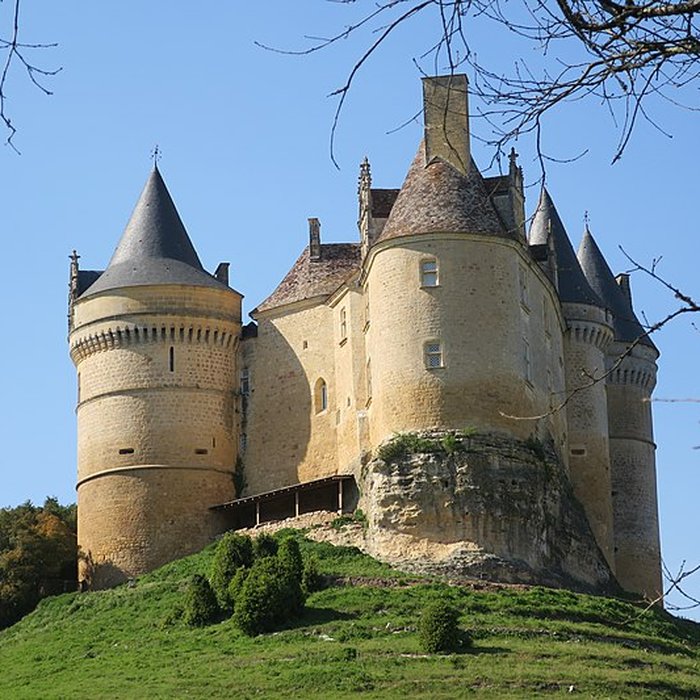
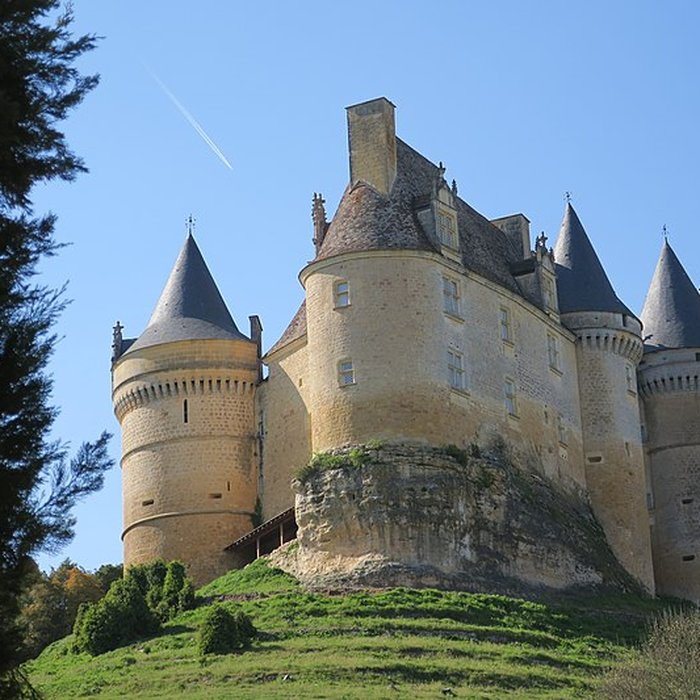
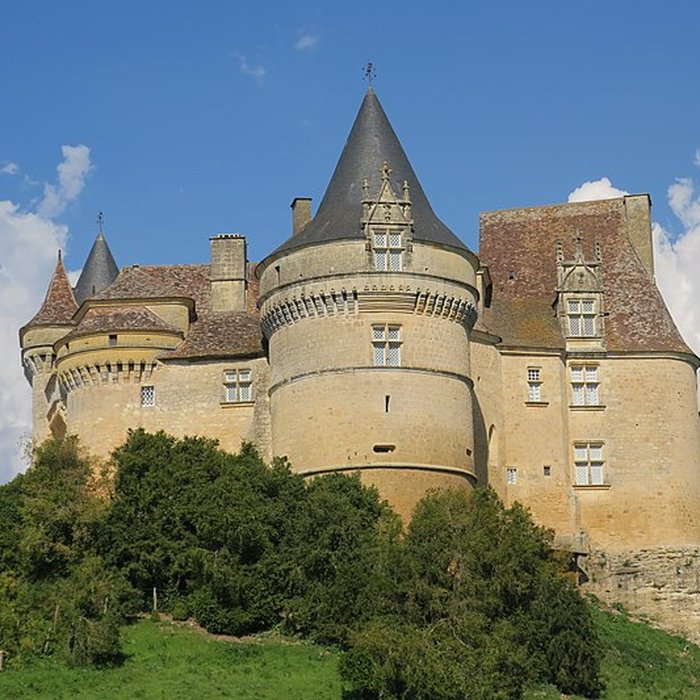
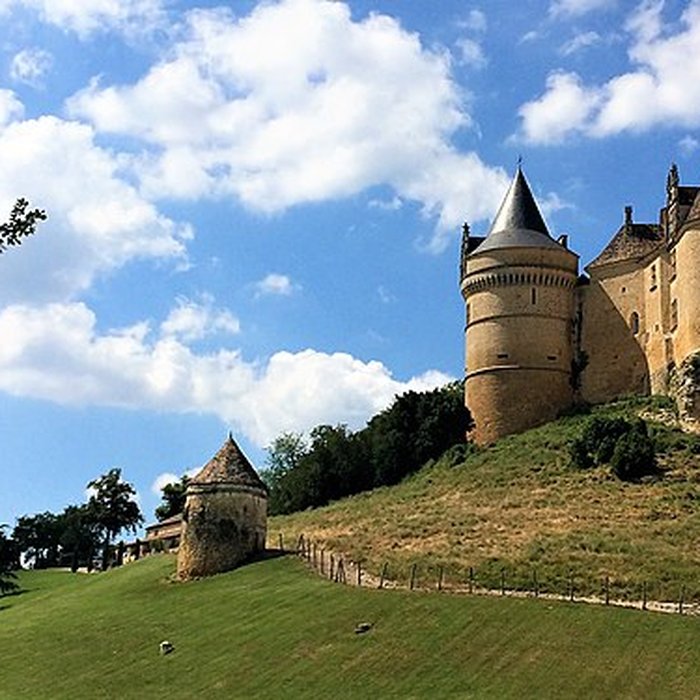
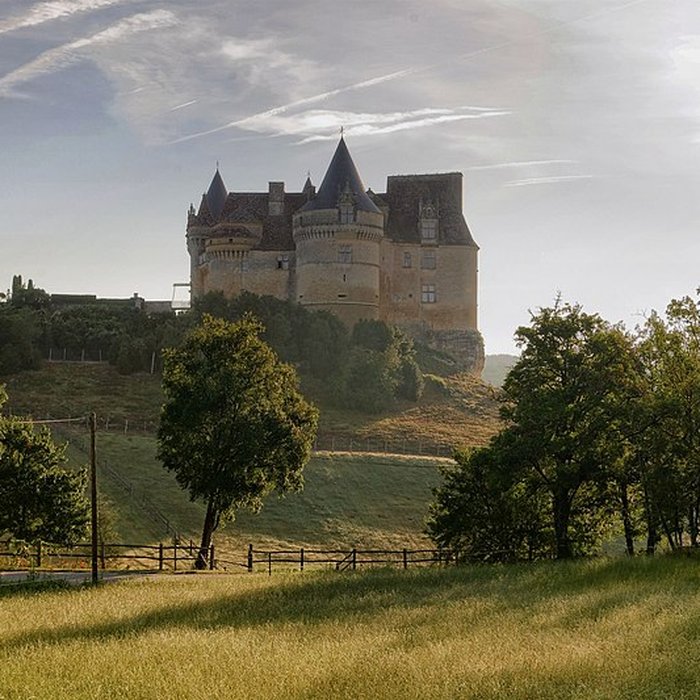
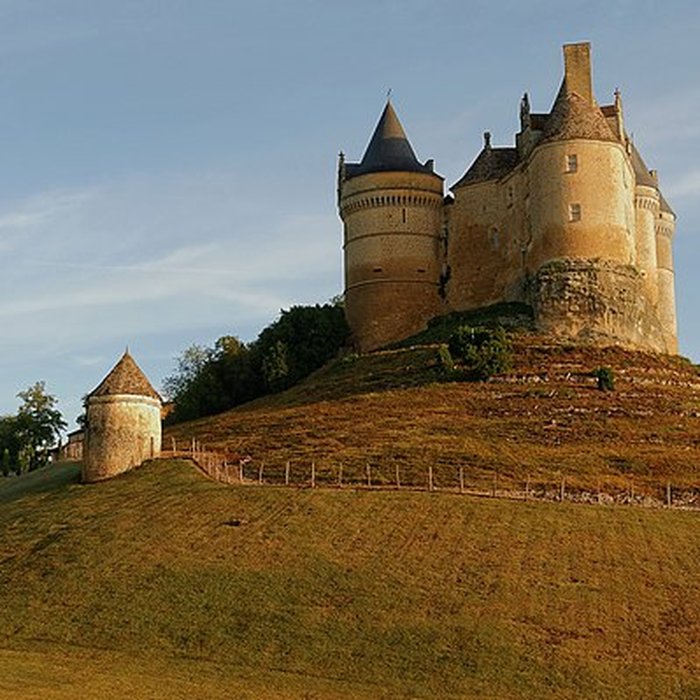
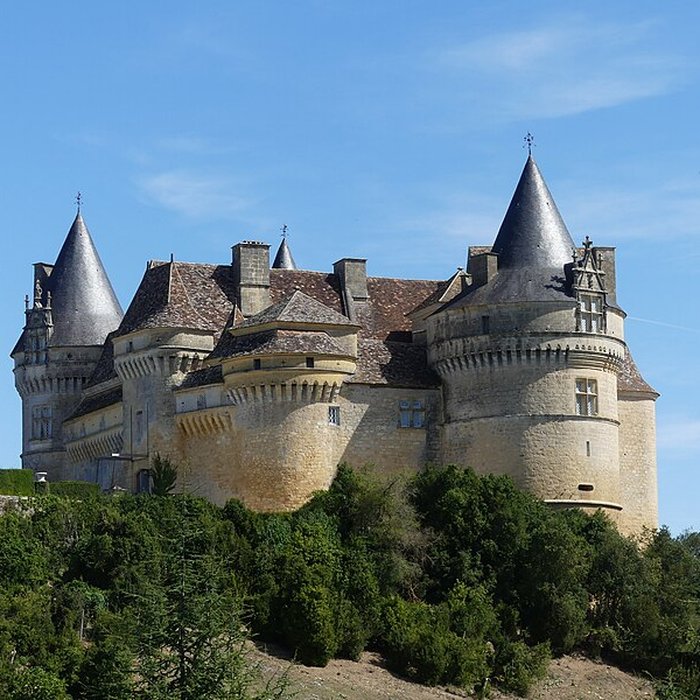
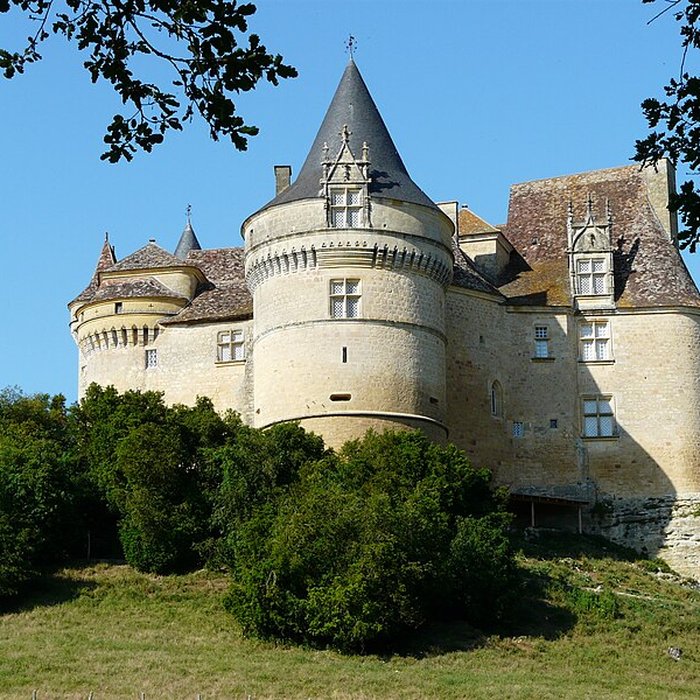
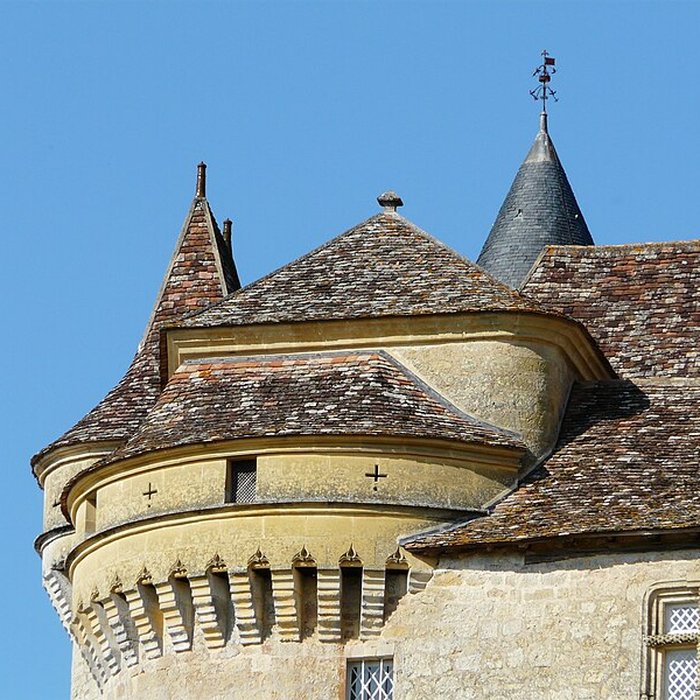
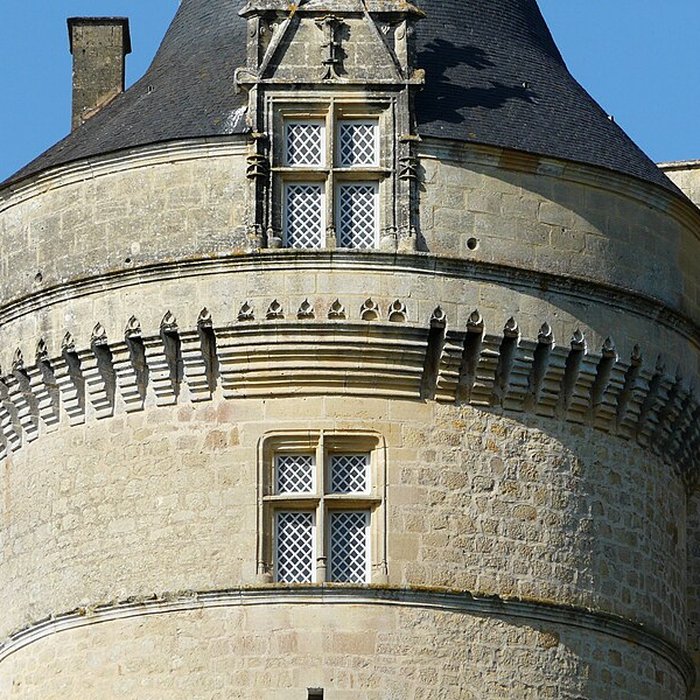
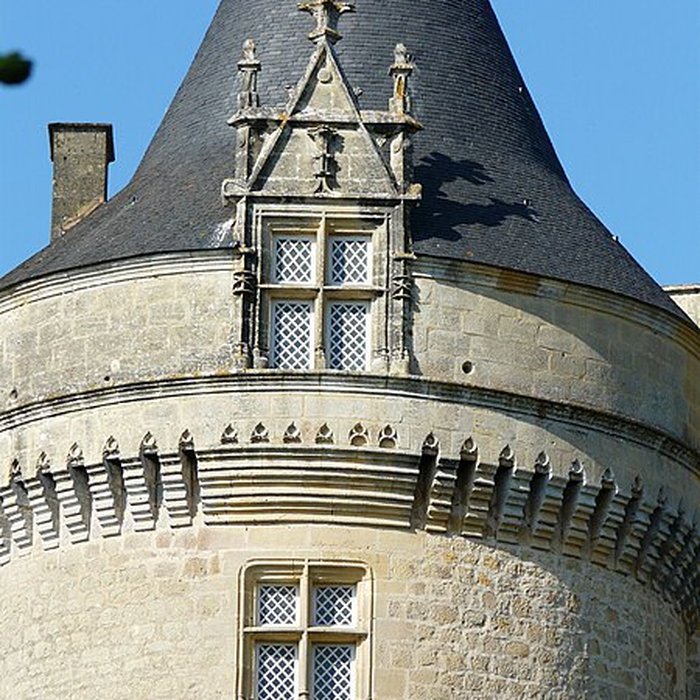
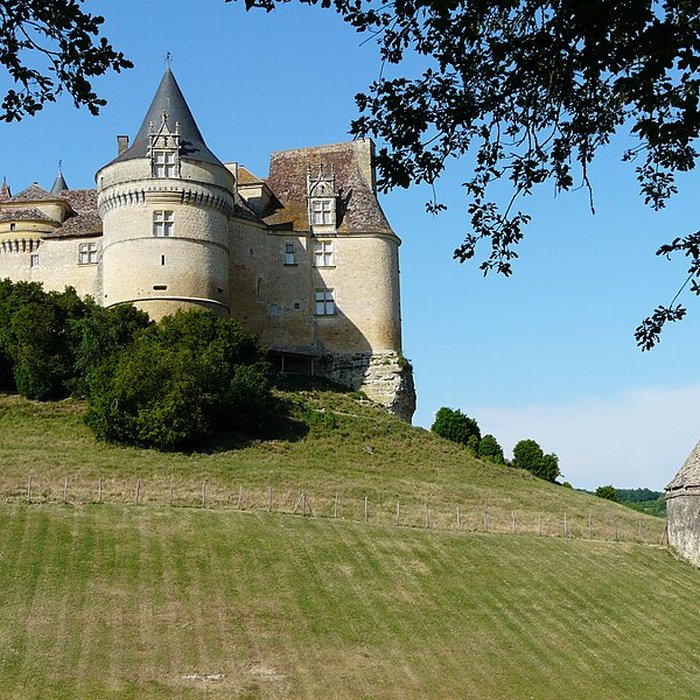
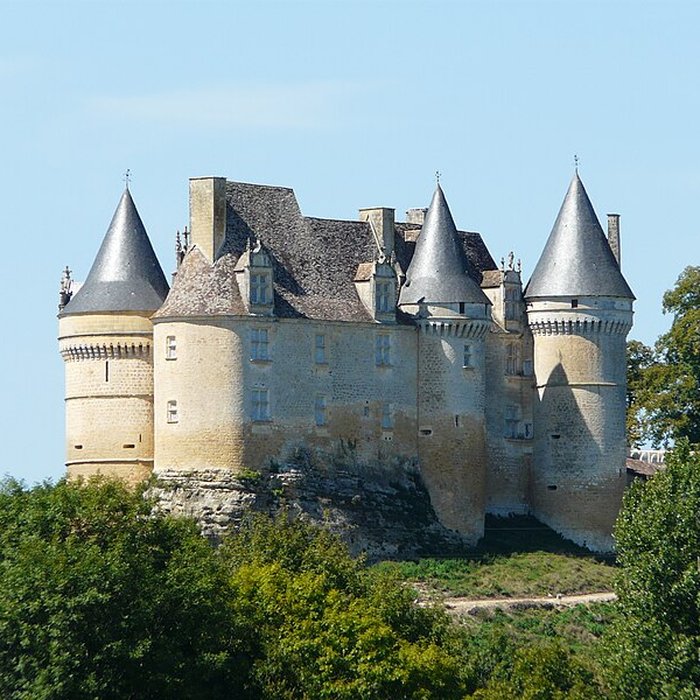
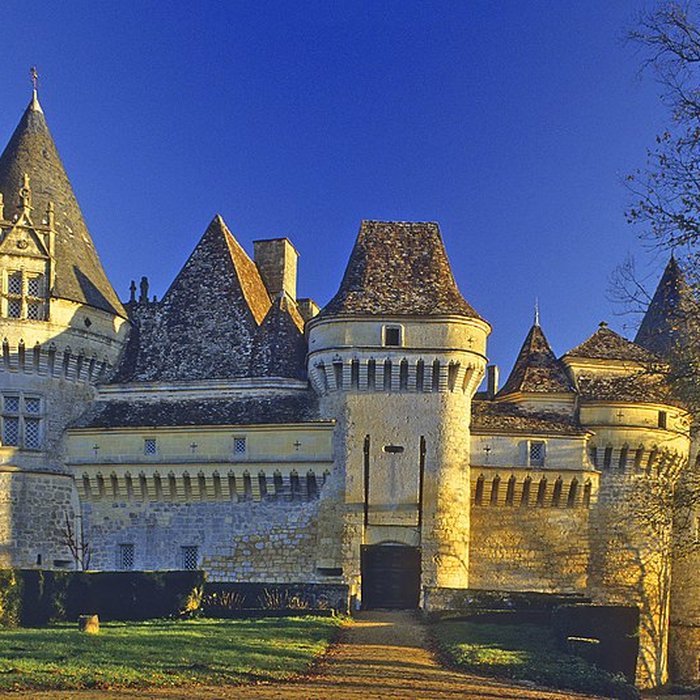
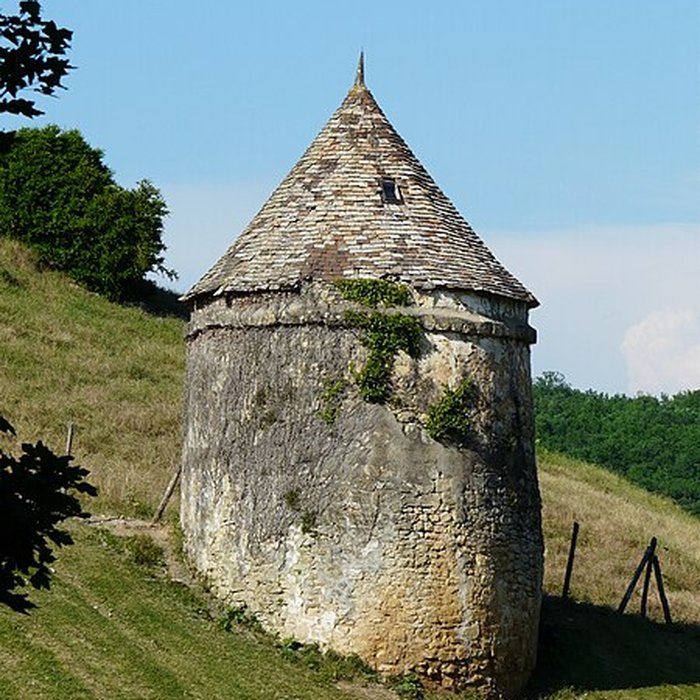
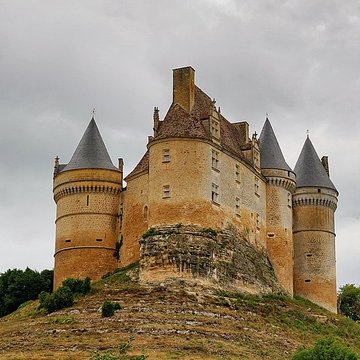
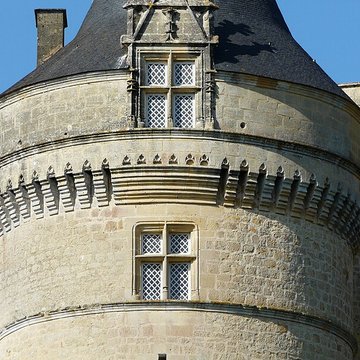
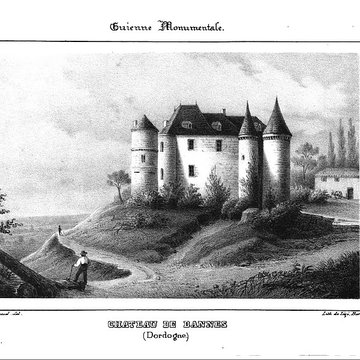
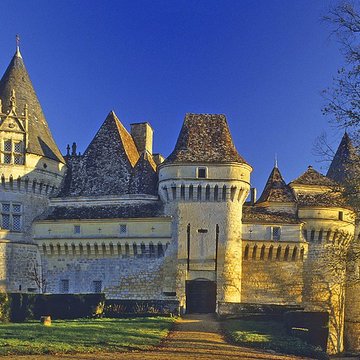
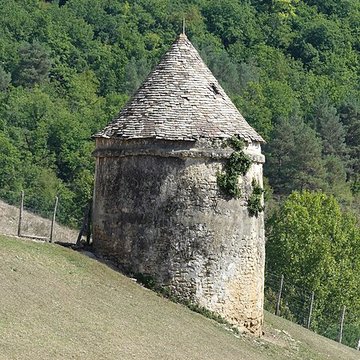
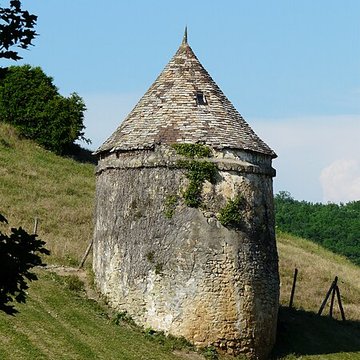
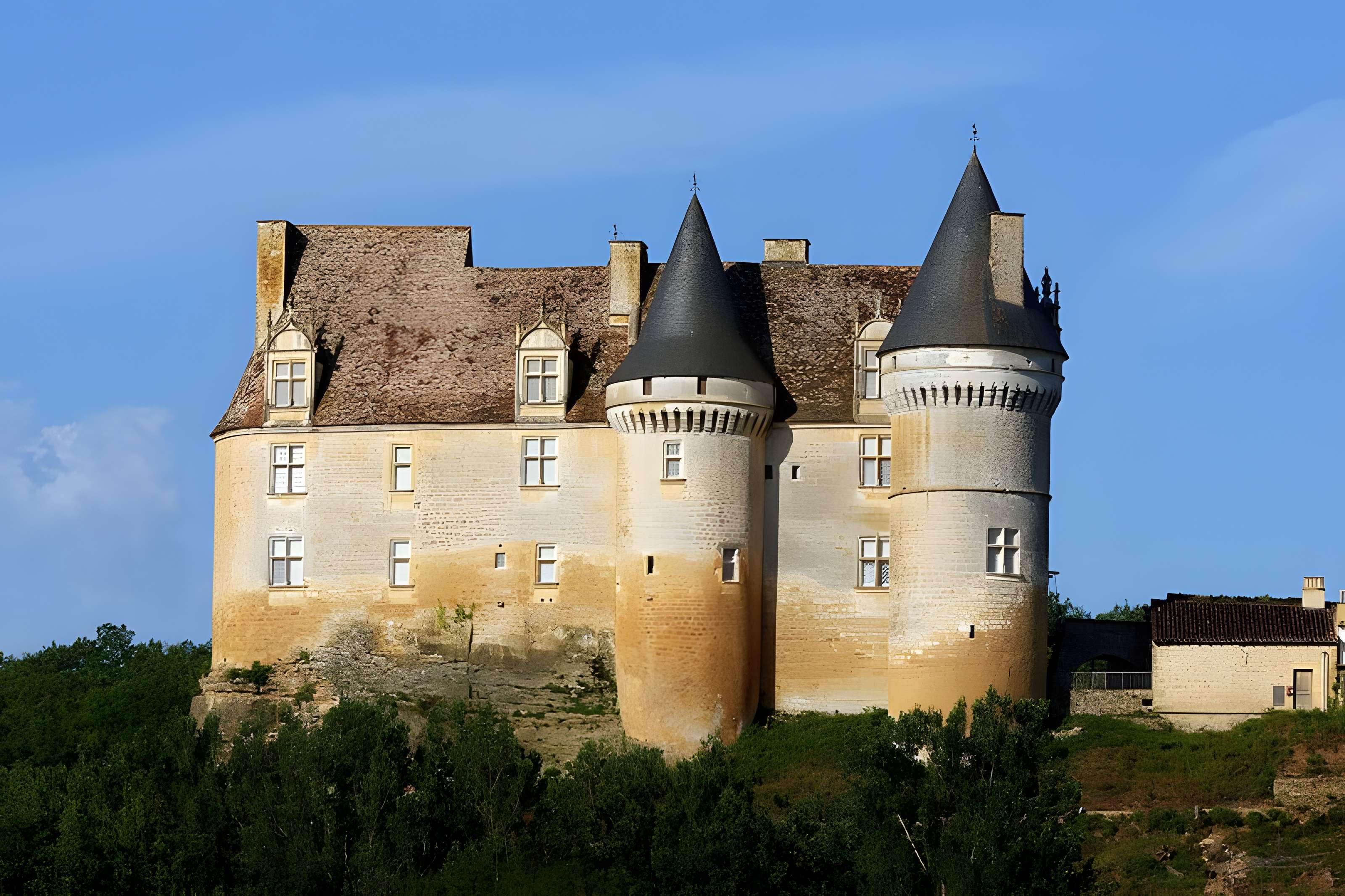
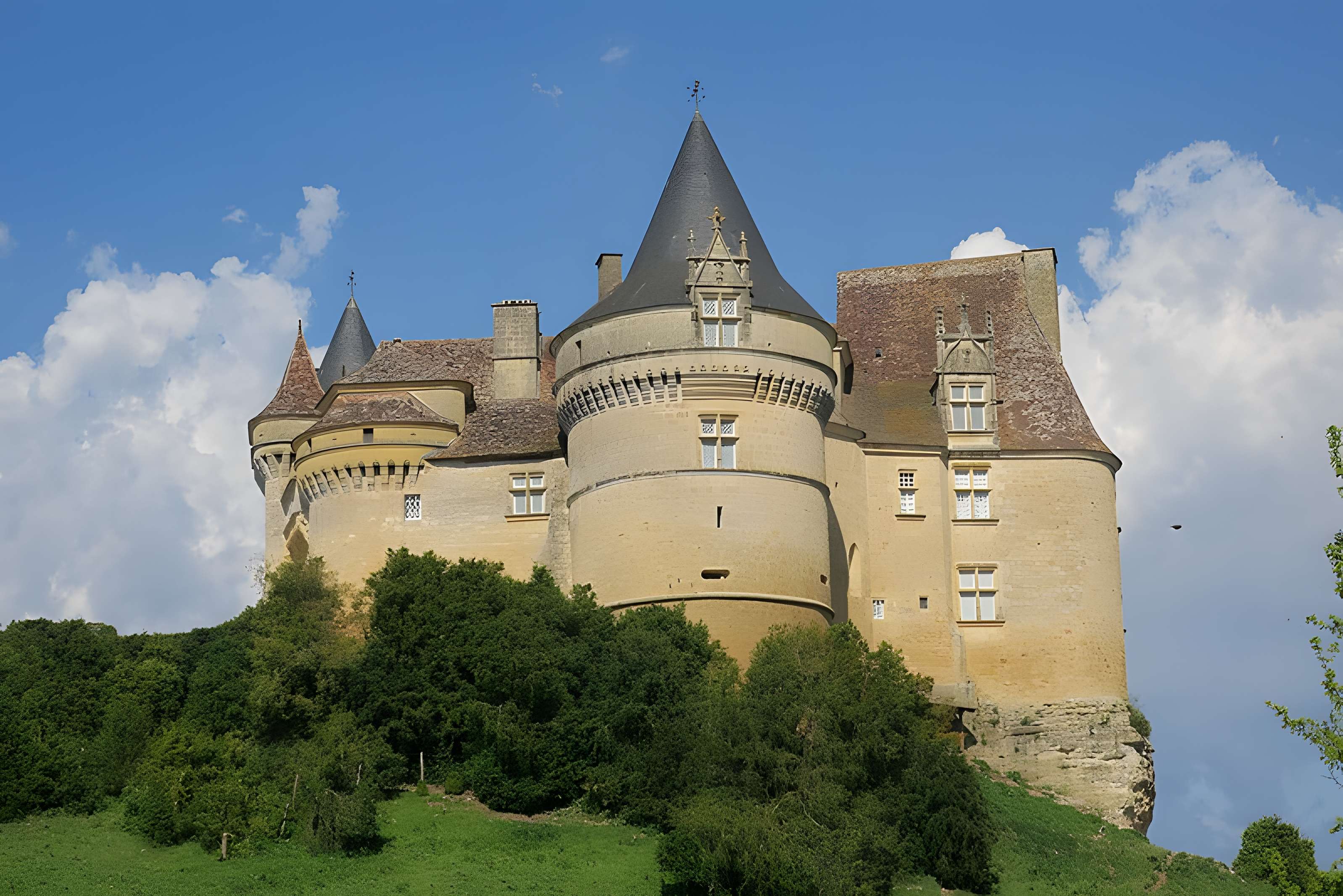
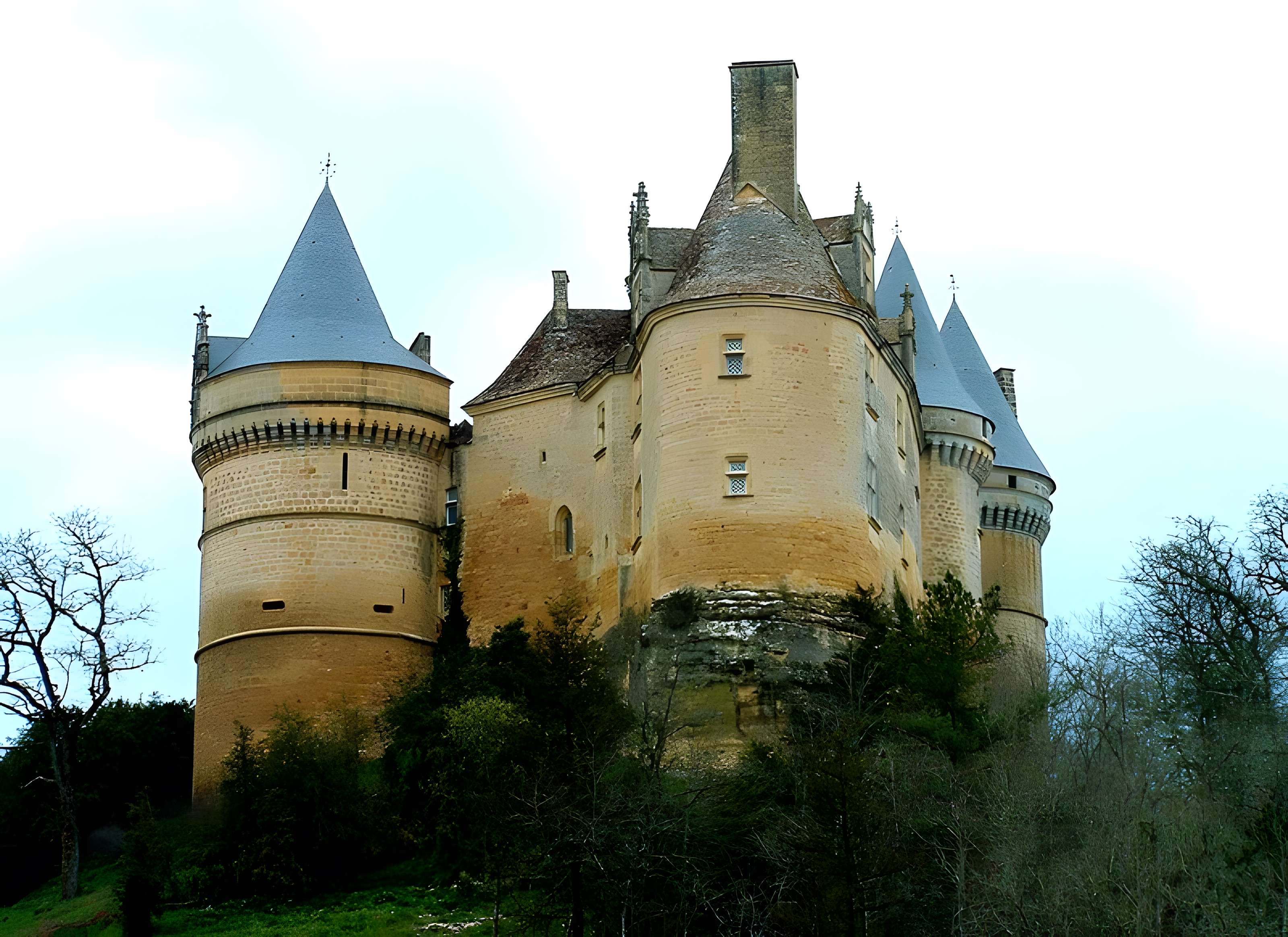
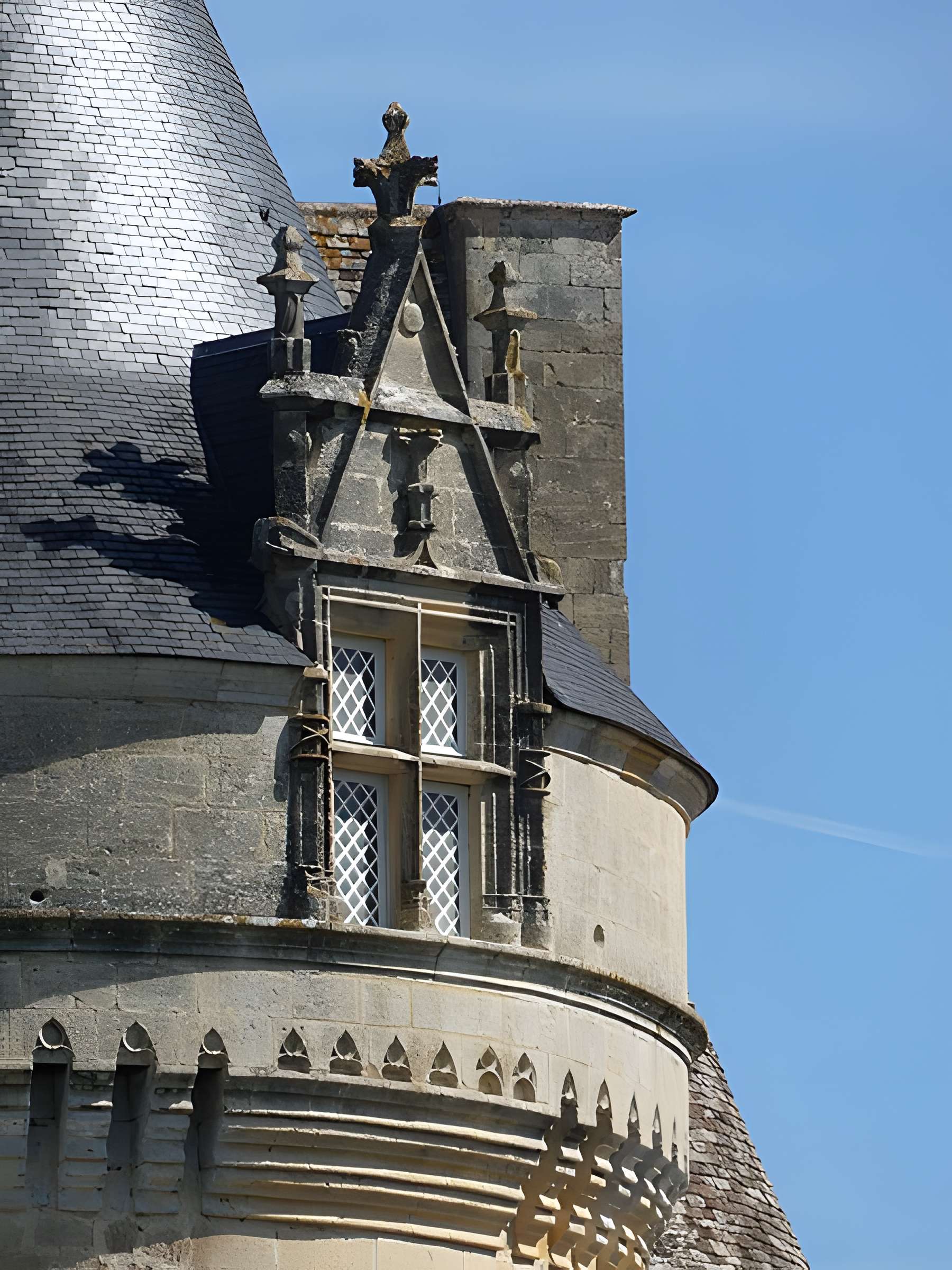
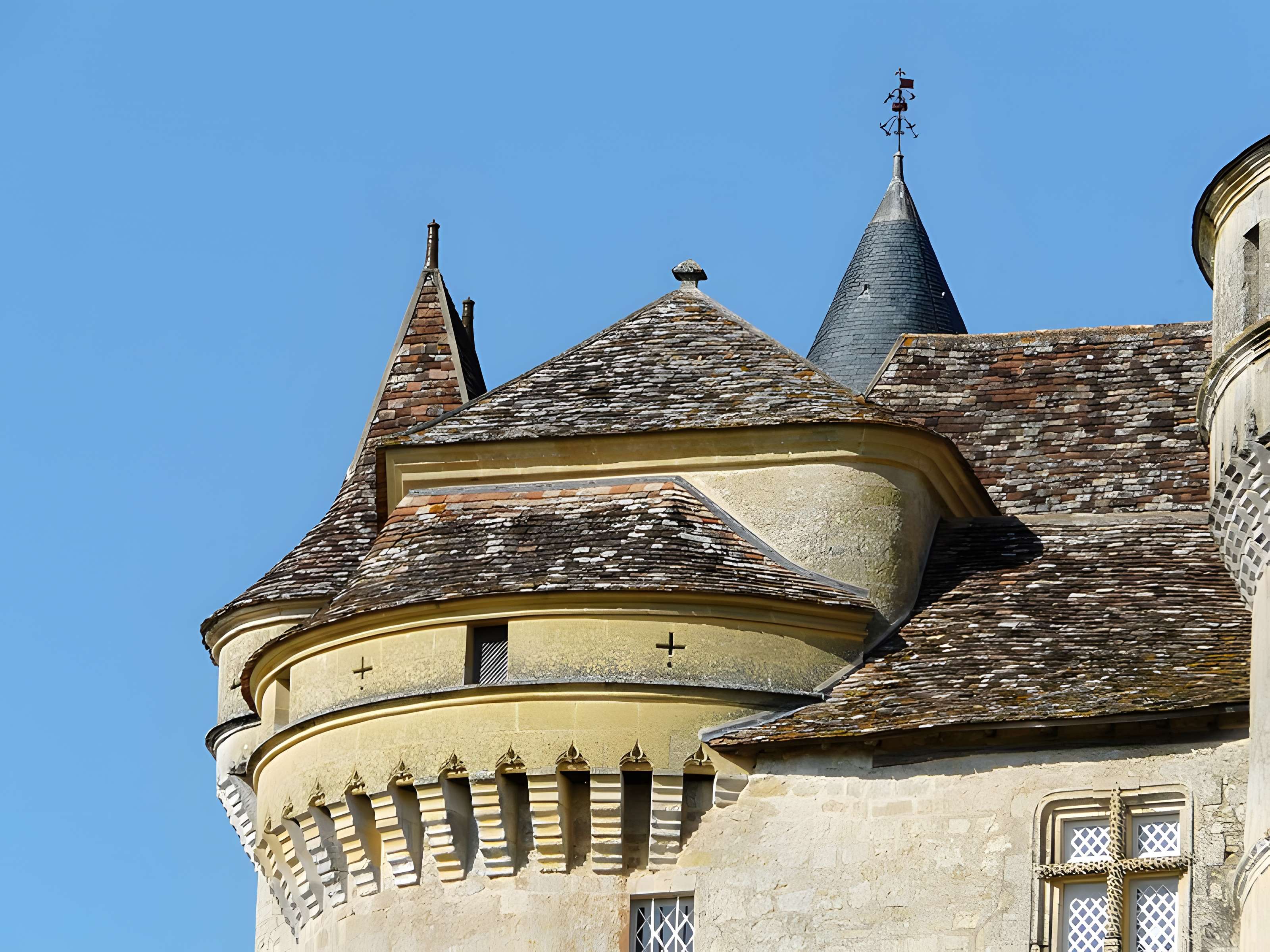
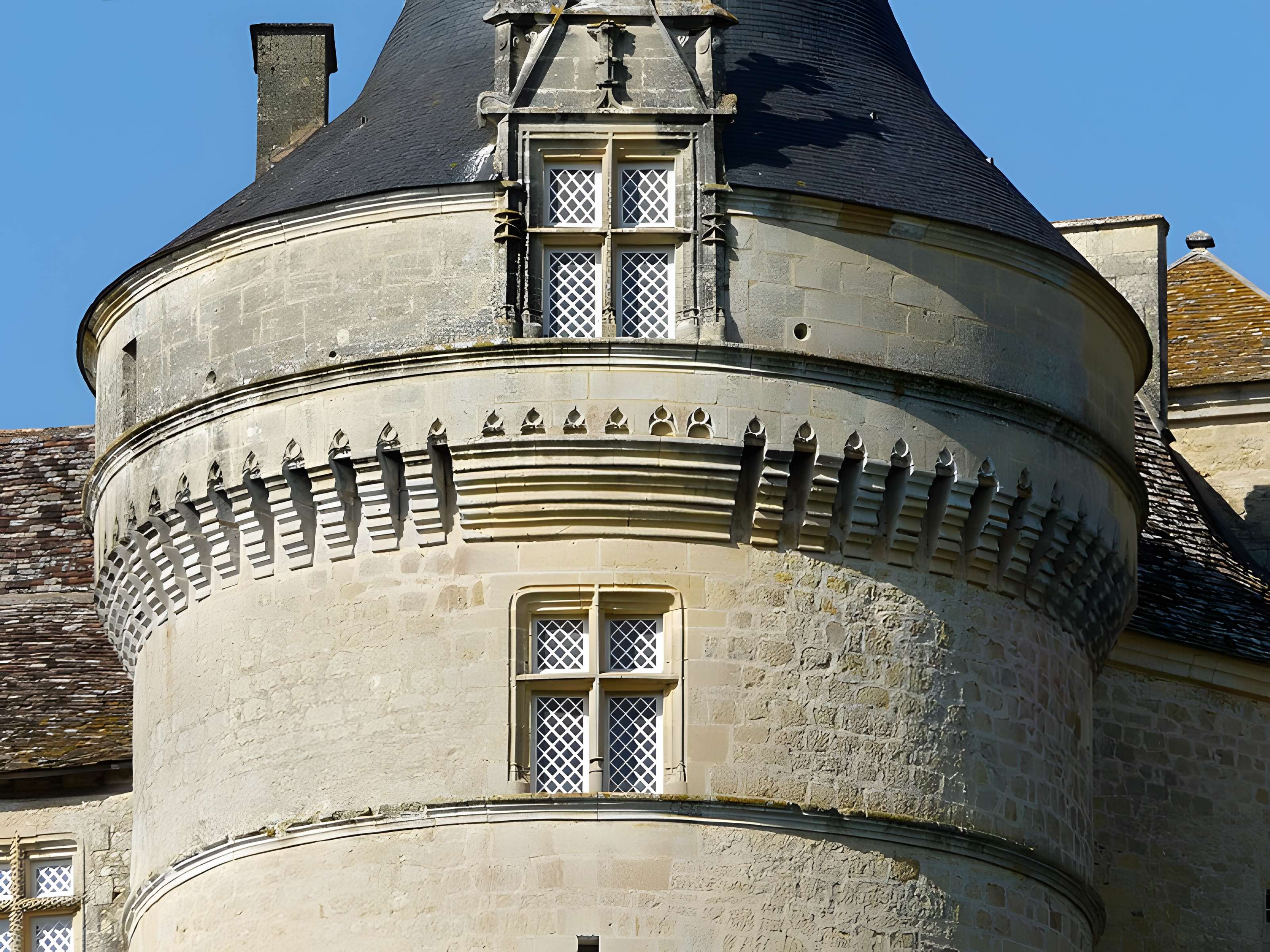
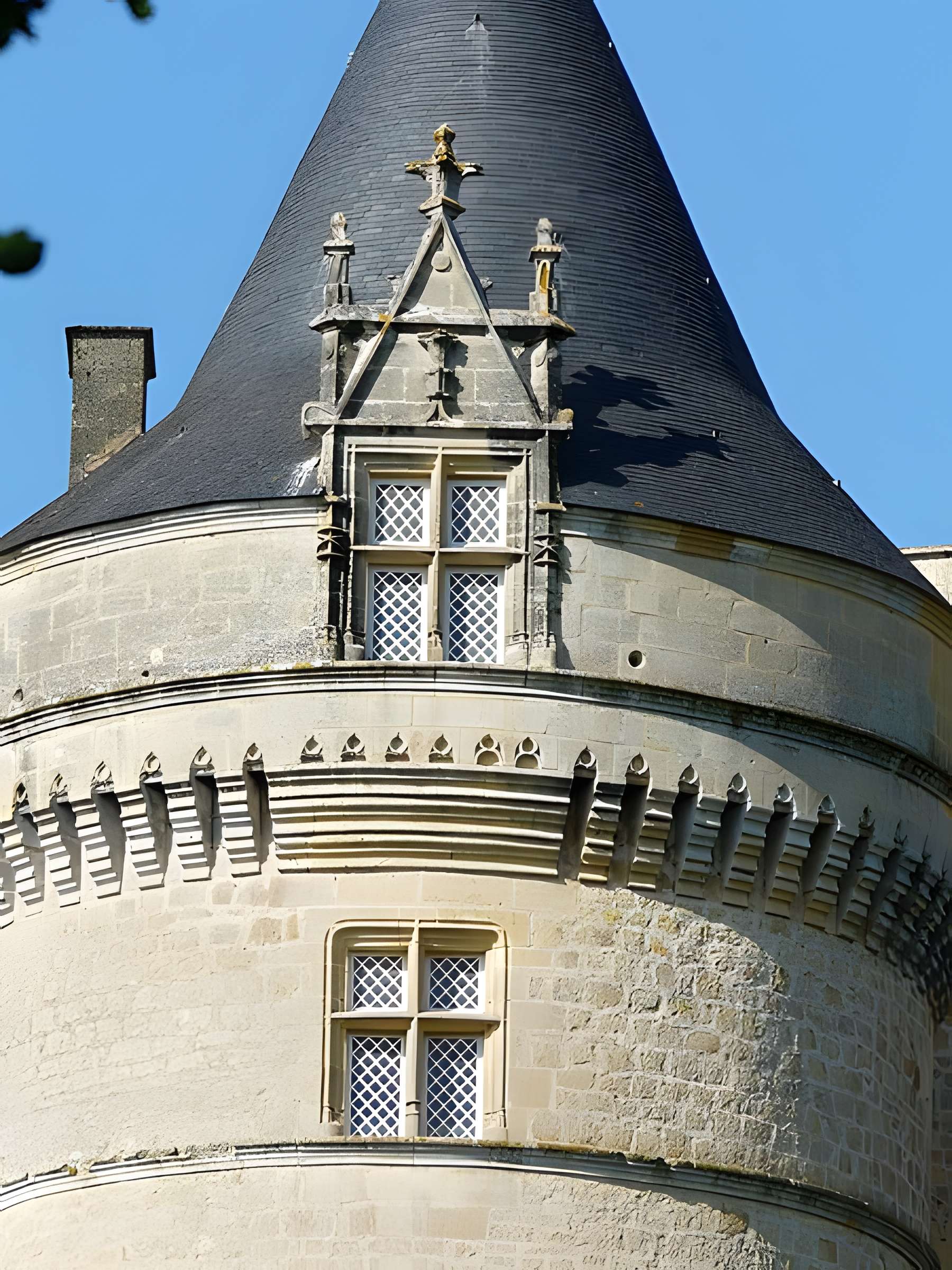
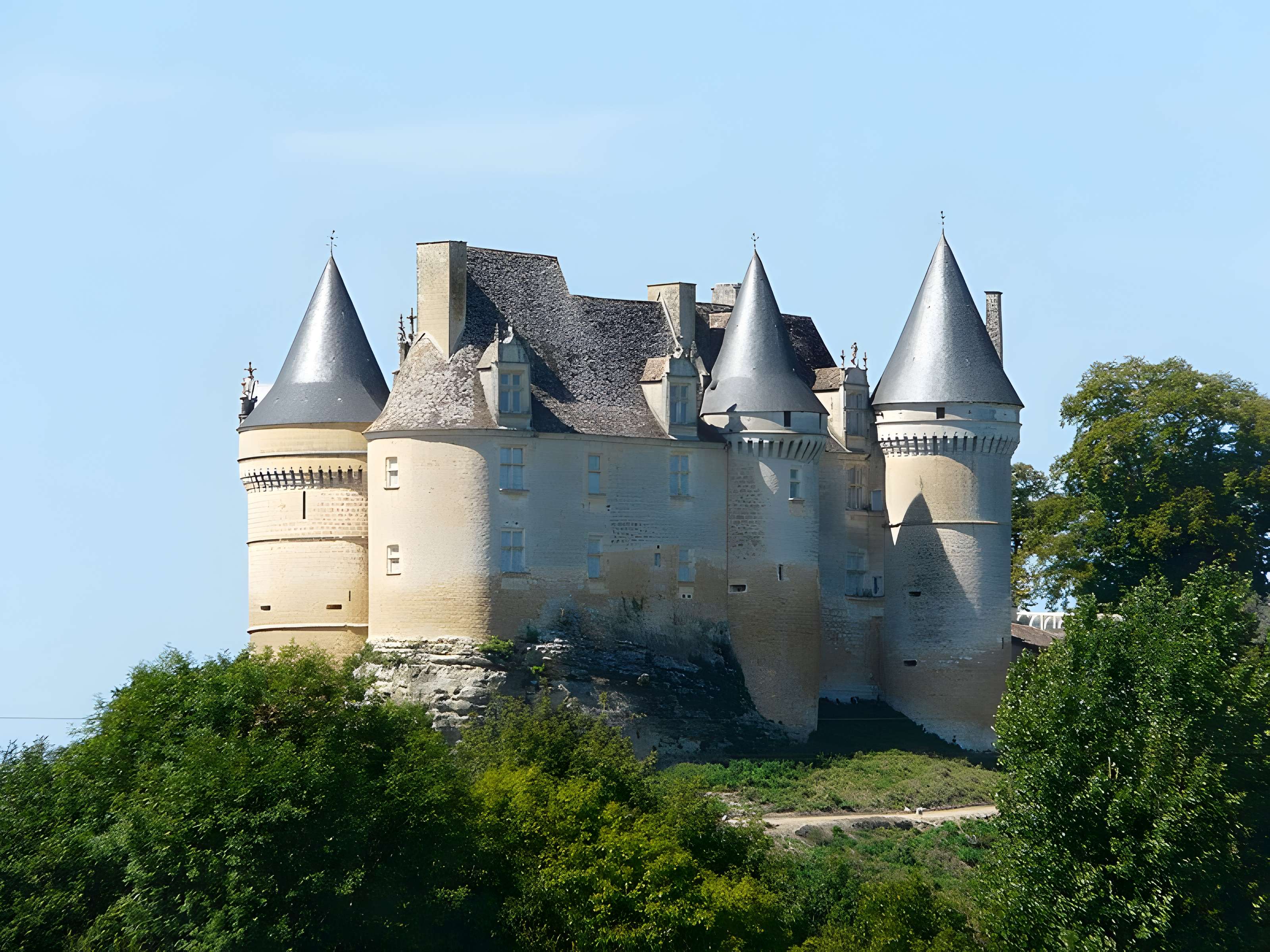
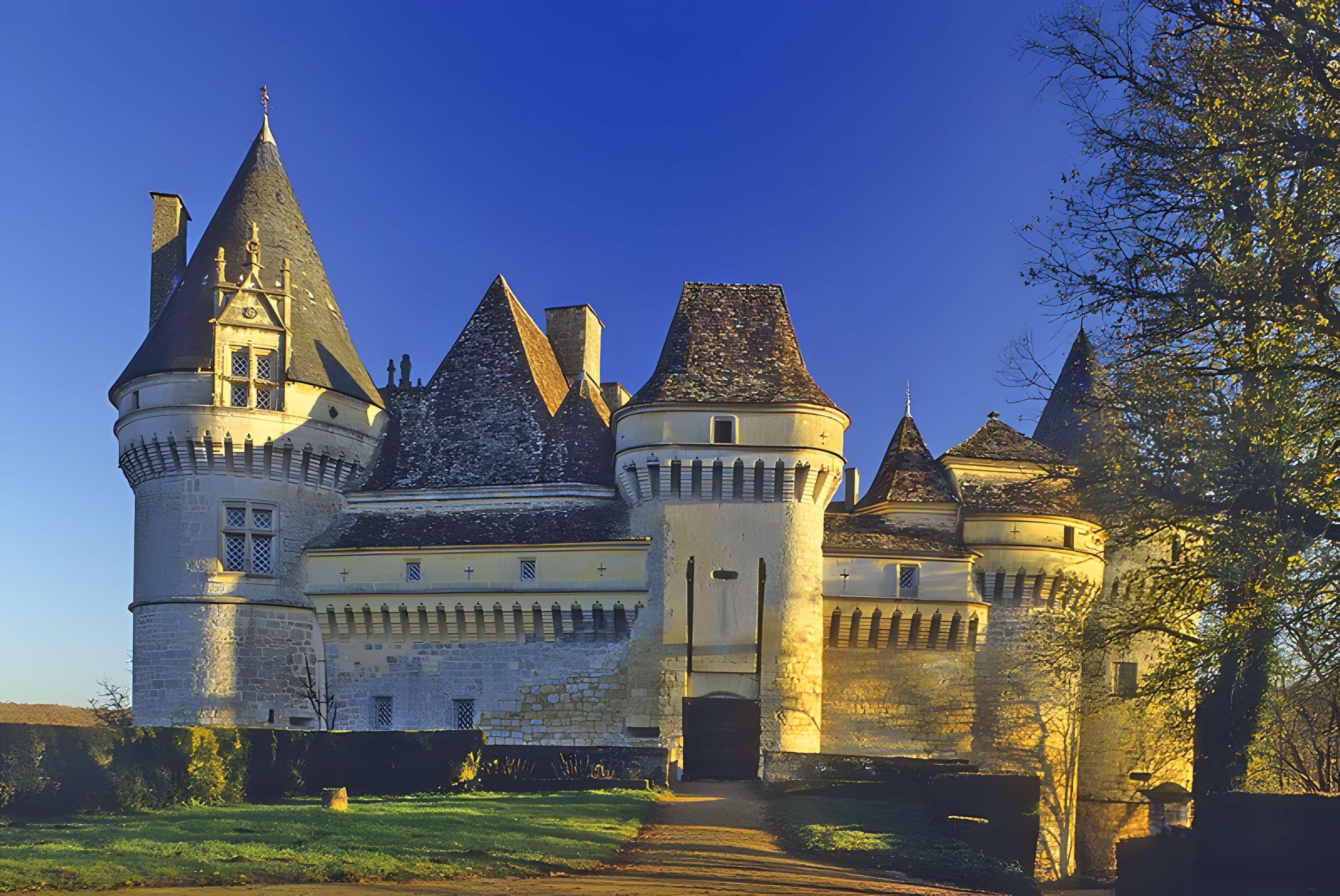
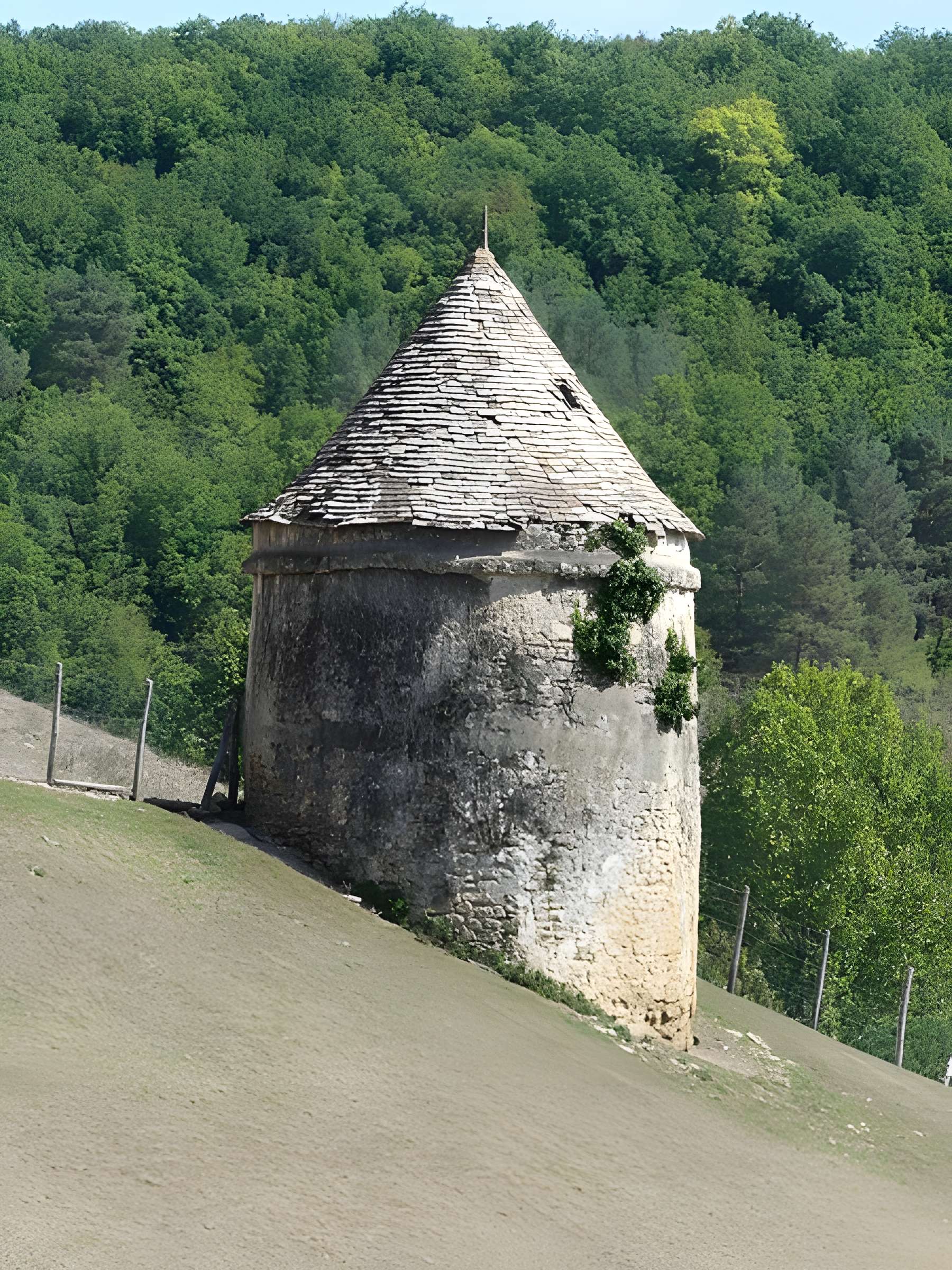
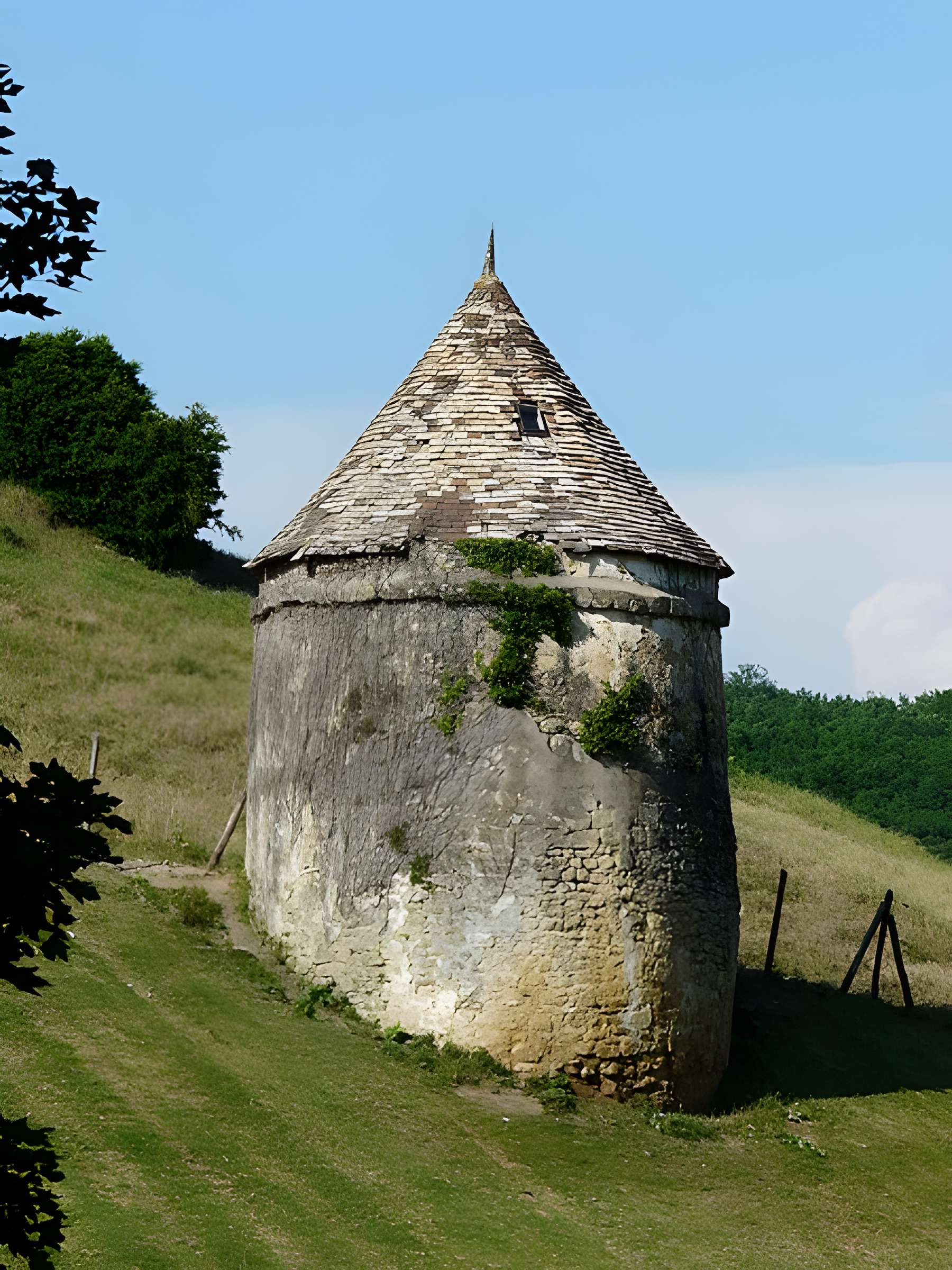
In 1571 John II of Losse, lieutenant-general of Guyenne, acquired Bannes. In 1575 he escaped an attempted assassination by Protestants in the castle. Losse's family kept it until 1882, when it was sold to the Fayolle du Moustier. Restored in 1882 and acquired by M. Lemasson in 1960, it is now owned by Franky Mulliez (founder of Kiloutou). Ranked a historic monument in 2002, it is distinguished by its 5 towers with machicoulis, its 18th century dovecoier, and its interior decorations (frescoes, stairs, fireplaces).

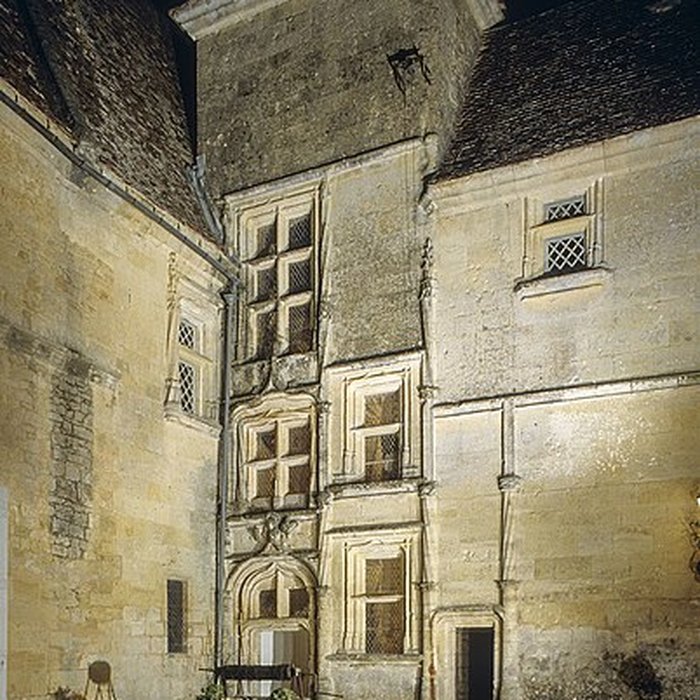
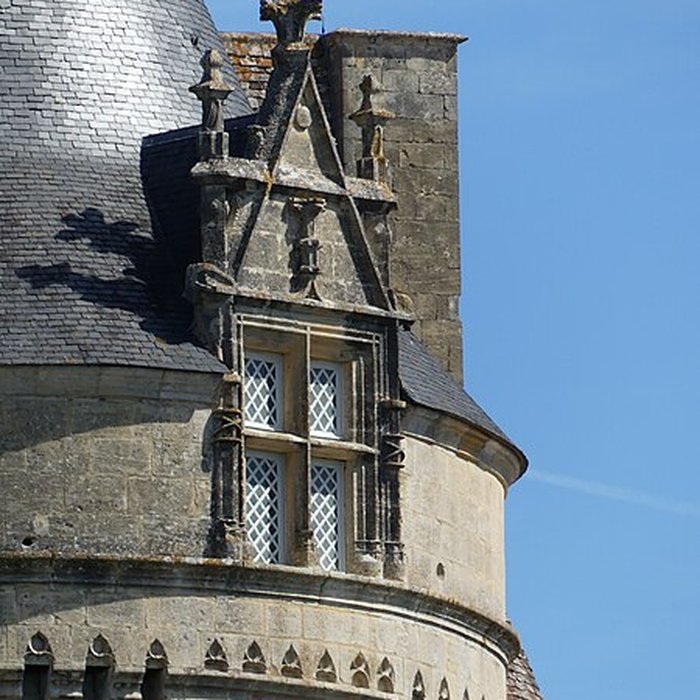
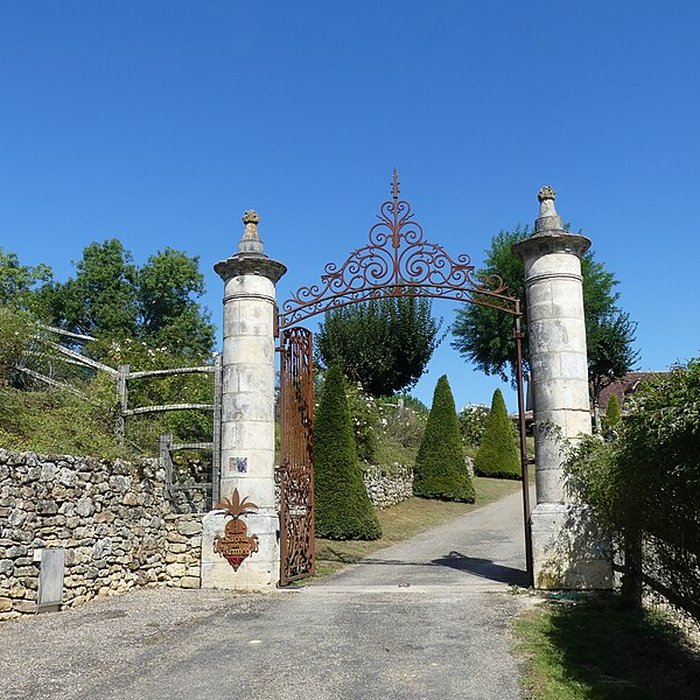
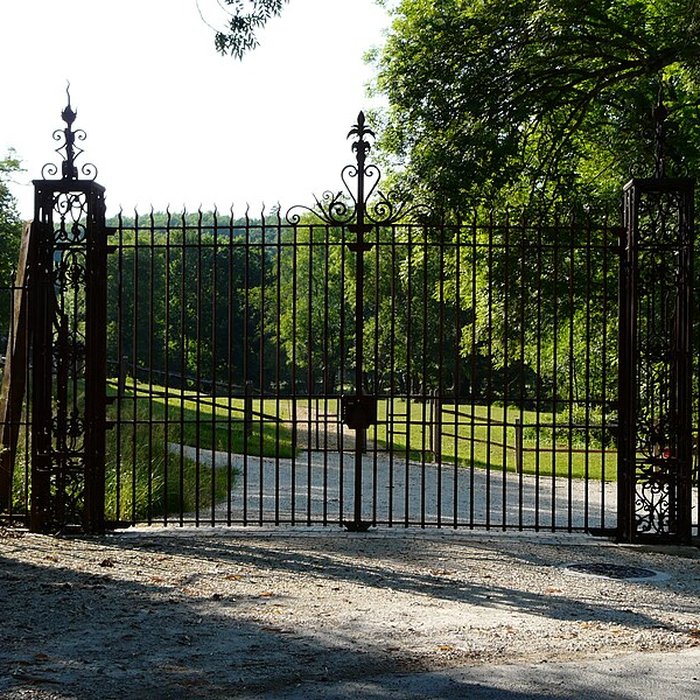
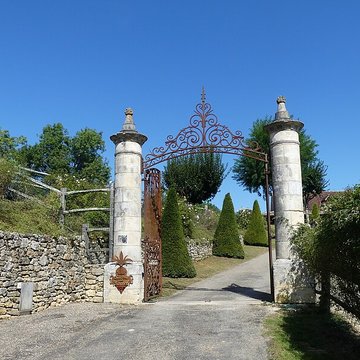
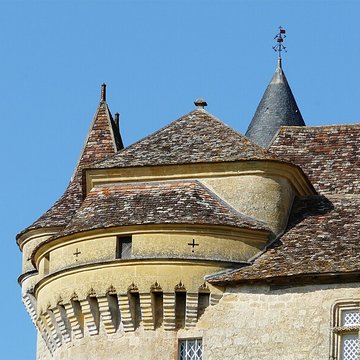
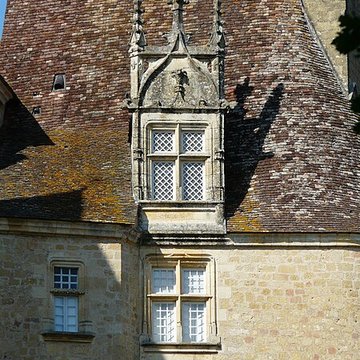
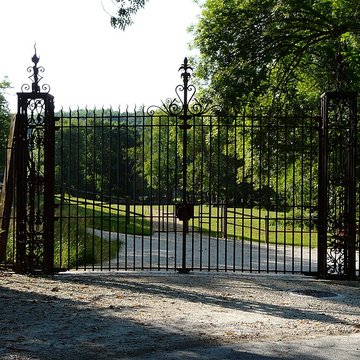
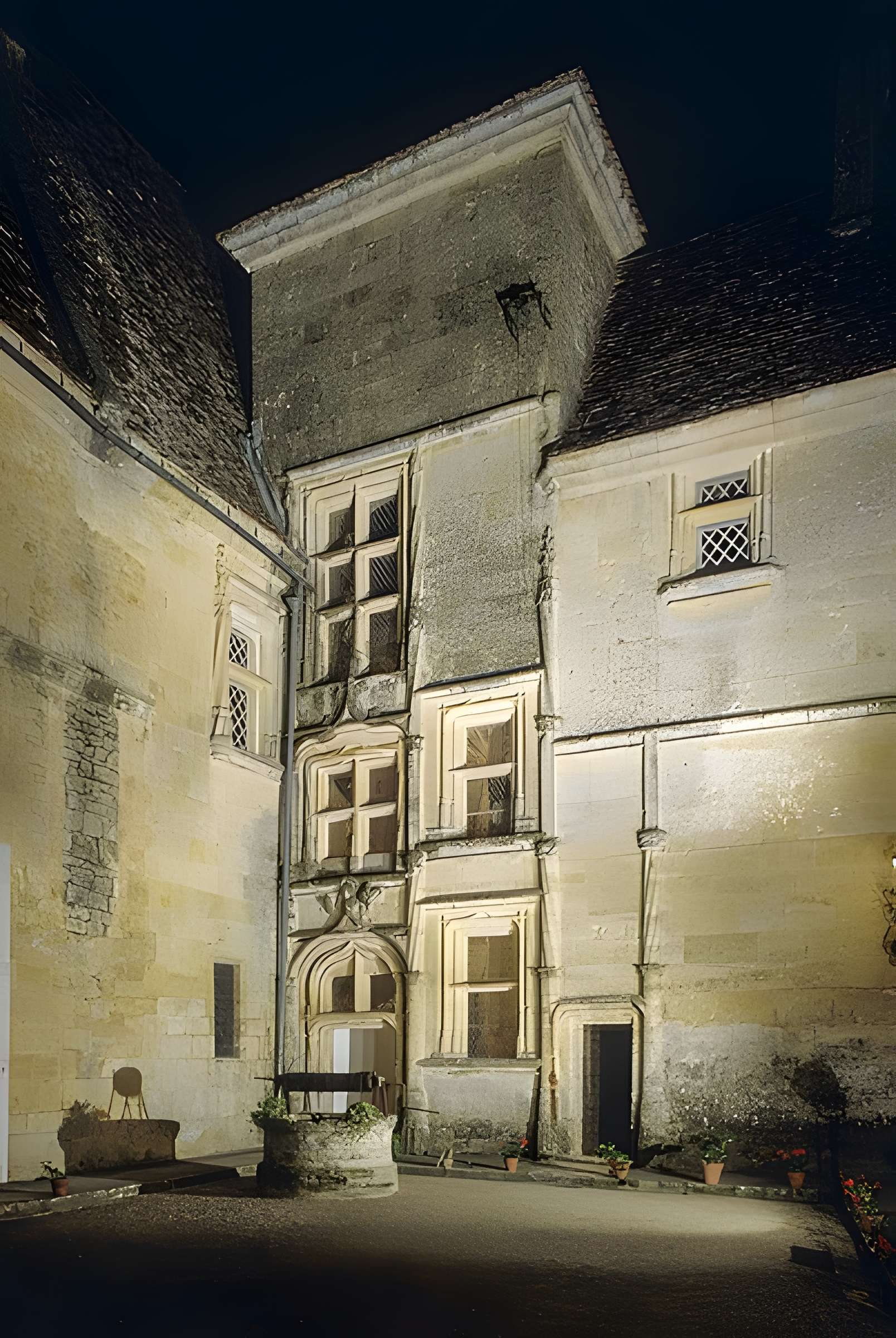
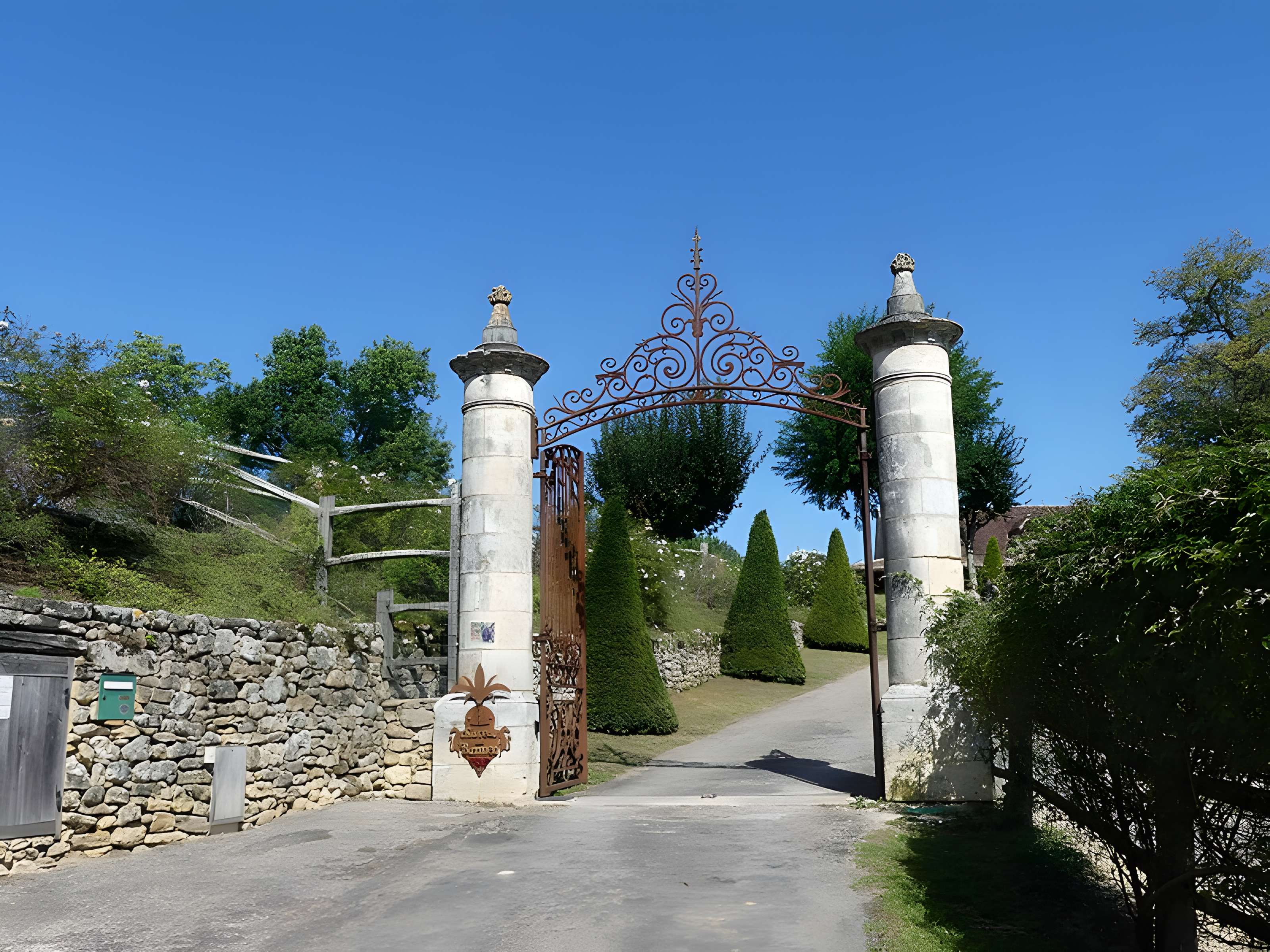
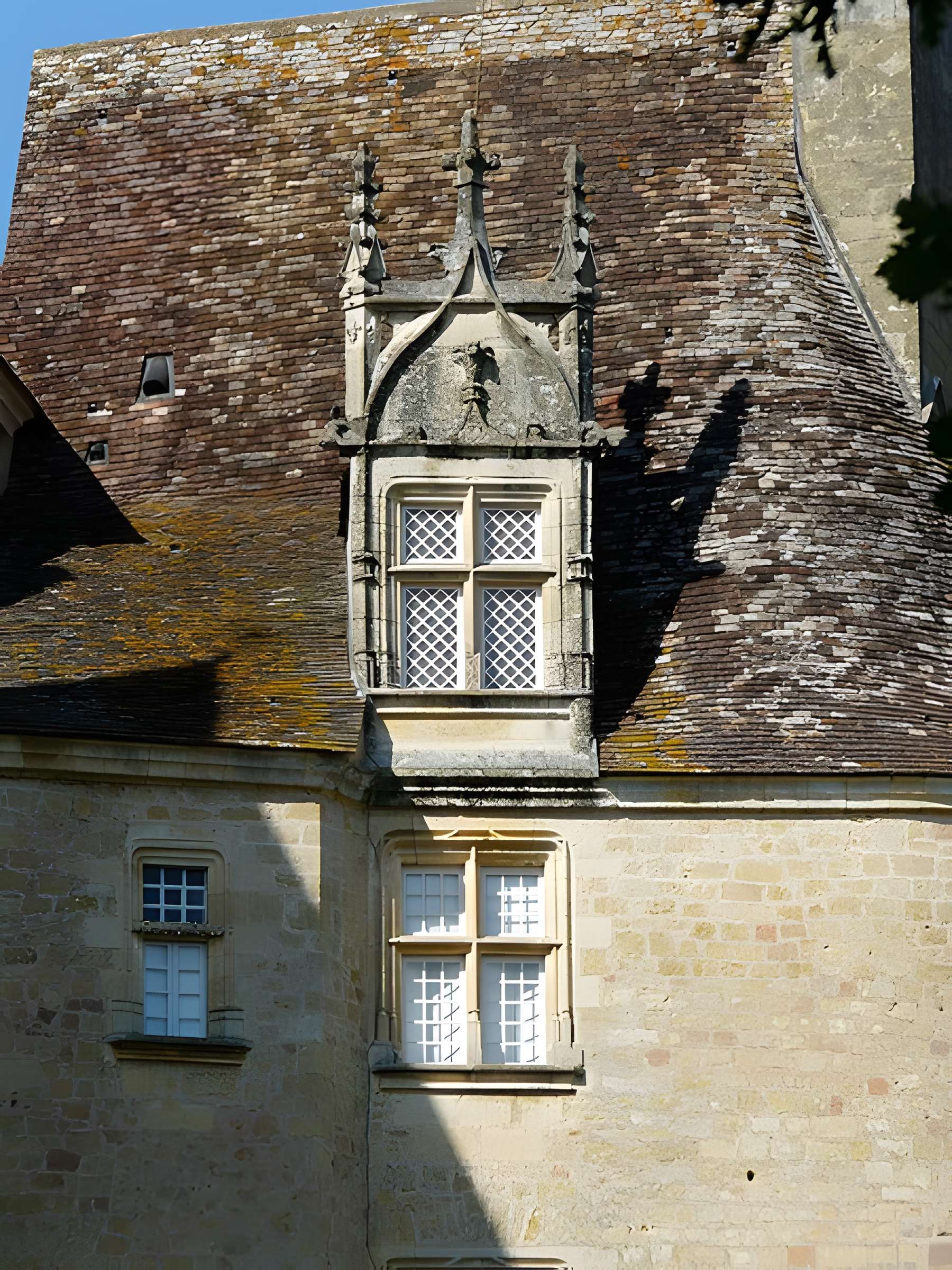
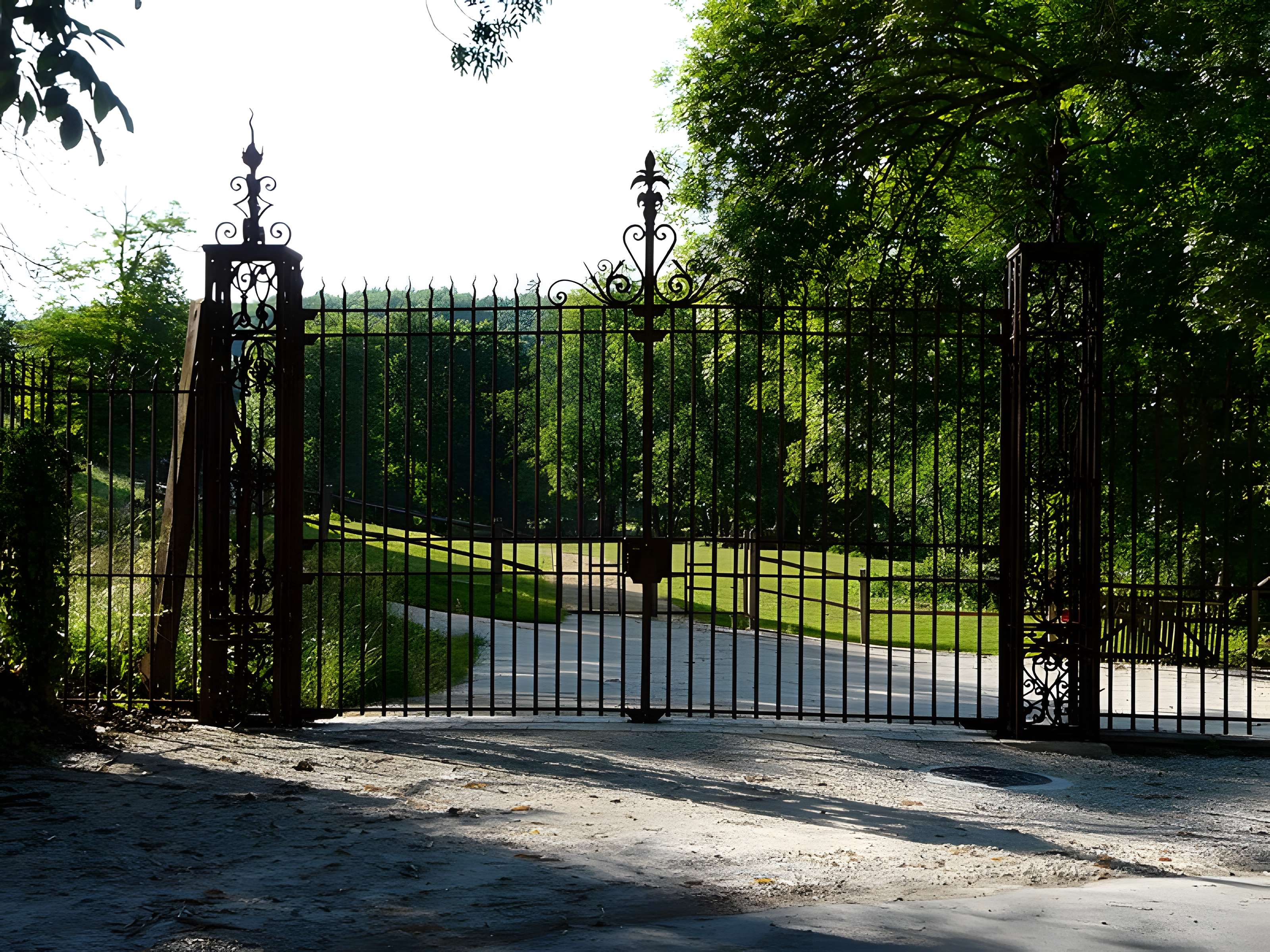
The architecture mixes medieval defense (barbacan, drawbridge, mâchicoulis) and Renaissance elegance (dissymmetric columns, stair turrets). The inner courtyard, surrounded by conical towers, houses rooms with painted ceilings. The entrance gate, decorated with flowers of lilies and hermines, recalls the links with the crown. Although private property and non-visitable, Bannes remains a major testimony of the transition between Middle Ages and Renaissance in Périgord.

External links