Logo Musée du Patrimoine

All French heritage classified by regions, departments and cities

Old castle à Royaucourt-et-Chailvet dans l'Aisne

Aisne

Old castle

    28 Rue de la Fontaine
    02000 Royaucourt-et-Chailvet
Private property
Ancien château
Ancien château
Ancien château
Ancien château
Ancien château
Ancien château
Ancien château
Ancien château
Ancien château
Ancien château
Ancien château
Ancien château
Ancien château
Ancien château
Ancien château
Ancien château
Ancien château
Ancien château
Ancien château
Ancien château
Ancien château
Ancien château
Ancien château
Ancien château
Ancien château
Ancien château
Crédit photo : Jacques Pennier (XVIIe Siècle) - Sous licence Creative Commons

Timeline

Bas Moyen Âge
Renaissance
Temps modernes
Révolution/Empire
XIXe siècle
Époque contemporaine
1500
1600
1700
1800
1900
2000
1540-1555
Construction of Renaissance arcades
1666
Sale to family Parat
1944
Partial destruction by explosion
1981
Start of modern restoration
1984
Historical Monument
2010
Partial completion of work
Aujourd'hui
Aujourd'hui

Heritage classified

Substantial parts, including moats and counterscarps (Box AB 73, 74, 109): classification by order of 16 November 1984; Facades and roofs of the communes and the dovecote (Case AD 114): inscription by order of 28 December 1984

Key figures

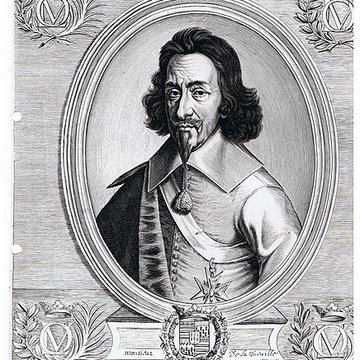
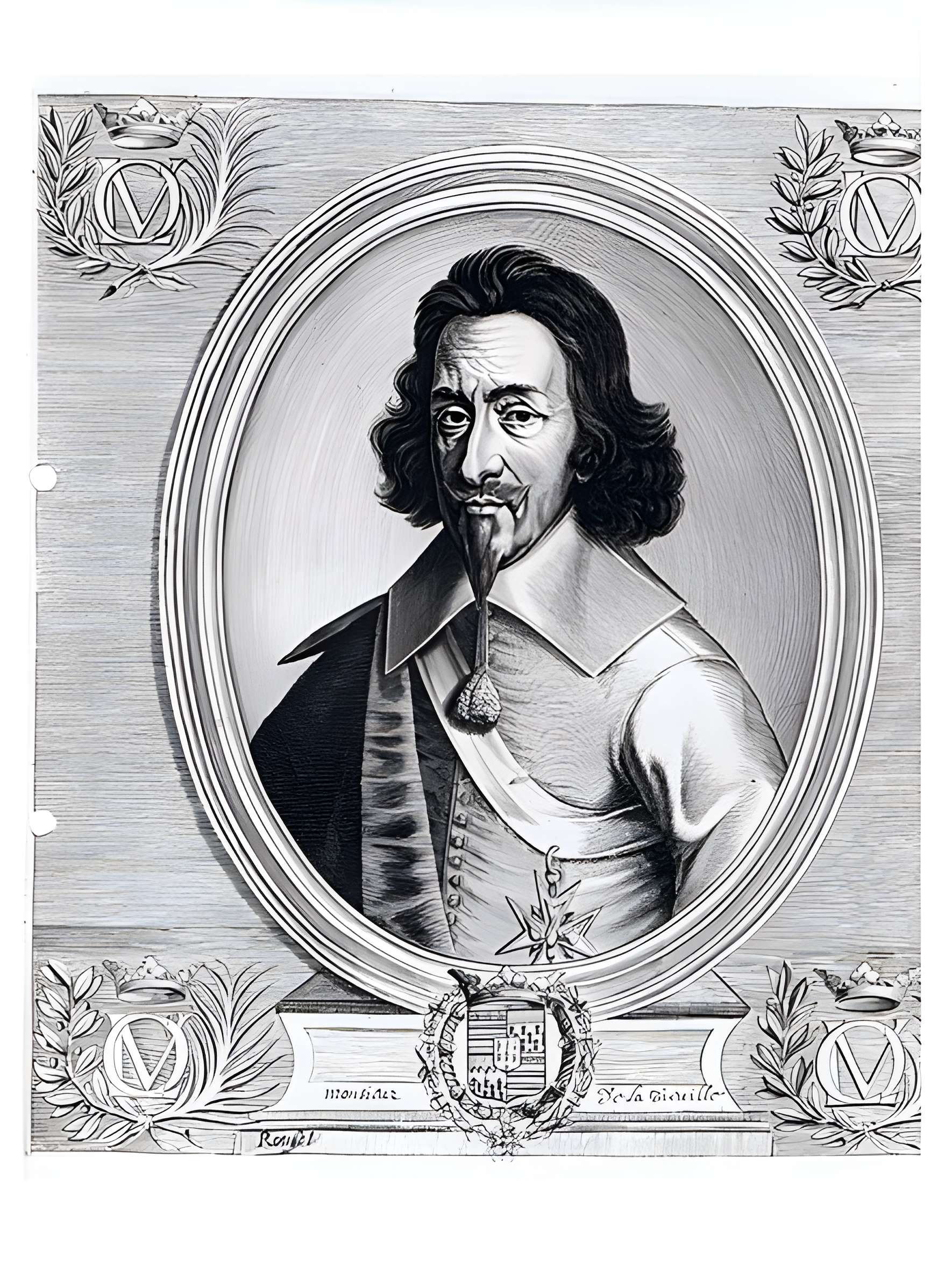
Pierre de La Vieuville - Lord and builder of the castle Military and patron, inspiring architecture.
Charles de La Vieuville - Superintendent of Finance under Louis XIII Owner and high character of the court.
Robert de La Vieuville - Ambassador and State Counsellor Owner, buried in the local church.
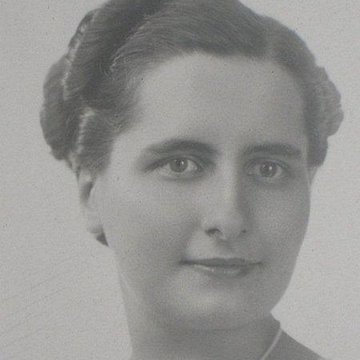
Georges Louis Sourmais - Owner and restaurant (1924-1962) Banquier, victim of the 1944 destruction.
Patrick et Muriel de Buttet - Owners-restaurants since 1981 Launch the modern restoration of the castle.
Alain Gigot - Chief Architect of Historic Monuments Directs the restoration since 2010.

Origin and history

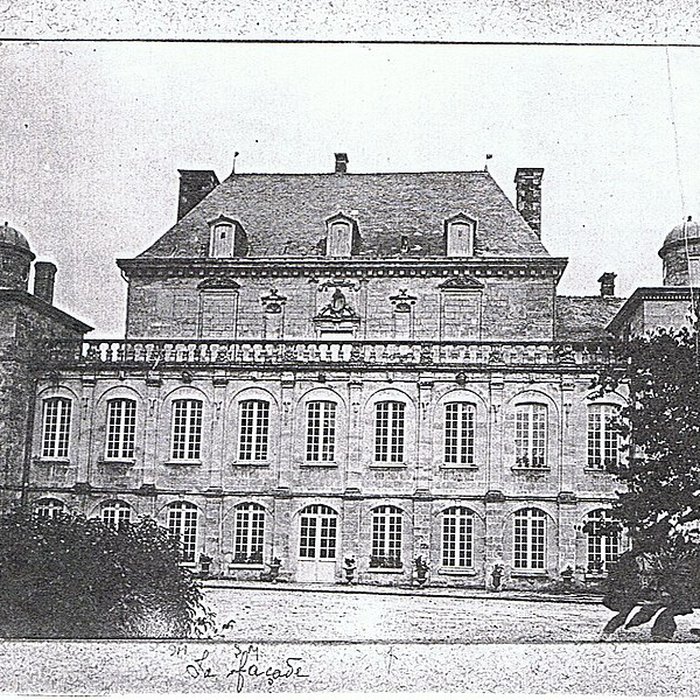
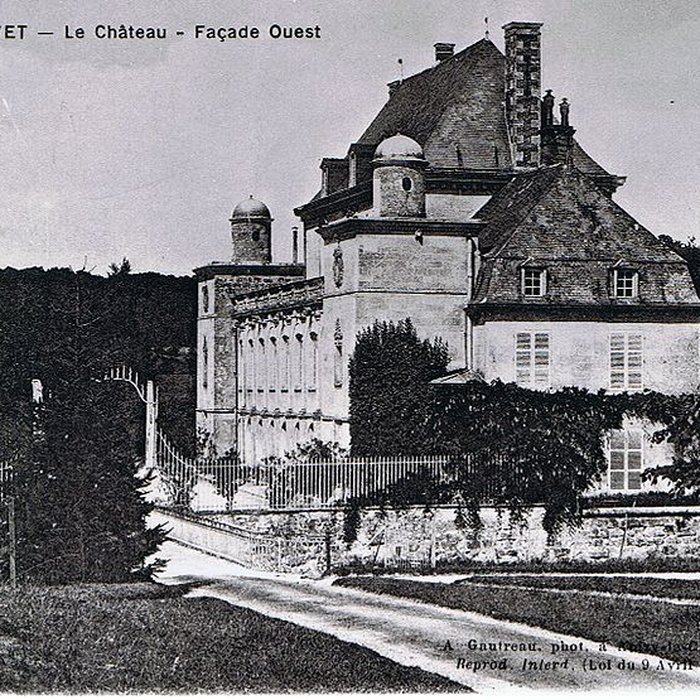
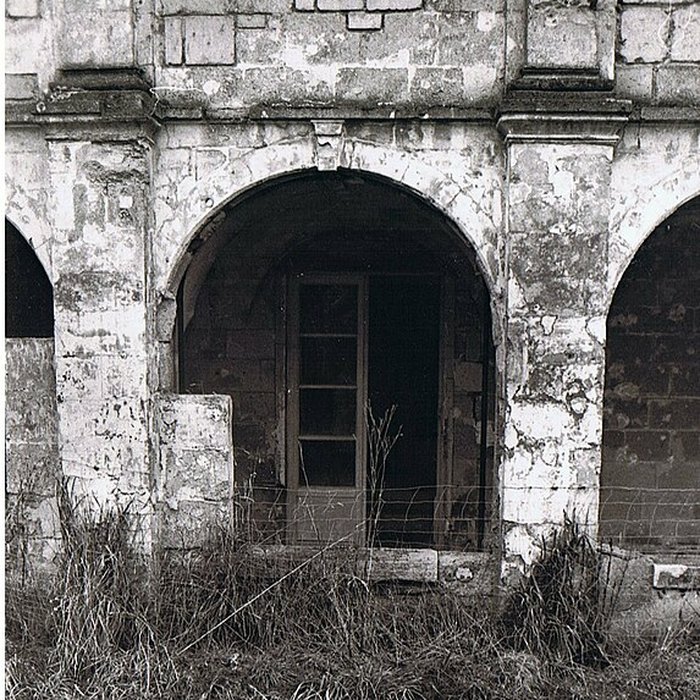
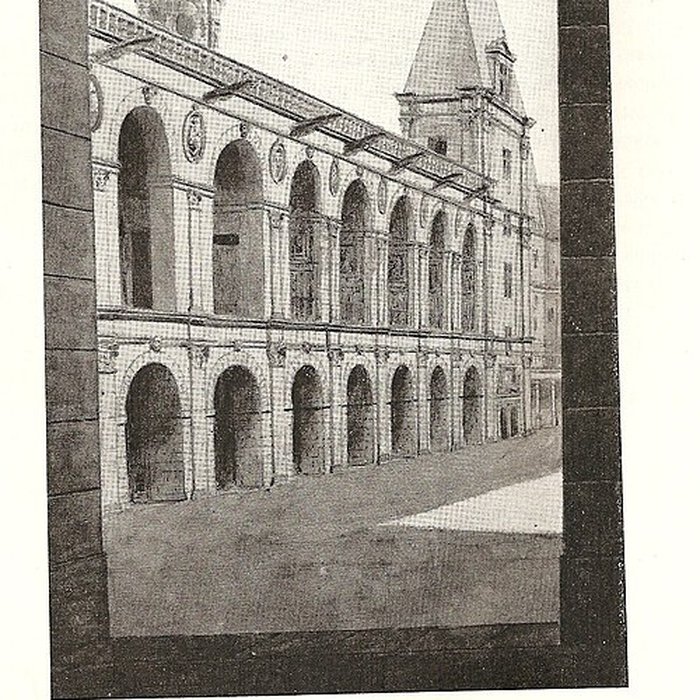
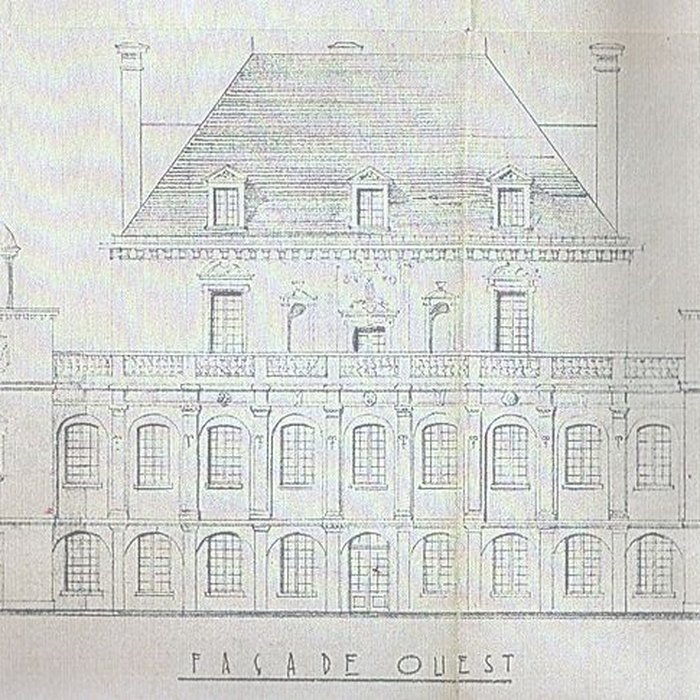
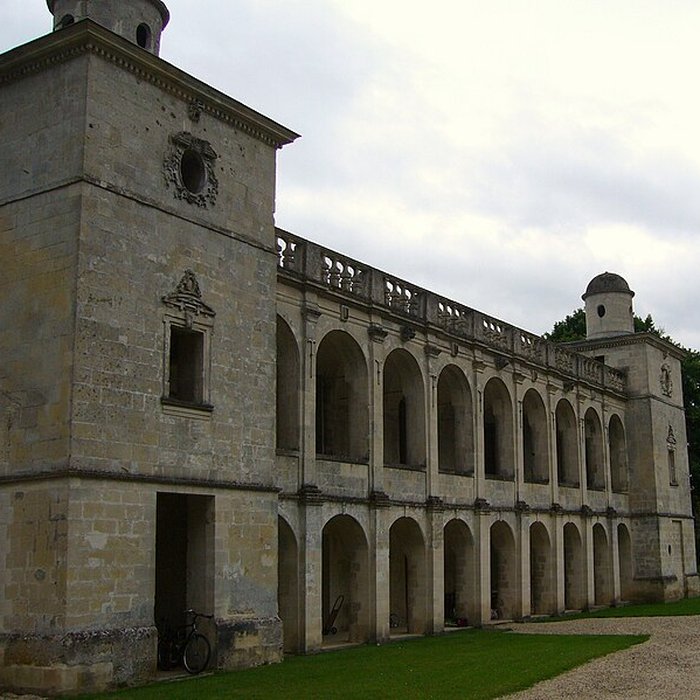
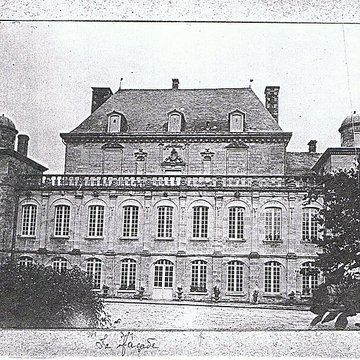
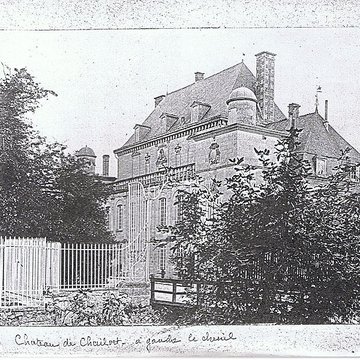
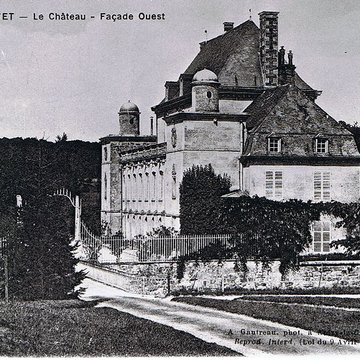
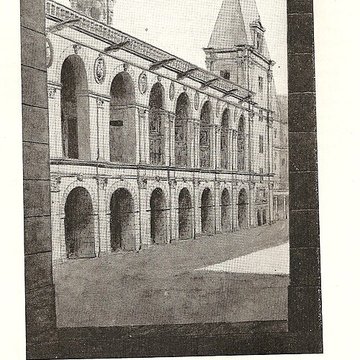
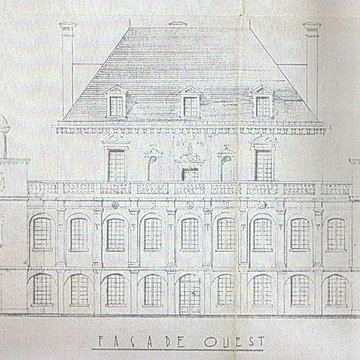
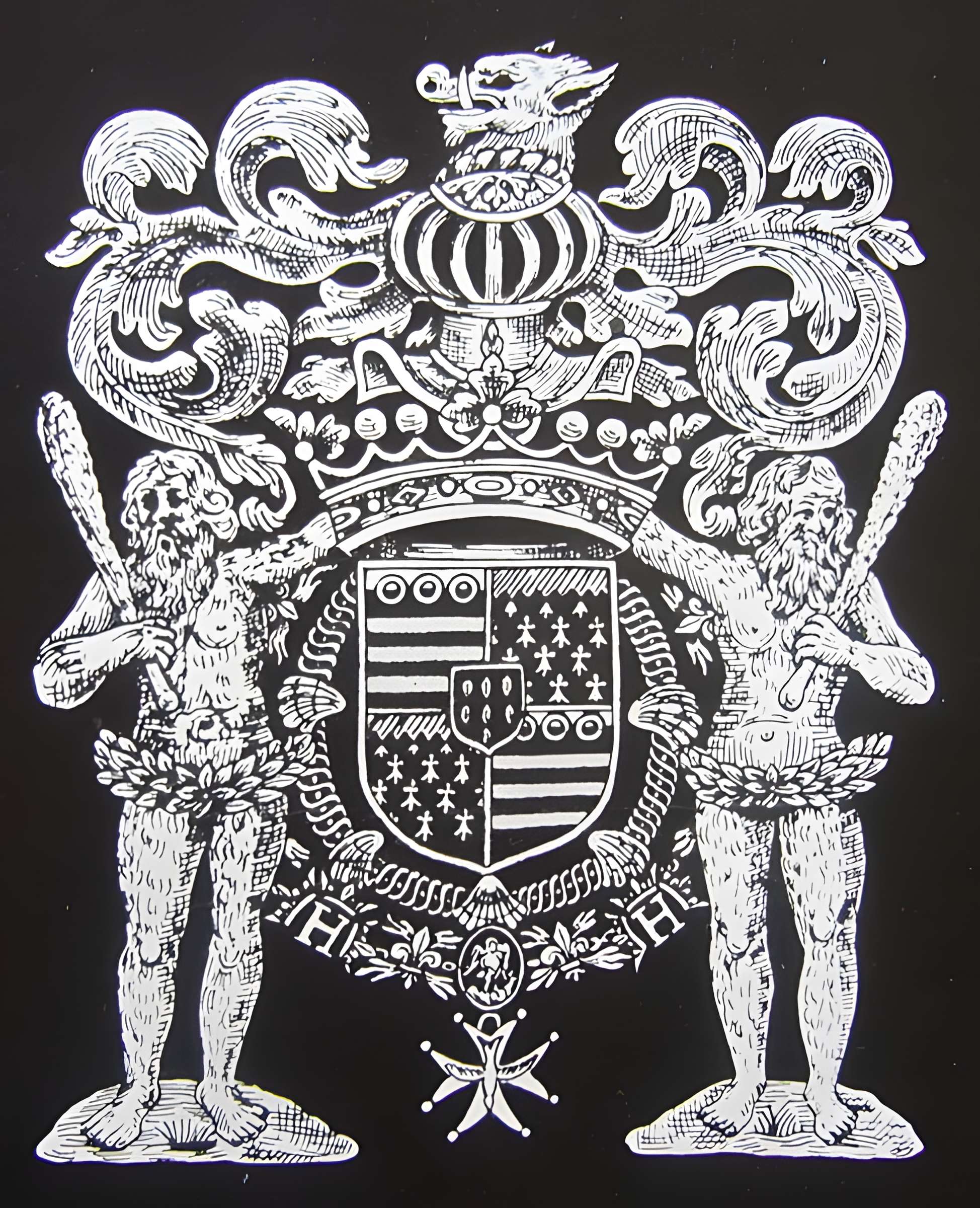
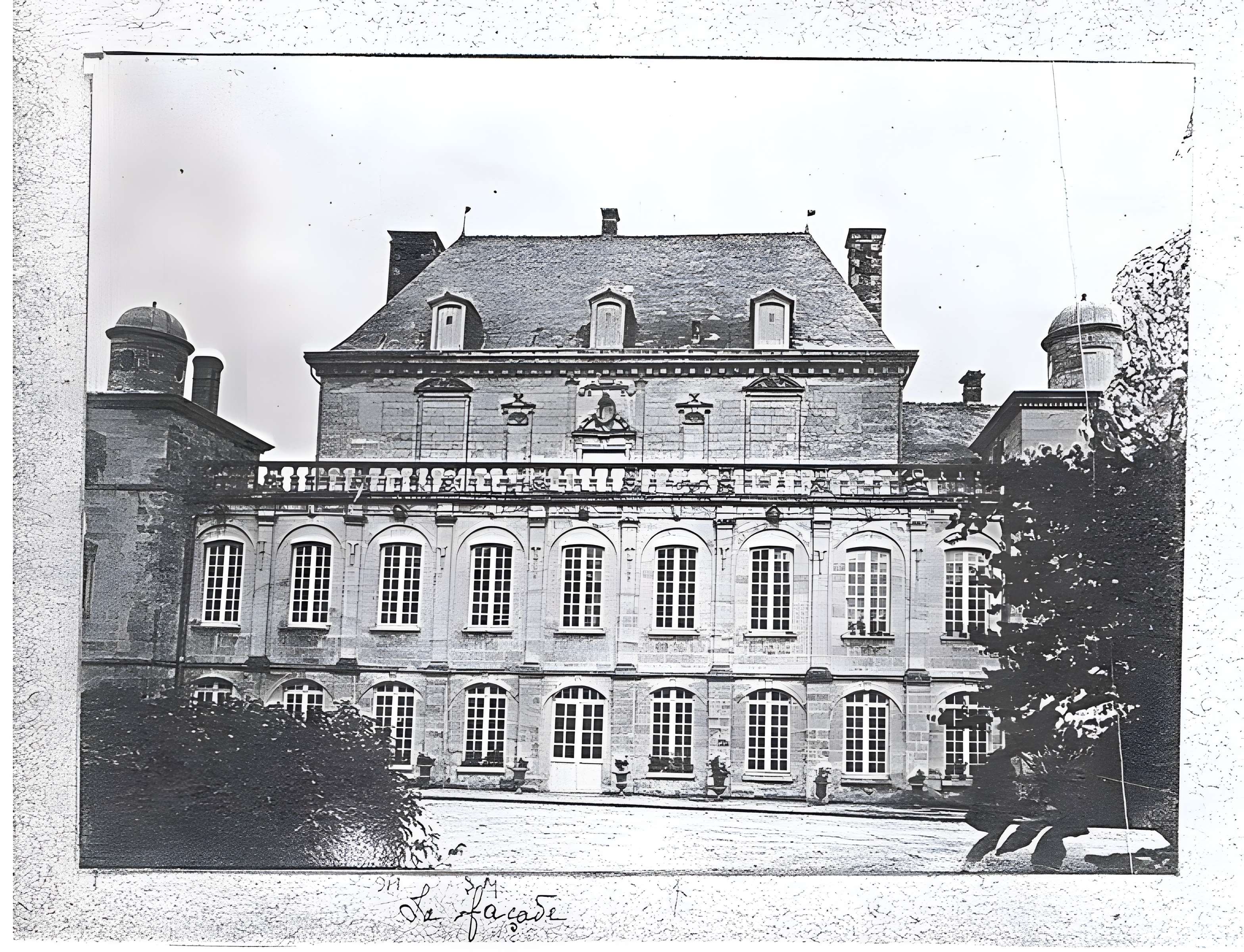
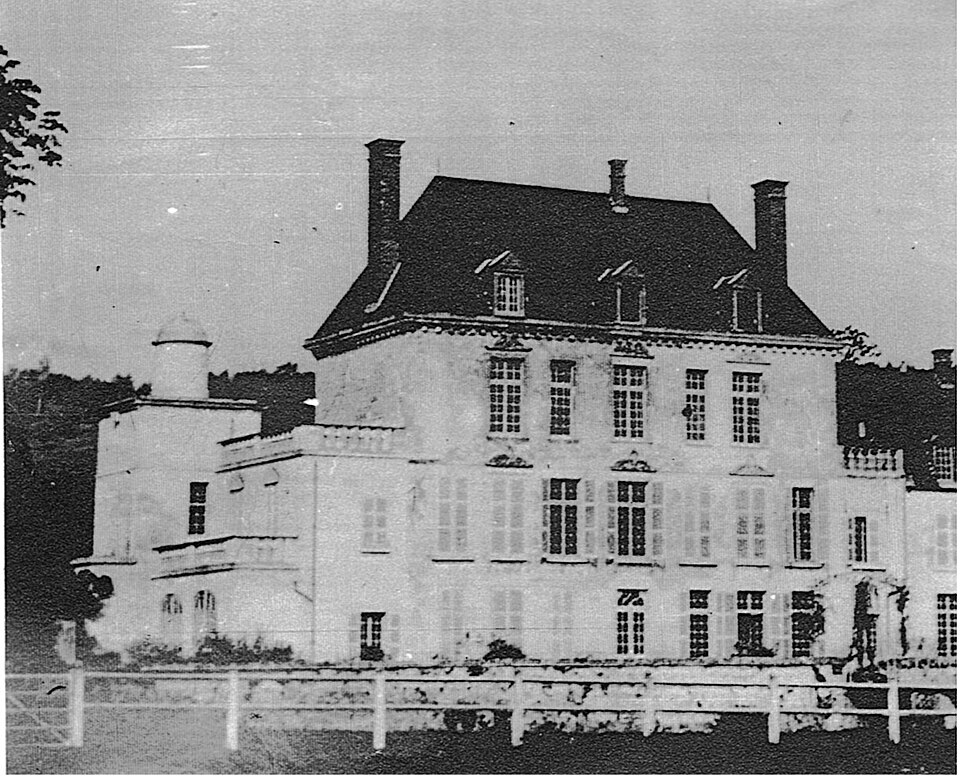
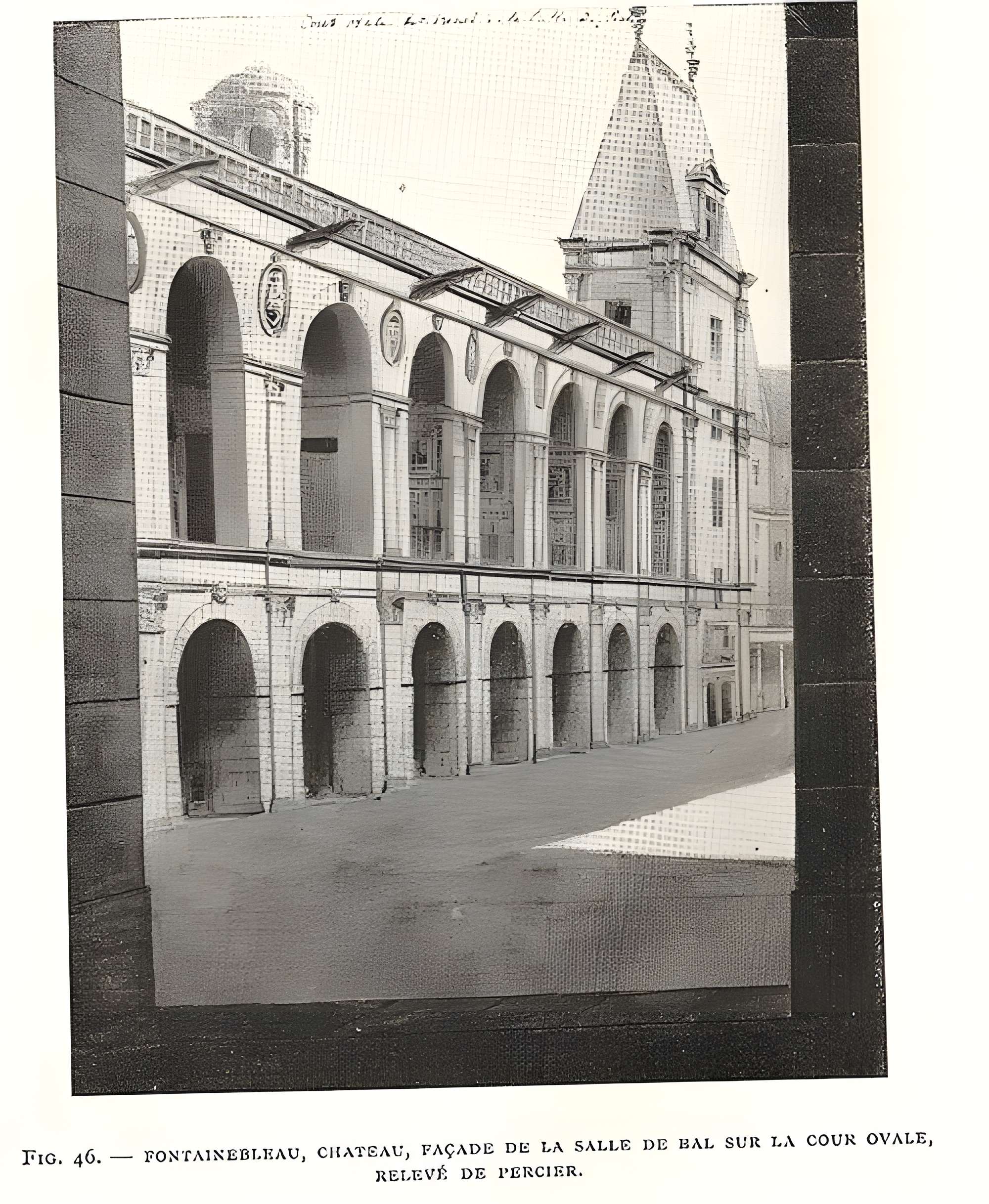
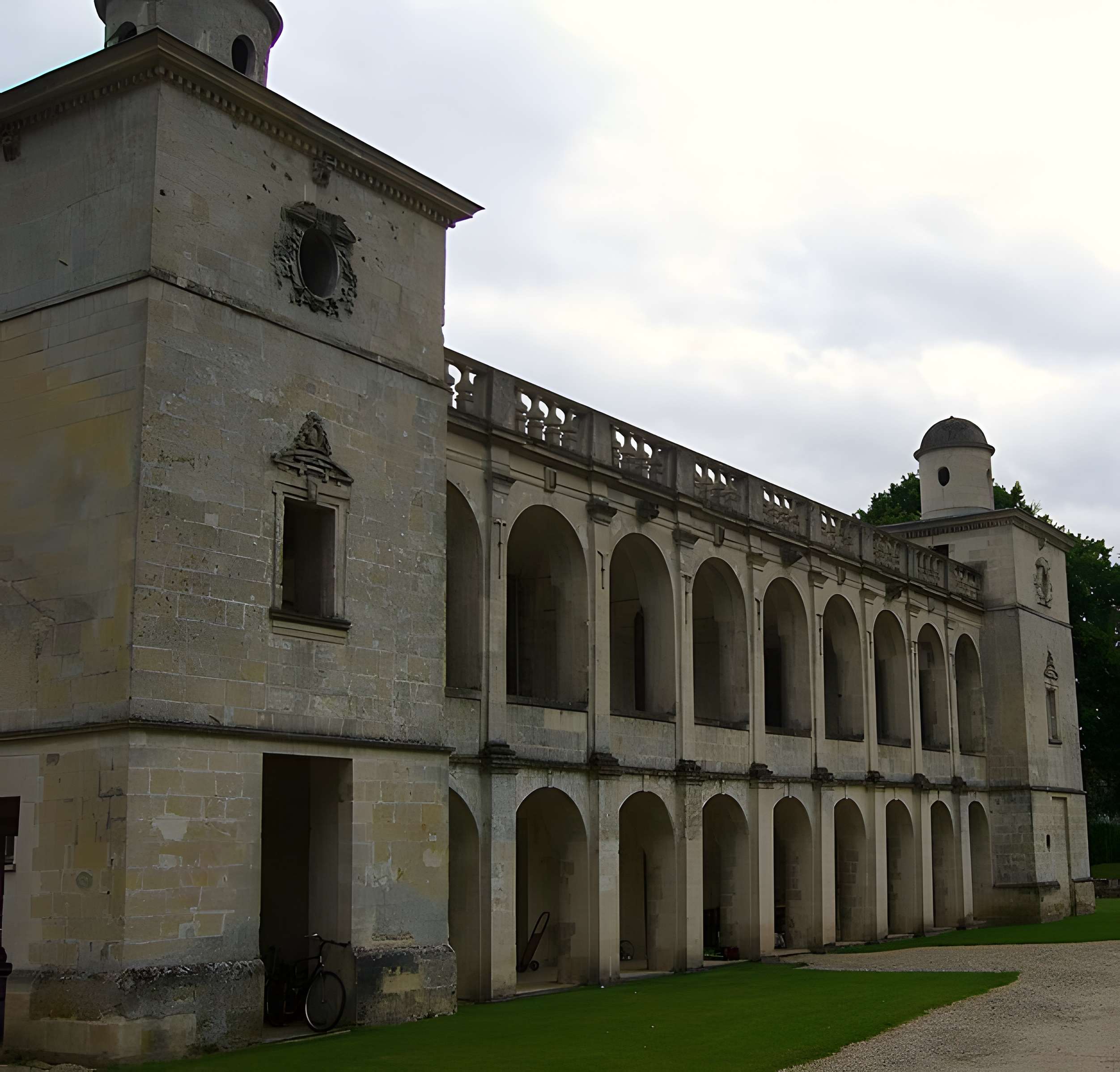
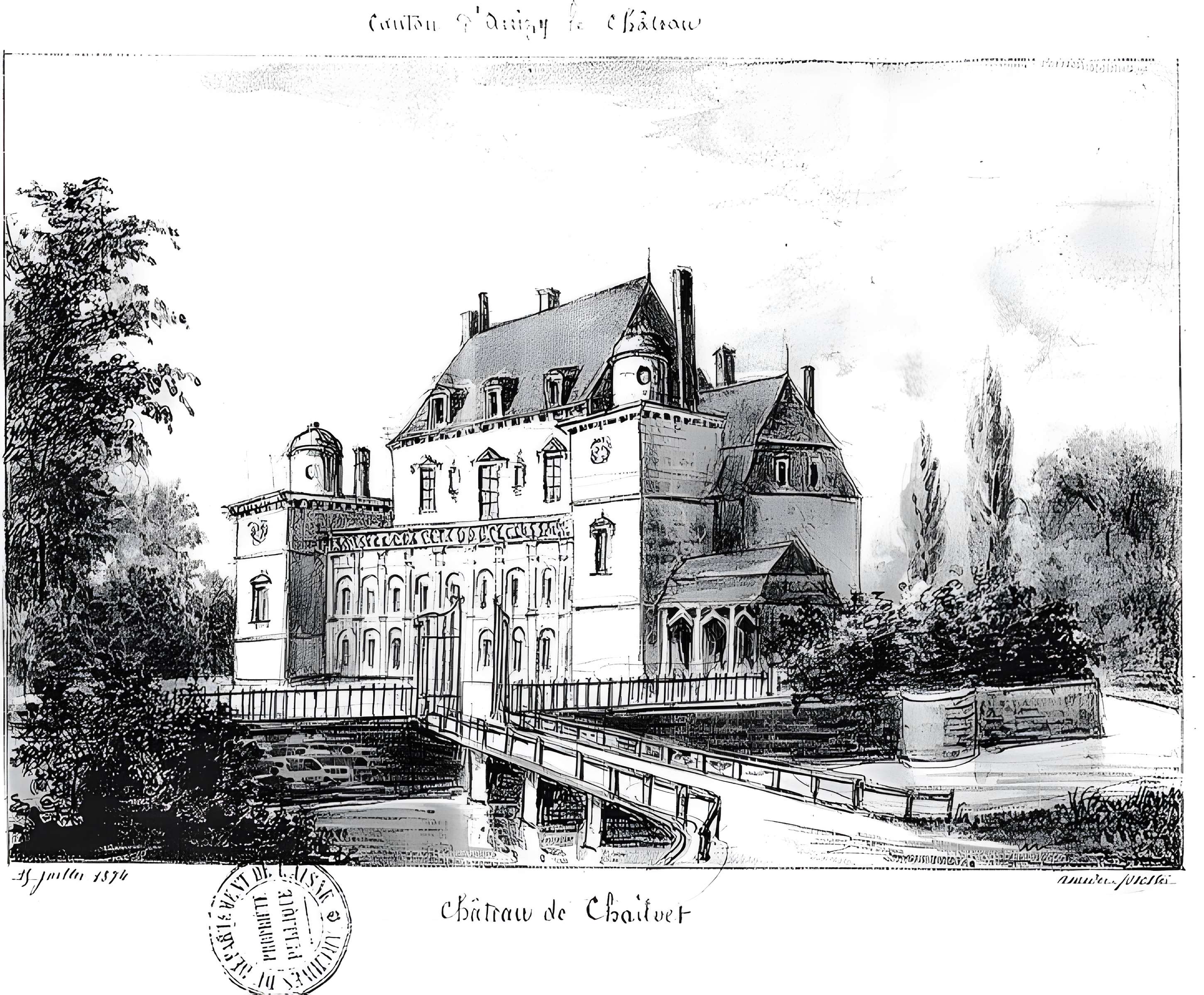
The Château de Chailvet, located in Royaucourt-et-Chailvet in the Hauts-de-France, is a historic monument classified since 1984. It is the only example of Italian-inspired Renaissance architecture in the former Picardy region, with a facade and arcades built between 1540 and 1555. This castle was the fief of the lords of La Vieuville, an influential family of the sixteenth and seventeenth centuries, close to the royal court. Pierre de La Vieuville, military and close to the great captains of his time, made it a place reflecting the innovative tastes of the Renaissance, probably inspired by Italian buildings he would have seen on his journeys.

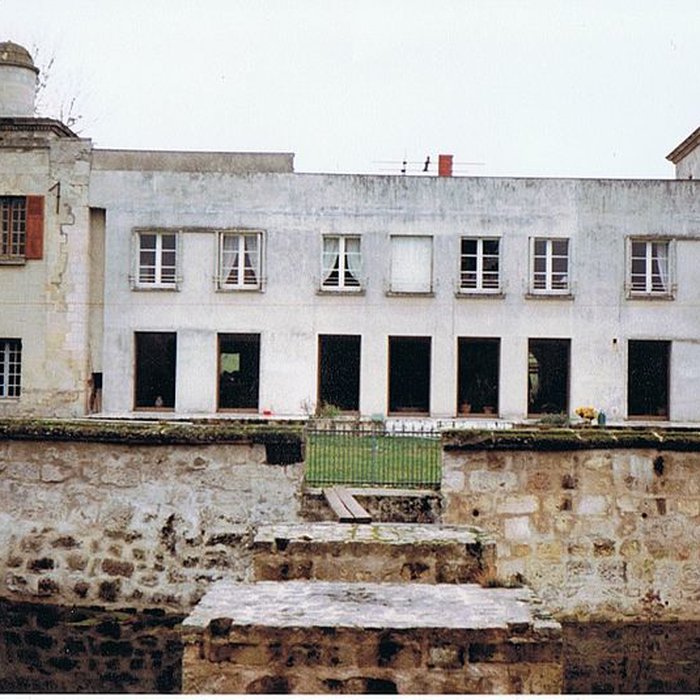
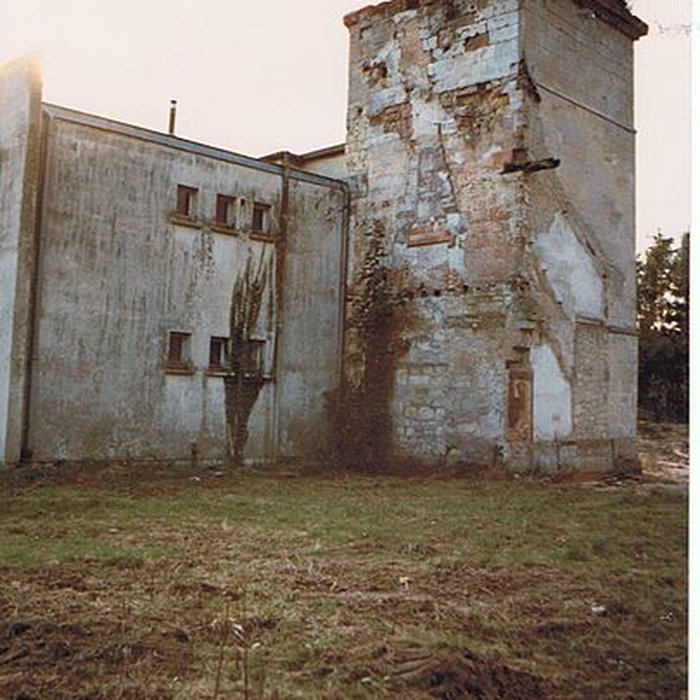
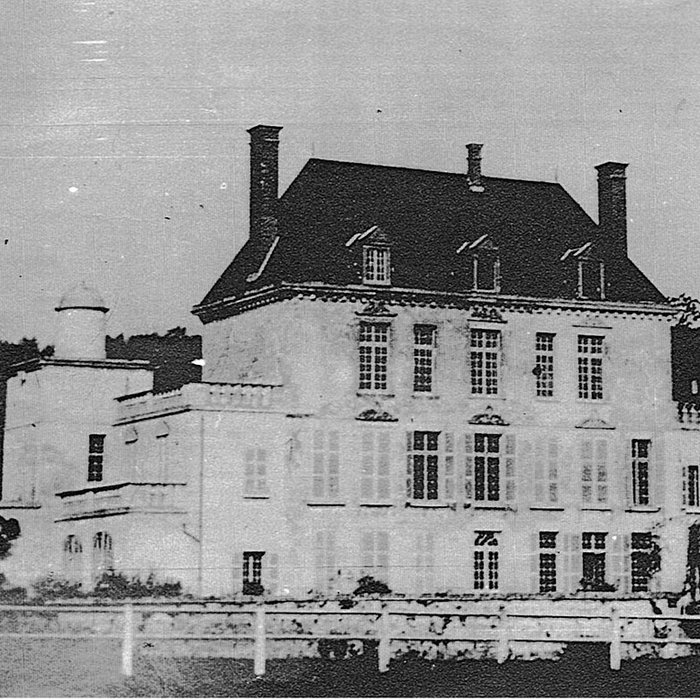
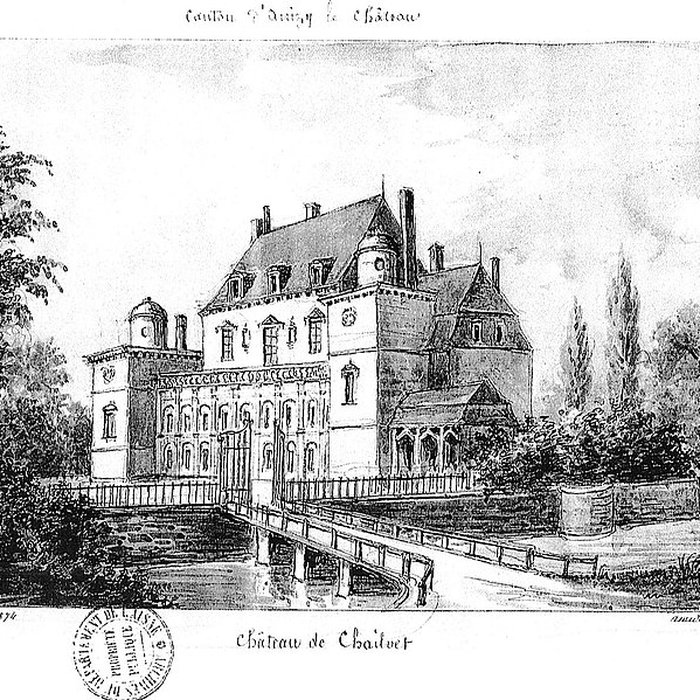
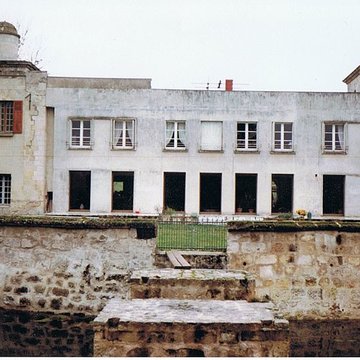
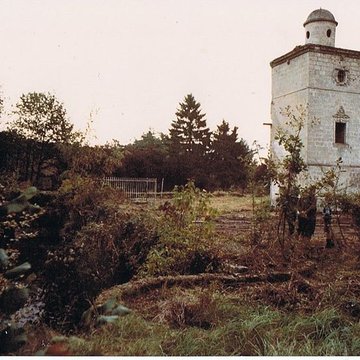
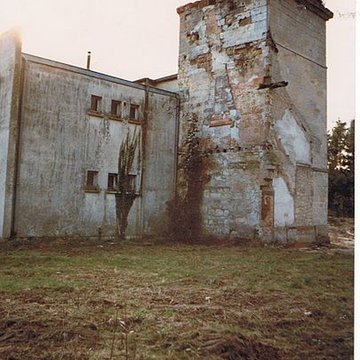
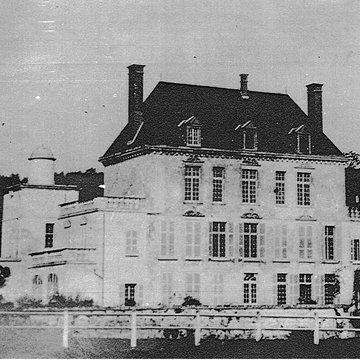
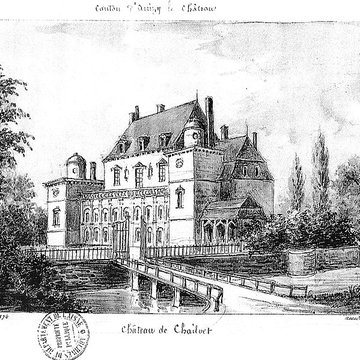
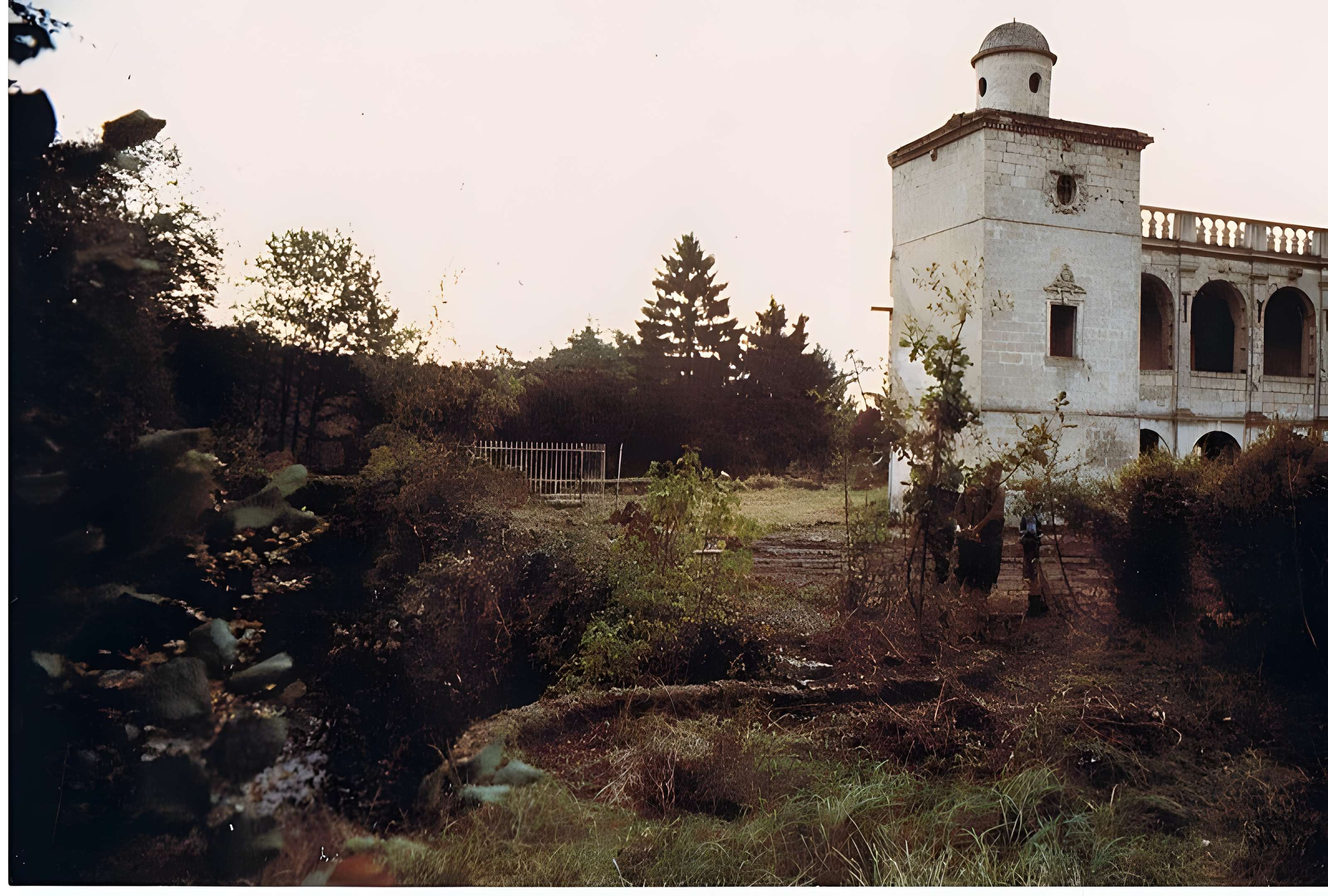
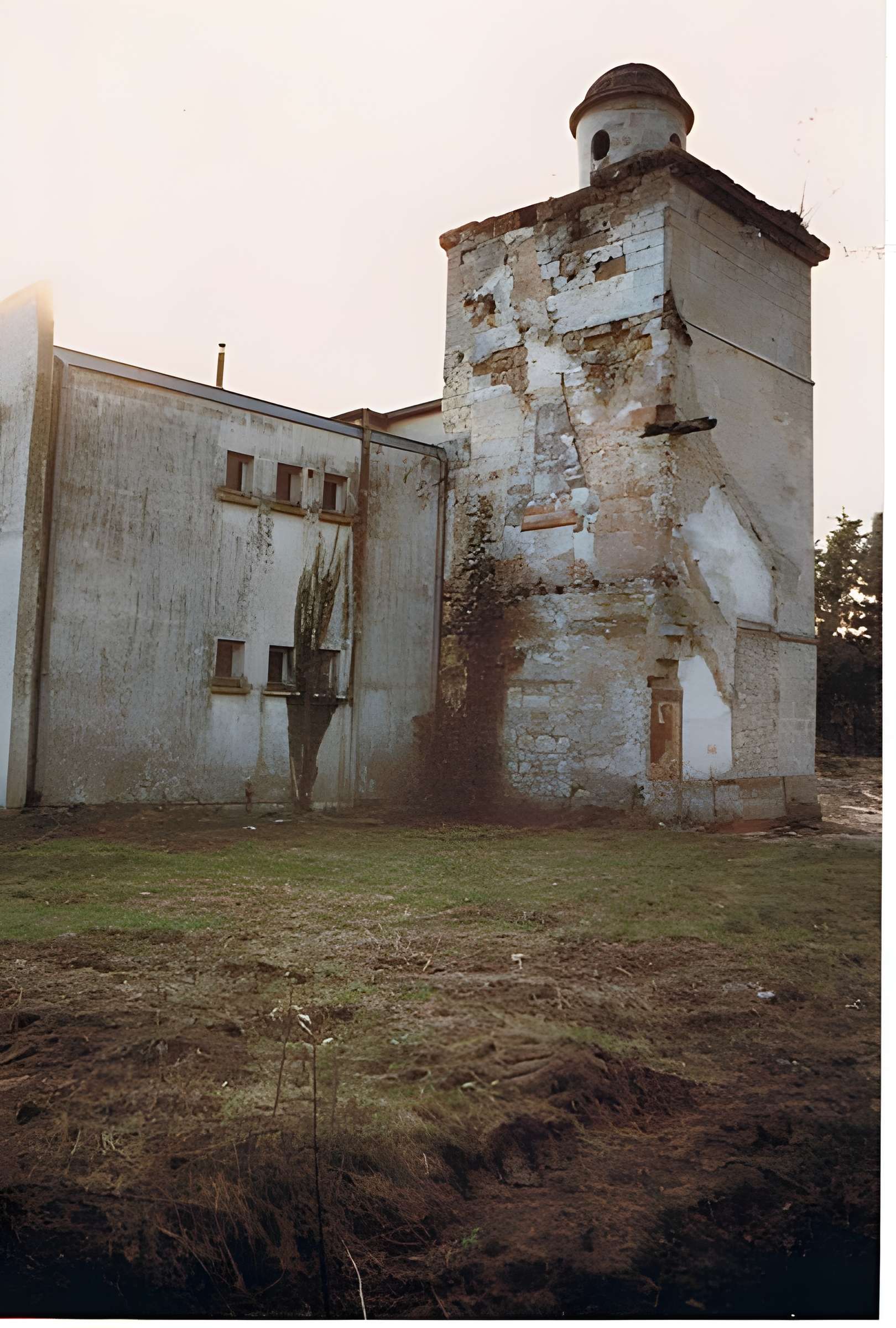
The castle then passed into the hands of regional families, such as the Parat-Le Carlier-Charmolue de la Garde, then the Brunel. He suffered heavy destruction during the two world wars, particularly in 1944, when an explosion destroyed much of the central body. Since 1981, an ambitious restoration has been under way, led by private owners and supervised by architects of Historic Monuments, such as Alain Gigot. Today, only the Renaissance facade and some elements like the dovecote remain, while work continues to preserve this unique heritage.

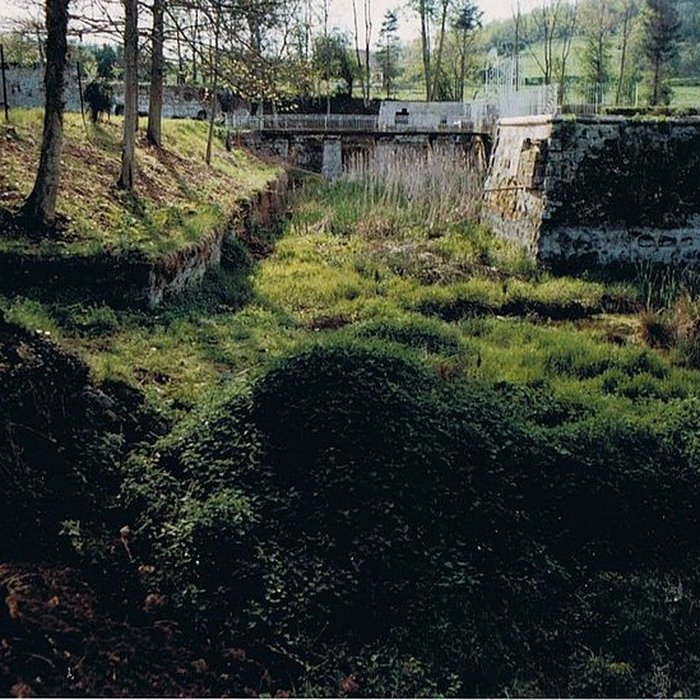
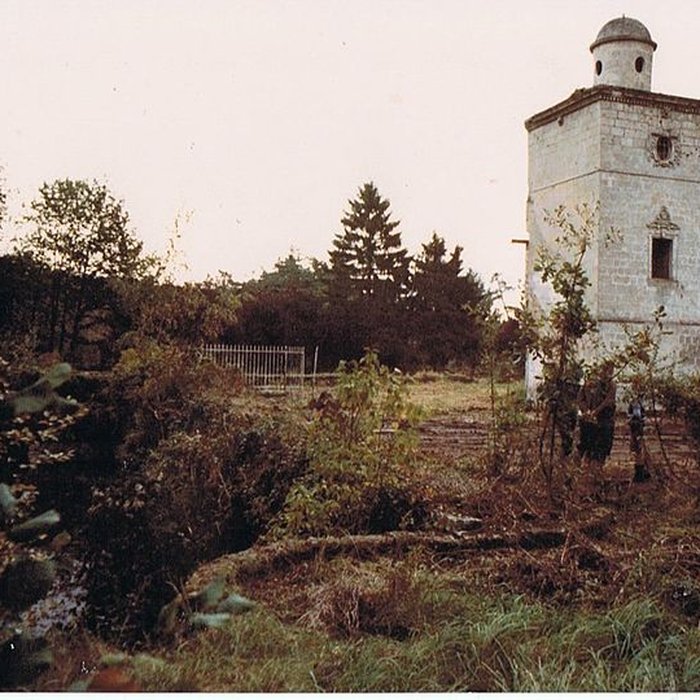
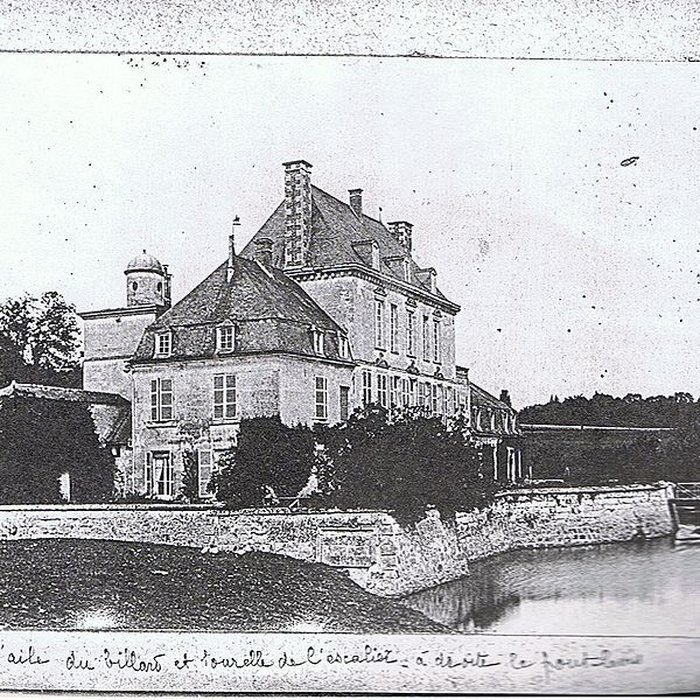
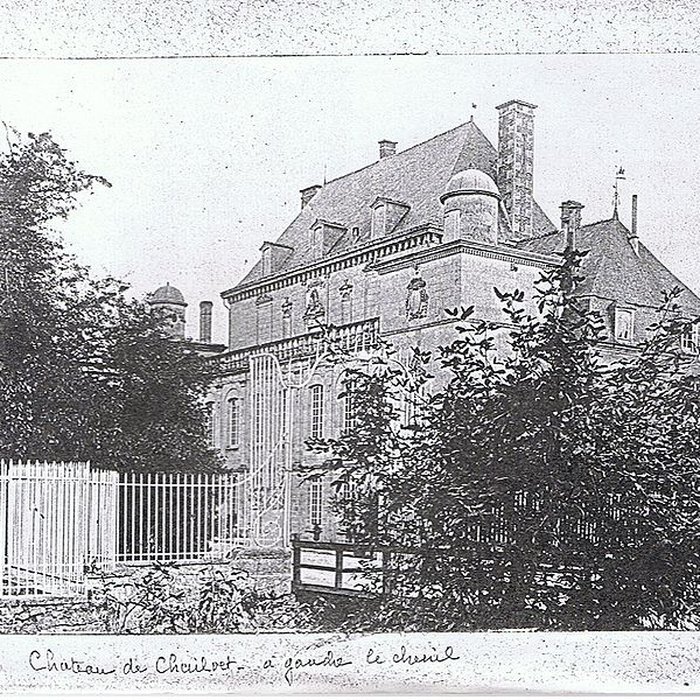
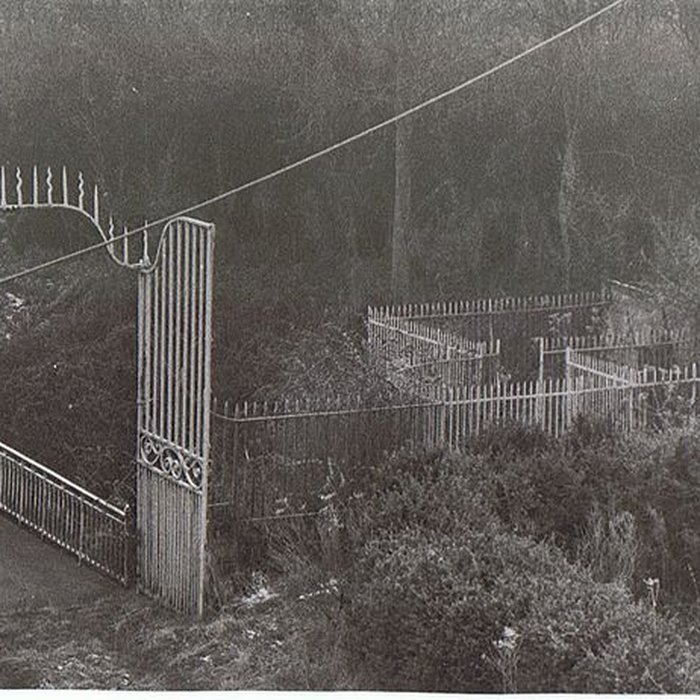
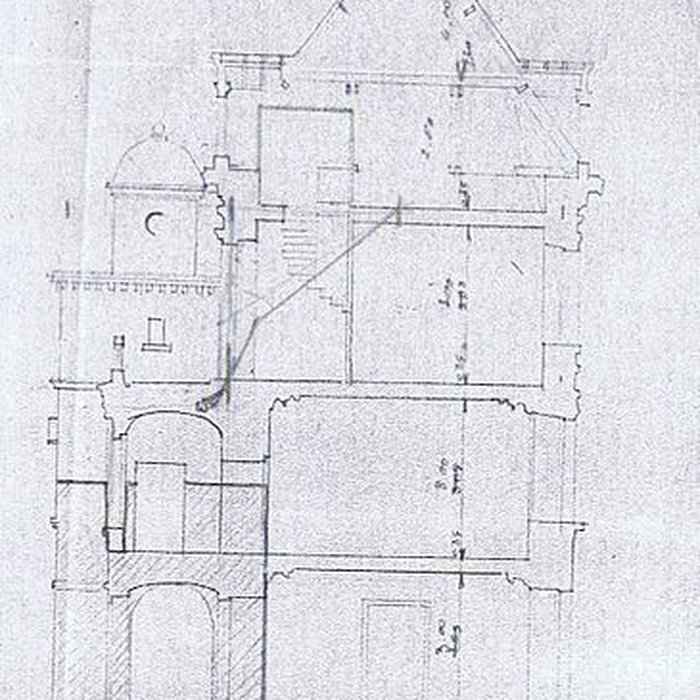
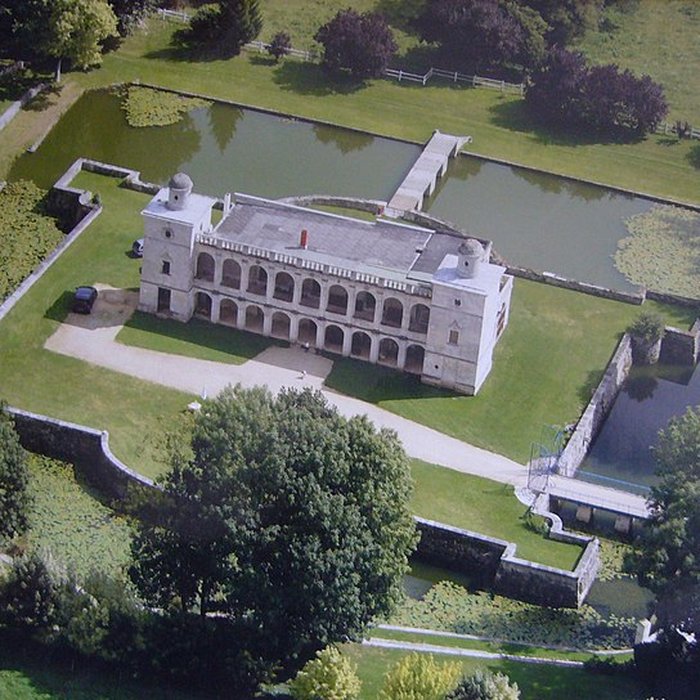
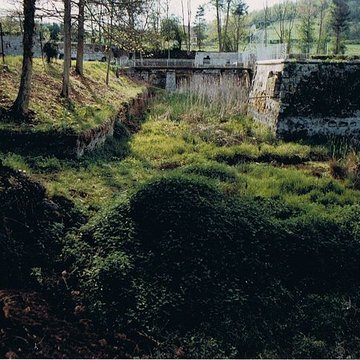
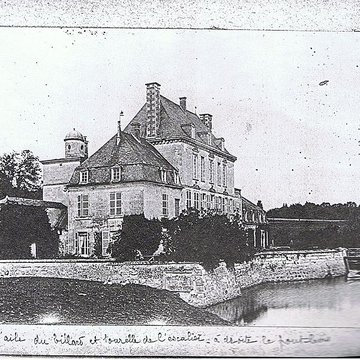
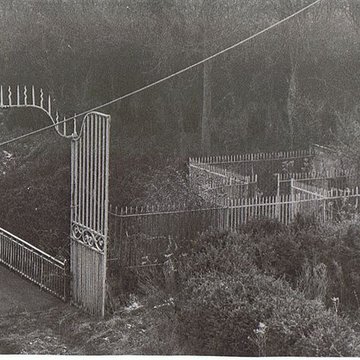
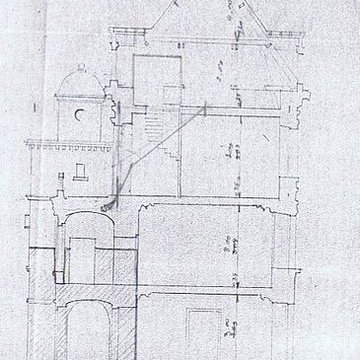
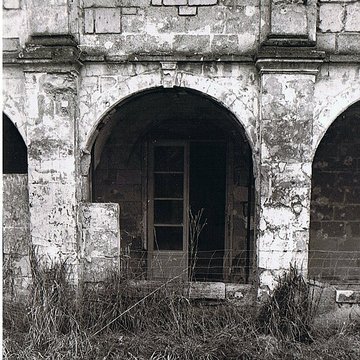
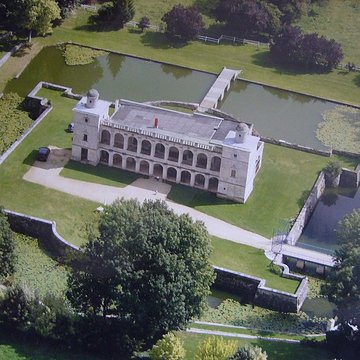
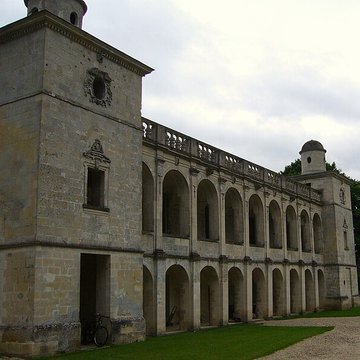
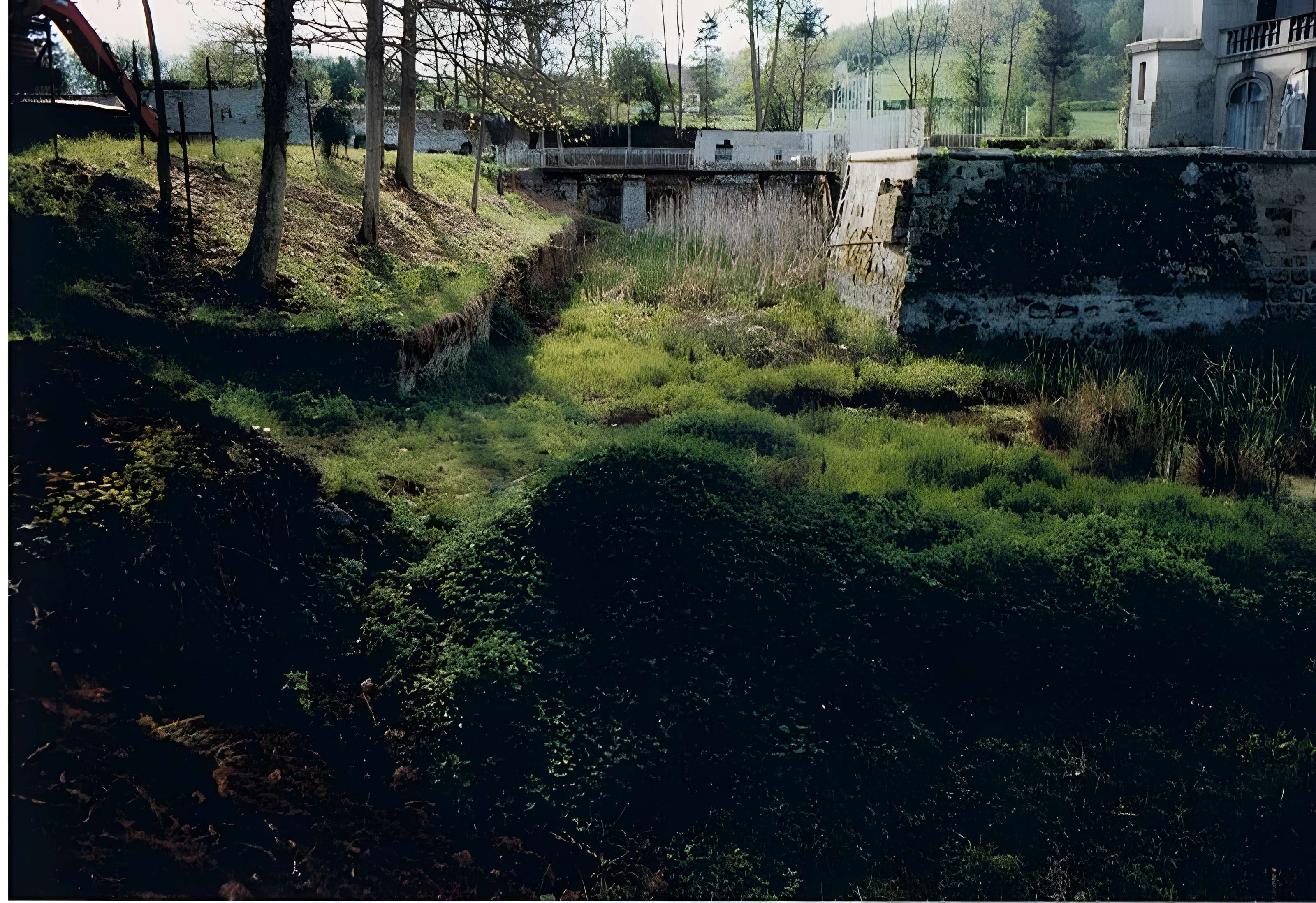
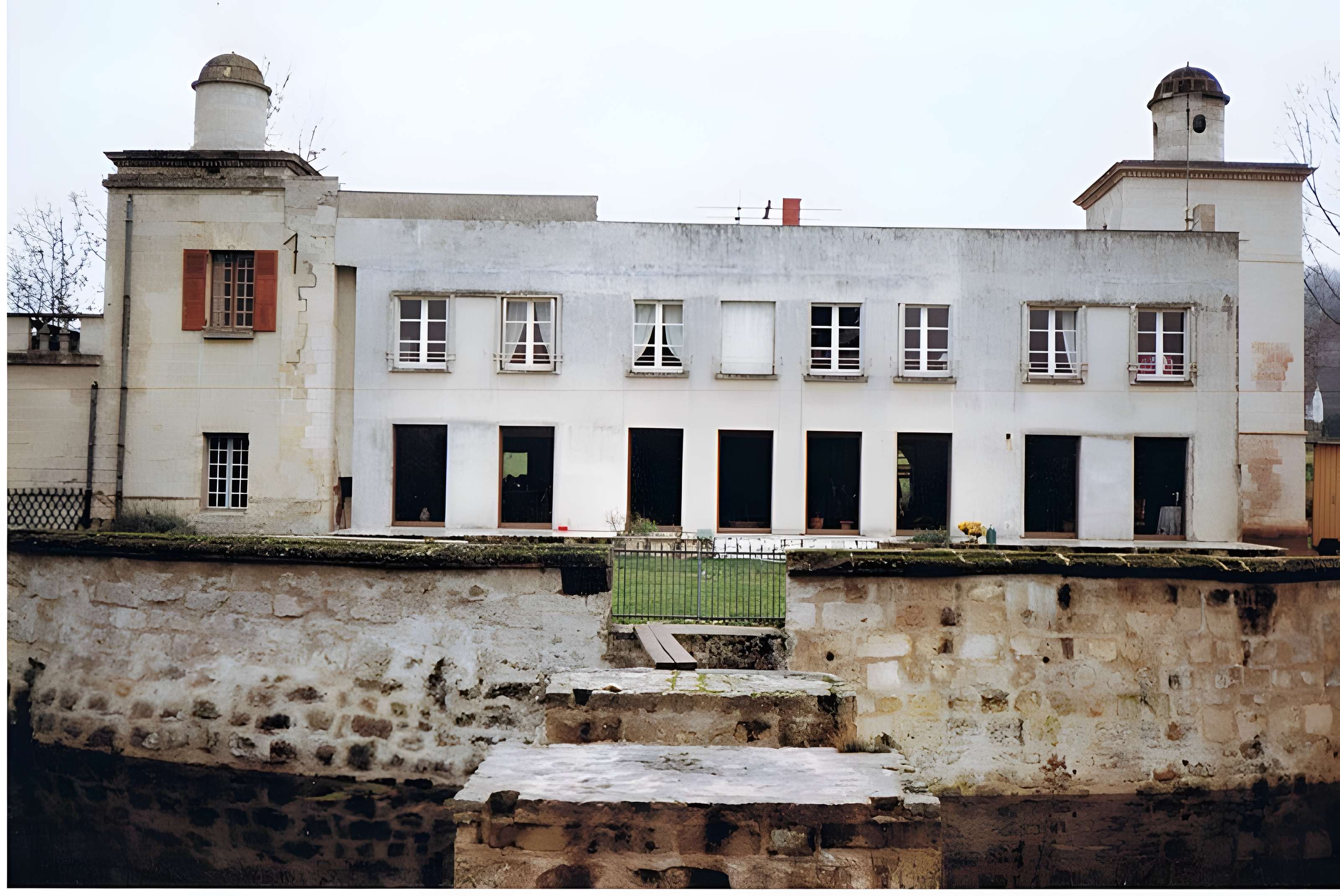
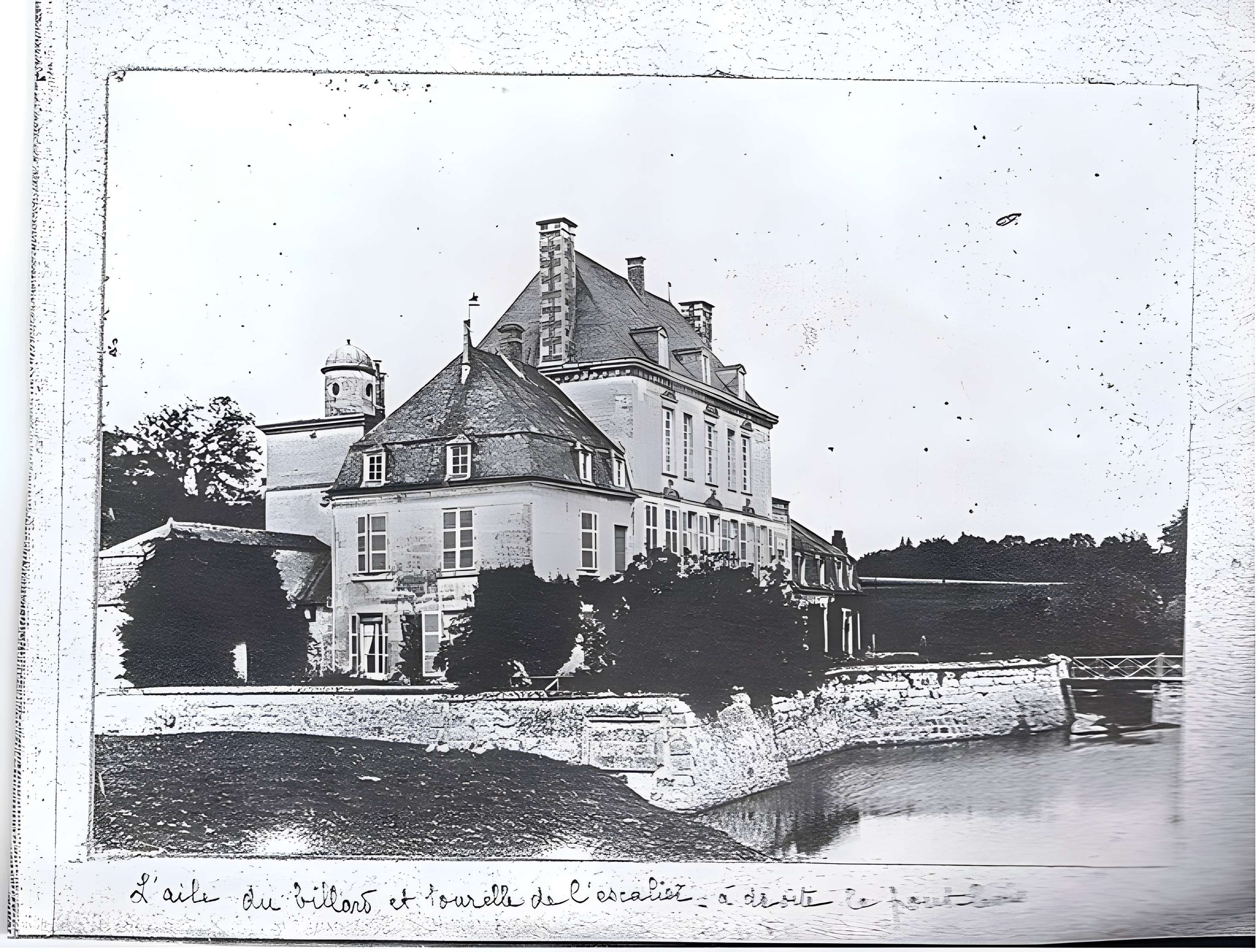
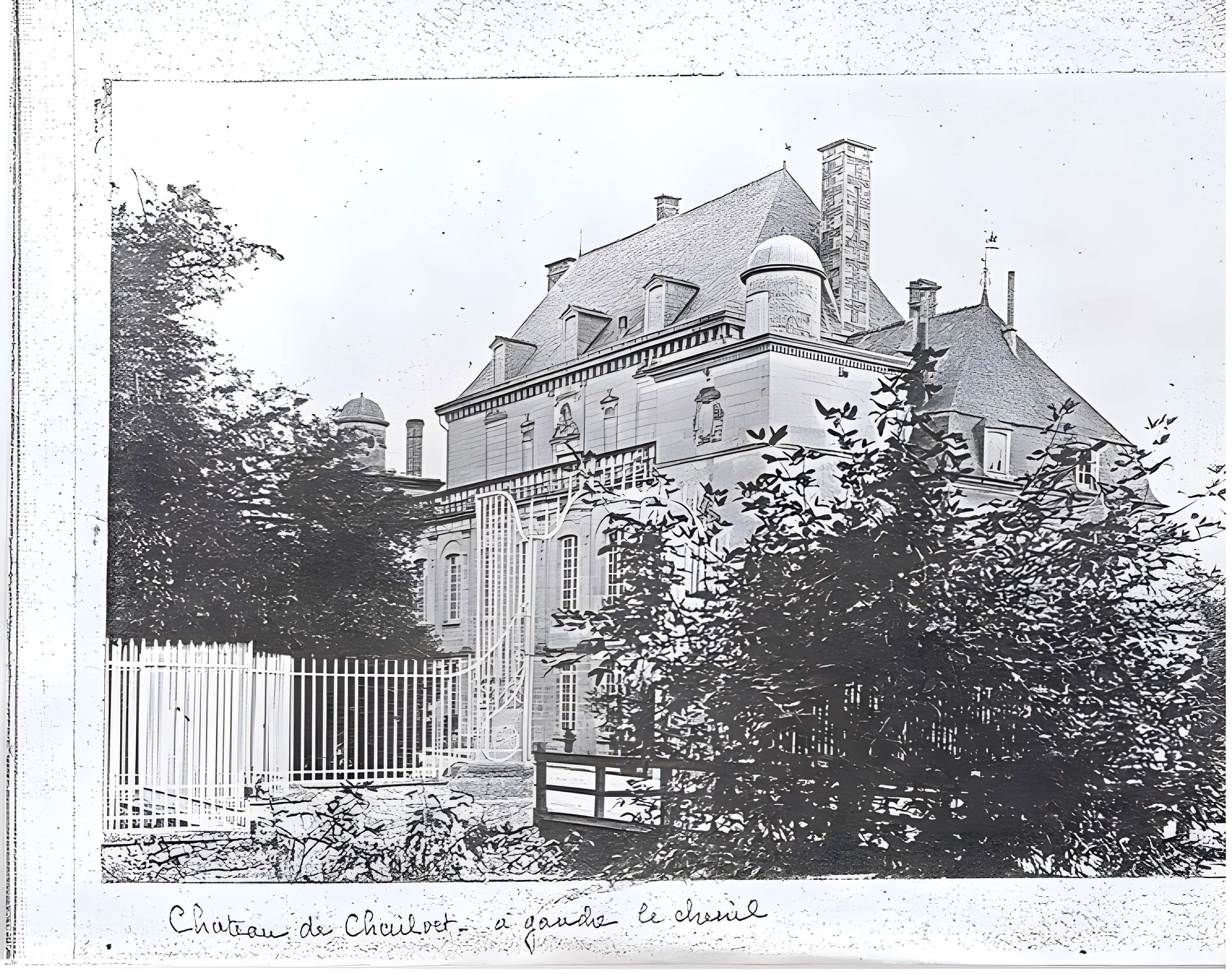
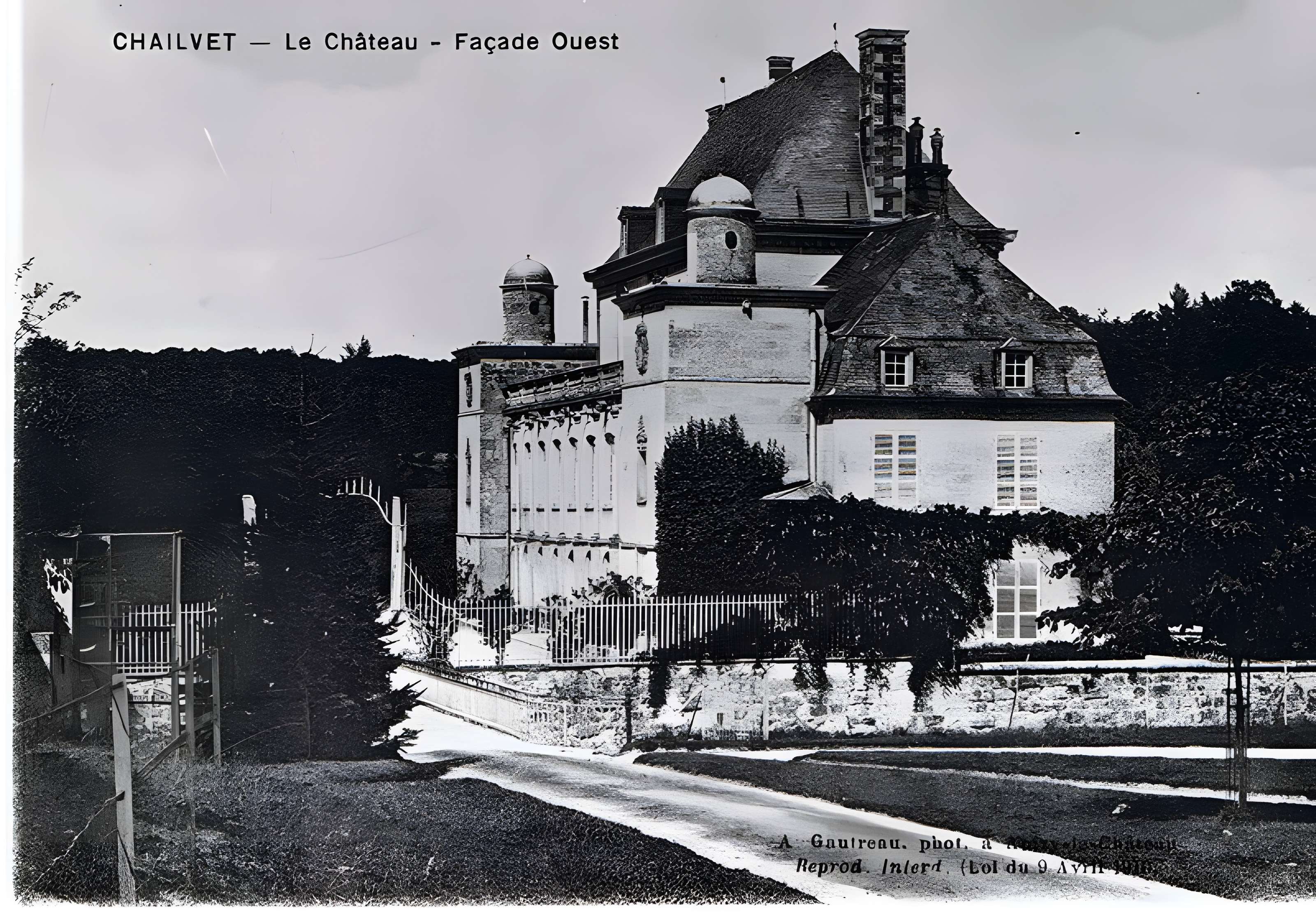
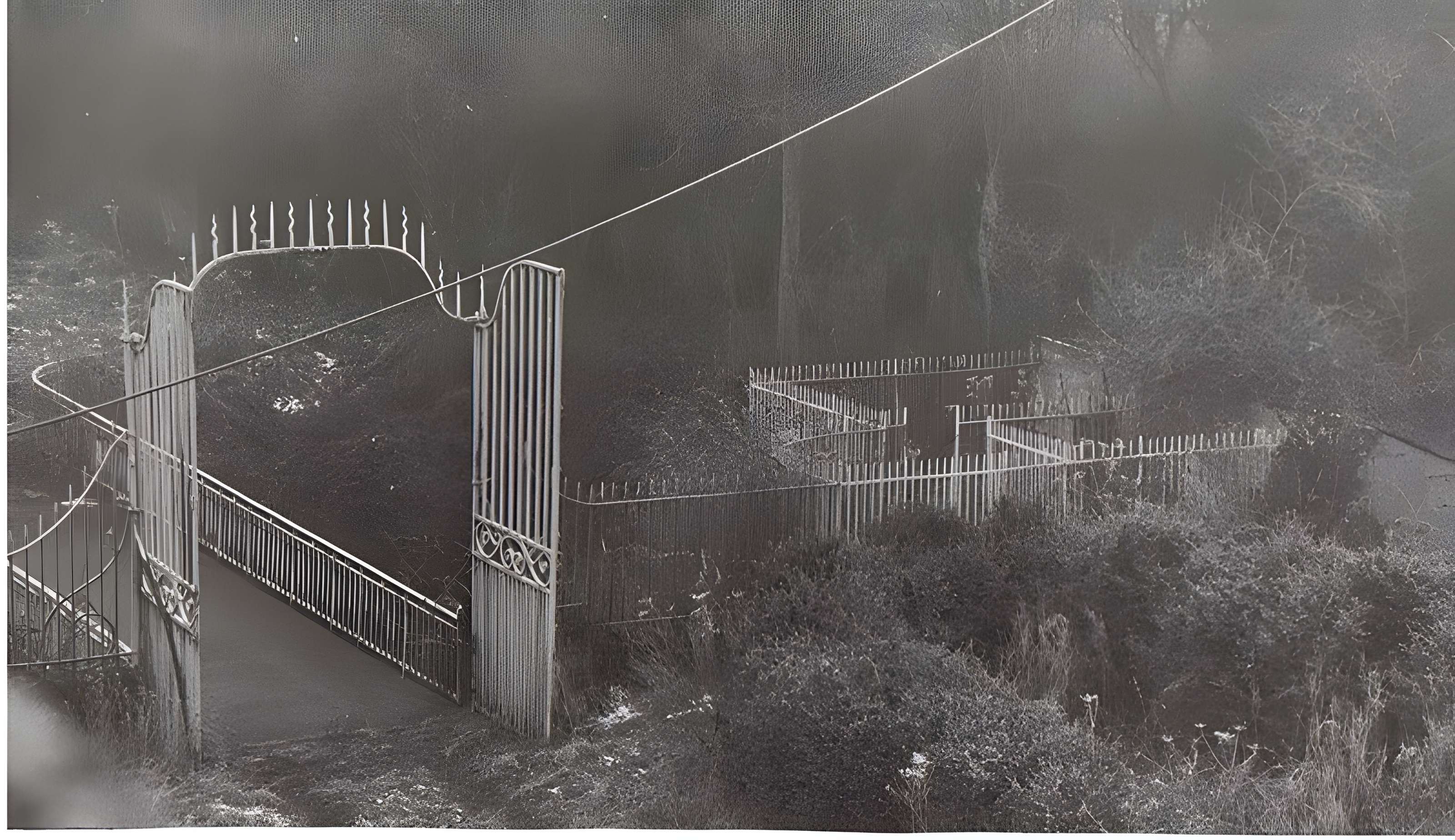
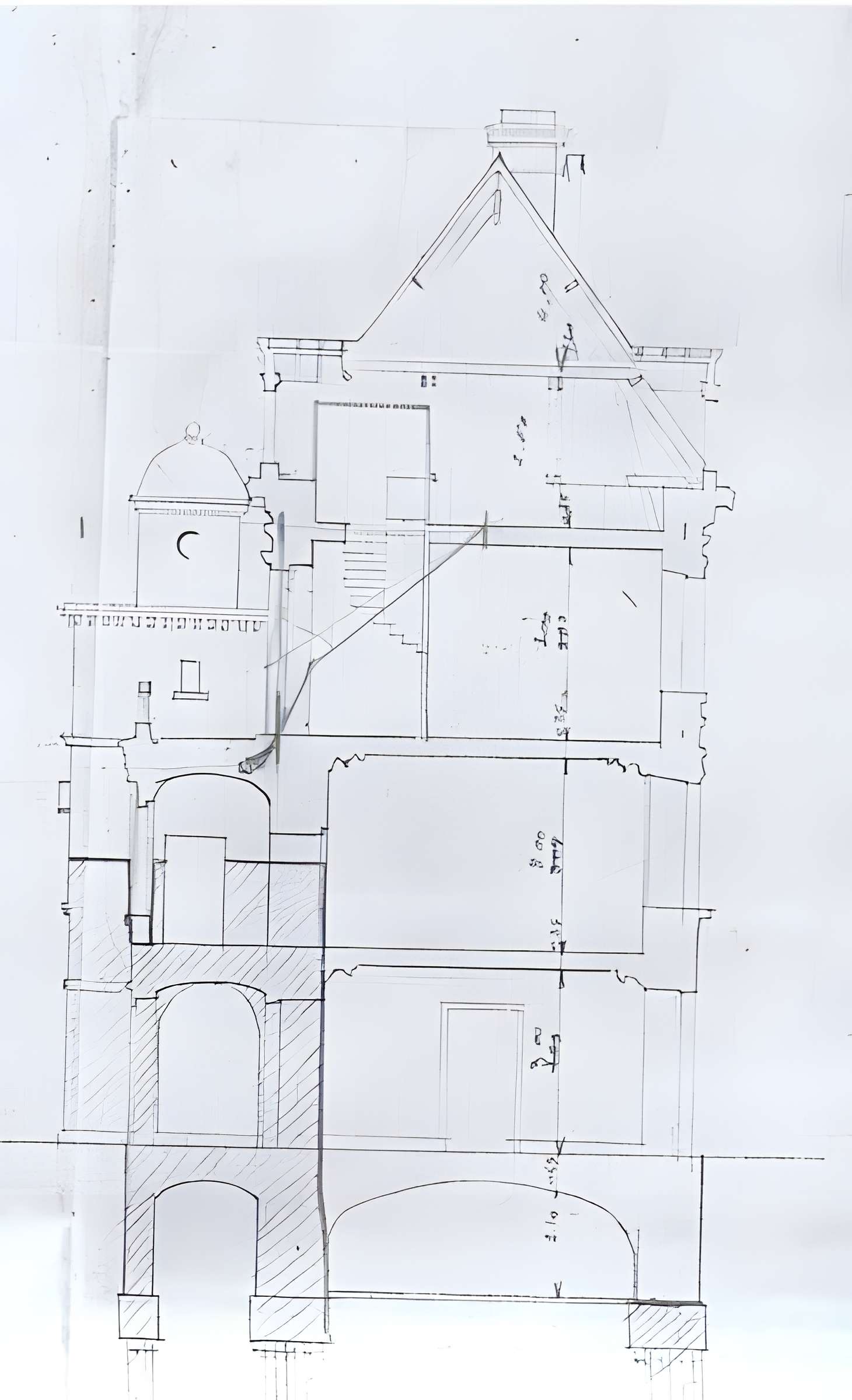
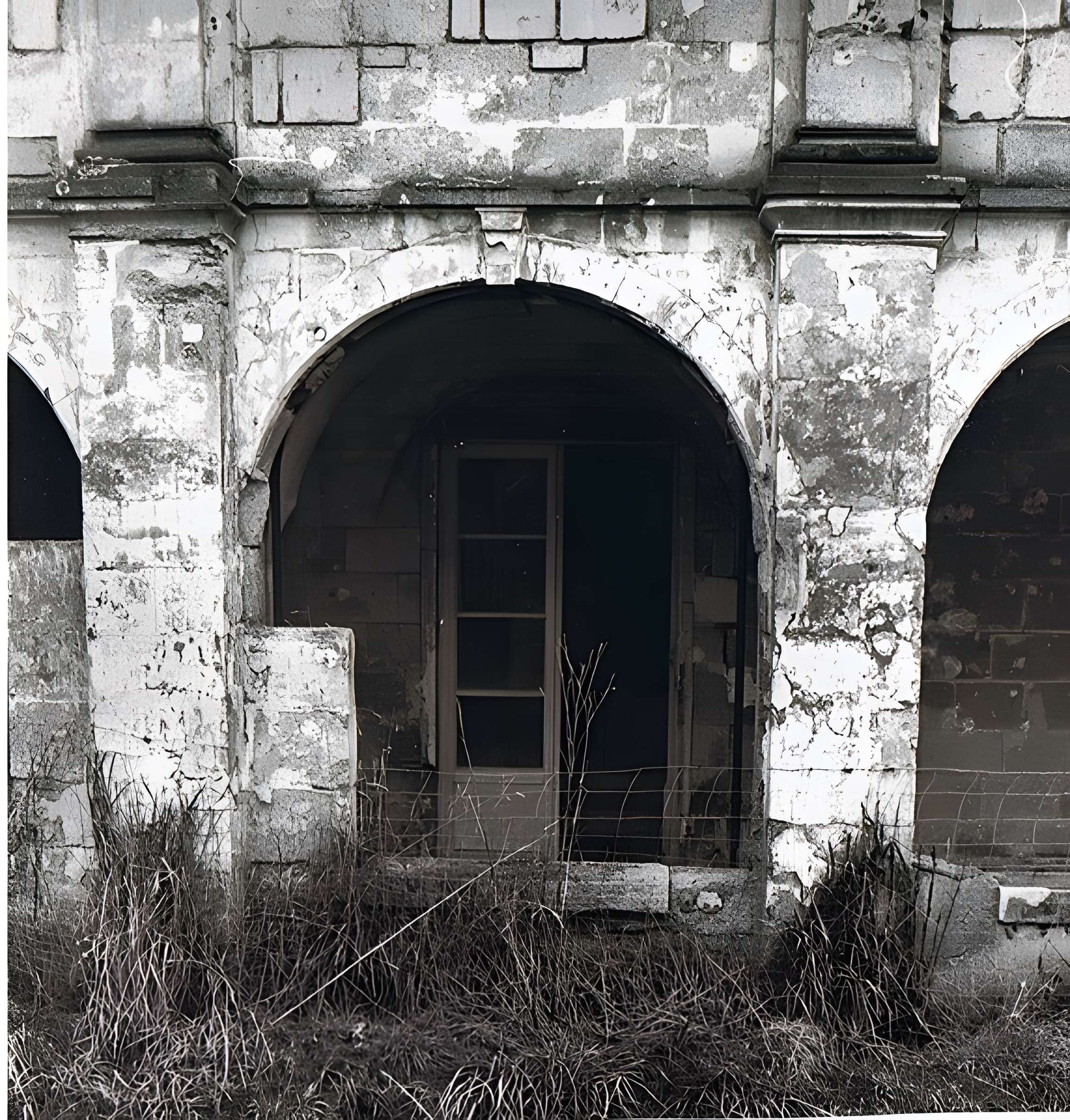
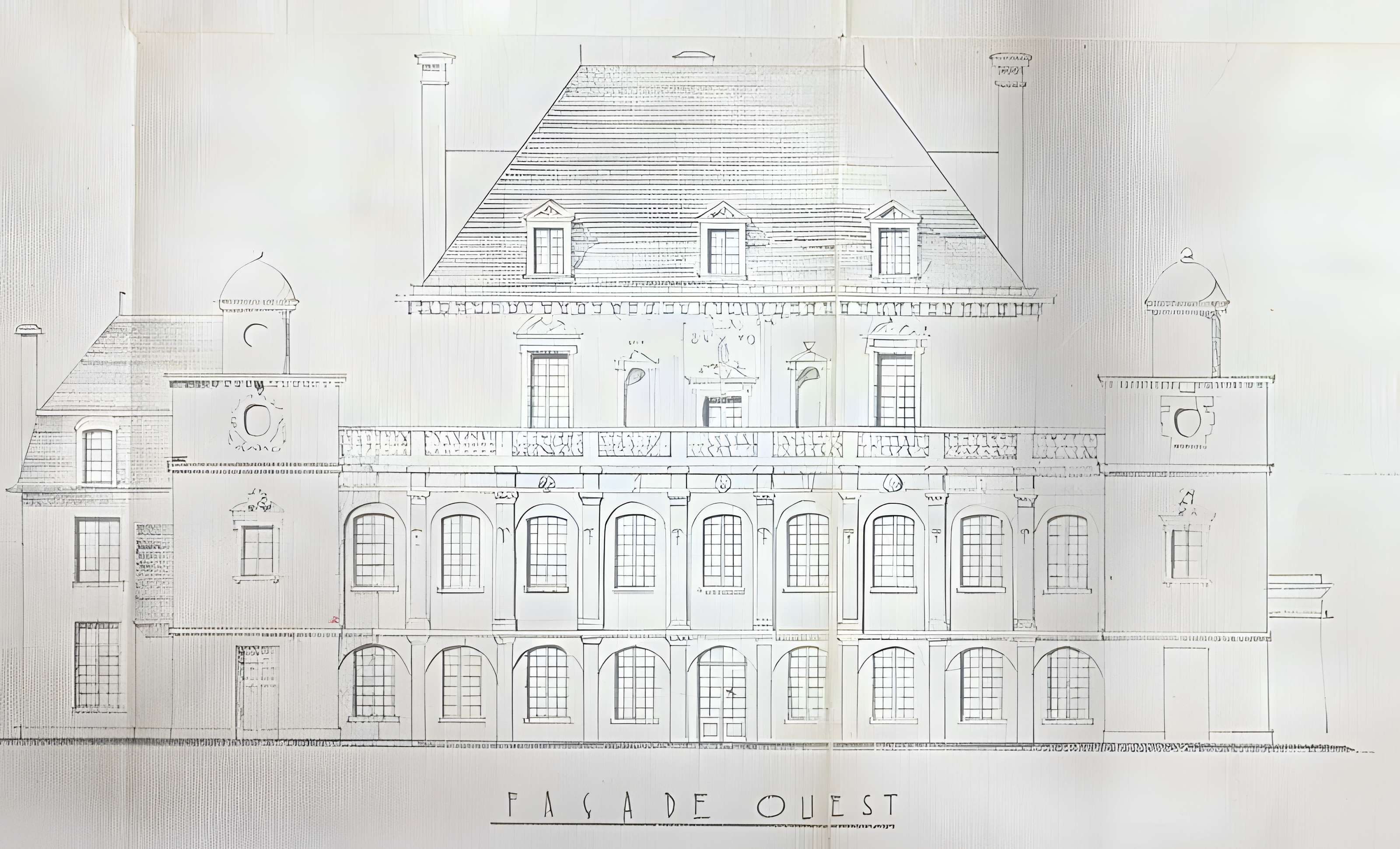
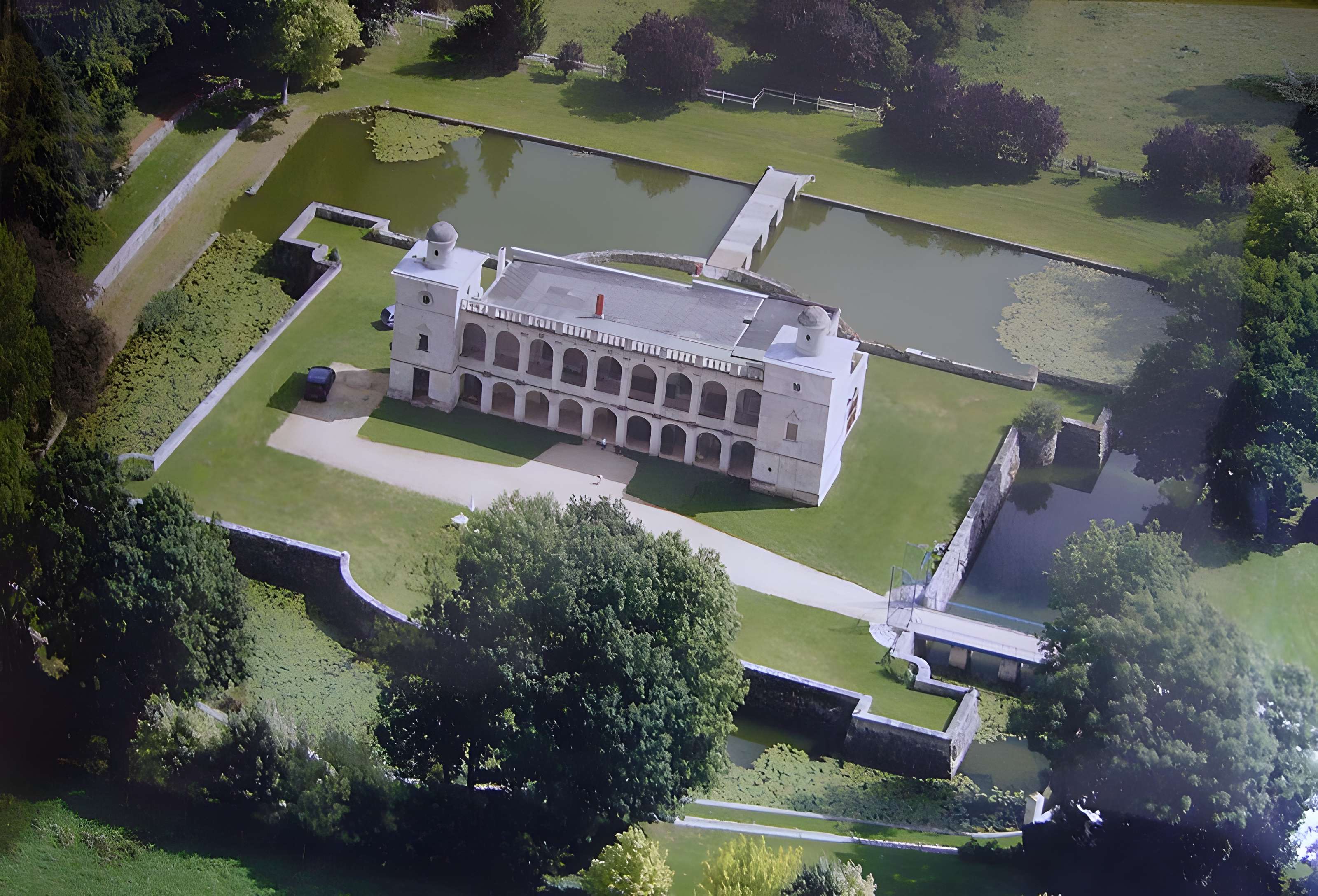
The castle arcades, with their superimposed galleries and classic ornaments, are an architectural rarity in the region. They are flanked by two square towers with domes, and the whole bathe in moats, surrounded by a enclosure. The site, isolated from the village, was accessible by a stone bridge and a wooden pontoon leading to the seigneurial farm. The 2009 archaeological excavations revealed that the arcades had no symmetry at the back, suggesting that the planned work had never been completed, perhaps due to financial constraints or the death of Catherine de La Vieuville.

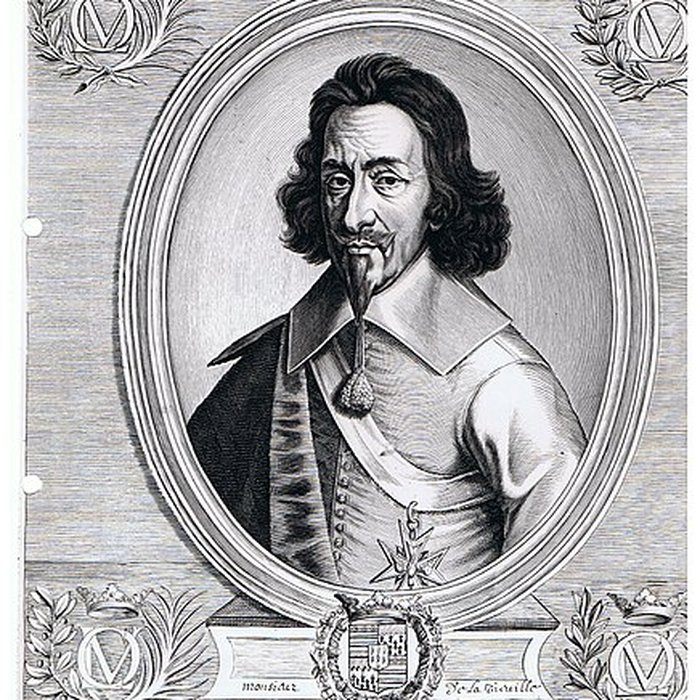
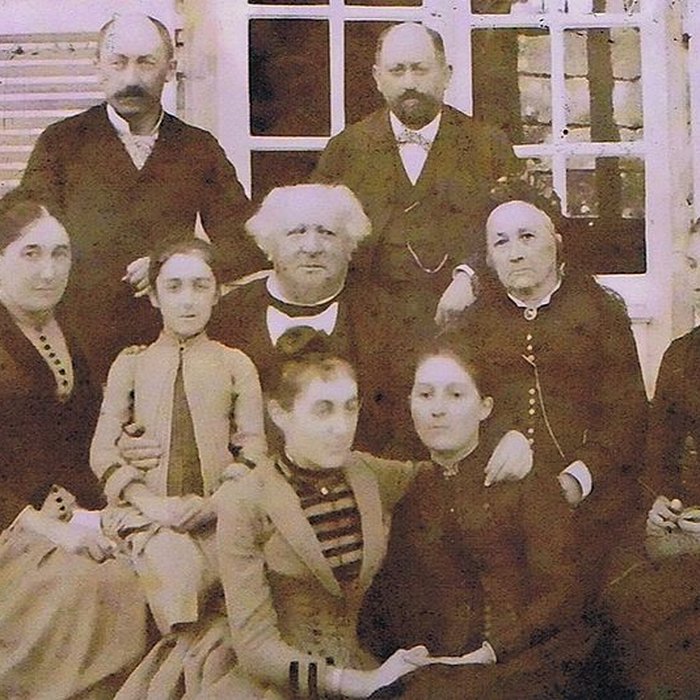
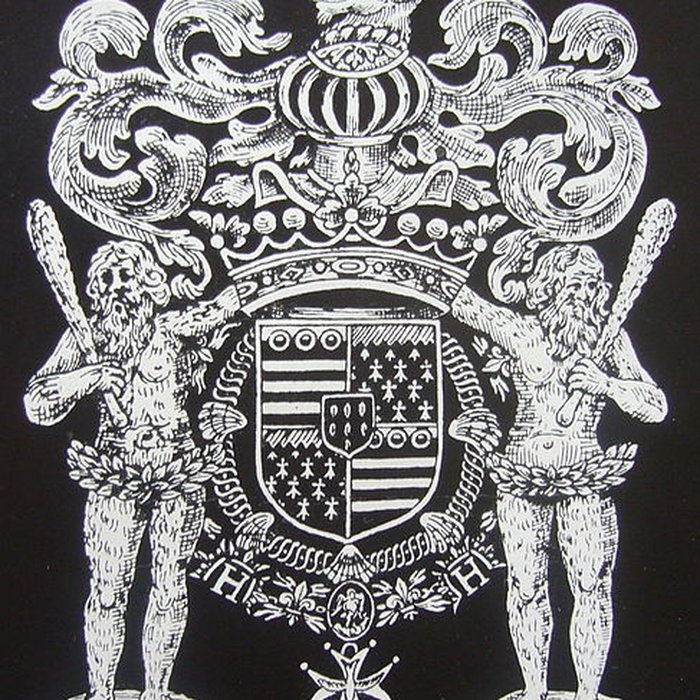
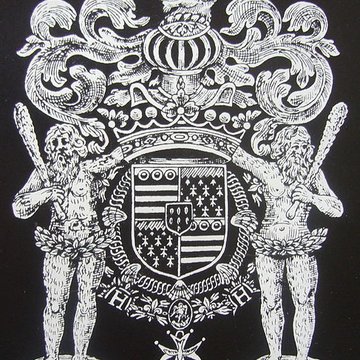
The castle belonged to several generations of the family of La Vieuville, including notable figures such as Pierre de La Vieuville, governor of Mézières and knight of the order of Saint-Michel, or Charles de La Vieuville, twice superintendent of finance under Louis XIII. Robert de La Vieuville, ambassador and councillor of state, also lived there. Sold in 1666 to the Parat family, the property changed hands several times before being acquired in 1924 by Georges Louis Sourmais, whose restoration efforts were destroyed by the Second World War.

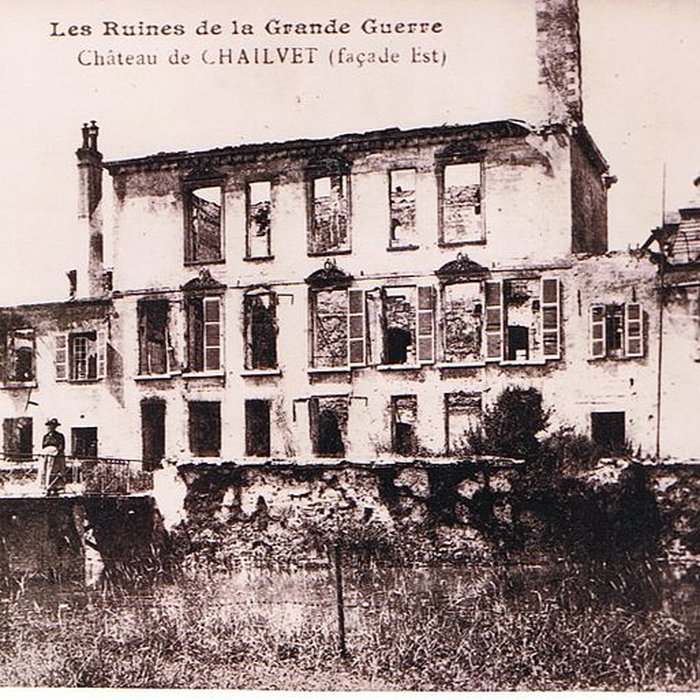
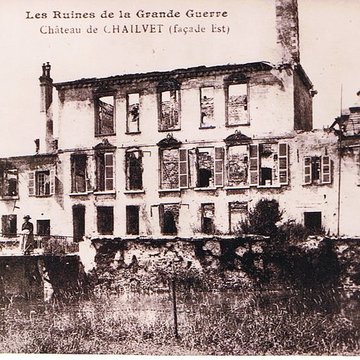
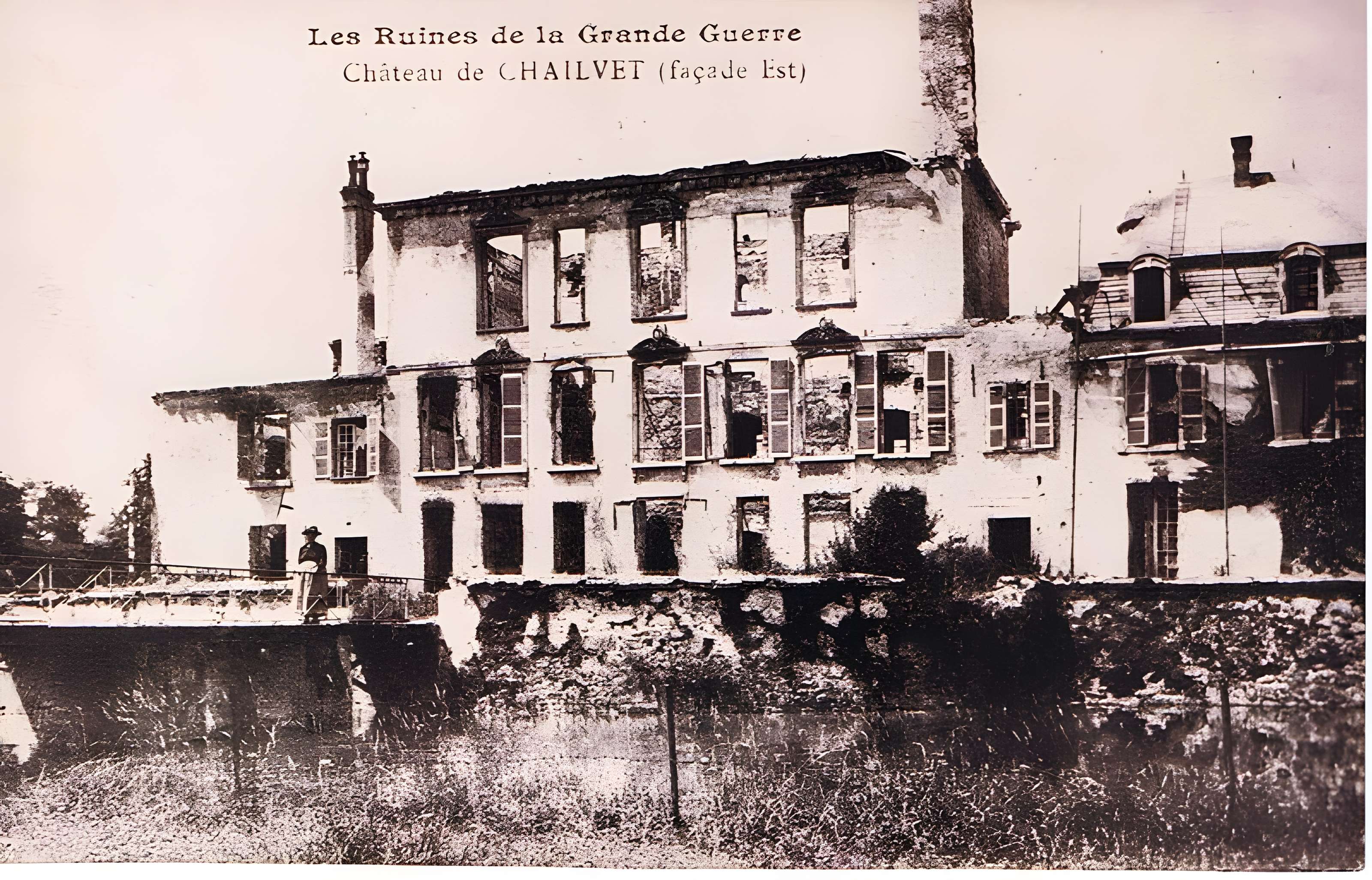
World wars have profoundly marked the castle. In 1914-1918, shells destroyed part of the wings, and in 1944 the retired German army detonated the central body with explosives, throwing debris 200 metres away. War damage, estimated at over 250,000 francs, allowed partial reconstruction in the 1950s and 1960s. Since 1981, a careful restoration gradually restores the castle to its past brilliance, although parts such as the first floor gallery and cellars still require work.

Today, Chailvet Castle remains an exceptional testimony of Renaissance architecture in Picardia. Although private and inhabited, it is open to the public during Heritage Days, offering the opportunity to admire restored arcades and moat that still surround the site. Historical and archaeological research continues to shed light on his past, thanks in particular to the work of Maxime de Sars and recent excavations led by Denis Defente.

External links