
Logo Musée du Patrimoine

All French heritage classified by regions, departments and cities

Castle of Grateloup à Saint-Sauveur en Dordogne

Dordogne

Castle of Grateloup

    88 Route de Grateloup
    24520 Saint-Sauveur
Private property
Crédit photo : Dominique Robert Repérant - Sous licence Creative Commons

Timeline

Bas Moyen Âge
Renaissance
Temps modernes
Révolution/Empire
XIXe siècle
Époque contemporaine
1500
1600
1700
1800
1900
2000
1460
First mention of the place
vers 1590
Construction of the central body
1696
Marriage of Timothy of Bacalan
1718
Sale to David d
1792-1824
Residence of Maine de Biran
1880
Construction of the chapel
24 mars 1997
Registration for Historic Monuments
Aujourd'hui
Aujourd'hui

Heritage classified

Facades and roofs of the castle and the entrance castle (Box B 8): inscription by order of 24 March 1997

Key figures

Raymond de Faure de Lussas - Lord and builder Builds the central body around 1590
Timothée de Bacalan - Lord and Magnifier Adds two wings in the 17th century
Joseph Deville - Owner and adviser Adds a wing in the 18th century
Maine de Biran - Philosopher and politician Residence at the castle (1792-1824)
Félix Maine de Biran - Heir and reorganiser Changed the house body
Éléonore Maine de Biran - Last direct heir Built the chapel in 1880

Origin and history

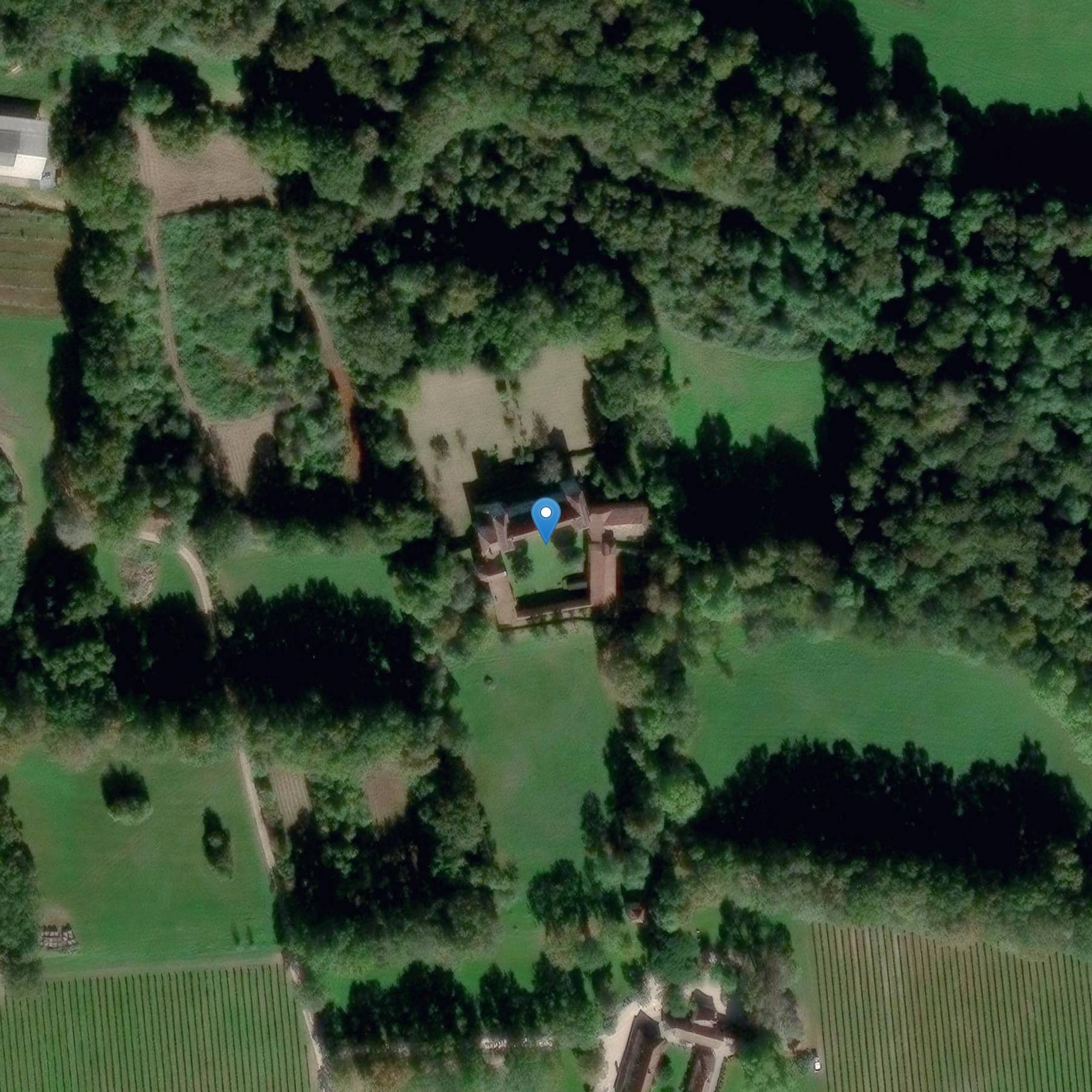
The Château de Grateloup, located in Saint-Sauveur in the Black Perigord (Dordogne), has its origins in a mention of 1460 under the name "Terr. voc. de Ostra Lop". A strong house precedes the present castle, whose mâchicoulis porch and enclosure wall could be remodelled in the 17th century. The seigneury originally belonged to the Faure family, with Raymond de Faure de Lussas, squire, who had the central body built around 1590. After marriage alliances without descendants, the property passed to the Bacalan, Protestant family of Castres, which expanded the estate in the 17th century.

In the 18th century, the castle changed hands several times: sold in 1718 to David of Alba, and then to Joseph Deville, advisor in Martinique, who added a wing. The seigneury then returned to the Deville family, of which Jeanne Rose Deville, married to Pierre Daniel Robert de Taillefer, transferred the estate to her nephew, Maine de Biran. The latter, a philosopher and politician, lived there between 1792 and 1824 after leaving Paris during the Revolution. He had the castle renovated, where his son Felix and his granddaughter Éléonore, married to Pierre-Jules Savy, continued the transformations, including the construction of a chapel in 1880.

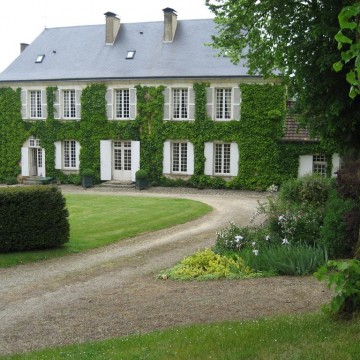
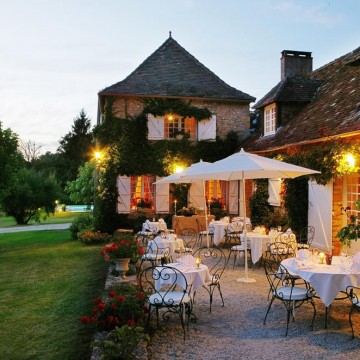
Architecturally, the castle consists of a central house body framed by two pavilions, surrounded by commons and a chapel. The site, which dominates the Caudeau valley, is accessible through an alley of centuries-old plane trees. The south wing, now extinct, was once complete together. The castle and its entrance castle have been listed as historical monuments since 1997, while the surrounding site has been since 1973. The library of the Eastern Pavilion still preserves the office of the philosopher Maine de Biran, witness to his intellectual heritage.

External links