Logo Musée du Patrimoine

All French heritage classified by regions, departments and cities

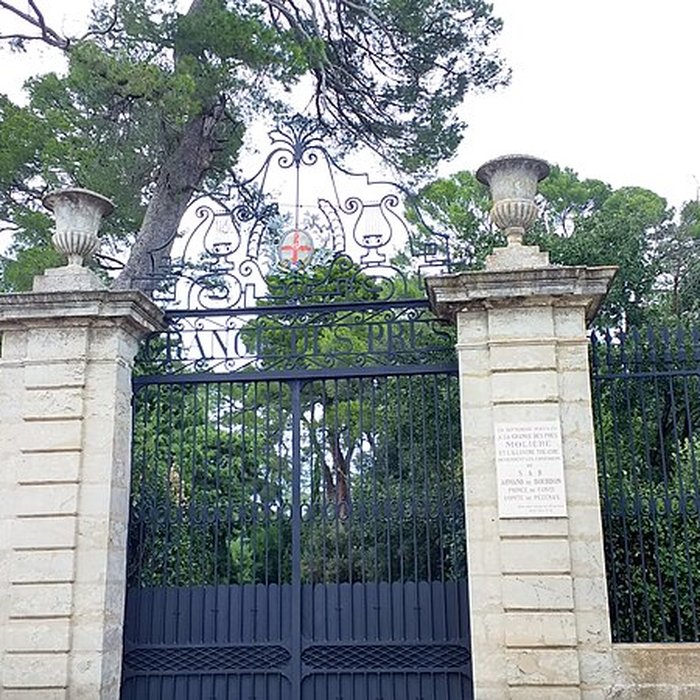
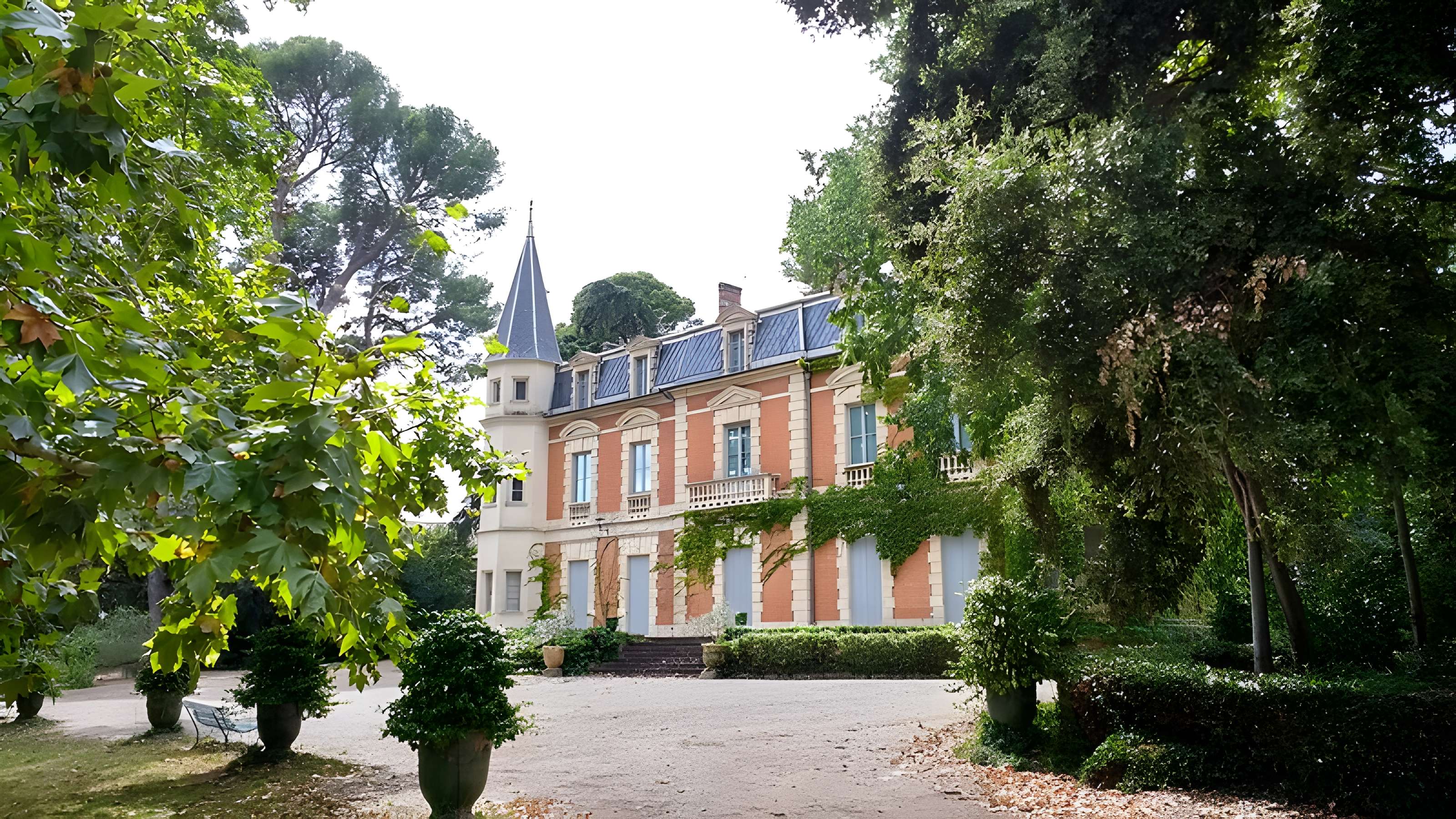
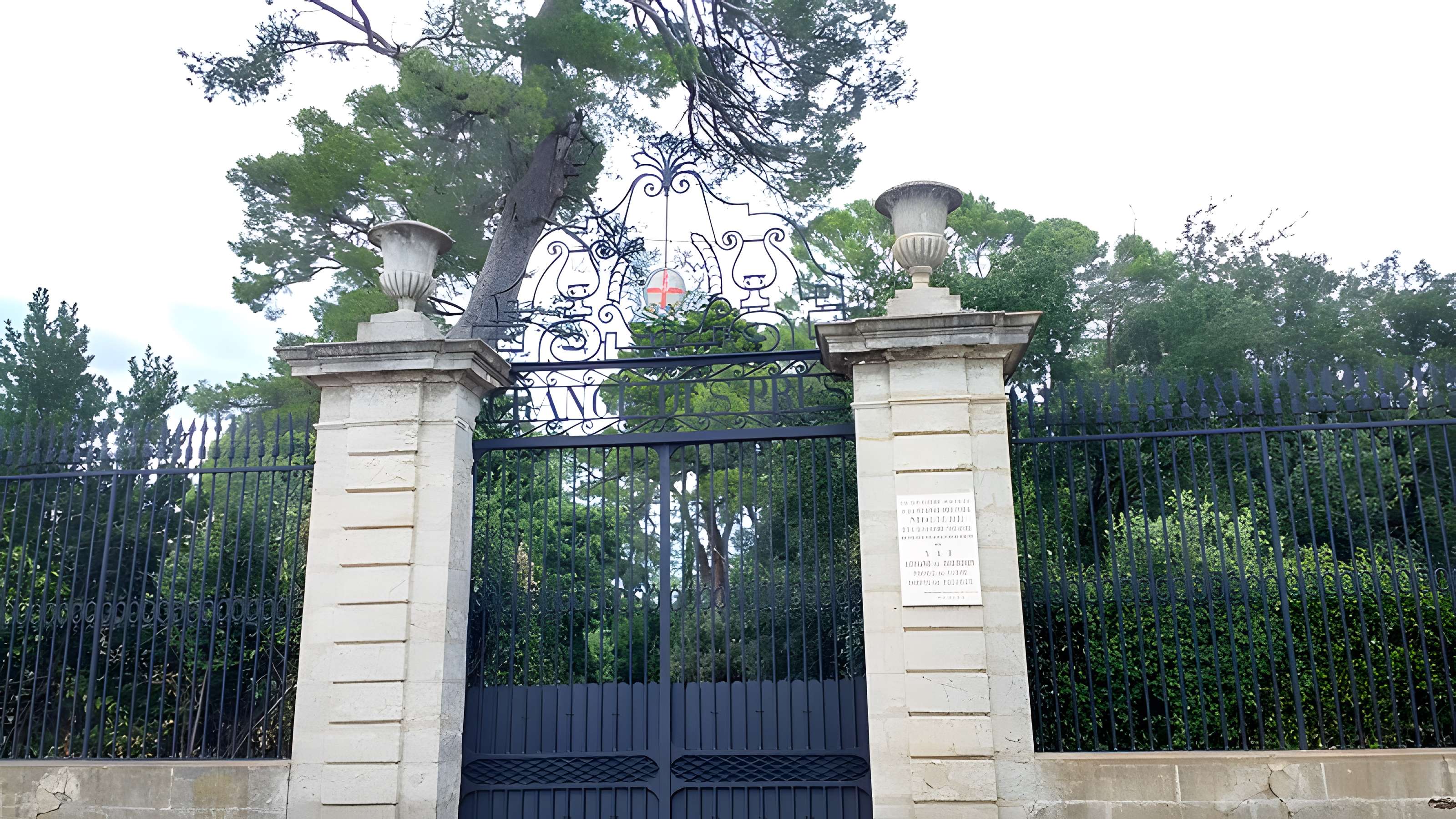
Domaine de la Grange des Prés à Pézenas dans l'Hérault

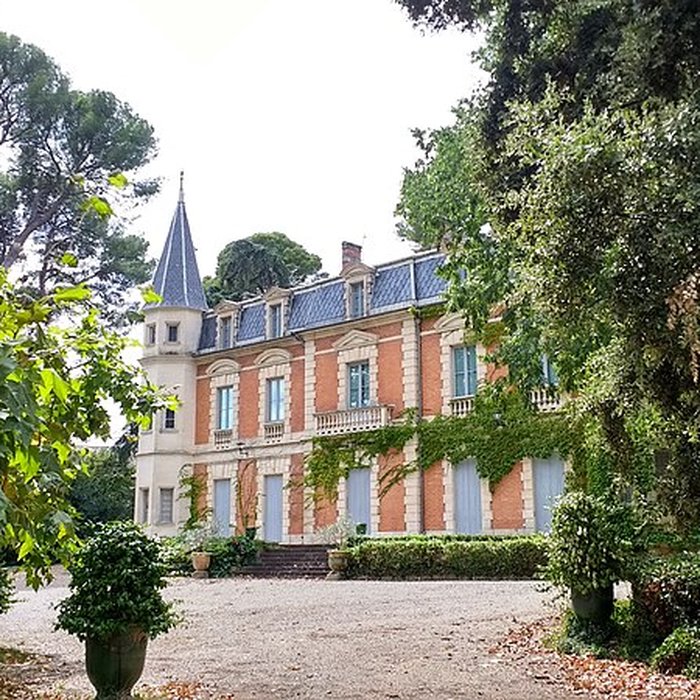
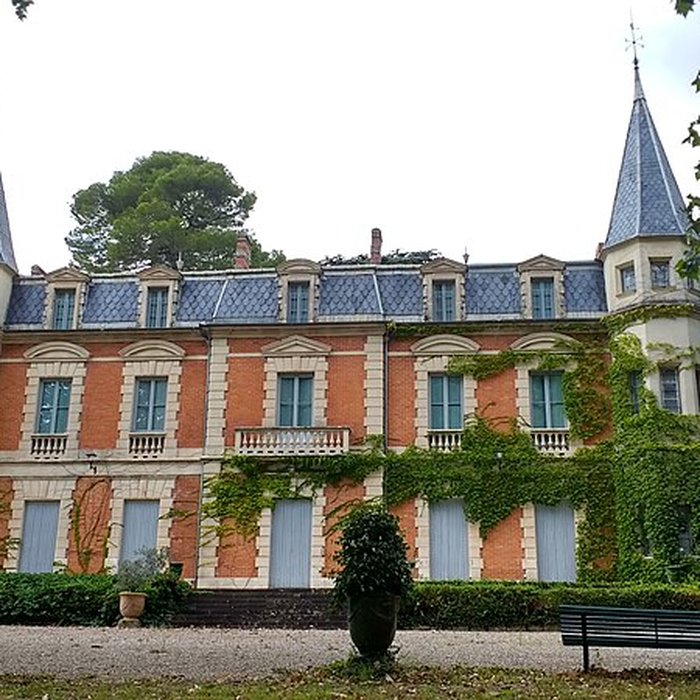
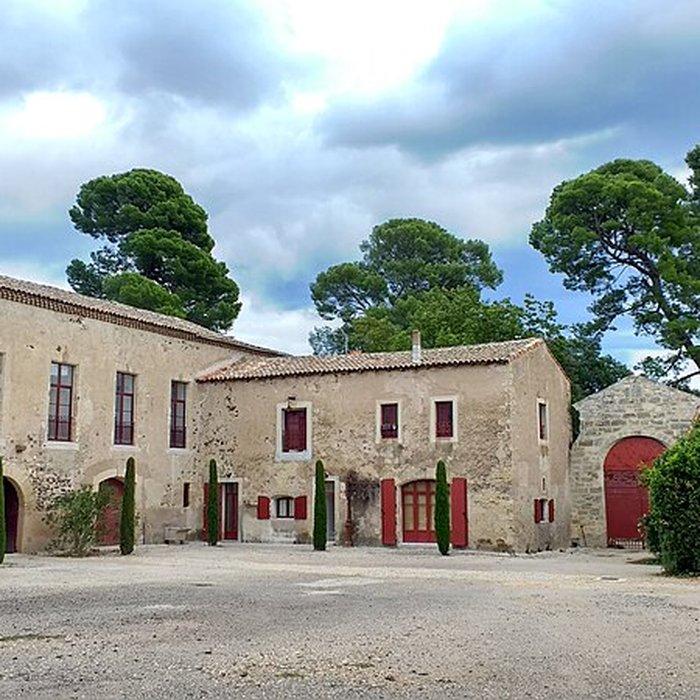
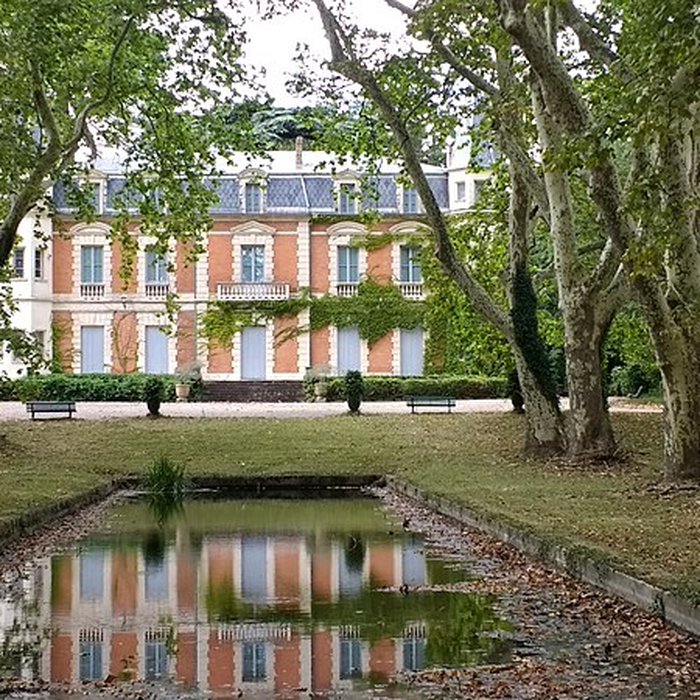
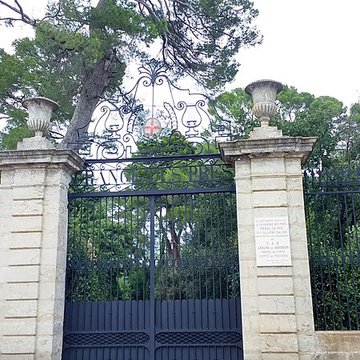
Domaine de la Grange des Prés

    24 Chemin de Castres
    34120 Pézenas
Private property
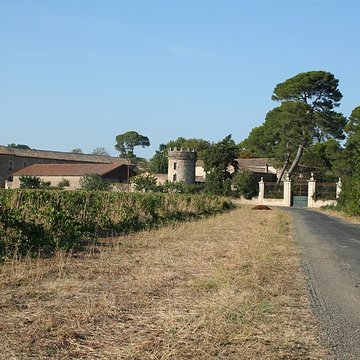
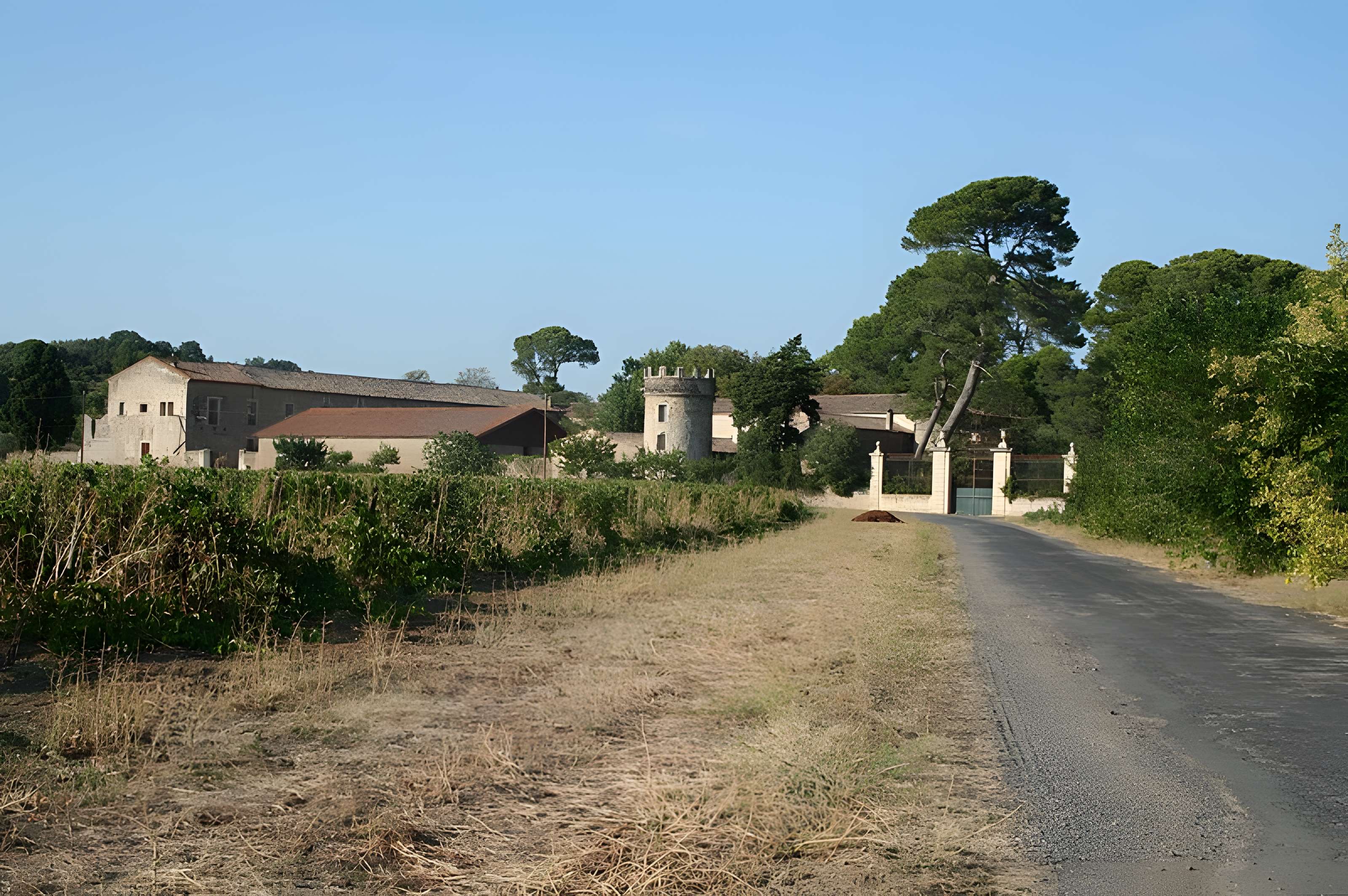
Domaine de la Grange des Prés
Crédit photo : FHd - Sous licence Creative Commons

Timeline

Renaissance
Temps modernes
Révolution/Empire
XIXe siècle
Époque contemporaine
1600
1700
1800
1900
2000
1587
Purchase of land by Henri I de Montmorency
1595
Completion of the castle and gardens
1601-1610
Expansions and enclosure wall
1614
Heritage by Henri II de Montmorency
1653-1656
Stay of the Prince of Conti and Molière
1697
Installation of a linen factory
1812
Repurchase by the Dessalles family
1893
First come of Comédie-Française
1942
Classification of the park as sites
2015
Total registration for Historic Monuments
Aujourd'hui
Aujourd'hui

Heritage classified

The field of the Grange des Prés in full (Cases AI 2 to 4, 199, 200, 202 to 205, 352 to 356): registration by order of 29 December 2015

Key figures

Henri Ier de Montmorency - Admiral, connetable of France and governor of Languedoc Commander of the castle in 1587.
Jean Thomas - Architecte Lorrain then Piscene Designer of the castle and gardens.
Henri II de Montmorency - Governor of Languedoc, son of Henri I Heir executed in 1632 for rebellion.
Charlotte de Montmorency - Sister of Henry II, wife of Henri II of Bourbon-Condé Heir of the estate after 1632.
Armand de Bourbon, prince de Conti - Prince and patron Welcomed Molière and his court in 1653.
Molière - Playwright and comedian Protected by Conti at the Grange (1653-1656).
François Hüe - Ornithologist and owner Welcomes Olivier Messiaen in the 20th century.

Origin and history

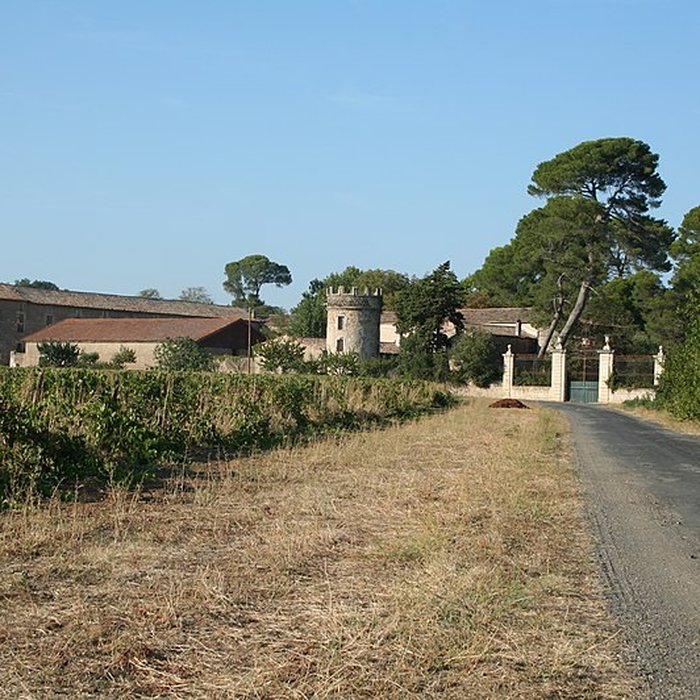
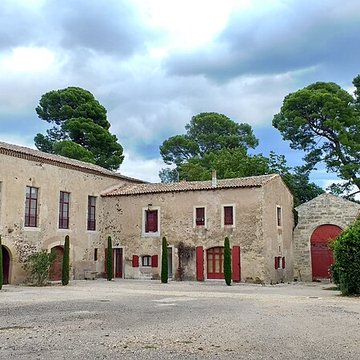
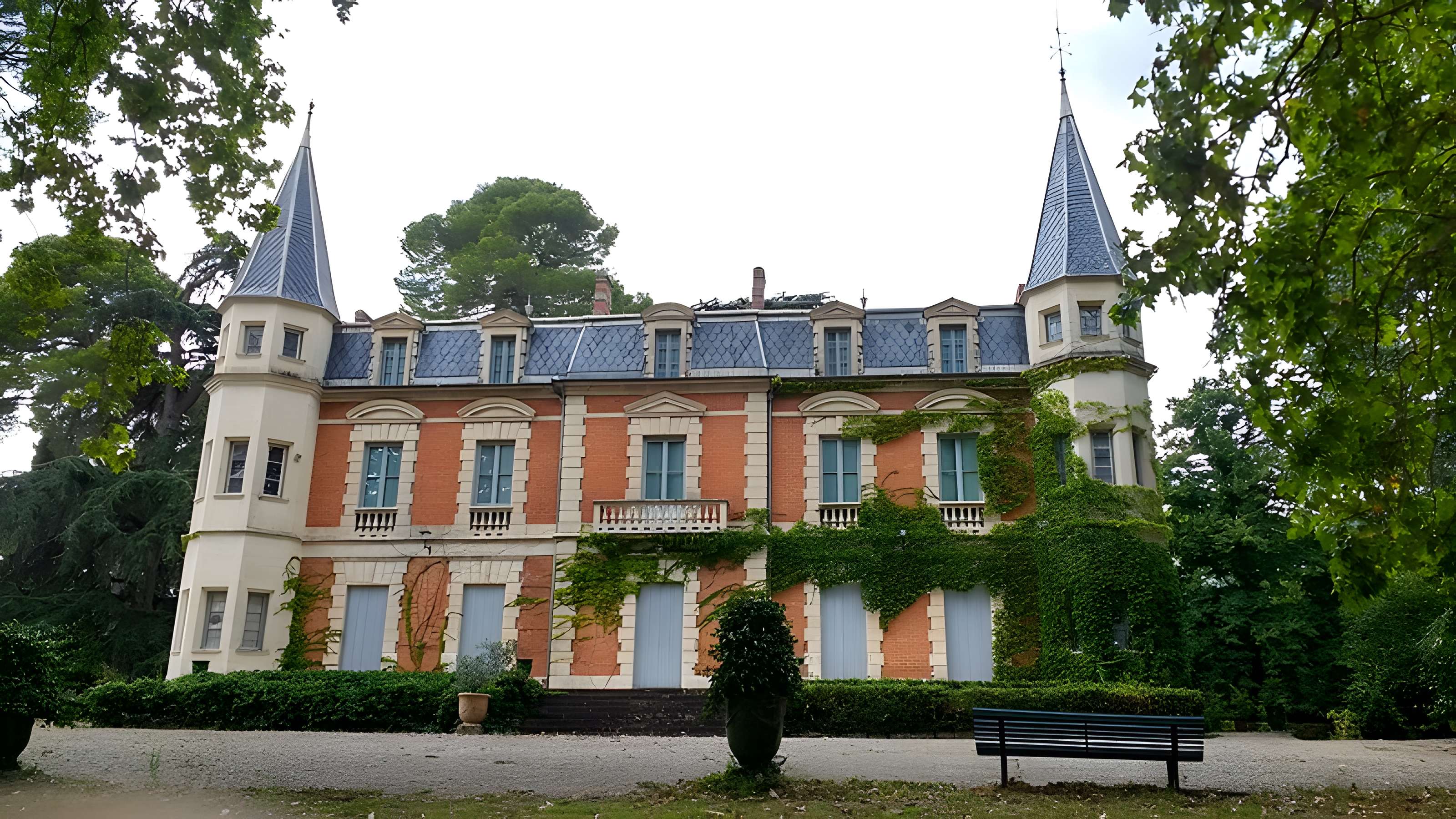
The estate of the Grange des Prés was built from 1587 by Henri I of Montmorency, governor of Languedoc, on lands acquired north of Pézenas including a 13th century Romanesque chapel. The castle was entrusted to the Lorrain architect Jean Thomas and was completed in 1595 with four buildings around a courtyard, an elevated chapel, and Italian gardens decorated with terraces, fountains, and 113 fruit trees. A pool, fed by the floods of the Hérault, and a hydraulic mechanism called "singing nightingale", complemented this Versailles du Languedoc, as its contemporaries nicknamed it.

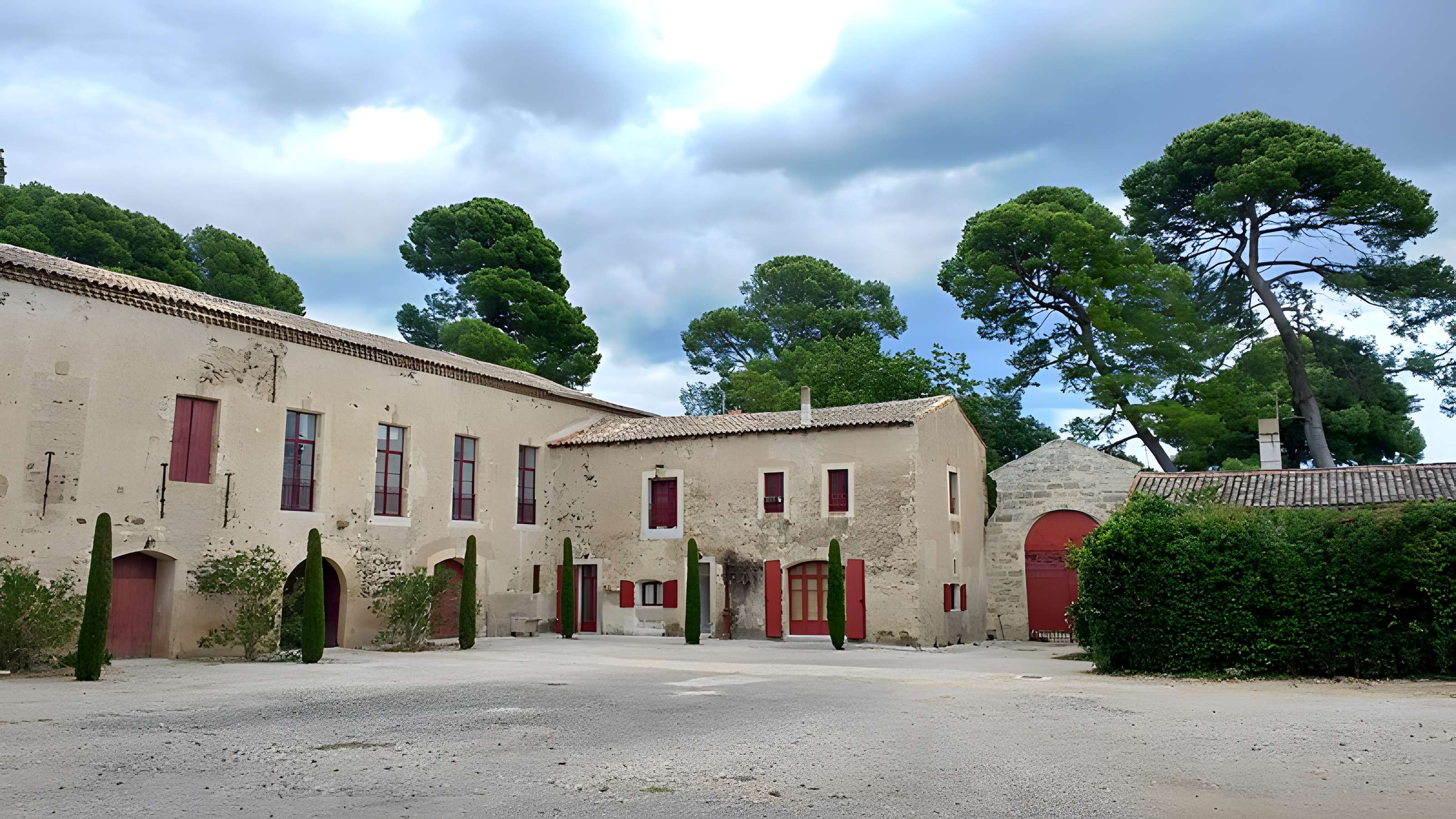
Between 1601 and 1610, the estate expanded under the direction of Claude Bastide: two arcade galleries were added, a wall of merloned enclosure erected, and a large staircase installed to serve the upper room and a terrace. The park, structured by 79 orange aisles and groves classified by species (pins, cypresses), also housed an e-mail game and orangery. In 1614 Henry II of Montmorency inherited it before being executed in 1632 for rebellion, leaving the estate to his sister Charlotte, wife of Henri II of Bourbon-Condé.

Under the princes of Conti, the Grange des Prés became a luxurious home welcoming the court and artists. In 1653 Armand de Bourbon-Conti installed his mistress there and received Molière's troop, of which he became the patron for three years. The poet Sarazin, the abbot of Cosnac, and up to 200 courtiers stayed there. However, after the Prince's death in 1666, the estate declined: sold in pieces in the 18th century, it would house a linen factory (1697), a barracks (1738), and a military hospital (1795).

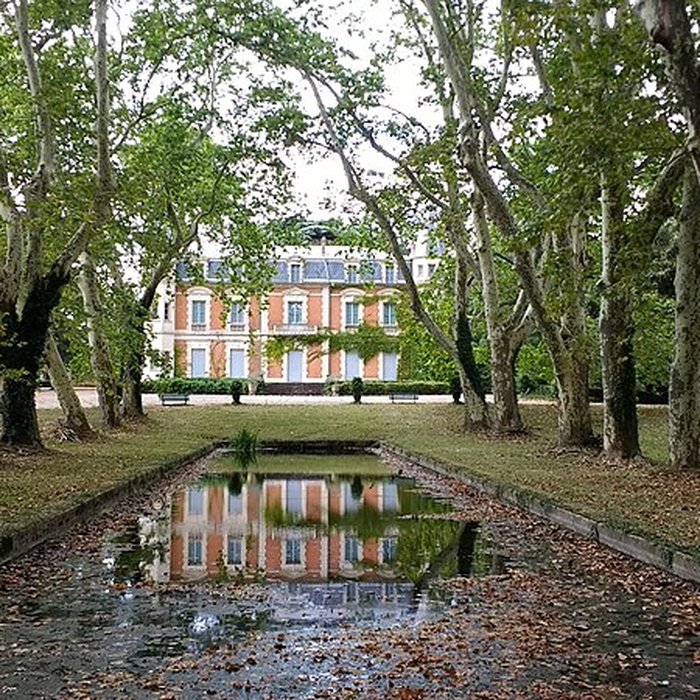
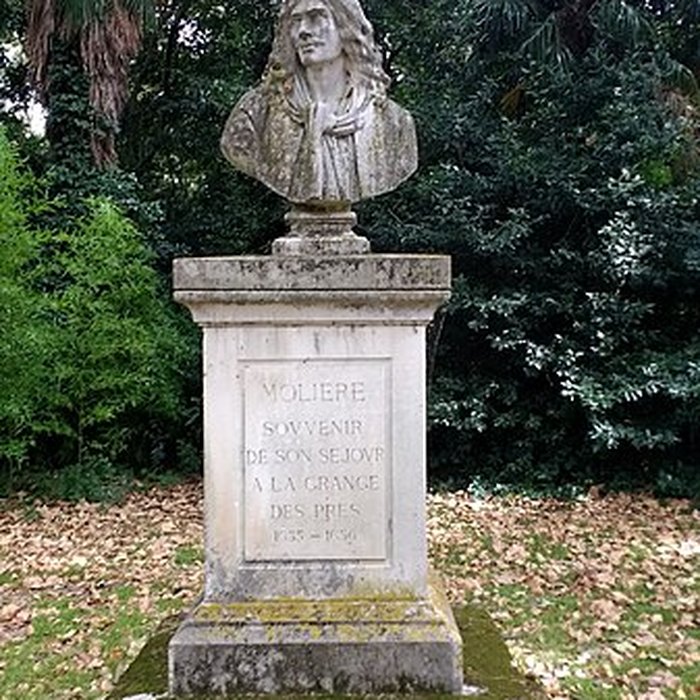
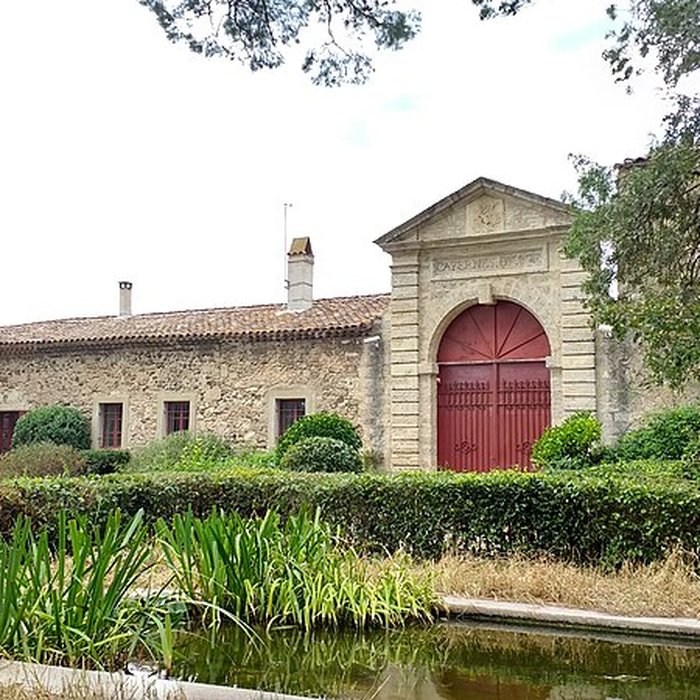
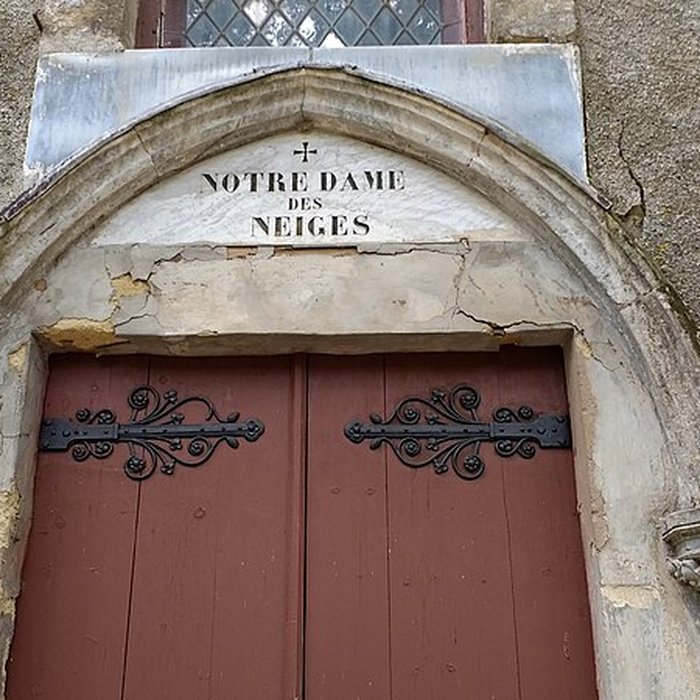
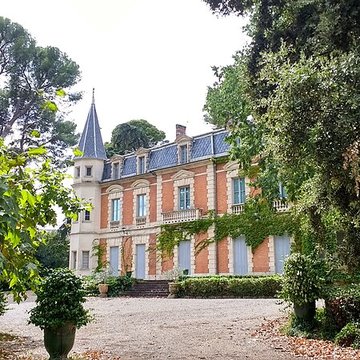
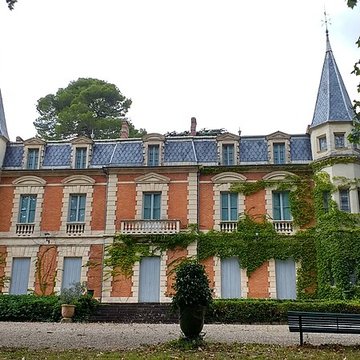
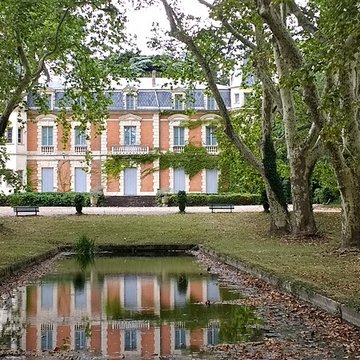
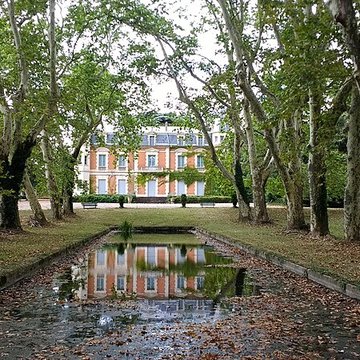
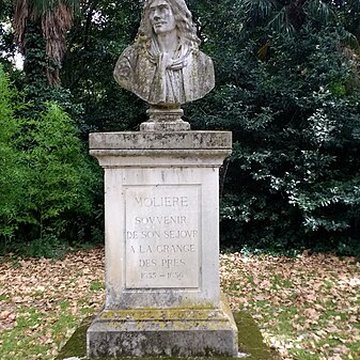
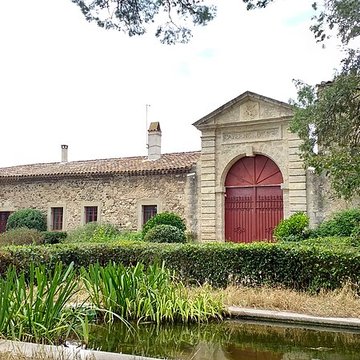
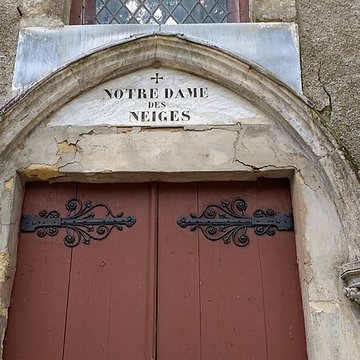
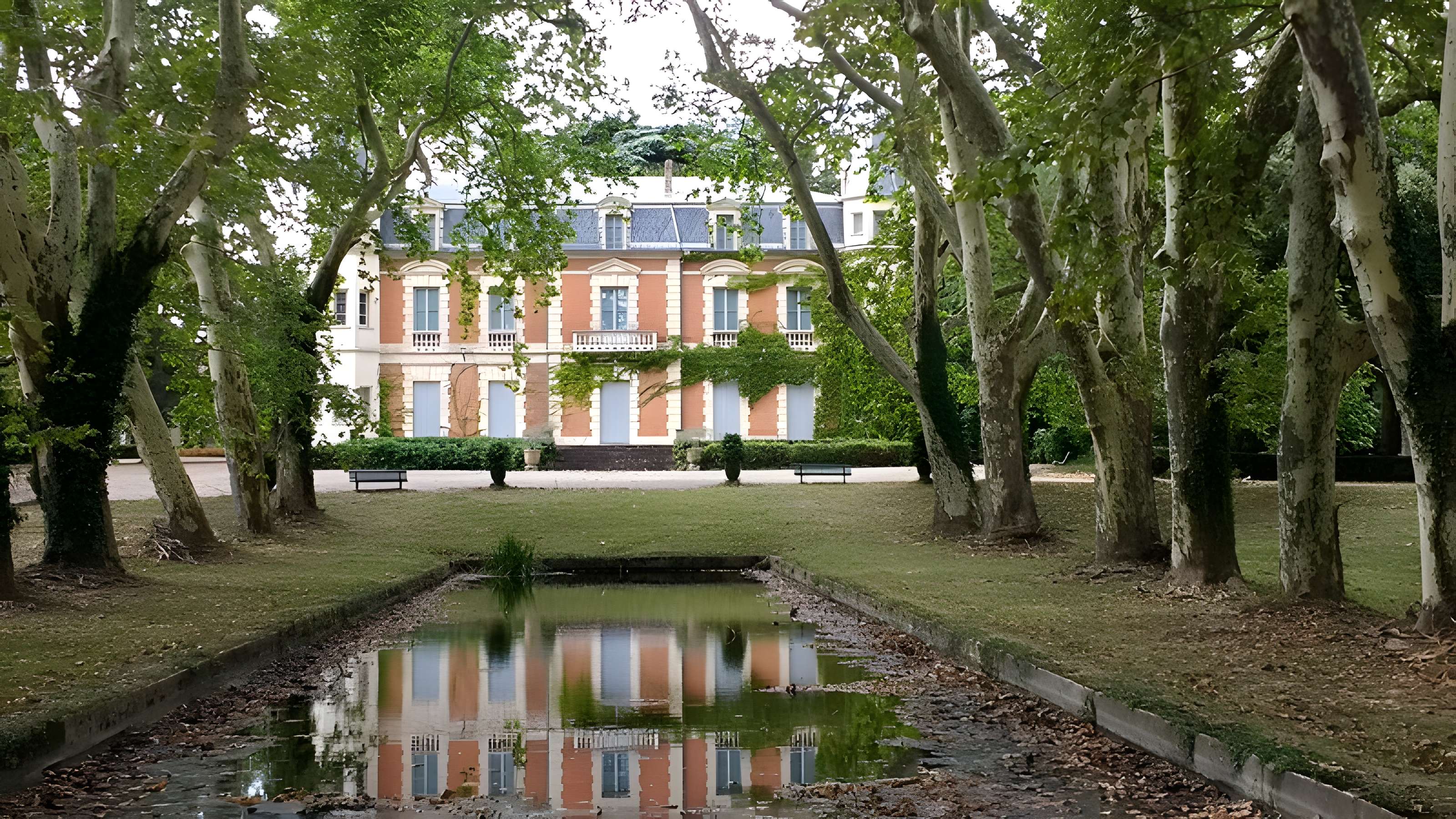
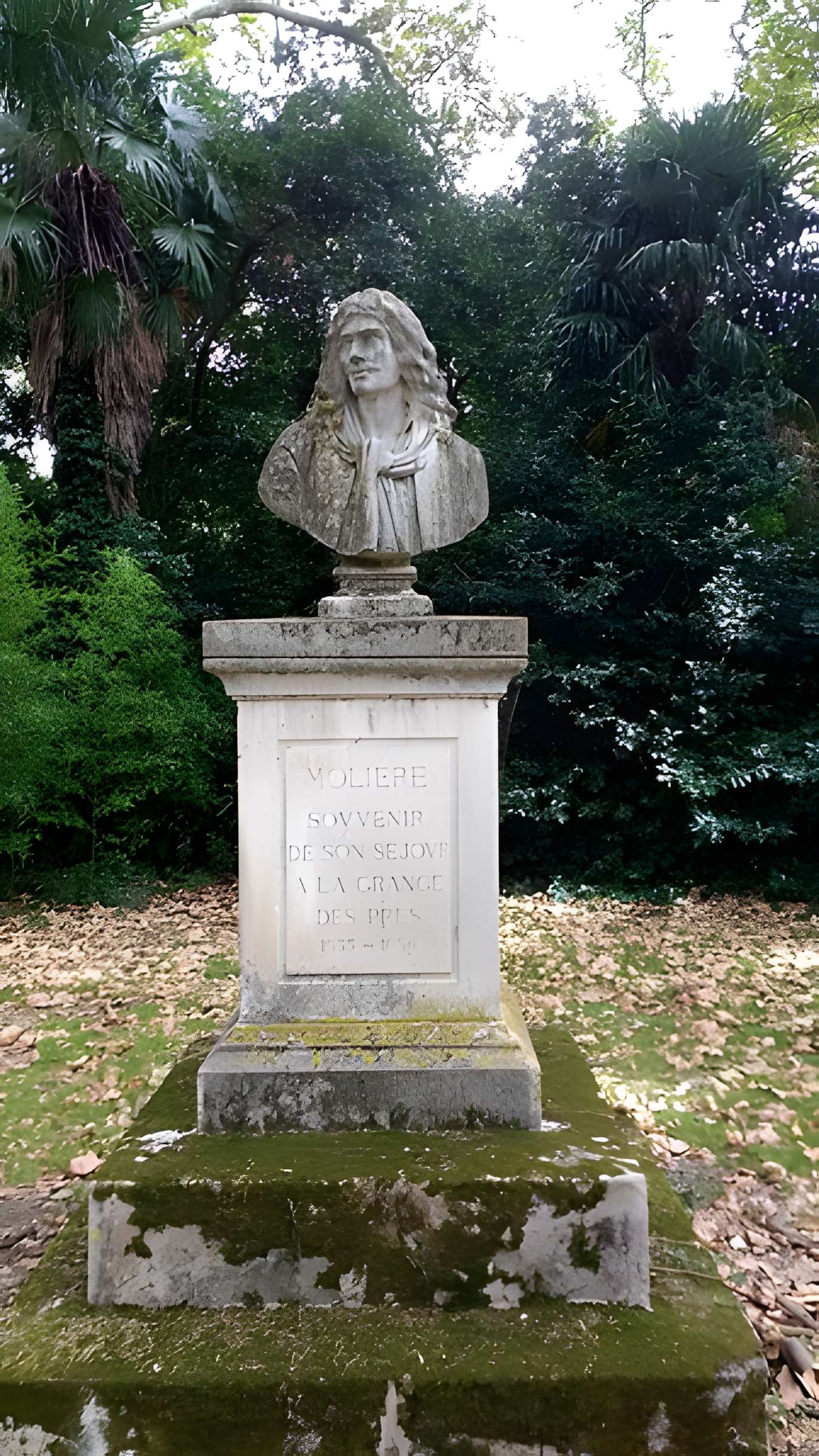
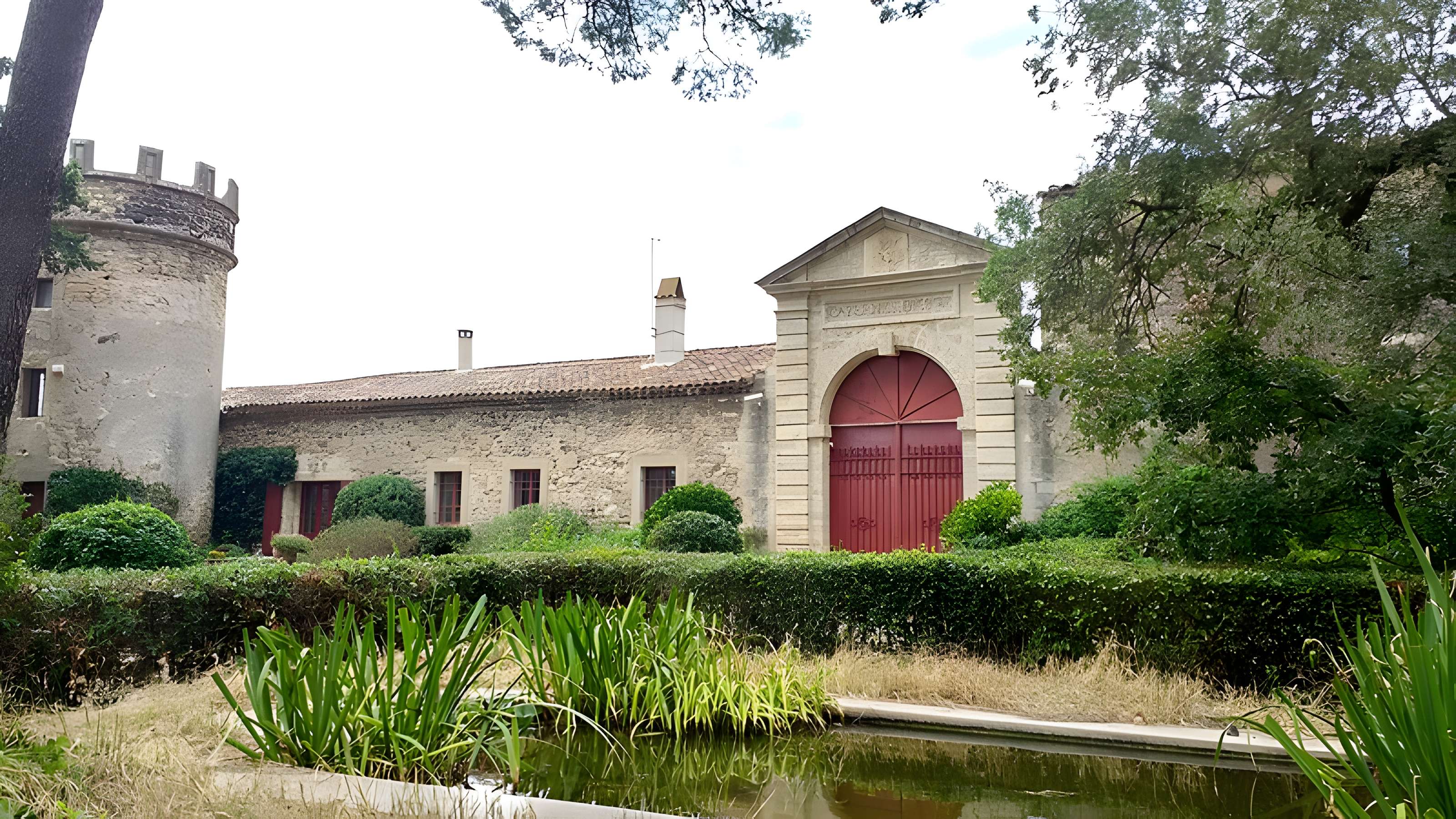
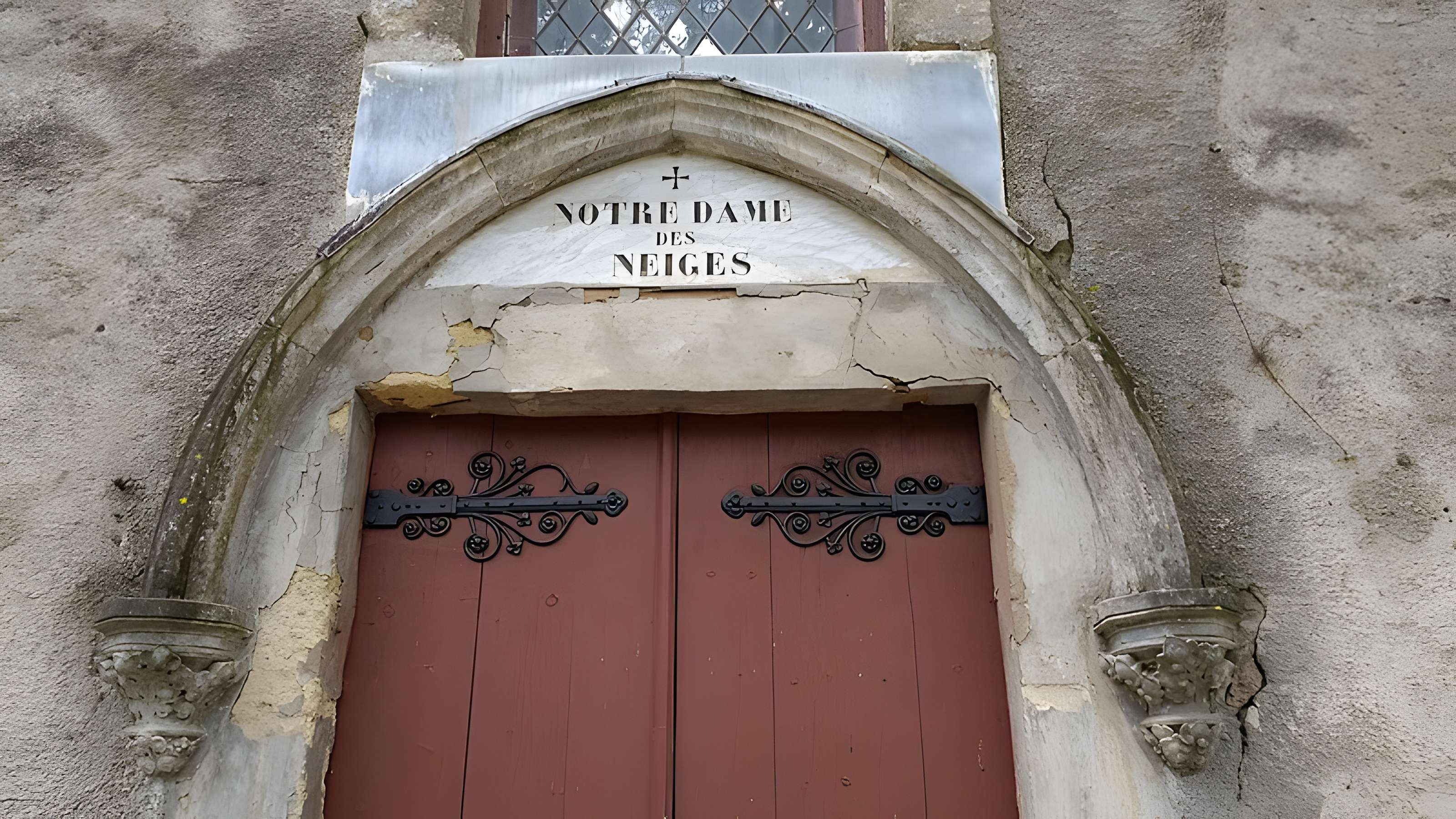
In the 19th century, the Dessalles family bought the estate and transformed the remains of the old castle into agricultural outbuildings, erecting a new neo-Louis XIII castle around 1850. The Bühler brothers recreated the gardens, while a neo-Gothic chapel, Our Lady of the Snows, was added. The site became a winery producing up to 14 000 hectolitres. In 1897, a bust of Molière was installed near the basin during commemorative celebrations, and Comédie-Française played there for the first time in 1893.

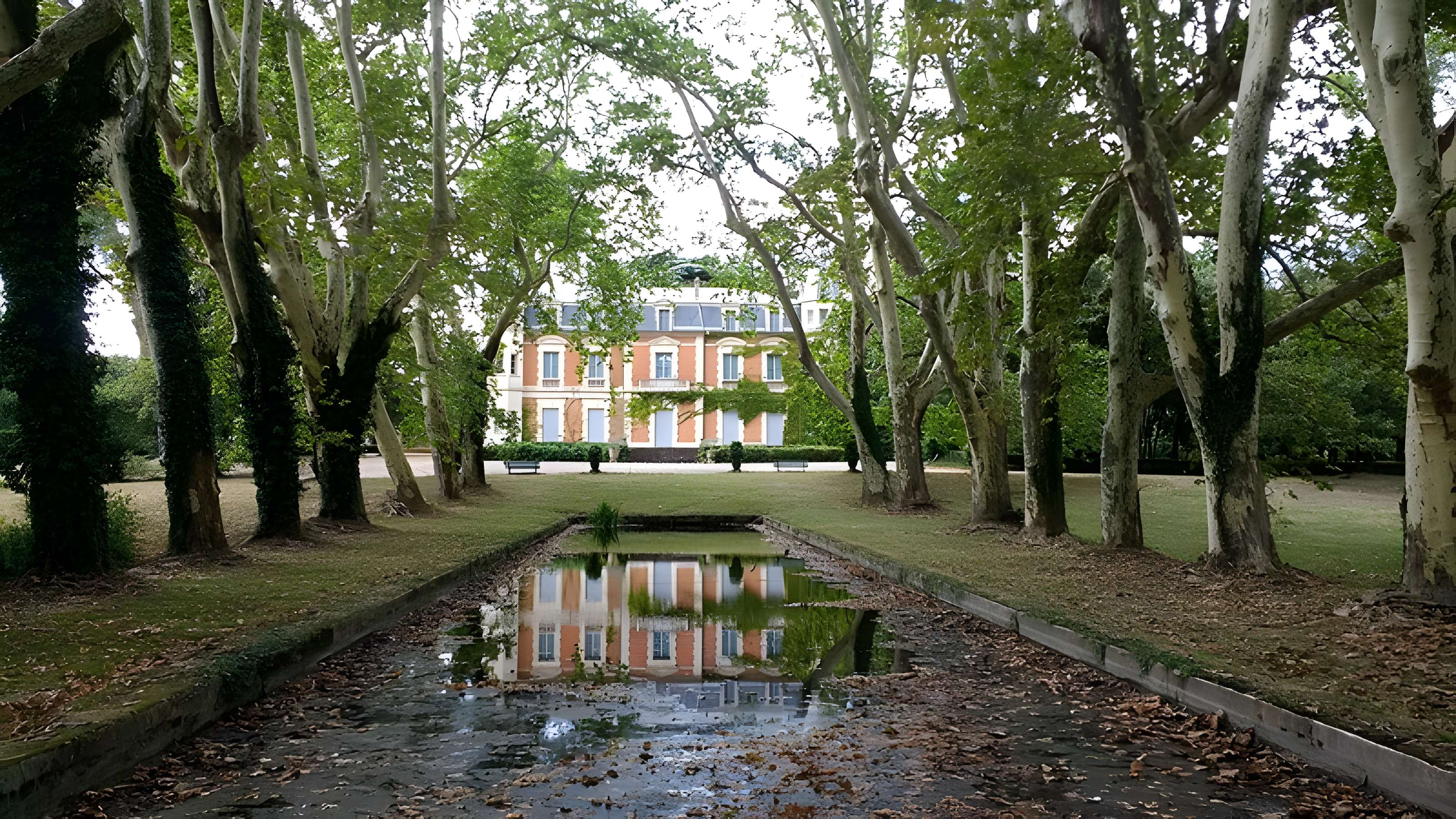
In the 20th century, the ornithologist François Hüe, descendant of Dessalles, welcomed artists like Olivier Messiaen, who recorded bird songs there in 1960-1961. The estate, classified as a historical monument in 2015 (after an inventory in 2003) and whose park was protected as early as 1942, preserves original elements such as the merlonated towers, the pool, and centenary pine trees. It remains a major testimony of Renaissance architecture in Languedoc, linked to French political and cultural history.

External links