
Logo Musée du Patrimoine

All French heritage classified by regions, departments and cities

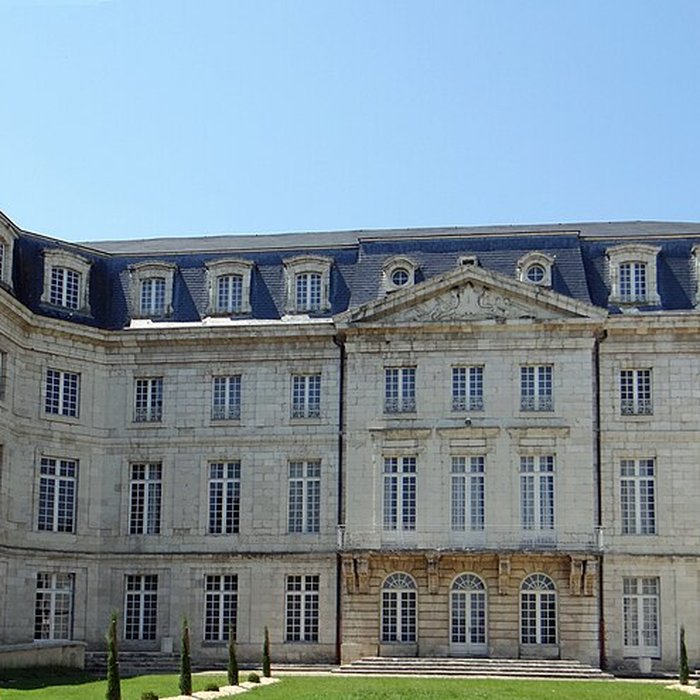
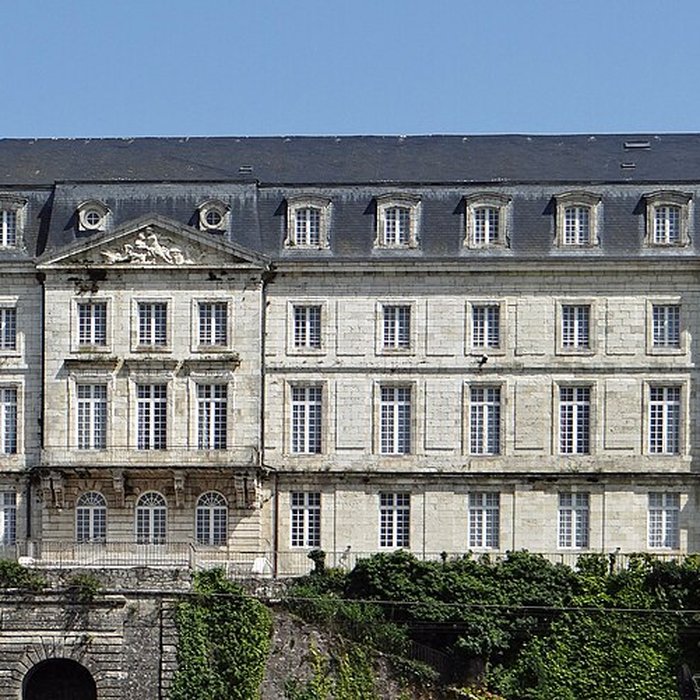
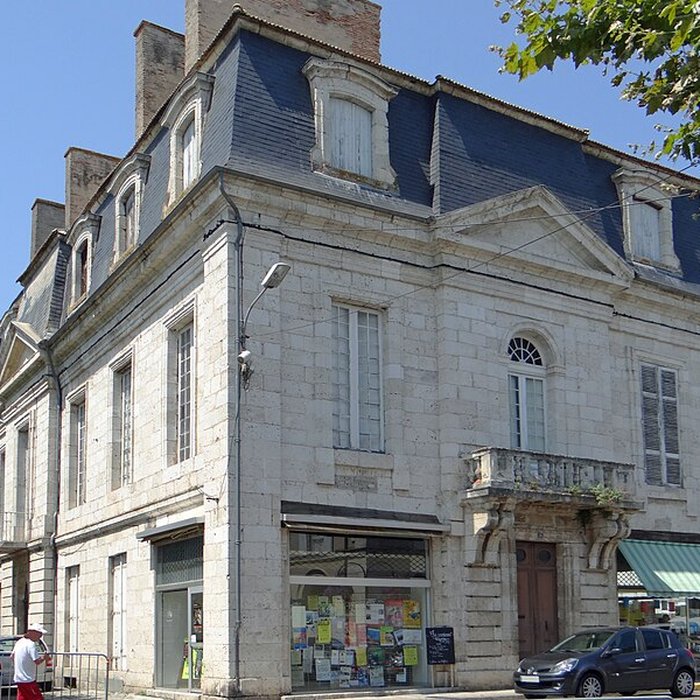
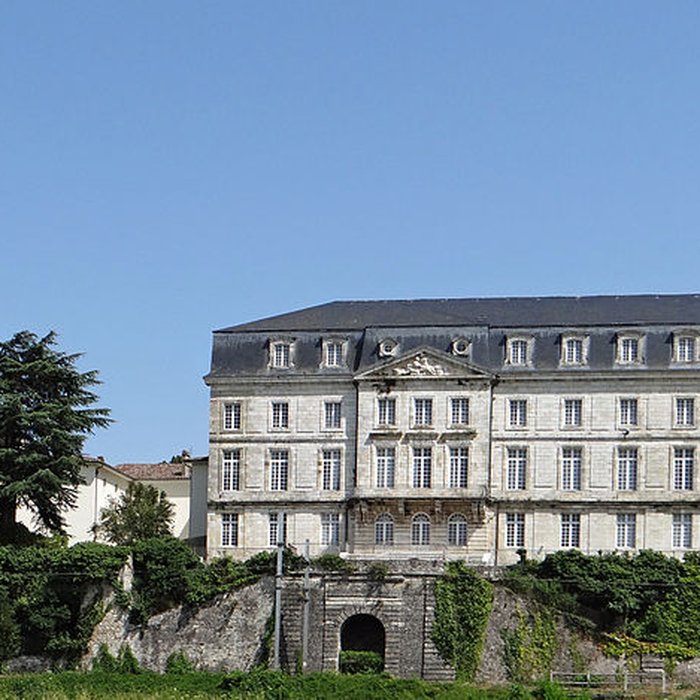
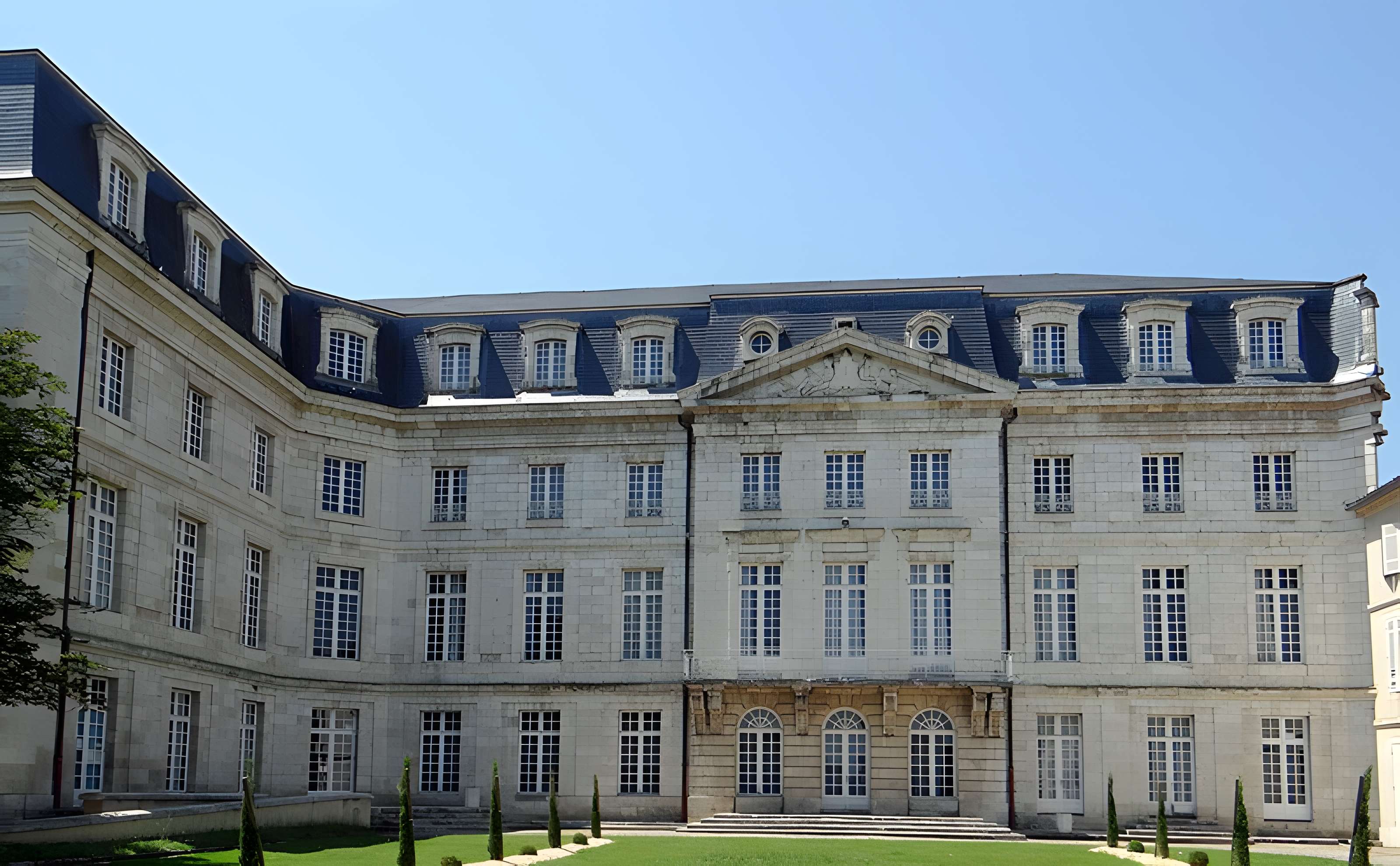
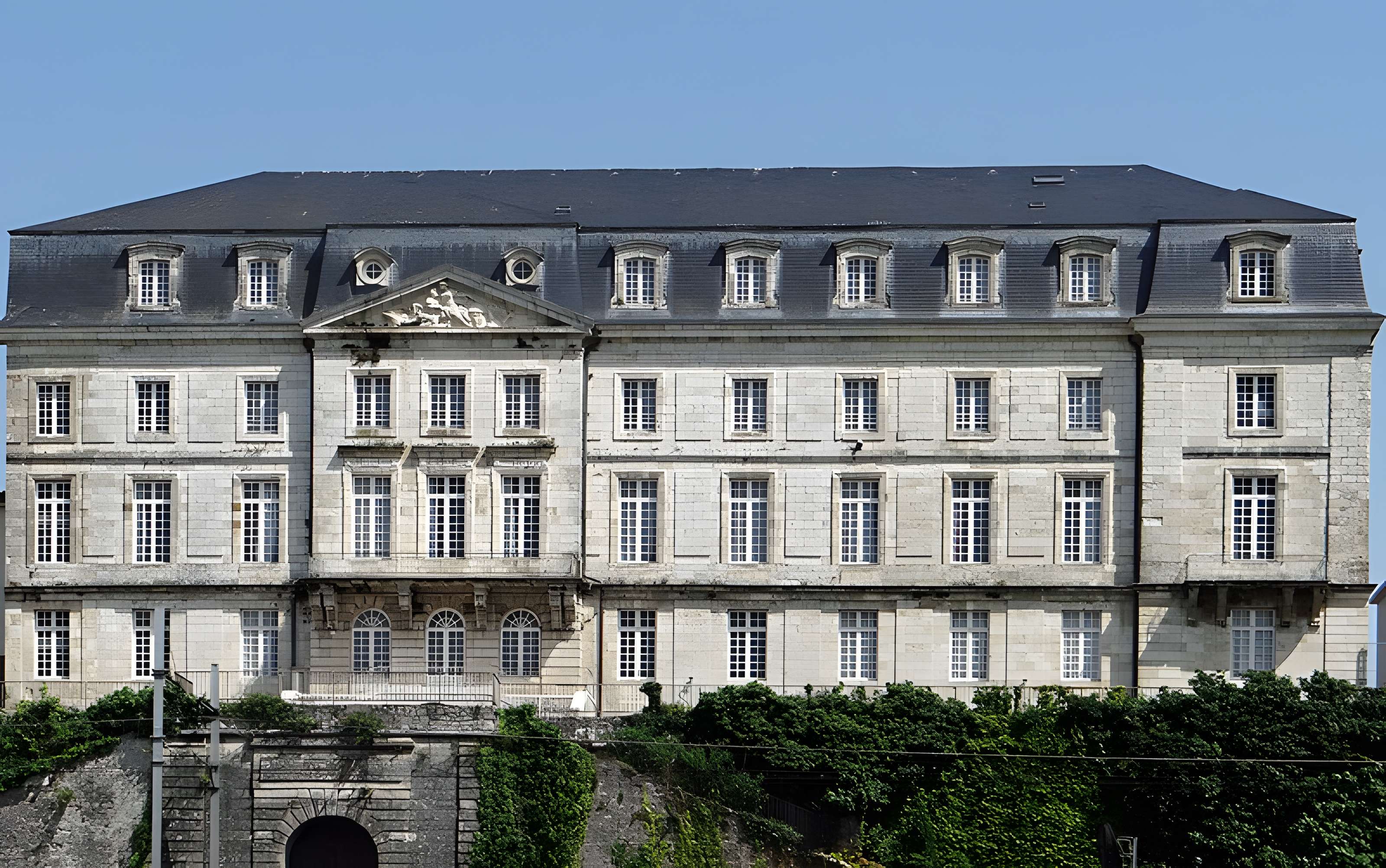
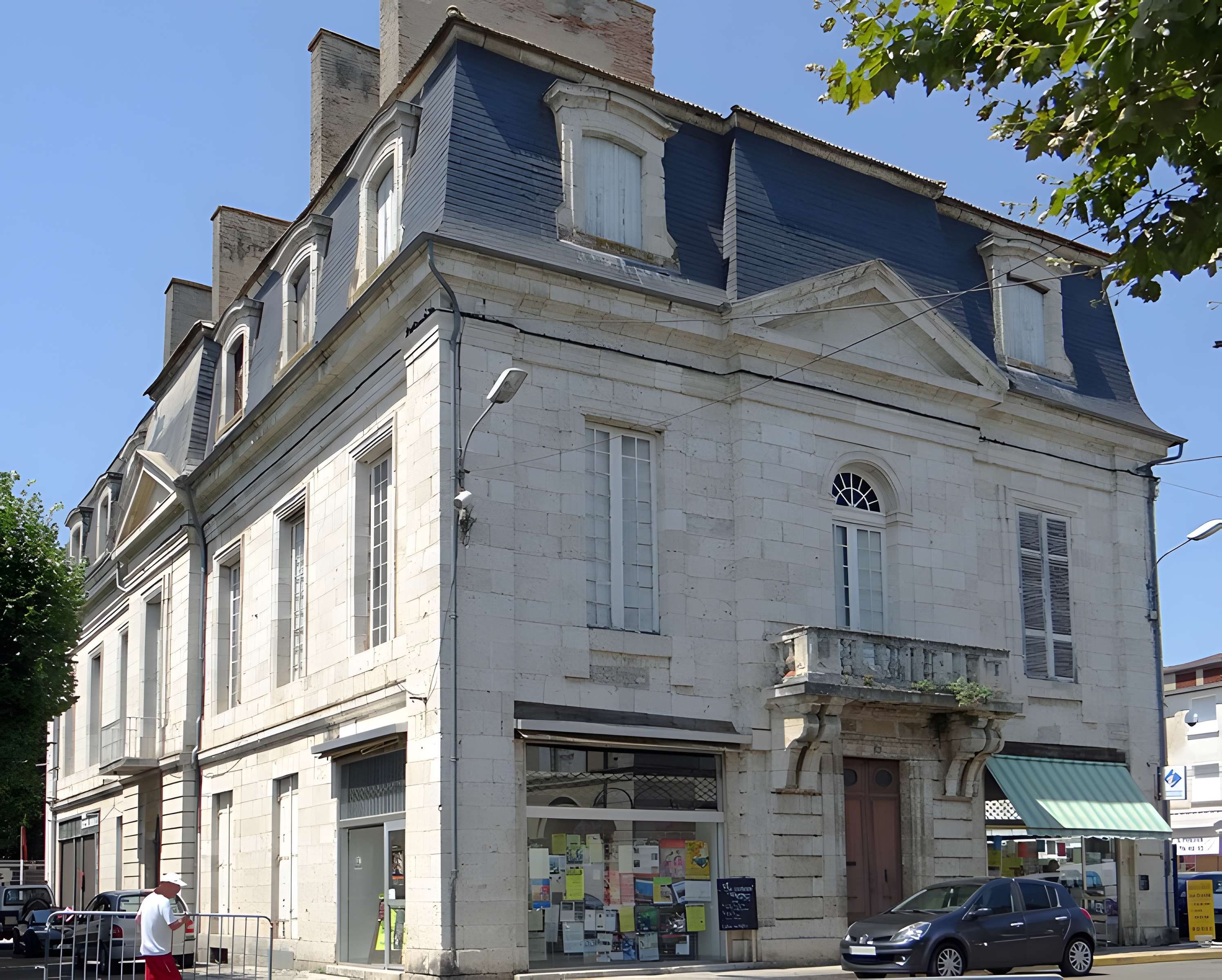
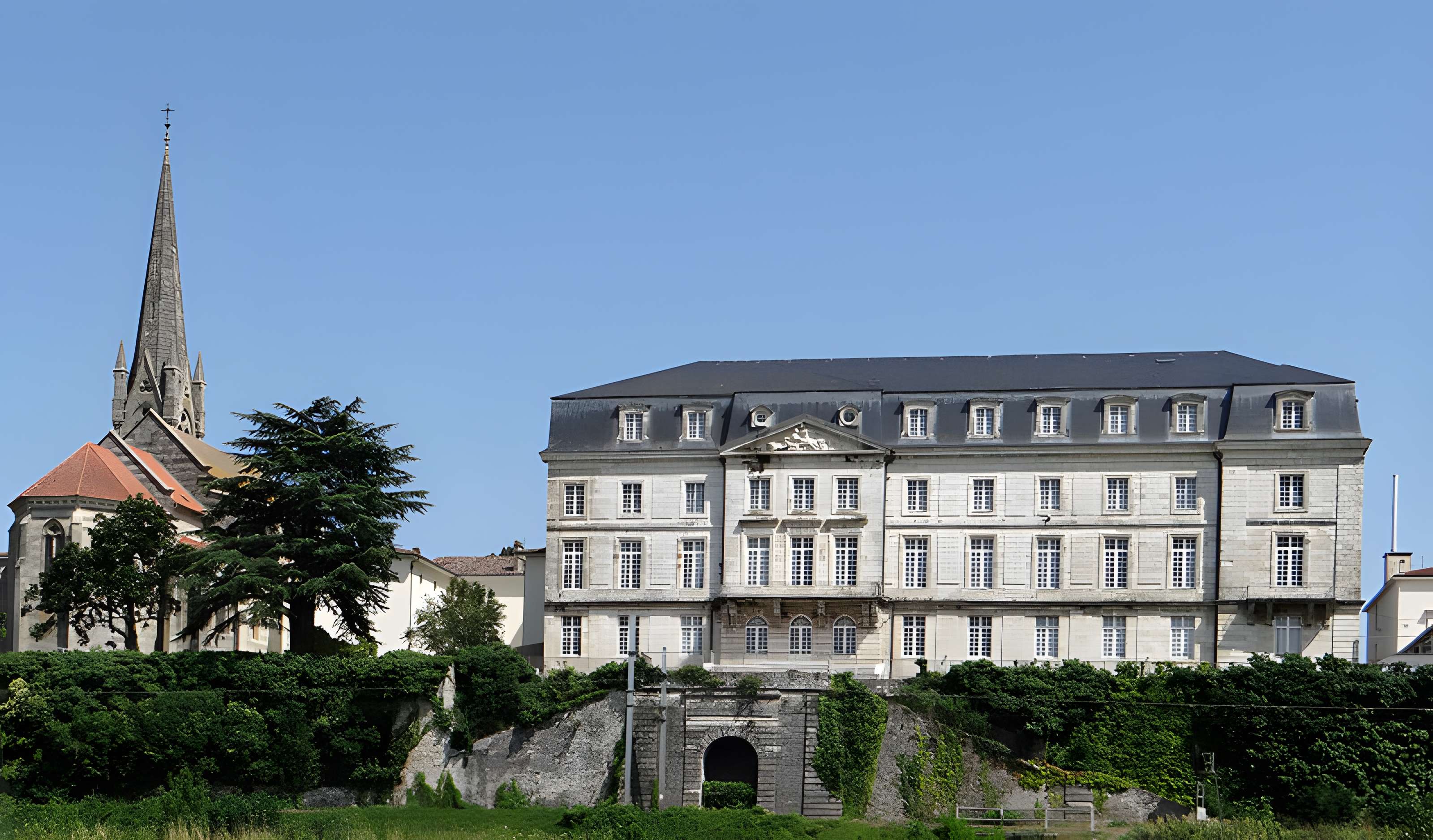
Château d'Aiguillon dans le Lot-et-Garonne

Patrimoine classé
Patrimoine défensif
Demeure seigneuriale
Château de style Classique

Château d'Aiguillon

    Place du 14-juillet
    47190 Aiguillon
Property of the municipality; private property
Château dAiguillon
Château dAiguillon
Château dAiguillon
Château dAiguillon
Château dAiguillon
Château dAiguillon
Crédit photo : Jacques MOSSOT - Sous licence Creative Commons

Timeline

Bas Moyen Âge
Renaissance
Temps modernes
Révolution/Empire
XIXe siècle
Époque contemporaine
1300
1400
1500
1600
1700
1800
1900
2000
1346
Seat of Aiguillon
XIIIe siècle
Construction of medieval castles
1599
Creation of the Duchy
1731
Restoration of the ducal title
1765-1780
Construction of the current castle
1792
Castle declared national
1925
First protection historic monument
1964-1966
Restoration of the castle
Aujourd'hui
Aujourd'hui

Heritage classified

The facades and blankets of the main building and the left wing of the courtyard of honour as well as the wrought iron ramp of the staircase (from the first floor to the attic): inscription by decree of 20 June 1925; The facades and roofs of the two pavilions flanking the court of honour: inscription by order of 4 August 1951

Key figures

Emmanuel-Armand de Vignerot du Plessis - Duke of Aiguillon and sponsor Initiate the construction of the current castle.
André Mollié - Architect of the castle Directs the work from 1765.
Charles Le Roy - Engineer and intendant of the Duchy Continues work after 1771.
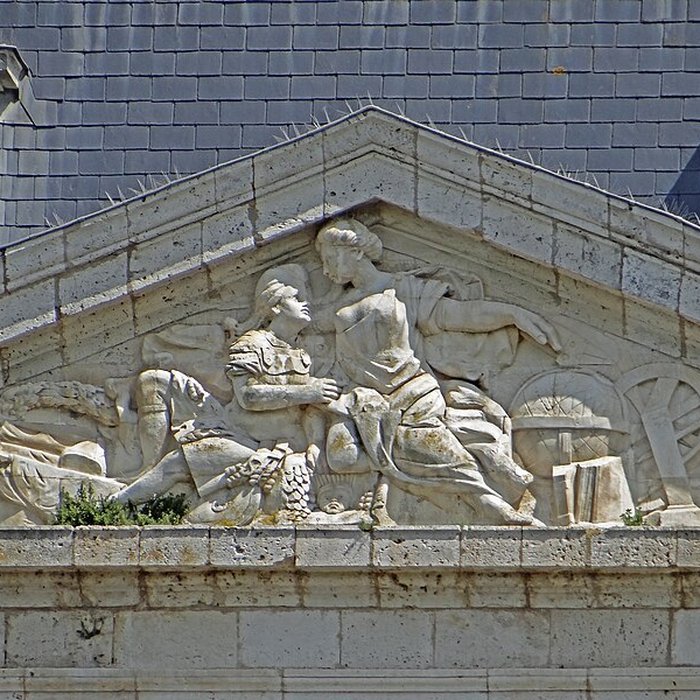
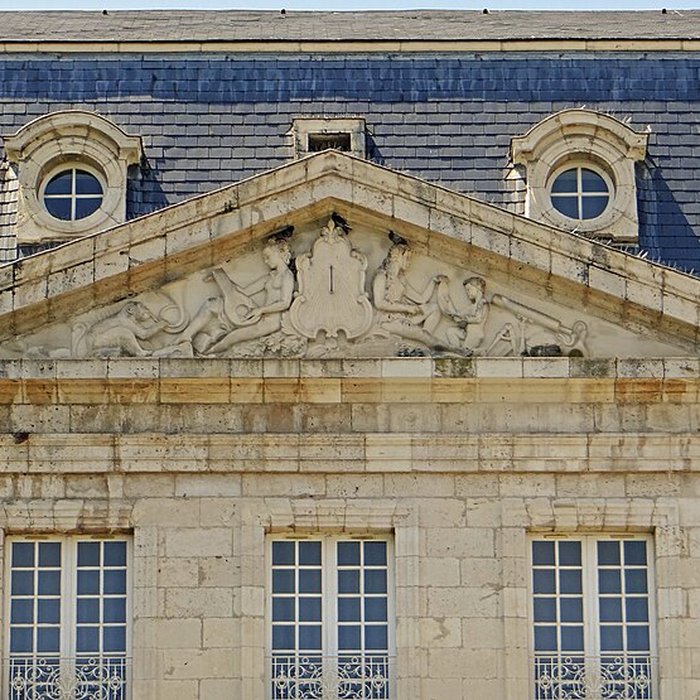
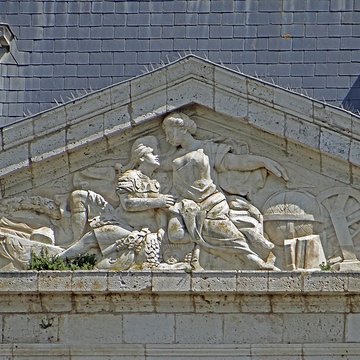
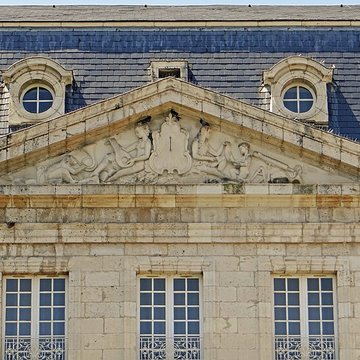
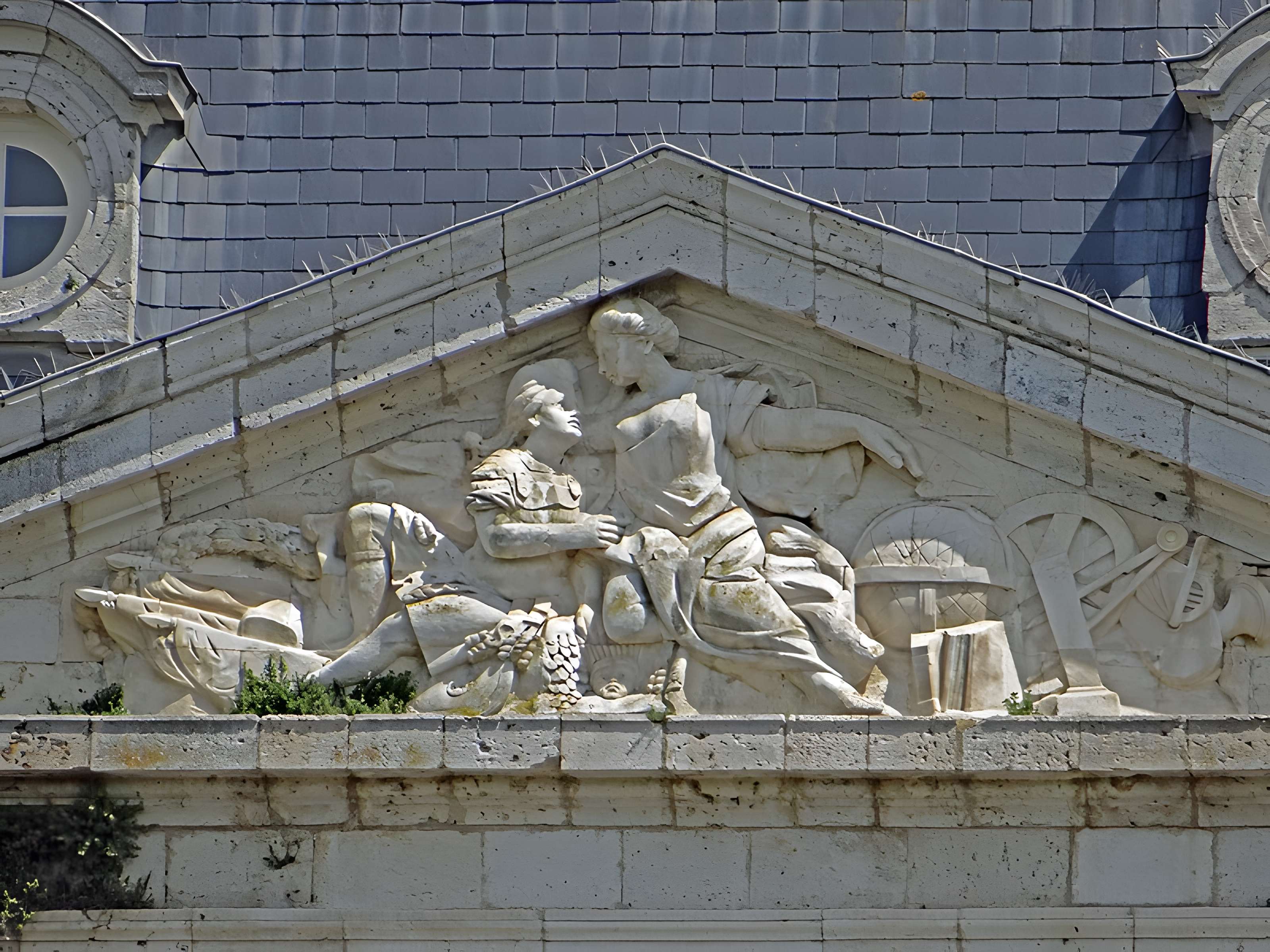
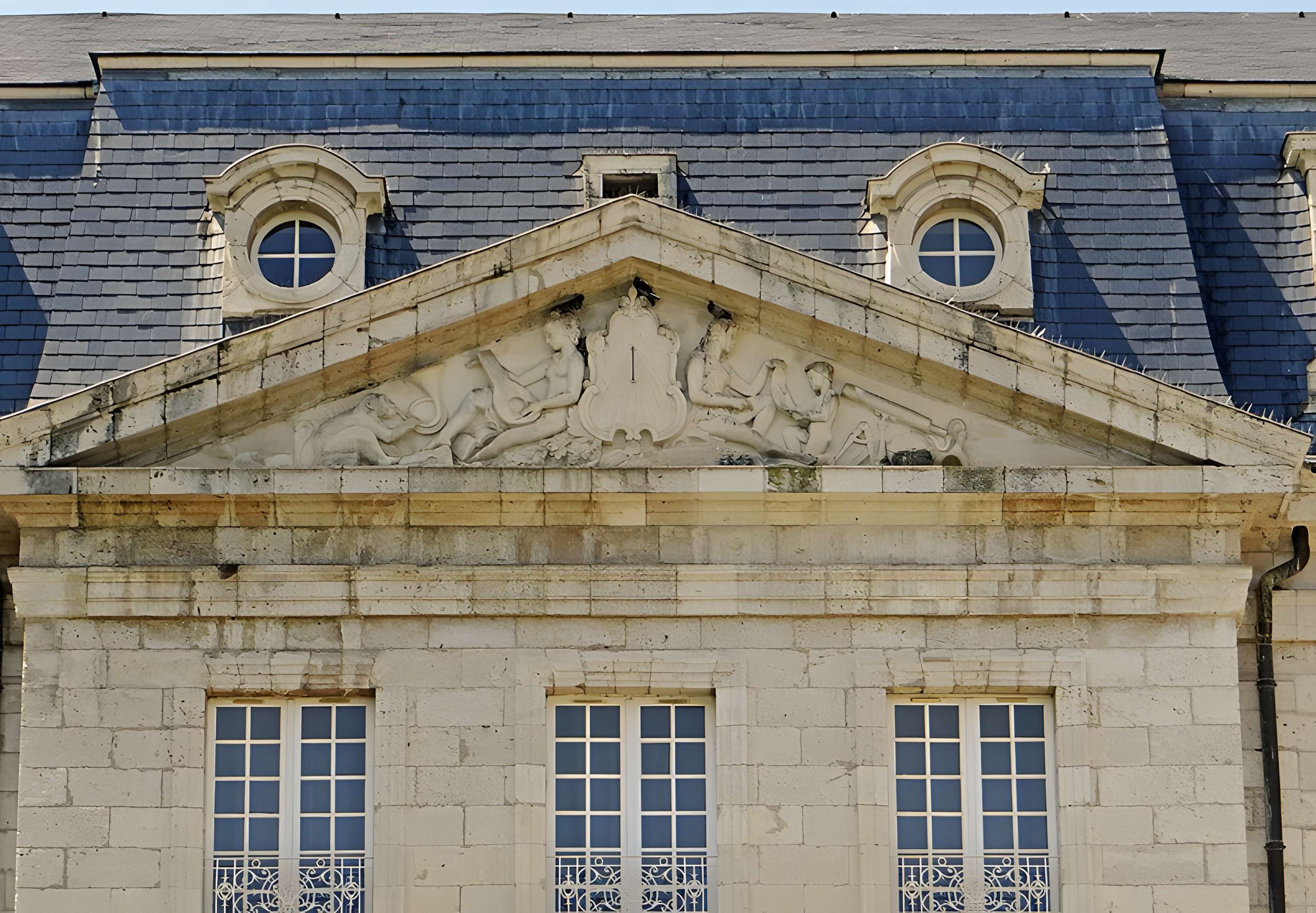
Barthélemy Cabirol - Sculptor from Bordeaux Realizes the allegorical frontons in 1776.
Henri IV - King of France Built Aiguillon in Duchy-Payrie in 1599.
Jean Payen - Architect restorer Directs the work from 1964 to 1966.

Origin and history

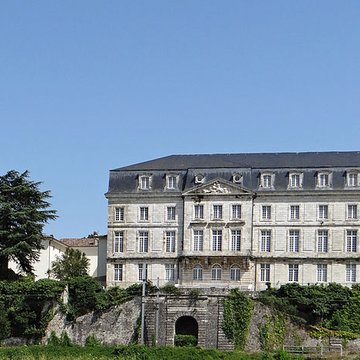
The present castle of Aiguillon, built between 1765 and 1780, replaces two medieval fortresses of the 13th century: the castle of Lunac, partially demolished in 1346 during the siege of Aiguillon by the French troops, and the castle of Fossat, disappeared in the 19th century. These two buildings dominated the confluence of the Lot and the Garonne, playing a strategic role during the Hundred Years' War. Lunac Castle, the oldest, was built on Gallo-Roman ruins and belonged successively to the Lords of Lunac, Montpezat, and then to the Malvin de Montazet until 1739.

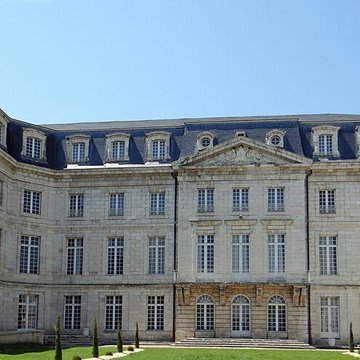
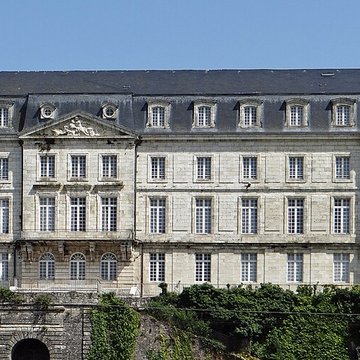
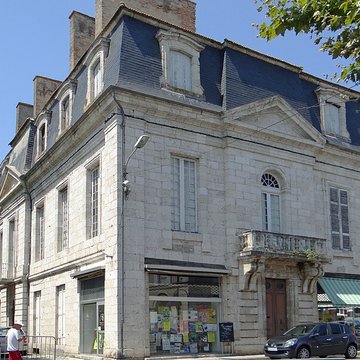
The duchy of Aiguillon, erected in 1599 by Henry IV, passed into the hands of several noble families, including the Lorraine, the Richelieu and the Vignerot du Plessis. In 1731, the title of Duke of Aiguillon was restored for Armand-Louis de Vignerot du Plessis, whose son, Emmanuel-Armand, began the construction of the present castle. The latter, inspired by French classical architecture, includes a court of honour and elevations decorated with pediments carved by Barthélemy Cabirol. The works, led by André Mollié and Charles Le Roy, spread from 1765 to 1780, but the castle remained unfinished at the Duke's death in 1788.

After the Revolution, the castle was declared national in 1792. Its furniture, including a rich collection of art works and a music library, is dispersed or destroyed. Part of the paintings join the museum of Agen, while 392 volumes of scores are kept in the departmental archives. In the 19th century, the castle became a tobacco store and was partially classified as a historical monument in 1925 and 1951. Restored between 1964 and 1966, it now houses Stendhal High School.

The remains of the ancient castles, especially those of the Fossat, were demolished in the early 19th century to give way to the monumental courtyard planned by the Duke. The initial project, ambitious, provided for a symmetrical north wing, never built. The facades and roofs, as well as the wrought iron ramp of the staircase, have been protected since 1925. The castle bears witness to tensions between feudal rights and liberal ideas emerging at the end of the eighteenth century.

The castle of Aiguillon also embodies the duchy's cultural heritage, marked by the patronage of the dukes, especially in music. Emmanuel-Armand de Vignerot du Plessis, the last Duke, maintained a theatre and orchestra, reflecting the fascist of the aristocracy before the Revolution. His exile in 1792 and the sale of property marked the end of that period, while the building, transformed into a school, perpetuated part of his history.

External links