
Logo Musée du Patrimoine

All French heritage classified by regions, departments and cities

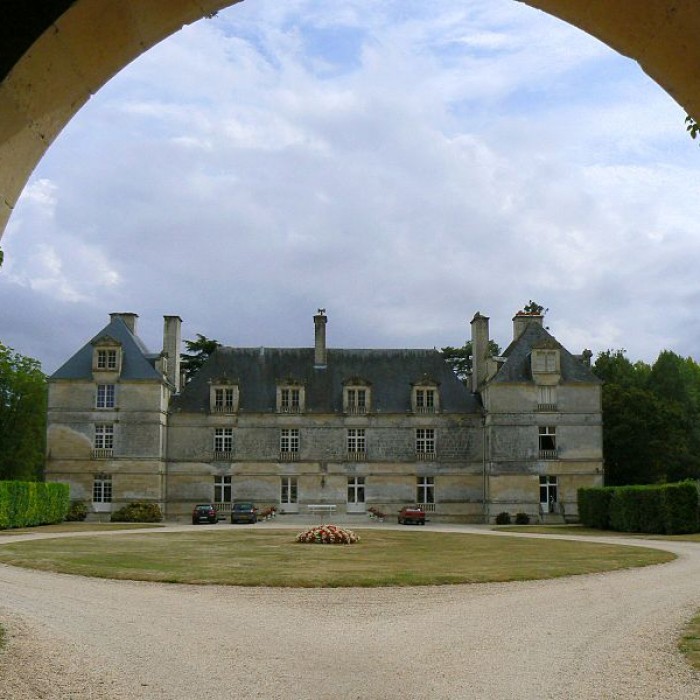
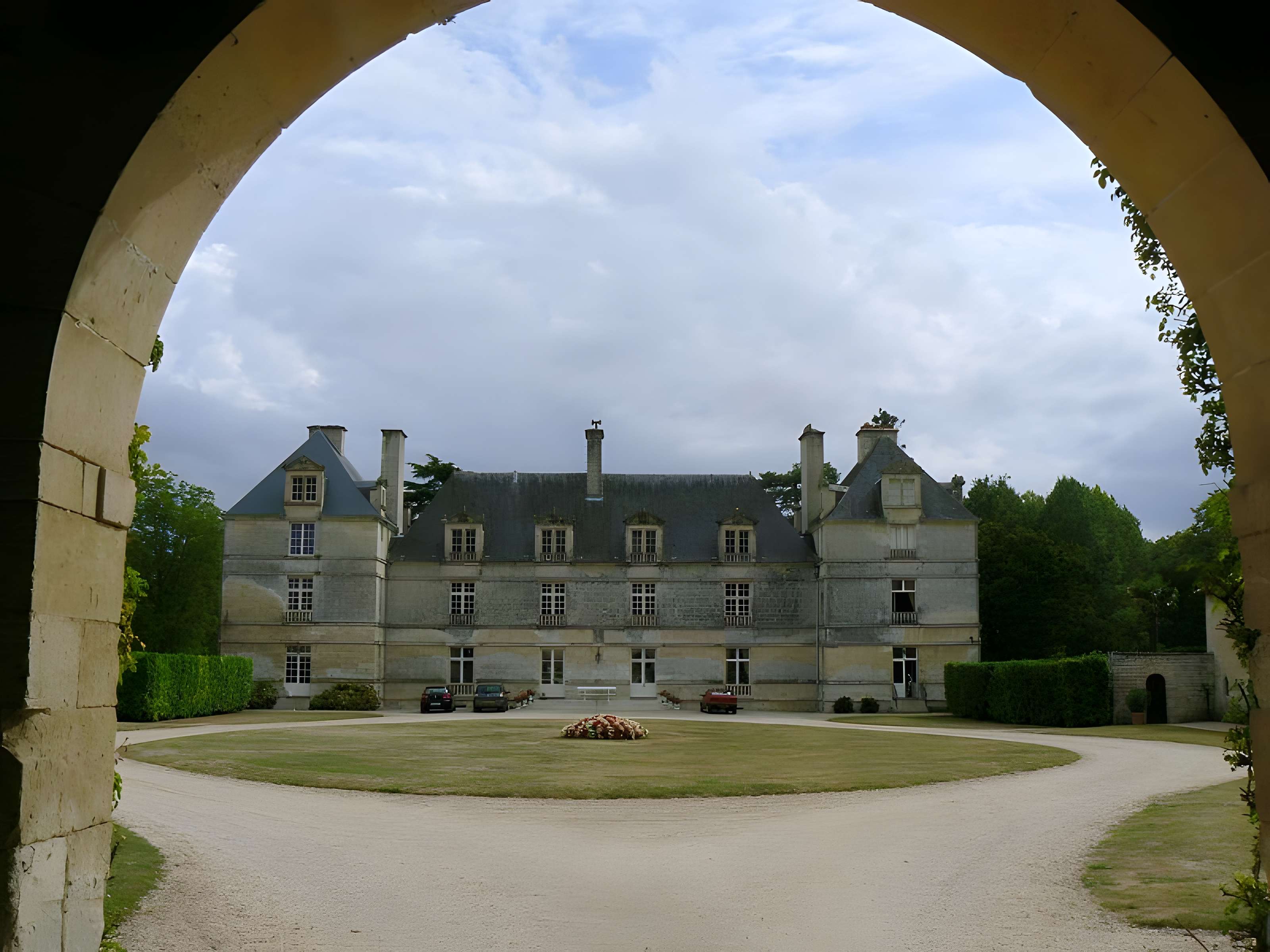
Château de La Taillée à Échiré dans les Deux-Sèvres

Patrimoine classé
Patrimoine défensif
Demeure seigneuriale
Château de style Louis XIII
Deux-Sèvres

Château de La Taillée

    372 Rue de la Taillée
    79410 Echiré
Private property
Château de La Taillée
Crédit photo : Eliane Promis - Sous licence Creative Commons

Timeline

Renaissance
Temps modernes
Révolution/Empire
XIXe siècle
Époque contemporaine
1600
1700
1800
1900
2000
1629
Wedding of Joshua of the Fay
1636-1642
Construction of the castle
1683
Marriage of Louis du Fay
1705
Contract of Georges-Guillaume du Fay
1789-1799
Revolutionary period
1969 et 1987
Historical monuments
Aujourd'hui
Aujourd'hui

Heritage classified

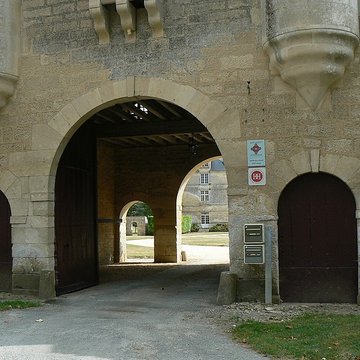
Fronts and roofs of the castle: inscription by decree of 4 November 1969; Façades and roofs of the communes, including the entrance porch and the Pigeon Towers (see G 139): inscription by order of 16 December 1987

Key figures

Josué du Fay - Commander of the castle Husband of Prejente de Magné in 1629.
Préjente de Magné - Wife of Joshua du Fay Arms carved on the facade.
Louis du Fay - Lord of La Taillée Married to Elizabeth Martel de Vandré.
Georges-Guillaume du Fay - Heir of the castle Spouse of Françoise du Vergier.
Françoise du Vergier de La Rochejaquelein - Descendant of Agrippa d'Aubigné Married in 1705 to the castle.

Origin and history

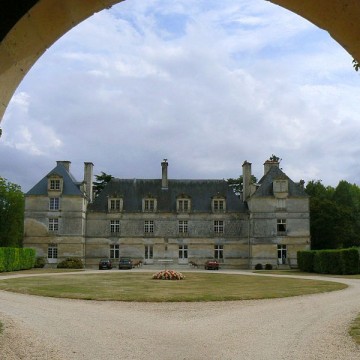
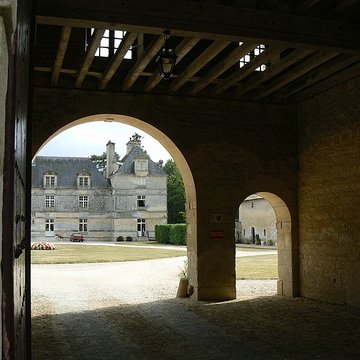
The Château de La Taillée, located in Echiré (Deux-Sèvres), is a private property classified as historical monuments, built in the early seventeenth century in an architectural style combining Henry IV and Louis XIII. Built of cut stone between 1636 and 1642, it bears the engraved dates of 1636 (north side), 1639 (midday peg) and 1642 (west peg). This castle, commanded by the Protestant family of the Fay de La Taillée, embodies the architectural and family heritage of this noble lineage.

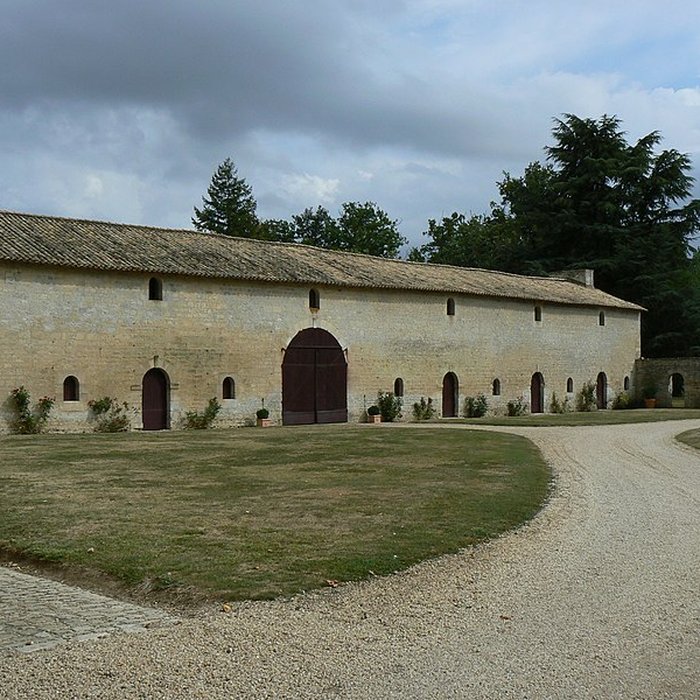
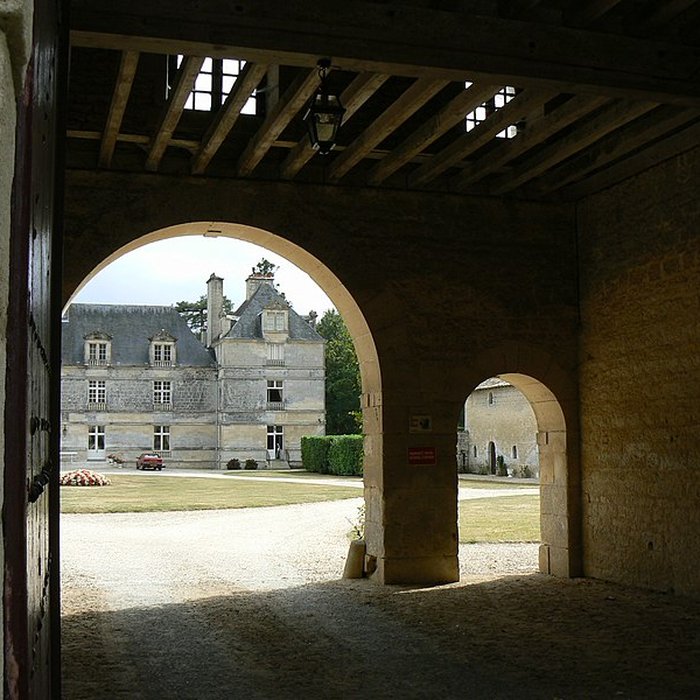
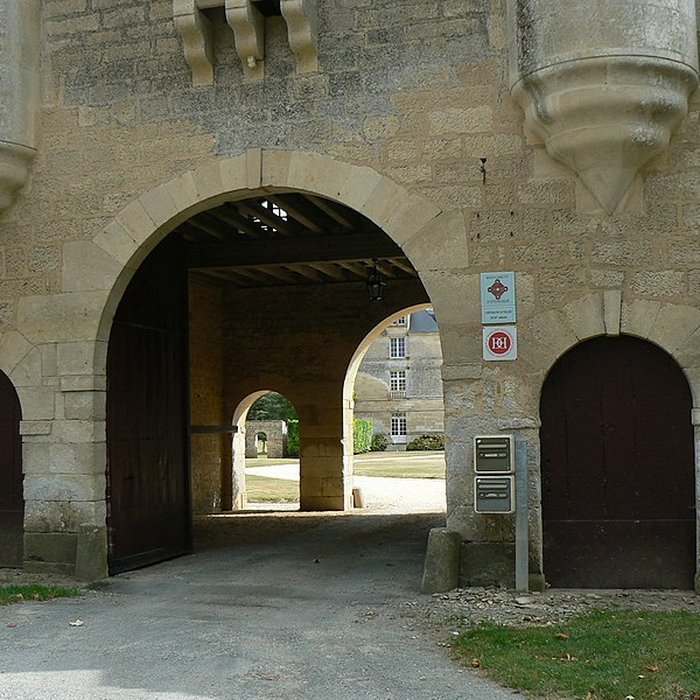
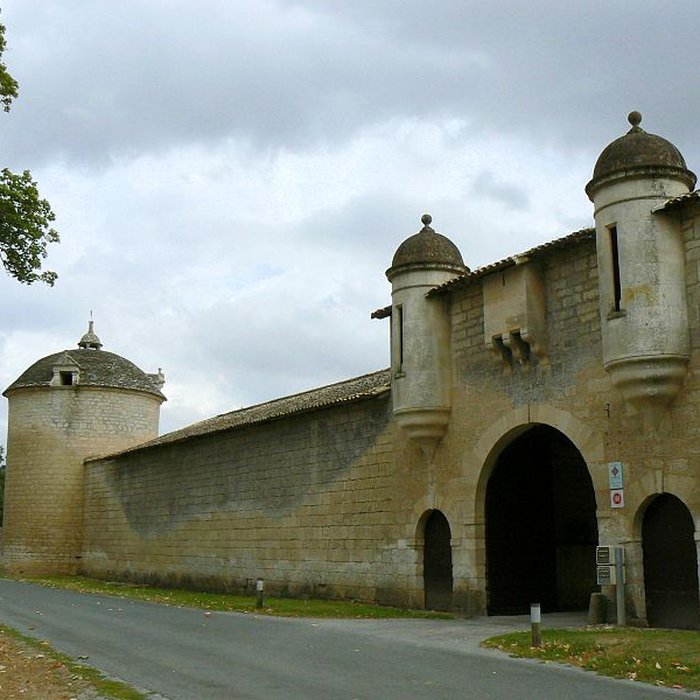
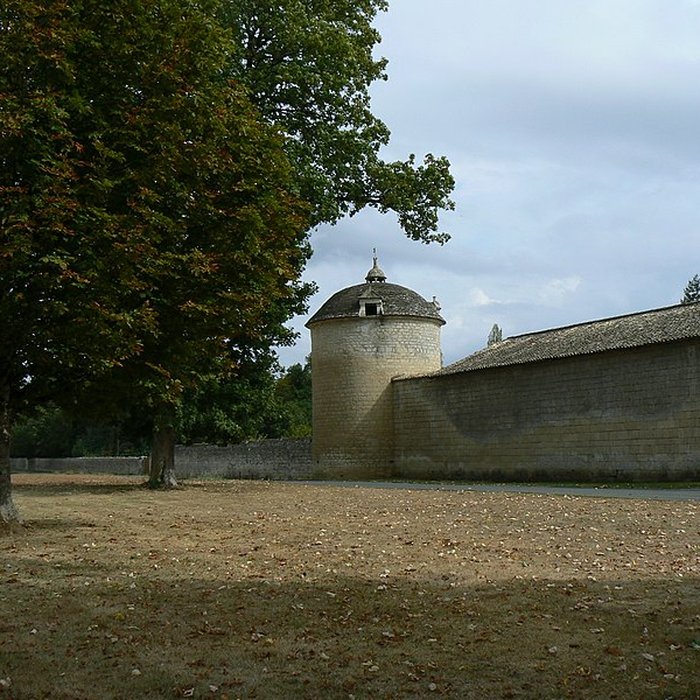
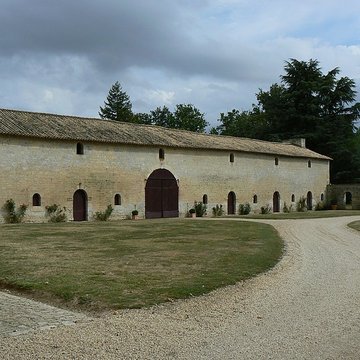
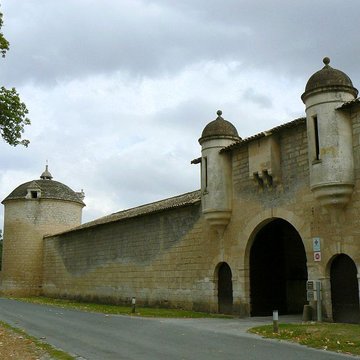
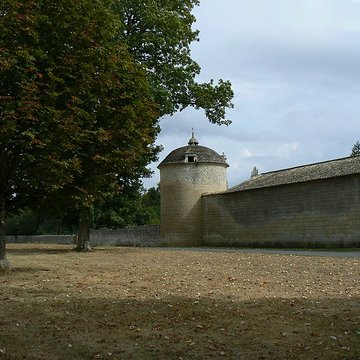
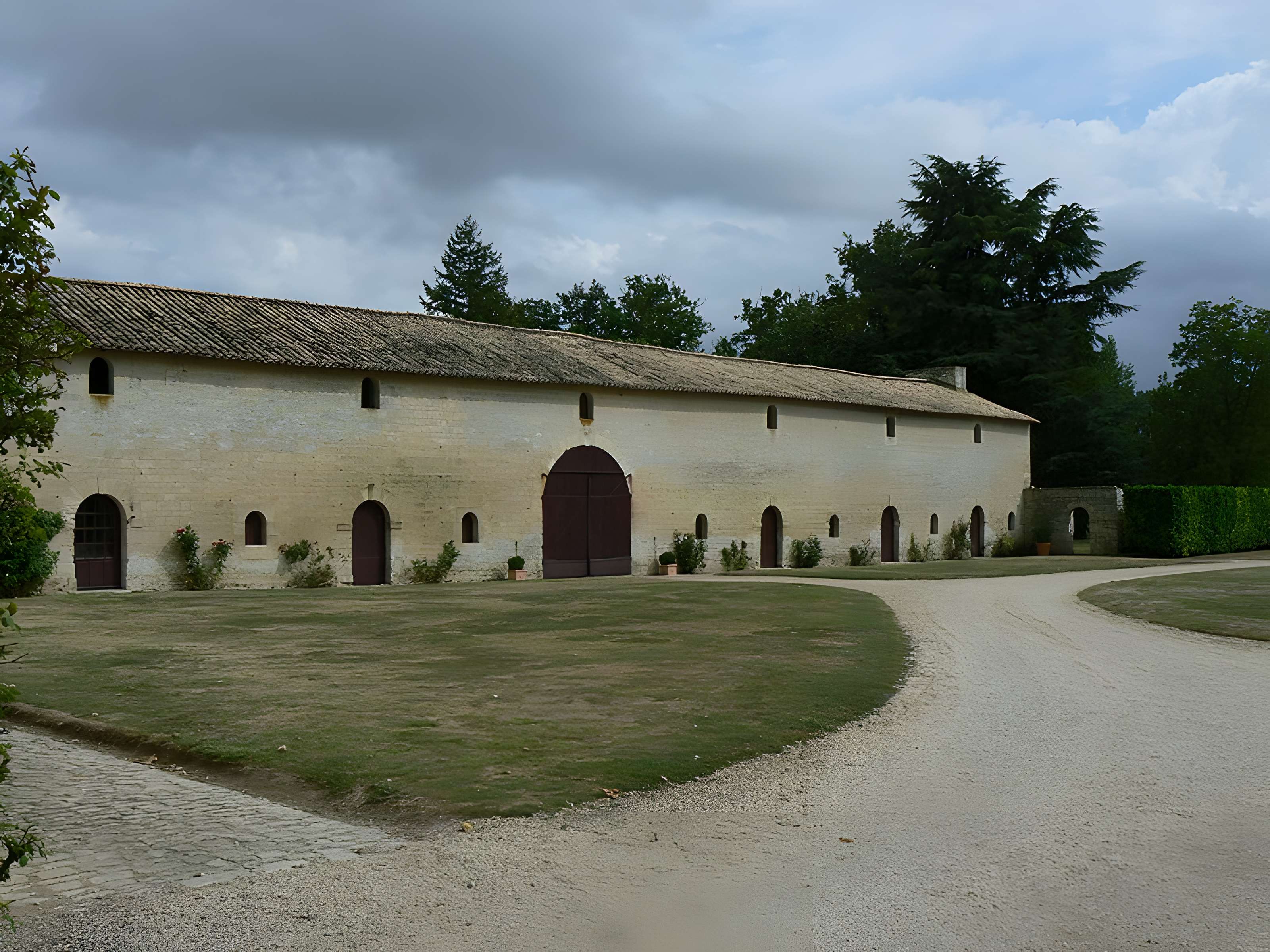
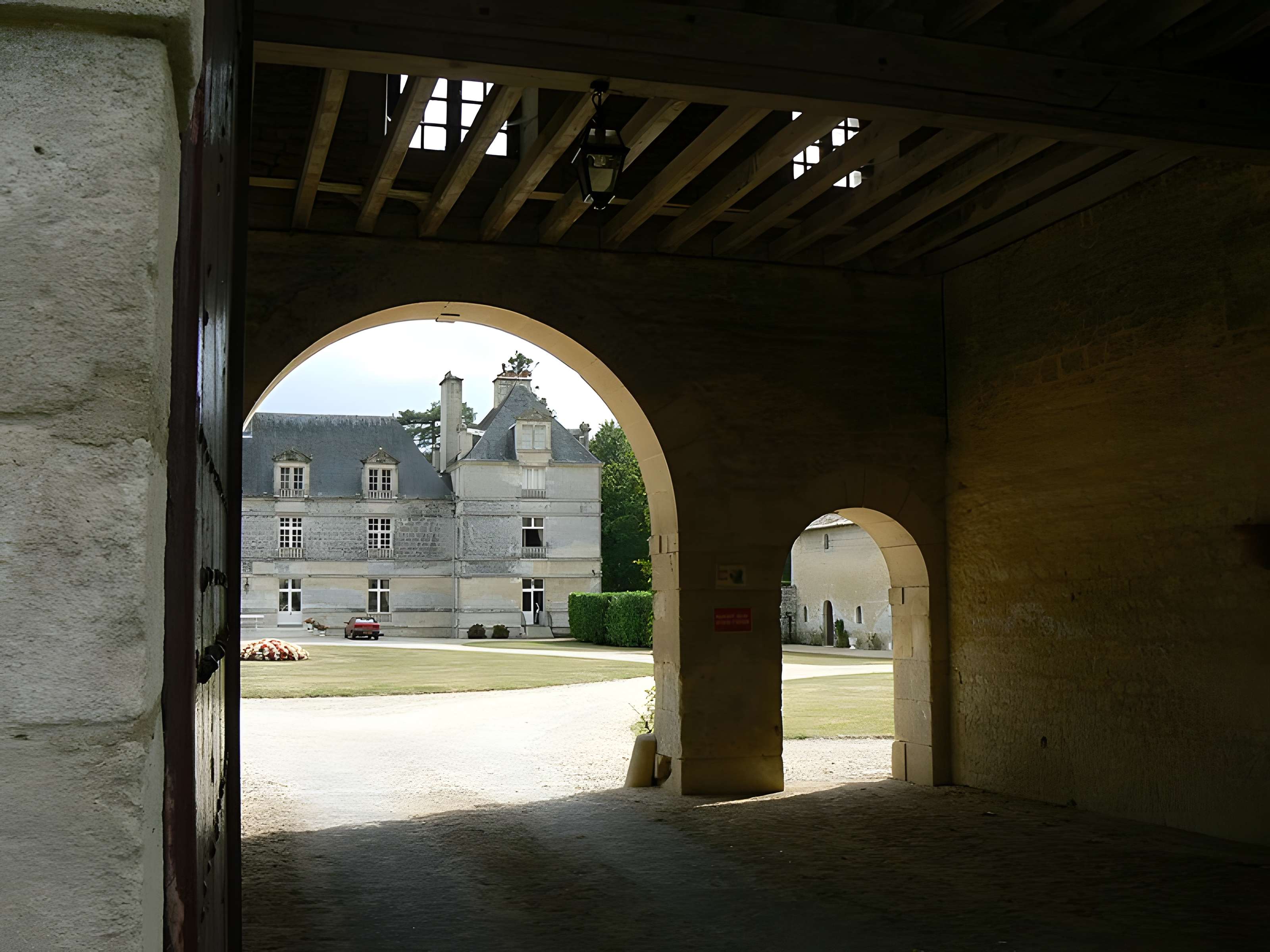
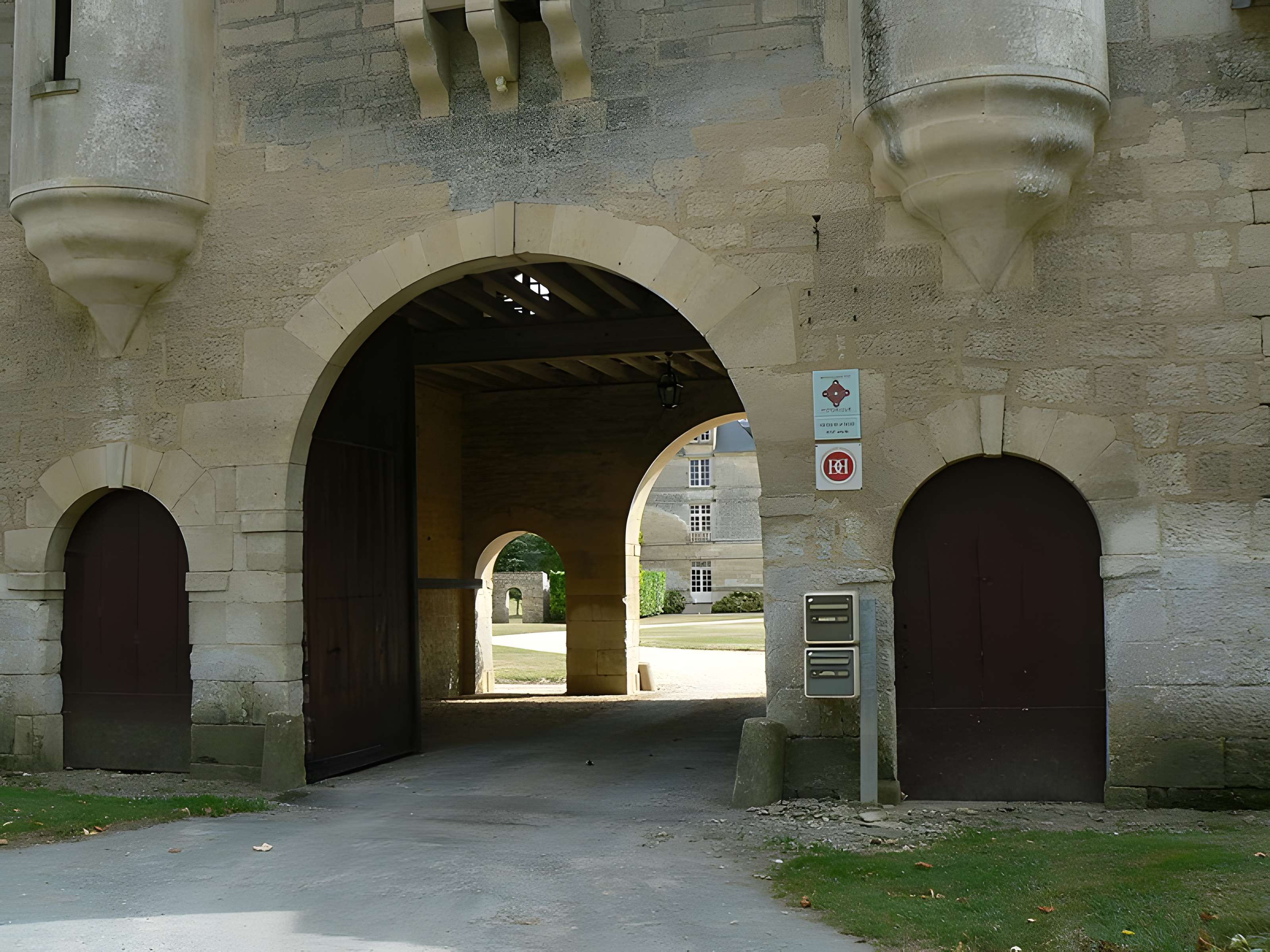
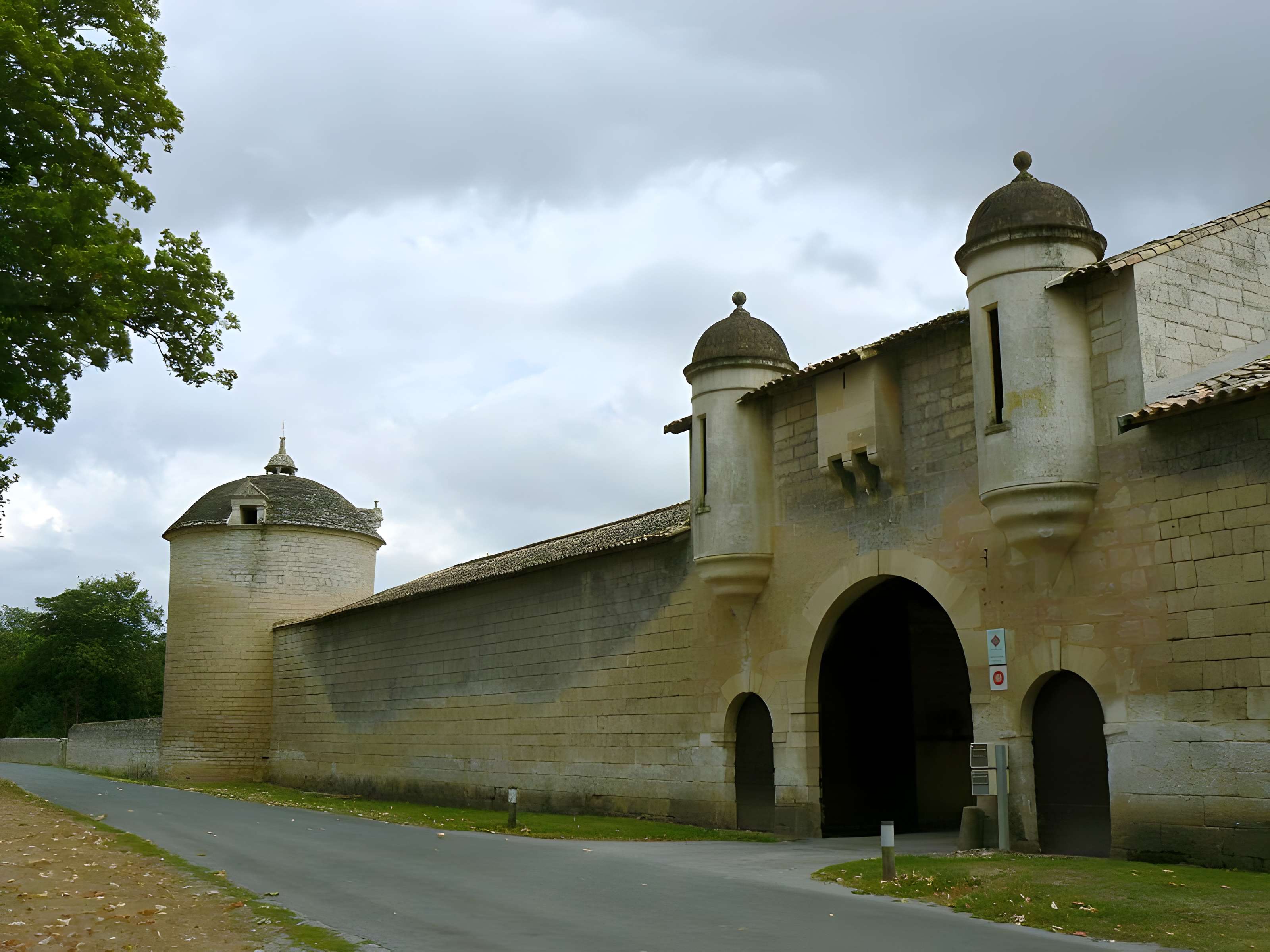
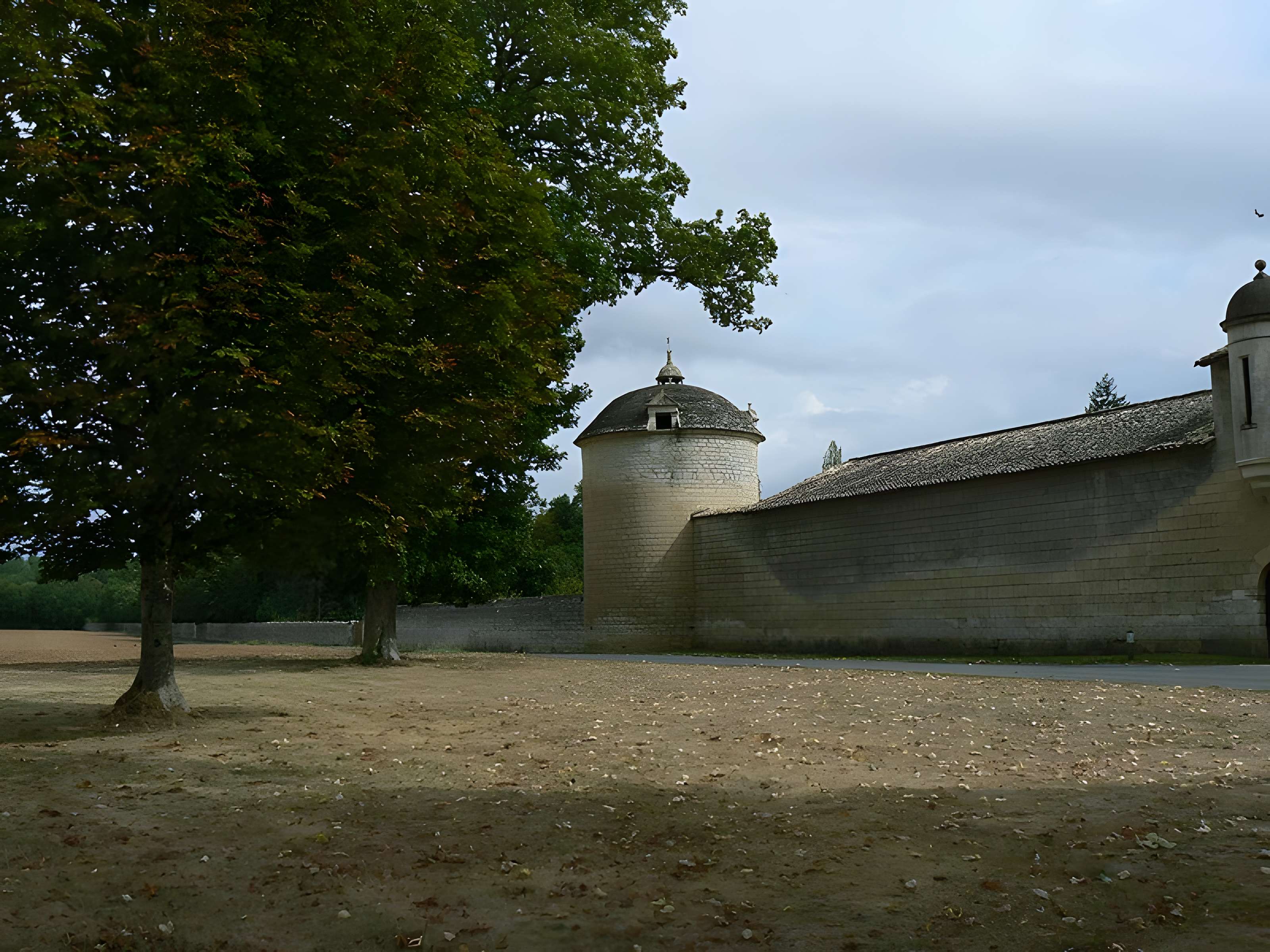
The building of the castle was attributed to Joshua of the Fay, who married Préjente de Magné in 1629. Their coat of arms adorn the north facade. The estate, including commons and two fortified dovecotes, was conceived as a coherent and defensive set, with a turret-shaped brace covering the entrance. These elements, such as the stone roofs of the pigeons and their lanterns, remained intact, illustrating the exceptional preservation of the site.

During the Revolution, the Du Fay de La Taillée, having emigrated, saw their castle put on sale as a national good, but for lack of buyer, it was returned to them upon their return. Passed from their descendants, the castle was inscribed to historical monuments in two stages: in 1969 for its facades and roofs, then in 1987 for its communes, porch and dovecotes. His history is also linked to prestigious marriage alliances, such as that of Georges-Guillaume du Fay with Françoise du Vergier de La Rochejaquelein, descendant of the poet Agrippa d'Aubigné.

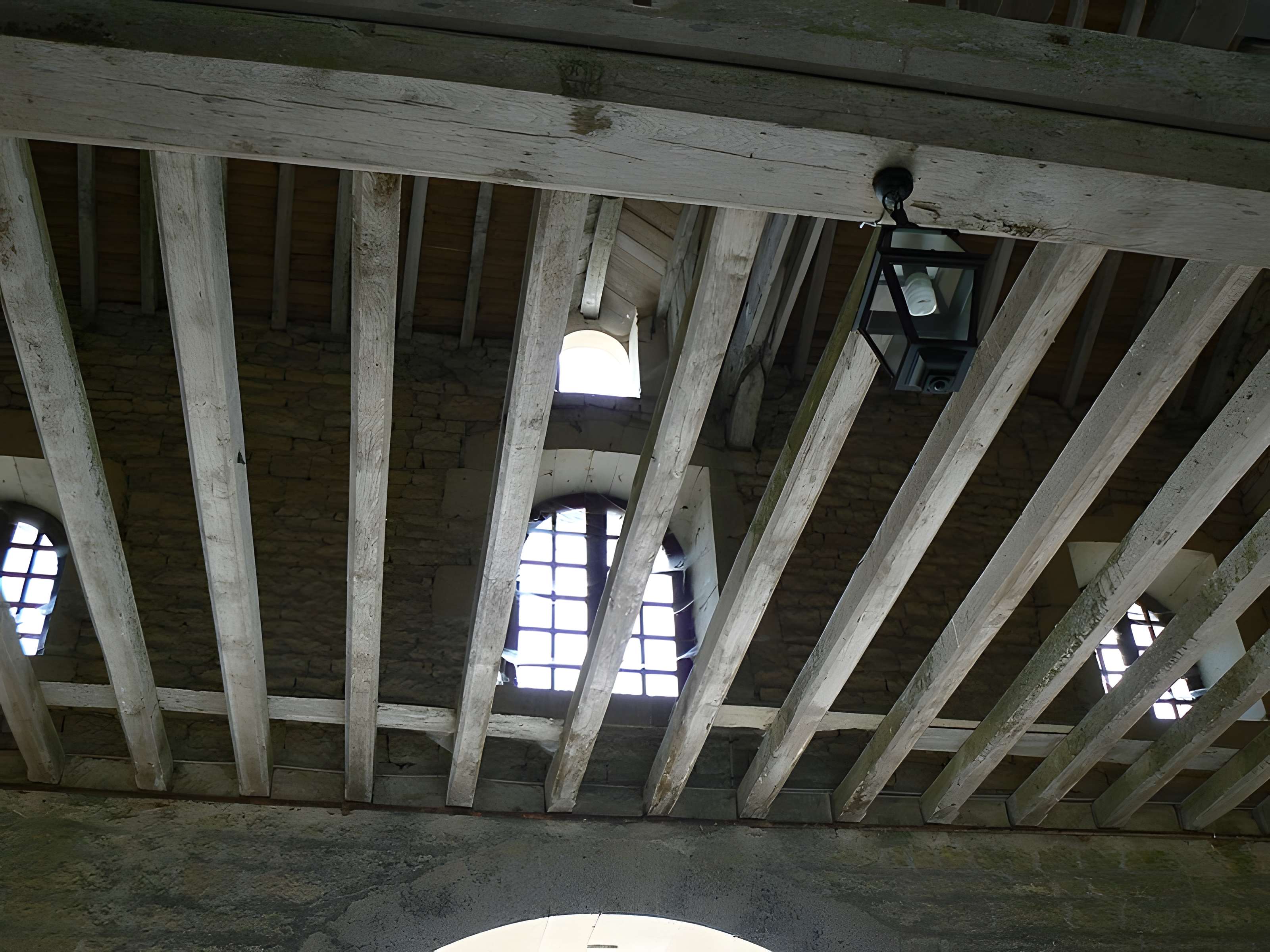
The architecture of the castle reflects the influences of its time, with defensive elements (ground floor of the pigeons built for defense) and aesthetics (triangular-pedestrian windows, stone domes). The original composition, including the courtyard closed by the commons, remained unchanged, offering a rare testimony of the art of building in the seventeenth century in Poitou-Charentes.

External links