Initial construction Moyen Âge (≈ 1125)
Origin as a medieval strong house
XVIIIe siècle
Residential transformation
Residential transformation XVIIIe siècle (≈ 1850)
Alterations in house agrest habitable
17 mars 2003
Registration historical monument
Registration historical monument 17 mars 2003 (≈ 2003)
Protection of facades, towers and fences
Aujourd'hui
Aujourd'hui
Aujourd'hui Aujourd'hui (≈ 2025)
Position de référence.
Heritage classified
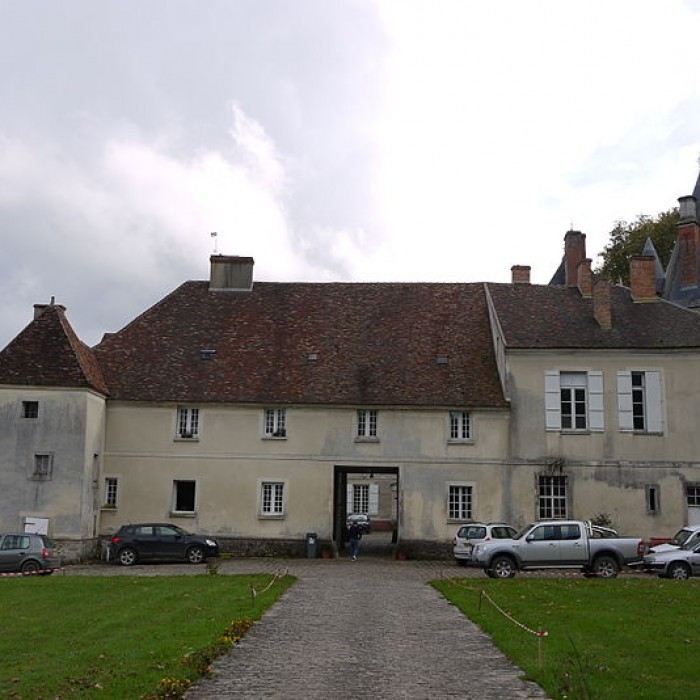
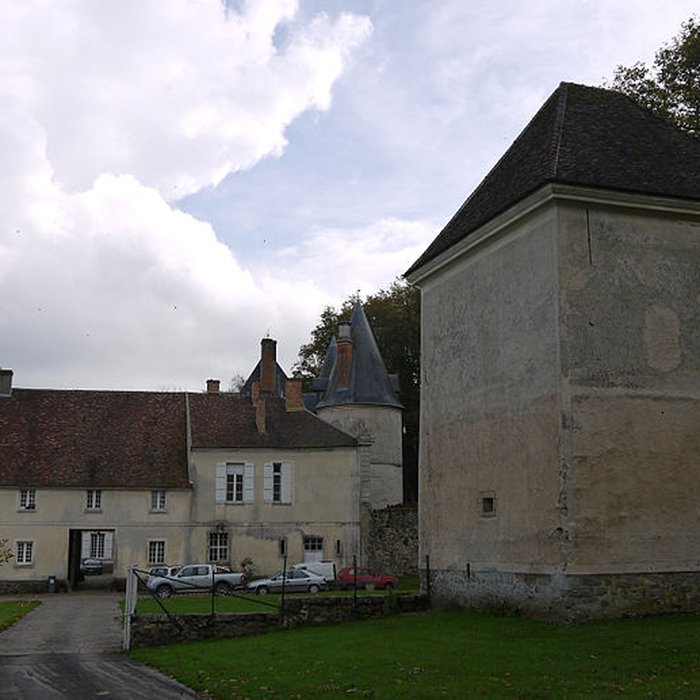
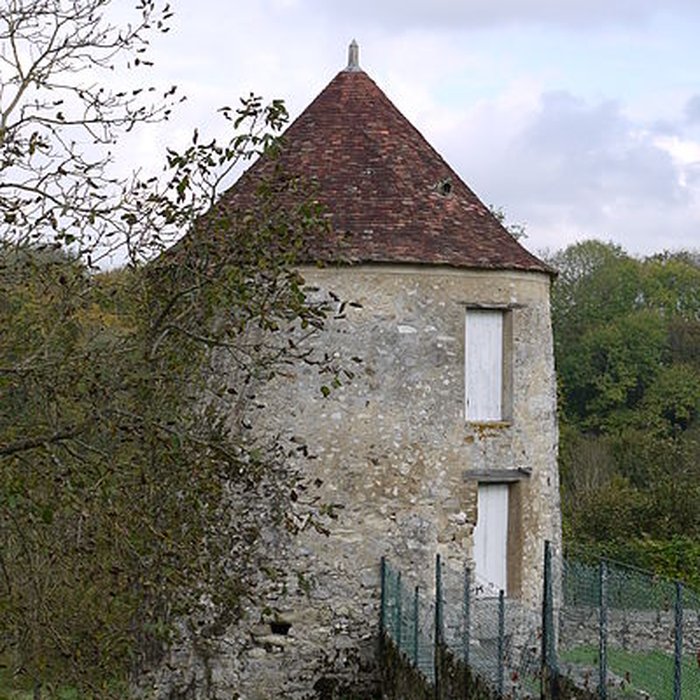
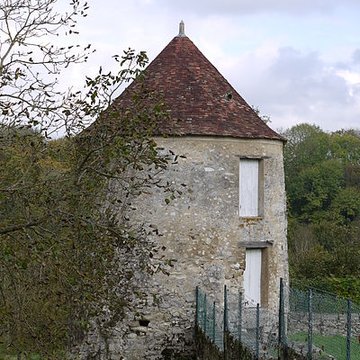
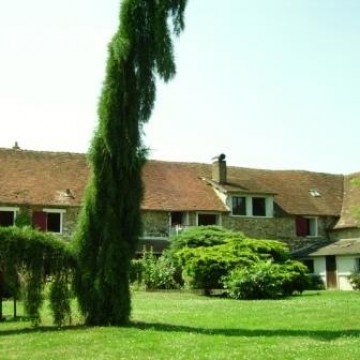
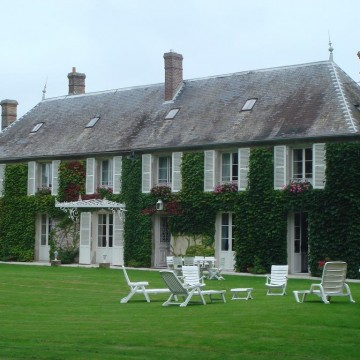
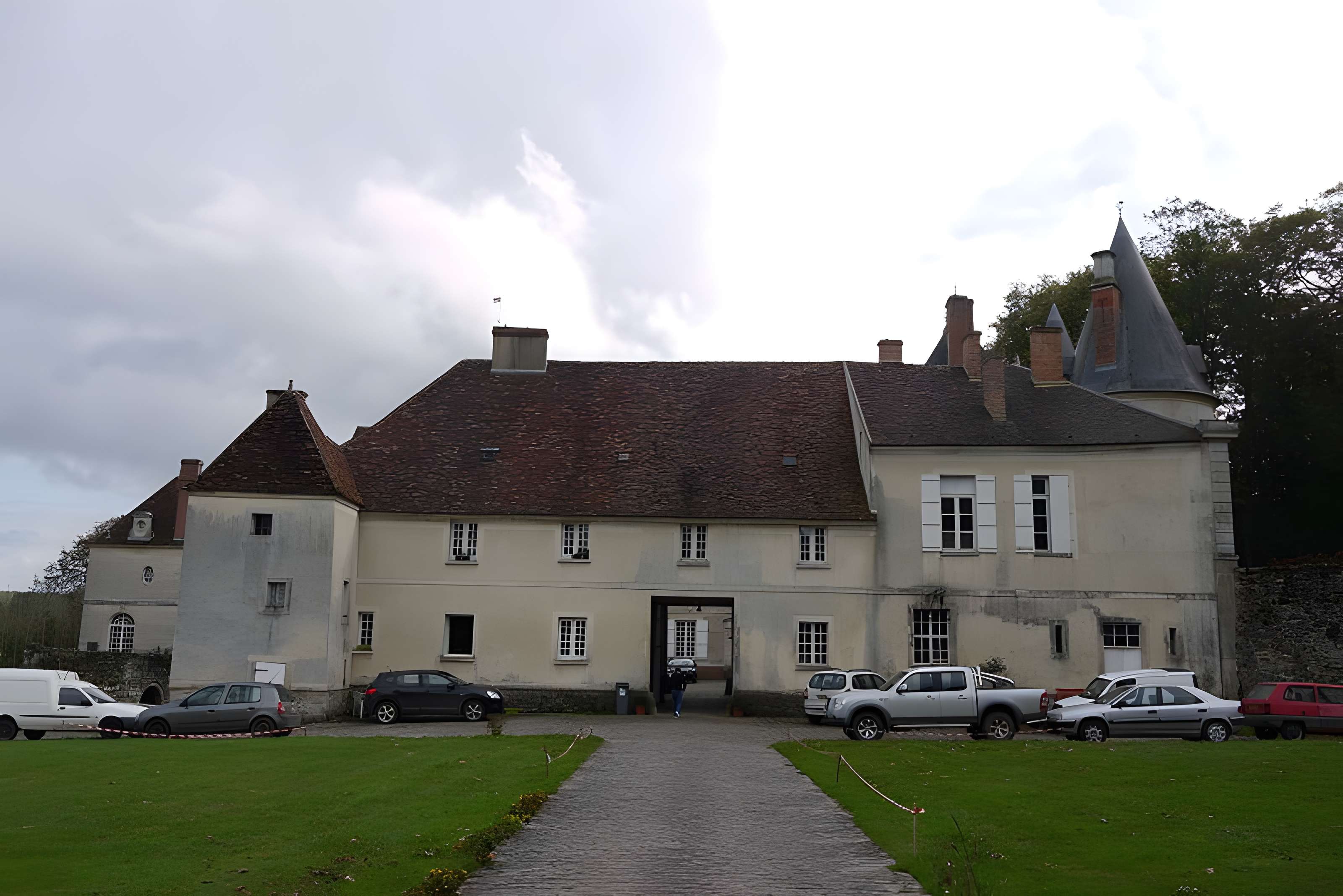
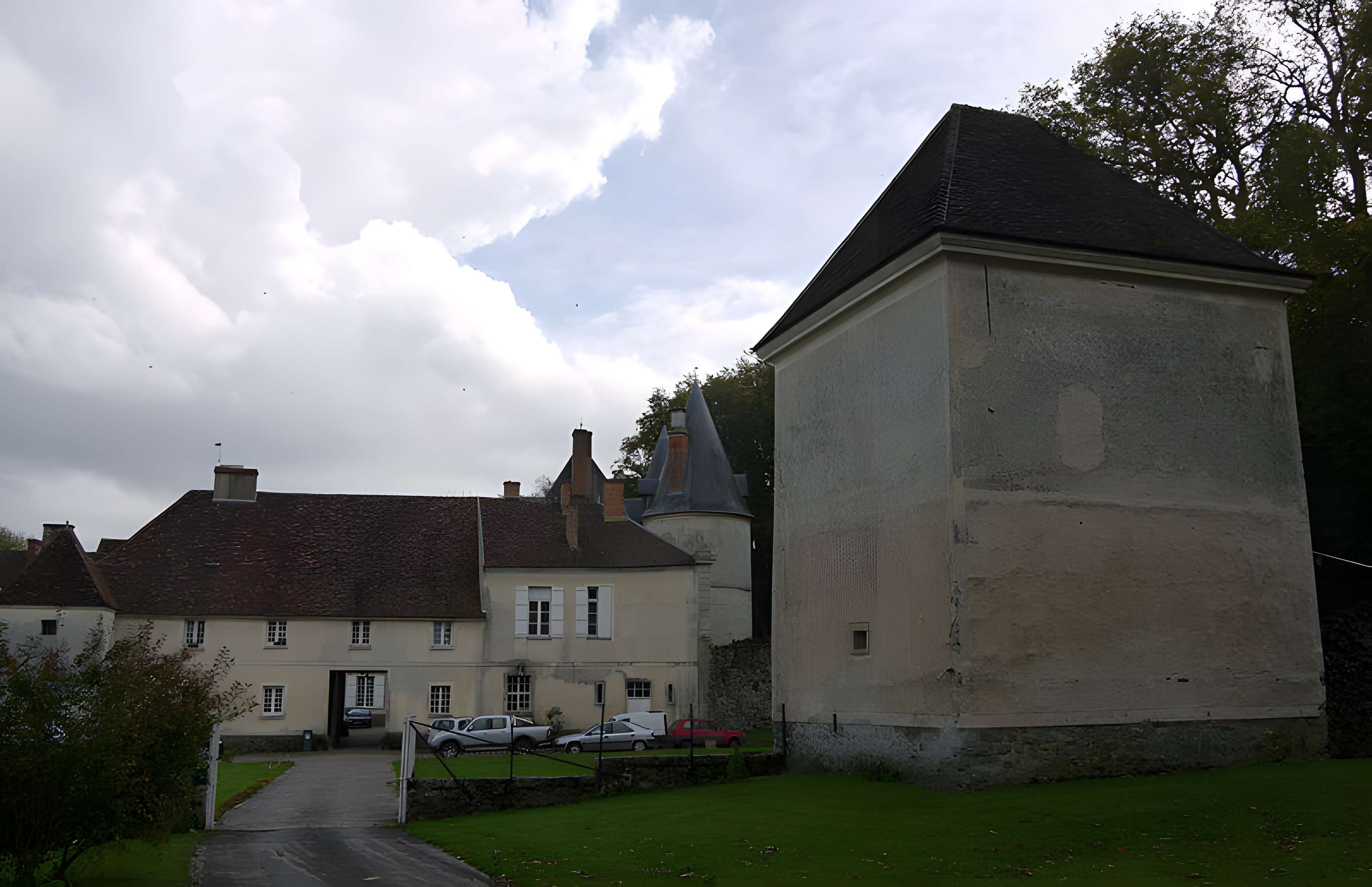
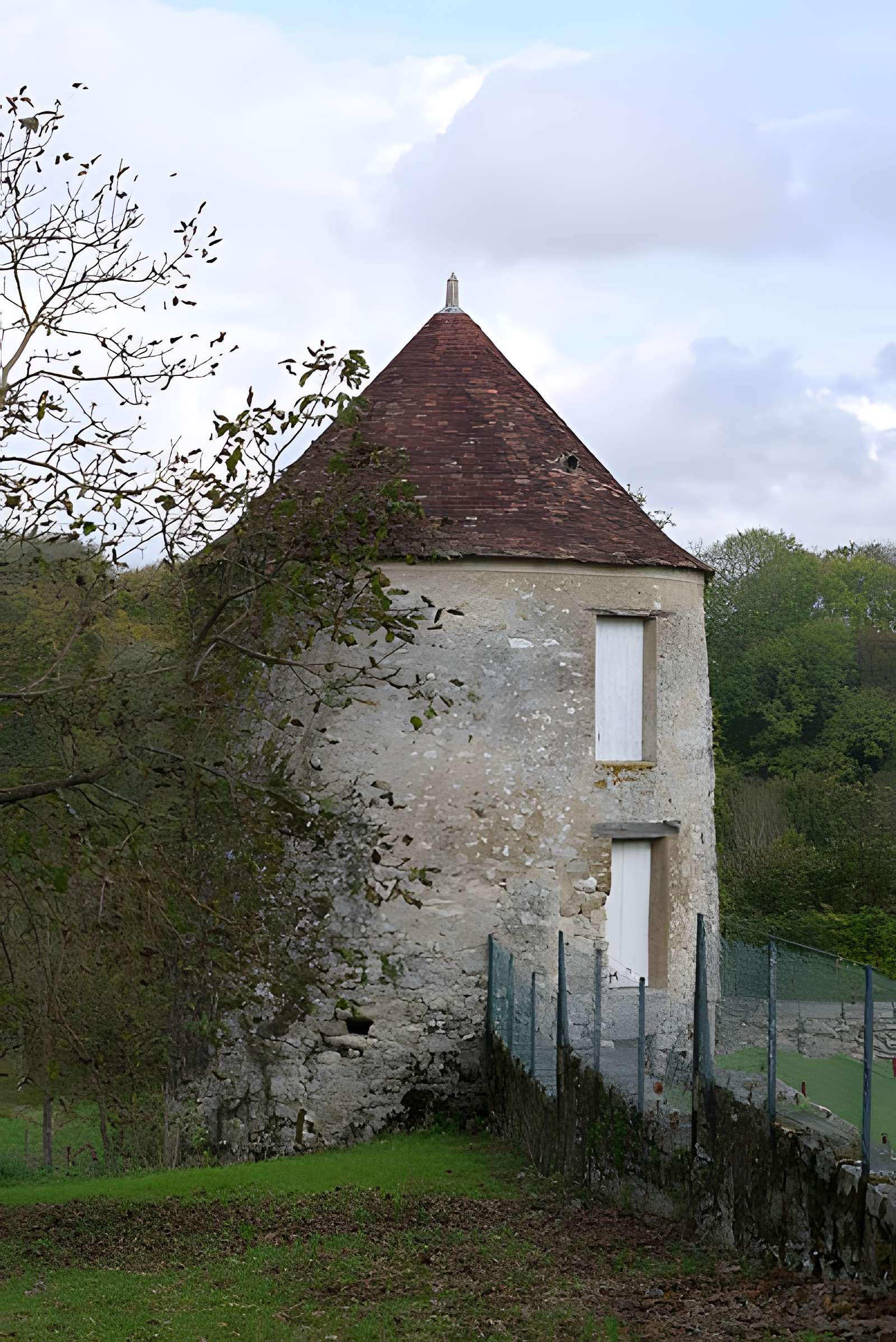
The facades and roofs of the castle; the towers of the park (the dovecote and the small tower); the old garden fence (cad. A1 29, 32, 33, 651, 652, 655): registration by order of 17 March 2003
Origin and history
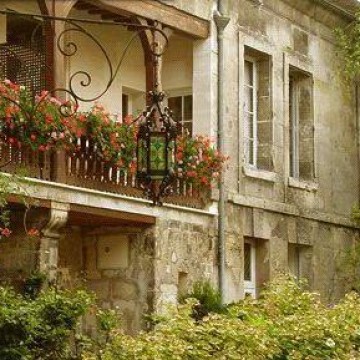
The Château de Marigny-en-Orxois is an old fortified house dating back to the Middle Ages. Located in the village of Marigny-en-Orxois, in the department of Aisne (Hauts-de-France), this monument has undergone successive transformations to become an agrest and habitable residence, especially in the eighteenth century. Its architecture thus reflects centuries of evolution, mixing medieval defensive elements with more recent developments.
The castle has been listed as historical monuments since 17 March 2003. This protection specifically concerns its facades and roofs, as well as two towers located in the park (a dovecote and a small tower), and the old fence of the garden. These elements demonstrate its heritage importance, both for its local history and for its architecture characteristic of the region.
Originally, this type of strong house played a central role in the feudal organization: it served as both a refuge, a symbol of power for local lords, and a place for managing surrounding agricultural land. In Aisne, as in other rural areas of northern France, these buildings were often integrated into farming or livestock estates, reflecting an economy largely oriented towards these activities until modern times.







Announcements
Please log in to post a review