Logo Musée du Patrimoine

All French heritage classified by regions, departments and cities

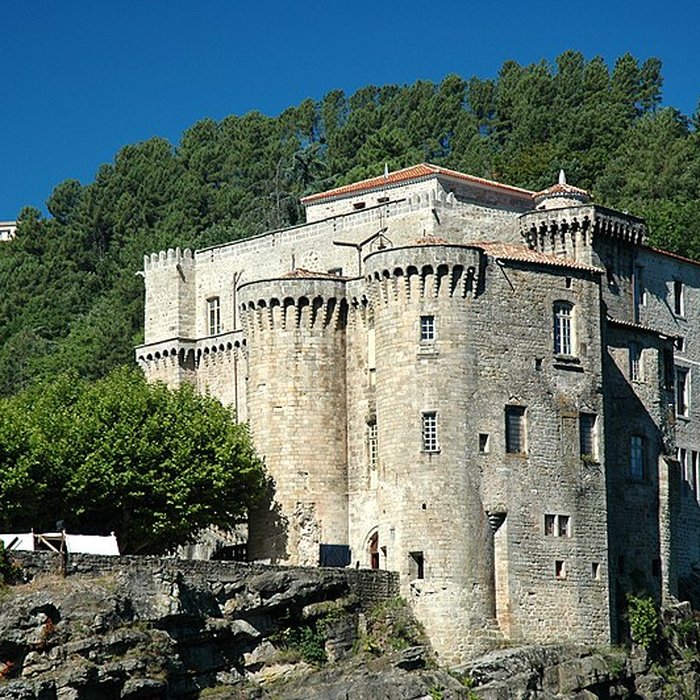
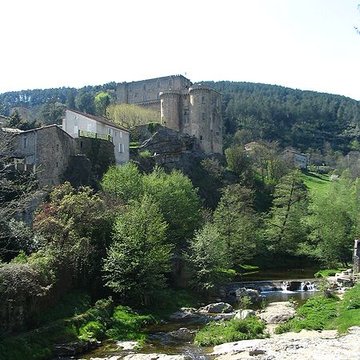
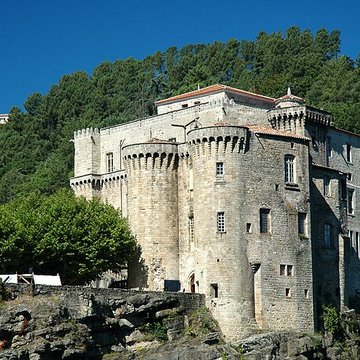
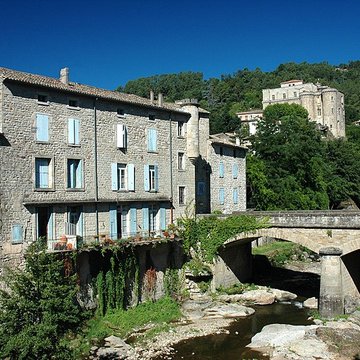
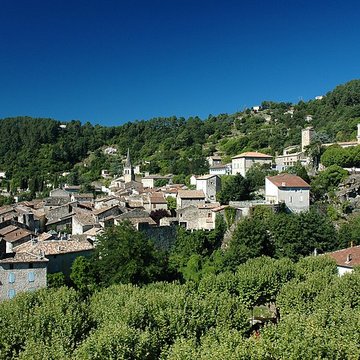
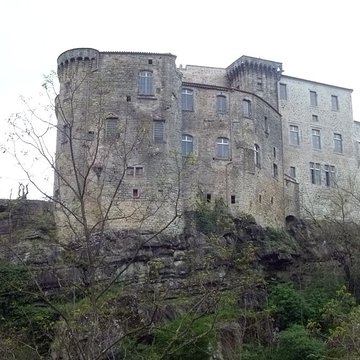
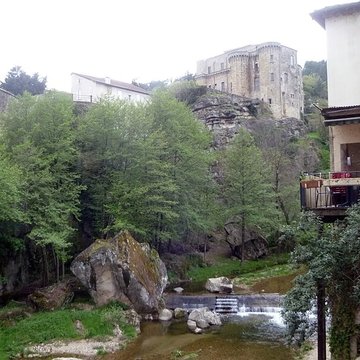
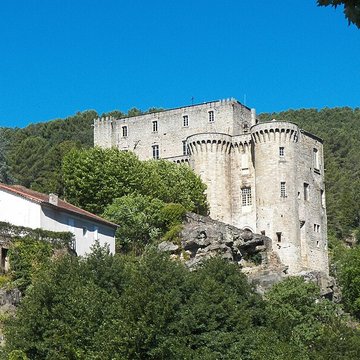
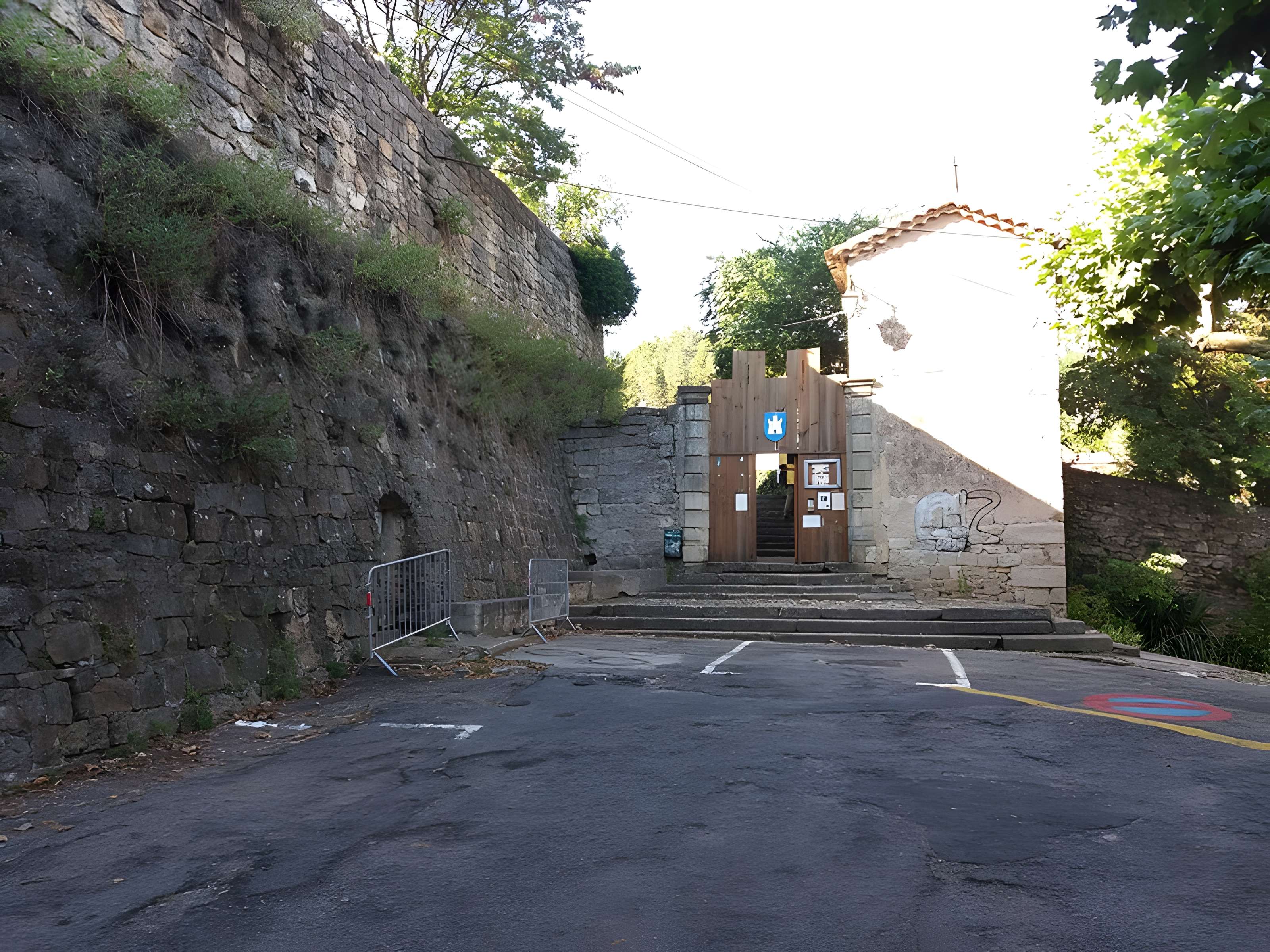
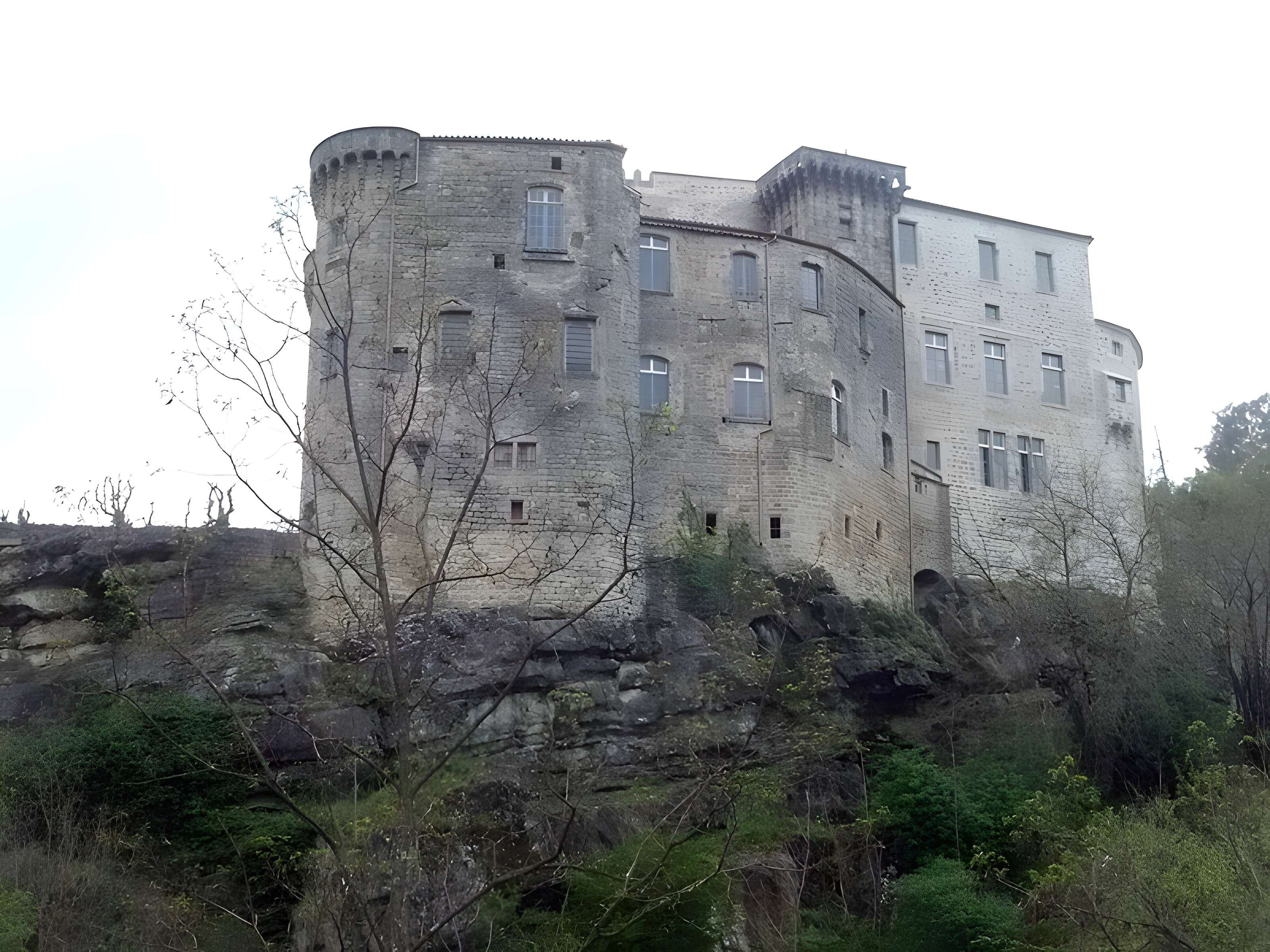
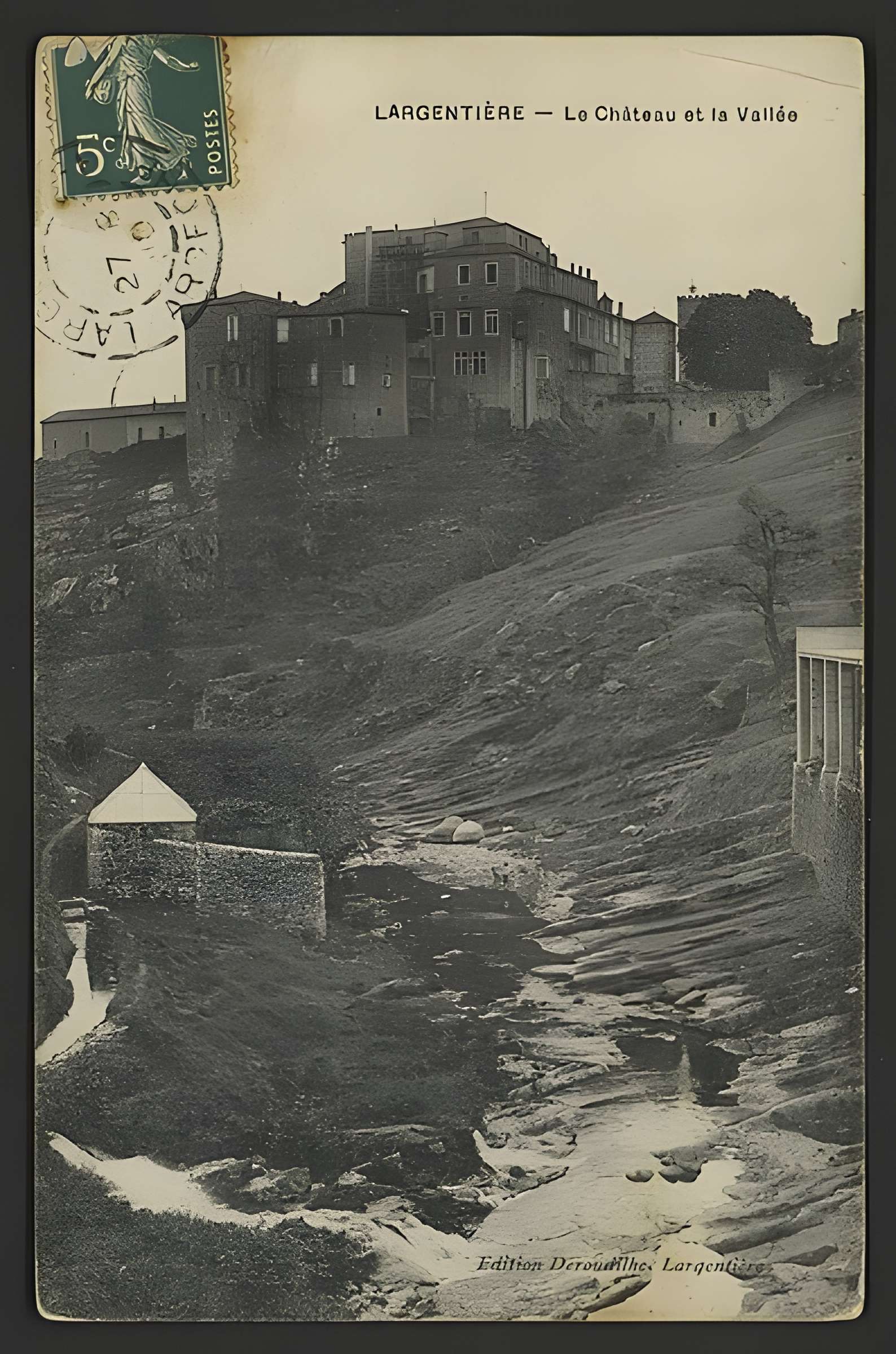
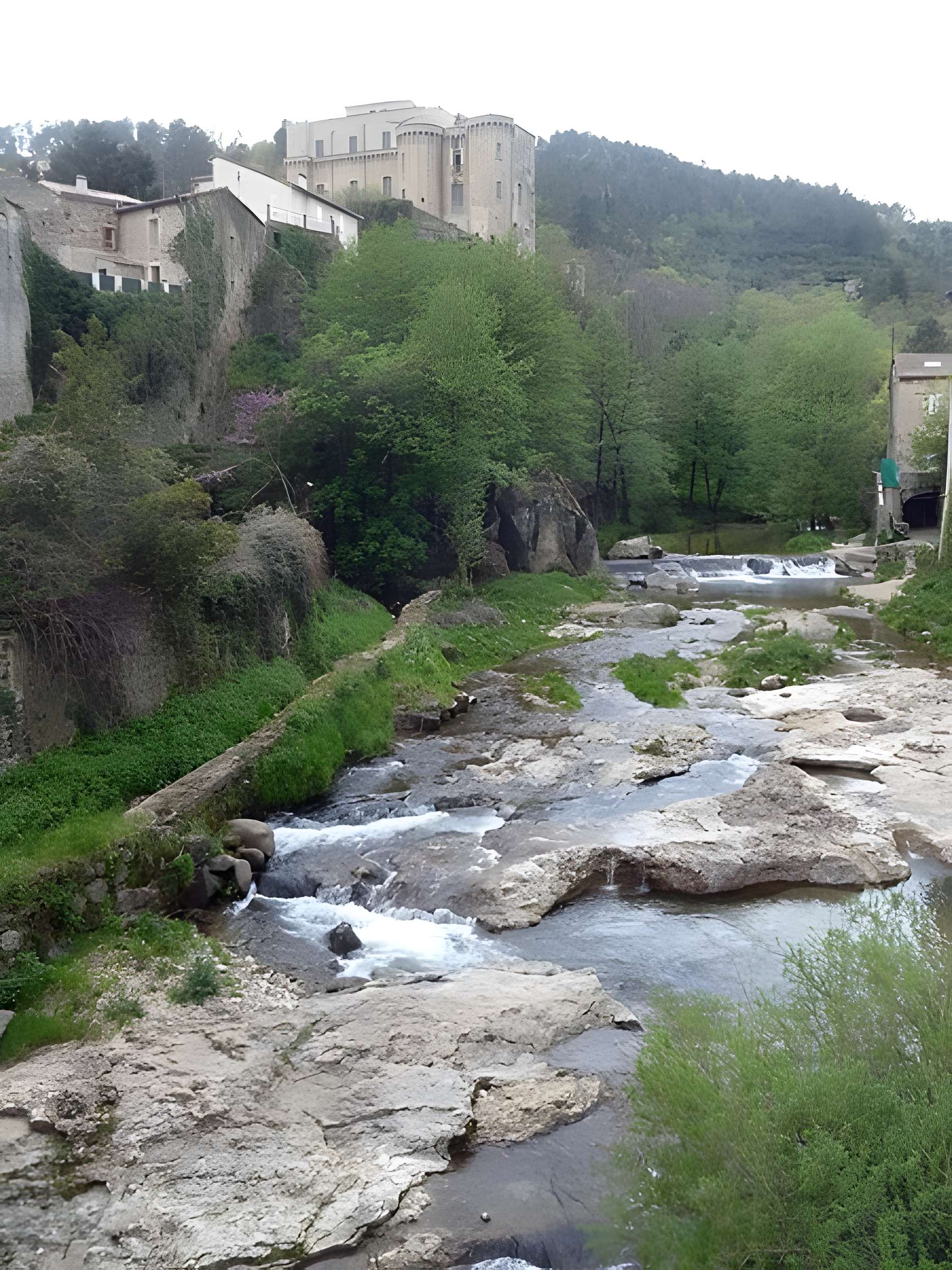
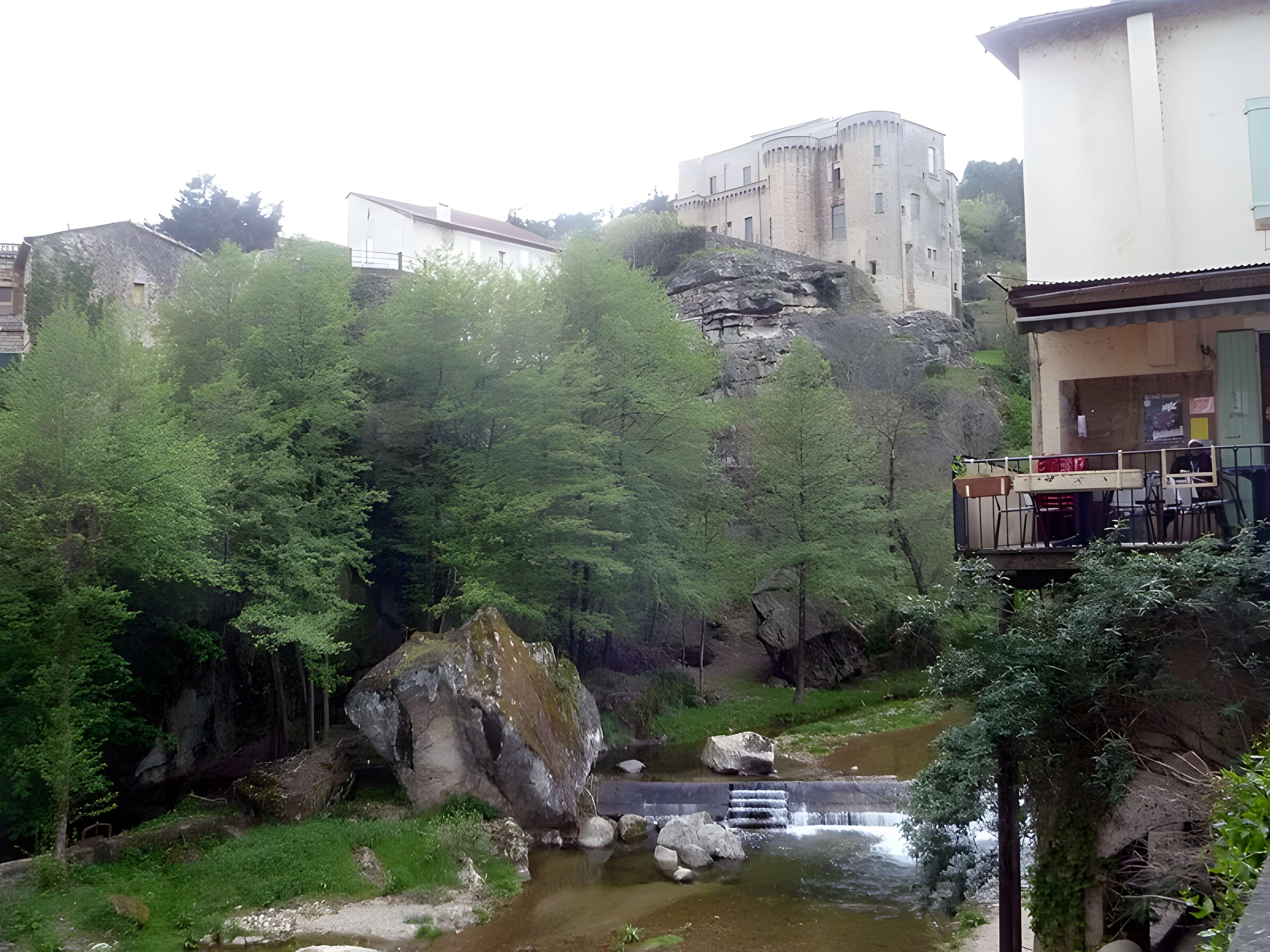
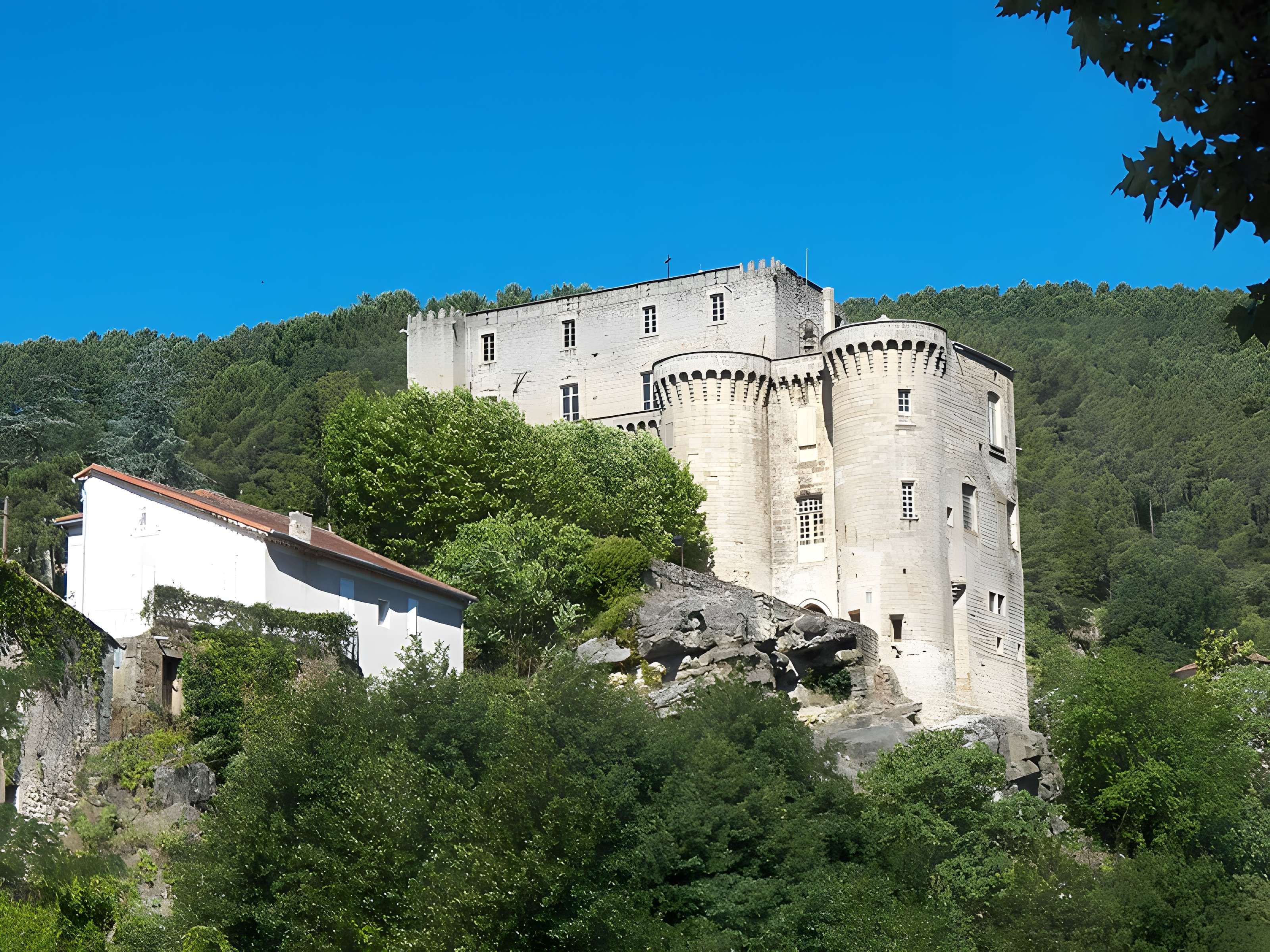
Château de Largentière en Ardèche

Patrimoine classé
Patrimoine défensif
Demeure seigneuriale
Château fort

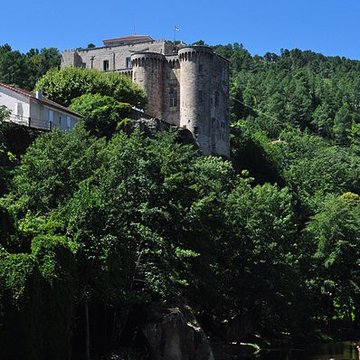
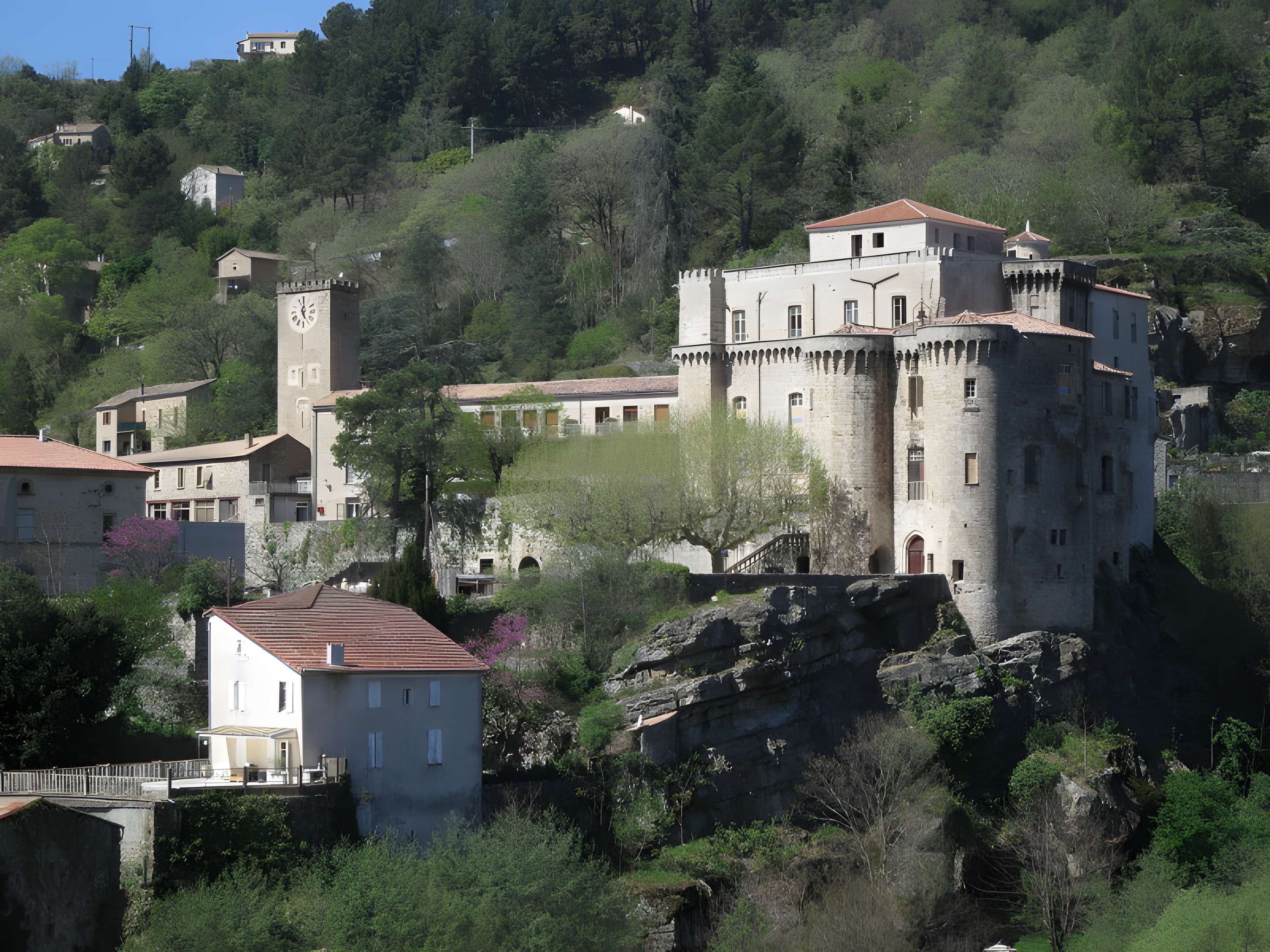
Château de Largentière

    17 D305
    07110 Largentière
Ownership of the municipality
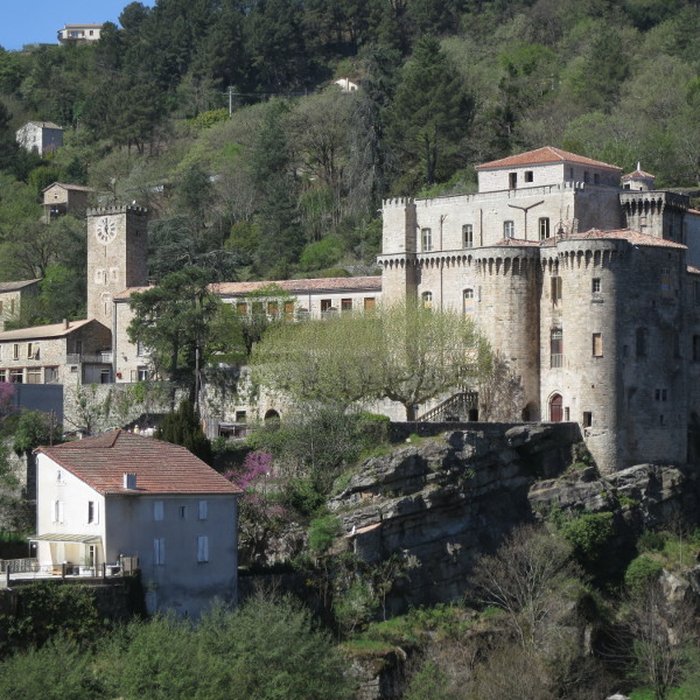
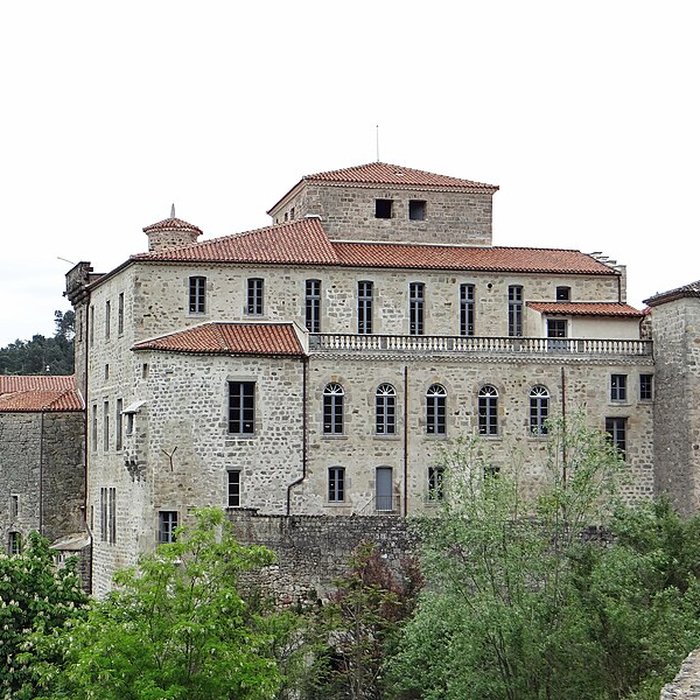
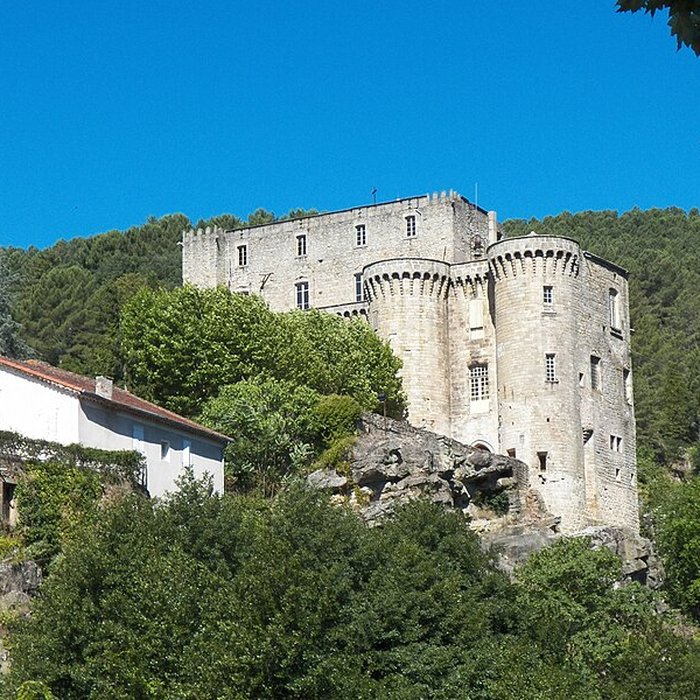
Château de Largentière
Crédit photo : Pramzan - Sous licence Creative Commons

Timeline

Moyen Âge central
Bas Moyen Âge
Renaissance
Temps modernes
Révolution/Empire
XIXe siècle
Époque contemporaine
1200
1300
1400
1500
1600
1700
1800
1900
2000
1177
Right to beat currency
1210
Bishop-count Agreement
1226
Taken by Louis VIII
XIIIe siècle
Initial construction
1670
Seat during the revolt in Roure
1714
Sale to the Marquis de Brison
1847
Purchase by the city
2015
Restoration of the dungeon
Aujourd'hui
Aujourd'hui
2027
Planned opening of campus

Heritage classified

Castle (former): inscription by order of 31 May 1927

Key figures

Frédéric Barberousse - Emperor of the Holy Empire Grant the right of currency to the bishop (1177).
Raymond V de Toulouse - Count of Toulouse Bishop's Rival for Mines.
Raymond VII de Toulouse - Count of Toulouse Take the castle in 1223 before loss.
Louis VIII - King of France Pick up Largentière in 1226.
Claude de Tournon - Bishop of Viviers Expands the castle (XVI century).
d'Artagnan - King's Musketeer Release the castle in 1670.
François Grimoard de Beaumont - Marquis de Brison Buyer and renovator in 1714.

Origin and history

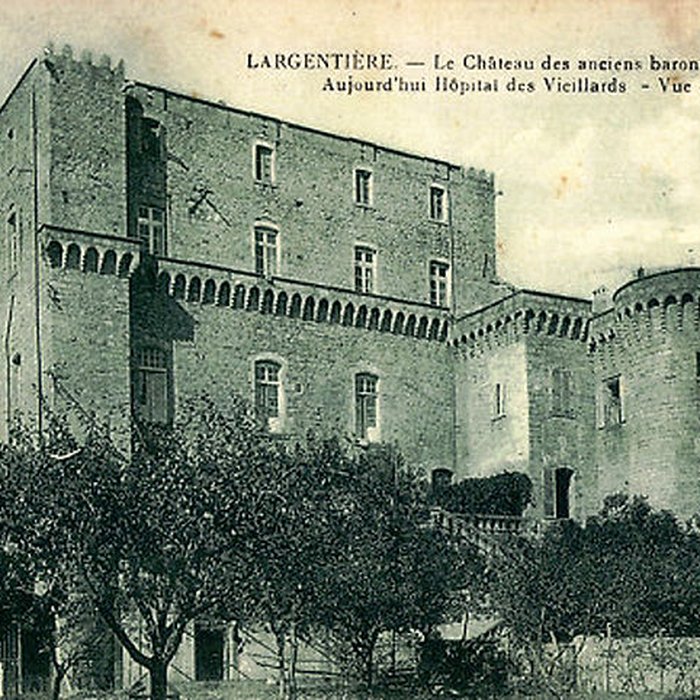
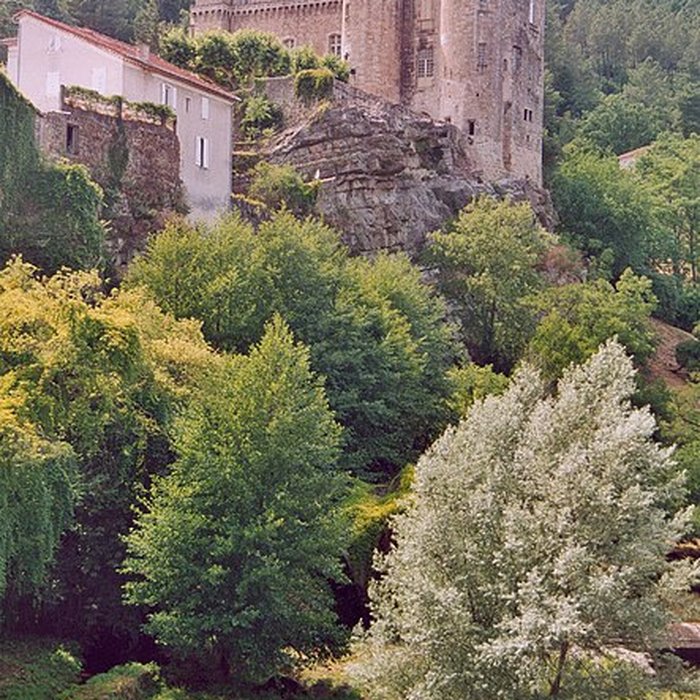
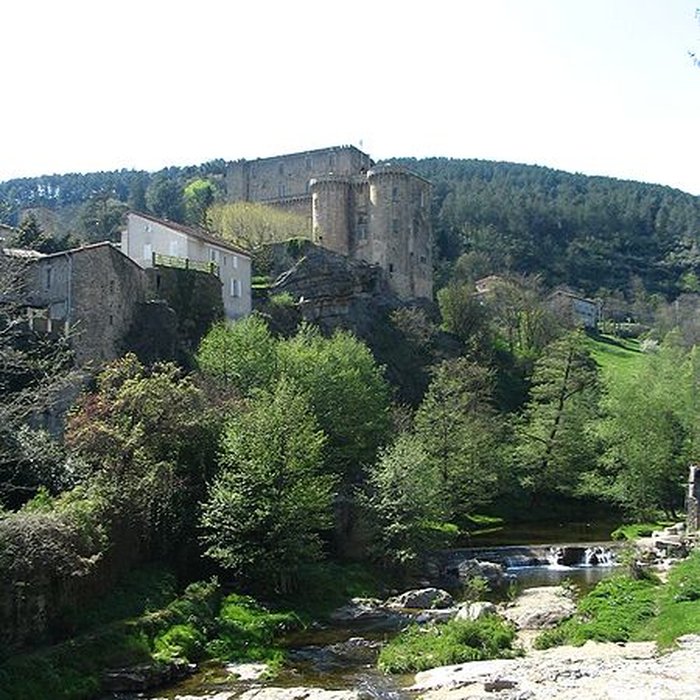
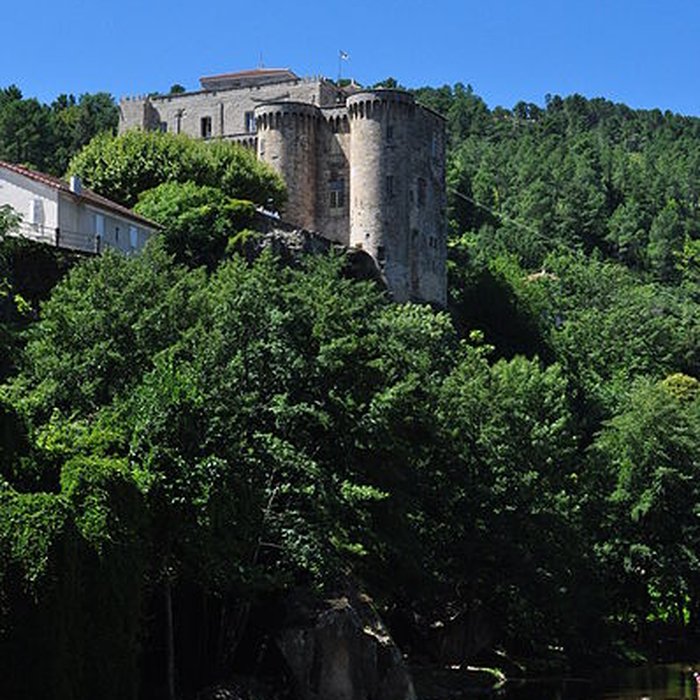
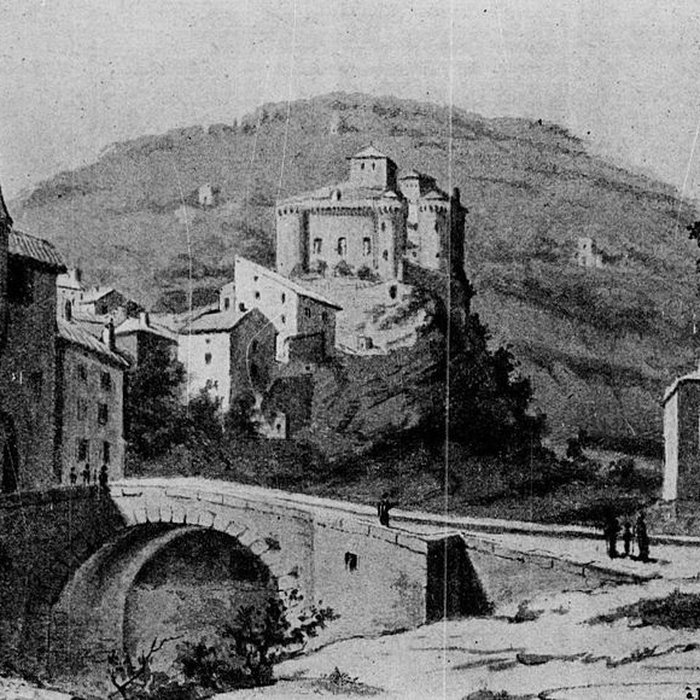
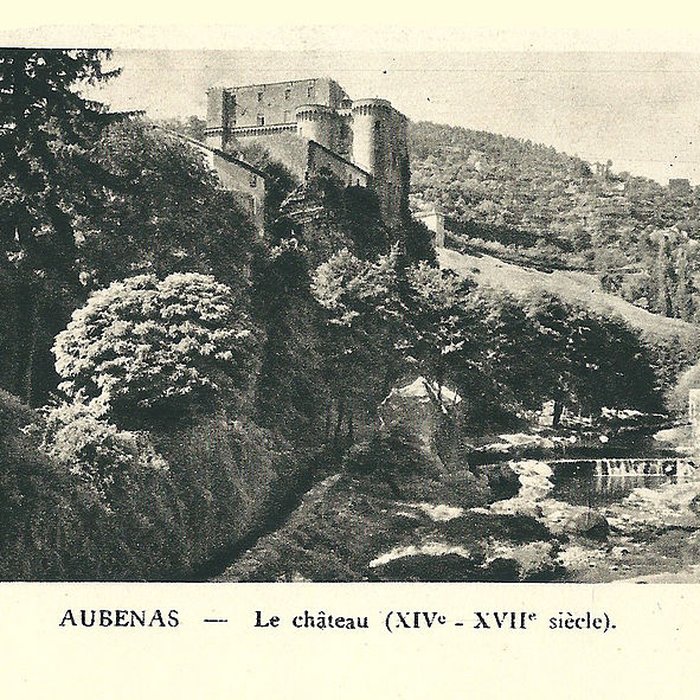
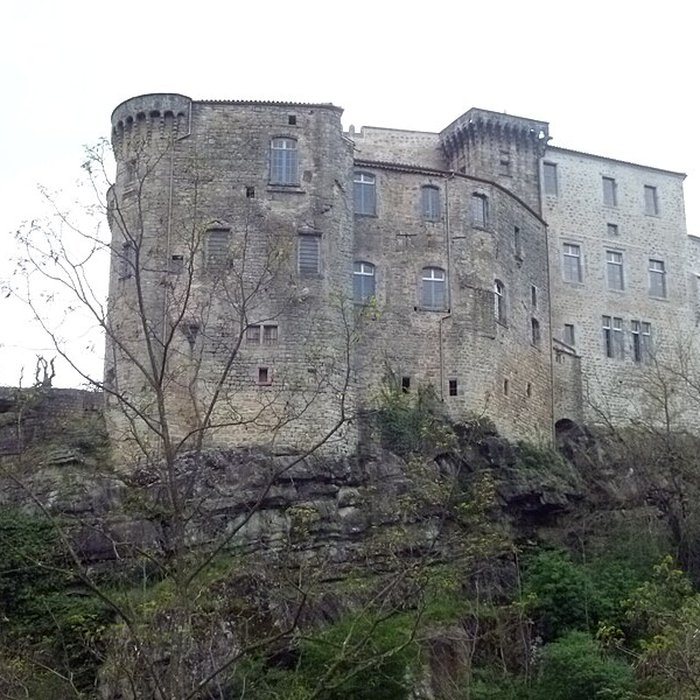
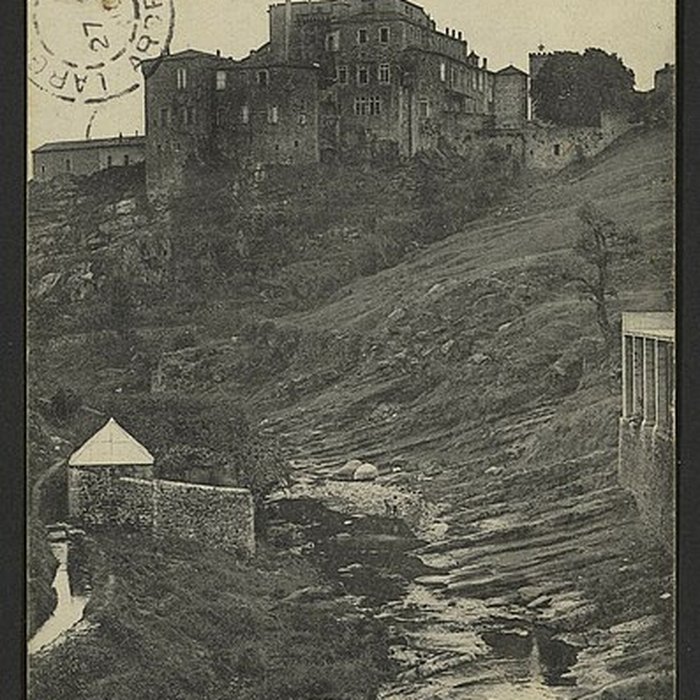
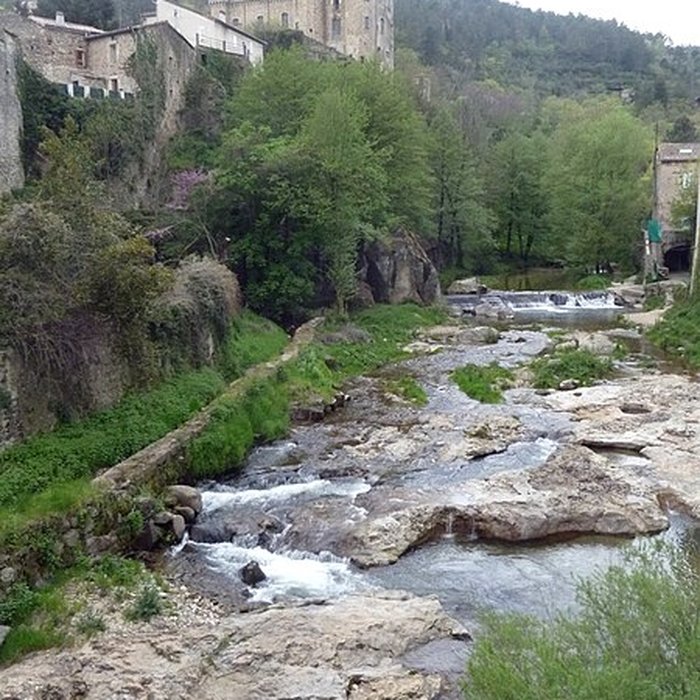
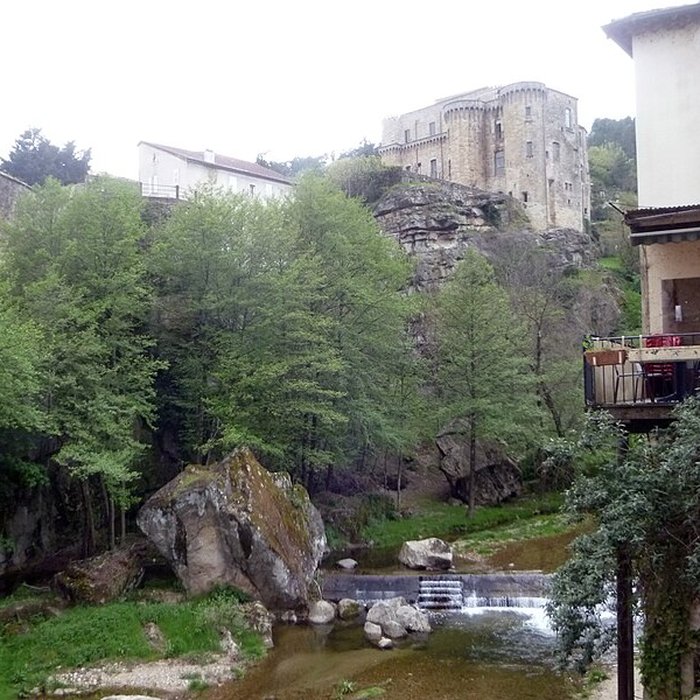
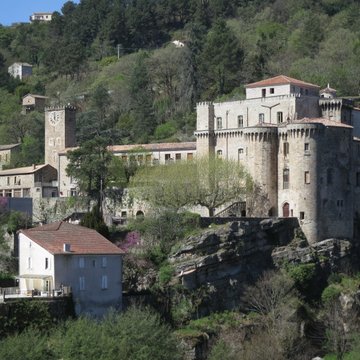
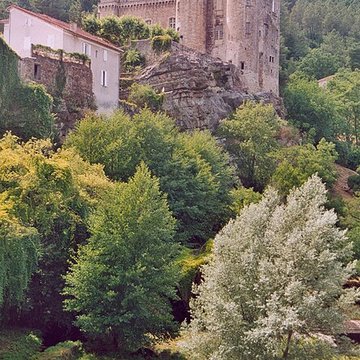
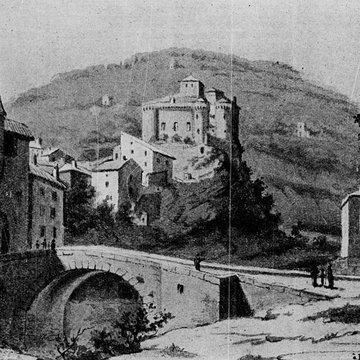
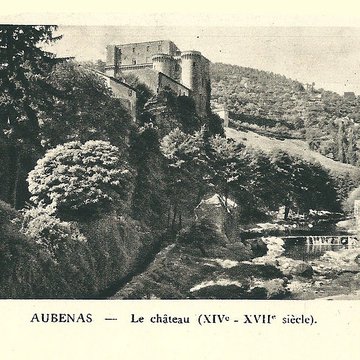
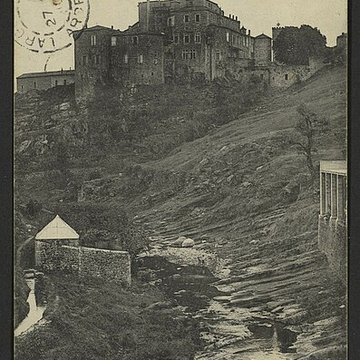
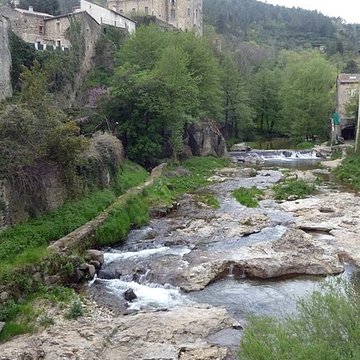
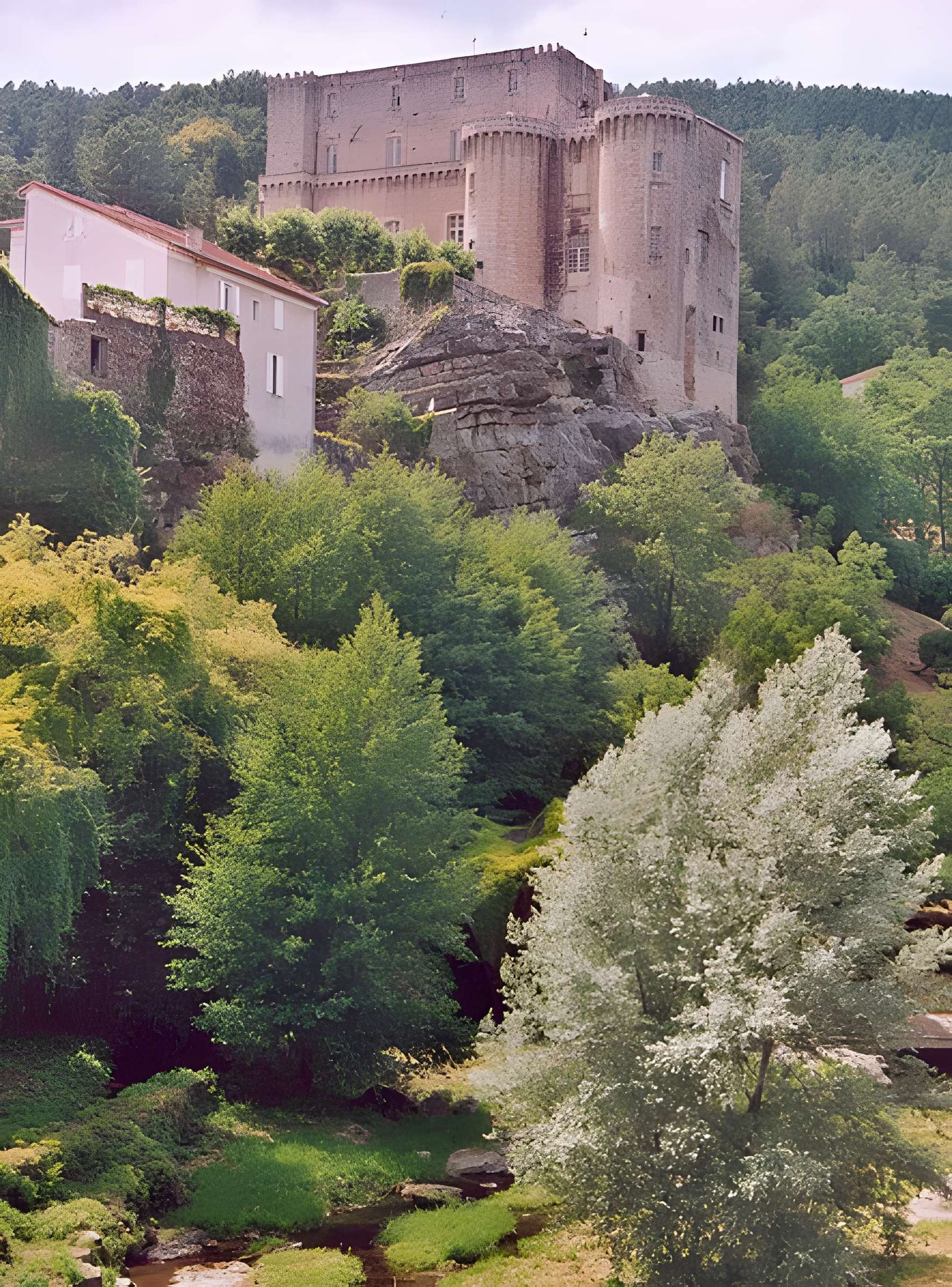
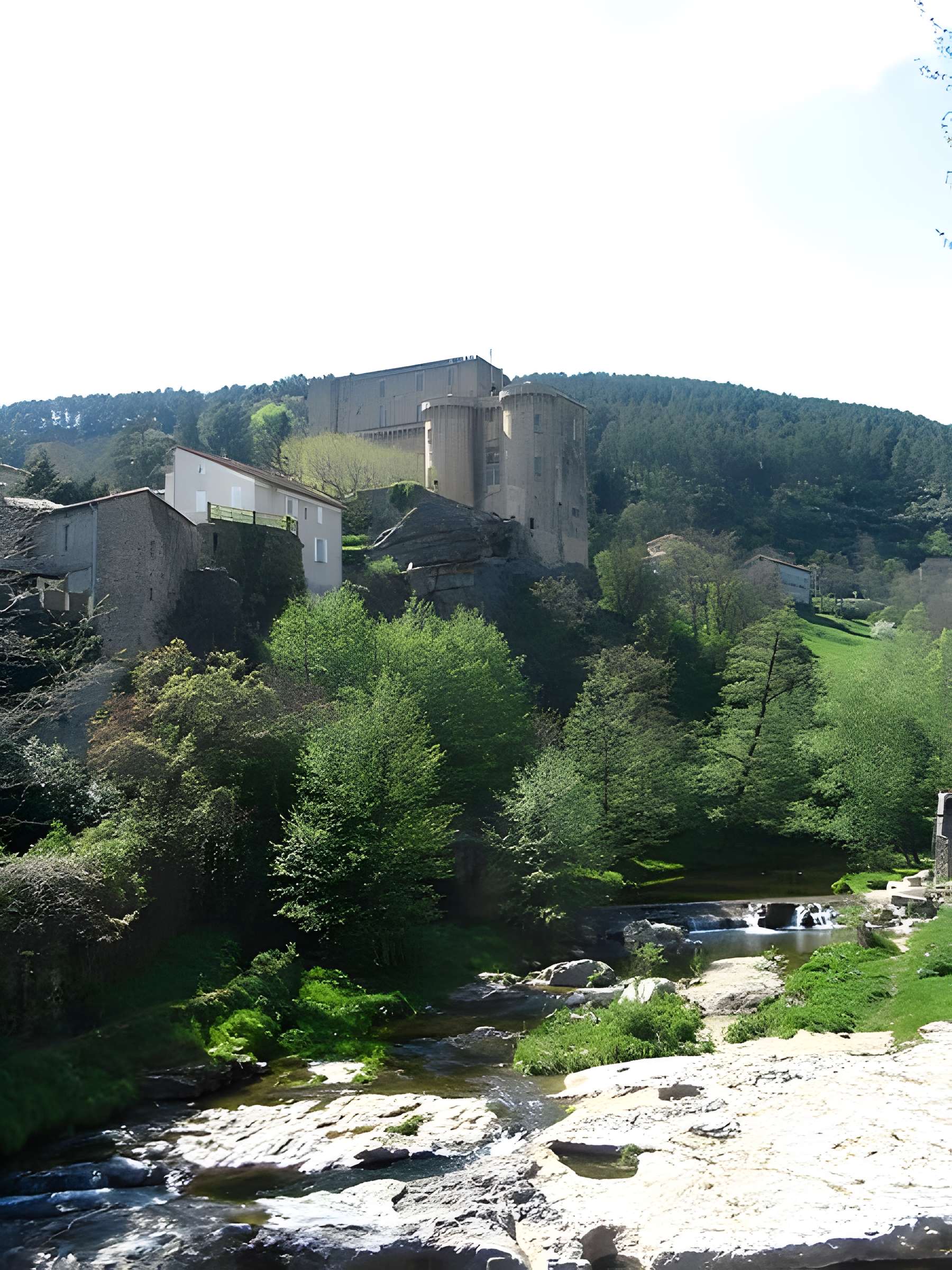
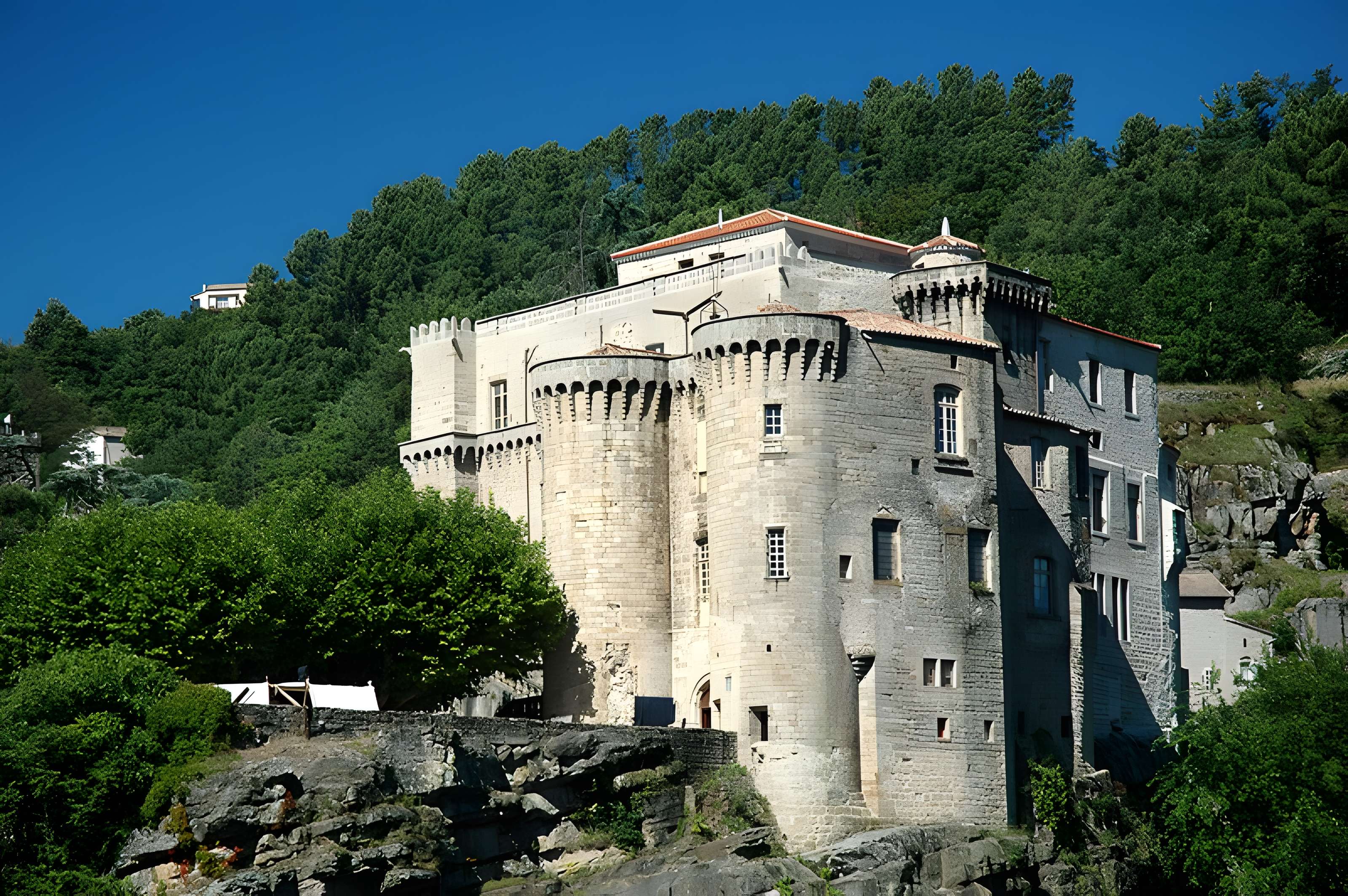
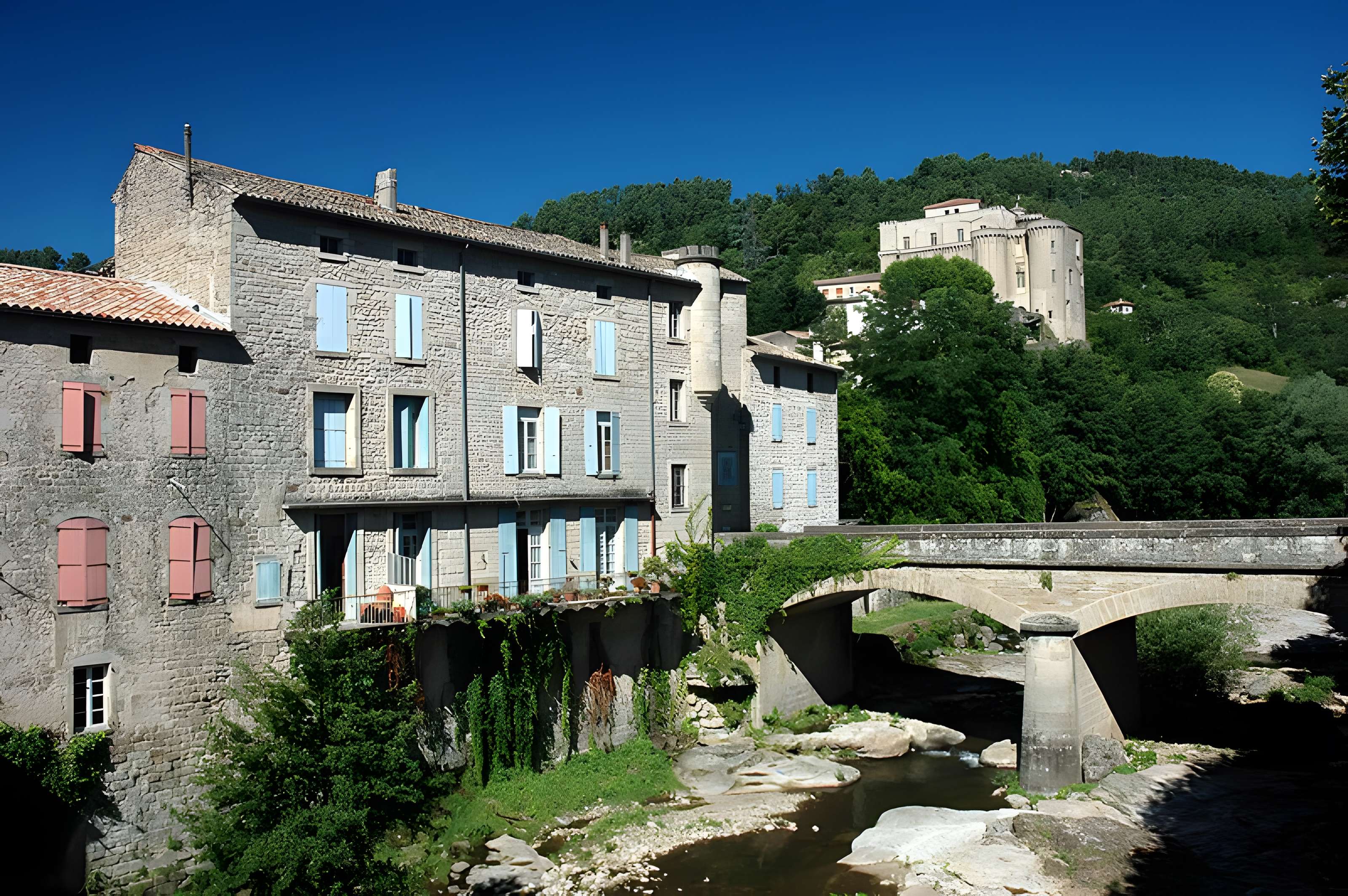
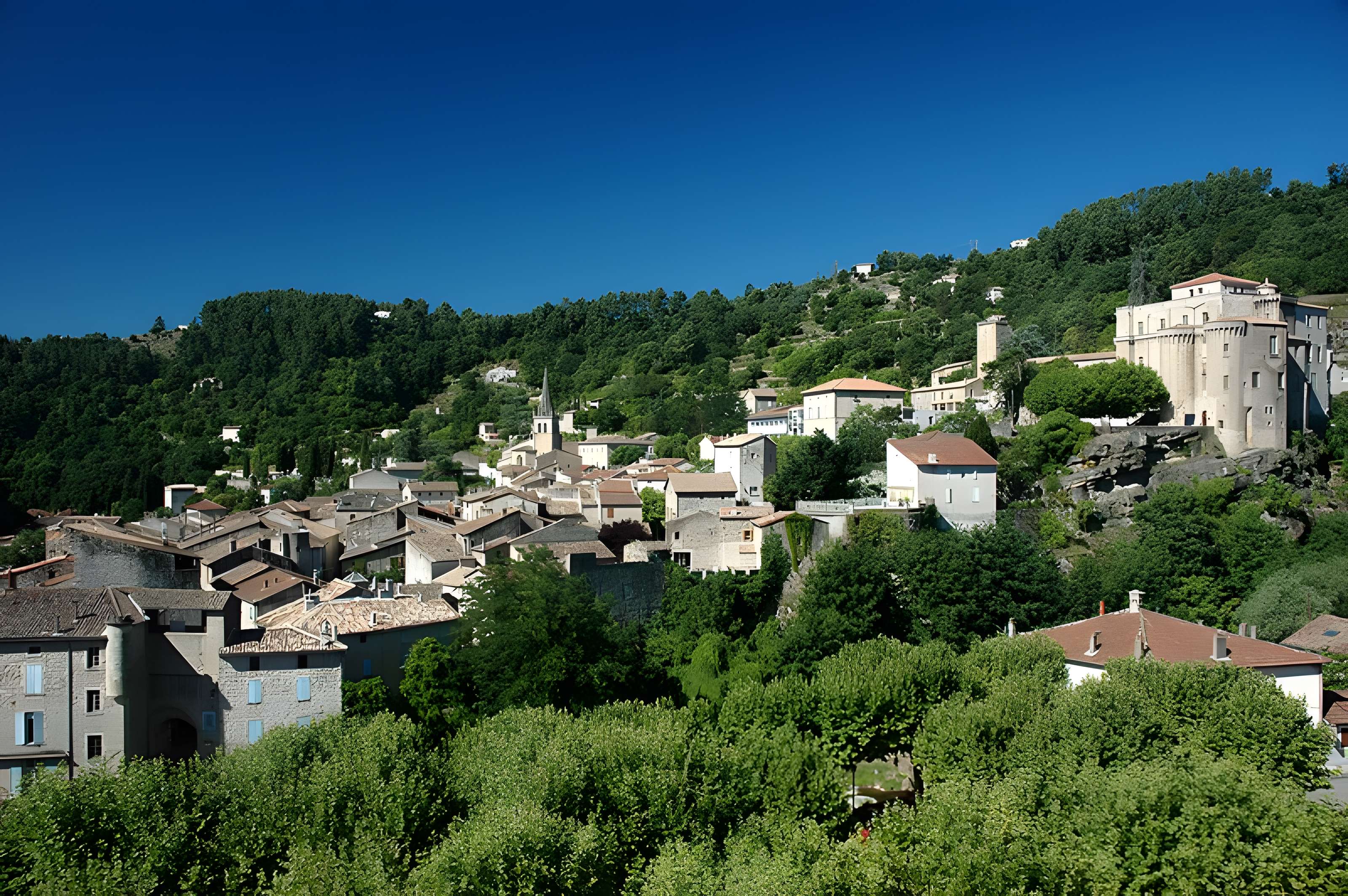
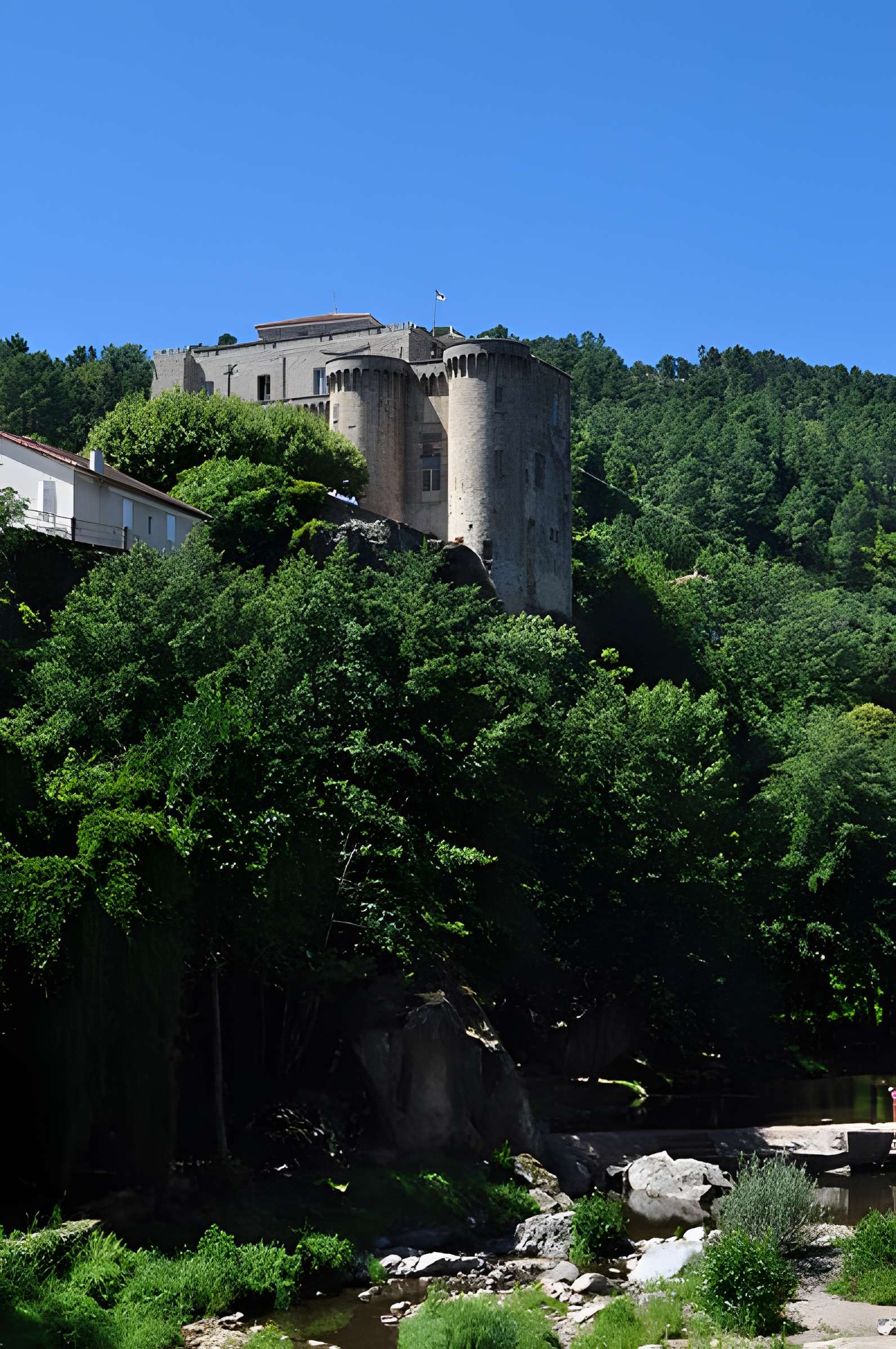
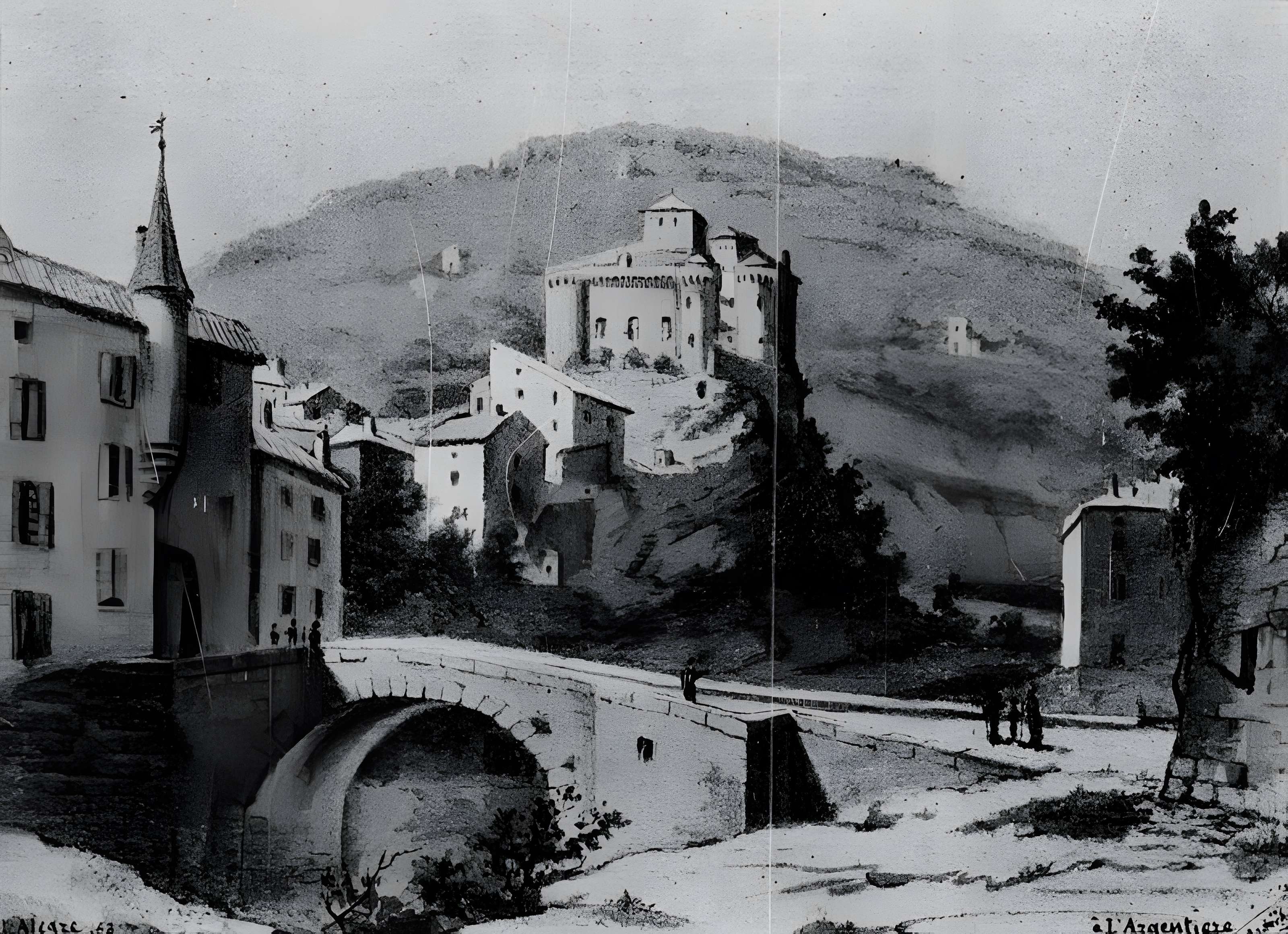
The Château de Largentière, located in the department of Ardèche in the Auvergne-Rhône-Alpes region, has its origins in the 13th century. Built on a rocky spur overlooking the Line Valley, it was initially a control tower called Argentaria, linked to the mining of silver lead mines. This strategic site was used to monitor trade routes and to protect mineral resources, the object of conflicts between the bishop of Viviers and the Count of Toulouse.

In the 12th century, Largentière mines became a major issue between local lords. In 1177 Emperor Frédéric Barberousse granted the bishop of Viviers the right to beat money, strengthening his power. However, the Count of Toulouse, Raymond V, challenged this authority, leading to fragile agreements and the construction of rival towers. The Argentaria Tower, the future base of the dungeon, symbolizes this rivalry. In 1210, an agreement was signed between the bishop and the Count, but tensions persisted, particularly during the Albigois Crusade.

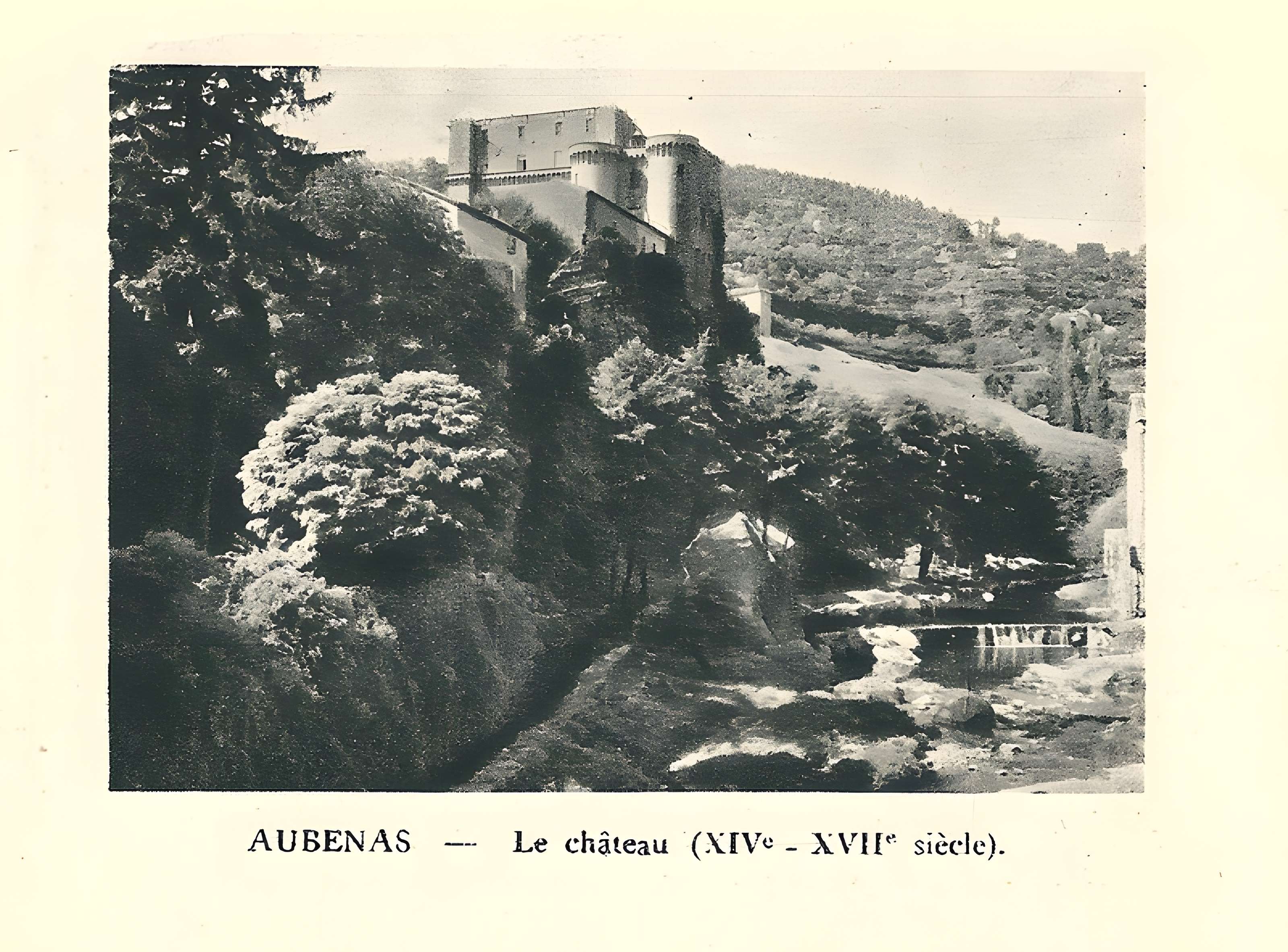
During the Albigois Crusade (1209-1229), the castle changed hands several times. Raymond VII of Toulouse took it in 1223, before King Louis VIII recovered it in 1226. The Treaty of Paris (1229) confirms the control of the bishop of Viviers over the castle and the mines. Over the centuries, the castle was enlarged, especially in the 15th and 16th centuries by the bishops Jean de Montchenu and Claude de Tournon, who added ramparts and a pentagonal tower.

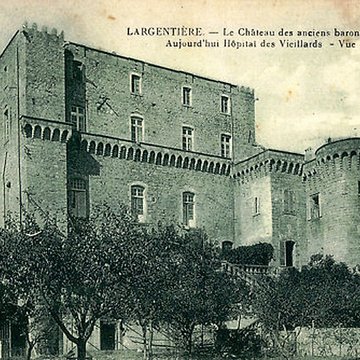
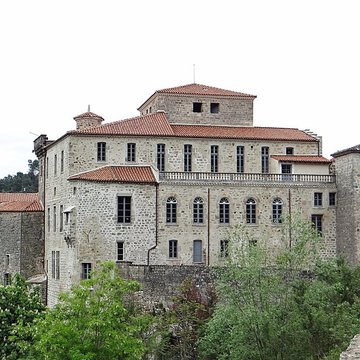
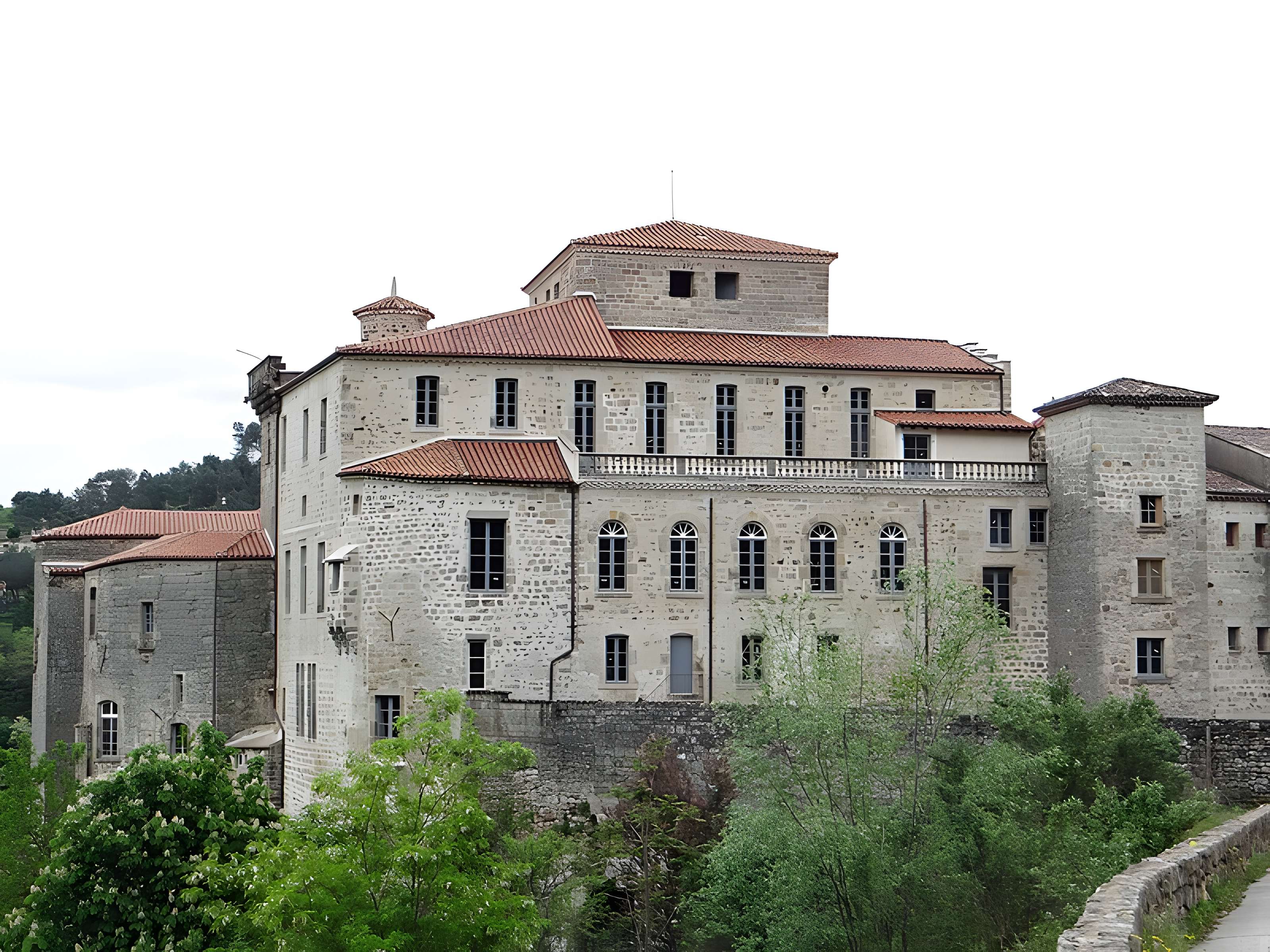
In the 17th century, the castle resisted the revolt of Roure (1670), where it was besieged for two months before being liberated by royal troops, including the famous Musketeer of Artagnan. In 1714, it was sold to the Marquis de Brison, who transformed it into a seigneurial residence by adding floors, a monumental staircase and a carriageway. After the Revolution, the castle became a court, then a prison until 1847.

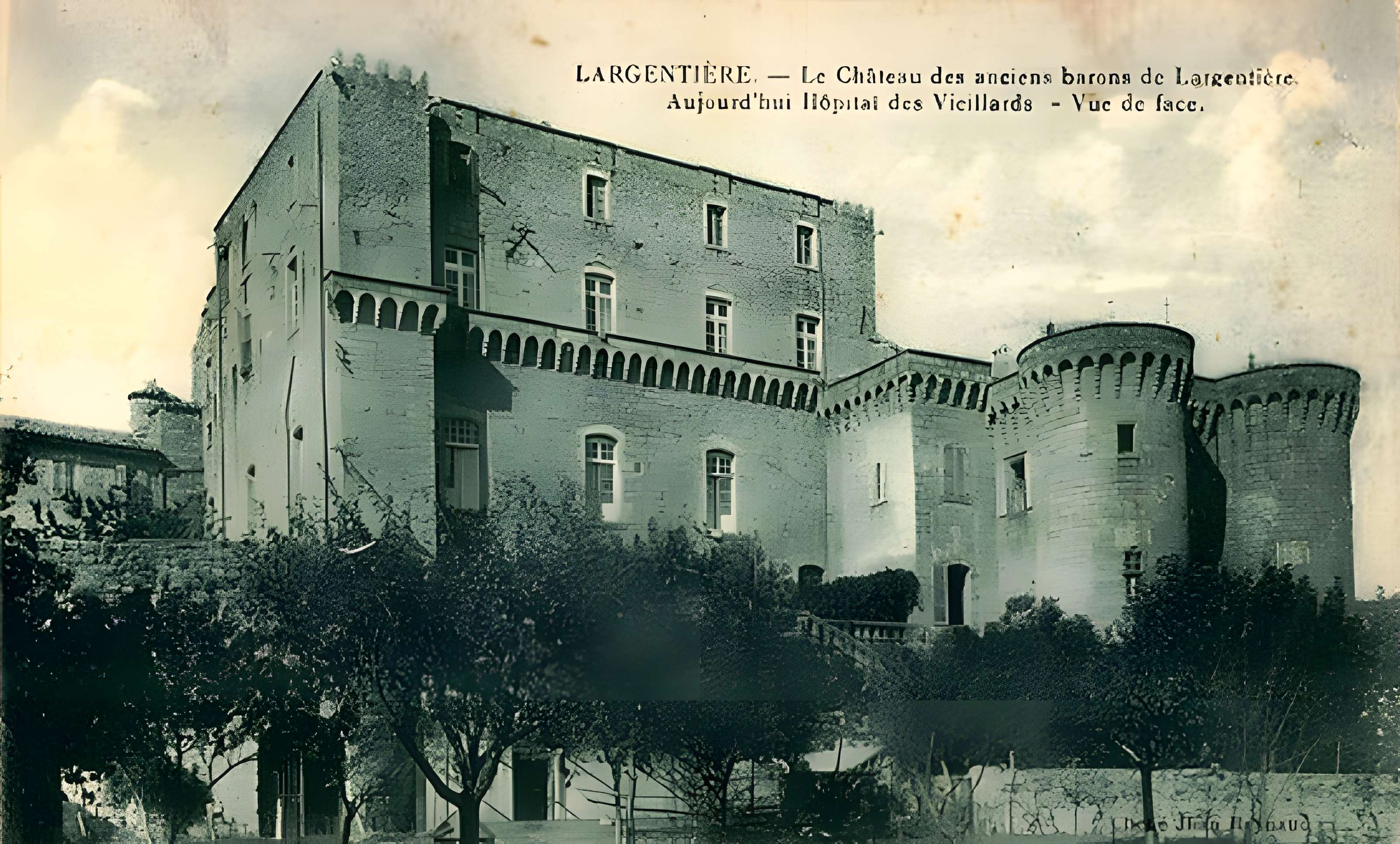
Purchased by the city of Largentière in 1847, the castle was converted into a hospital until 1995. Major changes, such as the addition of two floors in 1858, partially masked the dungeon. Since the 1990s, restoration campaigns have sought to restore its medieval appearance, with the demolition of modern additions and restoration of the dungeon roof in 2015. Today, it is intended to host a catering and hospitality trades campus by 2027.

External links