Logo Musée du Patrimoine

All French heritage classified by regions, departments and cities

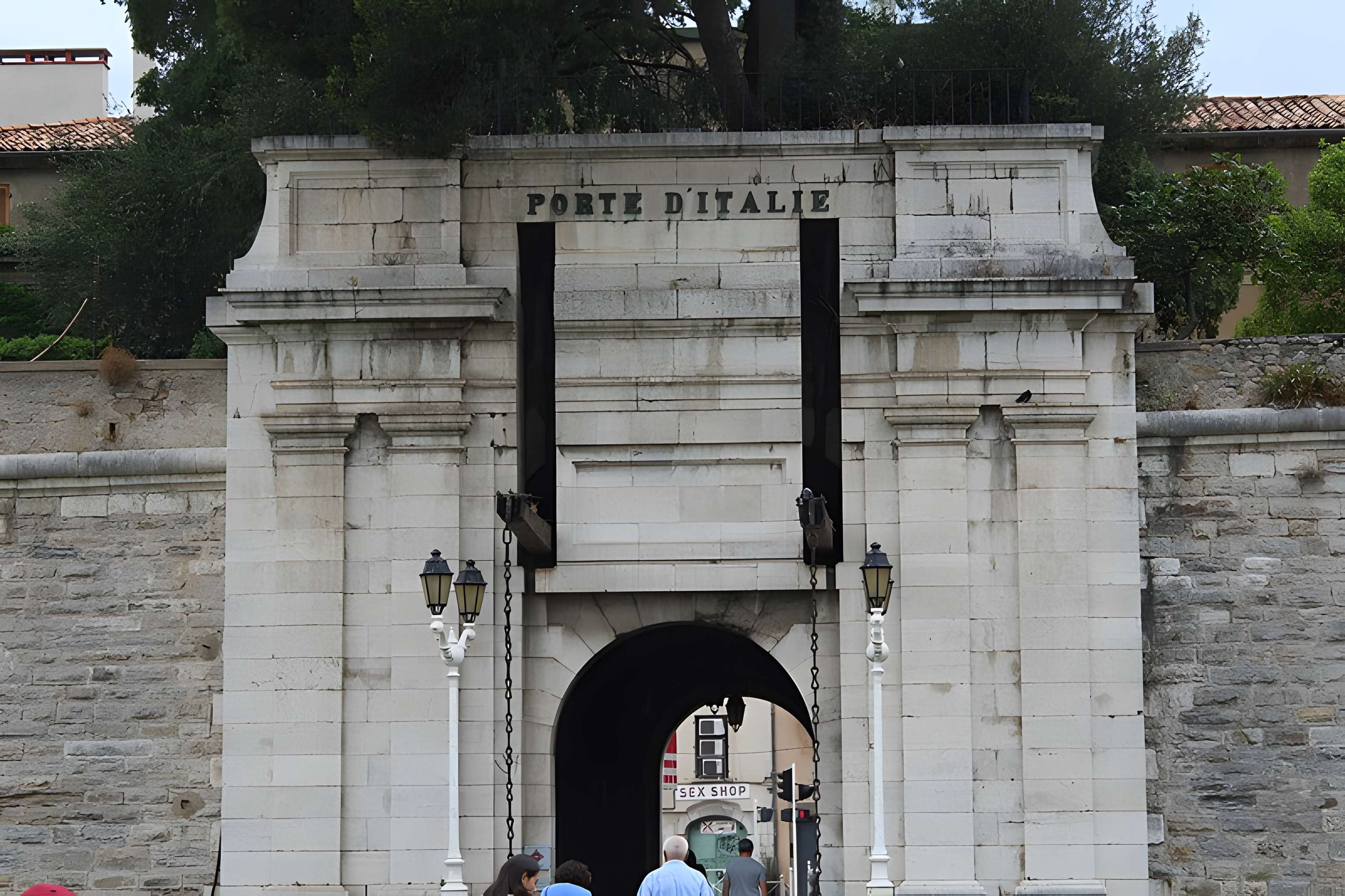
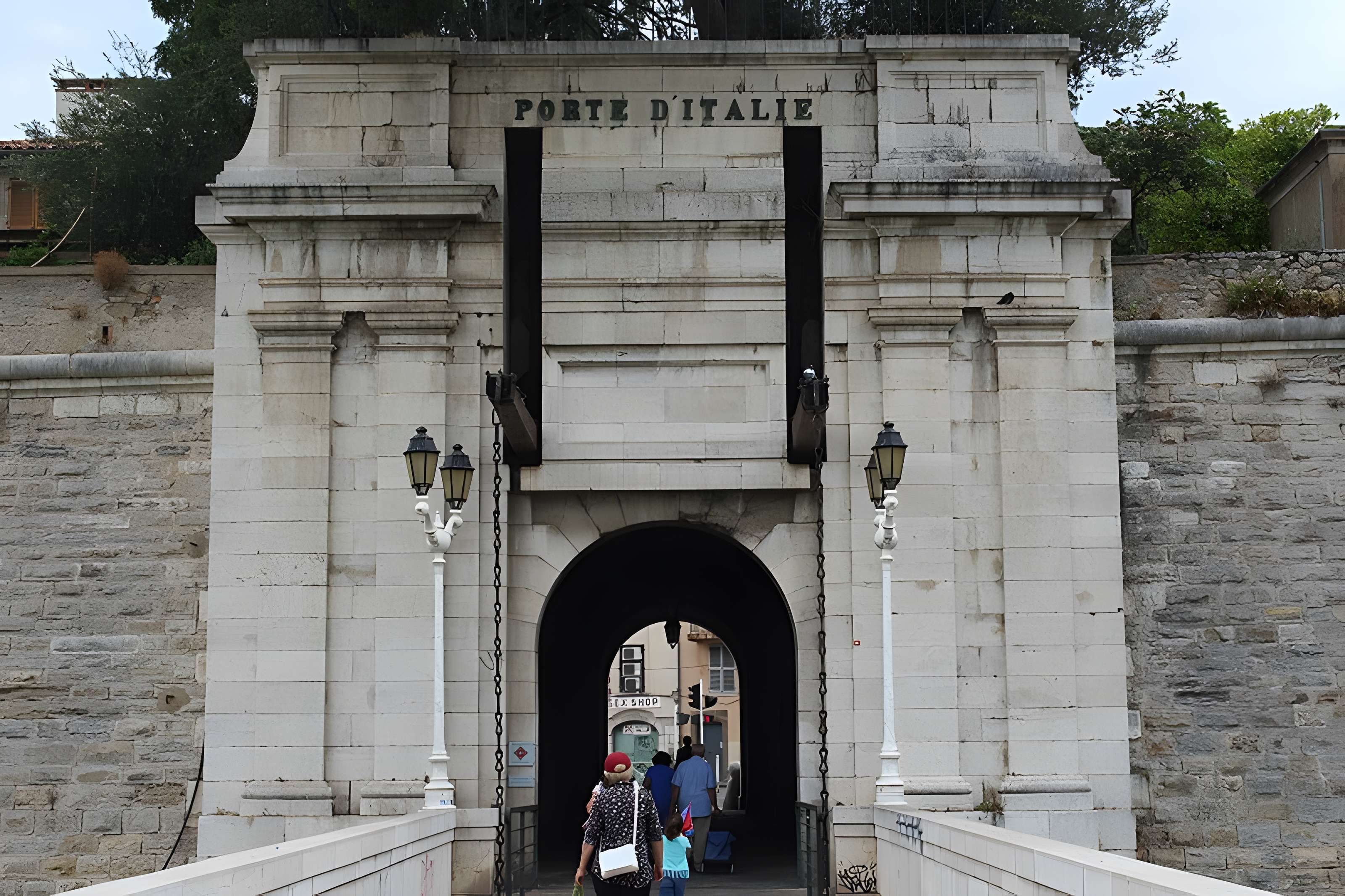
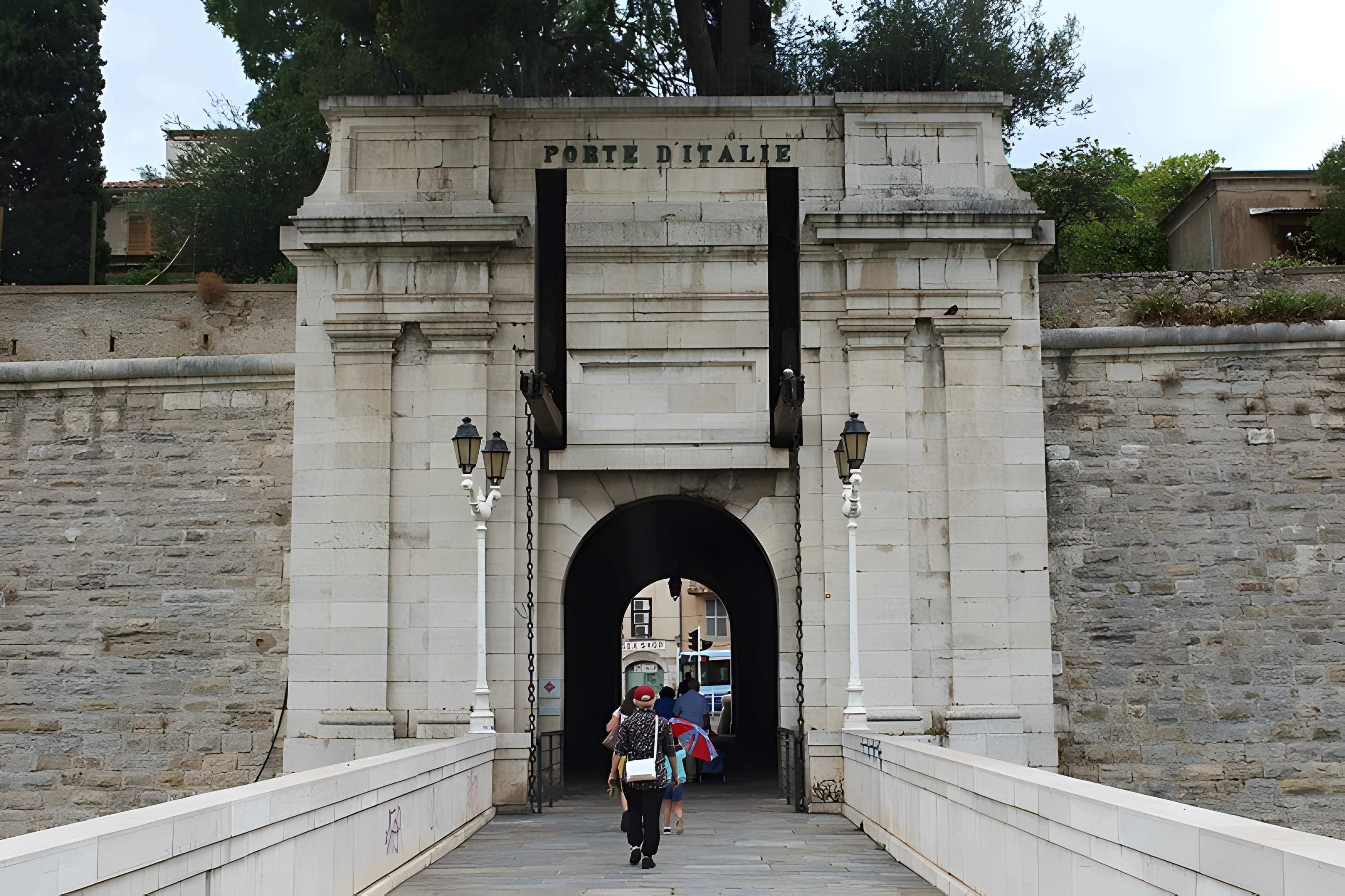
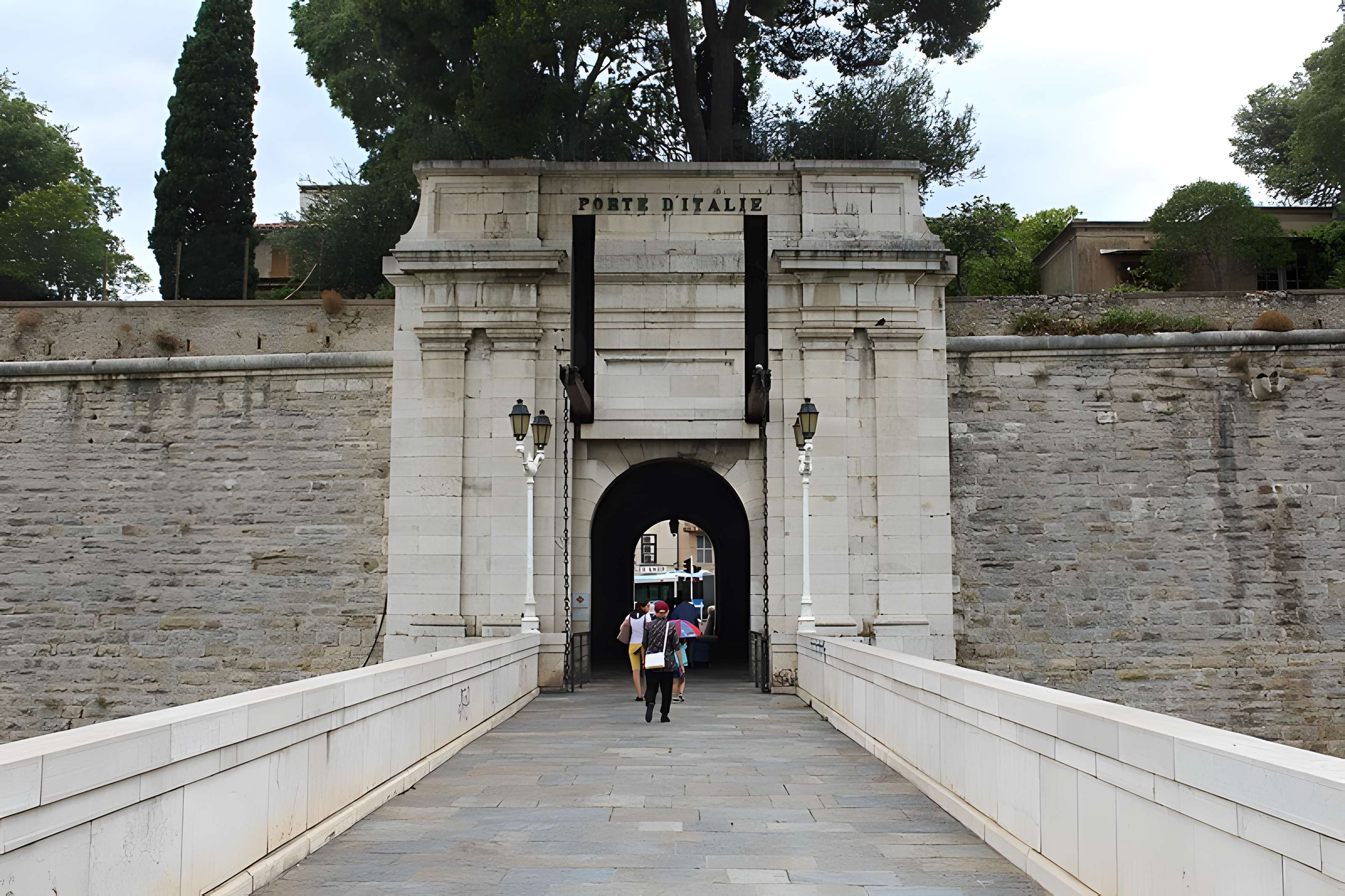
Italian gate of Toulon dans le Var

Patrimoine classé
Patrimoine défensif
Fortification
Rempart

Italian gate of Toulon

    Allée de la Légion Étrangère
    83200 Toulon
Ownership of the municipality
Porte dItalie de Toulon
Crédit photo : Rvalette - Sous licence Creative Commons

Timeline

Temps modernes
Révolution/Empire
XIXe siècle
Époque contemporaine
1700
1800
1900
2000
1679
Initial Vauban project
1693
Vauban Addendum
1710
Construction of half moon
1776
Plans of Charles-François-Marie d'Aumale
1787
Changes by Vialis
1791
Completion of construction
1800
Final name: Gate of Italy
1820
Added attic floor
1986
Registration for Historic Monuments
Aujourd'hui
Aujourd'hui

Heritage classified

Porte d'Italie (Case CK 262): entry by order of 21 October 1986

Key figures

Vauban - Military engineer Author of the original plans (1679, 1693).
Charles-François-Marie d'Aumale - Engineer Author of drawings in 1776.
Vialis - Engineer Modified the project in 1787.
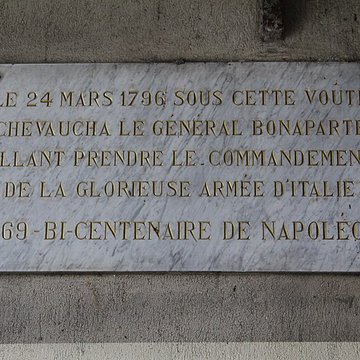
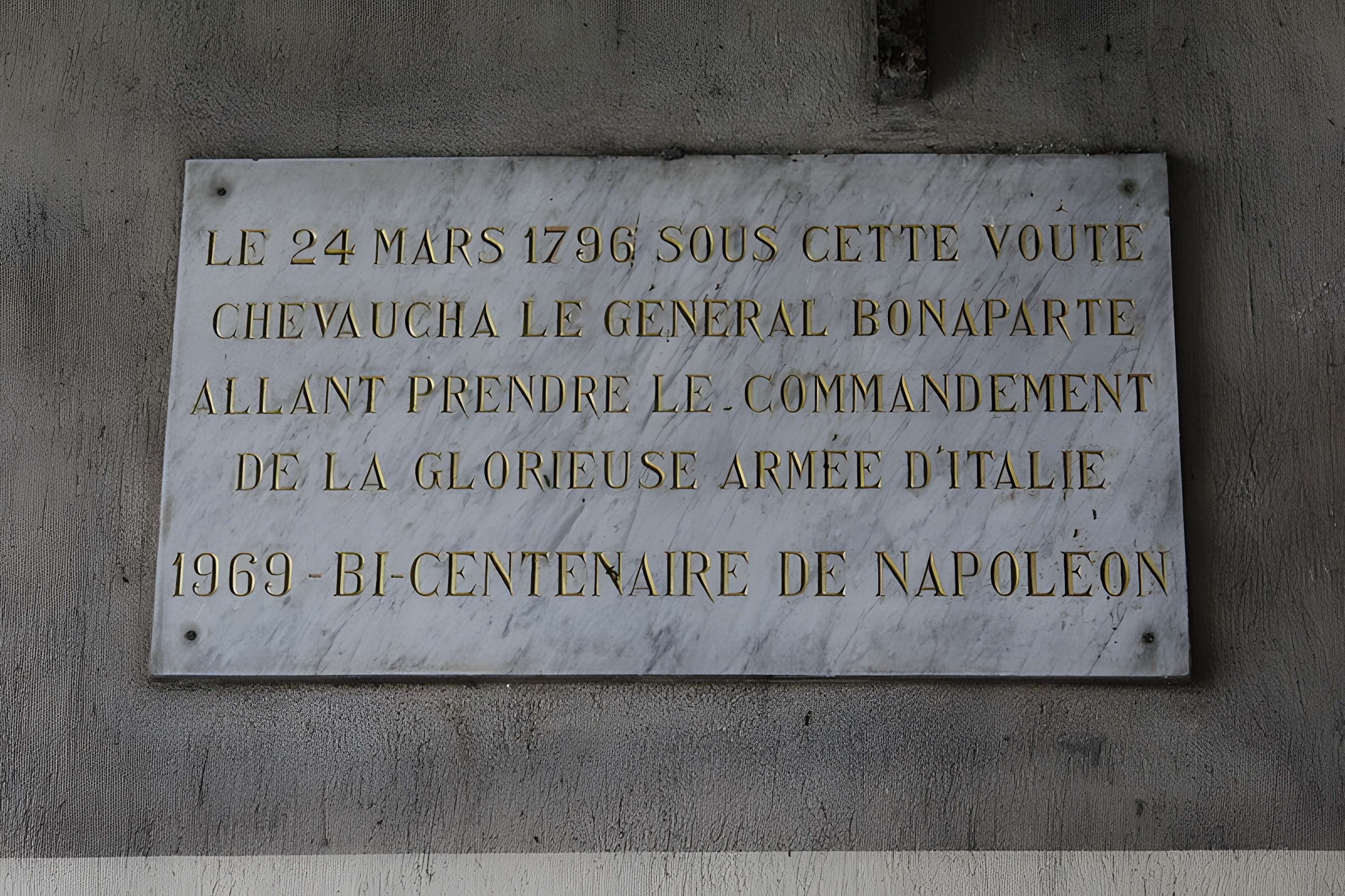
Napoléon Bonaparte - General then Emperor Inspire the name in 1800.

Origin and history

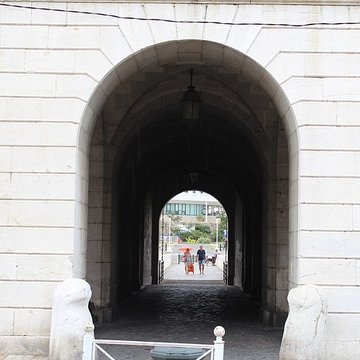
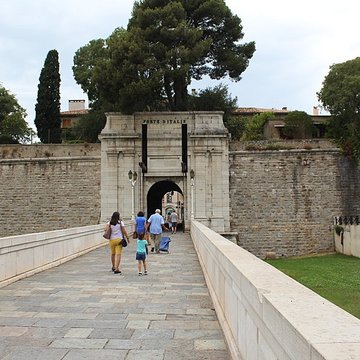
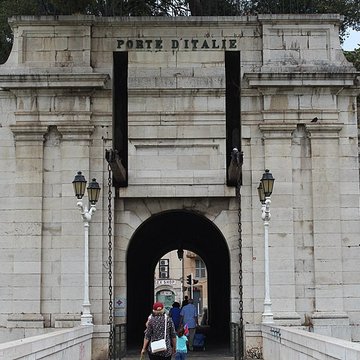
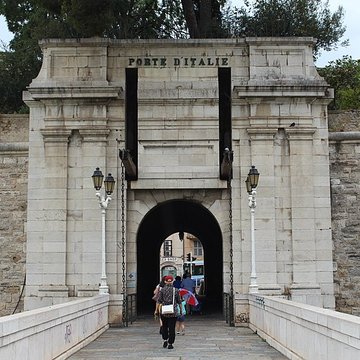
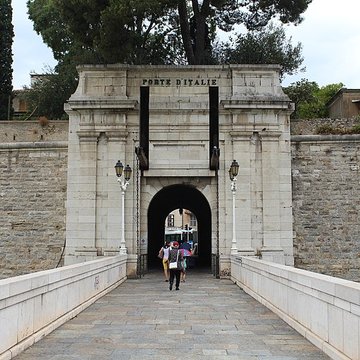
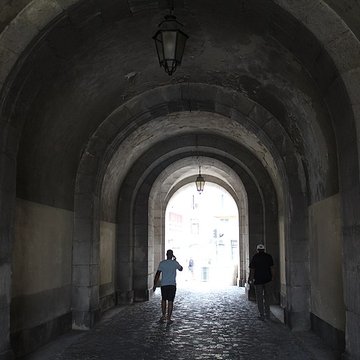
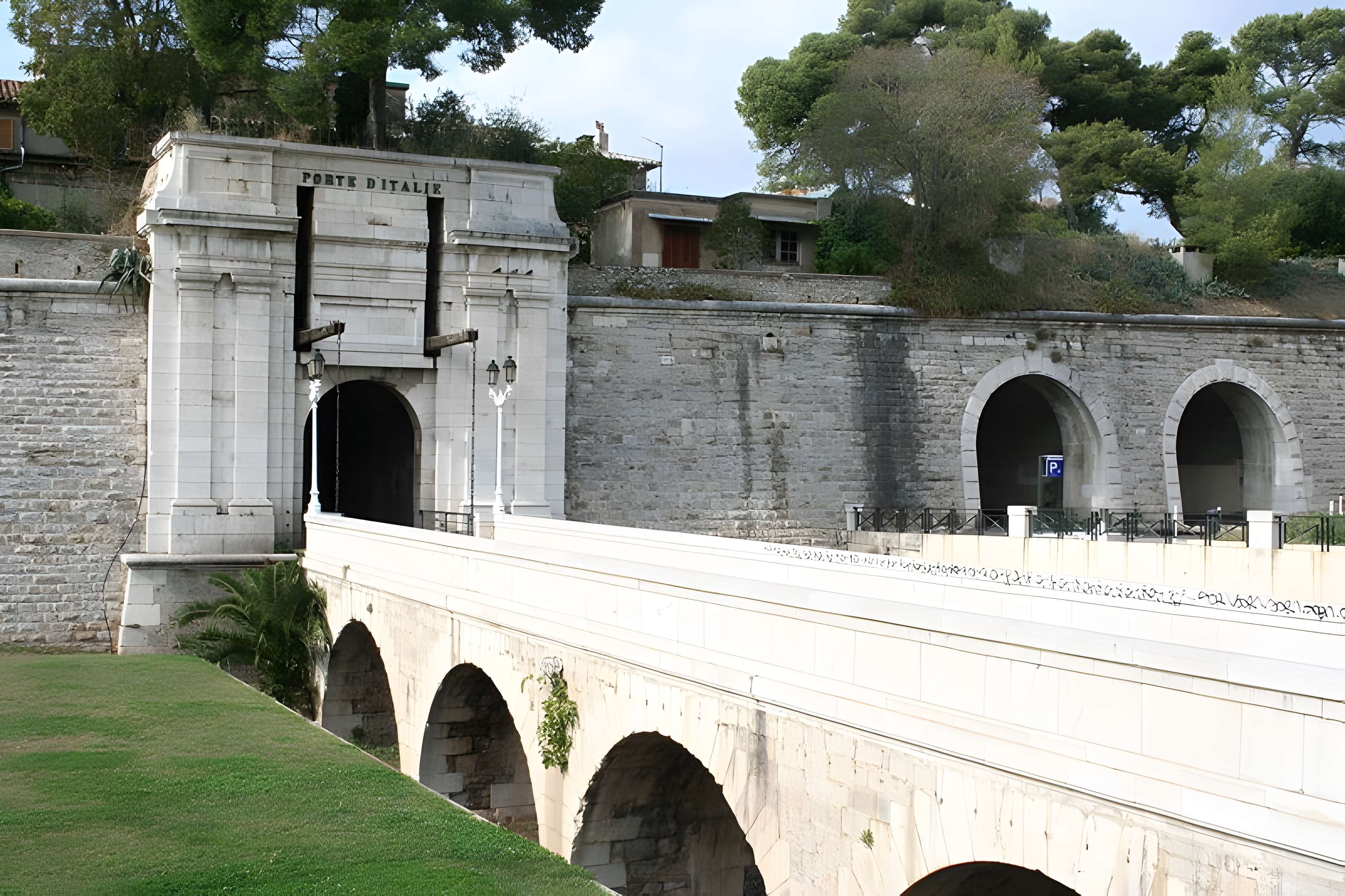
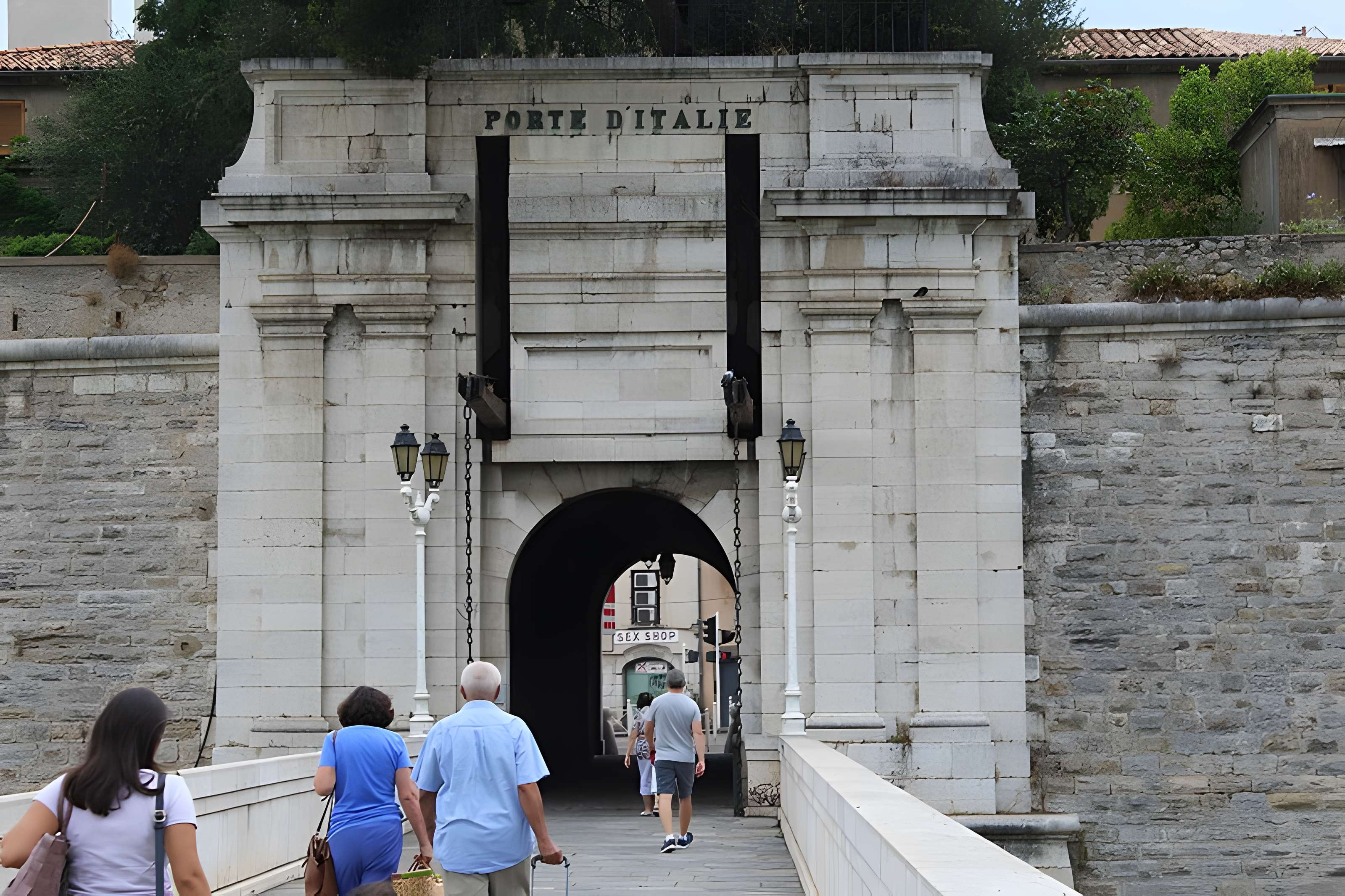
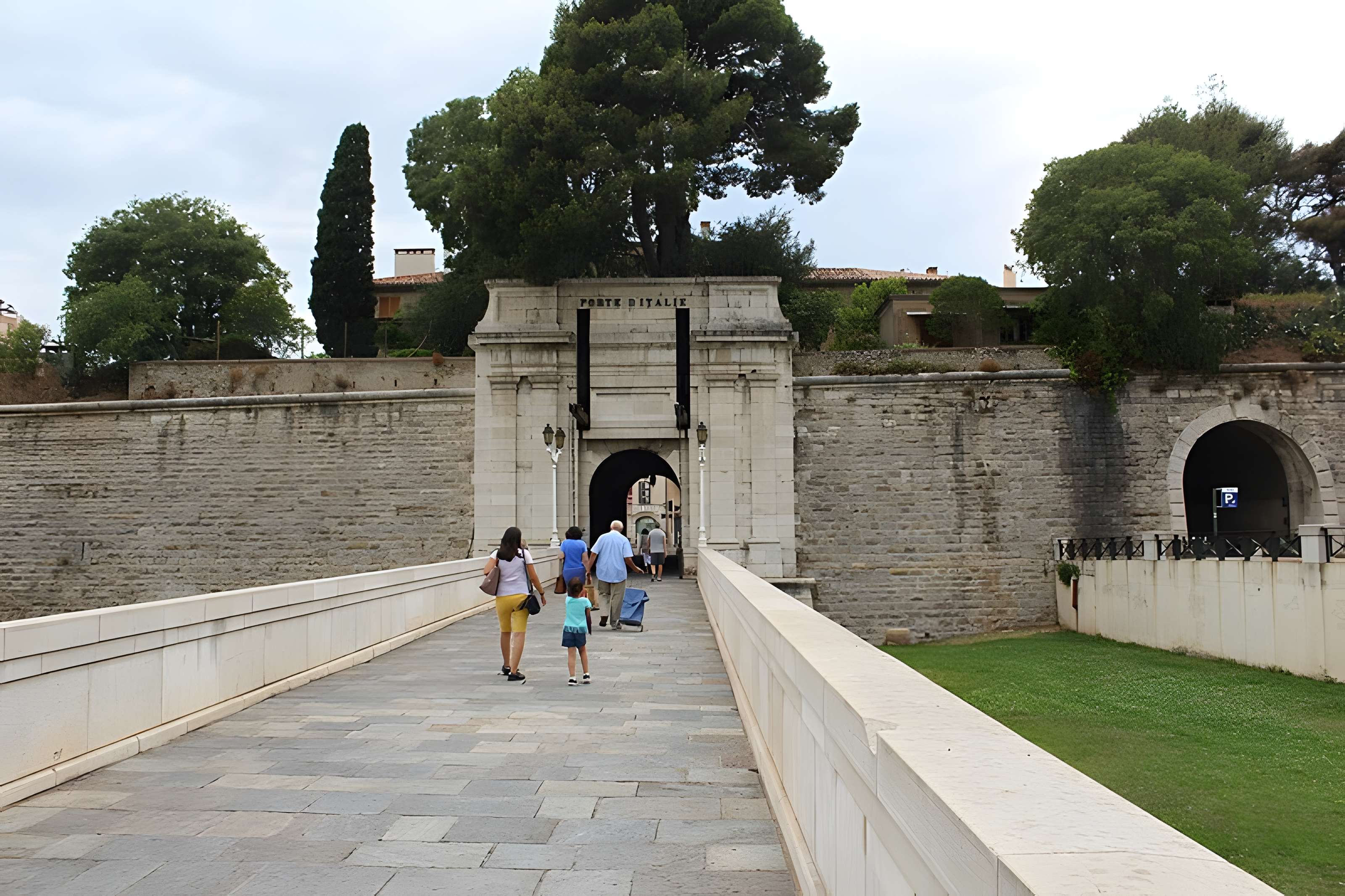
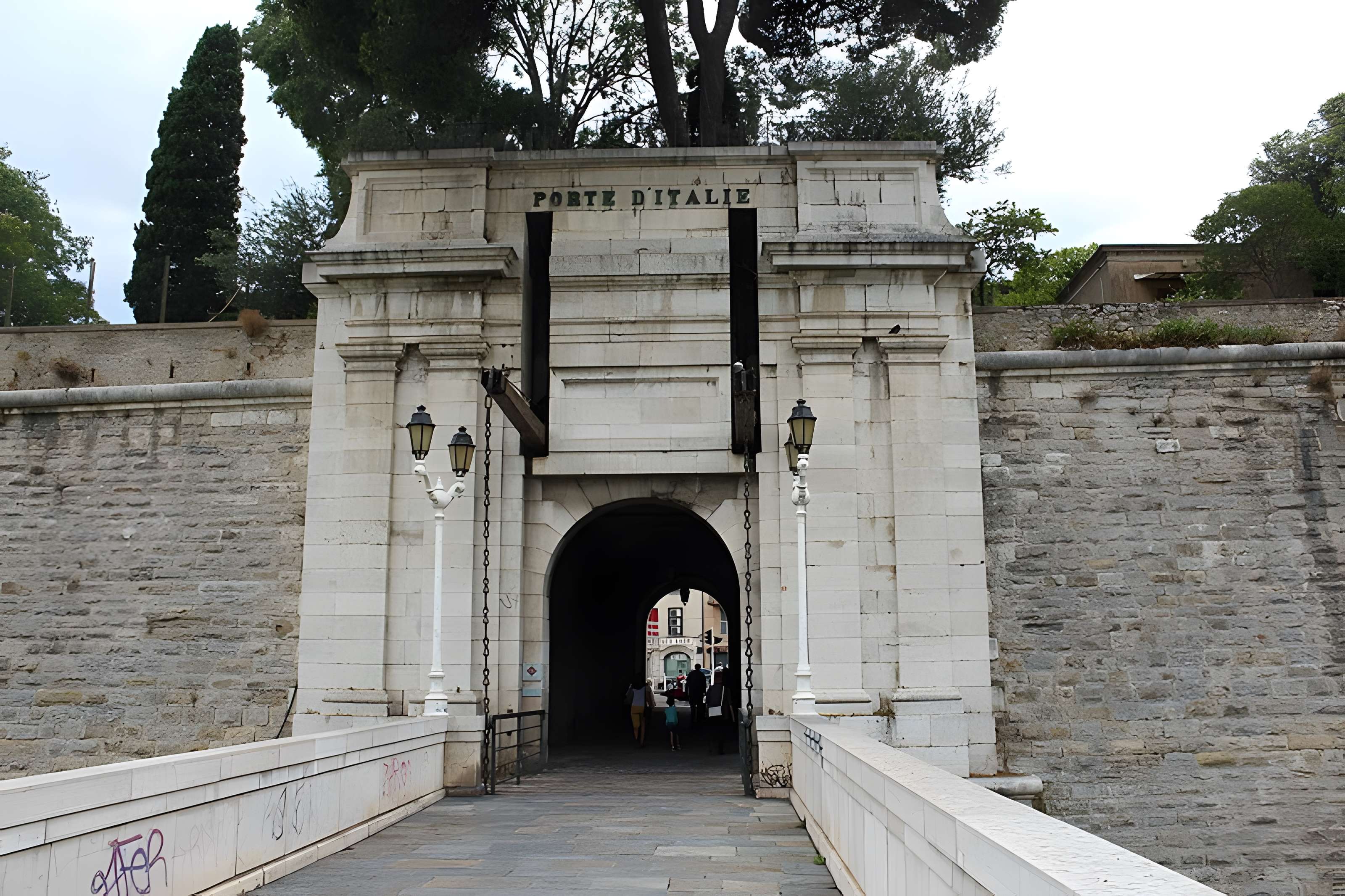
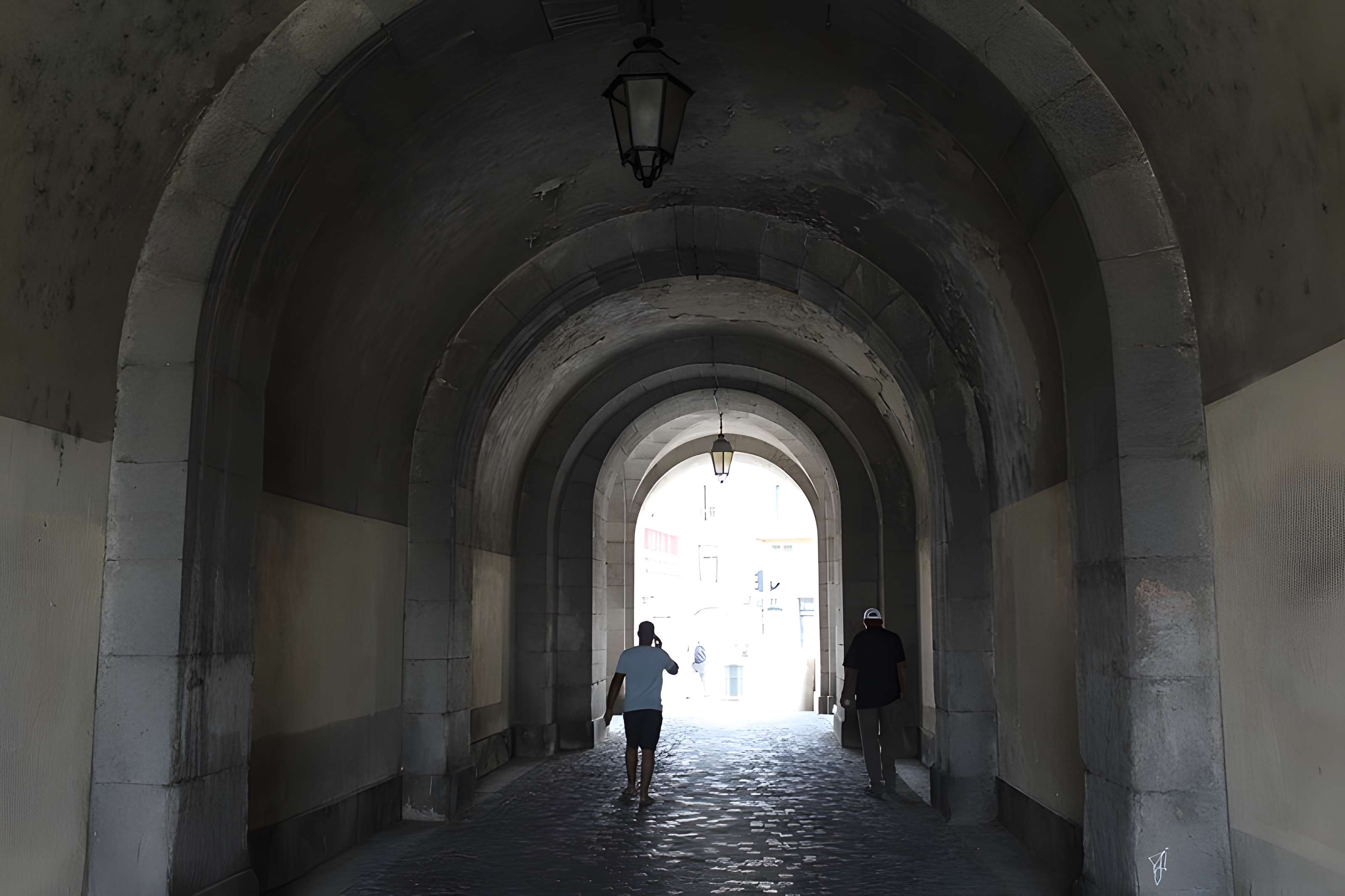
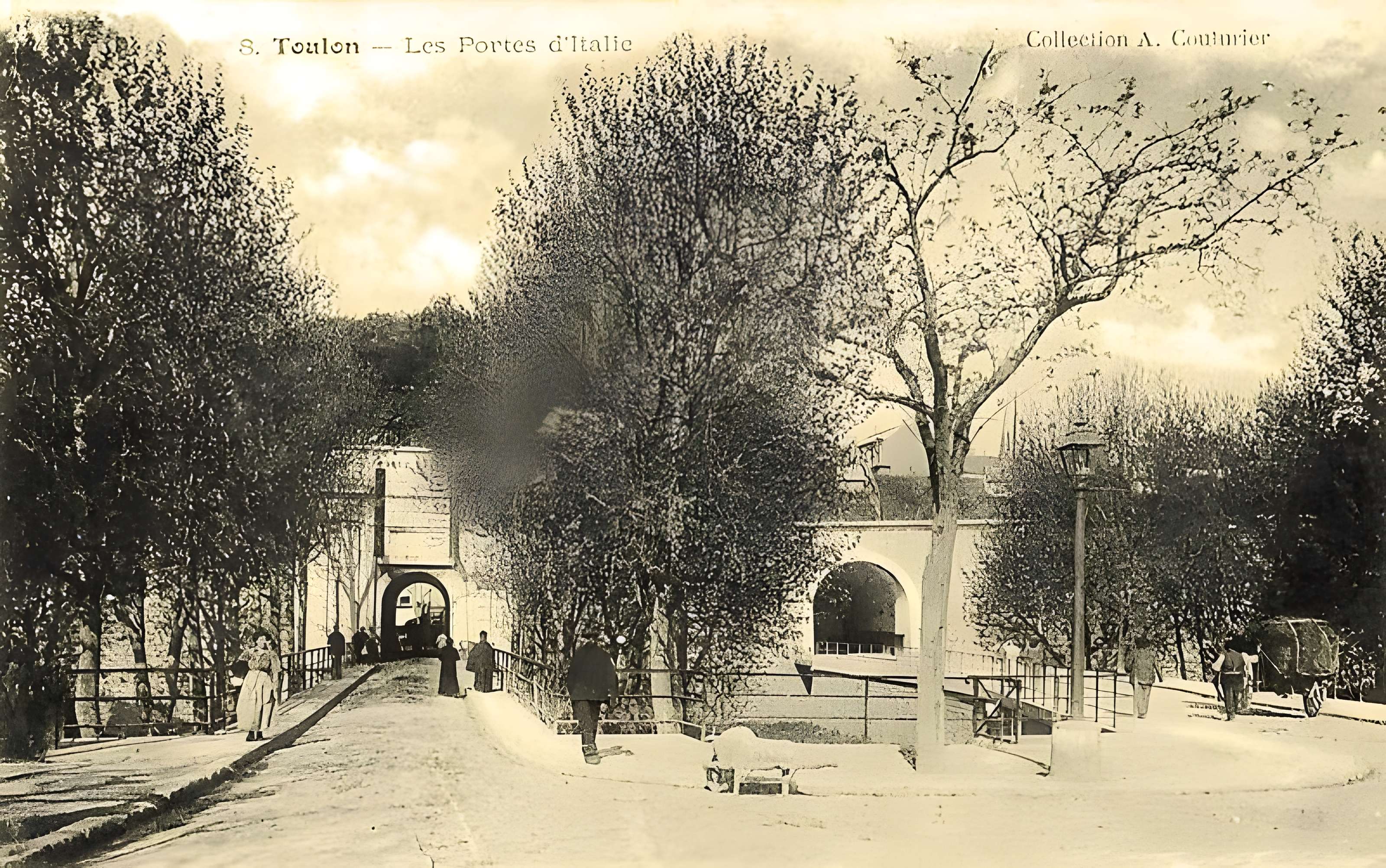
The Italian gate, located in Toulon in the Var, is a military building built in the 18th century to replace the old Saint-Lazarus gate. Designed according to Vauban's plans, its construction, almost completed in 1791, follows the modifications made by engineer Vialis in 1787. Originally named Mirabeau Gate and then Pelletier Gate, she took her final name in 1800 with reference to Napoleon Bonaparte's Italian campaign. The door incorporates a drawbridge, a vaulted passage and a central pavilion, reflecting the defensive architecture of the era.

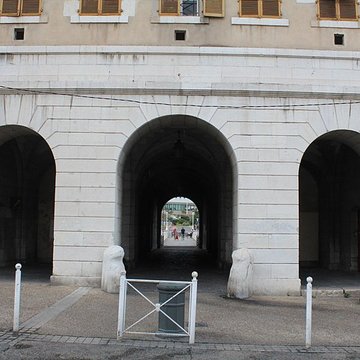
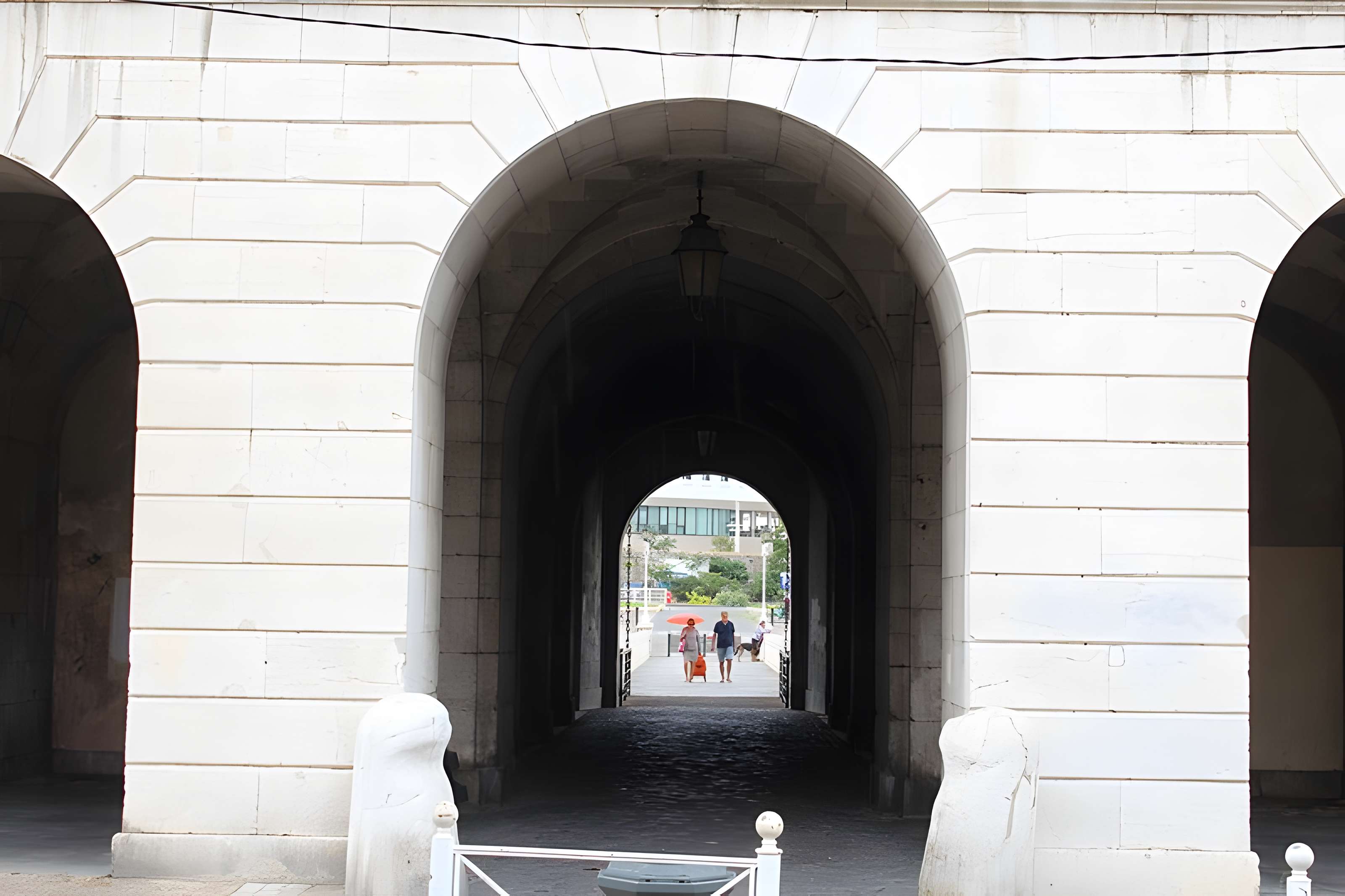
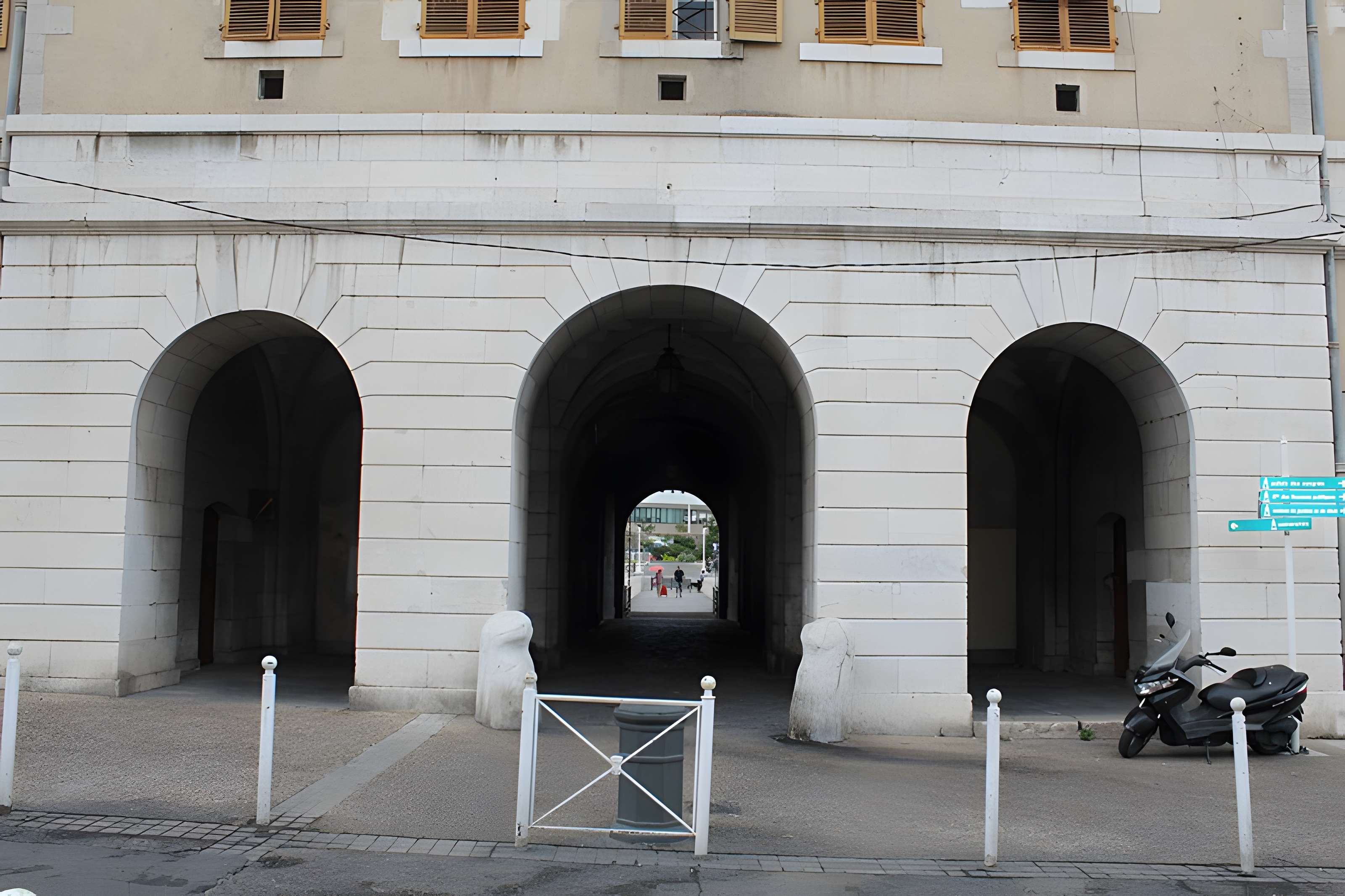
The Italian gate is composed of an exterior facade of cut stone, including an arrowed drawbridge, followed by a vaulted passage through the rampart. Originally, the project included royal weapons and trophies, never realized because of the revolutionary context of 1791. An attic floor, added around 1820, slightly altered its initial appearance. The adjacent casemates, built in the early nineteenth century, served as housing and prisons, while the side pavilions housed officers.

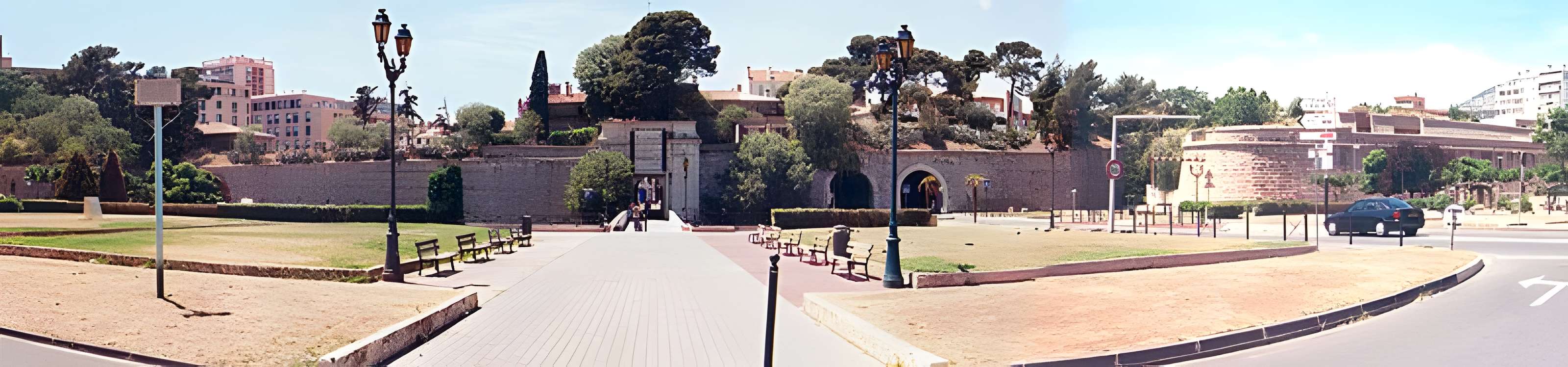
The half moon in front of the door, planned from 1679 and built from 1710, was partially destroyed in the 20th century. The door is listed in the Supplementary Inventory of Historic Monuments on October 21, 1986. It symbolizes the evolution of the Toulouse fortifications, blending the Vaubanian heritage and subsequent adaptations. Today, it remains a major architectural testimony to the military history of the region.

The monument is part of the fortifications of Toulon, a strategic city for coastal defence. Vauban, then his successors like Vialis, marked his evolution, reflecting the military stakes of the 17th and 18th centuries. The door also illustrates political transitions, from royal symbols abandoned in 1791 to a Napoleonic denomination in 1800.

Owned by the town of Toulon, the gate of Italy retains original elements such as the drawbridge and its structural counterweights. Its present state, although modified (addition of the Atlantic, partial destruction of the half moon), allows to appreciate its role in the fortified enclosure of the city. The adjacent casemates and pavilions complete this defensive set, now classified and protected.

External links