
Logo Musée du Patrimoine

All French heritage classified by regions, departments and cities

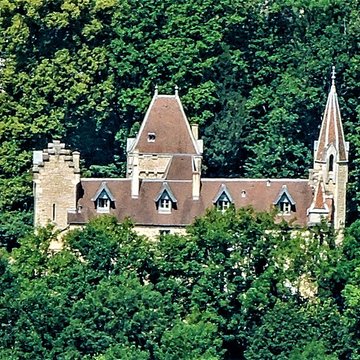
Castle of the Jew à Chalezeule dans le Doubs

Patrimoine classé
Patrimoine défensif
Demeure seigneuriale
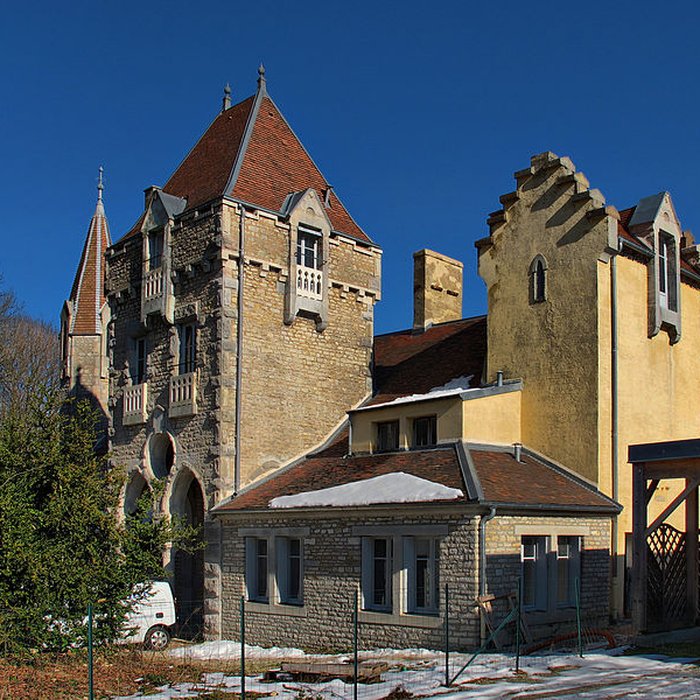
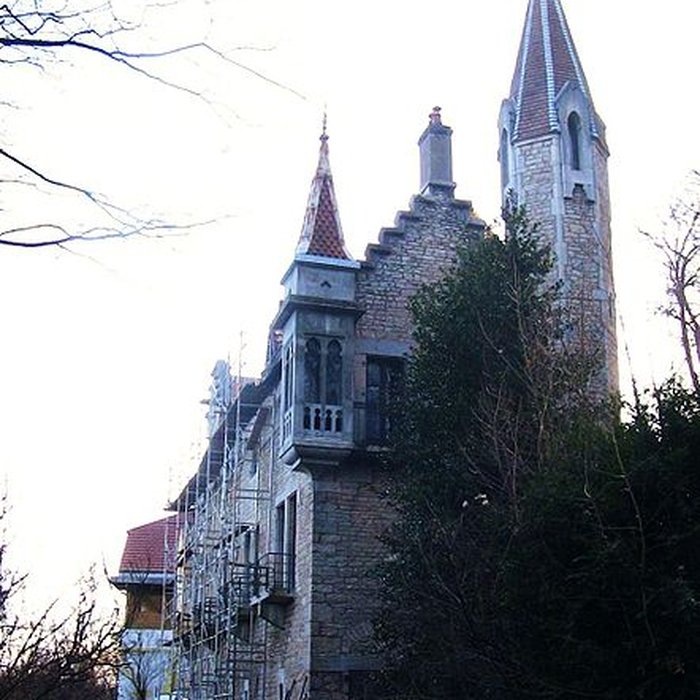
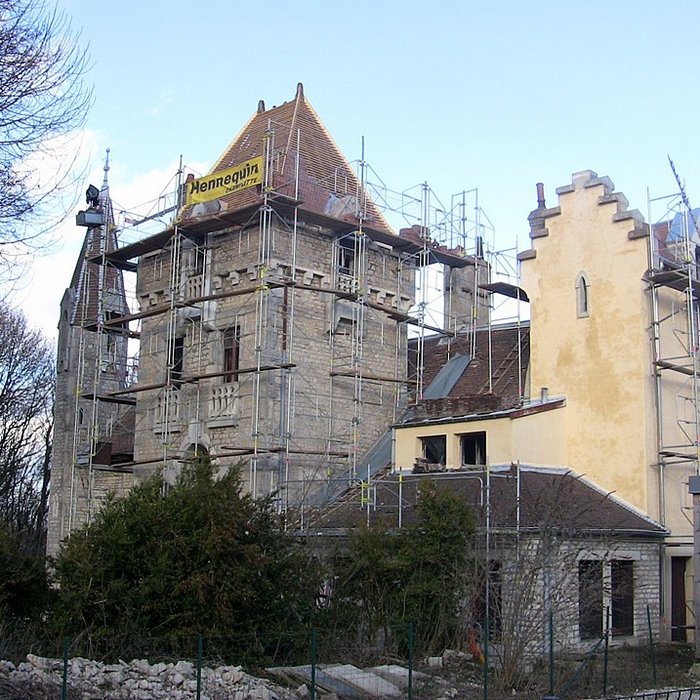
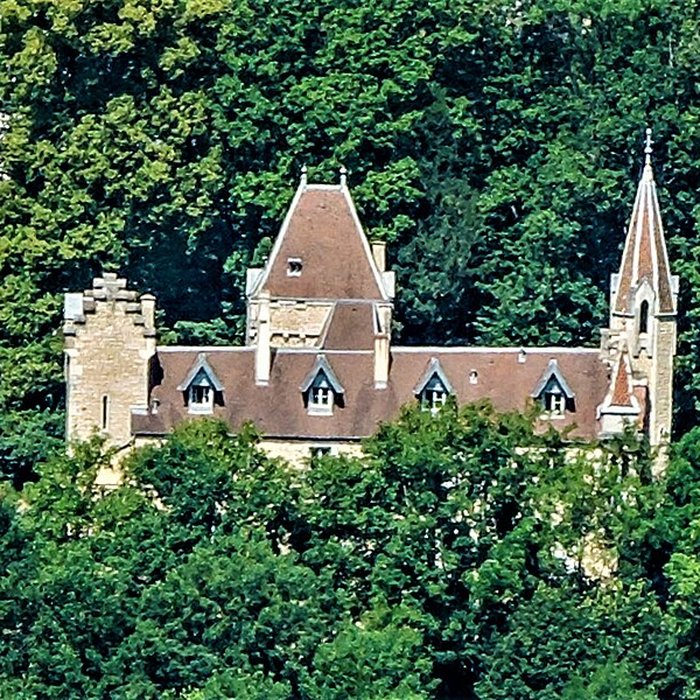
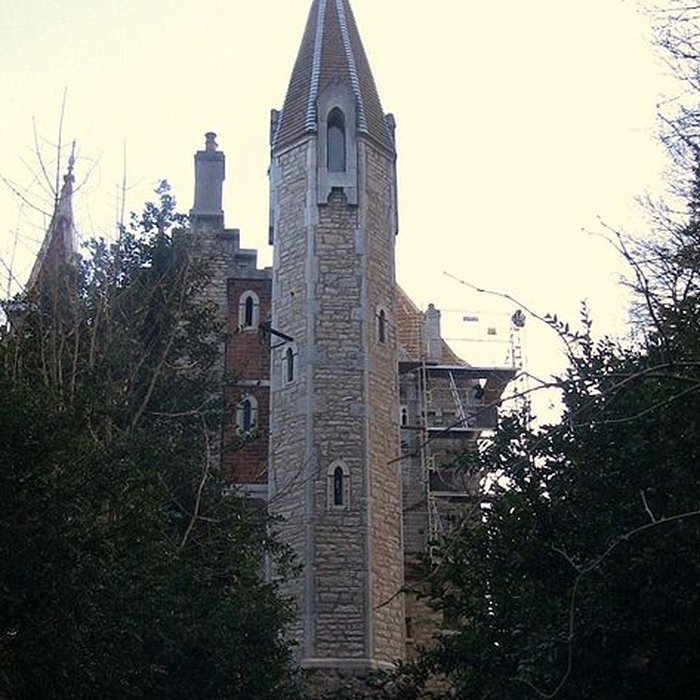
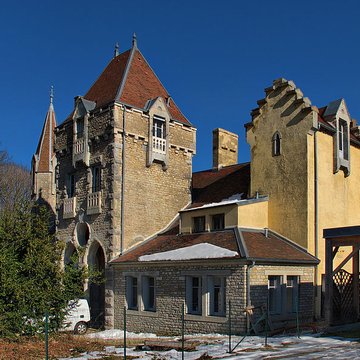
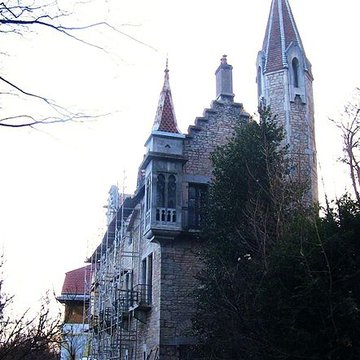
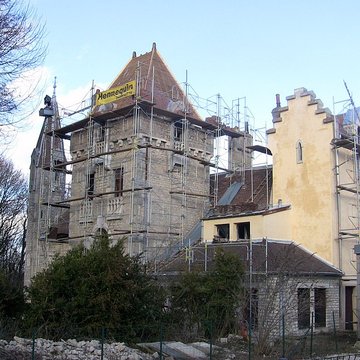
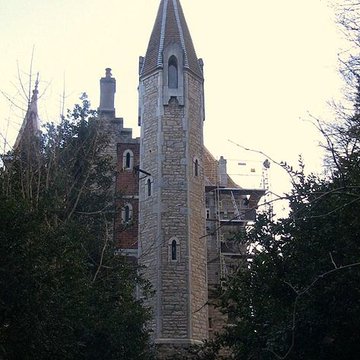
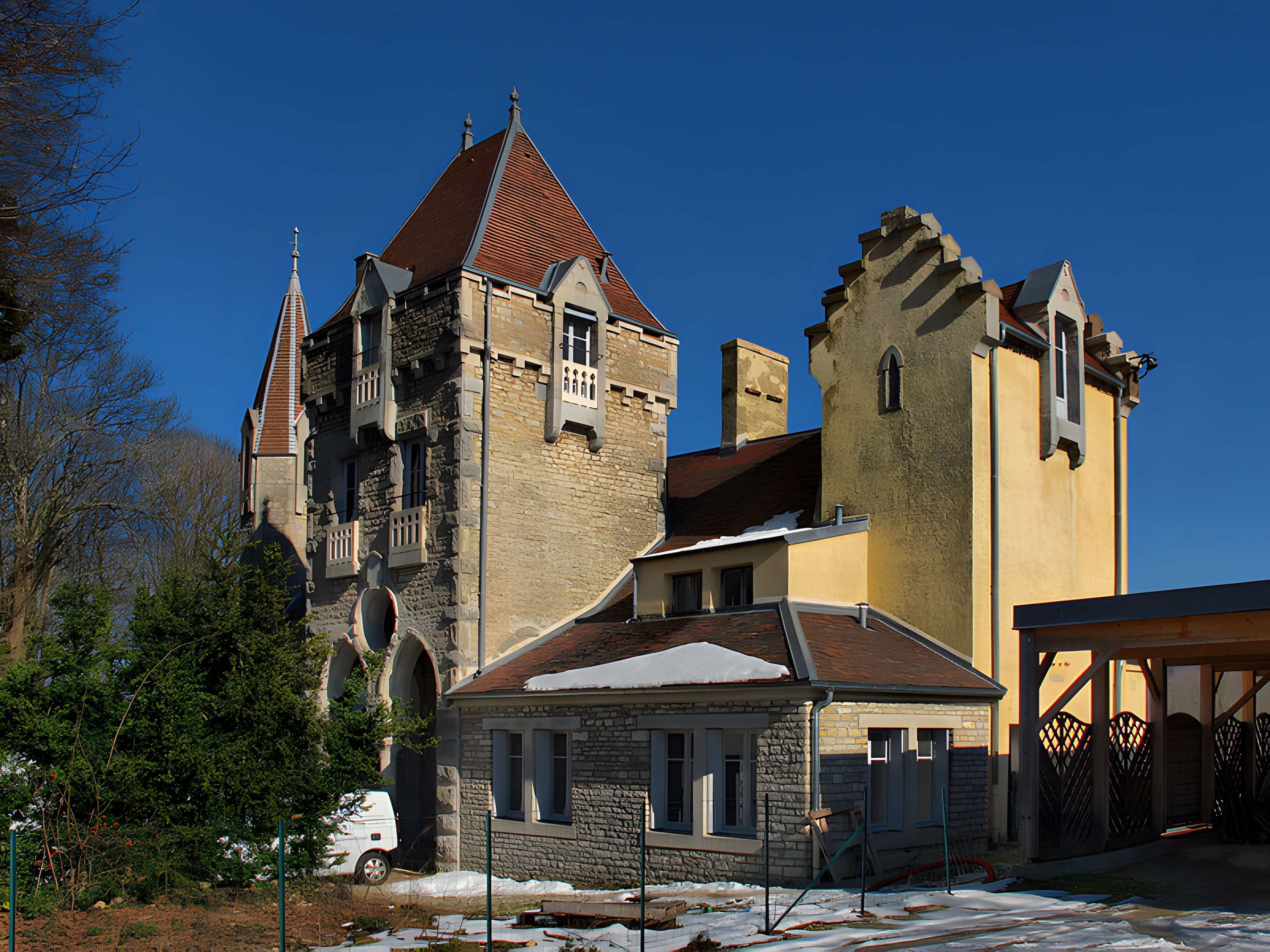
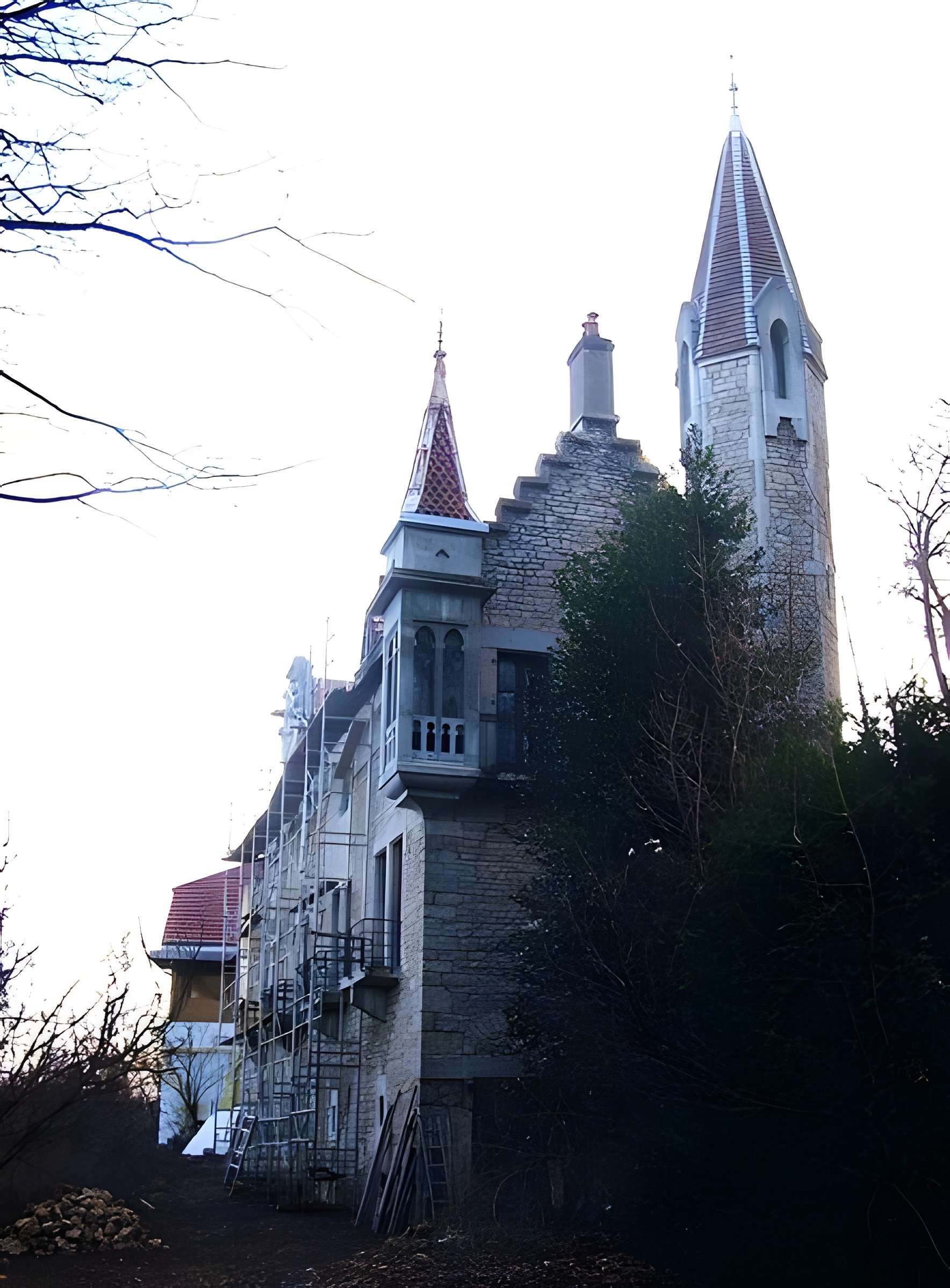
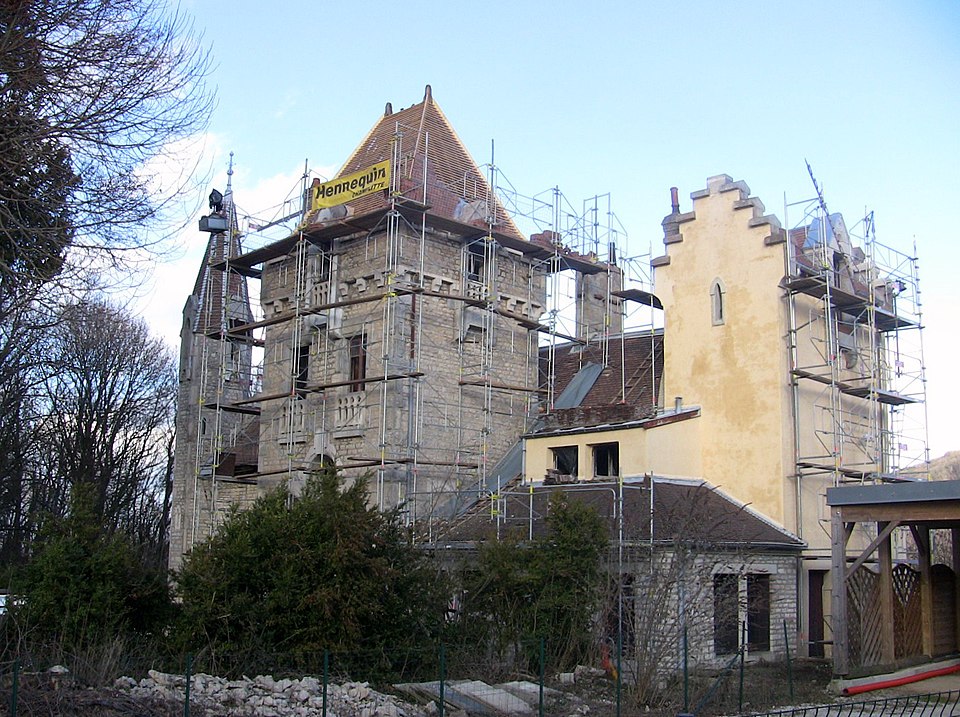
Château de style néo-gothique

Castle of the Jew

    3 Chemin des Buis
    25220 Chalezeule
Ownership of a private company
Château de la Juive
Château de la Juive
Château de la Juive
Château de la Juive
Château de la Juive
Château de la Juive
Château de la Juive
Château de la Juive
Crédit photo : JGS25 - Sous licence Creative Commons

Timeline

Temps modernes
Révolution/Empire
XIXe siècle
Époque contemporaine
1800
1900
2000
1780
First mention of an owner
1835
Acquisition by Mayer Lippmann
1850-1870
Neogothic transformation
1914
Death of Léonie Allegri
1926
Opening of the restaurant
2002
Historical monument classification
Aujourd'hui
Aujourd'hui

Heritage classified

The whole house body, with its building decorations by destination; the east facade of the common building; the park (cad. AV 64) with its fence wall and portal (cad. AV 63, 64): registration by order of 27 December 2002

Key figures

Léonie Allegri - Owner and muse of the castle Sponsor of the neo-Gothic renovation, nicknamed the Jew.
Alphonse Delacroix - Architect Author of the neo-Gothic transformation (1850-1870).
Mayer Lippmann - First Jewish owner known Restore the home in the early 19th century.
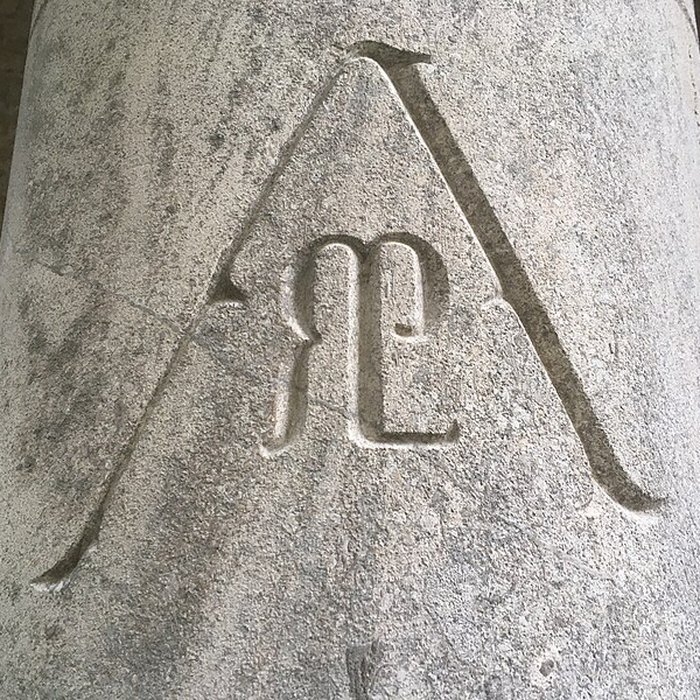
Comte Charles-Déodat de Turenne - Second husband of Léonie Descendant of Louis XIV, appose his weapons.
Joseph Périat - Chef and restaurant Turns the castle into a restaurant in 1926.
René Gavet - Last starry chef of the castle Lasts until 2002.

Origin and history

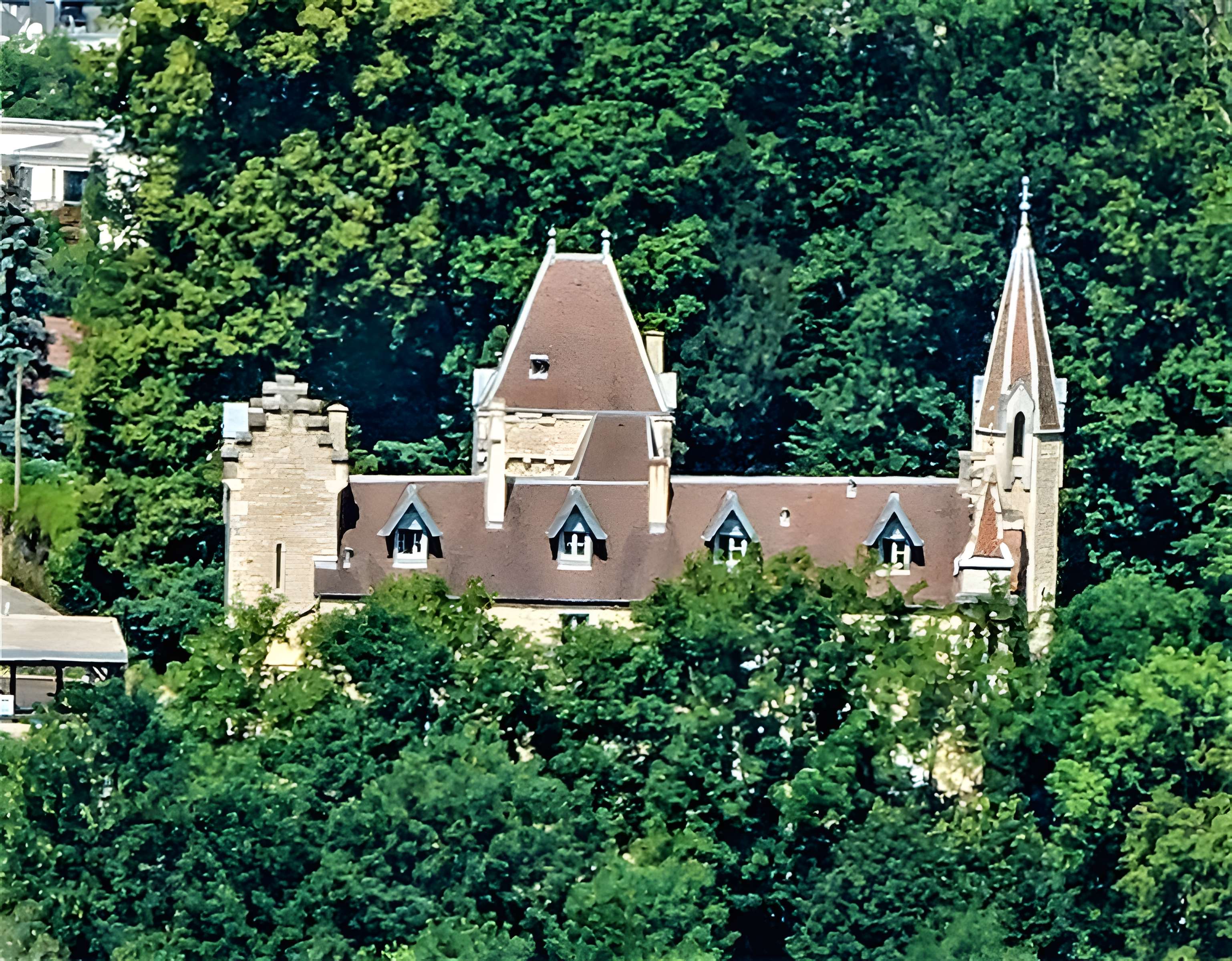
The castle of the Jew, also known as the Castle of Clementigney, finds its origins in a seigneurial house whose first written traces date back to the late eighteenth century. At that time, Monsignor de Fresnoy, lord of Chalezeule, made it his country residence. The estate, located on a land formerly belonging to the chapter of Sainte-Madelaine, then serves as a meeting place for the franc-comtoise nobility before the Revolution. In 1835, the property was registered in the cadastre as property of Mayer Lippmann, a rich Jewish merchant of Besançon, founder of the Lip manufacture. His family, from Alsace, settled in the region after the Revolution and restored the house, giving it luxurious furniture.

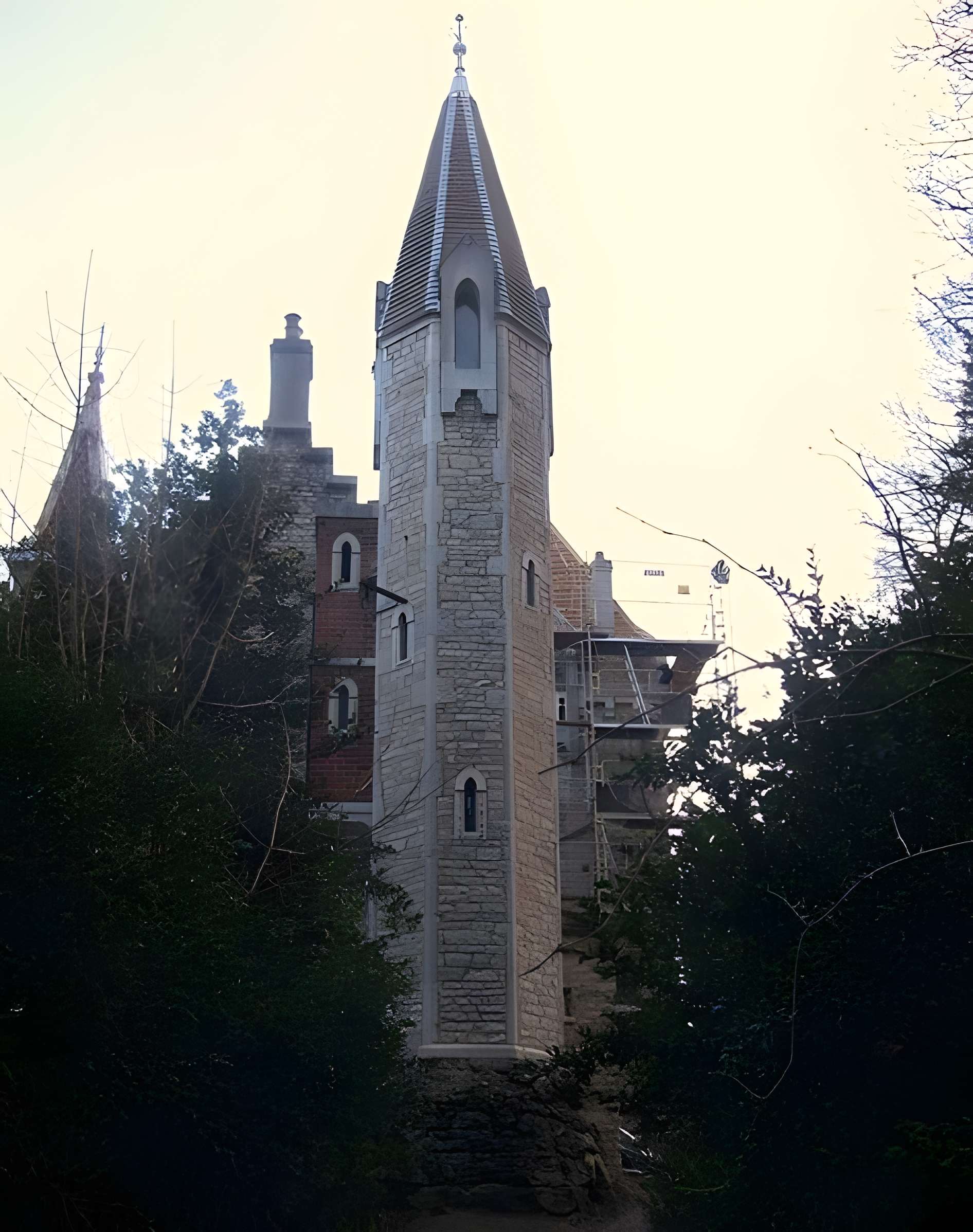
The major transformation of the castle took place between 1850 and 1870, when Léonie Allegri, granddaughter of Mayer Lippmann and heiress of the estate, entrusted the architect Alphonse Delacroix with the project of transforming him into a neo-Gothic madness. The building then adopts its current characteristics: stair turret, scauguette, and interior woodwork inspired by medieval style. Léonie, nicknamed the Jew because of her confession, then Lady of Clementigney by elegance, marks the history of the place. His marriage to Count Charles-Déodat de Turenne, descendant of Louis XIV, arouses attention because of their religious difference, requiring a papal dispensation. Despite the Count's infidelities, Léonie kept the castle until his death in 1914.

After World War I, the castle changed its vocation. In 1926, Joseph Périat, former chef of the Court of England, transformed him into a renowned gourmet restaurant, attracting celebrities like Tino Rossi or Johnny Hallyday. The site retains this function until the early 2000s, under the leadership of René Gavet, who continues his culinary reputation. Ranked a historic monument in 2002 for its house body, communes and park, the castle is now divided into private residences, after having been a symbol of the art of living france-comtés.

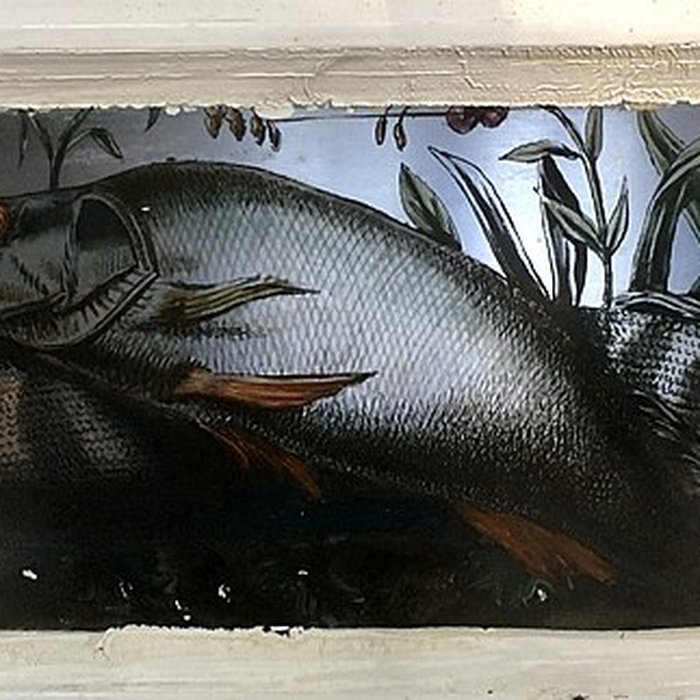
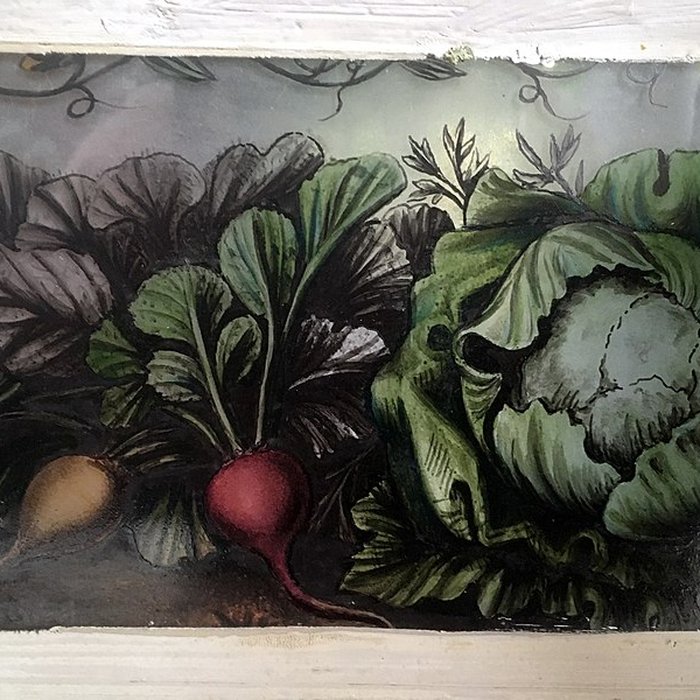
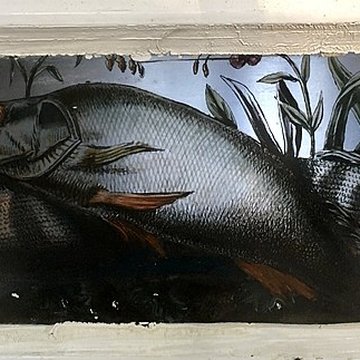
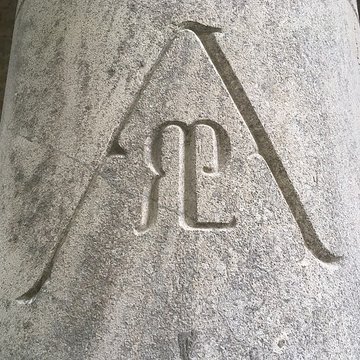
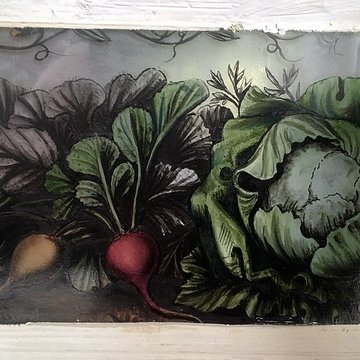
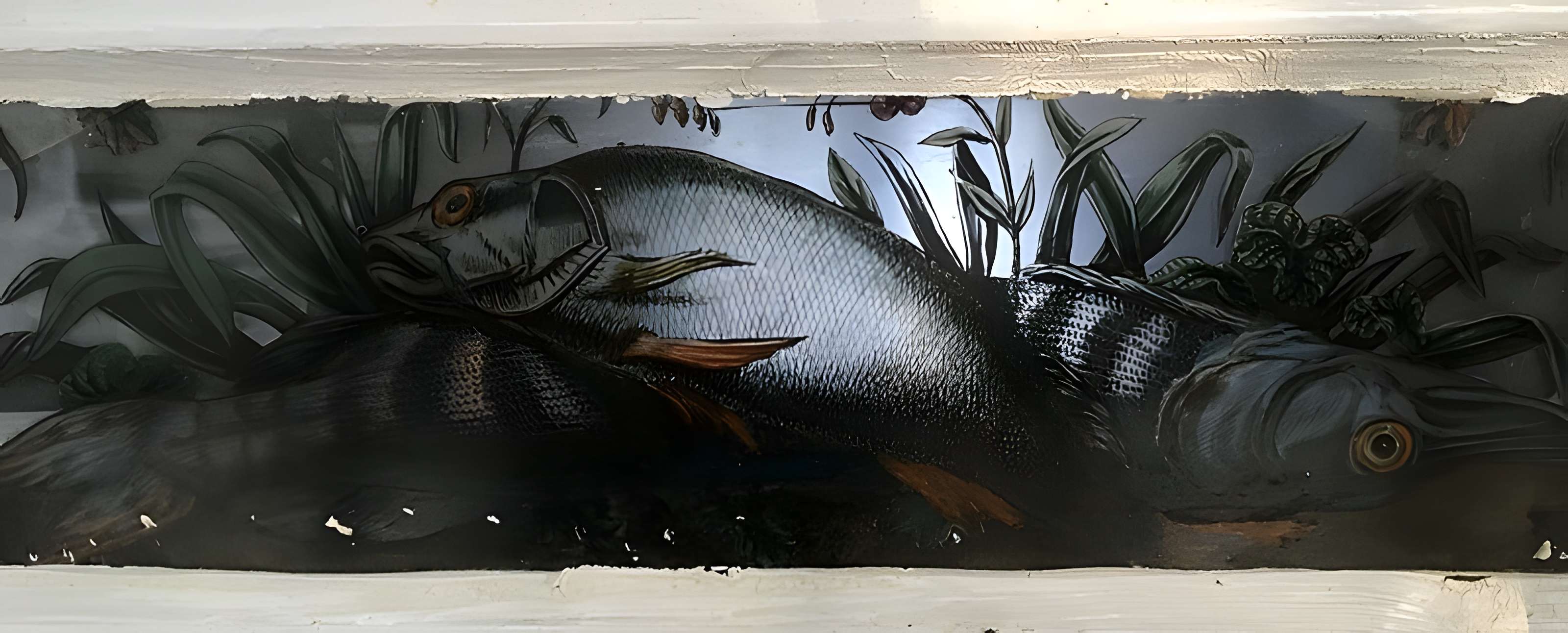
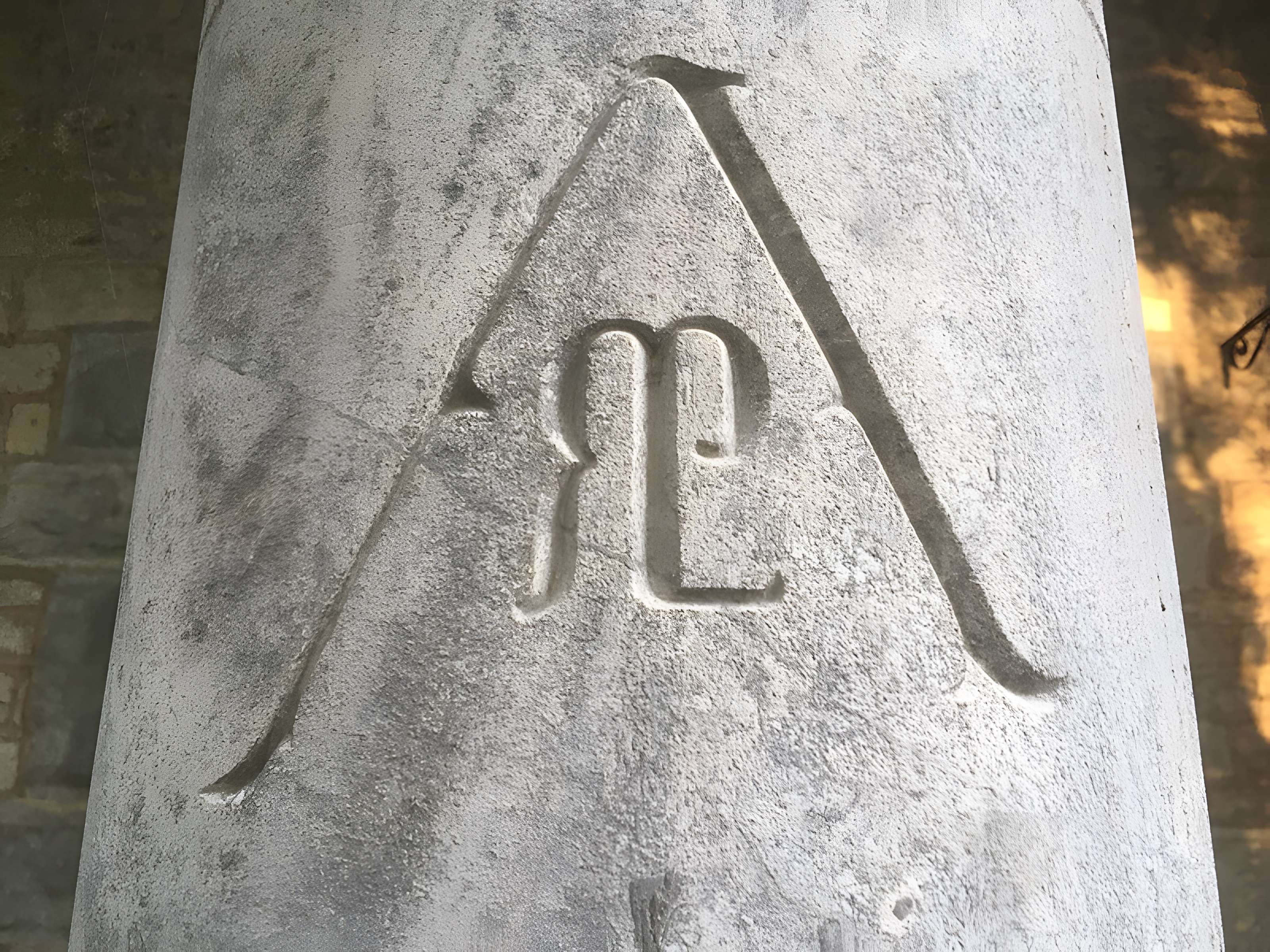
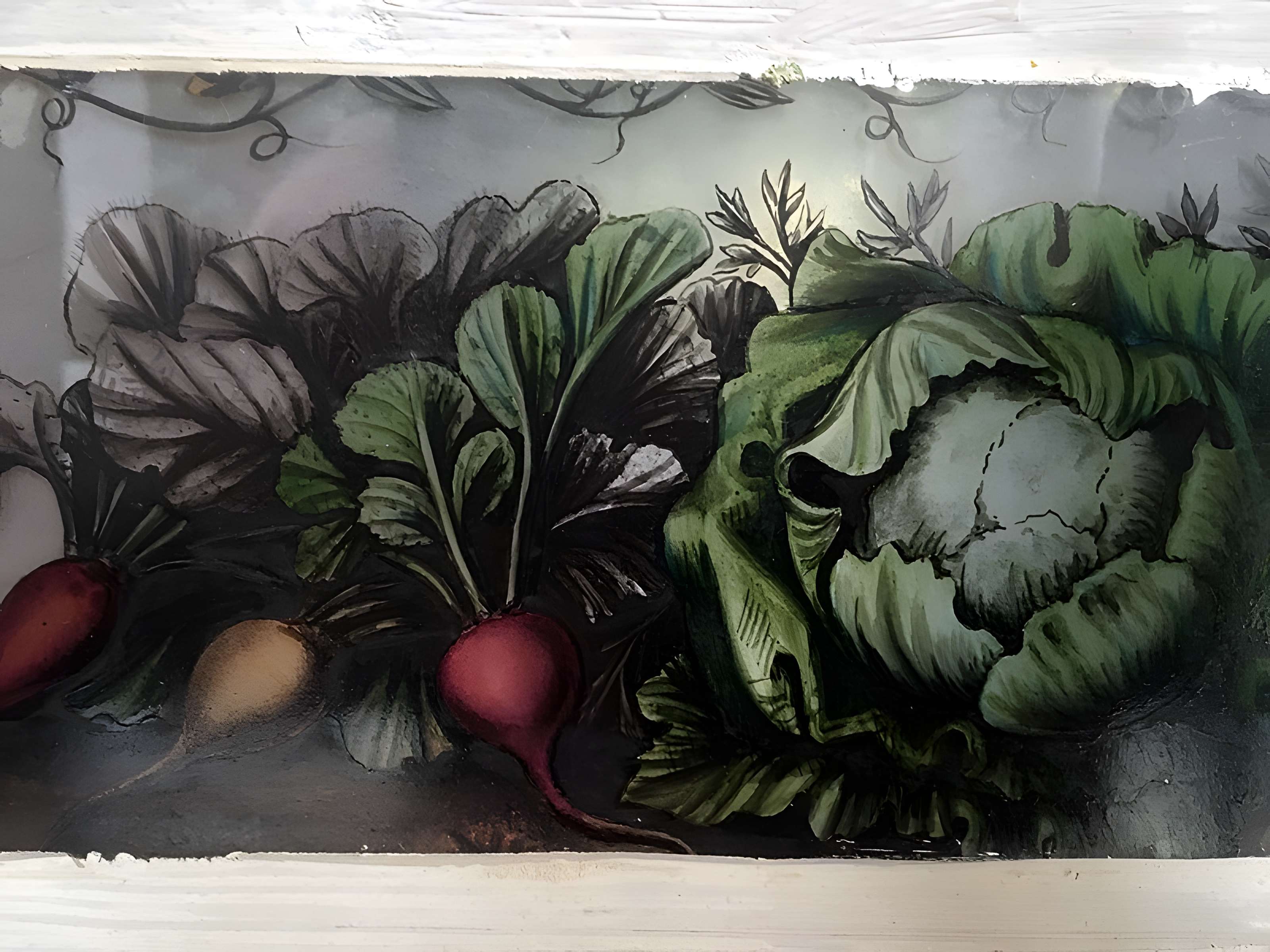
The architecture of the castle combines ancient remains and 19th century reconstructions. Alphonse Delacroix incorporates neo-Gothic elements, such as Second Empire stained glass windows and woodwork decorated with polychrome ceramics representing grape clusters and wheat ears, dedicated to Léonie. The reception room, the only room partially preserving the original furniture, bears witness to the past. The park, classified as a wooded area to be conserved, still houses the weapons of the Count of Turenne on its entrance gates, recalling the turbulent history of the place.

The castle owes its popular name to Léonie Allegri, whose personality and Jewish confession have marked the minds. Its heritage is mixed with that of the Lippmann and Turenne families, reflecting the social and architectural changes of the Franche-Comté in the 19th century. From aristocratic hunting relay to star restaurant and then to private residence, the castle embodies the transformations of an intimate and emblematic heritage.

External links