Foundation of the early church IIIe siècle (≈ 350)
Evangelization by Saint Ferjeux and Saint Ferréol.
811–838
Consecration of the Carolingian Cathedral
Consecration of the Carolingian Cathedral 811–838 (≈ 825)
The work of Archbishop Bernoin, two opposing apses.
1061
Consecration by Hugues de Salins
Consecration by Hugues de Salins 1061 (≈ 1061)
Major works and changes of the 11th century.
1148
Dedication by Pope Eugene III
Dedication by Pope Eugene III 1148 (≈ 1148)
Consecration of eight altars after reconstruction.
1212
Structural fire
Structural fire 1212 (≈ 1212)
Beginning of Gothic works and warhead vaults.
1724–1734
Reconstruction of the bell tower and counter-cheur
Reconstruction of the bell tower and counter-cheur 1724–1734 (≈ 1729)
Work by Germain Boffrand after collapse.
Aujourd'hui
Aujourd'hui
Aujourd'hui Aujourd'hui (≈ 2025)
Position de référence.
Heritage classified
The cathedral: ranking by list of 1875
Key figures
Saint Ferjeux et saint Ferréol - Evangelizers and Martyrs
Founders of the Church of Besançon in the third century.
Bernoin - Archbishop (811–829)
Builder of the Carolingian cathedral with double apse.
Hugues de Salins - Archbishop (1031–1066)
Renovator of the cathedral and founder of Saint-Étienne.
Anseric - Archbishop (1117–1134)
Rebuilder of the cathedral in the 12th century.
Calixte II - Pope (1119–1124)
Confessed St John's Cathedral as the episcopal seat.
Germain Boffrand - 18th century architect
Reconstructs the counterchœur after the collapse of 1724.
Origin and history
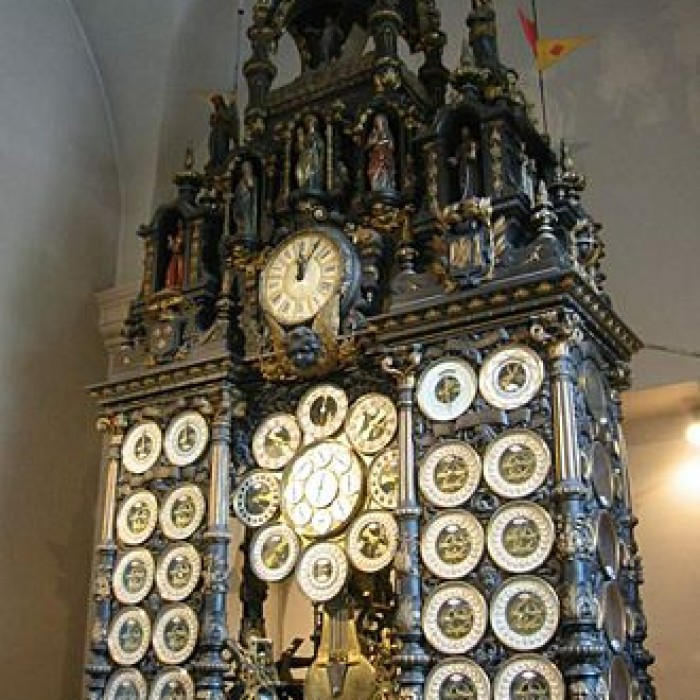
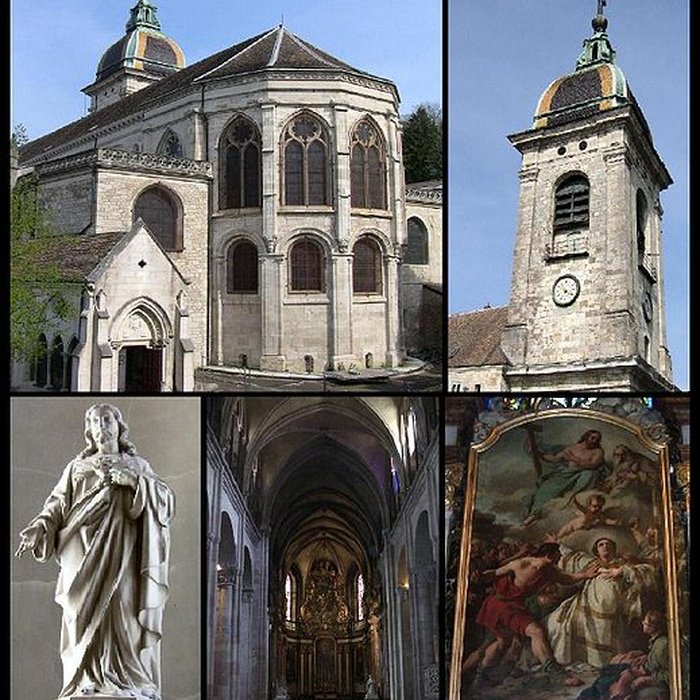
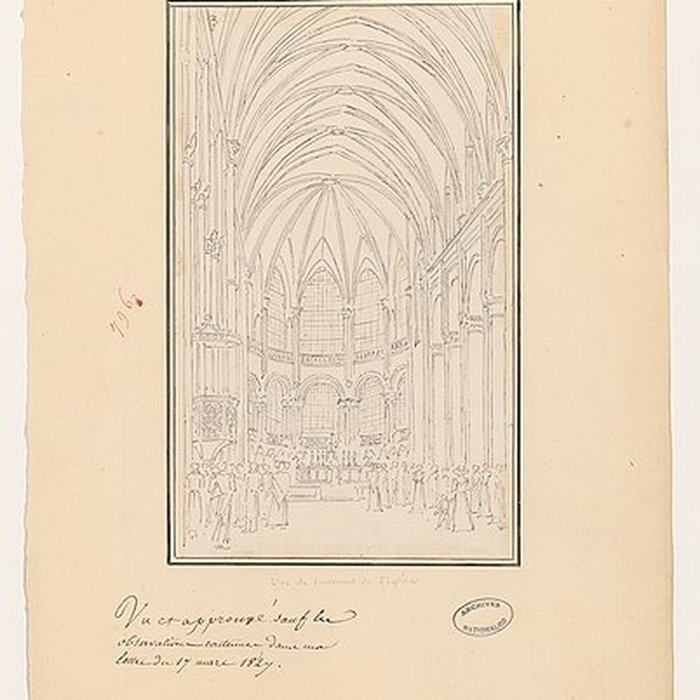
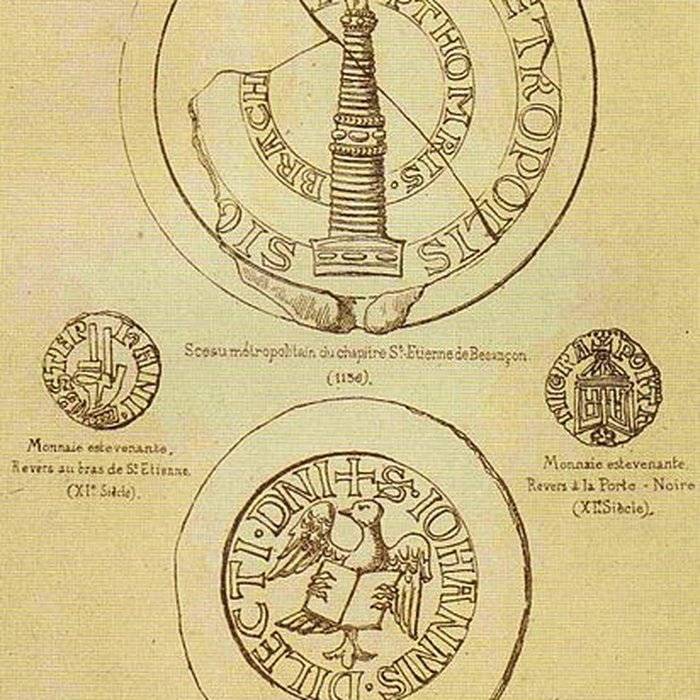
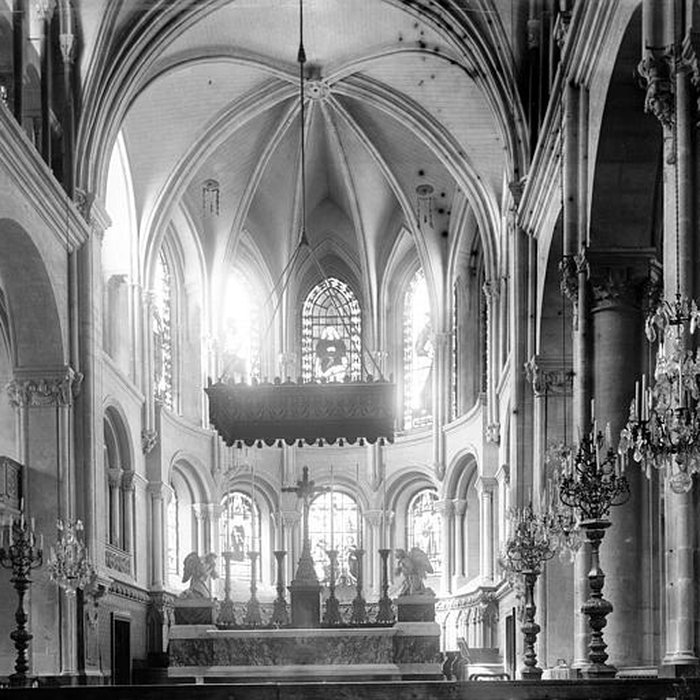
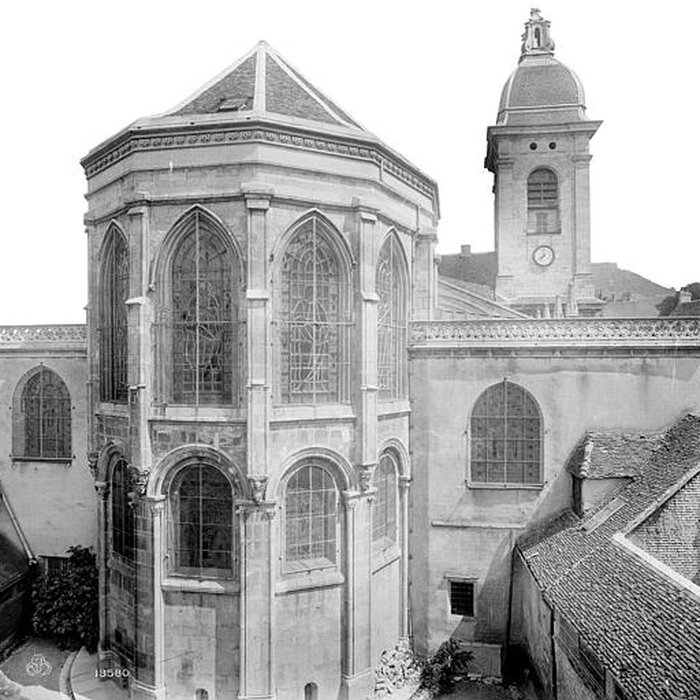
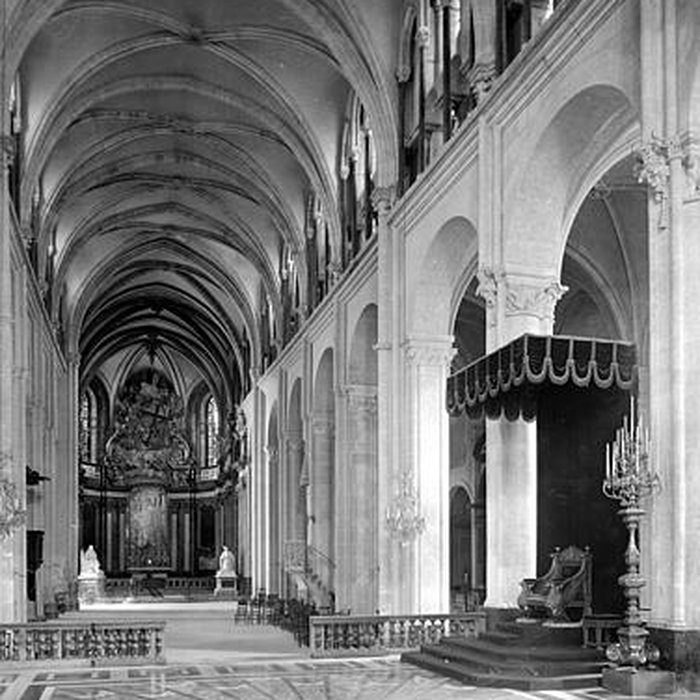
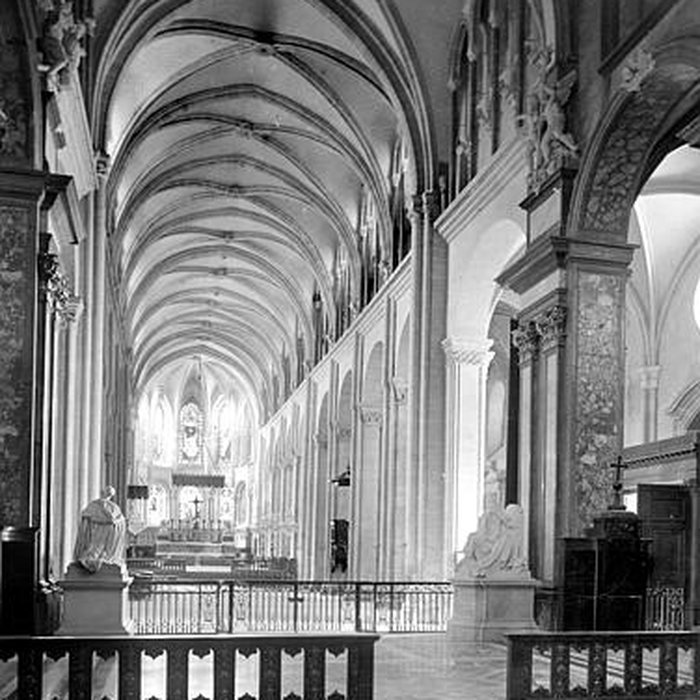
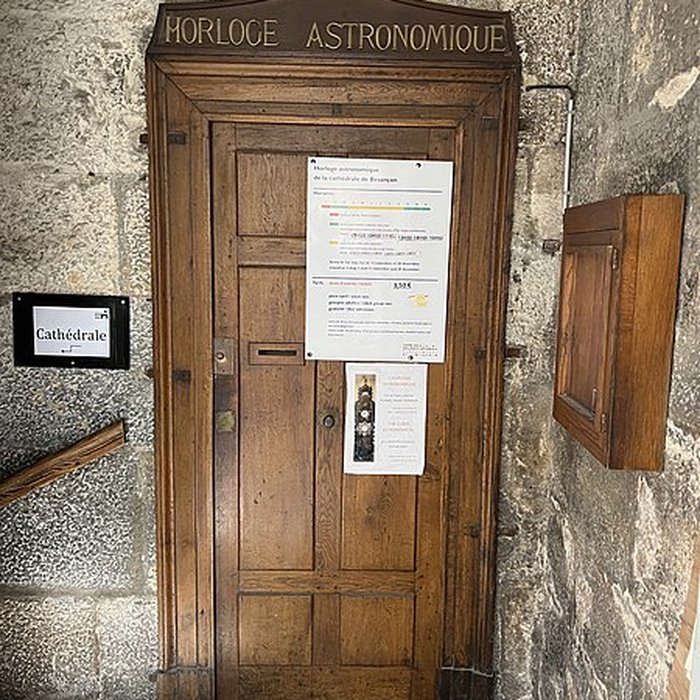
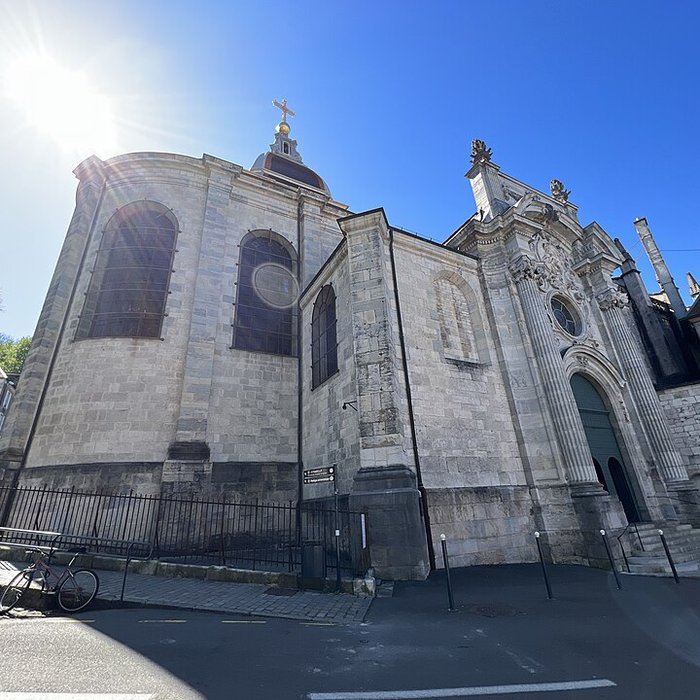
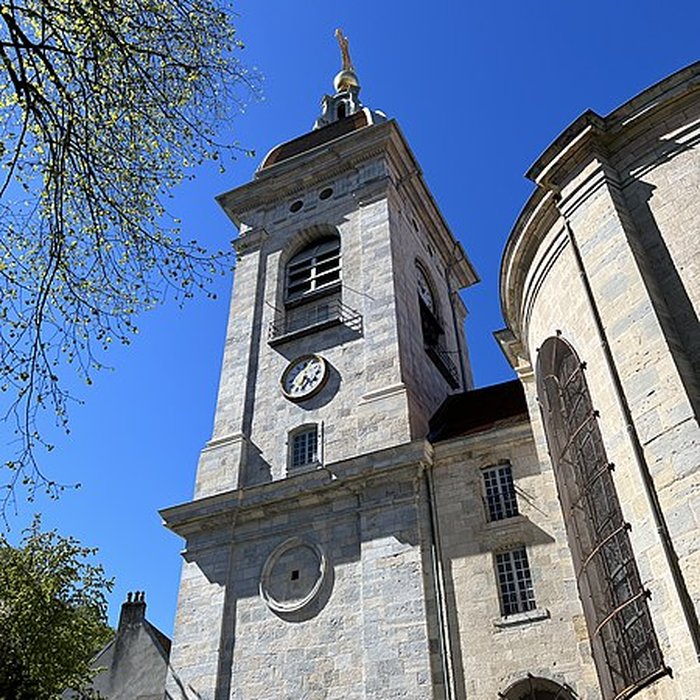
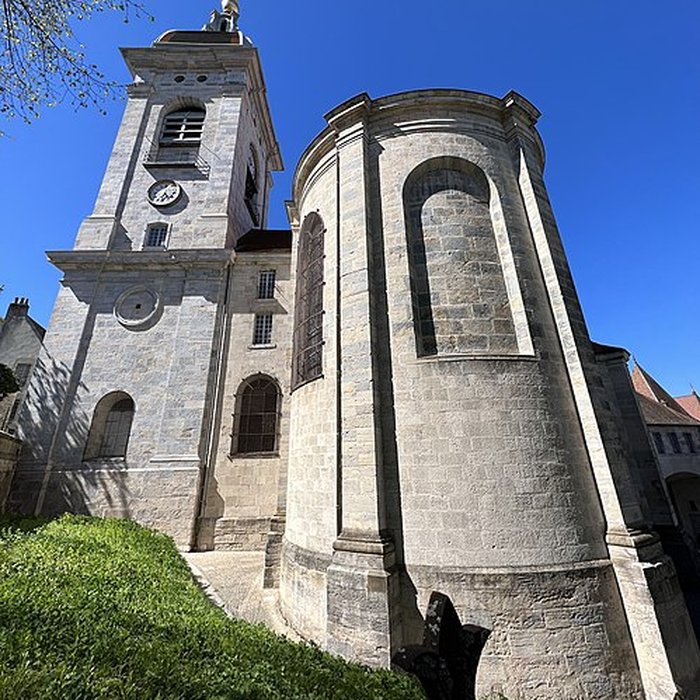
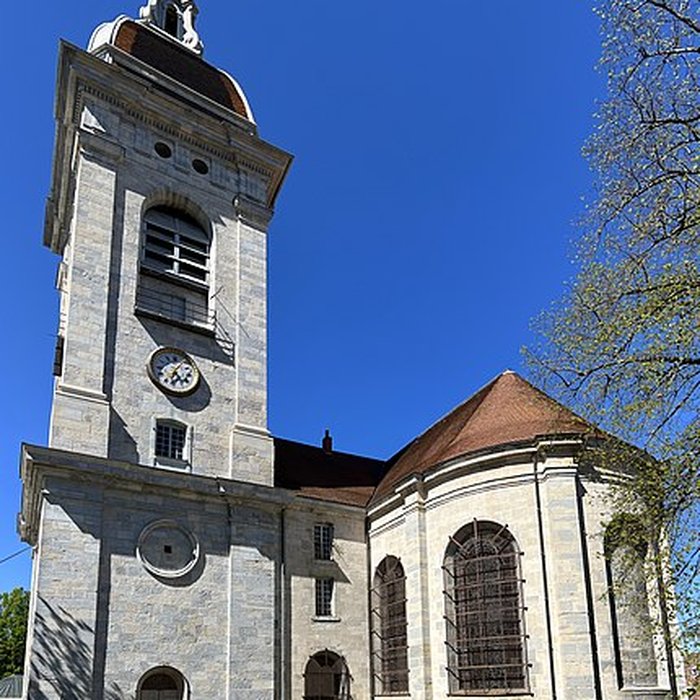
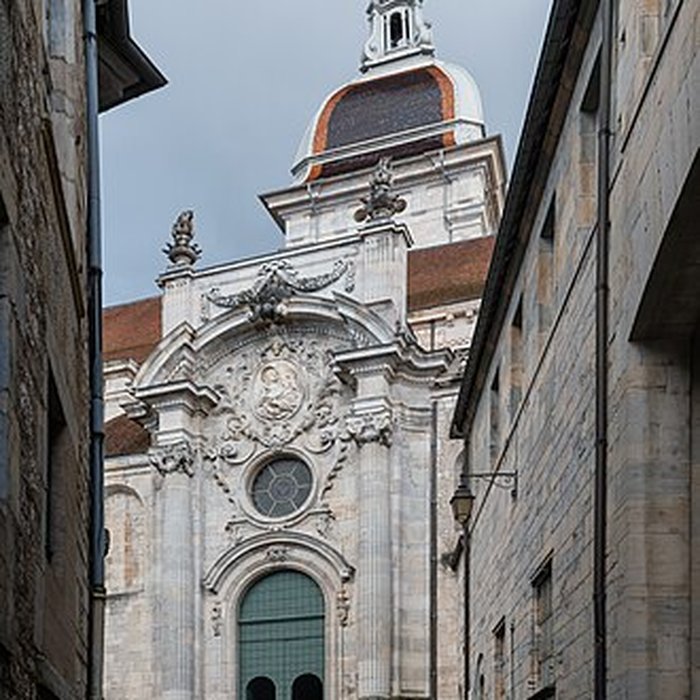
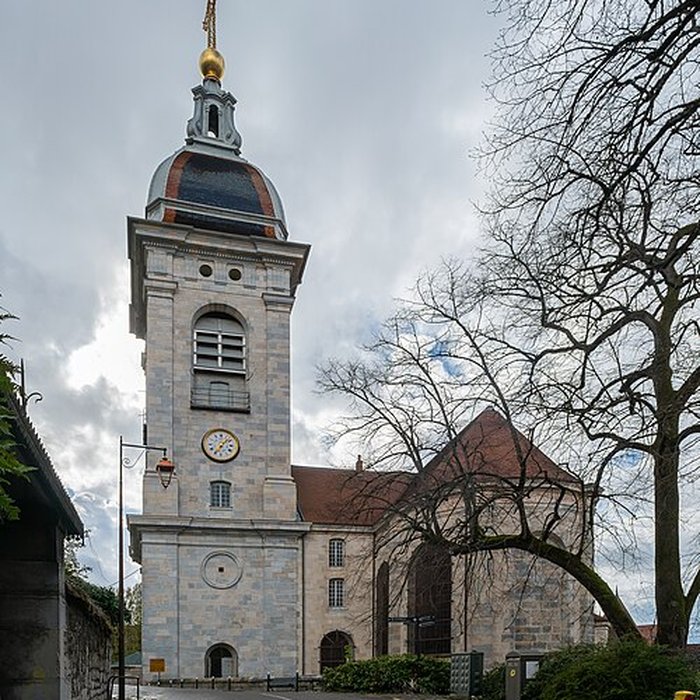
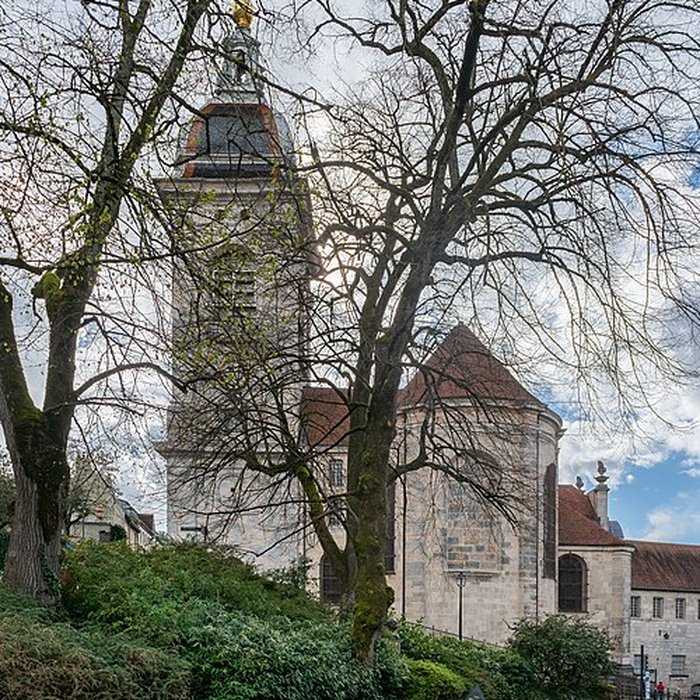
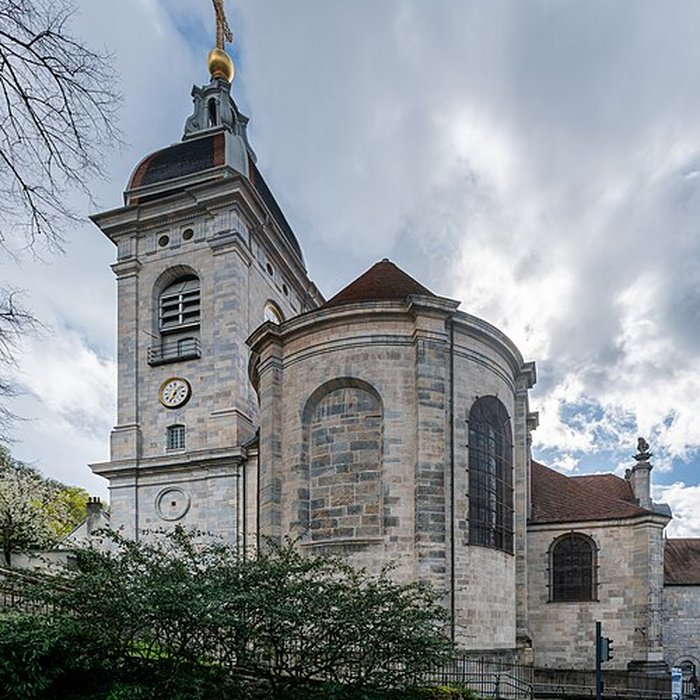
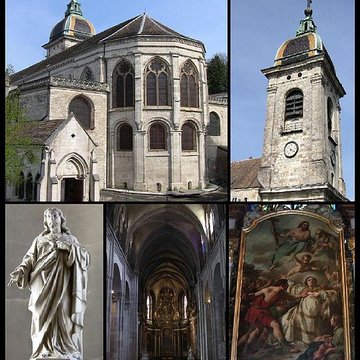
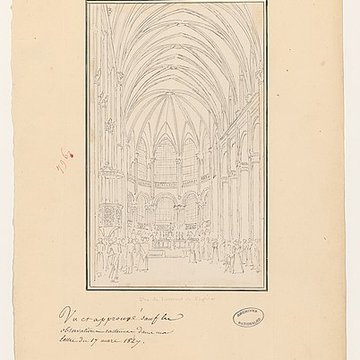
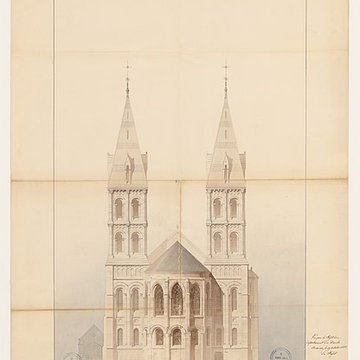
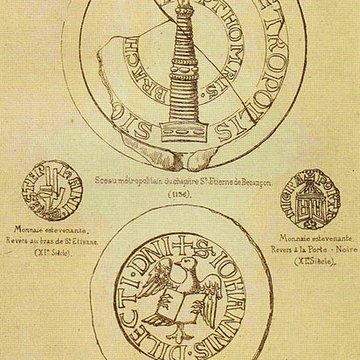
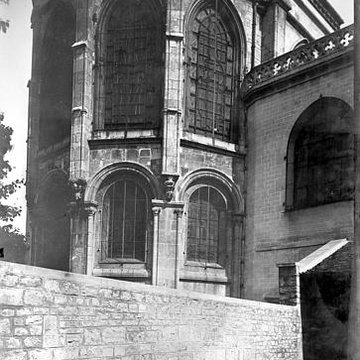
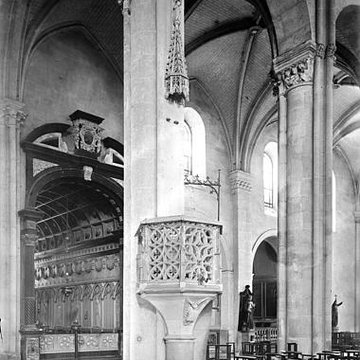
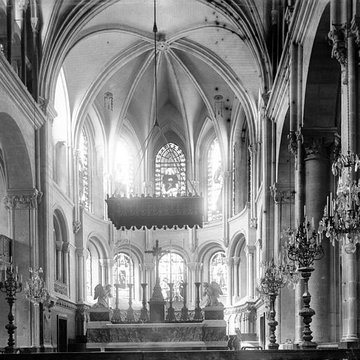
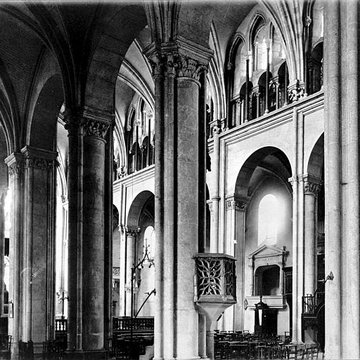
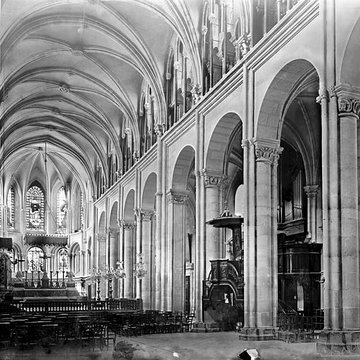
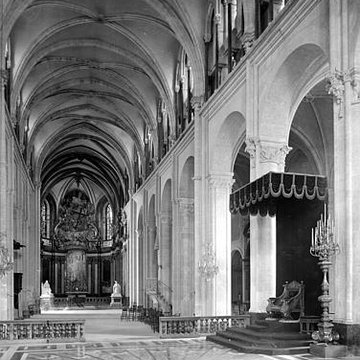
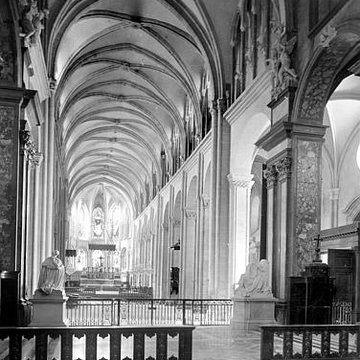
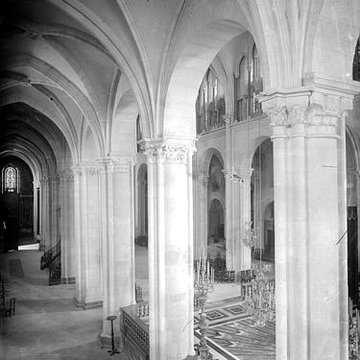
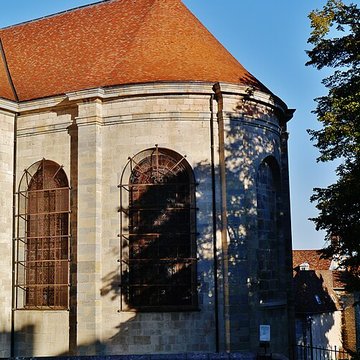
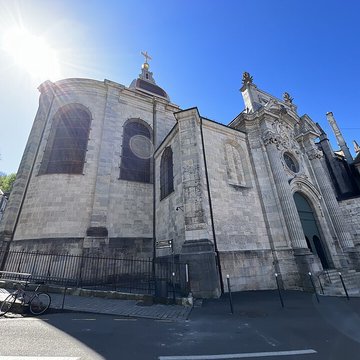
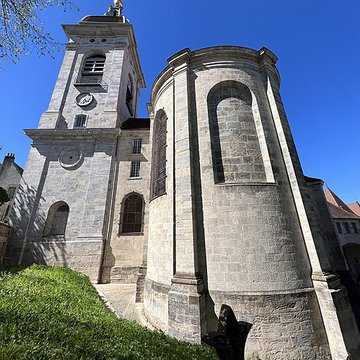
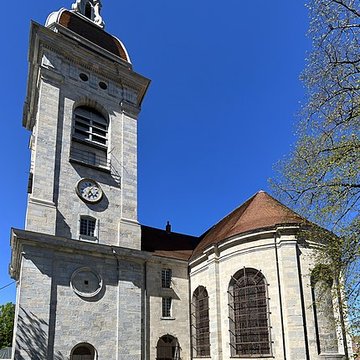
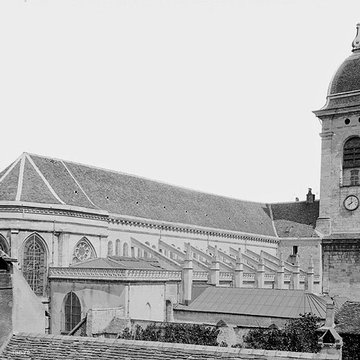
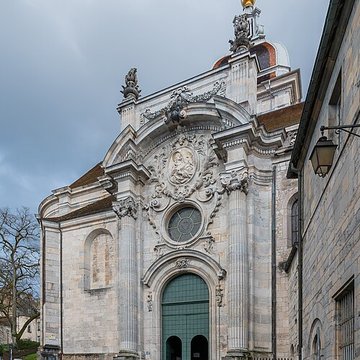
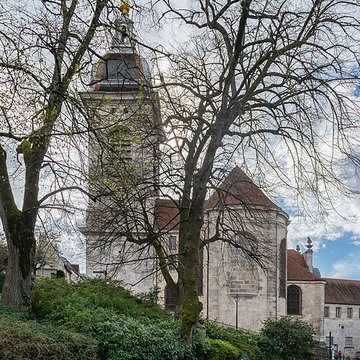
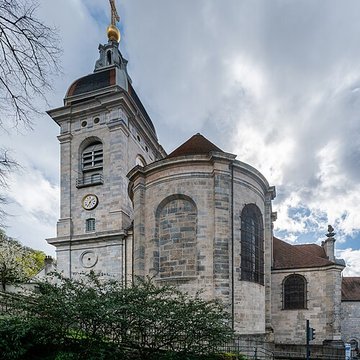
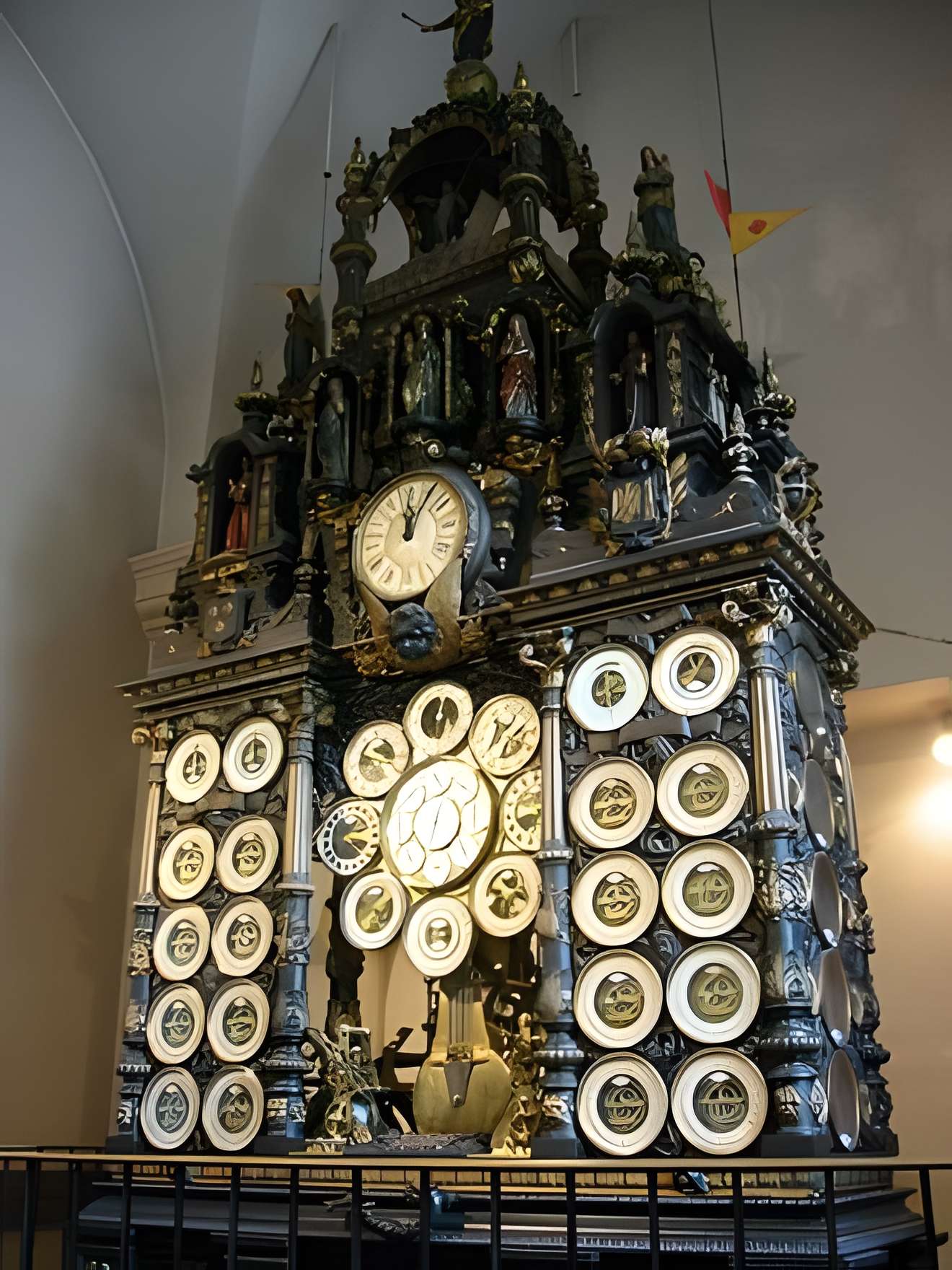
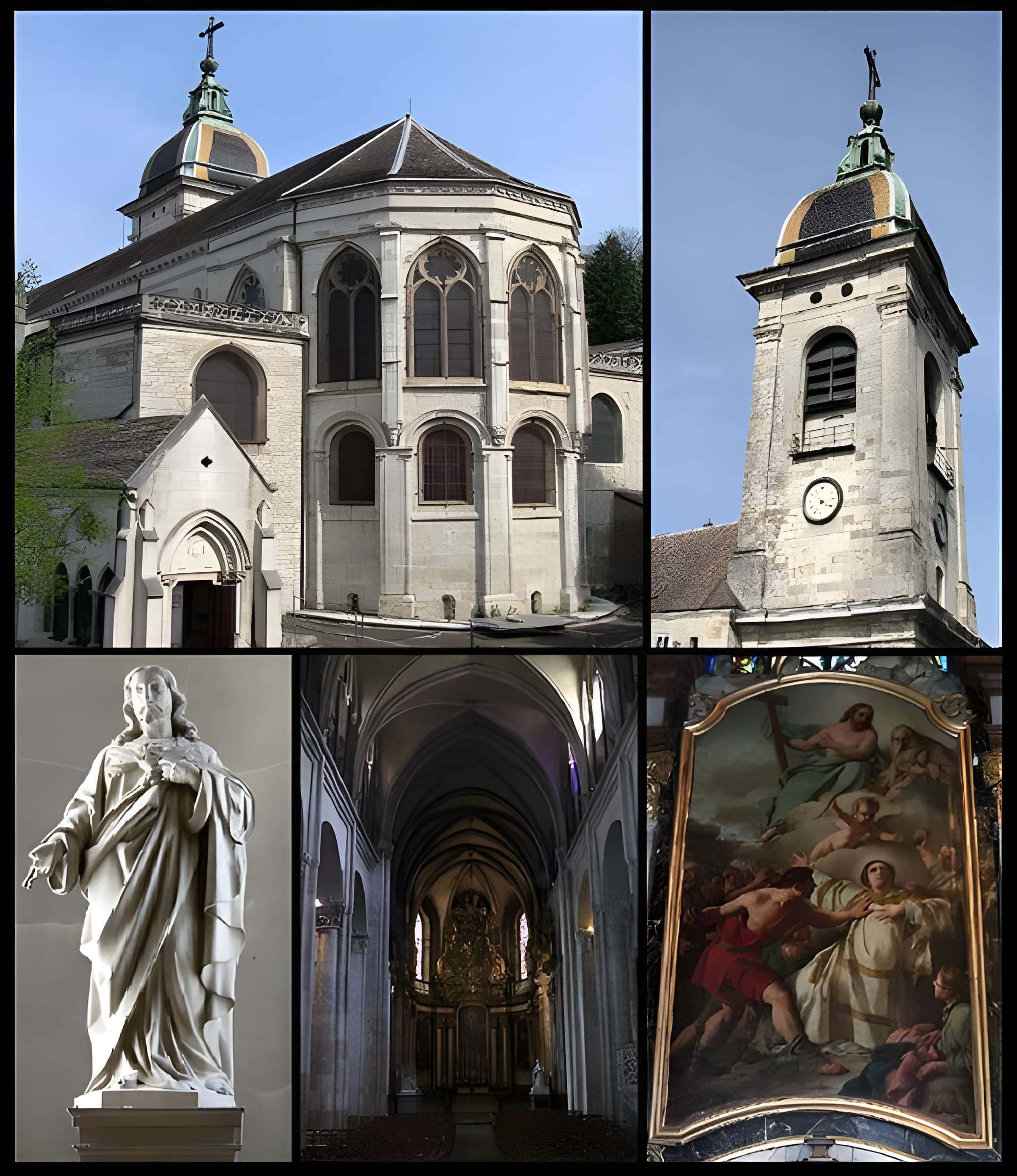
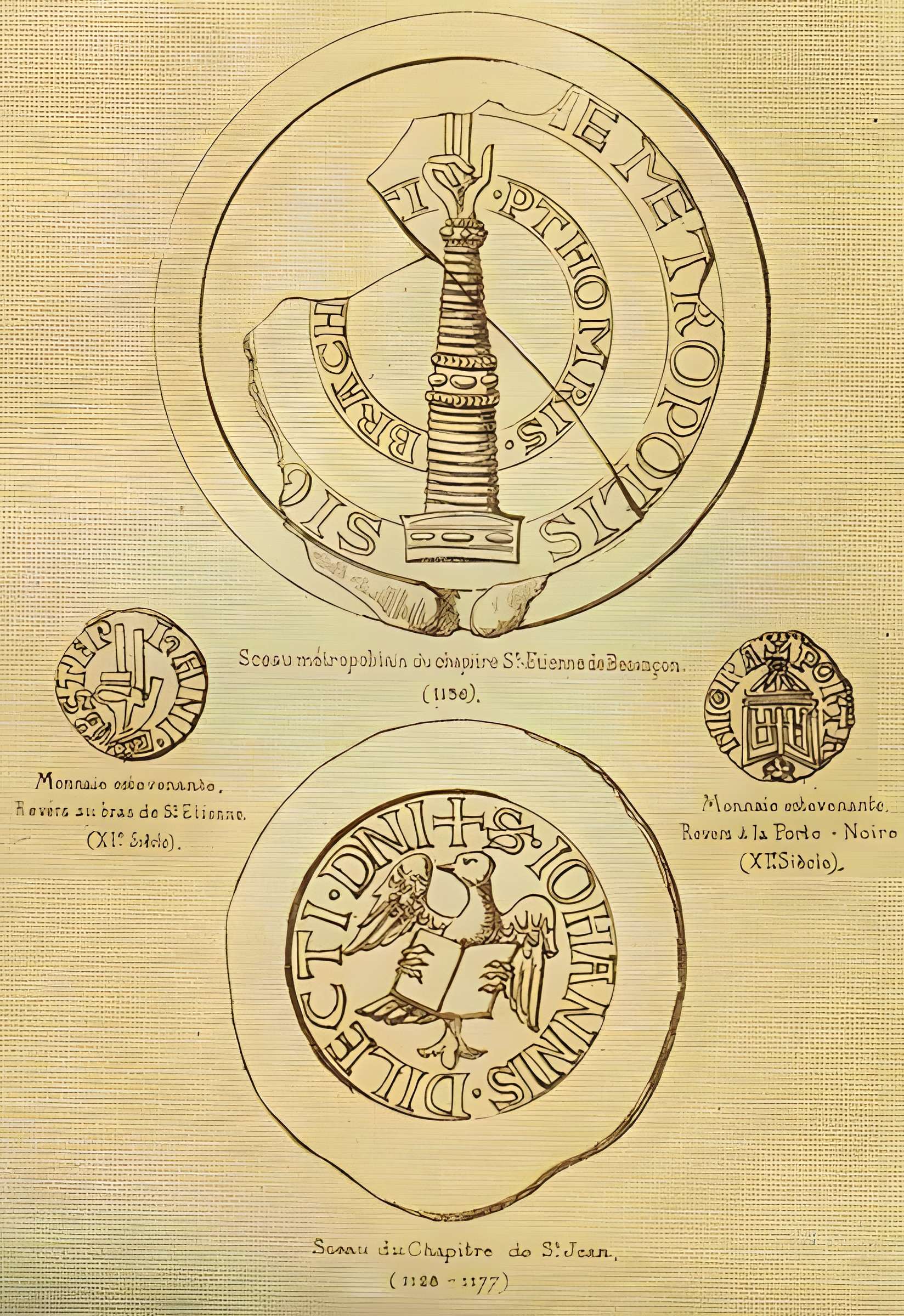
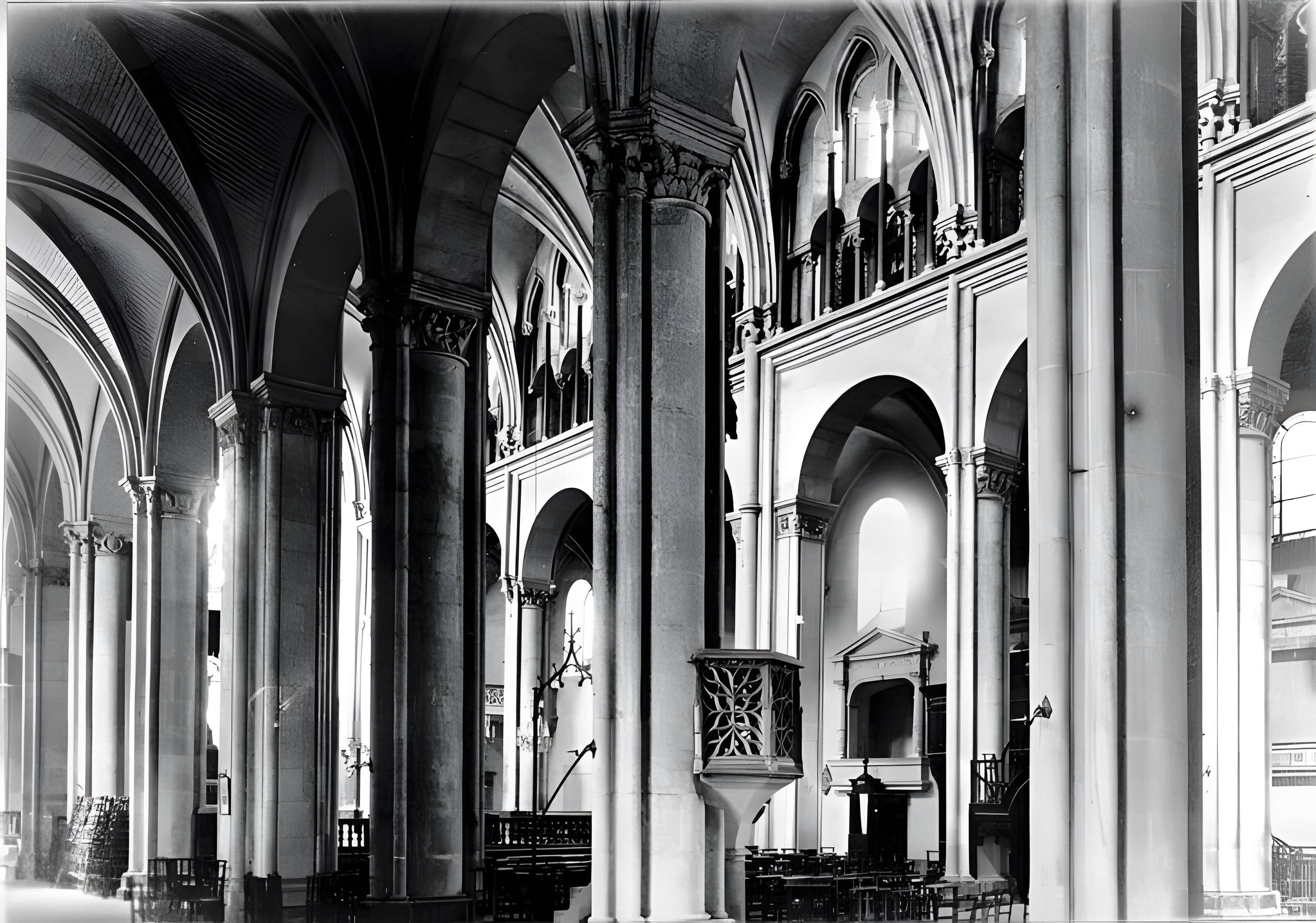
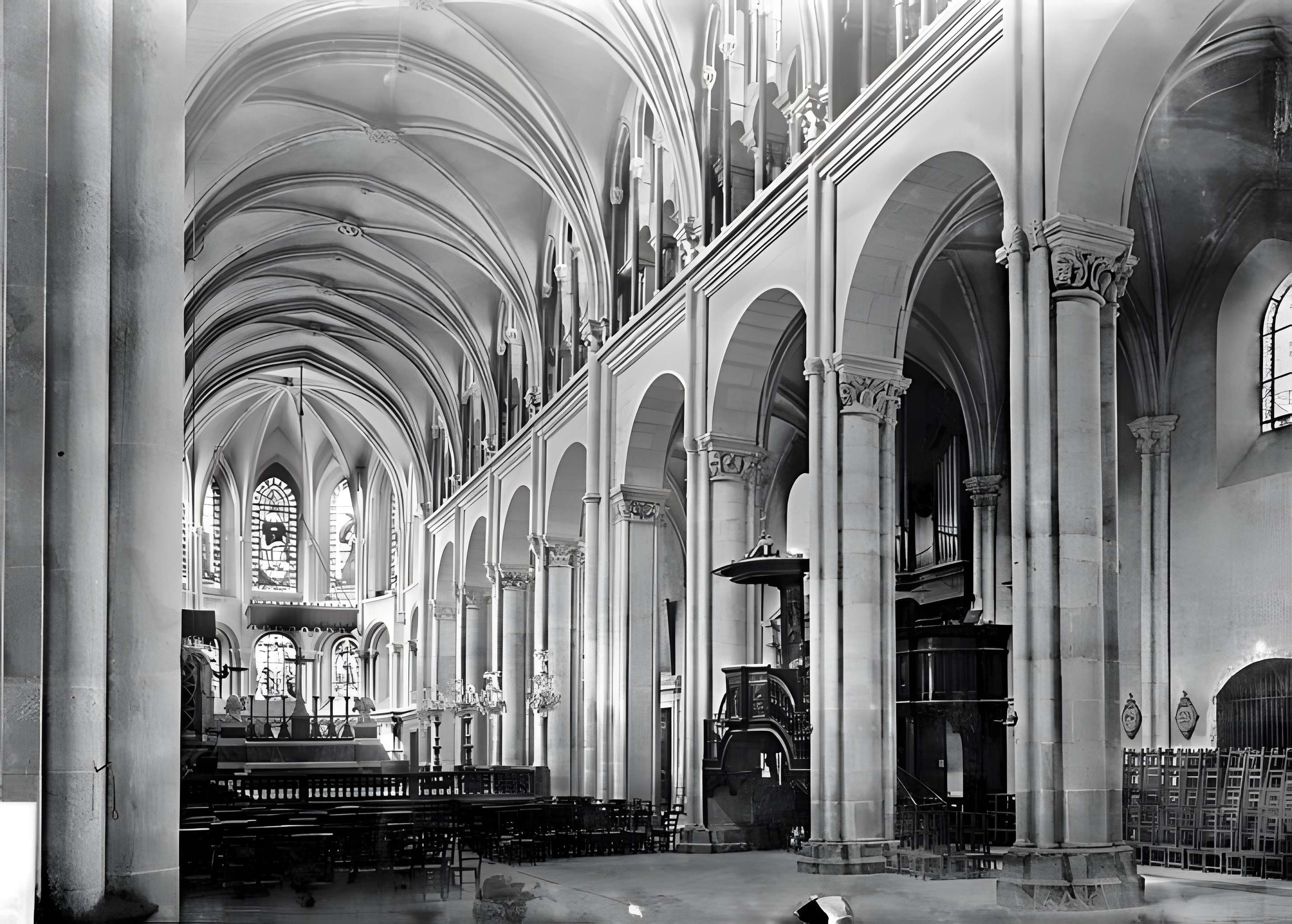
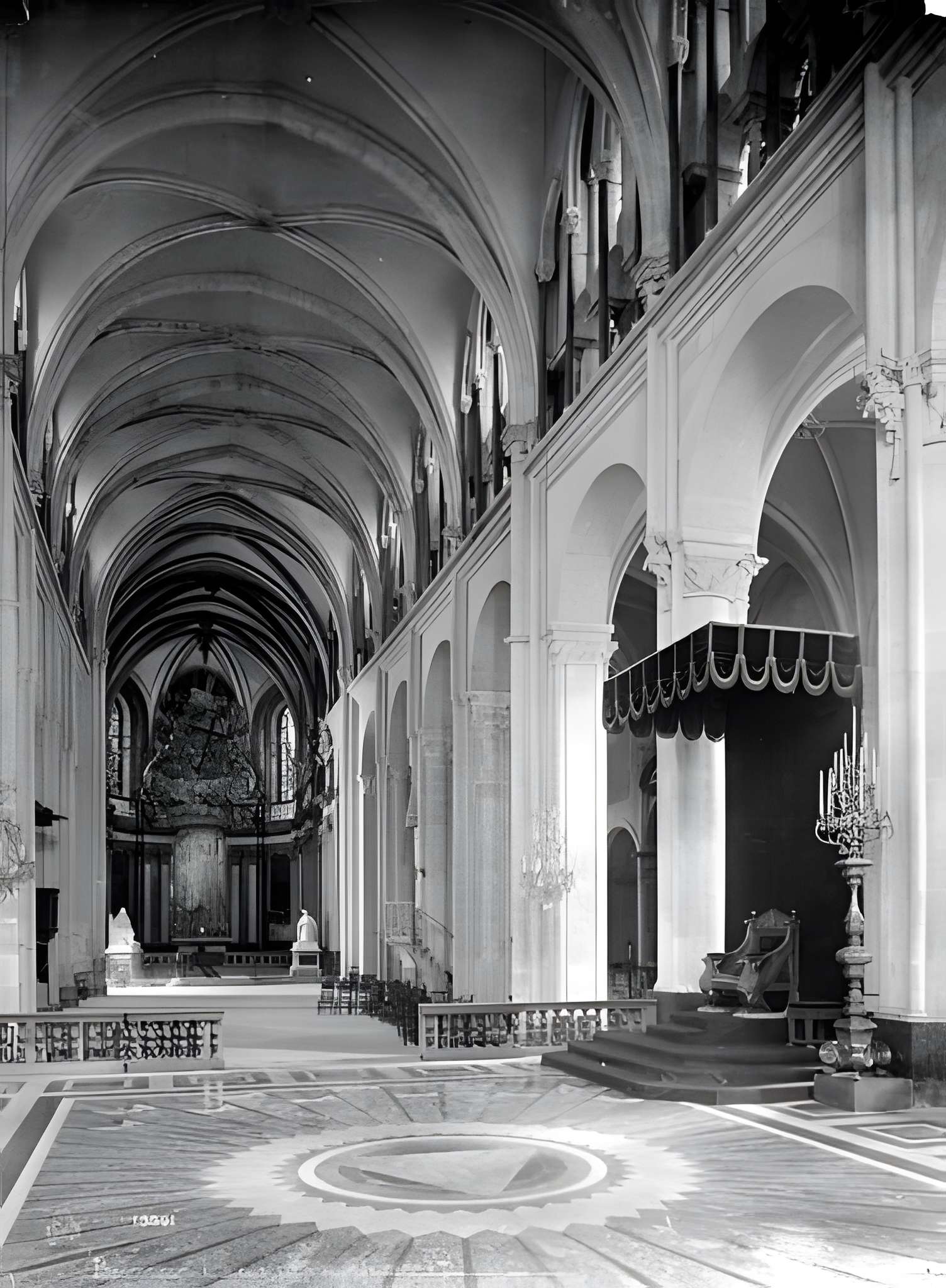
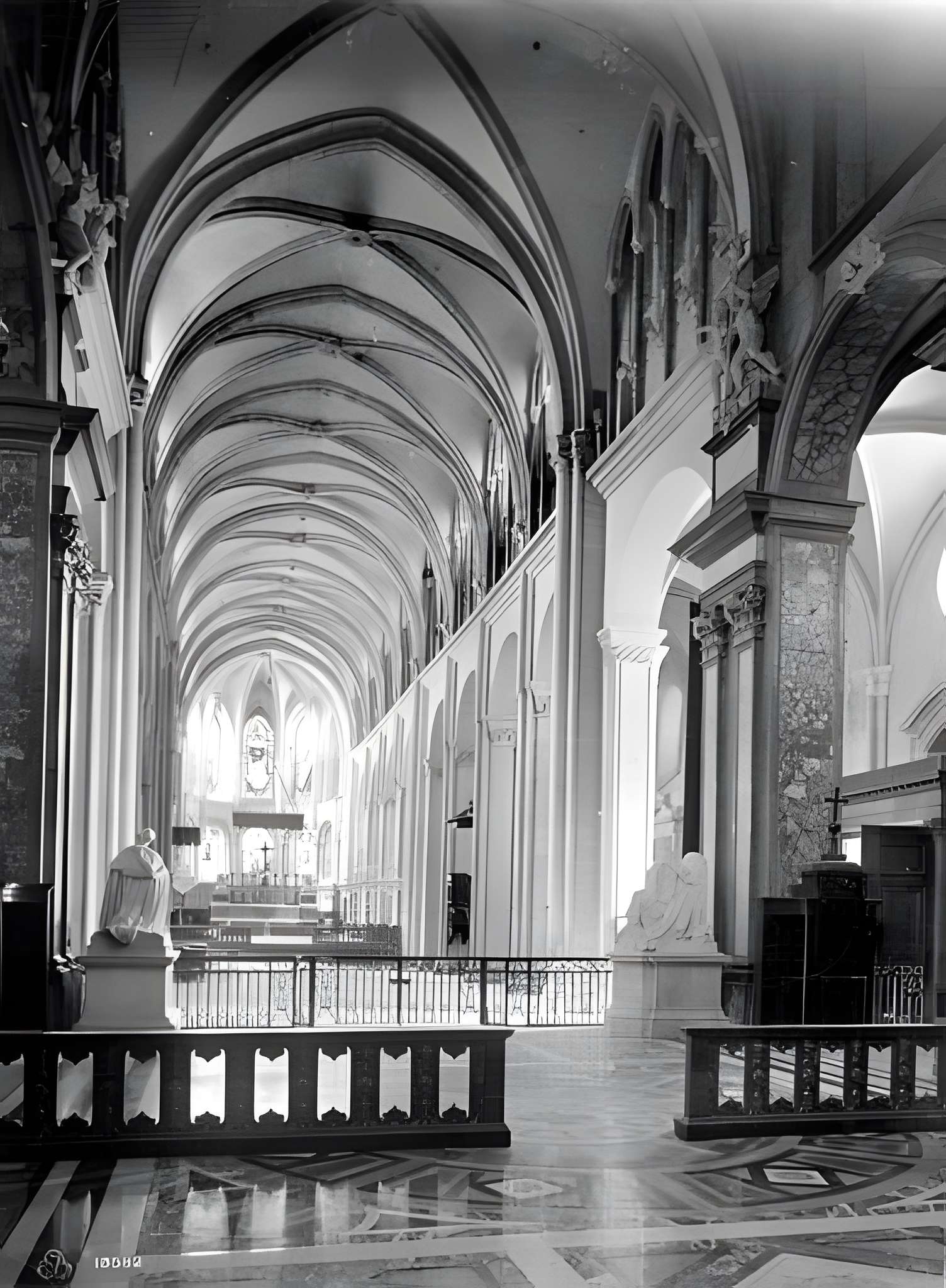
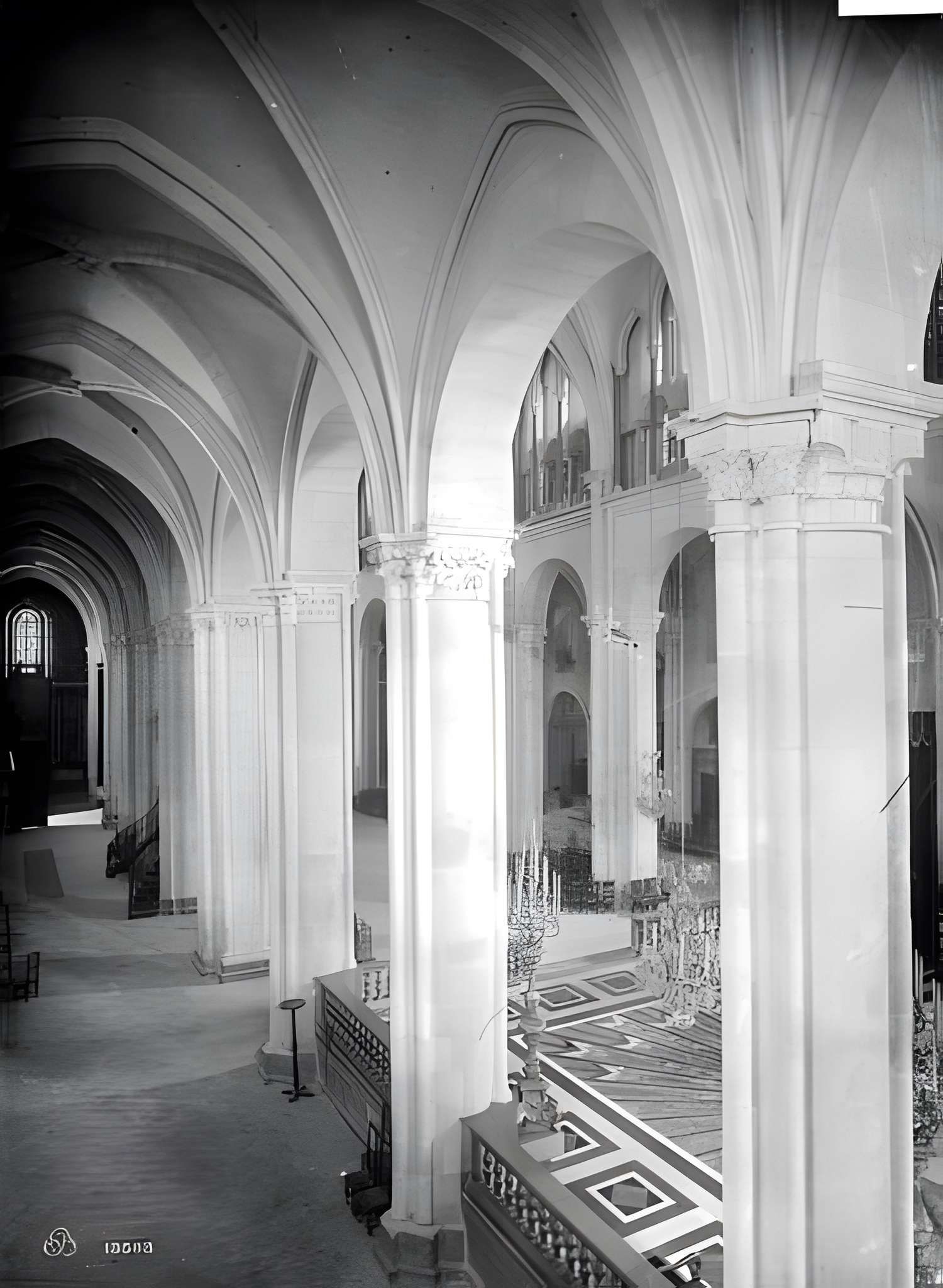
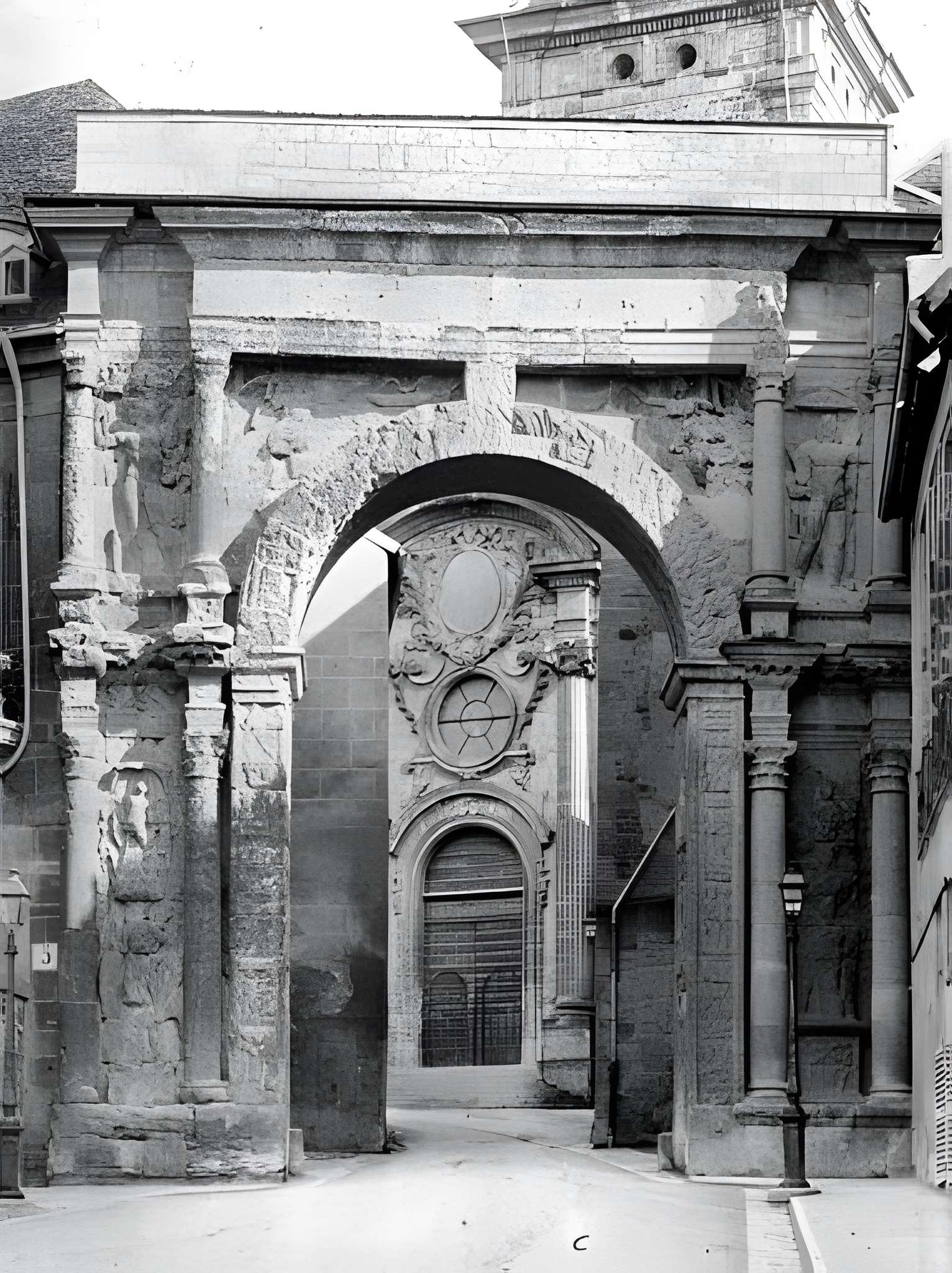
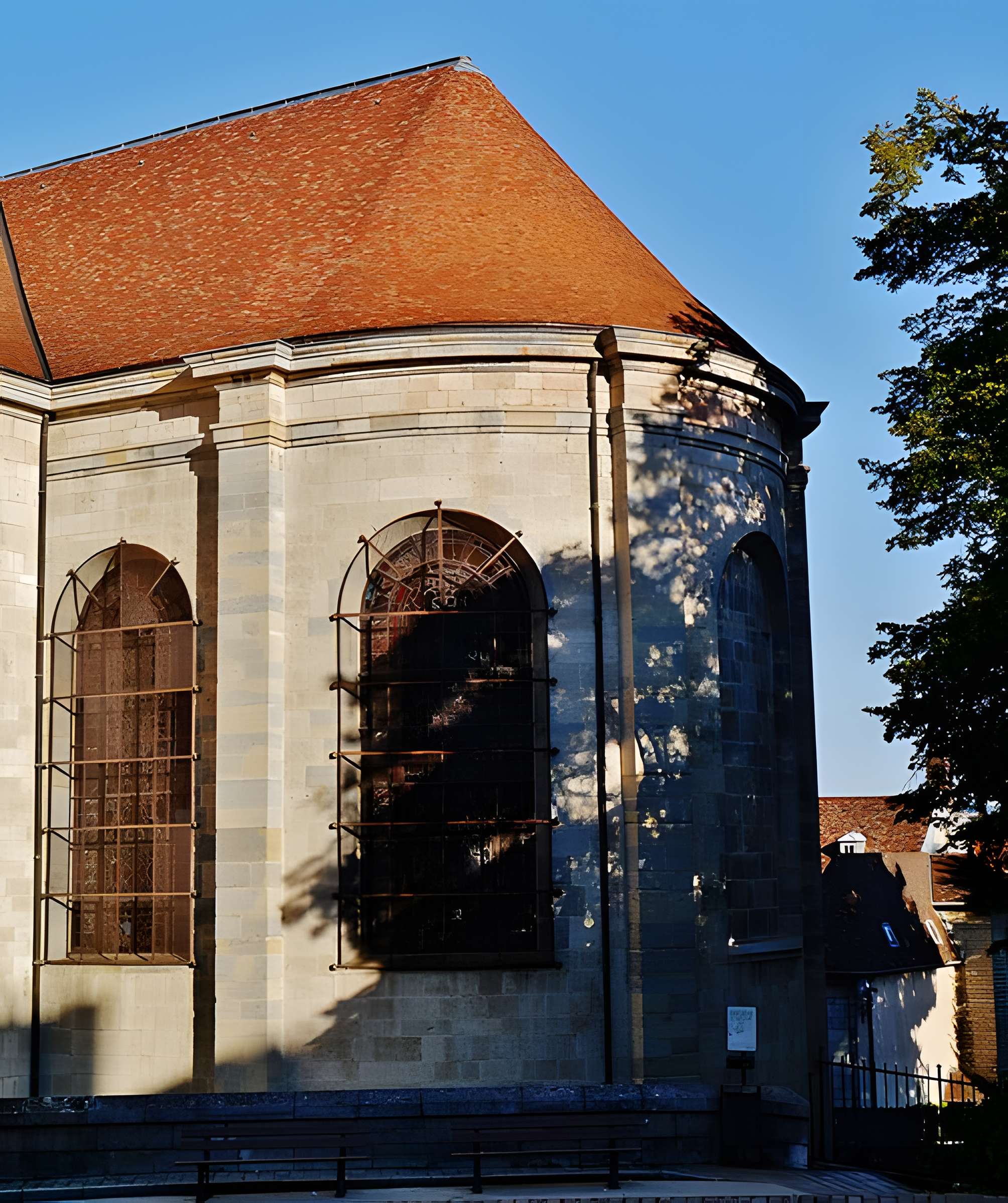
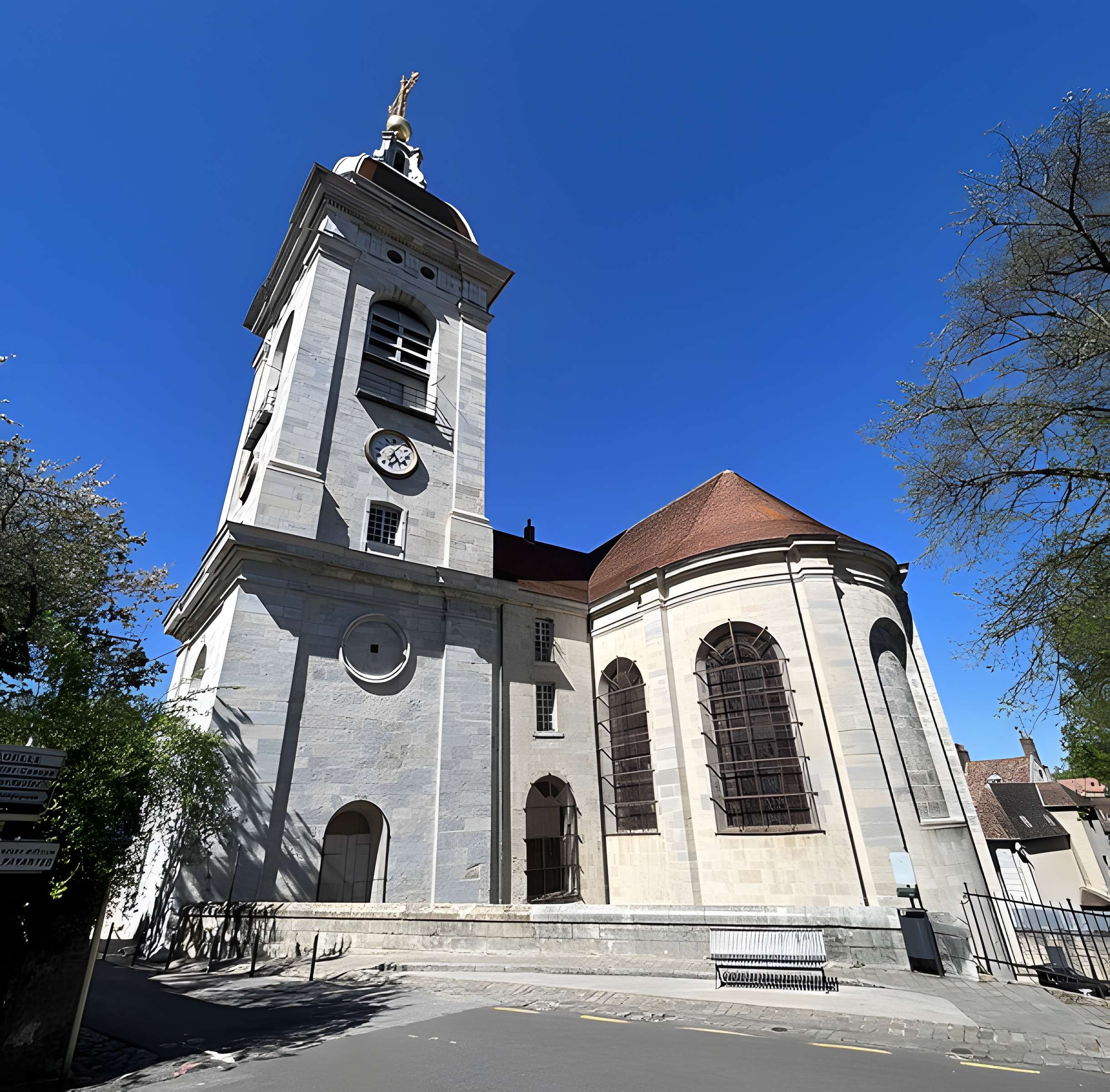
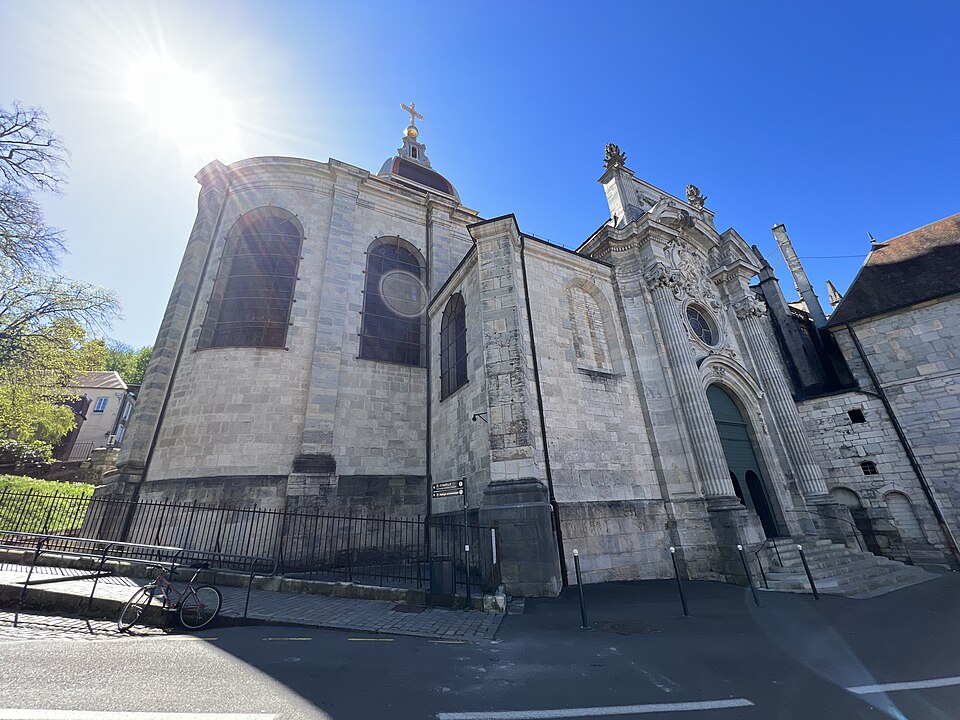
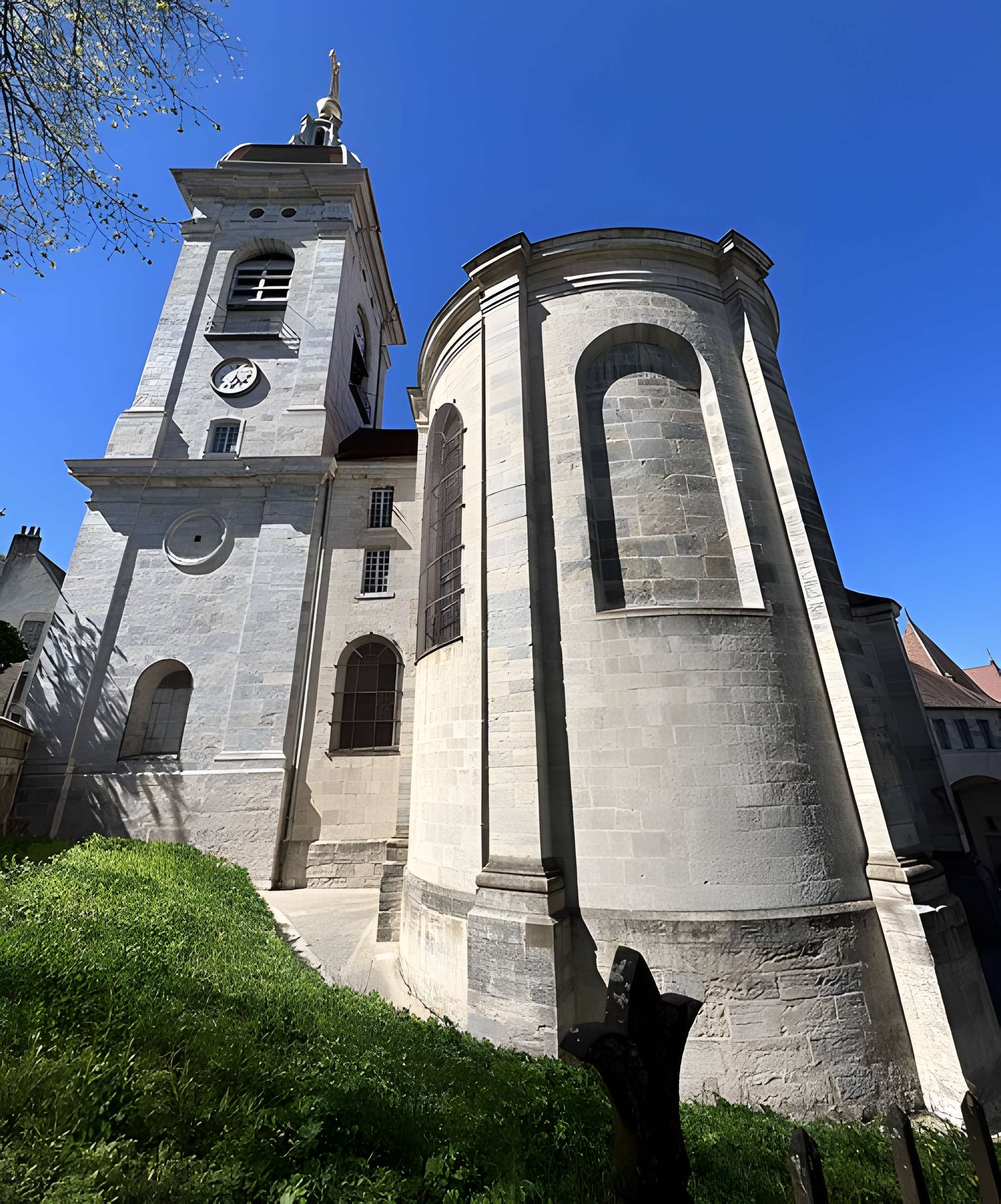
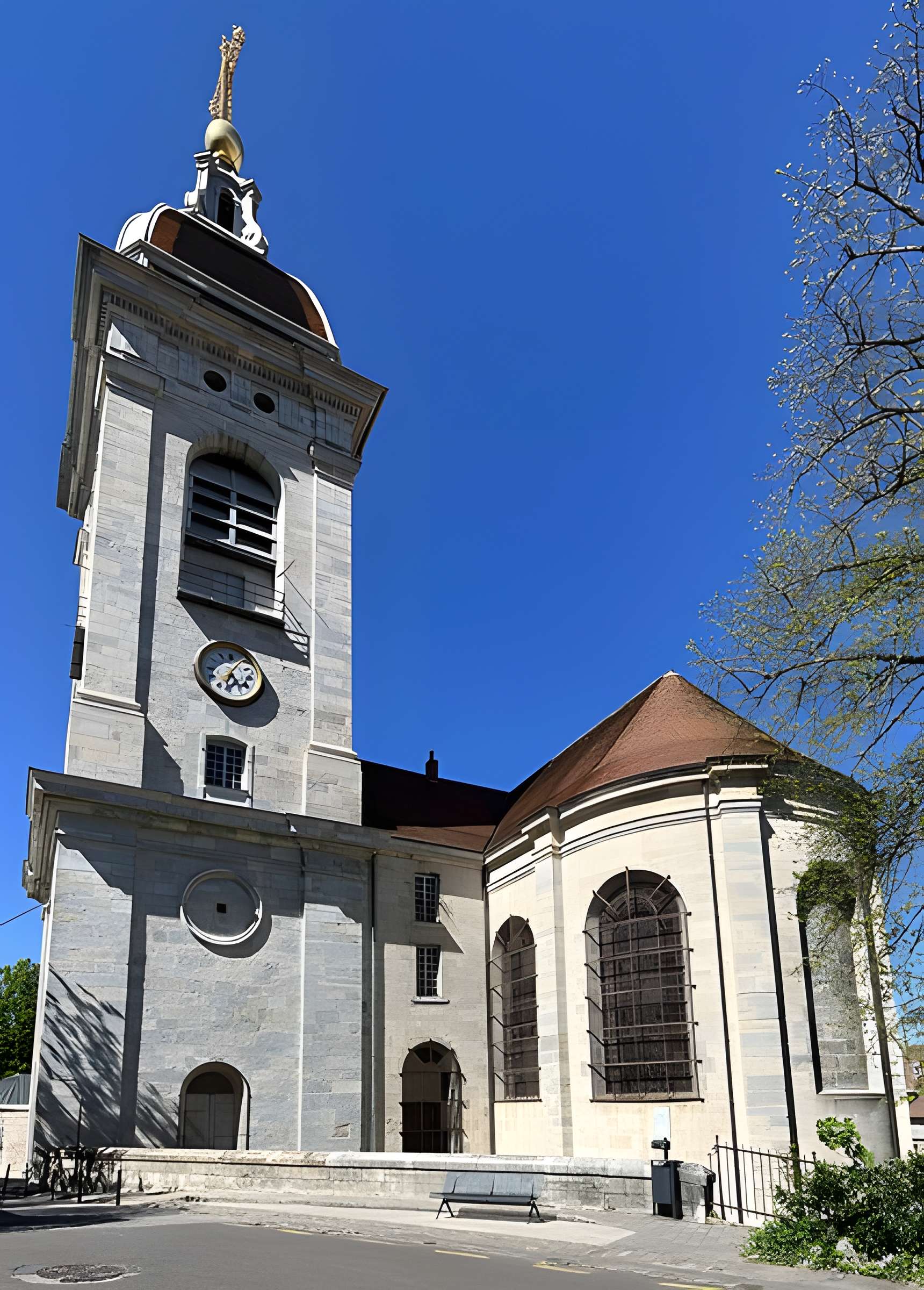
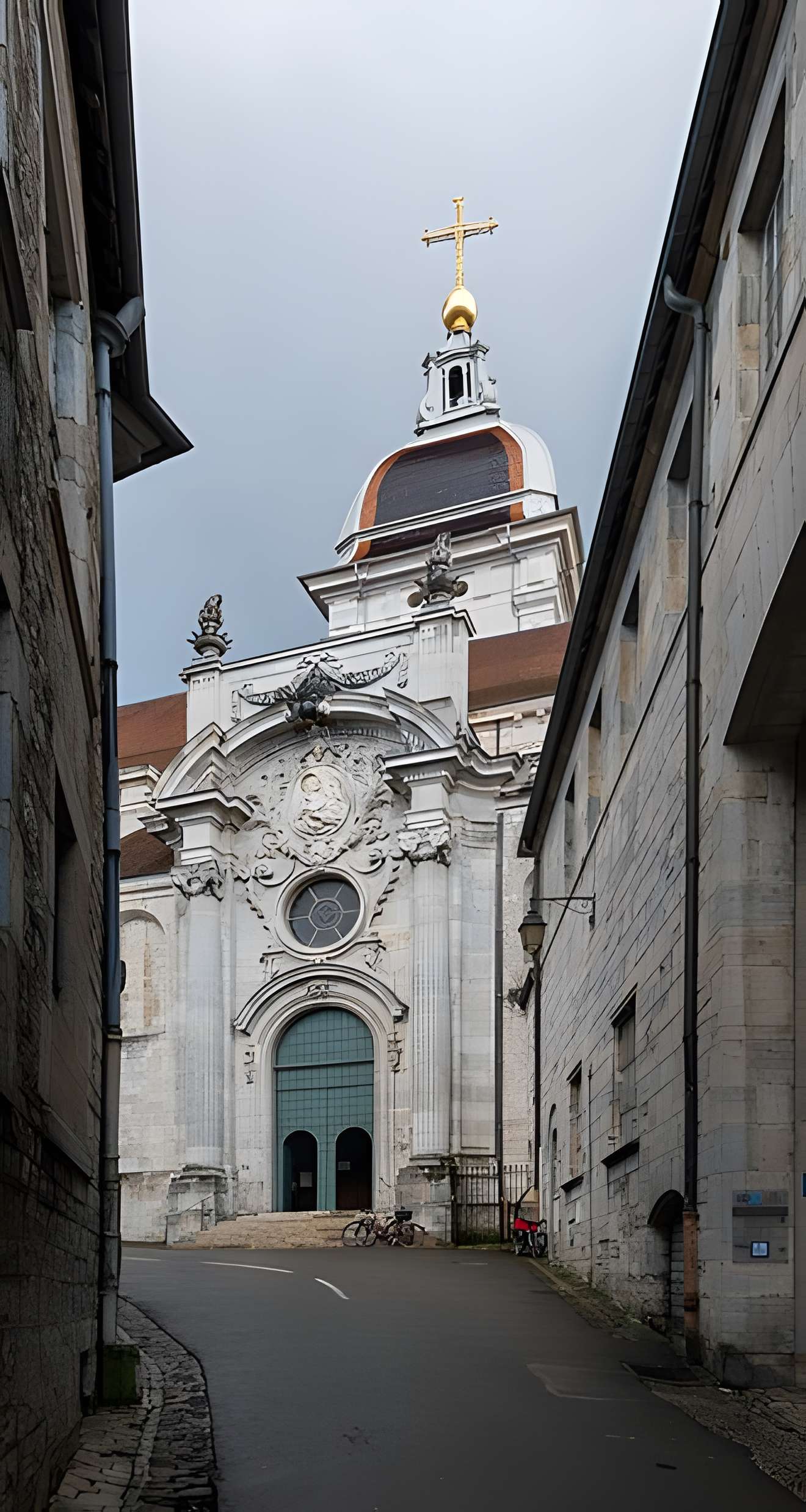
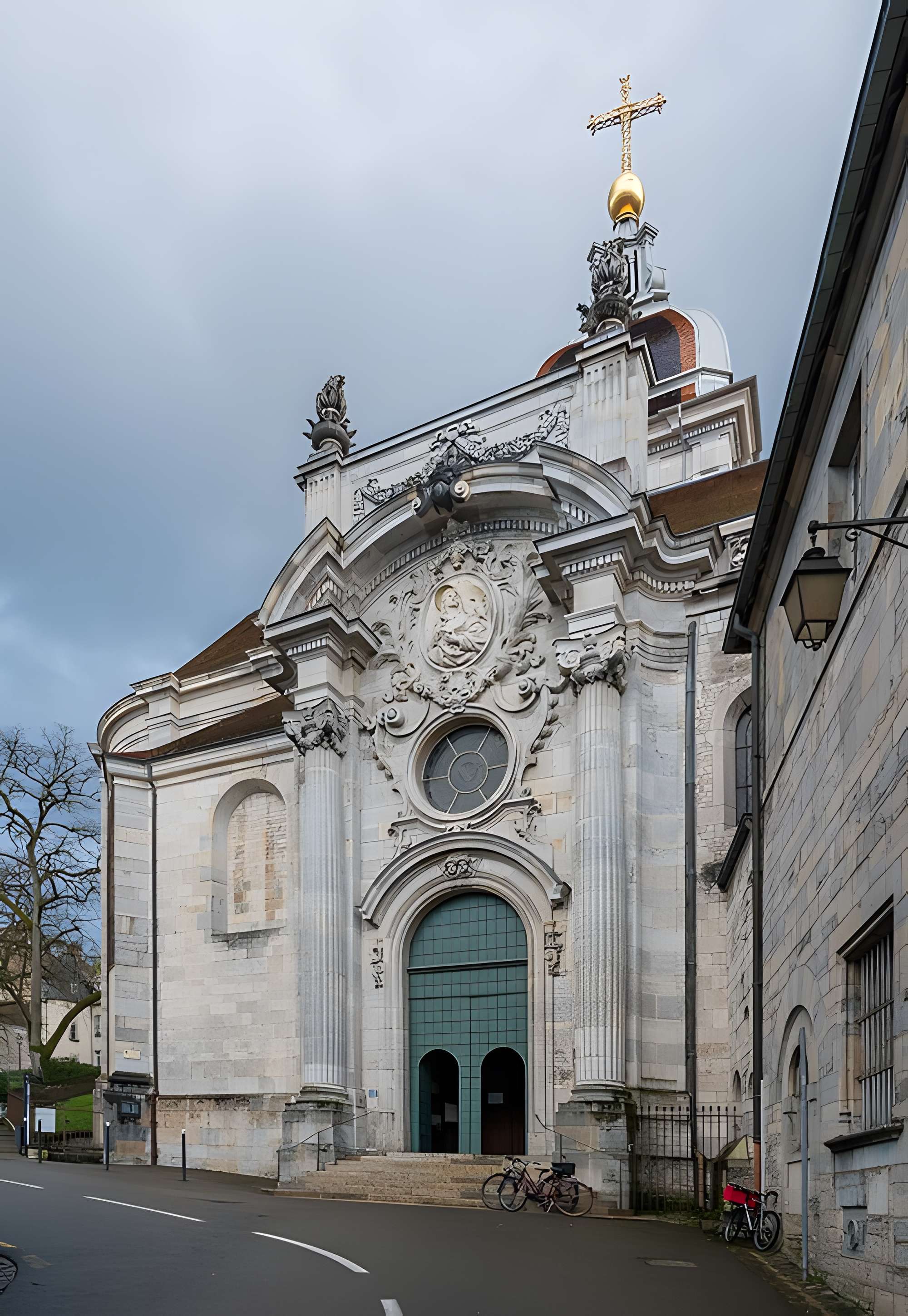
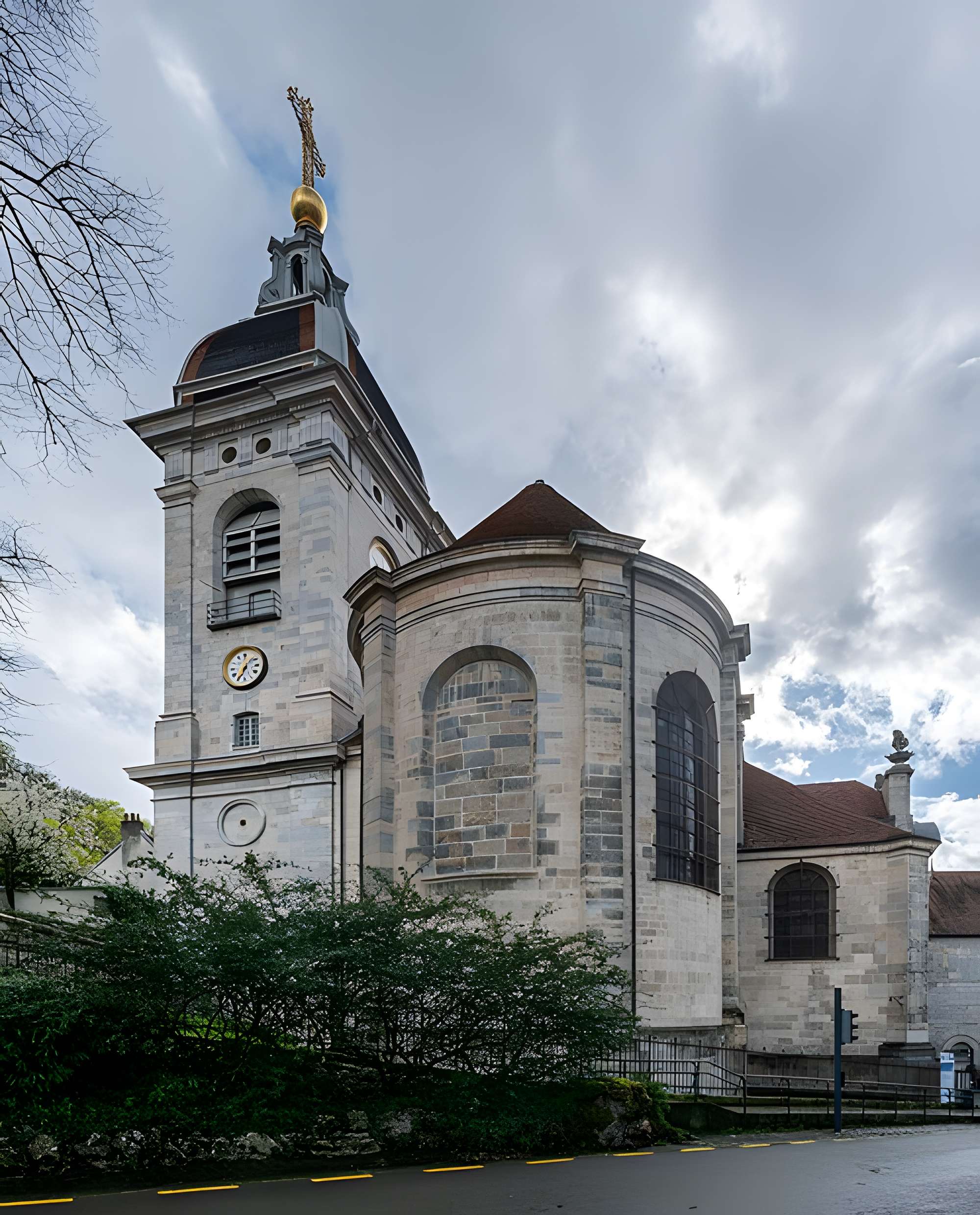
Saint-Jean de Besançon Cathedral, also known as Saint-Jean Saint-Étienne Cathedral, is a religious building with Carolingian, Romanesque, Gothic and Baroque influences. Founded in the third century and rebuilt several times, notably in the ninth, eleventh and twelfth centuries, it is distinguished by its two opposite choirs, a rarity in France. The building houses about thirty classified paintings, an astronomical clock of the 19th century and the Rose of Saint John, a circular altar in white marble dating from the 11th century. His status as episcopal seat was often challenged, notably by the chapter of Saint Stephen, before being definitively confirmed by Pope Calixte II in 1123.
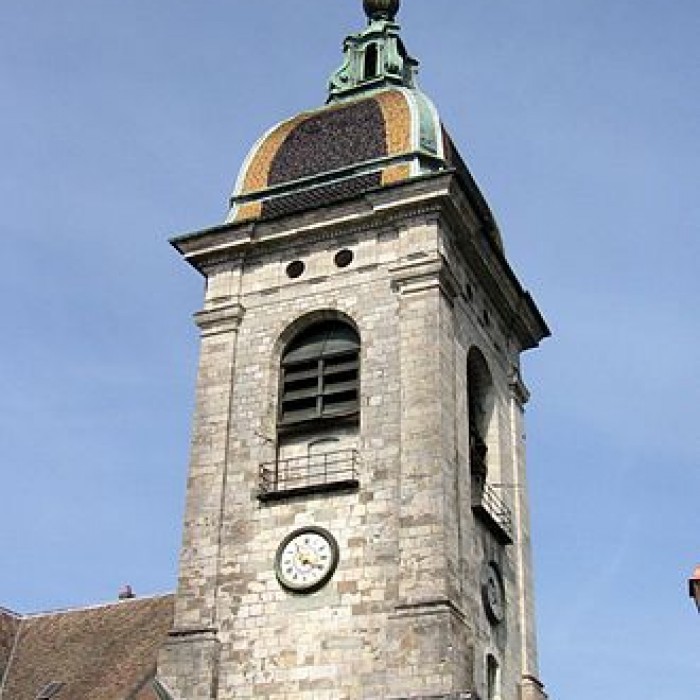
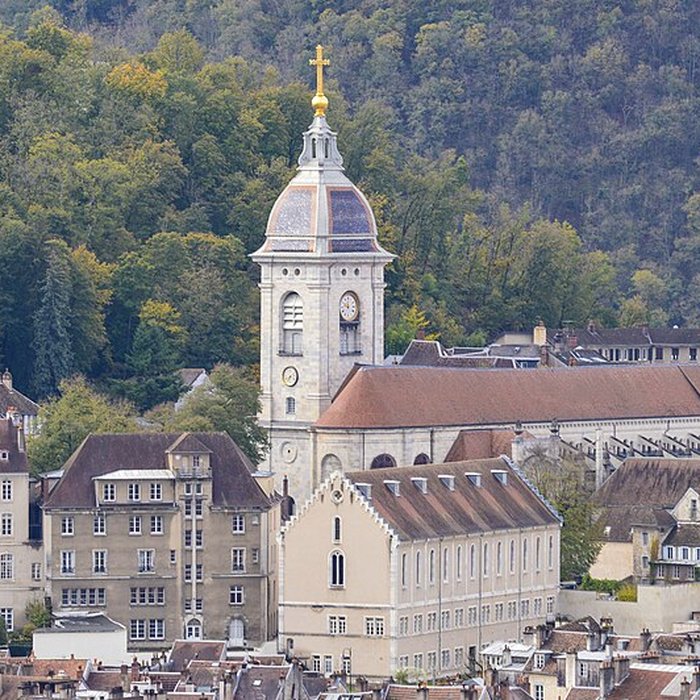
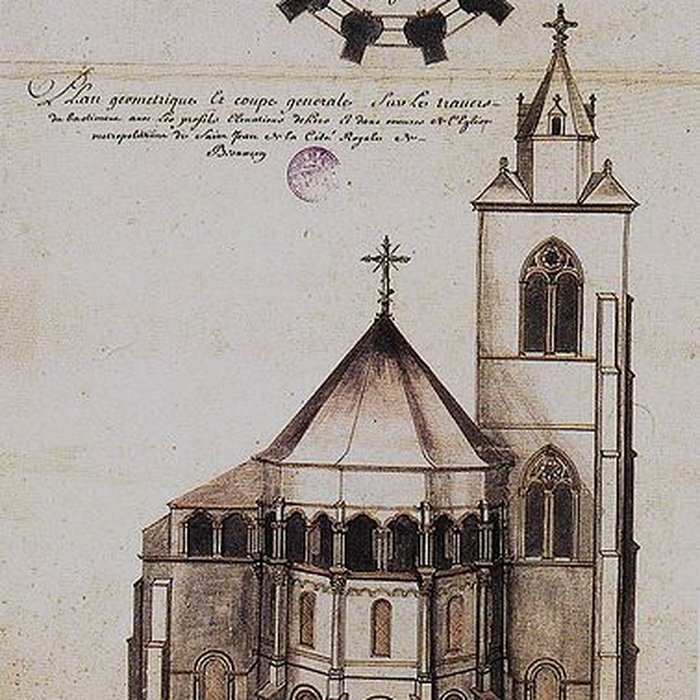
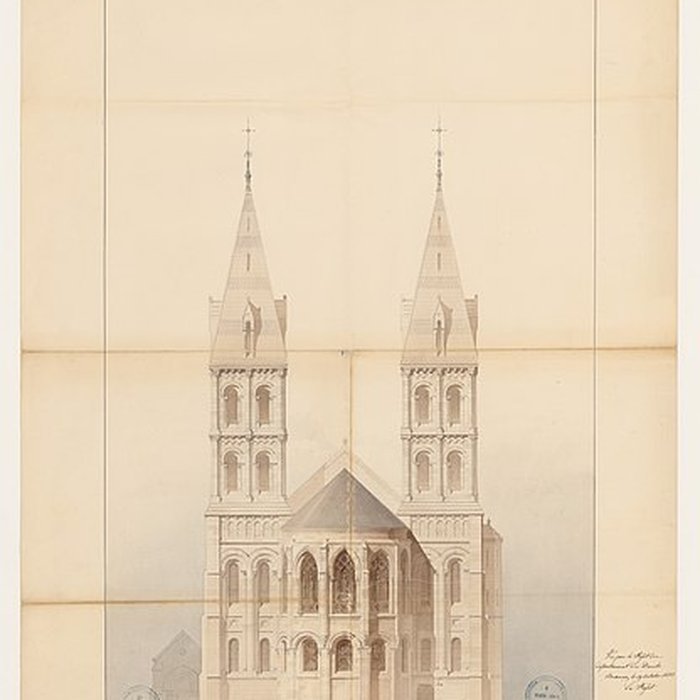
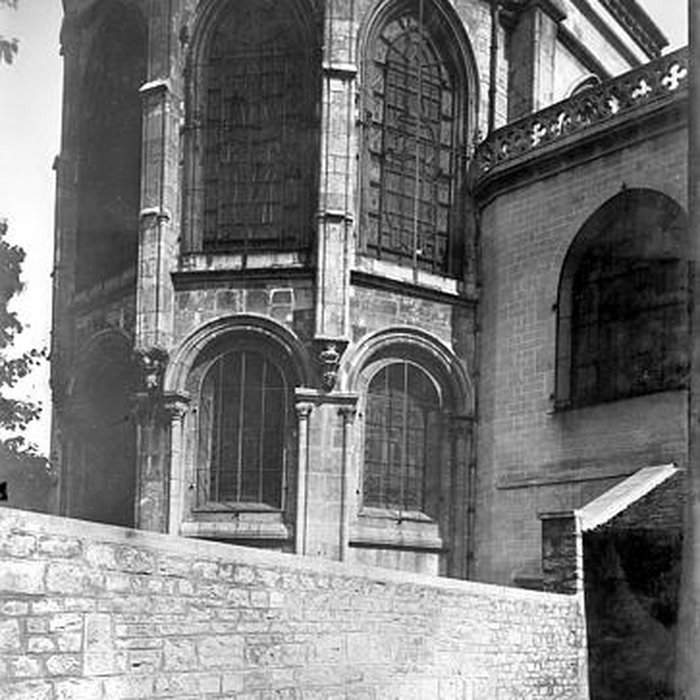
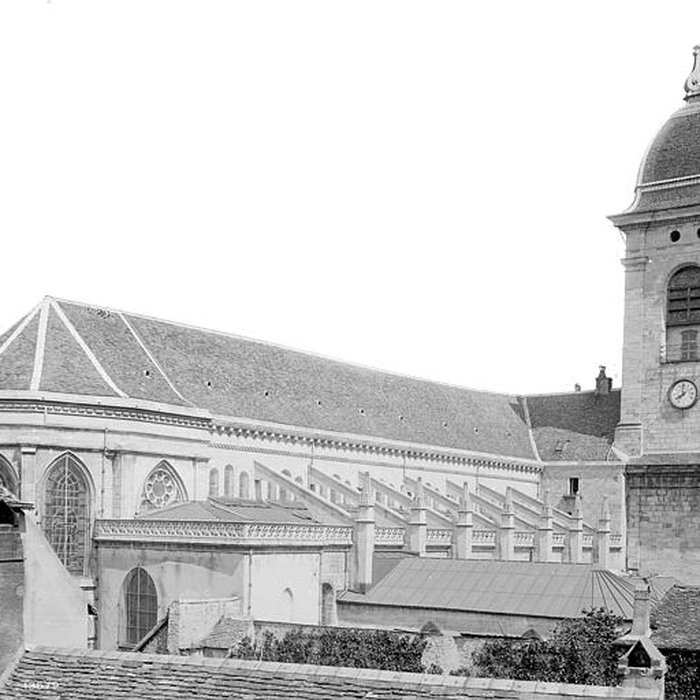
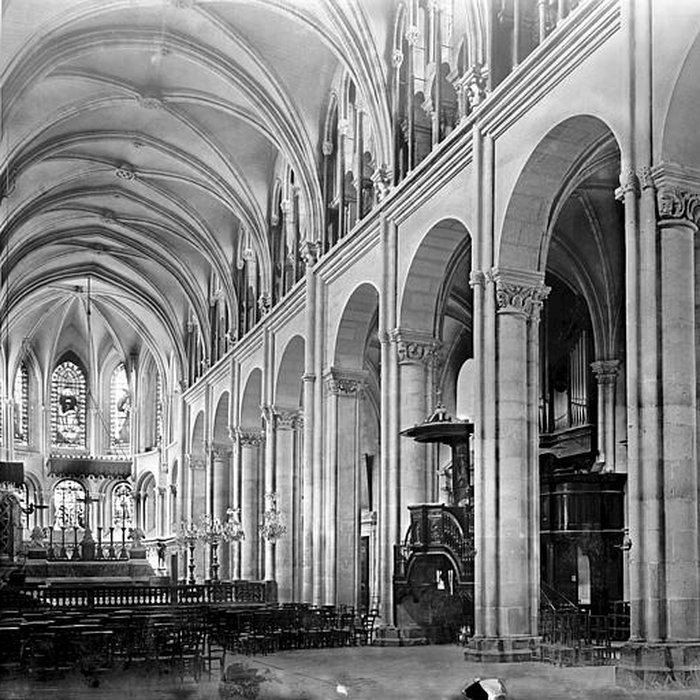
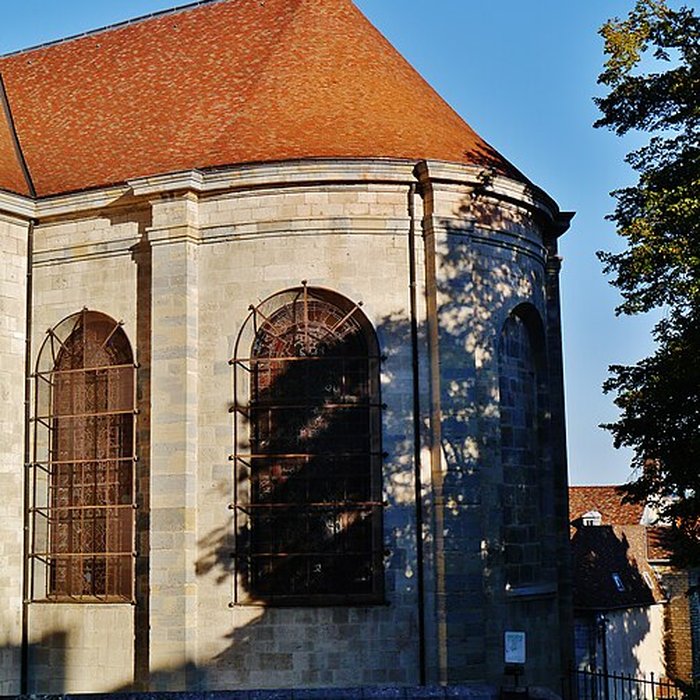
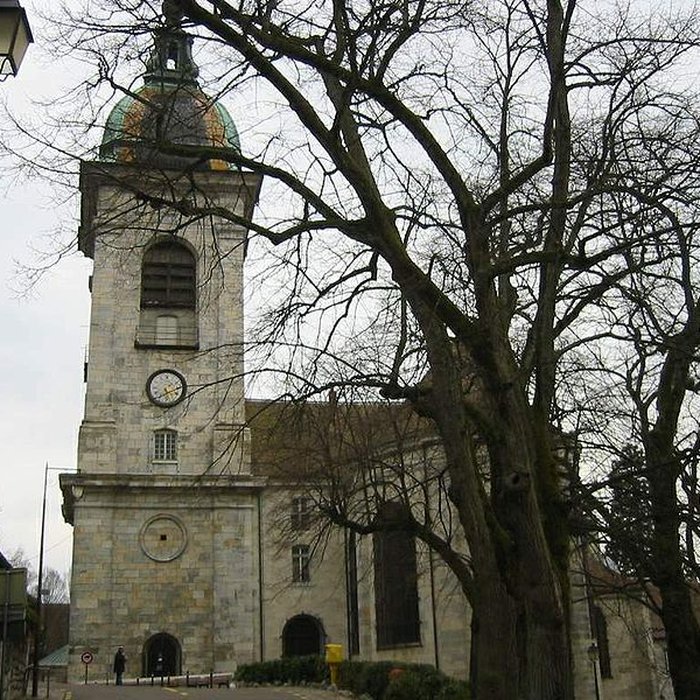
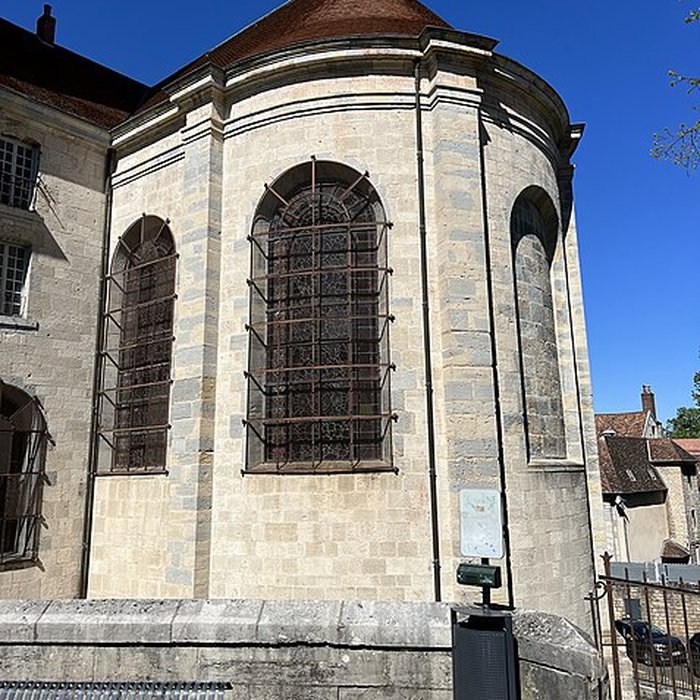
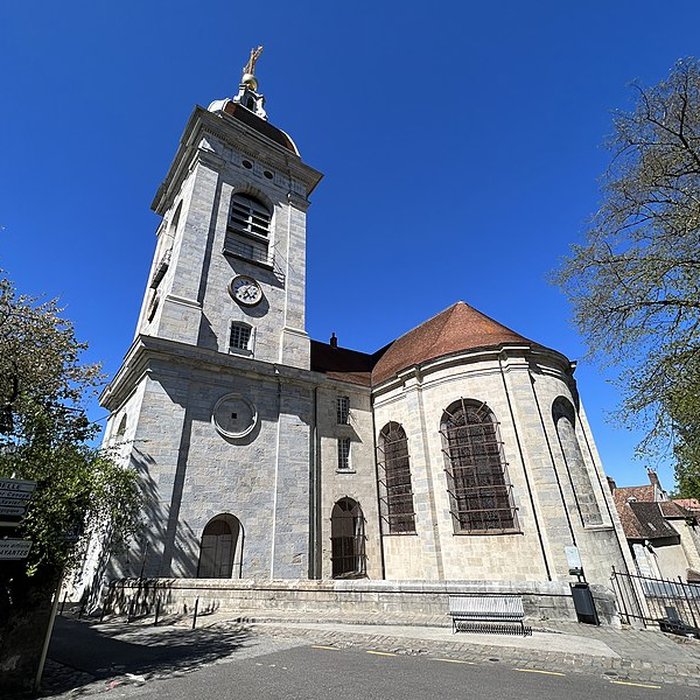
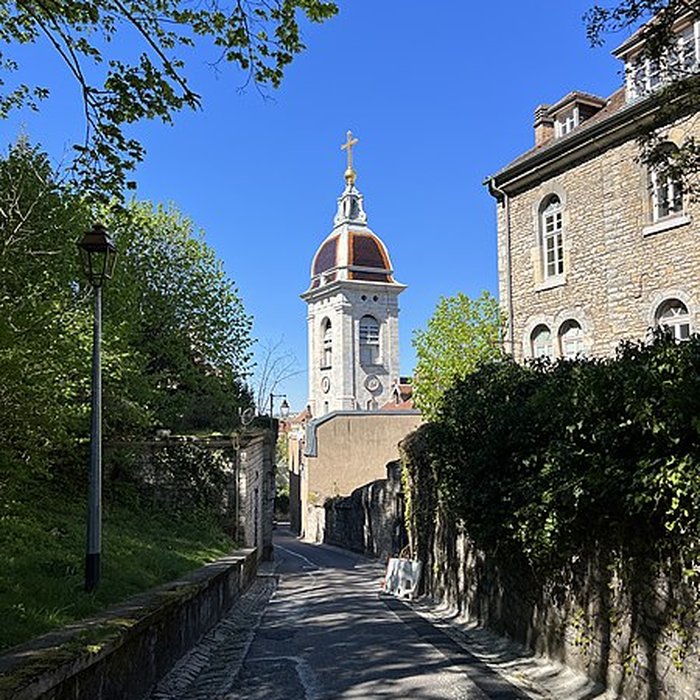
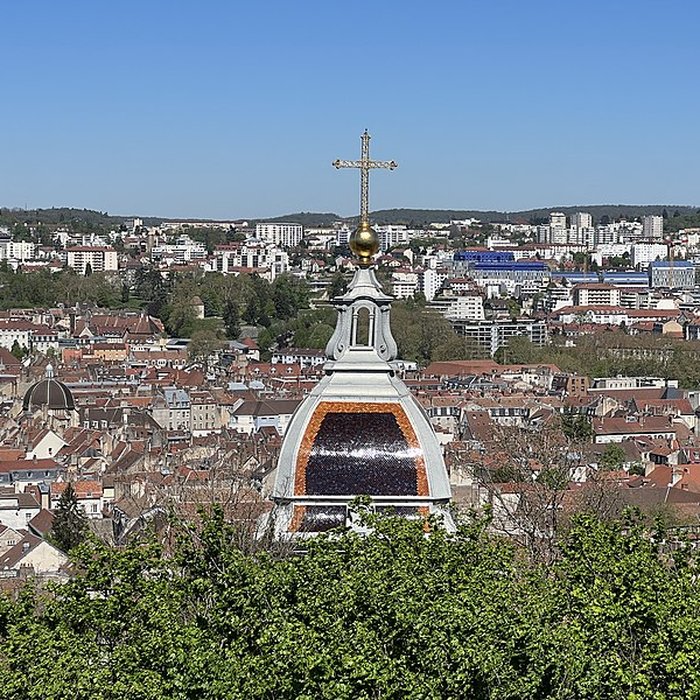
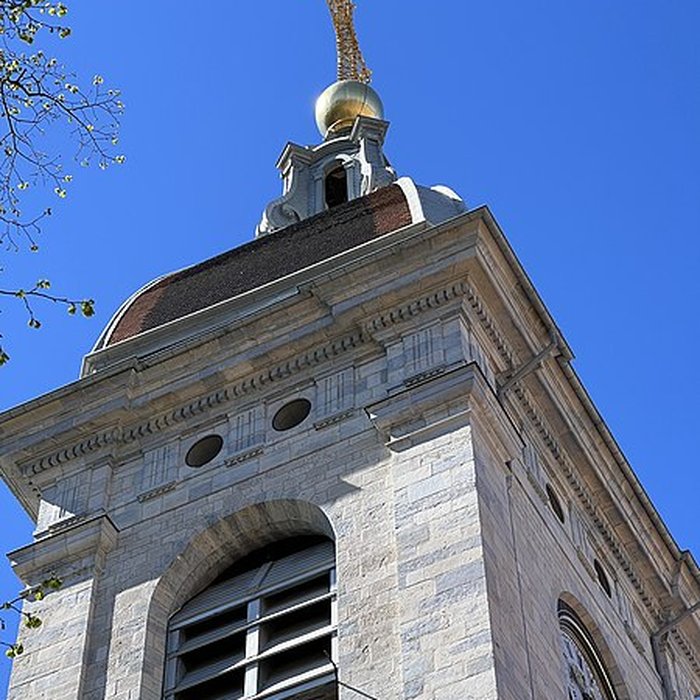
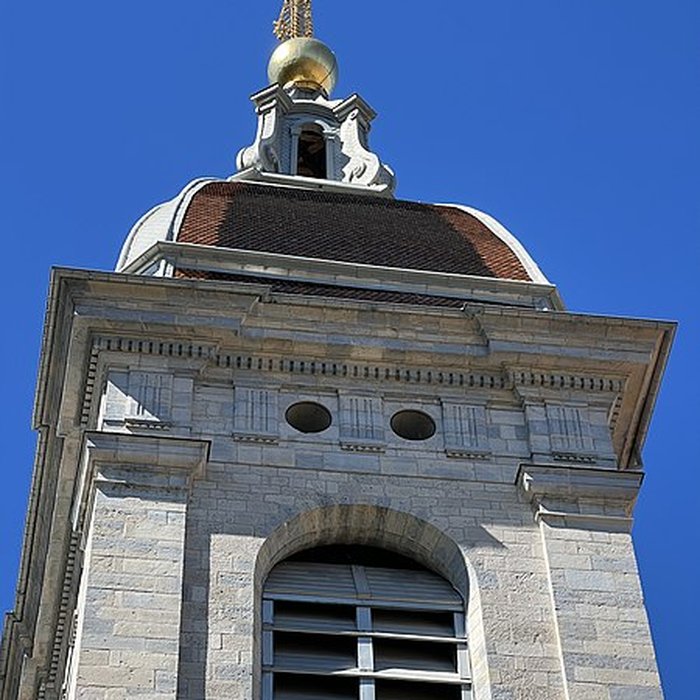
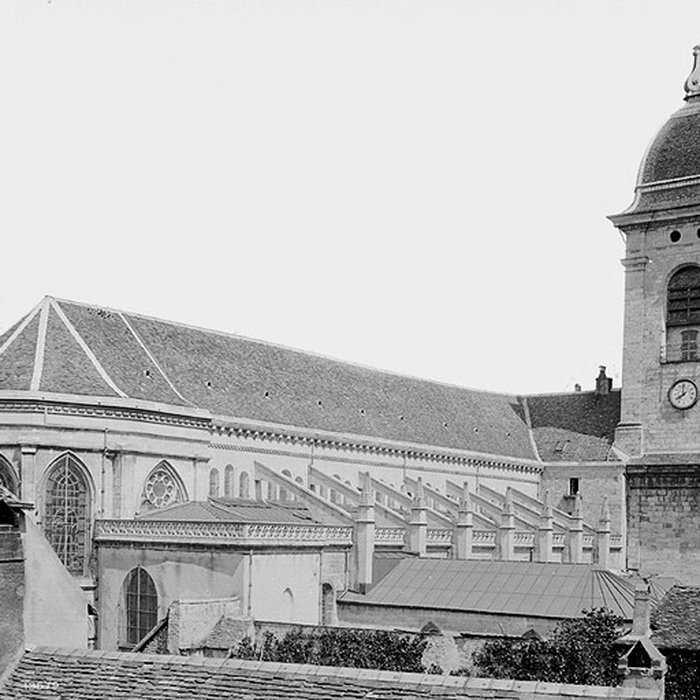
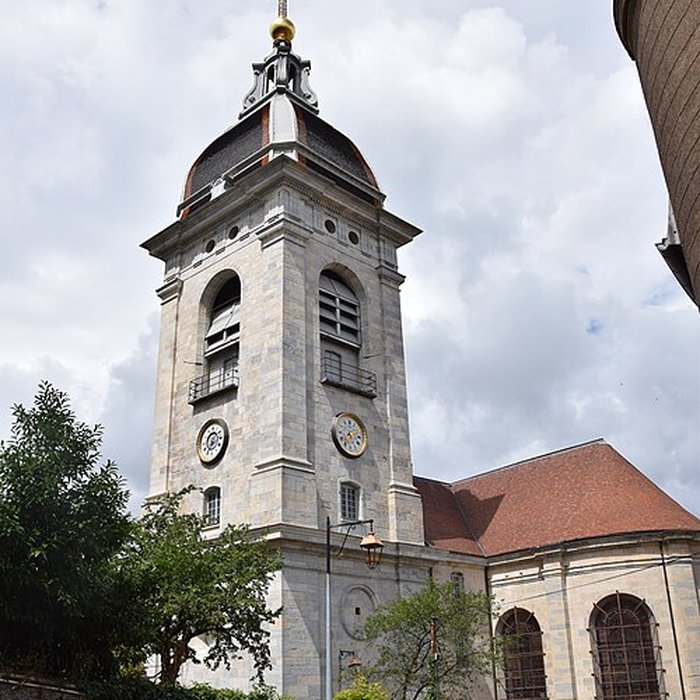
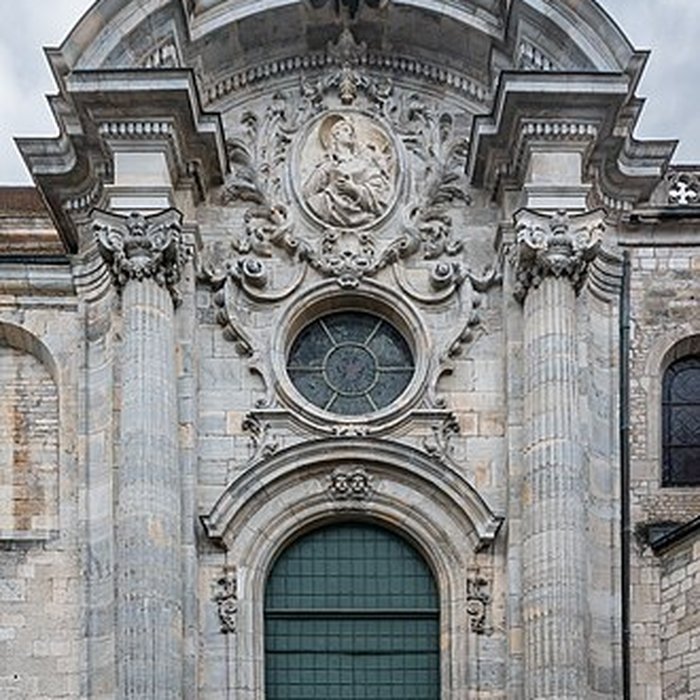
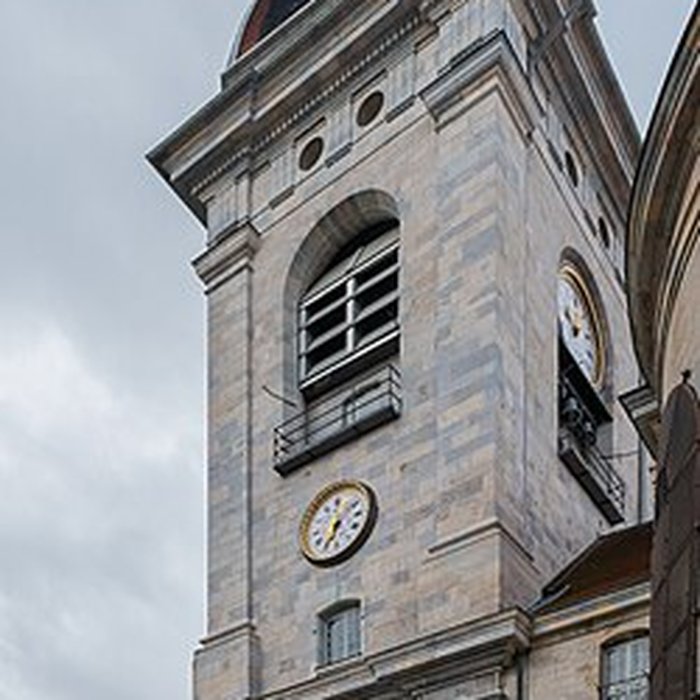
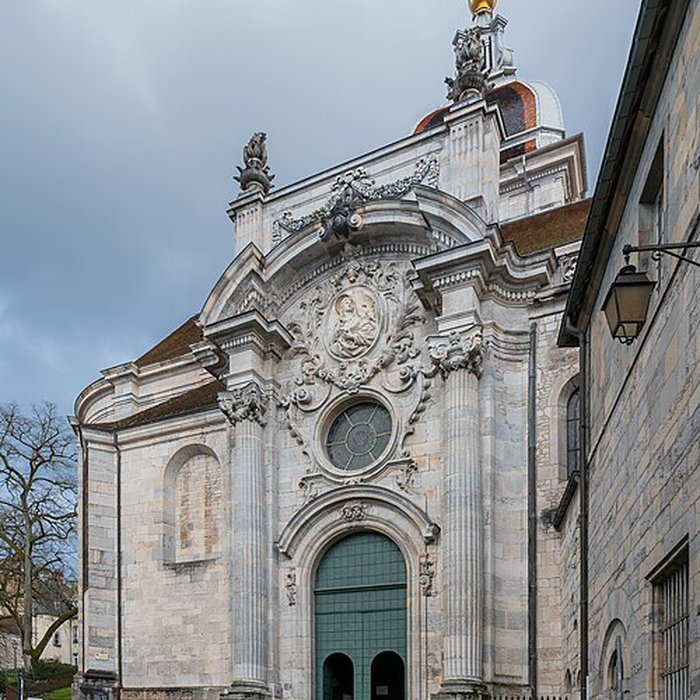
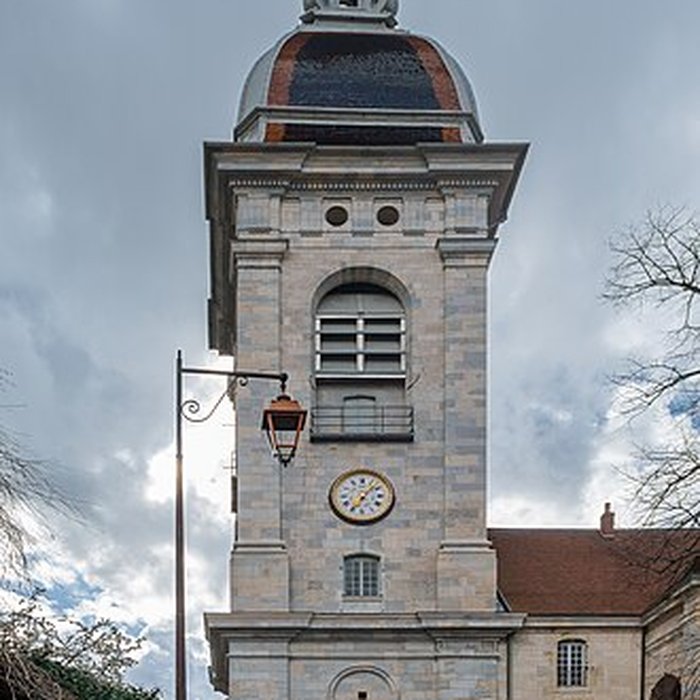
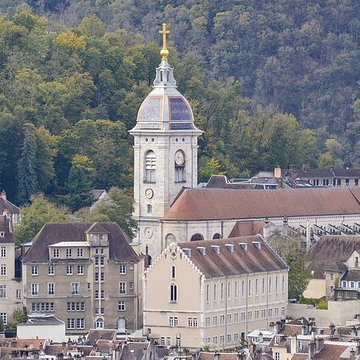
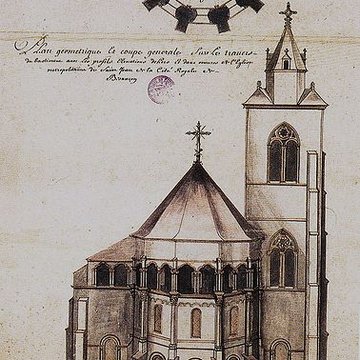
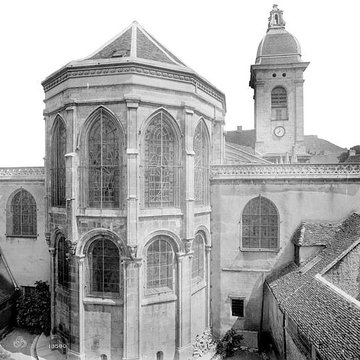
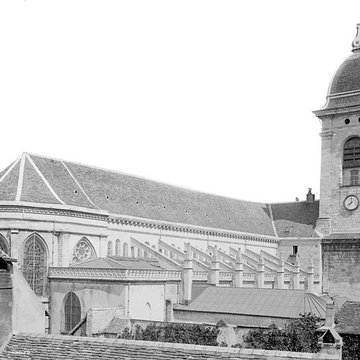
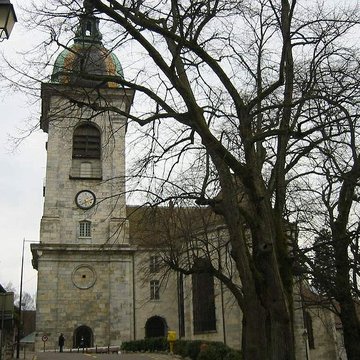
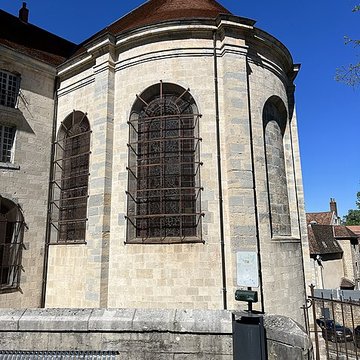
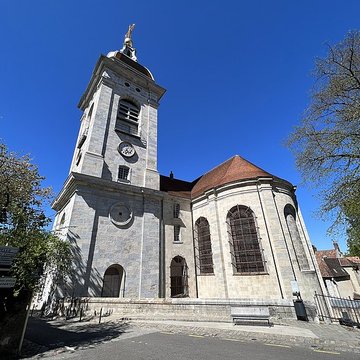
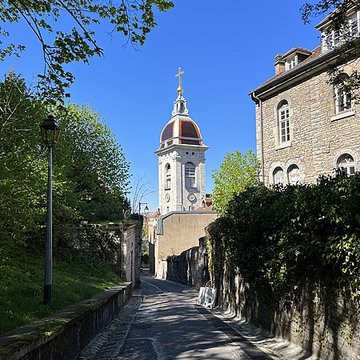
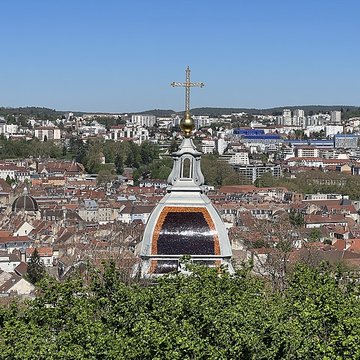
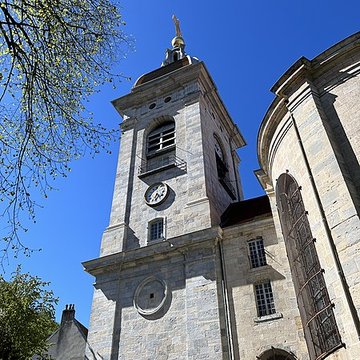
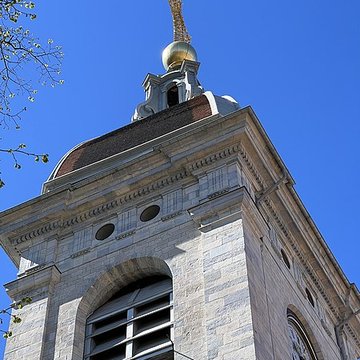
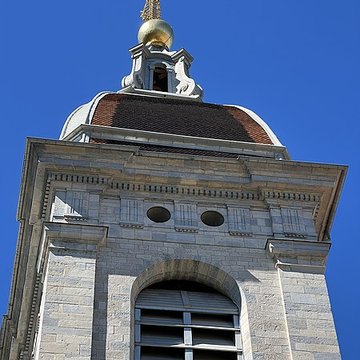
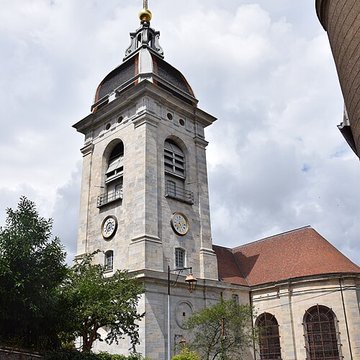
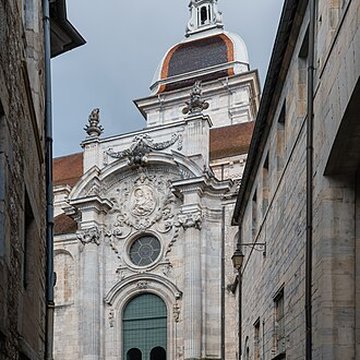
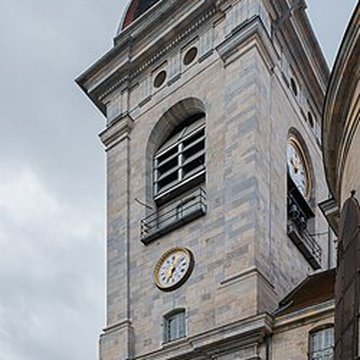
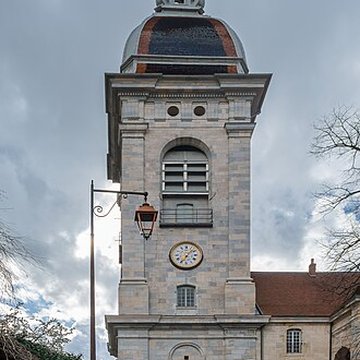
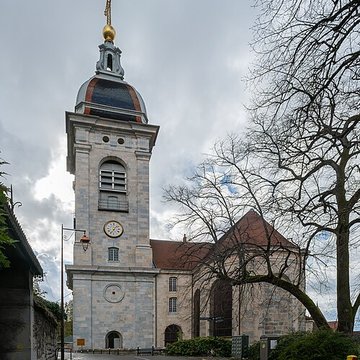
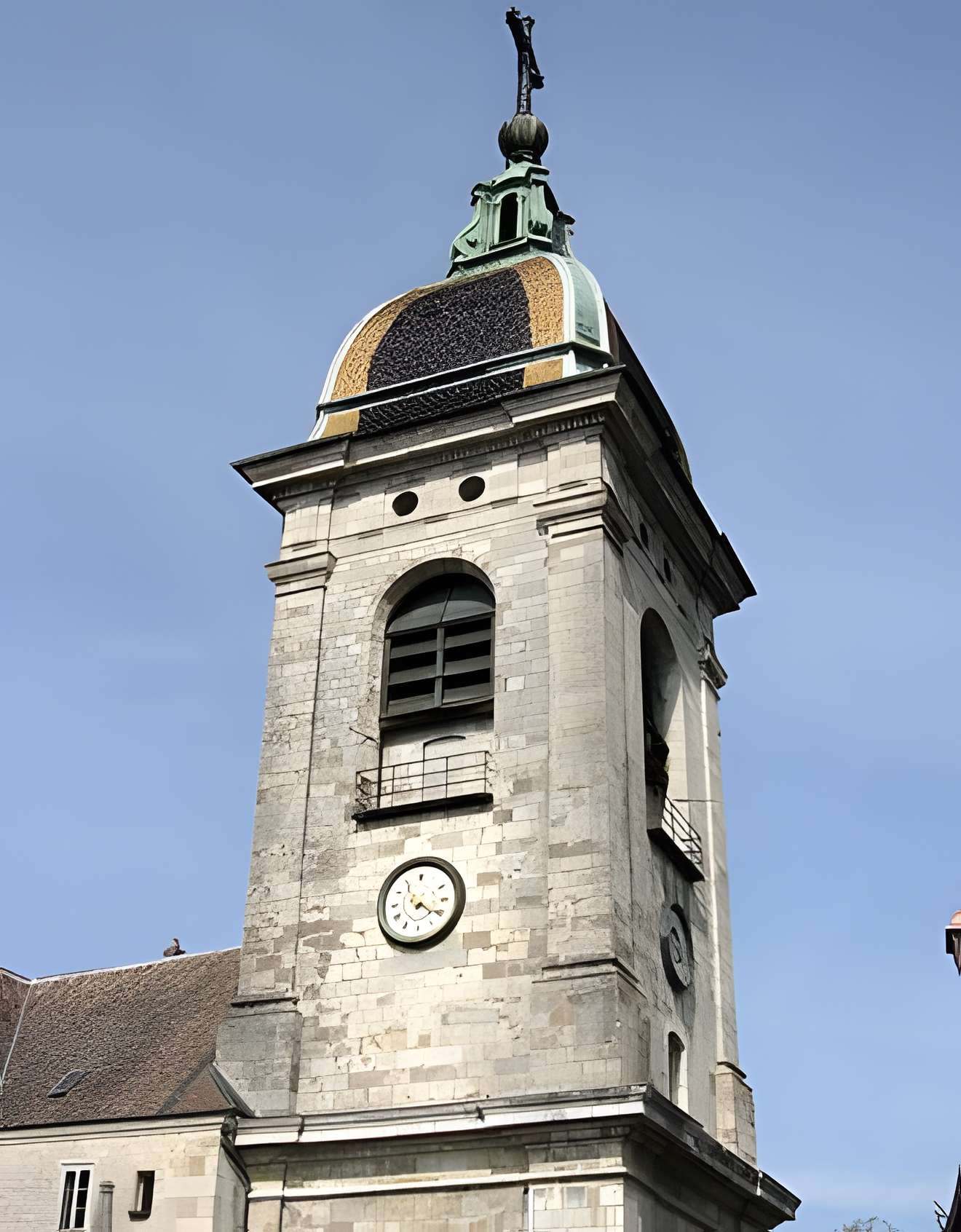
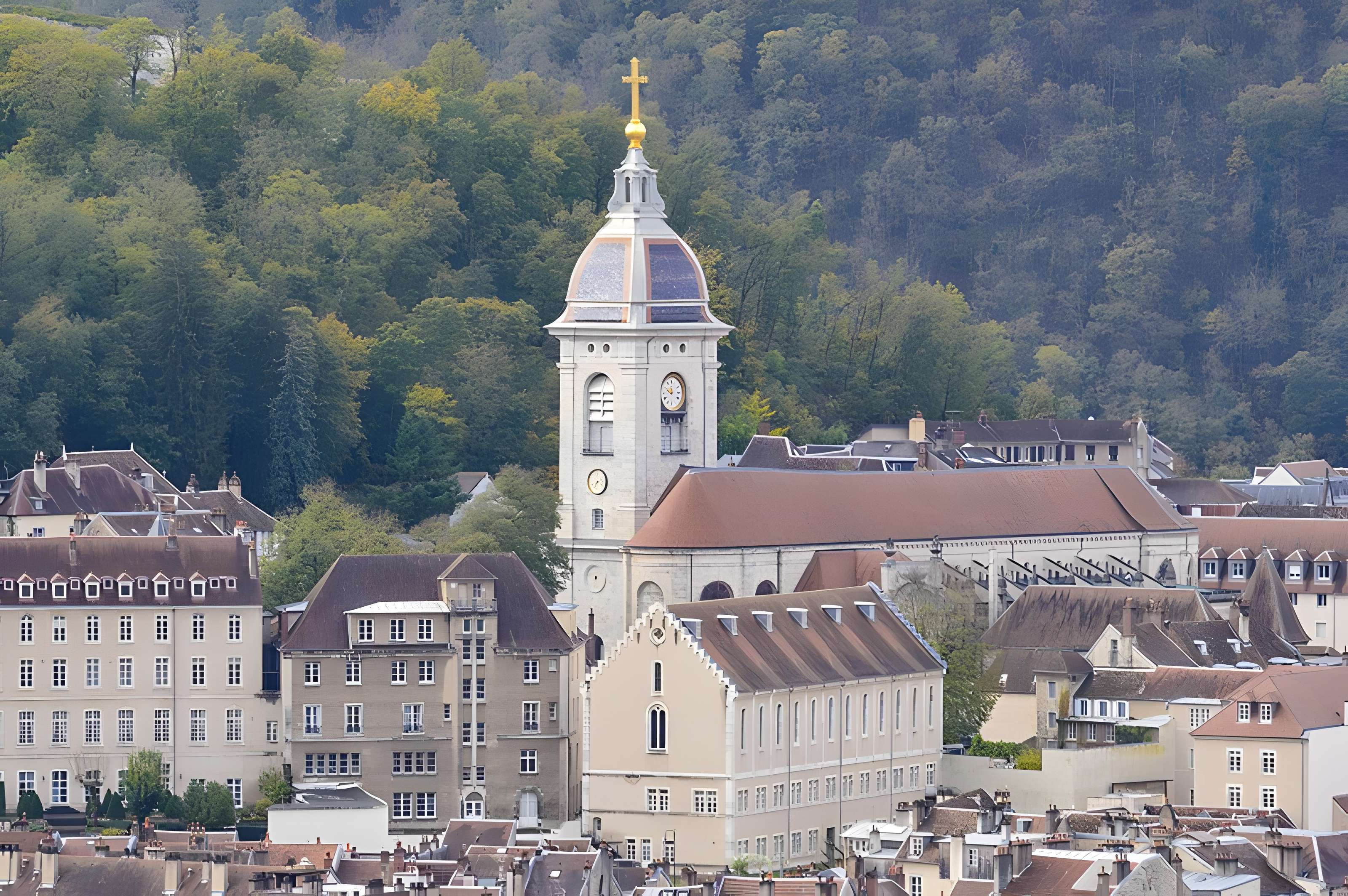
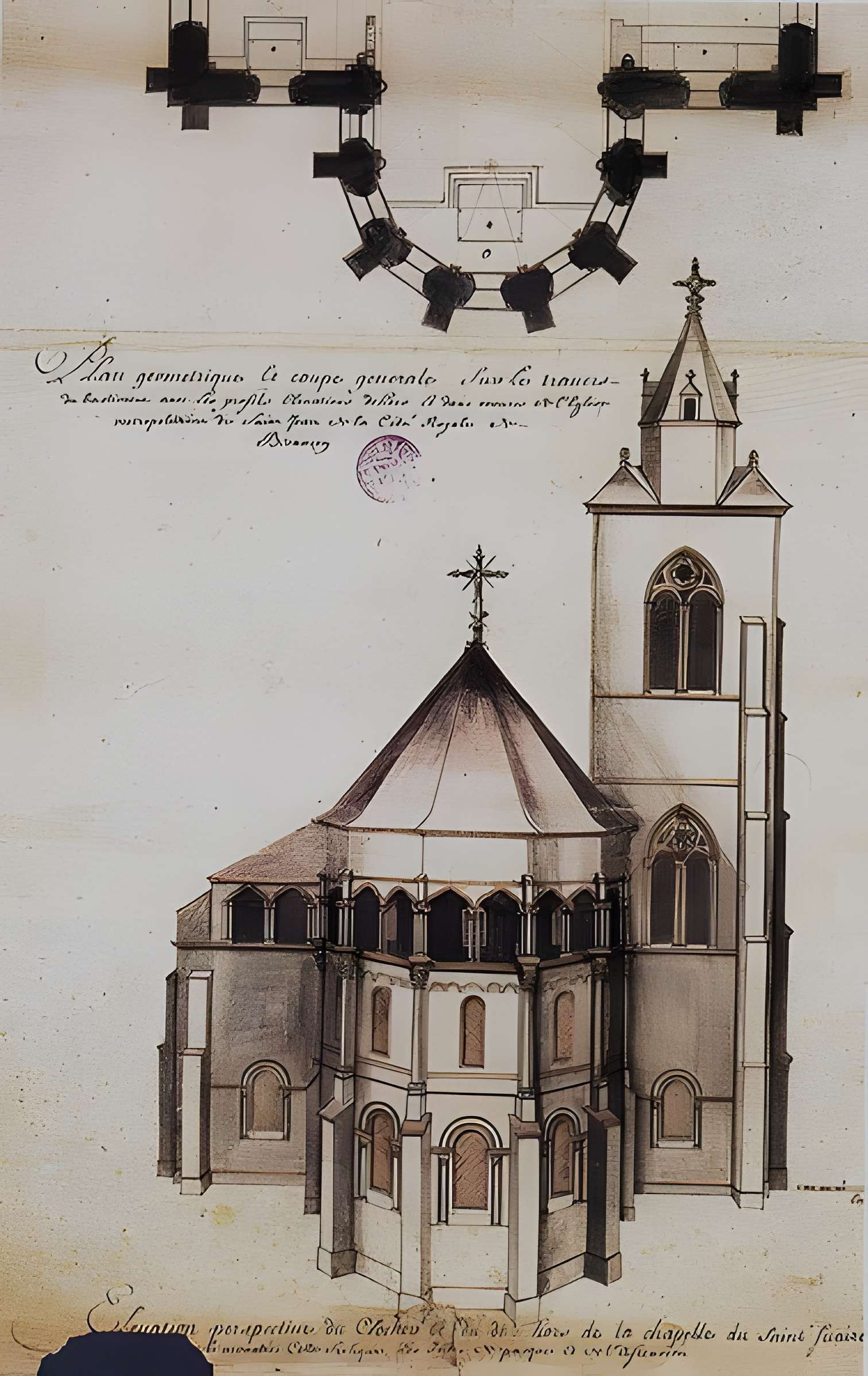
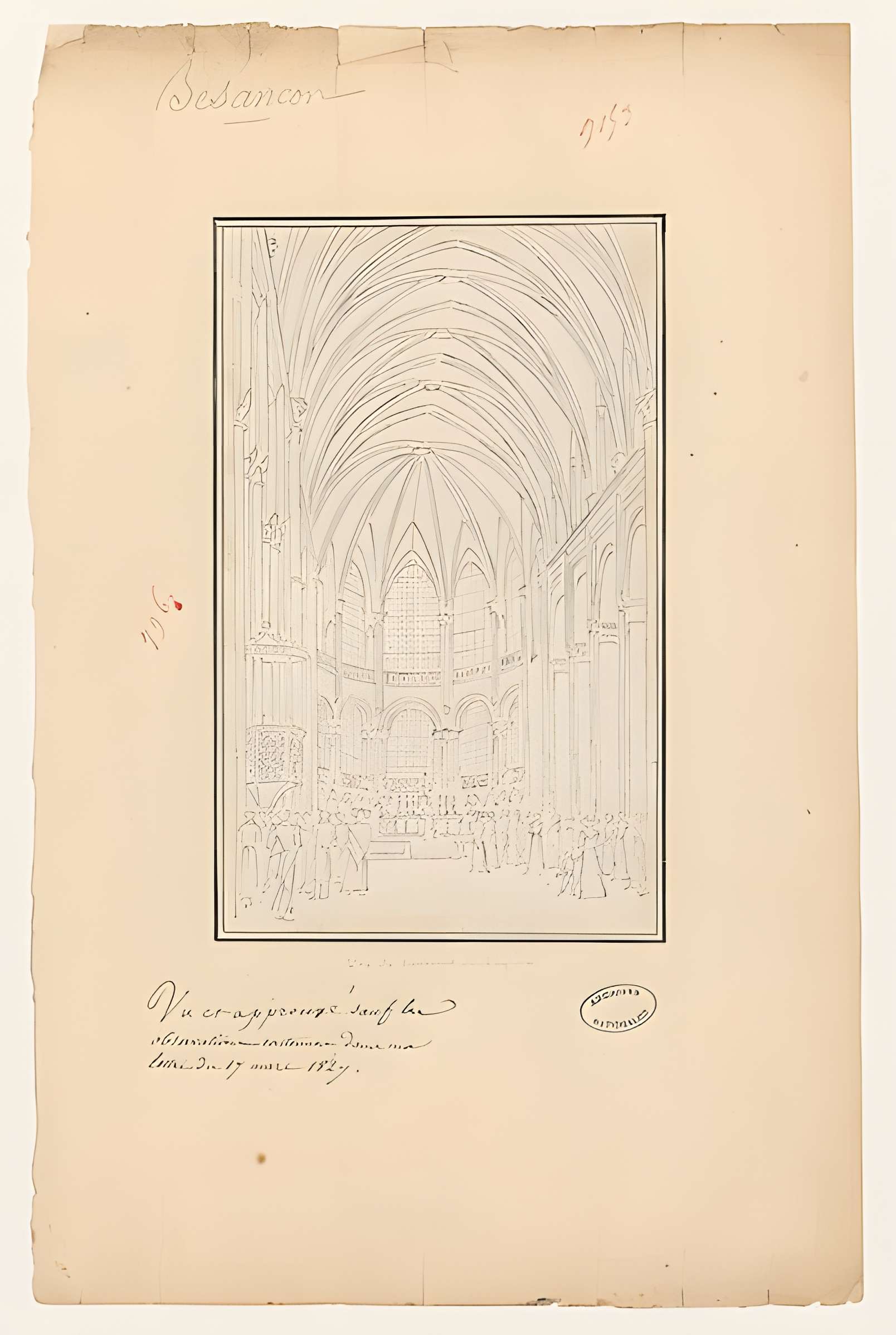
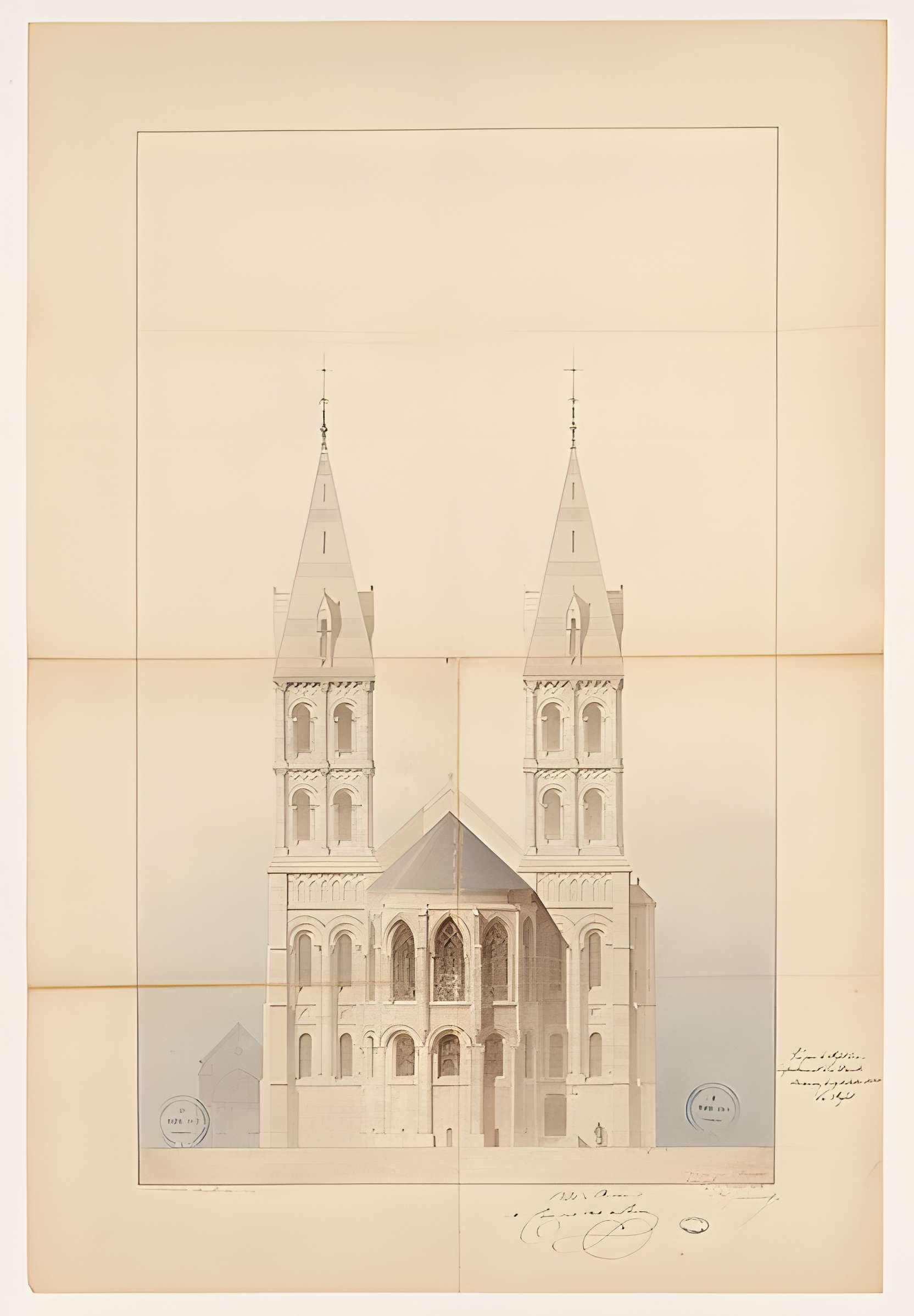
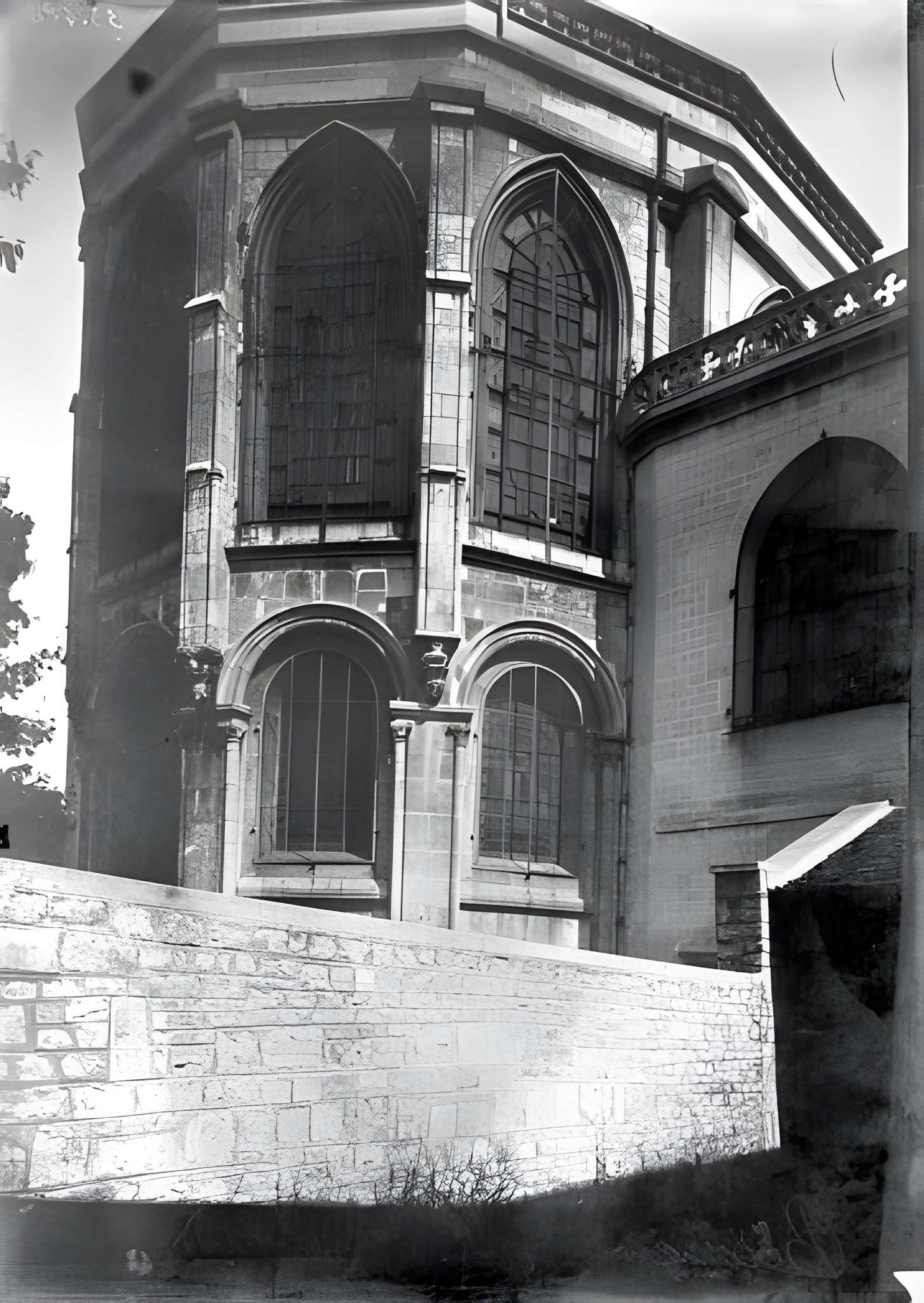
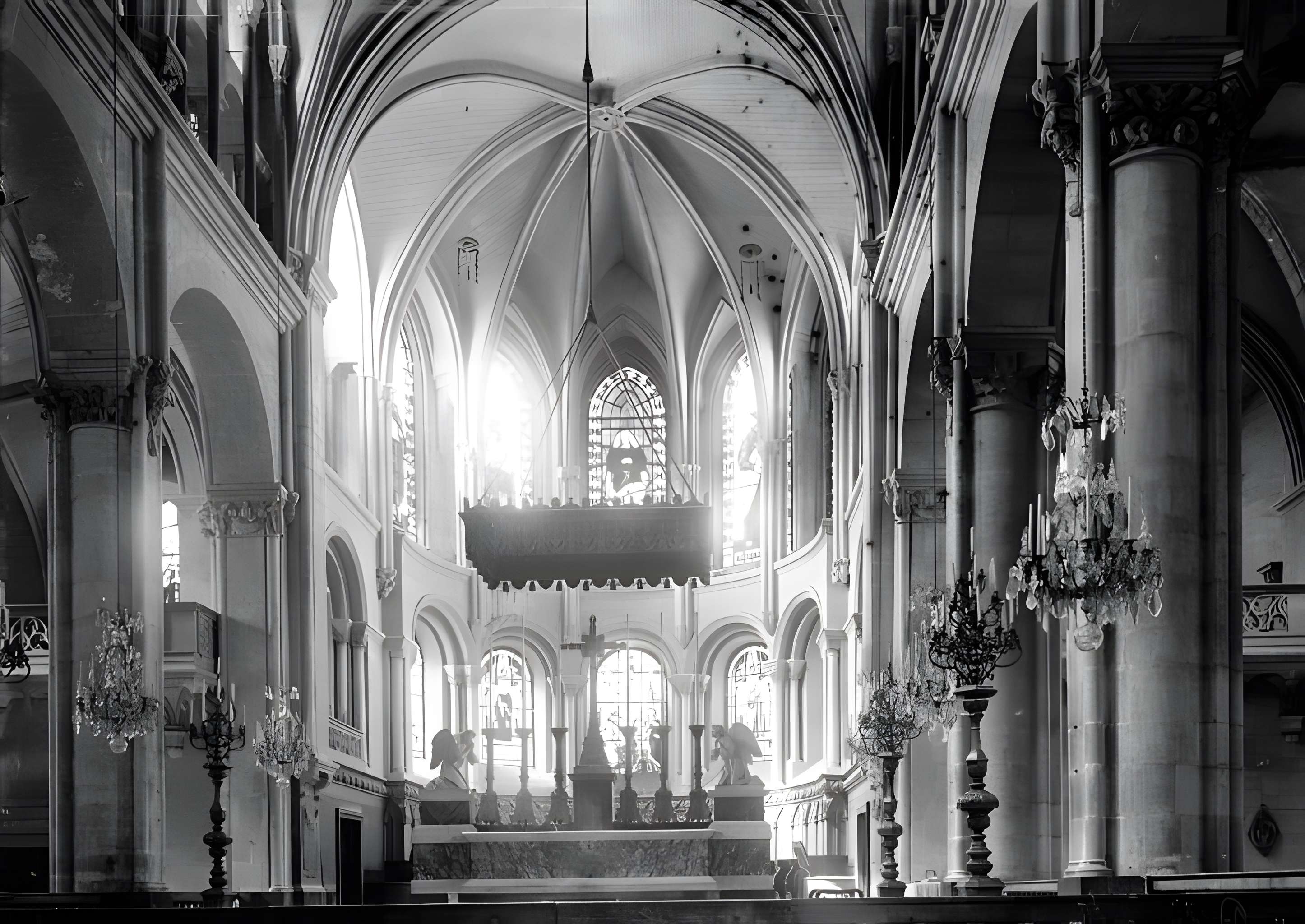
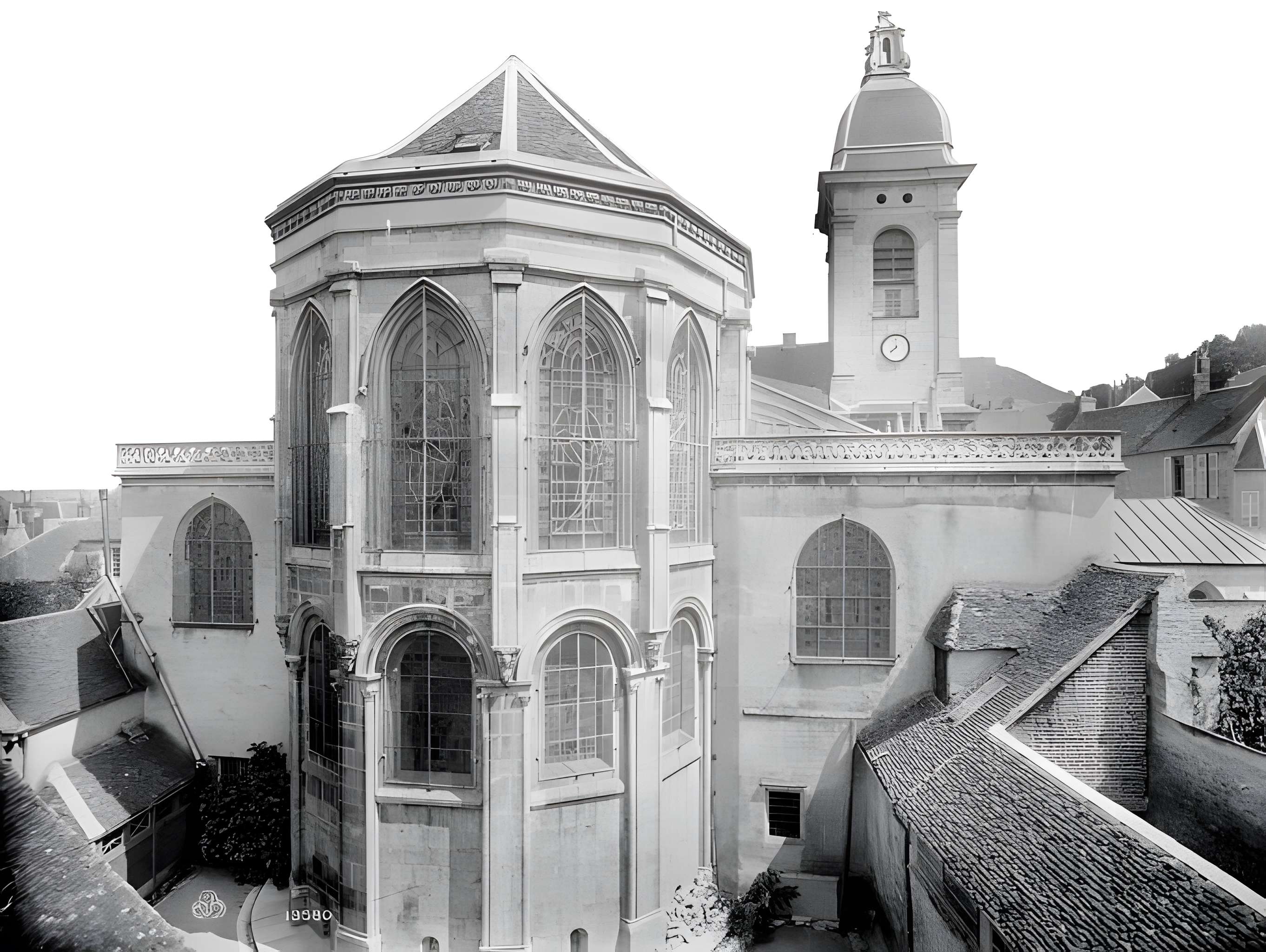
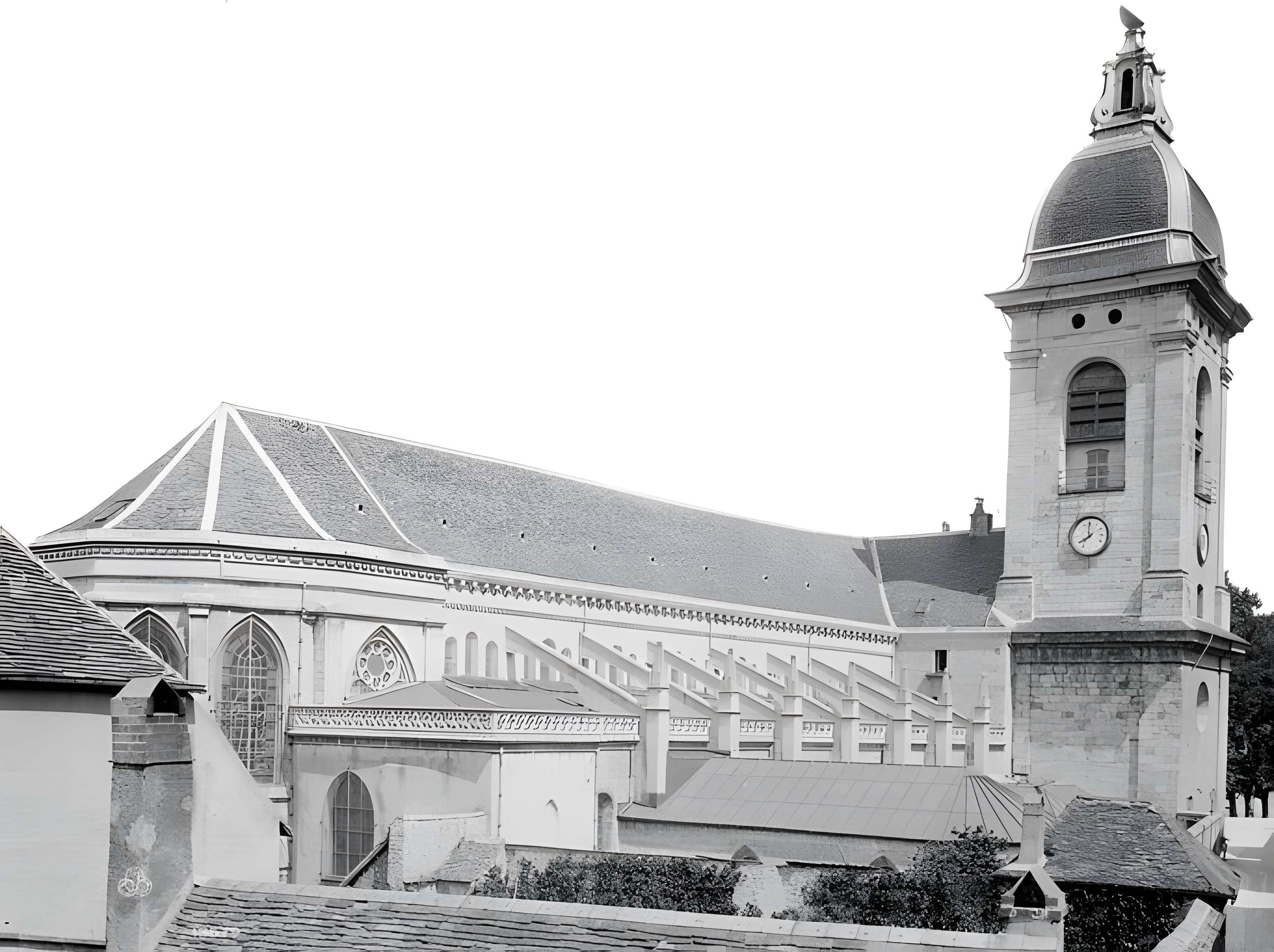
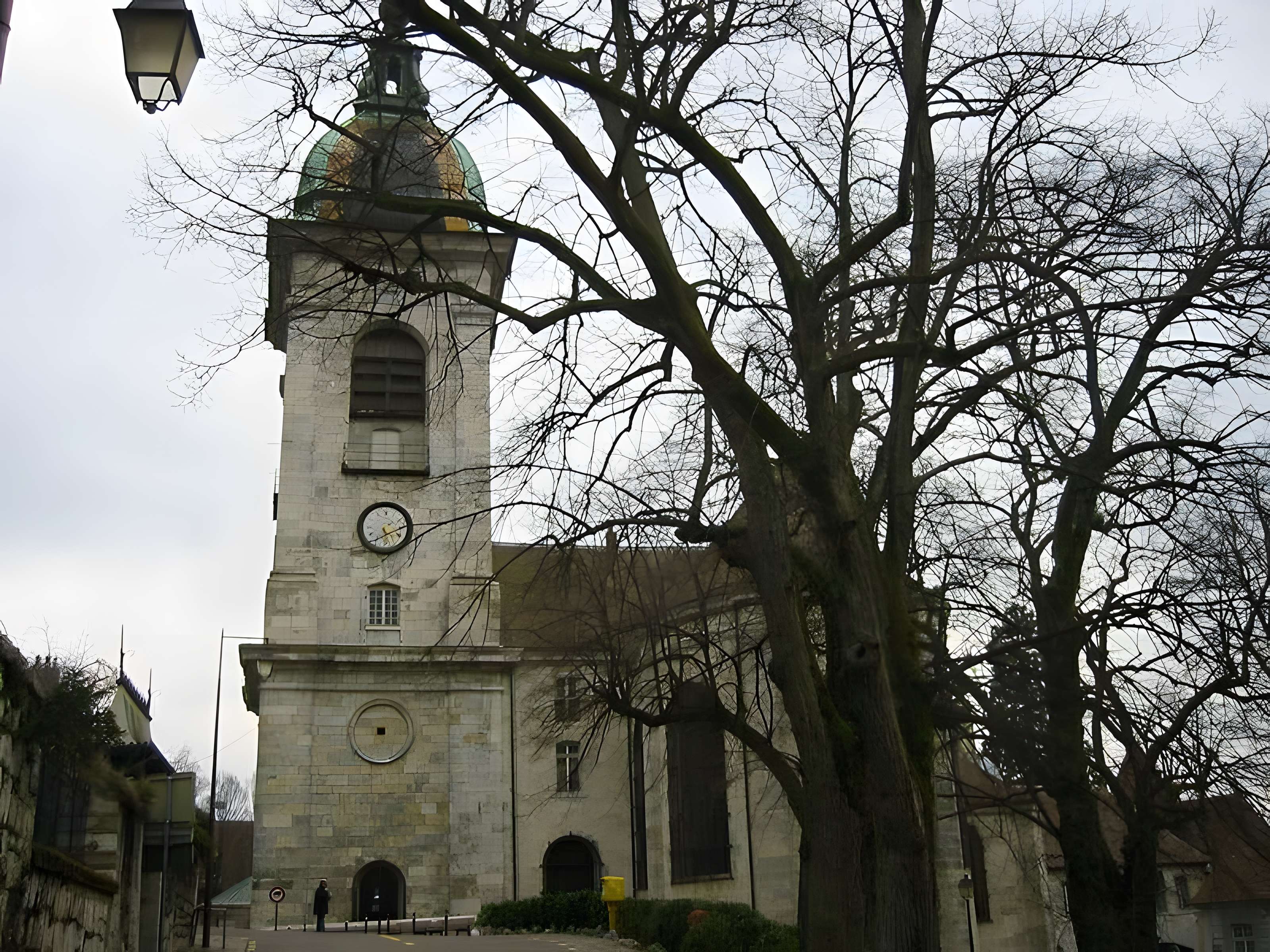
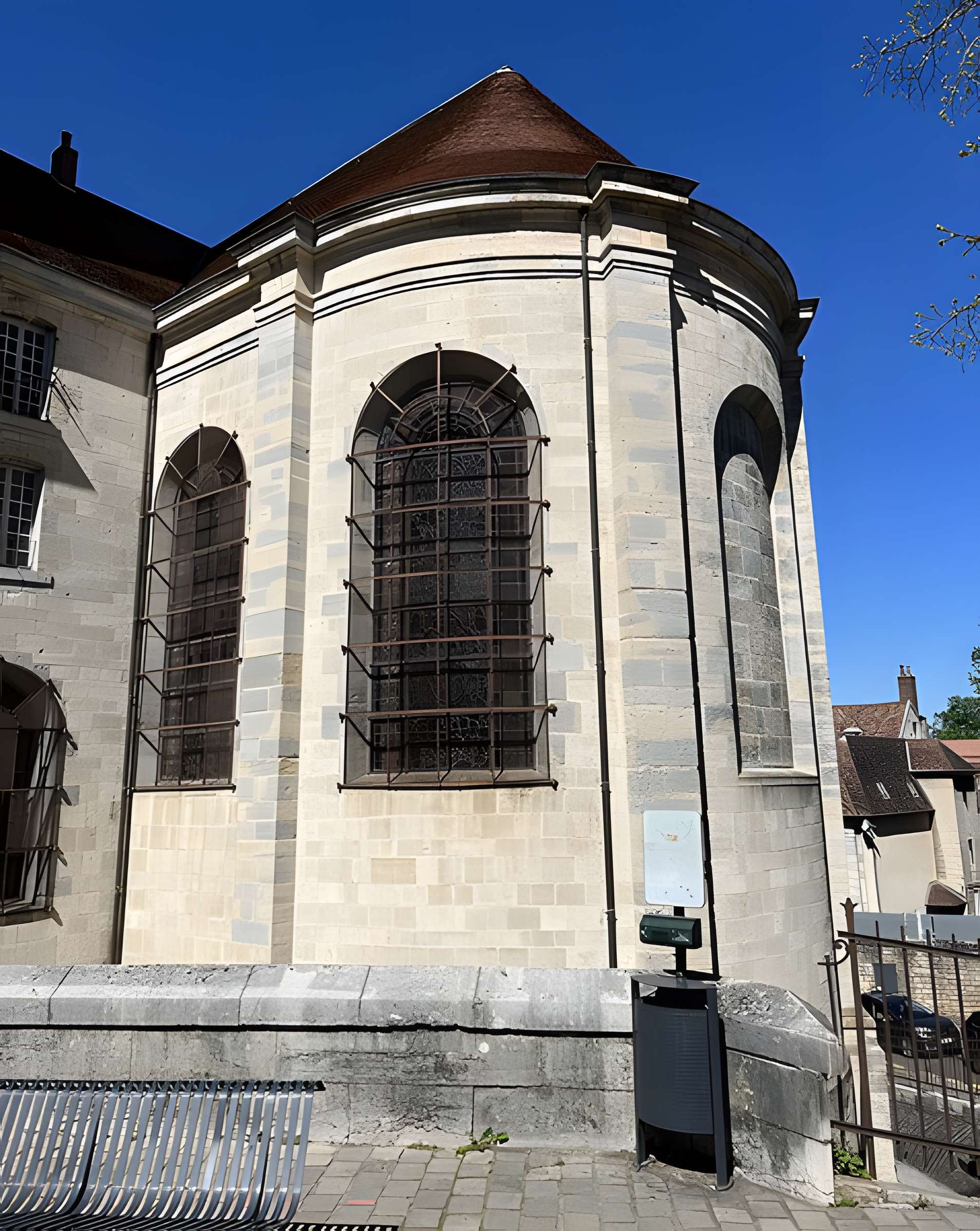
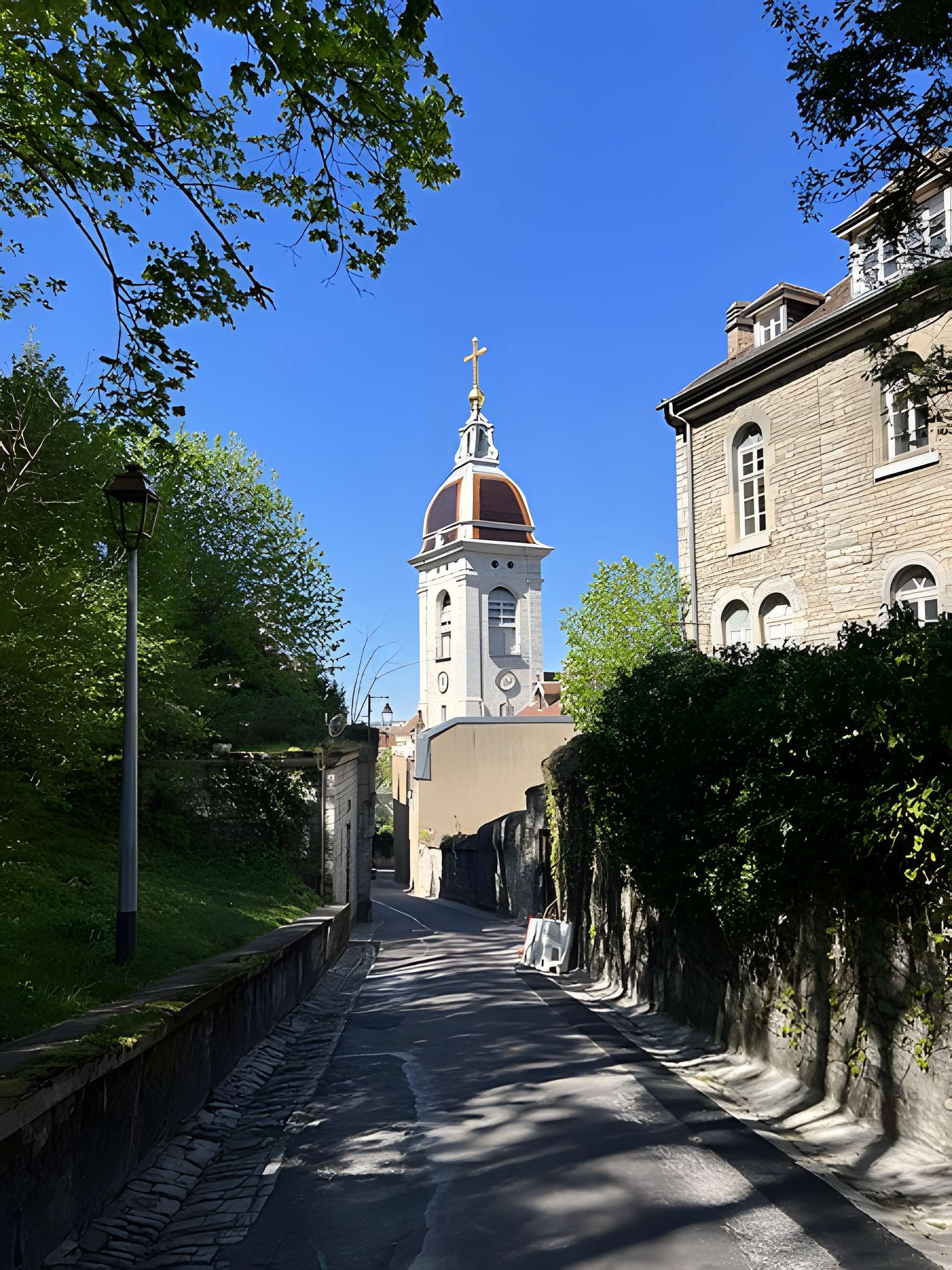
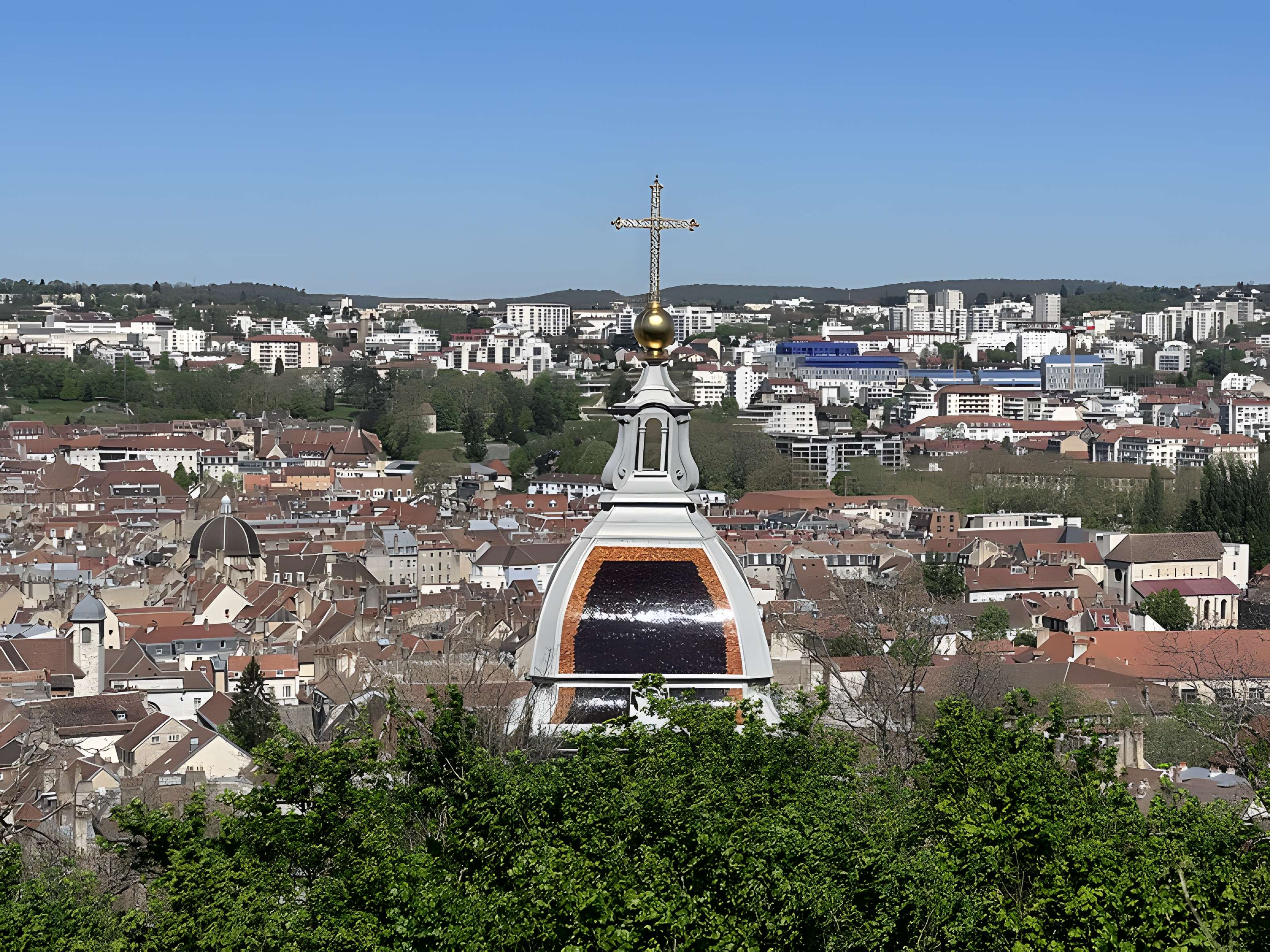
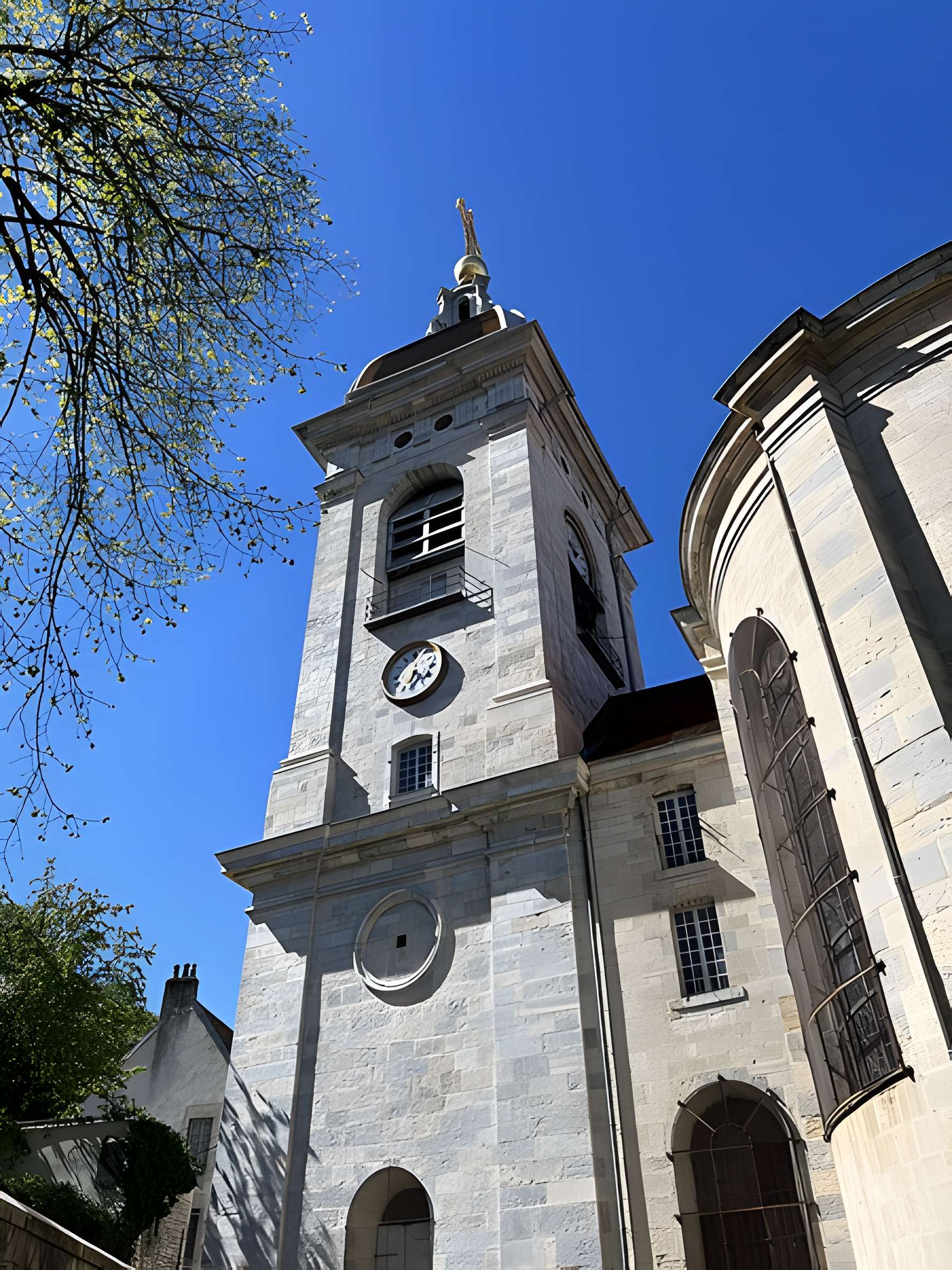
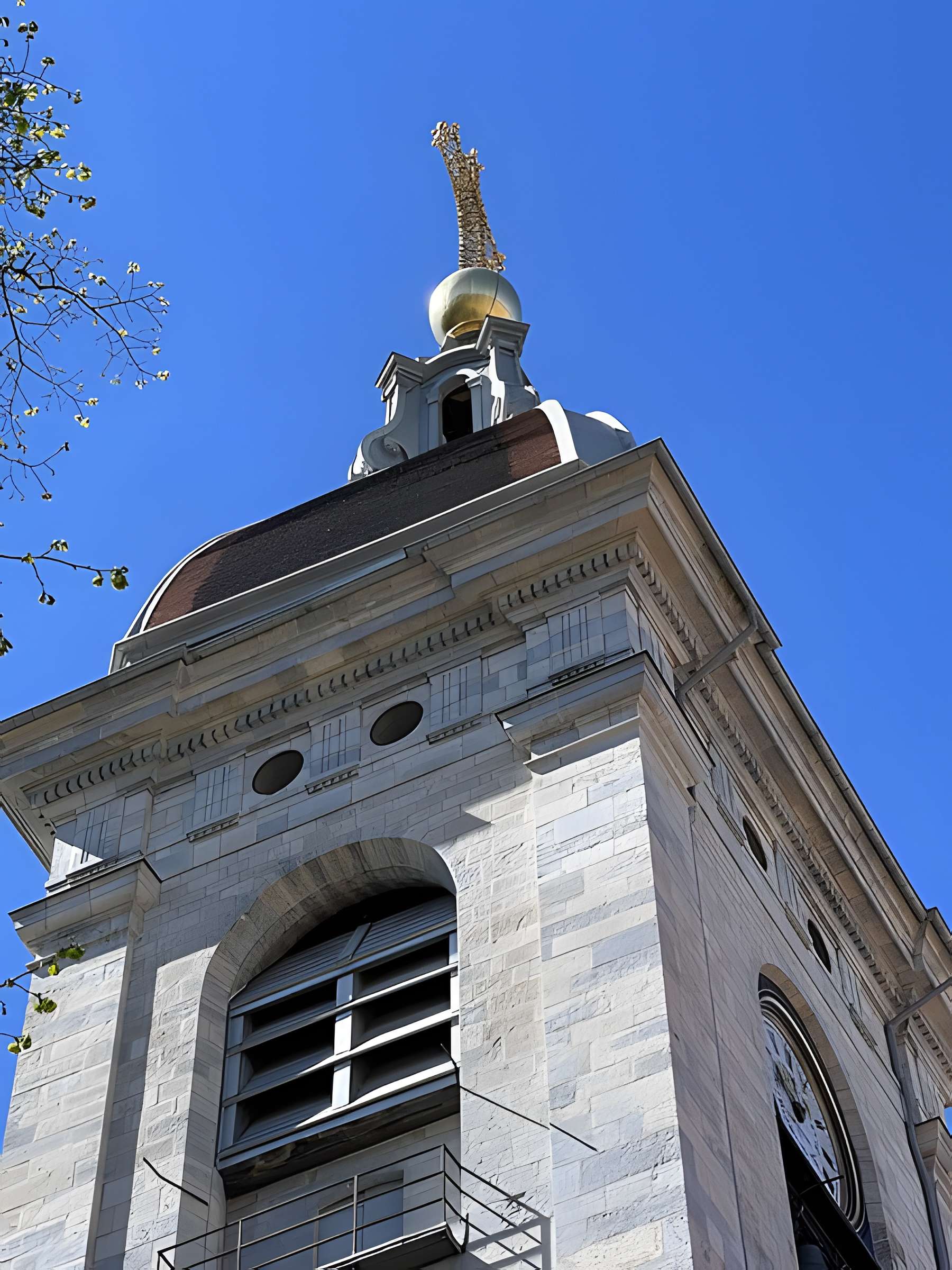
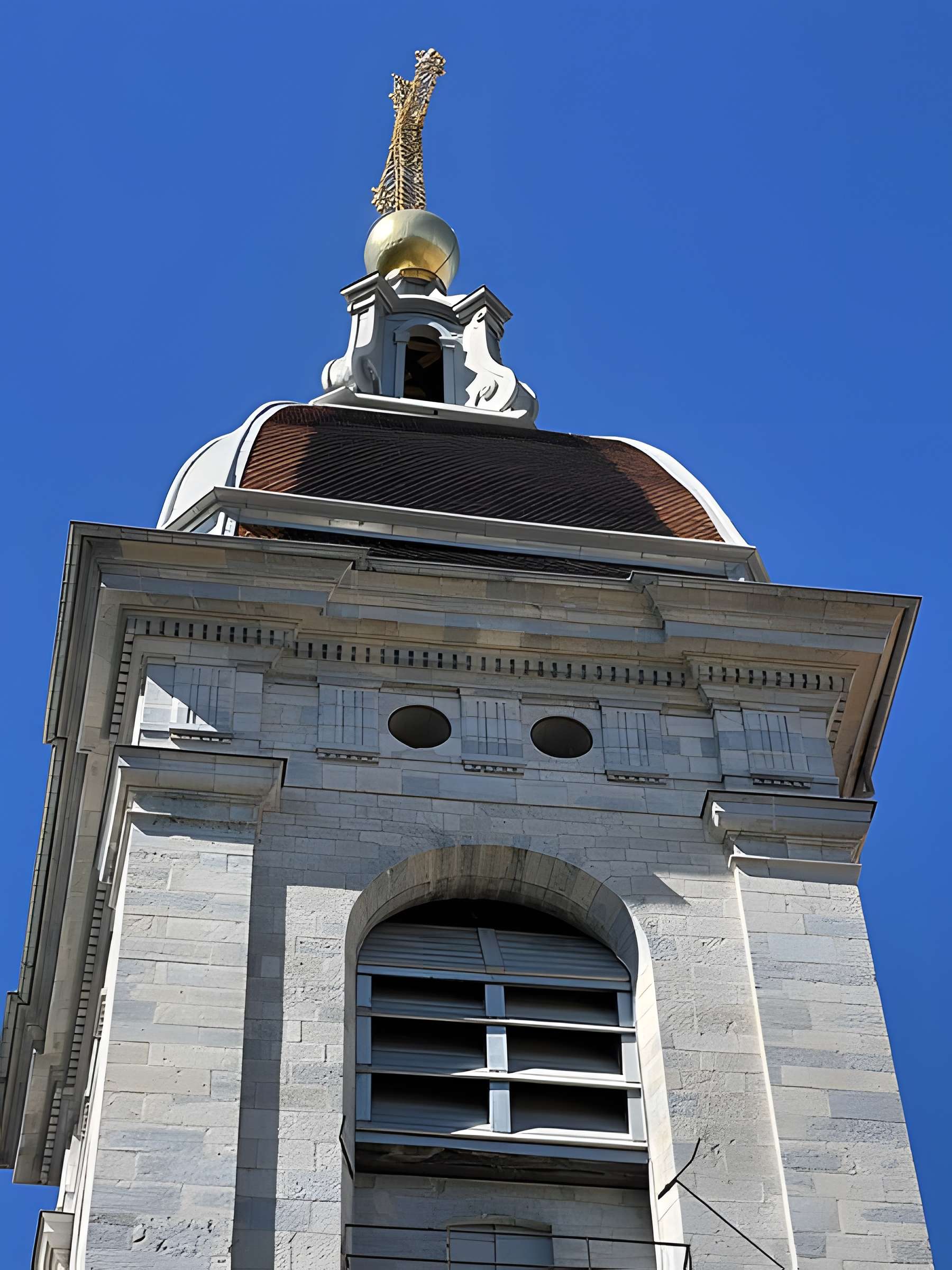
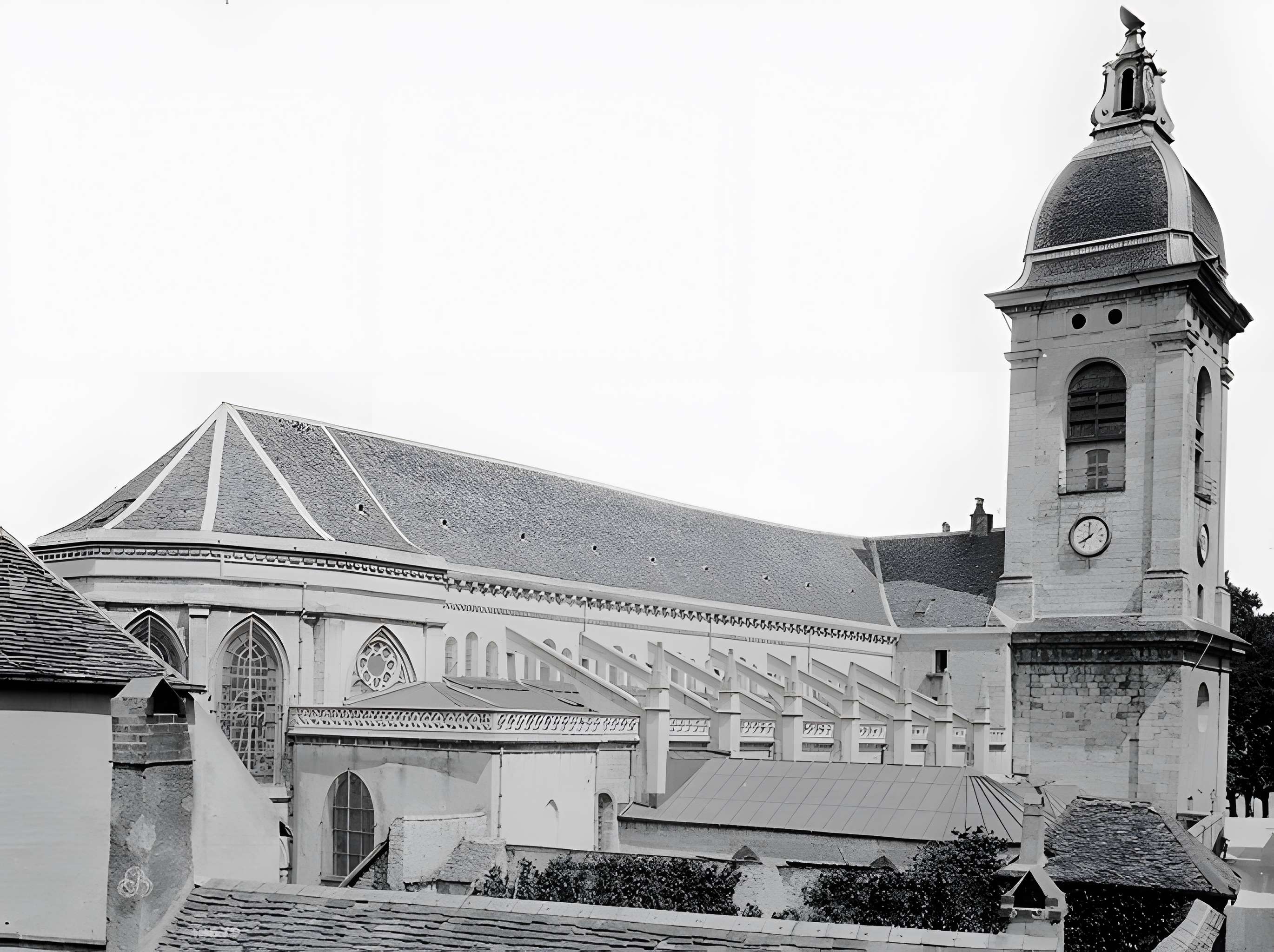
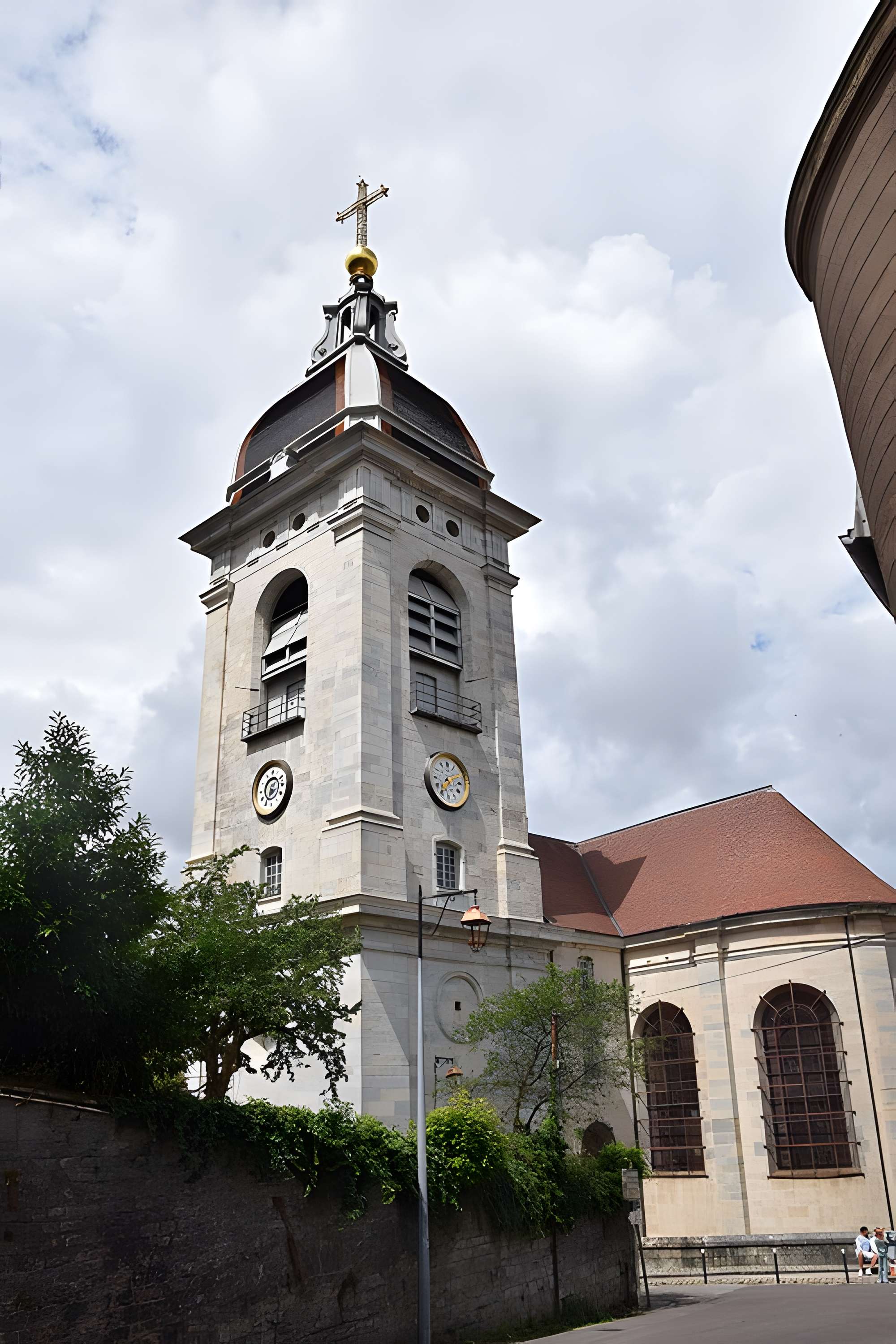
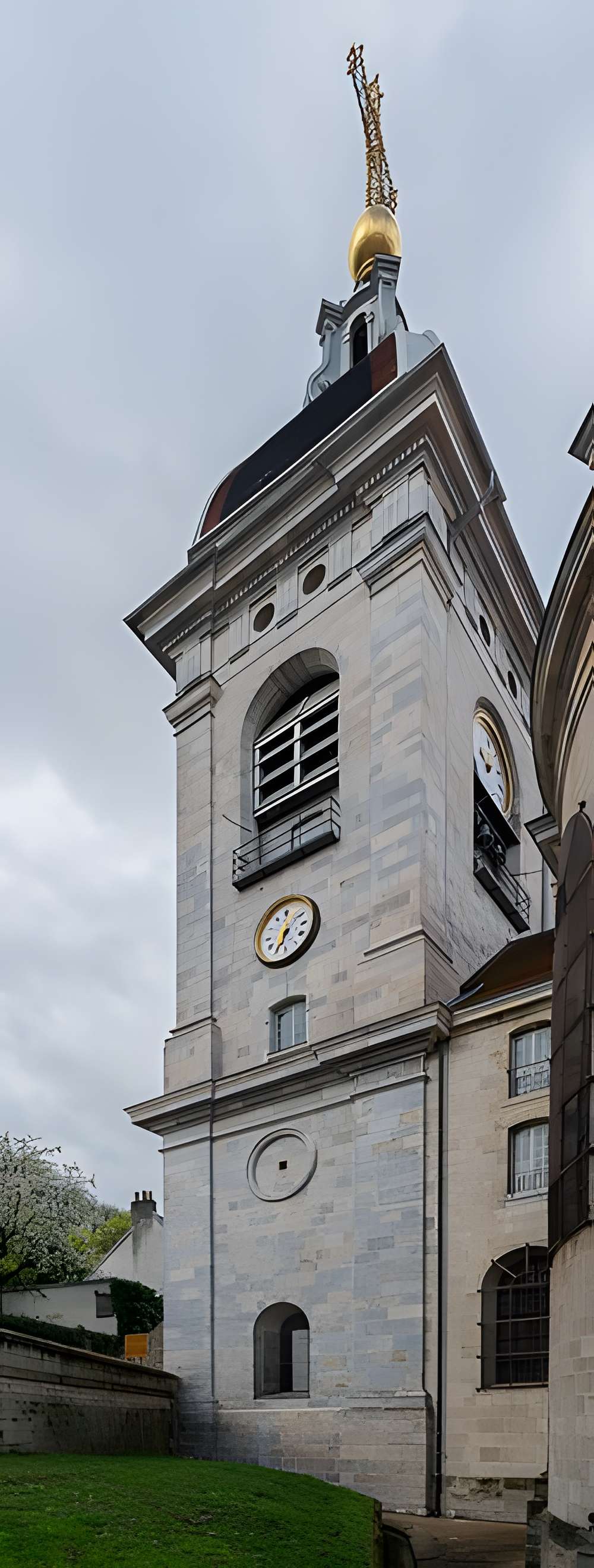
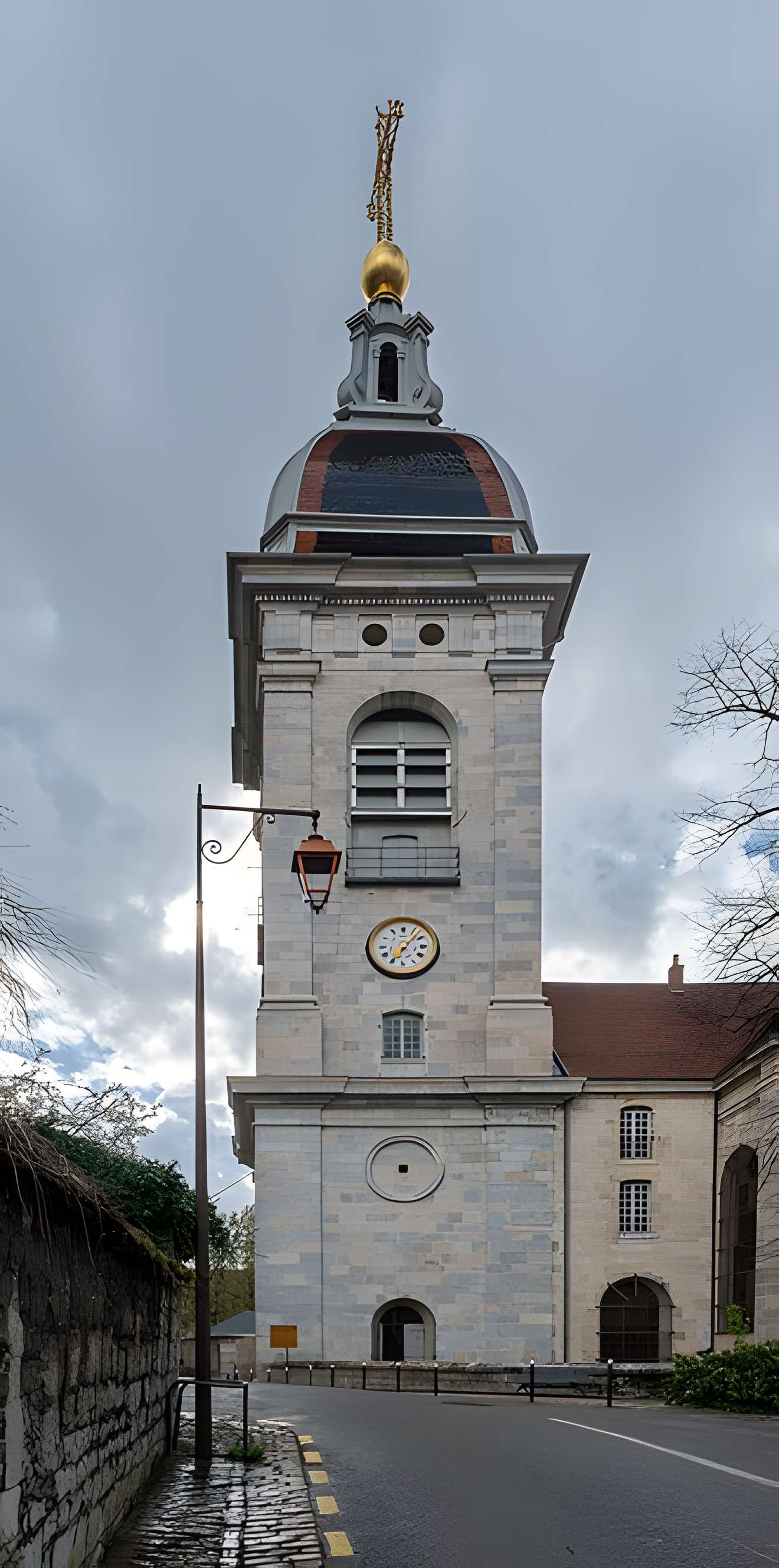
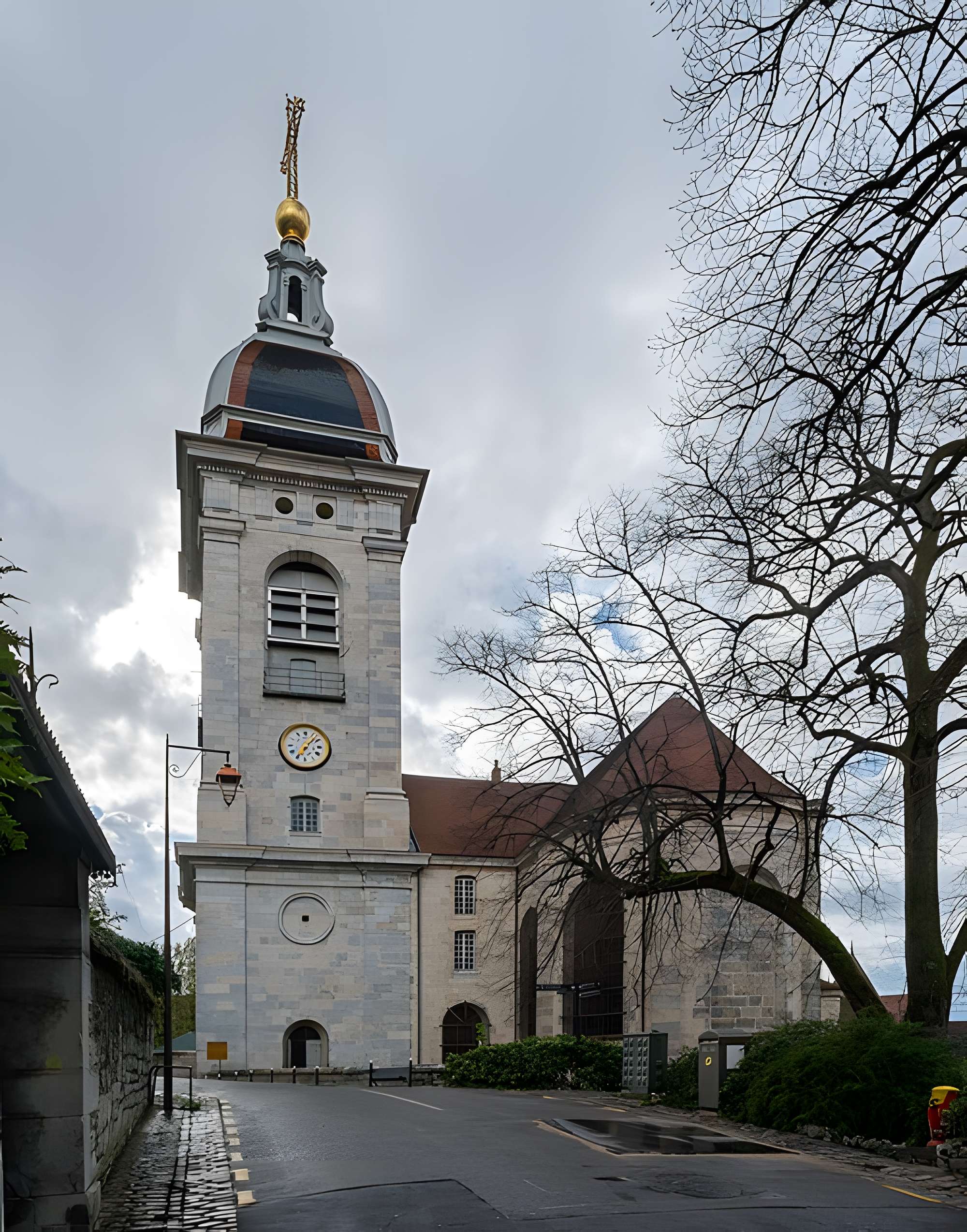
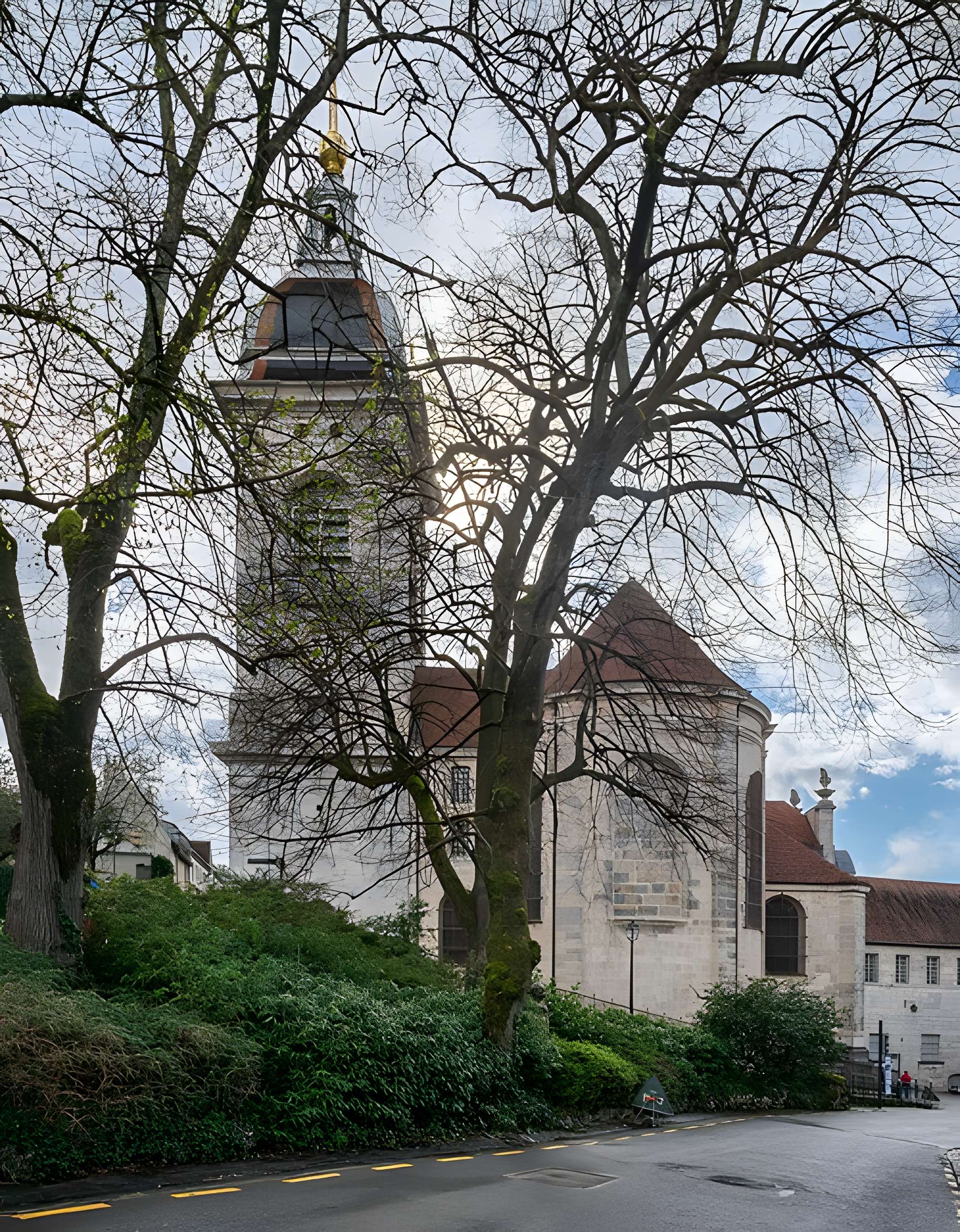
The cathedral was deeply marked by major reconstructions, such as that of the 12th century under Archbishop Anseric, who gave him his current plan with two apses opposite. A fire in 1212 destroyed its structure, leading to a Gothic renovation with the addition of warhead vaults. In the 18th century, the architect Germain Boffrand rebuilt the counter-chœur after the collapse of the bell tower in 1724, while the current bell tower, with a dome-to-imperial style, was completed in 1734. The cathedral, classified as a historical monument in 1875, was also a burial place for the Counts of Burgundy and several archbishops.
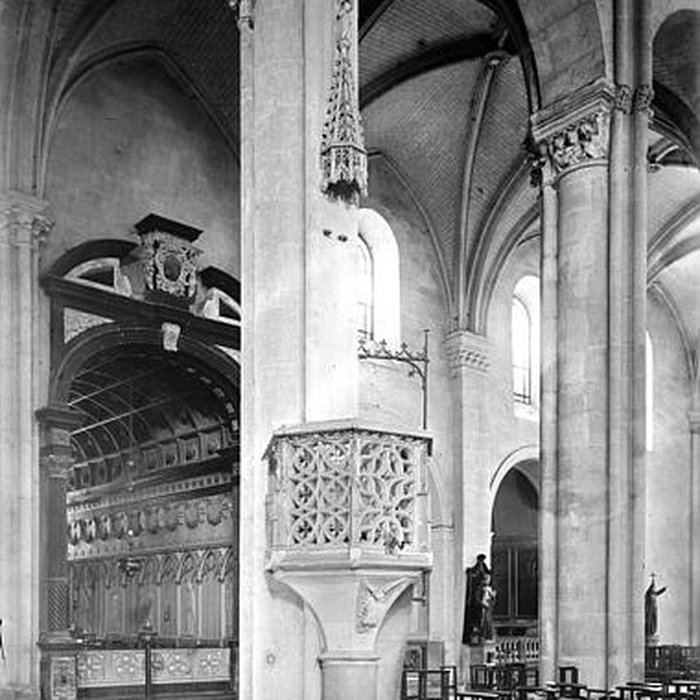
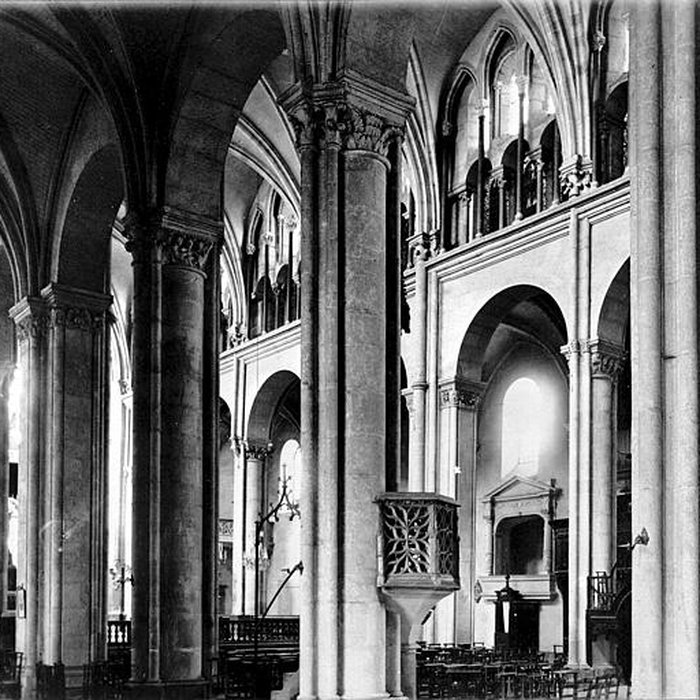
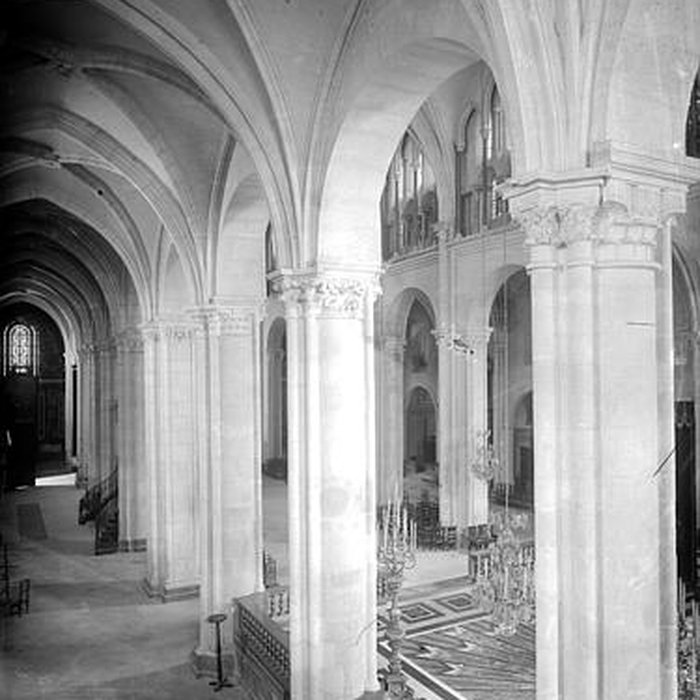
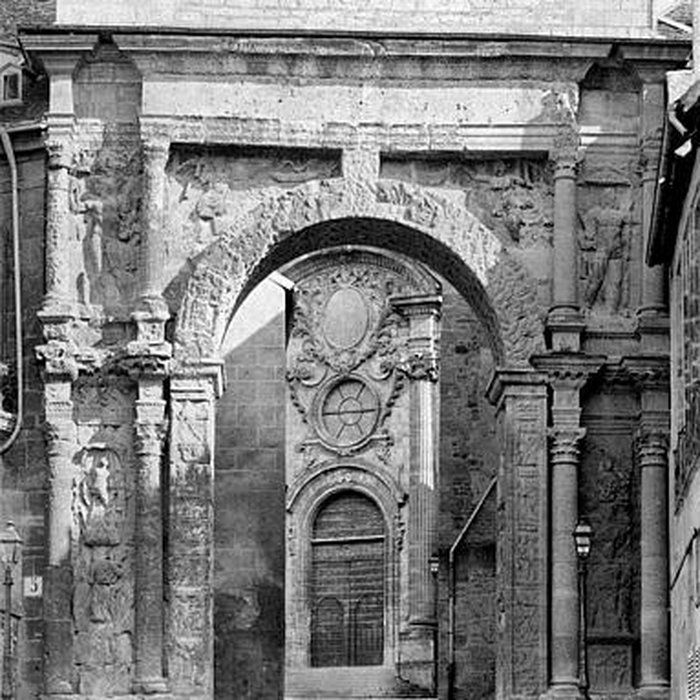
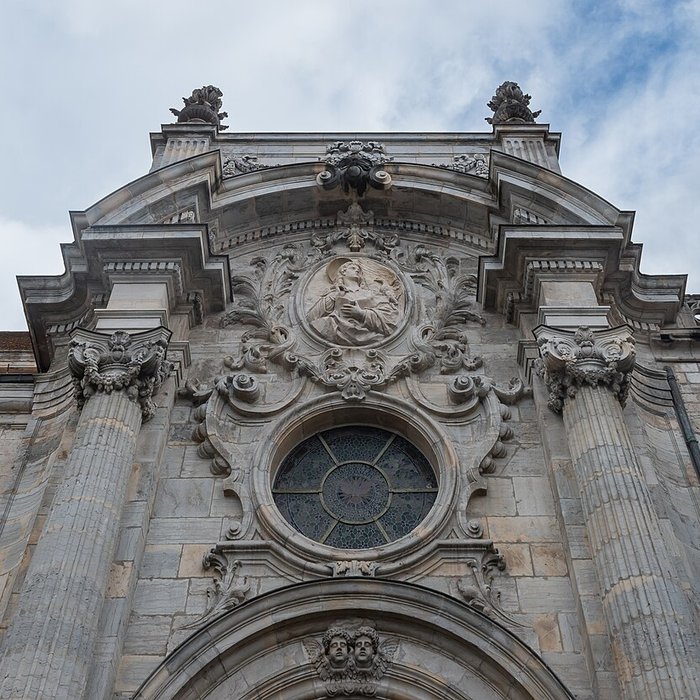
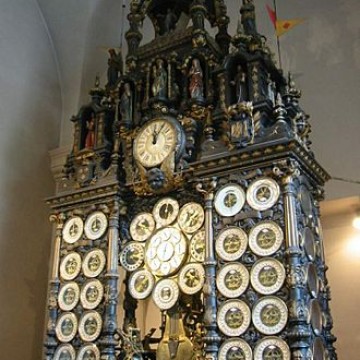
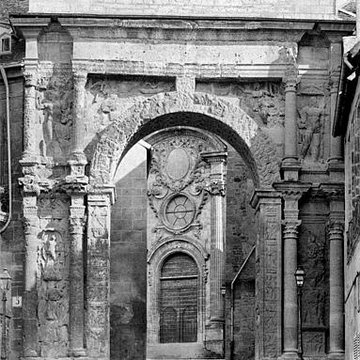
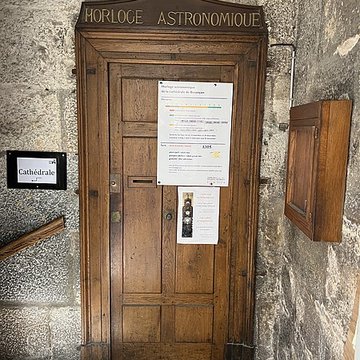
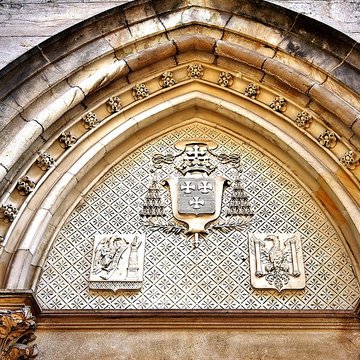
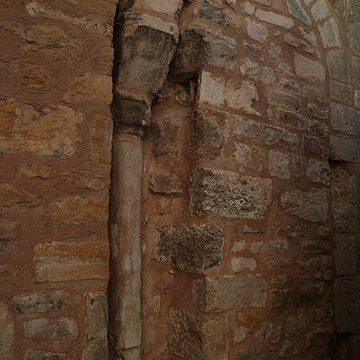
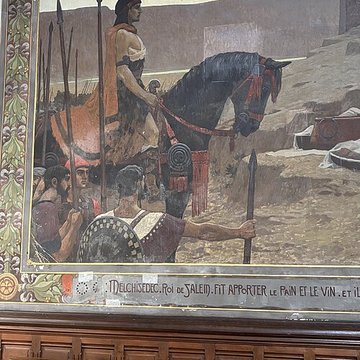
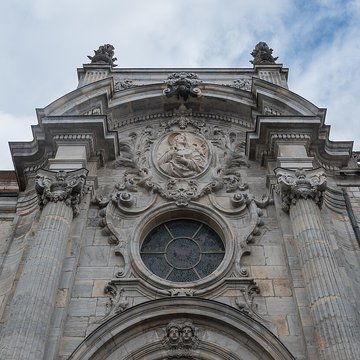
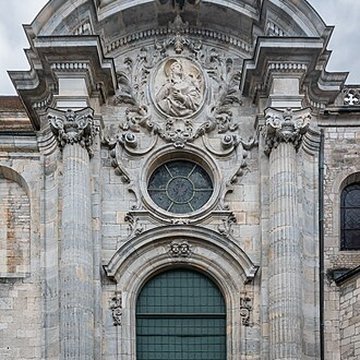
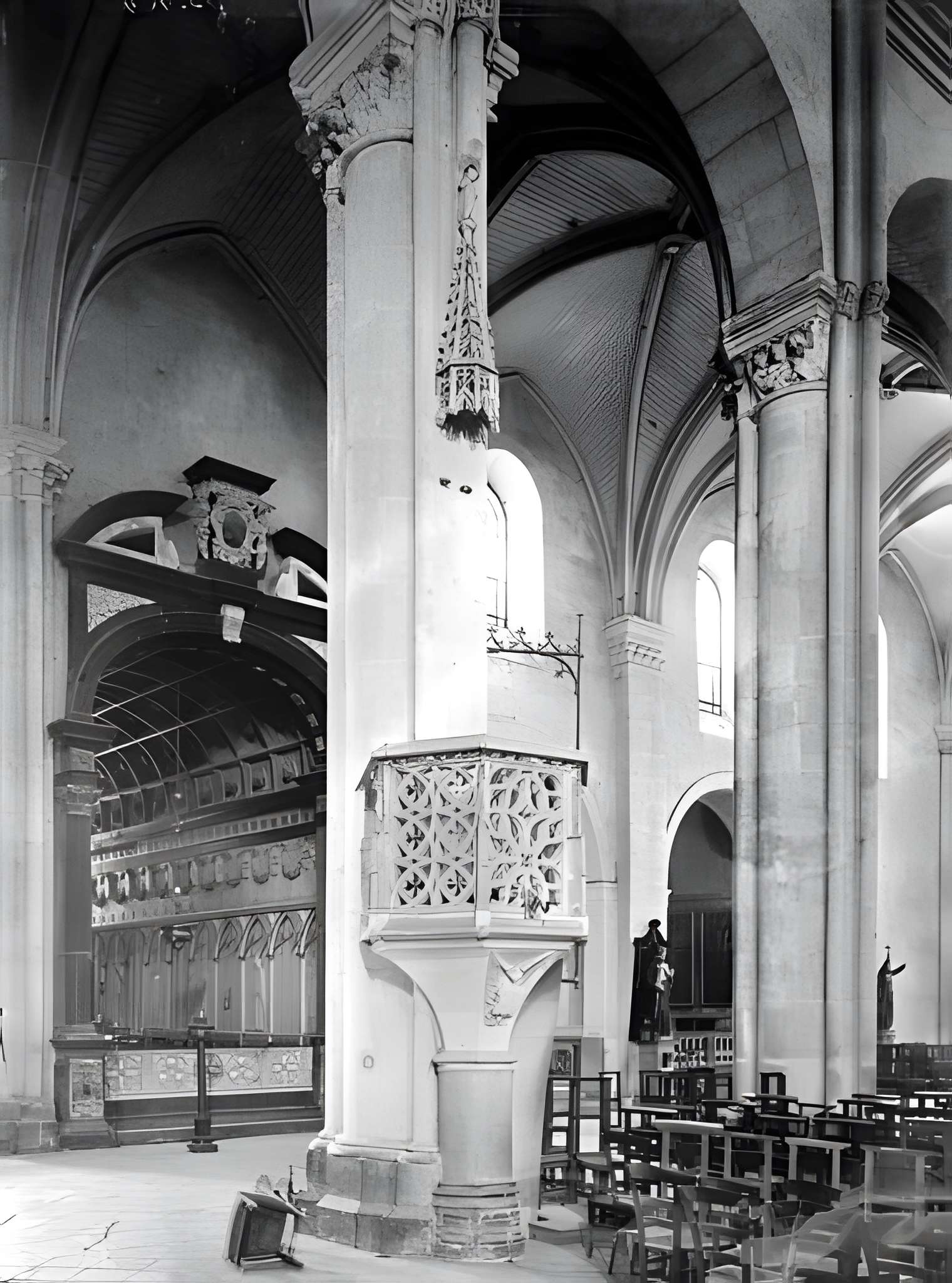
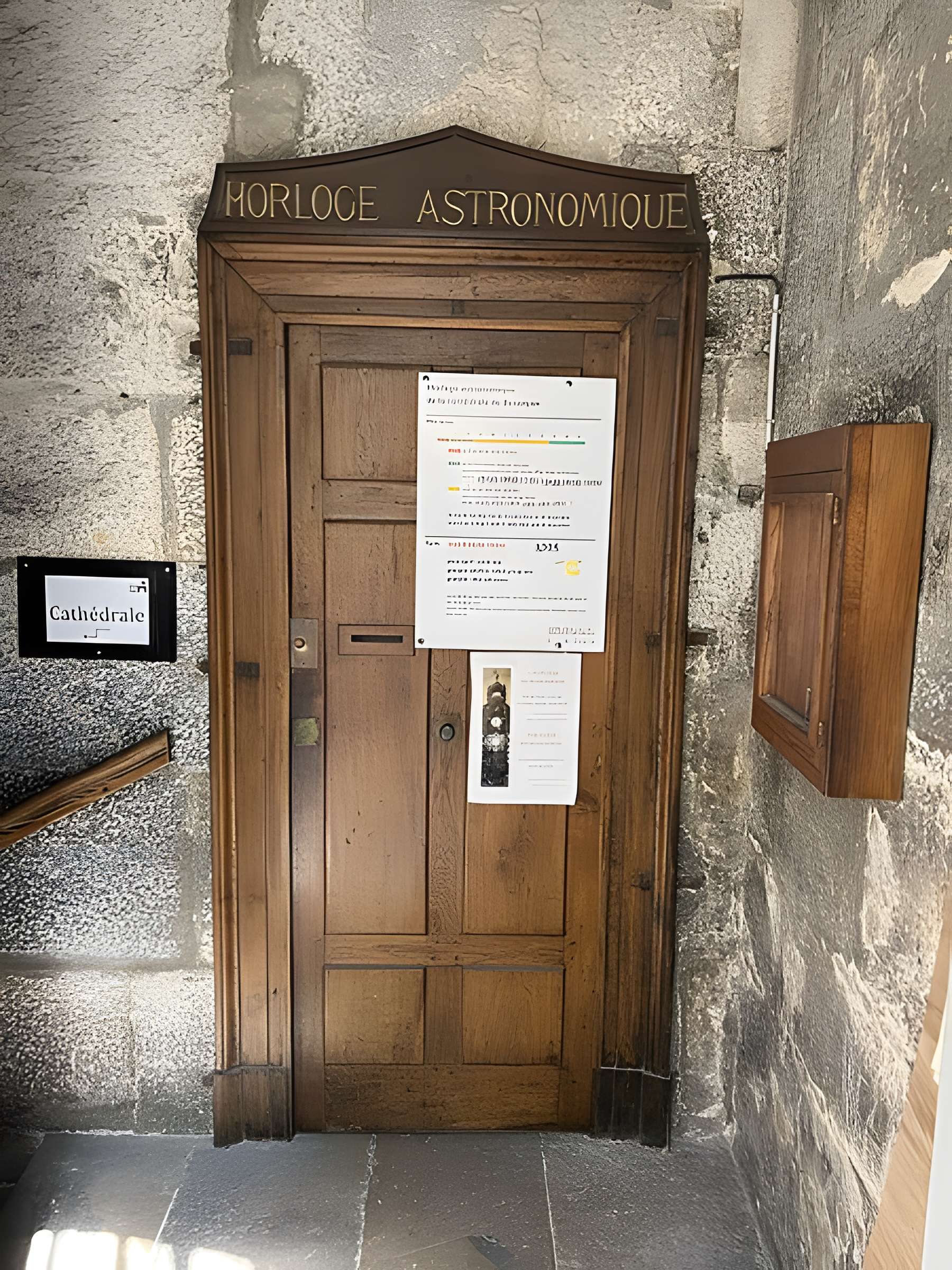
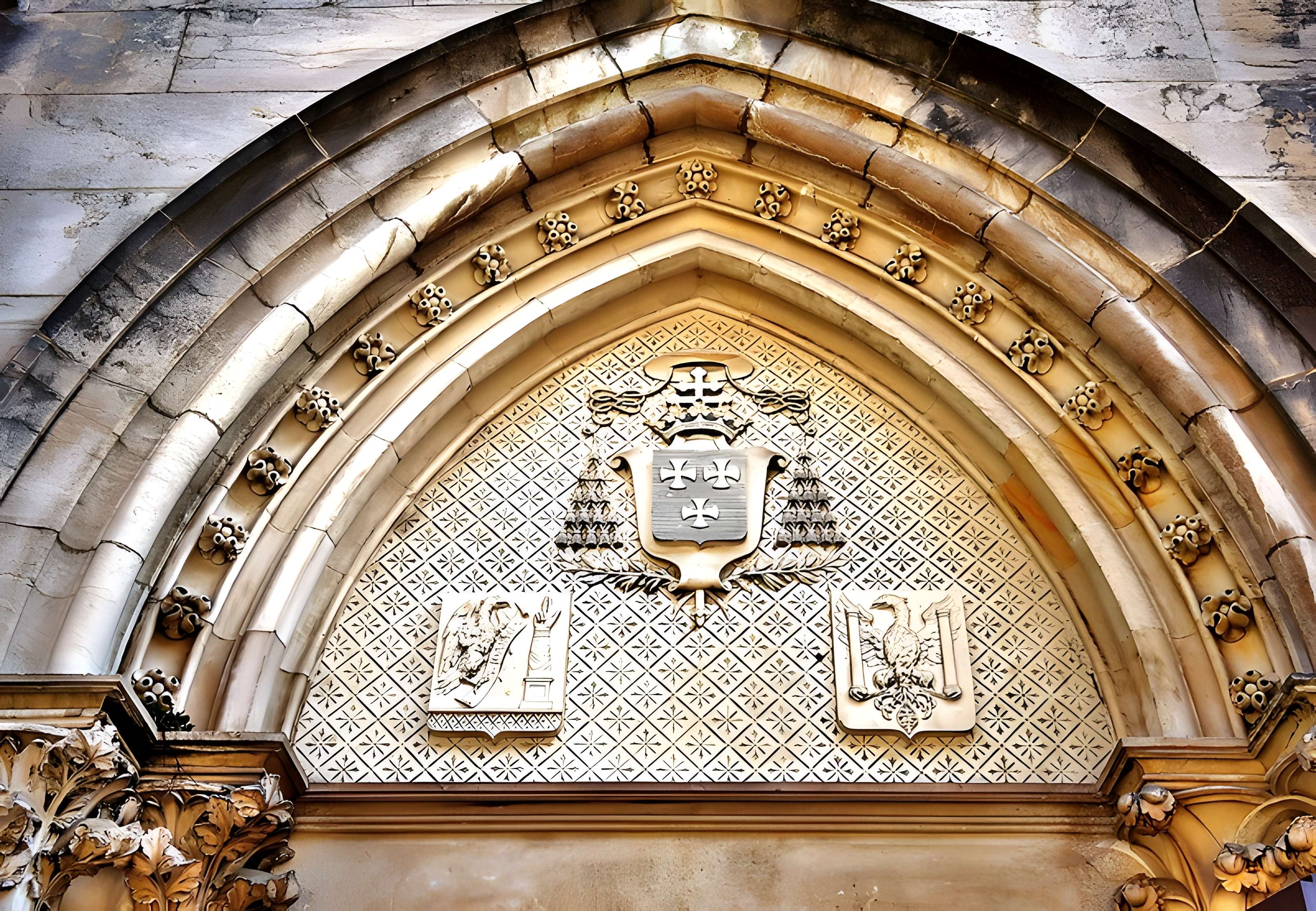
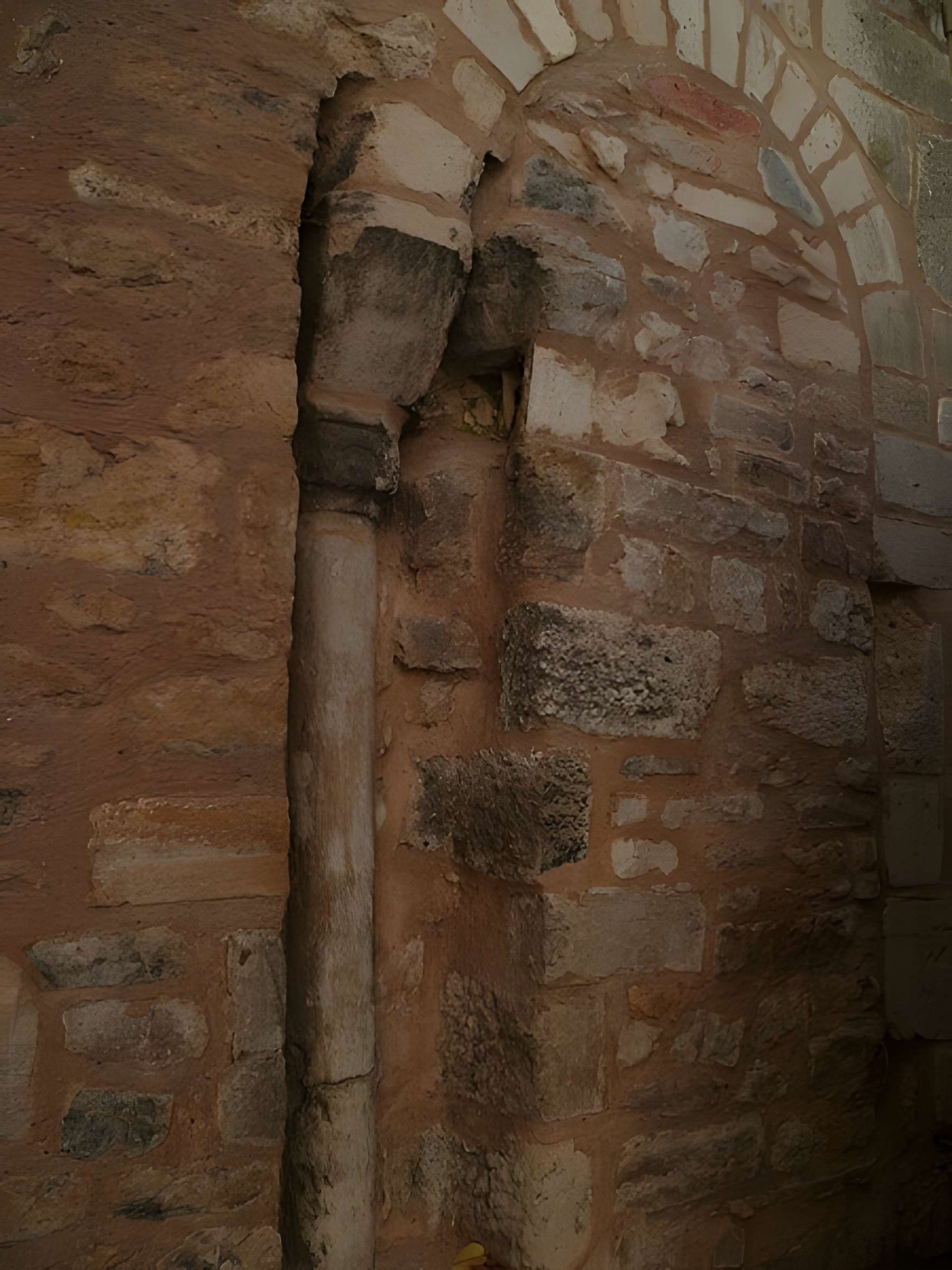
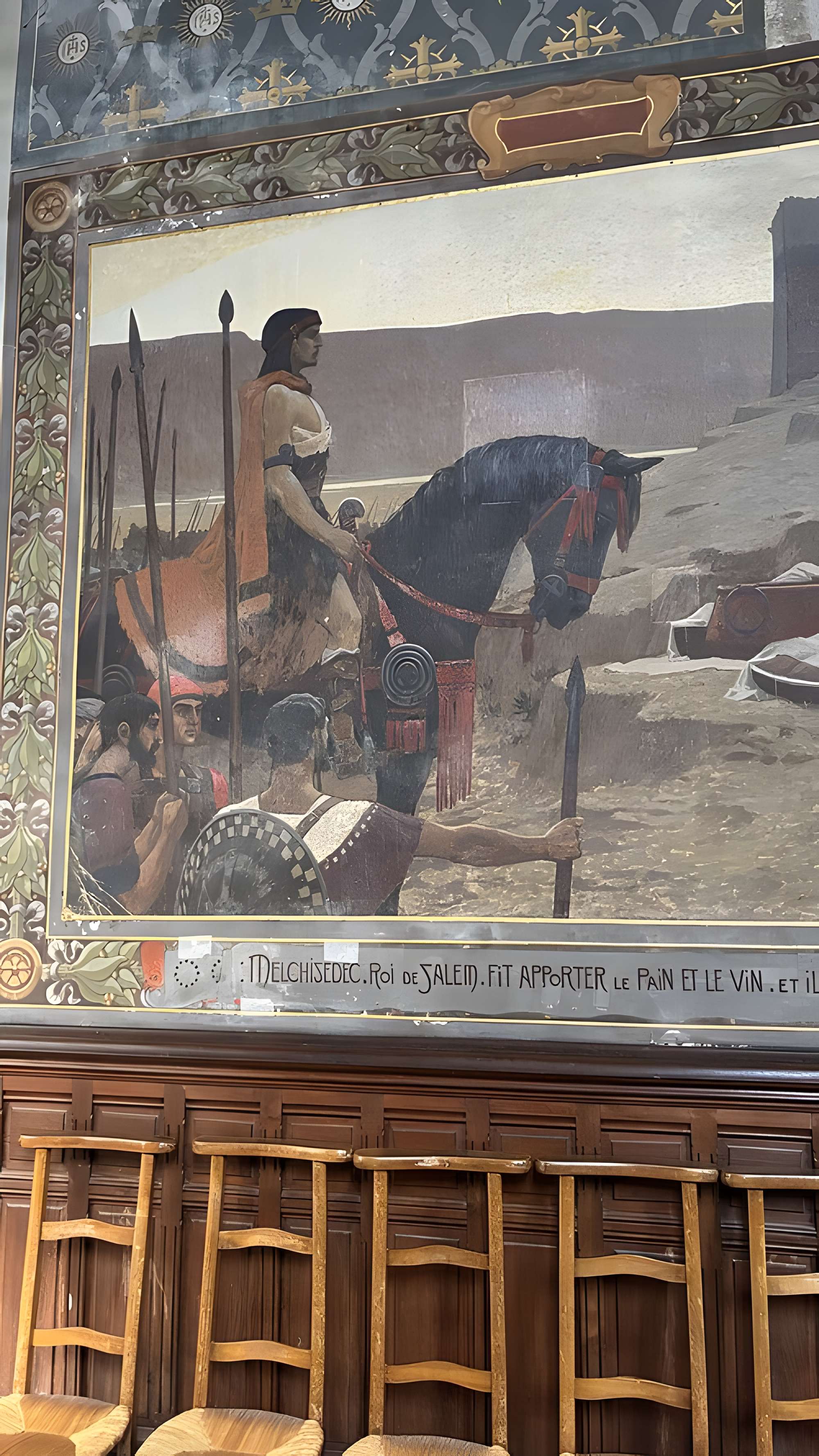
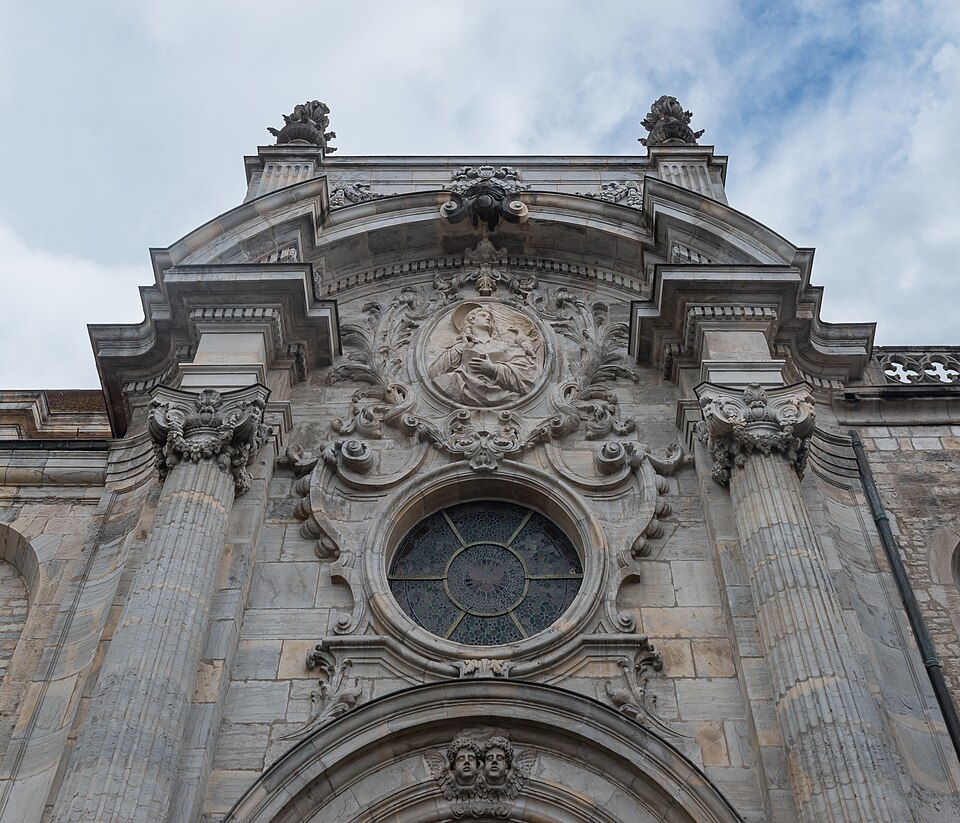
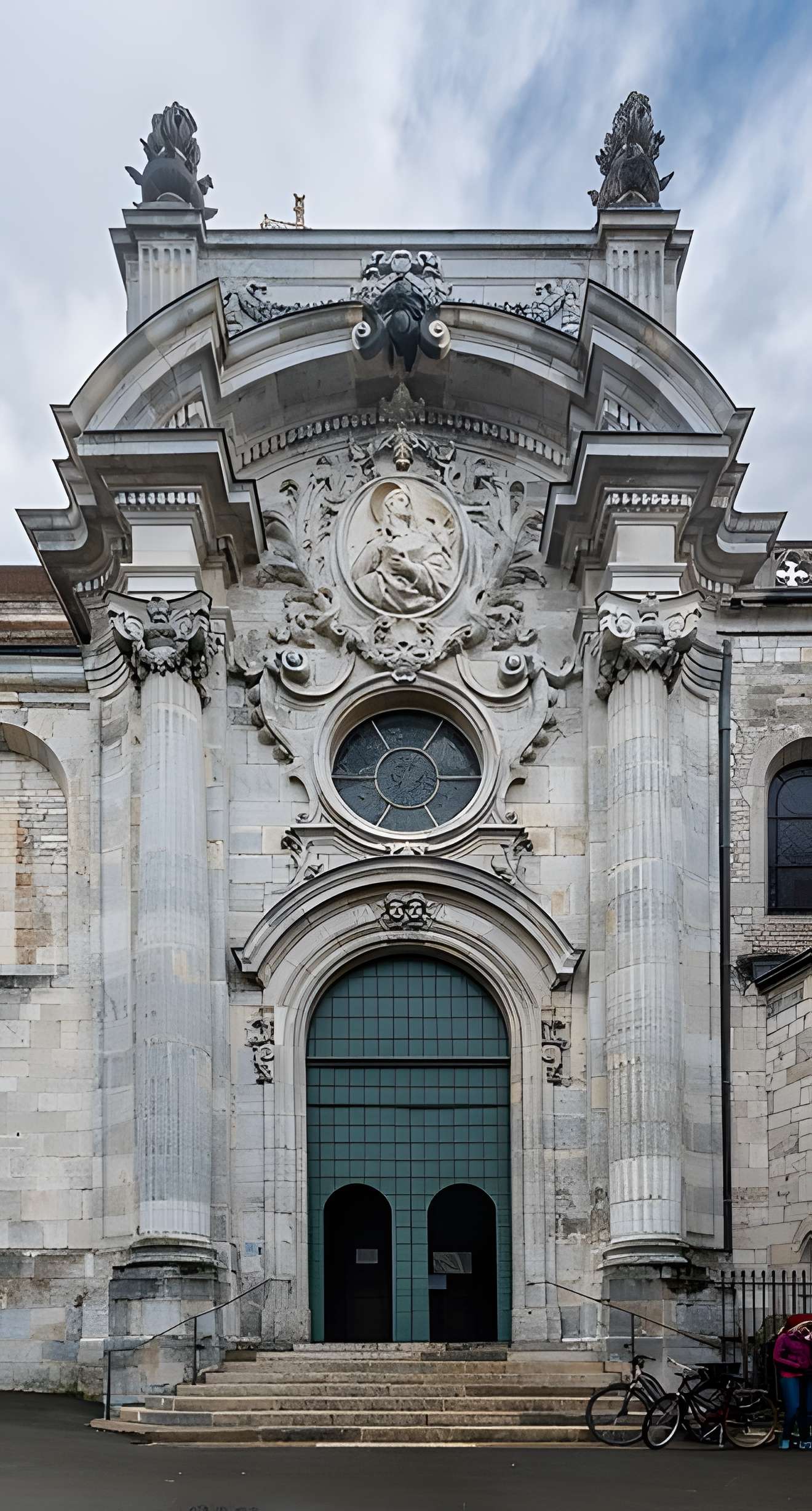
The building preserves remarkable elements such as the historical Romanesque capitals, the 18th and 19th century stained glass windows, and dedicated chapels, including the Rose de Saint-Jean chapel, which houses an 11th century marble altar. The astronomical clock, built by Auguste-Lucien Truth in the 19th century, replaces an earlier model deemed defective. The cathedral was also the scene of religious conflicts, as was the dispute over the chapters between Saint John and Saint Stephen, resolved in 1254 by the merger of the two institutions. Today, it remains a symbol of Besançon's religious and architectural heritage.
Saint John's Cathedral is also linked to important relics, such as the Saint-Suaire, an object of intense worship in the 17th and 18th centuries before being destroyed during the Revolution. The organs, rebuilt in 1987, and the bells, including a 4100 kg bumblebee melted in 1787, testify to its central role in the spiritual and cultural life of the city. The successive transformations, such as the reconstruction of the choir or the addition of chapels, reflect its evolution over the centuries, while preserving unique medieval elements.
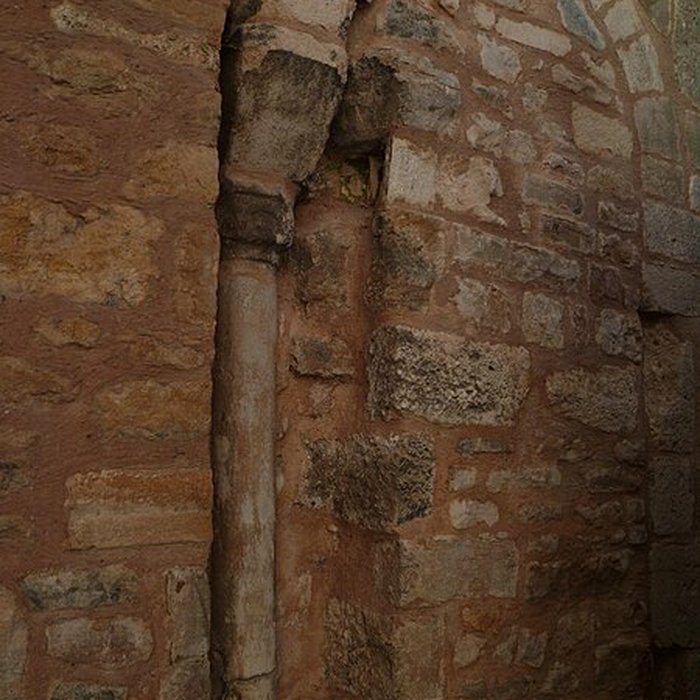
Modern excavations and restorations, especially between 2017 and 2020, have made it possible to highlight its hybrid architecture, mixing Romanesque nave, Gothic vaults and Baroque decors. The cathedral thus embodies almost two millennia of religious and political history, from the evangelization of the Séquania by Saint Ferjeux and Saint Ferréol in the third century until its present role in the diocese of Besançon. Its double bedside design, inspired by the Rhine models, and its carved decorations make it an exceptional monument in France.
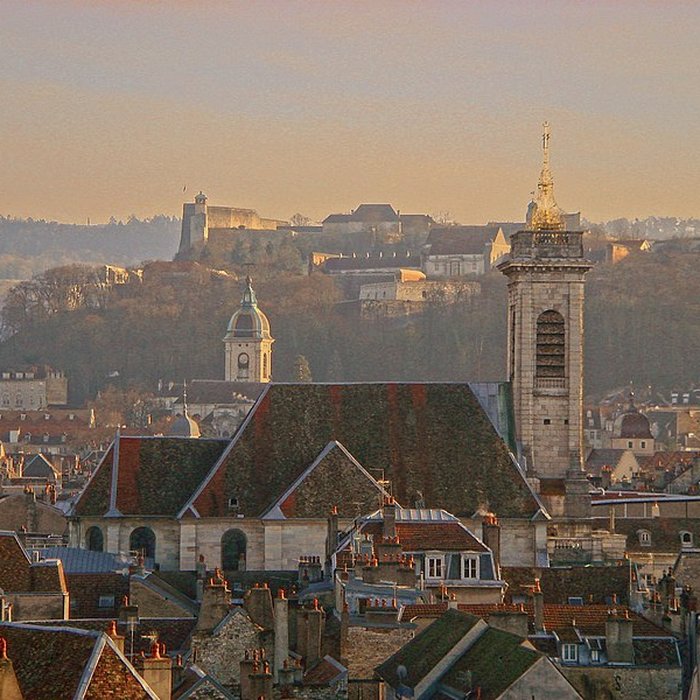
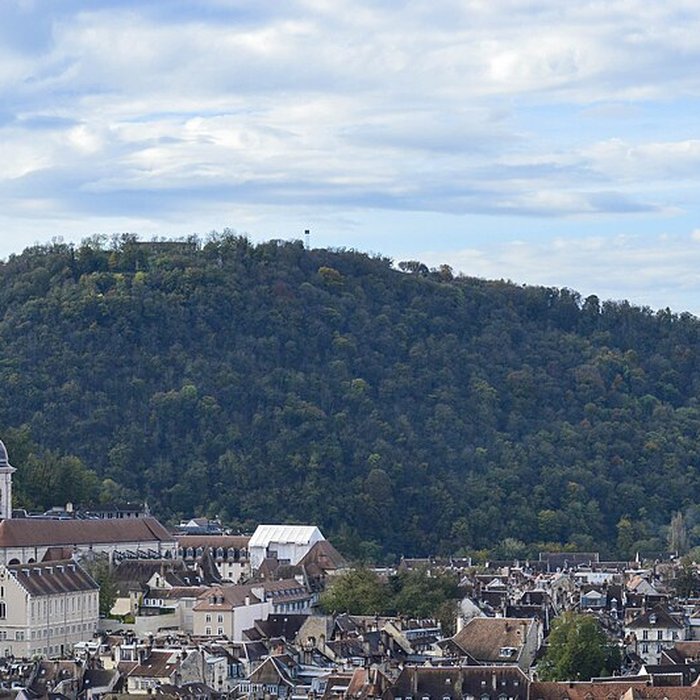
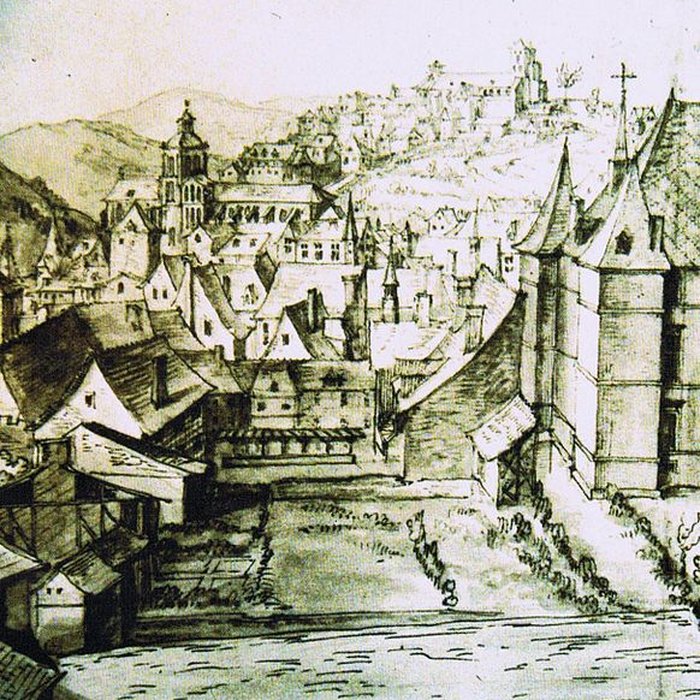
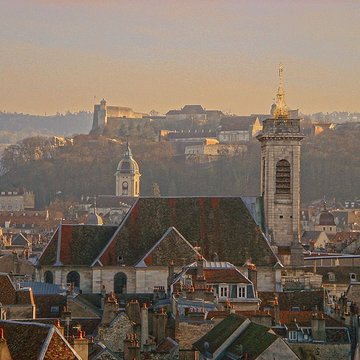
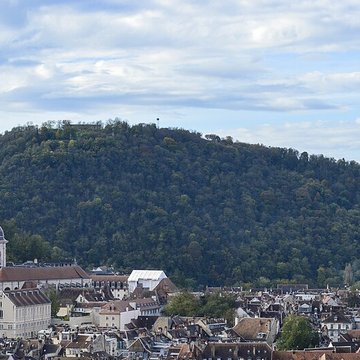
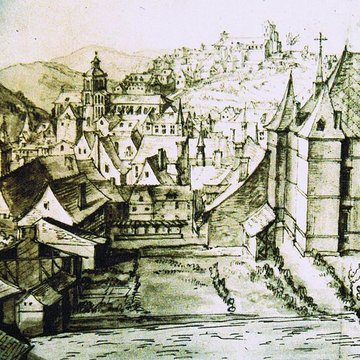
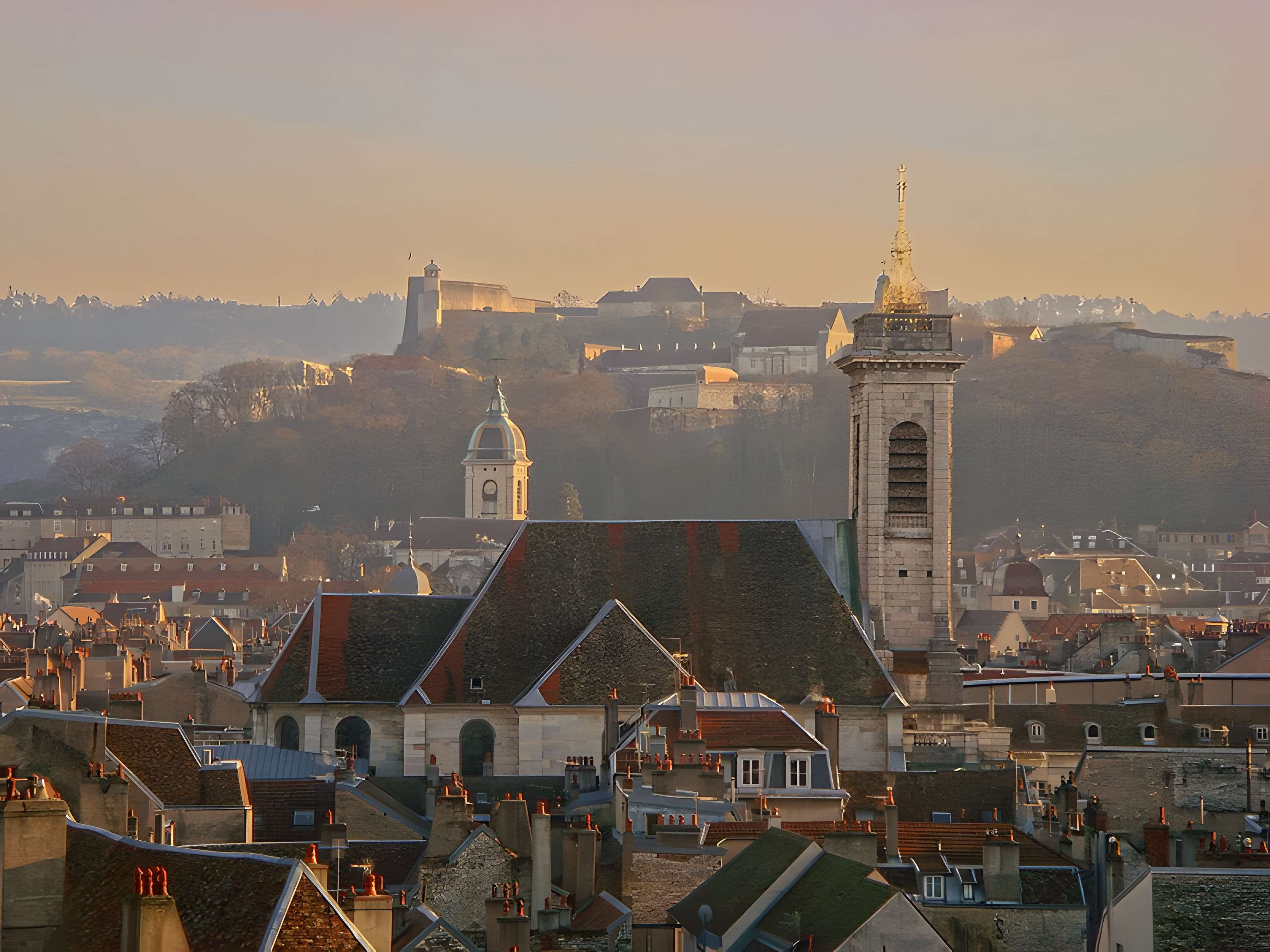
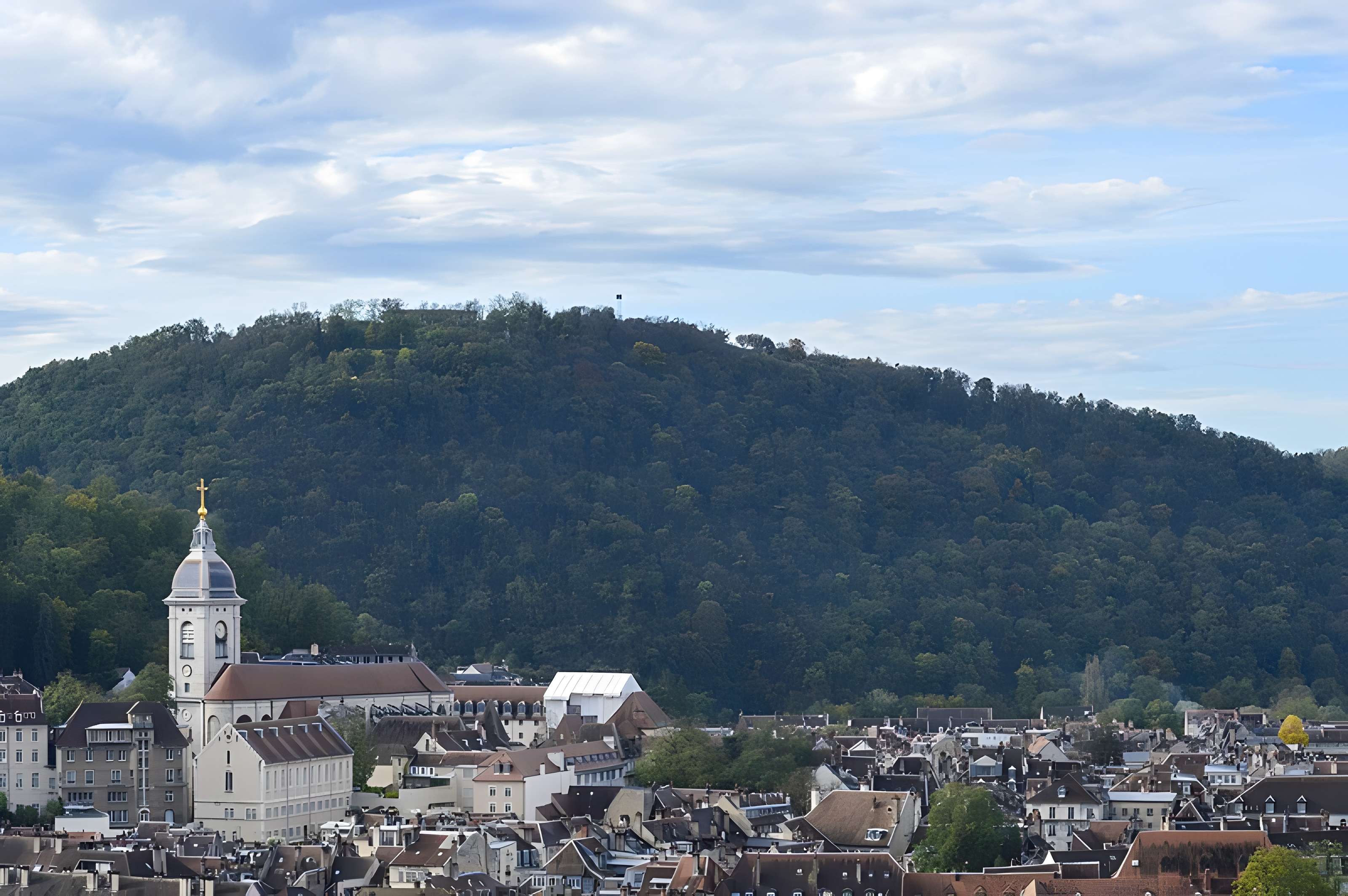
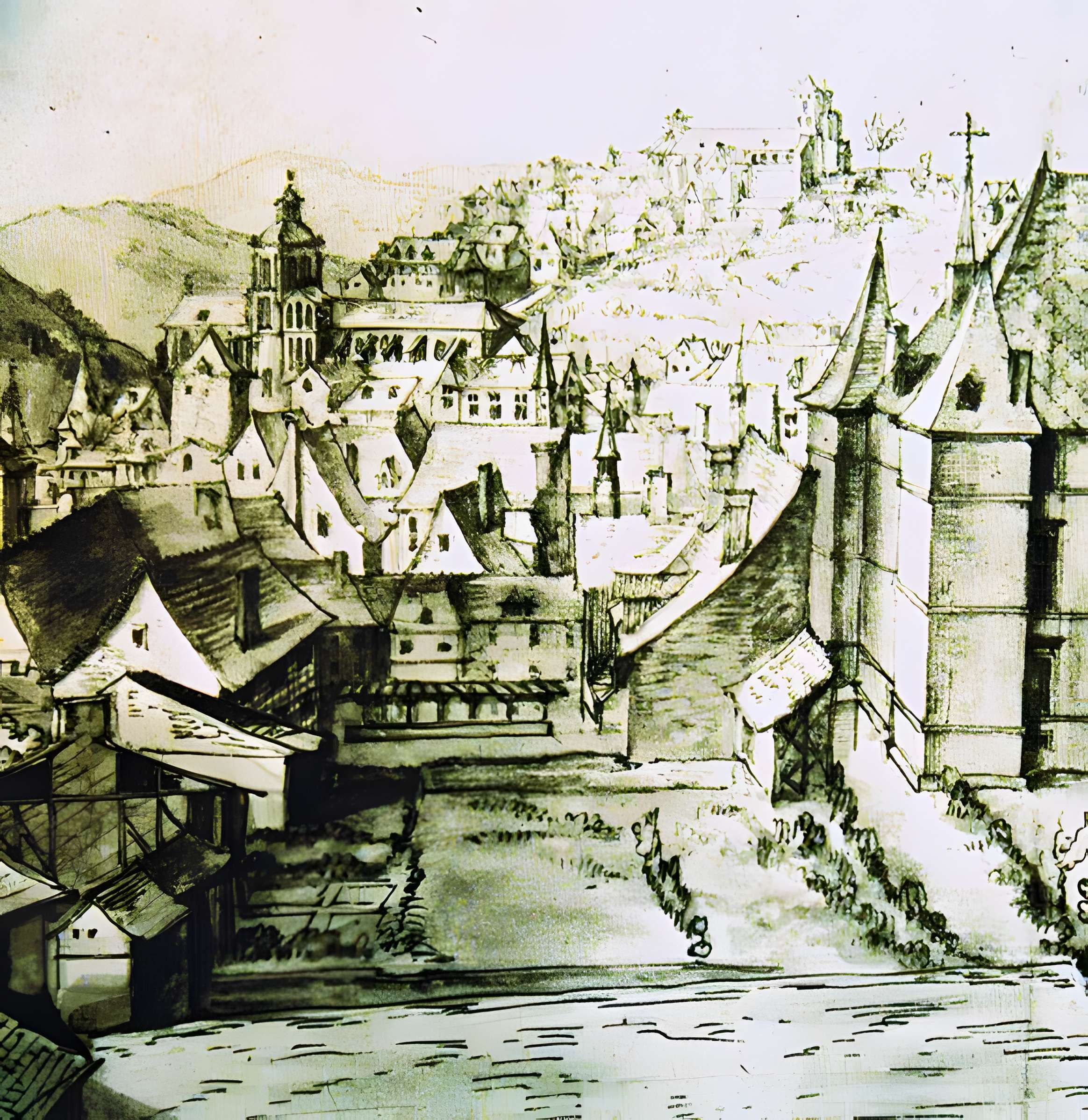
Finally, Saint John Cathedral is inseparable from the urban life of Besançon, located at the foot of the citadel and integrated into a capitular area rich in religious buildings. Its history reflects the tensions between episcopal power and Comtal, as well as artistic influences from Lorraine, Burgundy and Italy. Today, it remains an active place of worship and a major testimony of sacred art in Franche-Comté, attracting visitors and pilgrims for its architectural and spiritual heritage.









Announcements
Please log in to post a review