
Logo Musée du Patrimoine

All French heritage classified by regions, departments and cities

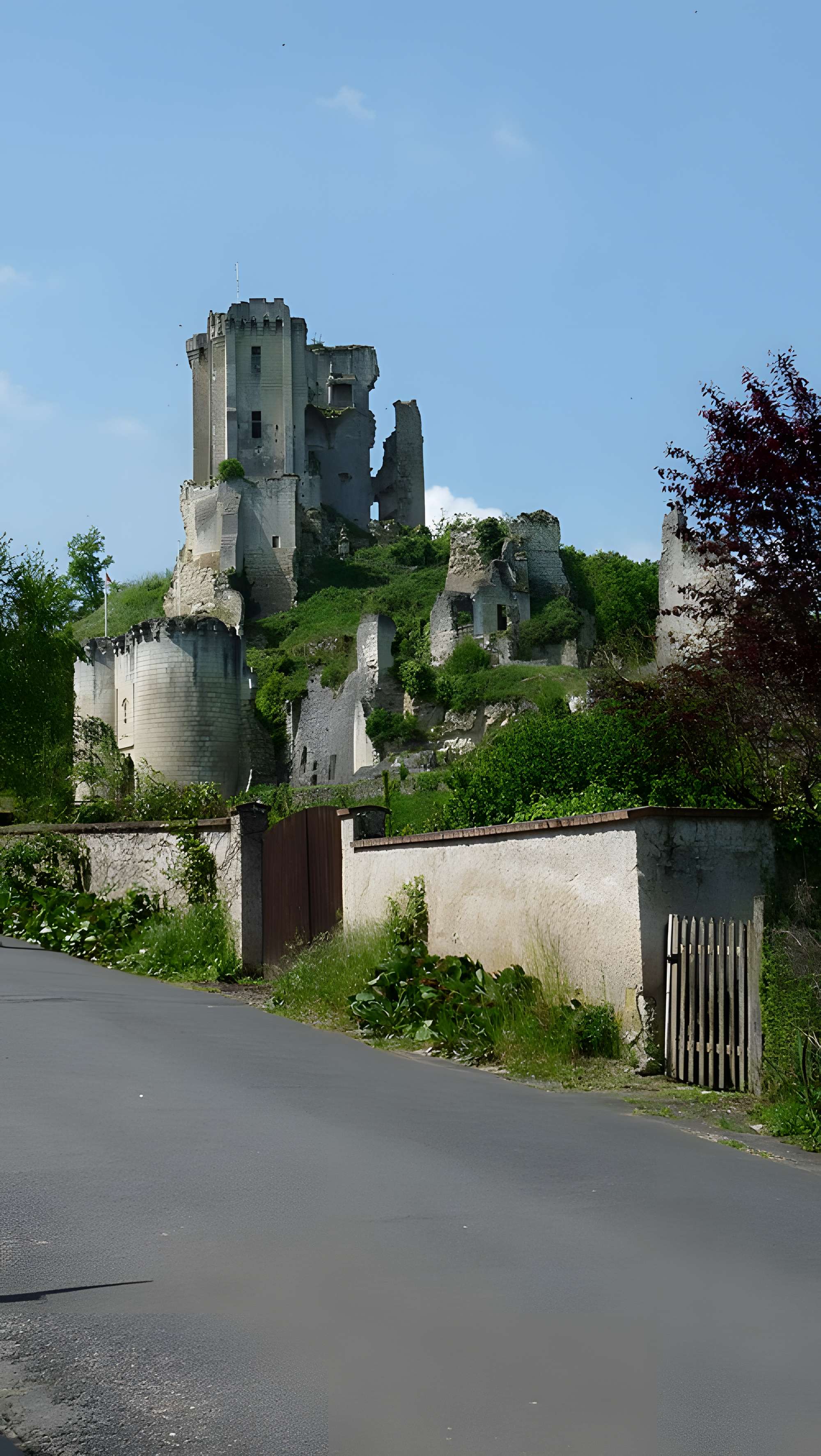
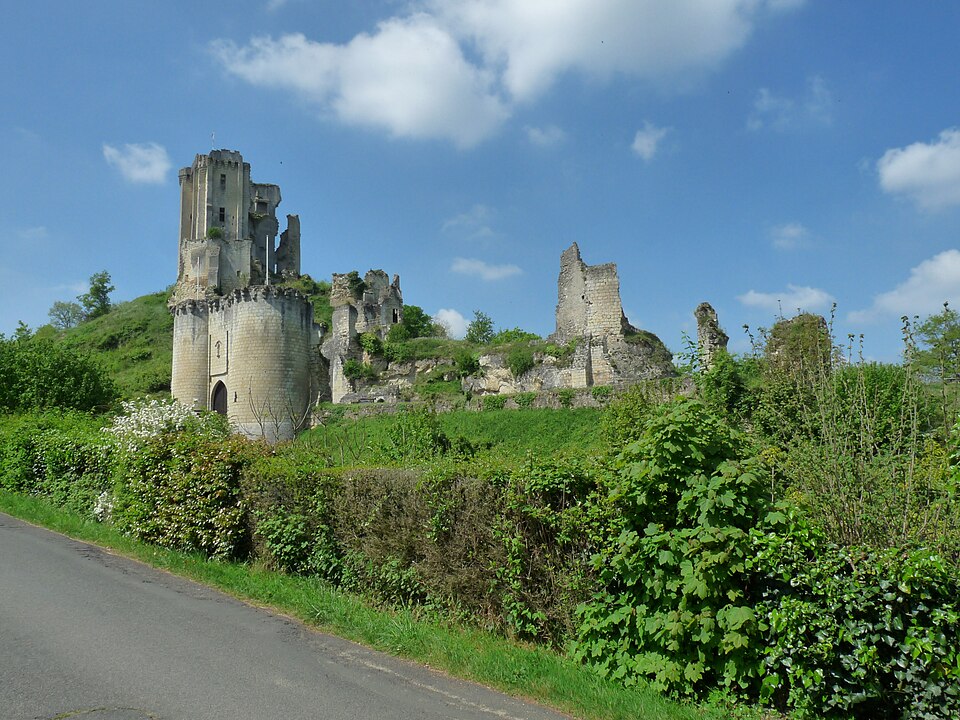
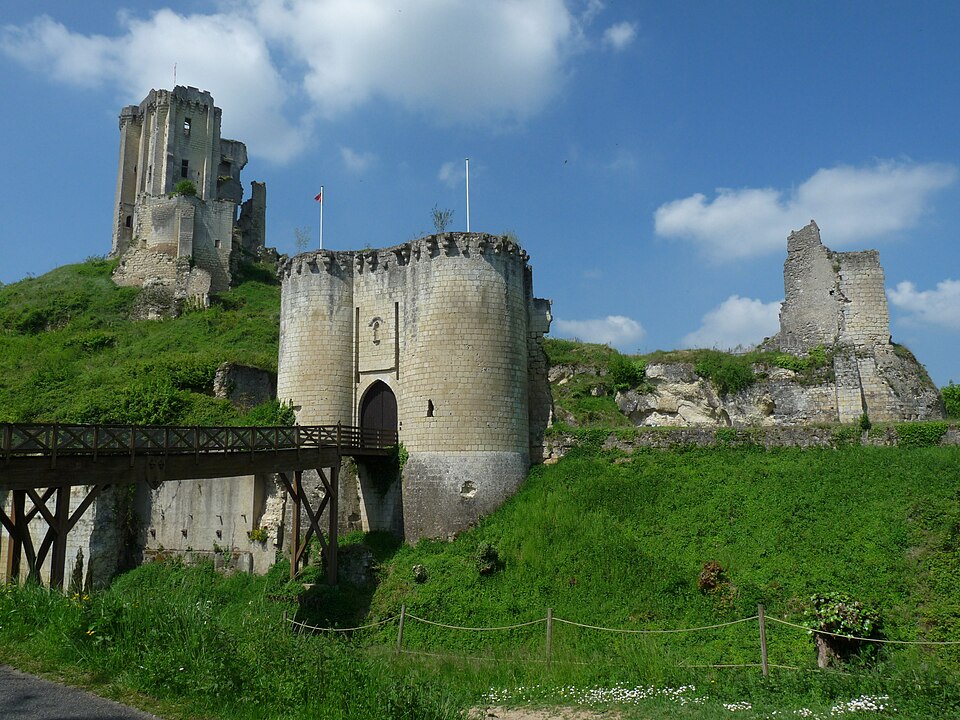
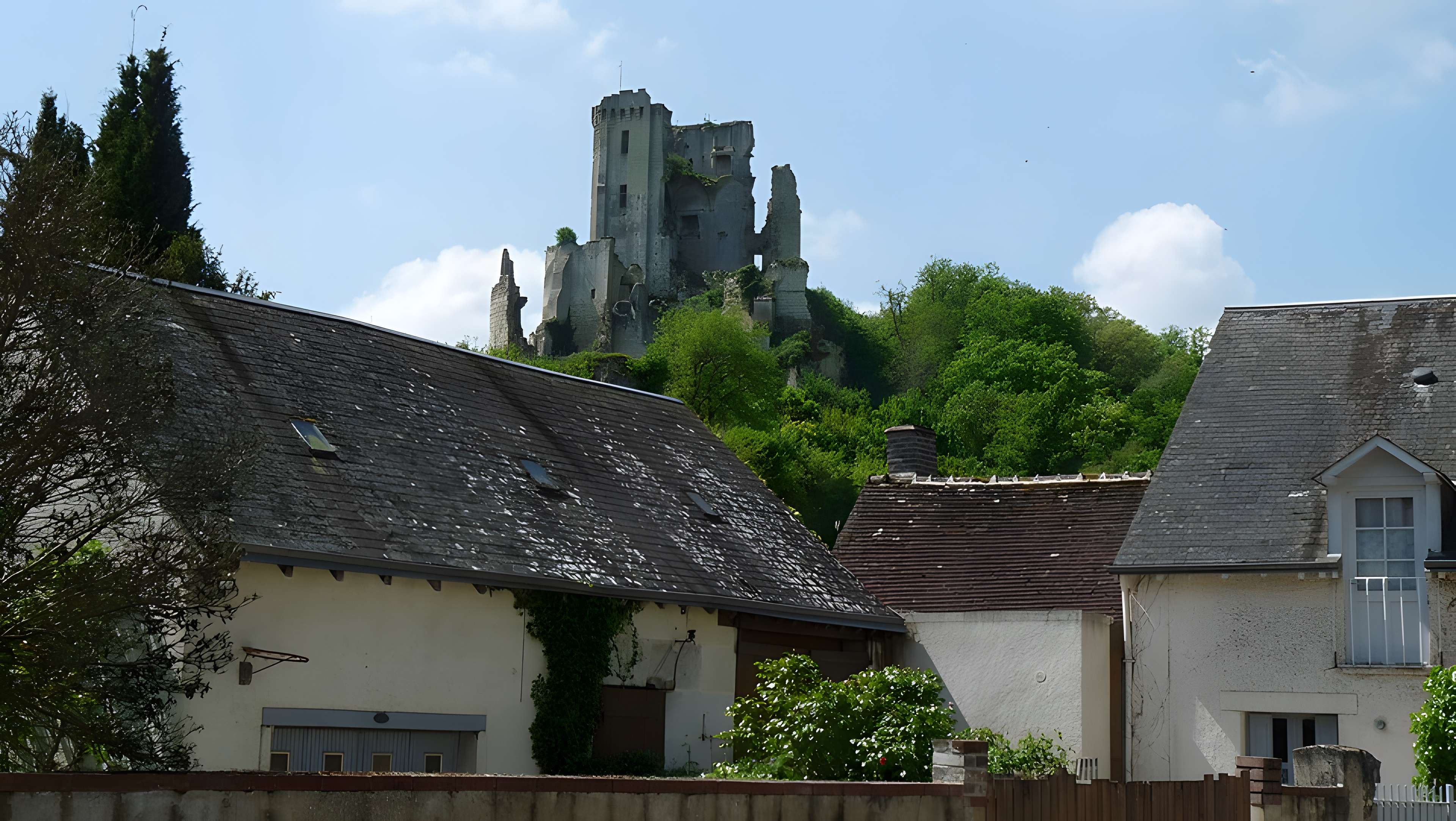
Château de Lavardin dans le Loir-et-Cher

Patrimoine classé
Patrimoine défensif
Château de la Loire
Château fort
Loir-et-Cher

Château de Lavardin

    10 Rue des Vaux Boyers
    41800 Lavardin
Ownership of the municipality
Château de Lavardin
Château de Lavardin
Château de Lavardin
Château de Lavardin
Château de Lavardin
Château de Lavardin
Château de Lavardin
Château de Lavardin
Château de Lavardin
Château de Lavardin
Château de Lavardin
Château de Lavardin
Château de Lavardin
Château de Lavardin
Château de Lavardin
Château de Lavardin
Château de Lavardin
Château de Lavardin
Château de Lavardin
Château de Lavardin
Château de Lavardin
Château de Lavardin
Château de Lavardin
Château de Lavardin
Château de Lavardin
Château de Lavardin
Château de Lavardin
Château de Lavardin
Château de Lavardin
Château de Lavardin
Château de Lavardin
Château de Lavardin
Château de Lavardin
Château de Lavardin
Château de Lavardin
Château de Lavardin
Château de Lavardin
Château de Lavardin
Château de Lavardin
Château de Lavardin
Château de Lavardin
Château de Lavardin
Château de Lavardin
Château de Lavardin
Château de Lavardin
Château de Lavardin
Château de Lavardin
Château de Lavardin
Château de Lavardin
Château de Lavardin
Crédit photo : Manfred Heyde - Sous licence Creative Commons

Timeline

Moyen Âge central
Bas Moyen Âge
Renaissance
Temps modernes
Révolution/Empire
XIXe siècle
Époque contemporaine
1100
1200
1300
1400
1500
1600
1900
2000
1130
Sale to the Counts of Vendôme
XIe siècle (vers 1030)
Foundation of the Priory Saint-Gildéric
1188
Seated by Richard Coeur de Lion
1448
Visit of Charles VII
1590
Seat and capitulation
1591
Dismantlement ordered
Fin XIVe–XVe siècle
Transformation into a tower
1945
Historical monument classification
Aujourd'hui
Aujourd'hui

Heritage classified

Castle (vestiges): by order of 21 November 1945

Key figures

Salomon de Lavardin - First known lord Founded the priory around 1030.
Hervé de Beaugency (de Lavardin) - Lord Builder Constructed the first dungeon (ca. 1070–80).
Louis Ier de Bourbon-Vendôme - Reconstructor Turned the dungeon into a tower-palais (late XIVe).
Jean VIII de Bourbon-Vendôme - Host Count of Charles VII Welcomed the king in 1448.
Henri IV - King and Duke of Vendôme Ordained dismantling in 1591.
François de Bourbon, prince de Conti - Head of the besieged Take the castle in 1590.
Gilles de Souvré - Marquis and captain Seconda Conti during the siege.

Origin and history

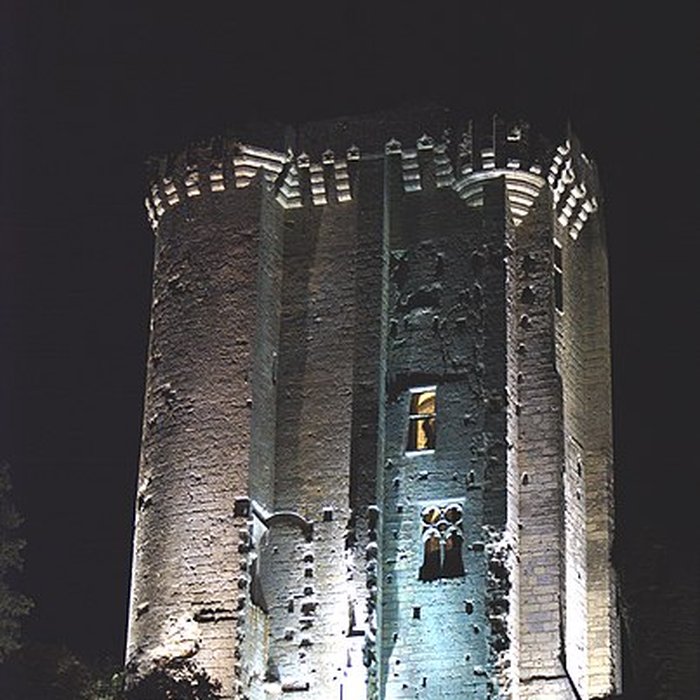
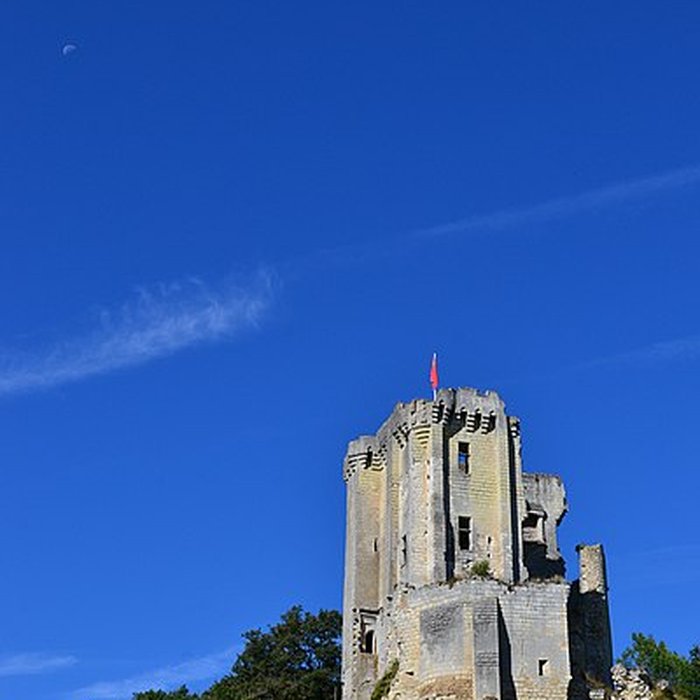
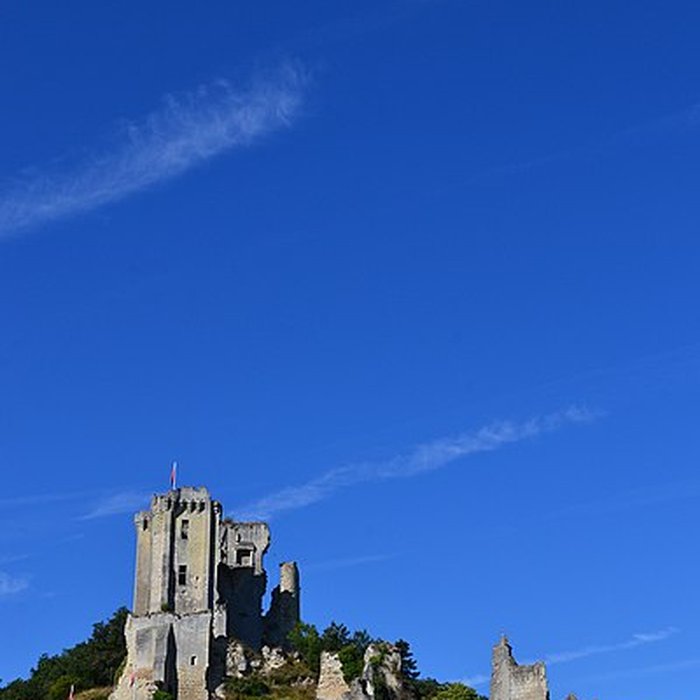
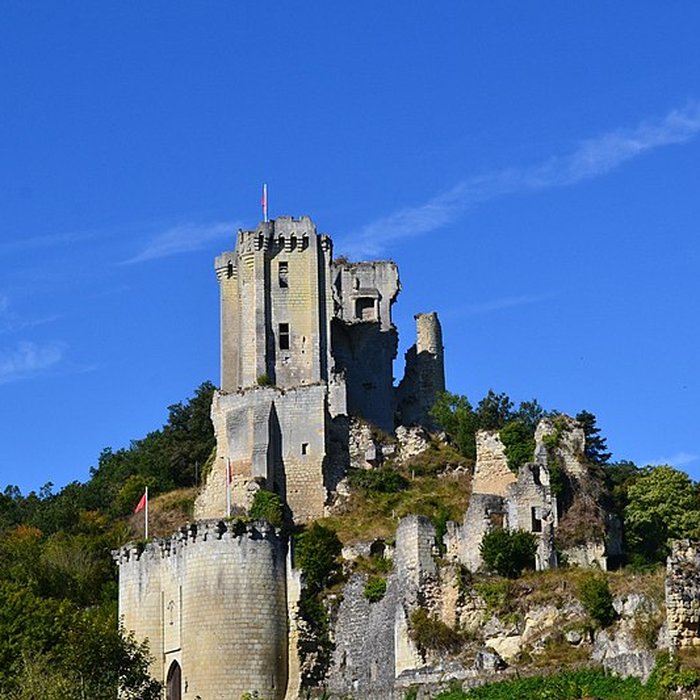
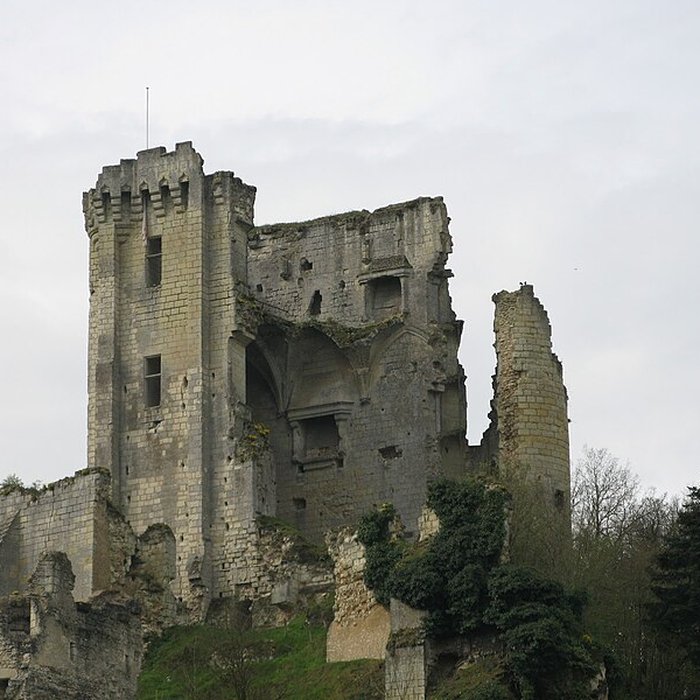
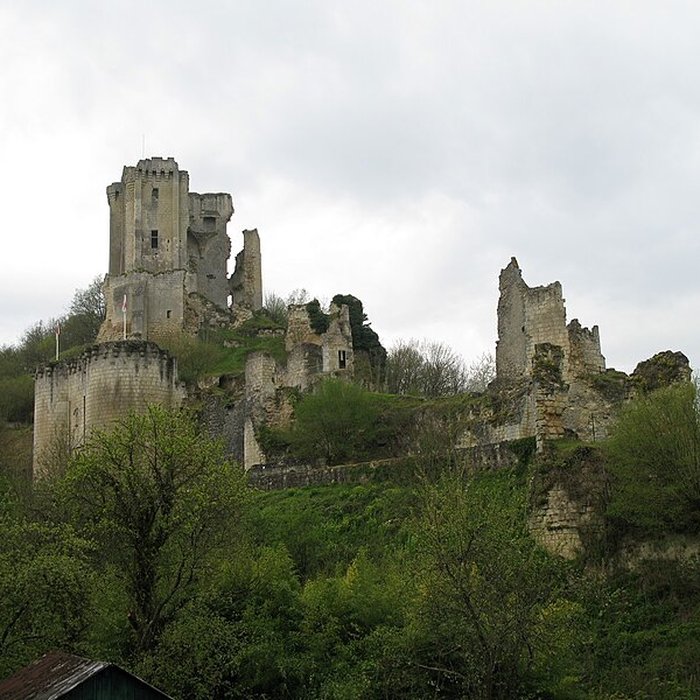
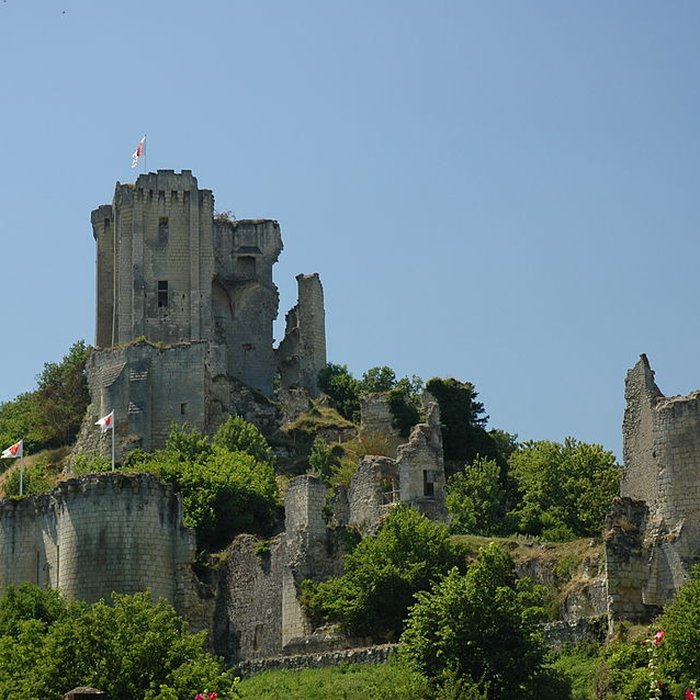
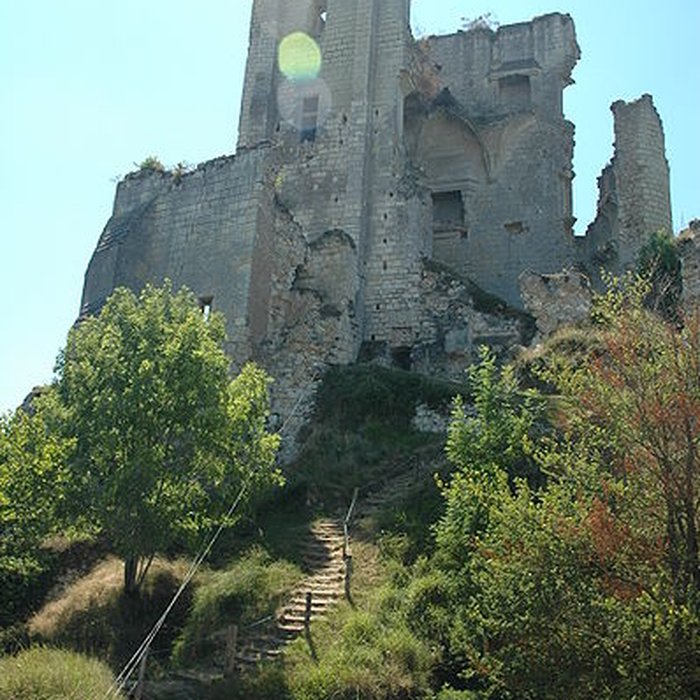
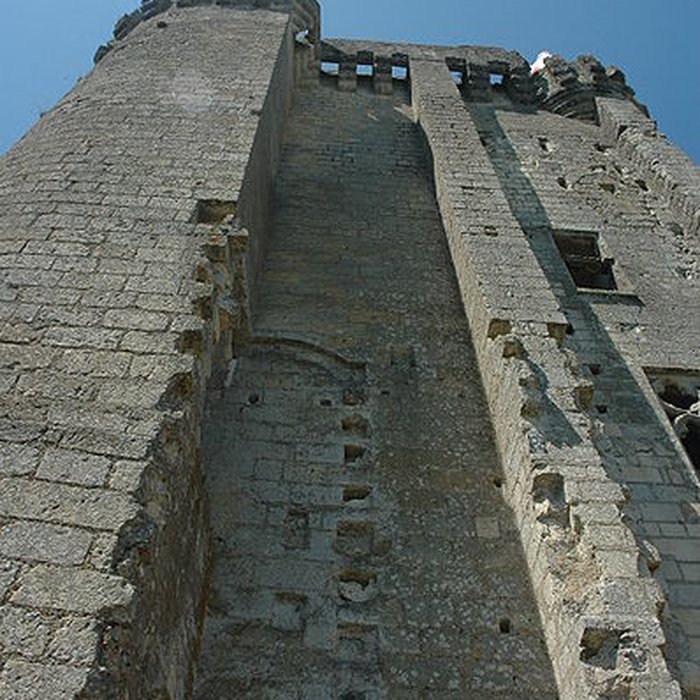
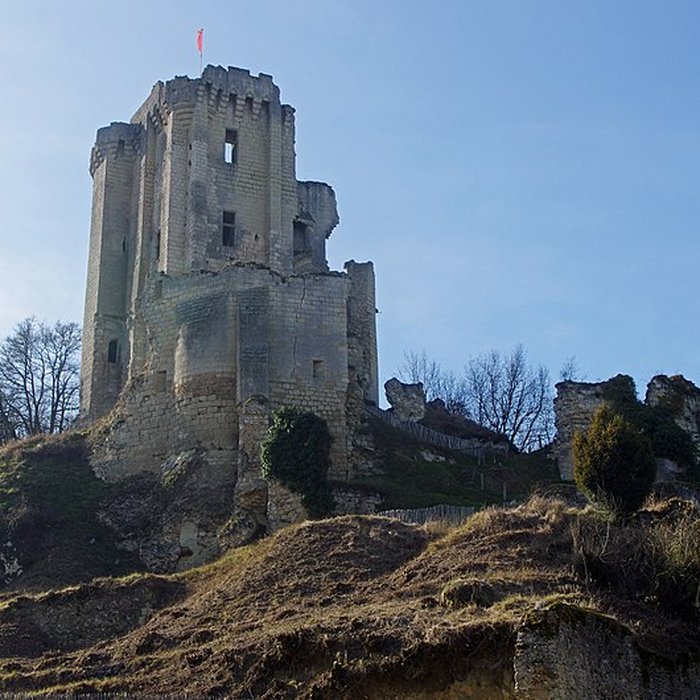
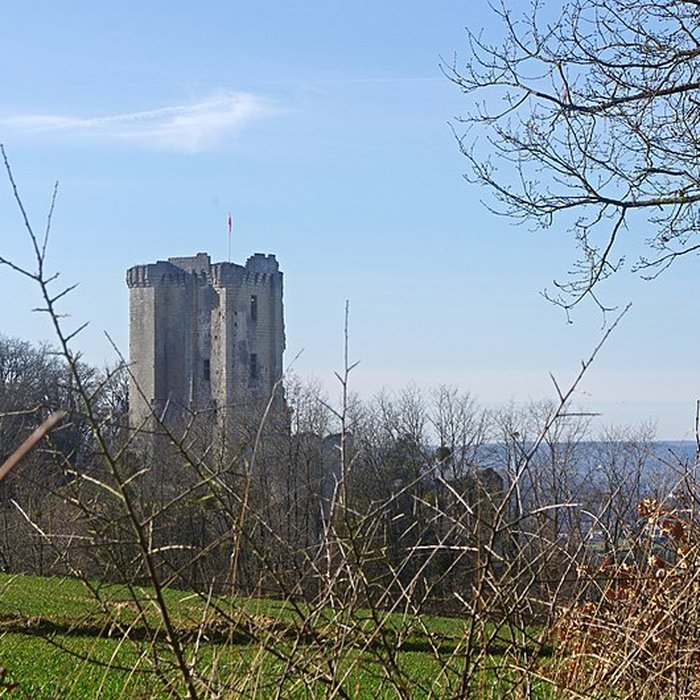
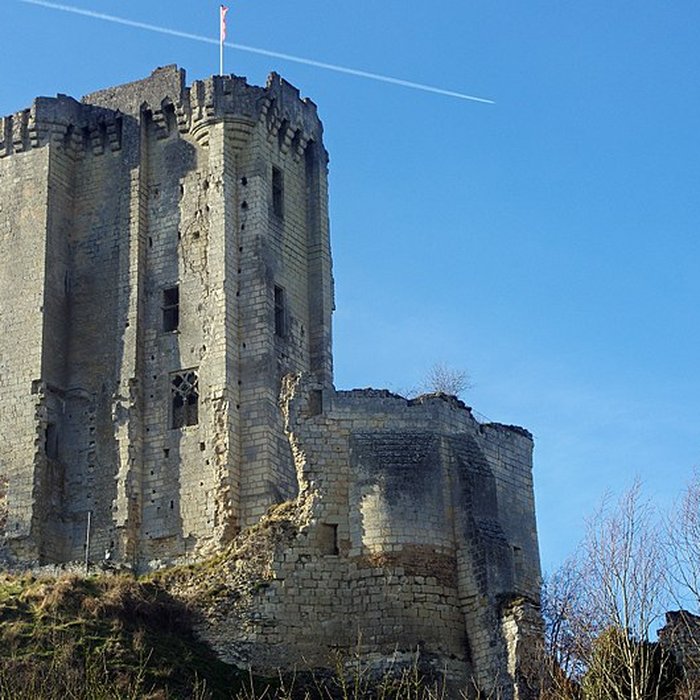
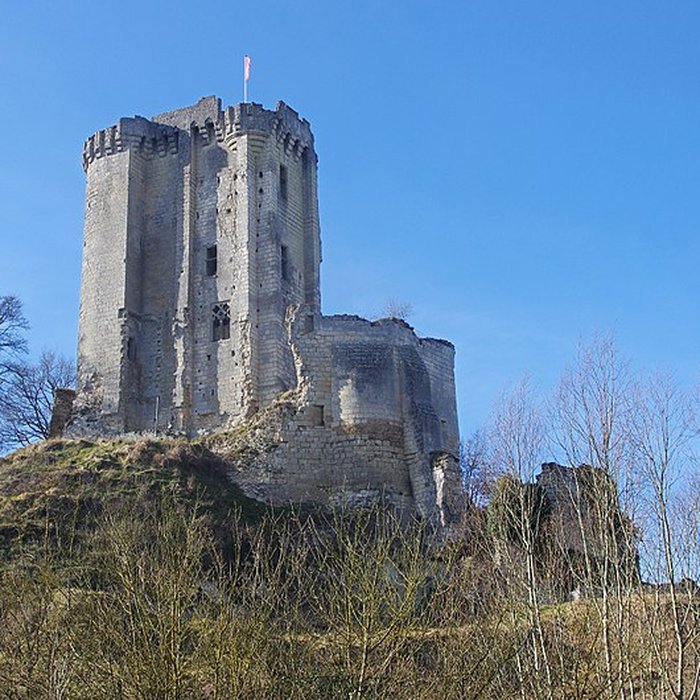
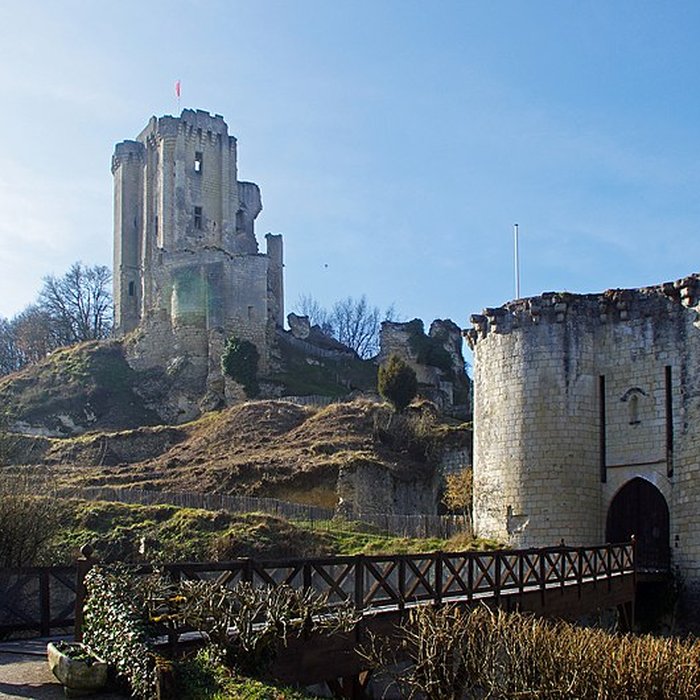
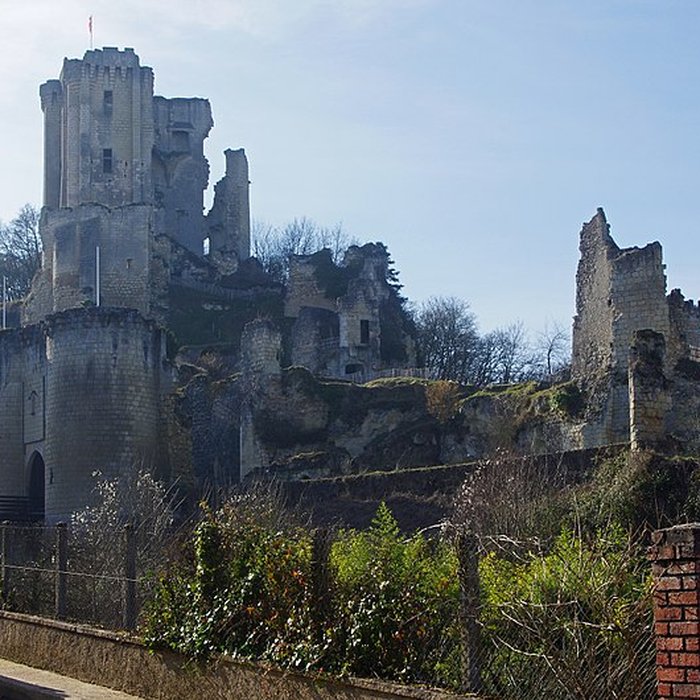
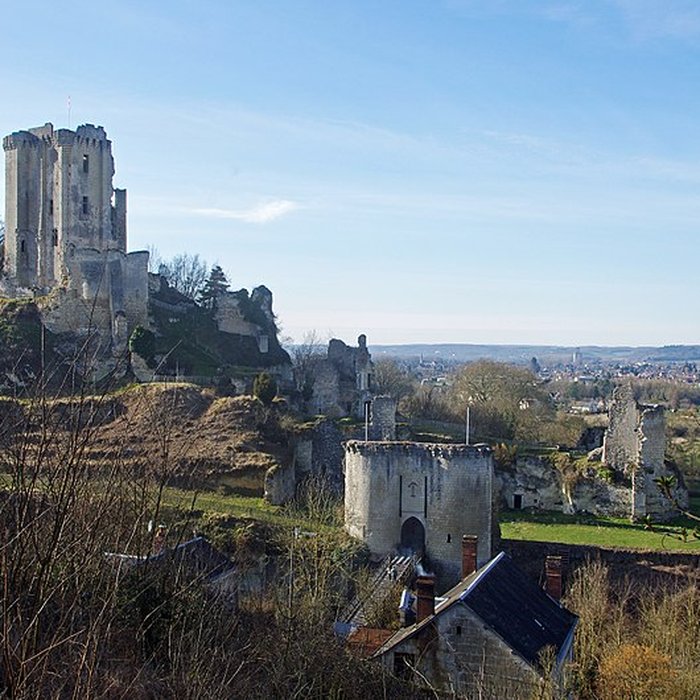
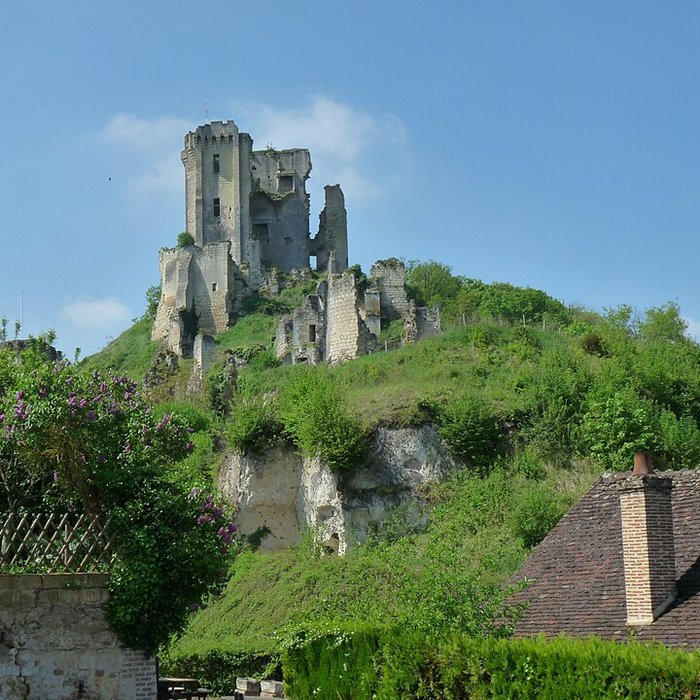
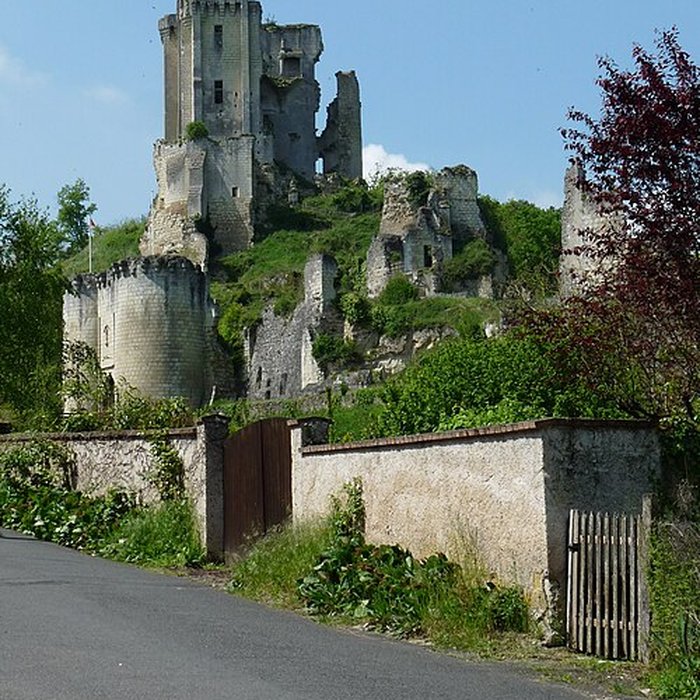
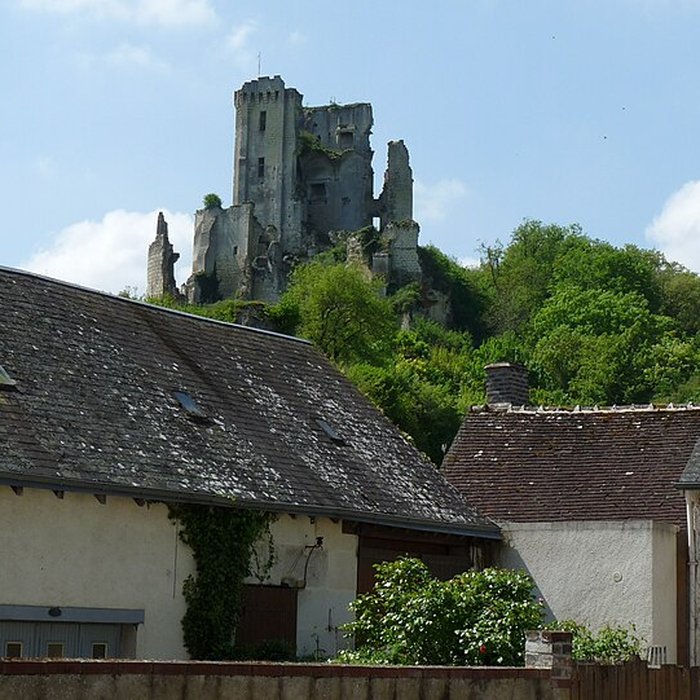
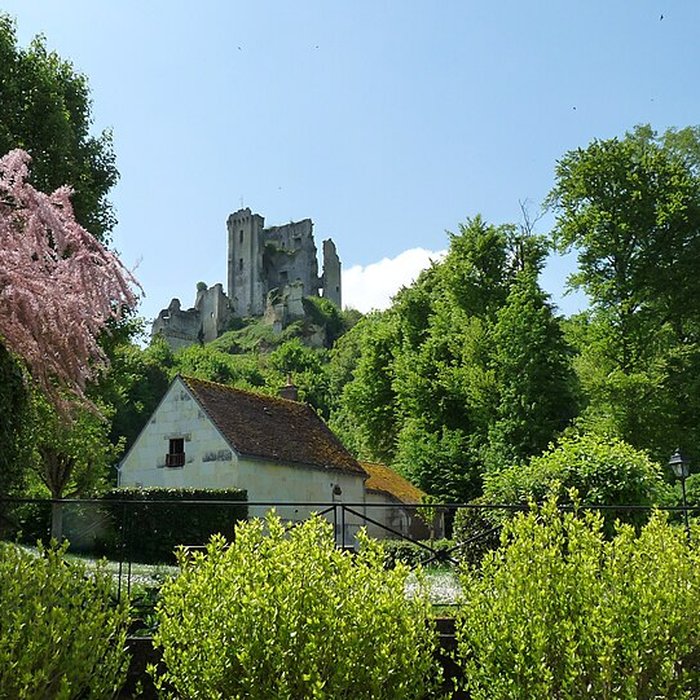
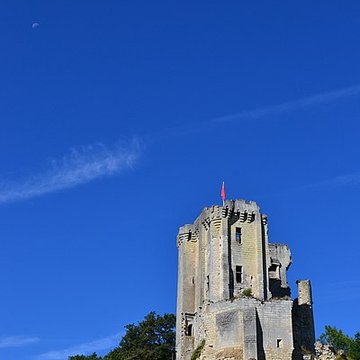
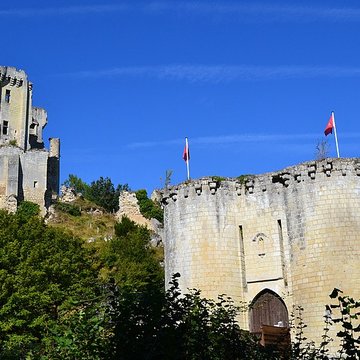
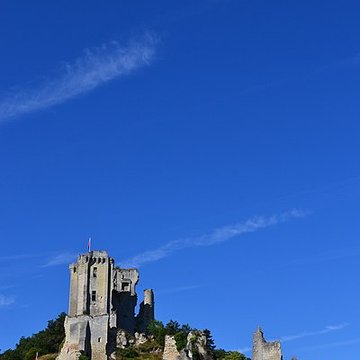
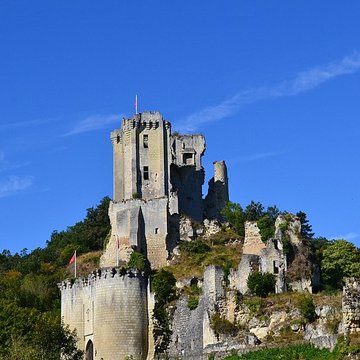
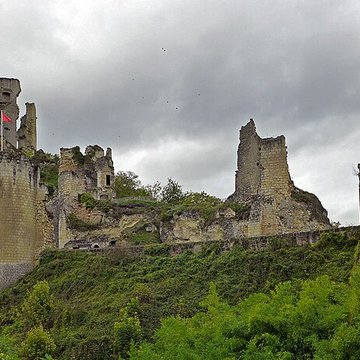
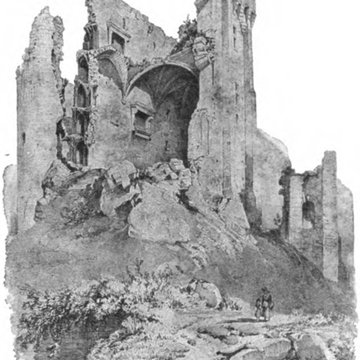
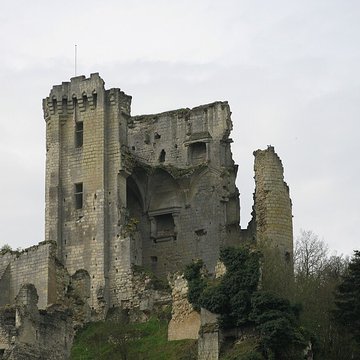
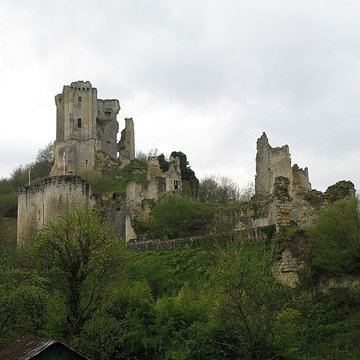
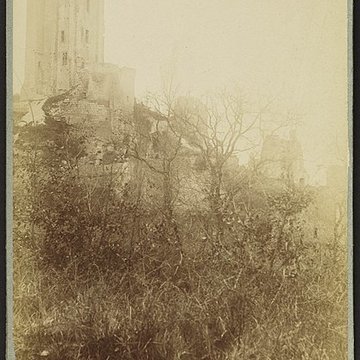
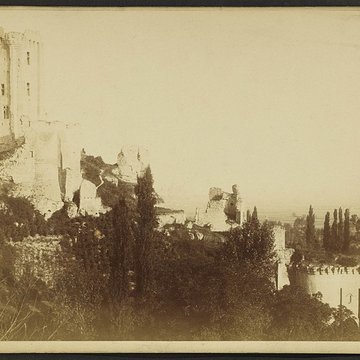
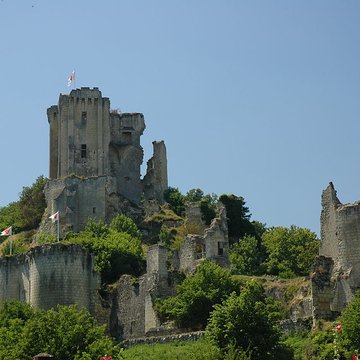
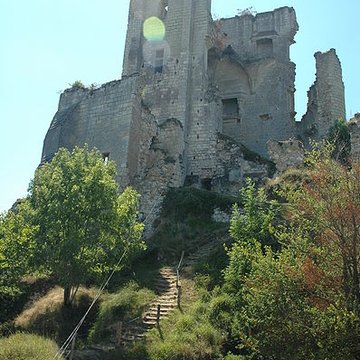
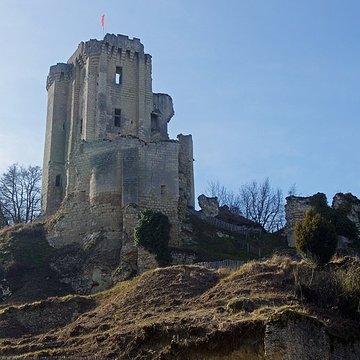
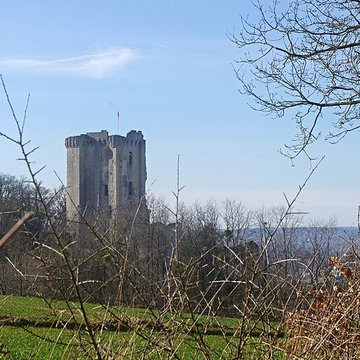
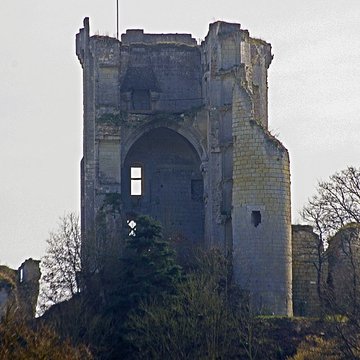
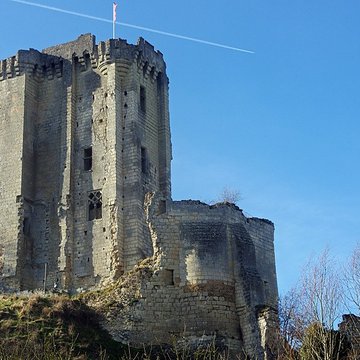
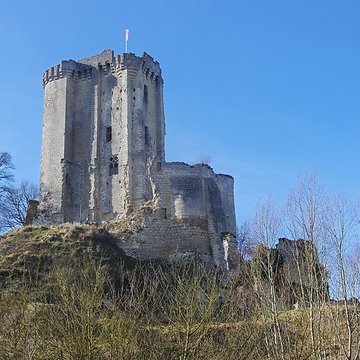
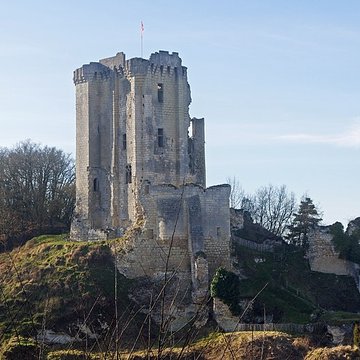
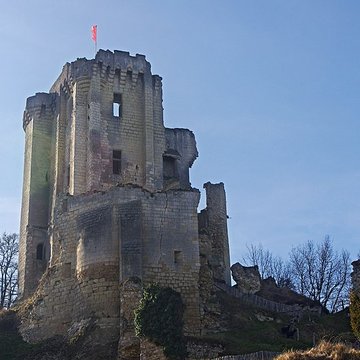
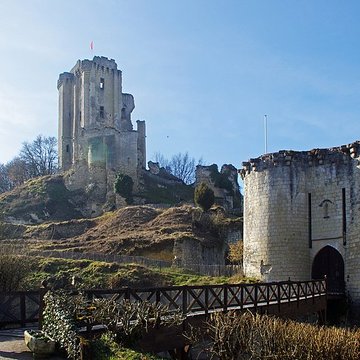
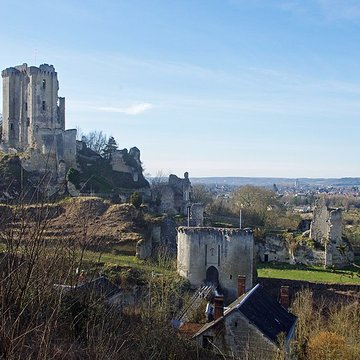
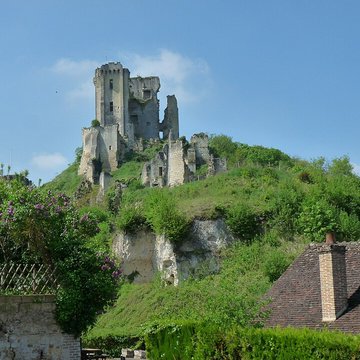
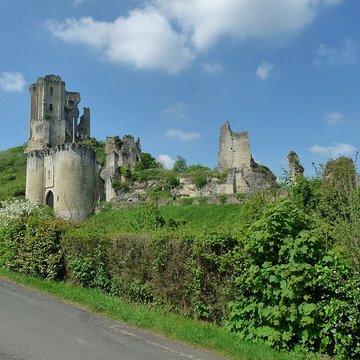
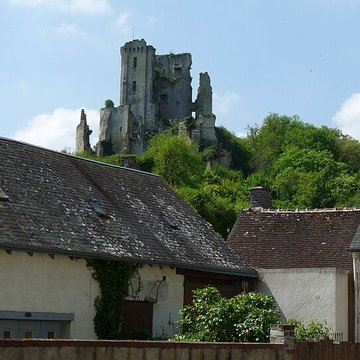
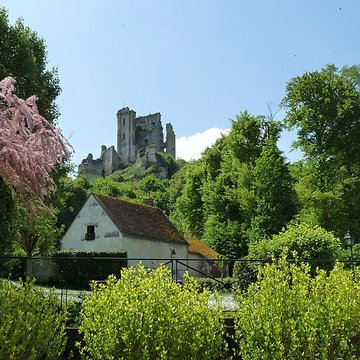
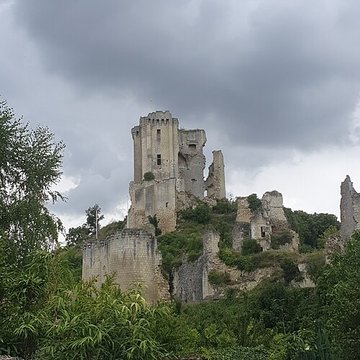
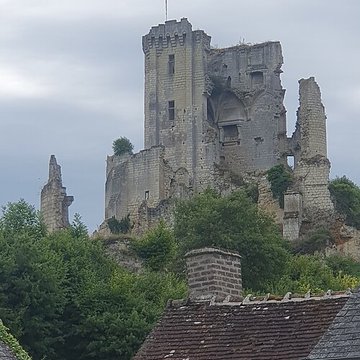
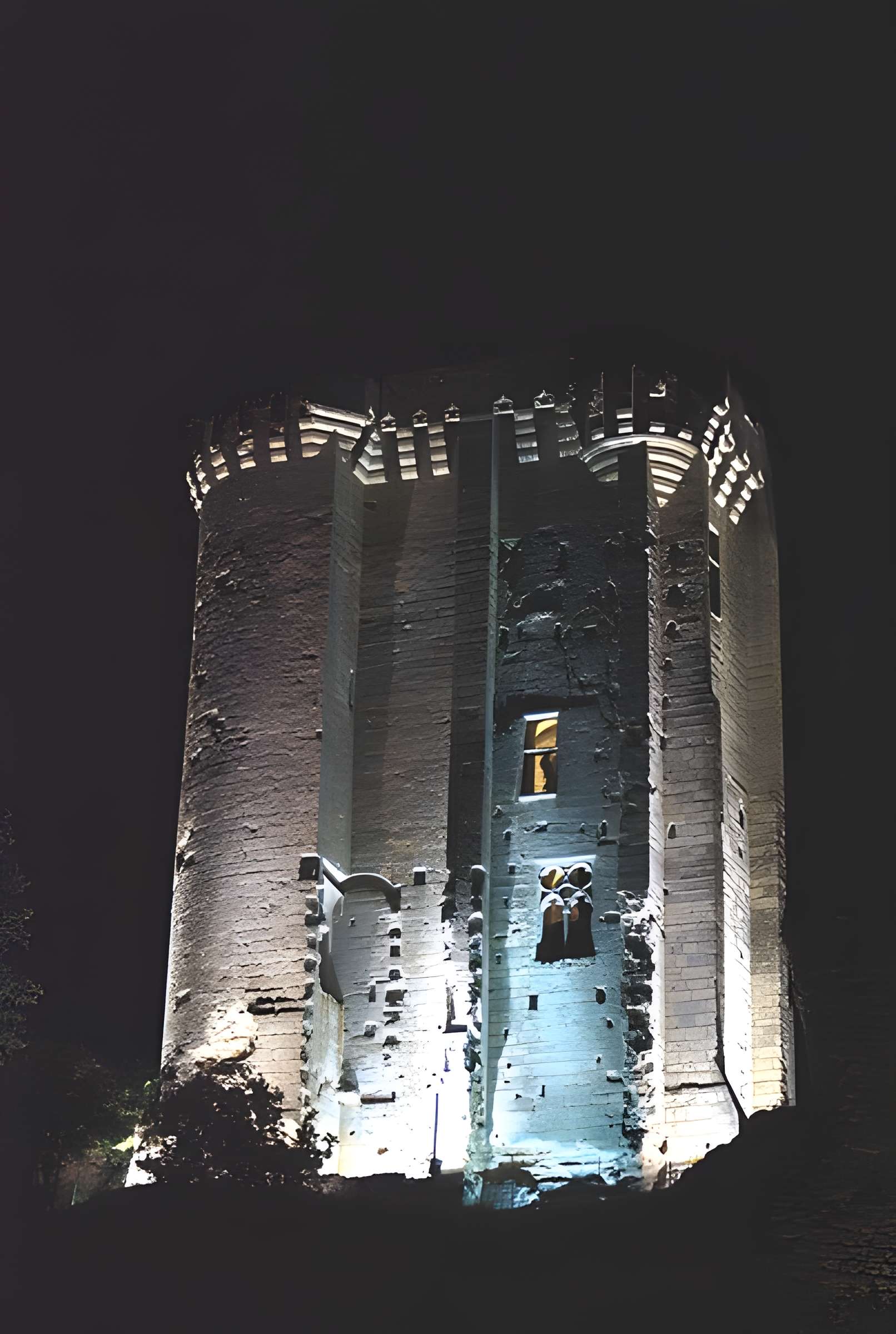
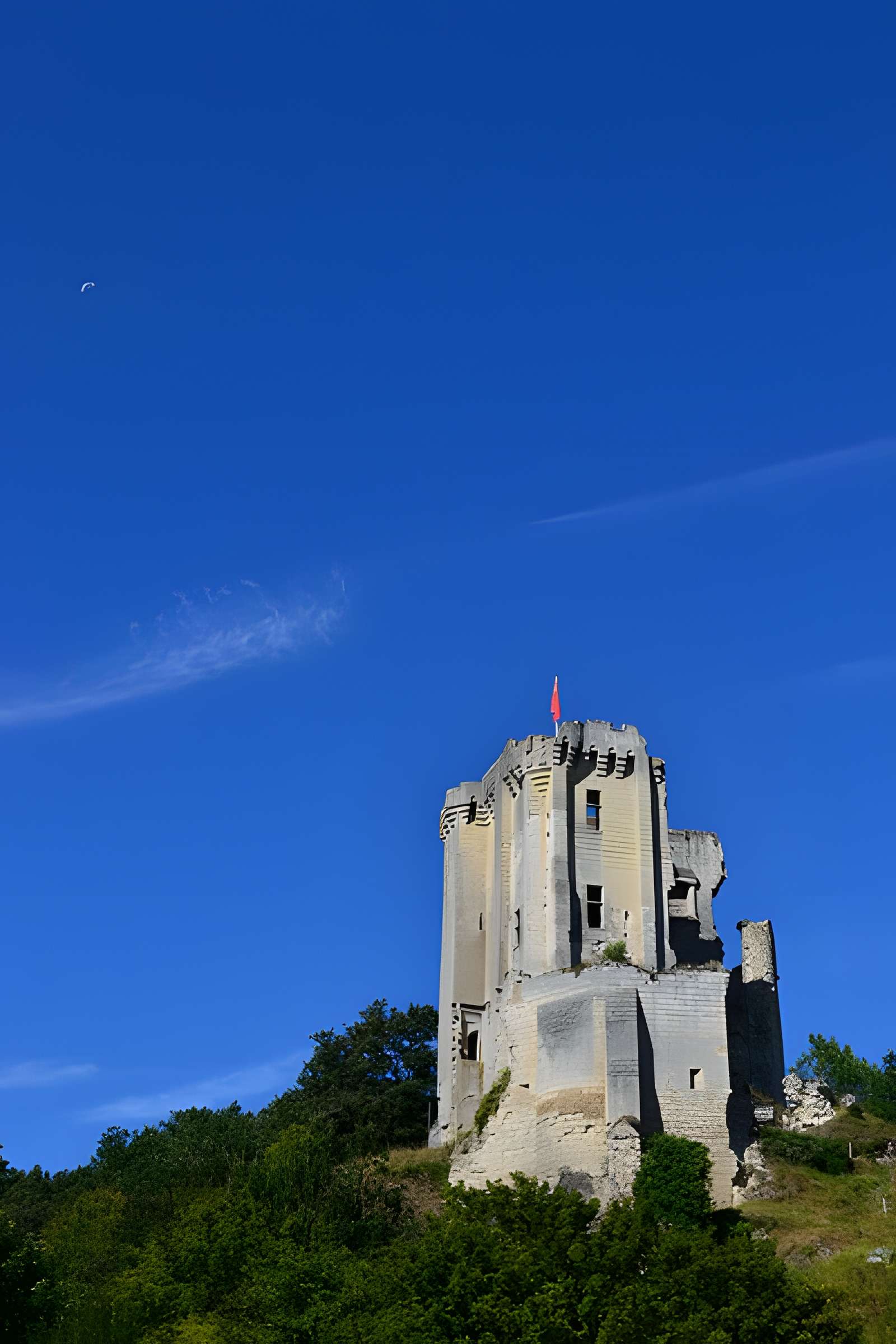
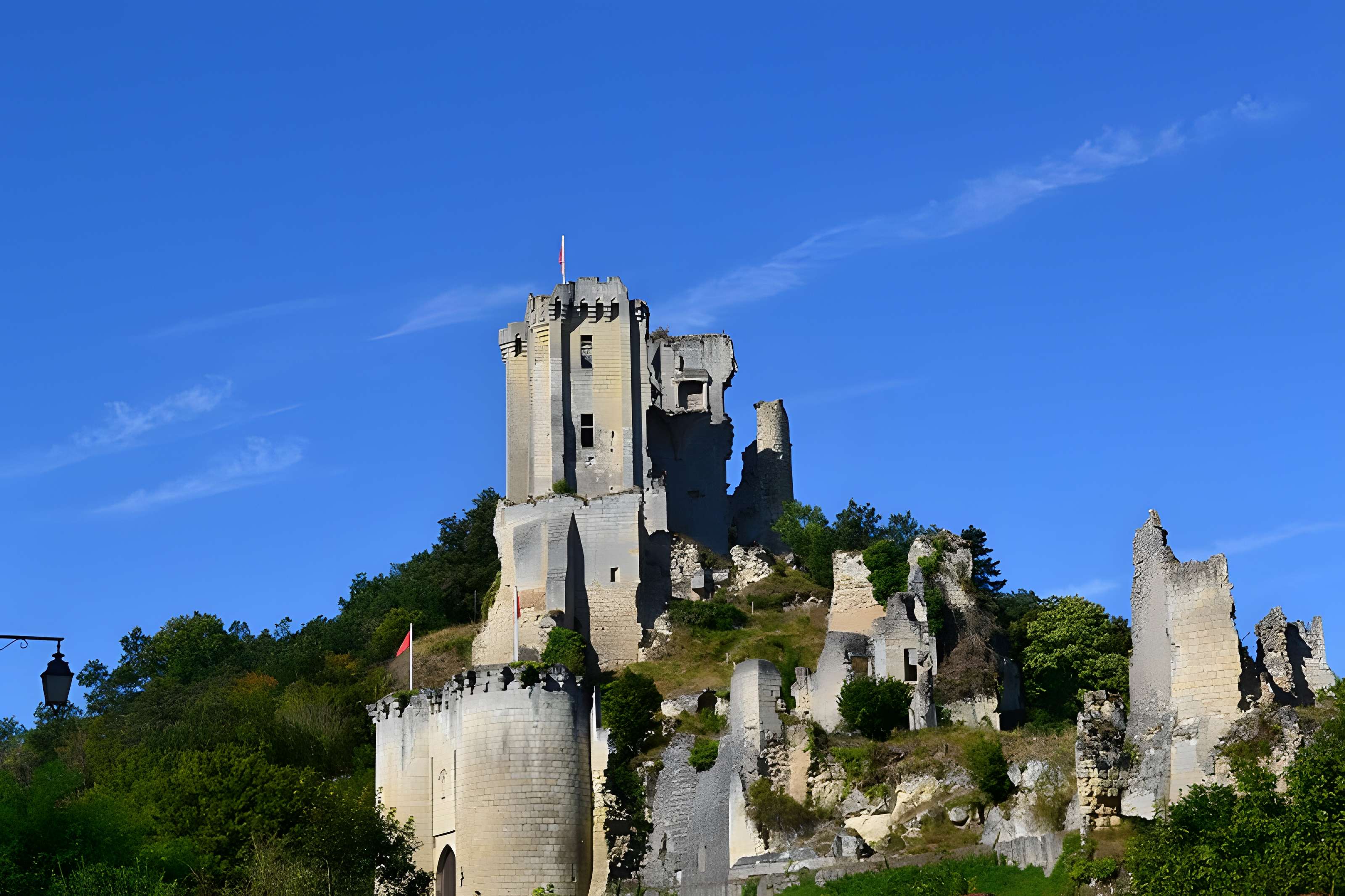
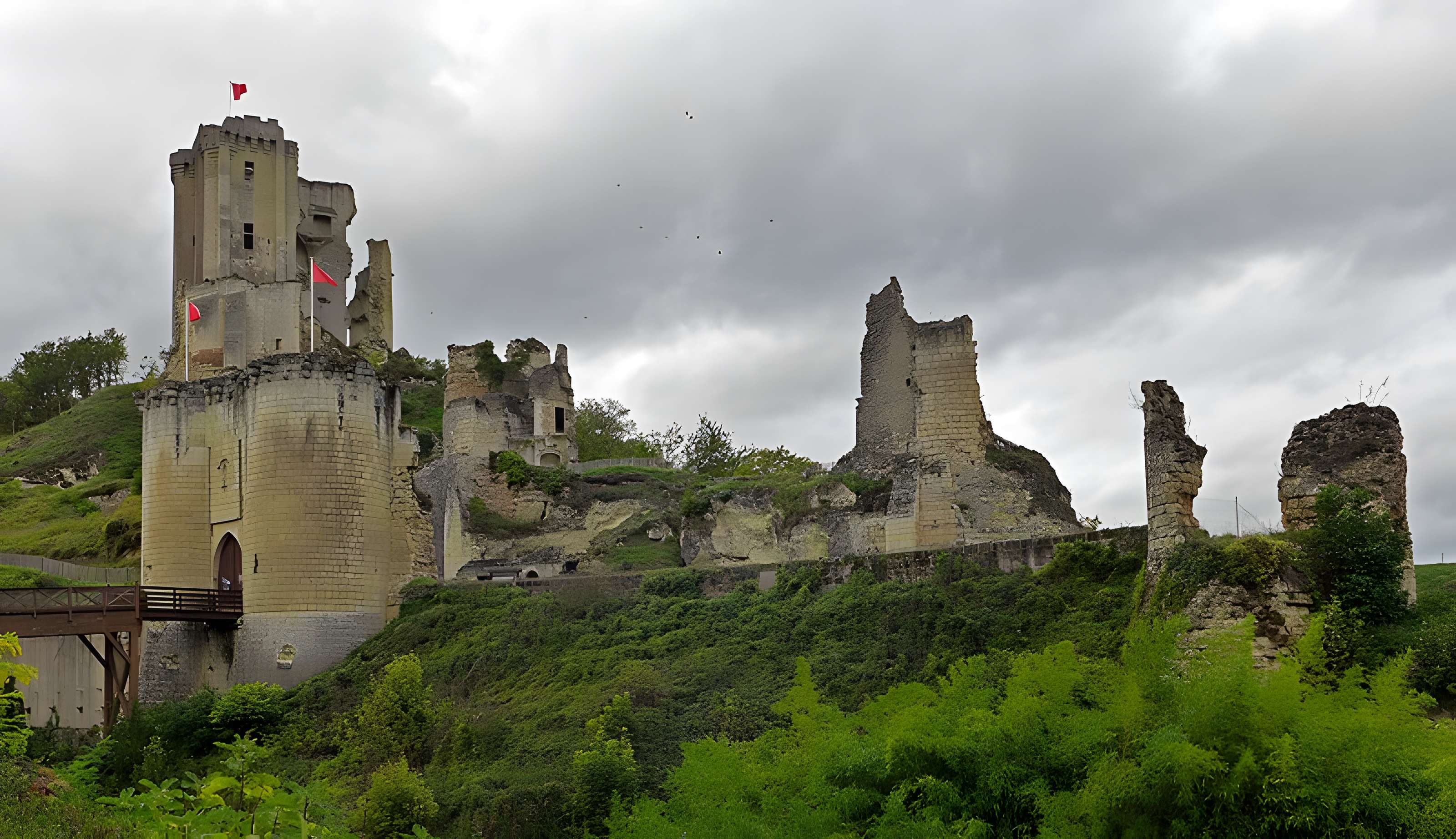
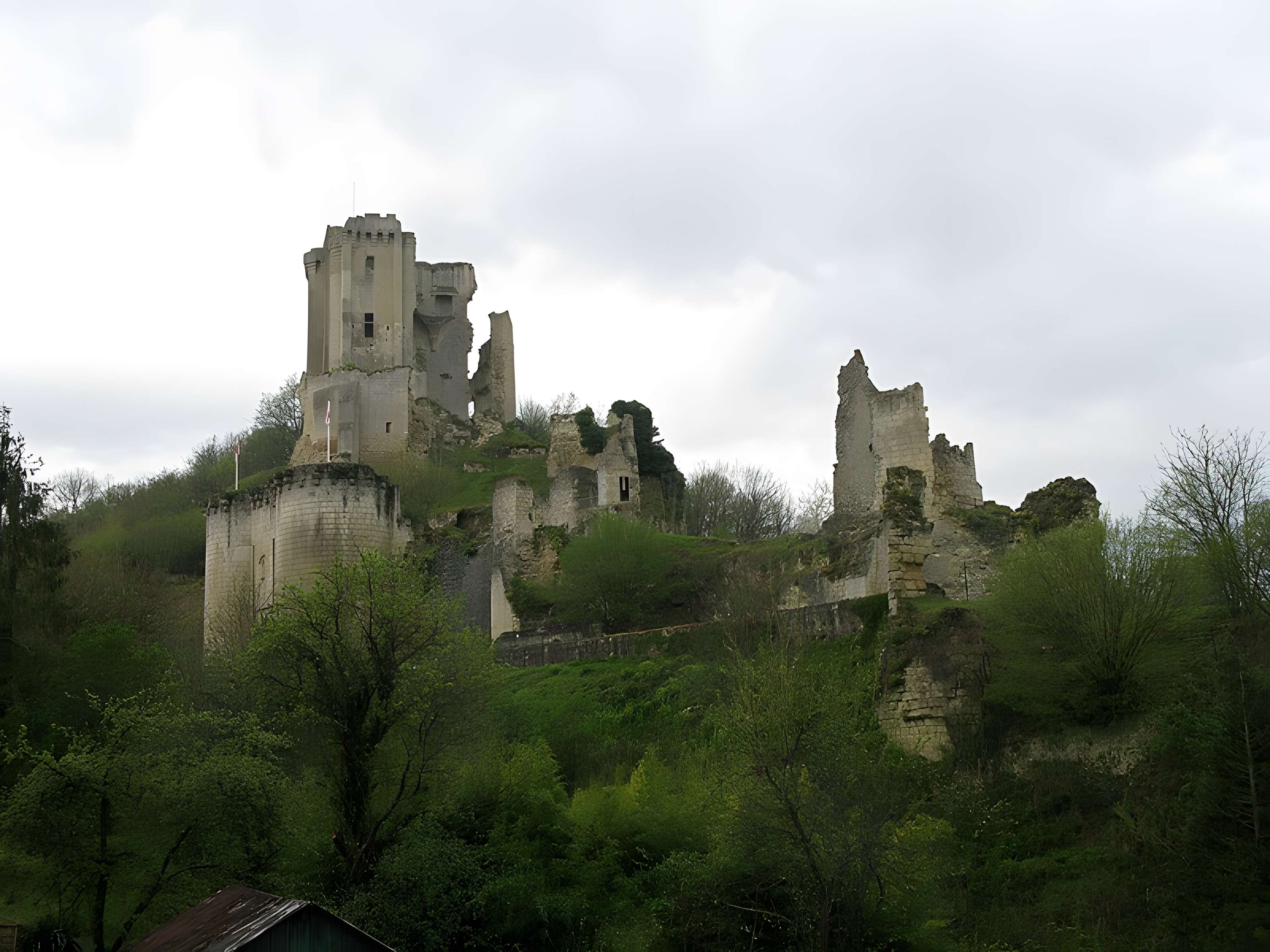
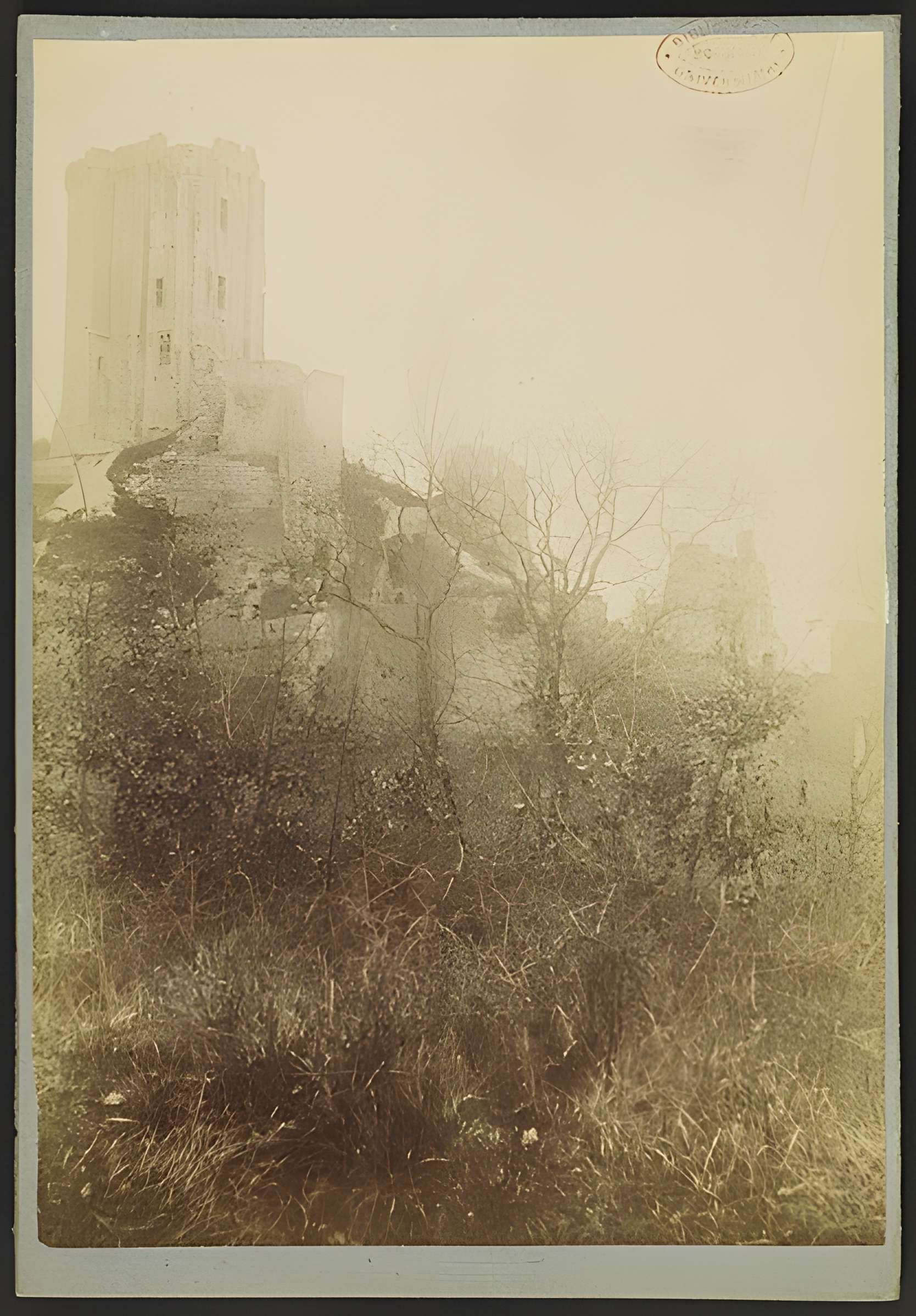
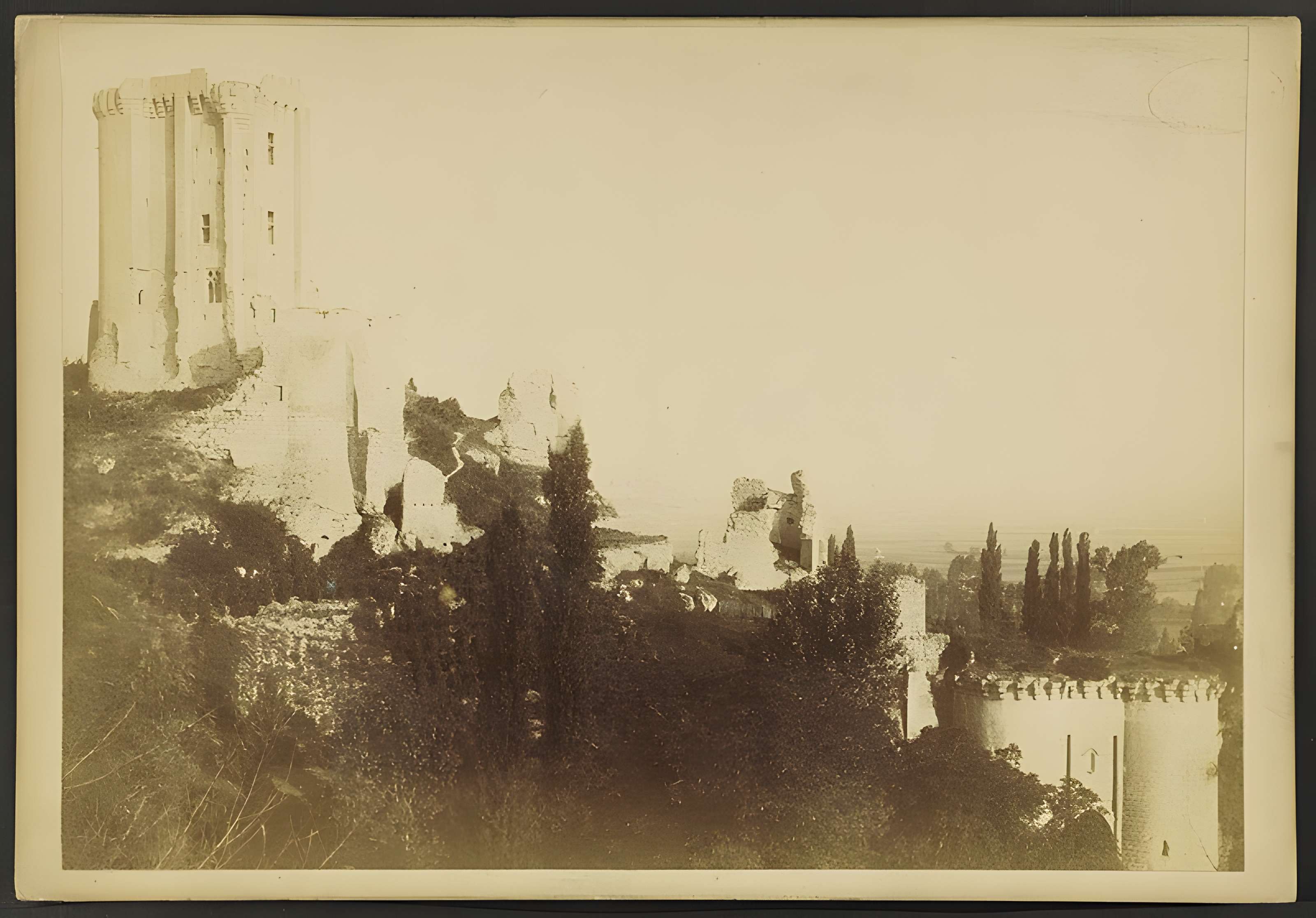
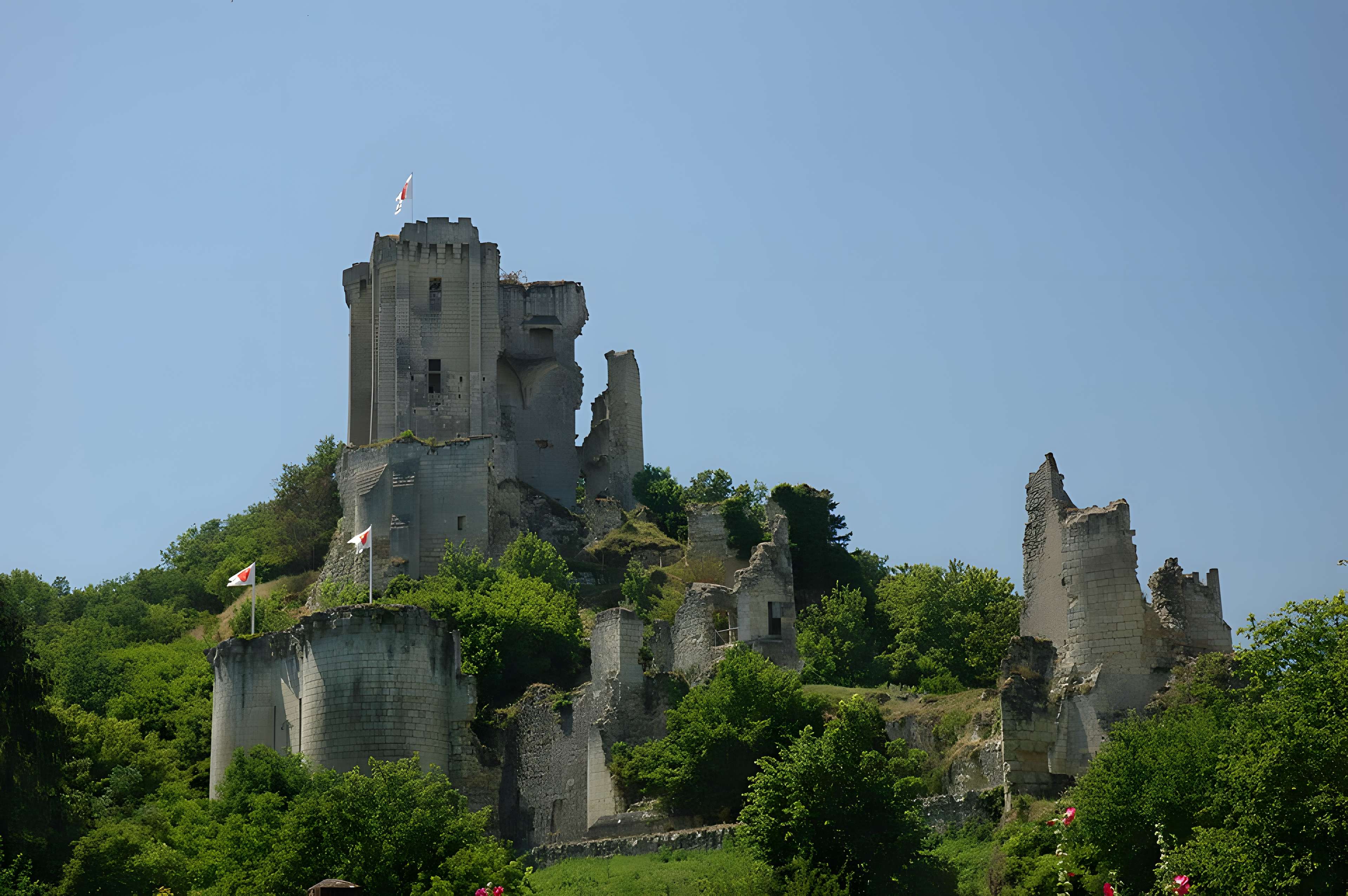
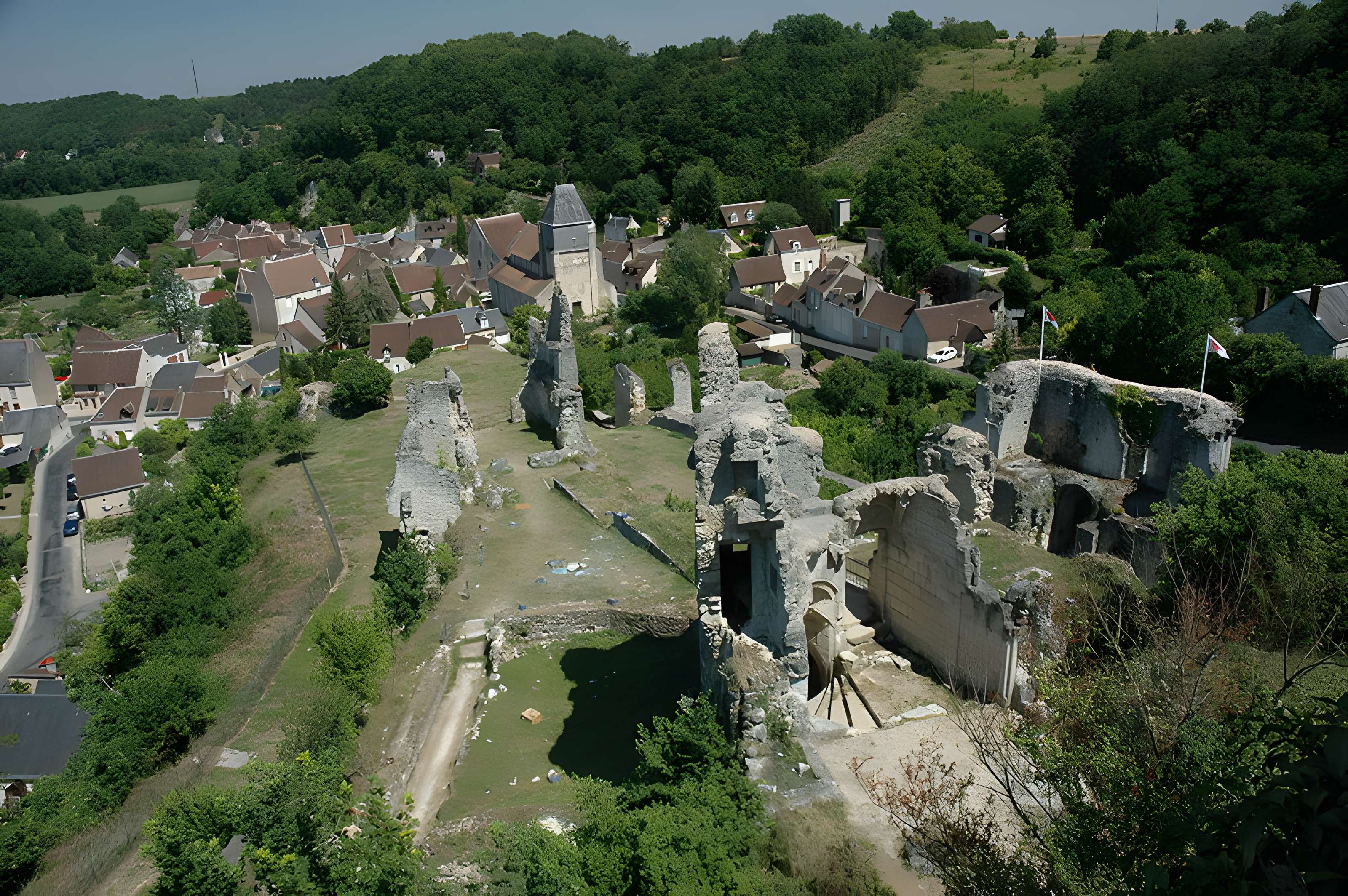
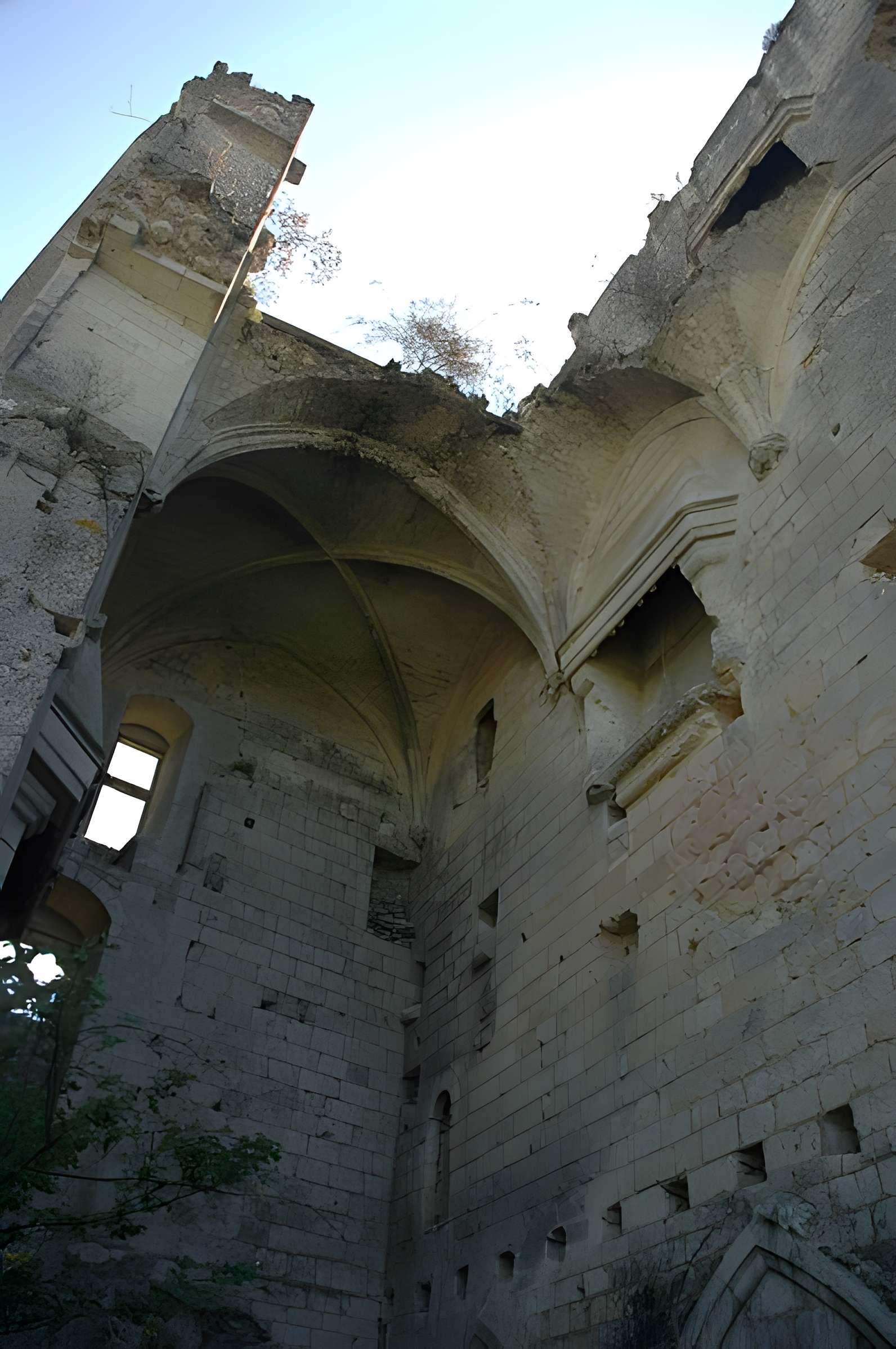
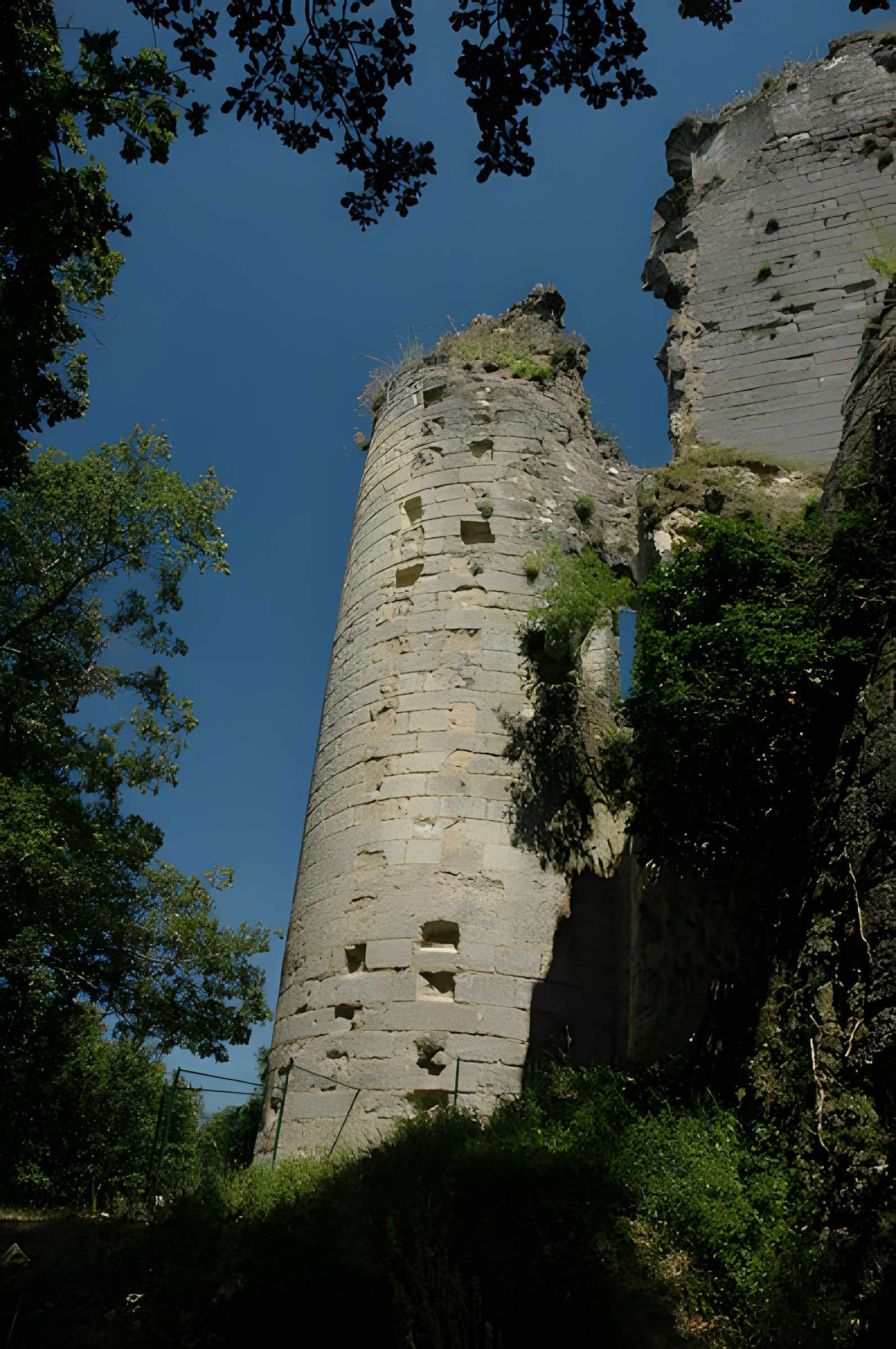
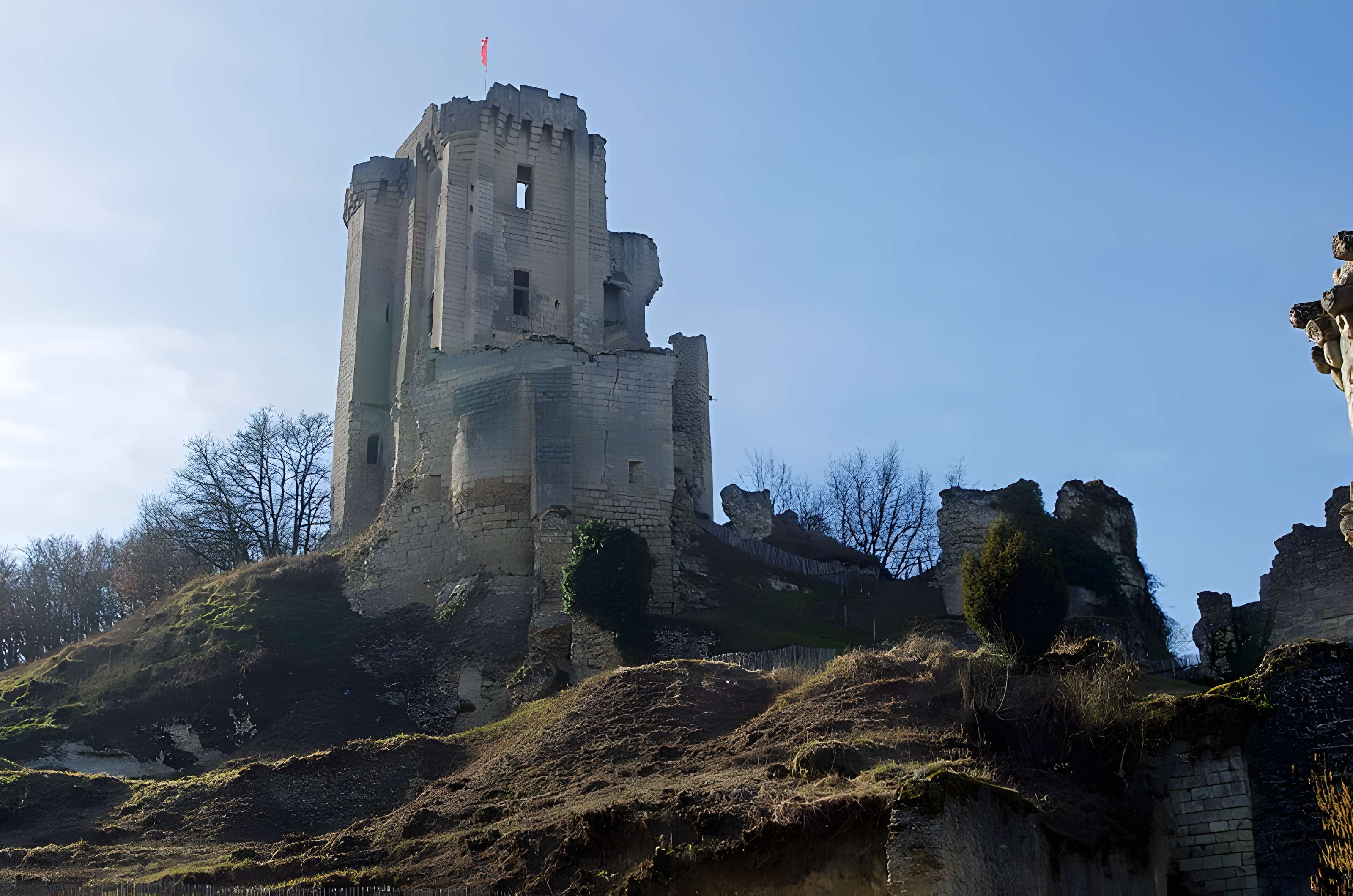
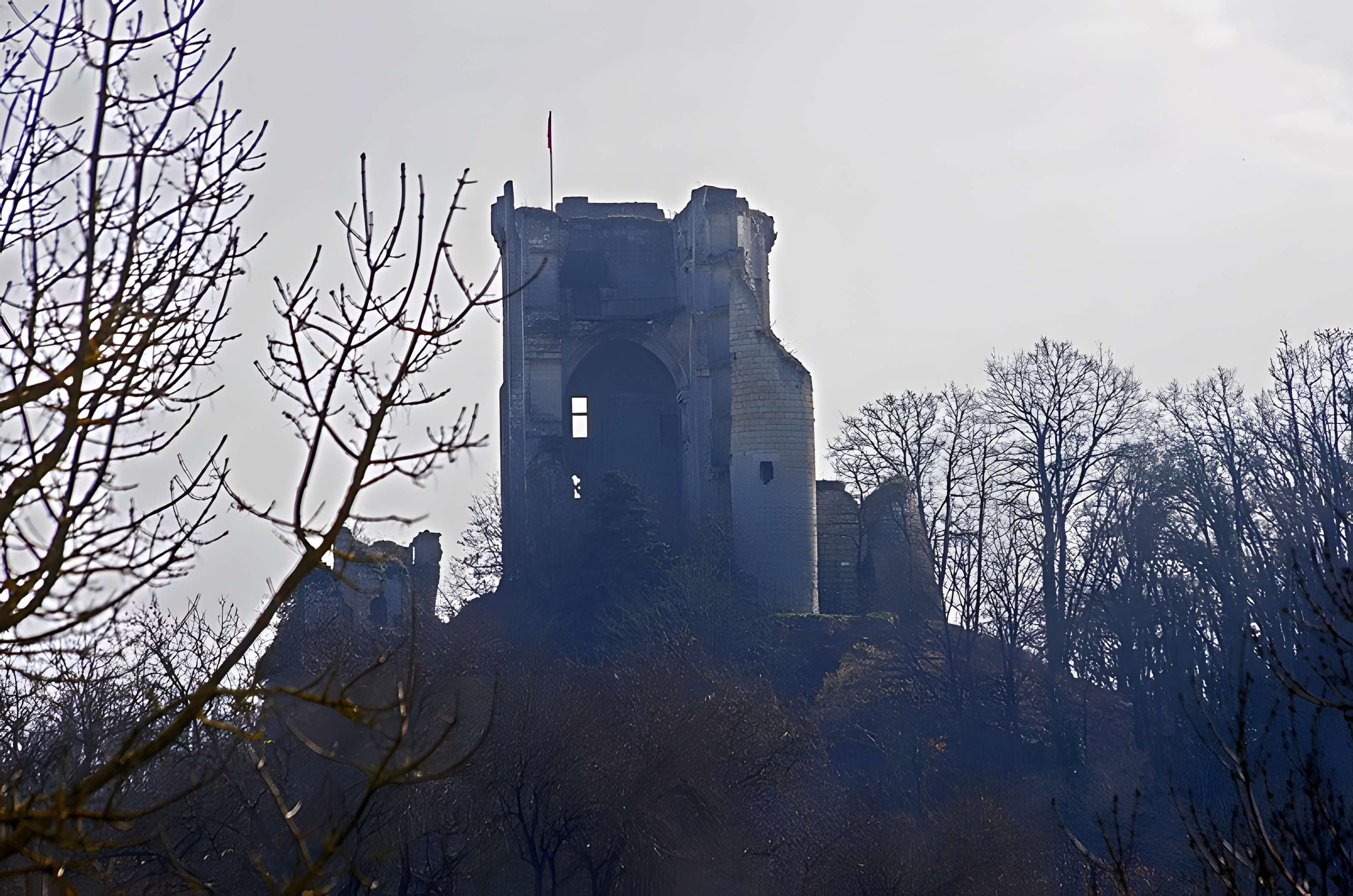
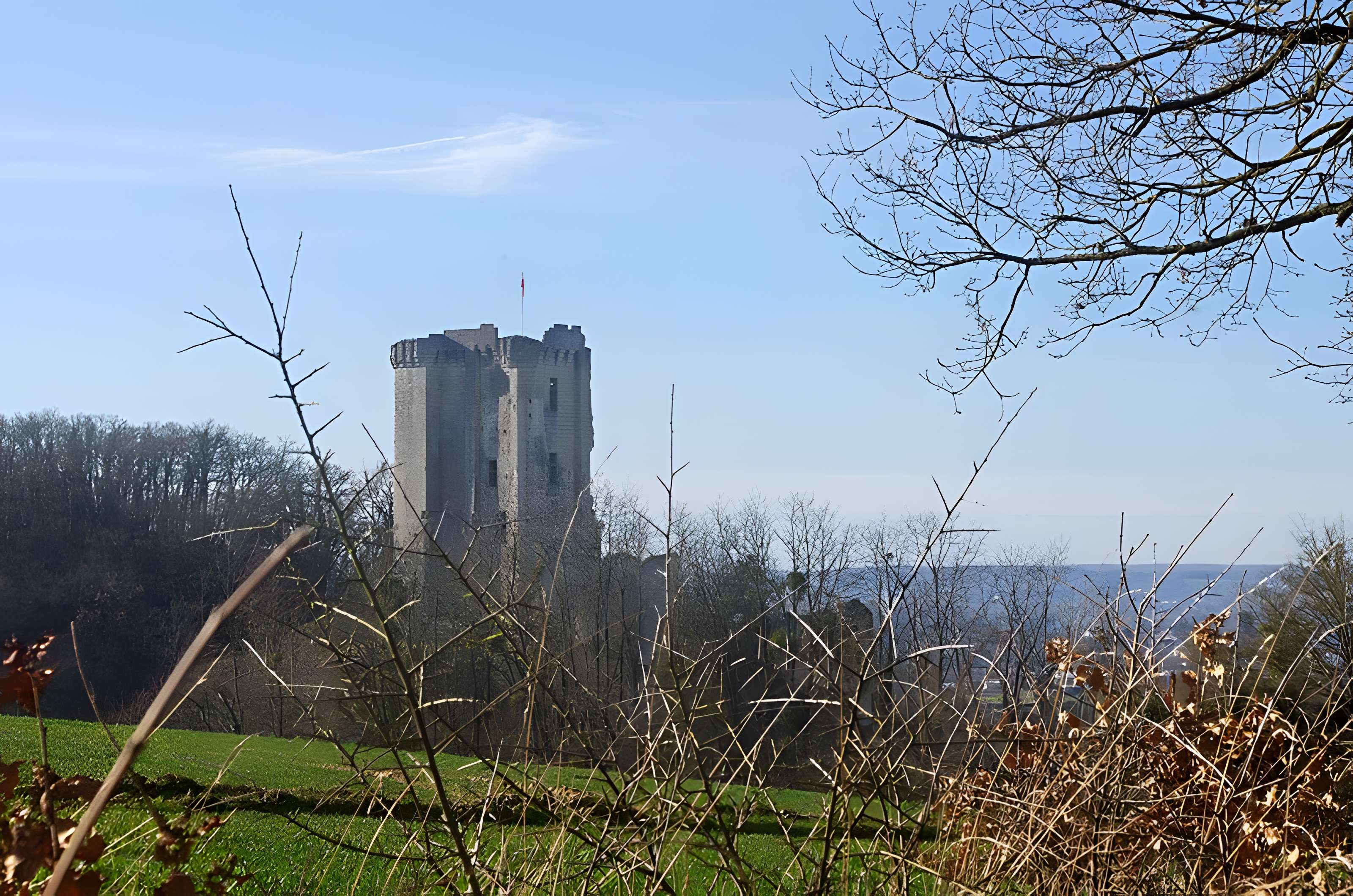
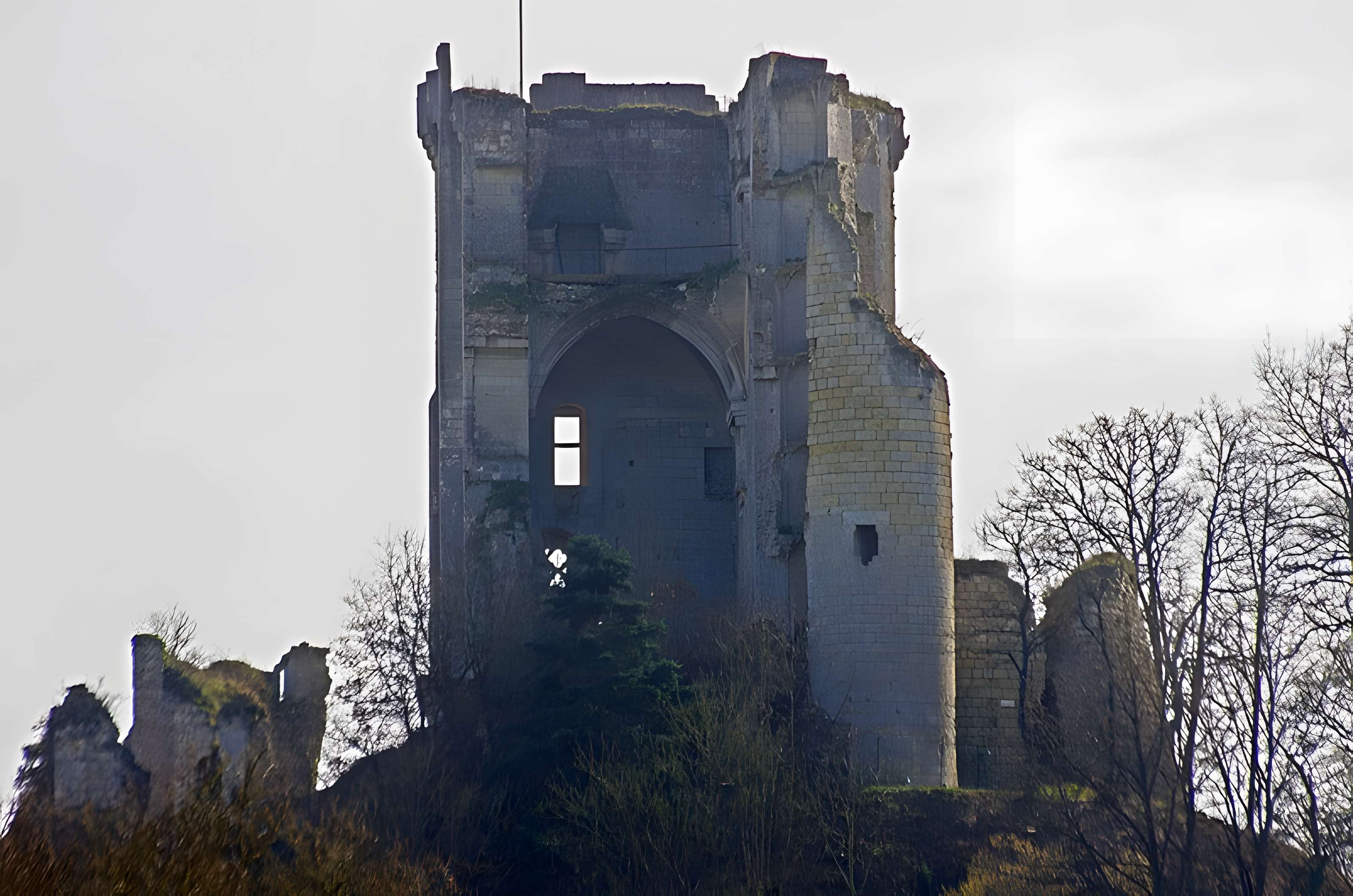
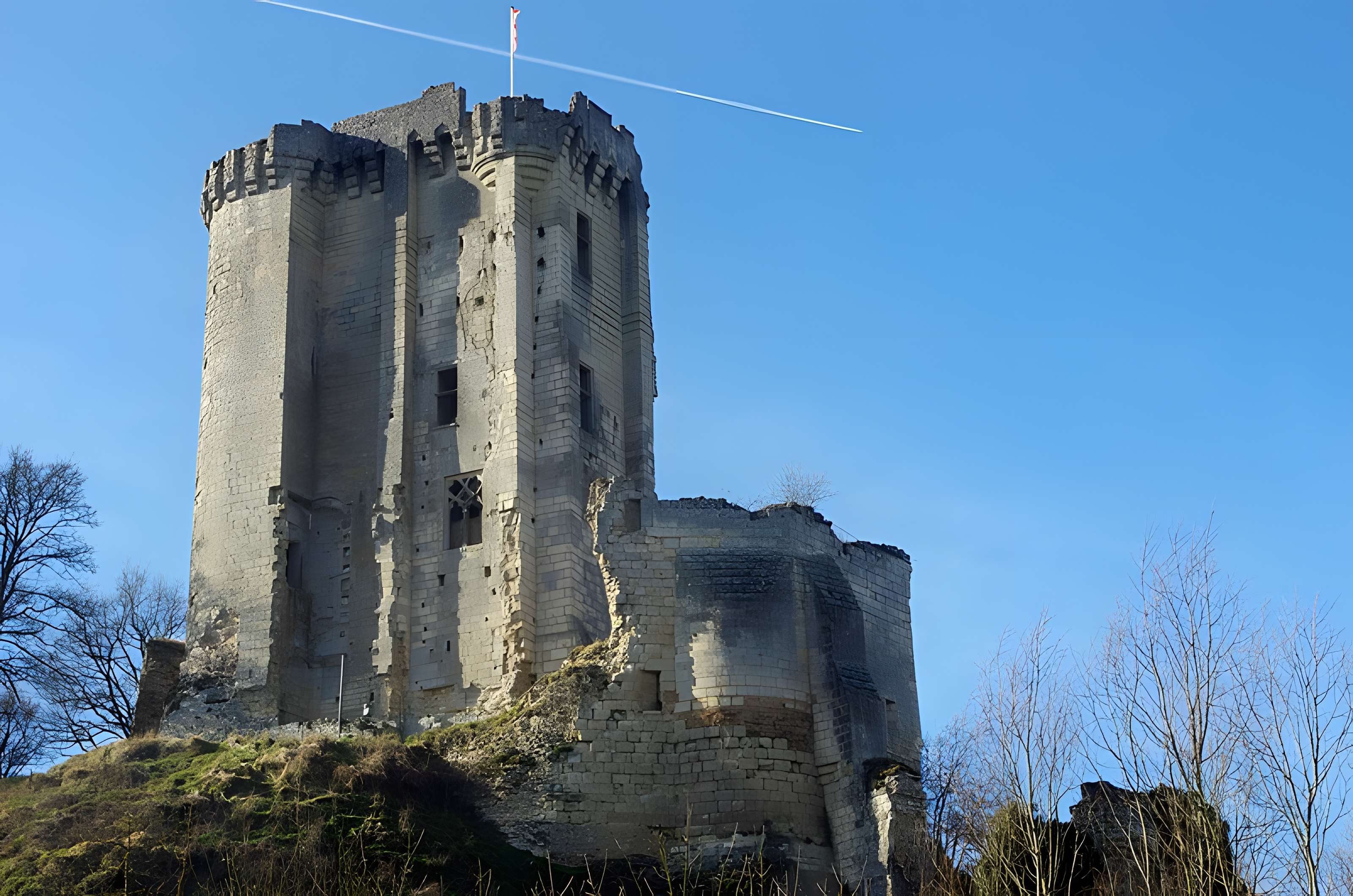
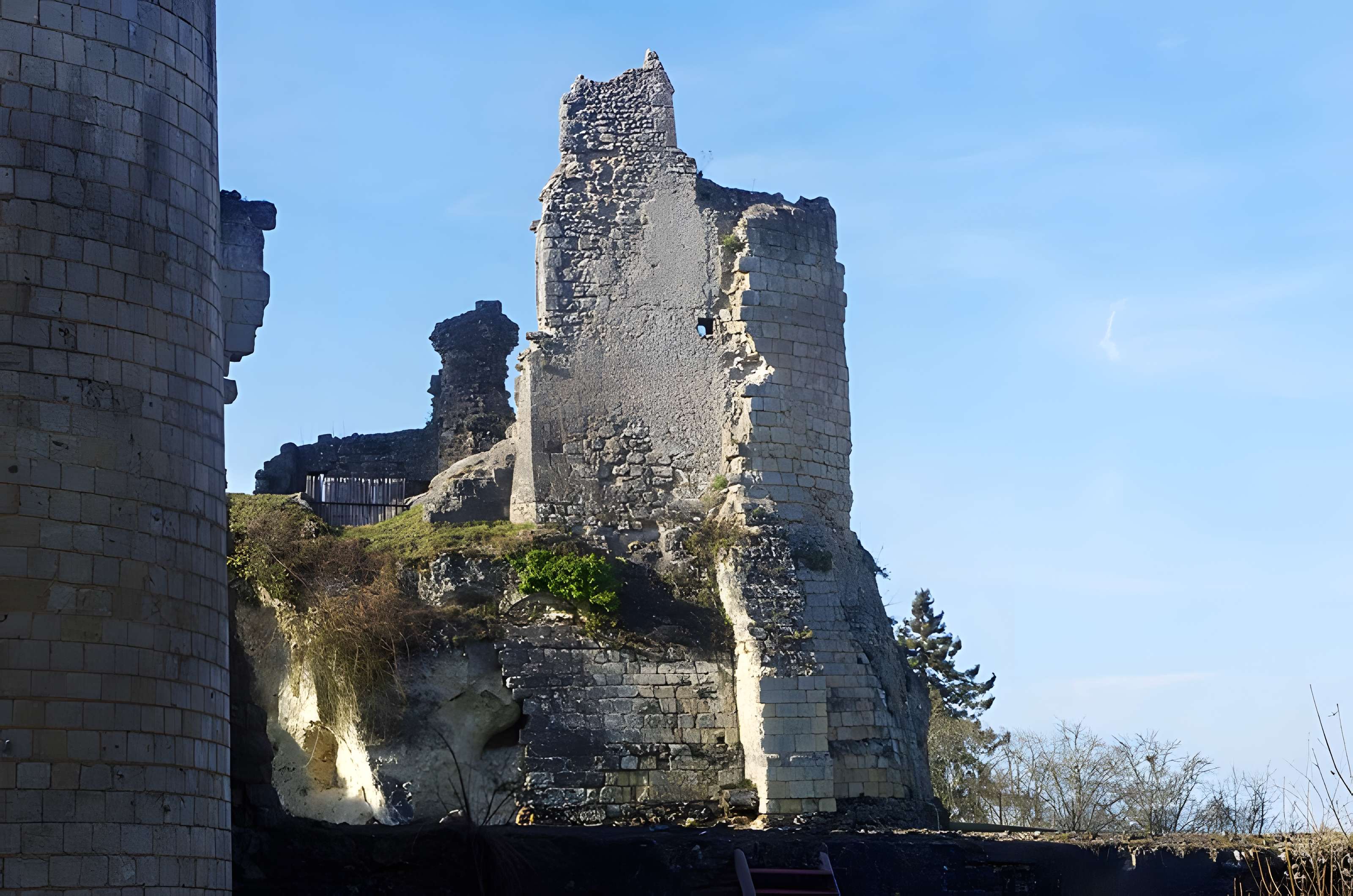
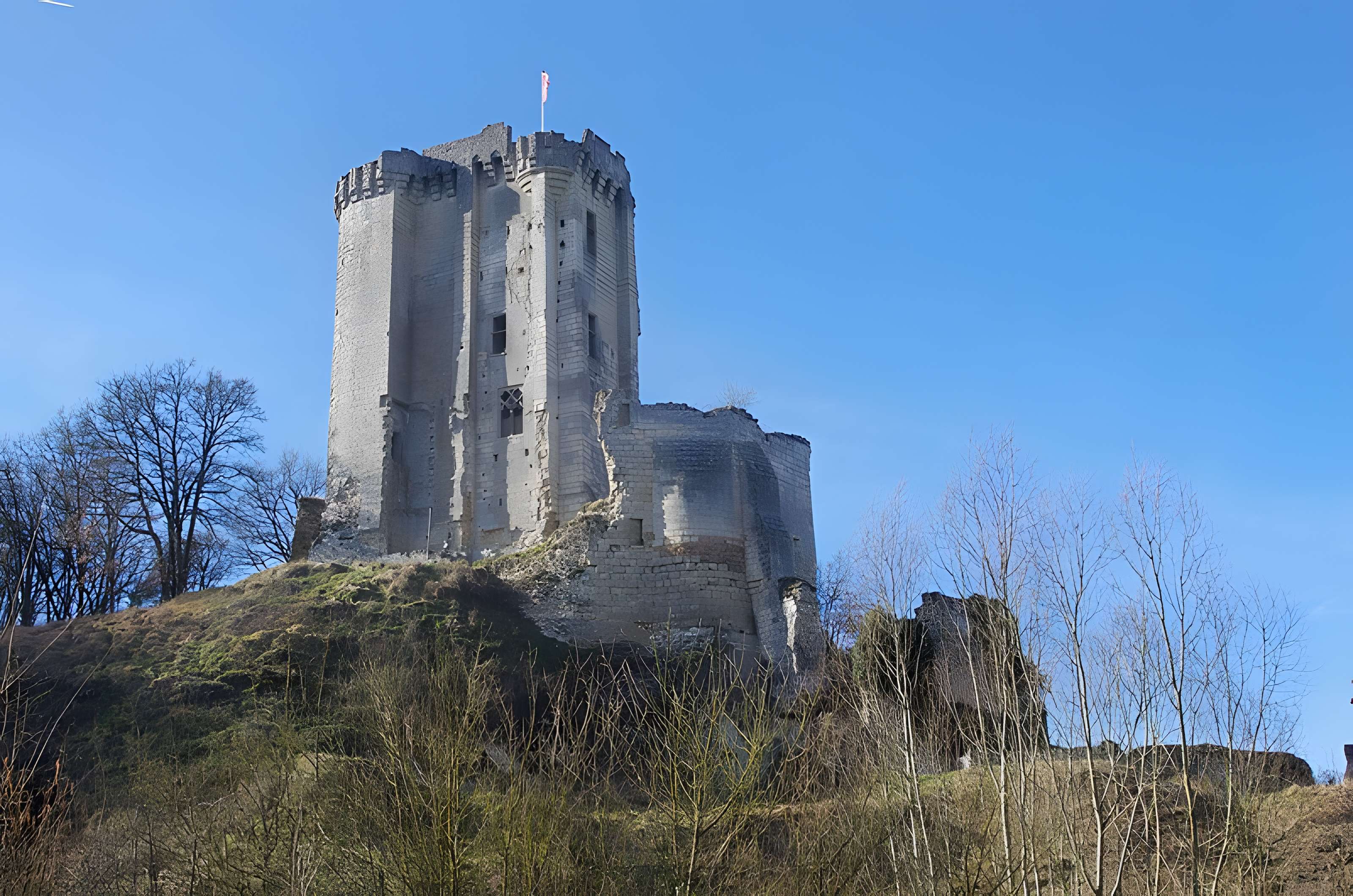
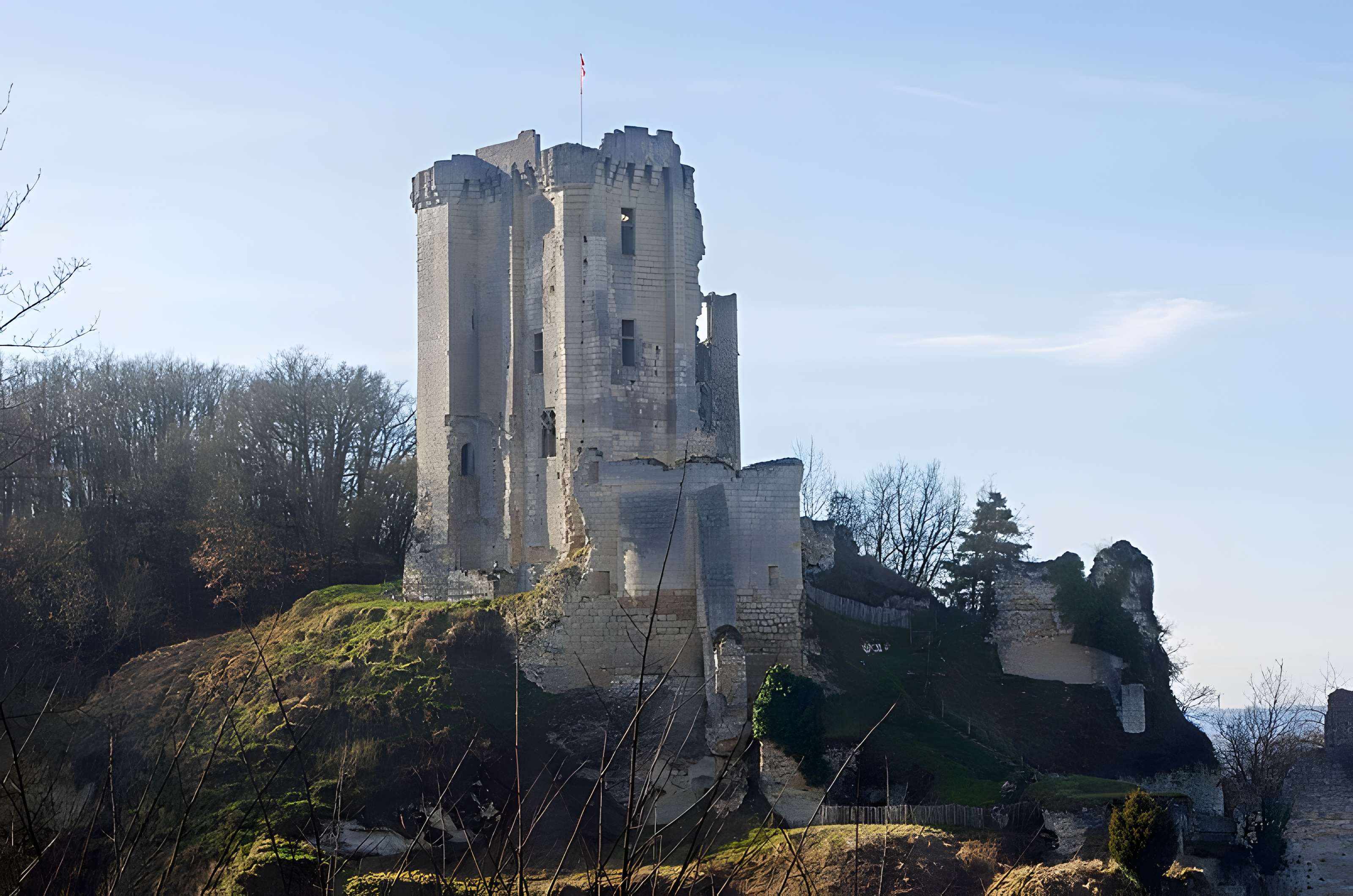
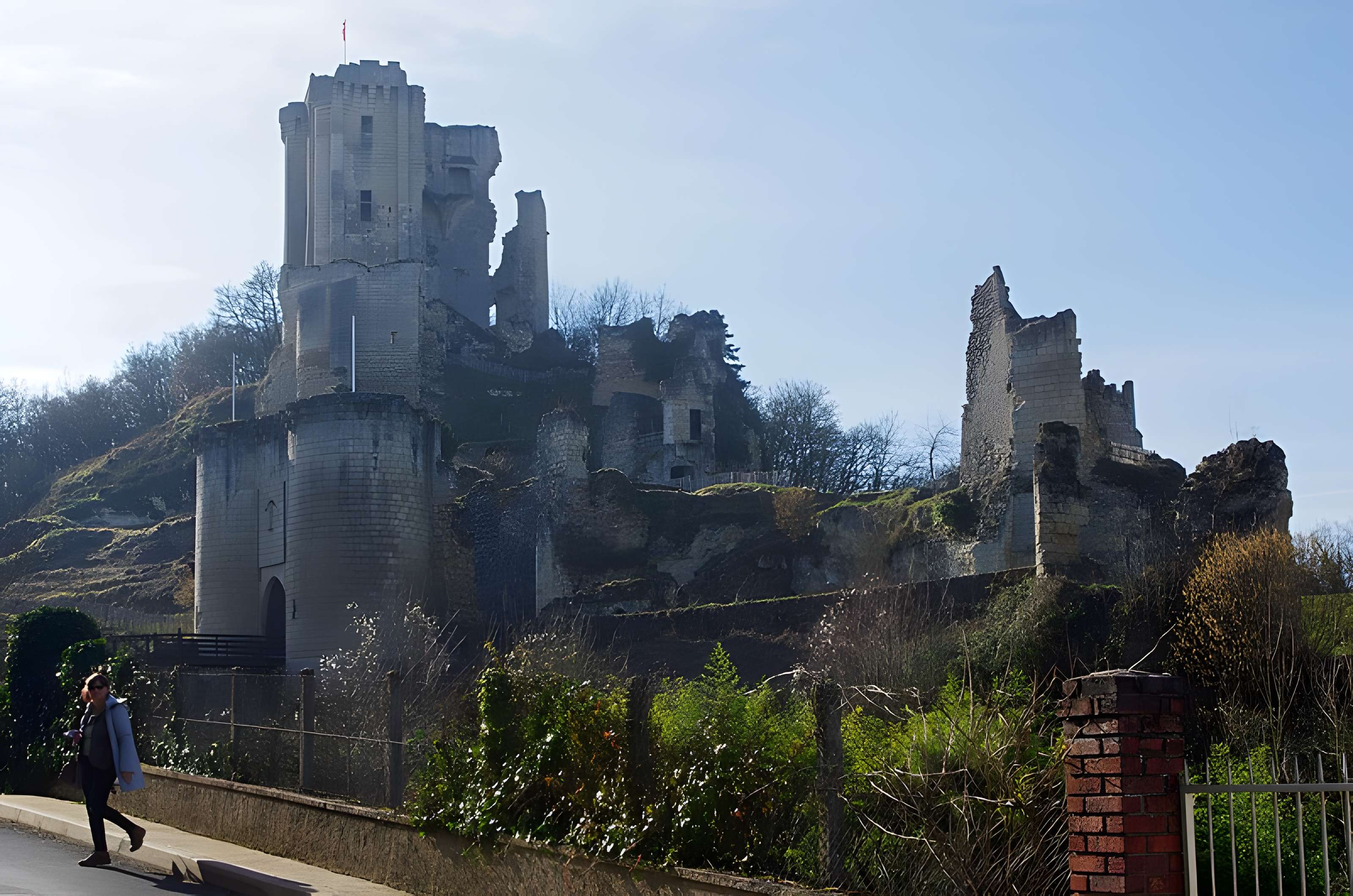
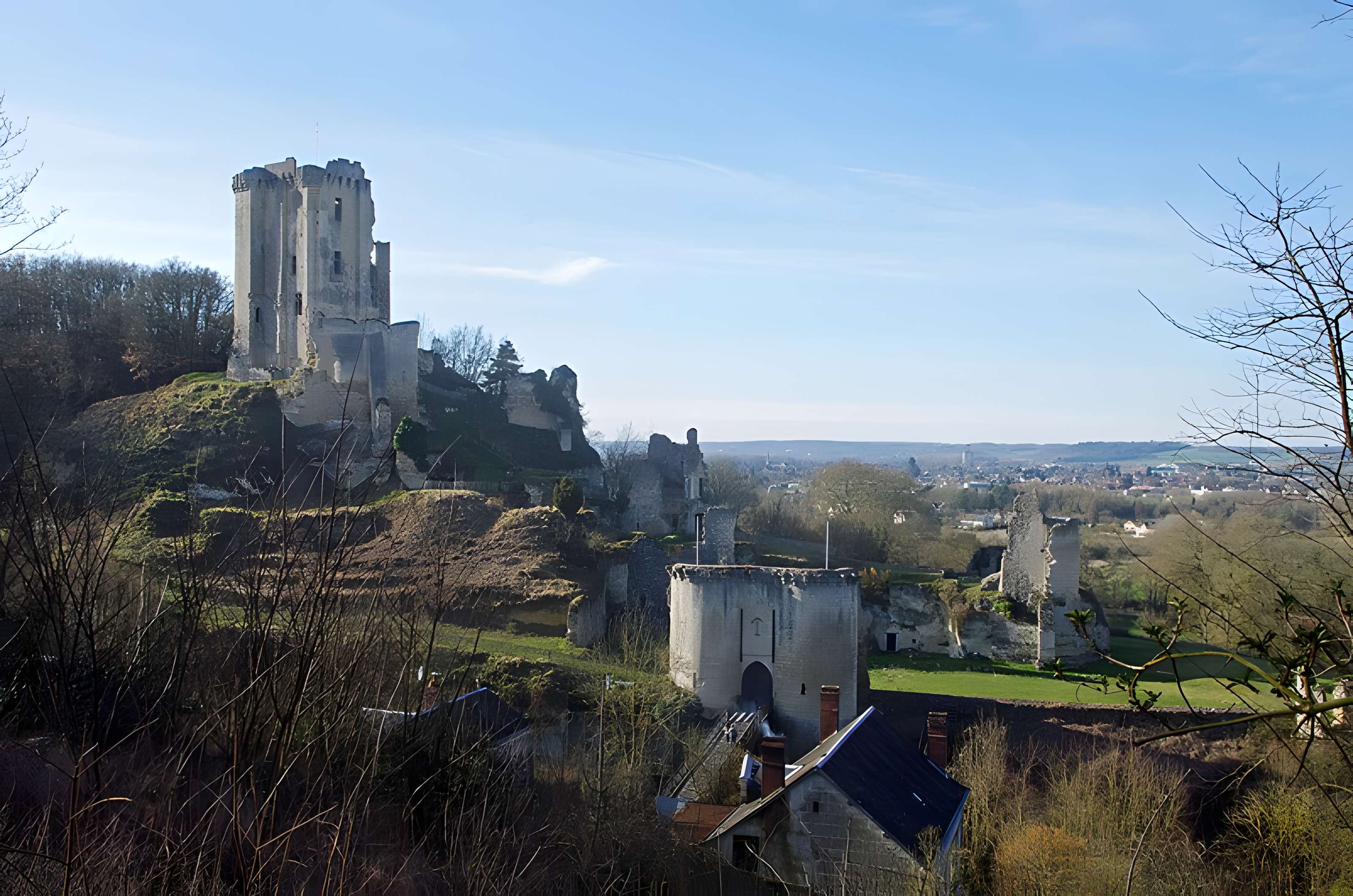
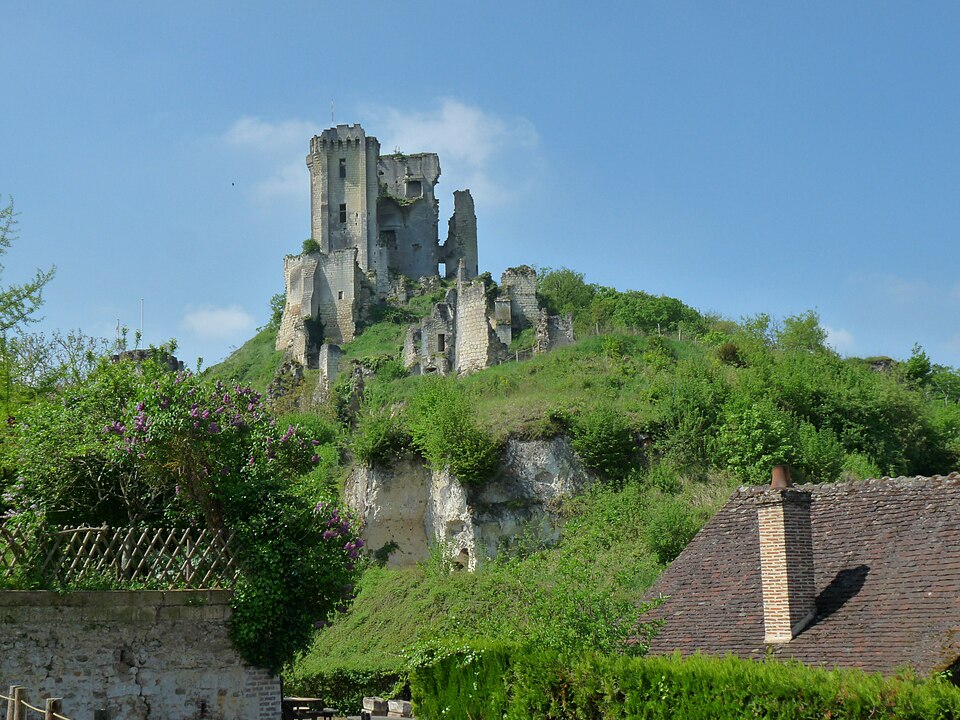
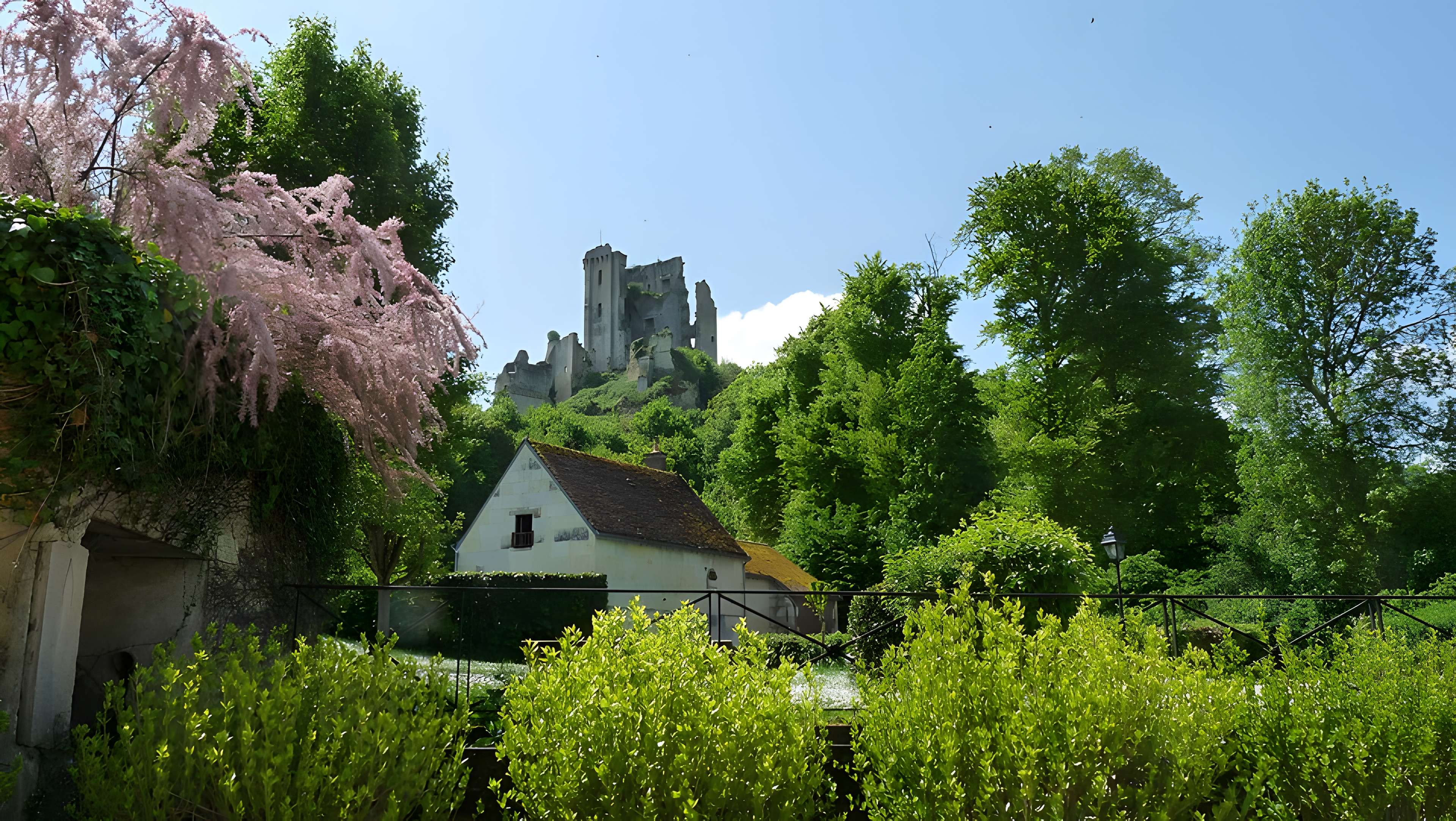
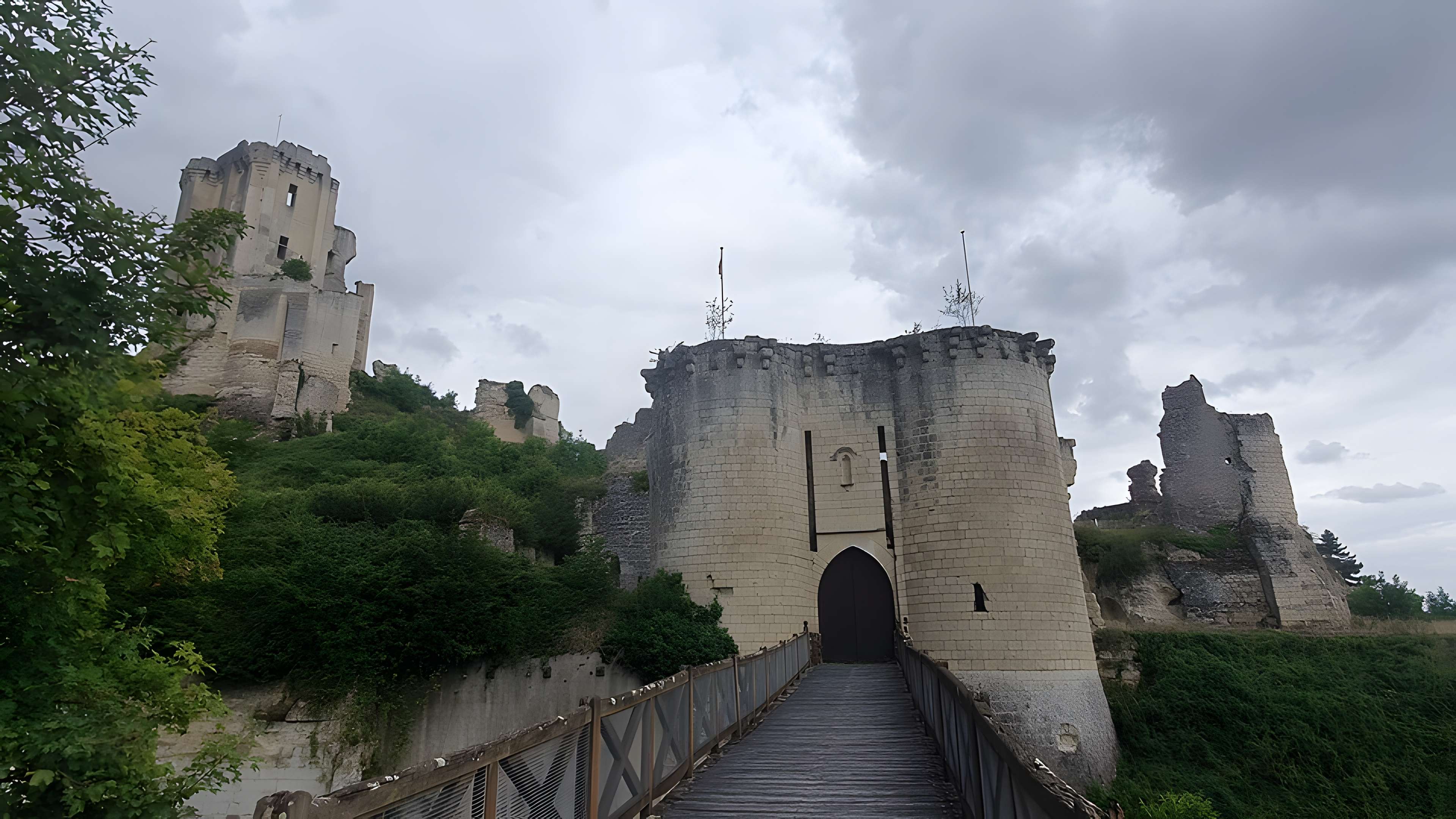
The castle of Lavardin, built from the 11th century on a rocky spur overlooking the Loir, was first a wooden tower on castral motte built by the first lords of Lavardin, including Solomon (early XIth). Around 1030 he founded the priory Saint-Gildéric in the lower court. The fortress, sold to the Counts of Vendôme around 1130, became their main stronghold in the 12th century, with a quadrangular stone dungeon (ca. 1070–1080) attributed to Hervé de Beaugency. The site, strategically located between Vendôme and Montoire, was redesigned after the unsuccessful siege of 1188 by Richard Cœur de Lion, rejected by the alliance of local militias and King Philippe Auguste.

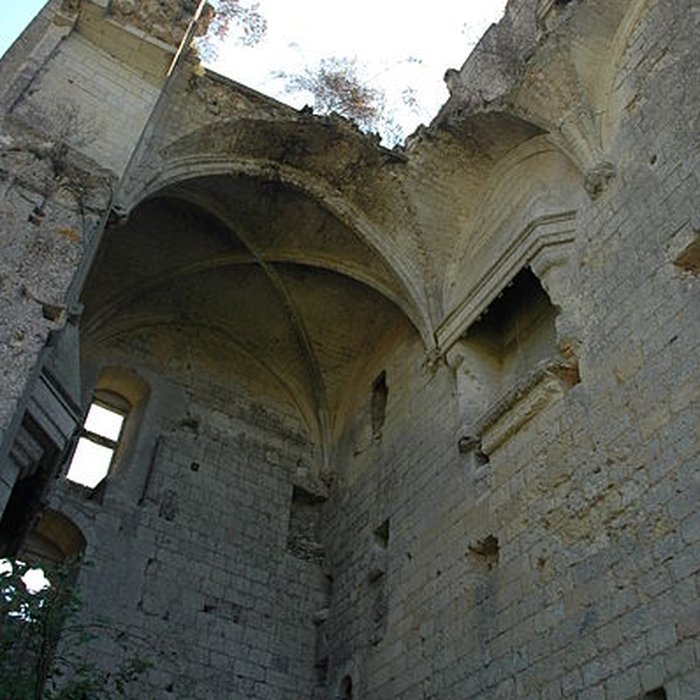
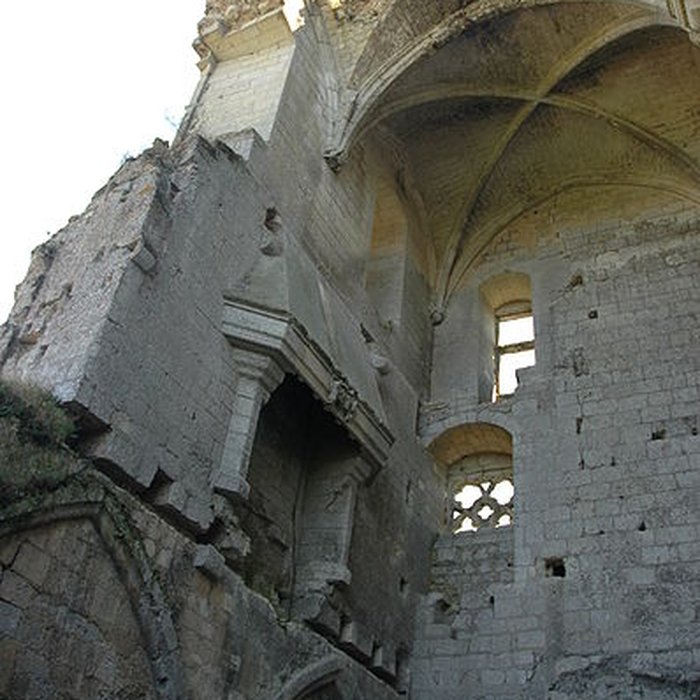
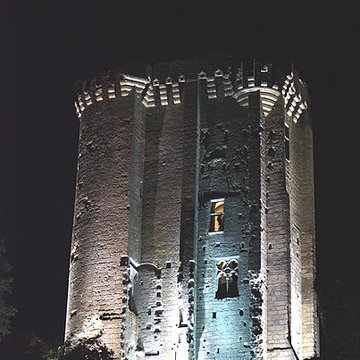
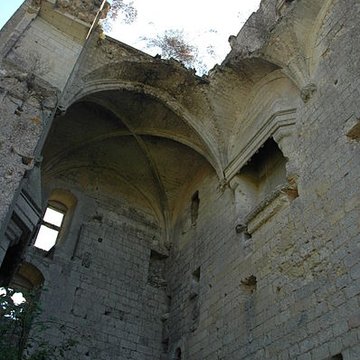
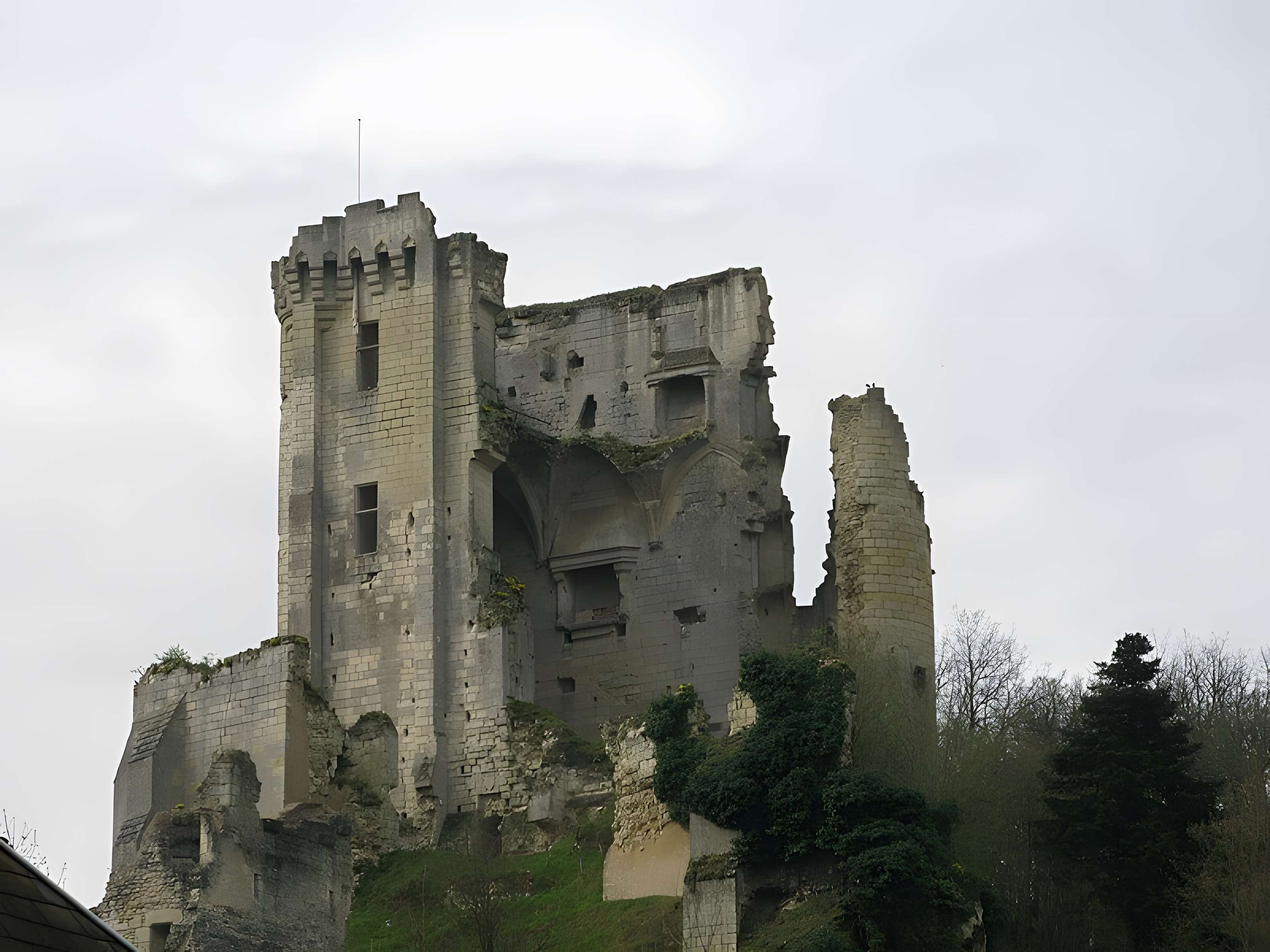
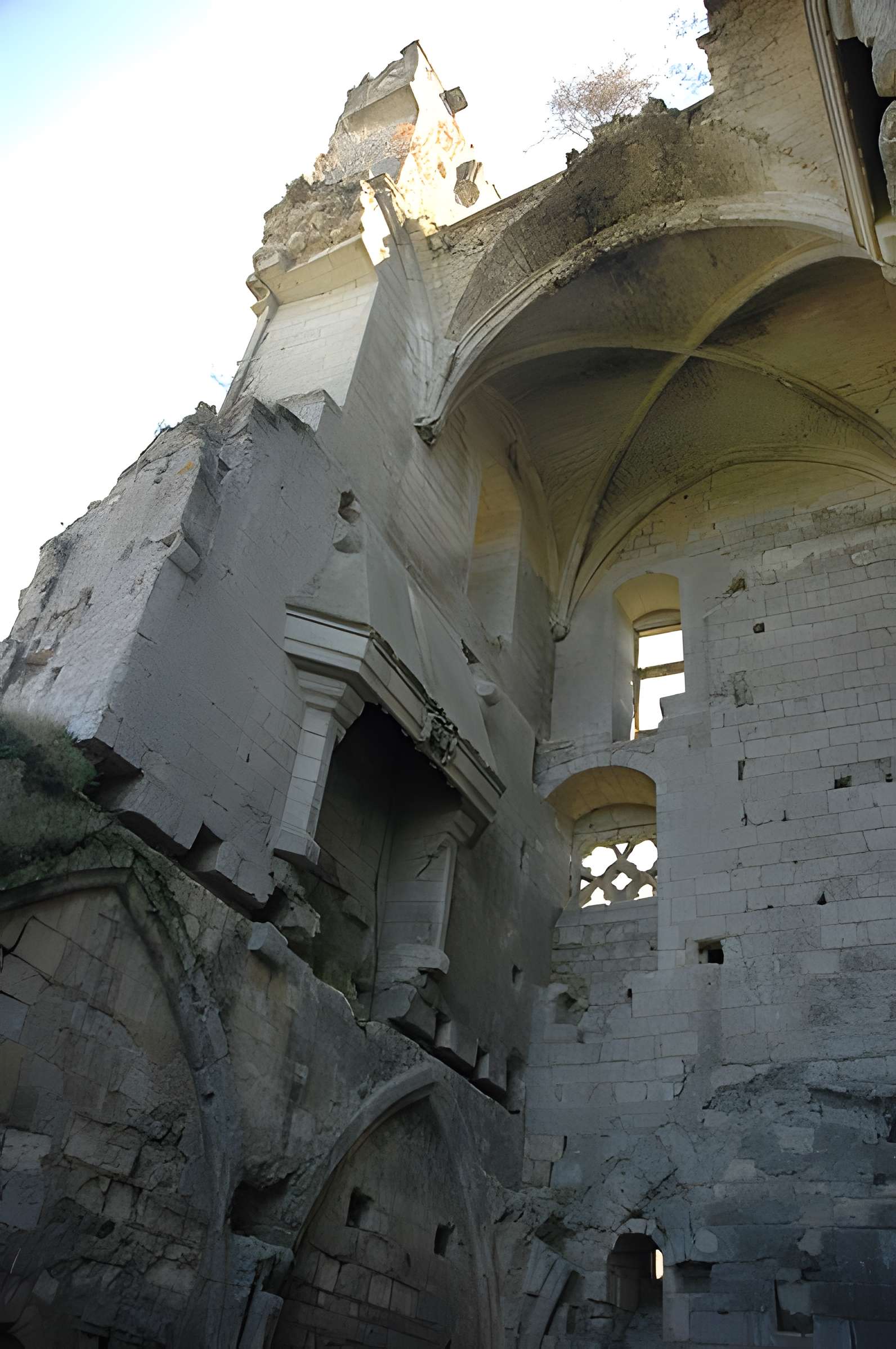
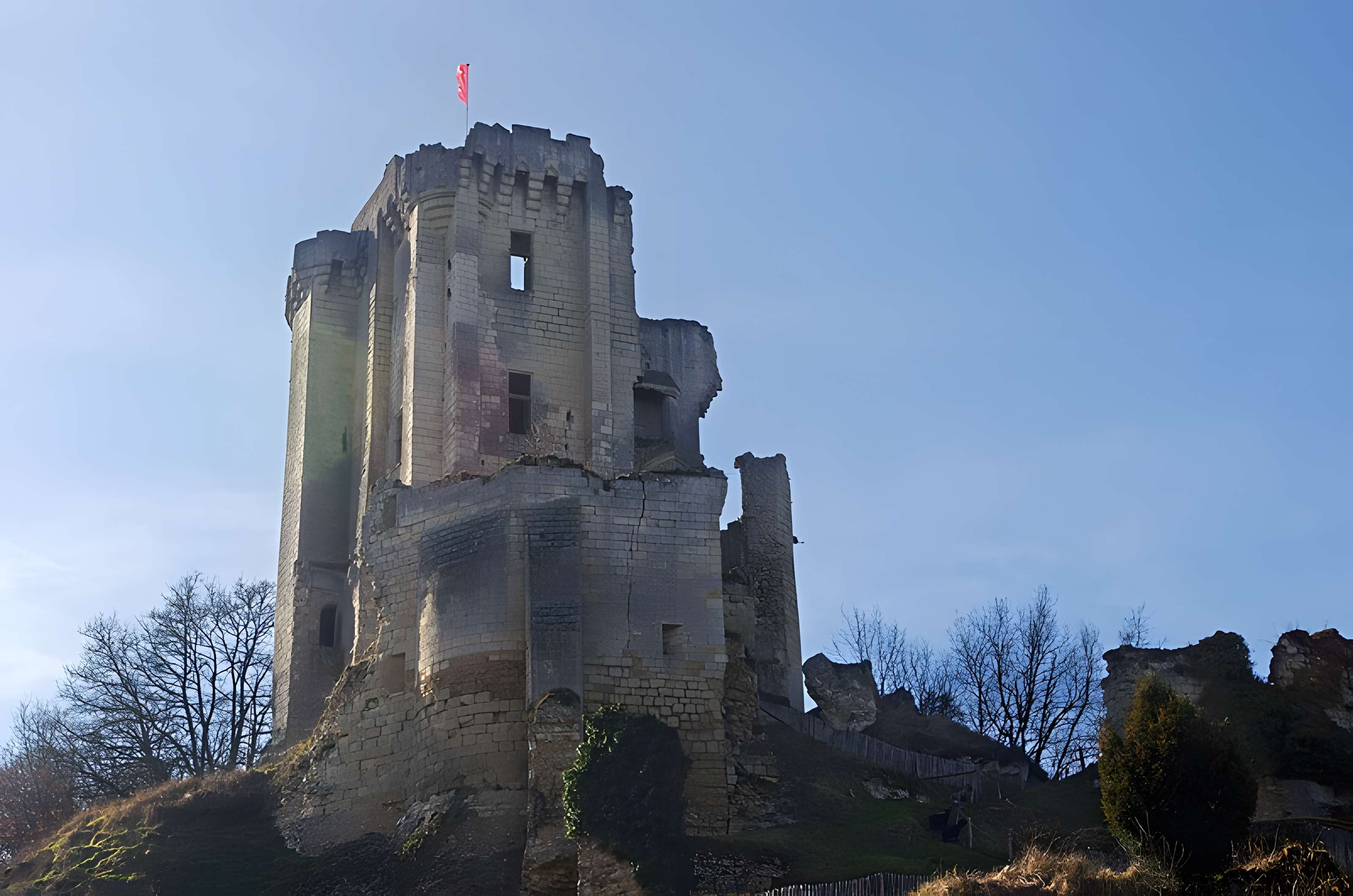
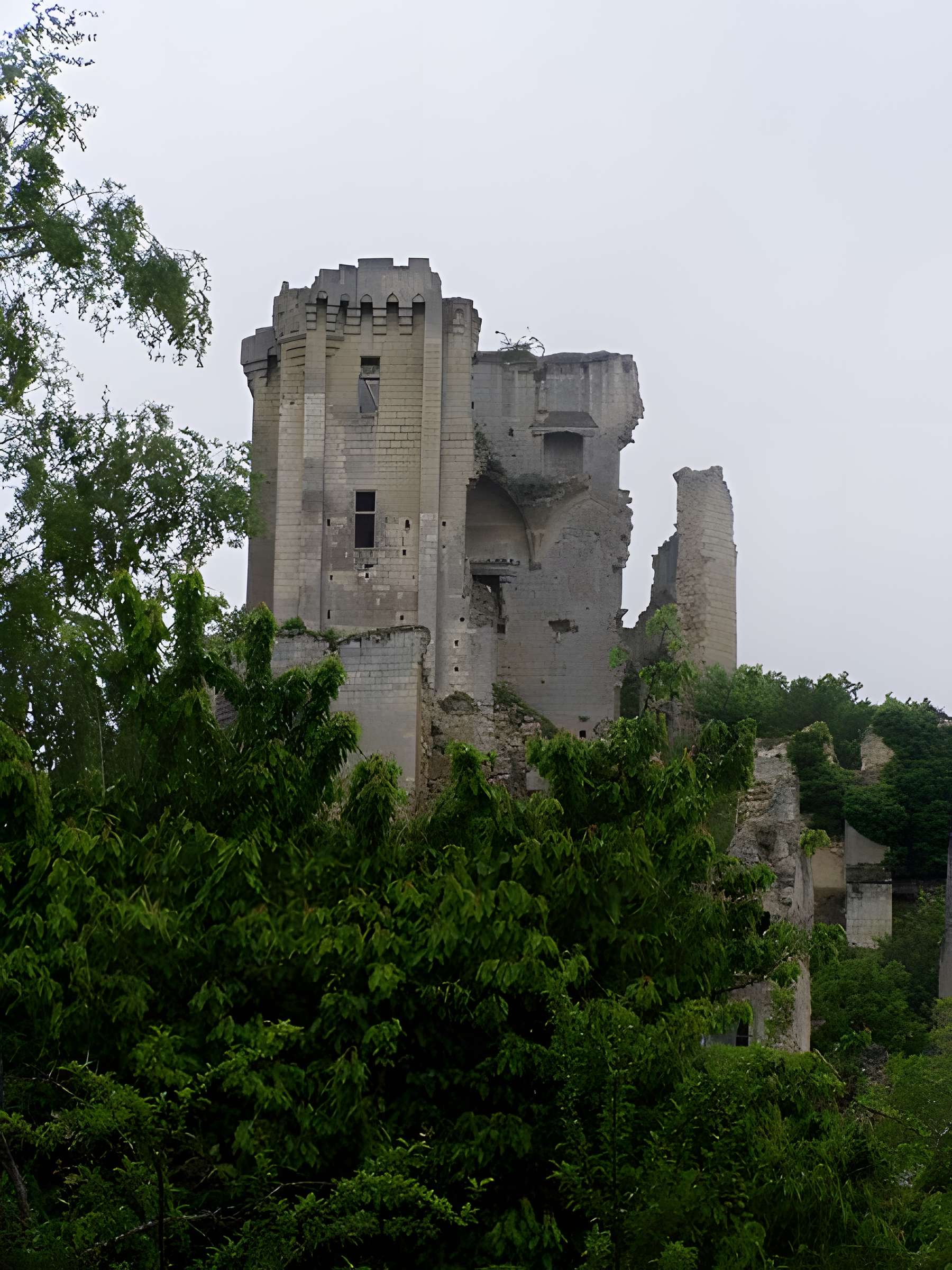
Between the late 14th and 15th centuries, the Counts of Vendôme, notably Louis I of Bourbon-Vendôme (1393–146), transformed the dungeon into a tower inspired by royal residences such as Vincennes or the Louvre. The works, interrupted by the Battle of Azincourt (1415) and the captivity of Louis I, resumed around 1425–31 with the addition of chimneys imitated by those of the castle of Chinon. In 1448, Jean VIII de Bourbon-Vendôme welcomed Charles VII and Agnes Sorel at the reconquest of Le Mans, signing the truce of Lavardin with the English. A local legend wrongly attributes to this stay the offering of the first French diamonds to Agnes Sorel.

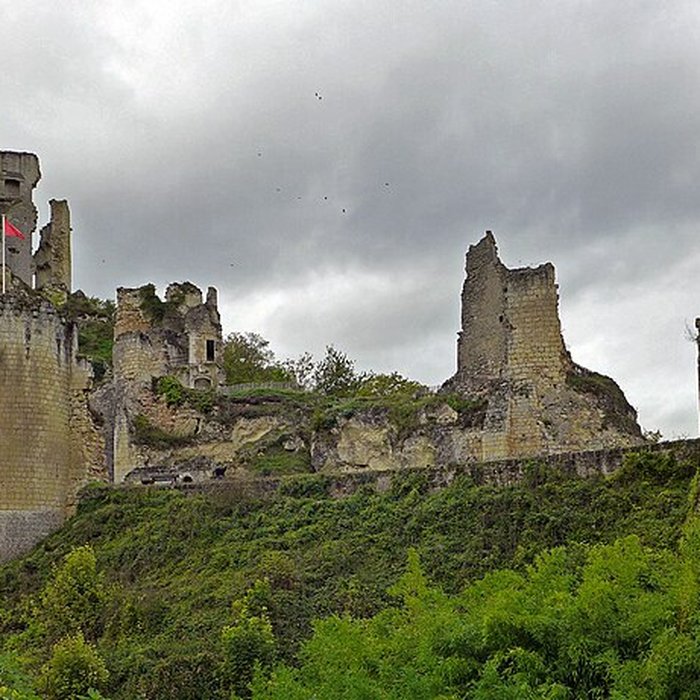
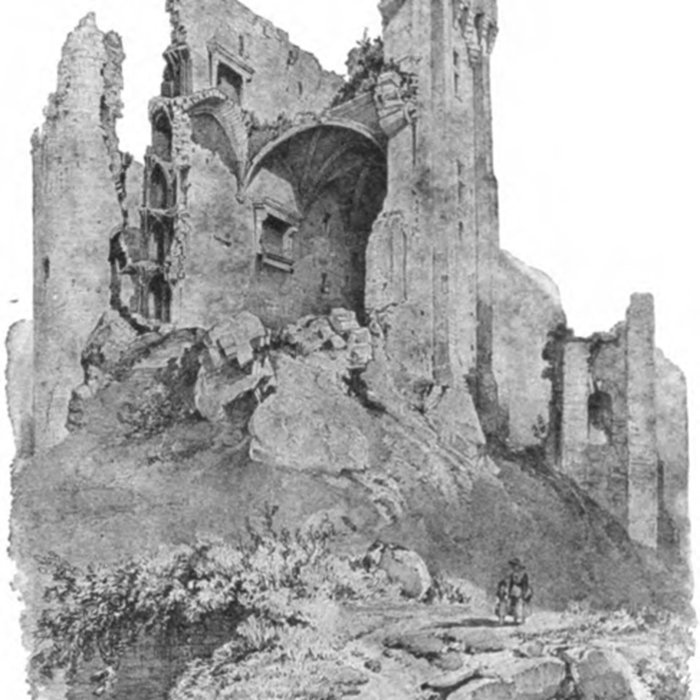
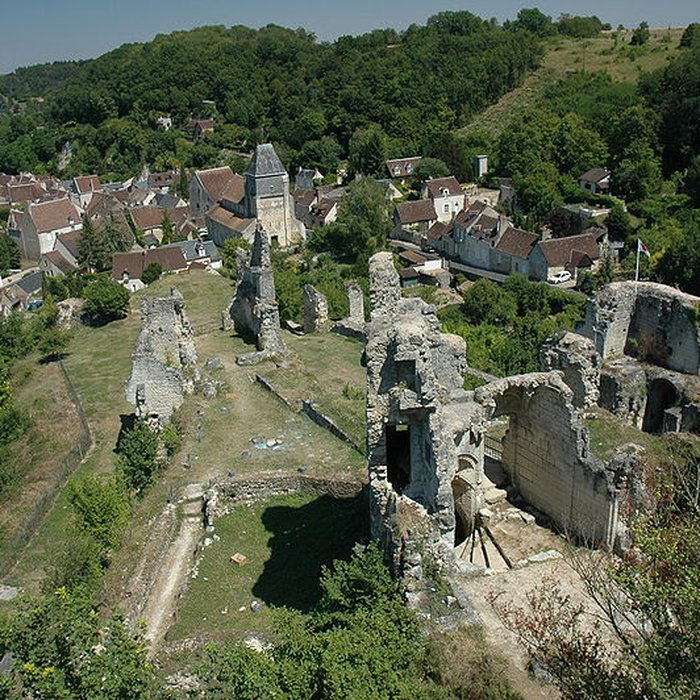
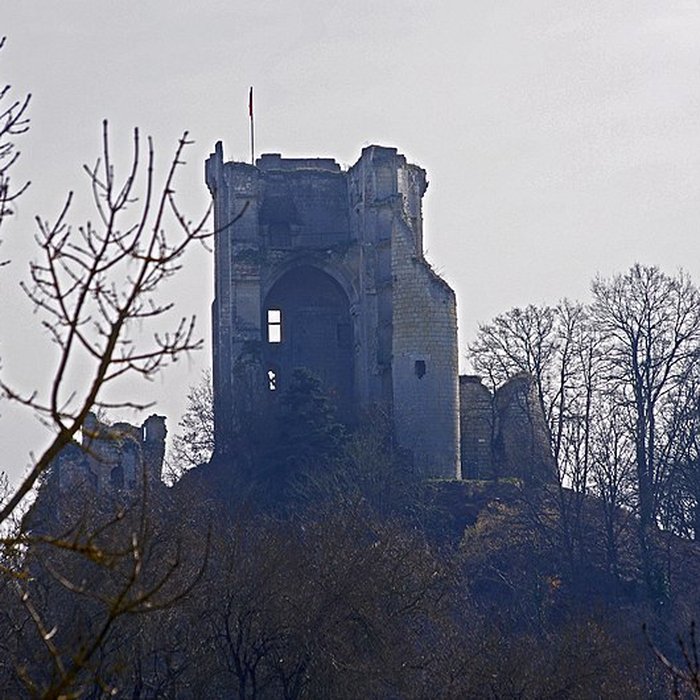
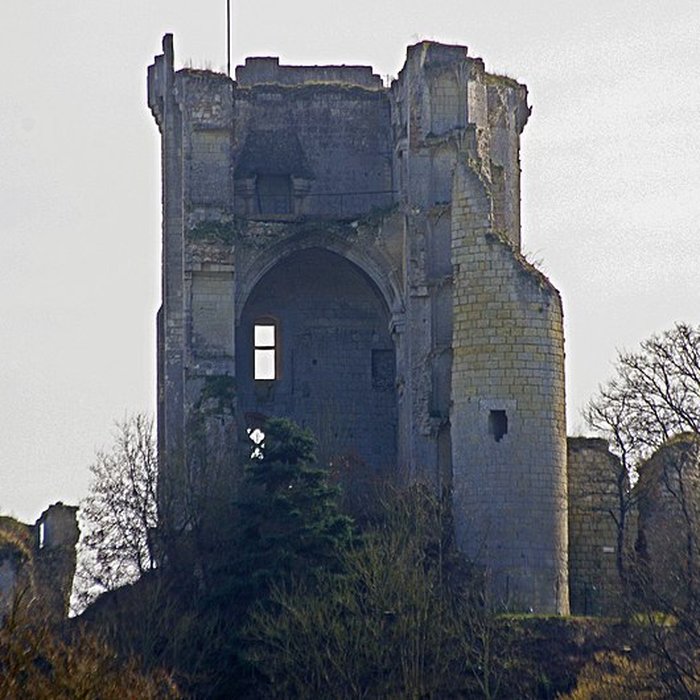
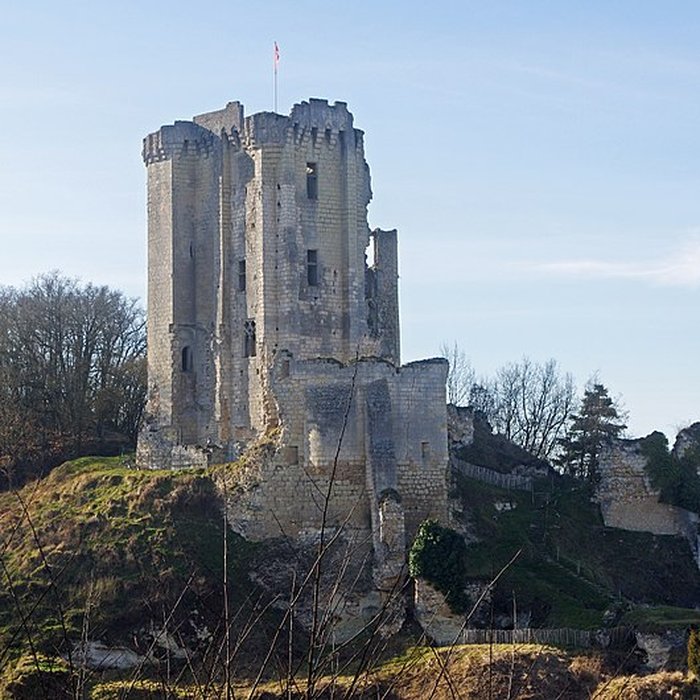
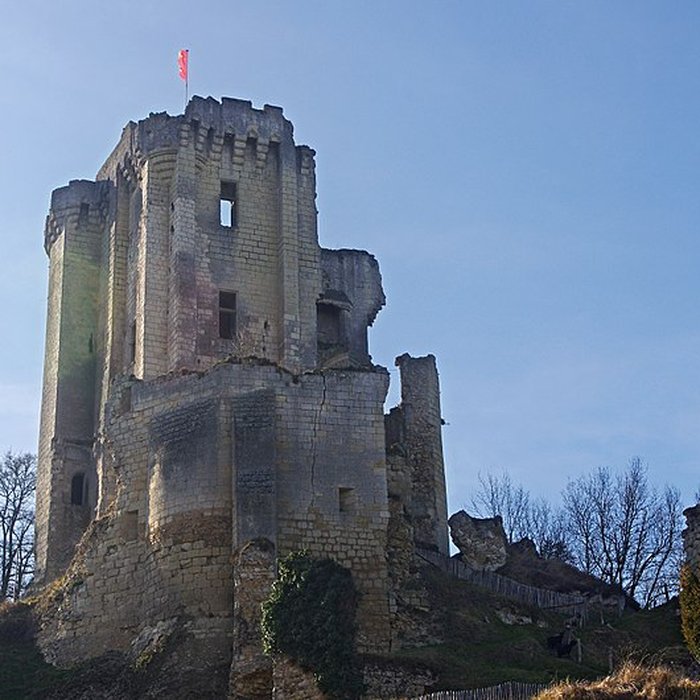
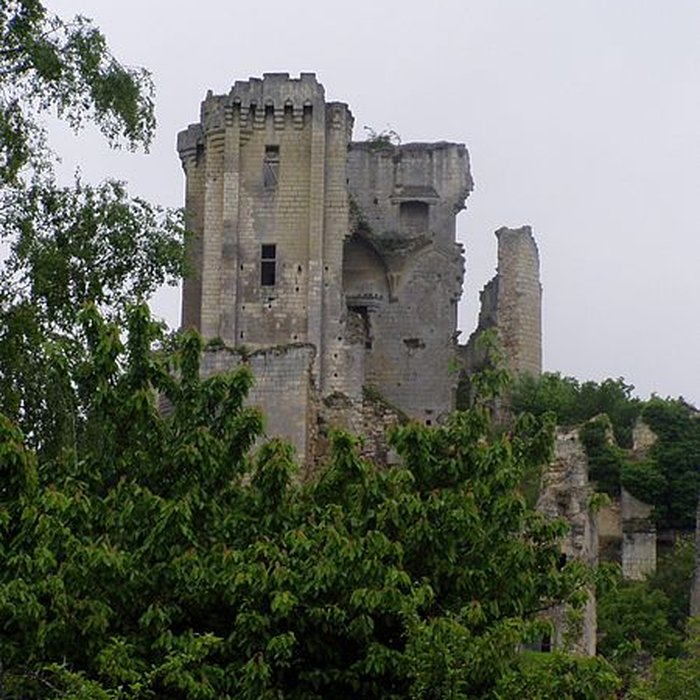
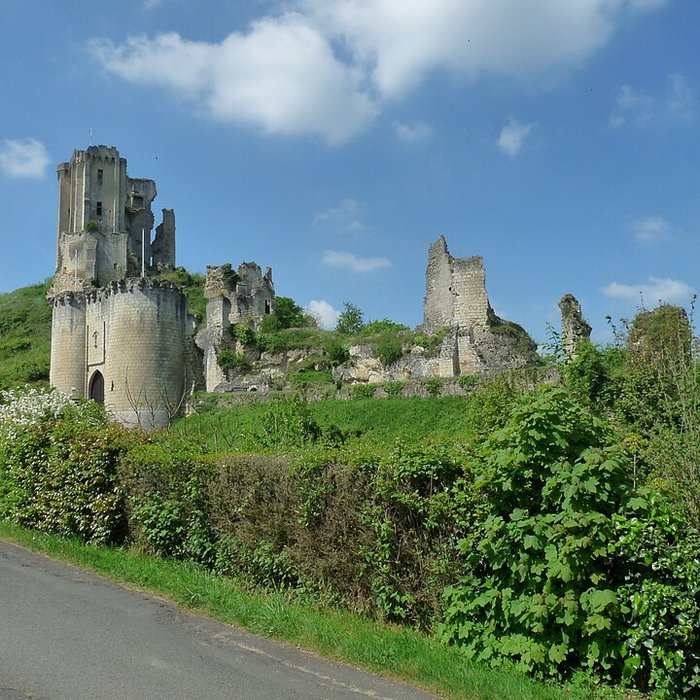
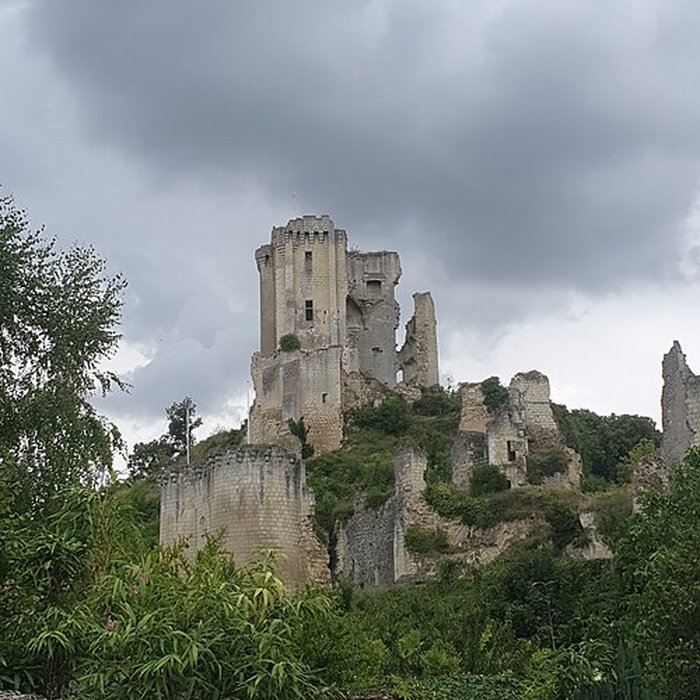
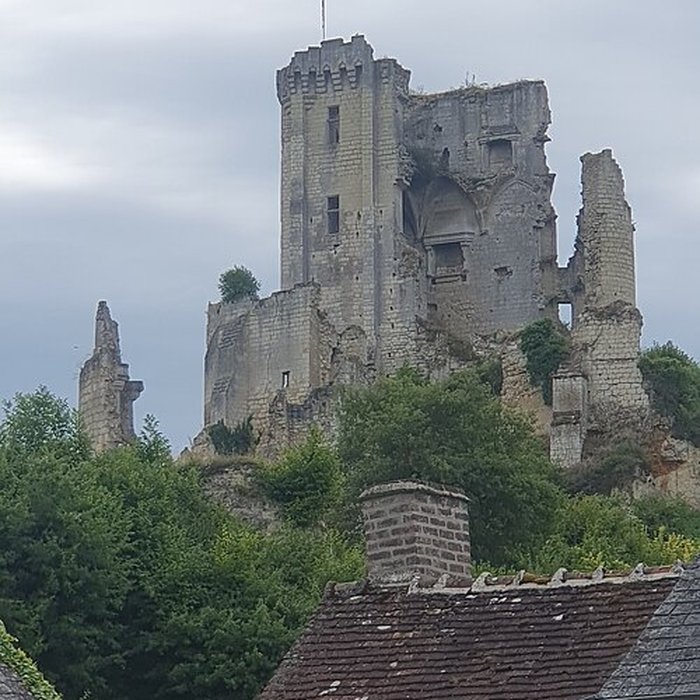
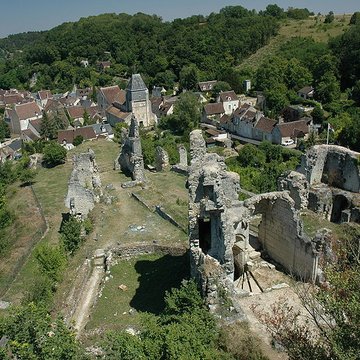
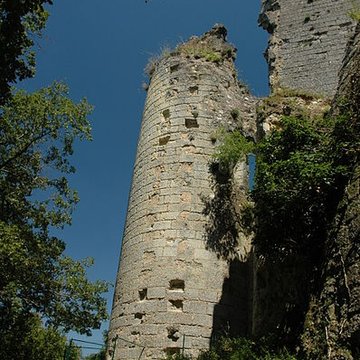
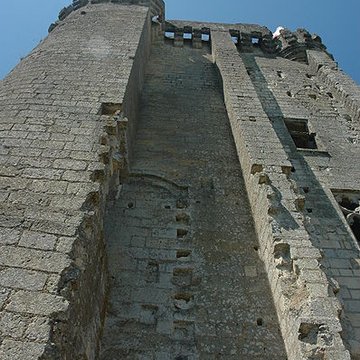
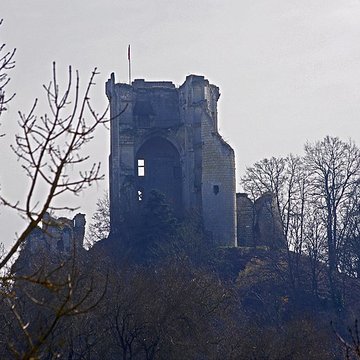
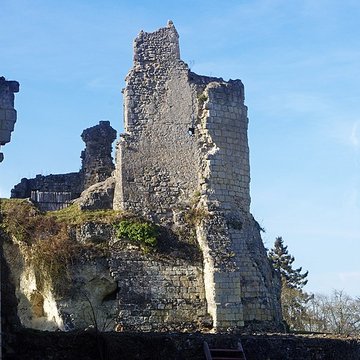
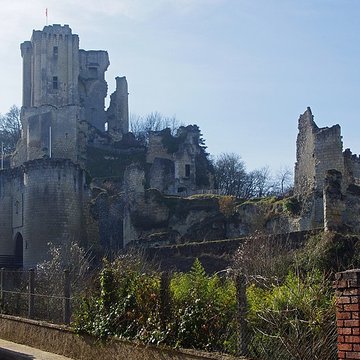
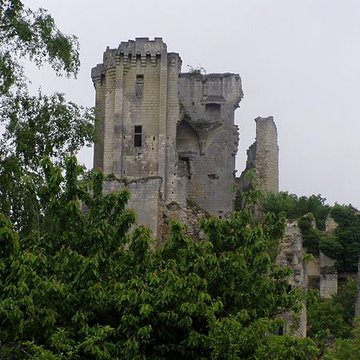
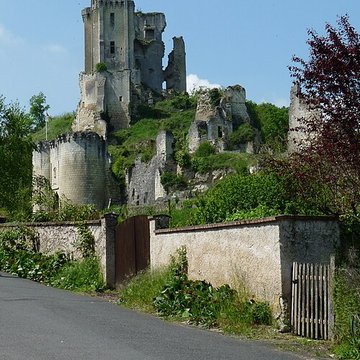
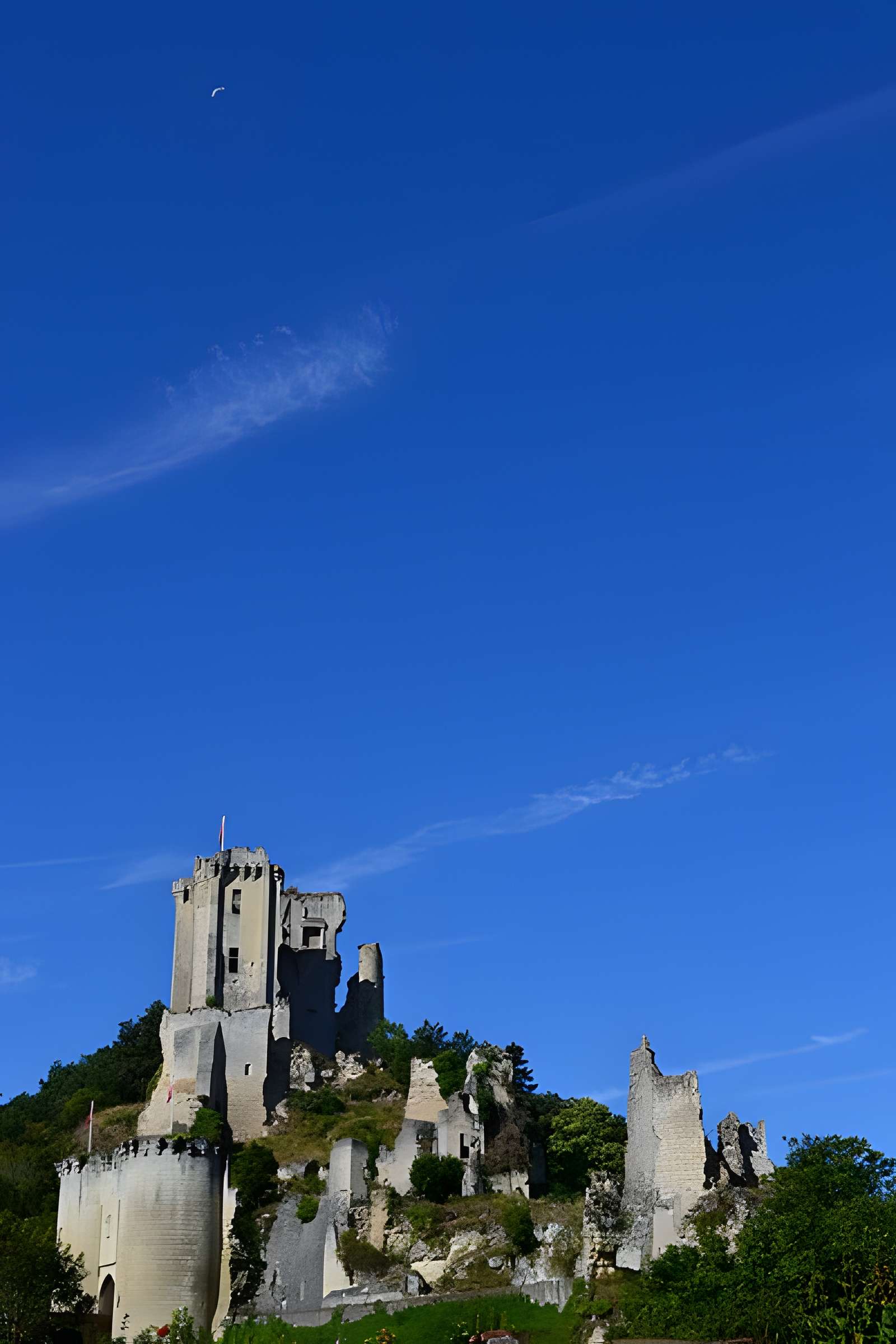
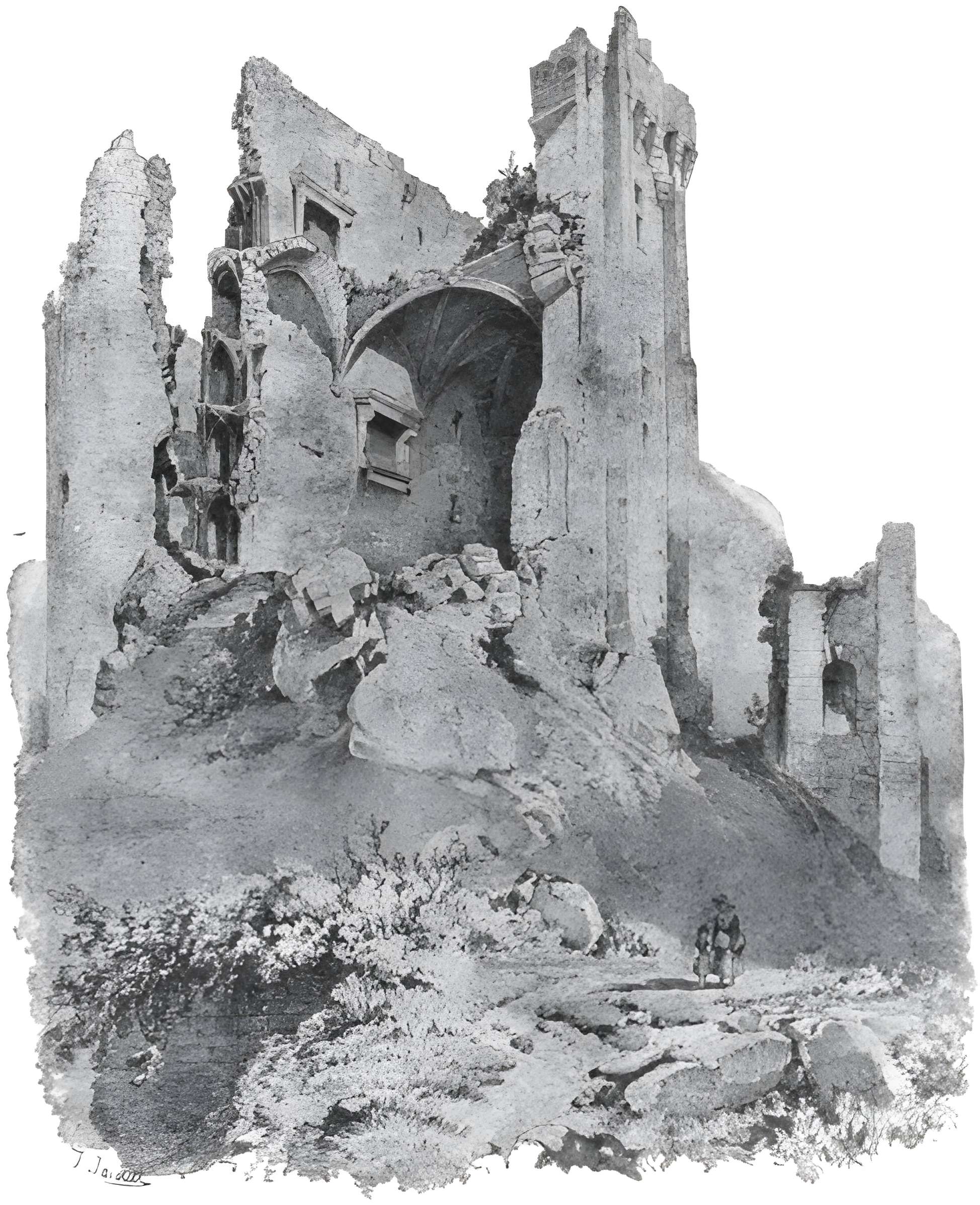
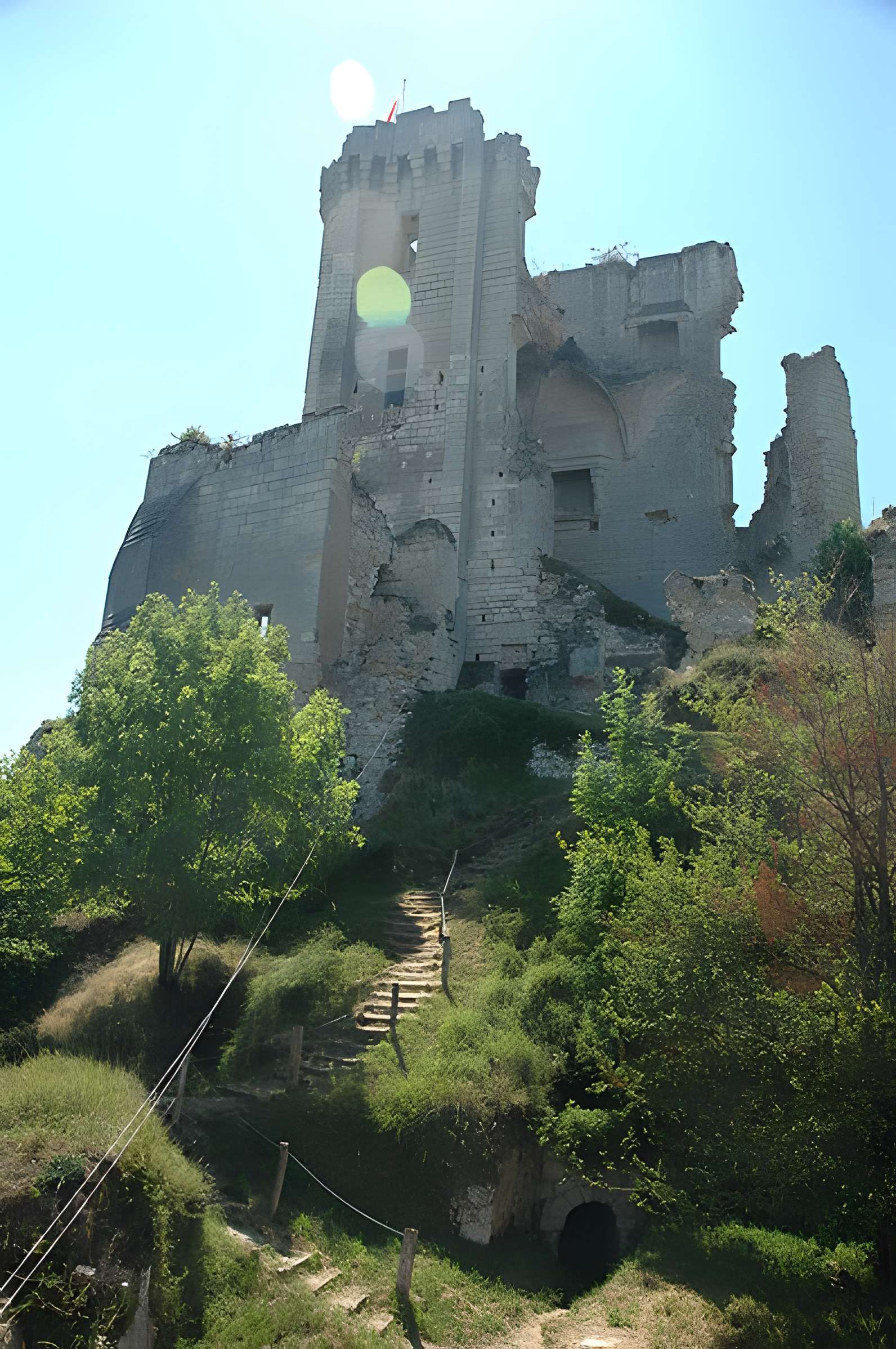
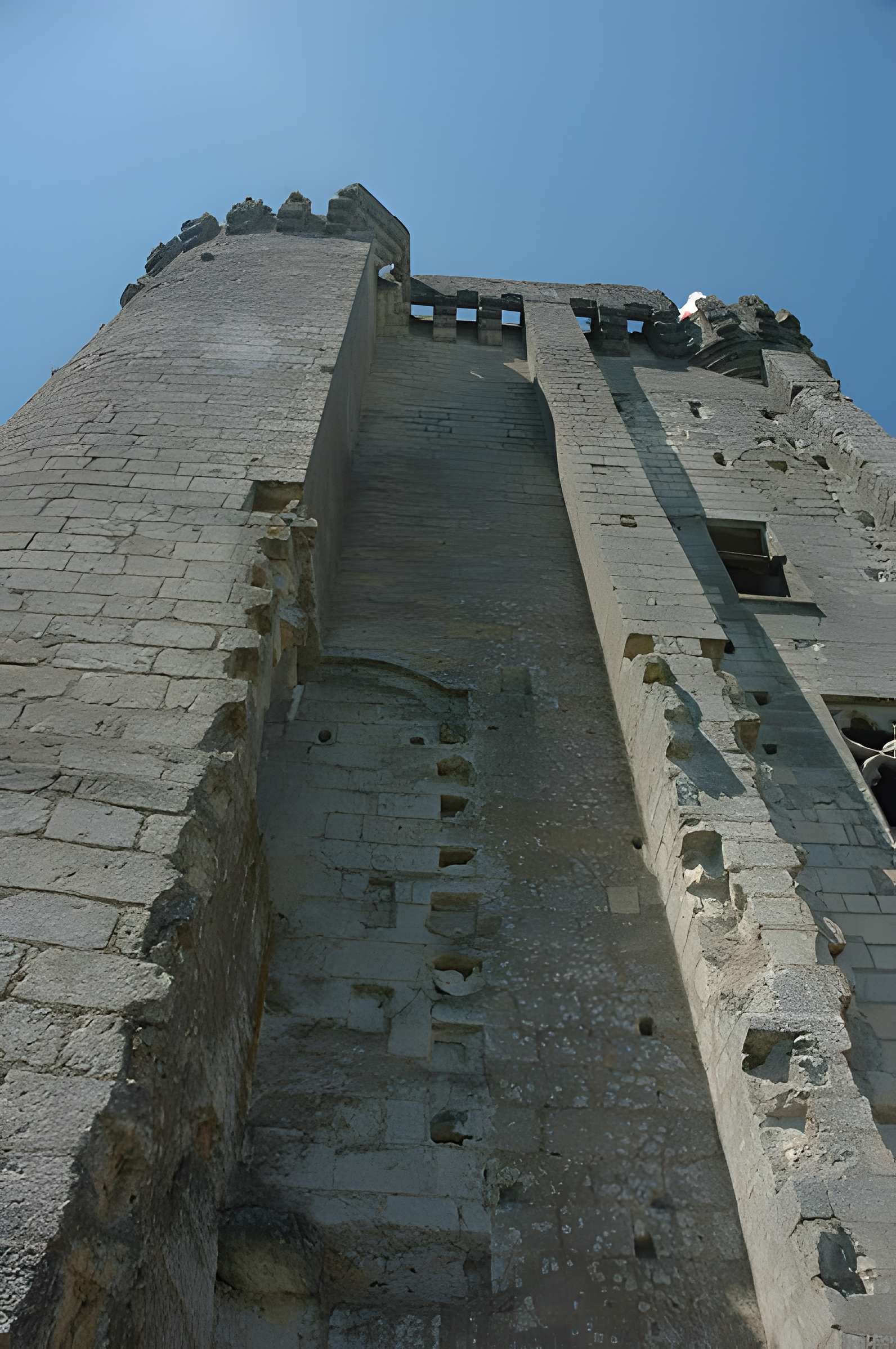
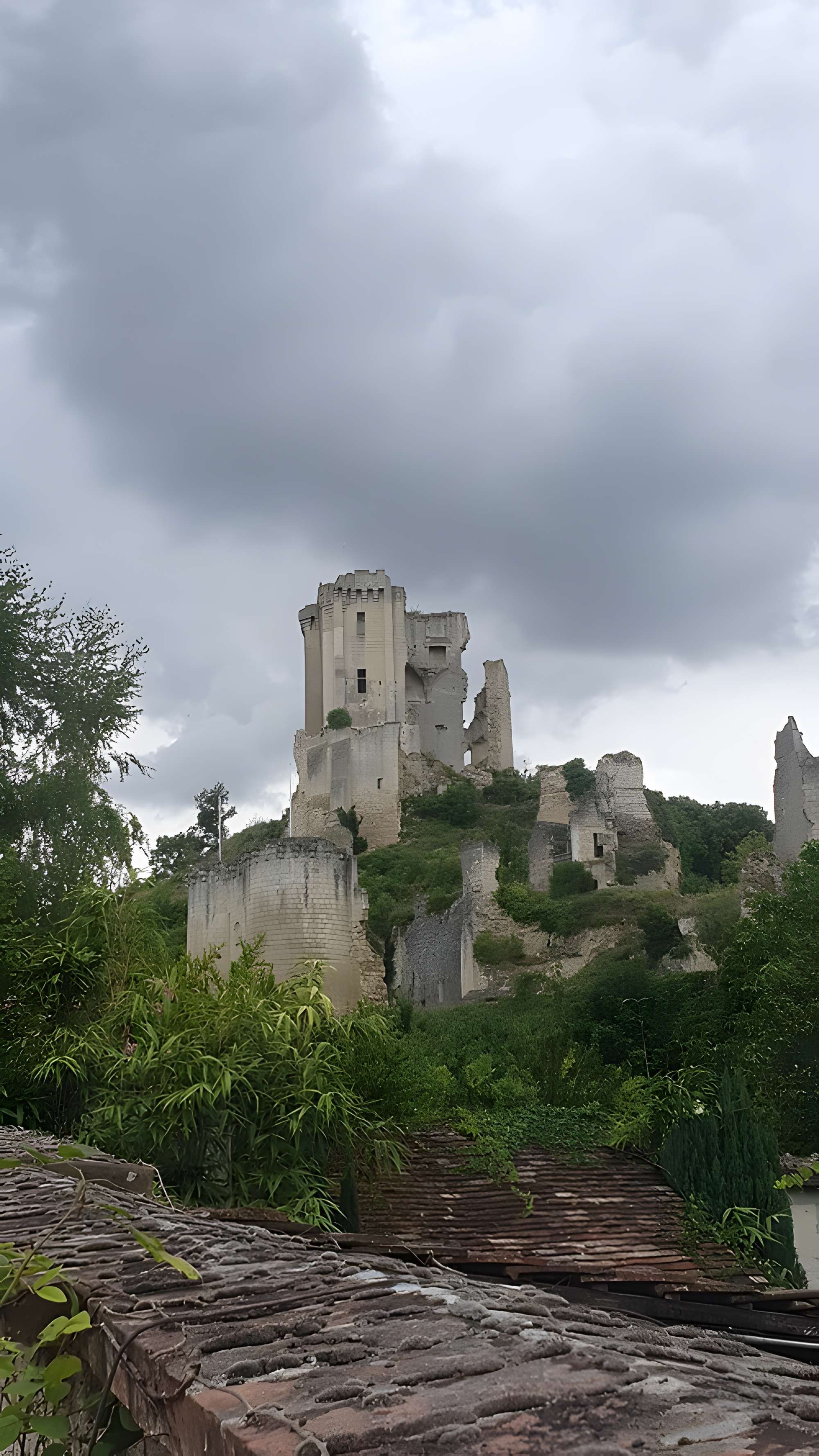
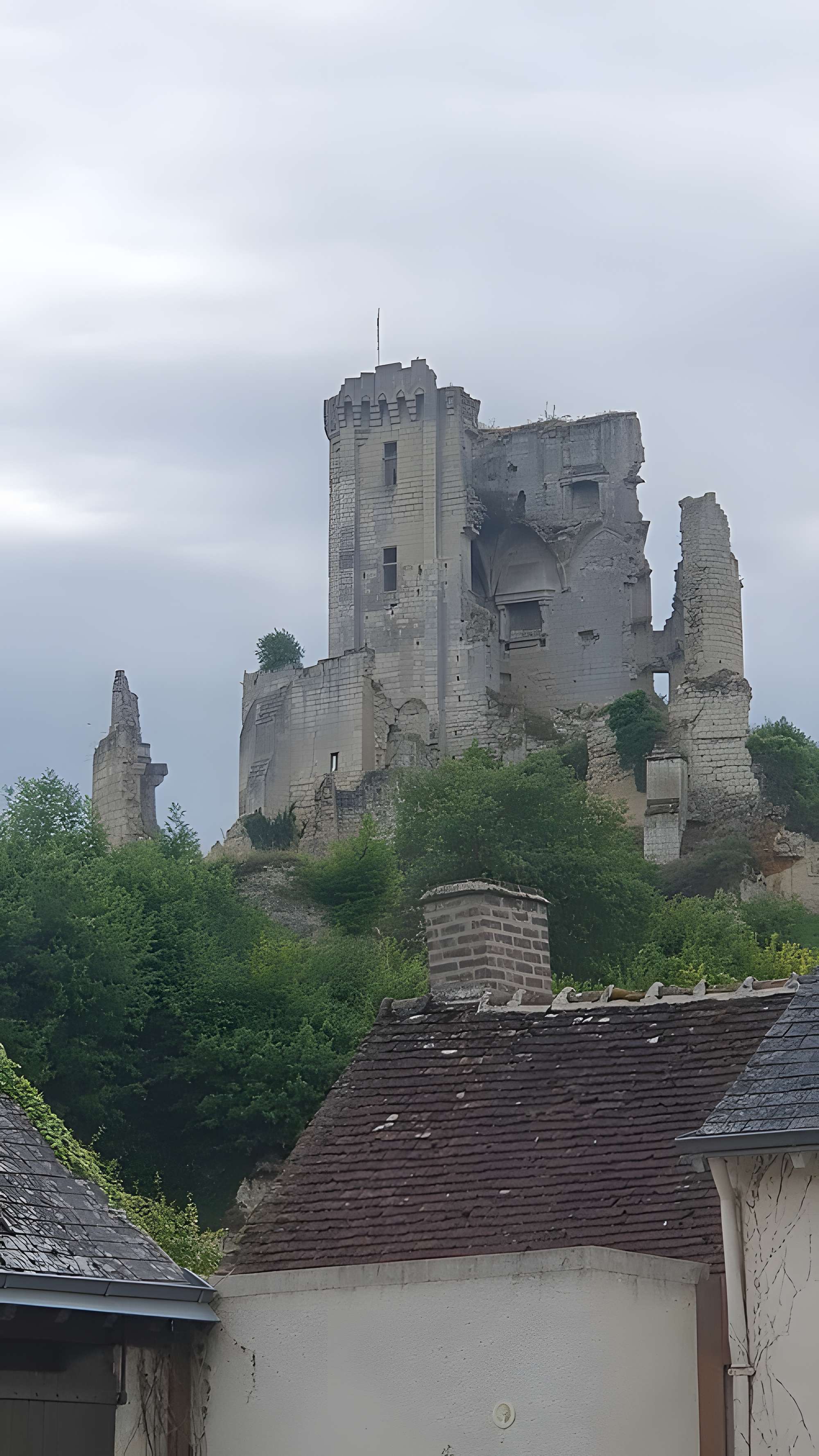
The castle played a key role during the Wars of Religion. In 1589, Henri IV (then Duke of Vendôme) briefly resumed the fortress to the Leaguers, but these, led by Captain Du Vigneau, took it back in 1590. Seated by the prince of Conti (François de Bourbon) with the artillery of Gilles de Souvré, the castle capitulates after three weeks of resistance. Henry IV ordered its dismantling in 1591, and its stones were used for local construction. Ranked a historic monument in 1945, its remains (26 m dungeon, house, underground galleries) bear witness to its architectural evolution, from Romanesque dungeons to Gothic installations.

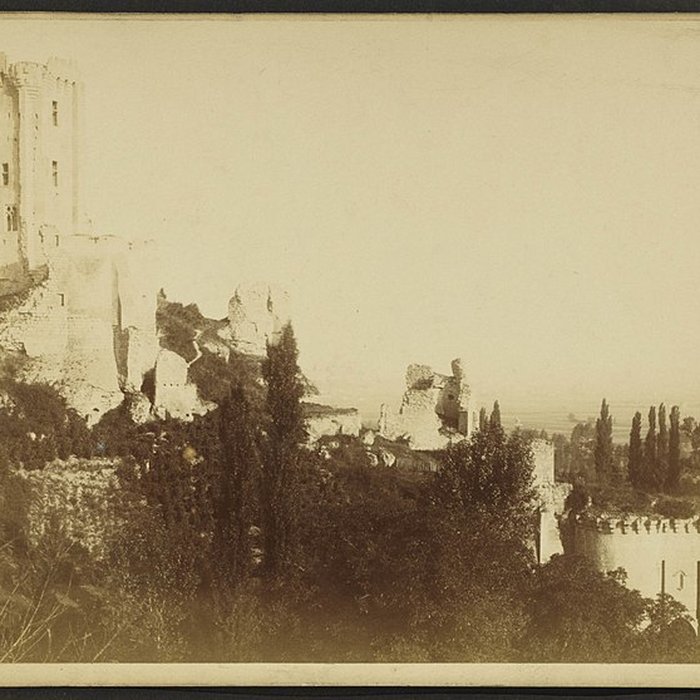
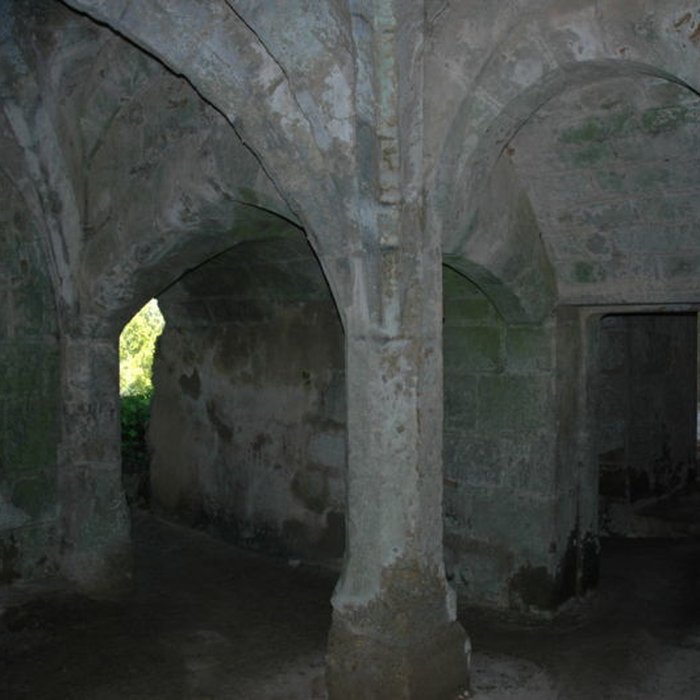
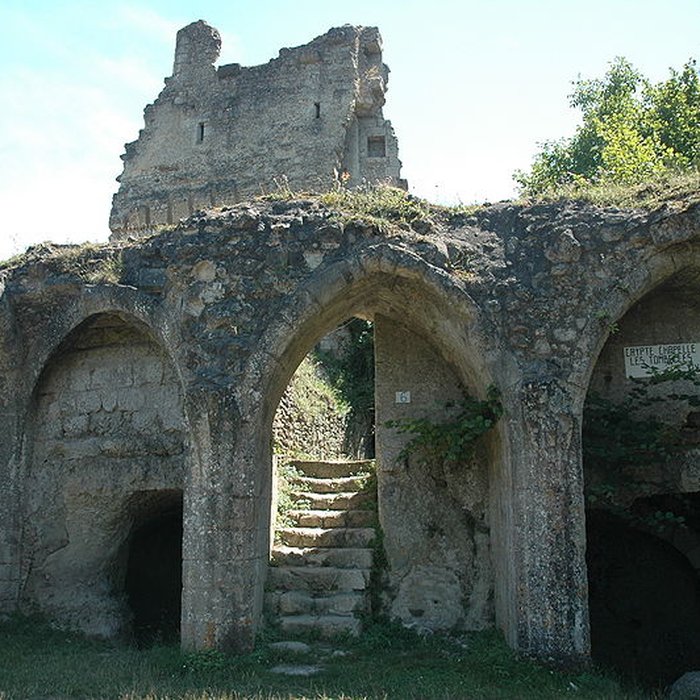
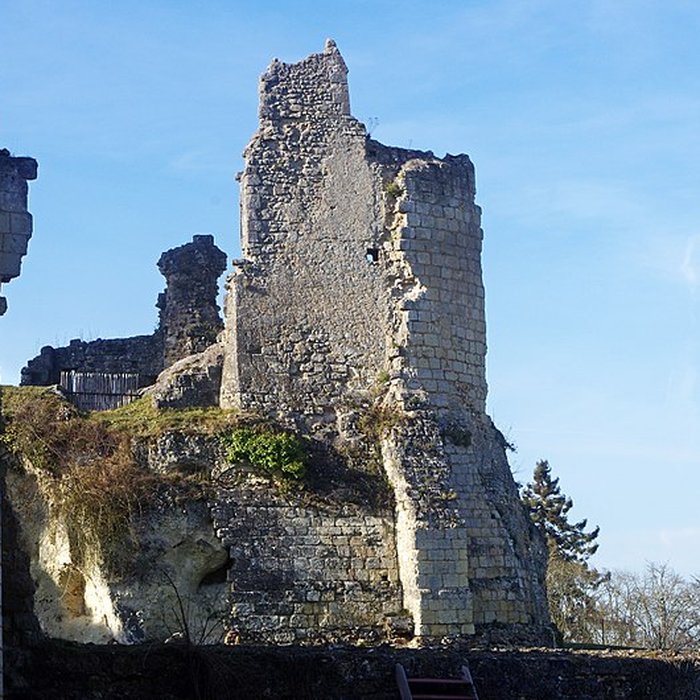
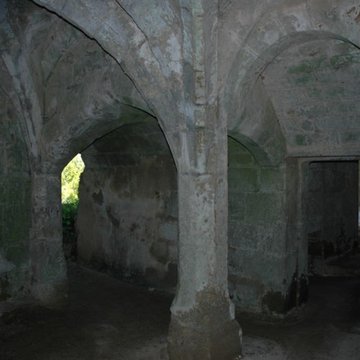
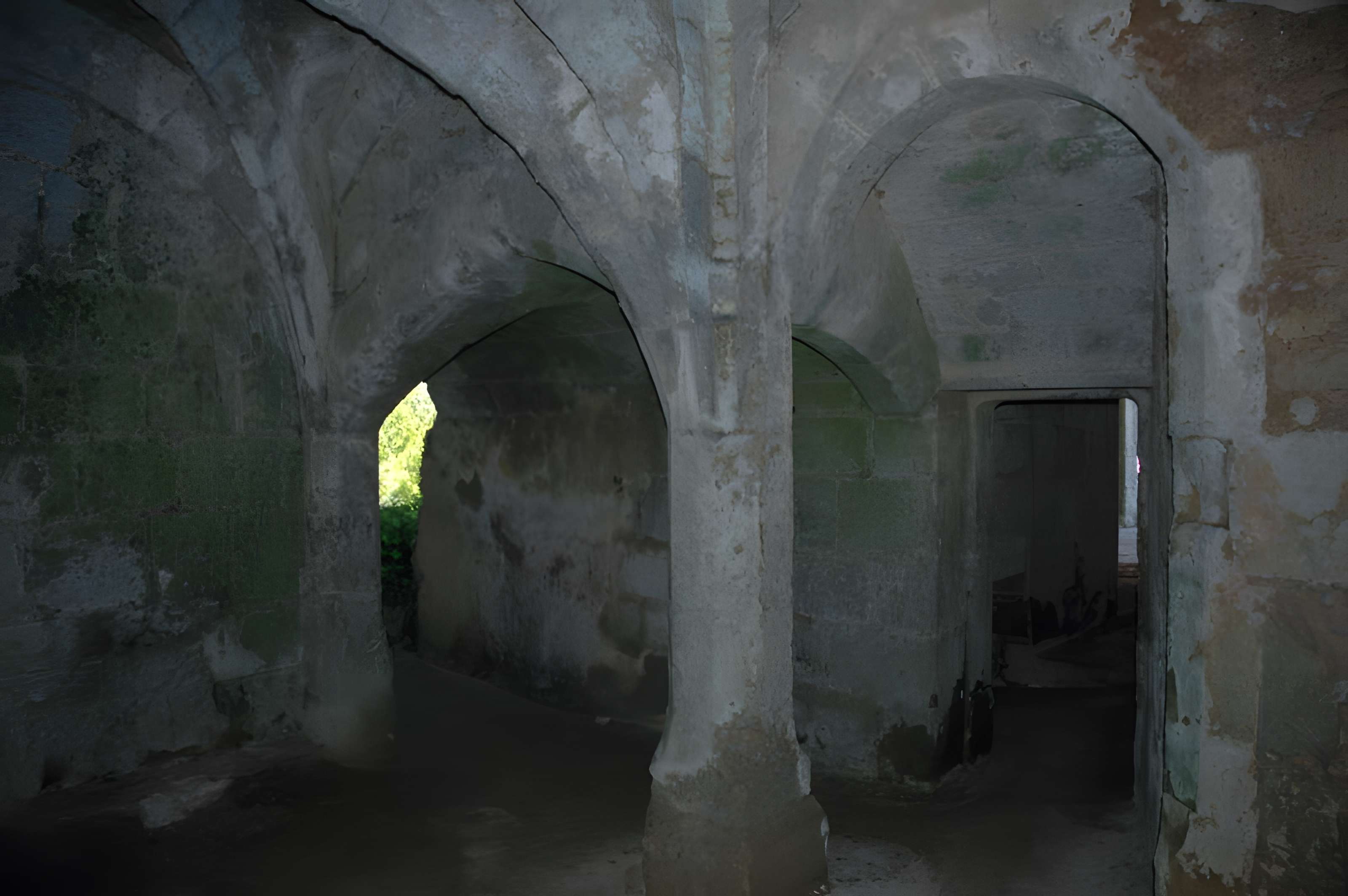
In the 19th century, Napoleon III planned his restoration by Viollet-le-Duc, but a draw by lot (according to the legend) favoured Pierrefonds. Archaeological excavations (XXth to XXIst centuries) reveal protohistoric occupations, a Merovingian cemetery, and a troglodytic network (kitchens, cachots, stairs). The site, a communal property, today attracts for its spectacular ruins and its history linked to the Bourbon-Vendôme, between feudal power and religious conflicts.

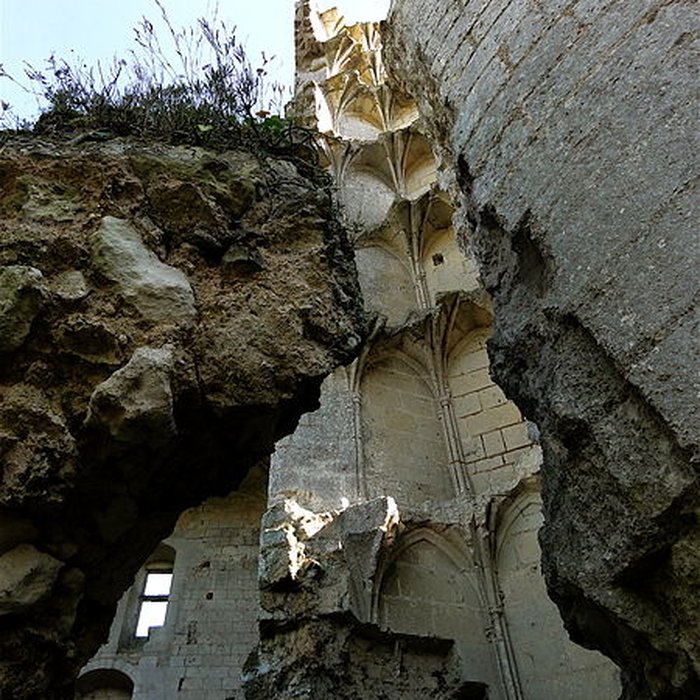
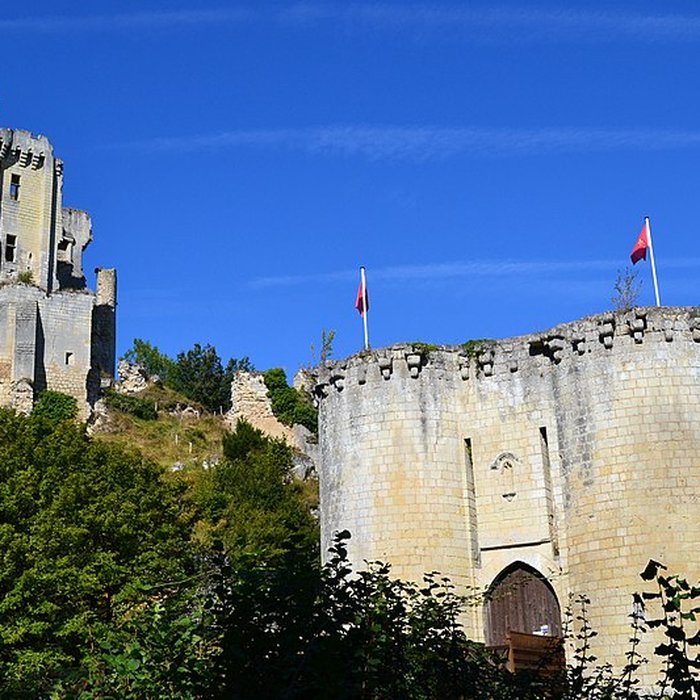
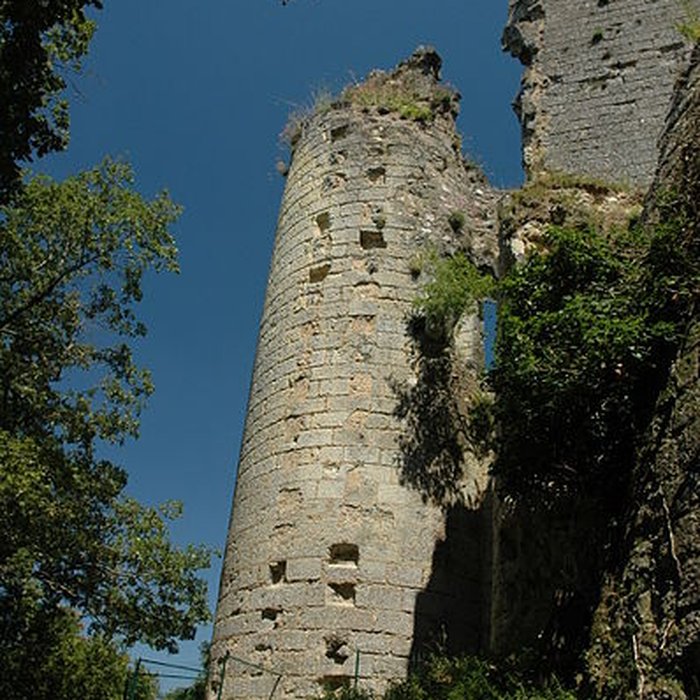
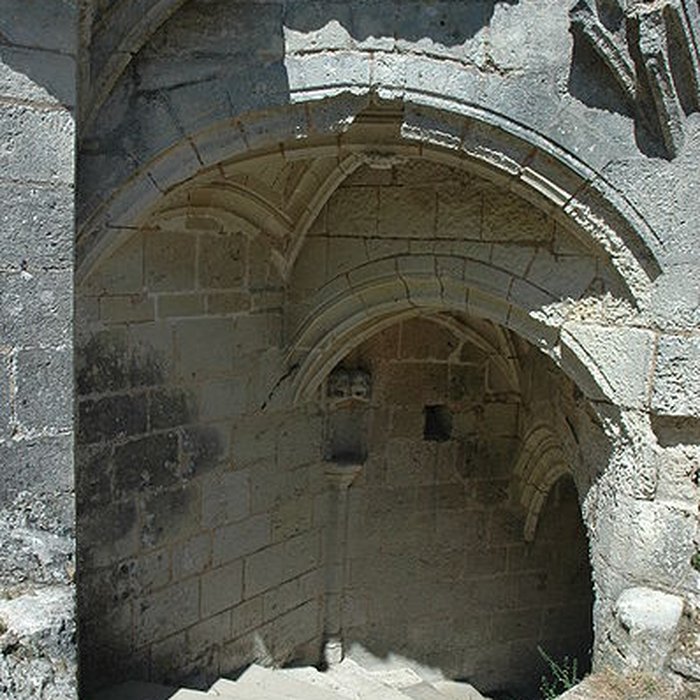
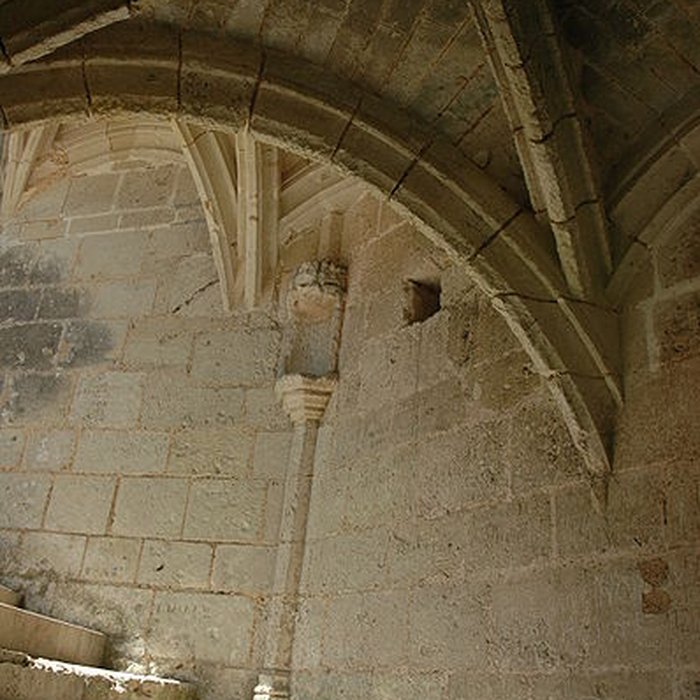
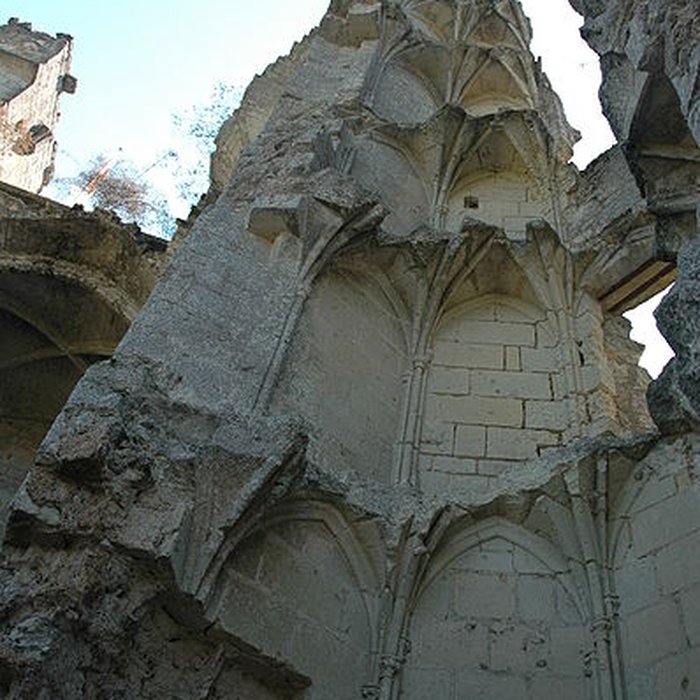
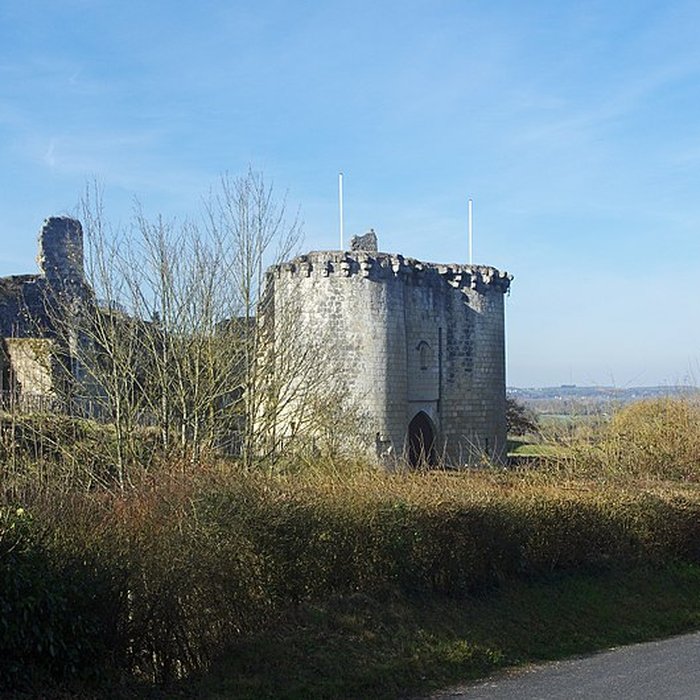
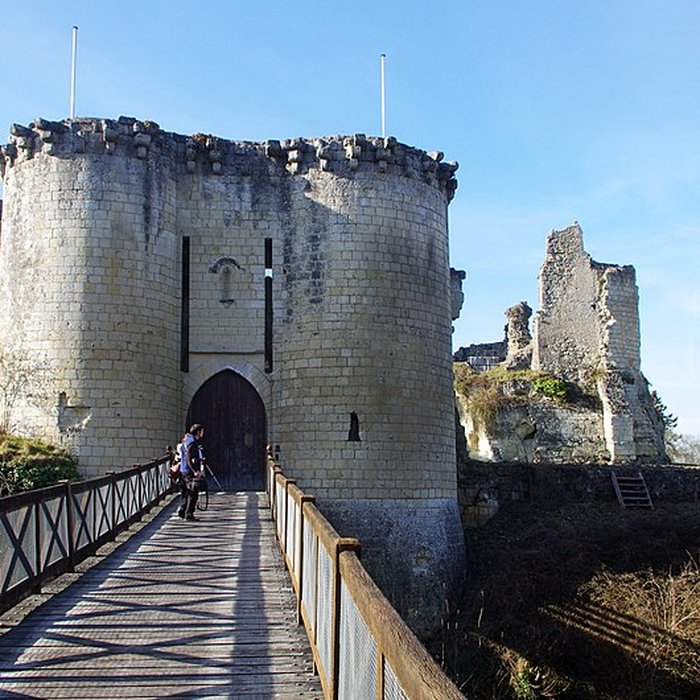
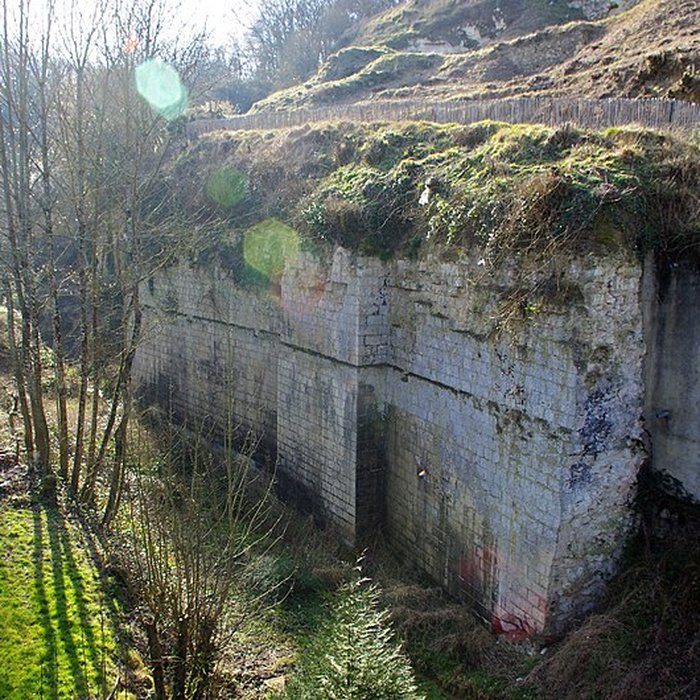
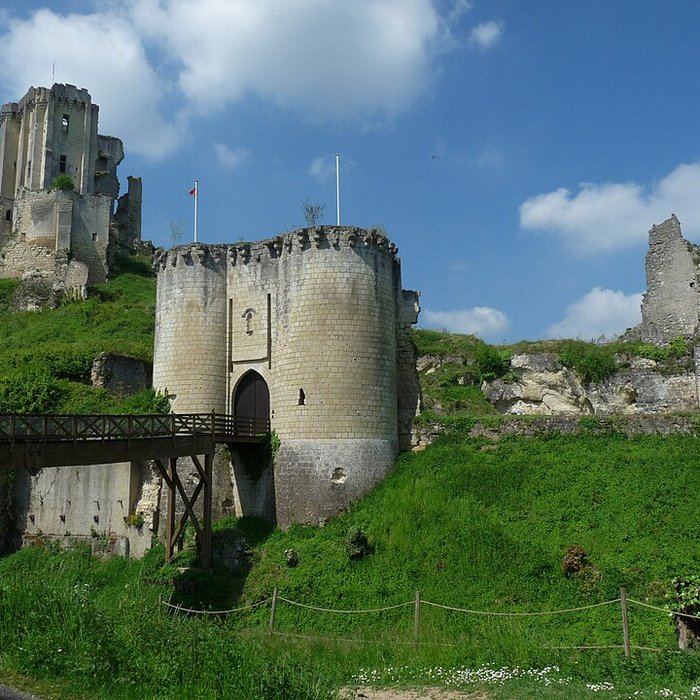
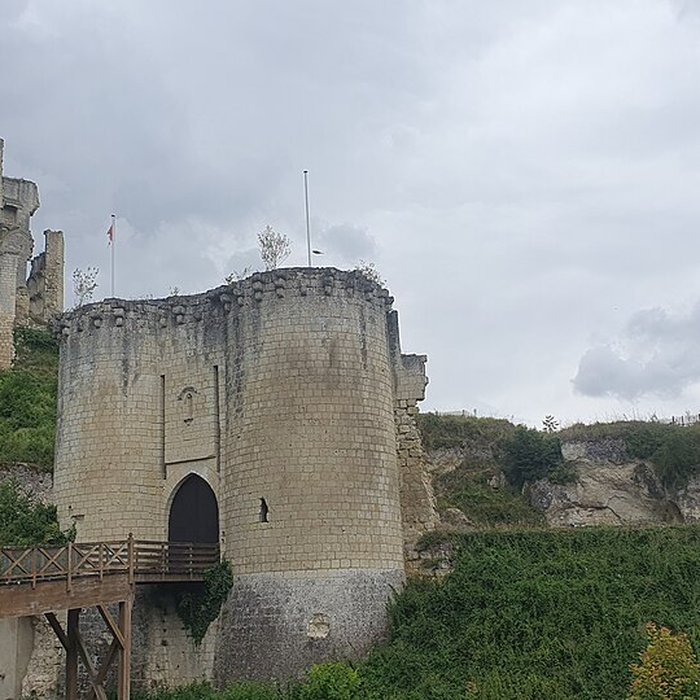
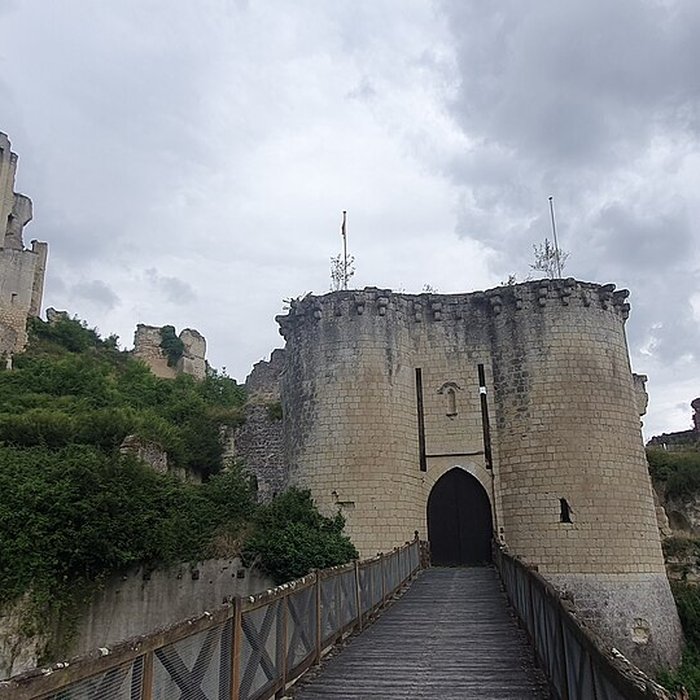
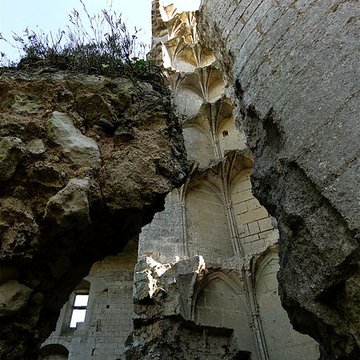
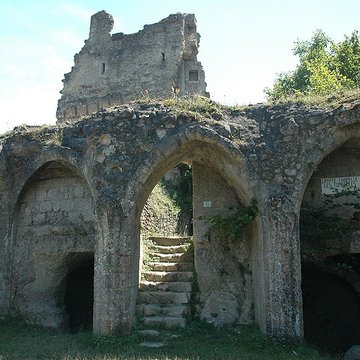
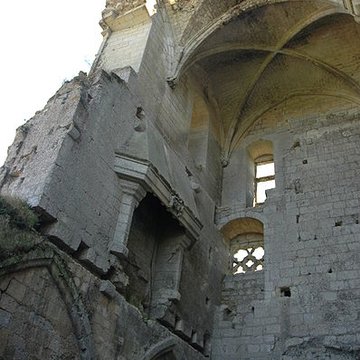
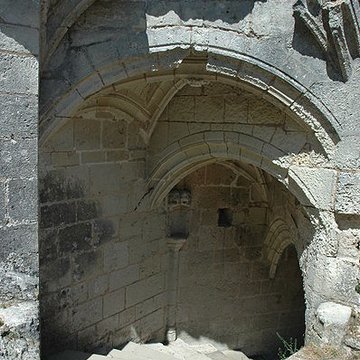
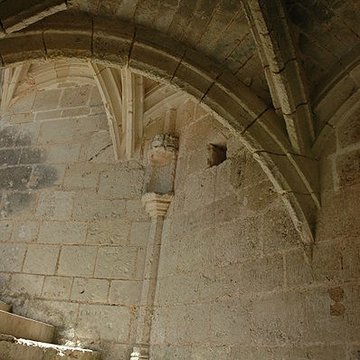
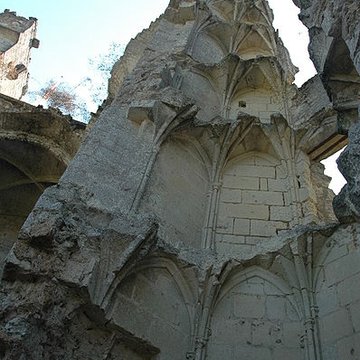
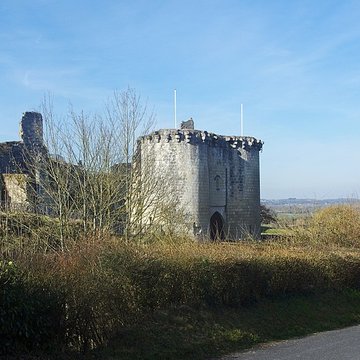
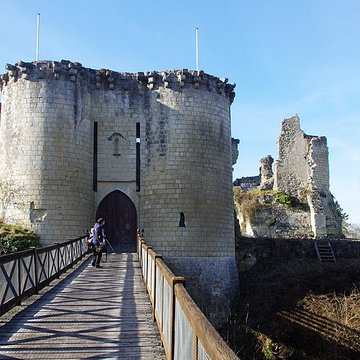
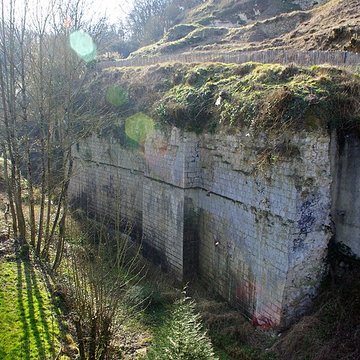
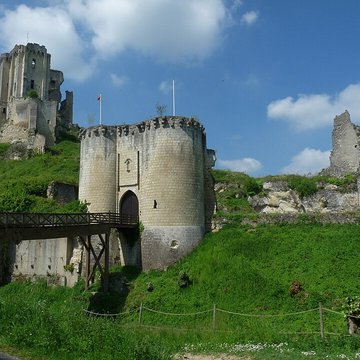
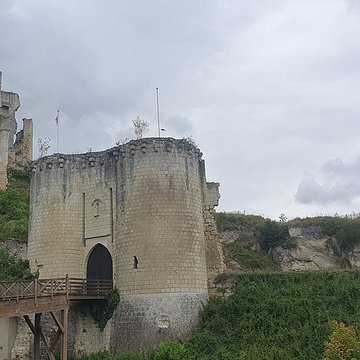
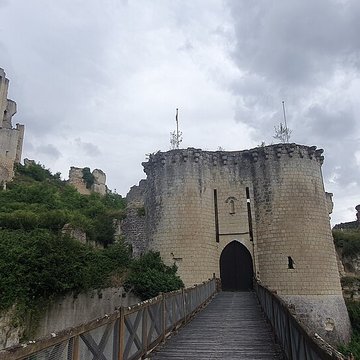
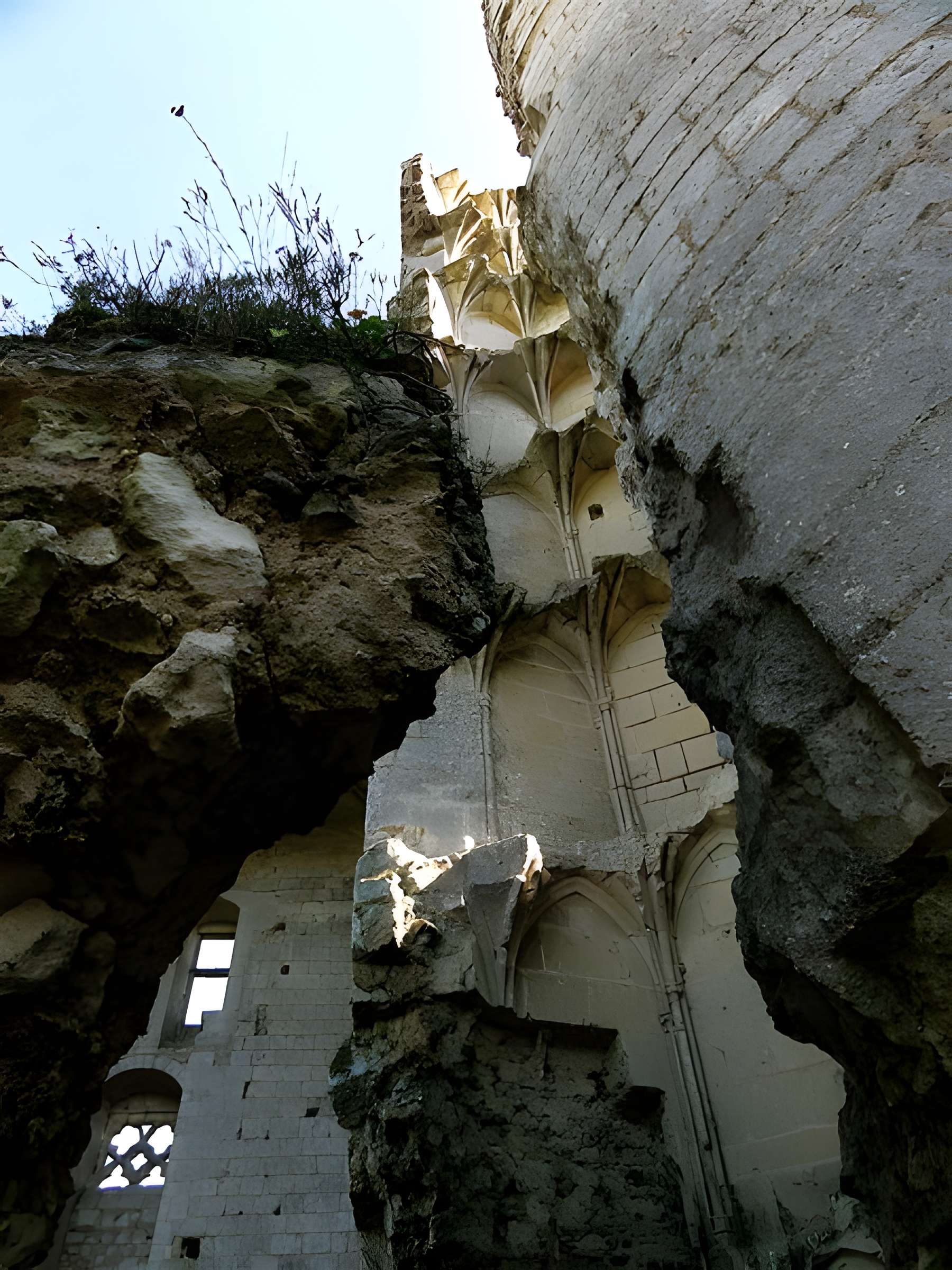
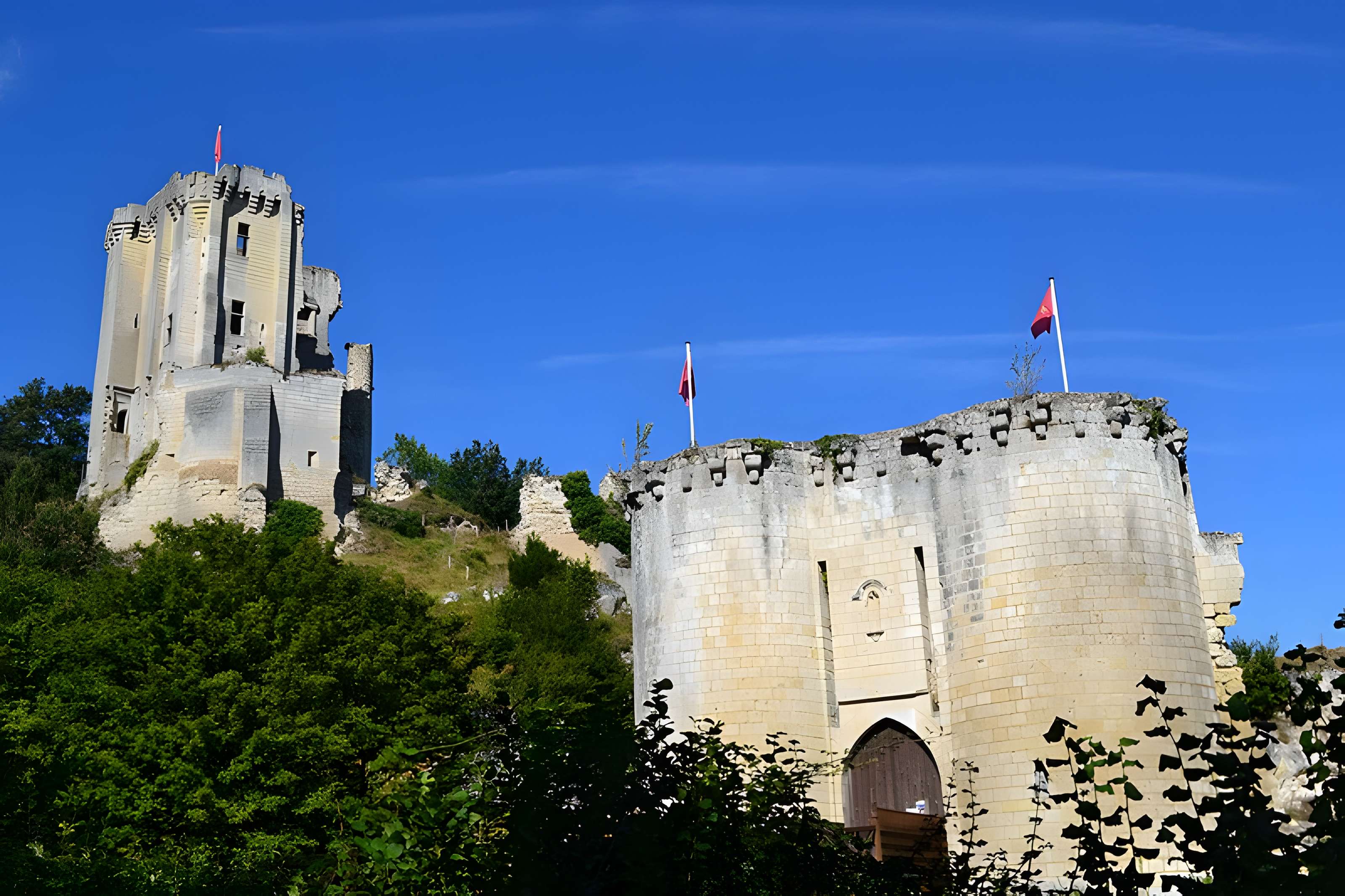
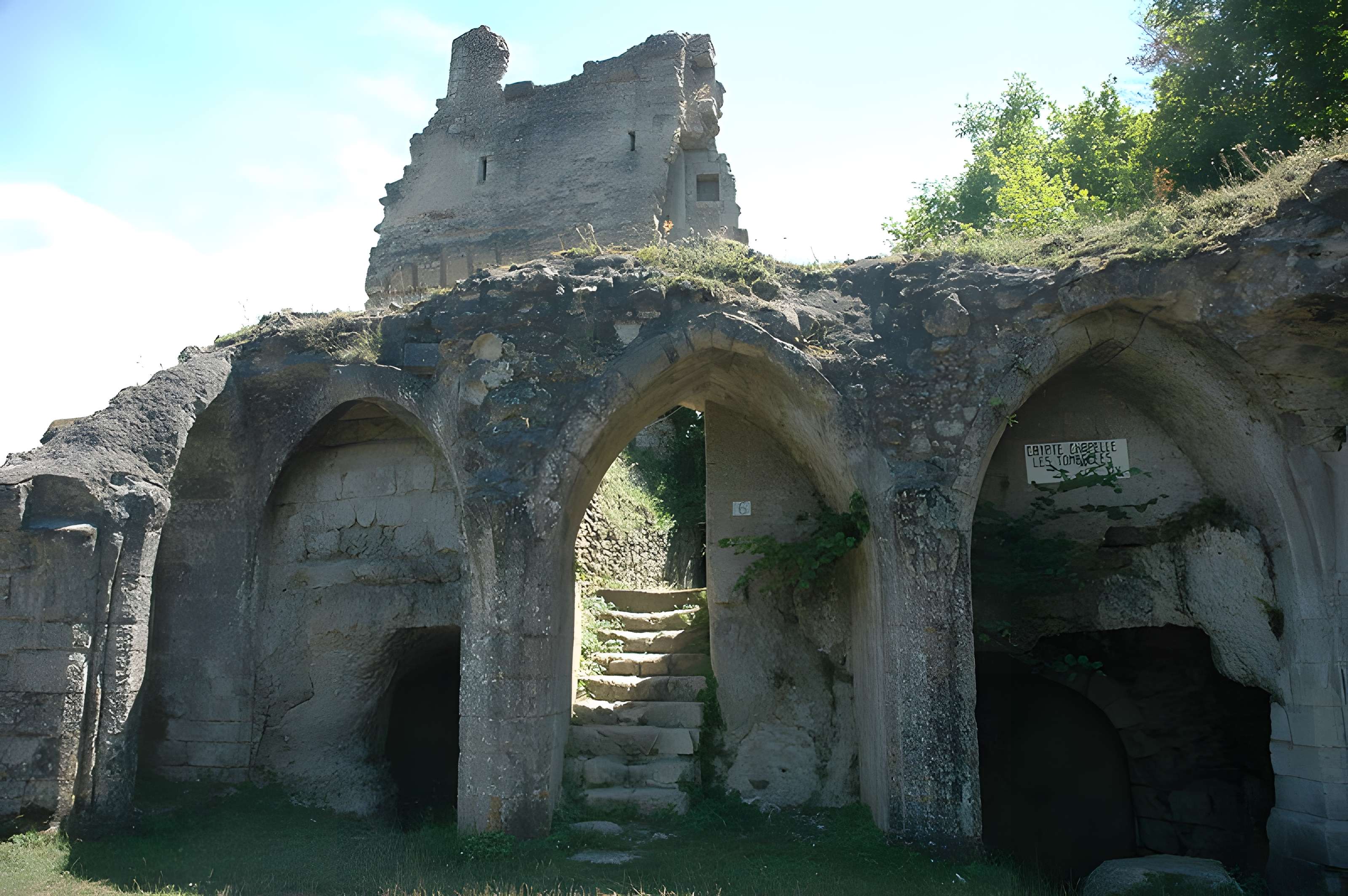
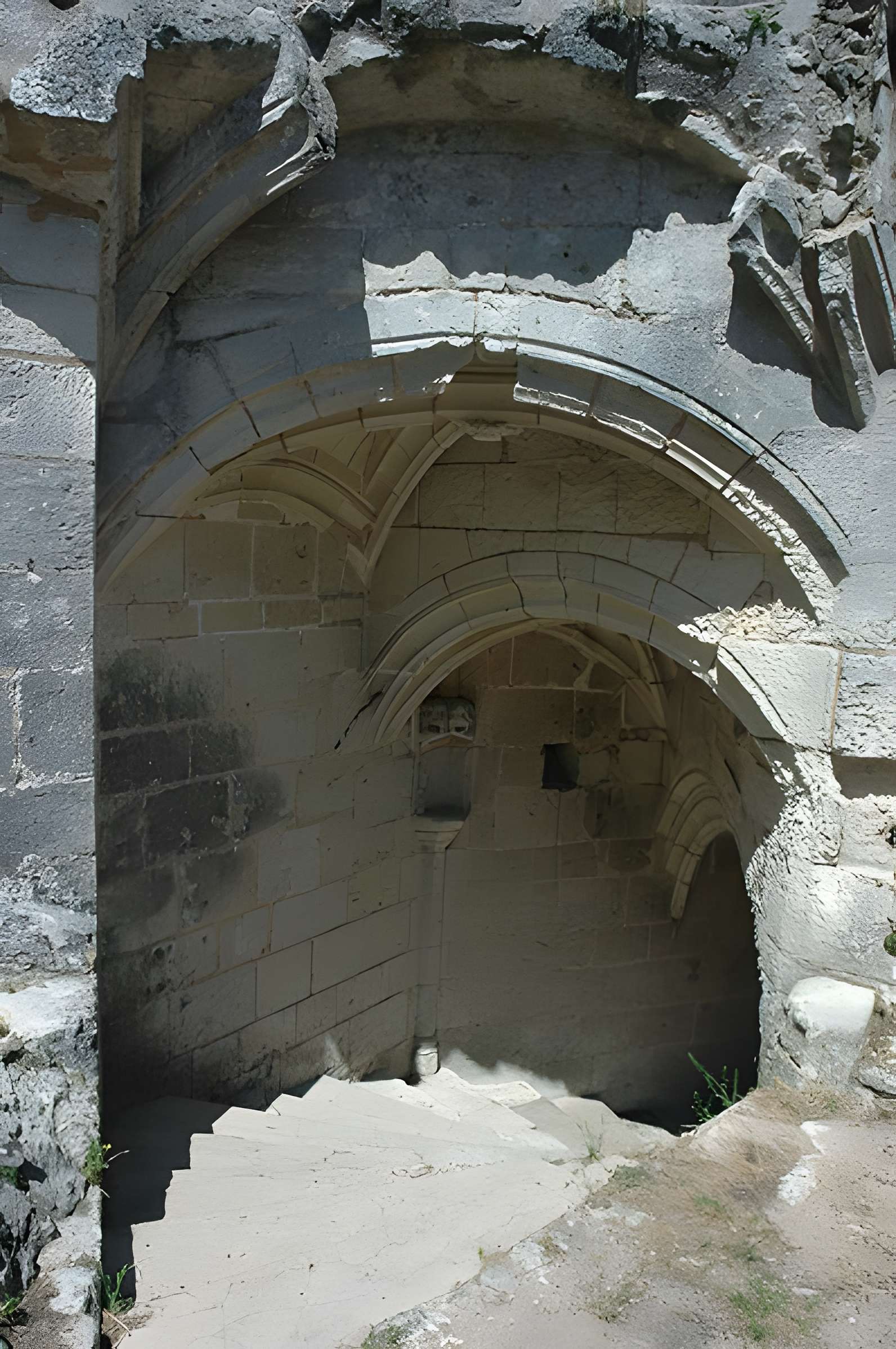
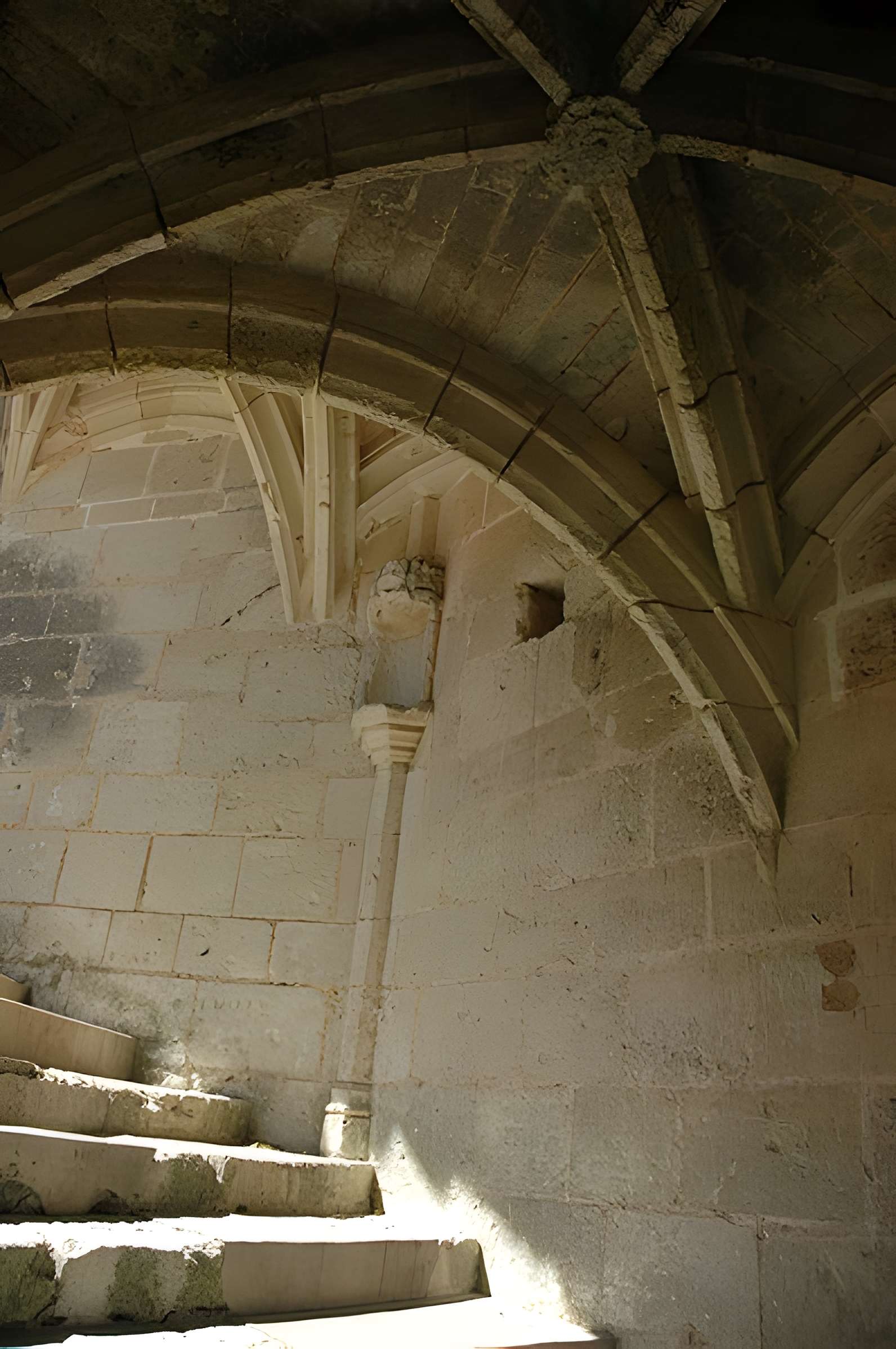
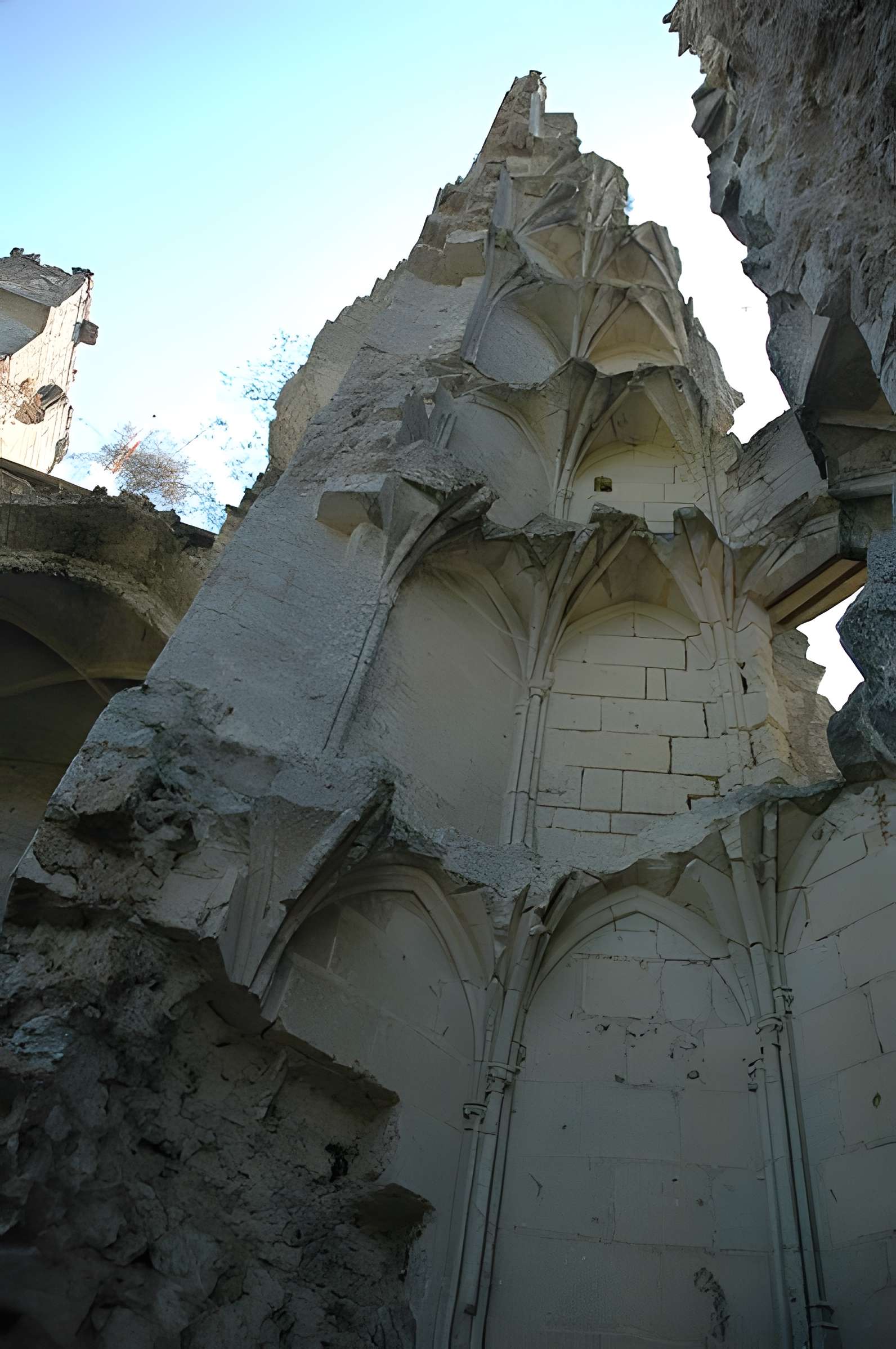
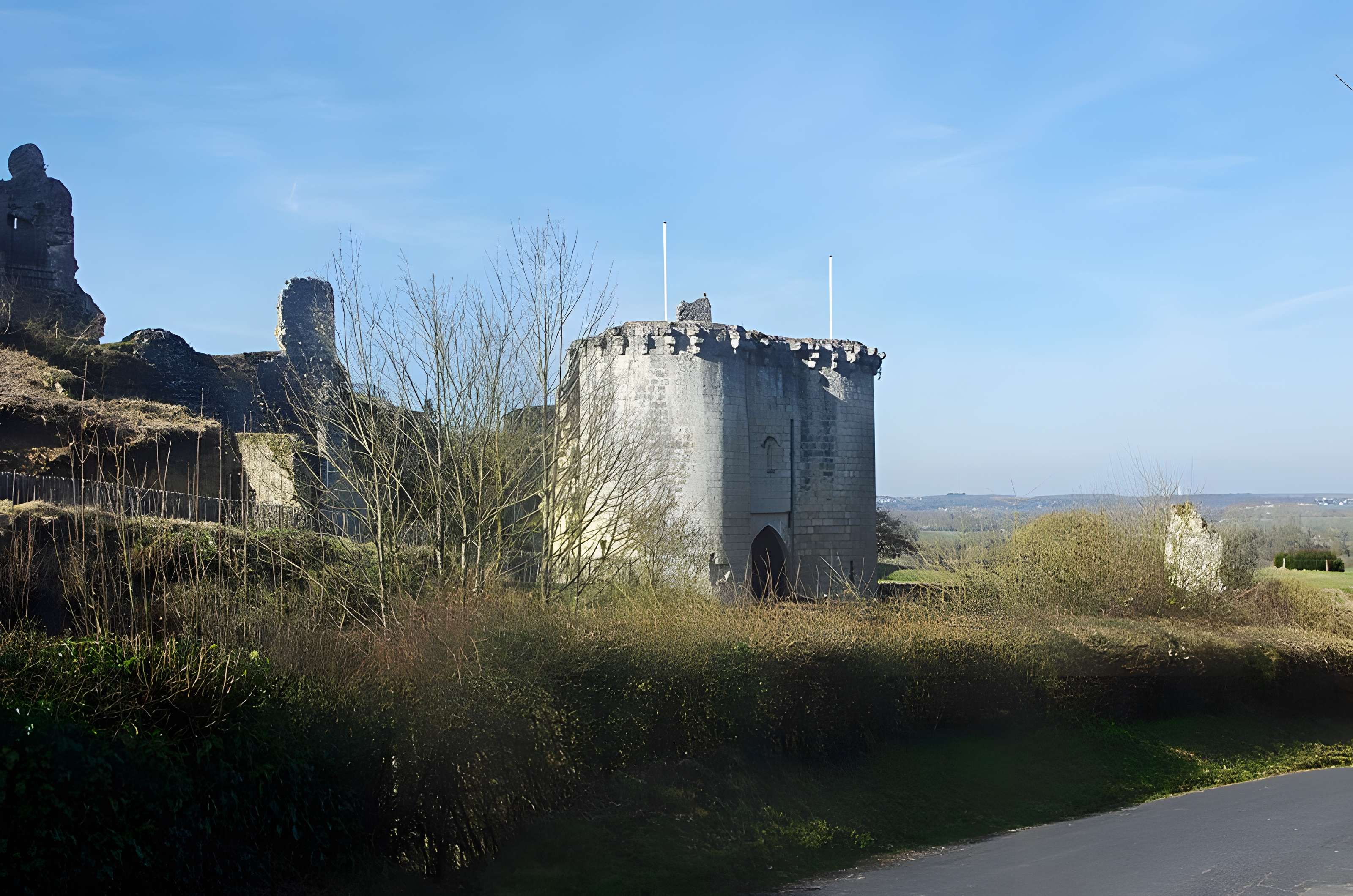
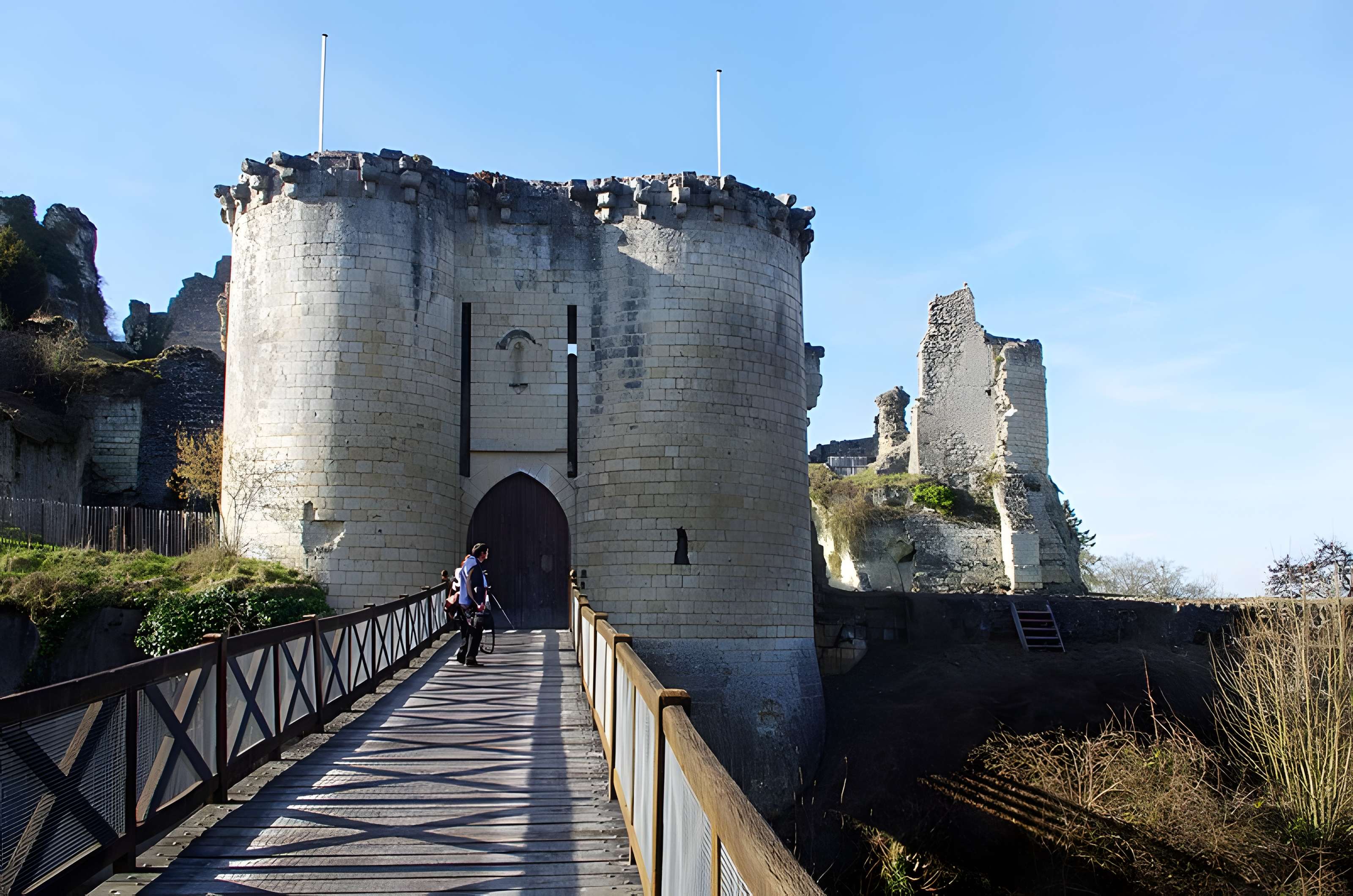
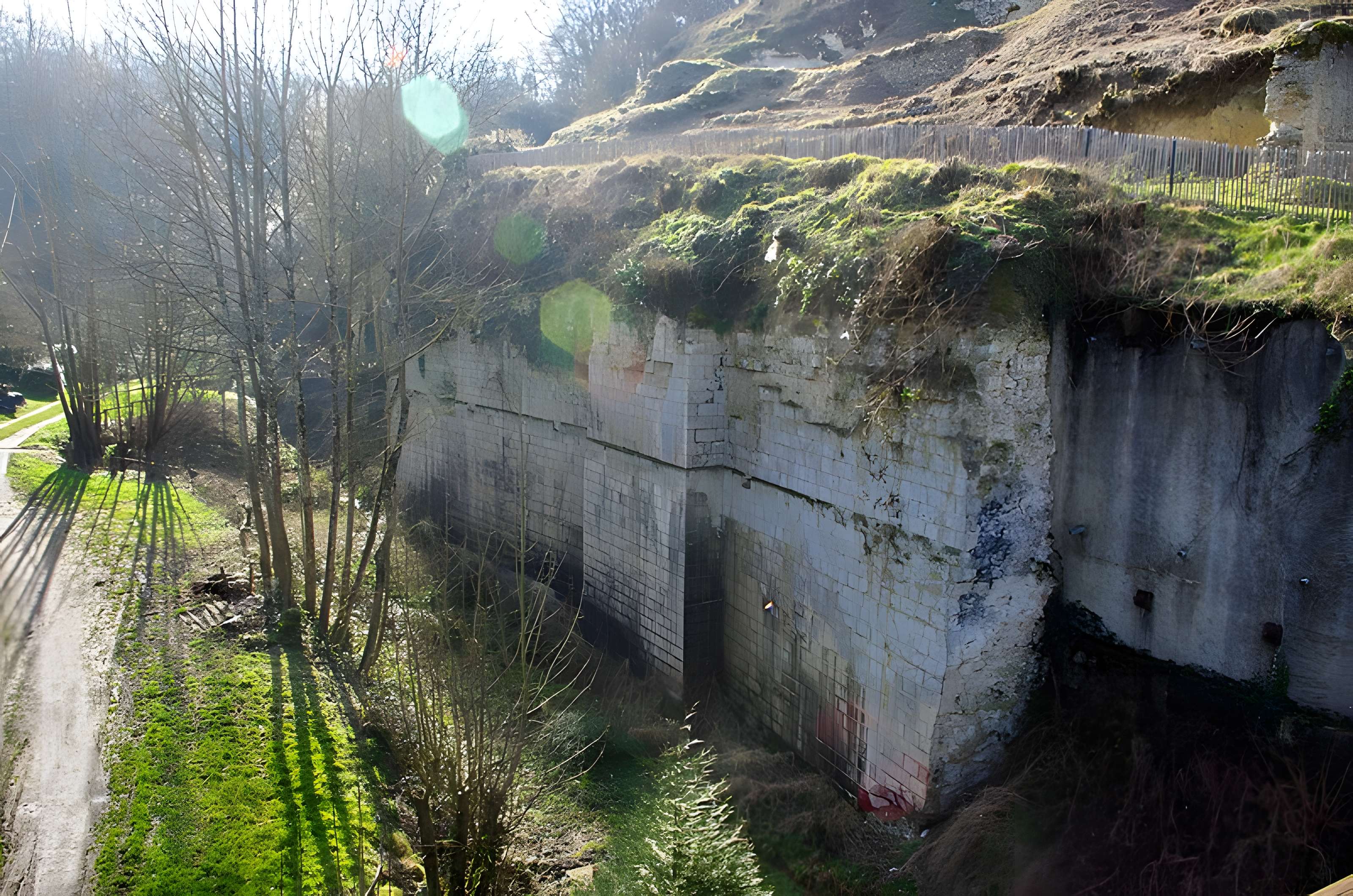
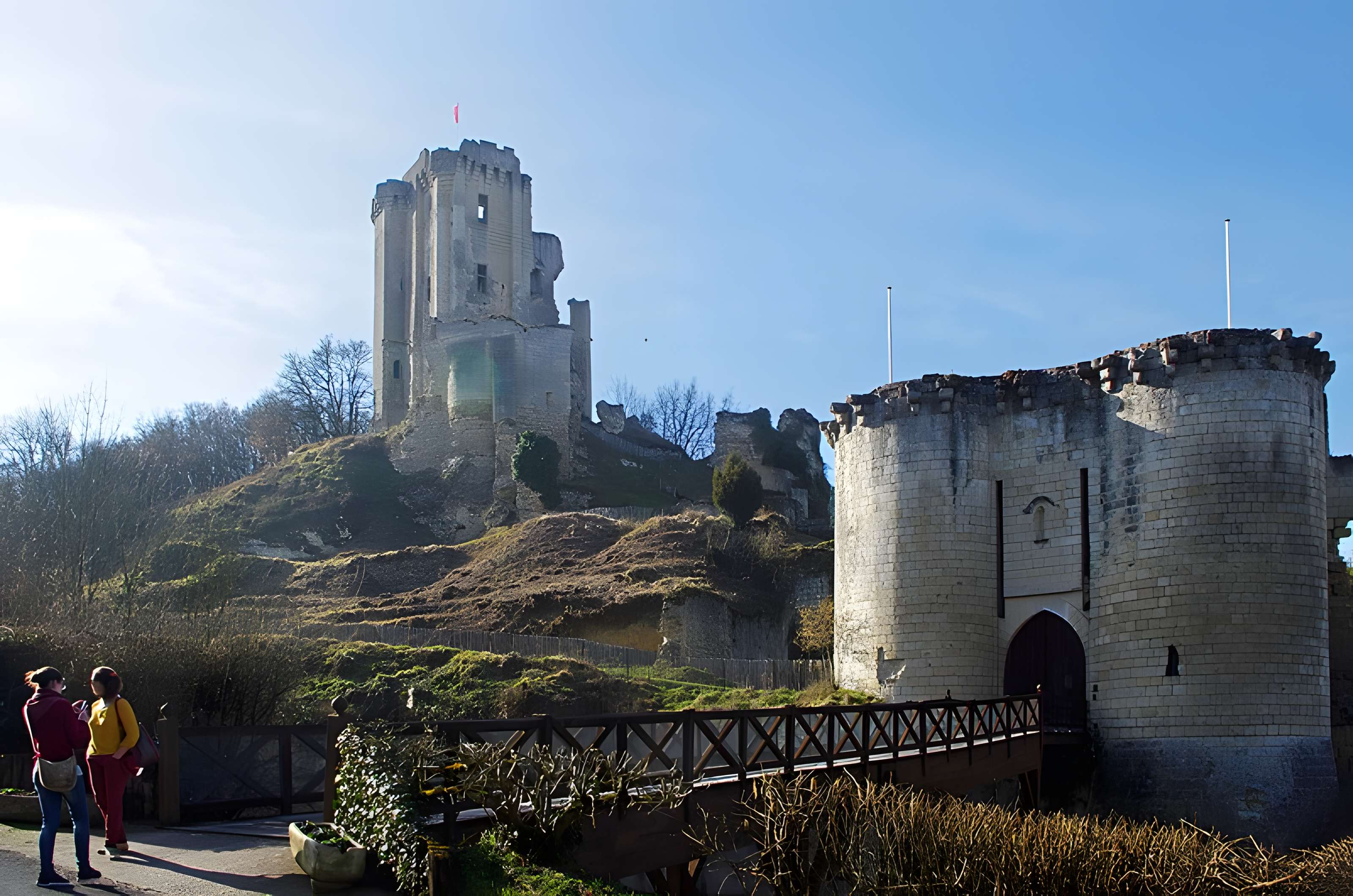
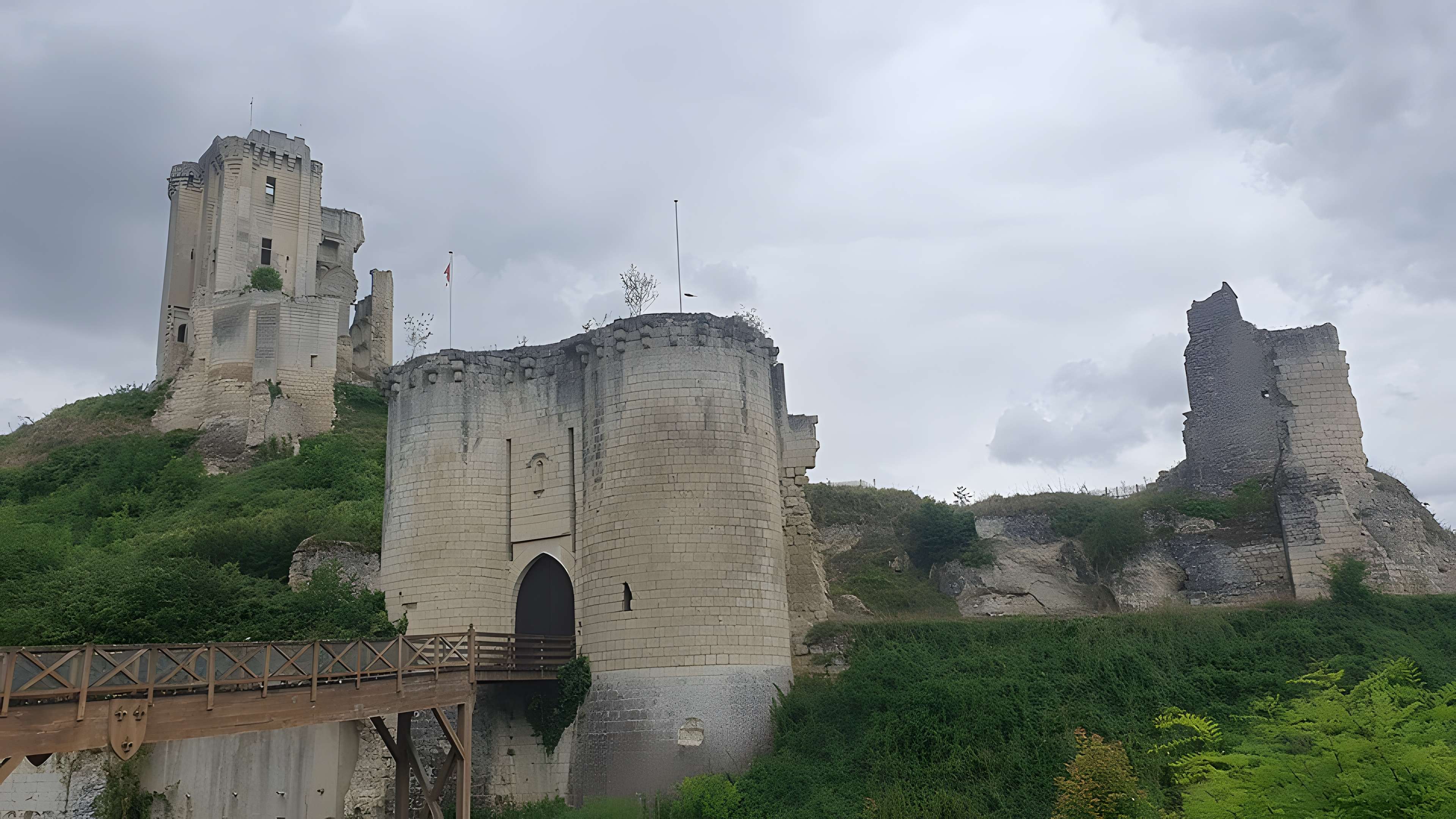
The architecture of the castle, spread over three rocky steps, combines defensive elements (fossed, mâchicoulis, cannon burning) and residential elements (logis d'appartat, chapel castrale, staircase with arms of the Bourbon). The dungeon, rebuilt in the 14th–15th centuries, includes adorned vaults, a chimney with carrying angels (circa 1420), and a dungeon accessible by a well. The remains, including a 14th century entrance gate and underground galleries, illustrate the adaptation of medieval fortresses to military evolutions and princely comfort.

External links