
Logo Musée du Patrimoine

All French heritage classified by regions, departments and cities

Castle of salbart à Échiré dans les Deux-Sèvres

Patrimoine classé
Patrimoine défensif
Demeure seigneuriale
Château fort

Castle of salbart

    1506 Chemin du Château Salbart
    79410 Echiré
Property of the agglomeration community
Château de salbart
Château de salbart
Château de salbart
Château de salbart
Château de salbart
Château de salbart
Château de salbart
Château de salbart
Château de salbart
Château de salbart
Château de salbart
Château de salbart
Château de salbart
Château de salbart
Château de salbart
Château de salbart
Château de salbart
Château de salbart
Château de salbart
Château de salbart
Château de salbart
Château de salbart
Château de salbart
Château de salbart
Château de salbart
Château de salbart
Château de salbart
Château de salbart
Château de salbart
Château de salbart
Château de salbart
Château de salbart
Château de salbart
Château de salbart
Château de salbart
Château de salbart
Château de salbart
Château de salbart
Château de salbart
Château de salbart
Château de salbart
Château de salbart
Château de salbart
Château de salbart
Château de salbart
Château de salbart
Château de salbart
Château de salbart
Château de salbart
Château de salbart
Crédit photo : Apotheme - Sous licence Creative Commons

Timeline

Moyen Âge central
Bas Moyen Âge
Renaissance
Temps modernes
Révolution/Empire
XIXe siècle
Époque contemporaine
1200
1300
1400
1500
1900
2000
1228
Annexation of the Poitou
XIIIe siècle
Initial construction
1460
Administrative imprisonment
1952-1954
Historical monument classification
1978-2002
Voluntary catering
2000
Change of ownership
Aujourd'hui
Aujourd'hui

Heritage classified

Ruins of the castle and the land they occupy: classification by decree of 24 November 1952; Ground on which the ruins rise (Box B 25-29): classification by decree of 31 May 1954

Key figures

Jean sans Terre - King of England Ally of the lords of Parthenay, builders of the castle.
Artus Brécart - Ecuyer and master Captain of the Coudray-Salbart in the 15th century.
Arthur III de Bretagne - Duke of Brittany Father of Jacquette, wife of Artus Brevier.

Origin and history

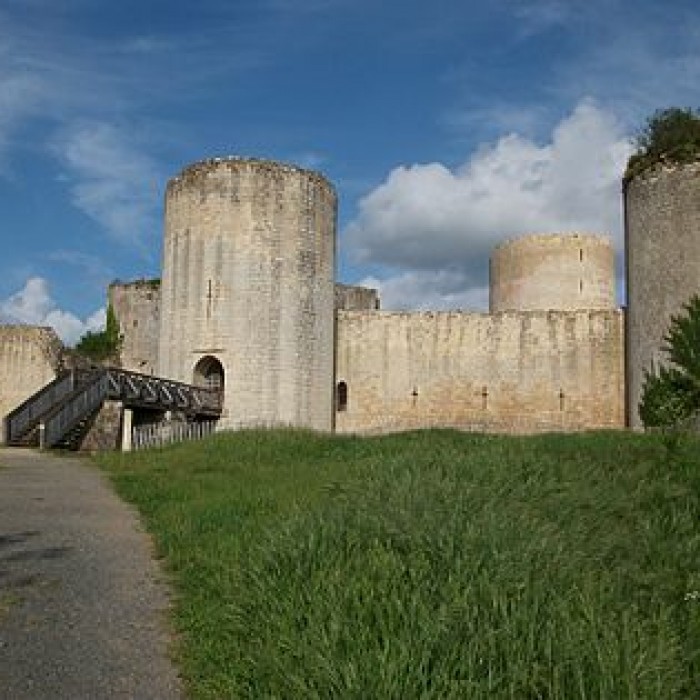
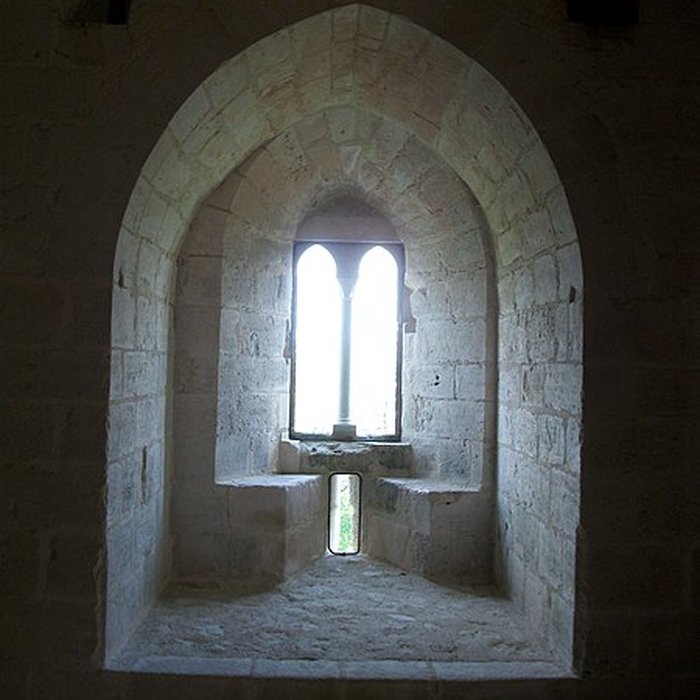
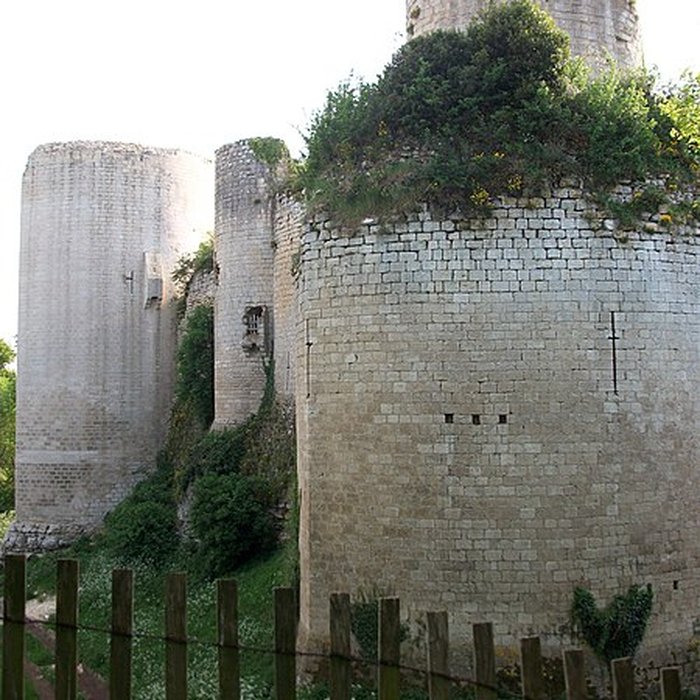
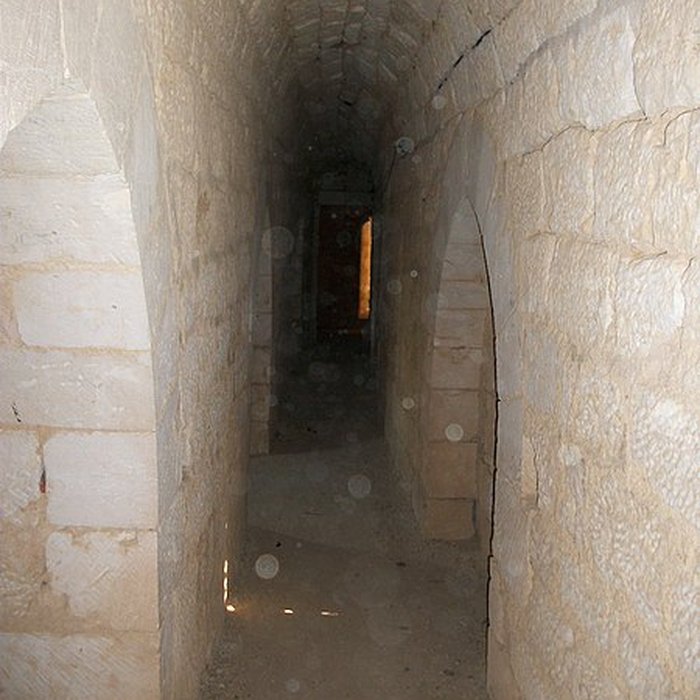
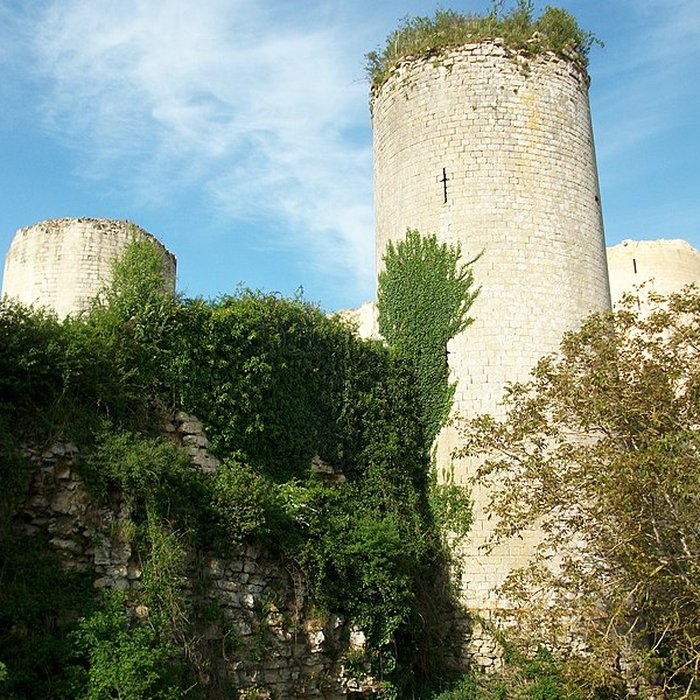
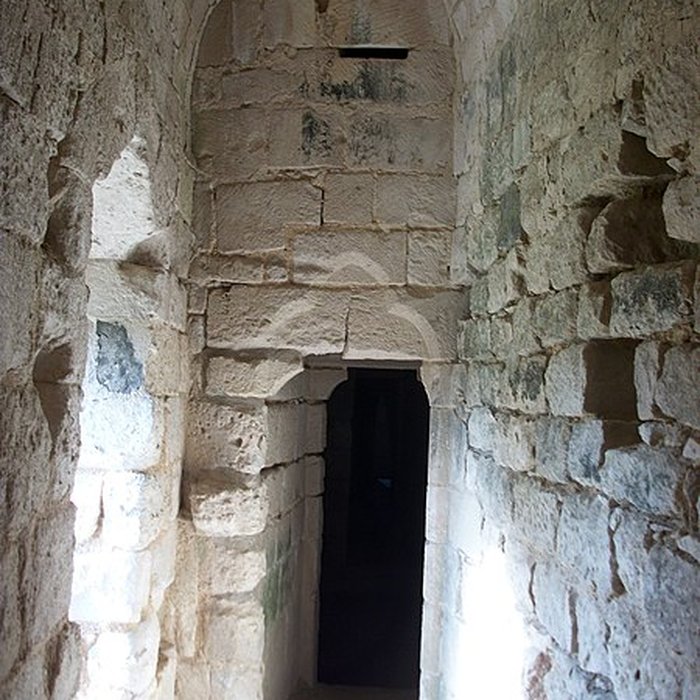
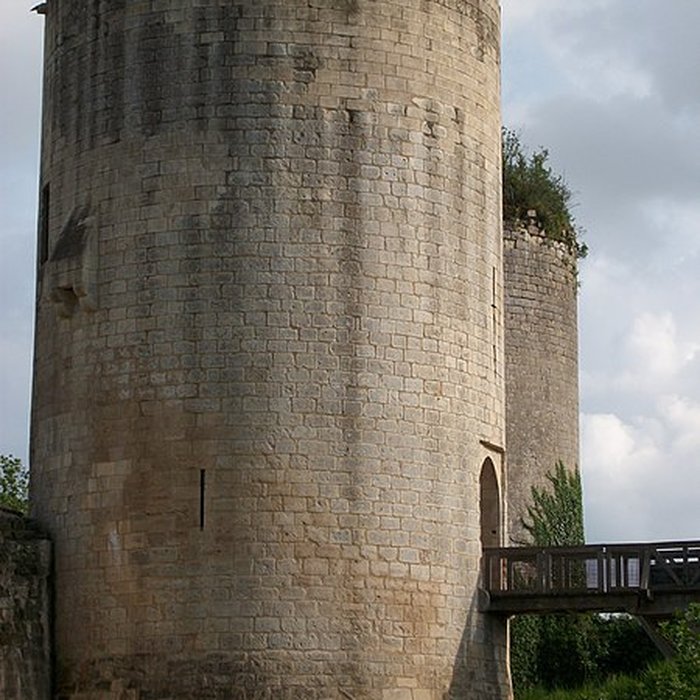
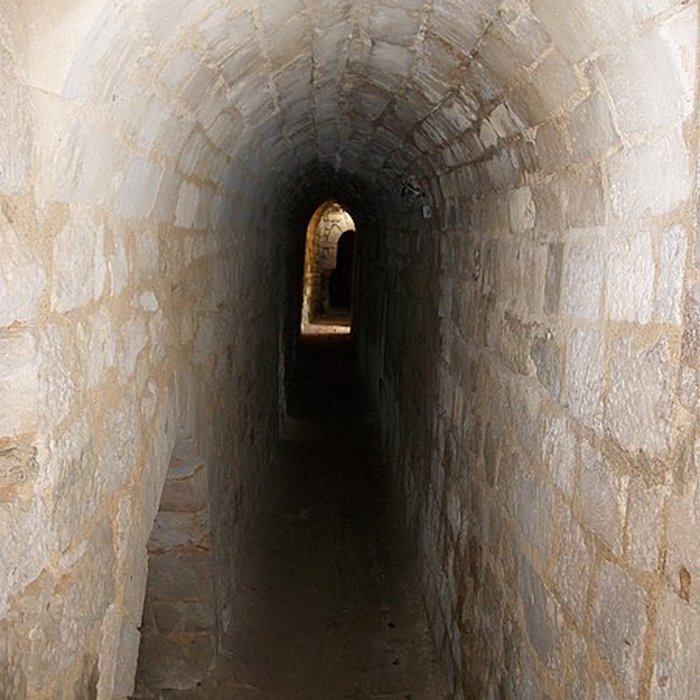
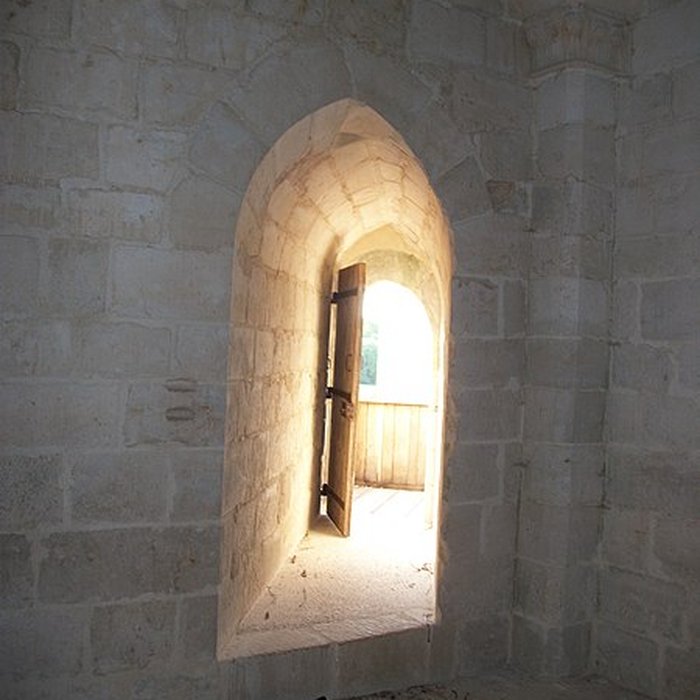
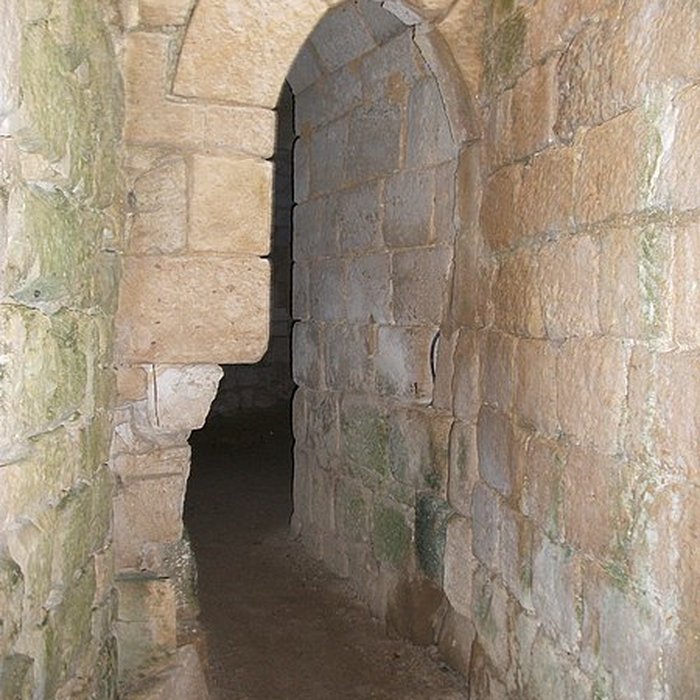
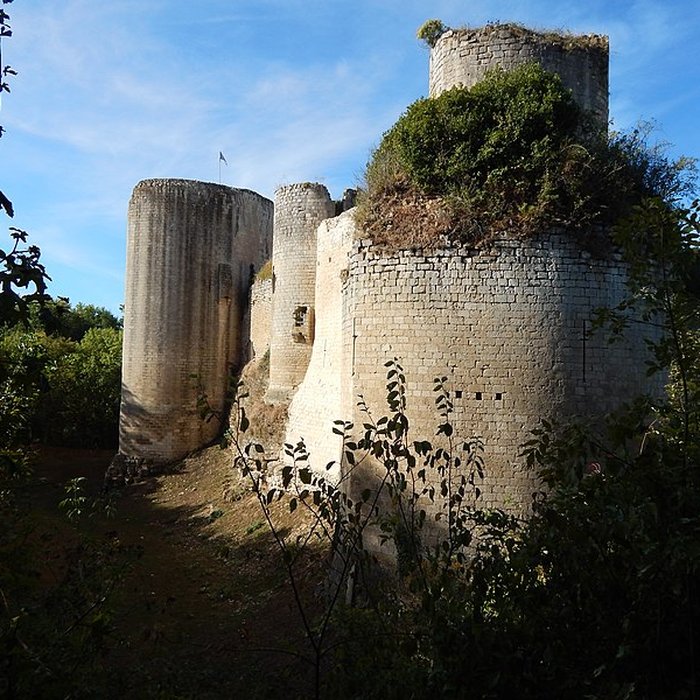
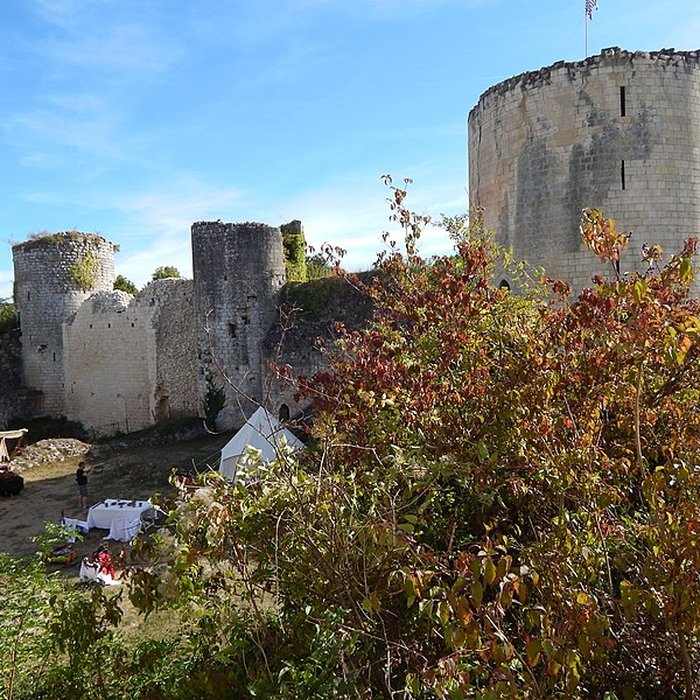
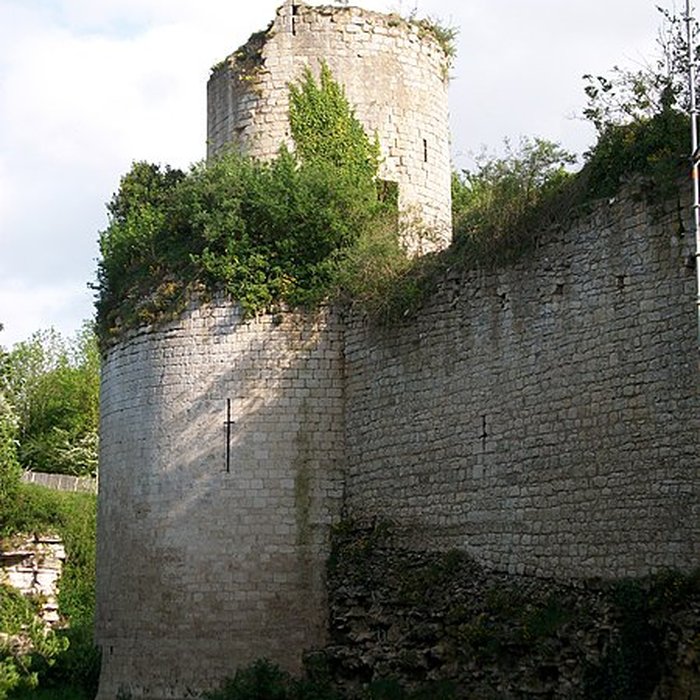
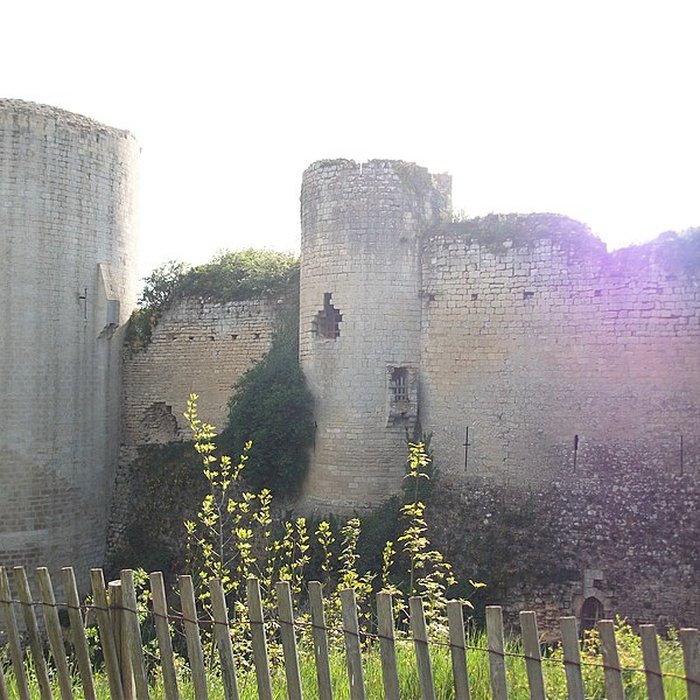
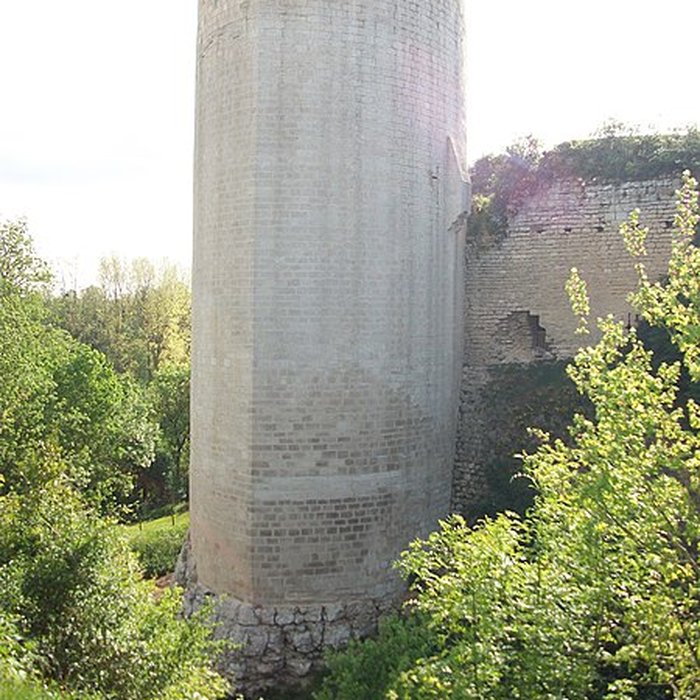
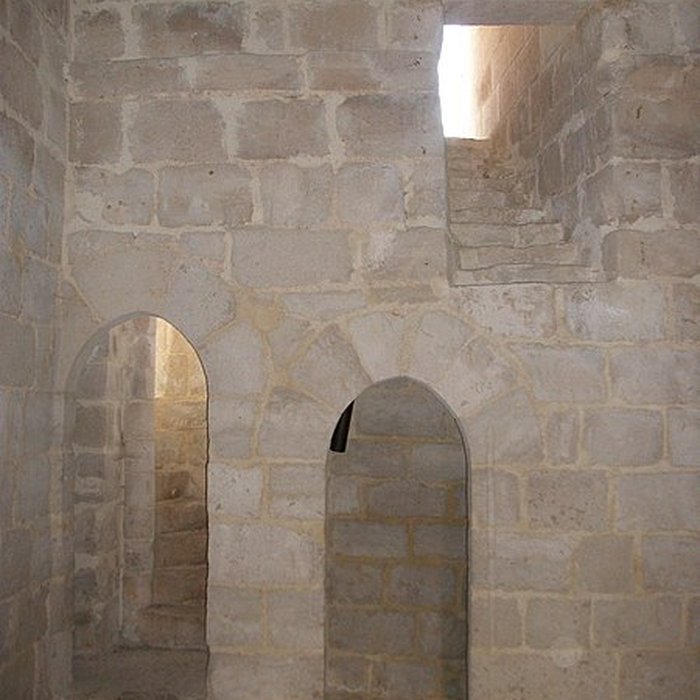
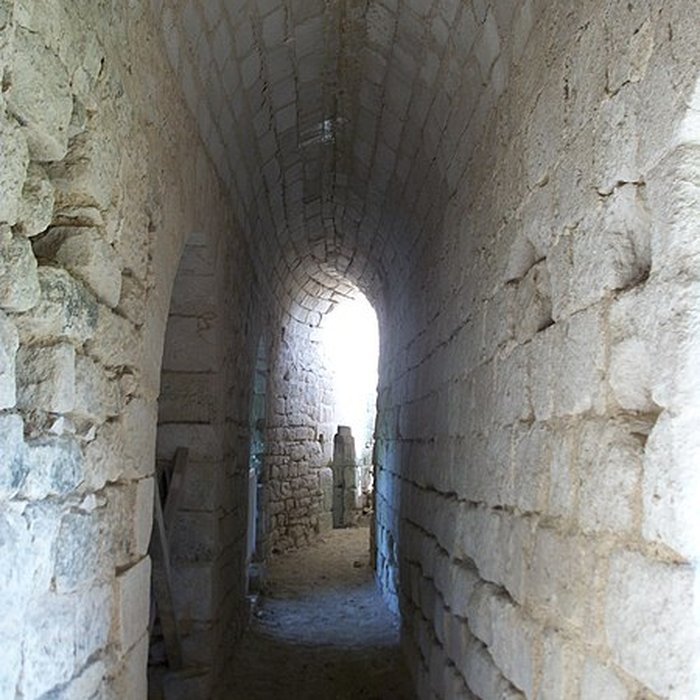
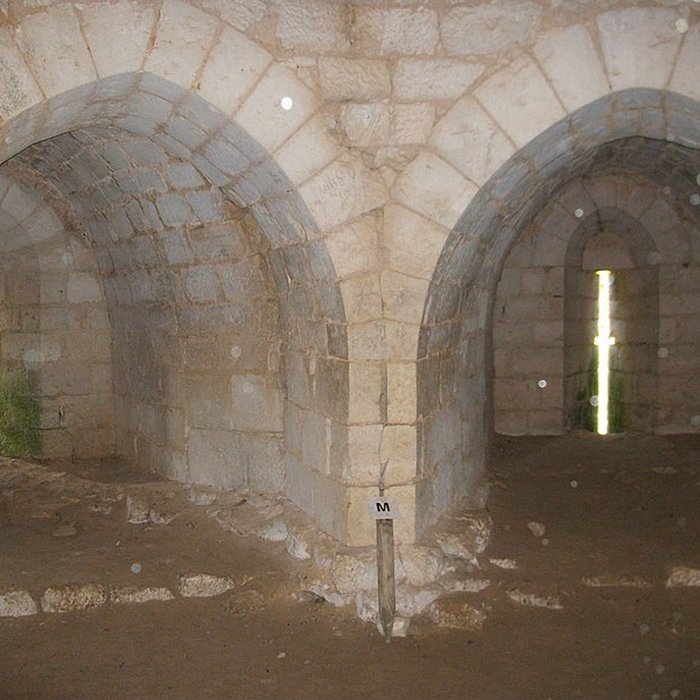
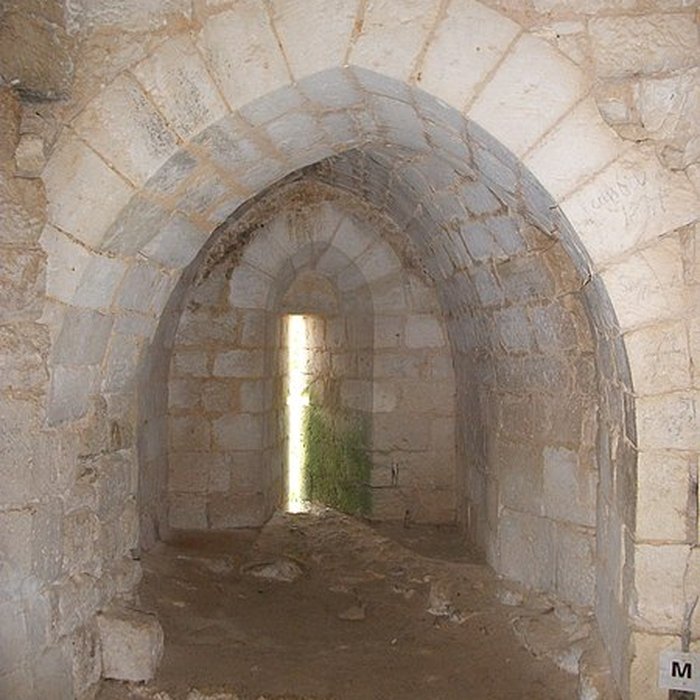
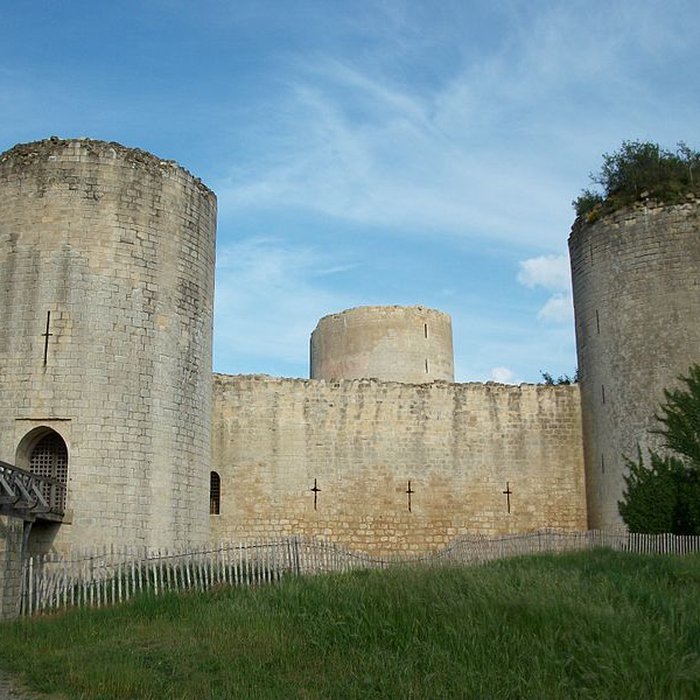
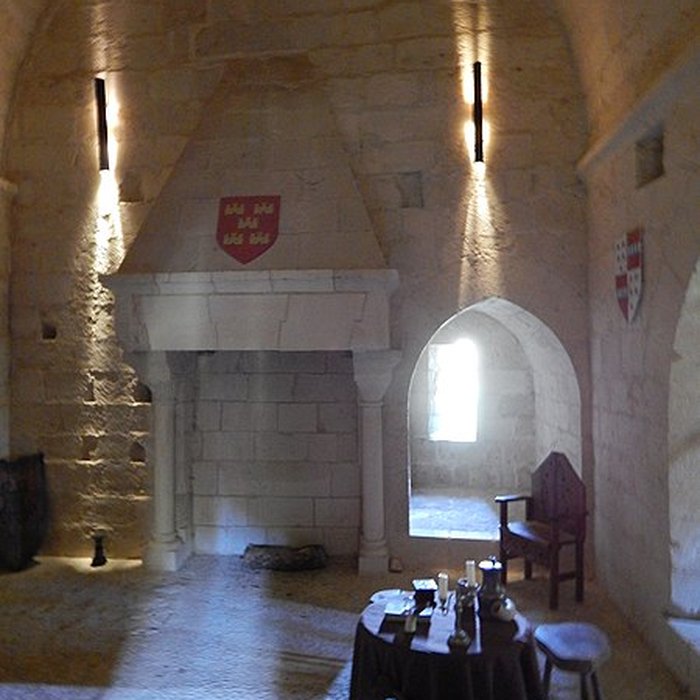
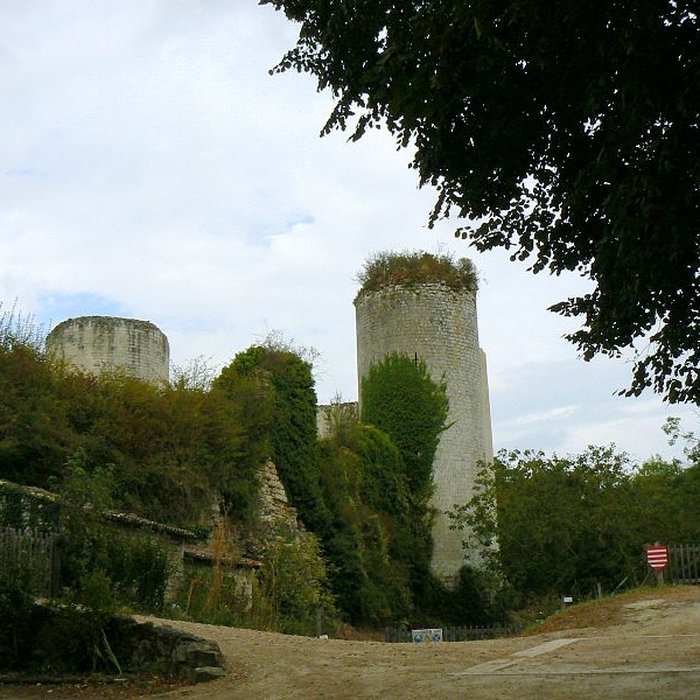
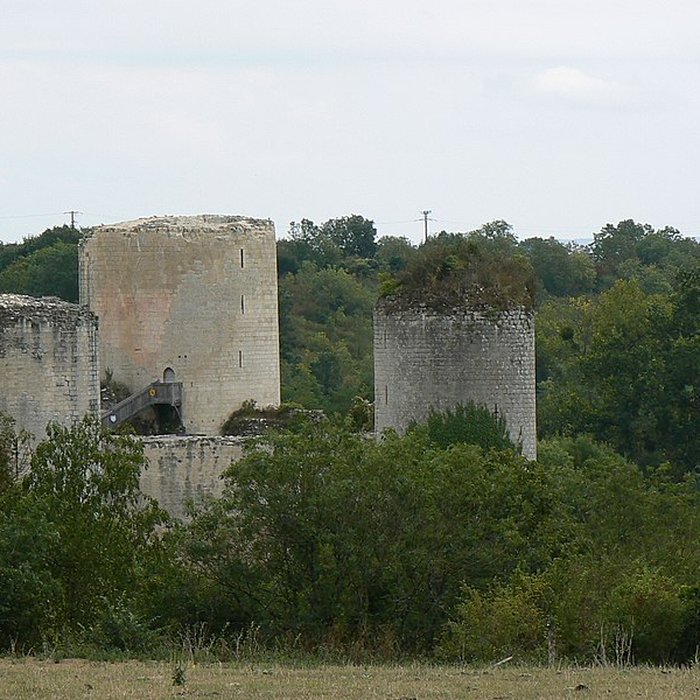
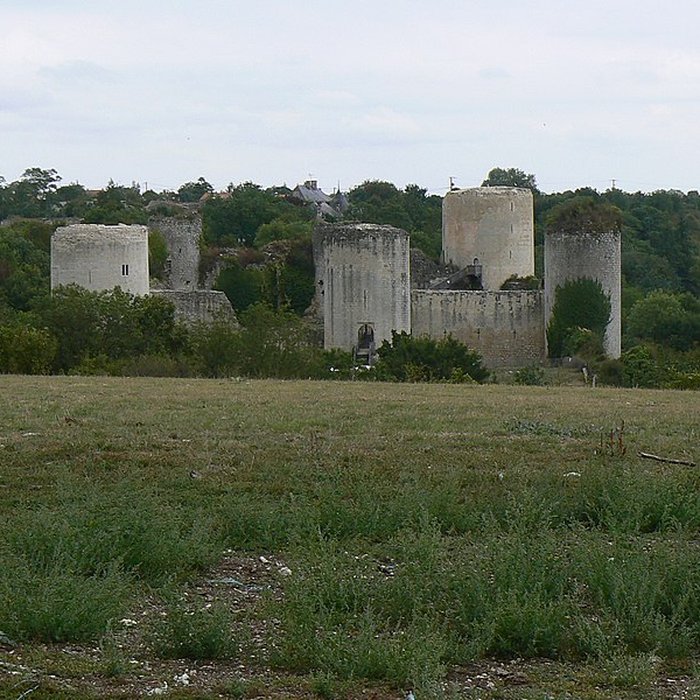
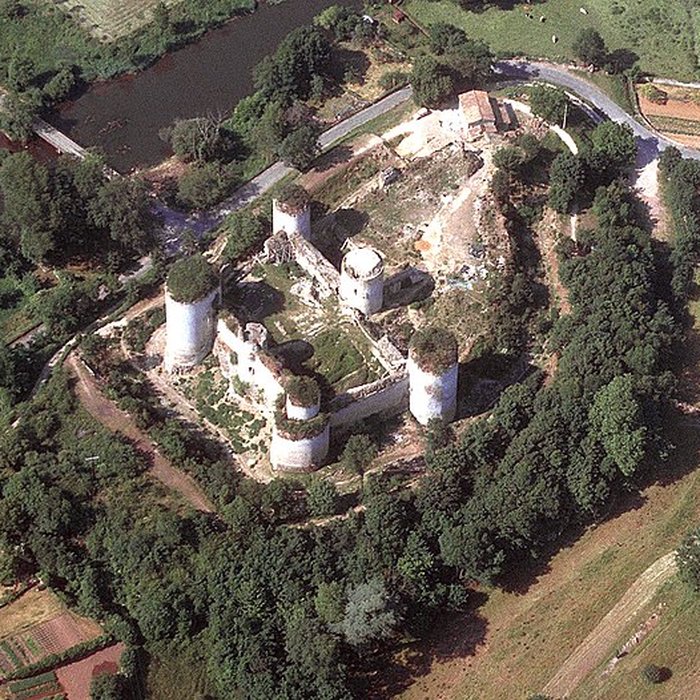
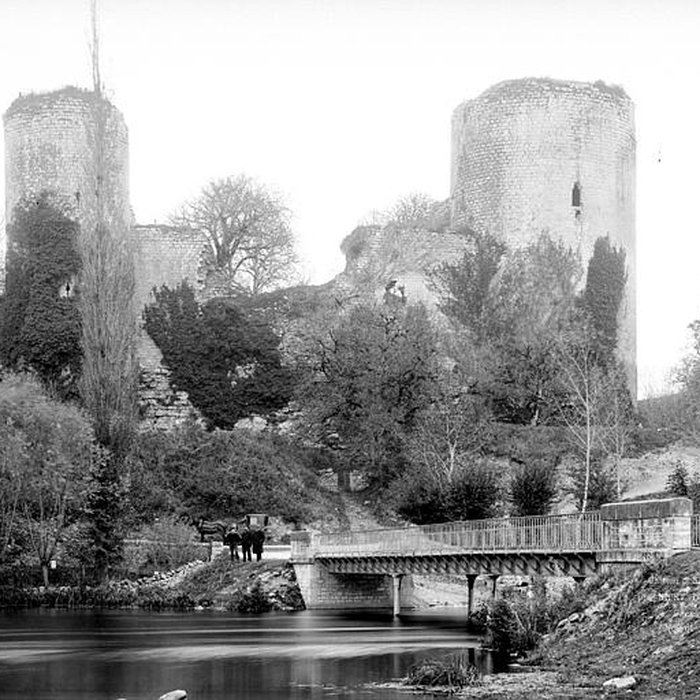
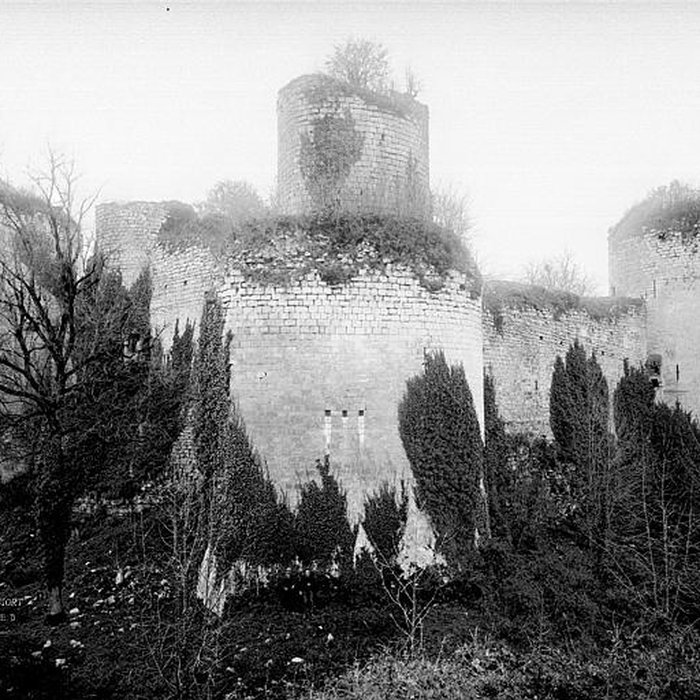
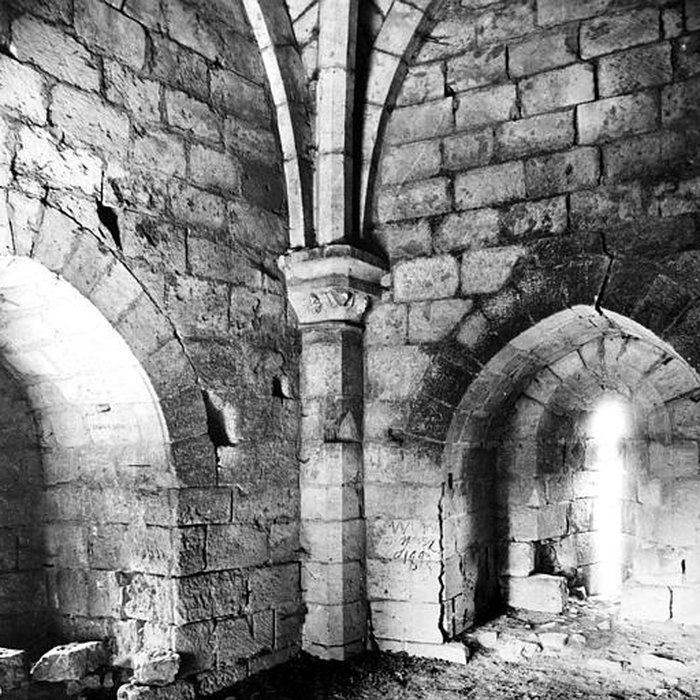
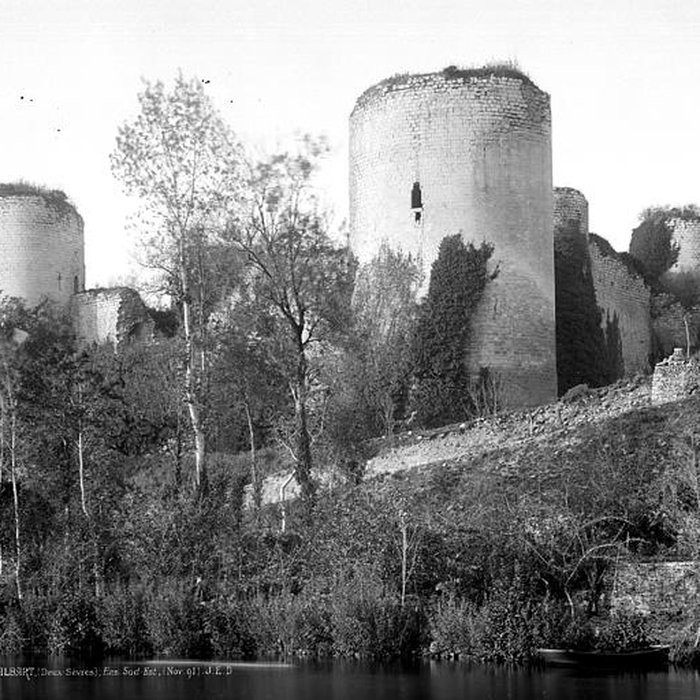
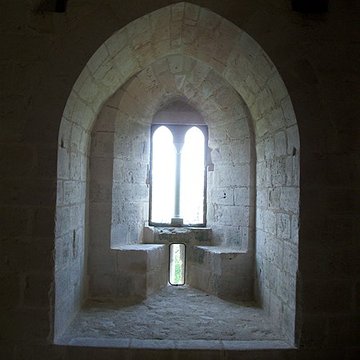
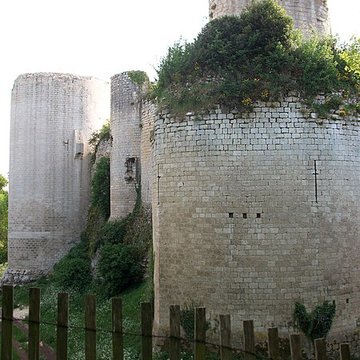
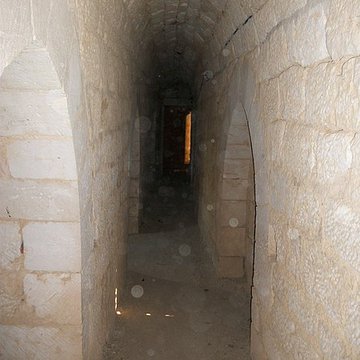
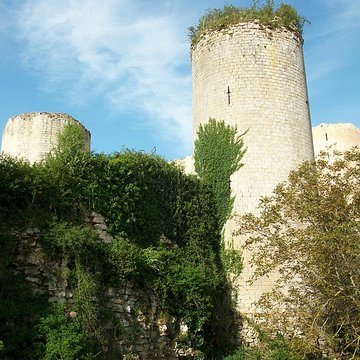
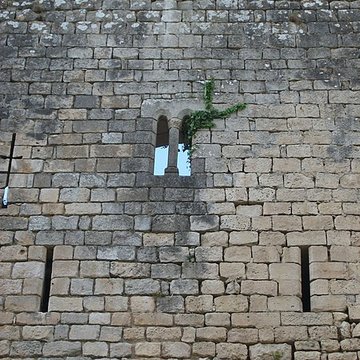
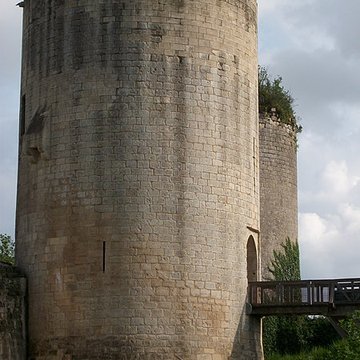
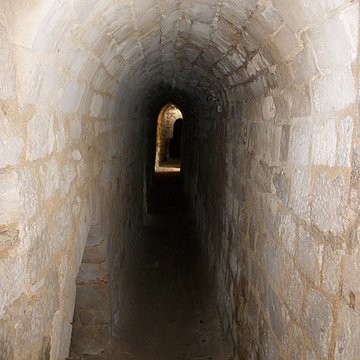
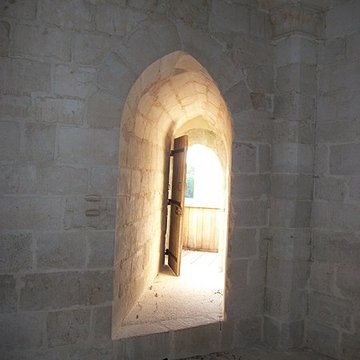
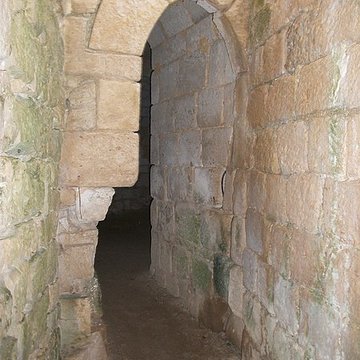
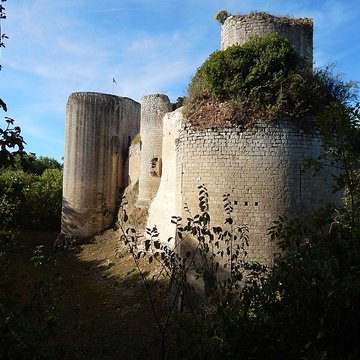
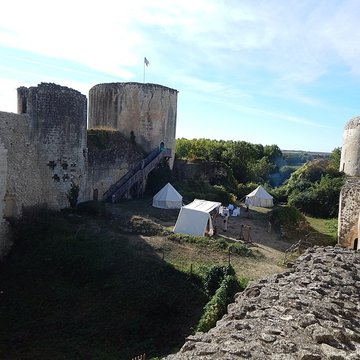
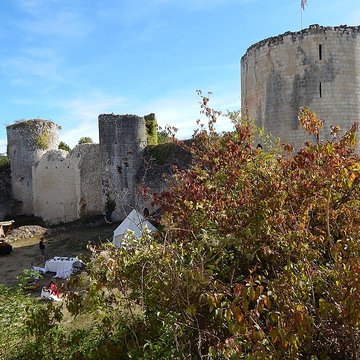
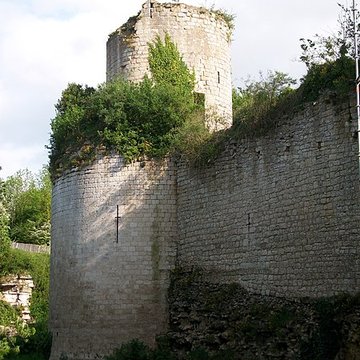
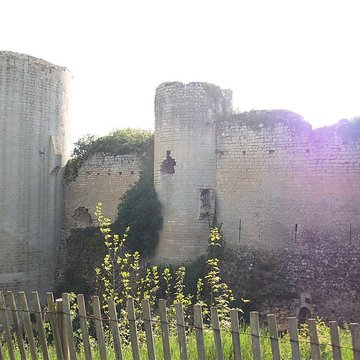
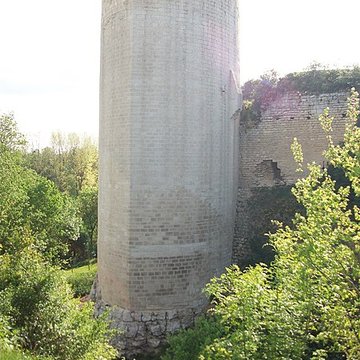
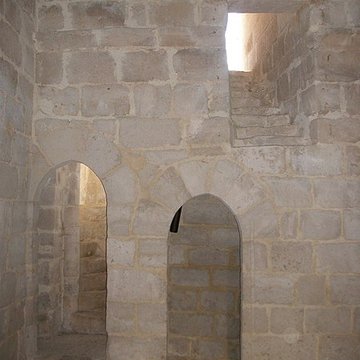
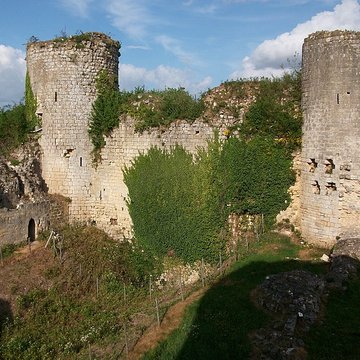
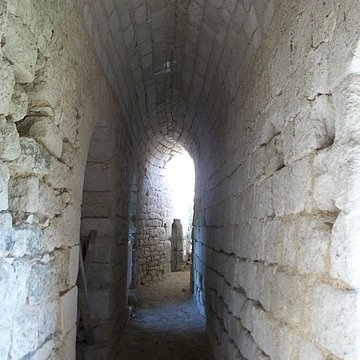
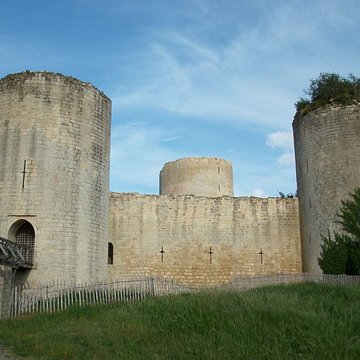
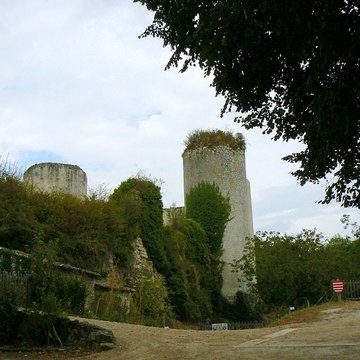
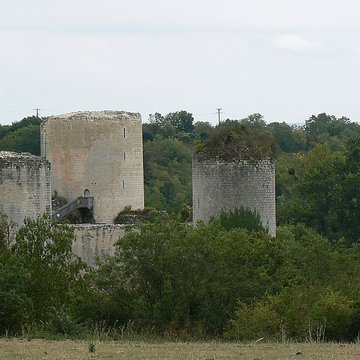
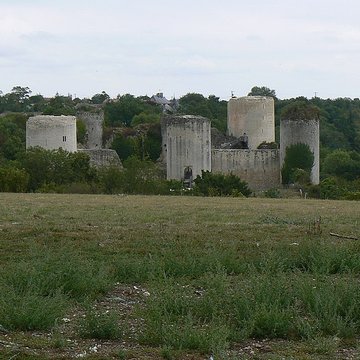
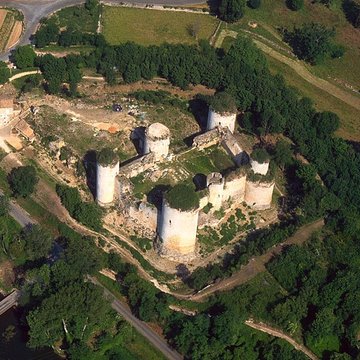
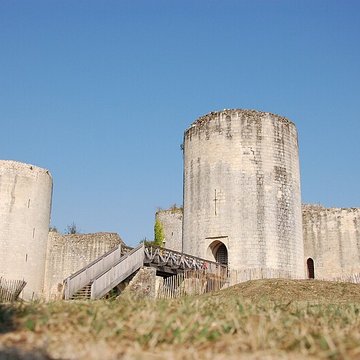
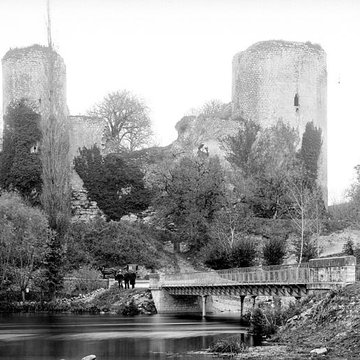
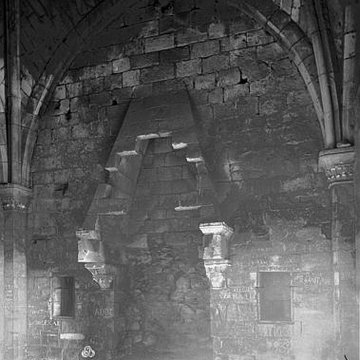
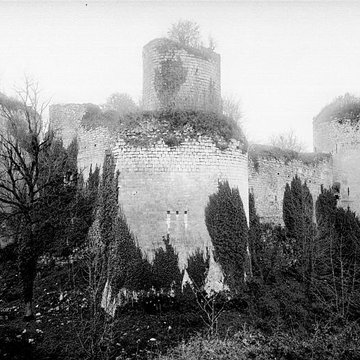
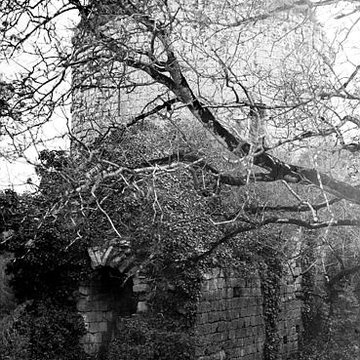
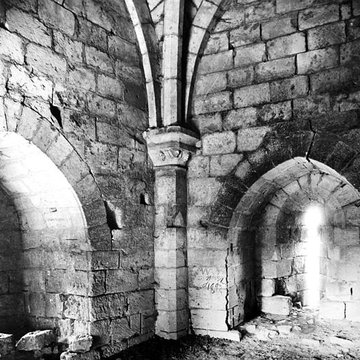
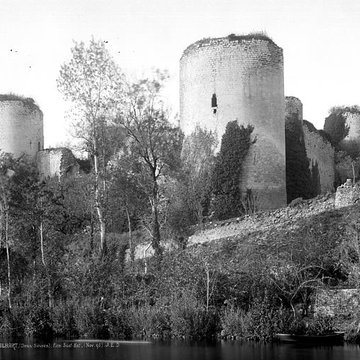
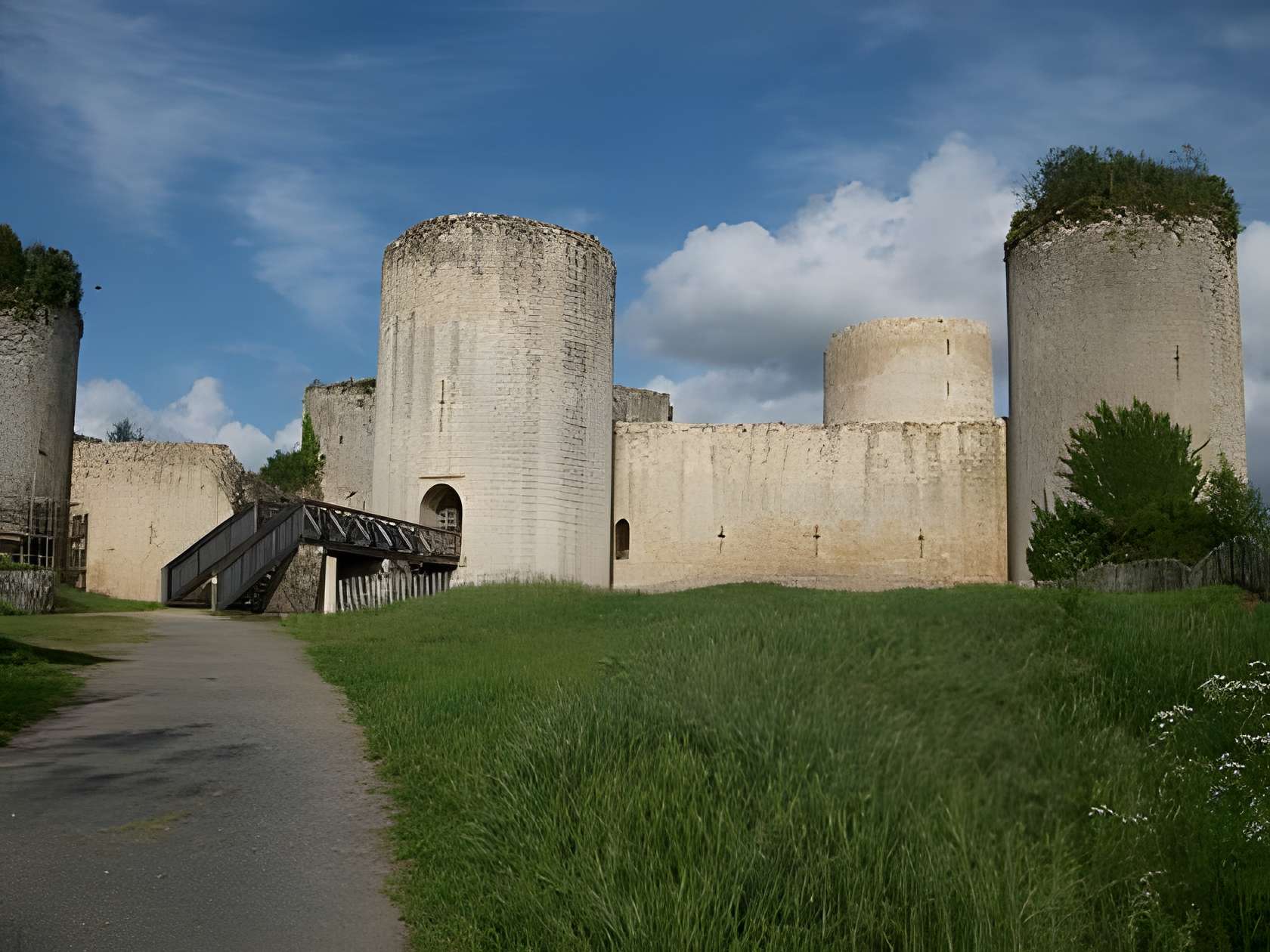
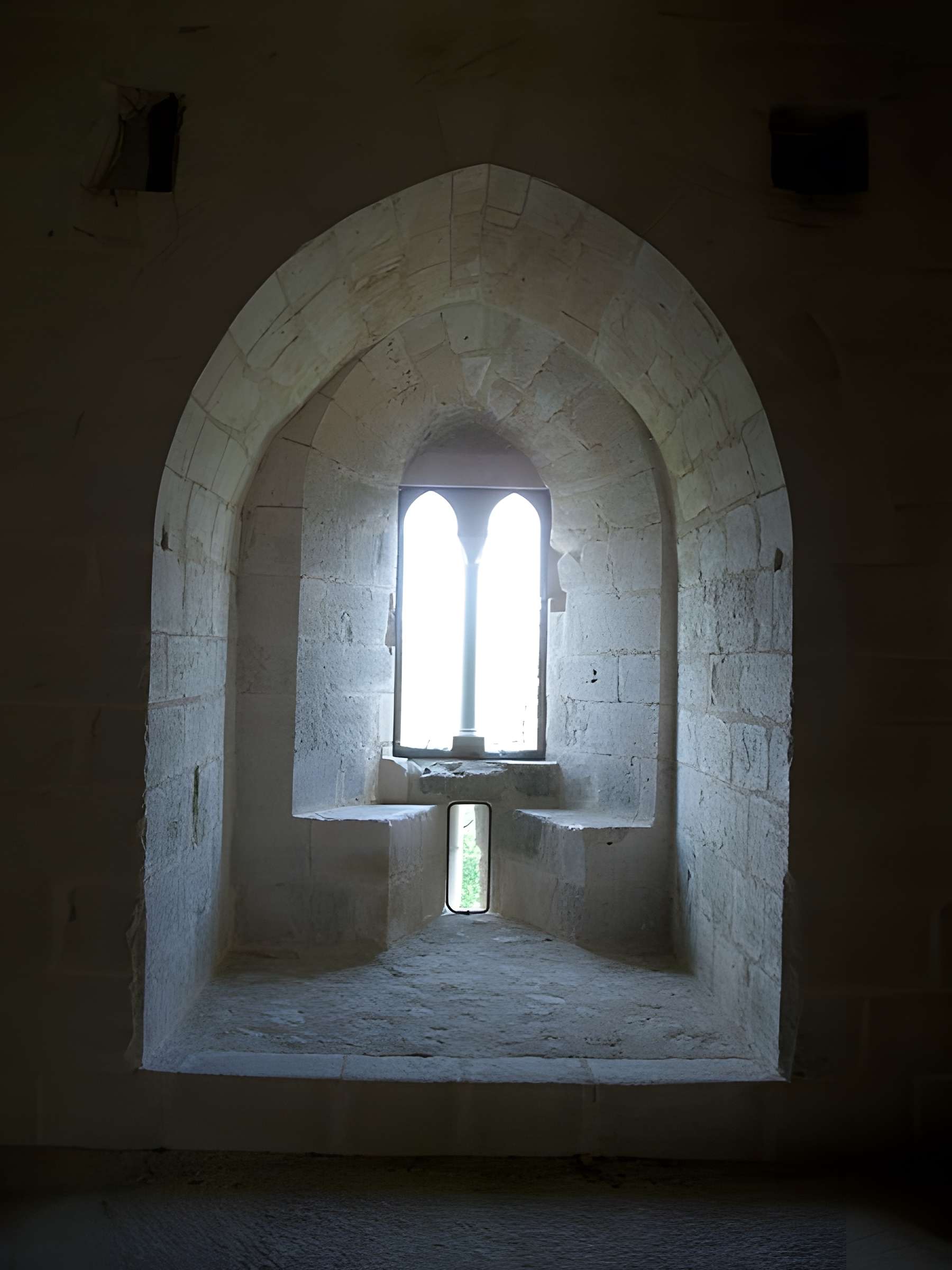
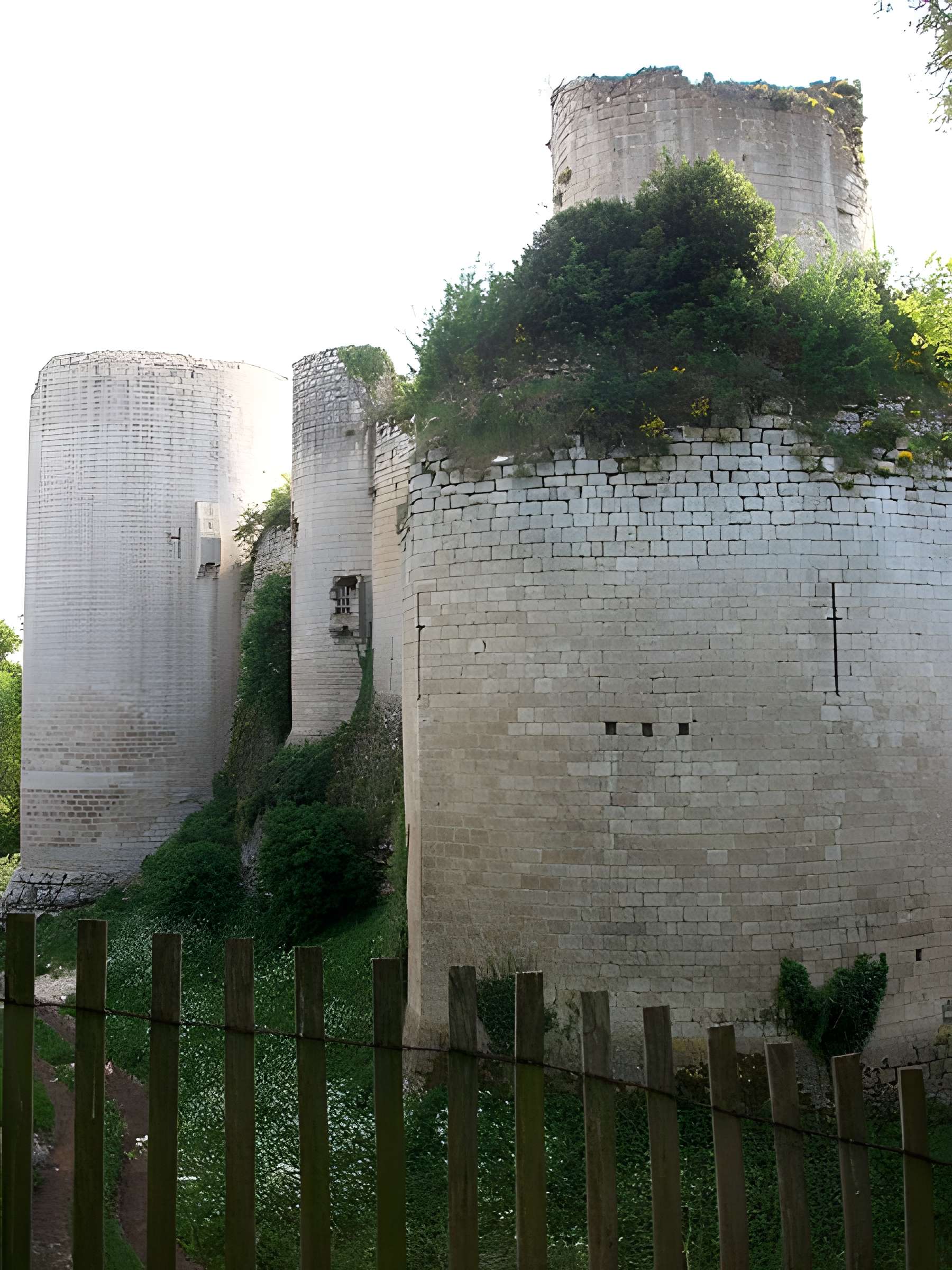
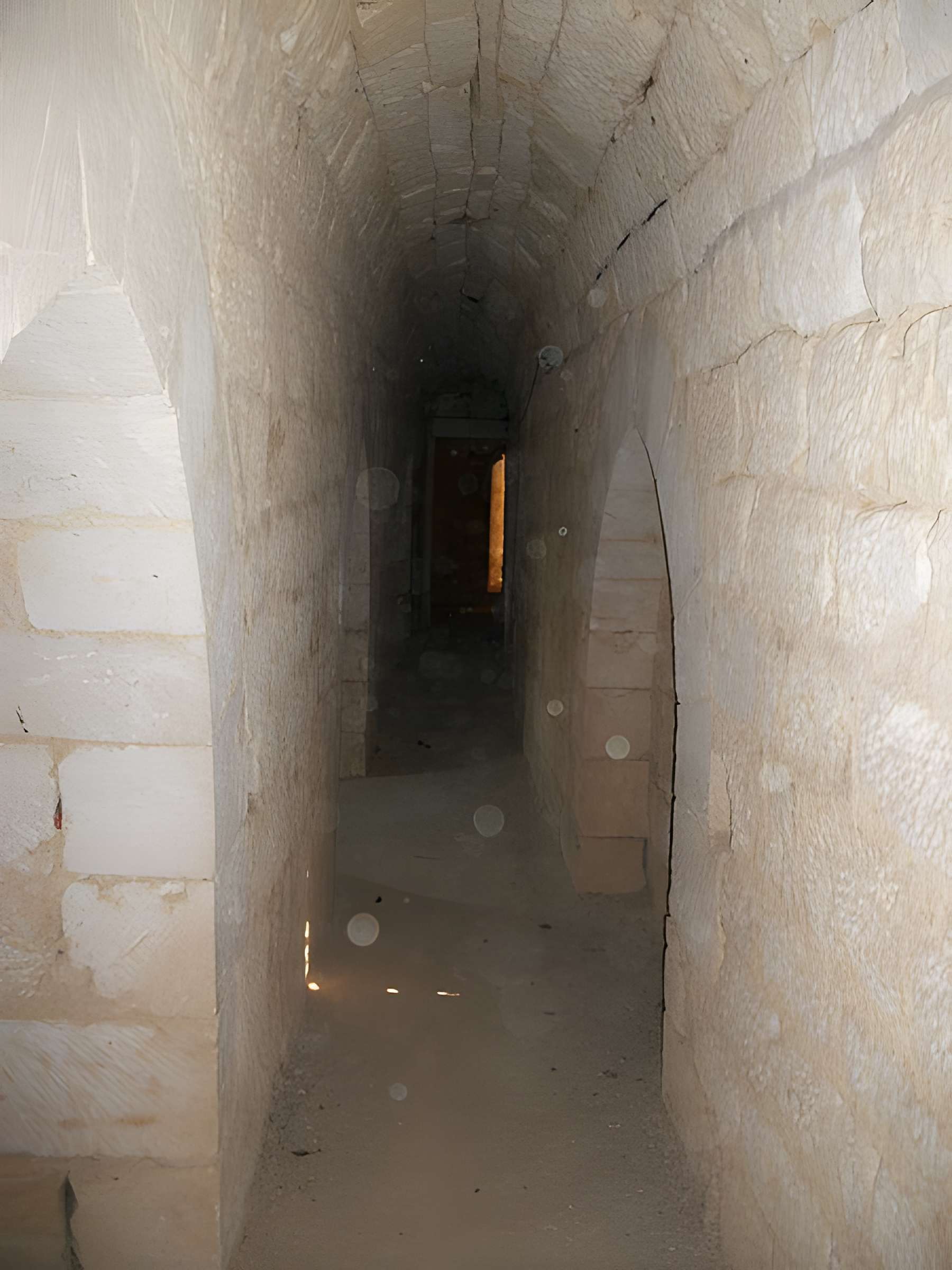
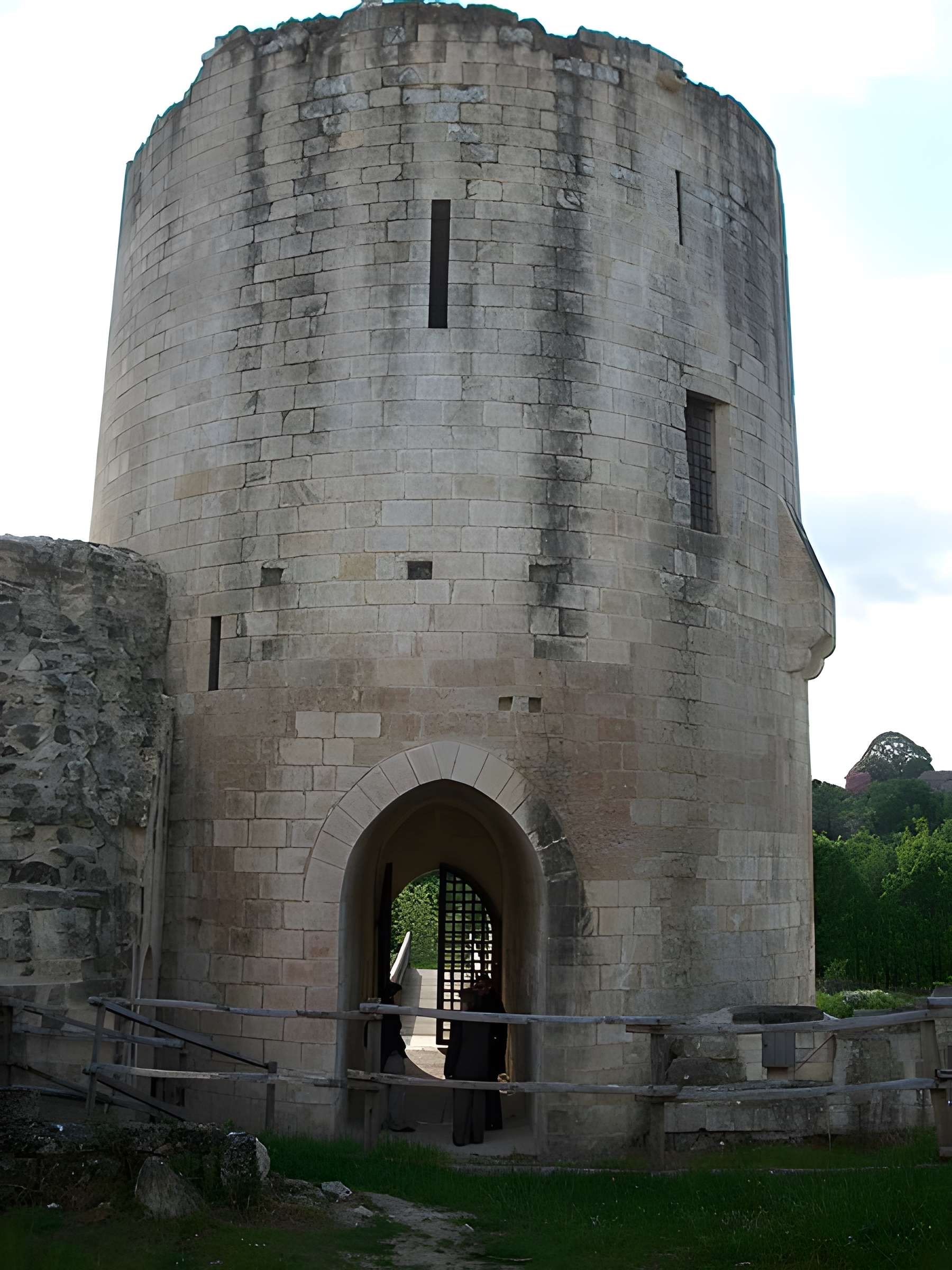
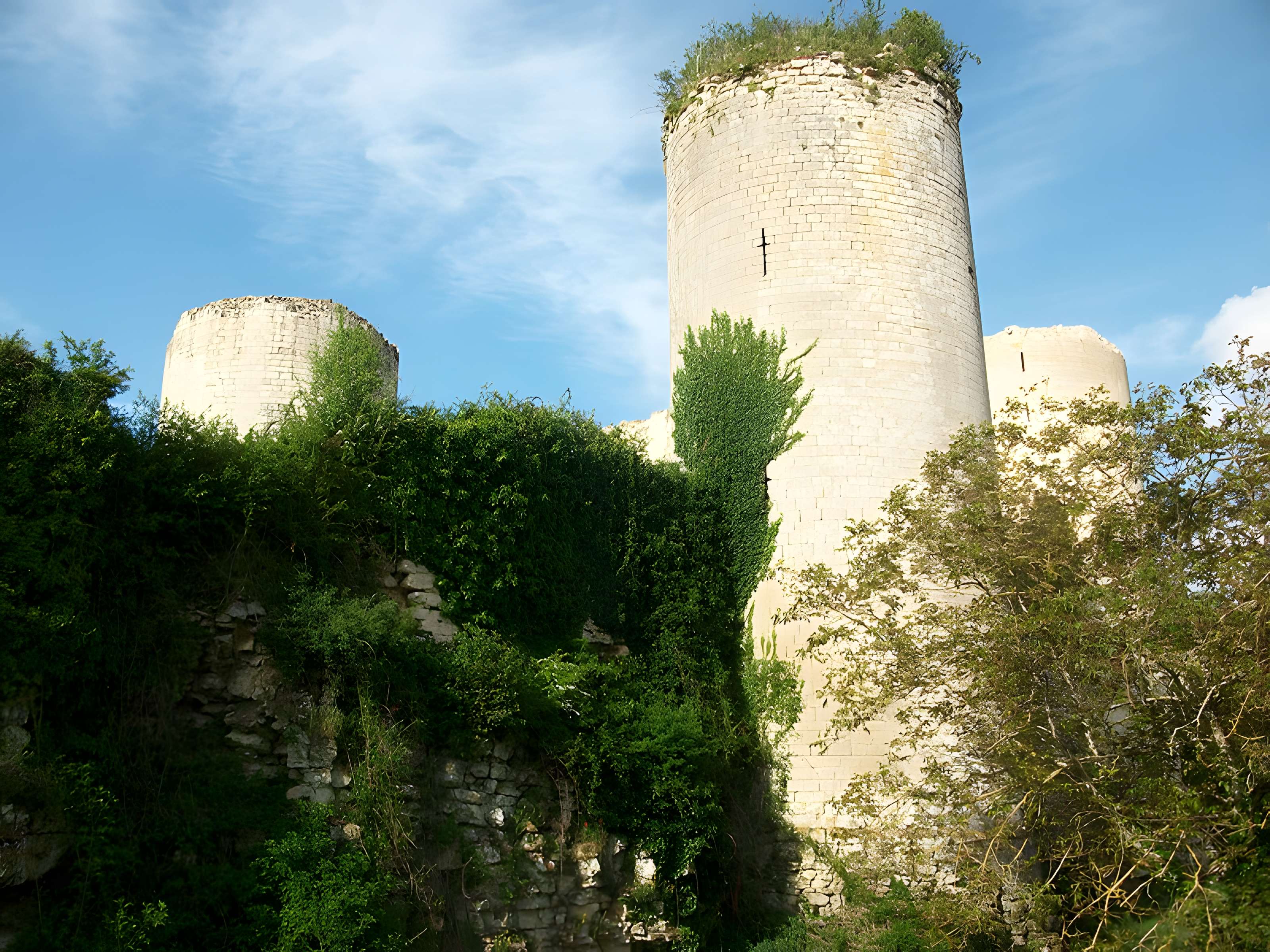
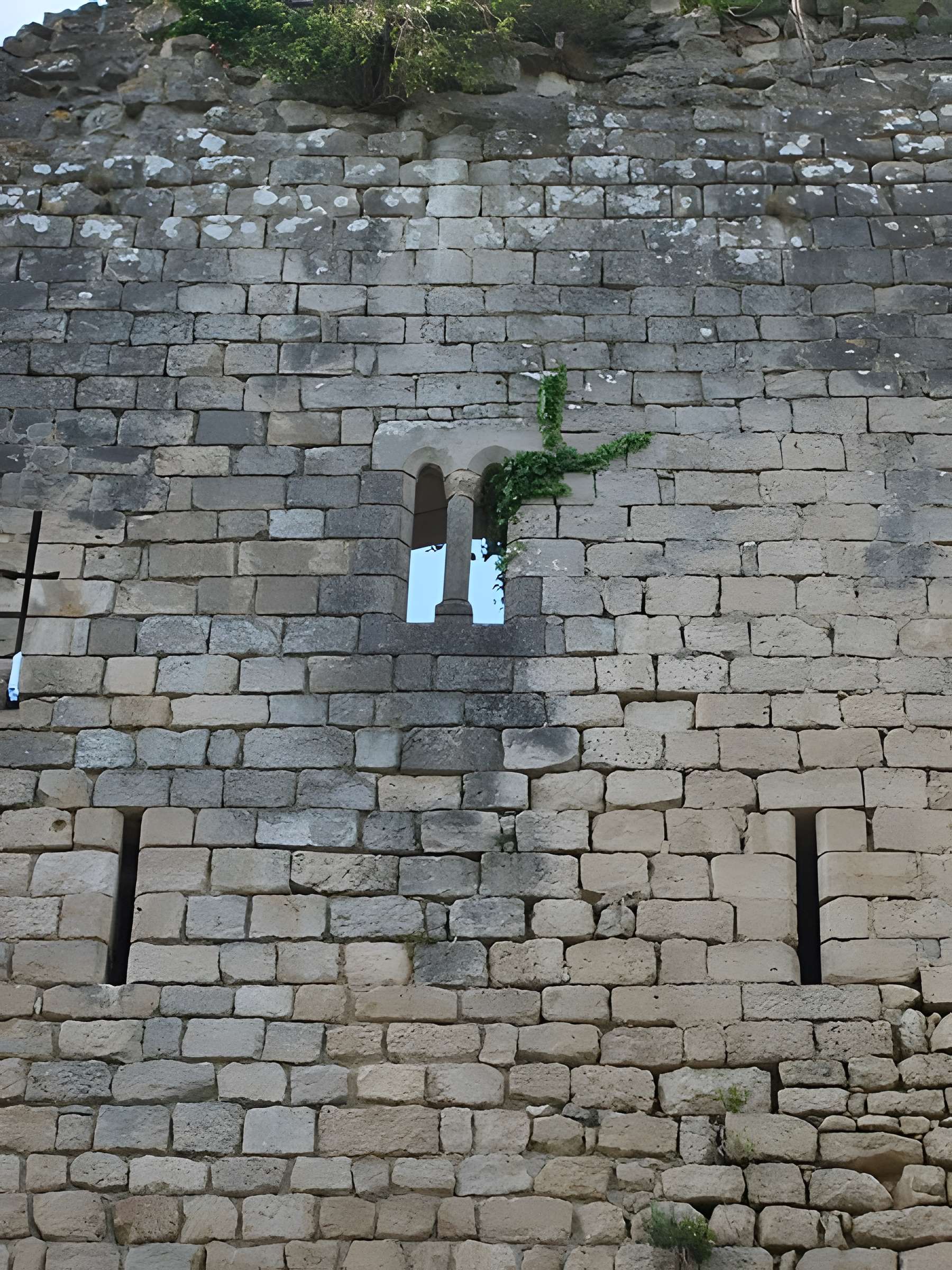
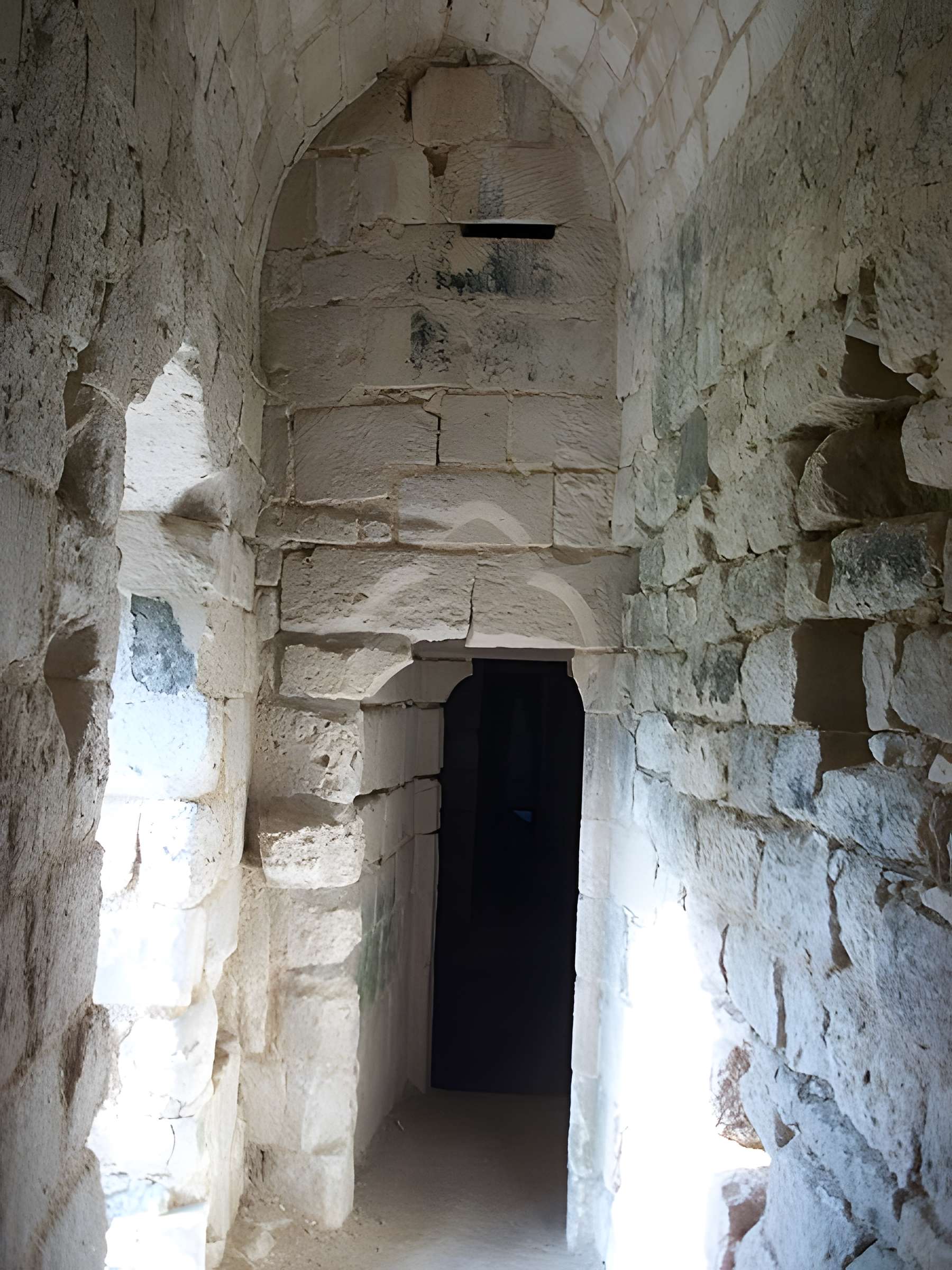
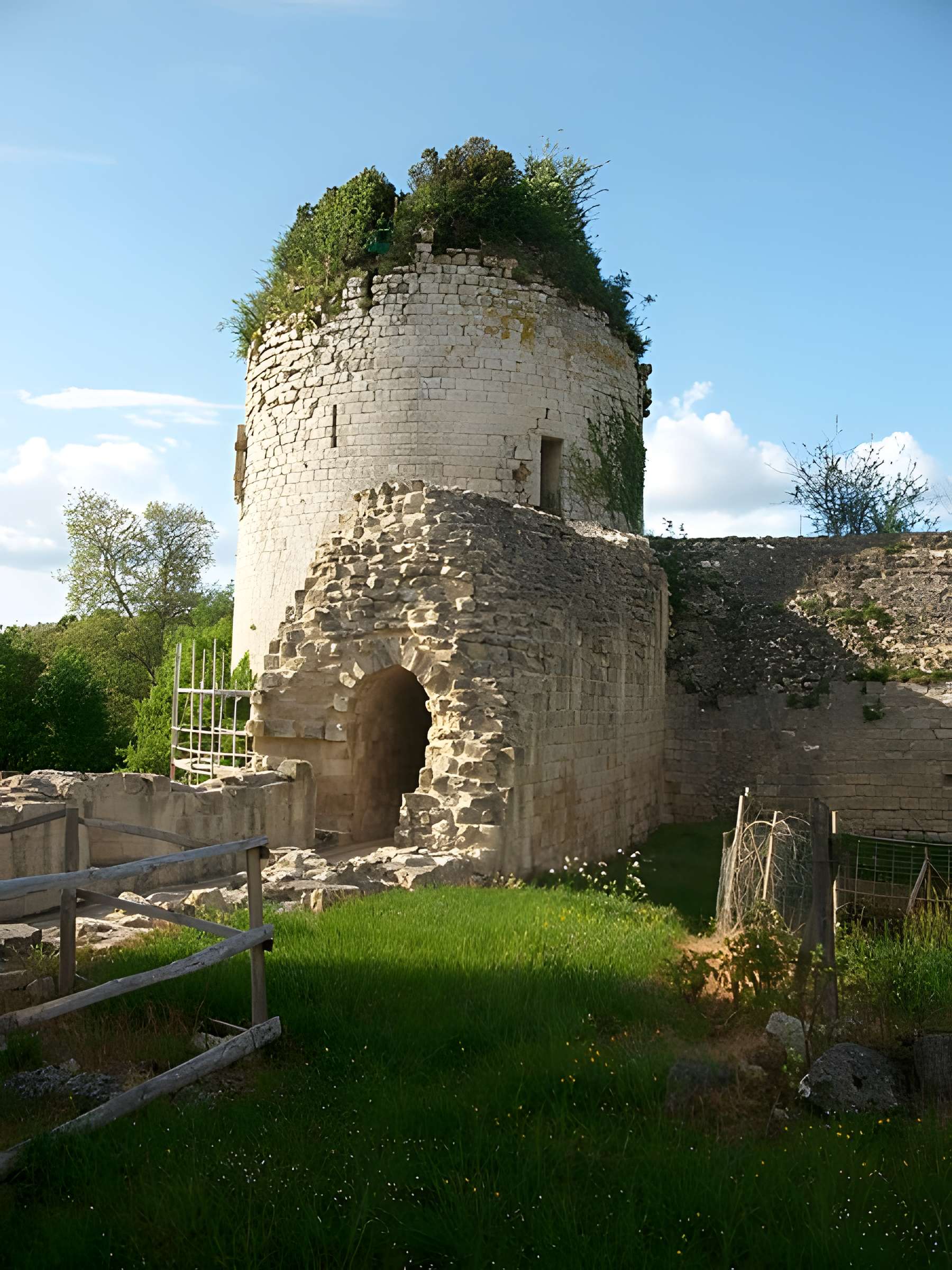
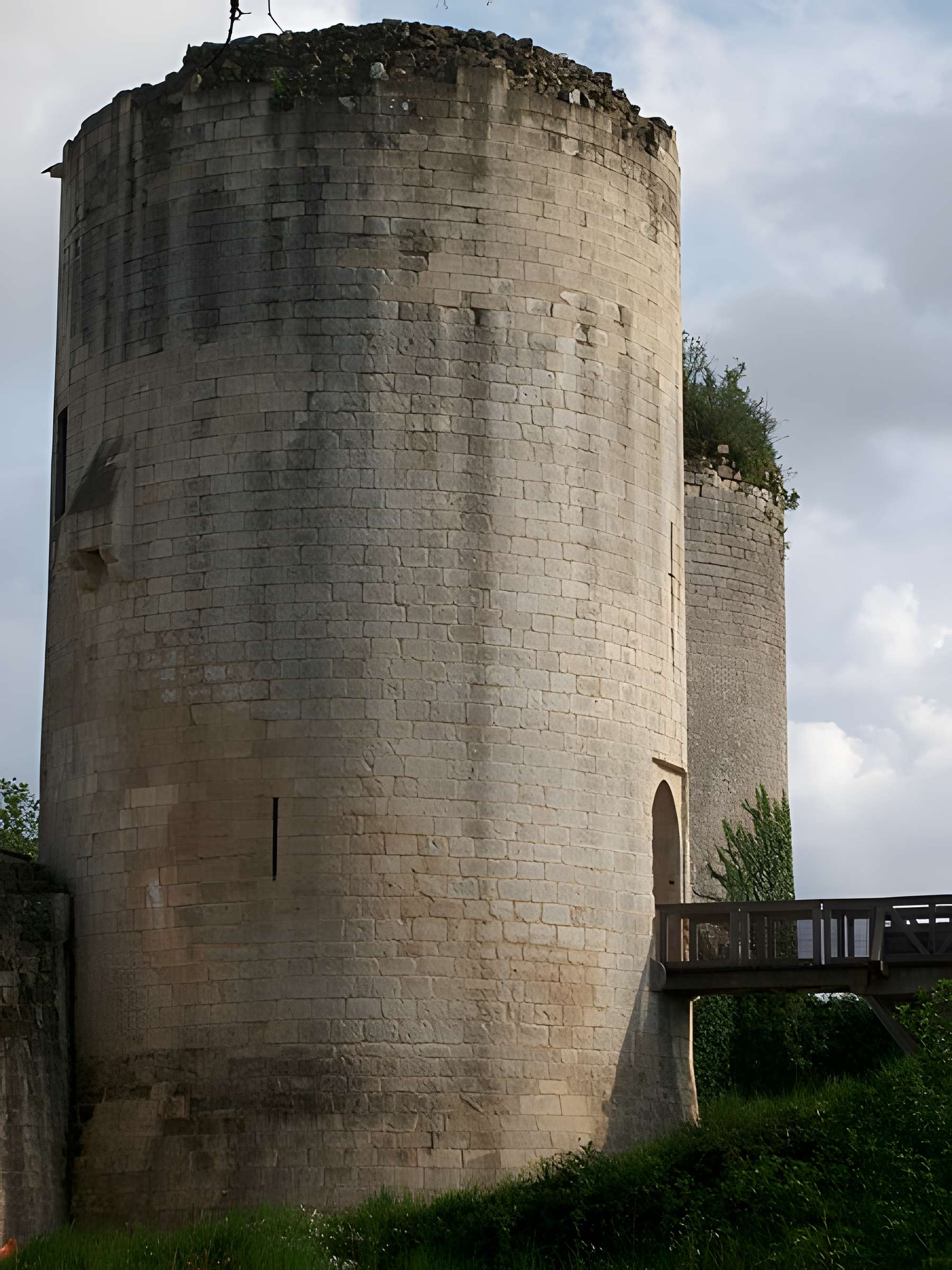
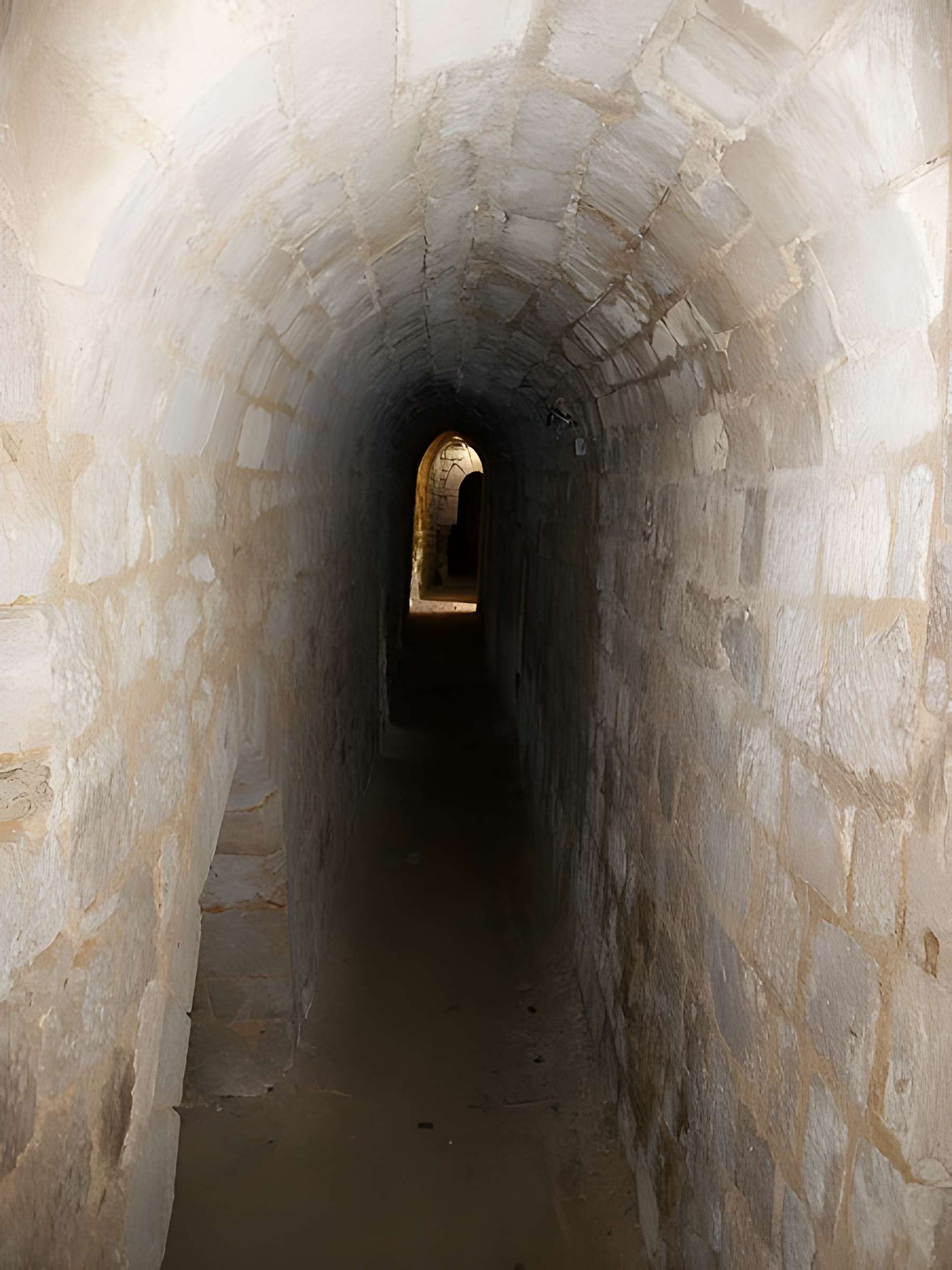
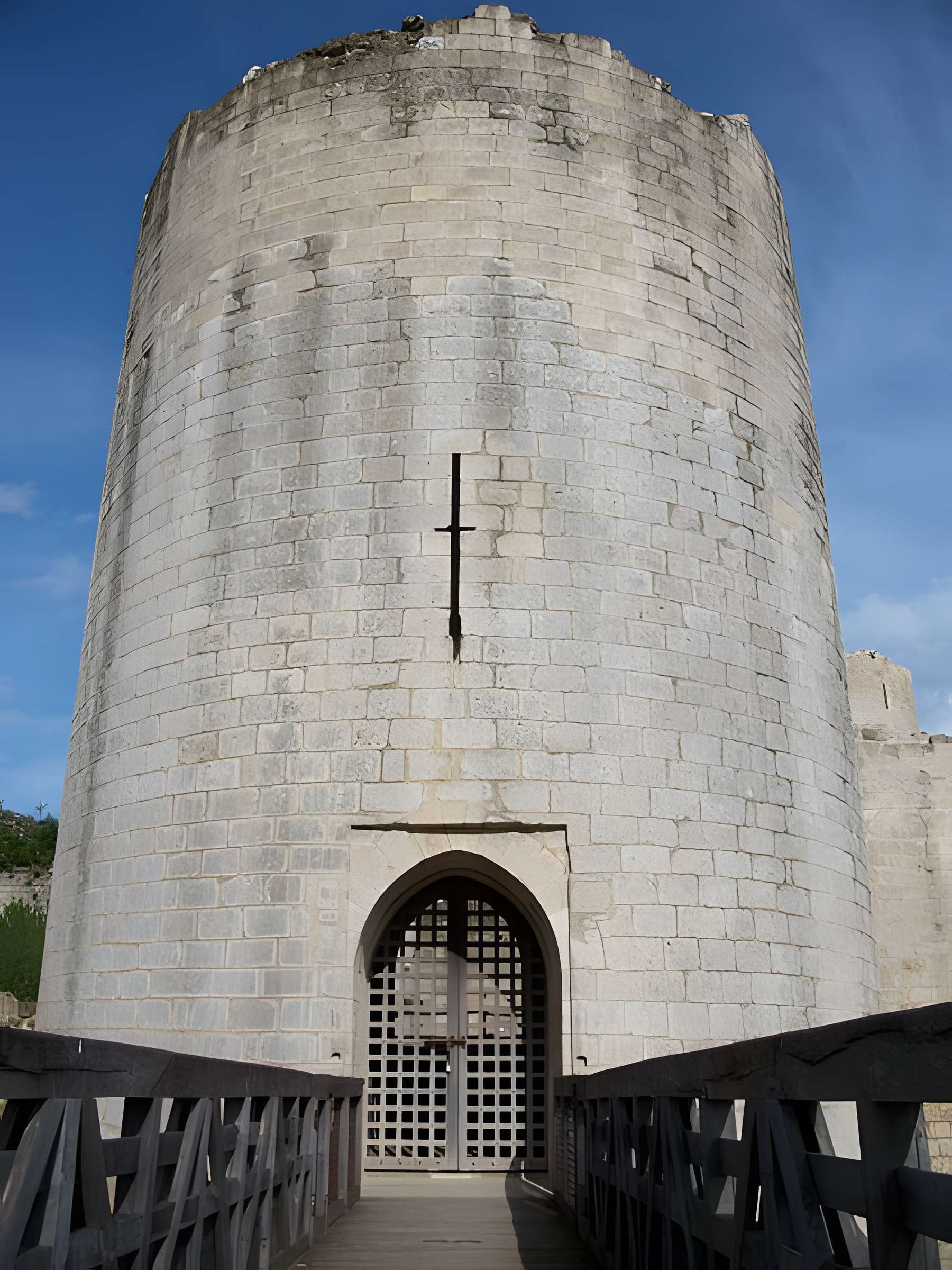
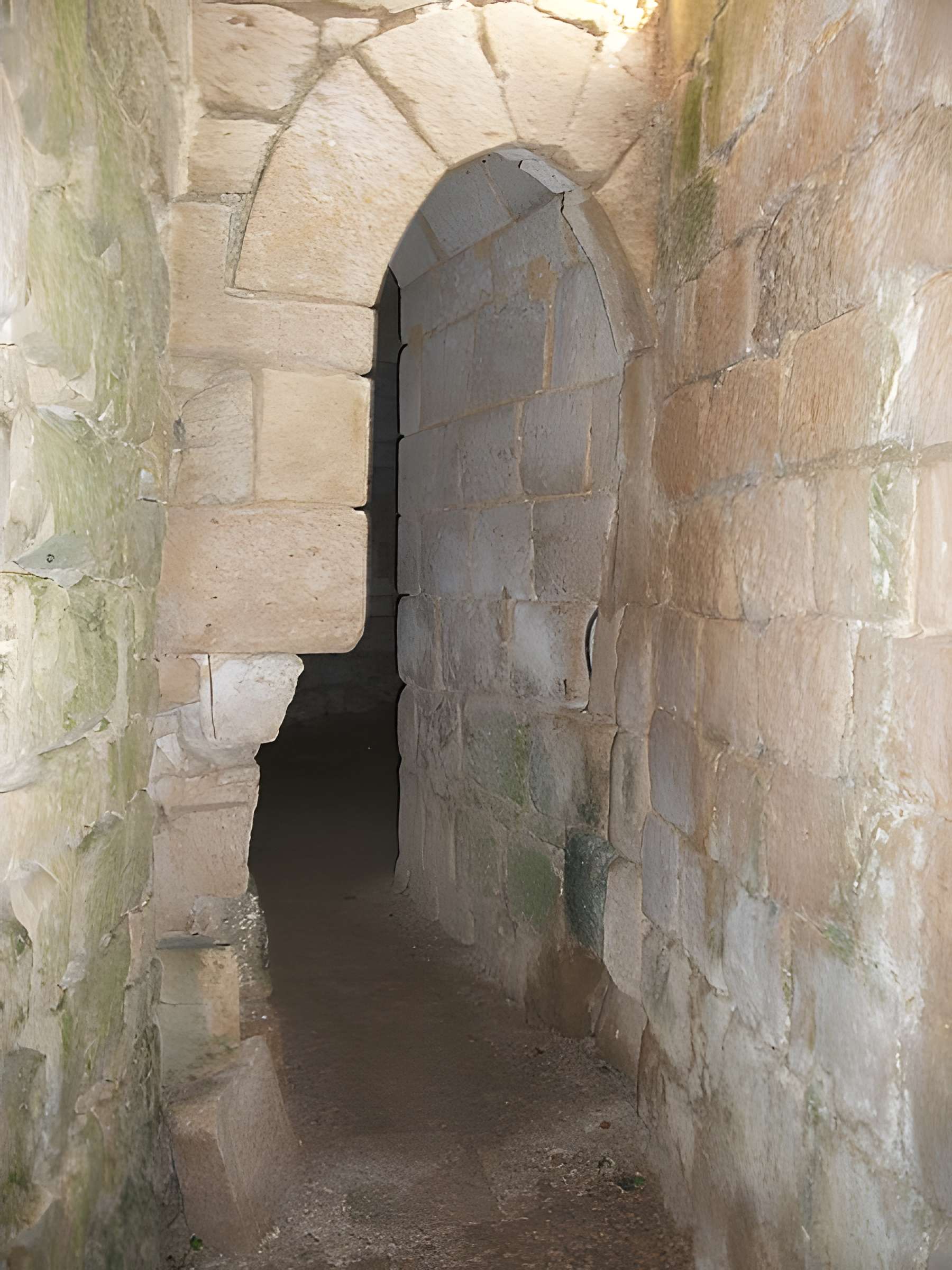
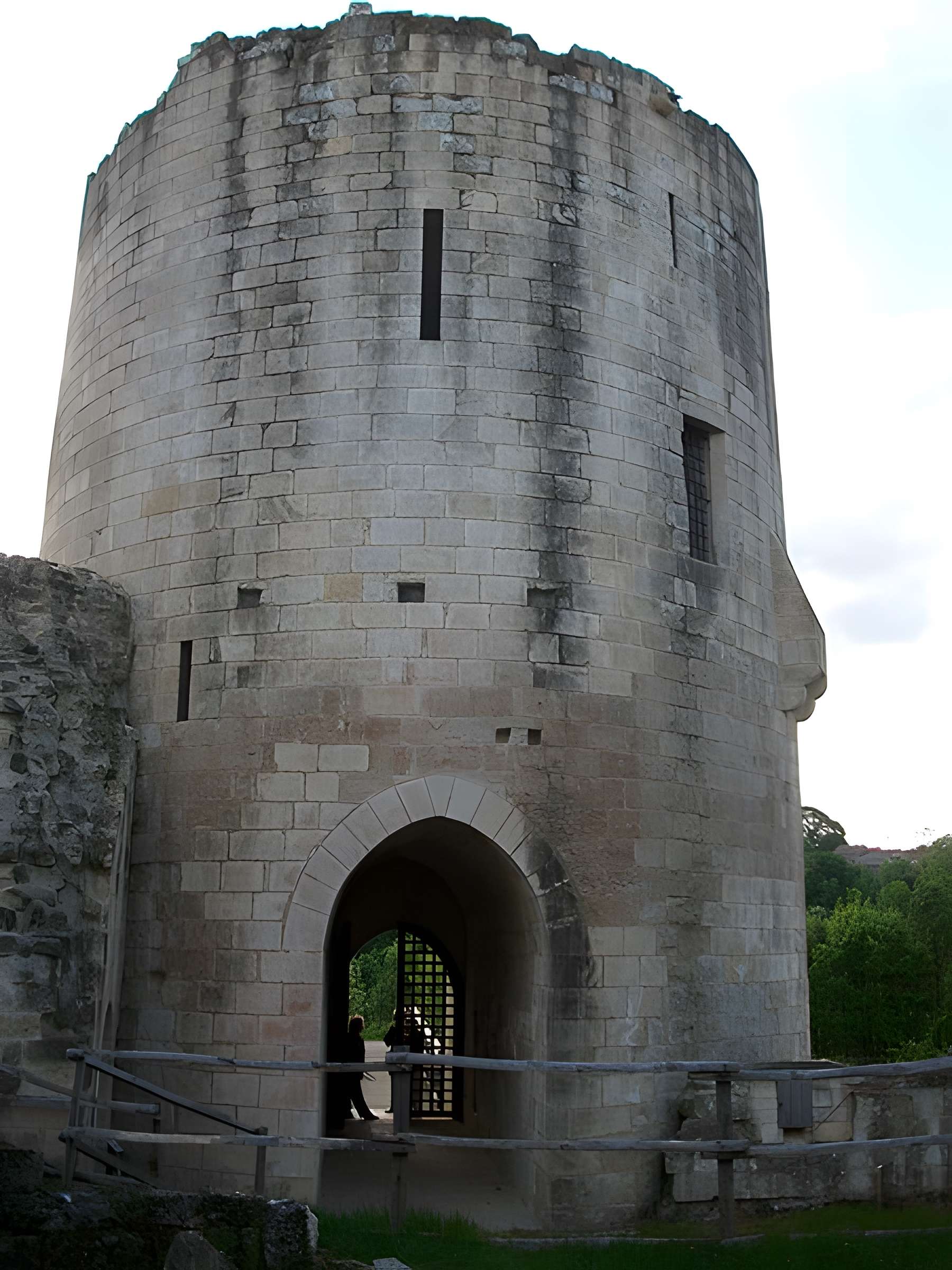
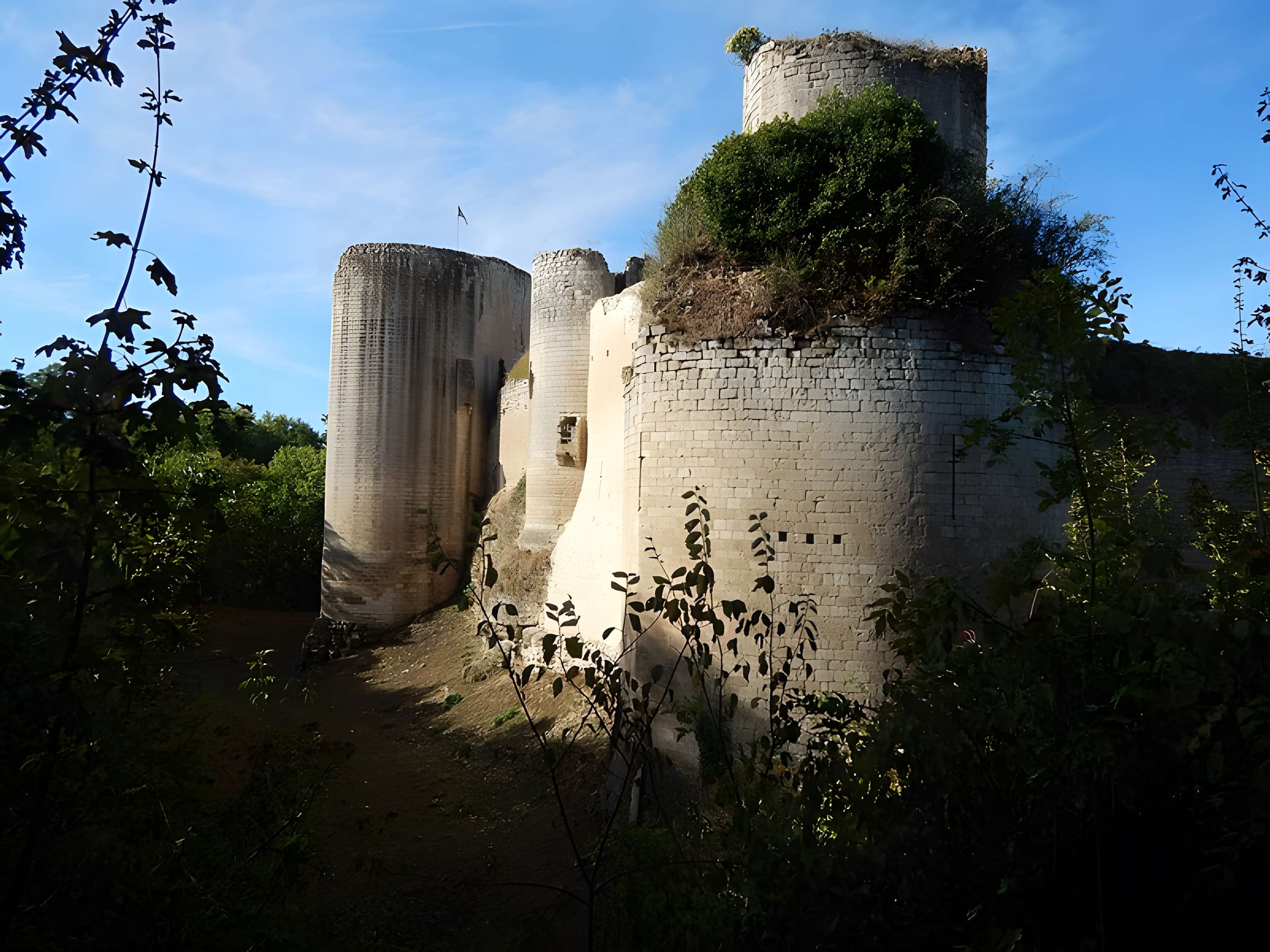
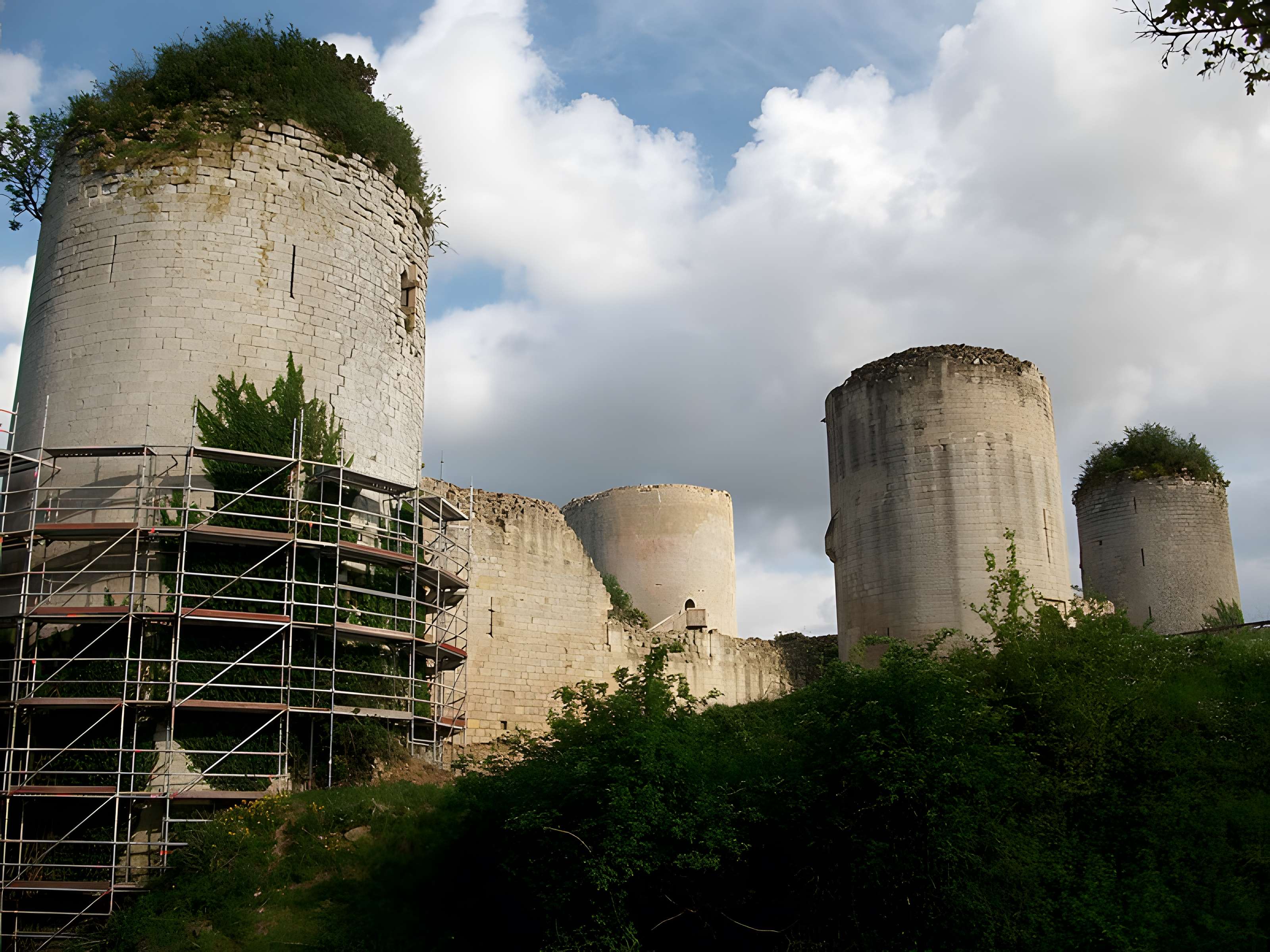
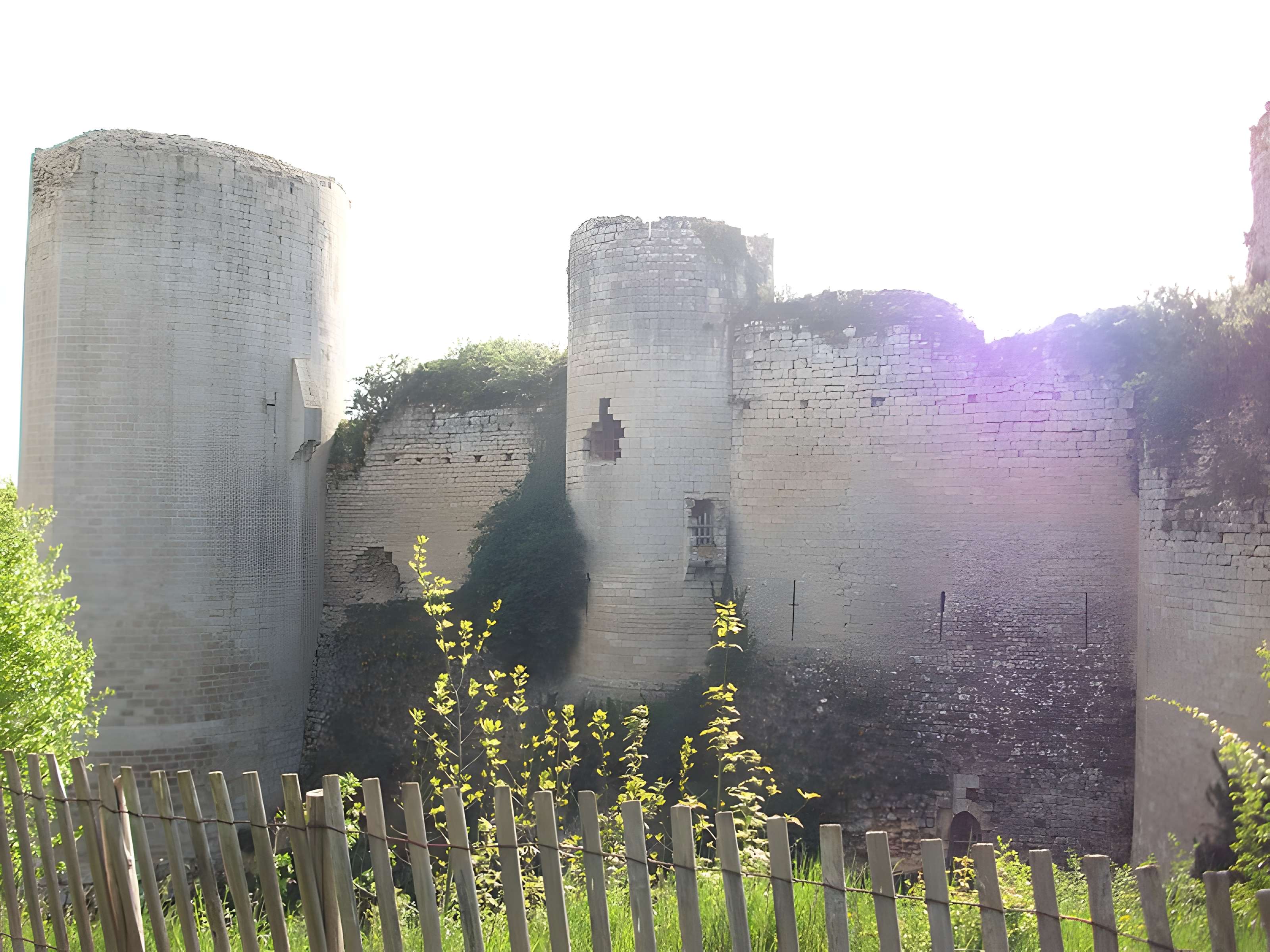
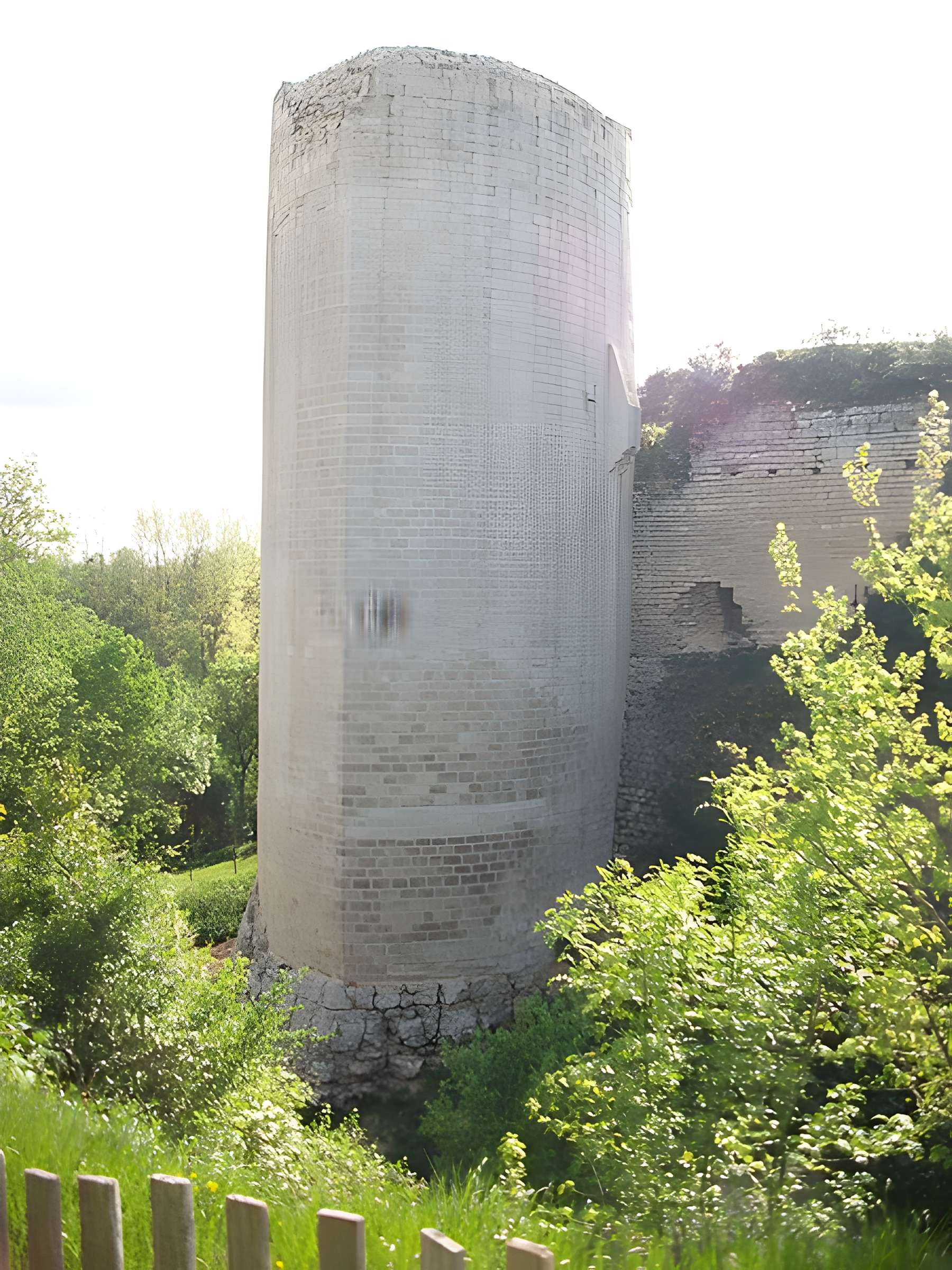
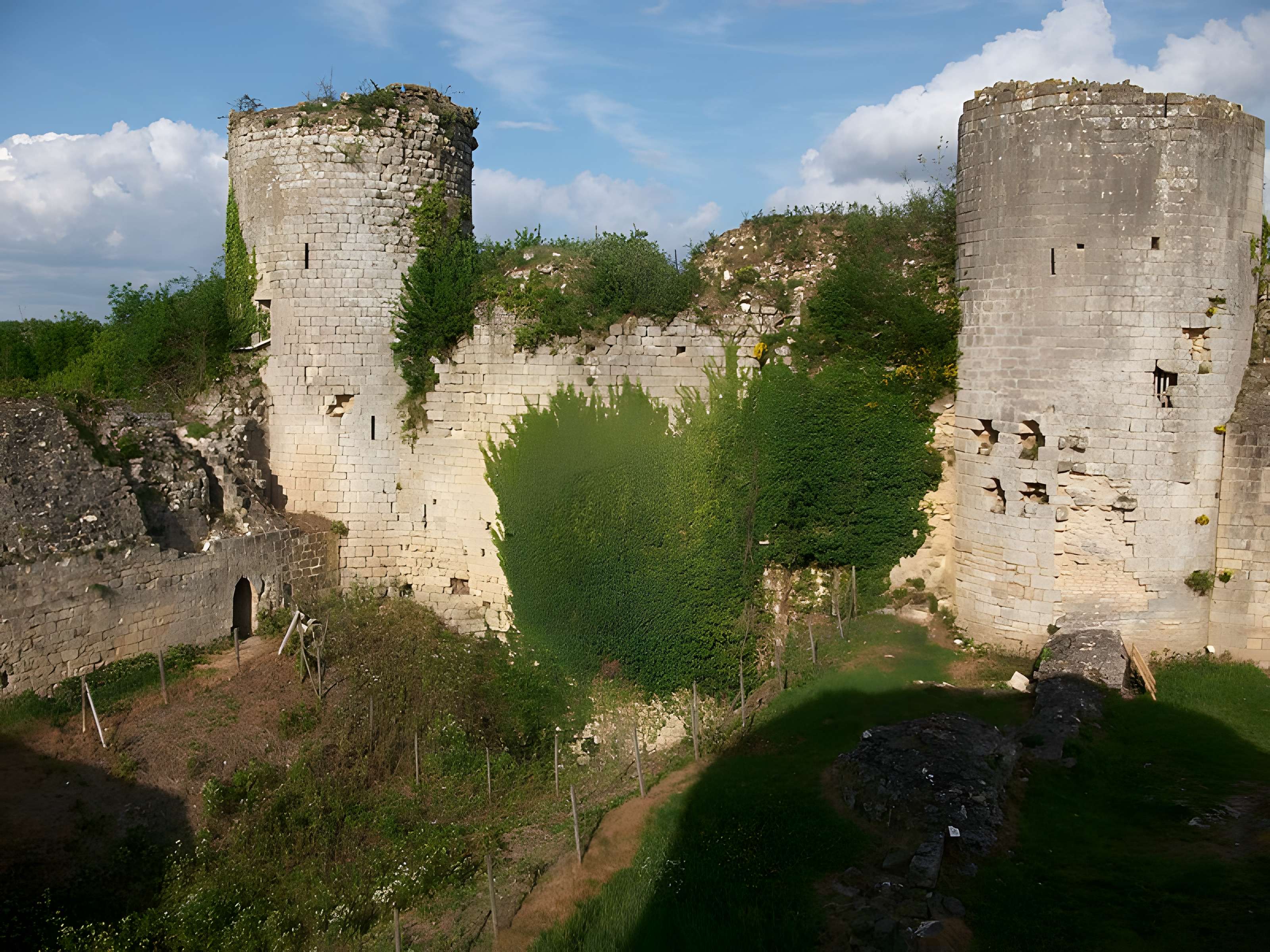
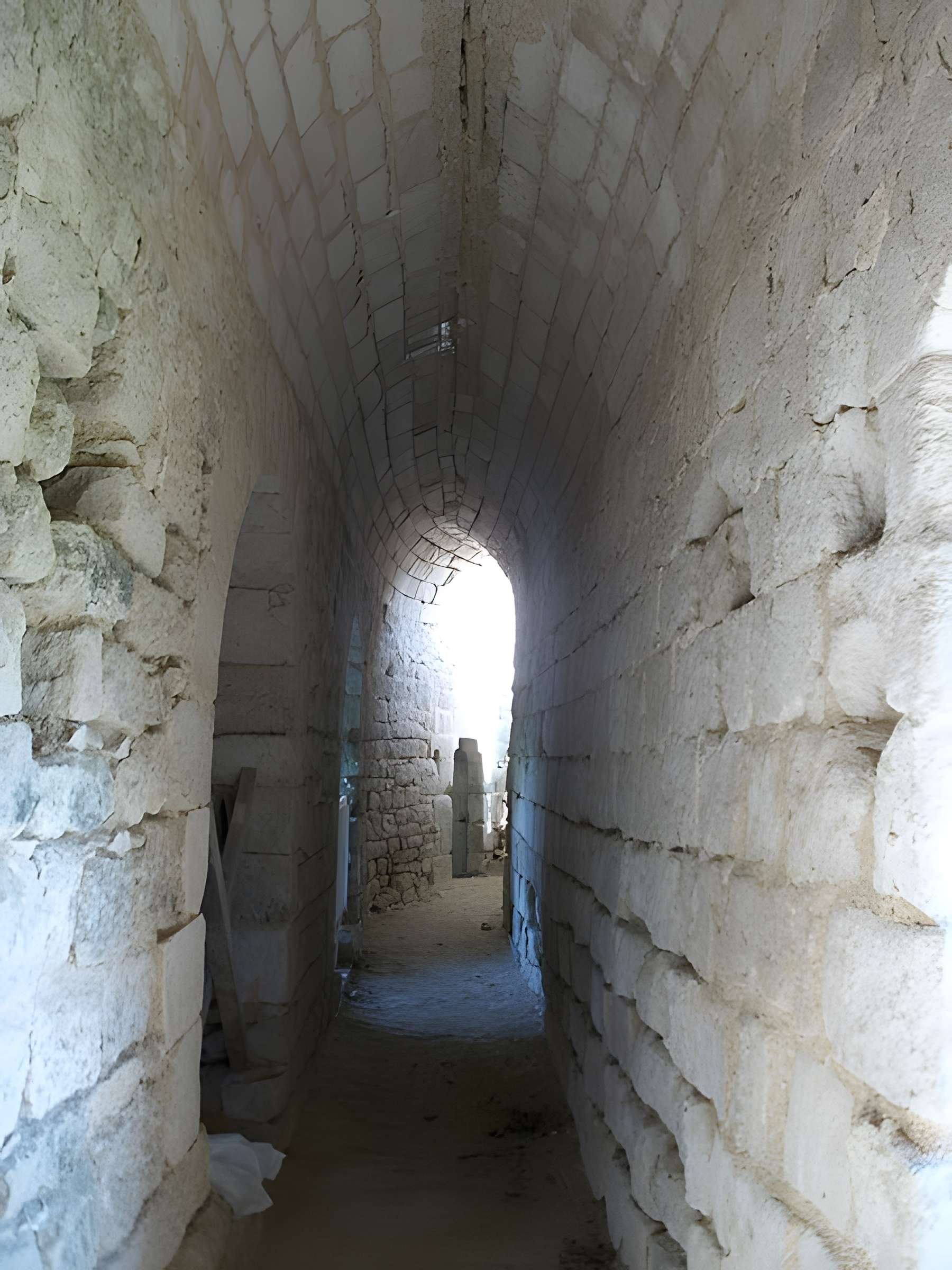
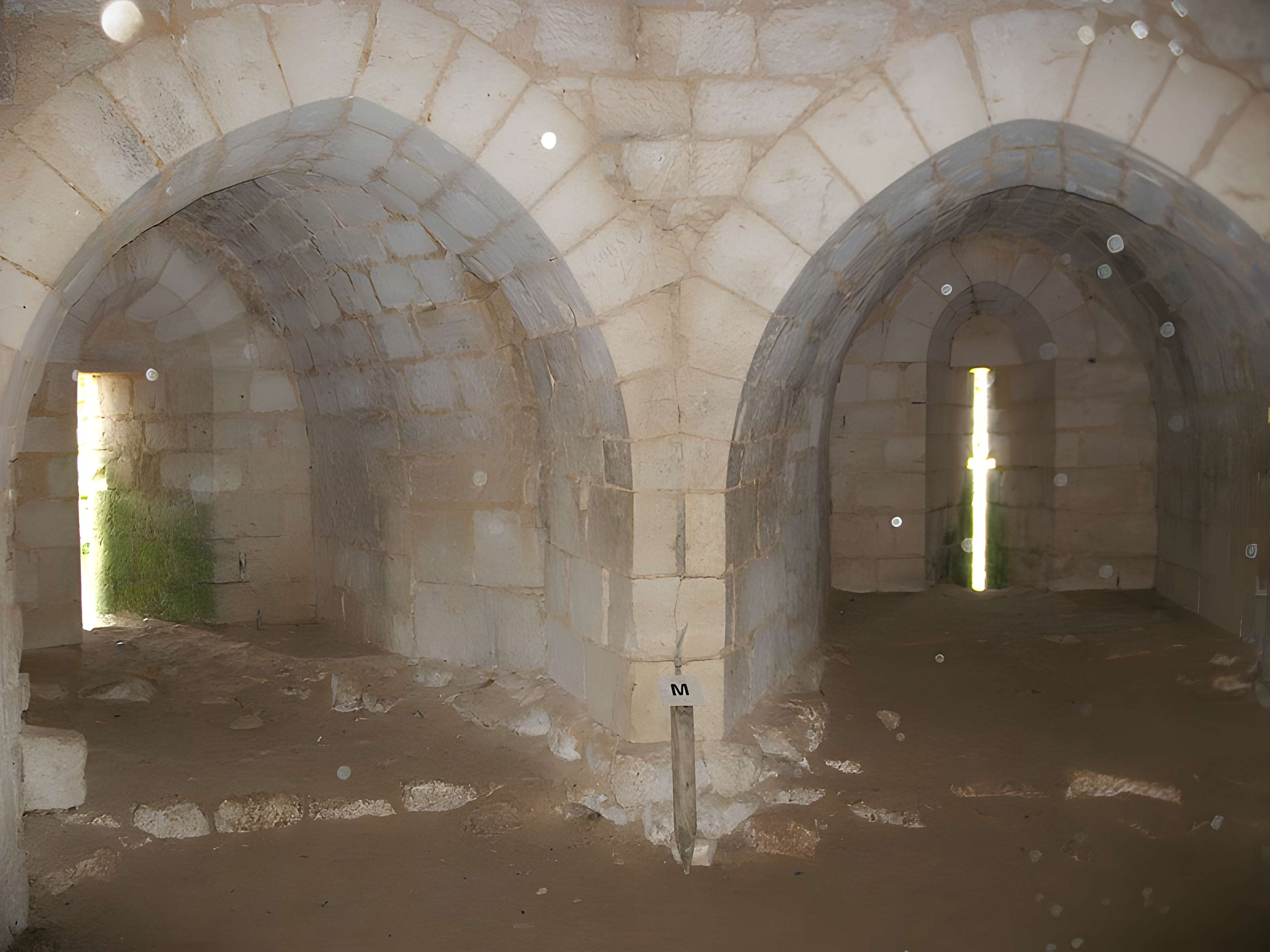
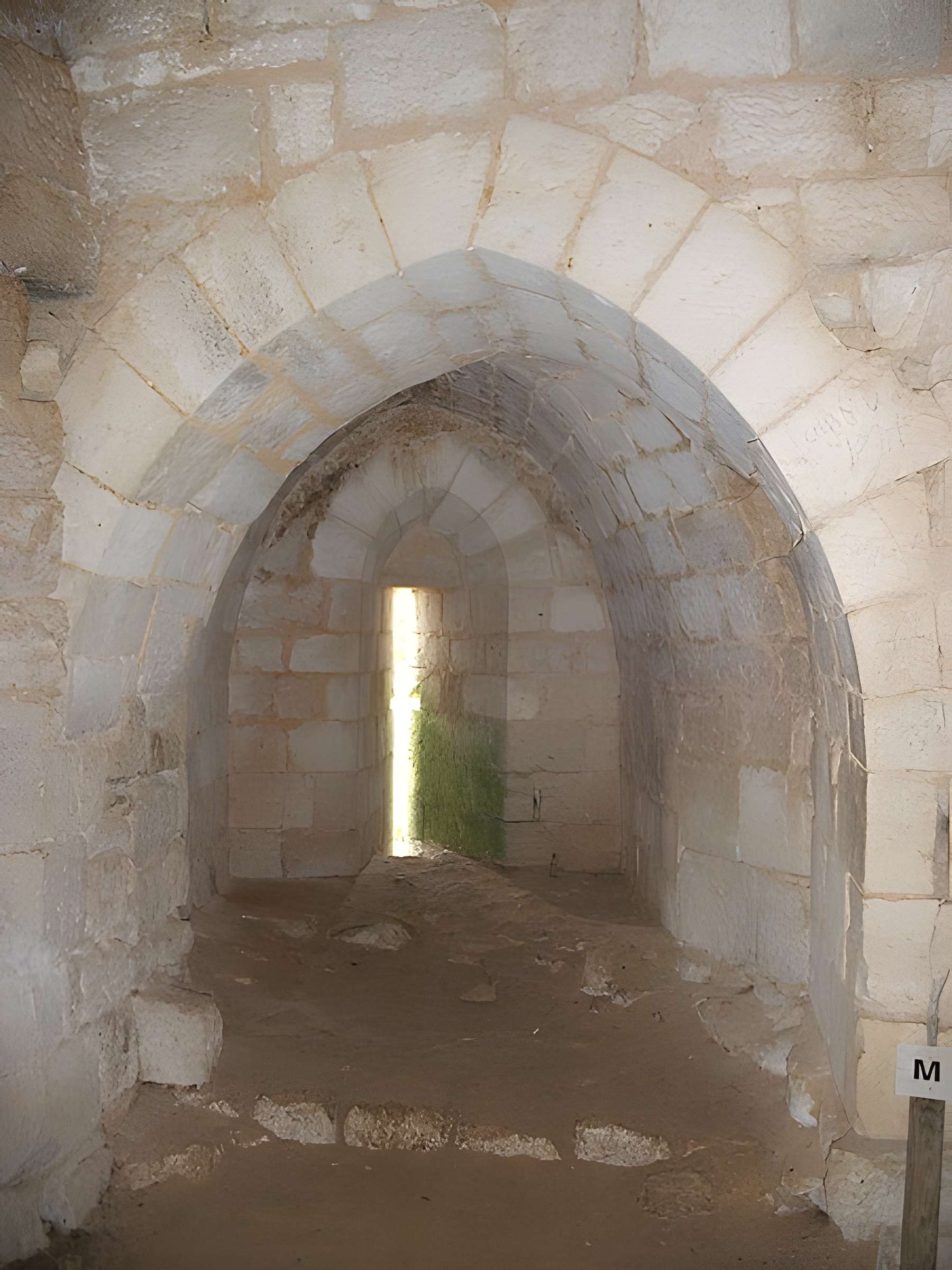
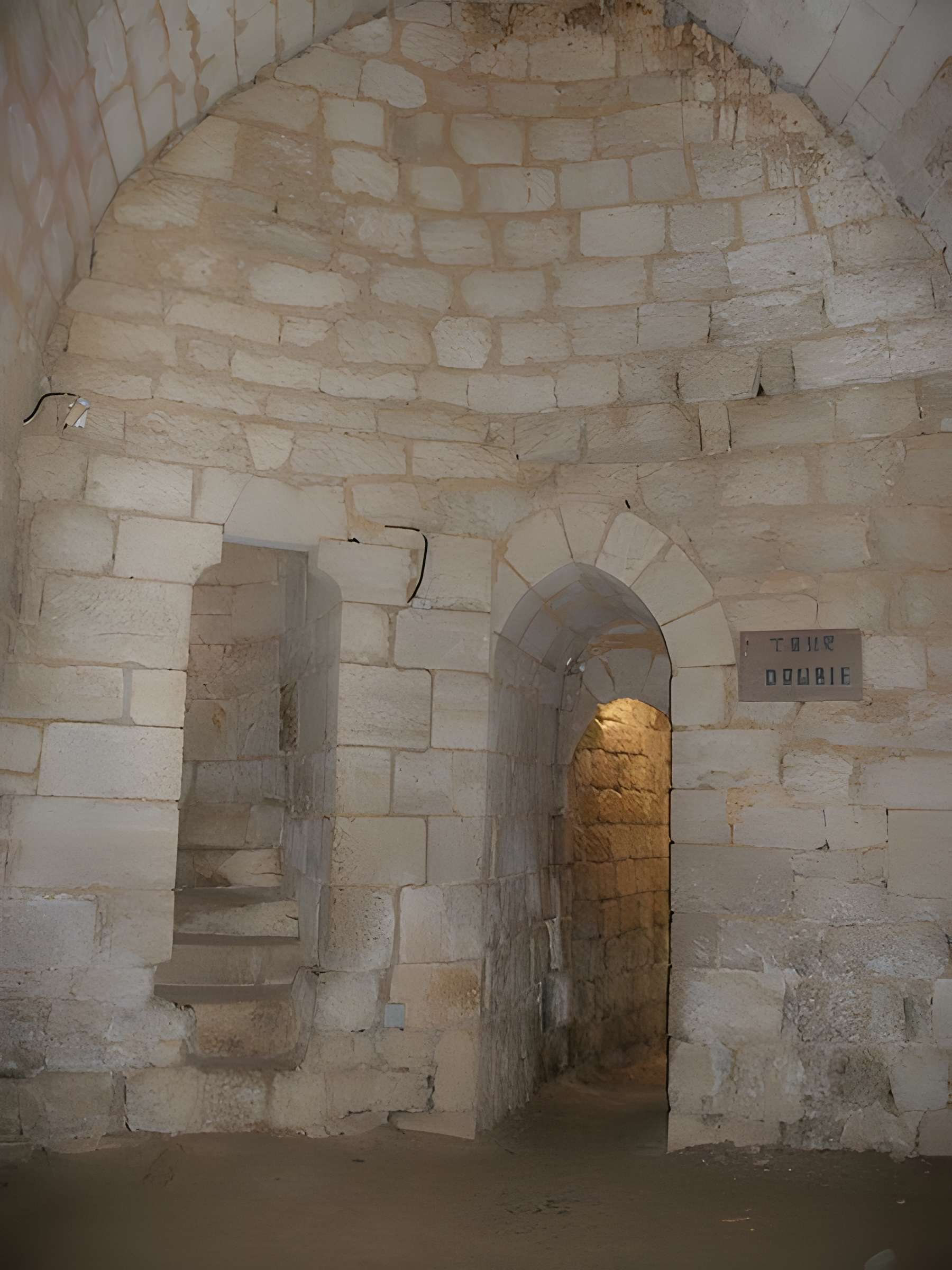
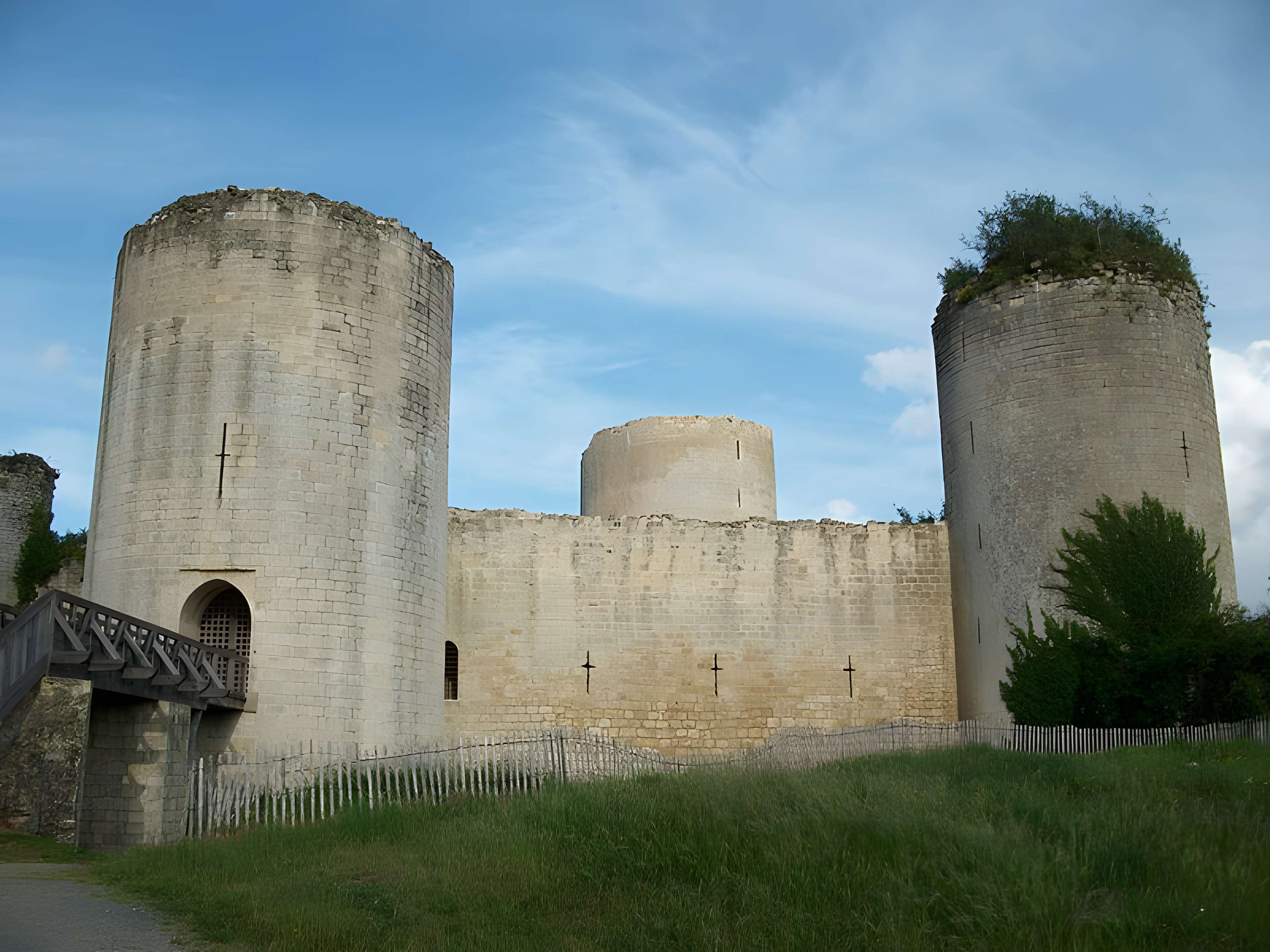
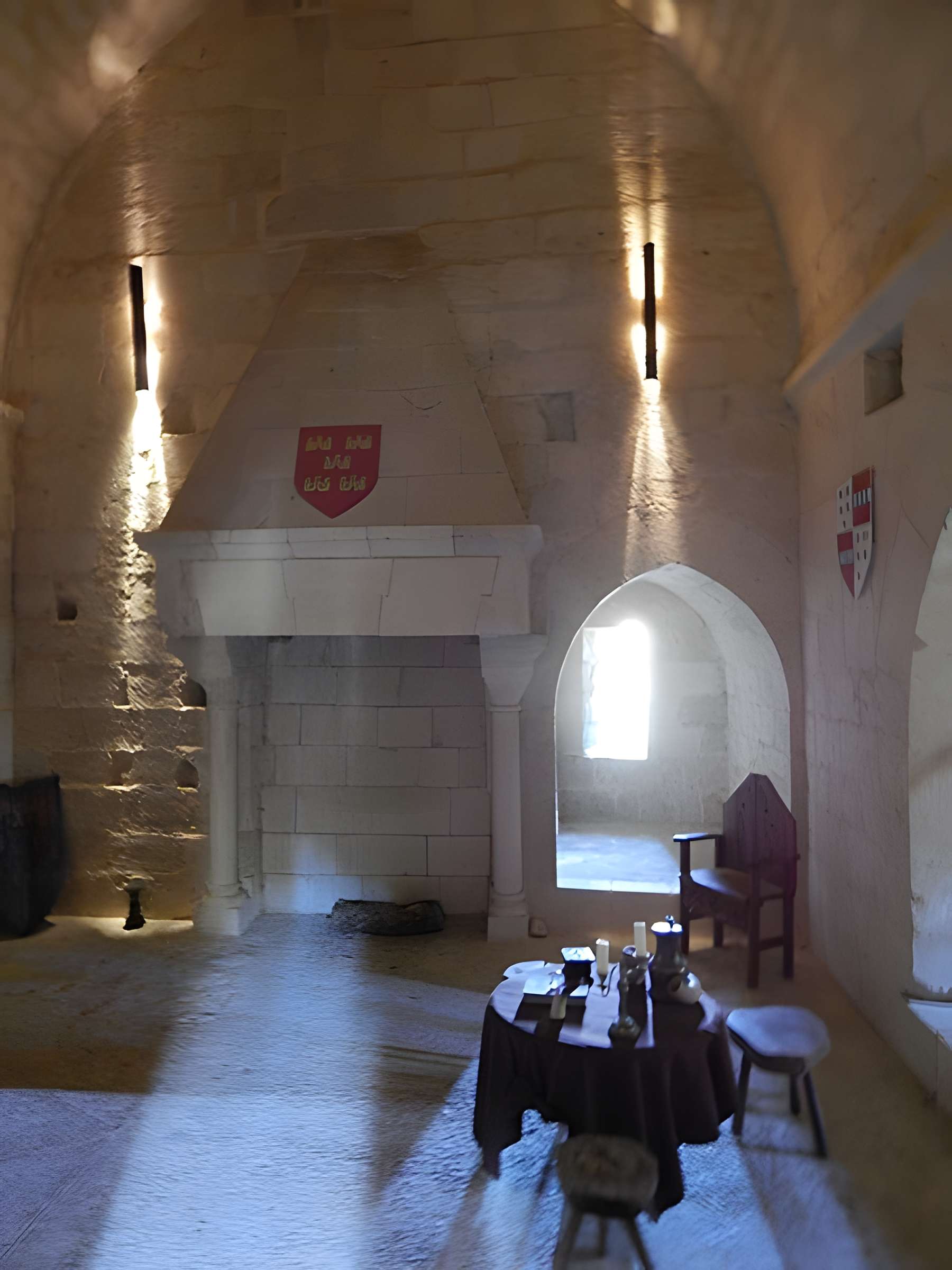
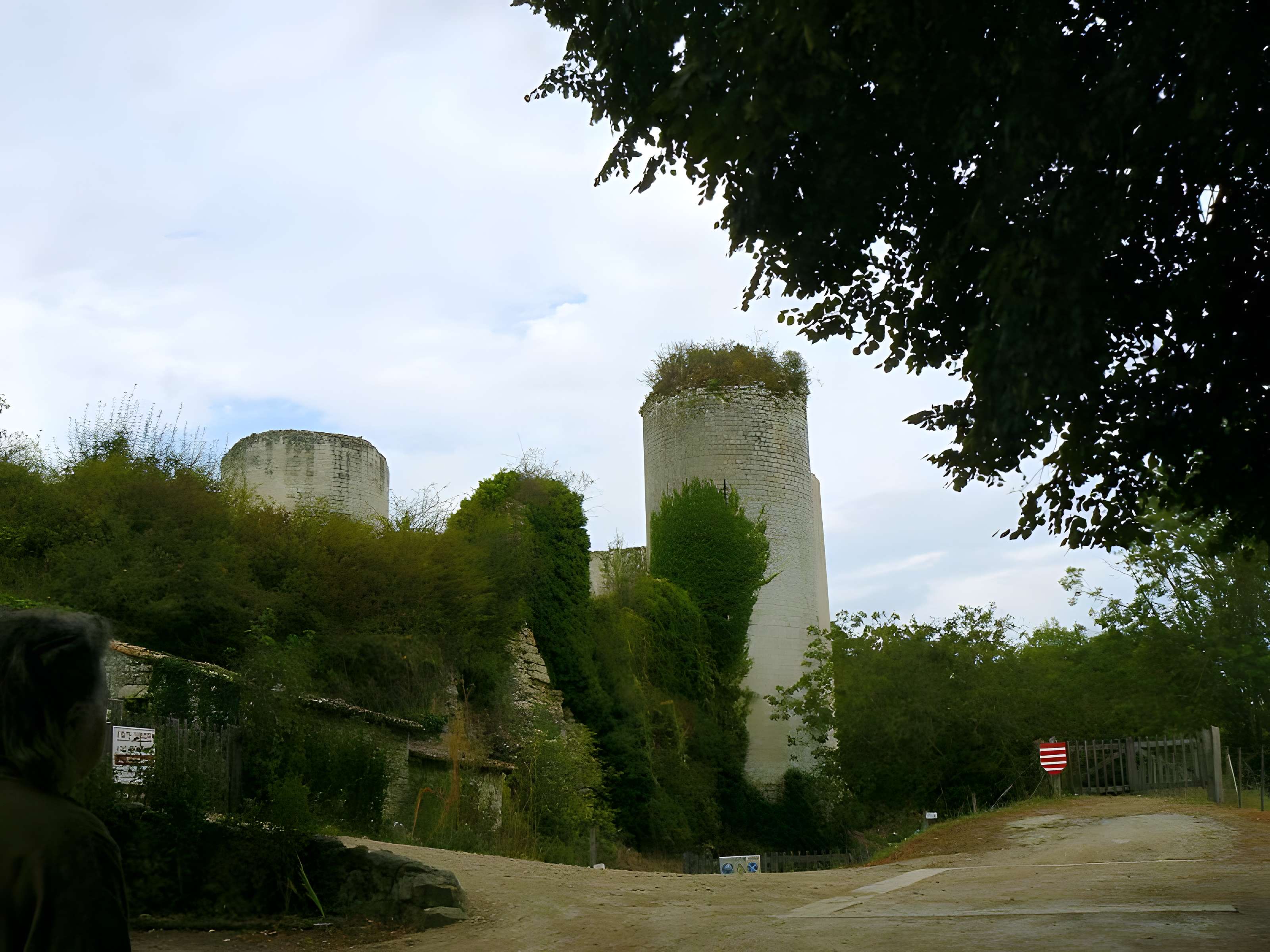
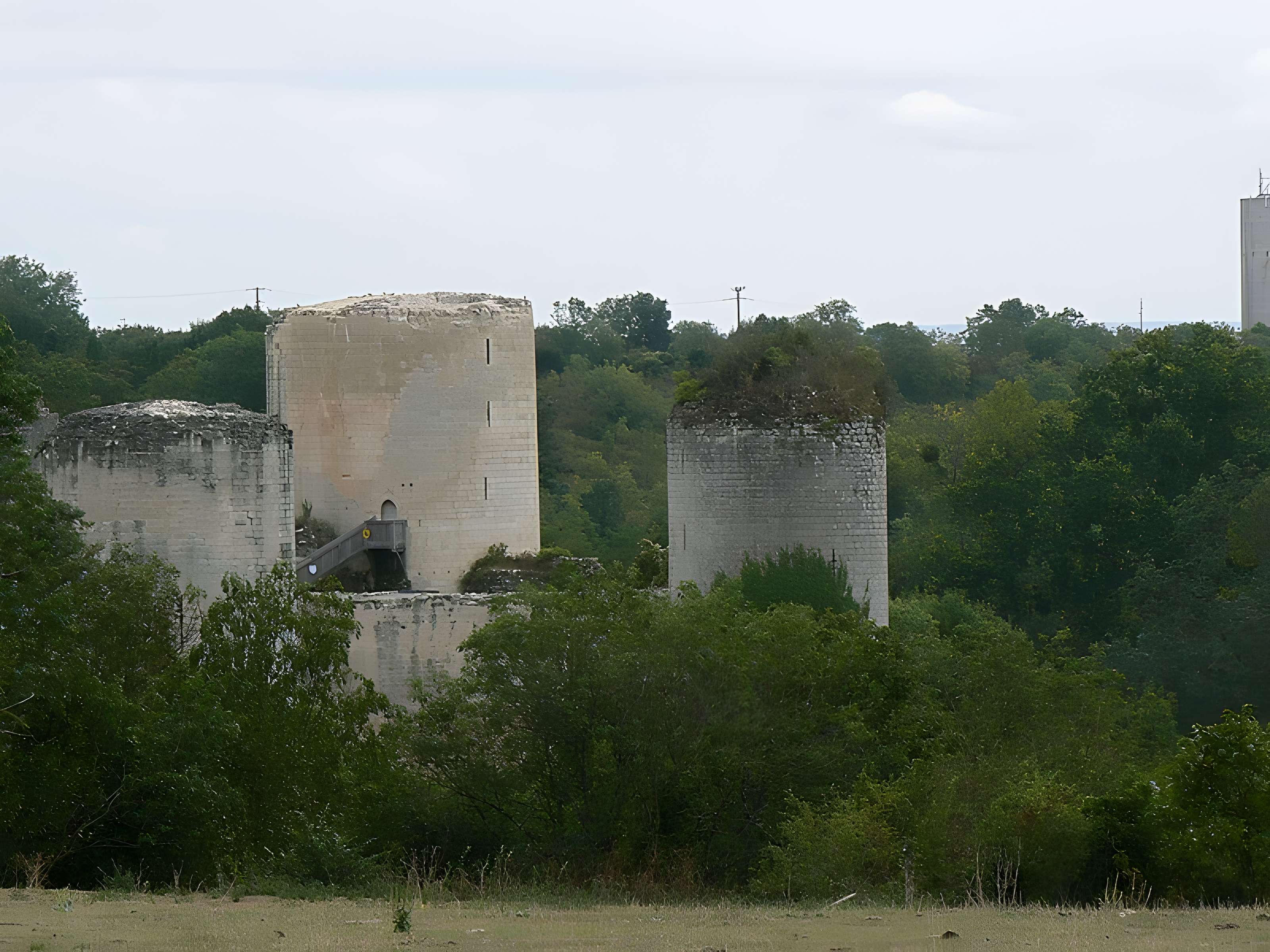
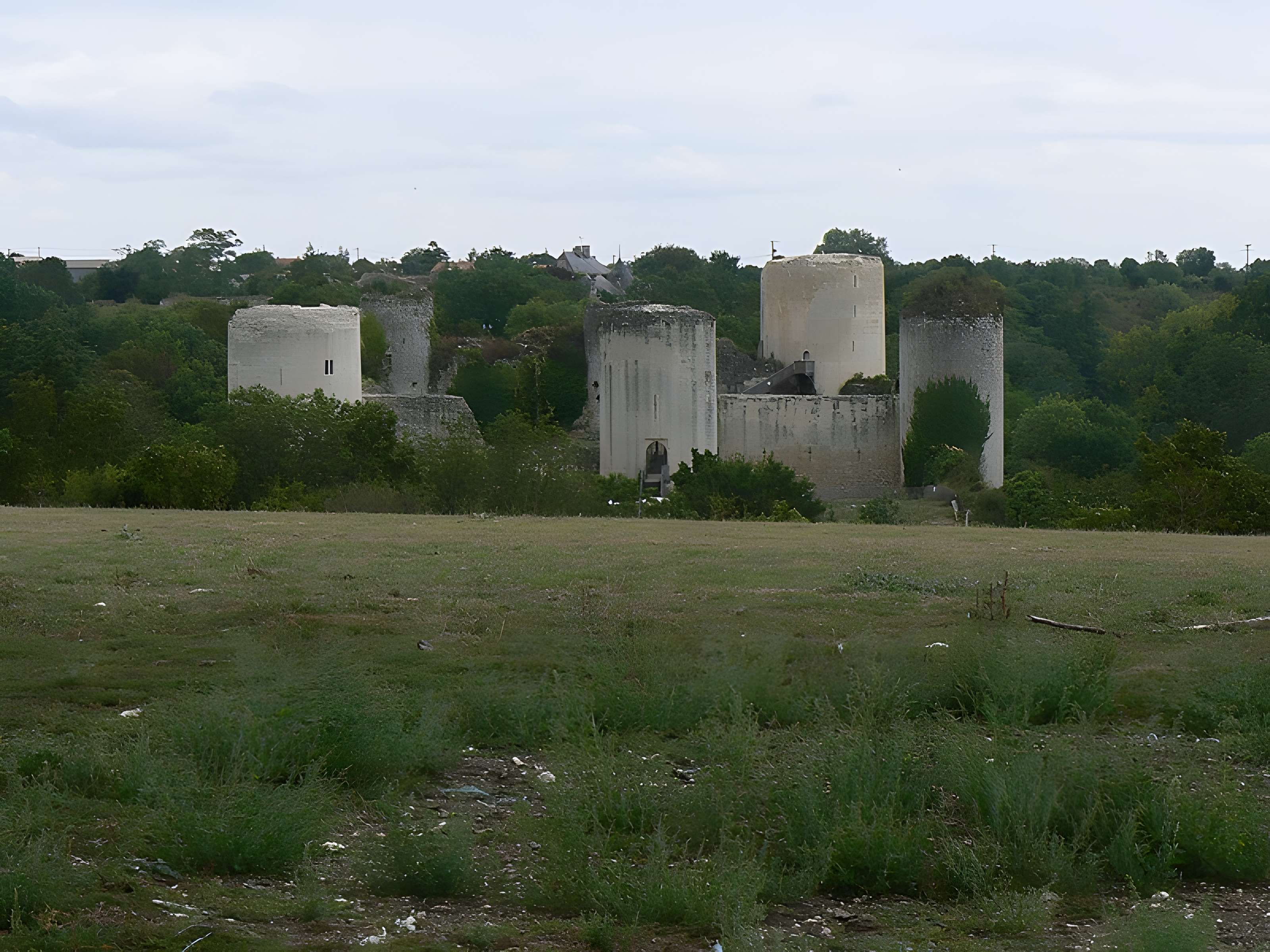
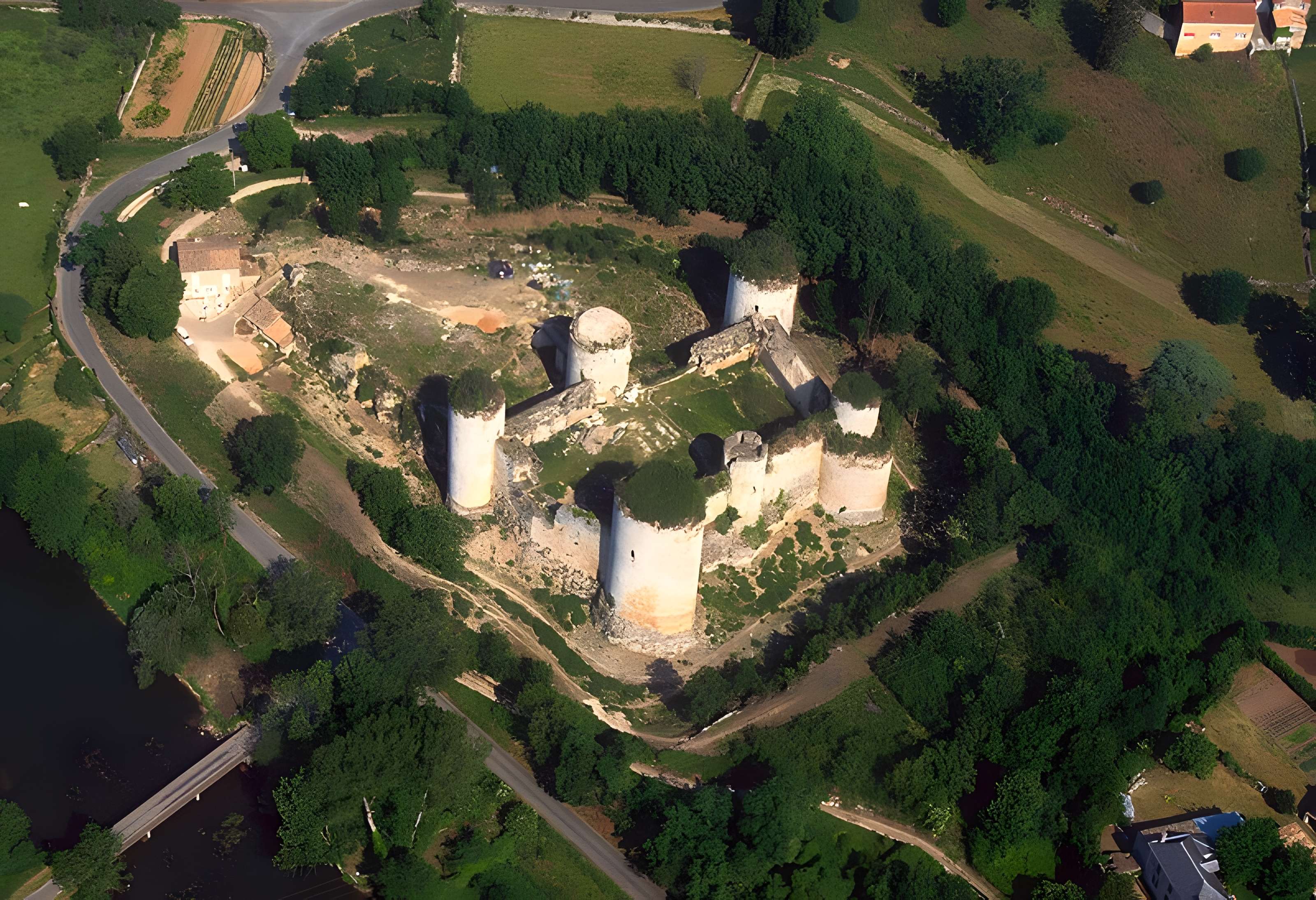
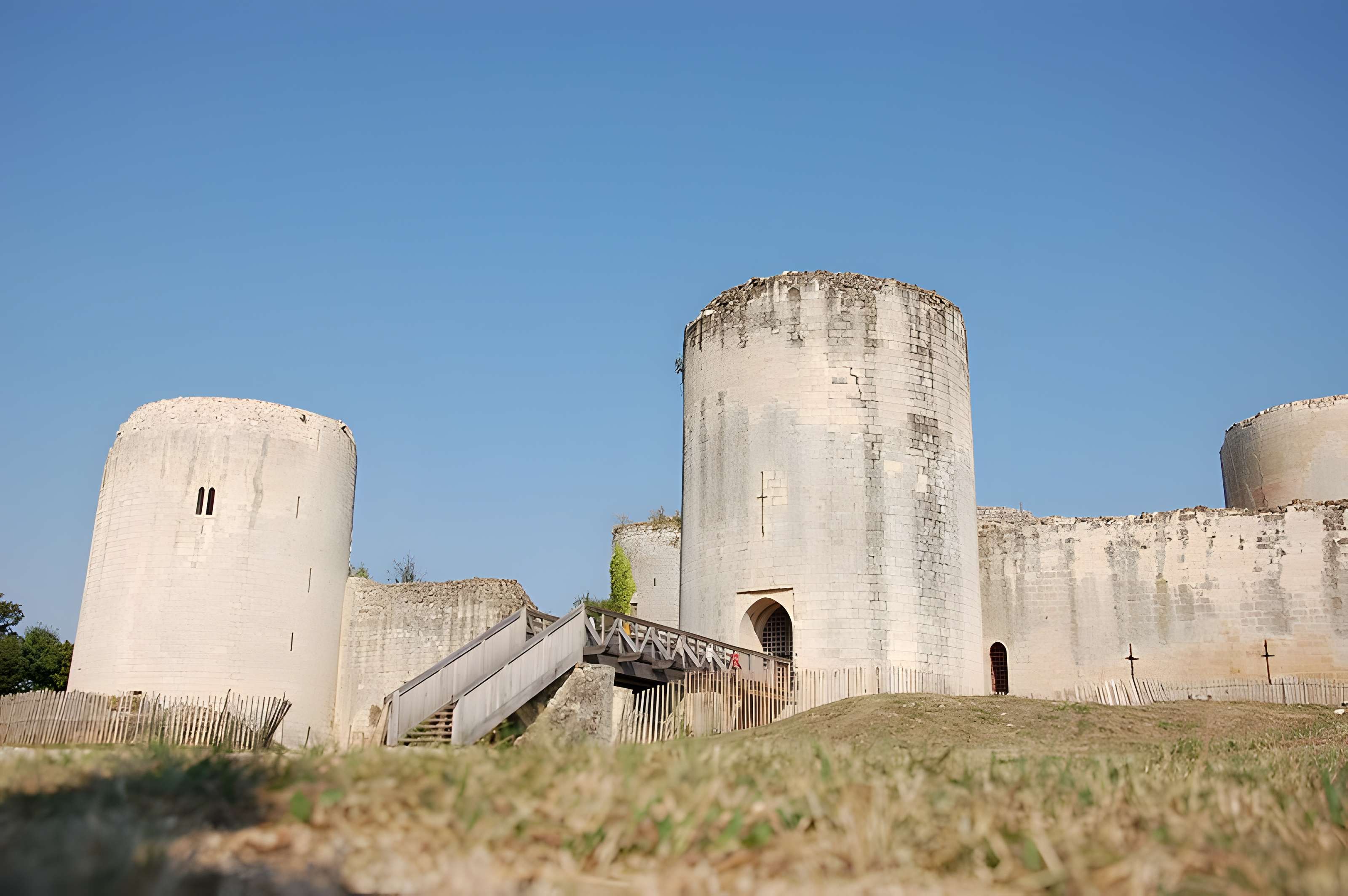
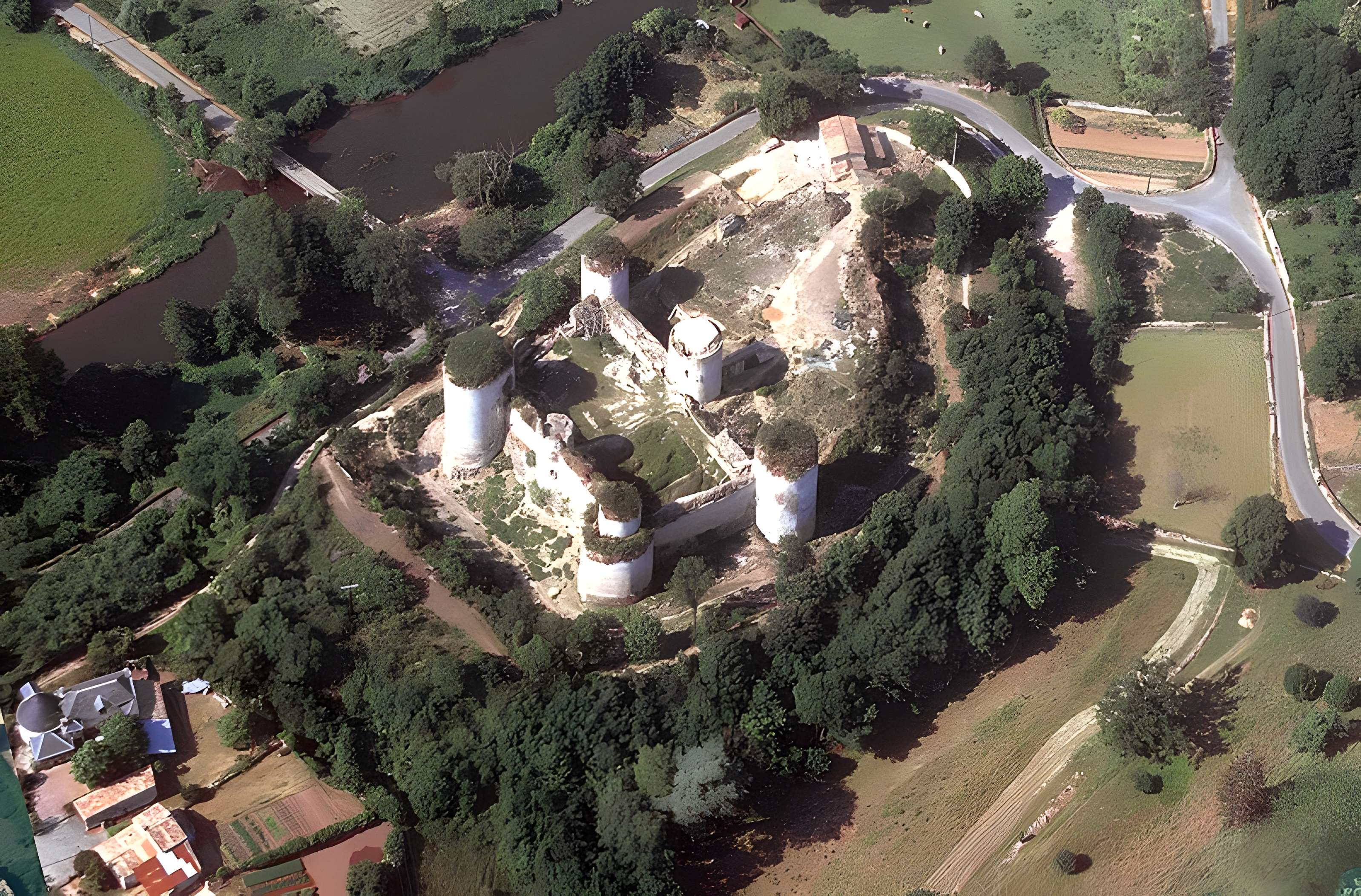
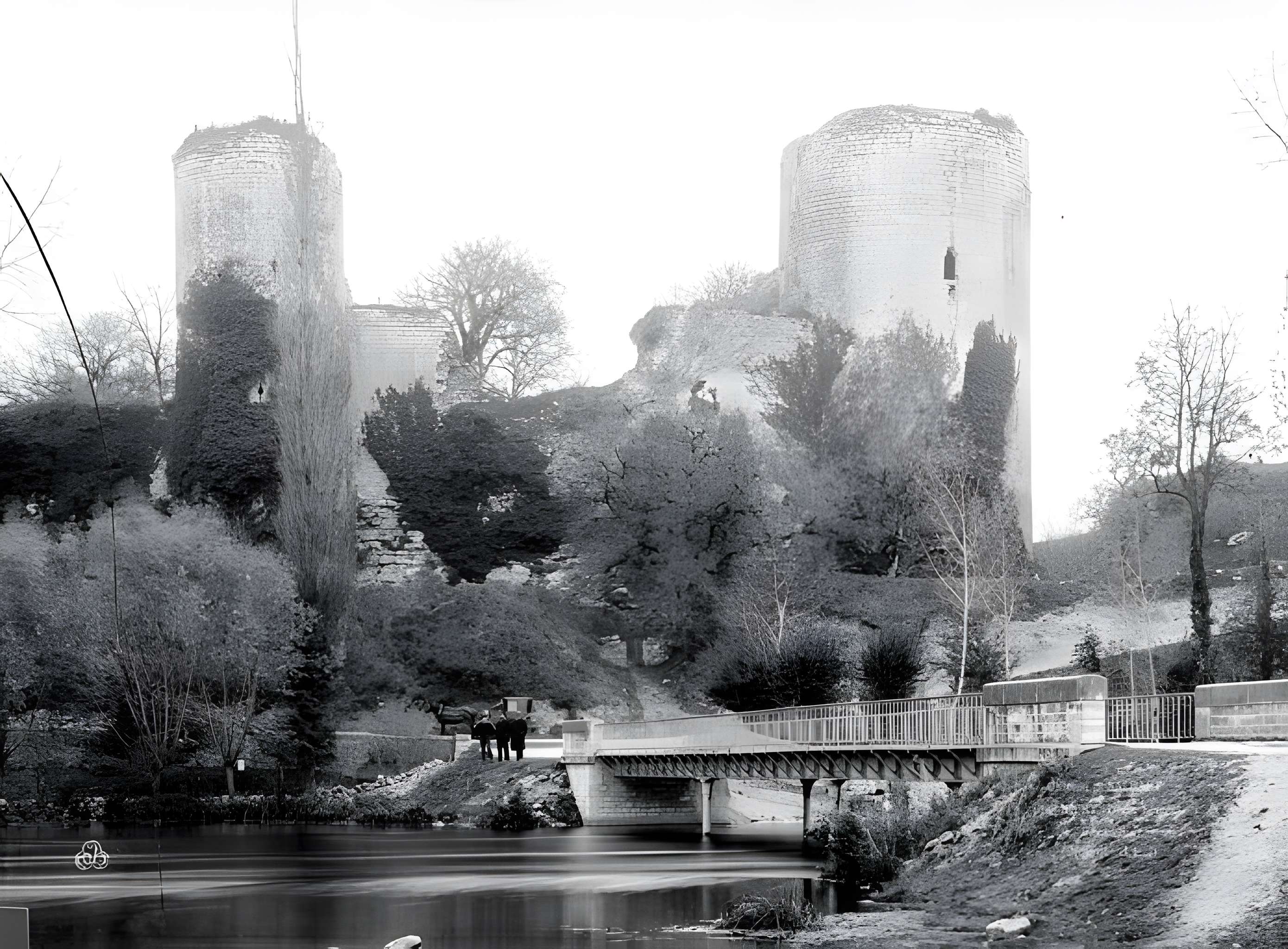
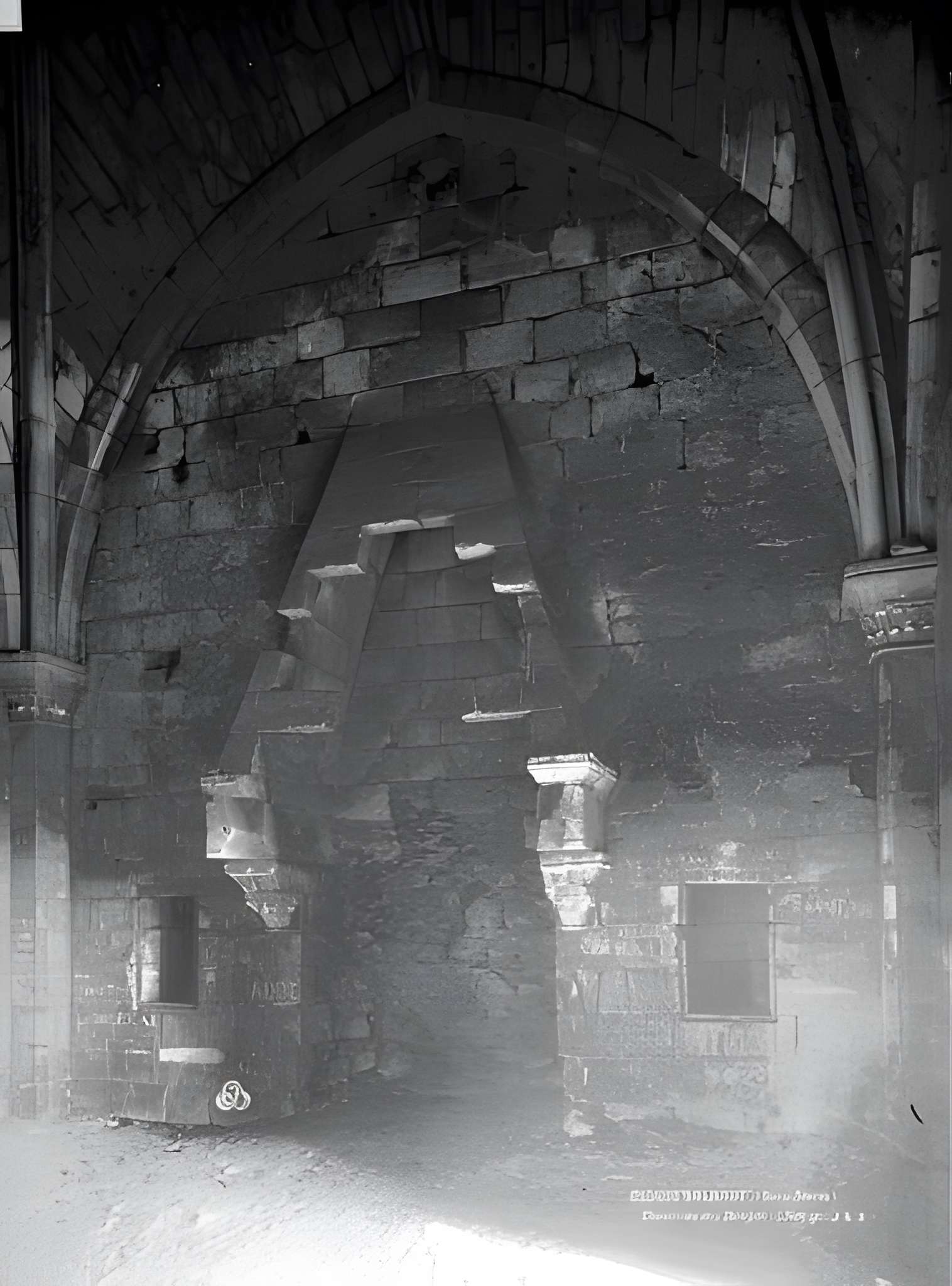
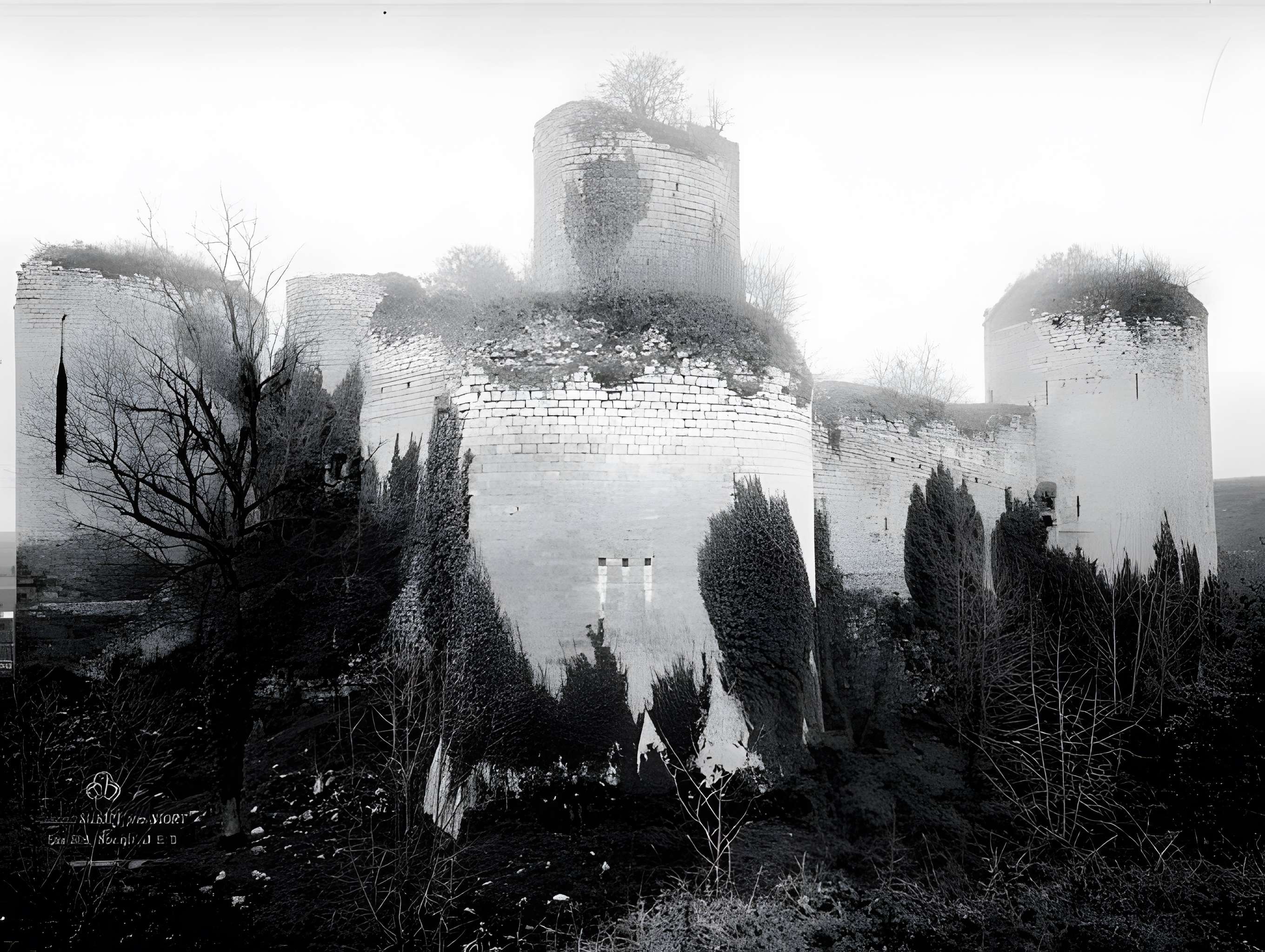
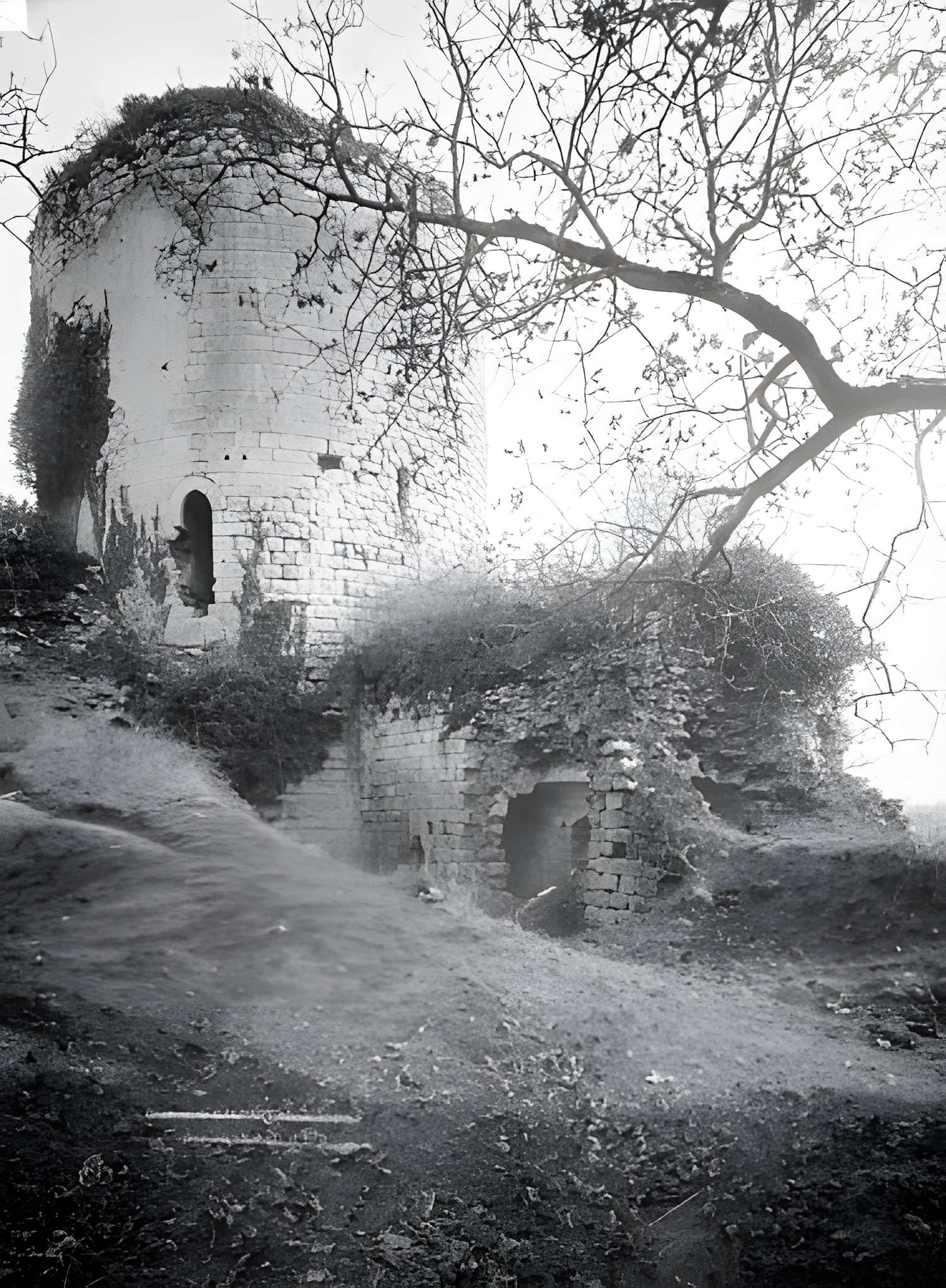
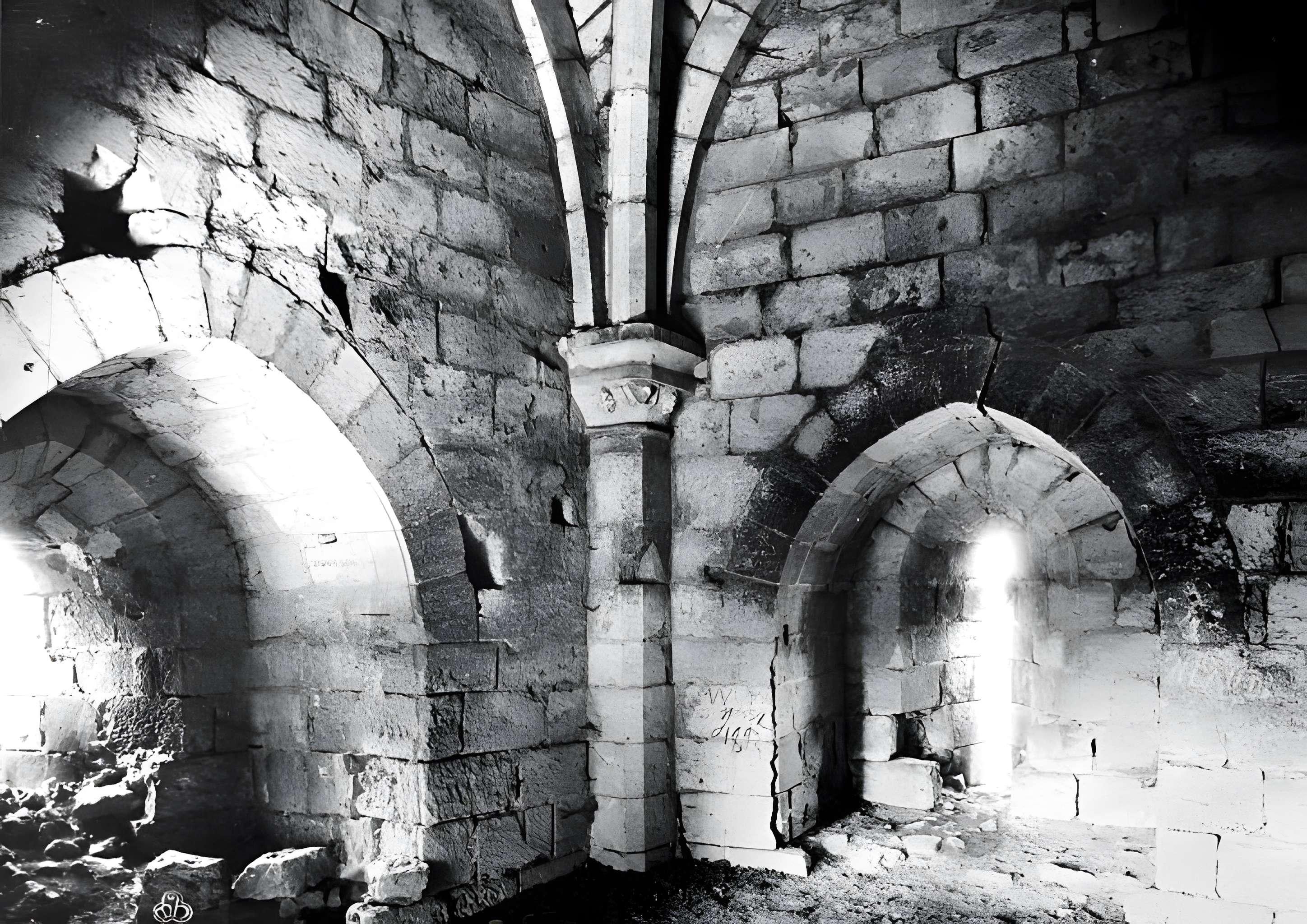
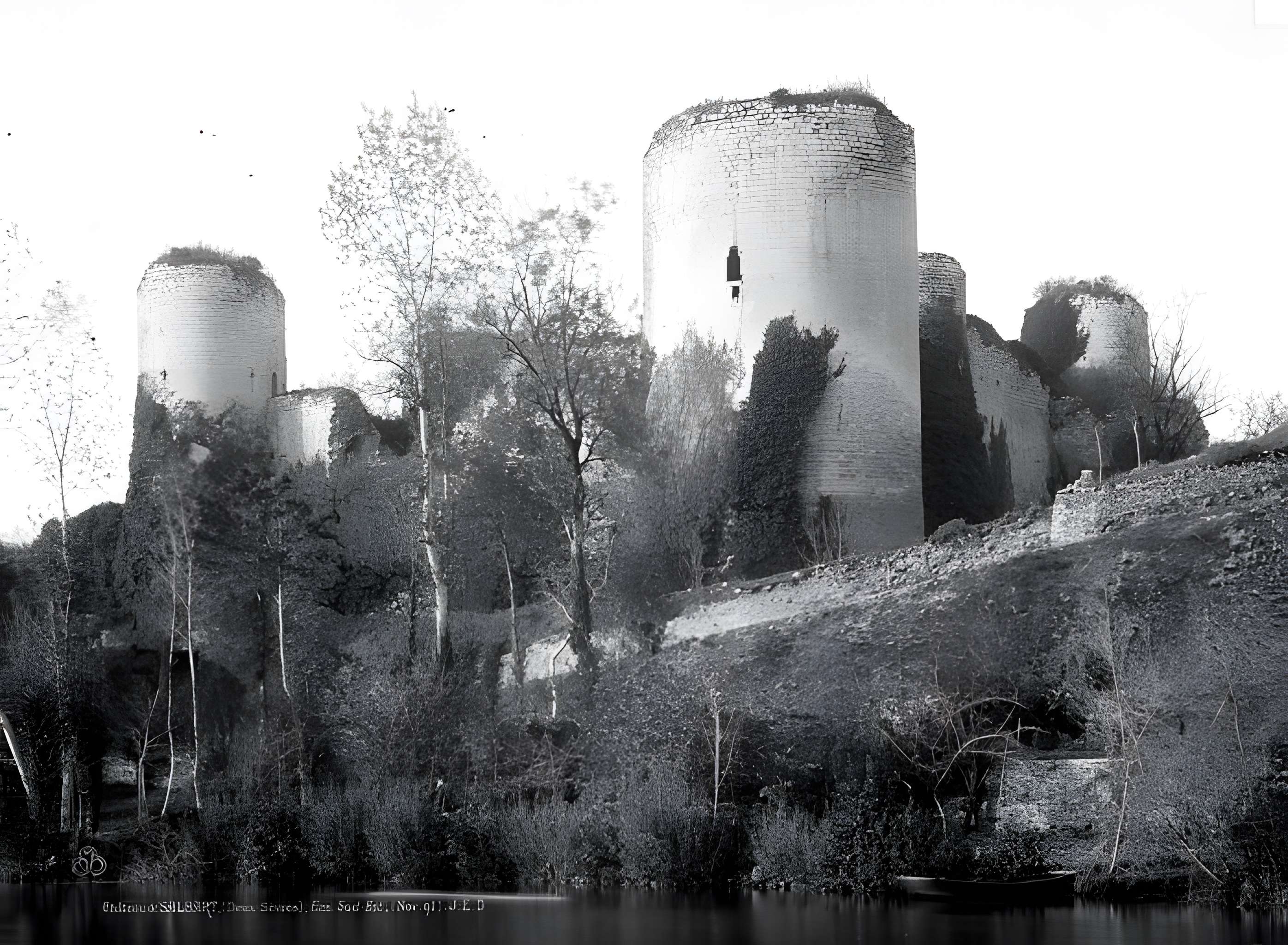
The Coudray-Salbart castle, built in the 13th century by the lords of Parthenay allied to King John of England without Earth, served as an advanced post for the English sovereigns until 1228, the date of the annexation of the Poitou to the crown of France. Its architecture, marked by almond spelt towers and a vaulted gallery with assommoirs, reflects the defensive techniques of the time. The site, located 2 km north of the Church of Notre-Dame d'Échiré, overlooks the Niortese Sèvre in the Deux-Sèvres.

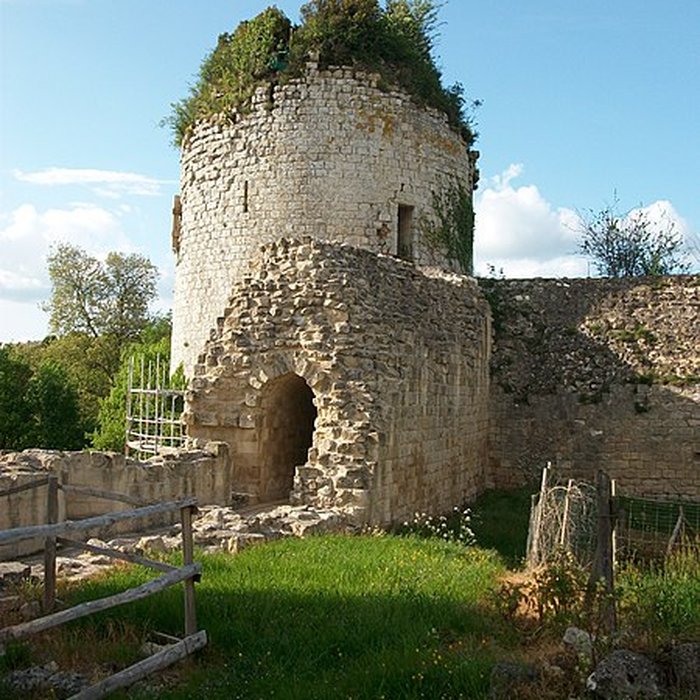
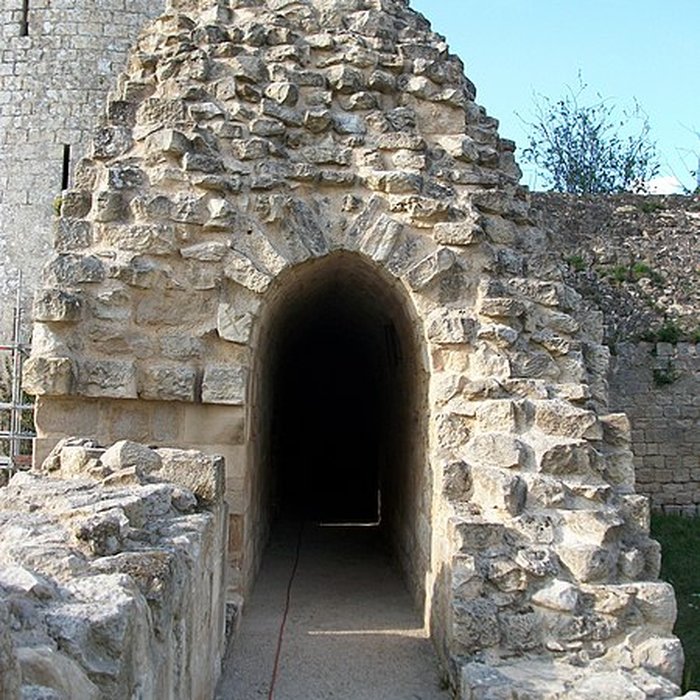
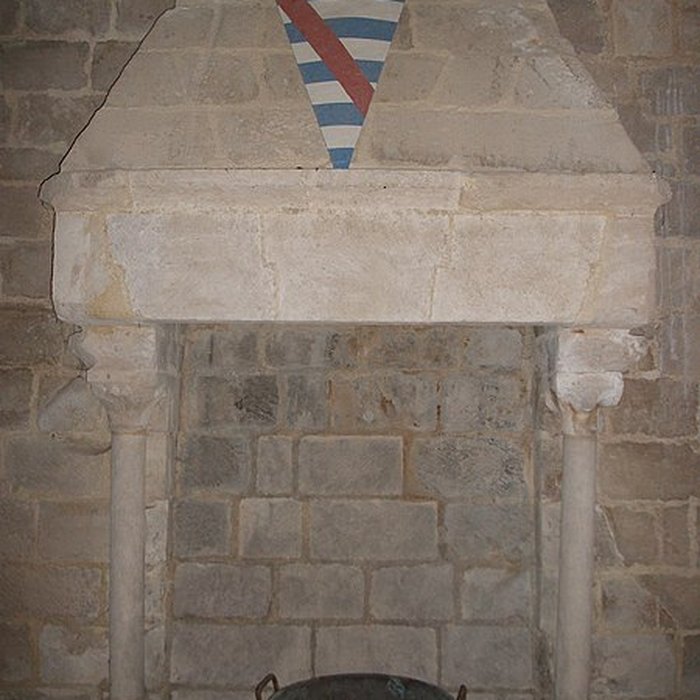
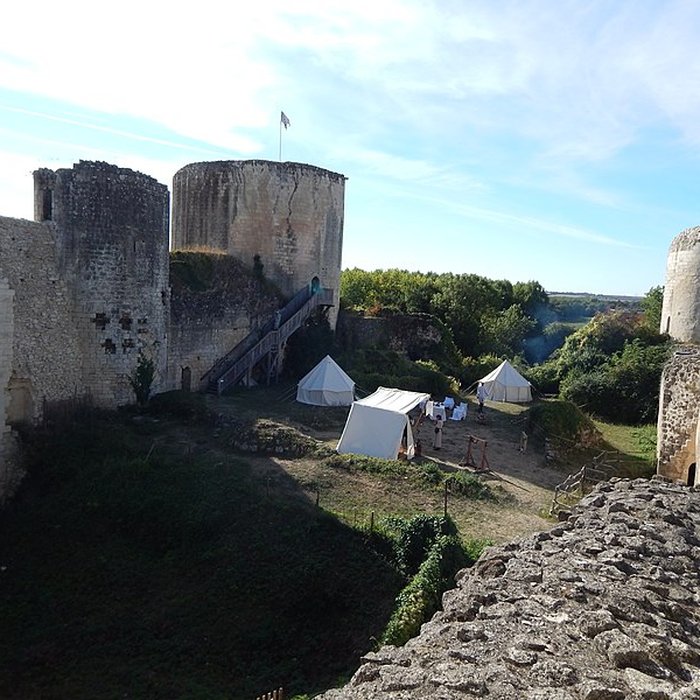
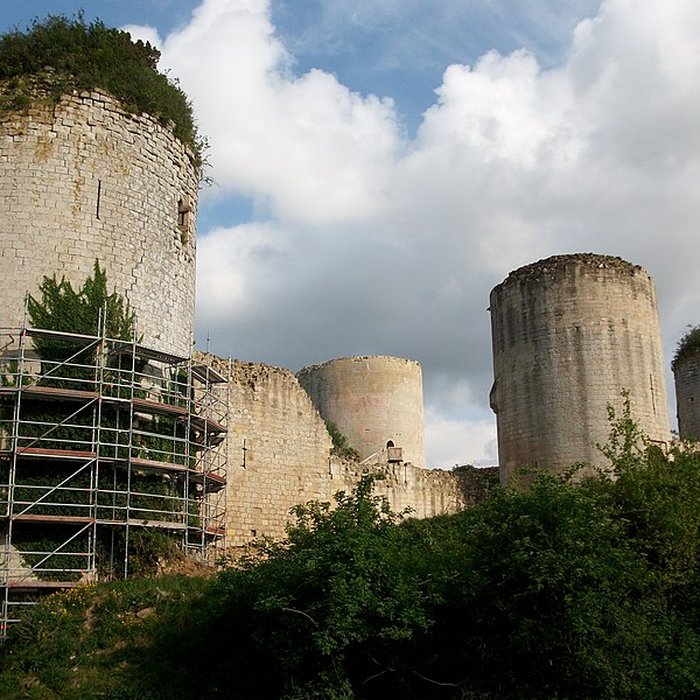
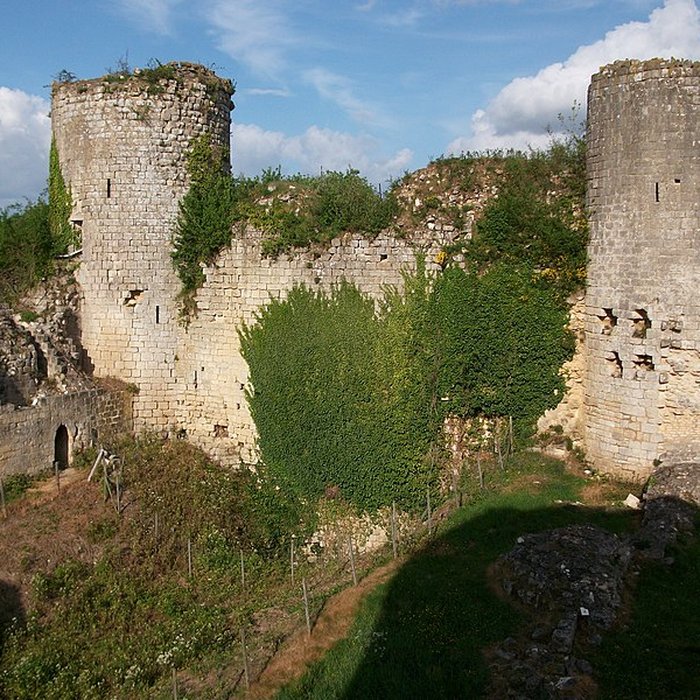
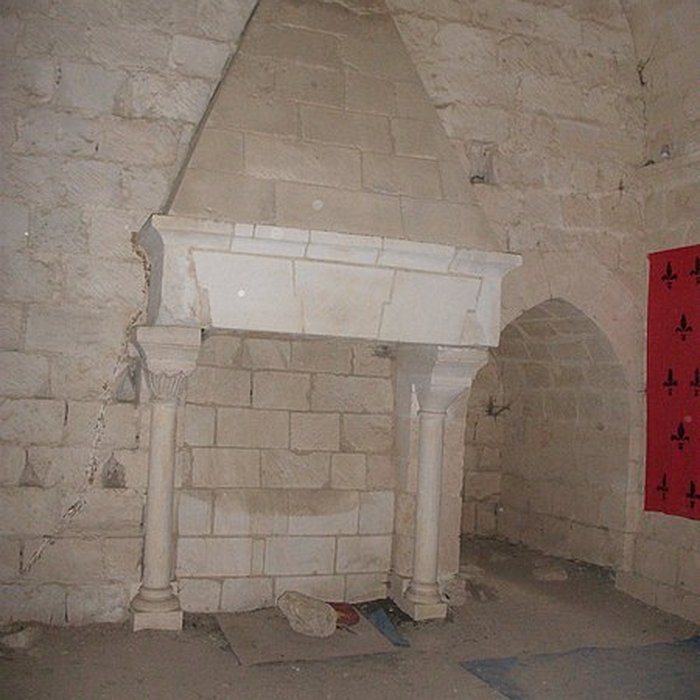
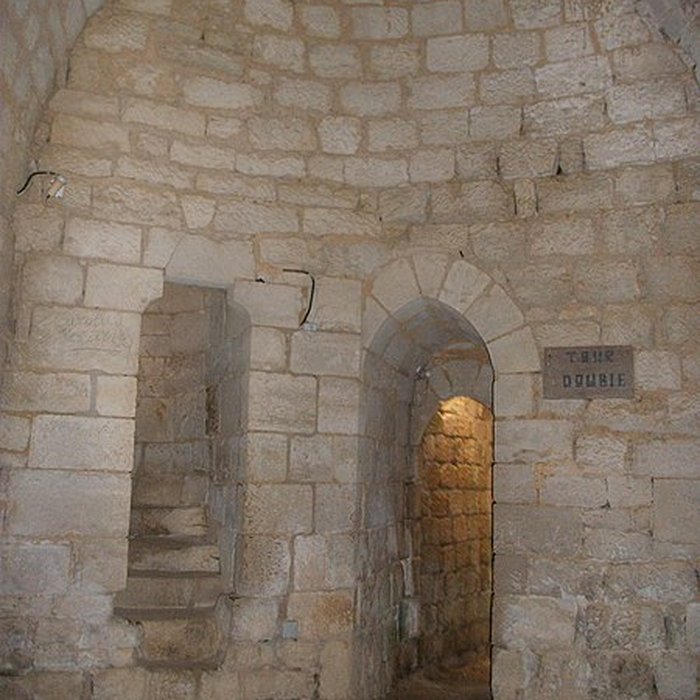
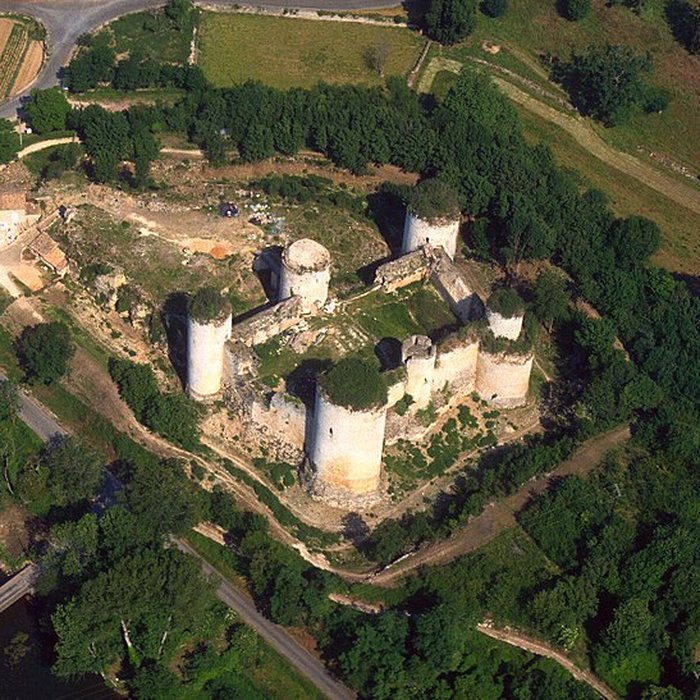
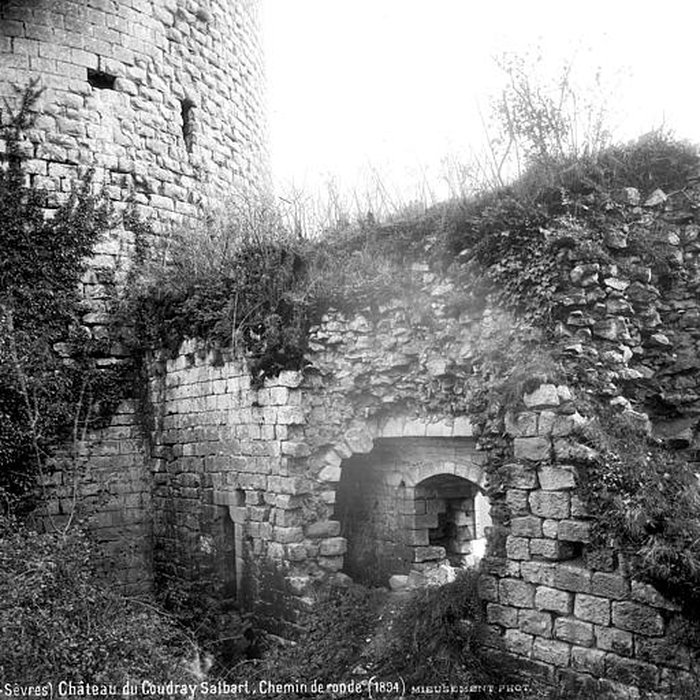
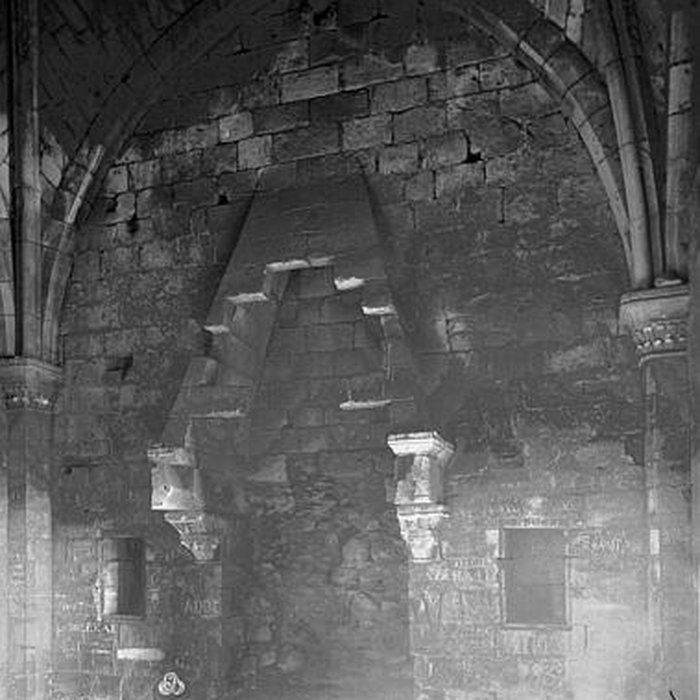
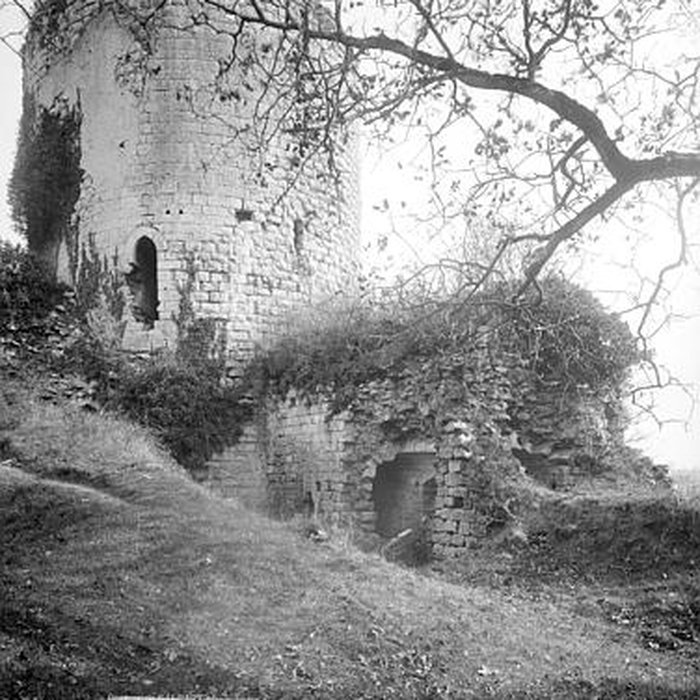
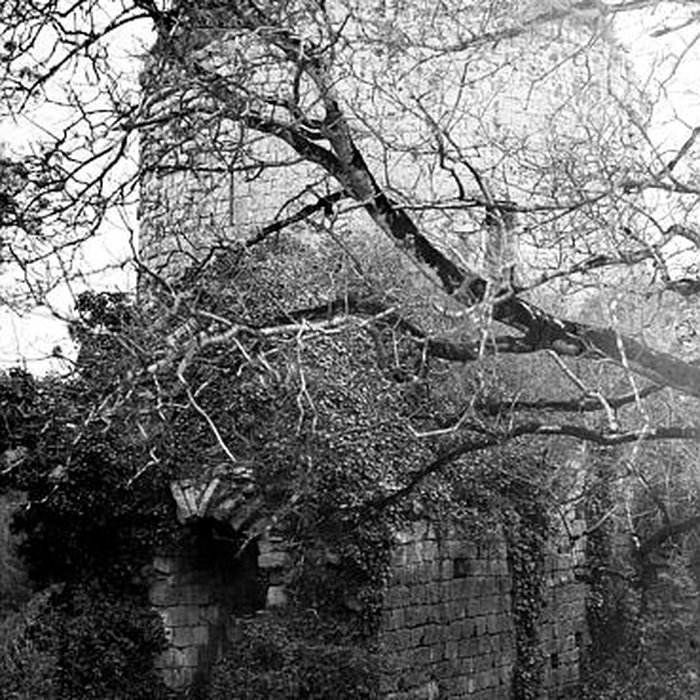
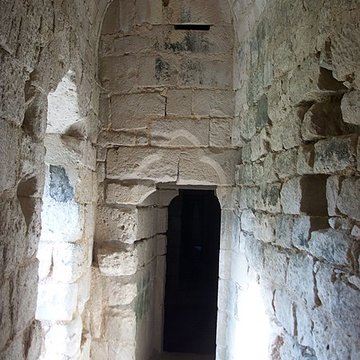
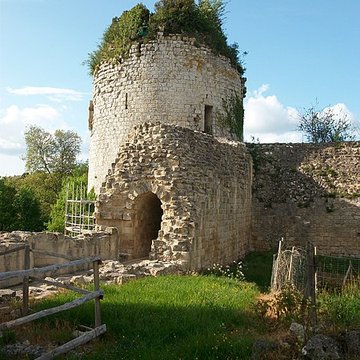
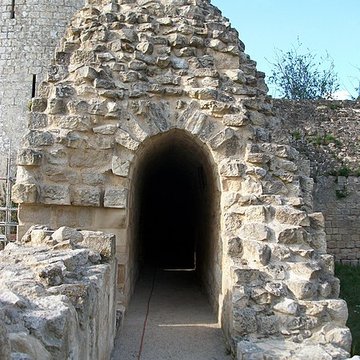
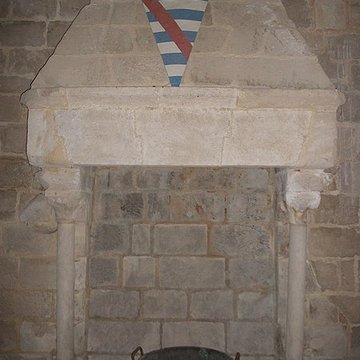
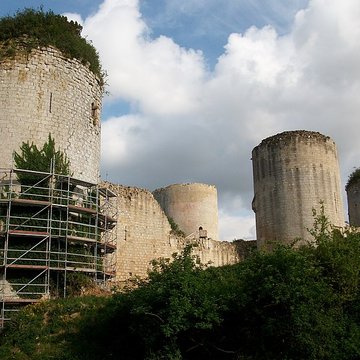
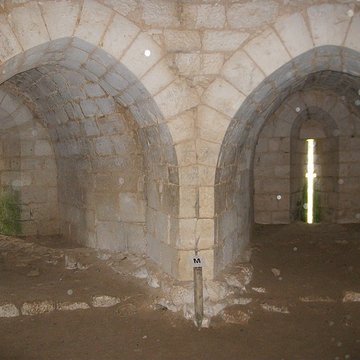
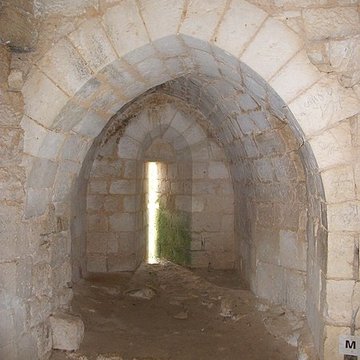
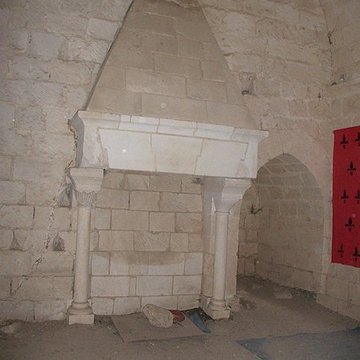
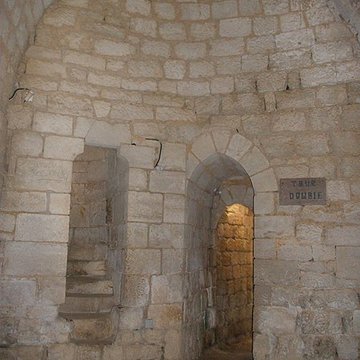
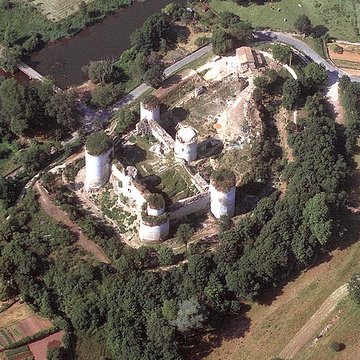
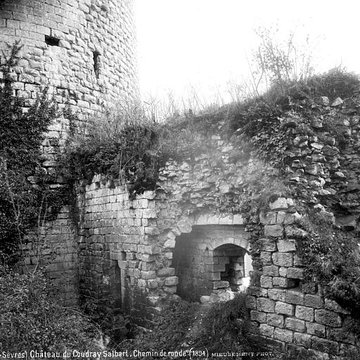
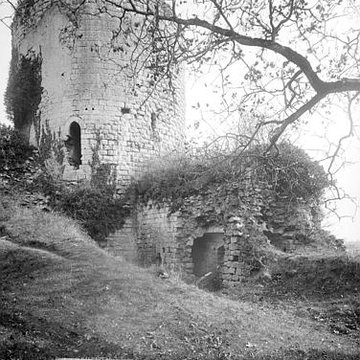
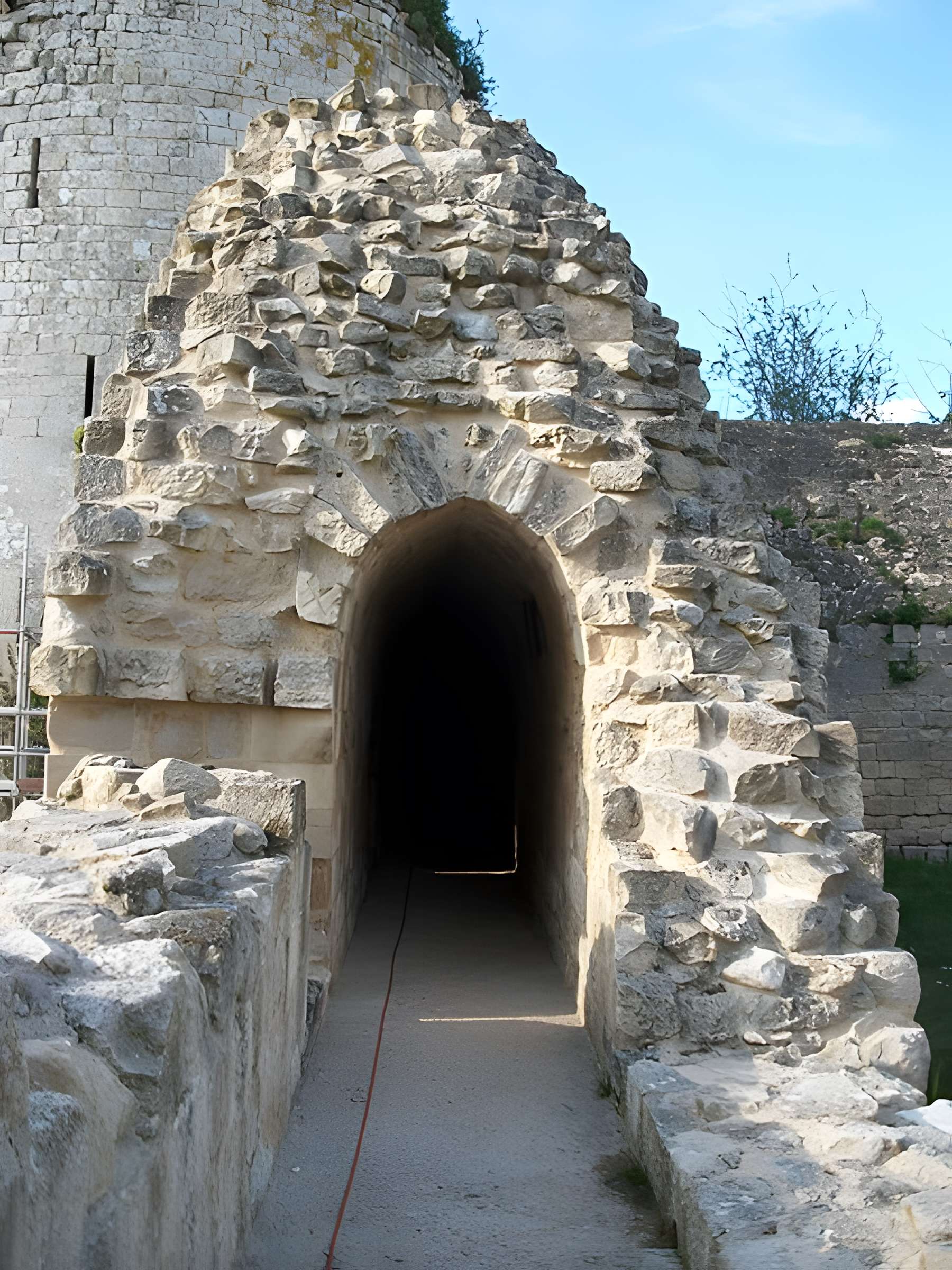
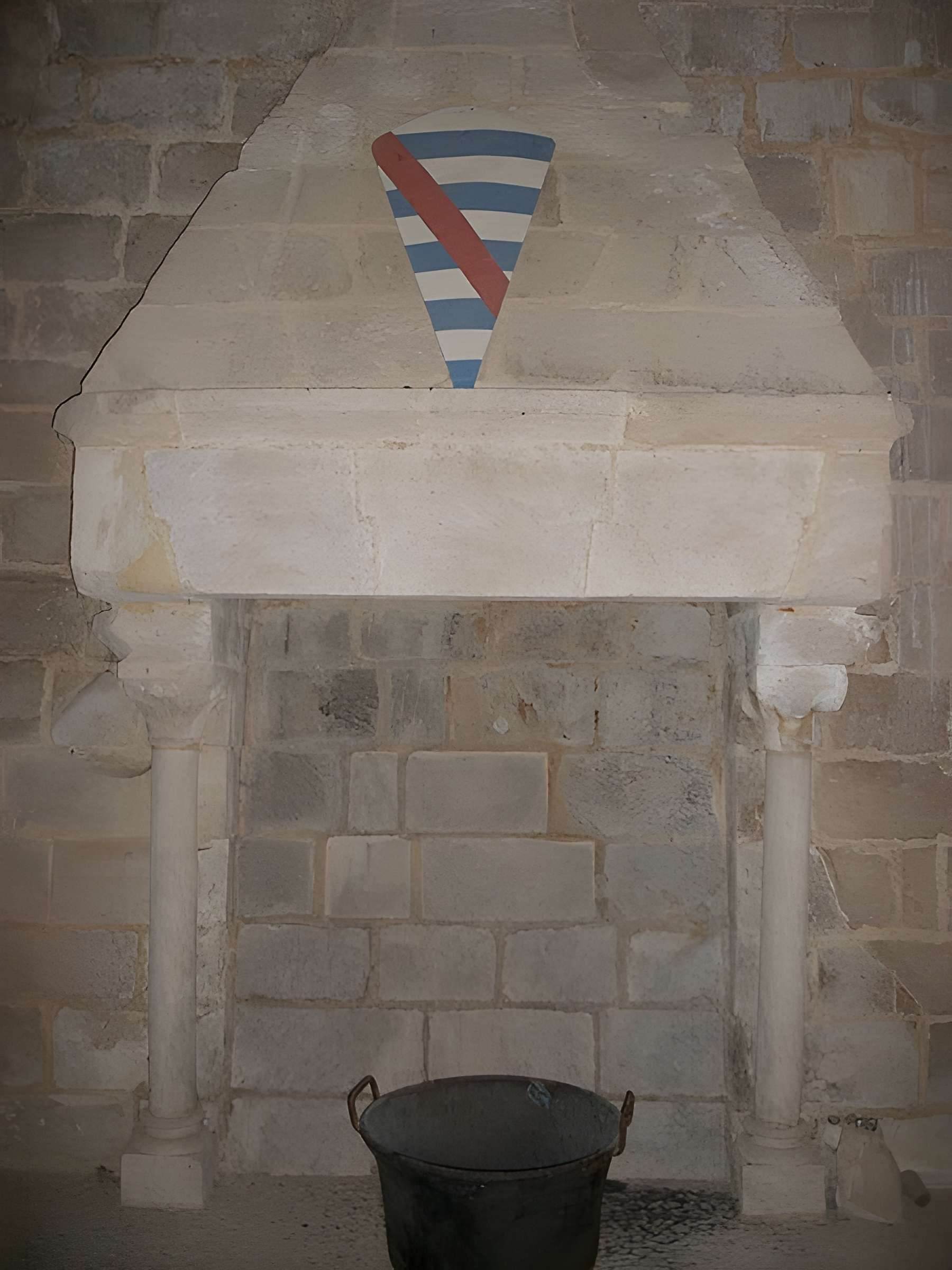
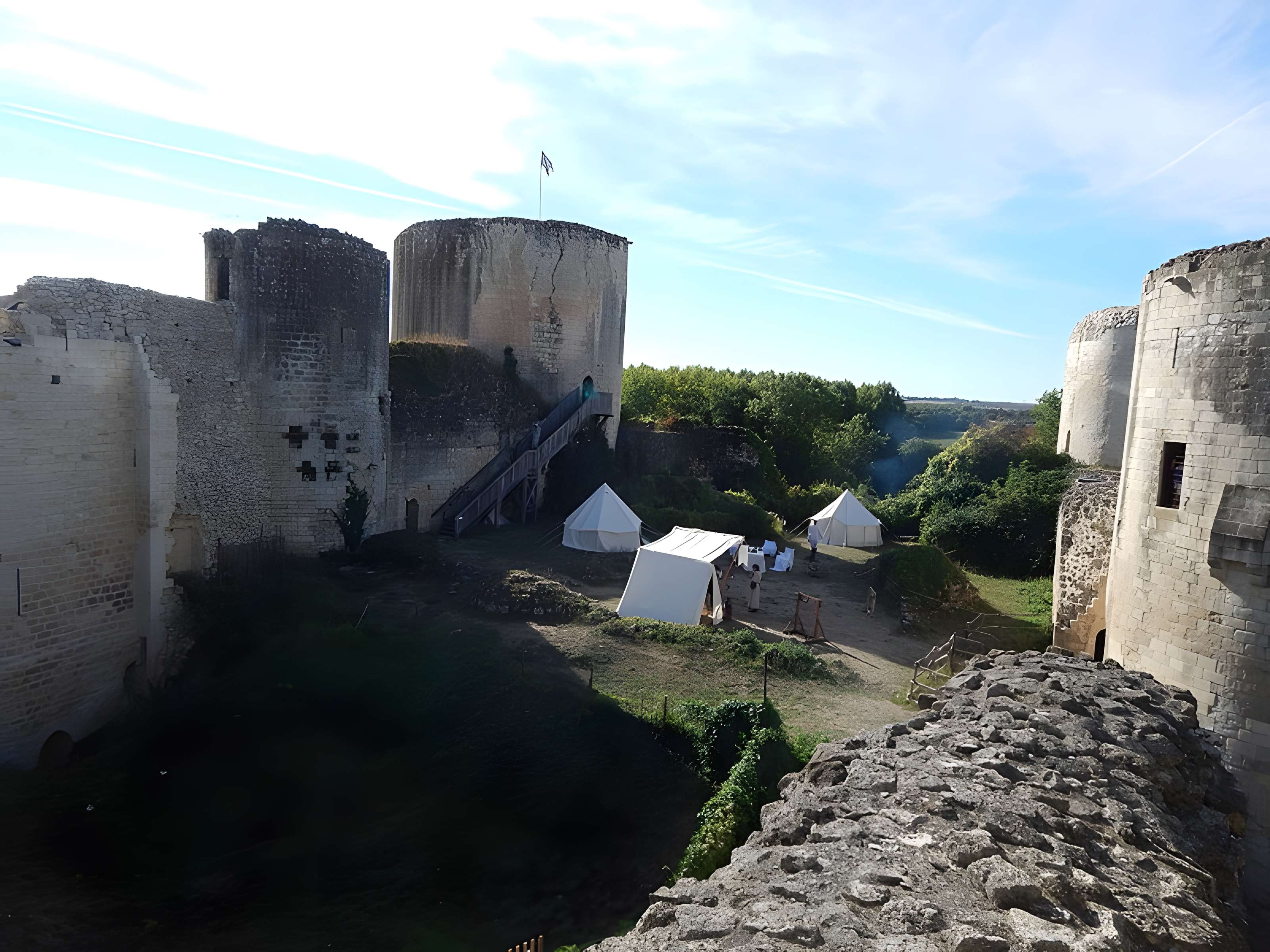
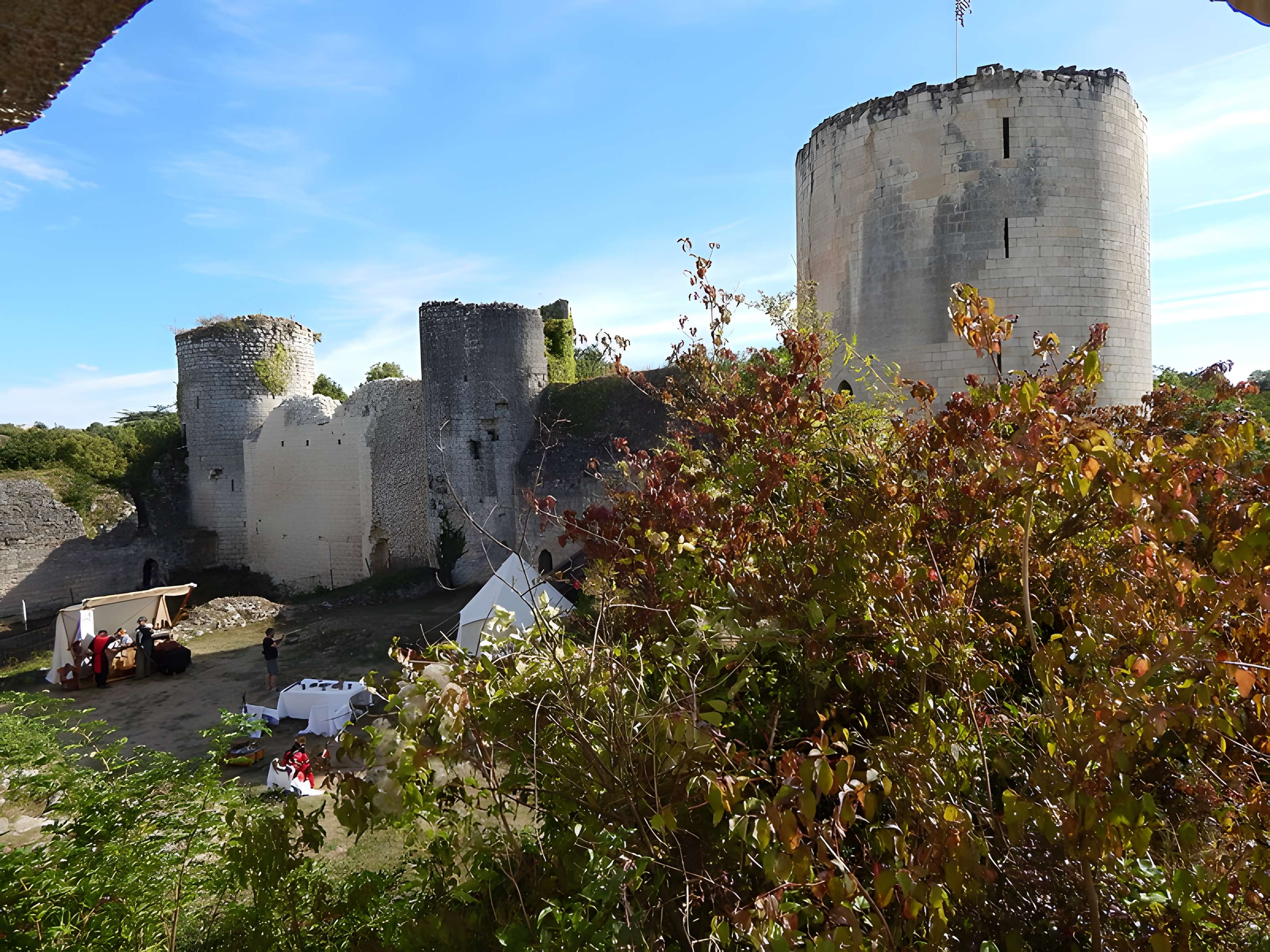
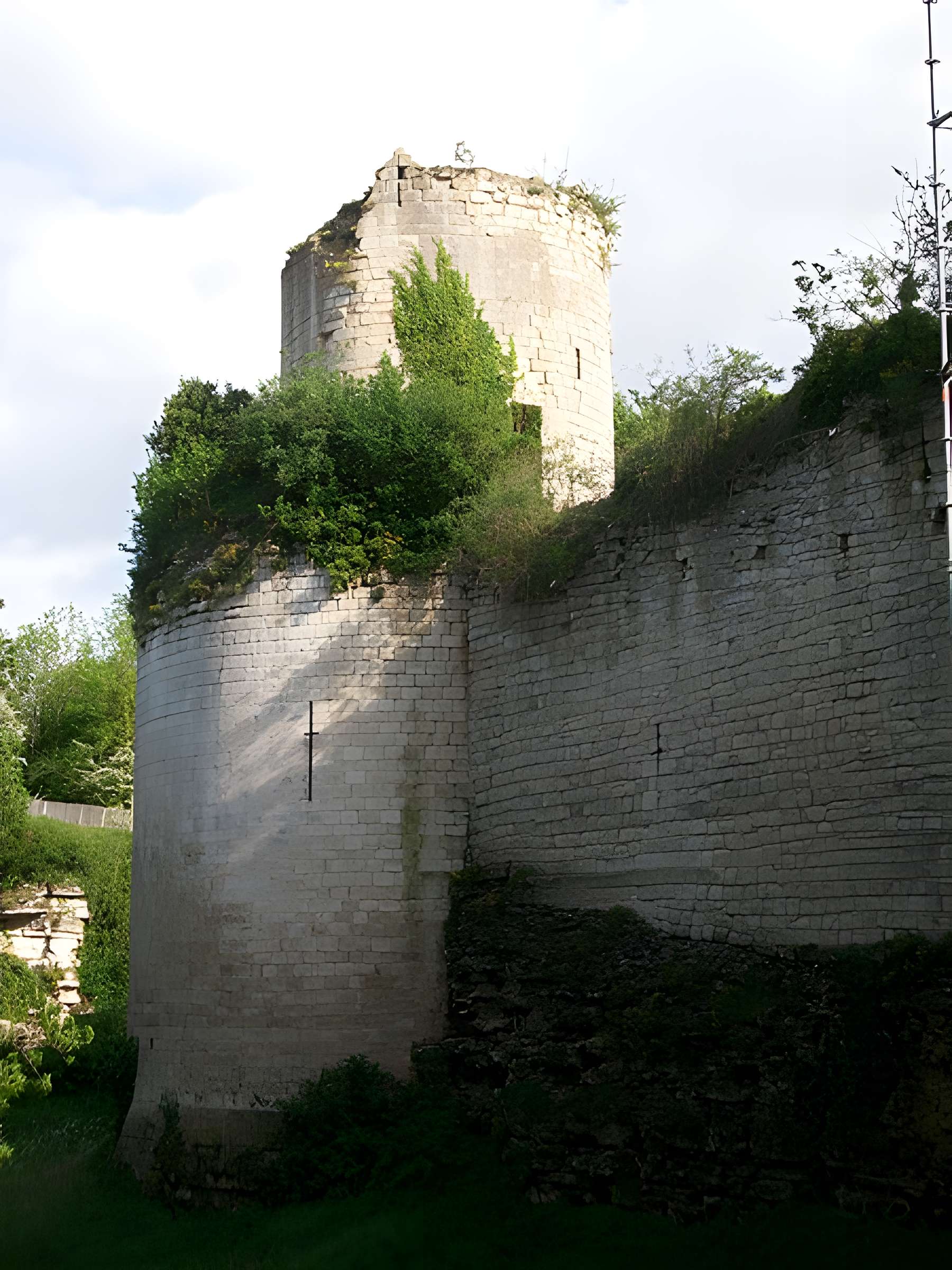
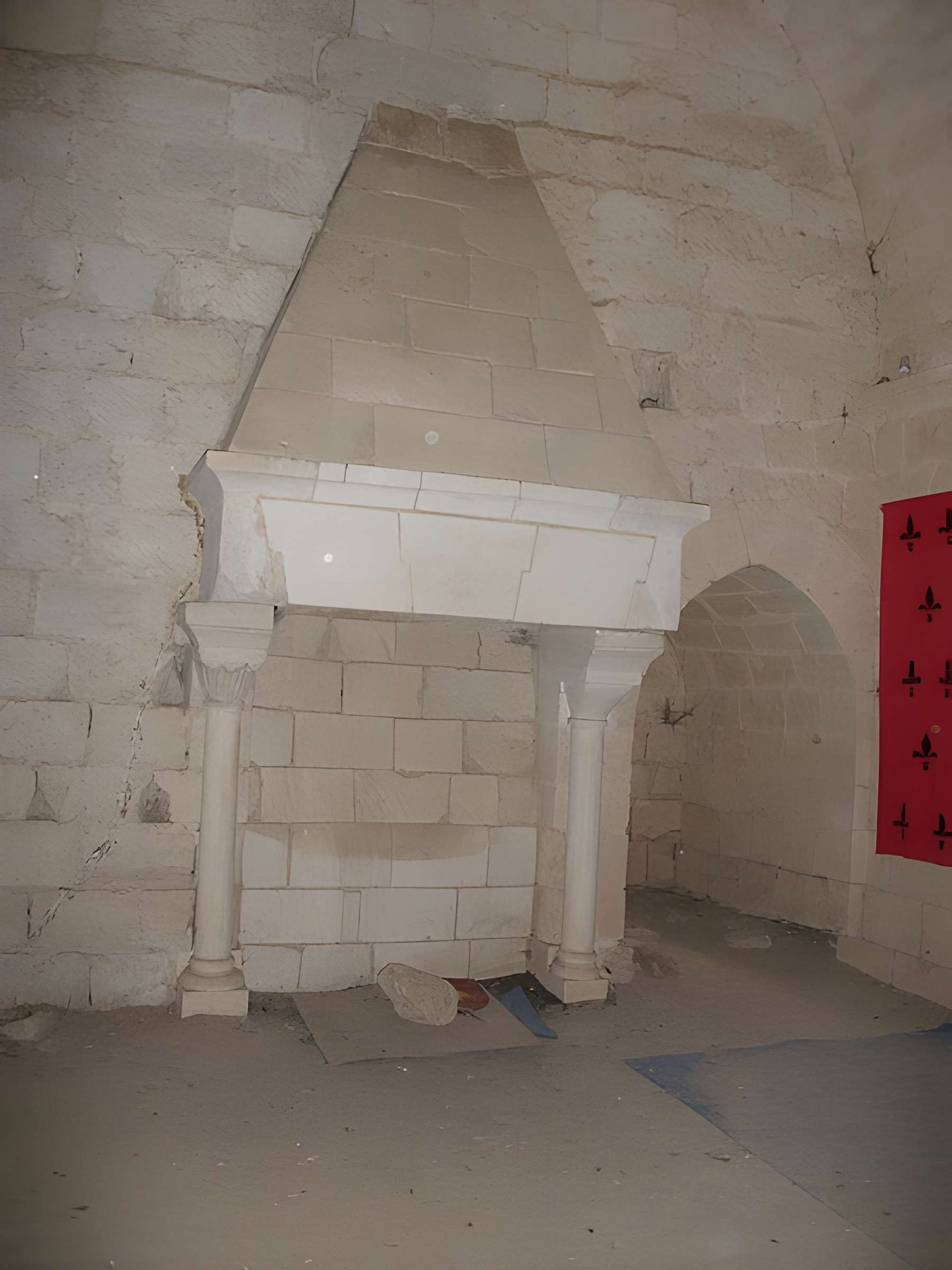
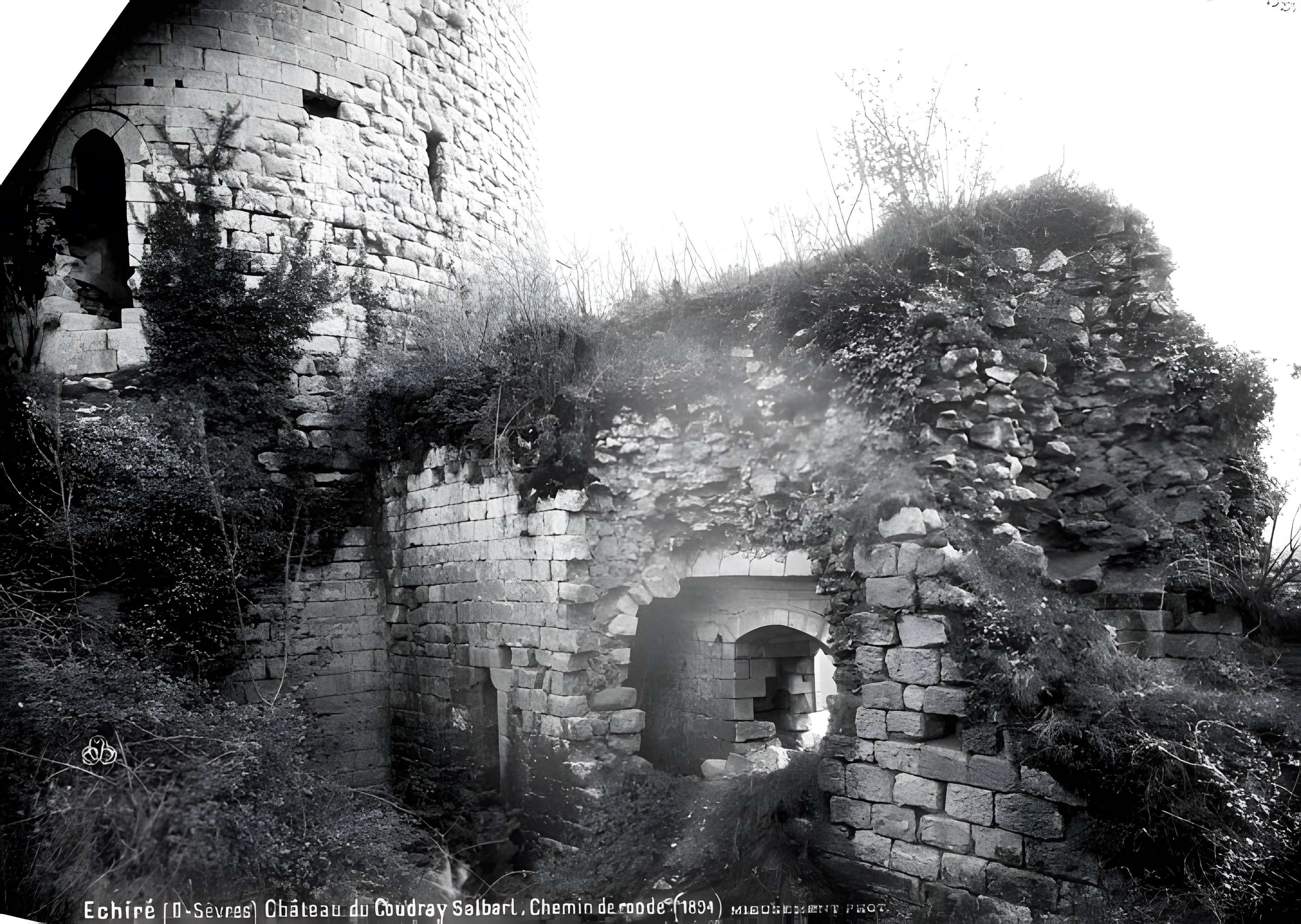
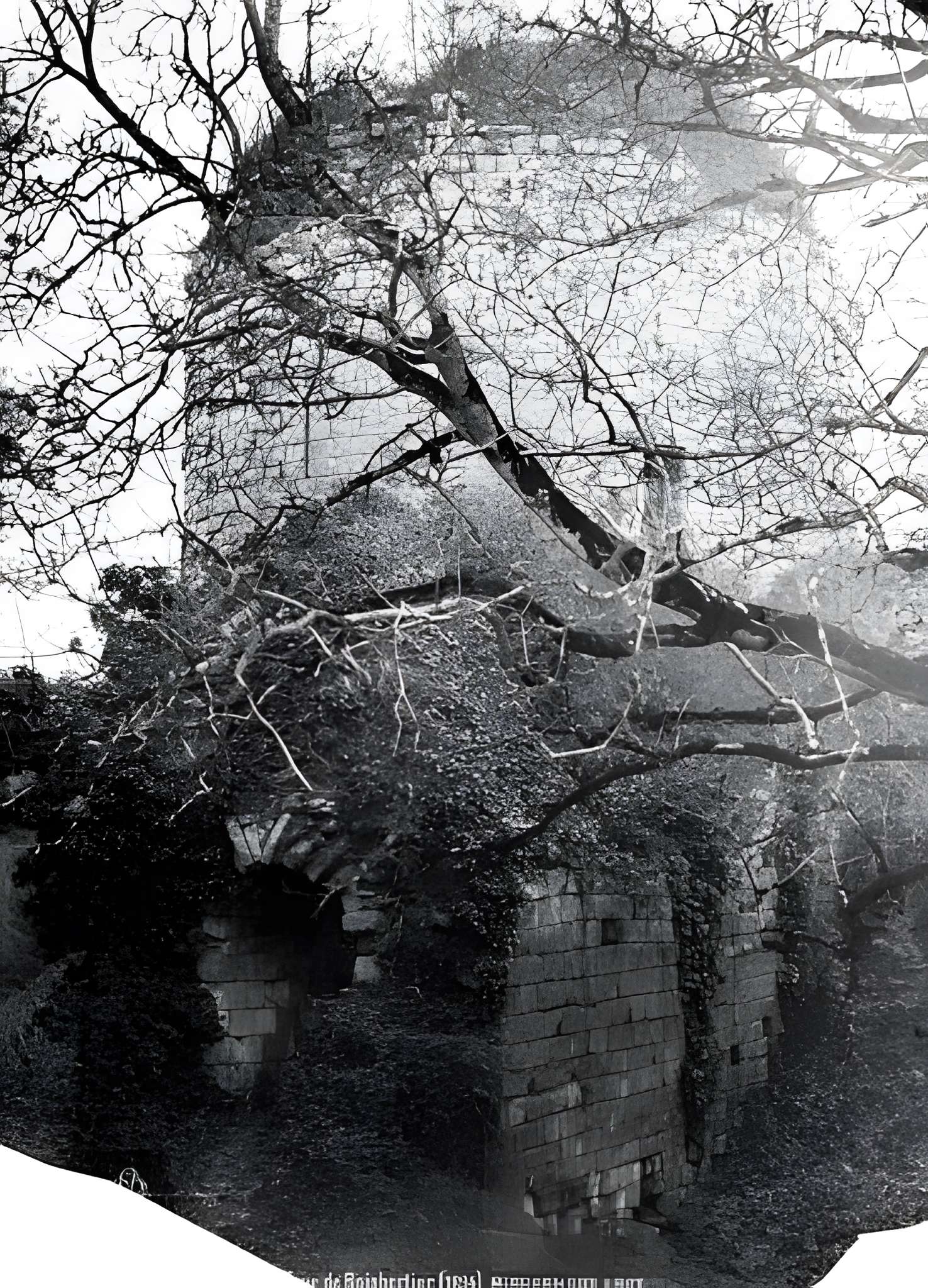
As early as the 15th century, the castle lost its strategic role: the Prise of 1460 already described a building in ruins. Artus Brévier (av. 1415–80), skier of the Duke of Brittany Arthur III and captain of the Coudray-Salbart, embodies this period of decline. The remains, classified historical monuments in 1952 and 1954, include two enclosures flanked by six towers connected by a vaulted round road, as well as an oven in the lower courtyard.

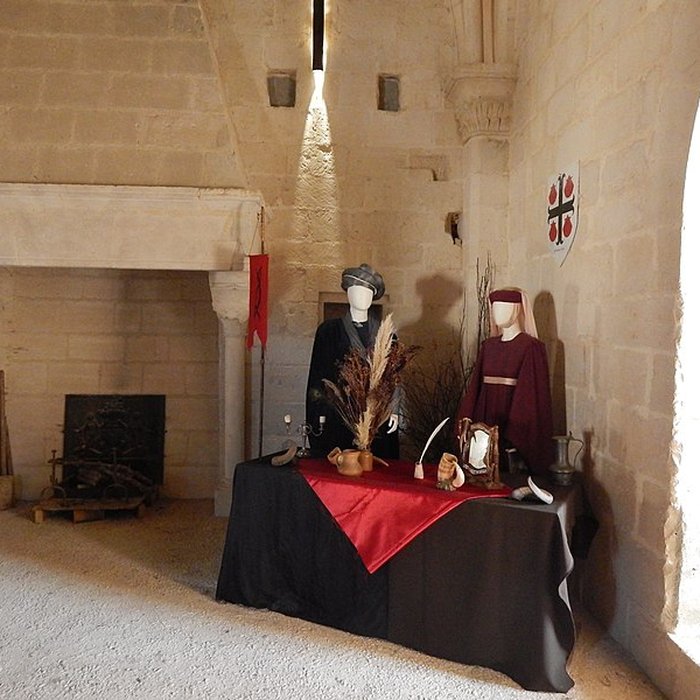
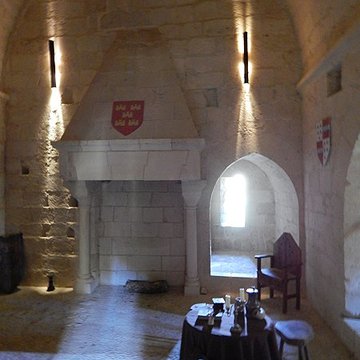
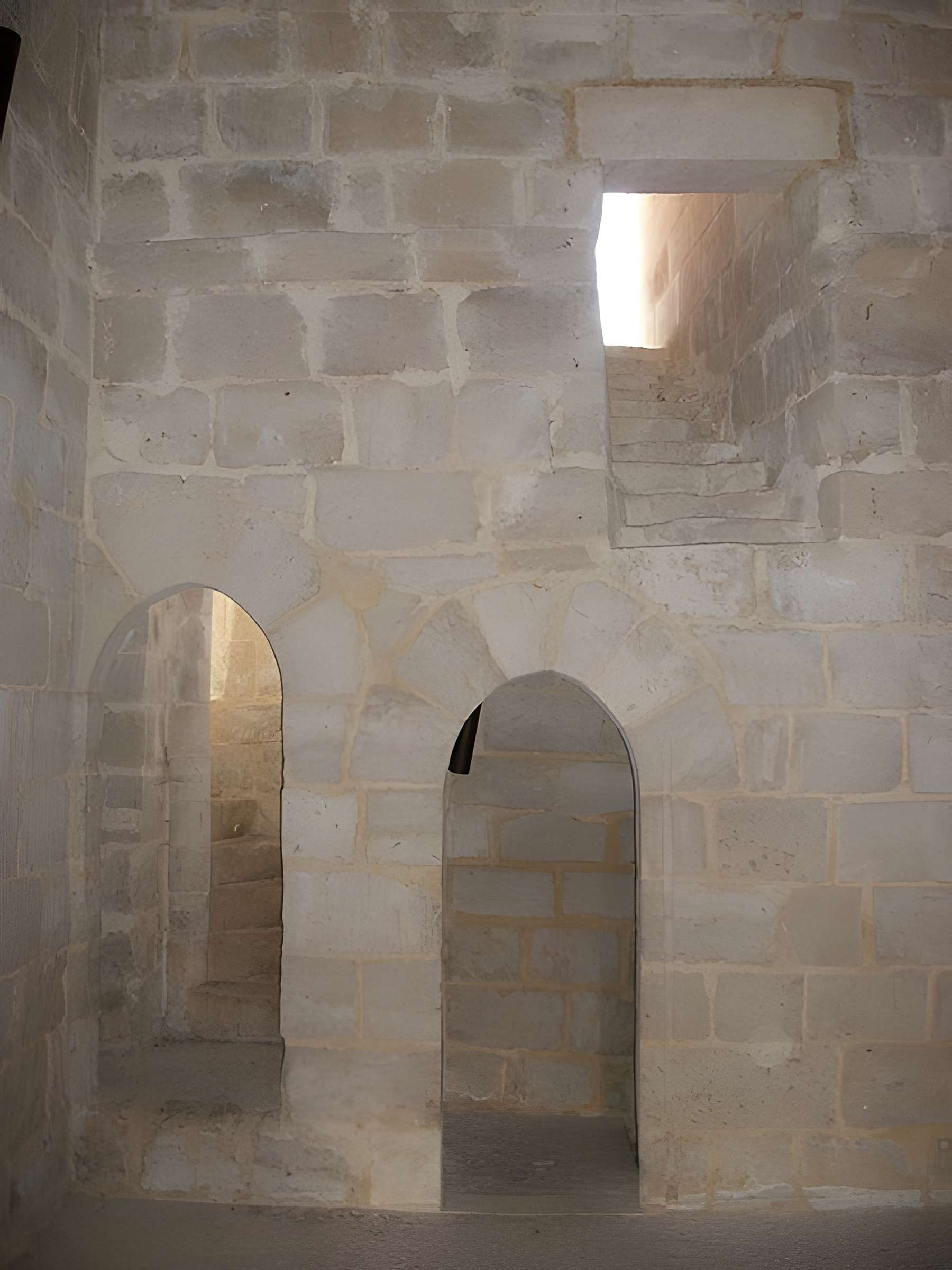
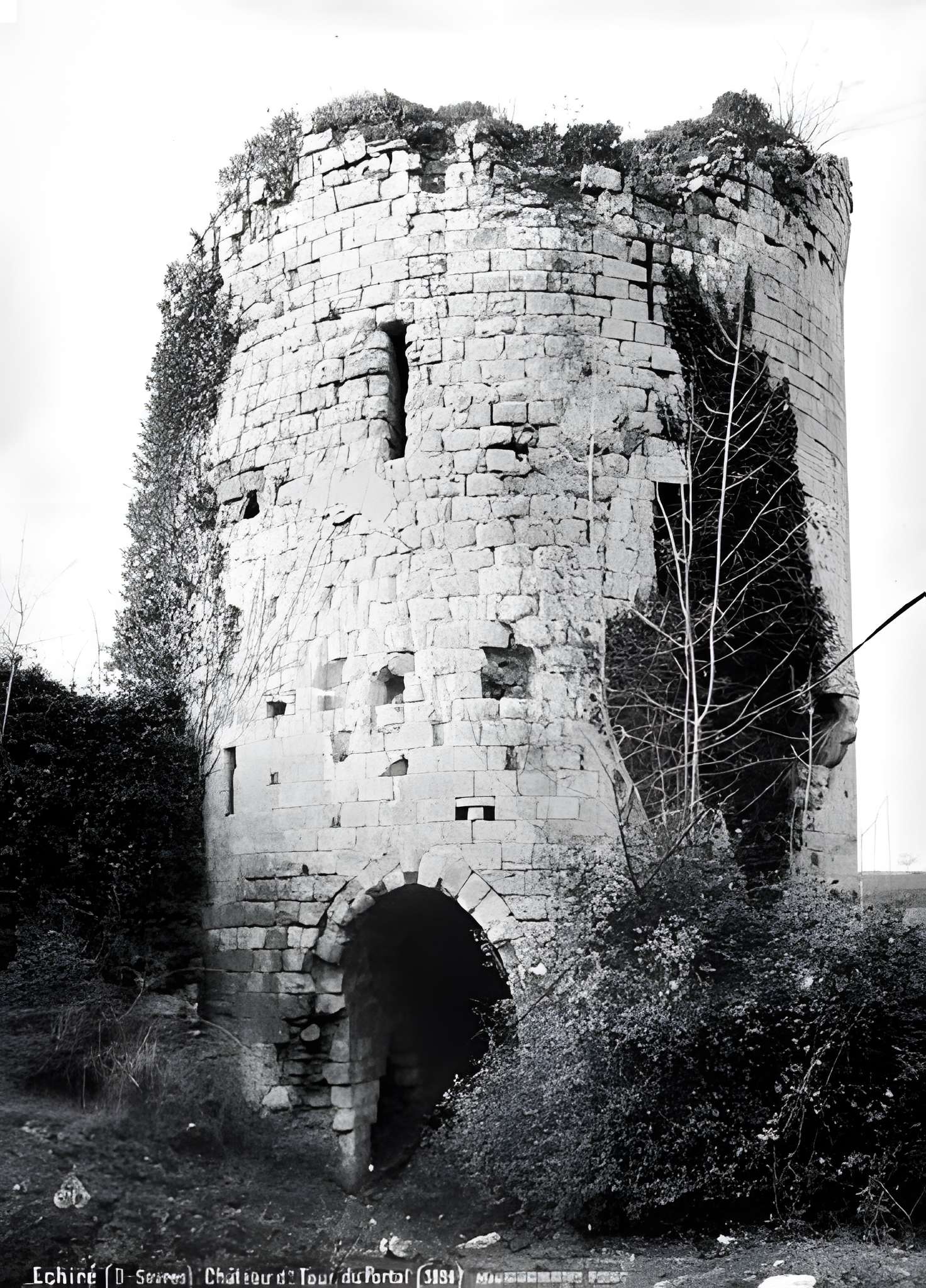
The restoration of the castle began in 1978 thanks to the association Les Amis du Coudray-Salbart and Union Rempart, with European volunteer projects until 2002. Since 2000, the urban community of Niortais has been the owner of the project, entrusting the management to volunteers for animation (visits, events) and professionals for the work. Between 2005 and 2014, several campaigns crystallized the towers (Portal, Bois Berthier, Moulin) and the front east, revealing new architectural elements.

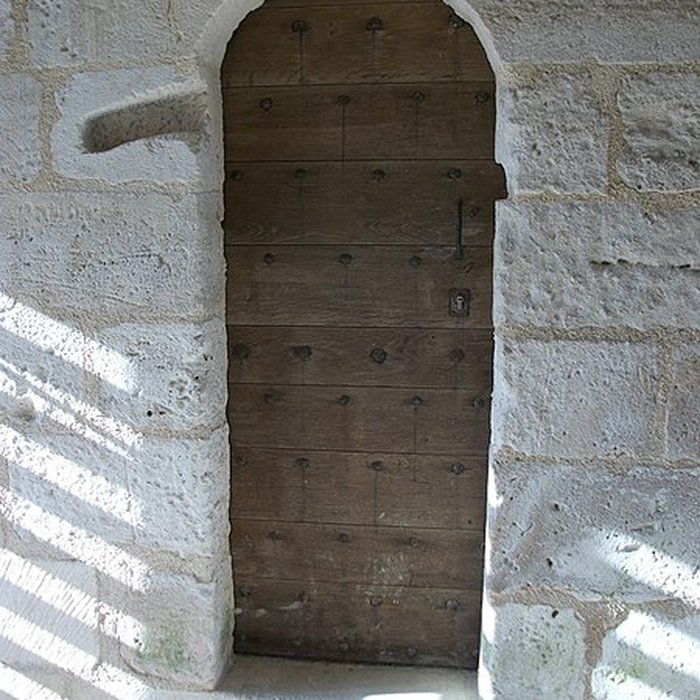
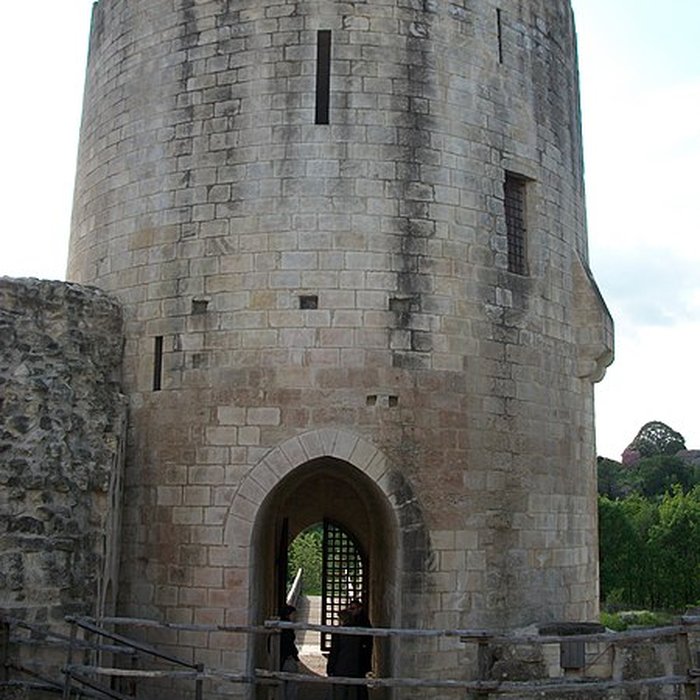
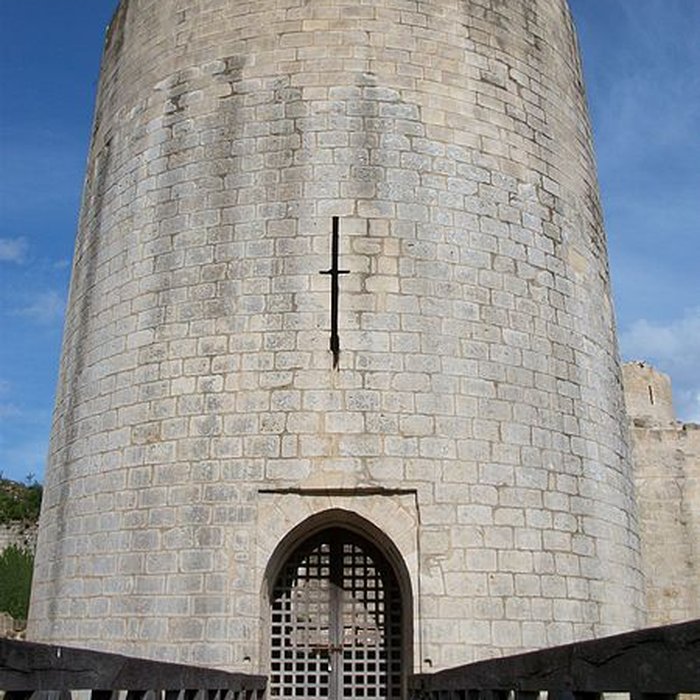
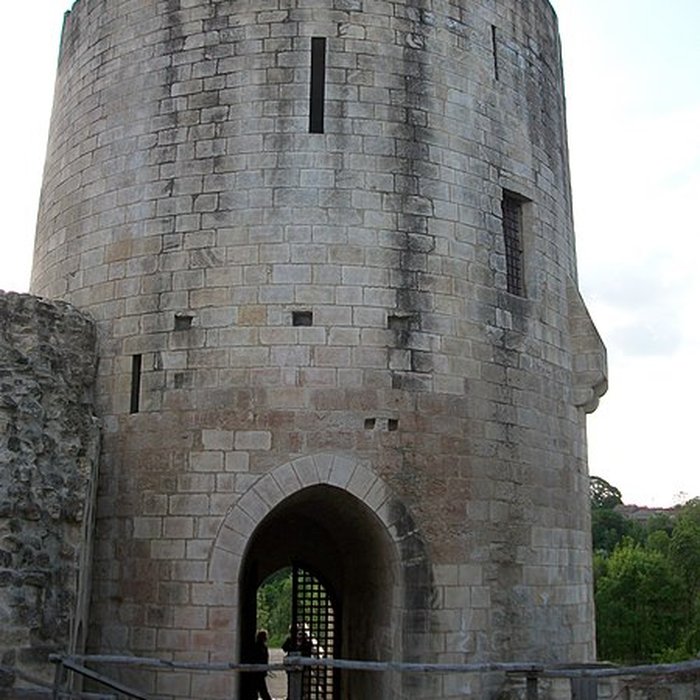
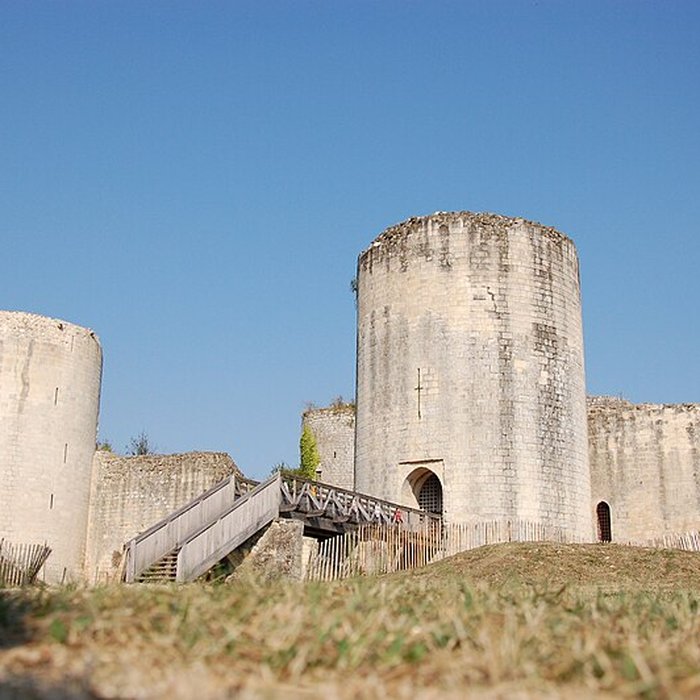
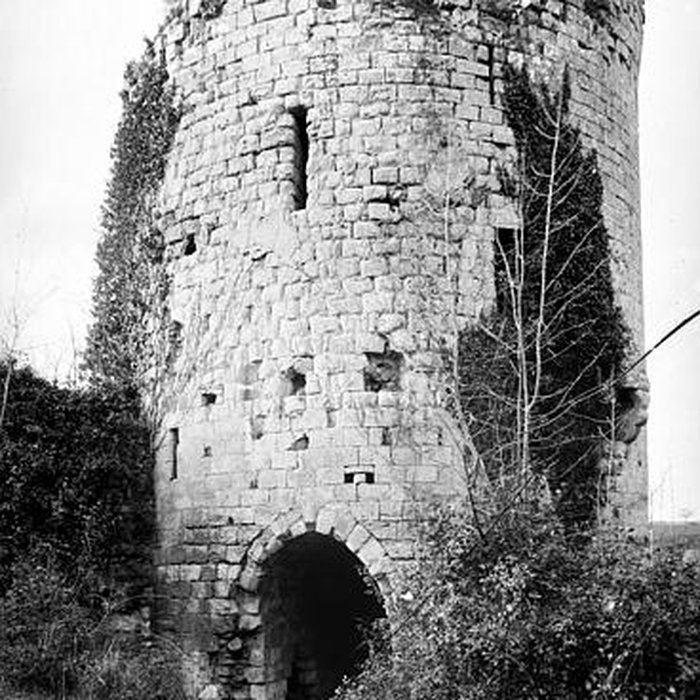
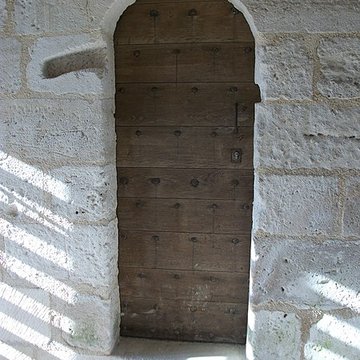
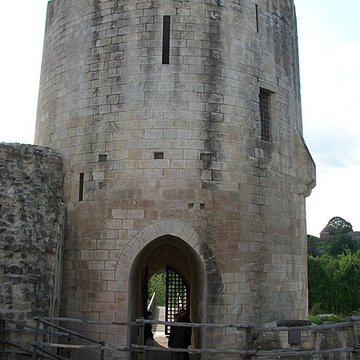
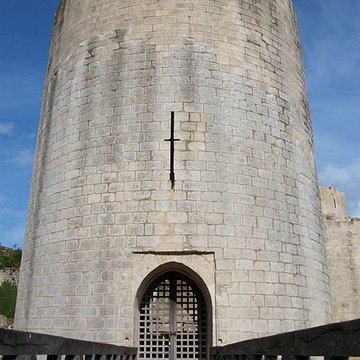
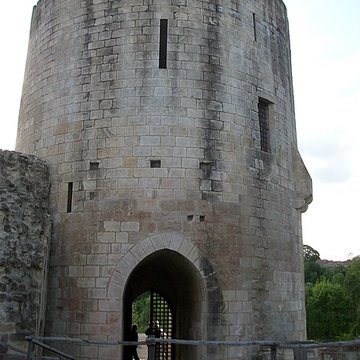
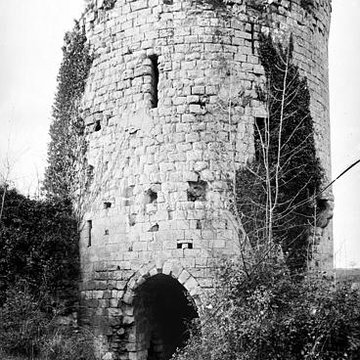
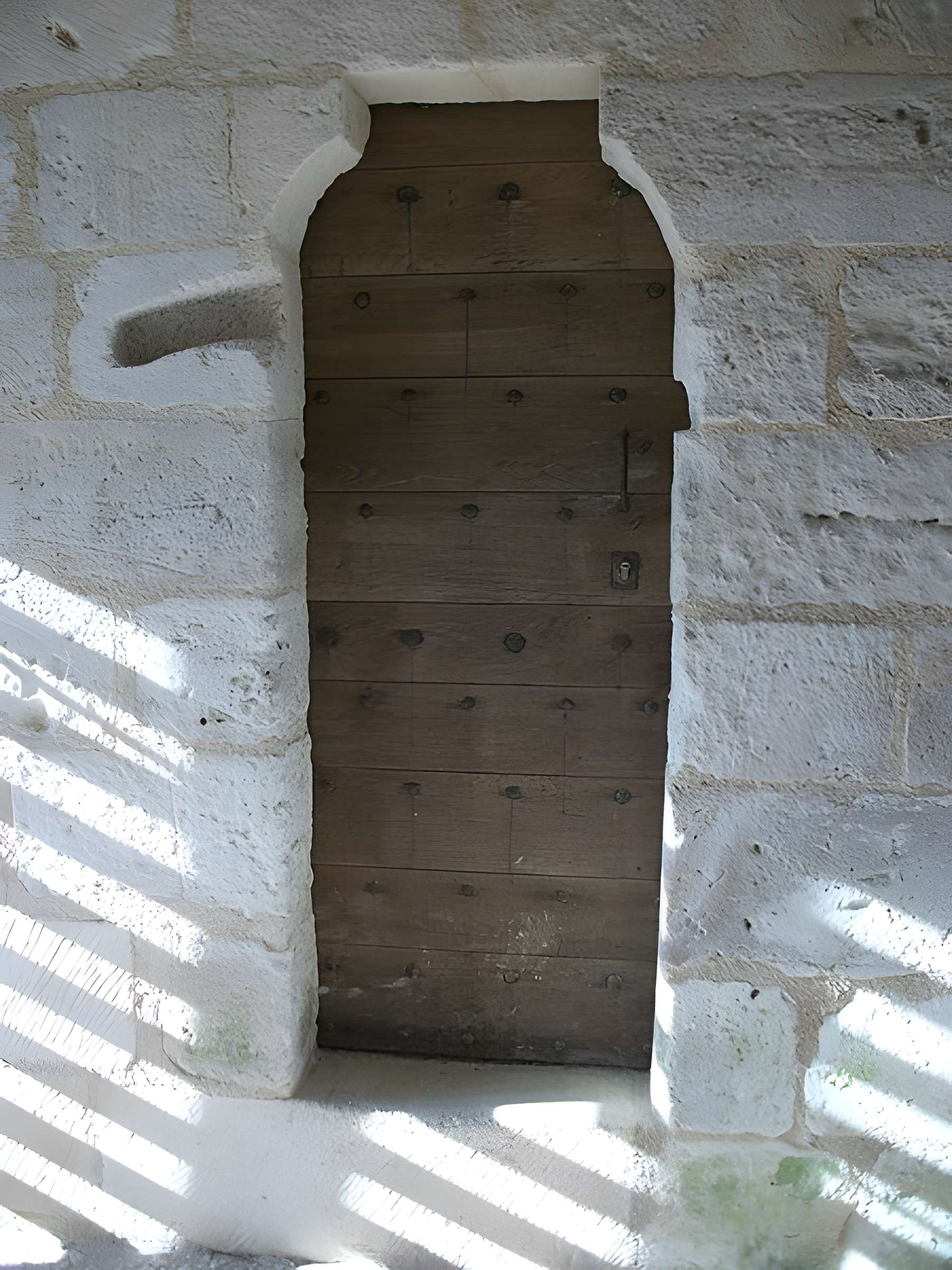
The absence of subsequent changes makes Coudray-Salbart a rare example of preserved medieval military architecture. The access door, integrated into a round tower, and the moat surrounding the parallelepipedic enclosure underline its defensive role. Recent excavations and restorations, documented by INRAP and local associations, enrich the knowledge of this emblematic medieval Poitou site.

External links