Logo Musée du Patrimoine

All French heritage classified by regions, departments and cities

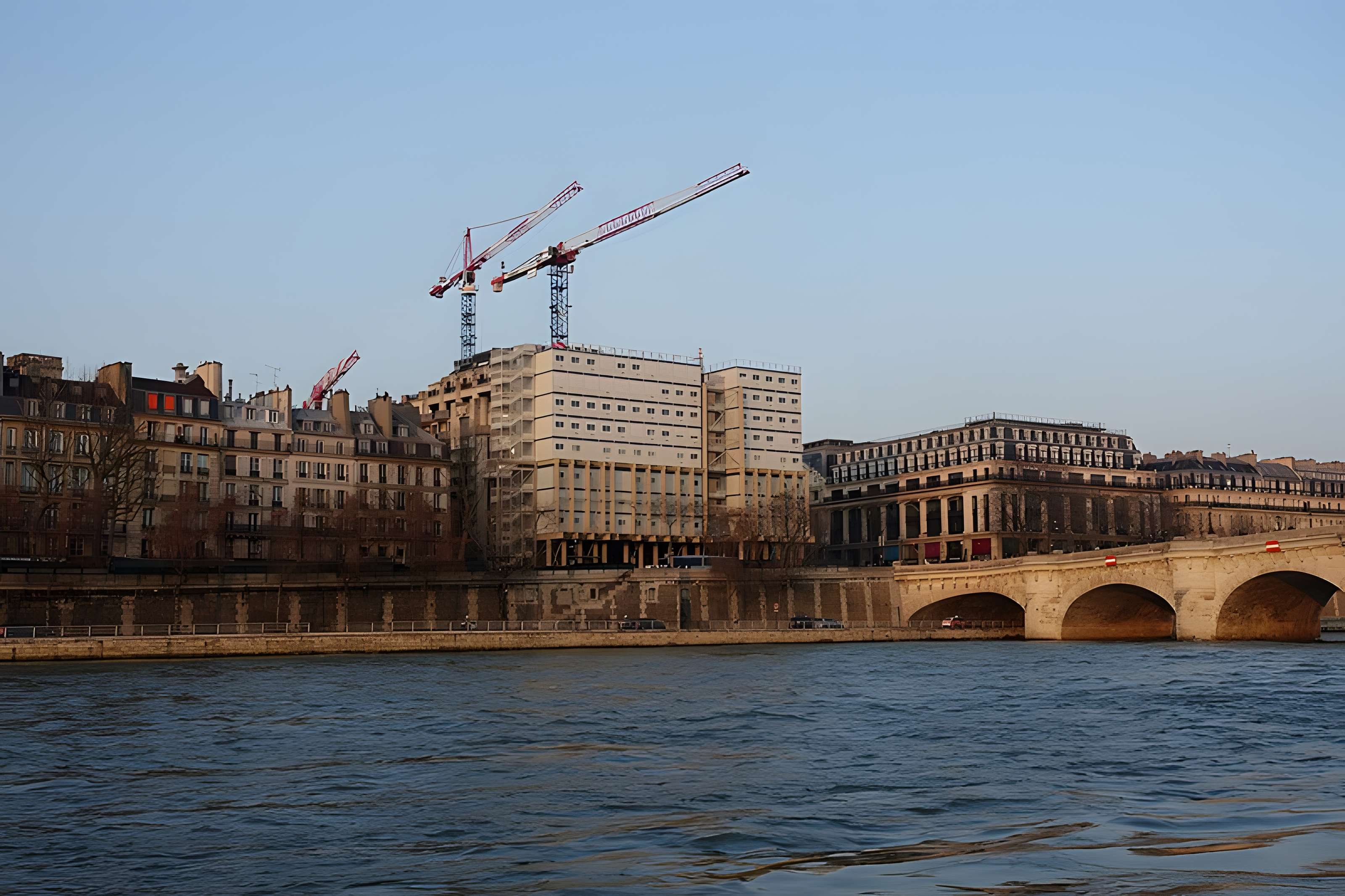
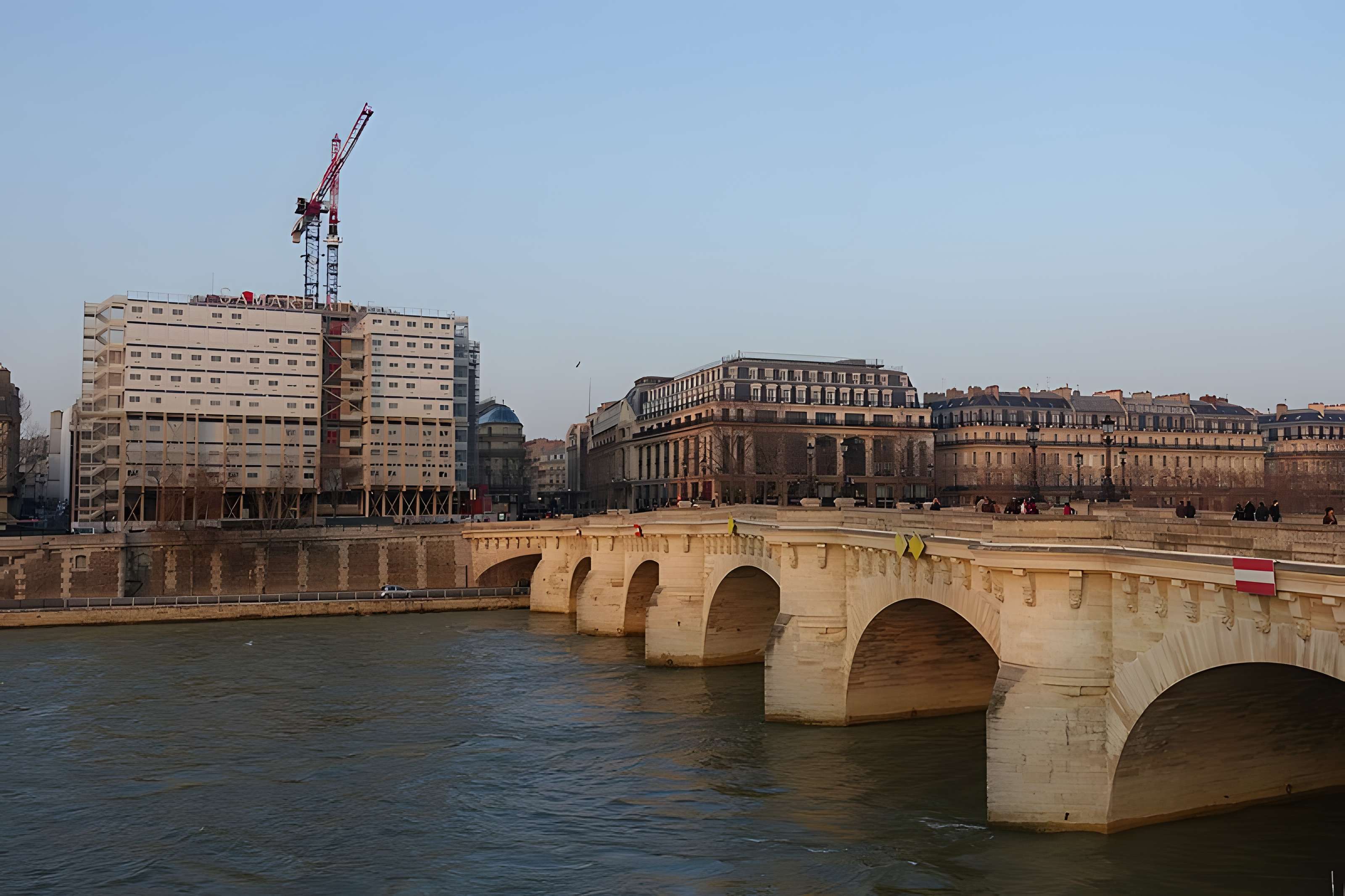
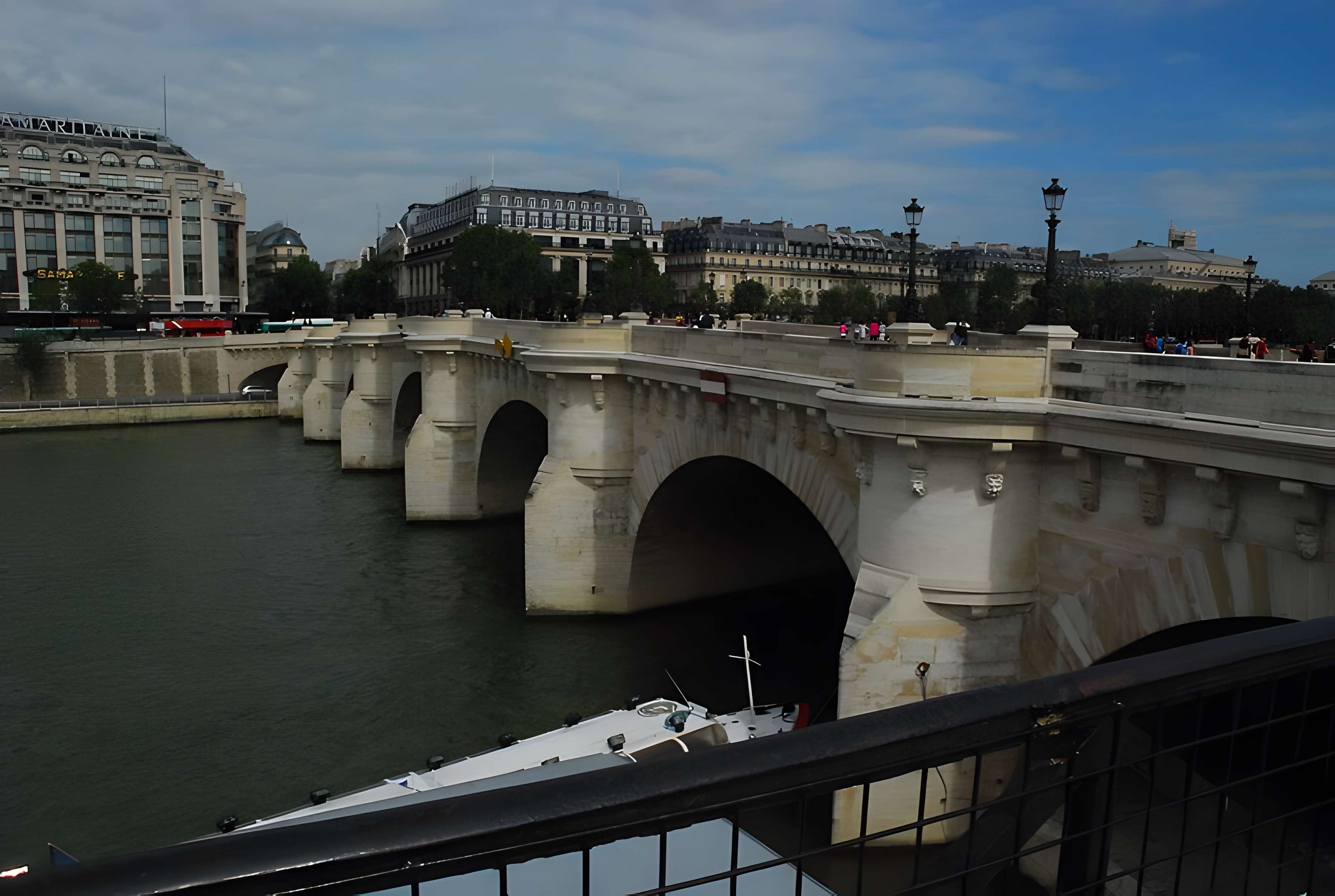
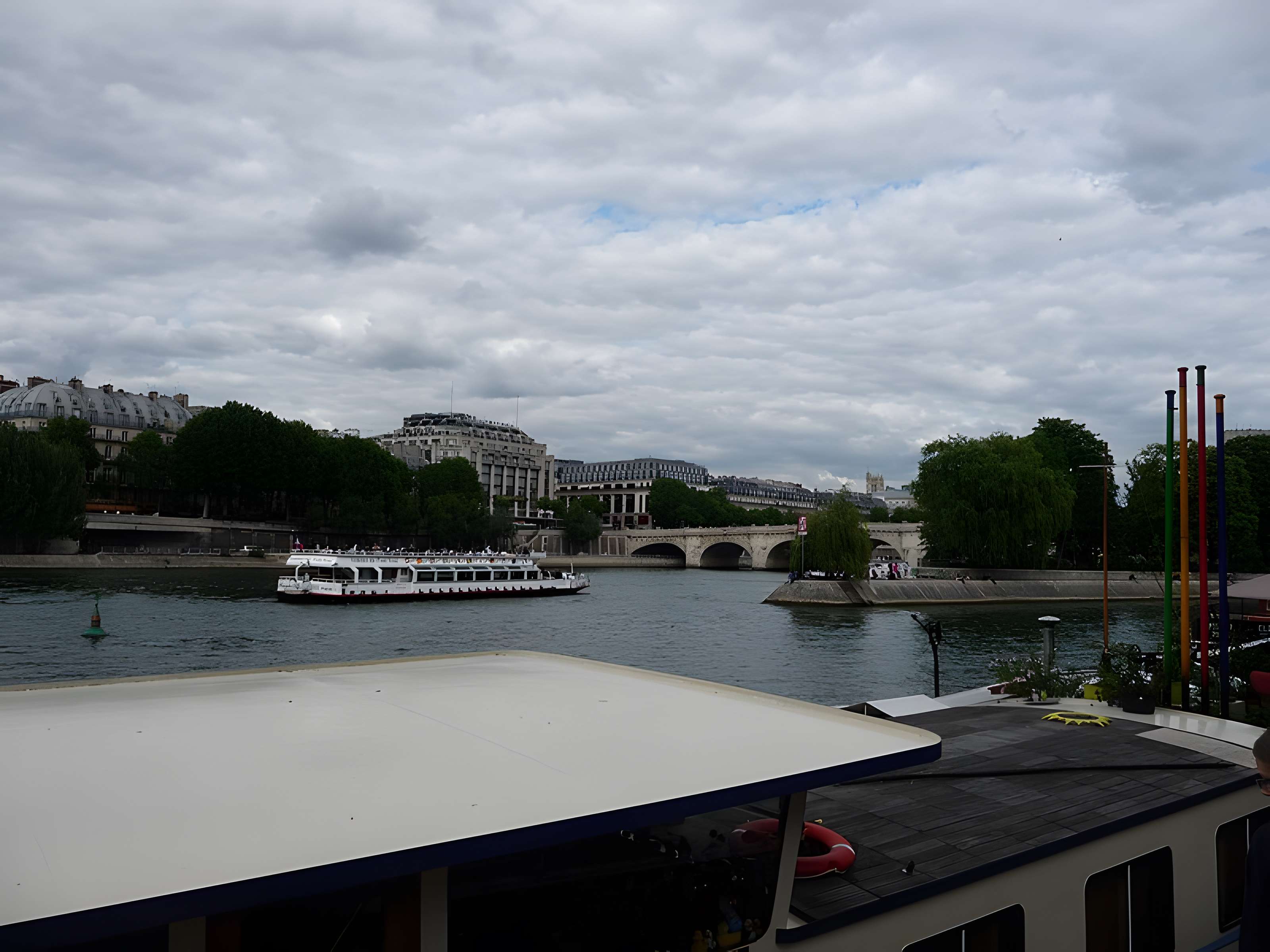
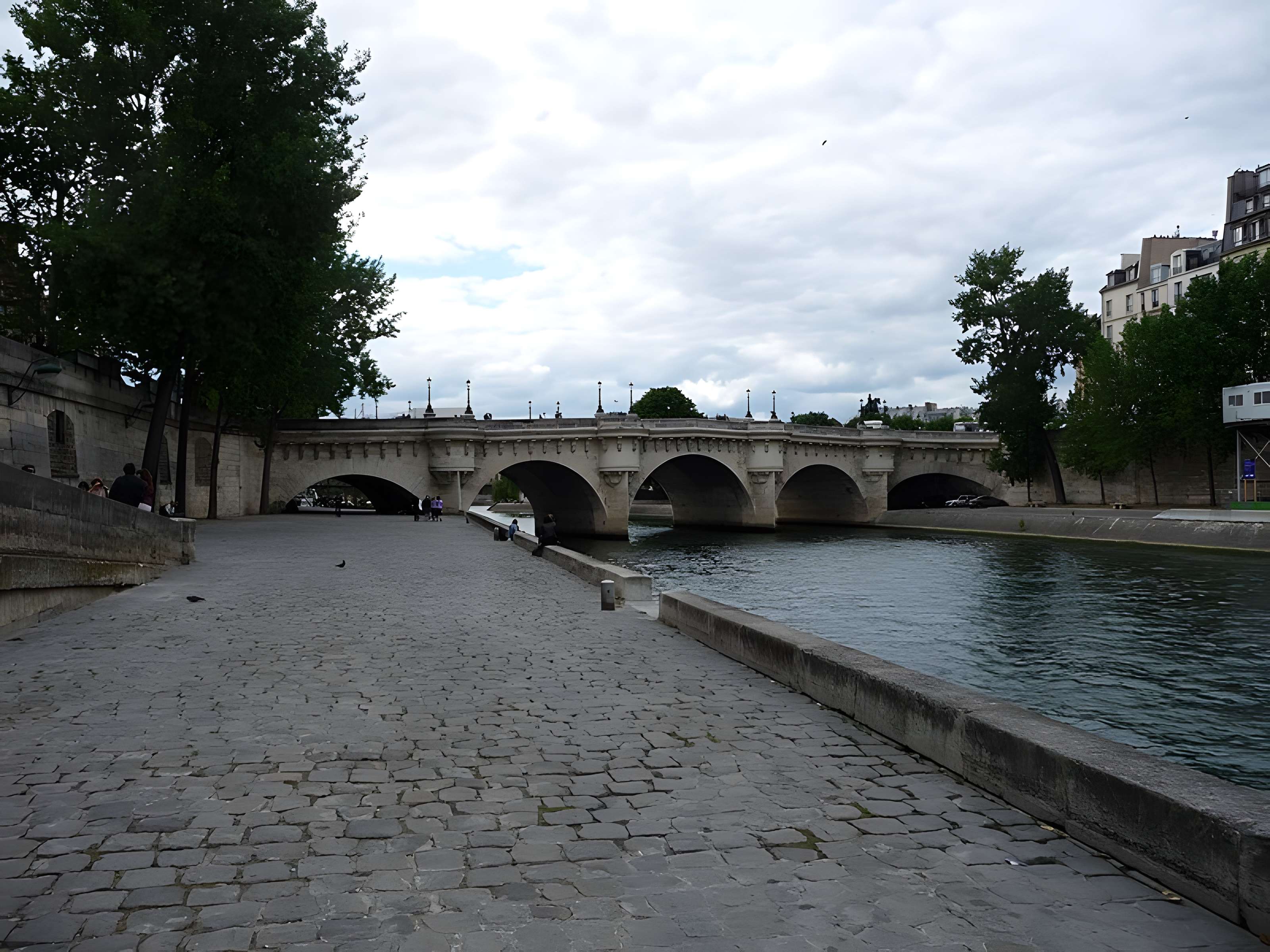
Pont Neuf in Paris à Paris 1er dans Paris 1er

Patrimoine classé
Pont

Pont Neuf in Paris

    Pont Neuf
    75001 Paris 1er Arrondissement
Ownership of the municipality
Pont Neuf - Paris 1er
Pont Neuf à Paris
Pont Neuf à Paris
Pont Neuf à Paris
Pont Neuf à Paris
Pont Neuf à Paris
Pont Neuf à Paris
Pont Neuf à Paris
Pont Neuf à Paris
Pont Neuf à Paris
Pont Neuf à Paris
Pont Neuf à Paris
Pont Neuf à Paris
Pont Neuf à Paris
Pont Neuf à Paris
Pont Neuf à Paris
Pont Neuf à Paris
Pont Neuf à Paris
Pont Neuf à Paris
Pont Neuf à Paris
Pont Neuf à Paris
Pont Neuf à Paris
Pont Neuf à Paris
Pont Neuf à Paris
Pont Neuf à Paris
Pont Neuf à Paris
Pont Neuf à Paris
Pont Neuf à Paris
Pont Neuf à Paris
Pont Neuf à Paris
Pont Neuf à Paris
Pont Neuf à Paris
Pont Neuf à Paris
Pont Neuf à Paris
Pont Neuf à Paris
Pont Neuf à Paris
Pont Neuf à Paris
Pont Neuf à Paris
Pont Neuf à Paris
Pont Neuf à Paris
Pont Neuf à Paris
Pont Neuf à Paris
Pont Neuf à Paris
Pont Neuf à Paris
Pont Neuf à Paris
Pont Neuf à Paris
Pont Neuf à Paris
Pont Neuf à Paris
Pont Neuf à Paris
Pont Neuf à Paris
Crédit photo : Auteur inconnu - Sous licence Creative Commons

Timeline

Renaissance
Temps modernes
Révolution/Empire
XIXe siècle
Époque contemporaine
1600
1700
1800
1900
2000
1577
Construction decision
31 mai 1578
Laying the first stone
1588-1598
Interruption of work
1607
Completion of the bridge
24 août 1614
Inauguration statue Henri IV
1792
Destruction statue Henri IV
1818
New Henry IV statue
1889
Historical monument classification
1985
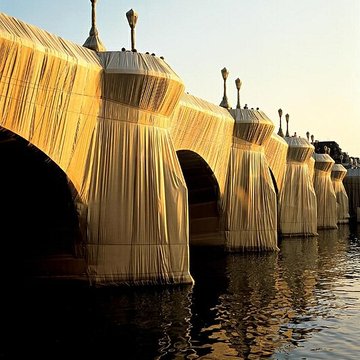
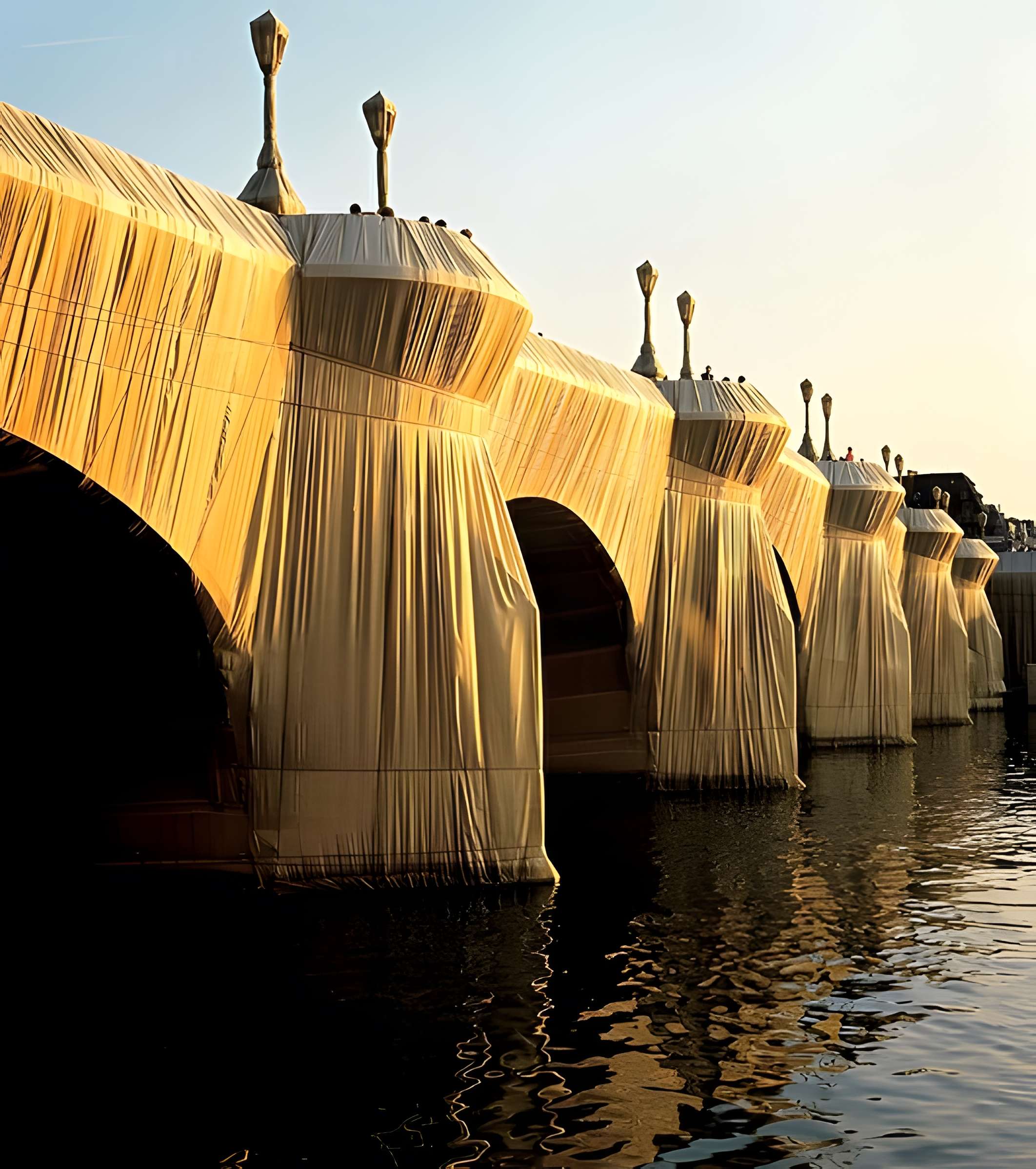
Packaging by Christo
1991
UNESCO classification
2007
Complete restoration
Aujourd'hui
Aujourd'hui

Heritage classified

Pont-Neuf, between the 1st and the 6th arrondissement : classification by list of 1889

Key figures

Henri III - King of France Start construction in 1577.
Henri IV - King of France Finish the bridge in 1607.
Marie de Médicis - Queen of France Order the equestrian statue of Henry IV.
Jean de Bologne - Sculptor Author of the original statue of Henry IV.
Pietro Tacca - Sculptor and founder Collaborate with the equestrian statue.
François-Frédéric Lemot - Sculptor Realizes the statue of Henry IV in 1818.
Christo et Jeanne-Claude - Contemporary artists Pack the bridge in 1985.
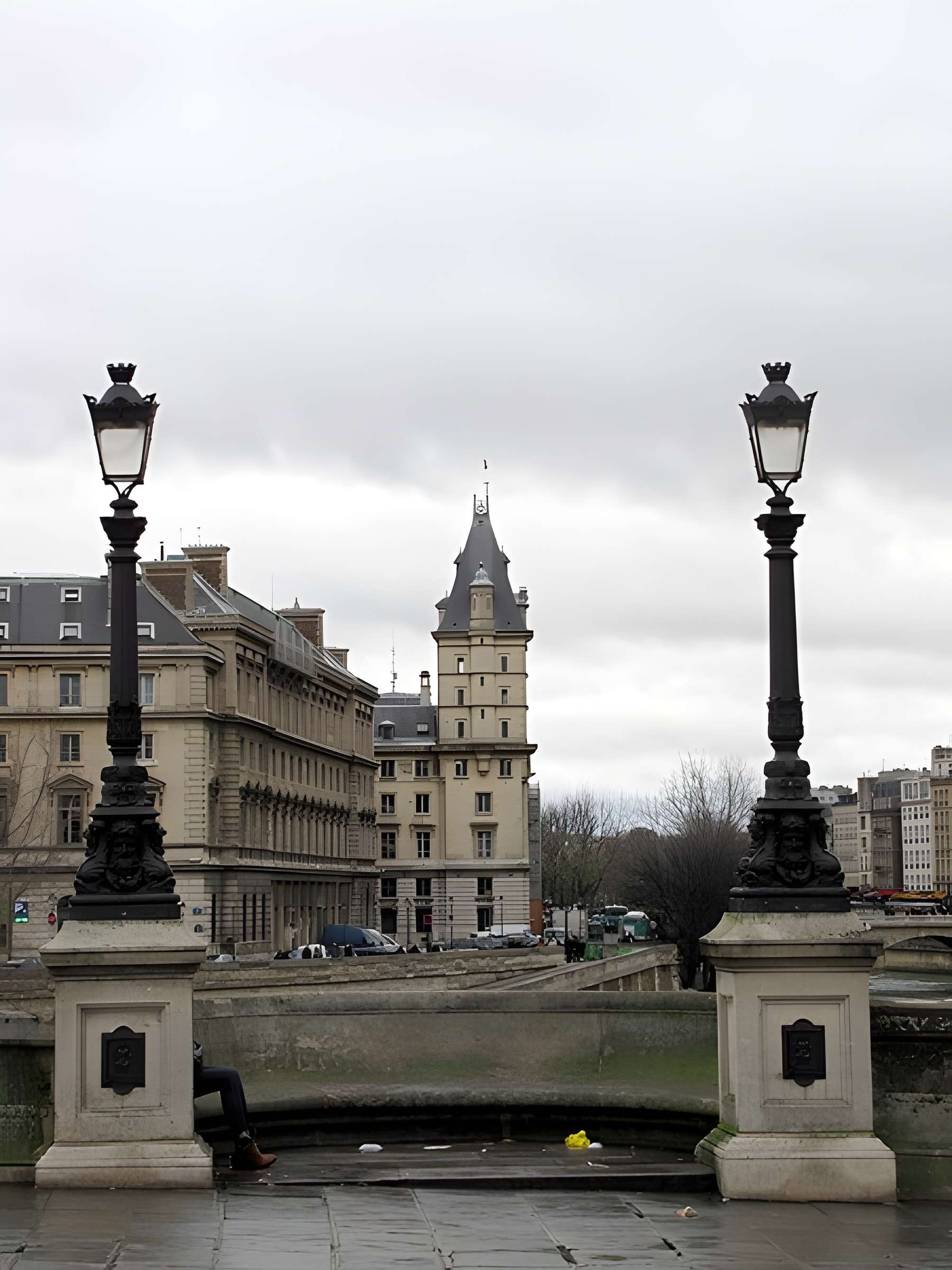
Victor Baltard - Architect Draws candelabras in 1854.

Origin and history

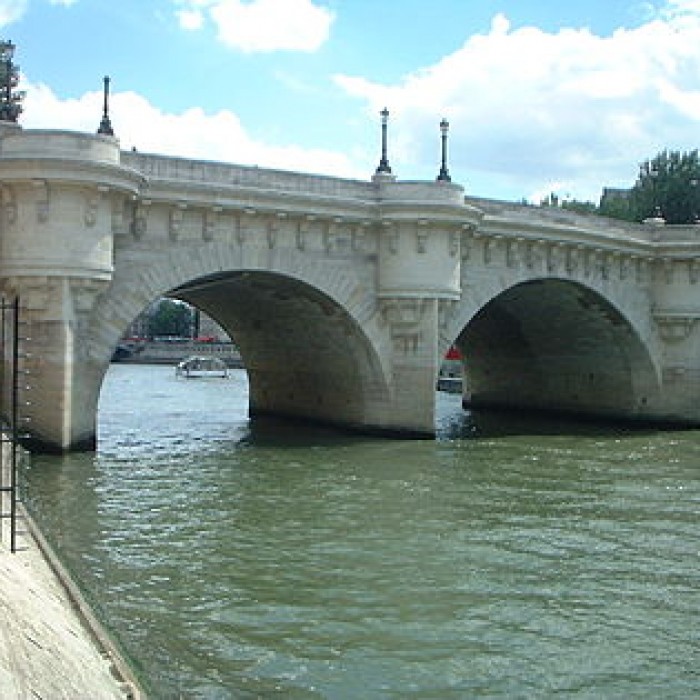
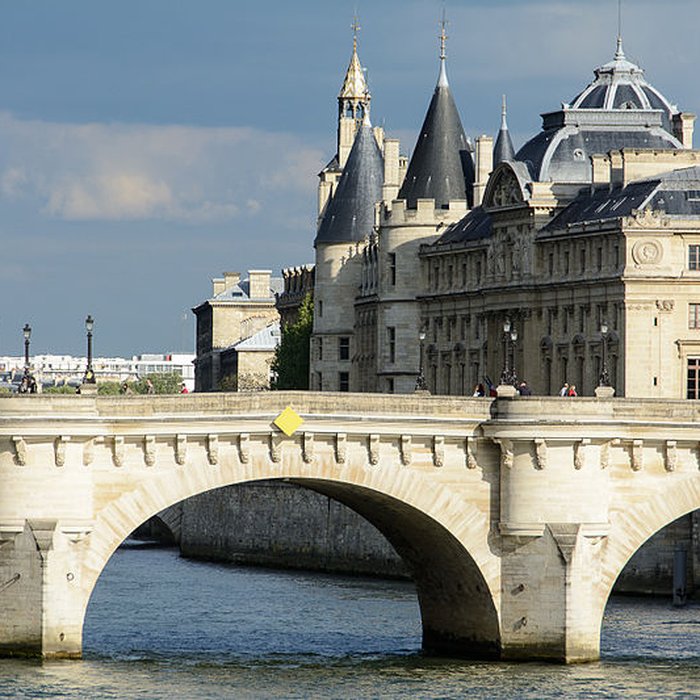
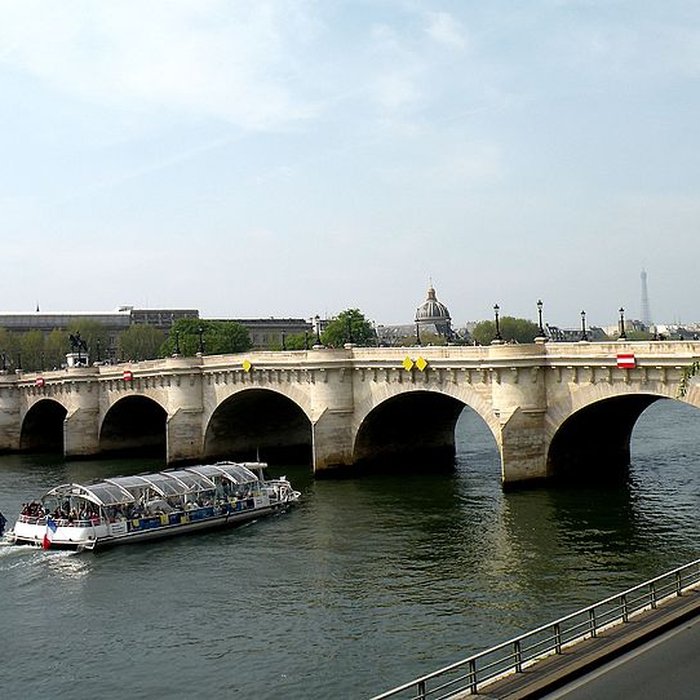
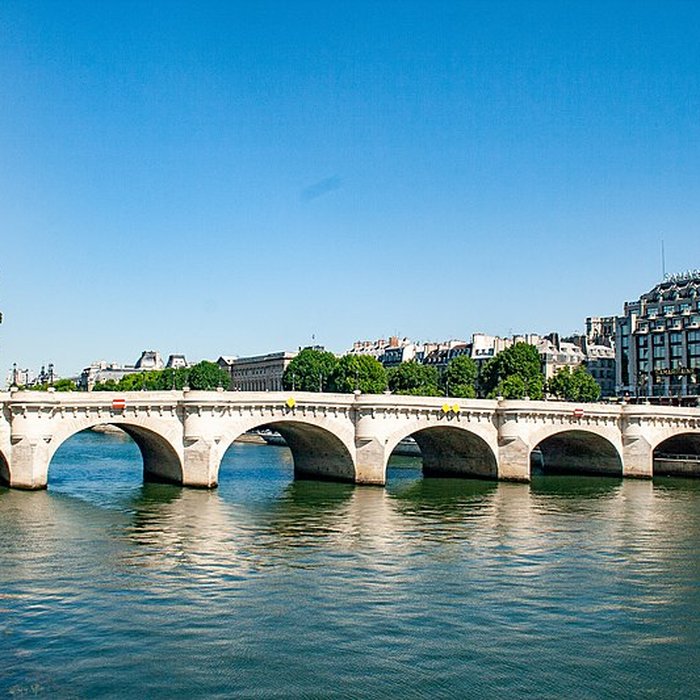
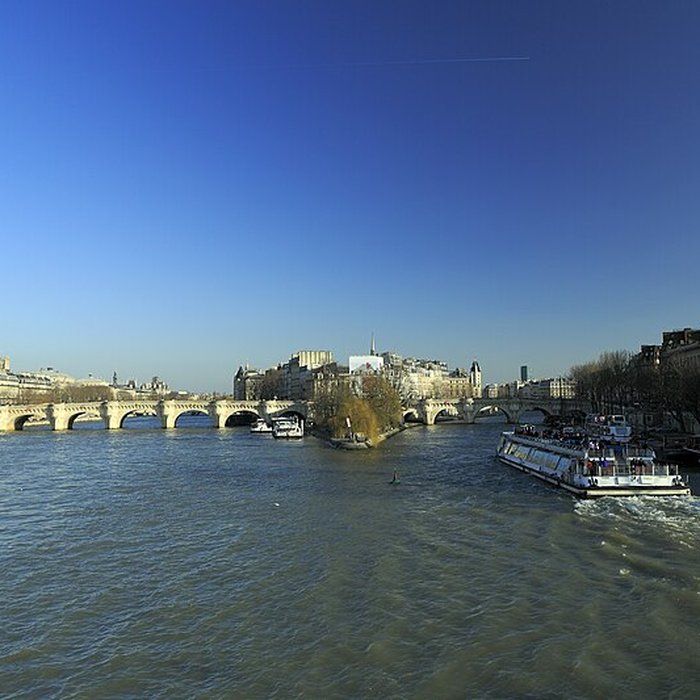
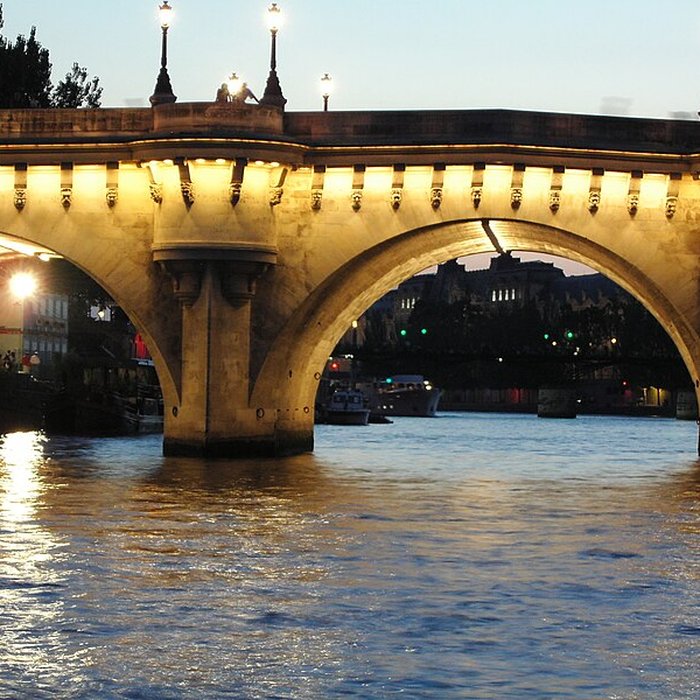
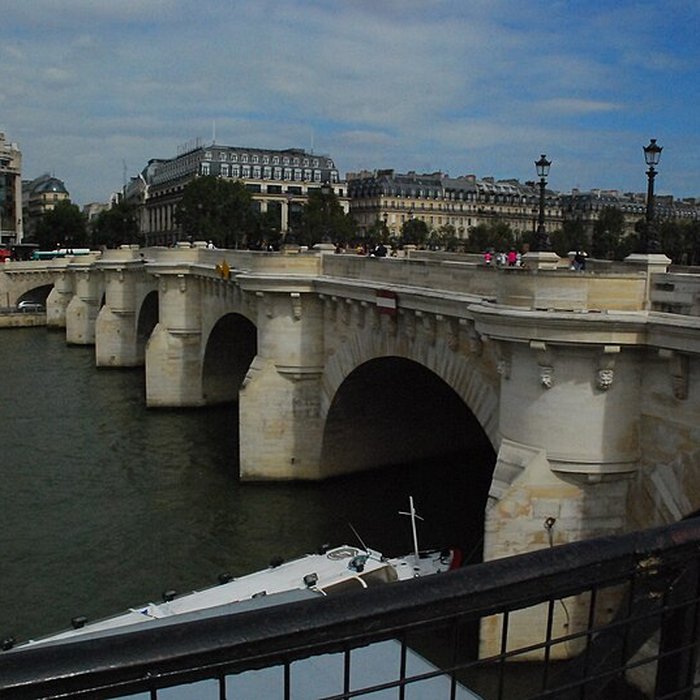
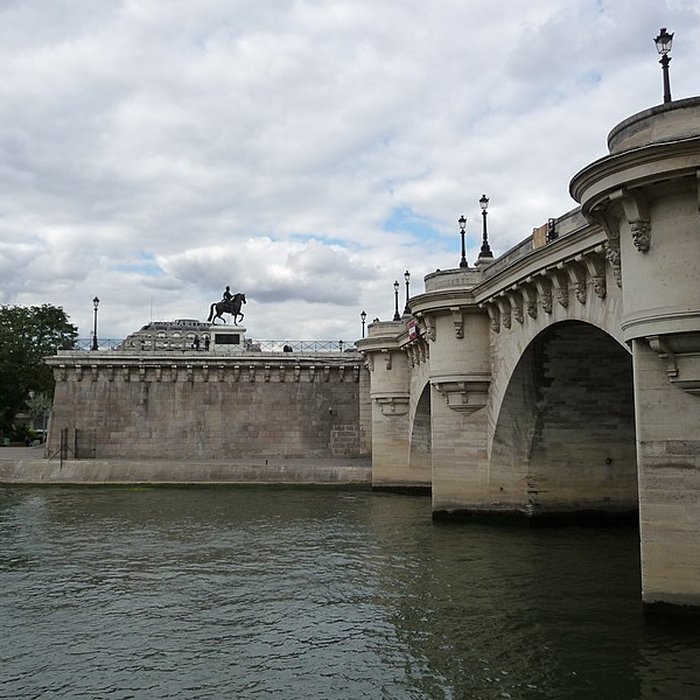
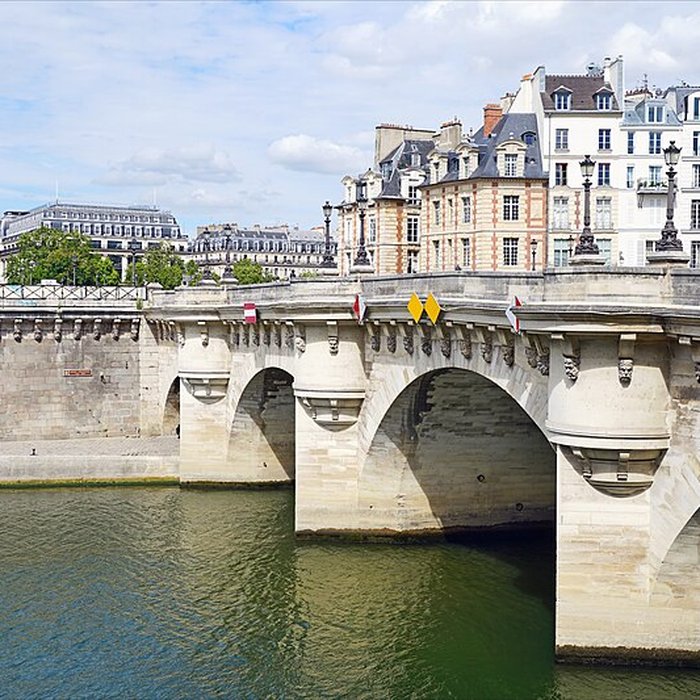
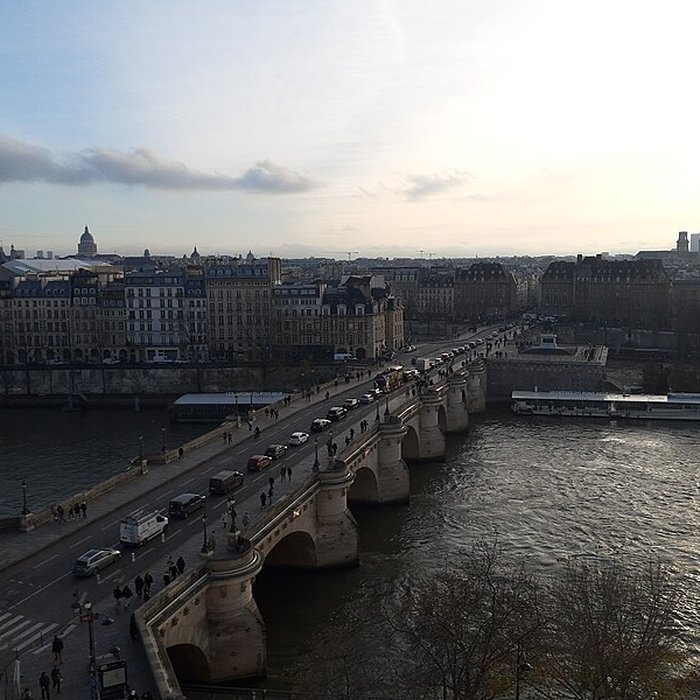
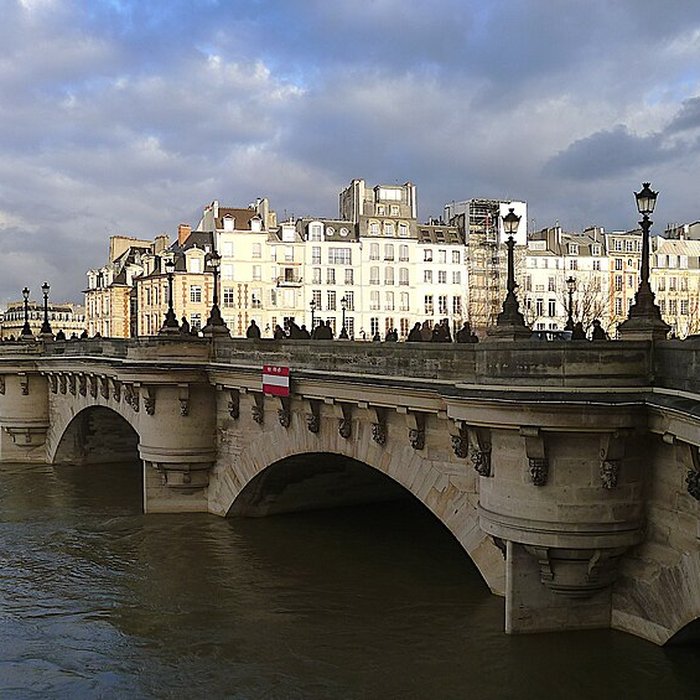
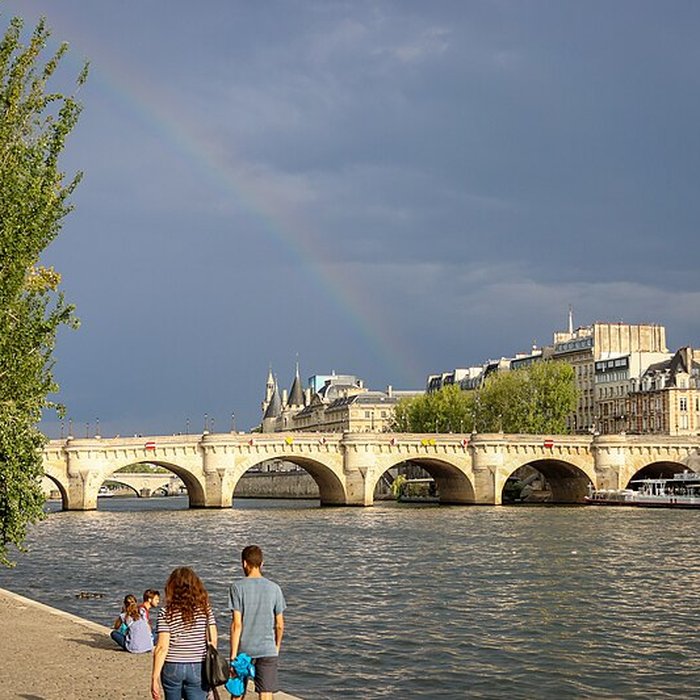
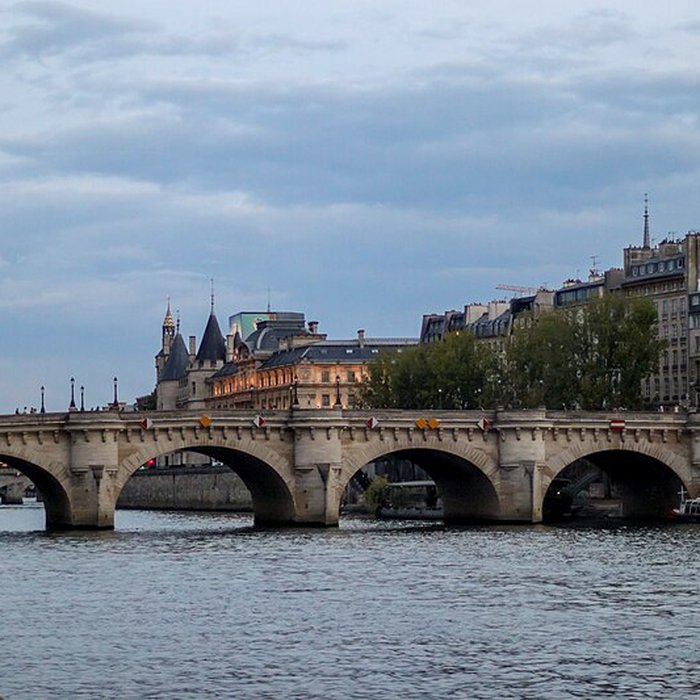
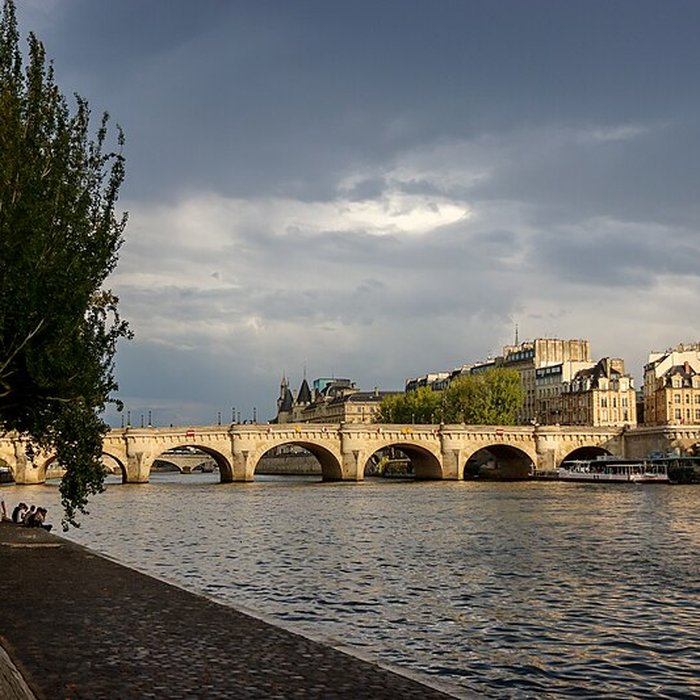
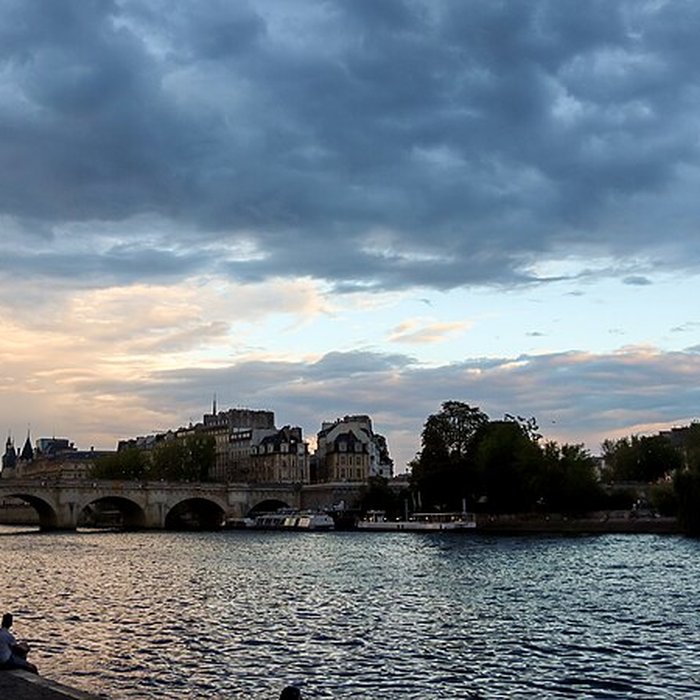
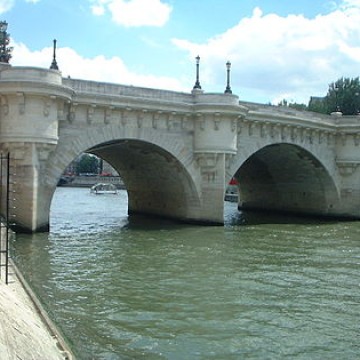
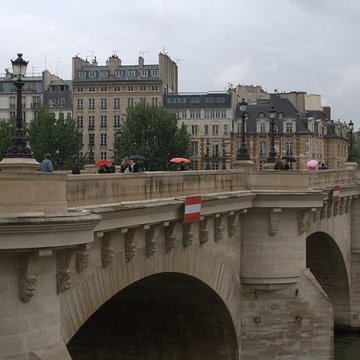
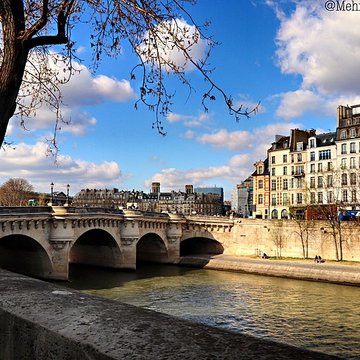
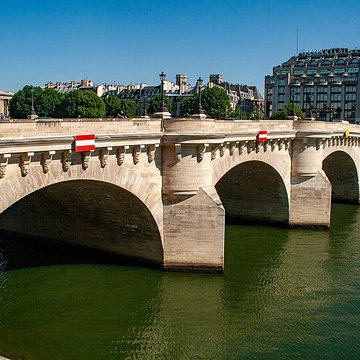
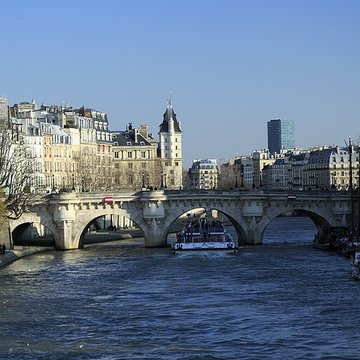
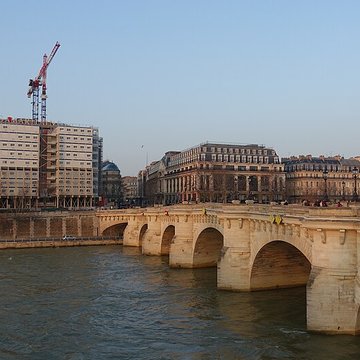
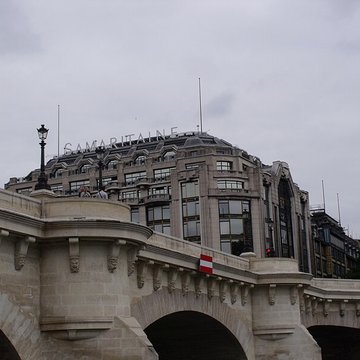
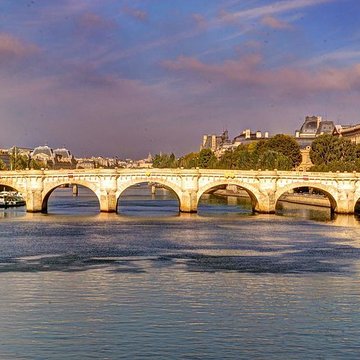
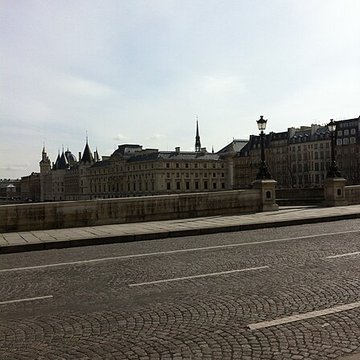
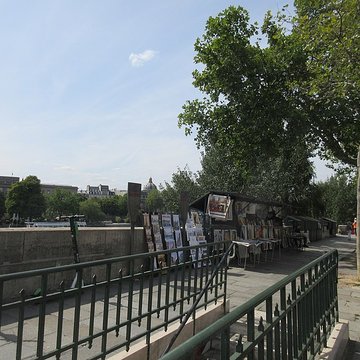
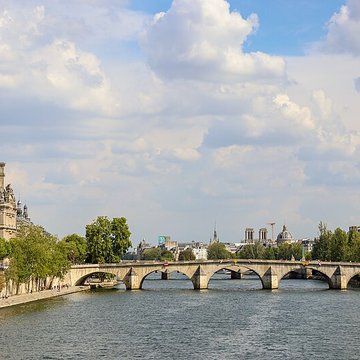
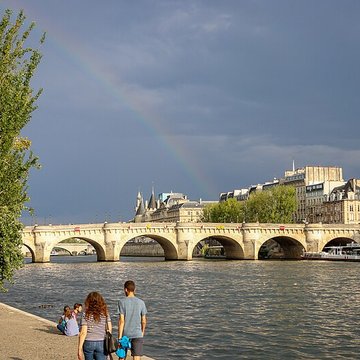
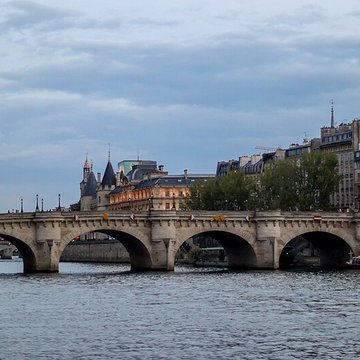
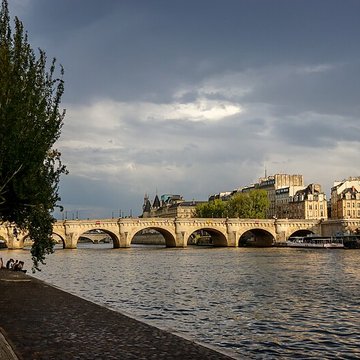
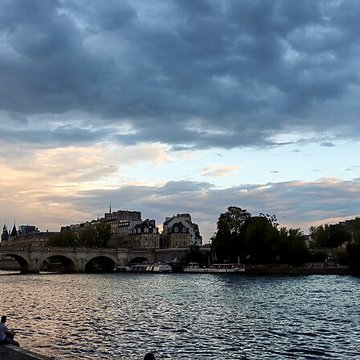
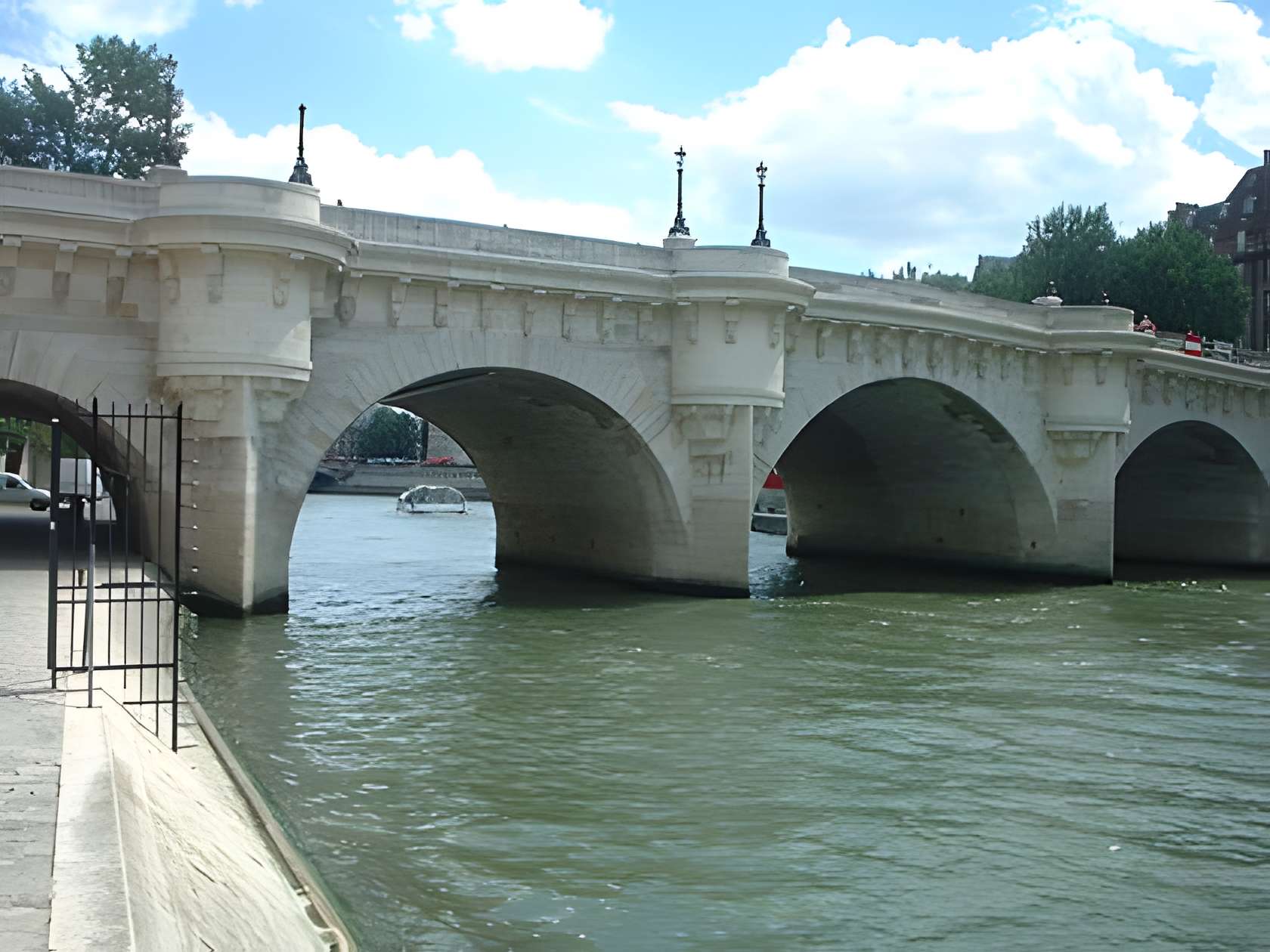
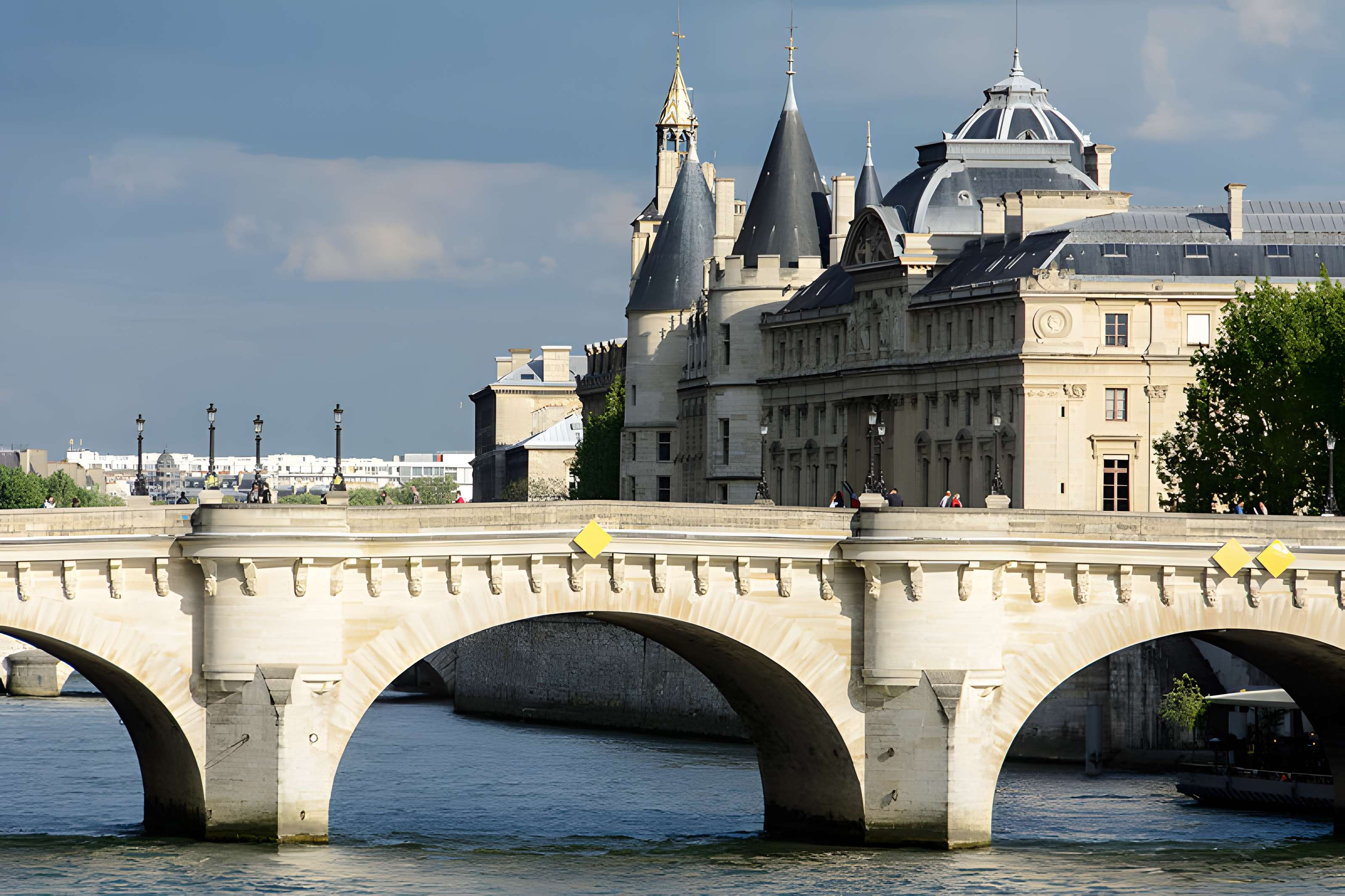
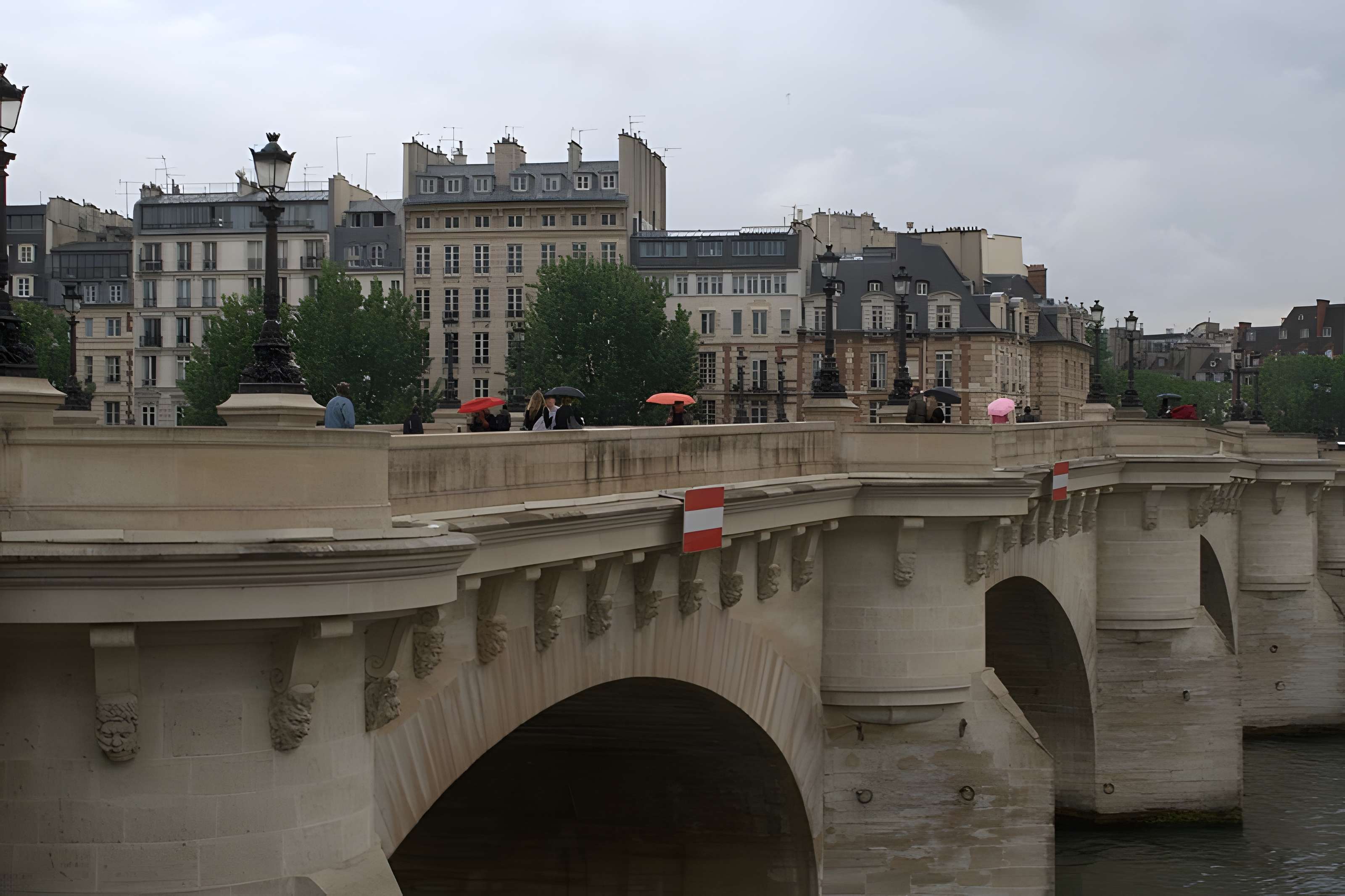
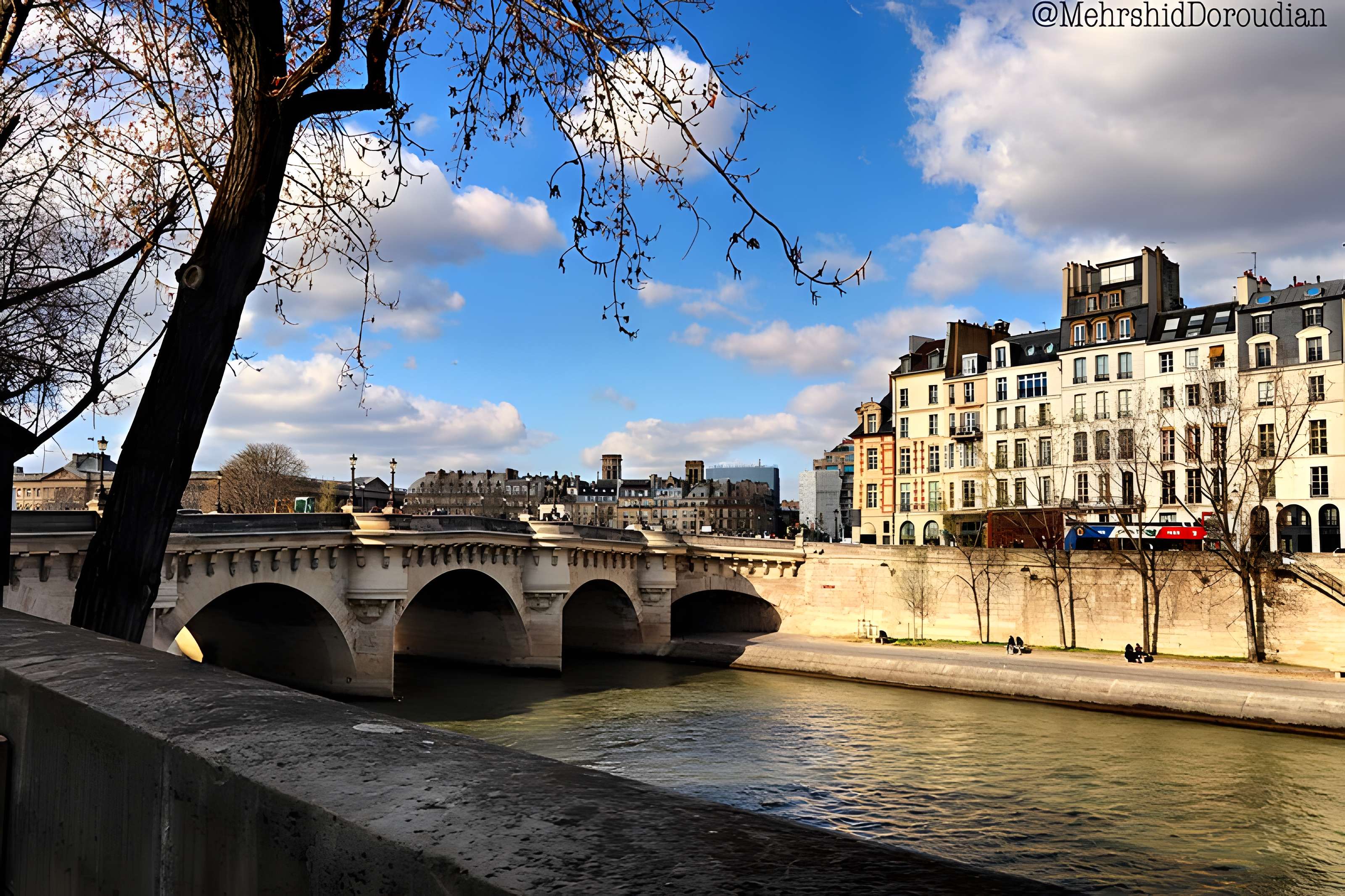
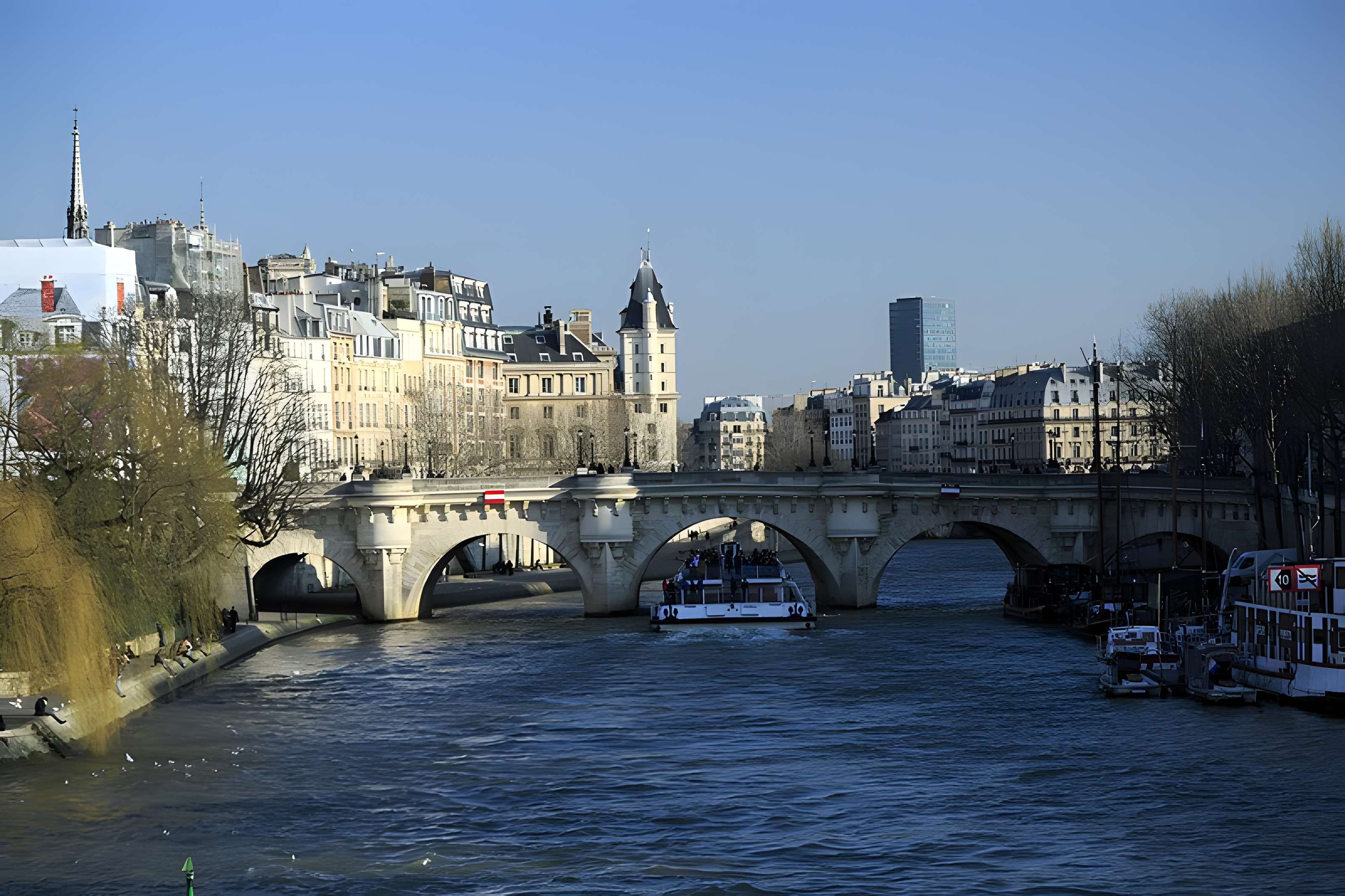
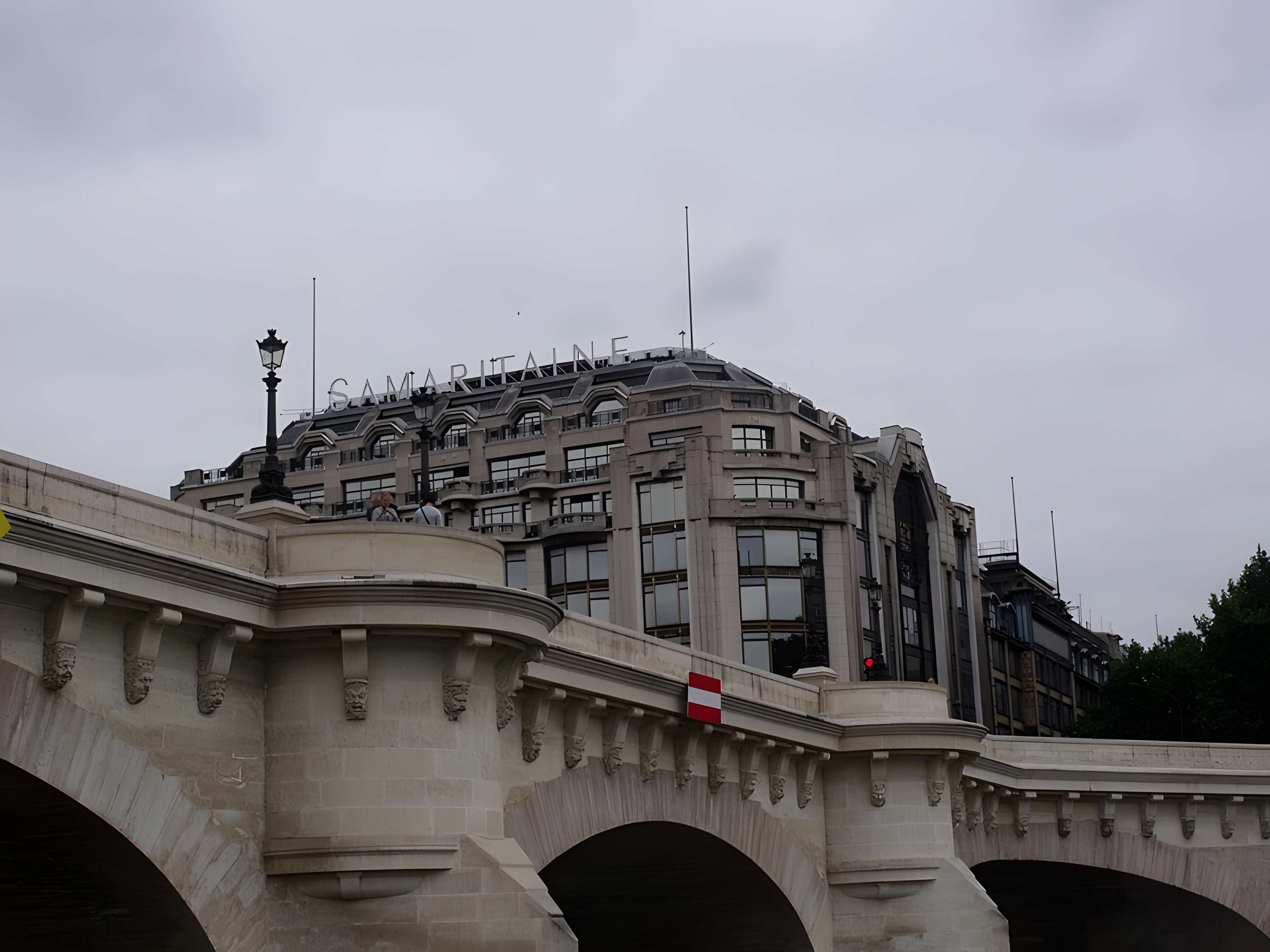
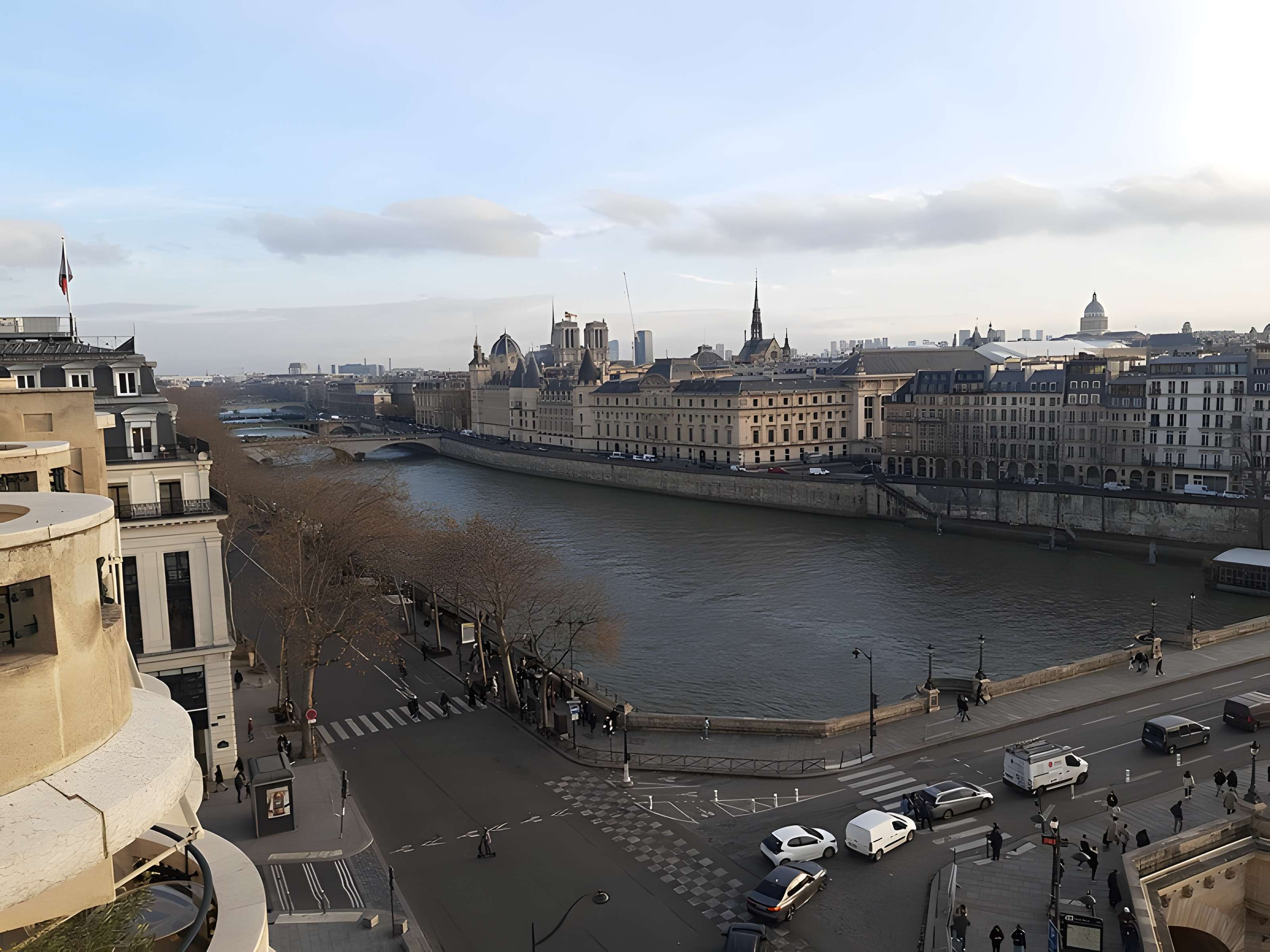
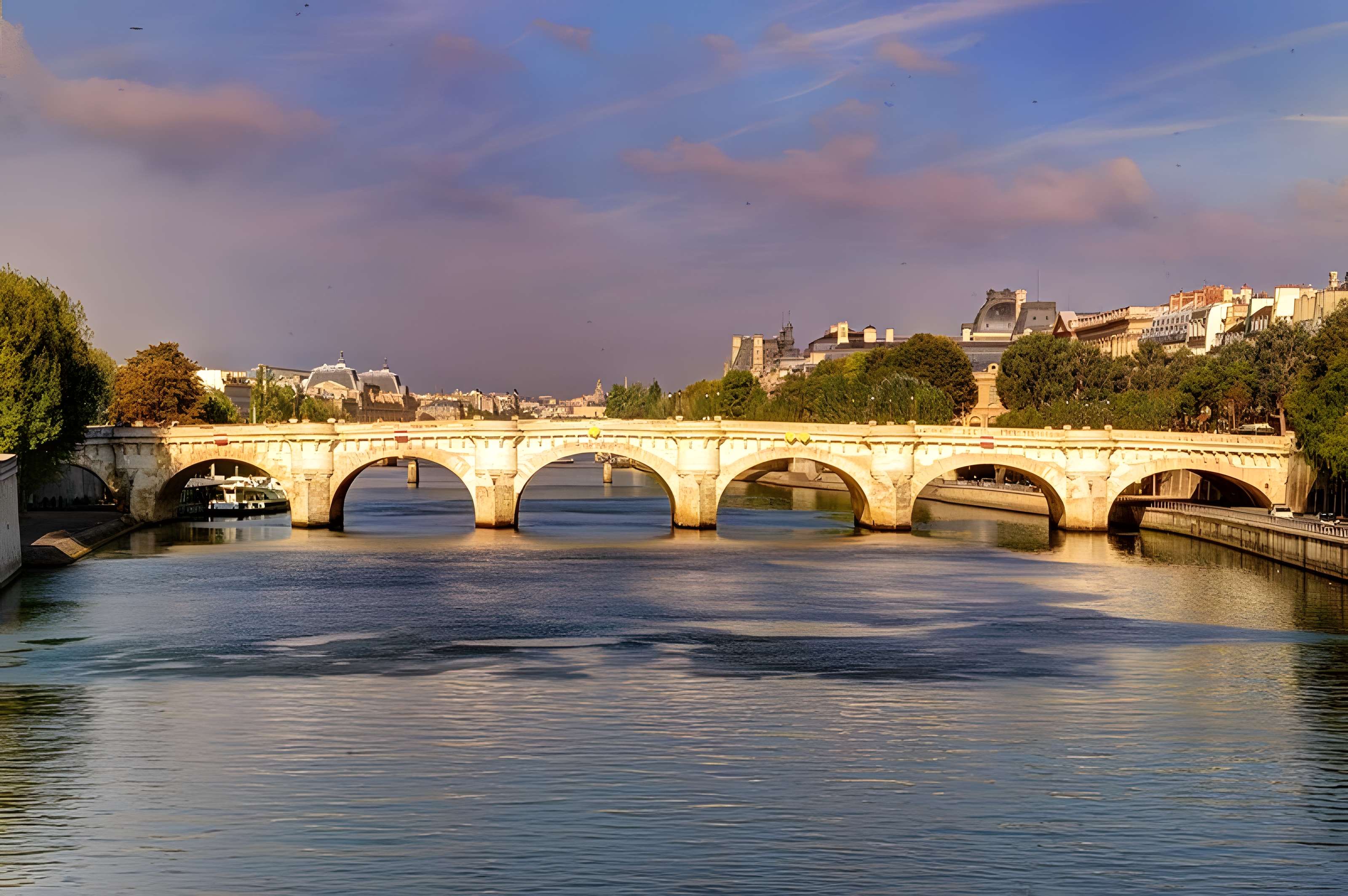
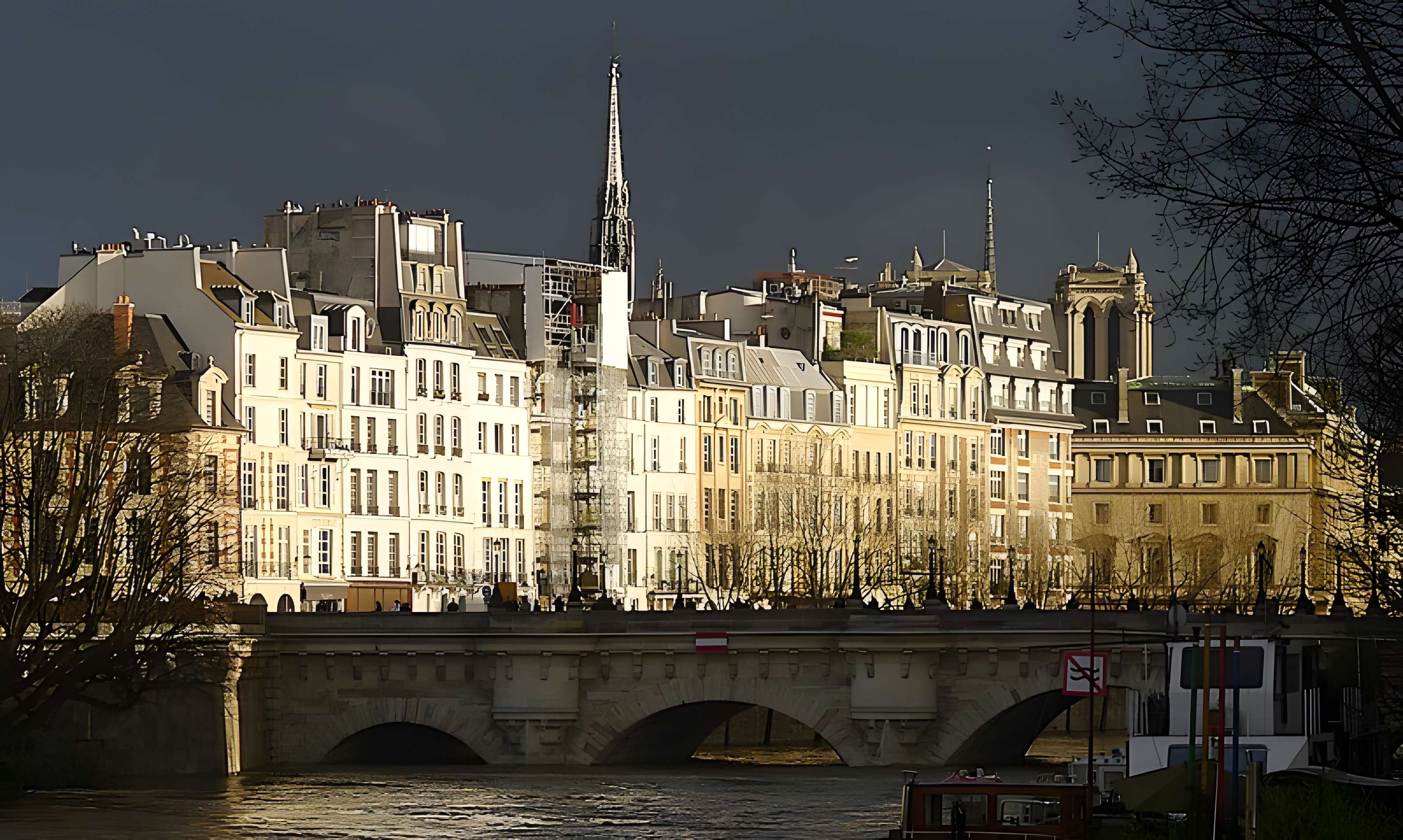
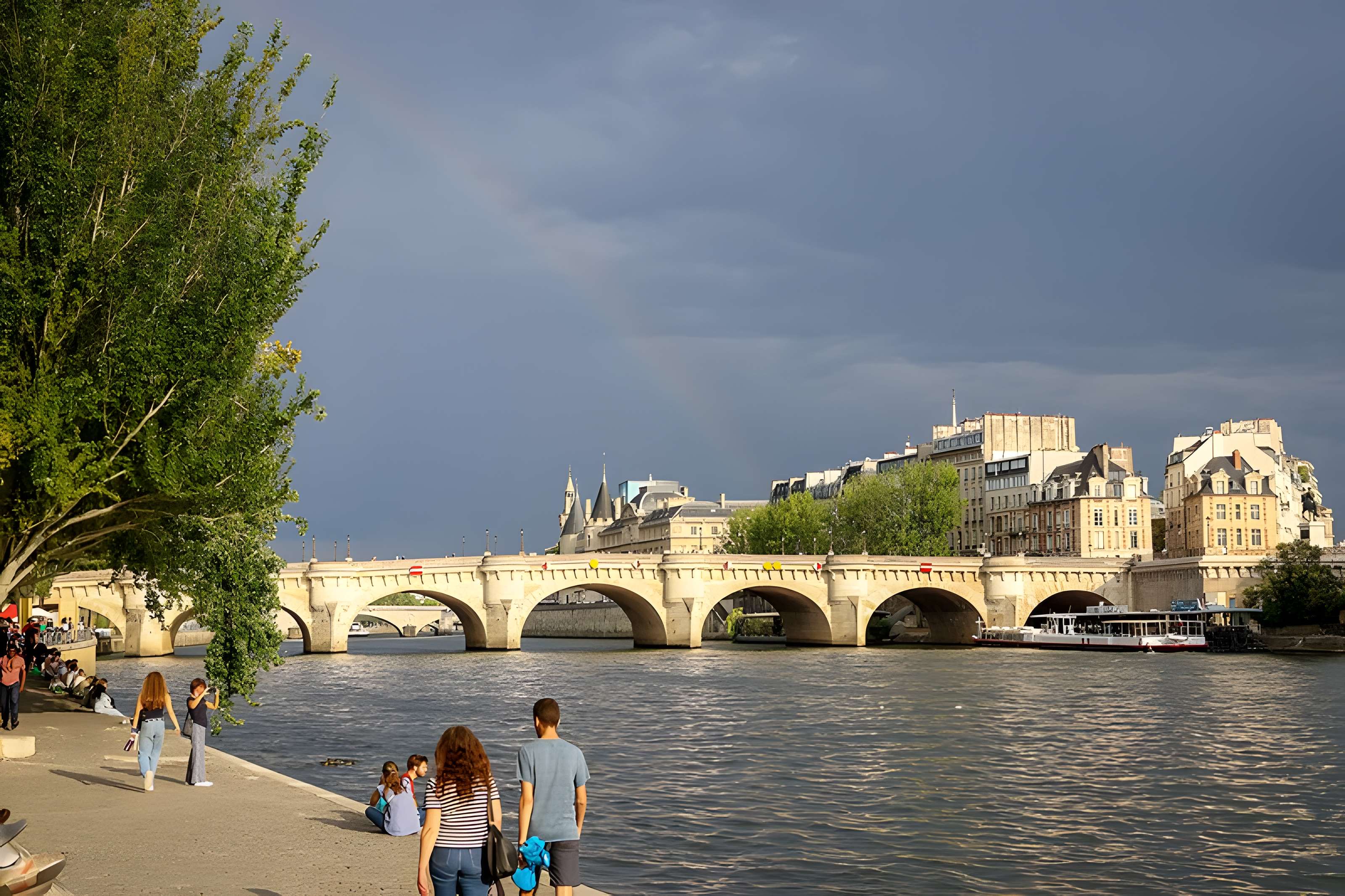
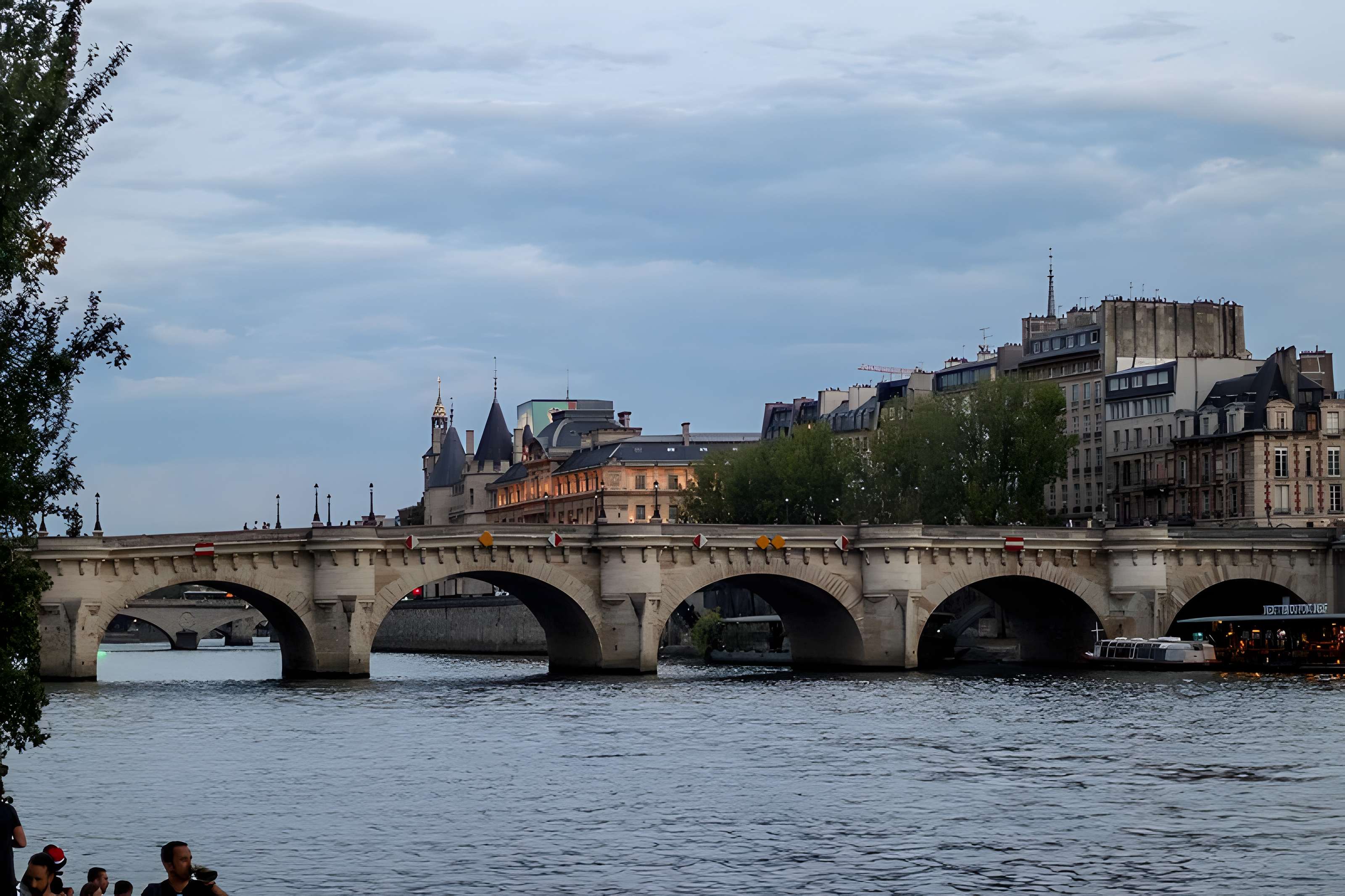
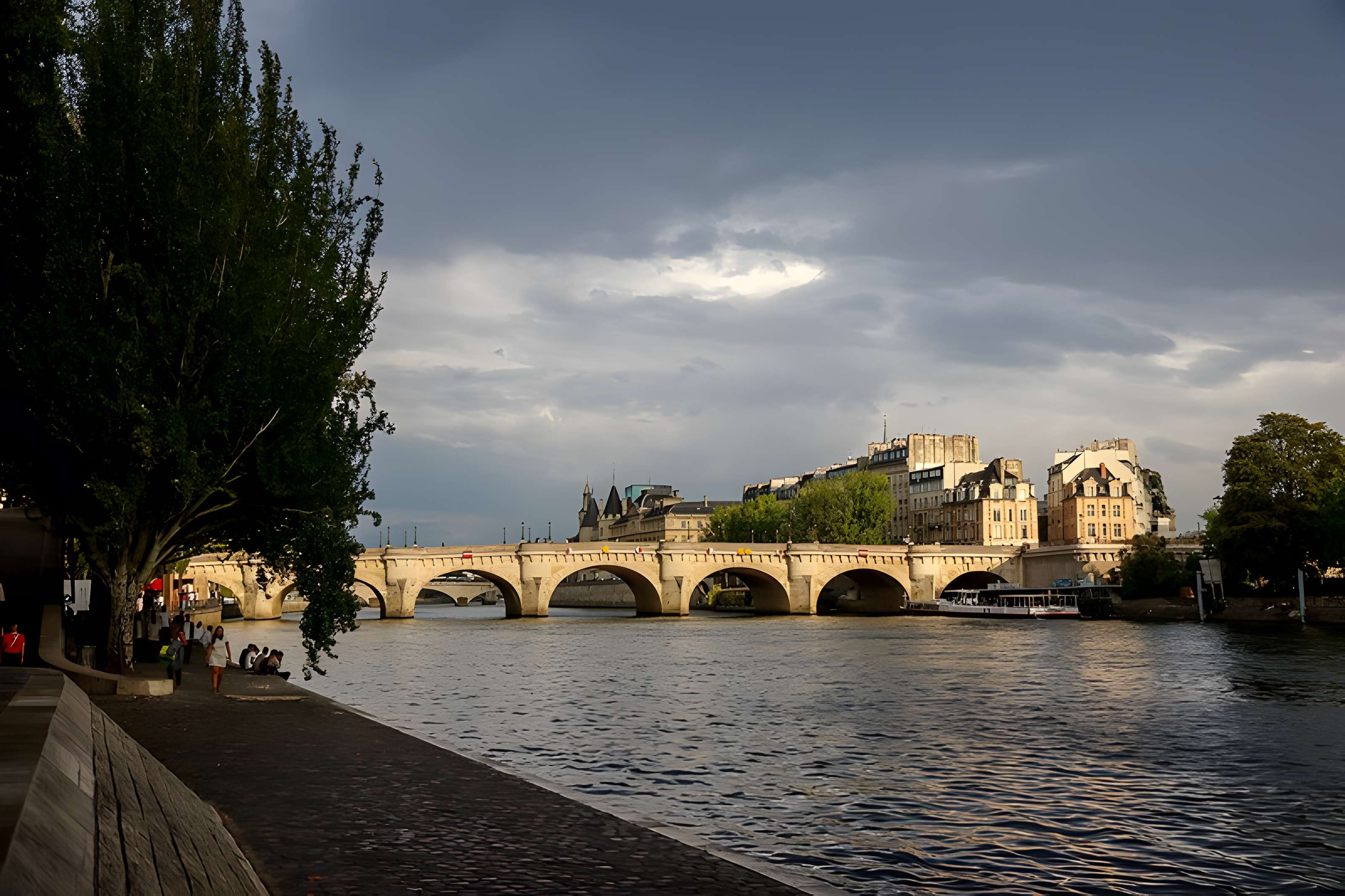
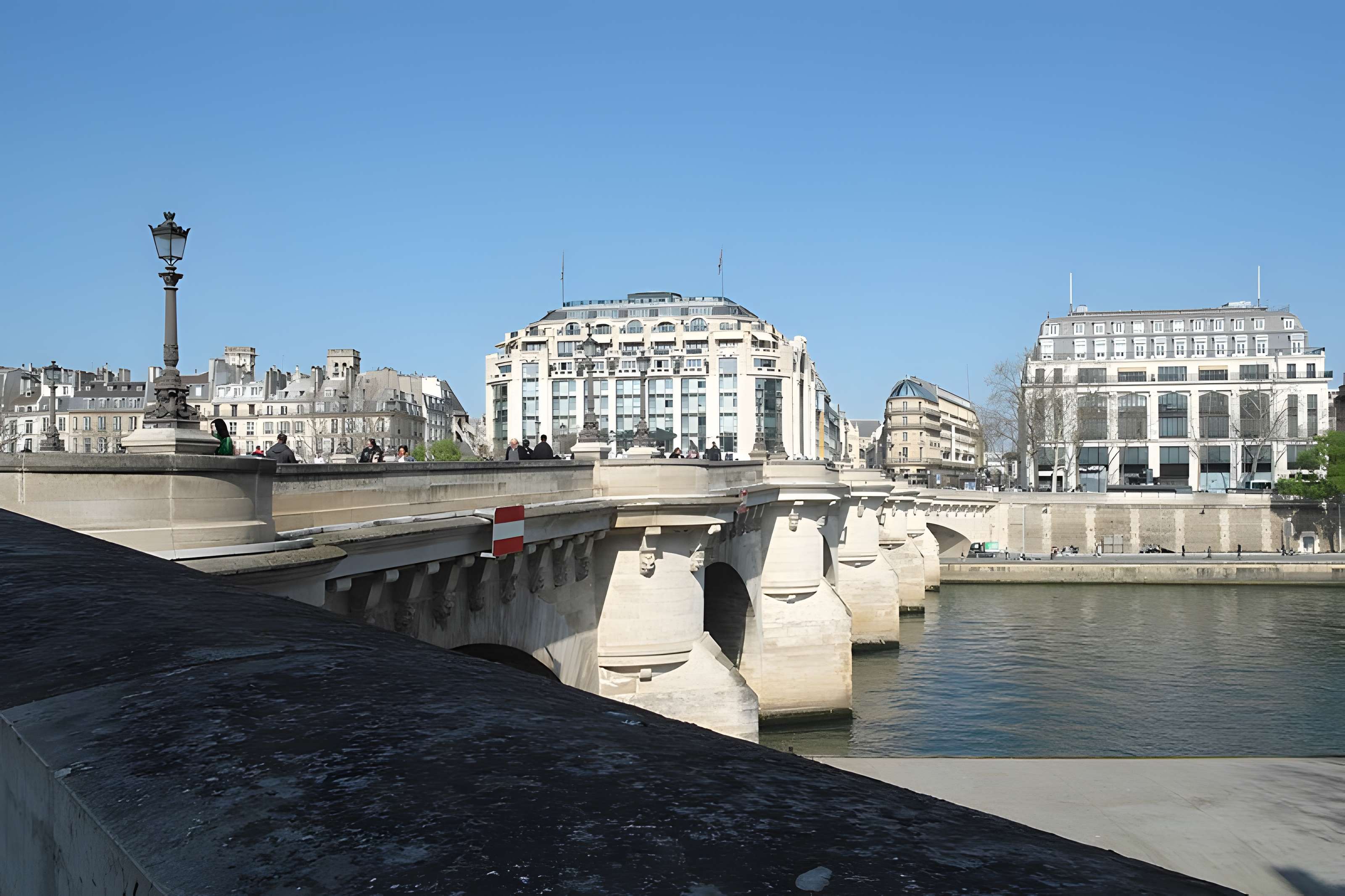
The Pont Neuf, despite its name, is the oldest bridge in Paris still standing. Its construction, decided in 1577 under Henry III, began in 1578 with the laying of the first stone by the king himself, in the presence of Catherine de Medici and Louise de Lorraine. The work, interrupted by the political turmoil of the League (1588-1598), resumed in 1599 under Henry IV and ended in 1607. This bridge is distinguished by its absence of houses, a first in Paris, and its sidewalks protecting pedestrians, as well as its semi-circular balconies housing shops.

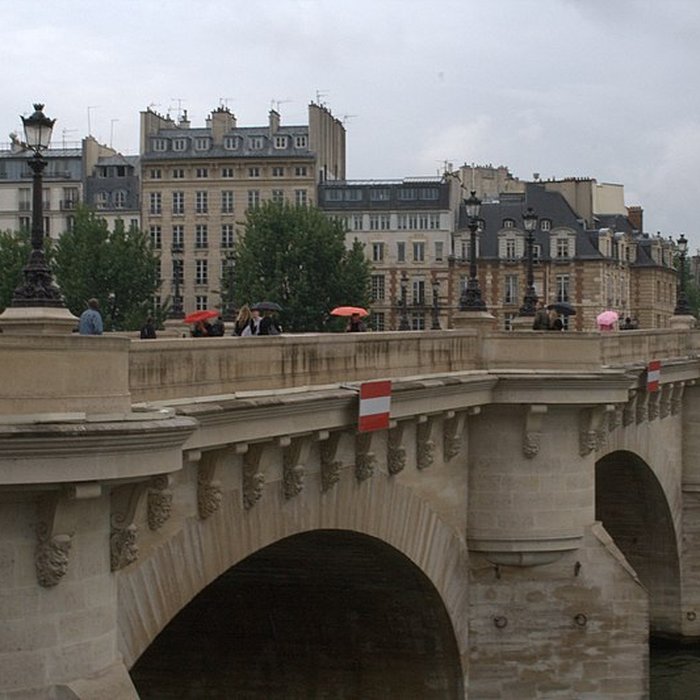
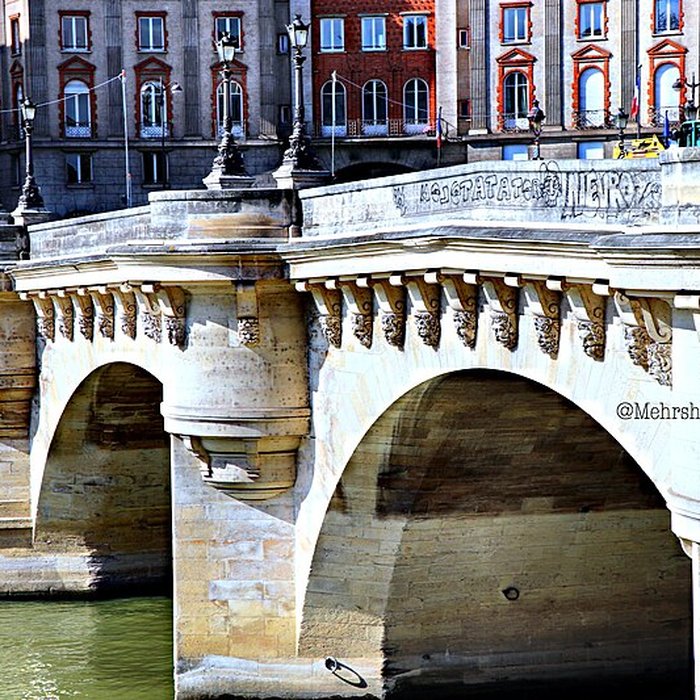
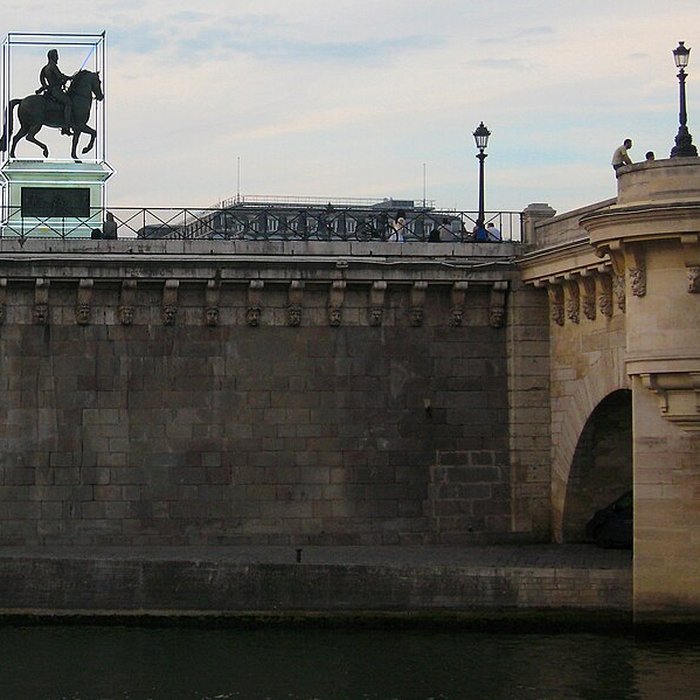
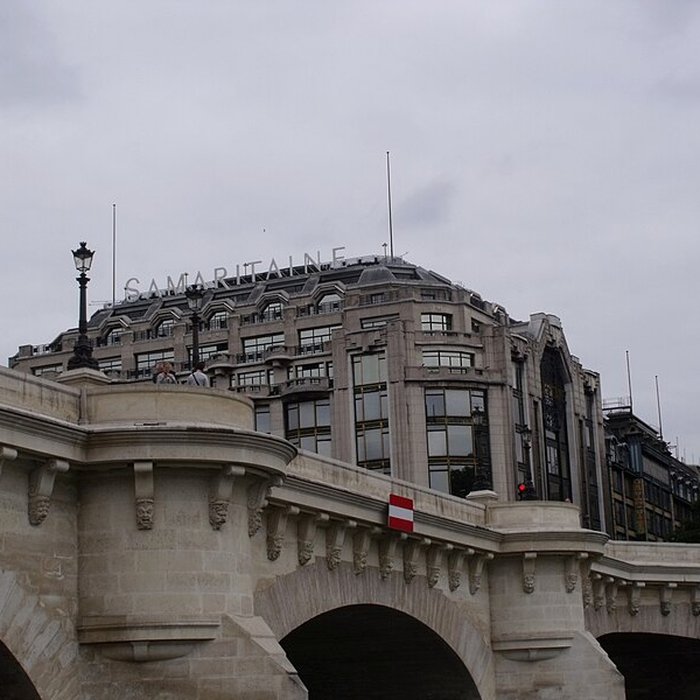
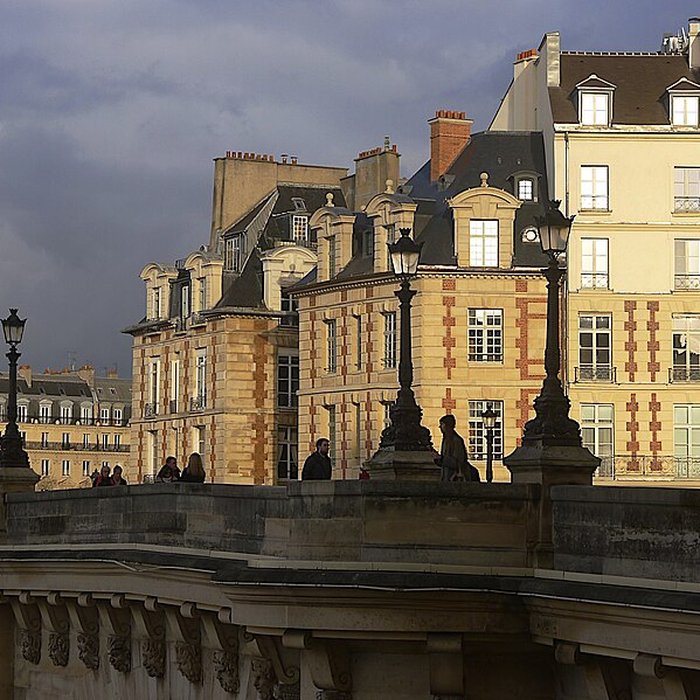
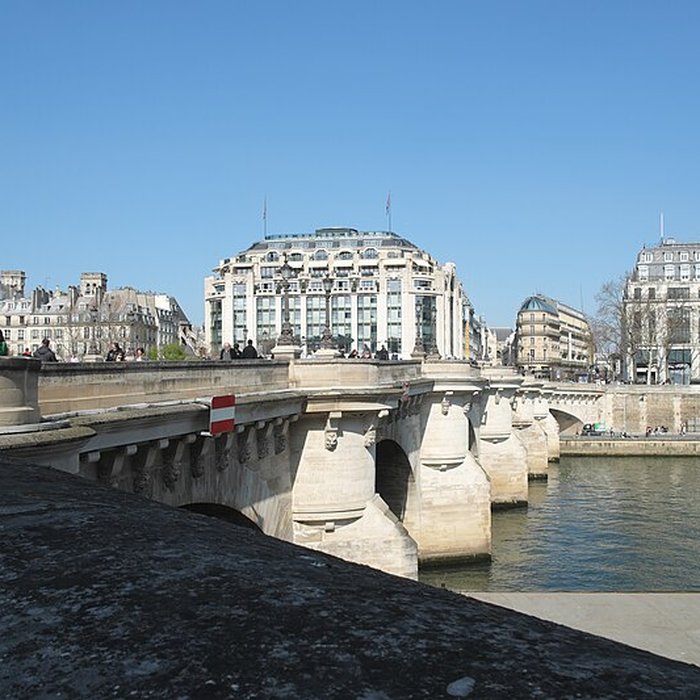
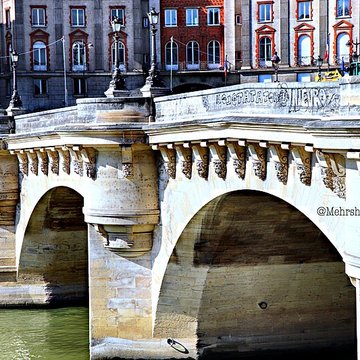
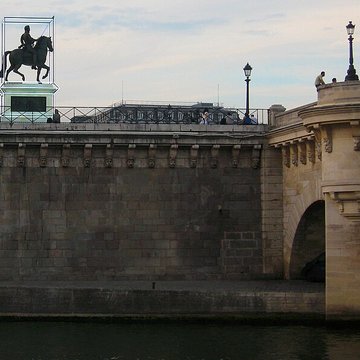
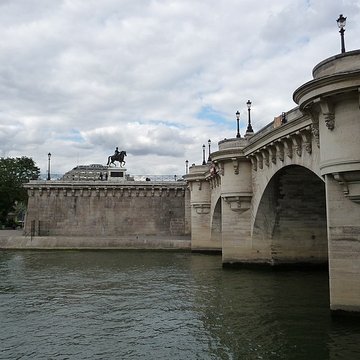
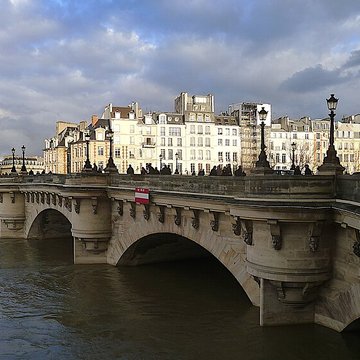
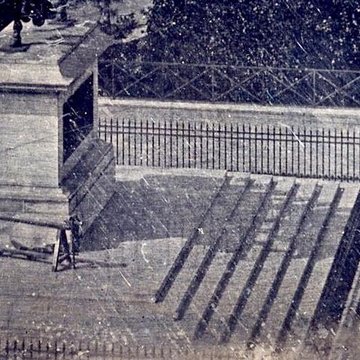
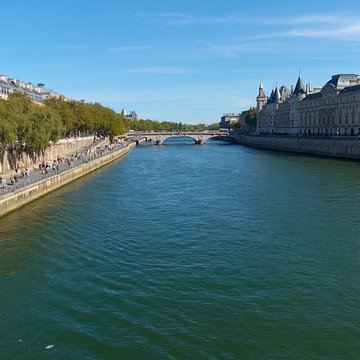
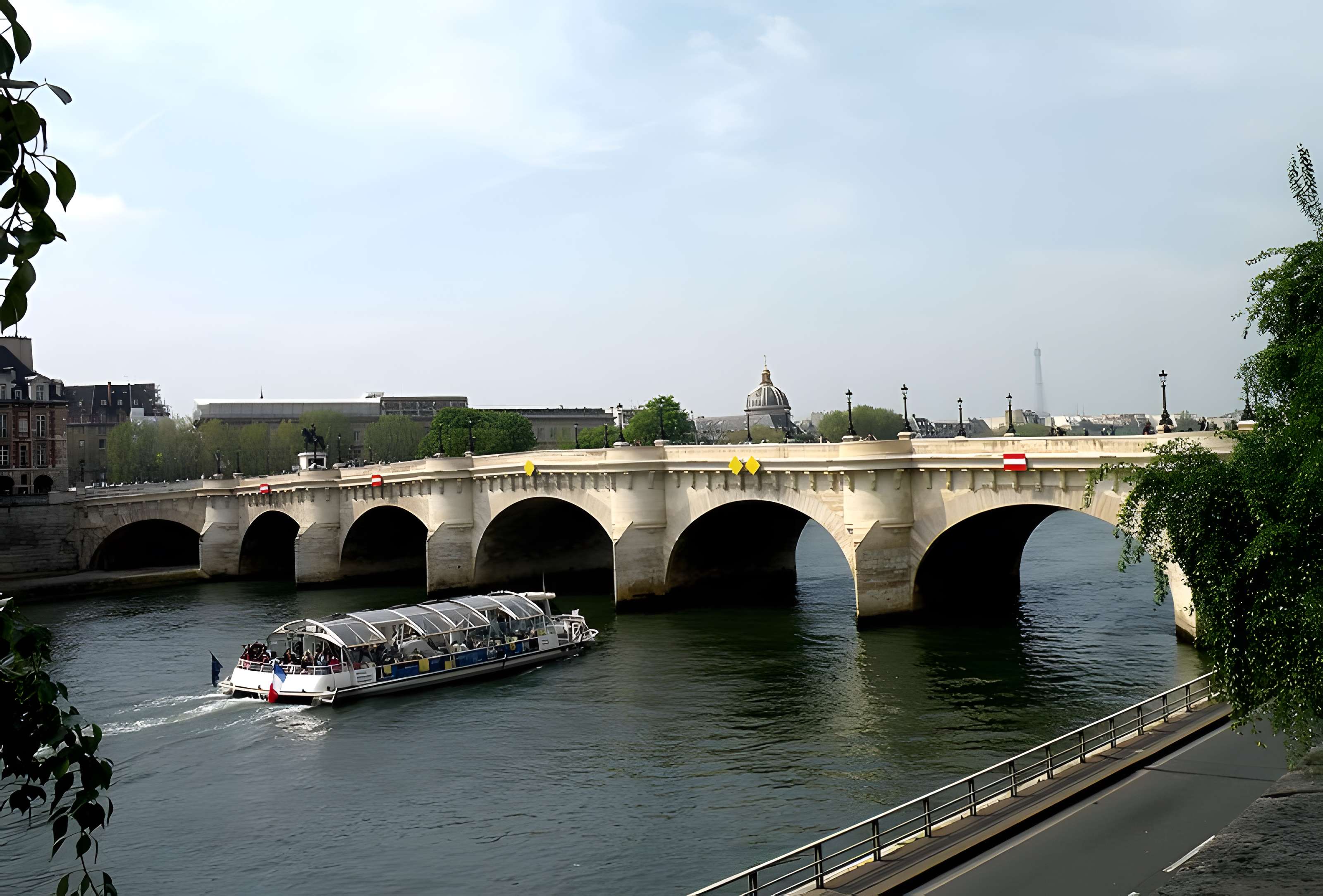
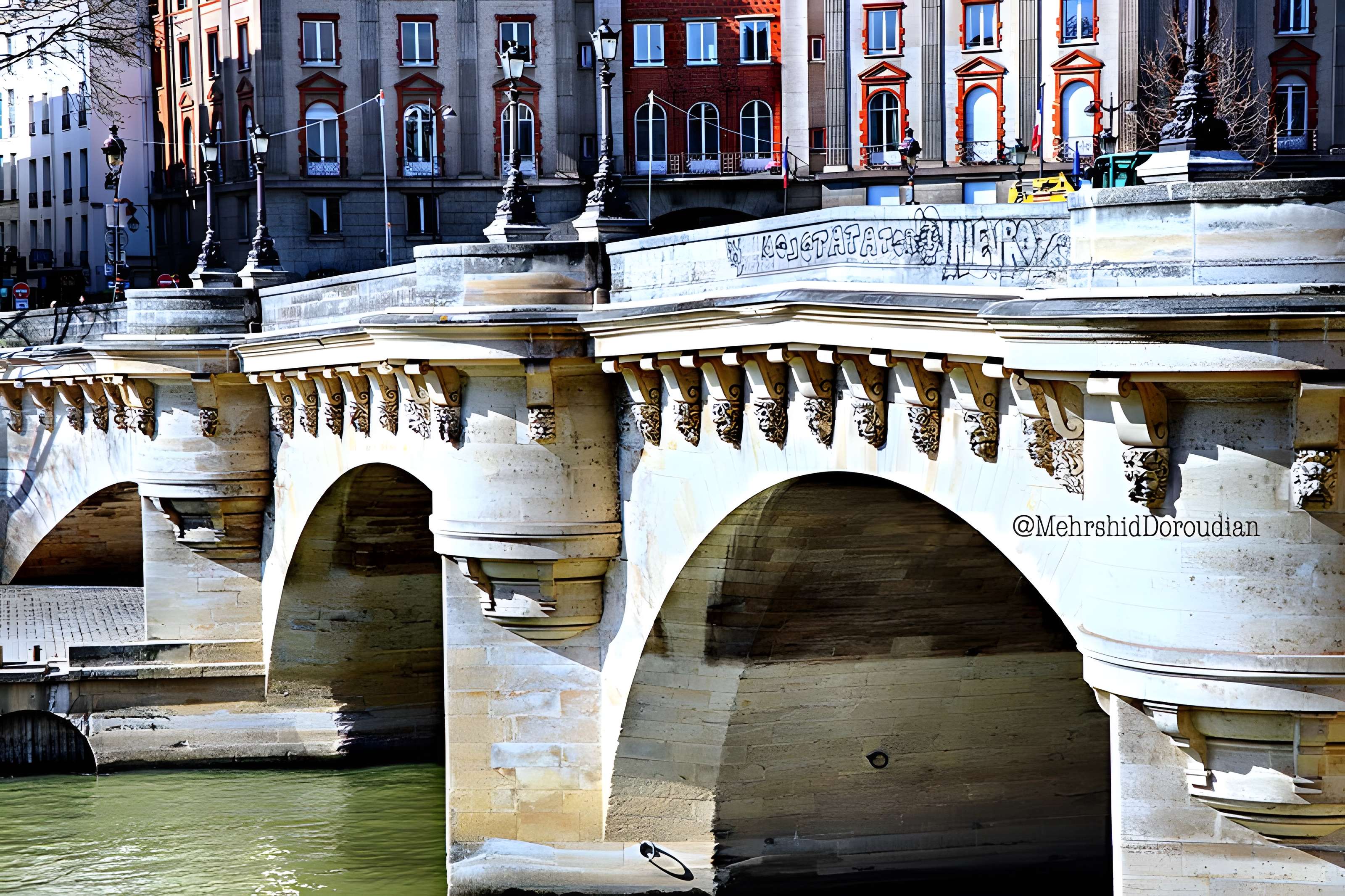
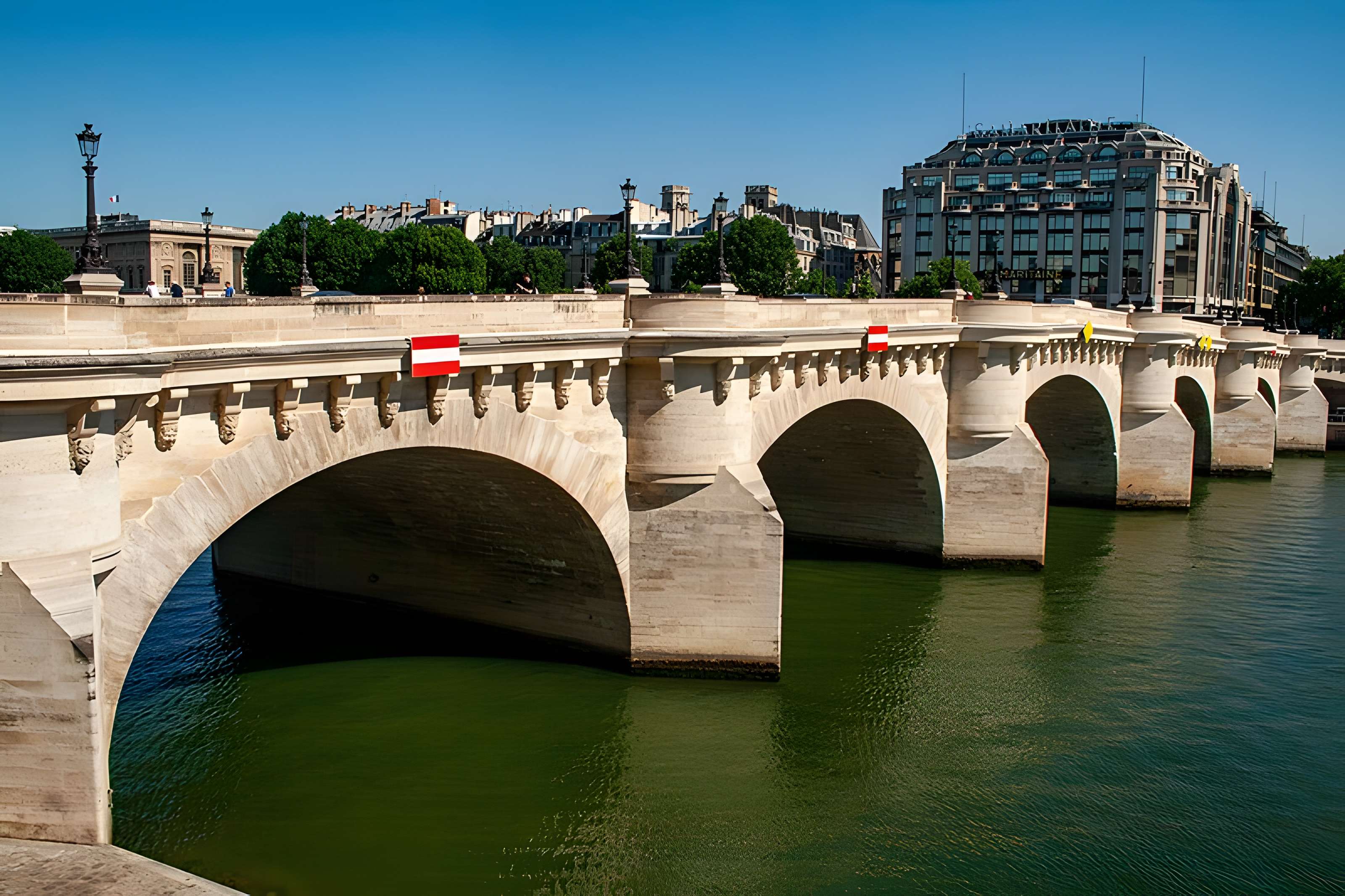
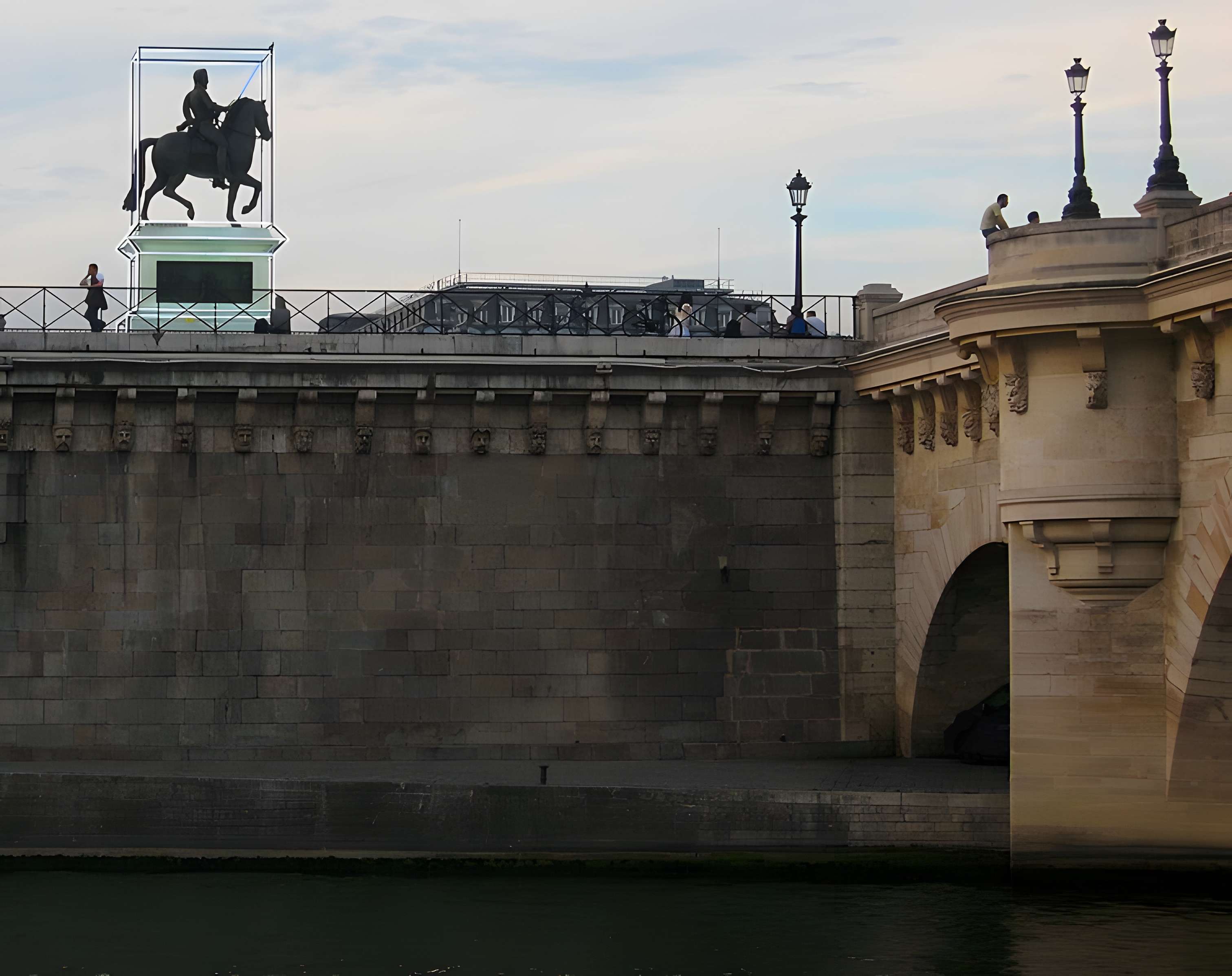
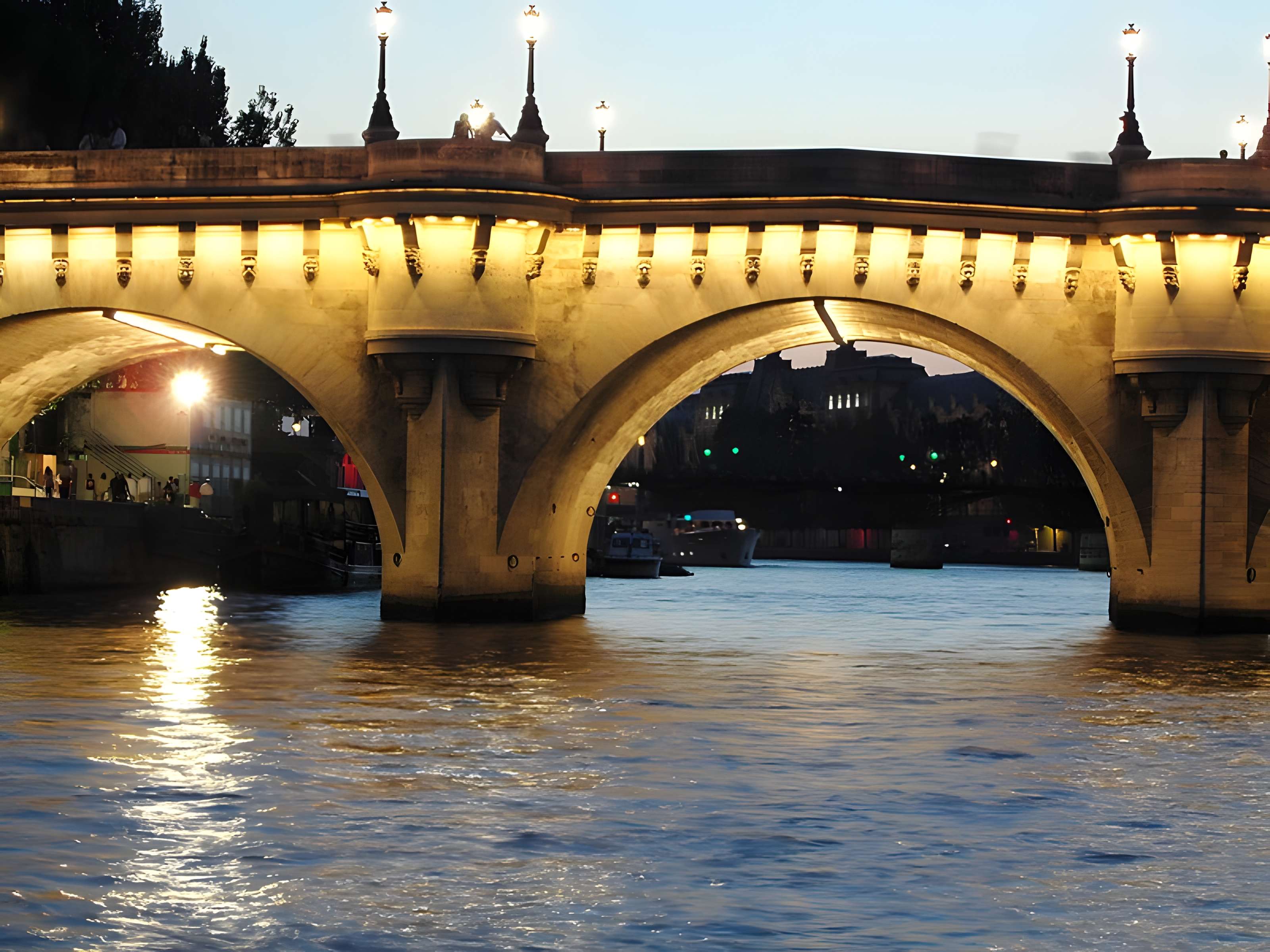
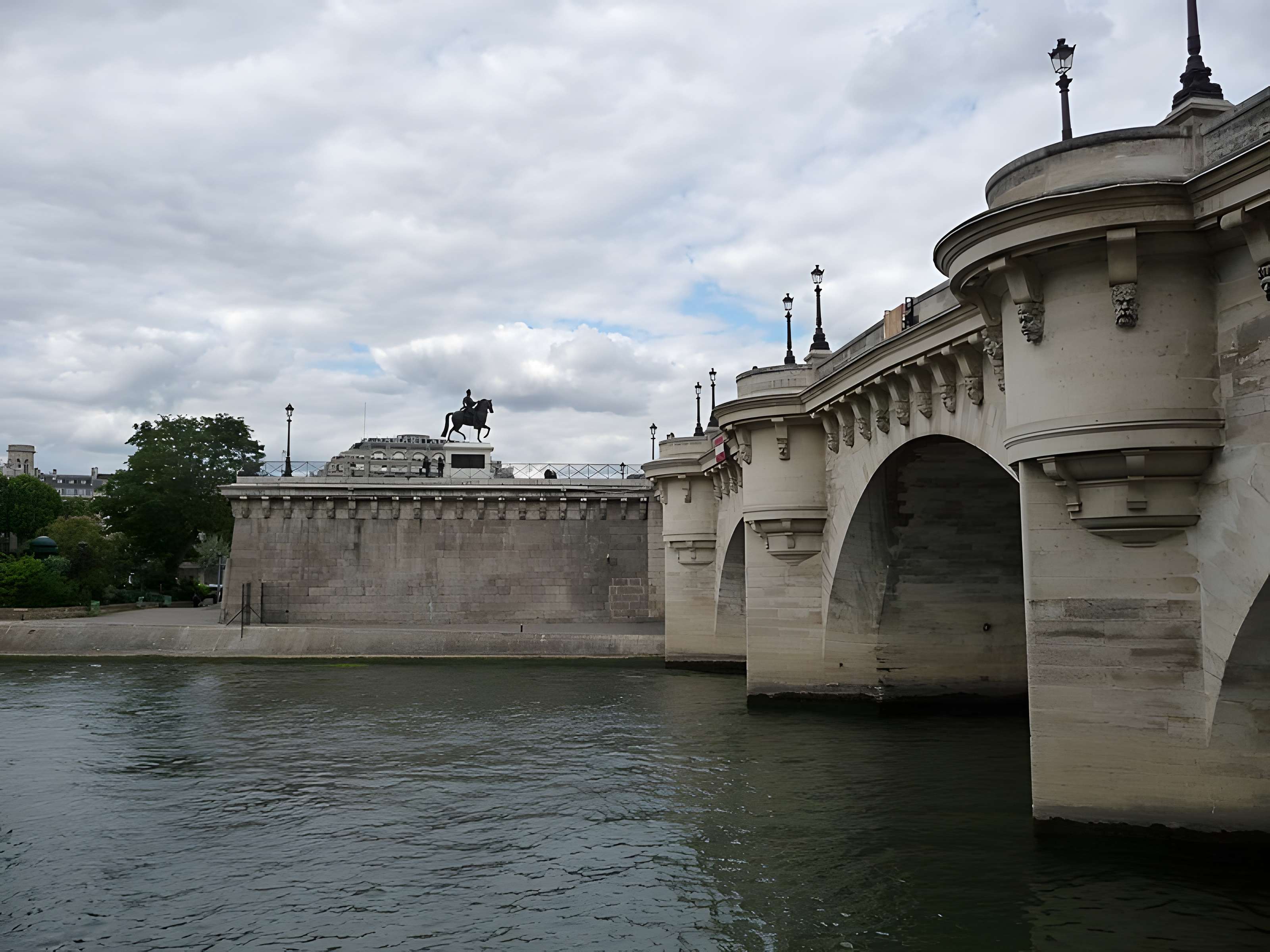
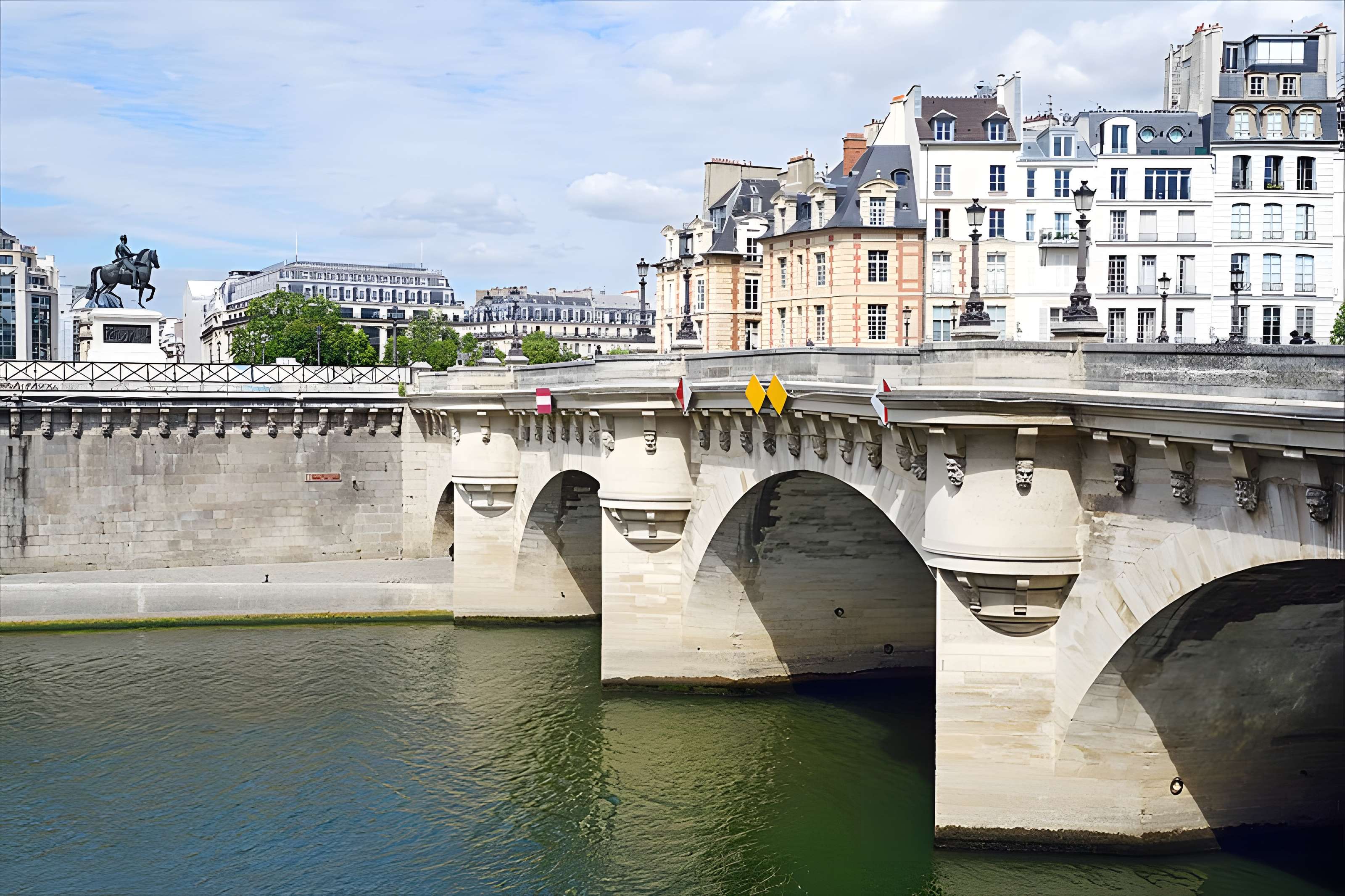
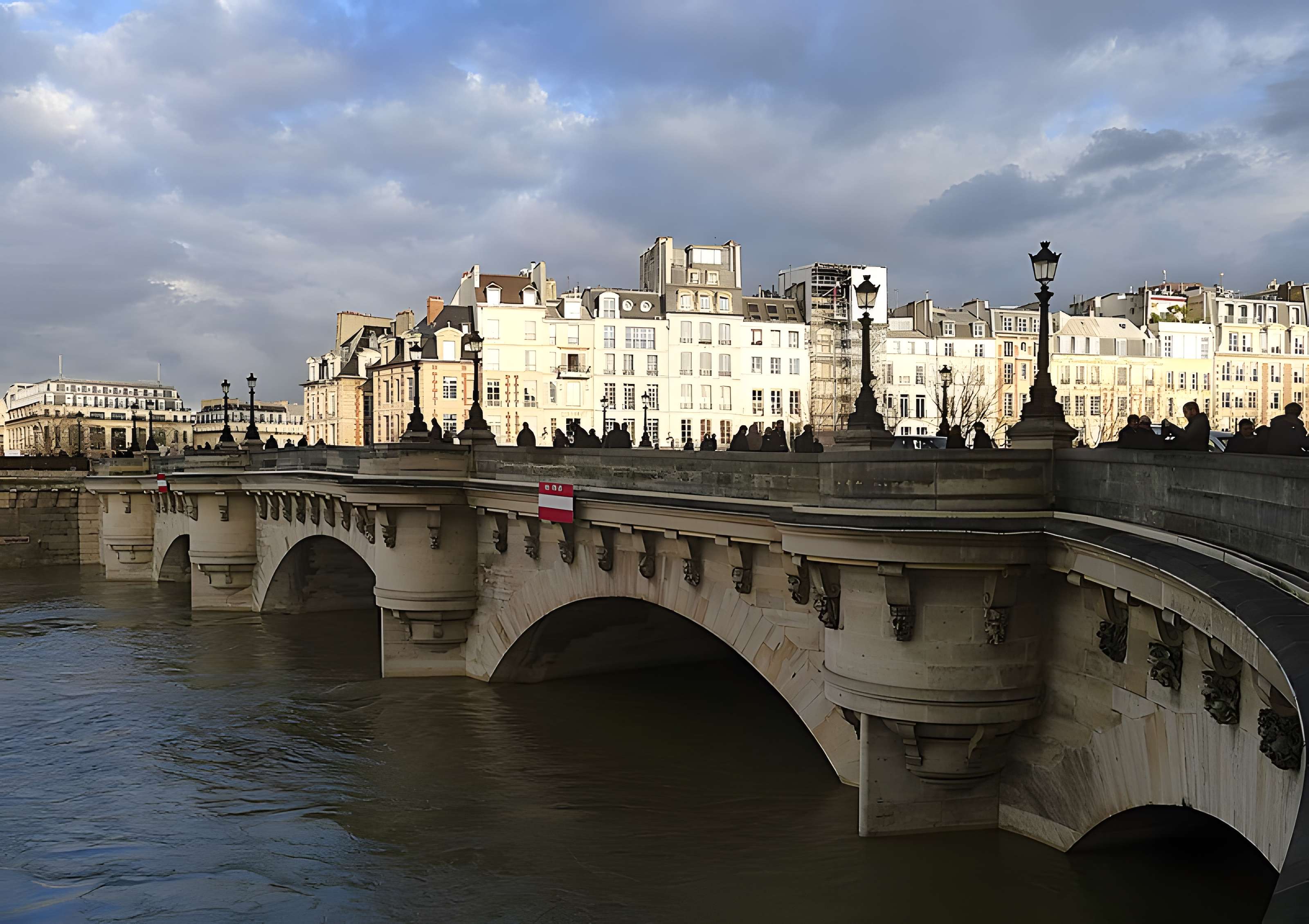
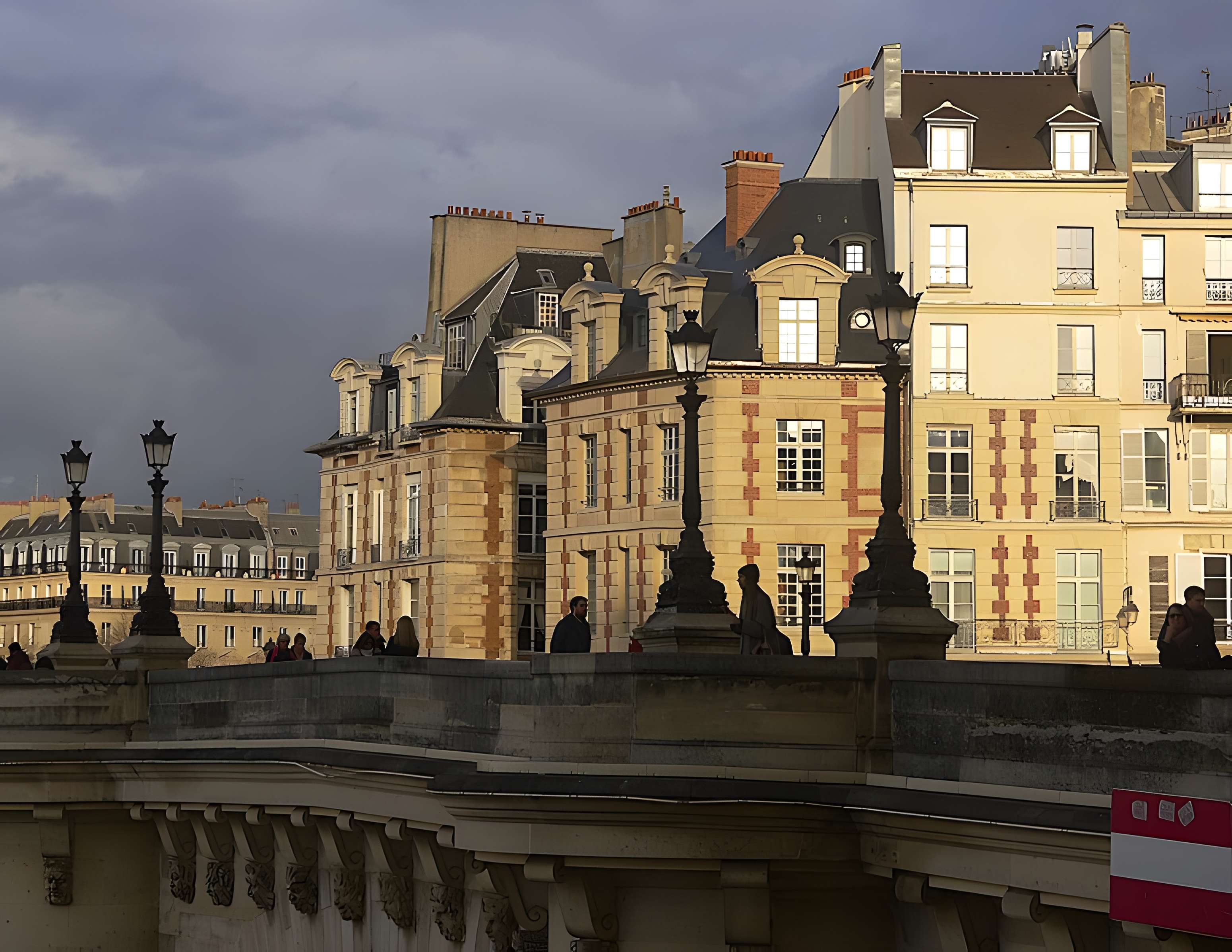
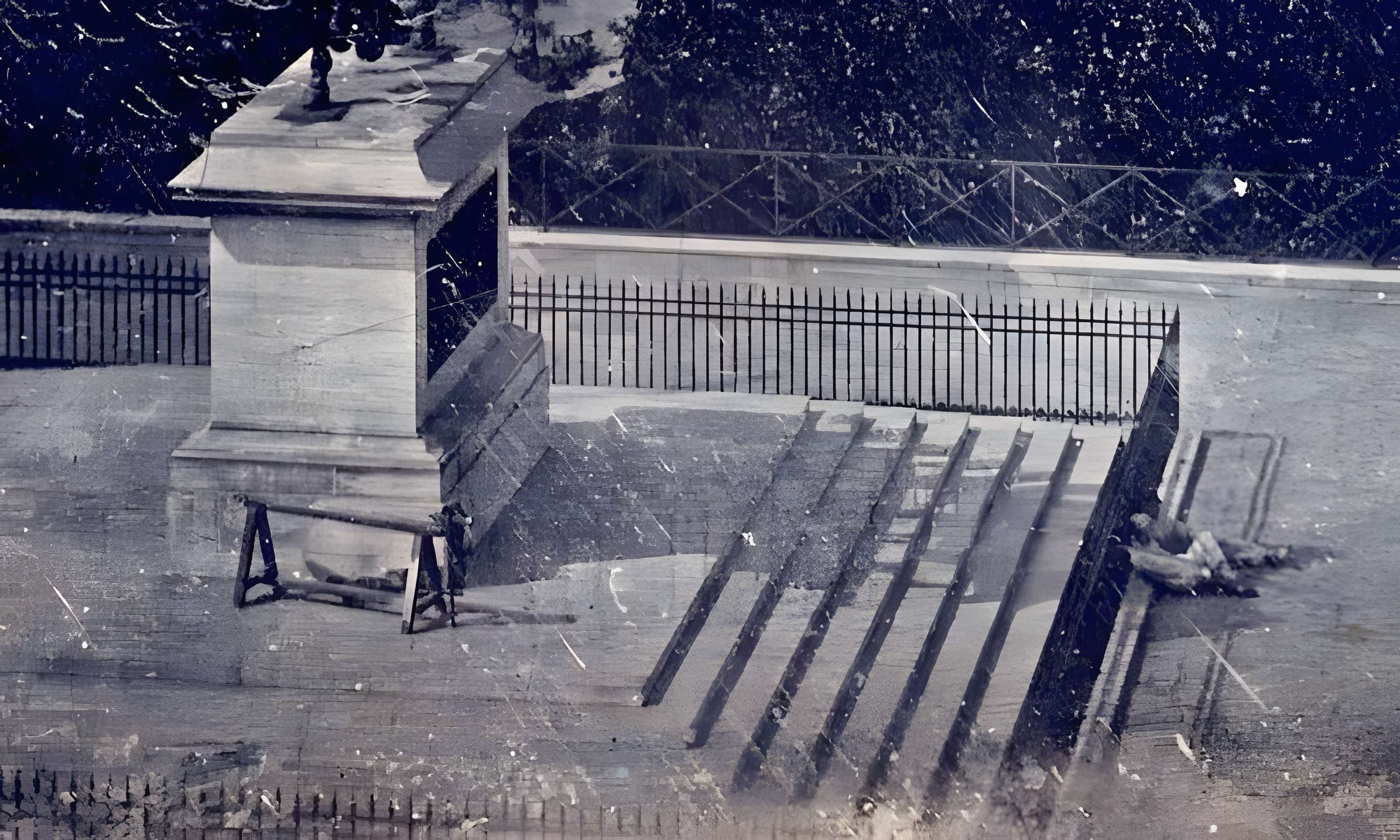
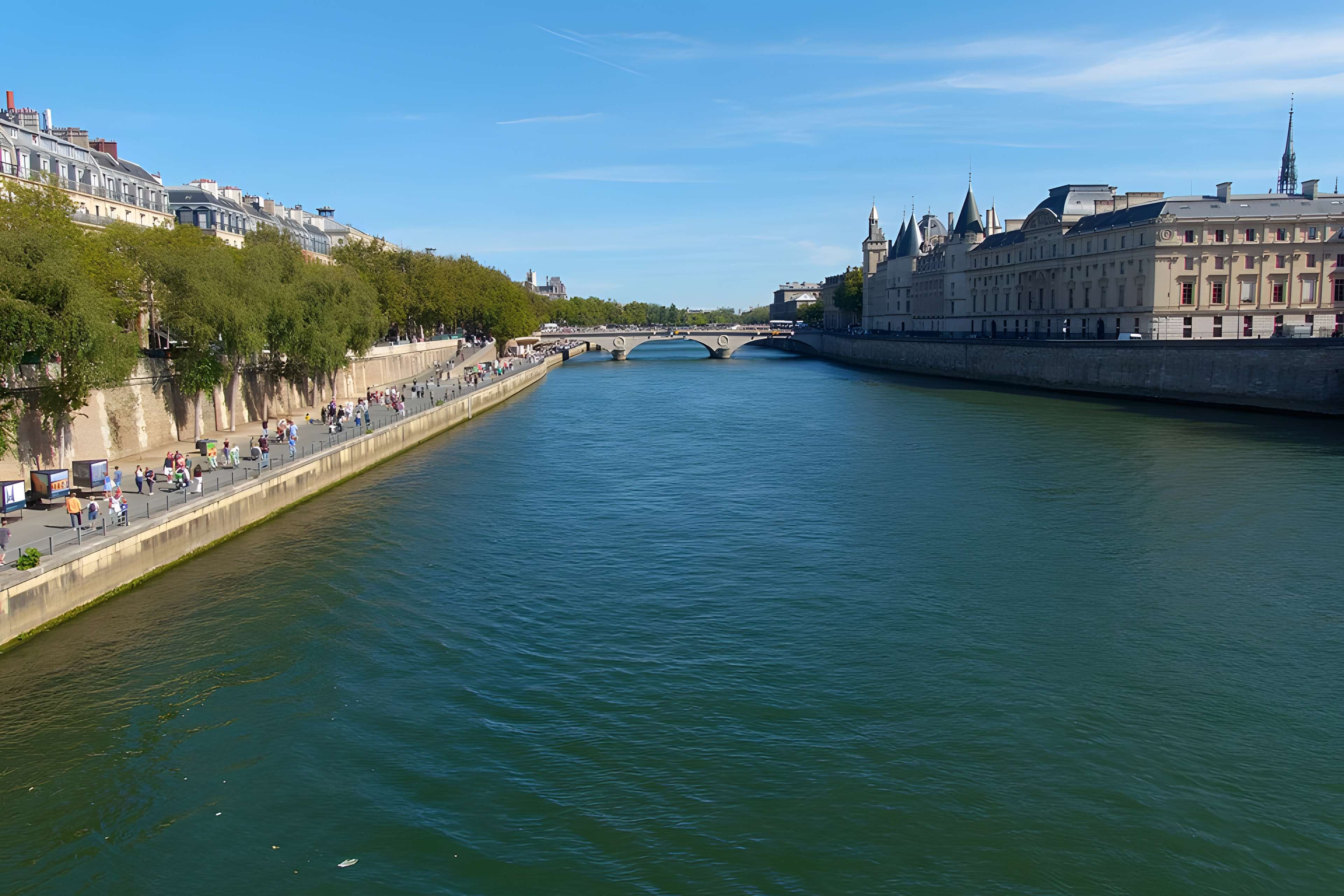
The Nine Bridge is also marked by technical and symbolic innovations. It is the first Parisian bridge to completely cross the Seine, connecting the left bank, the right bank and the island of the Cité. In 1614, an equestrian statue of Henry IV, commissioned by Mary of Medici and made by John of Bologna and Pietro Tacca, was inaugurated. Founded during the Revolution, it was replaced in 1818 by a replica due to Lemot. The bridge is also famous for its 381 mascarons, grotesque sculptures inspired by mythology, and for the pump of the Samaritaine (1602-1608), Paris' first water lifting machine, which fed the Louvre and the Tuileries.

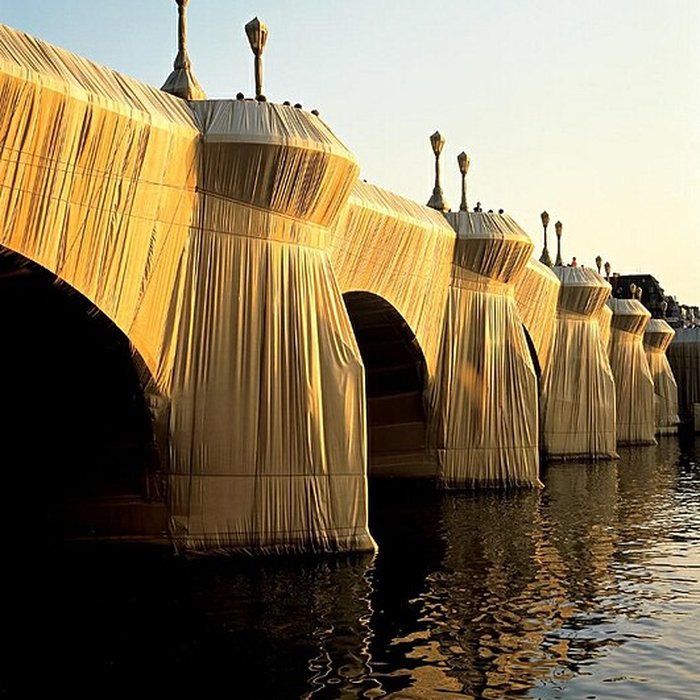
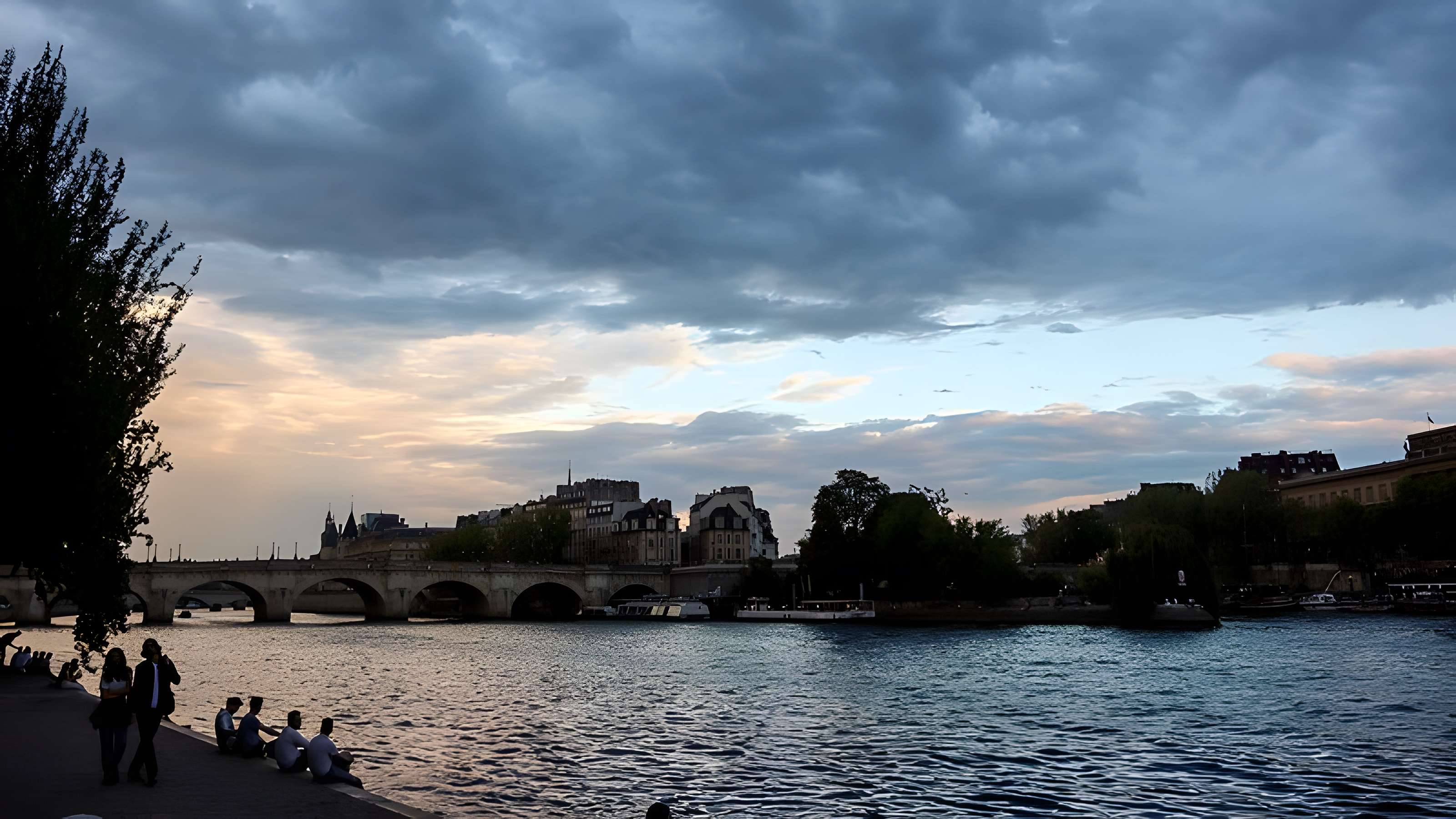
Over the centuries, Pont Neuf became an emblematic place for Parisian life. It was listed as a historic monument in 1889 and listed as a UNESCO World Heritage Site in 1991 with the banks of the Seine. In 1985, it was "packed" by Christo and Jeanne-Claude, and in 1994 it was flowered by Kenzo. A symbol of modernity in his time, he inspired painters (Turner, Renoir, Monet), filmmakers (Bresson, Carax) and architects, while remaining a place of memory, as evidenced by the landmarks of the 1910 flood.

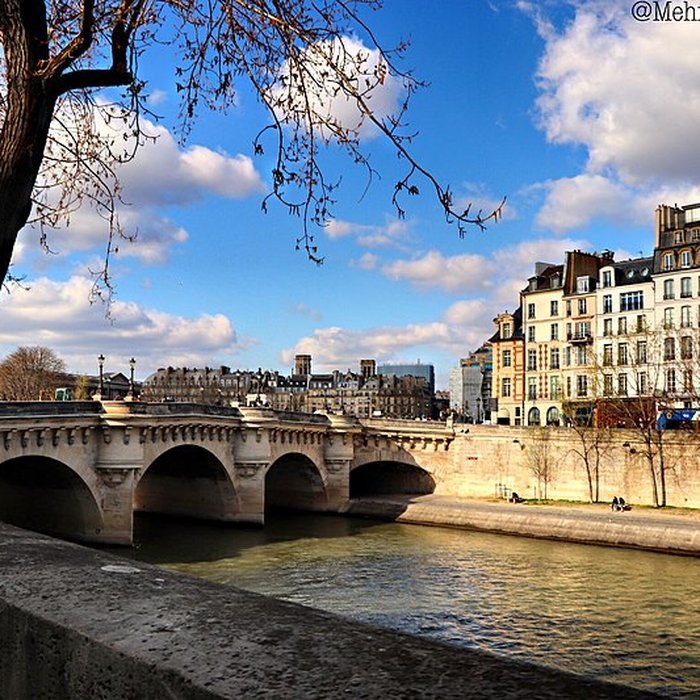
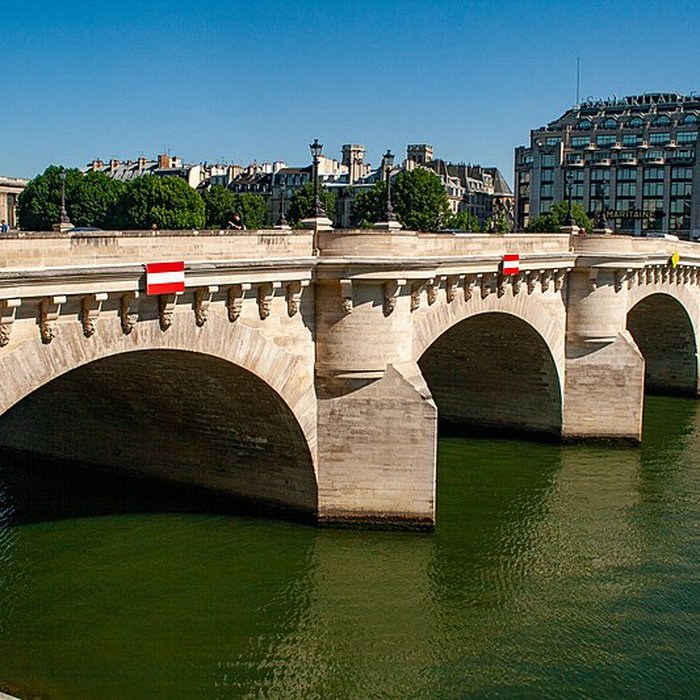
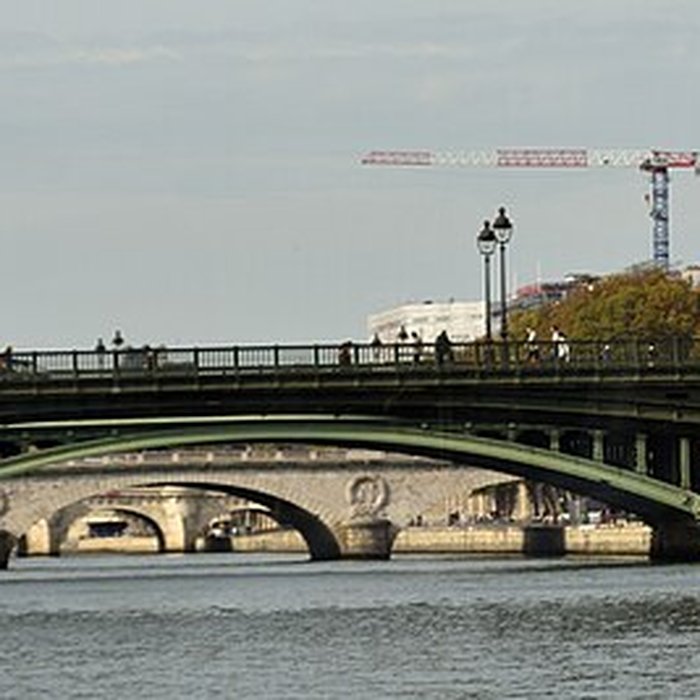
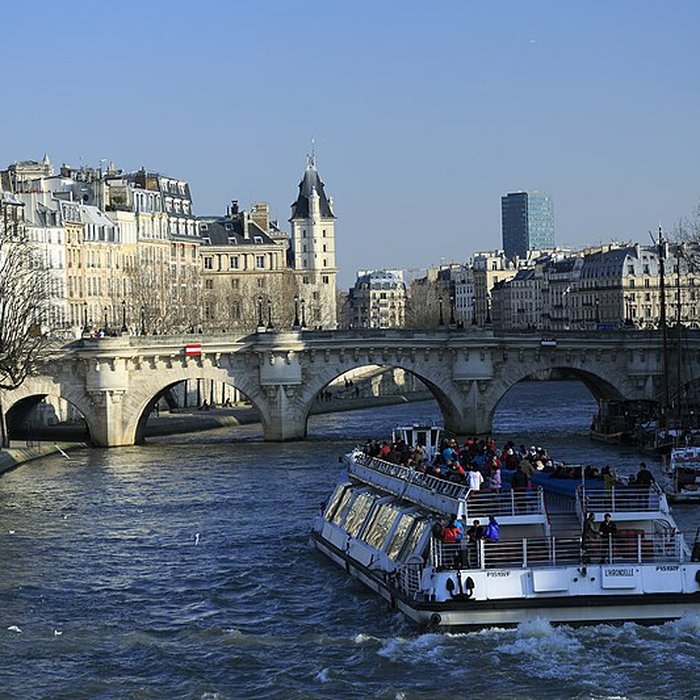
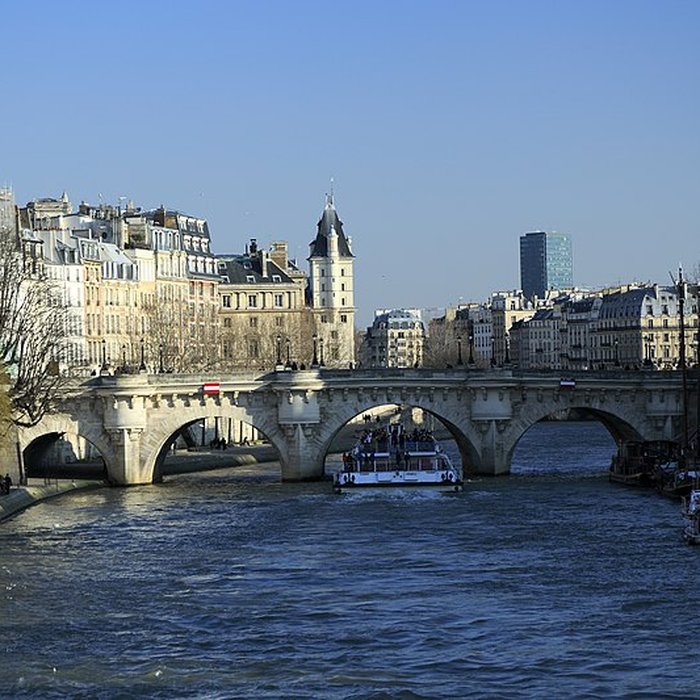
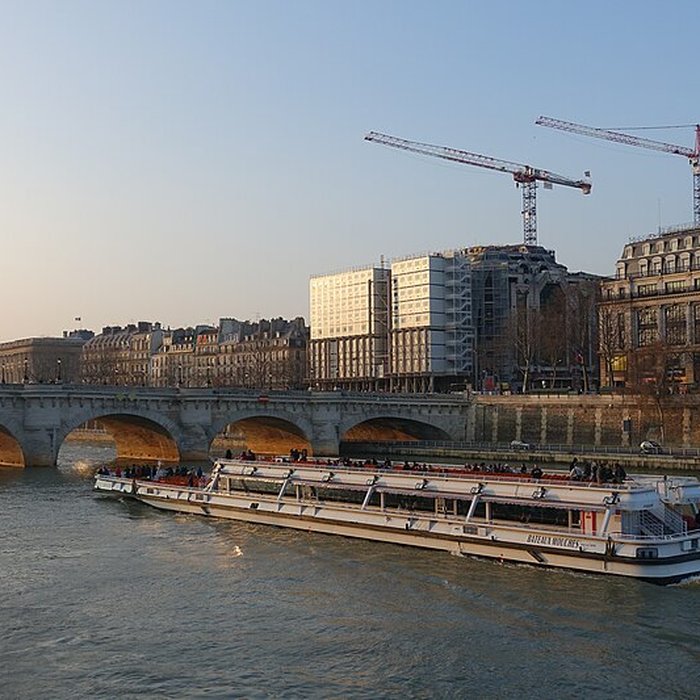
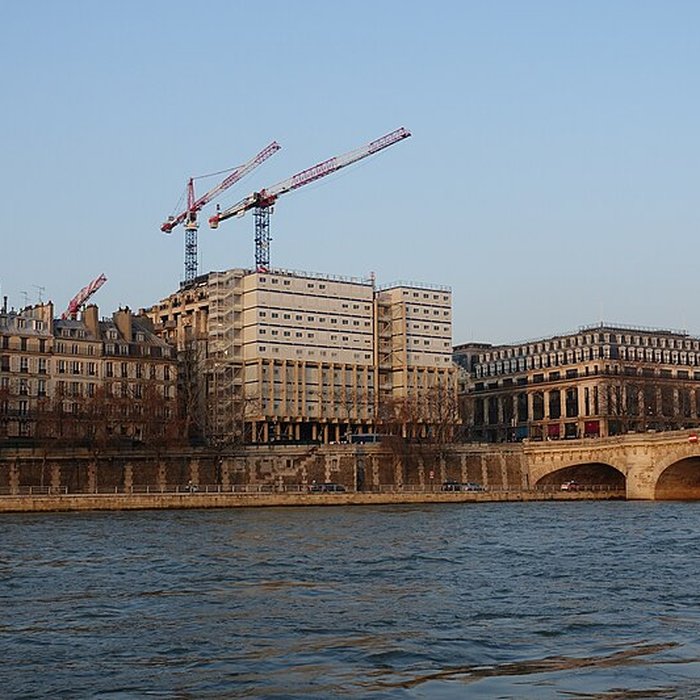
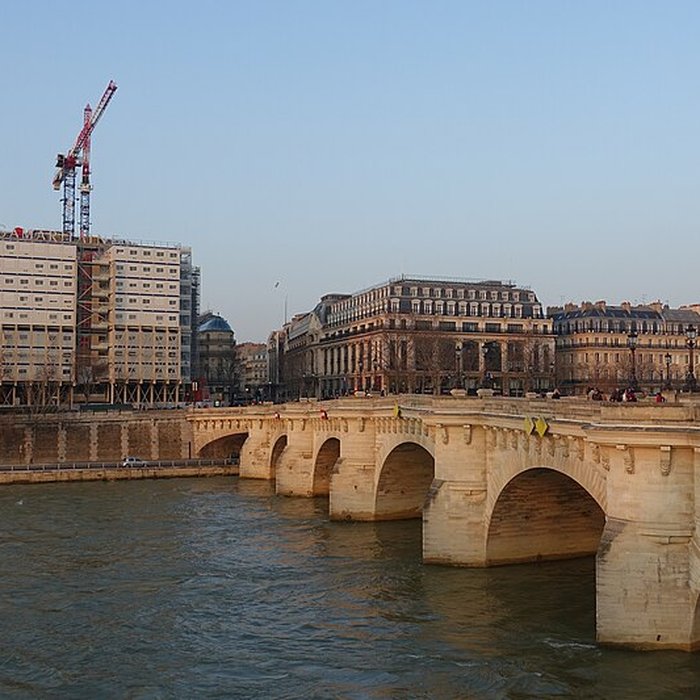
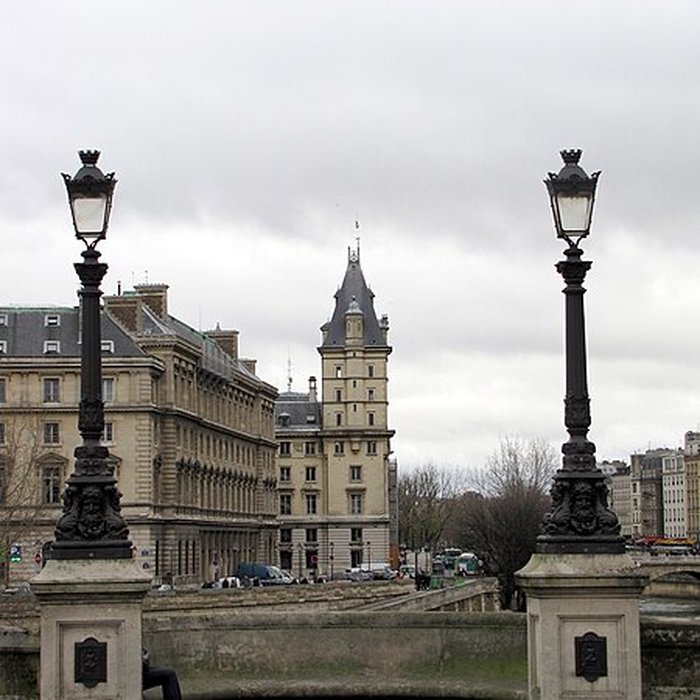
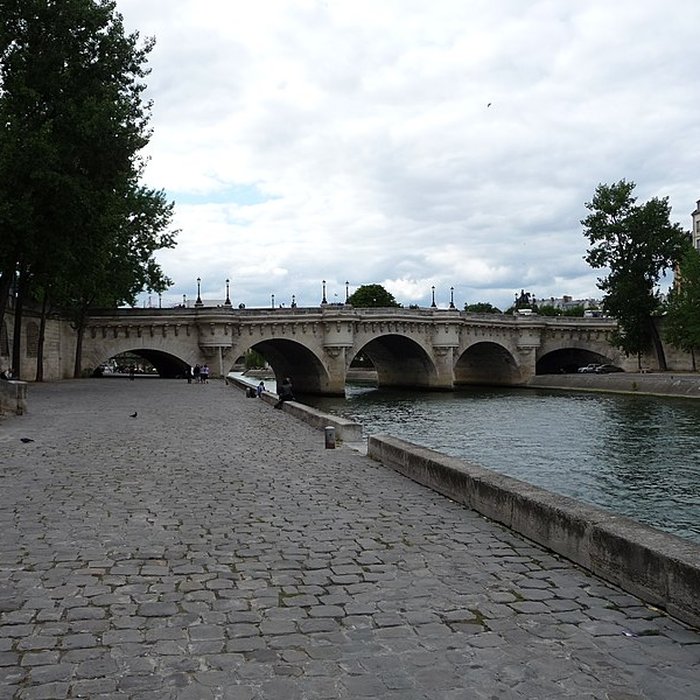
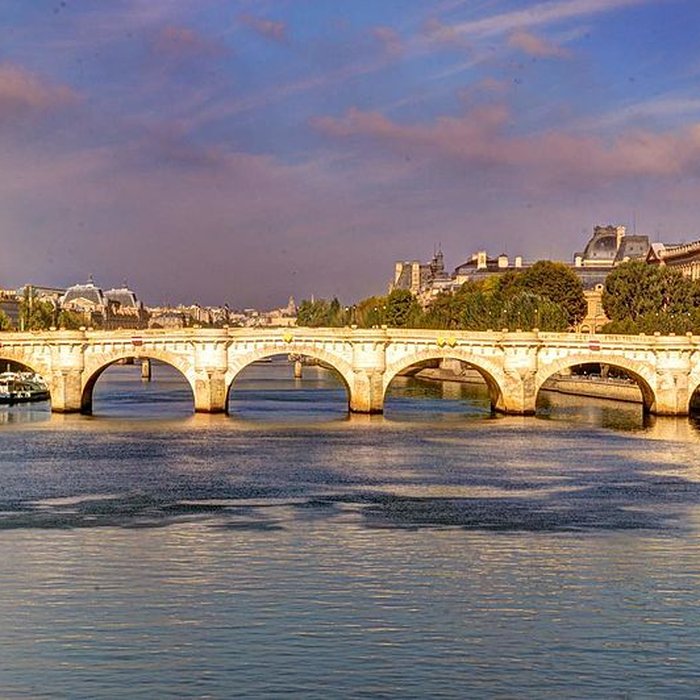
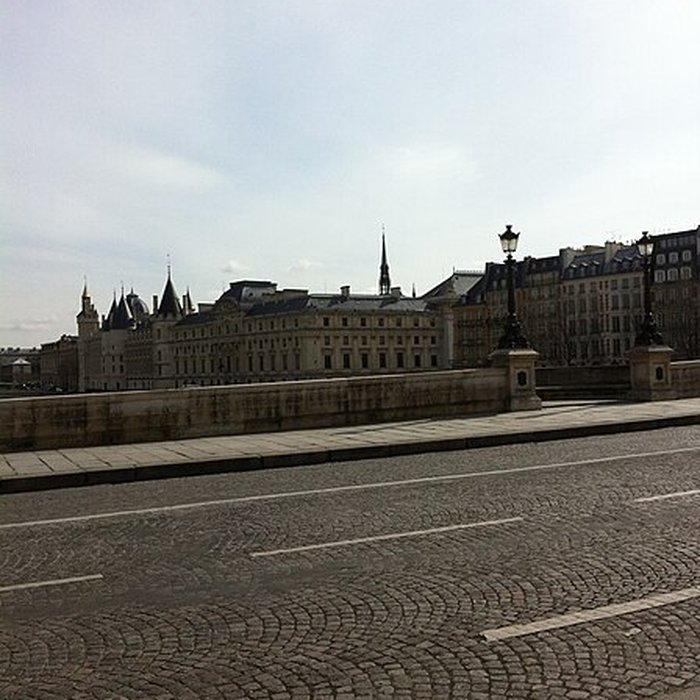
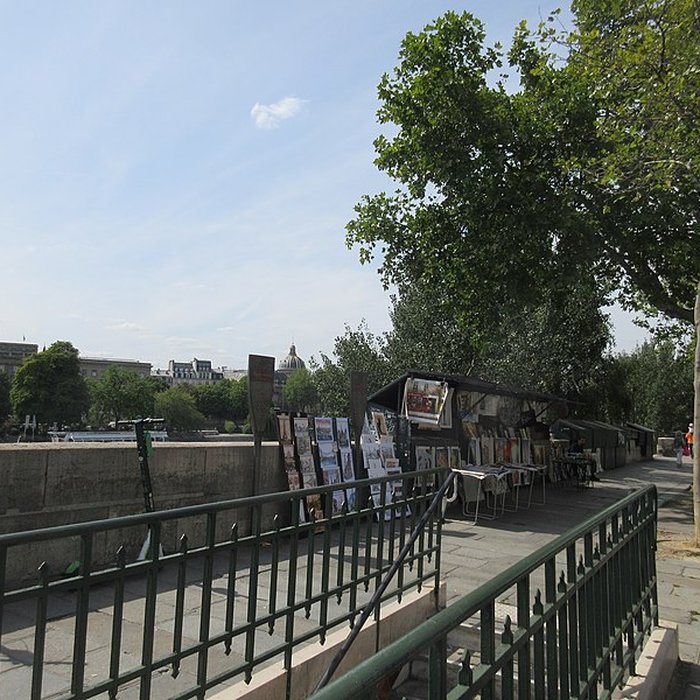
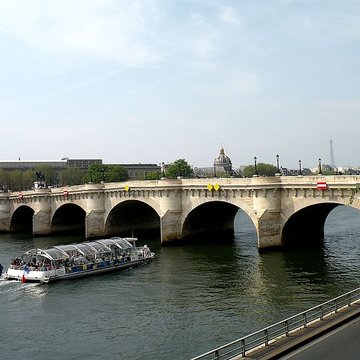
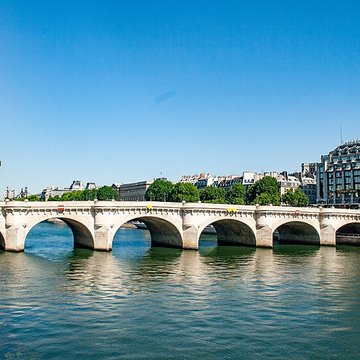
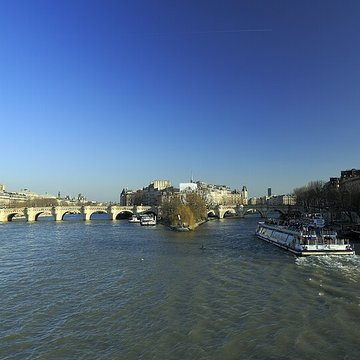
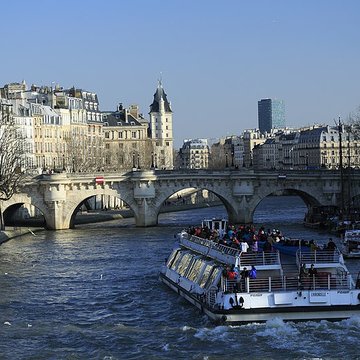
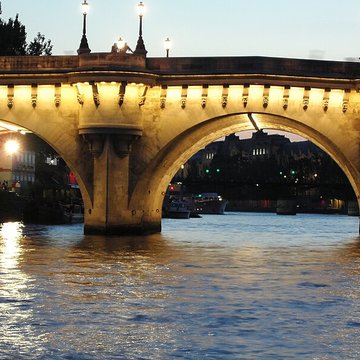
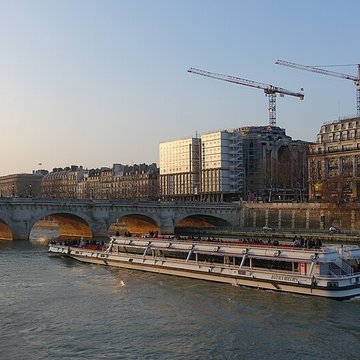
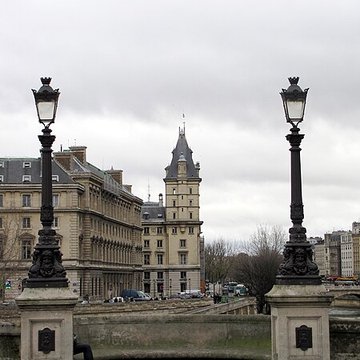
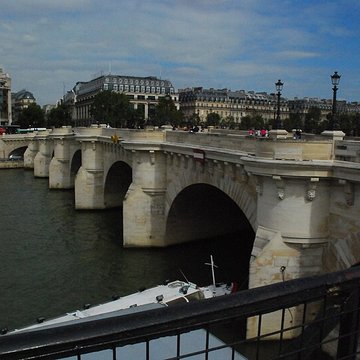
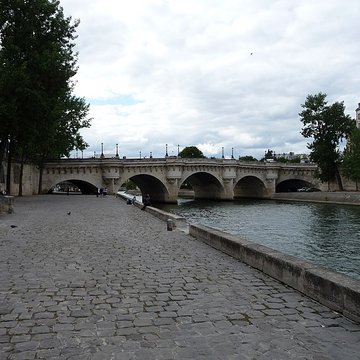
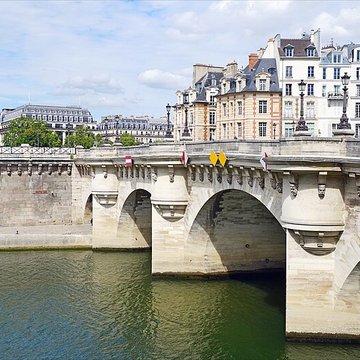
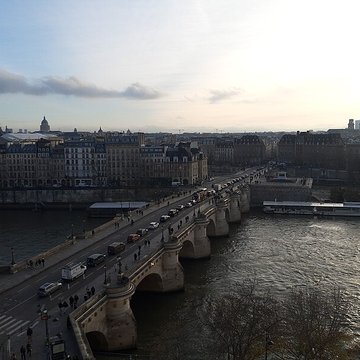
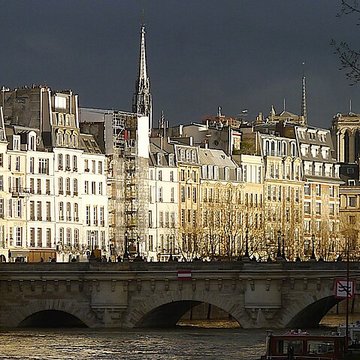
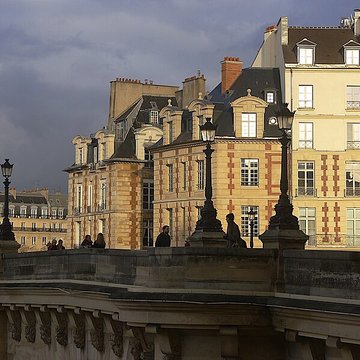
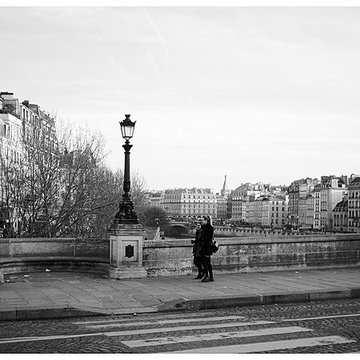
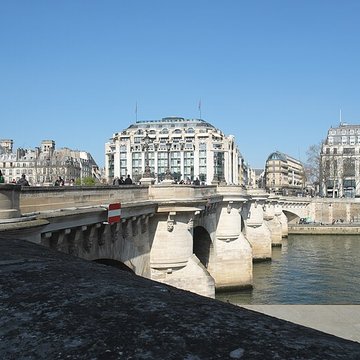
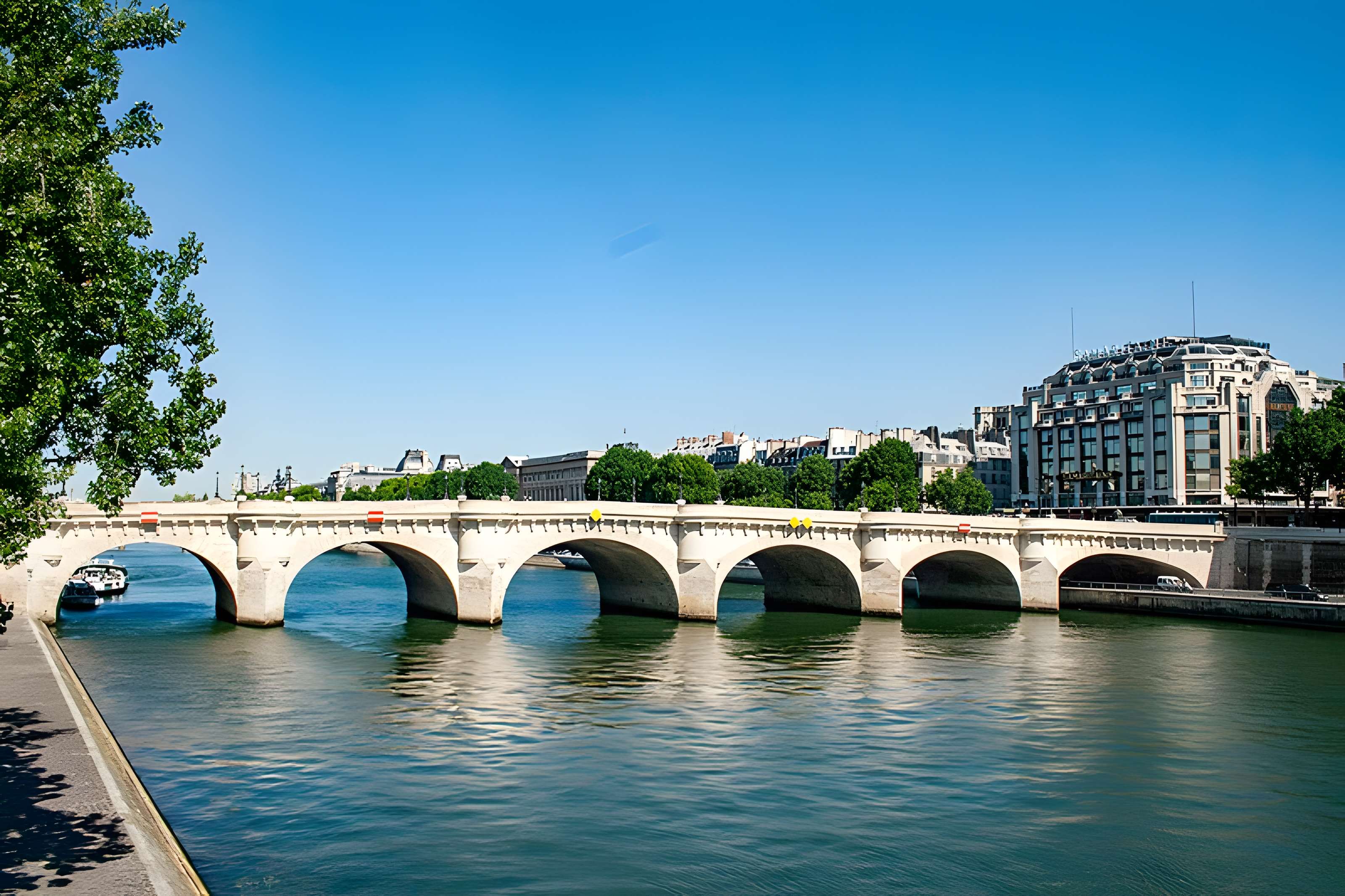
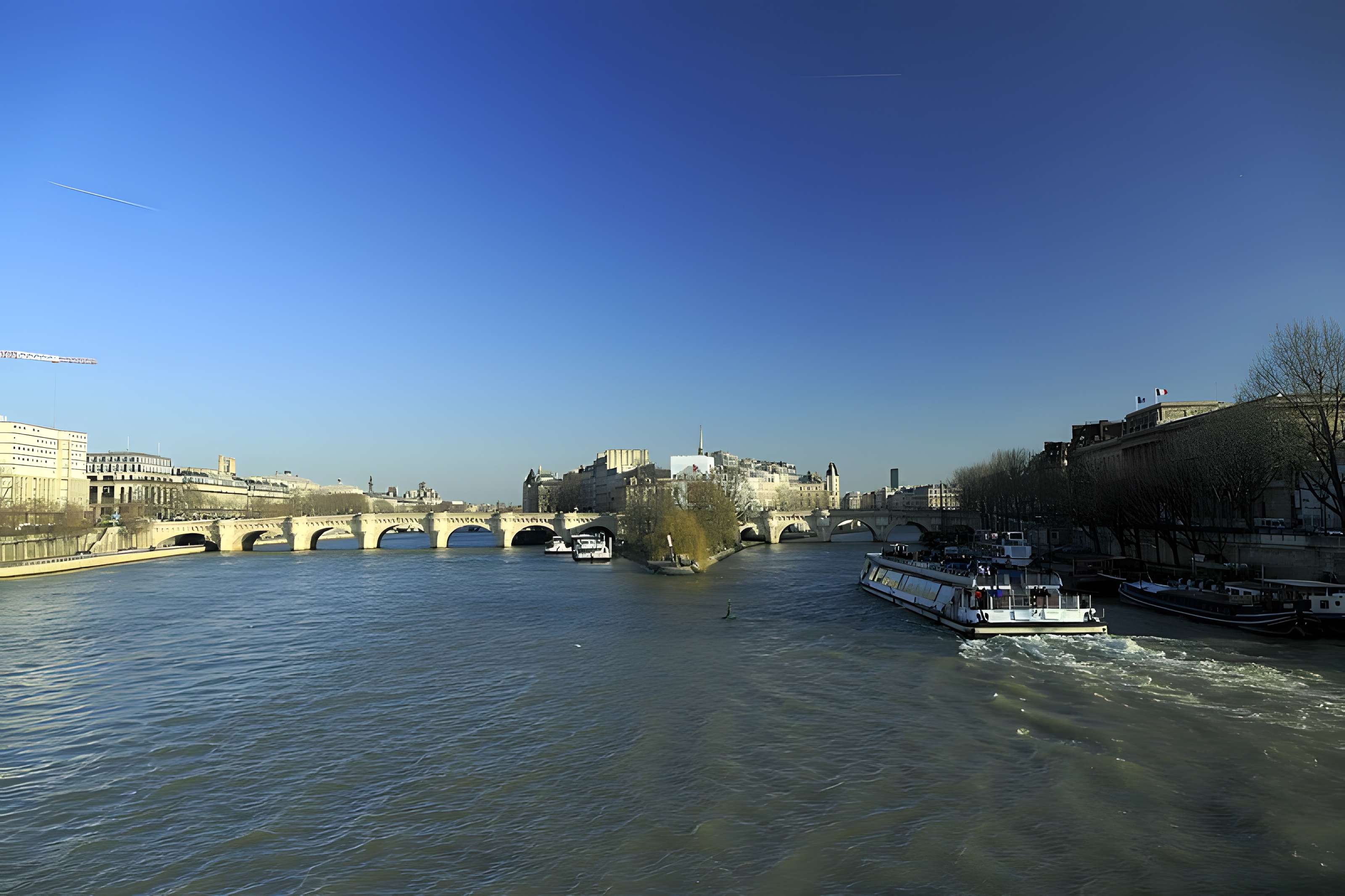
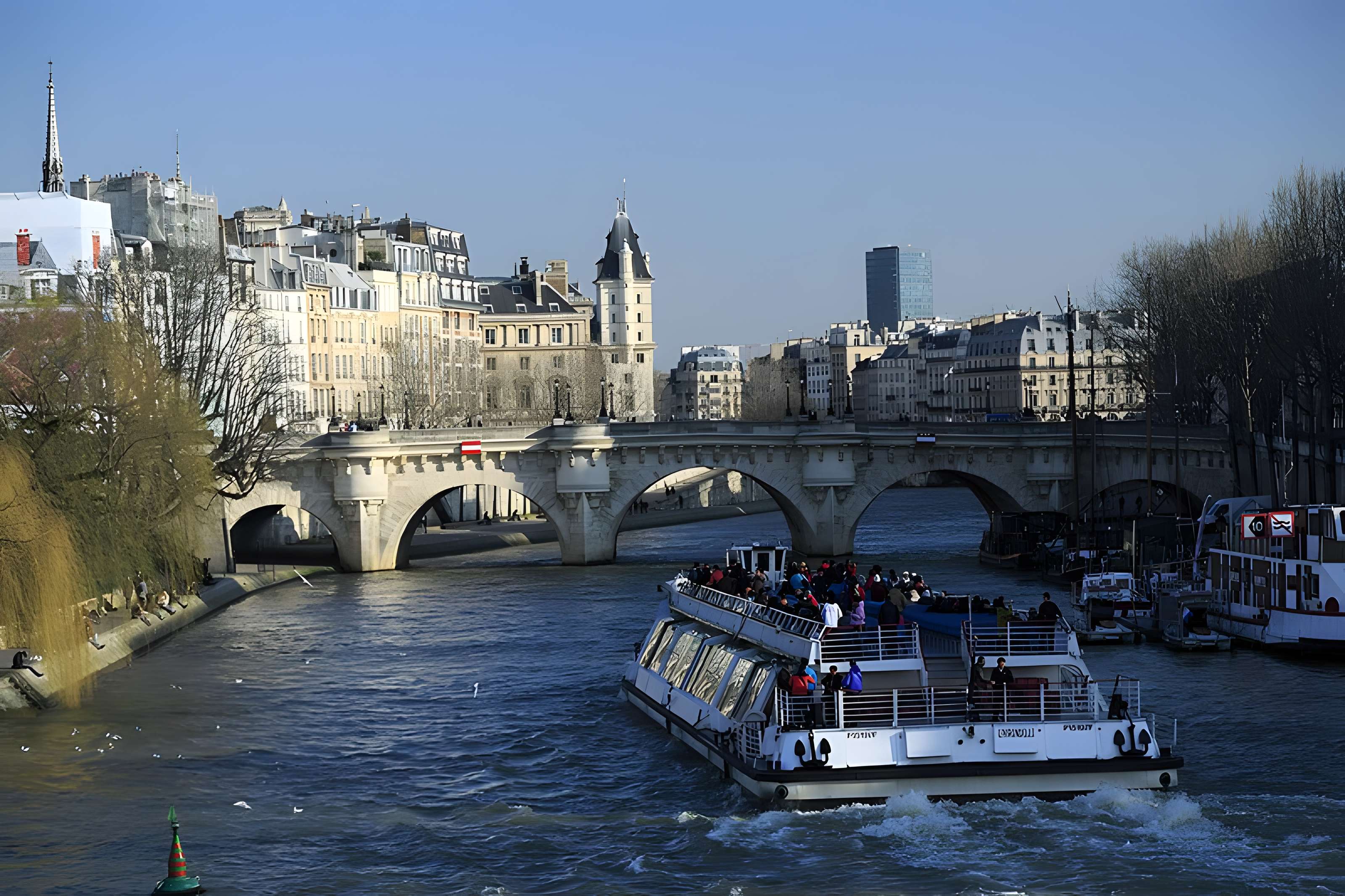
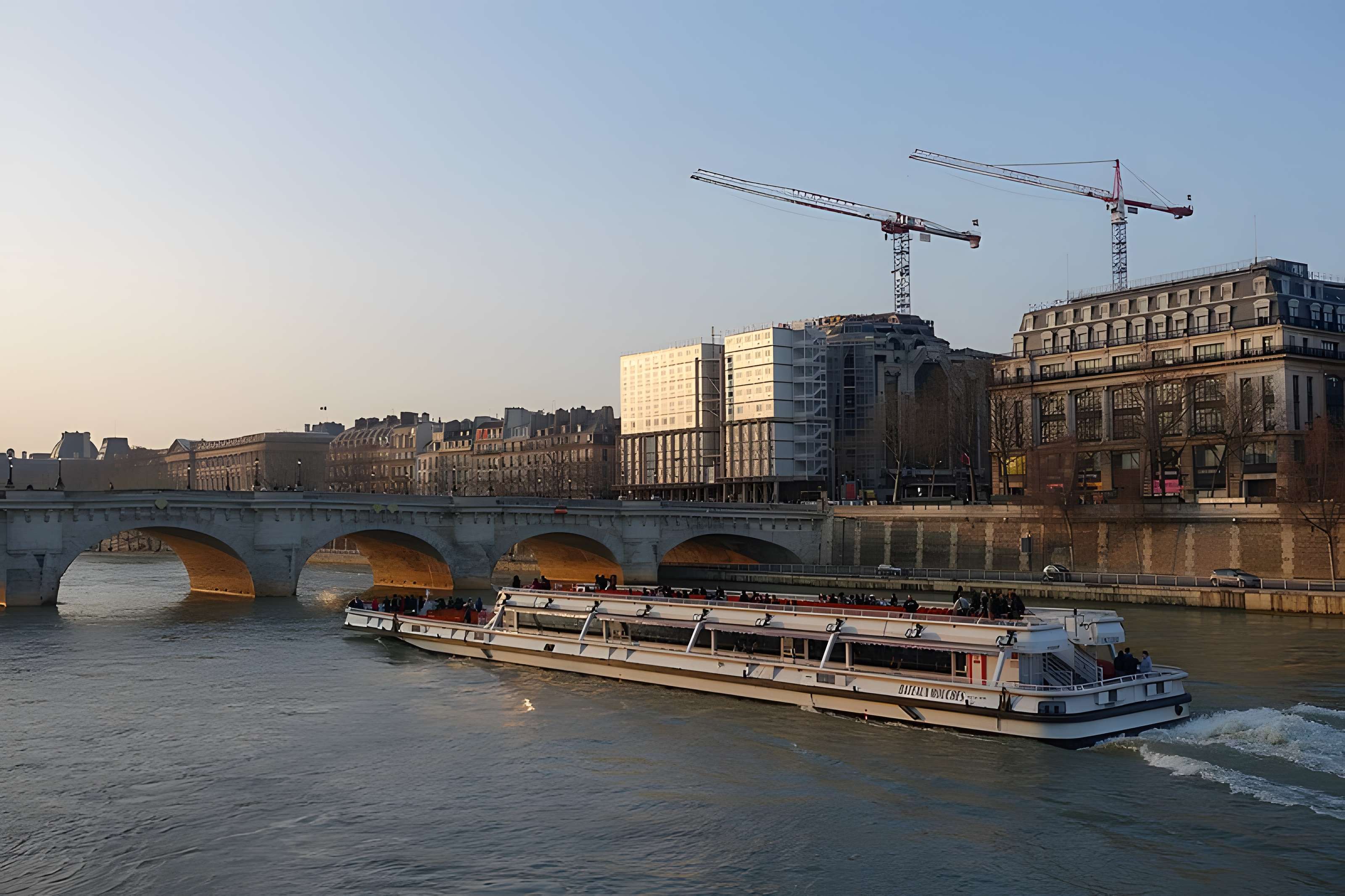
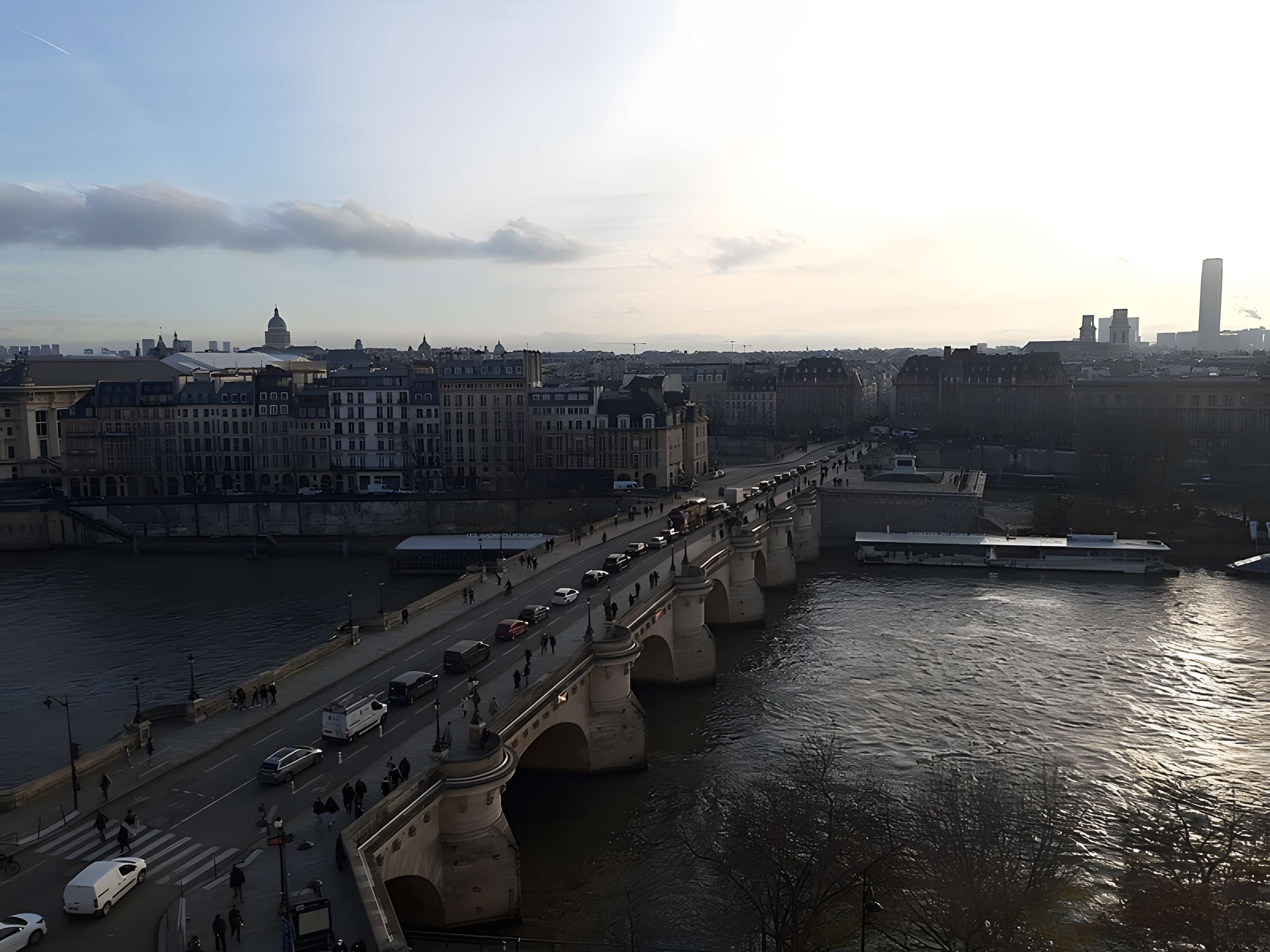
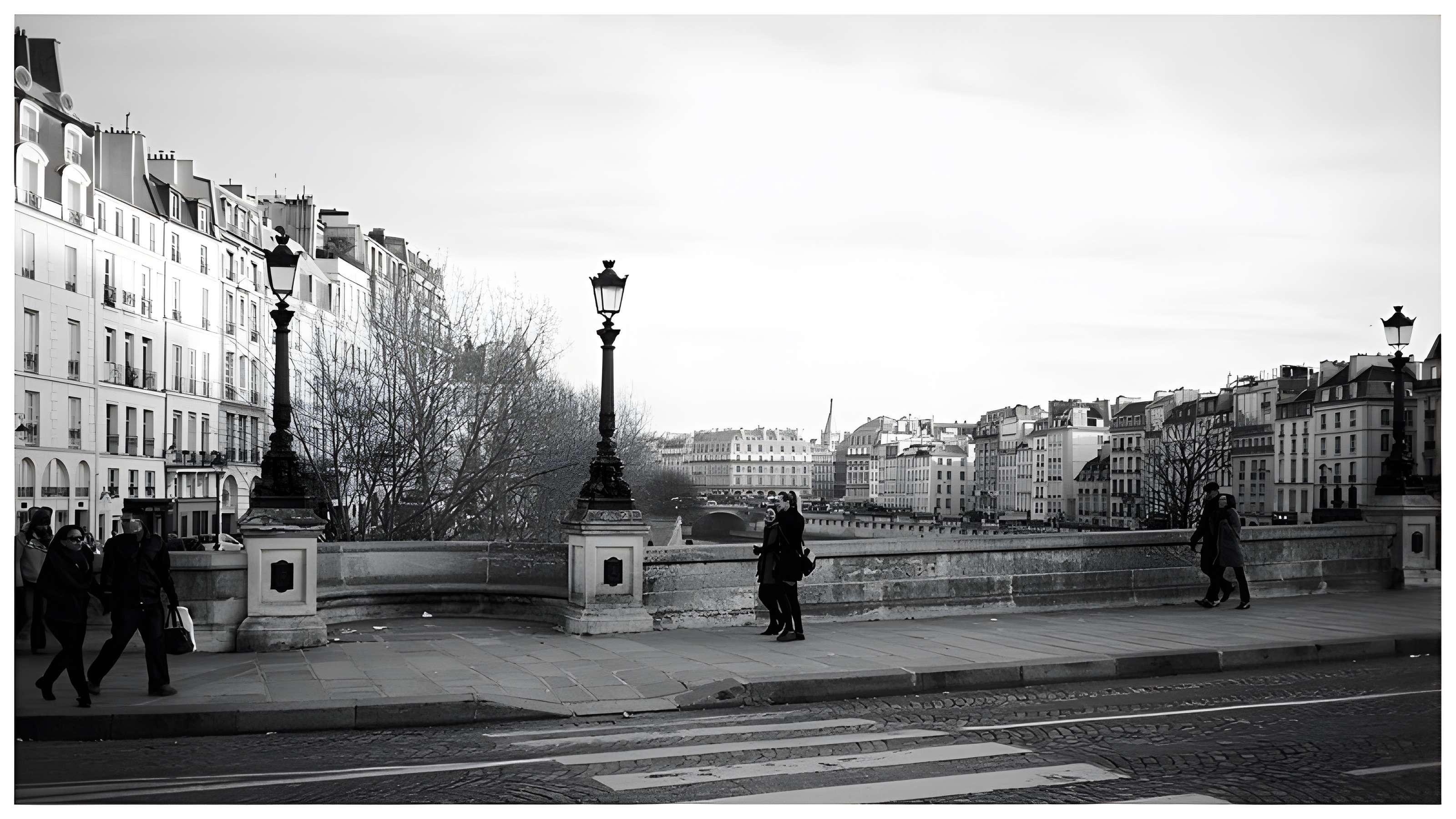
Its architecture, with its seven arches on the large arm and five on the small arm side, as well as its candelabras designed by Victor Baltard in 1854, make it a model of engineering and aesthetics. The baskets, originally occupied by shops, were released in the 19th century, and the mascarons, although replaced by copies, recalled its artistic heritage. Today, after a complete restoration in 2007, Pont Neuf remains a symbol of Paris, combining history, art and innovation.

The bridge floor was the subject of numerous aborted architectural projects, such as an ancient forum proposed by Nicolas de l'Espine in 1662, or a Napoleonic obelisk in 1810. The statue of Henry IV, melted in 1792, was rebuilt thanks to a subscription under Louis XVIII. In 2023, the bridge even hosted a fashion parade for Louis Vuitton, illustrating its timeless status as a major cultural and historical site.

External links