Logo Musée du Patrimoine

All French heritage classified by regions, departments and cities

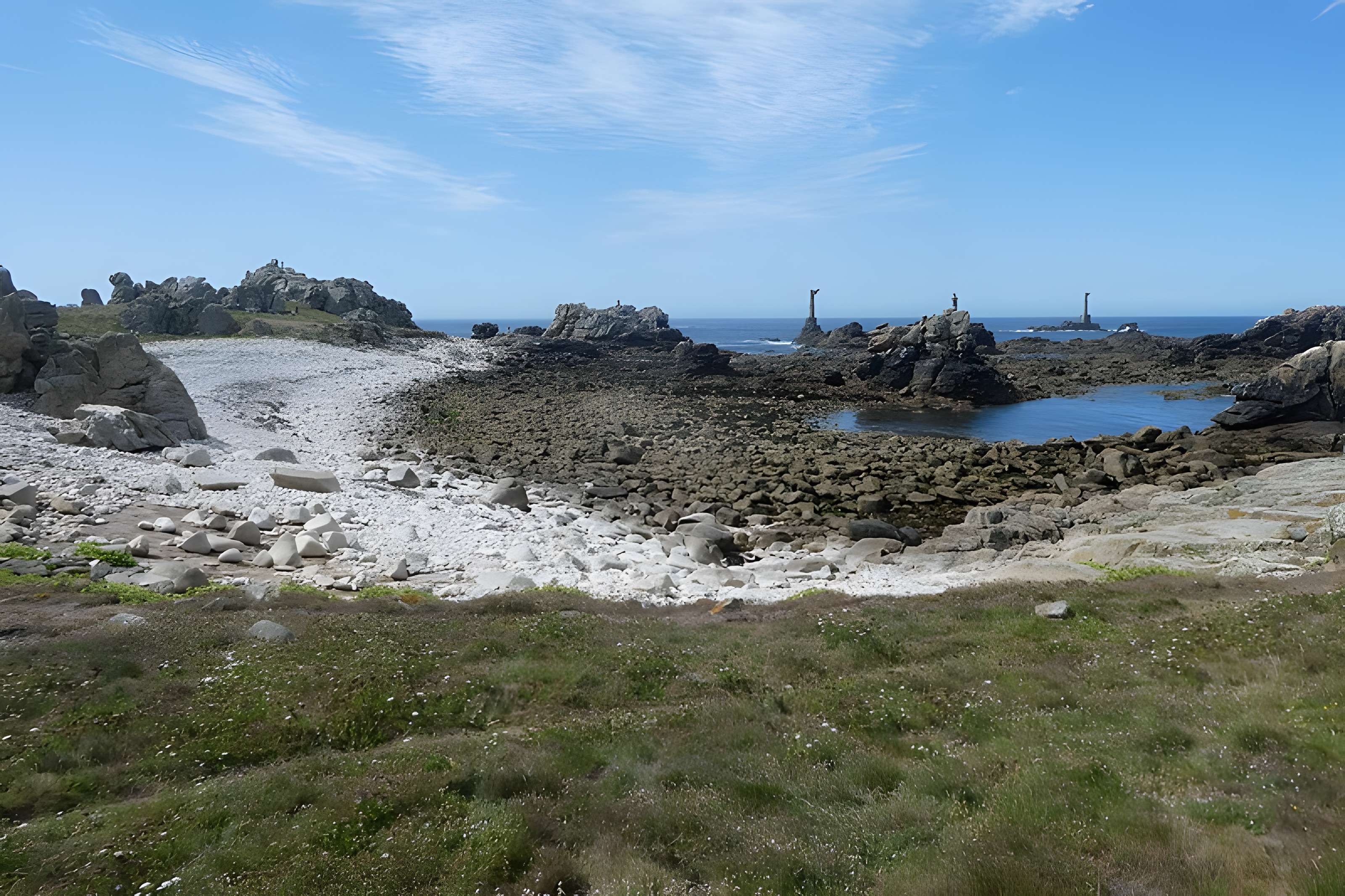
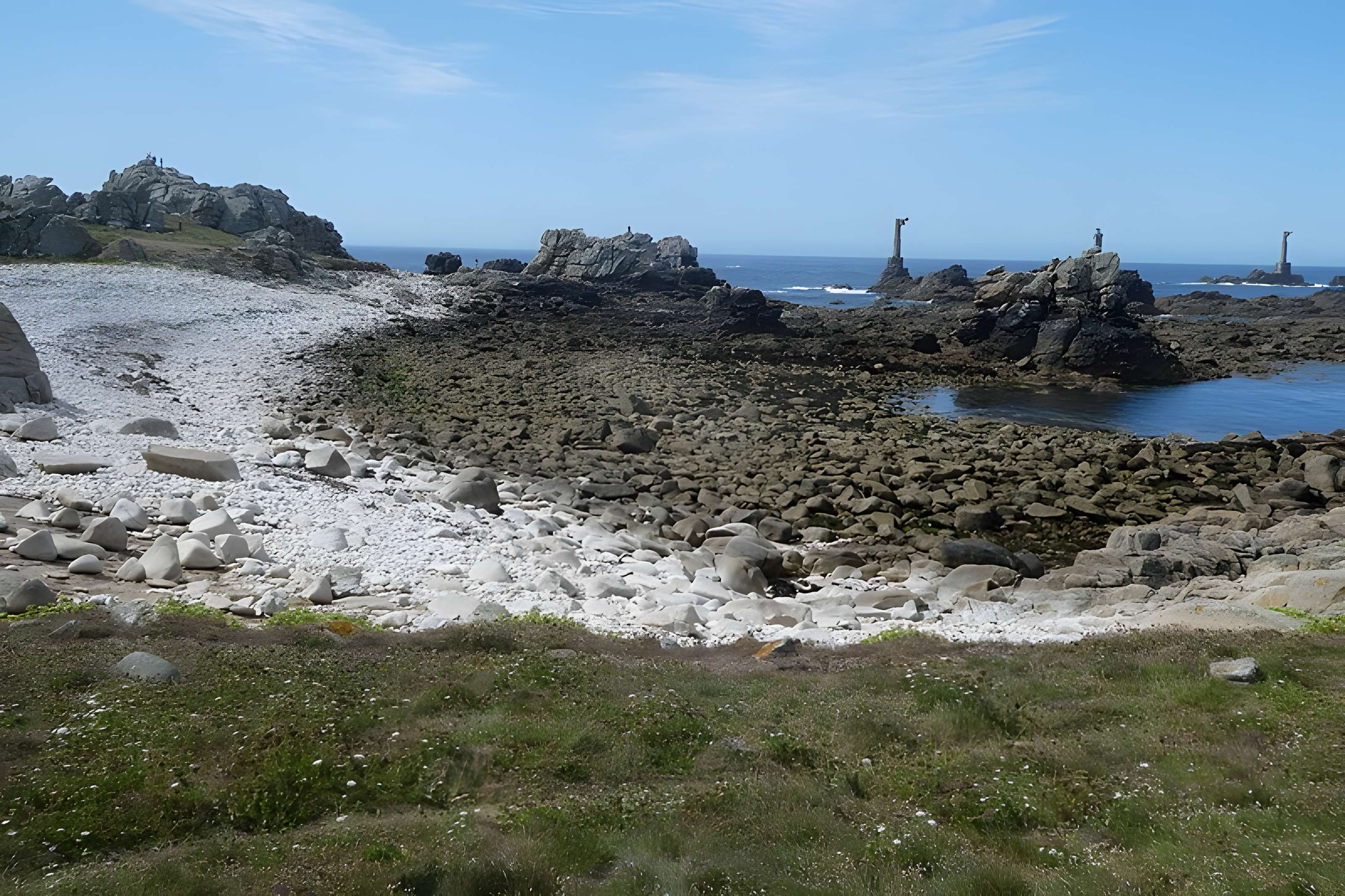
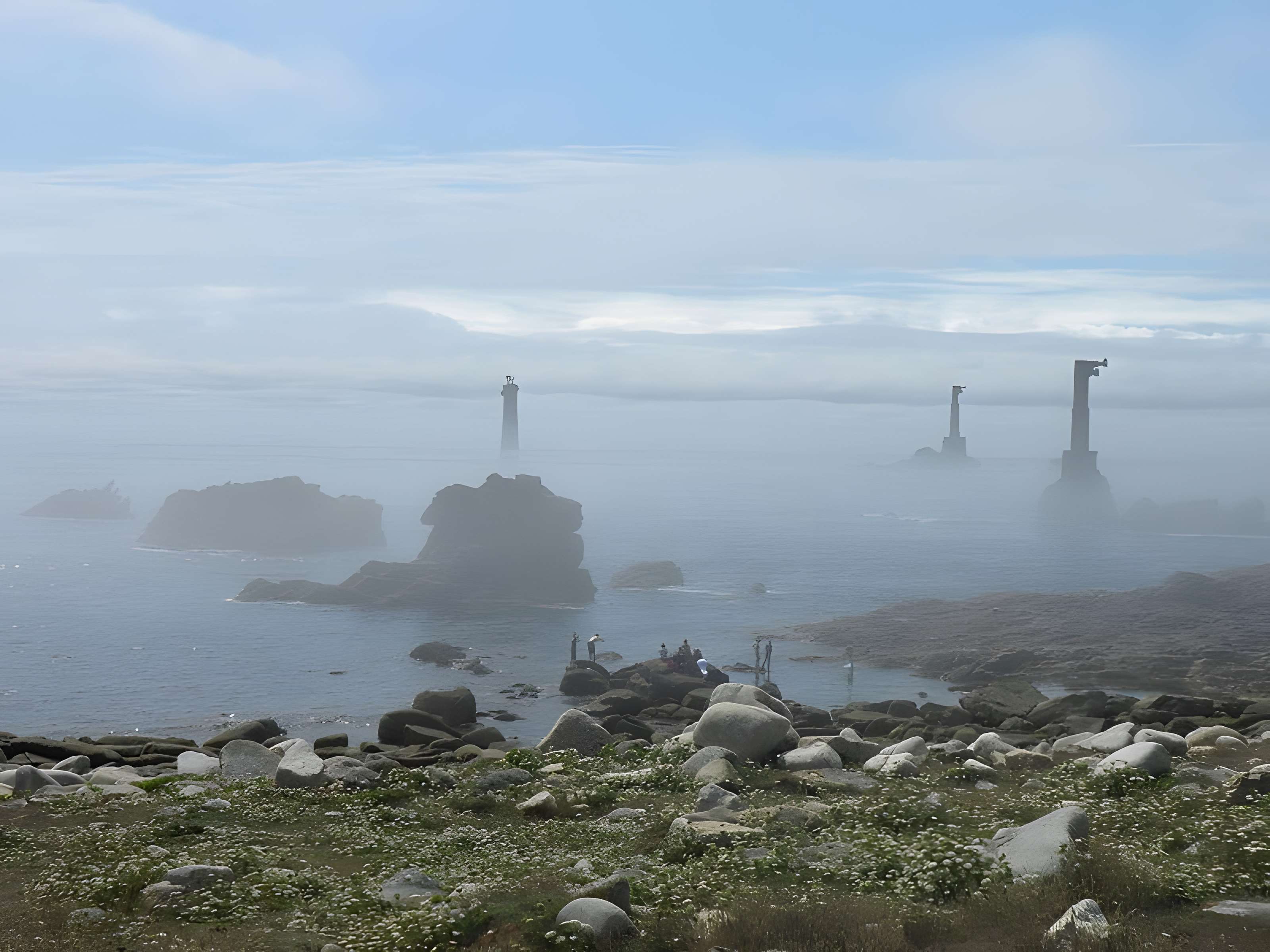
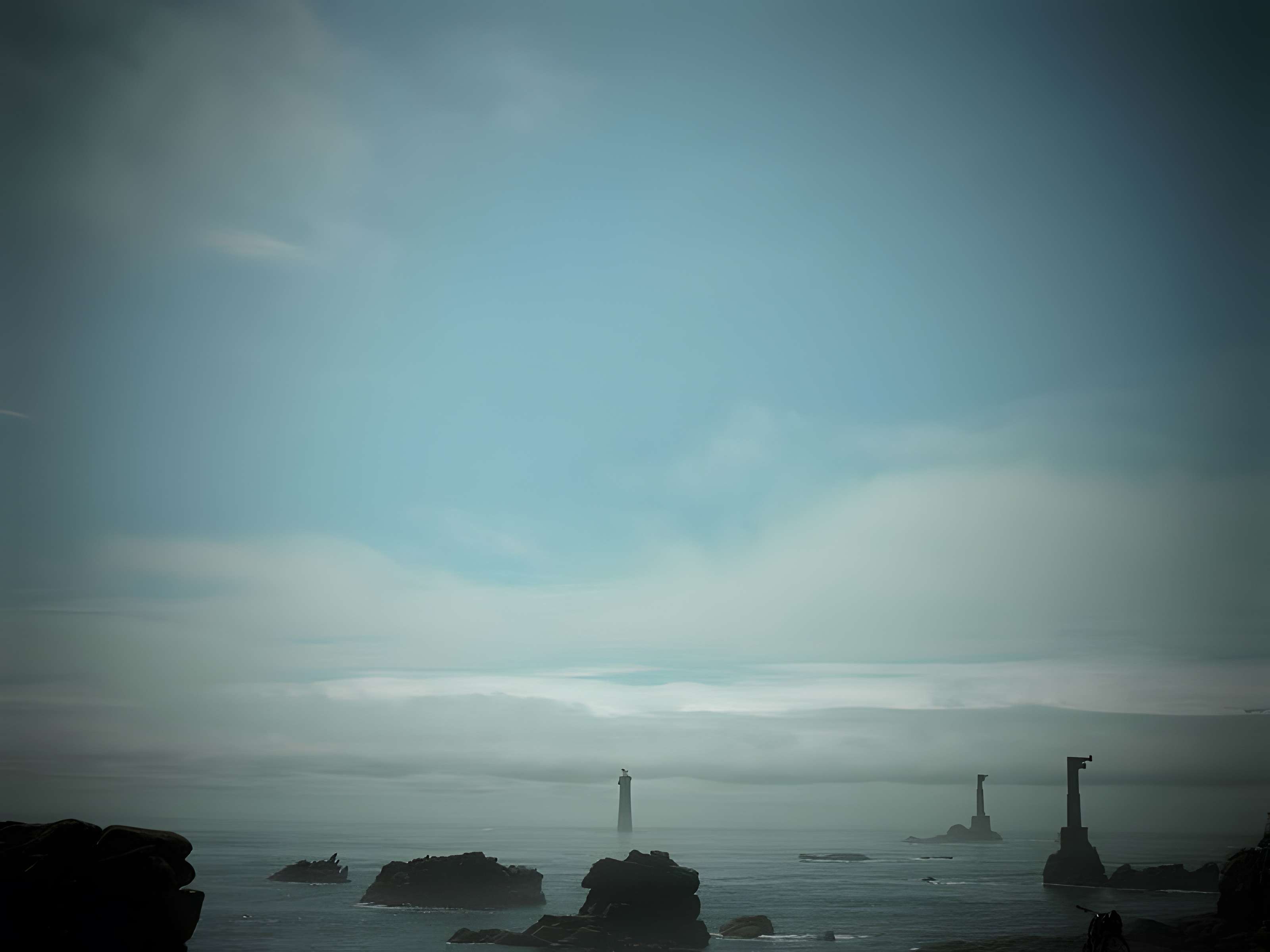
Nividic Lighthouse

Nividic Lighthouse


    Ouessant
State ownership
Phare de Nividic
Phare de Nividic
Phare de Nividic
Phare de Nividic
Phare de Nividic
Phare de Nividic
Phare de Nividic
Phare de Nividic
Phare de Nividic
Phare de Nividic
Phare de Nividic
Phare de Nividic
Phare de Nividic
Phare de Nividic
Phare de Nividic
Phare de Nividic
Phare de Nividic
Phare de Nividic
Phare de Nividic
Phare de Nividic
Phare de Nividic
Phare de Nividic
Phare de Nividic
Phare de Nividic
Phare de Nividic
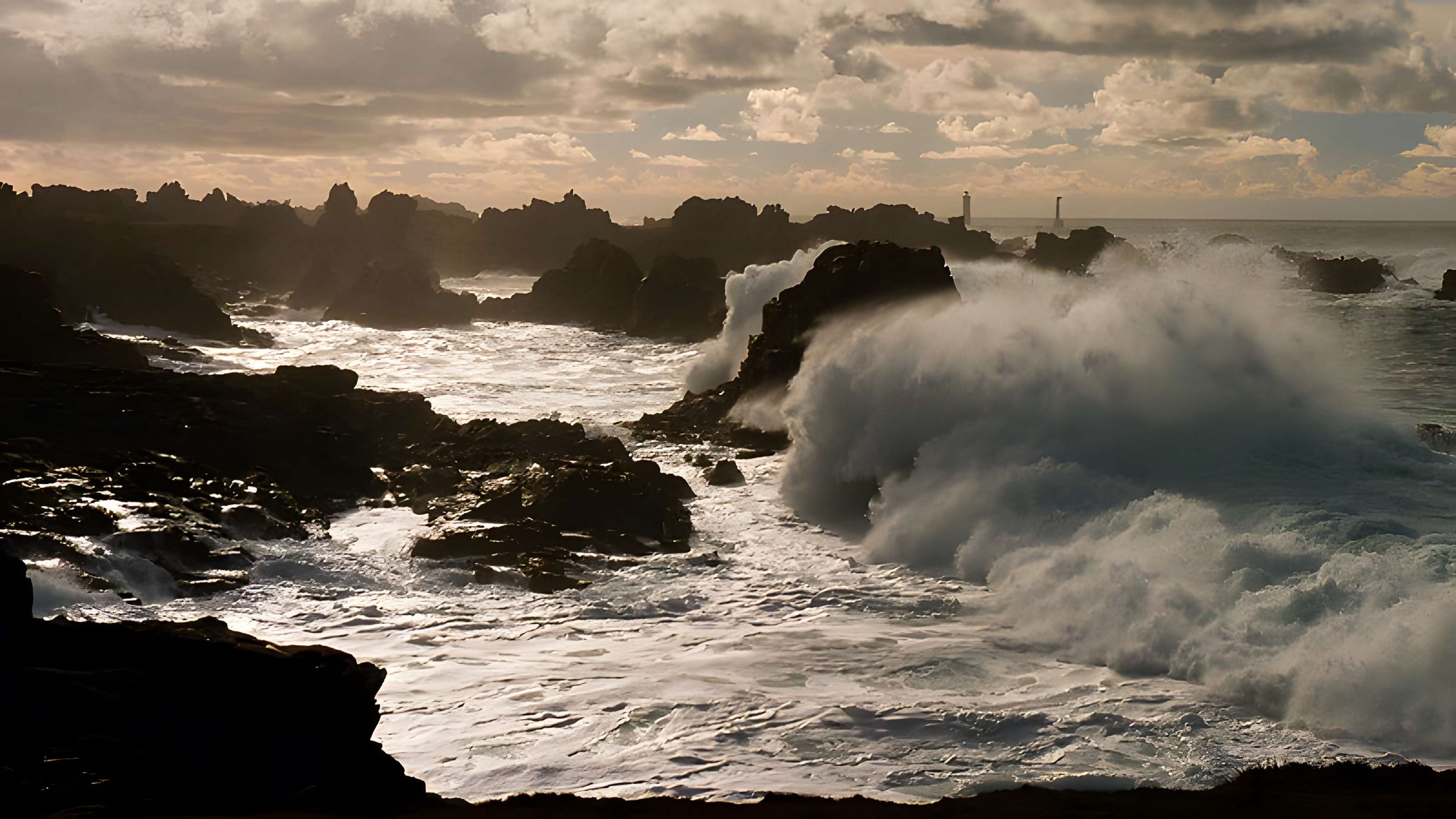
Crédit photo : Cribegh - Sous licence Creative Commons

Timeline

XIXe siècle
Époque contemporaine
1900
2000
1910
Construction decision
1912-1936
Construction of lighthouse
1936
First commissioning
1940
Extinction during the war
1953
Repair of electrical cable
2017
Historical monument classification
Aujourd'hui
Aujourd'hui

Heritage classified

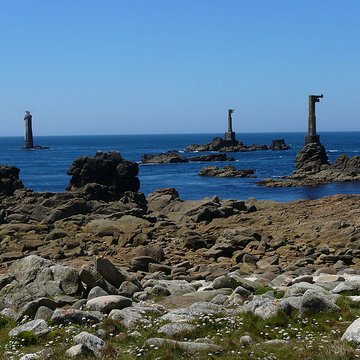
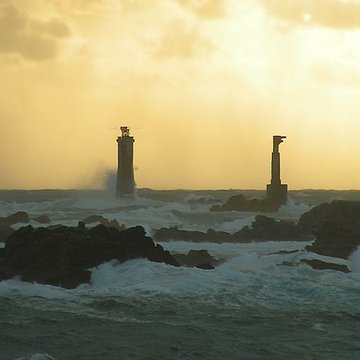
Nividic Lighthouse and its two towers, in total, including their basements, located in the Iroise Sea, off the tip of Pern to the west of the island of Ouessant (Finistère), on the non-cadastre marine public domain, geographical coordinates of the lighthouse: 48°26'73.7'' N - 05°09'05.5'' W: ranking by order of 20 April 2017

Key figures

Pigeaud - Chief Engineer Directs construction work.
Montigny - Regular engineer Collaborate in the direction of the site.
Heurté - Work driver Head of the construction site in Ouessant.
Quemeneur - Subdivisional Proposes the helicopter runway in 1958.

Origin and history

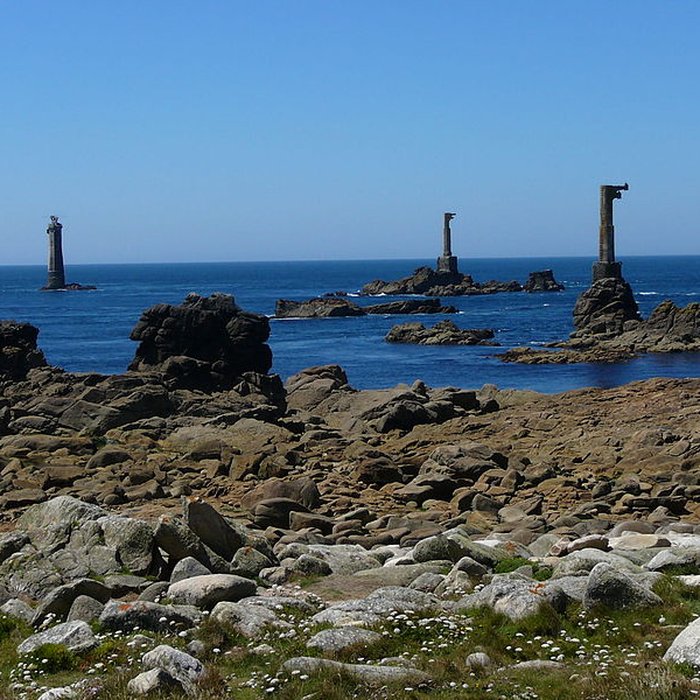
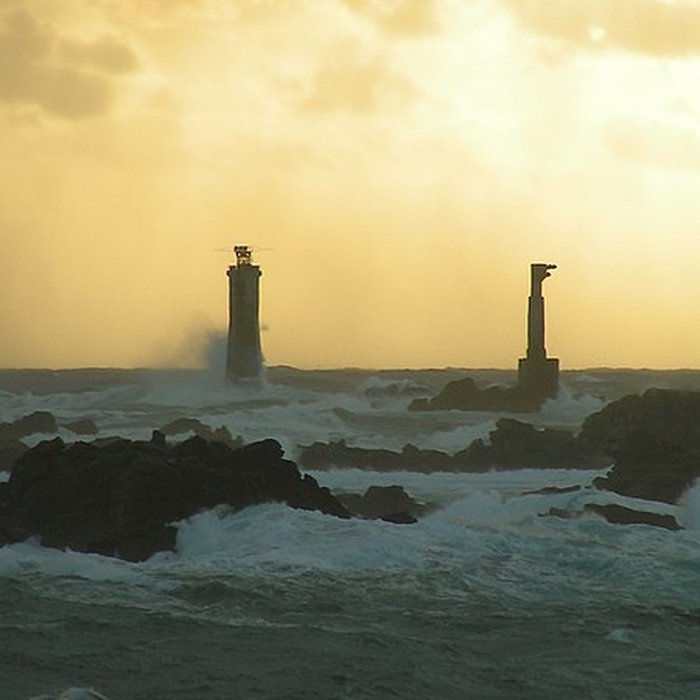
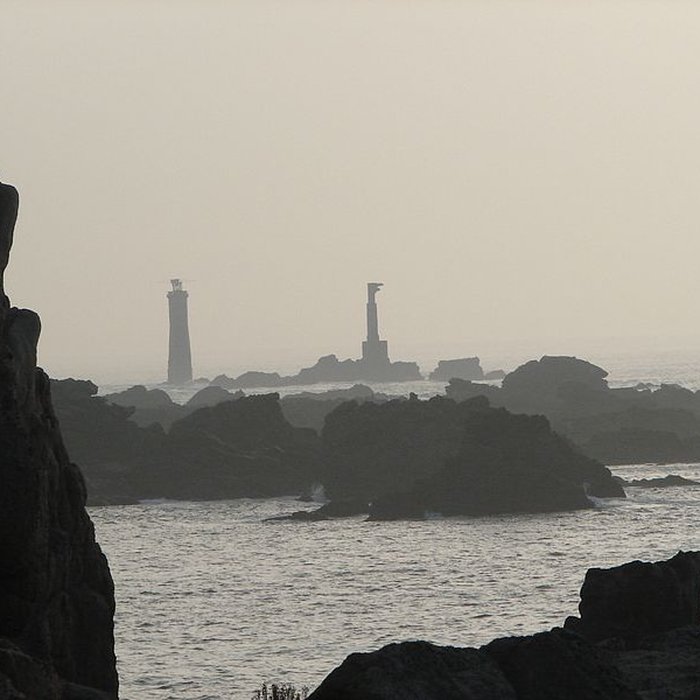
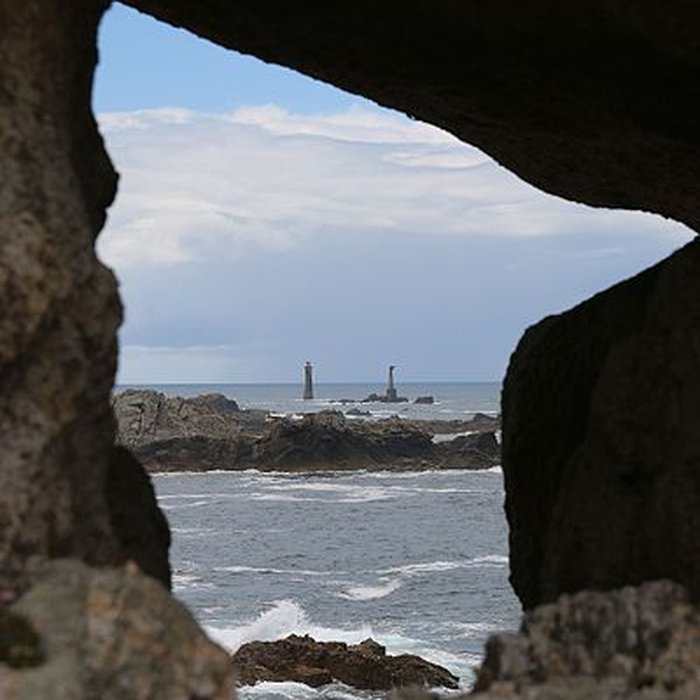
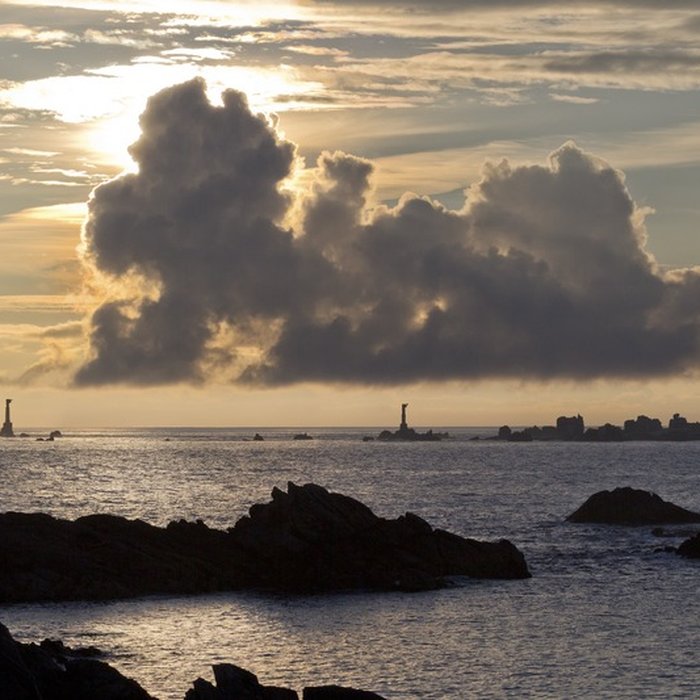
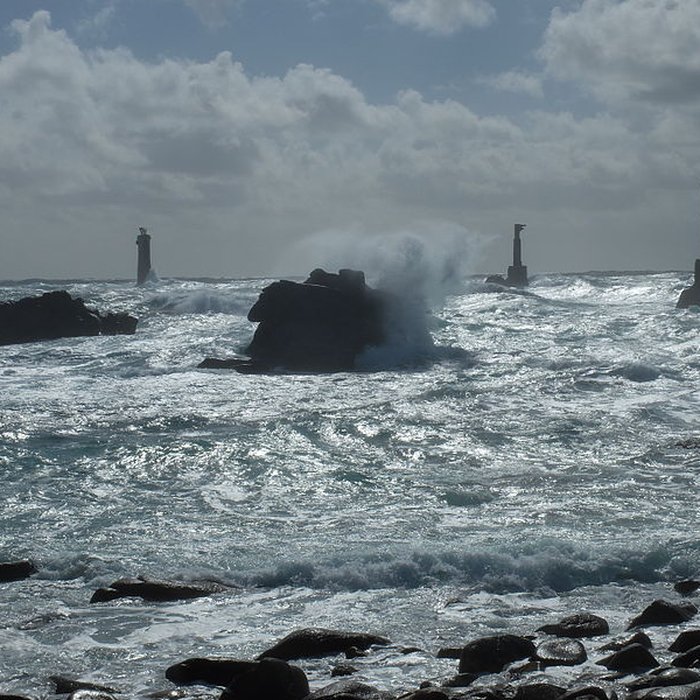
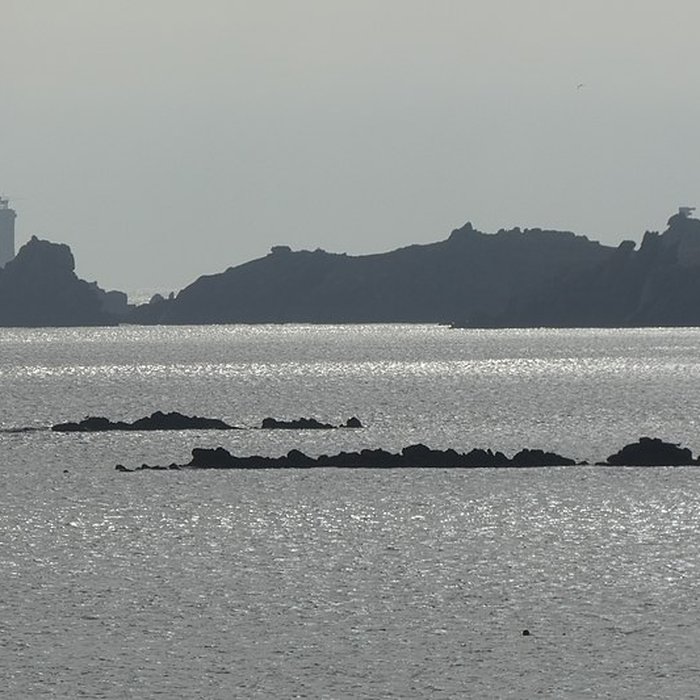
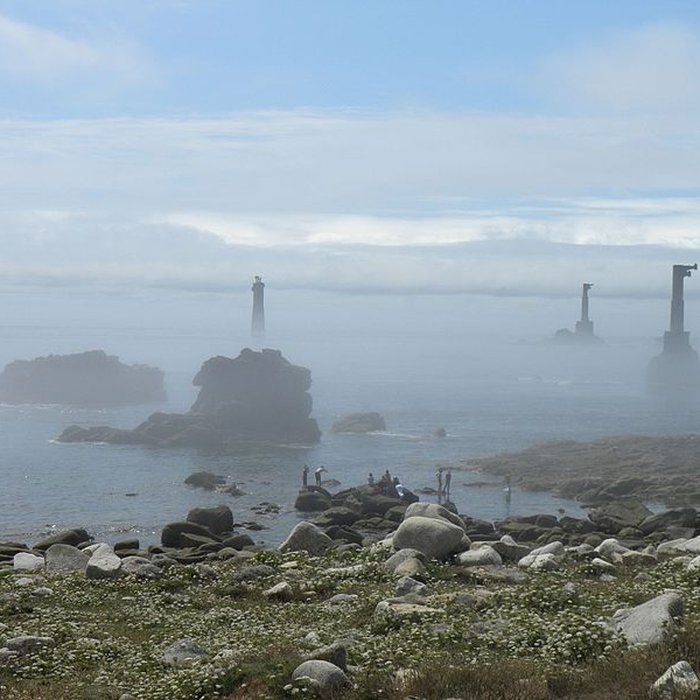
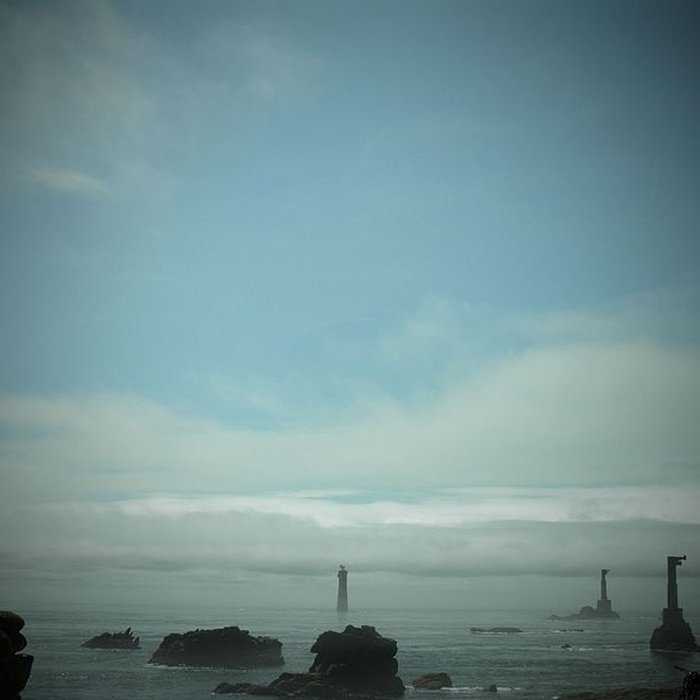
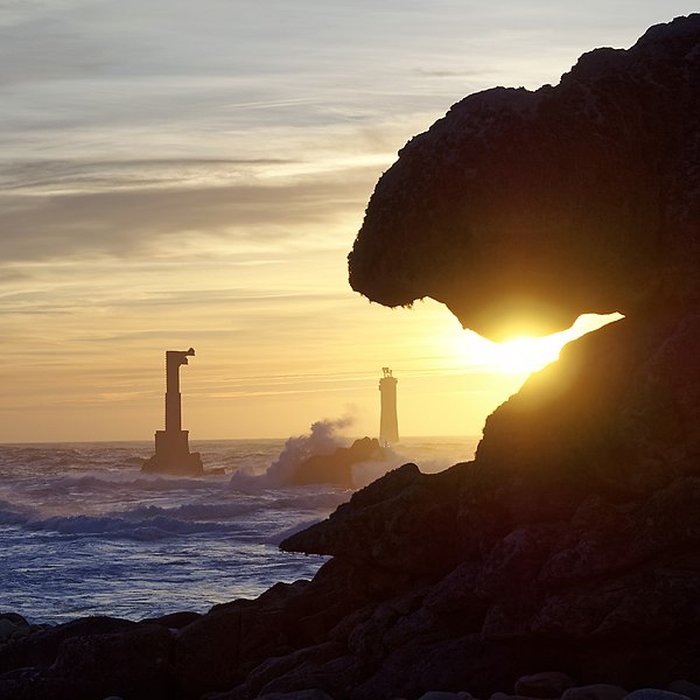
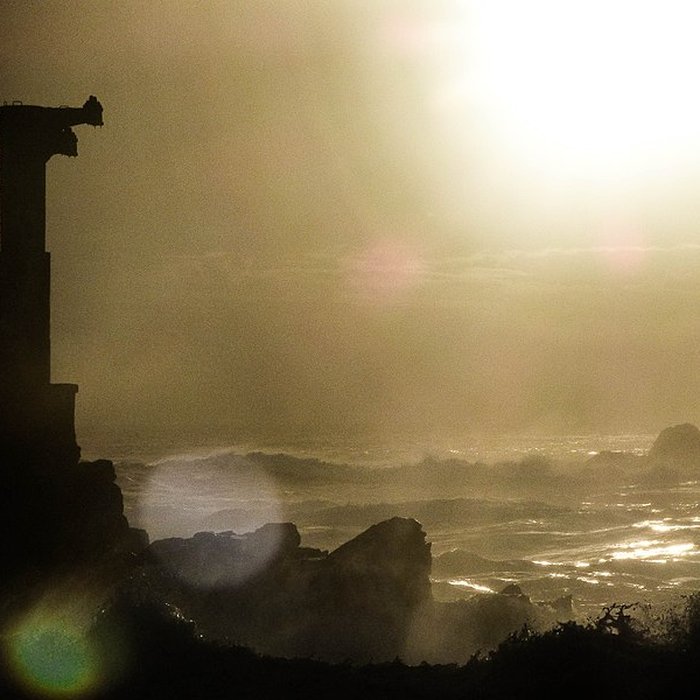
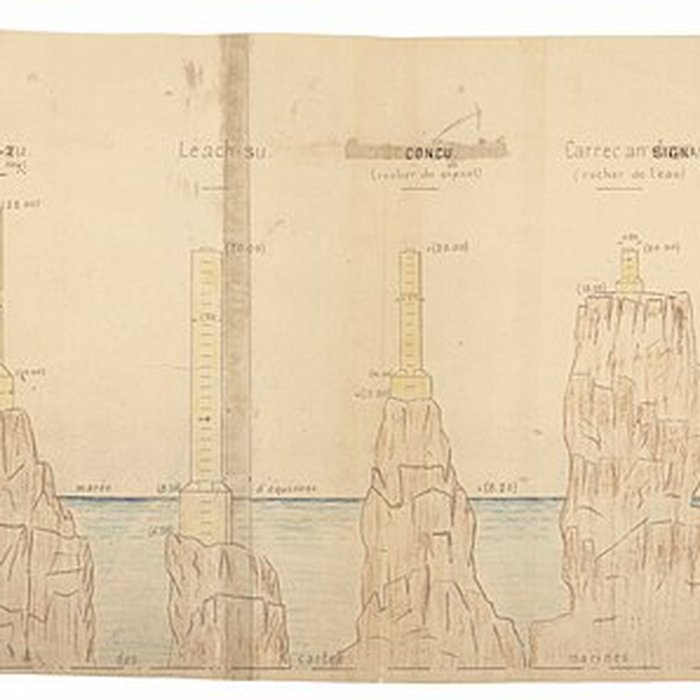
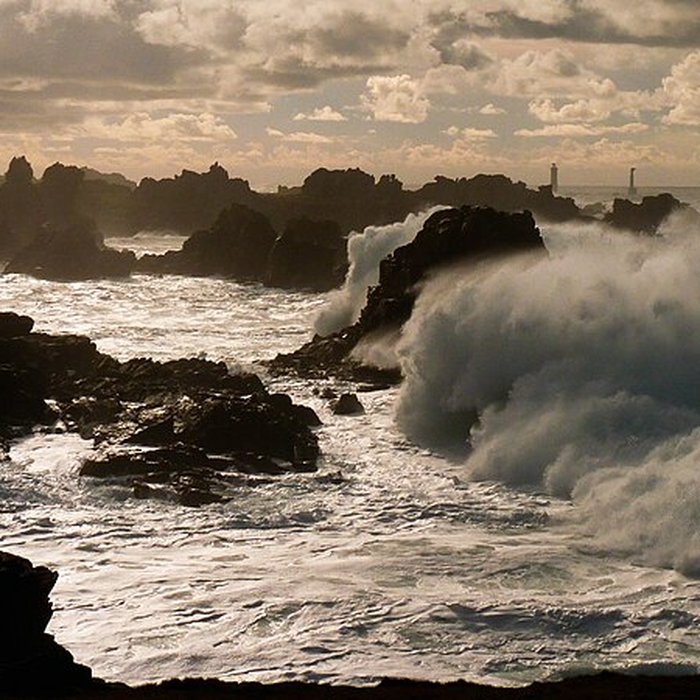
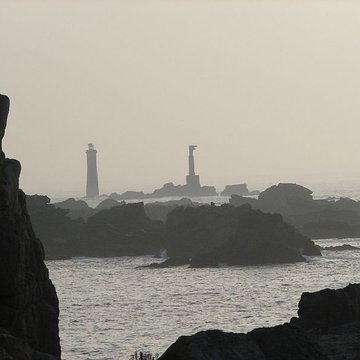
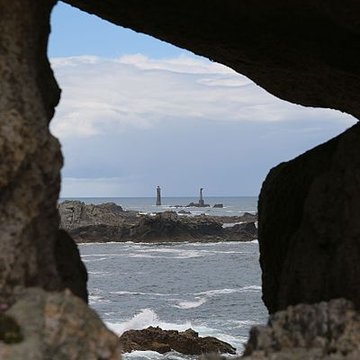
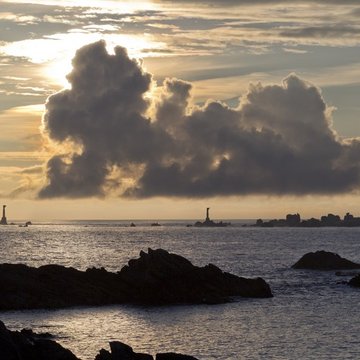
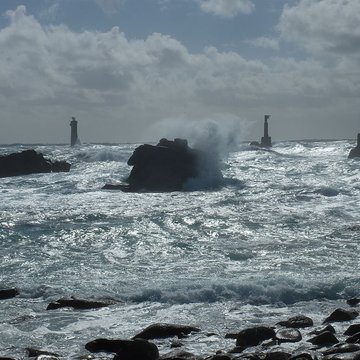
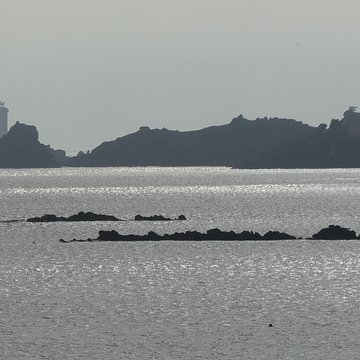
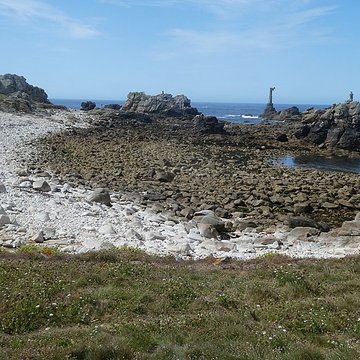
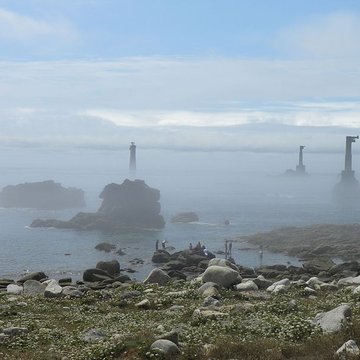
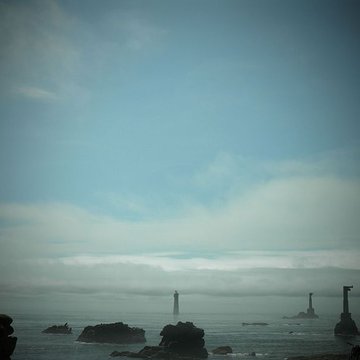
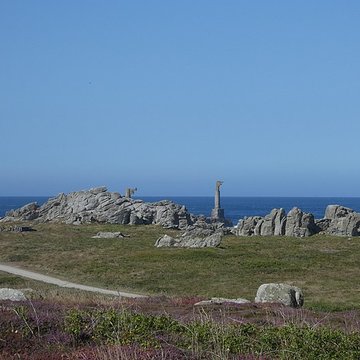
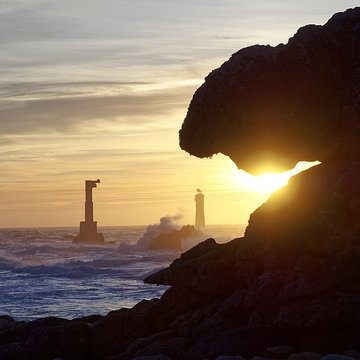
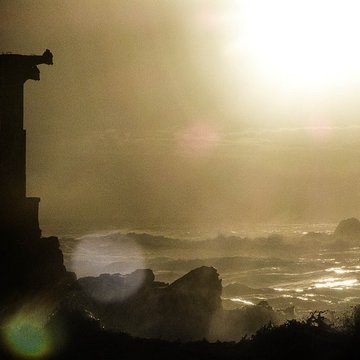
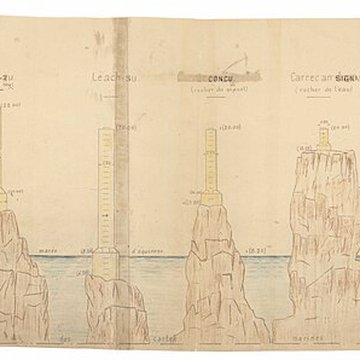
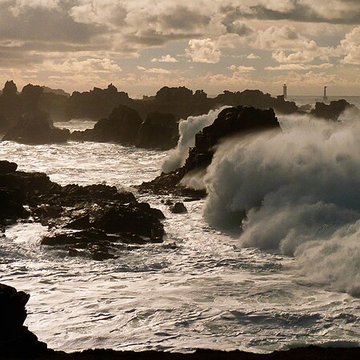
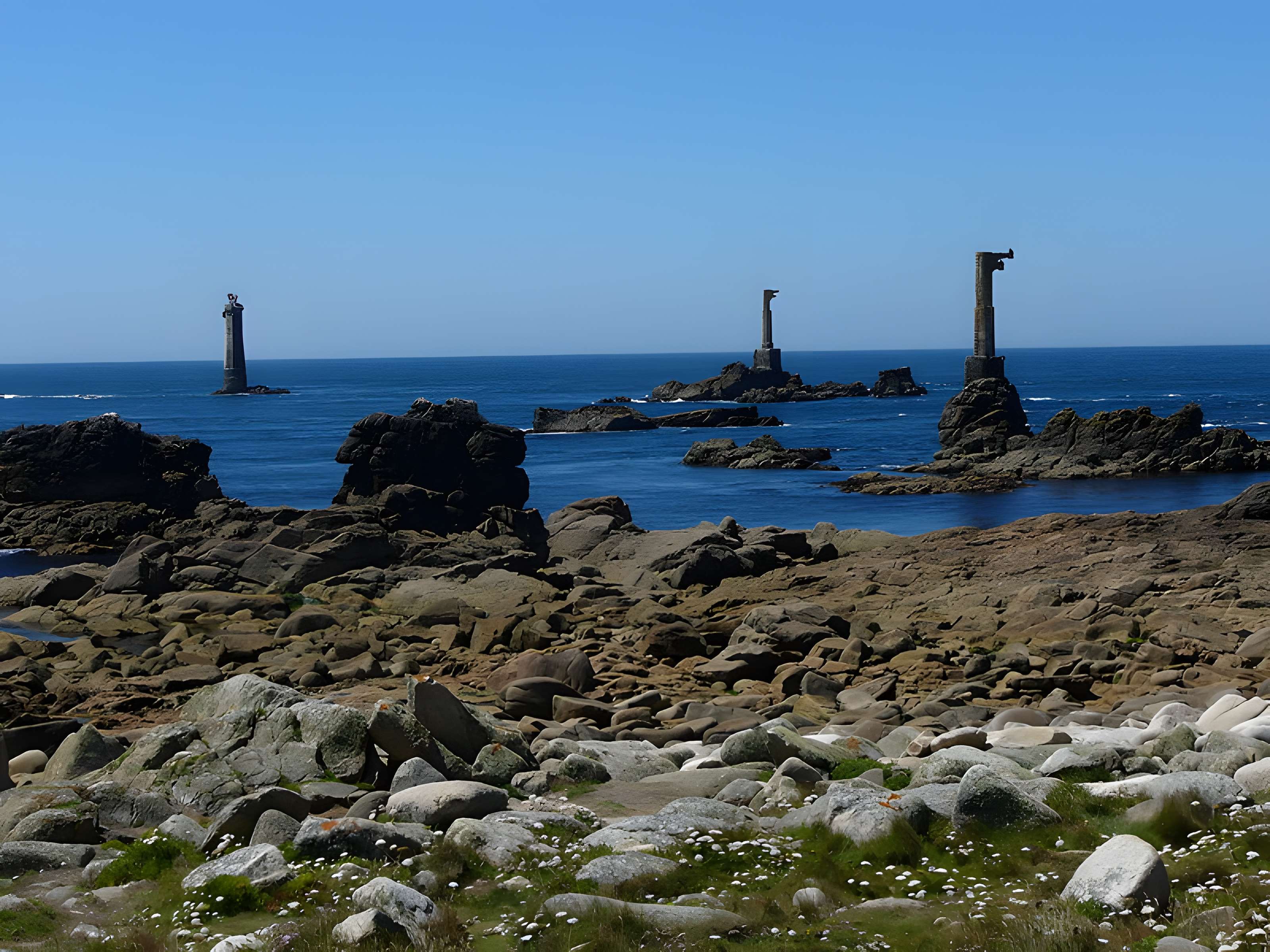
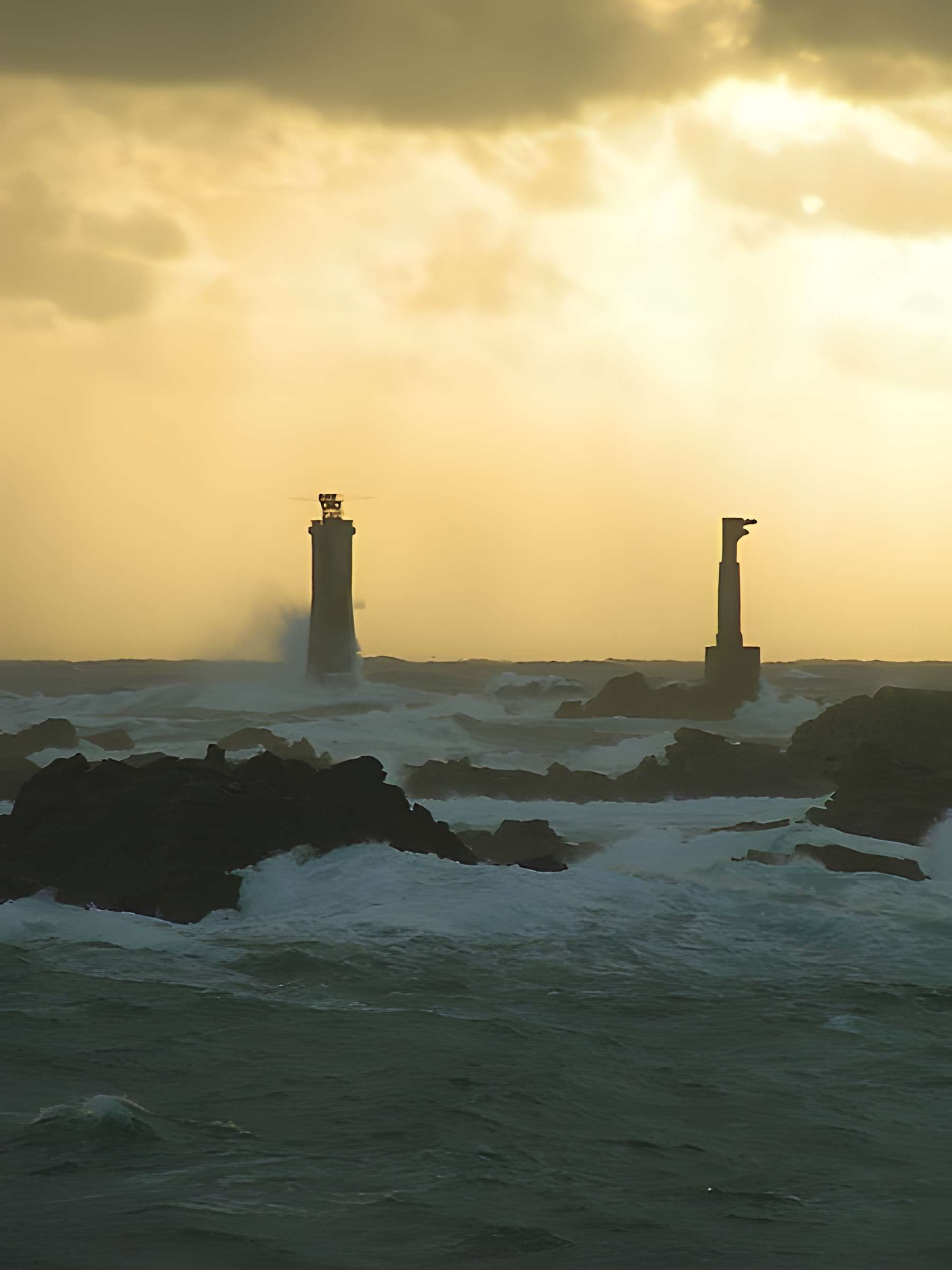
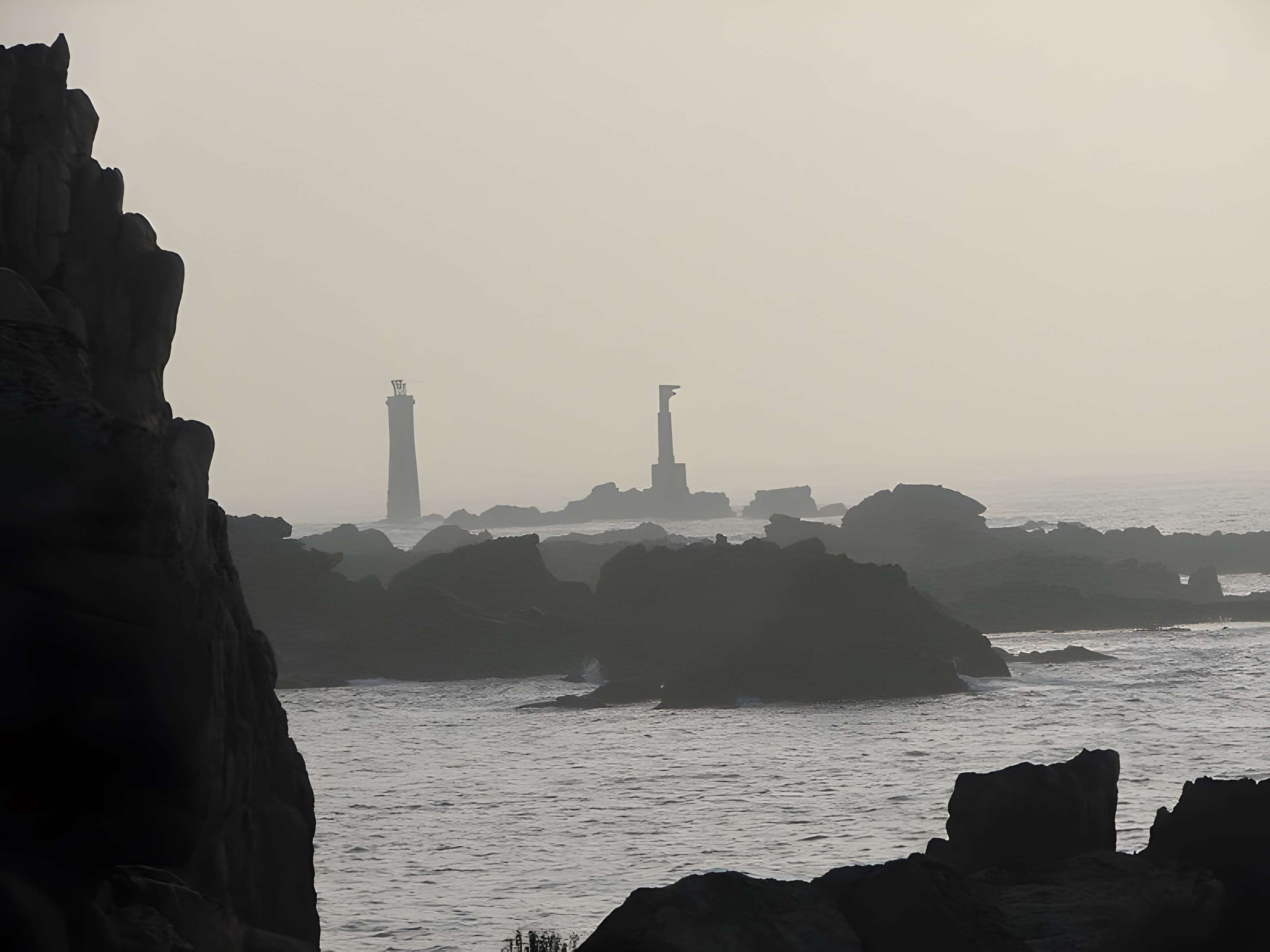
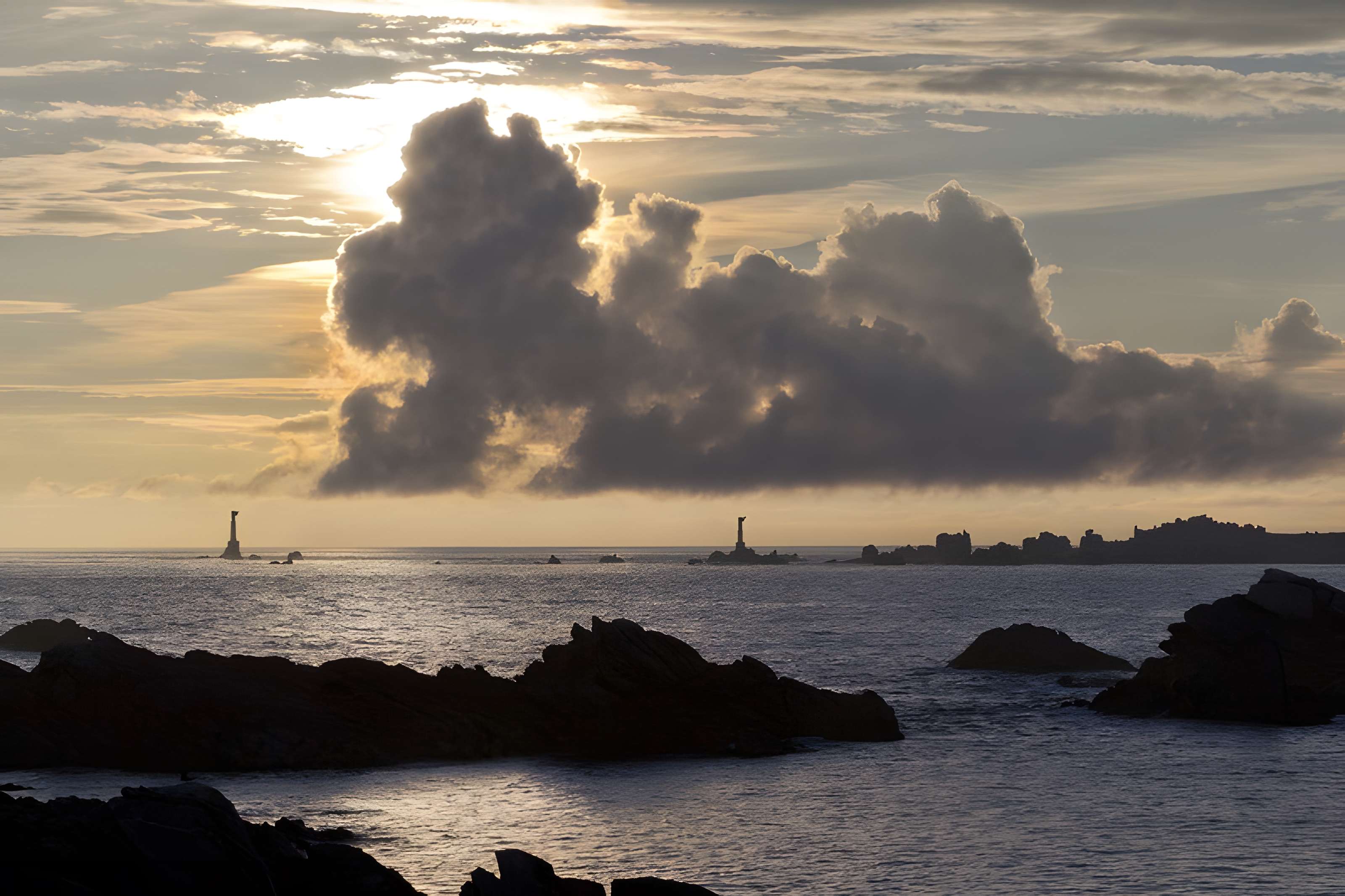
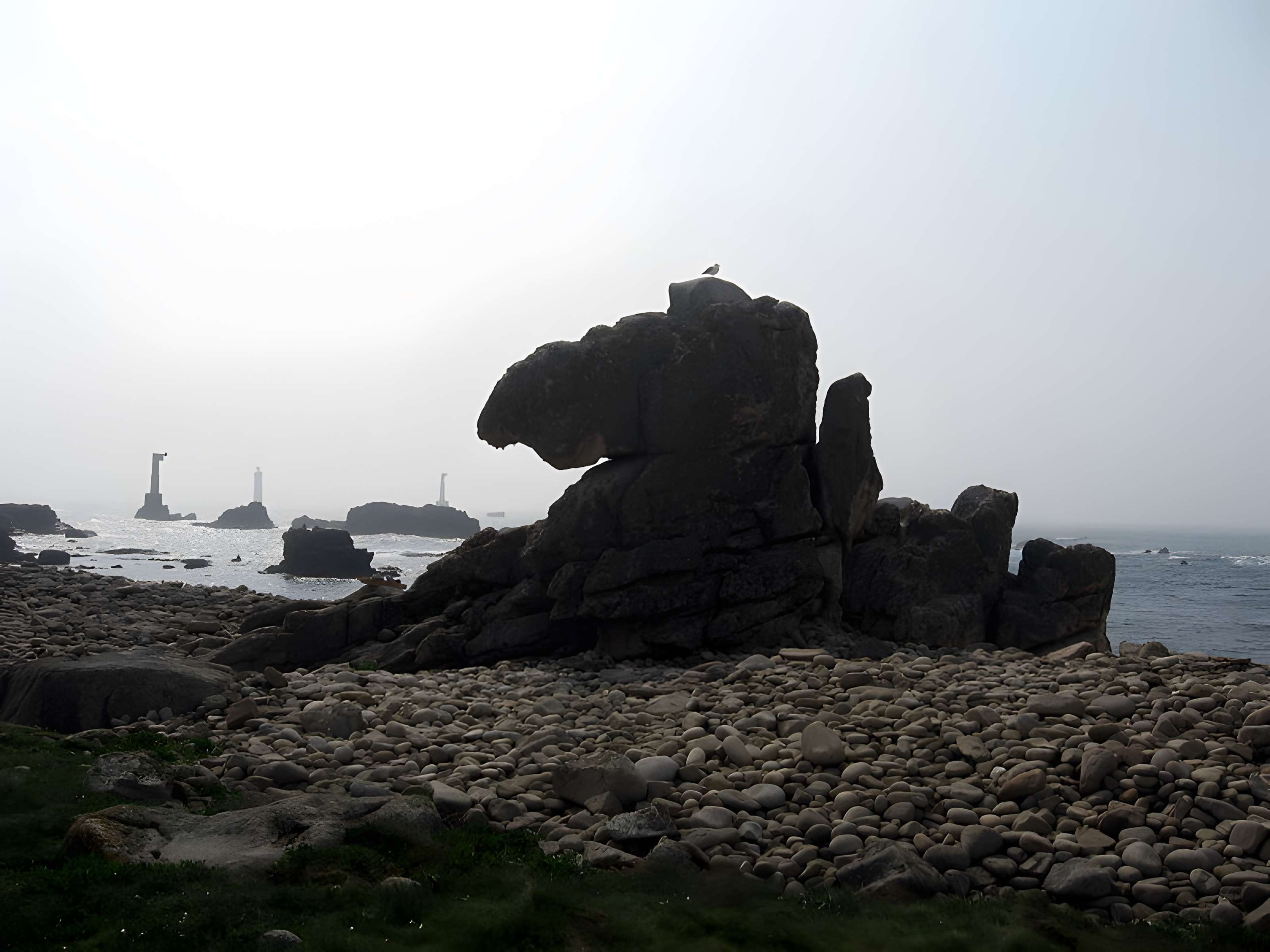
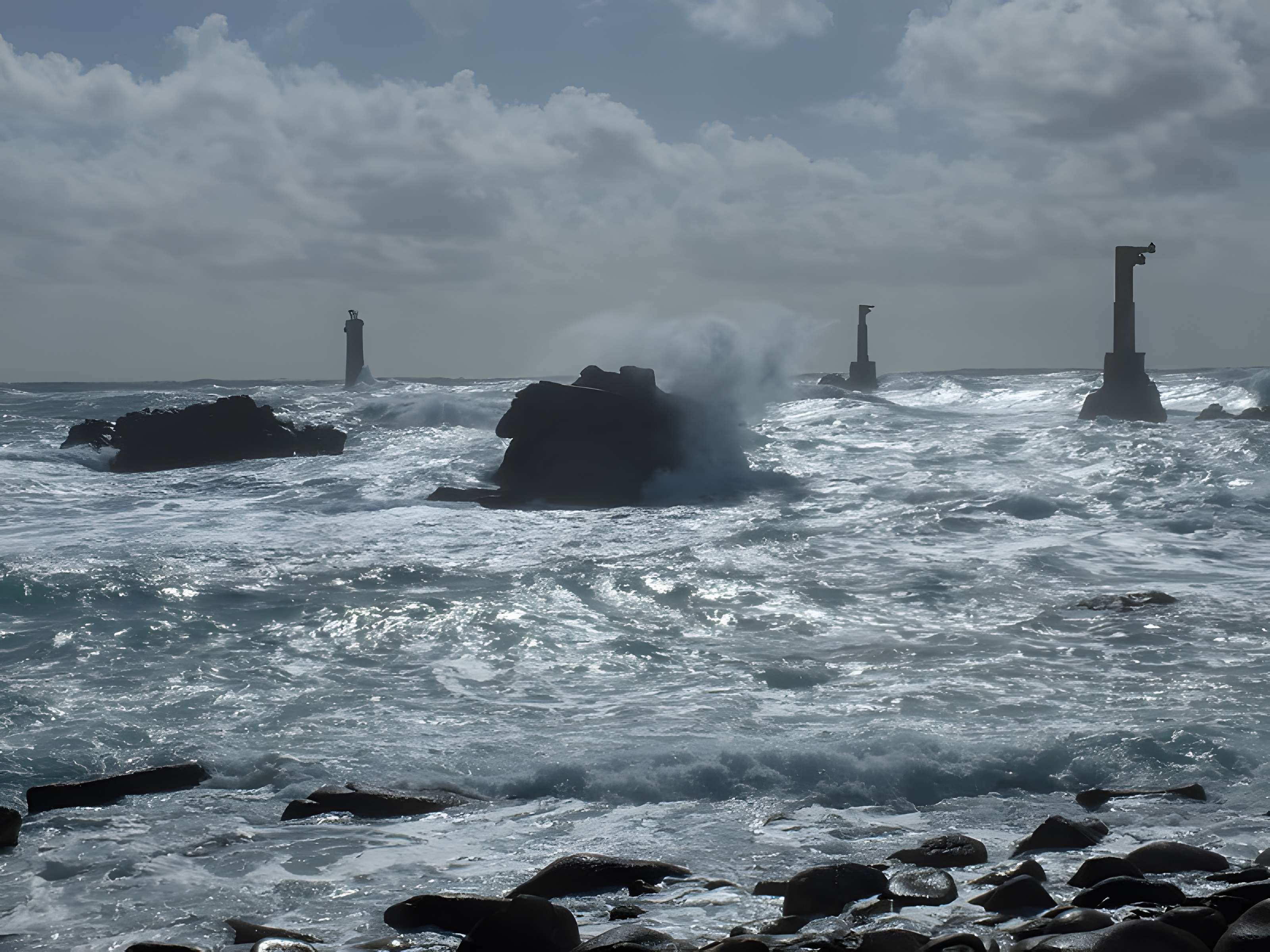
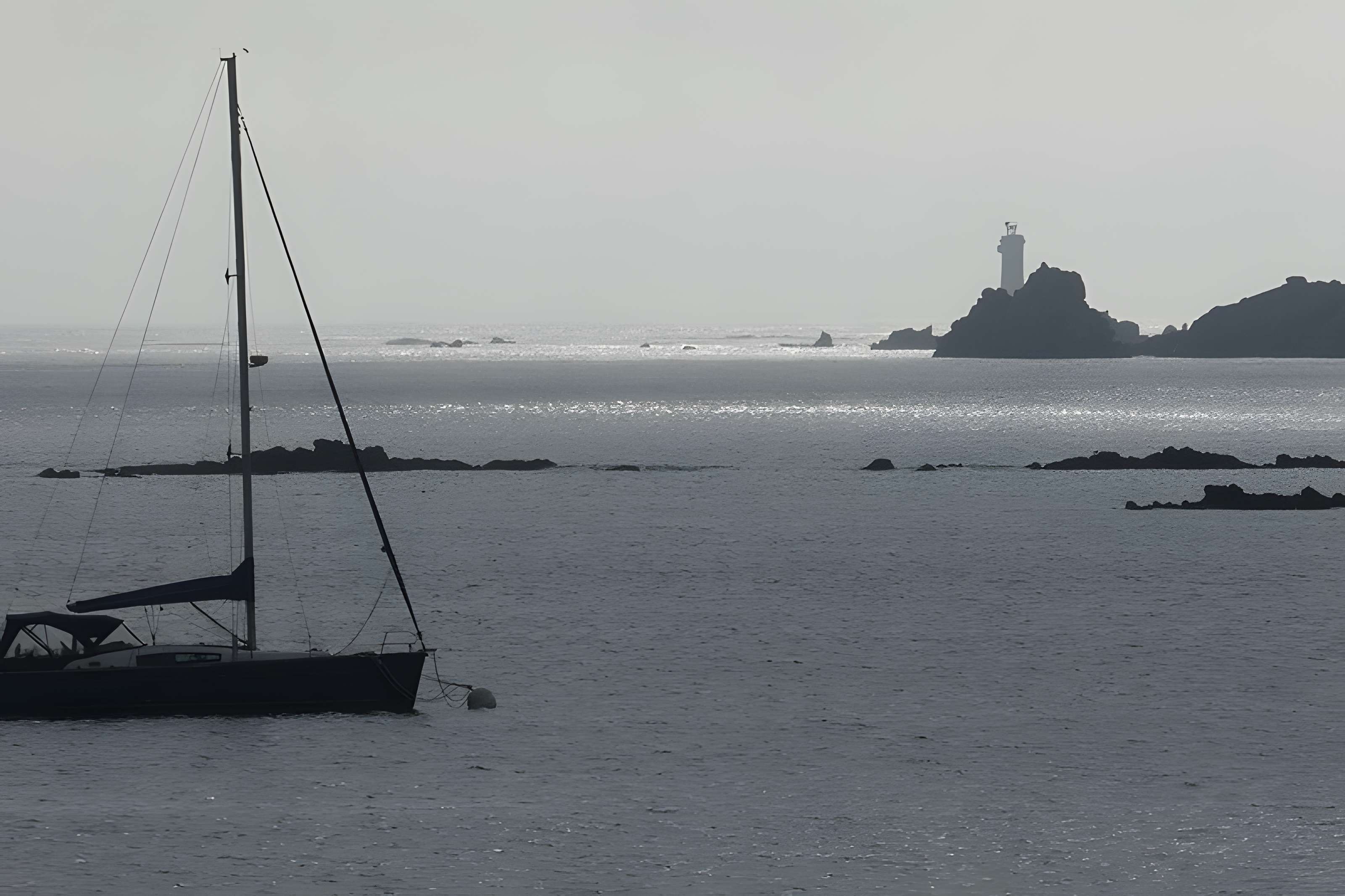
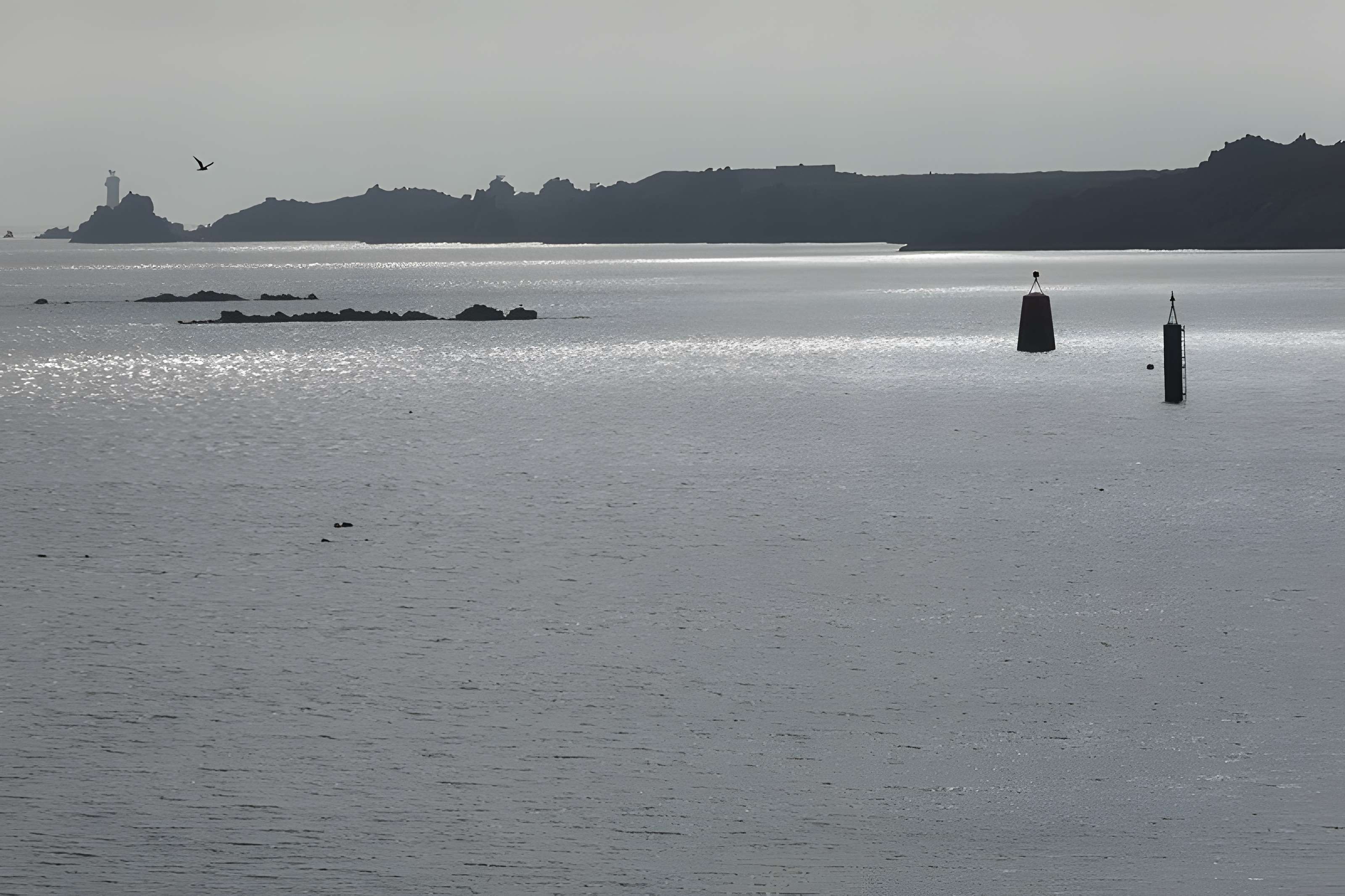
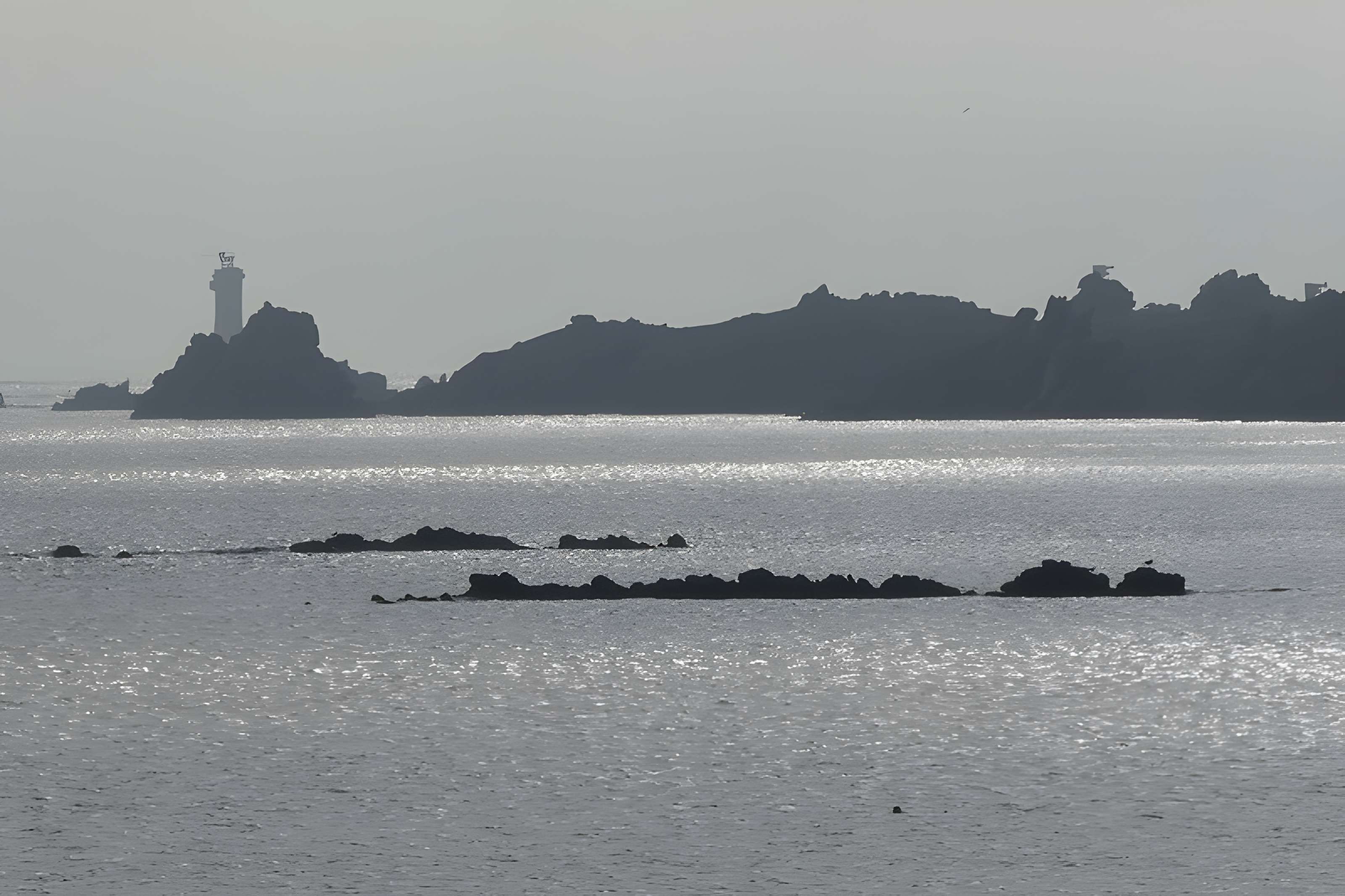
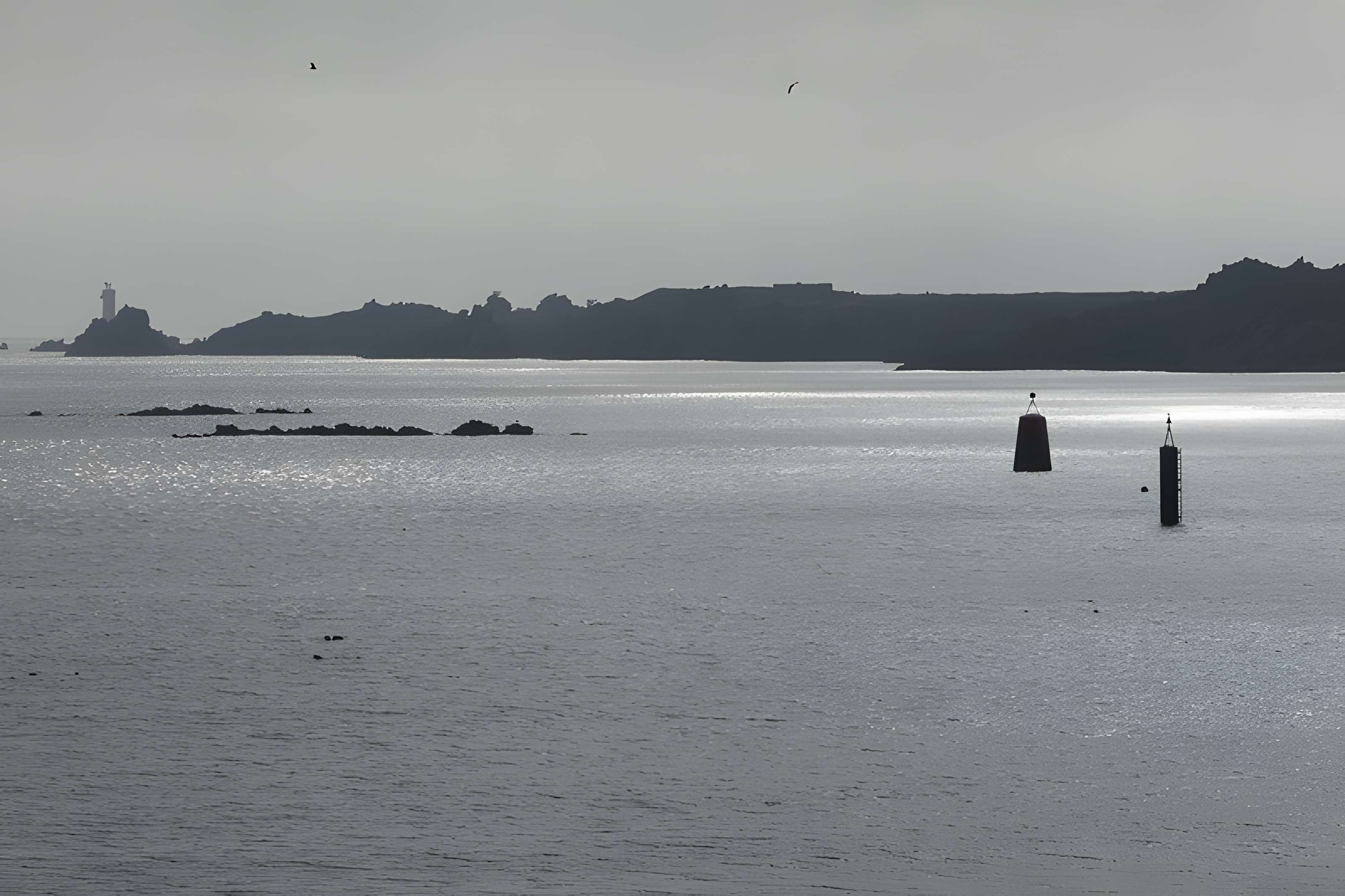
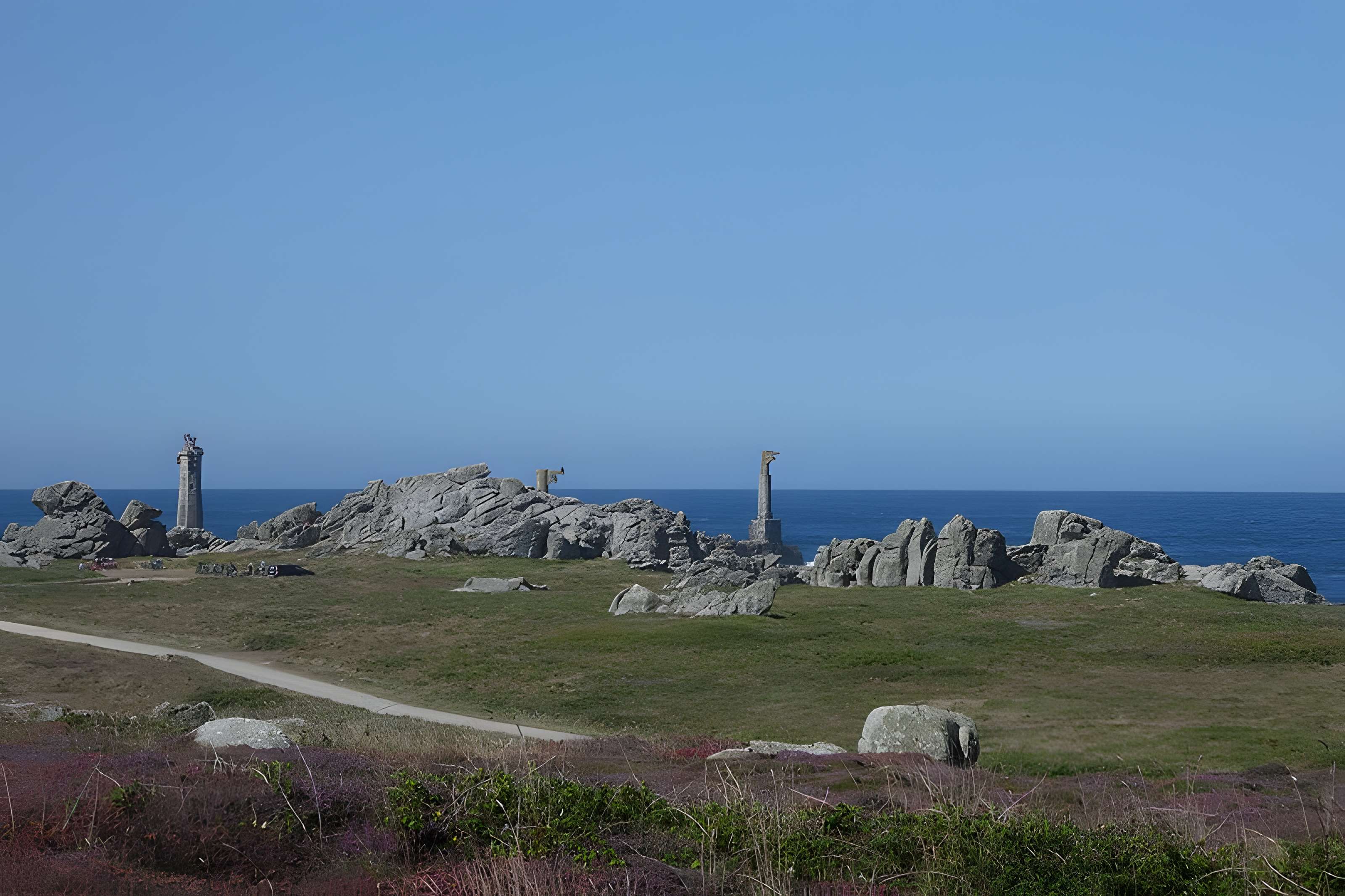
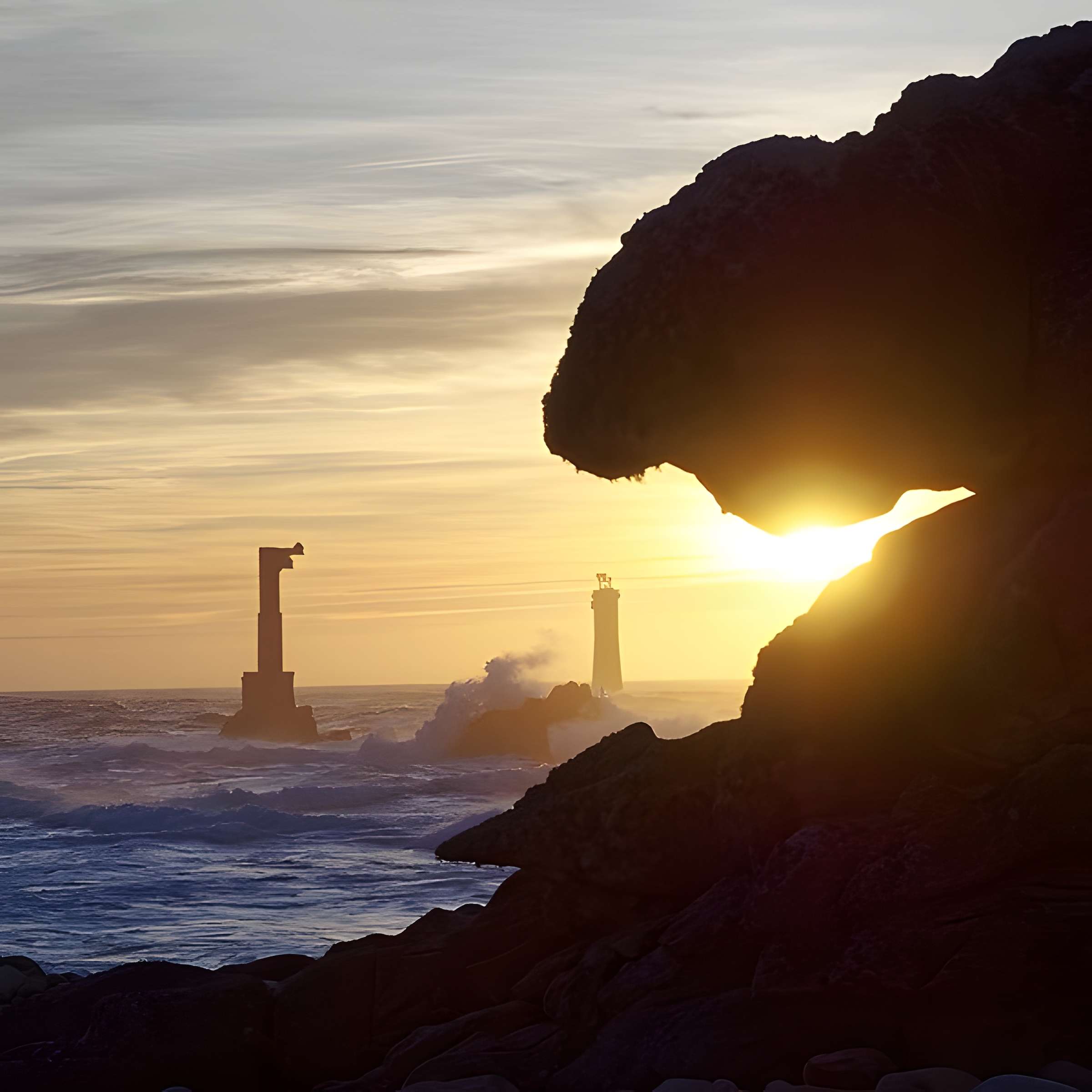
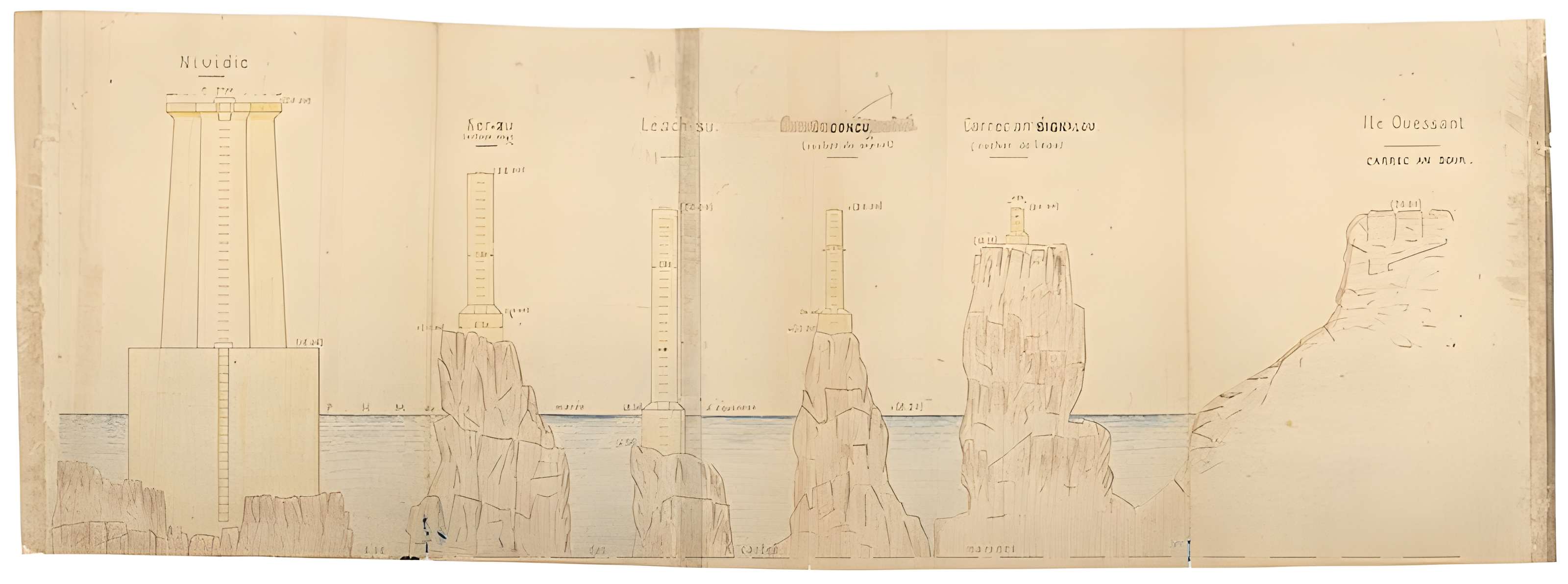
The Nividic Lighthouse, located on the Etuvaz an Ividig rock off the island of Ouessant, is the first fully automated lighthouse ever built. Its construction, decided in 1910, spread from 1912 to 1936, despite extreme conditions: violent currents, reefs and inaccessibility. It is designed to operate without personnel on site, a major innovation for the time, with a remote controlled lighting and sound system from the Creacsh lighthouse.

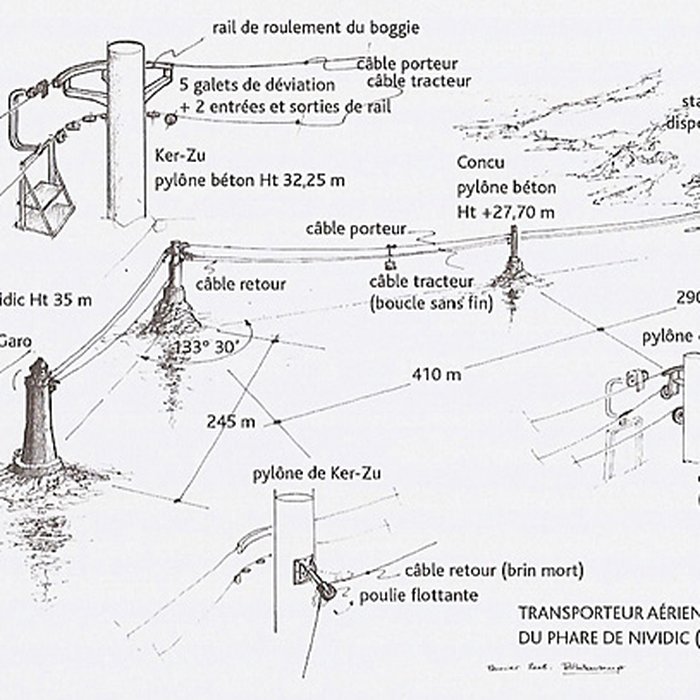
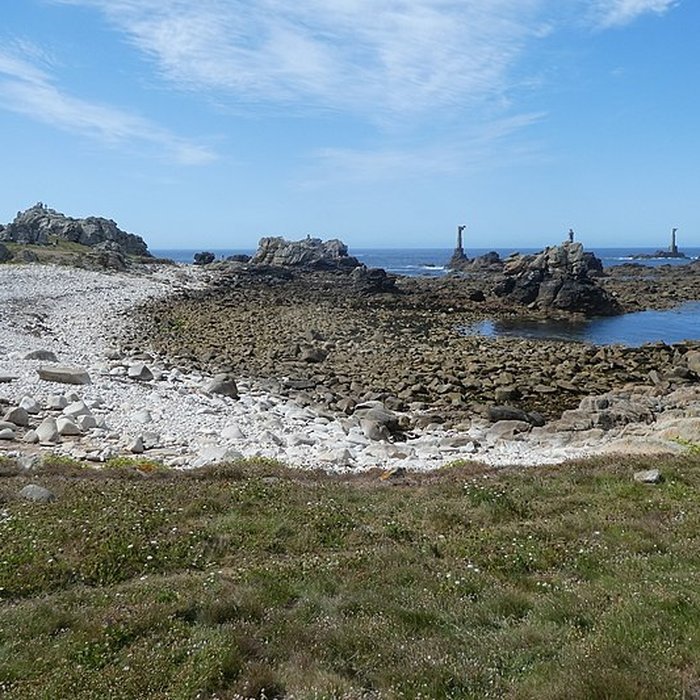
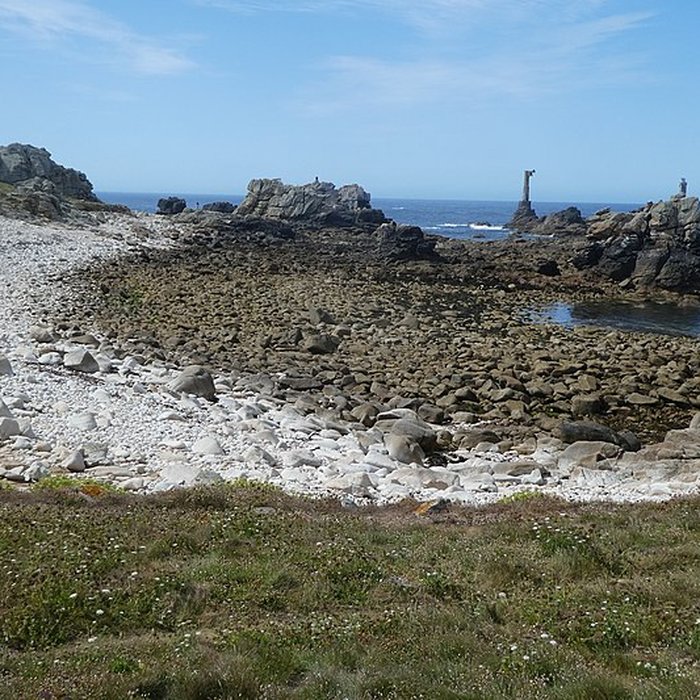
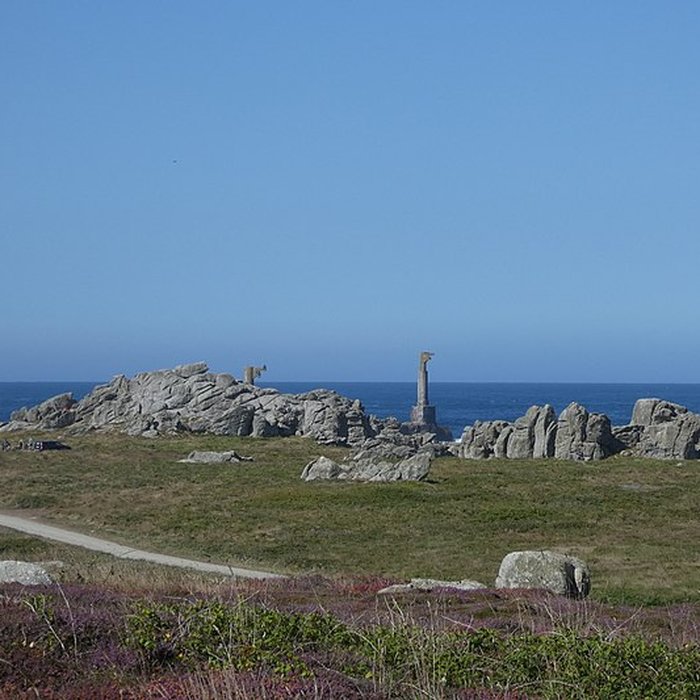
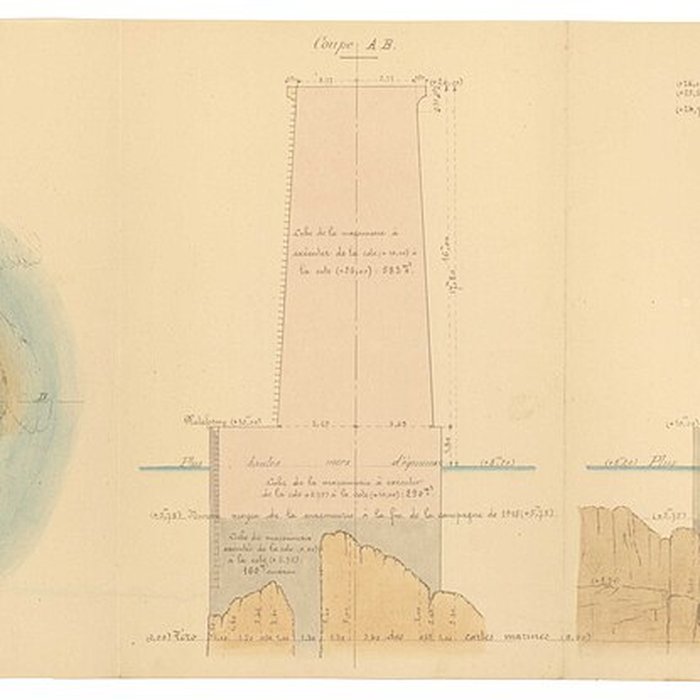
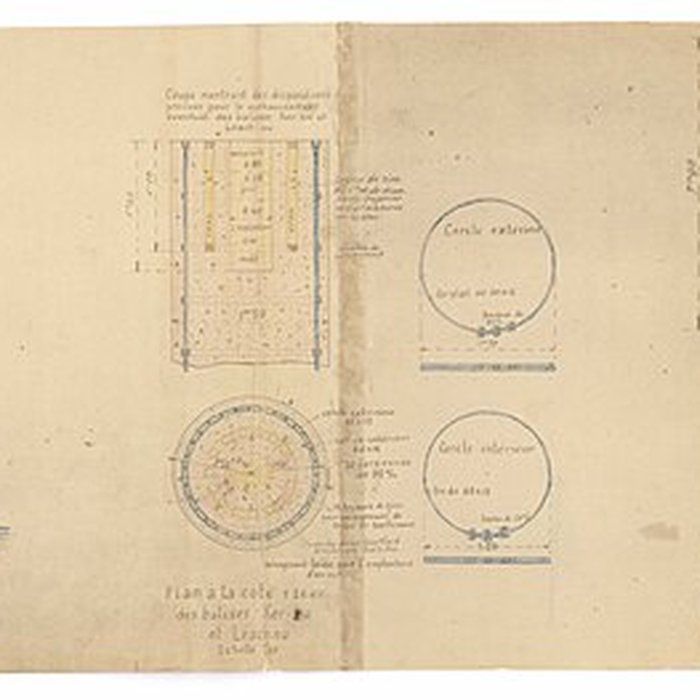
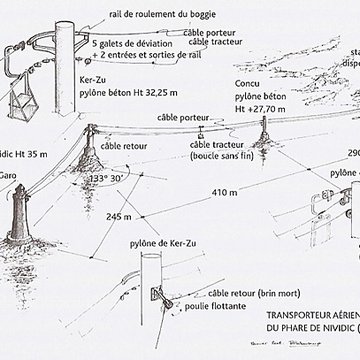
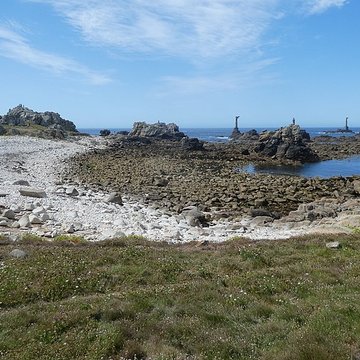
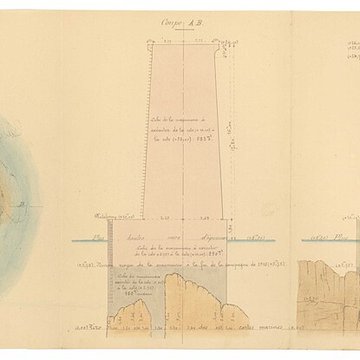
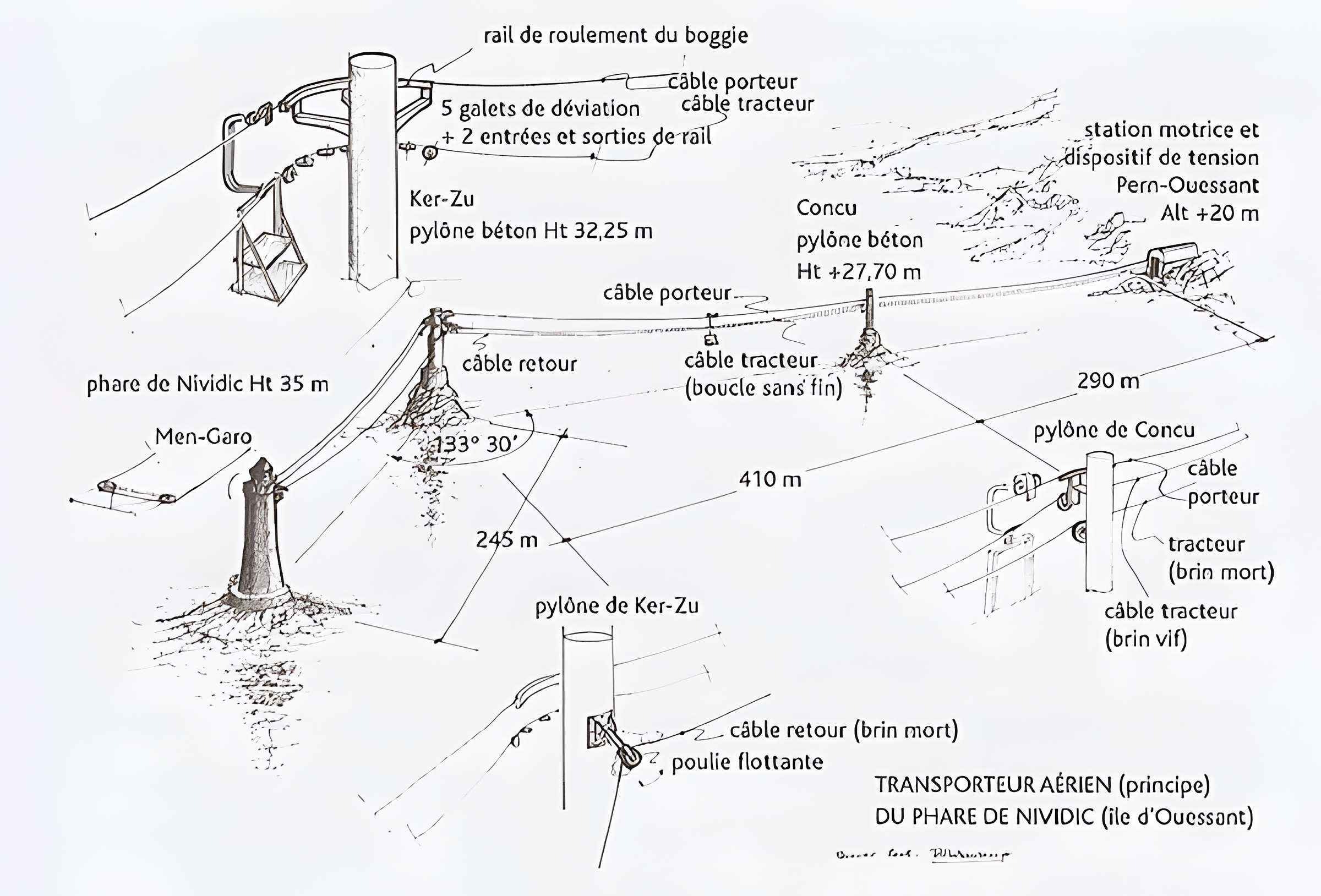
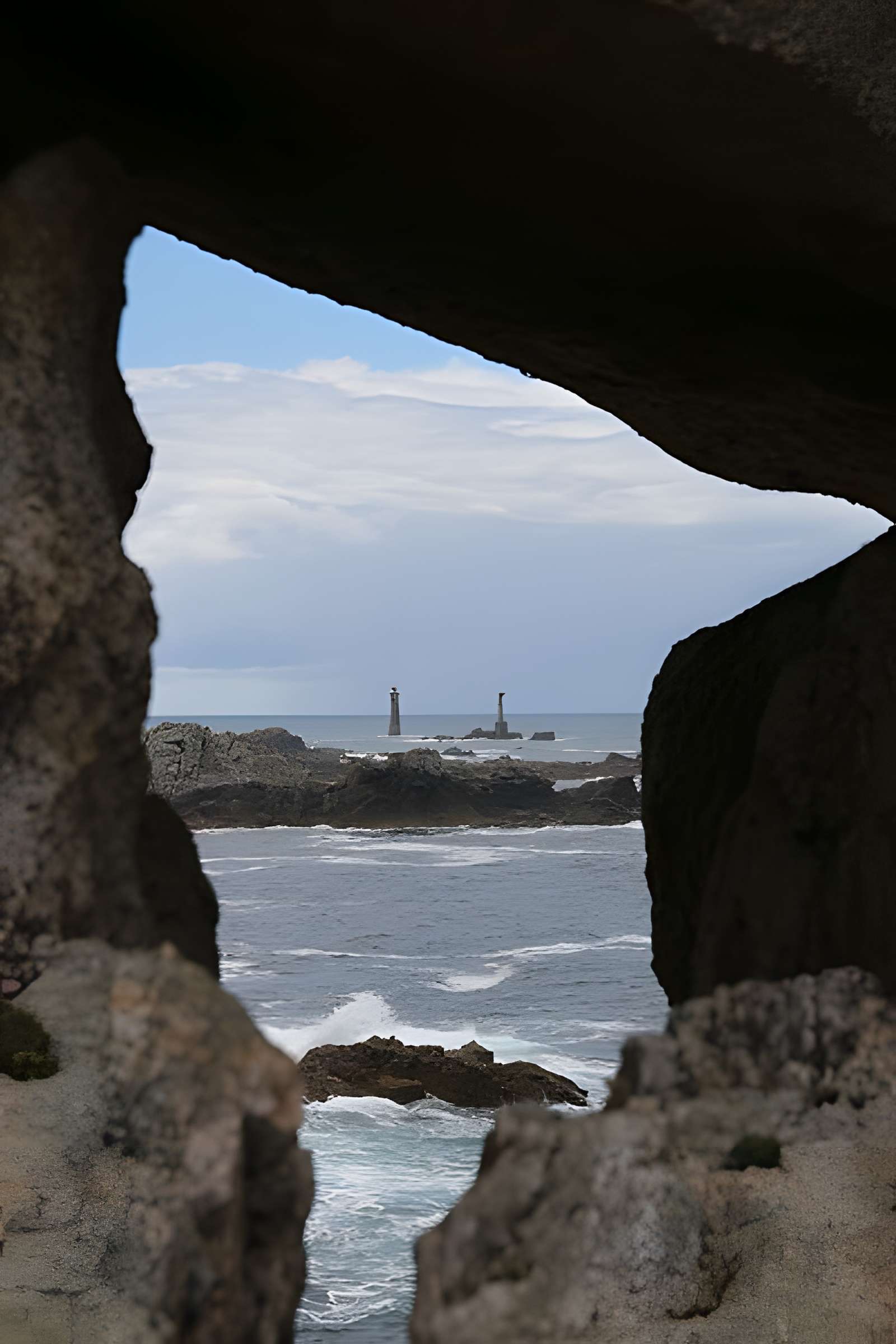
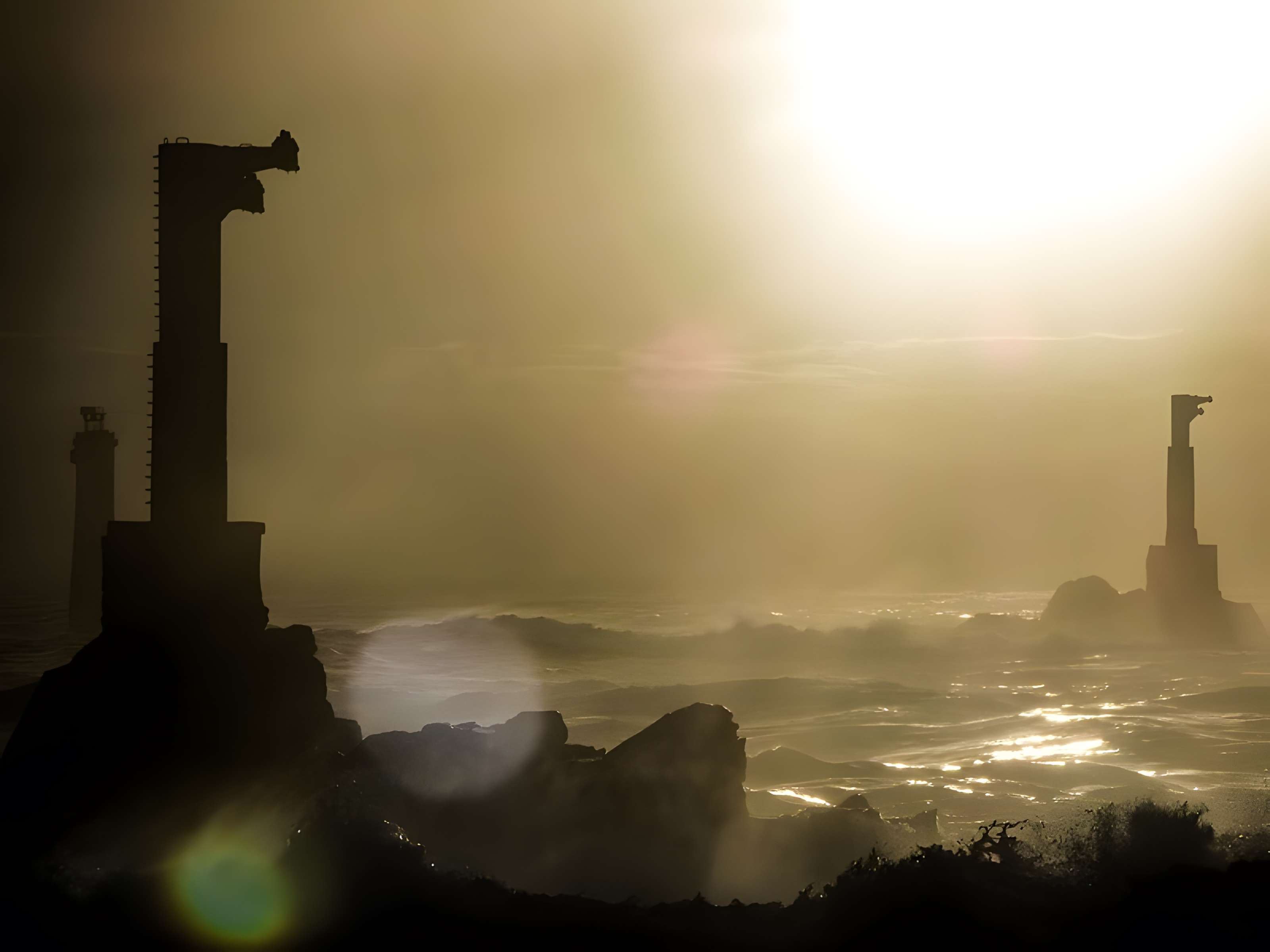
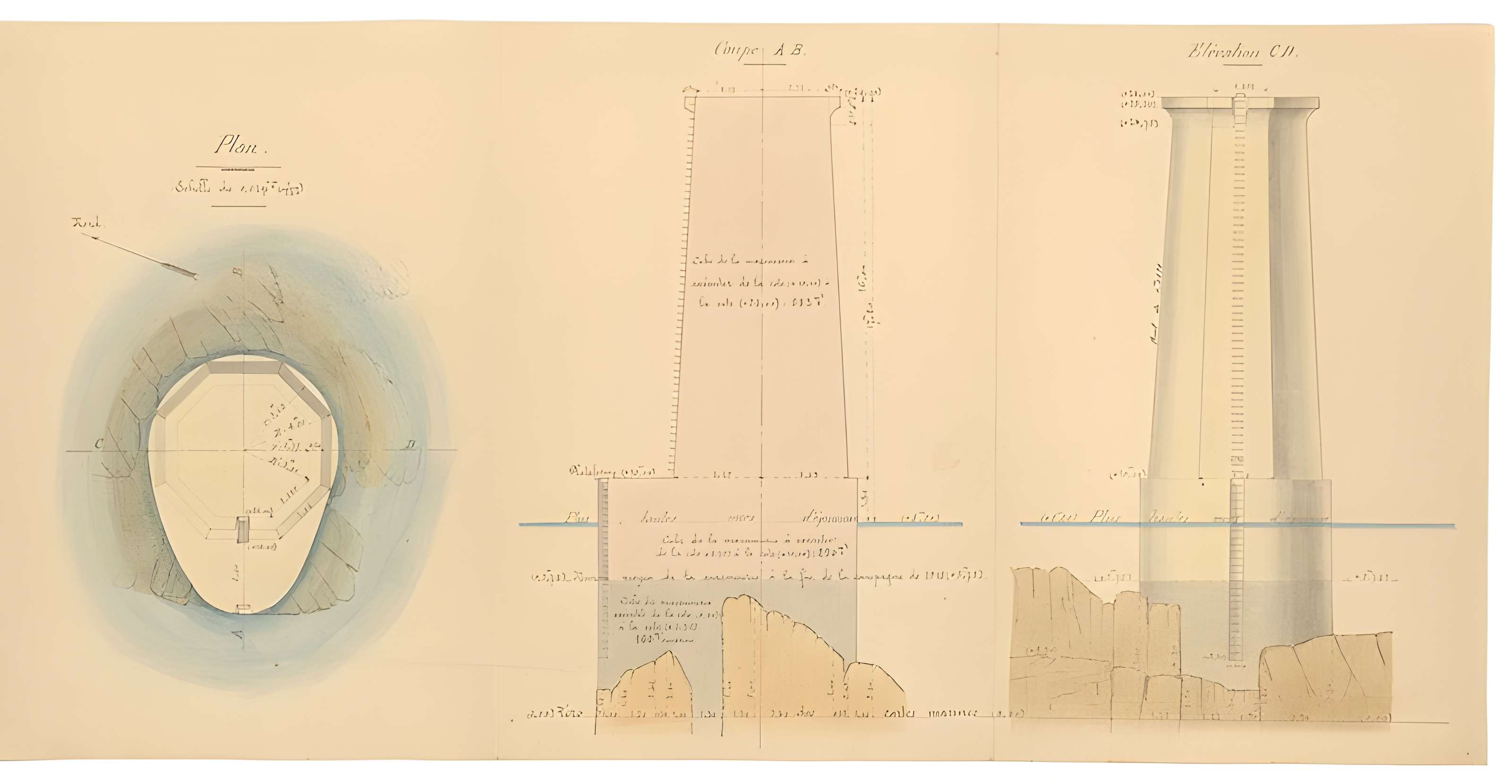
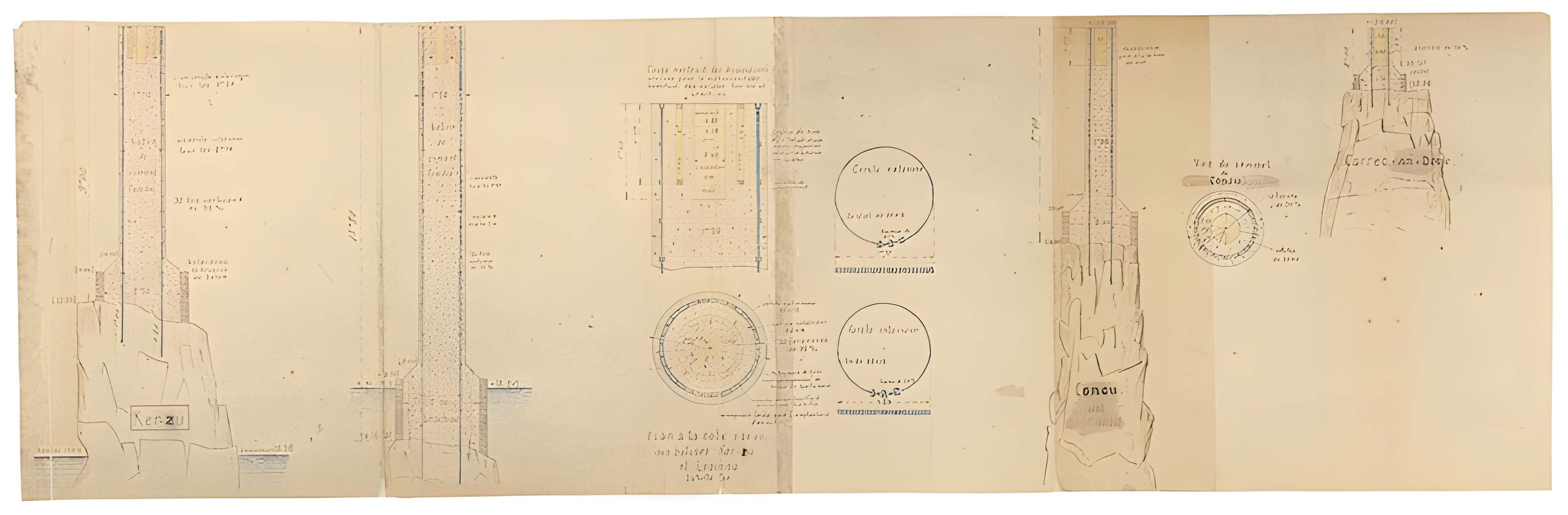
The works, led by the engineers Pigeaud and Montigny, as well as the driver Heurté, are progressing slowly due to technical and geographical difficulties. A concrete belt finally strengthens the base of the octagonal tower by 35.5 meters. The lighthouse is equipped with a main electric light, a gas emergency light, and a fog horn powered by compressors. Its access is provided by a cable car and an overhead power line, supported by two concrete towers.

The lighthouse was commissioned in 1936 and operated only four years before being extinguished by German troops during World War II. Corrosion and lack of maintenance led to the breakdown of the cables in 1943, making the site inaccessible. After the war, attempts to return to service failed until 1953, when a new electrical cable was installed. In 1958, a helicopter runway was added, revolutionizing its maintenance.

Between 1968 and 1971, the lighthouse was renovated: the wooden platform was replaced by an alloy structure, and the power supply was abandoned for the benefit of gas. In 1996, nine solar panels and batteries made the lighthouse autonomous. Ranked a historic monument in 2017, it symbolizes technical innovation and resilience to maritime challenges. Today, there remains a strategic point of signposting in the Iroise Sea.

External links